Colombia’s second largest city, Medellín packs a punch with its towering skyline sets against a backdrop of jagged peaks in every direction, bustling commerce, and vibrant culture thanks to its paisa (people of Antioquia) roots. Travelers are attracted to its perfect climate (its nickname is the City of Eternal Spring), great restaurants, museums, and thumping discos. I spent a month navigating its rhythm and exploring its many neighborhoods to bring you a little taste of this dynamic metropolis.
As in any big city around the world, I love to first get my bearings by joining a walking tour on my first day. This is especially true in Medellín where caution must be taken in certain places. Getting all the important safety info first and wandering around areas with a group where you might not want to do so alone is my first big tip. There’s a wonderful Real City Tours free walking tour that is led by young, enthusiastic locals every day with real insights about the history and current social situation of the city. This post covers the area seen on this tour which is El Centro to which I added photos from my other visits as you don’t get to go inside the museums and cultural centers while on the tour. Let’s go!
Intro to El Centro
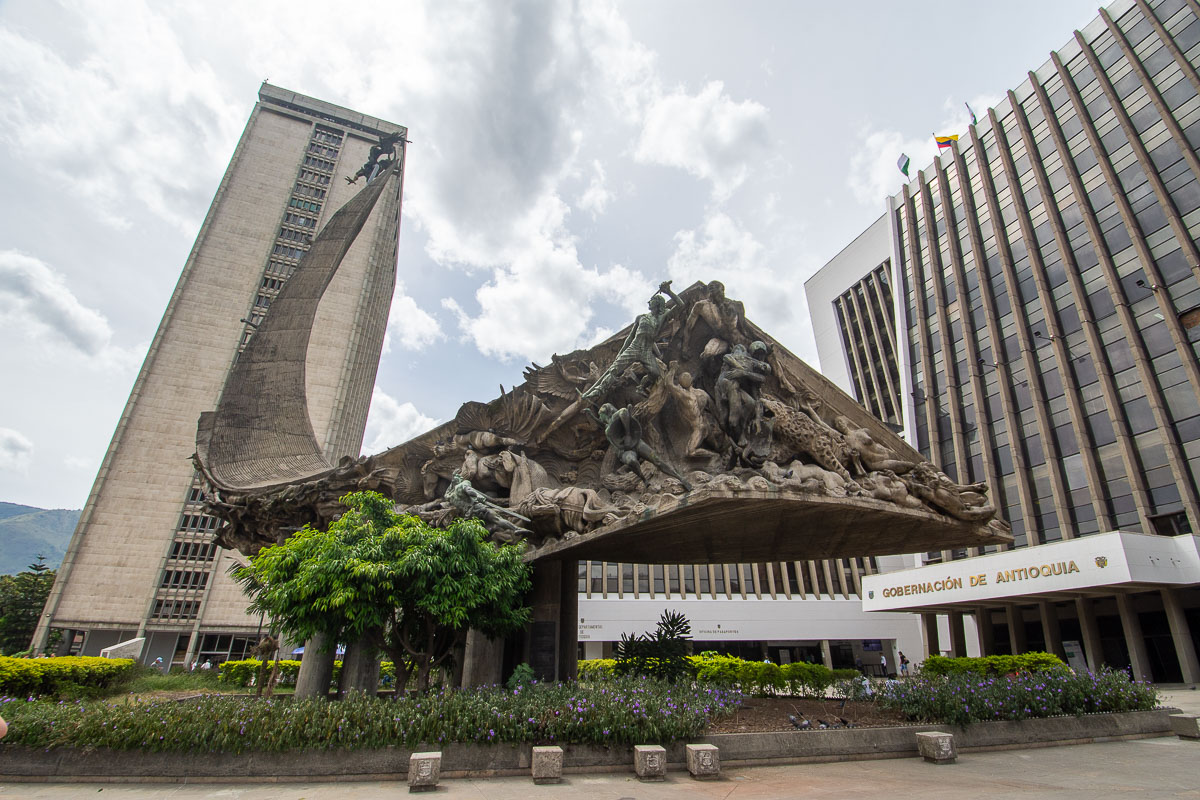
You start in La Alpujarra which is the administrative center of the city. Surrounded by government offices, your guide introduces you to Medellín, from its creation in 1616 to its darkest side in the 1980s when the city became under Pablo Escobar the world’s capital of cocaine. They will no doubt have personal and sad stories of their childhood when the city’s homicide rate was among the highest in the world and gun battles were common in the streets. With Escobar’s death in 1993 came the beginning of the end of violence and a story of revival you’ll be seeing here and in many other parts of Medellín and the country. Before moving on, take a good look at the Monumento a la Raza, an impressive metal sculpture telling the story of Antioquia in all its twisted ways…
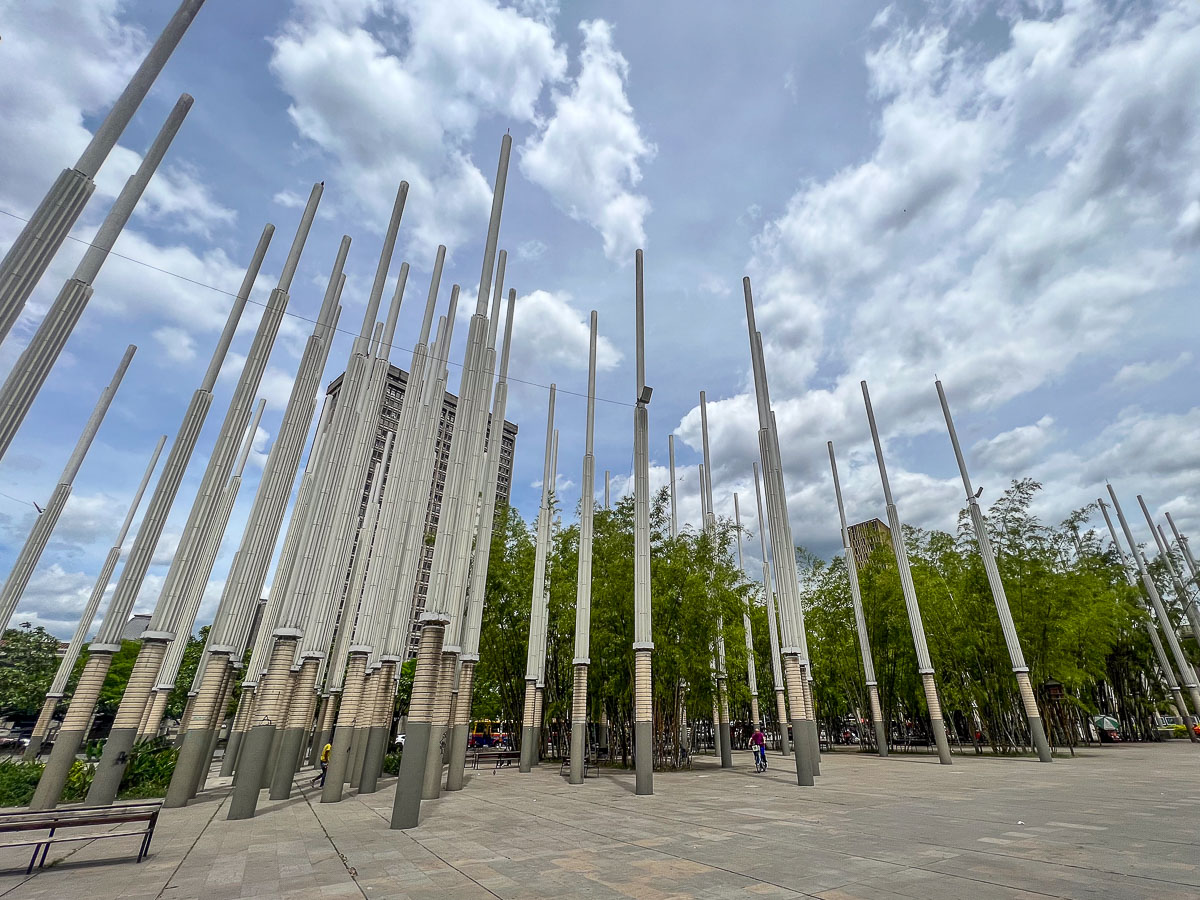
Across the street, Plaza Cisneros or “Lights Park” has an artificial forest of 300 light poles well worth coming back to see at night. This is a first example of revival, an old square that had become rather seedy after the markets it hosted were moved to a different location was rejuvenated to make it more inviting to tourists in 2005.
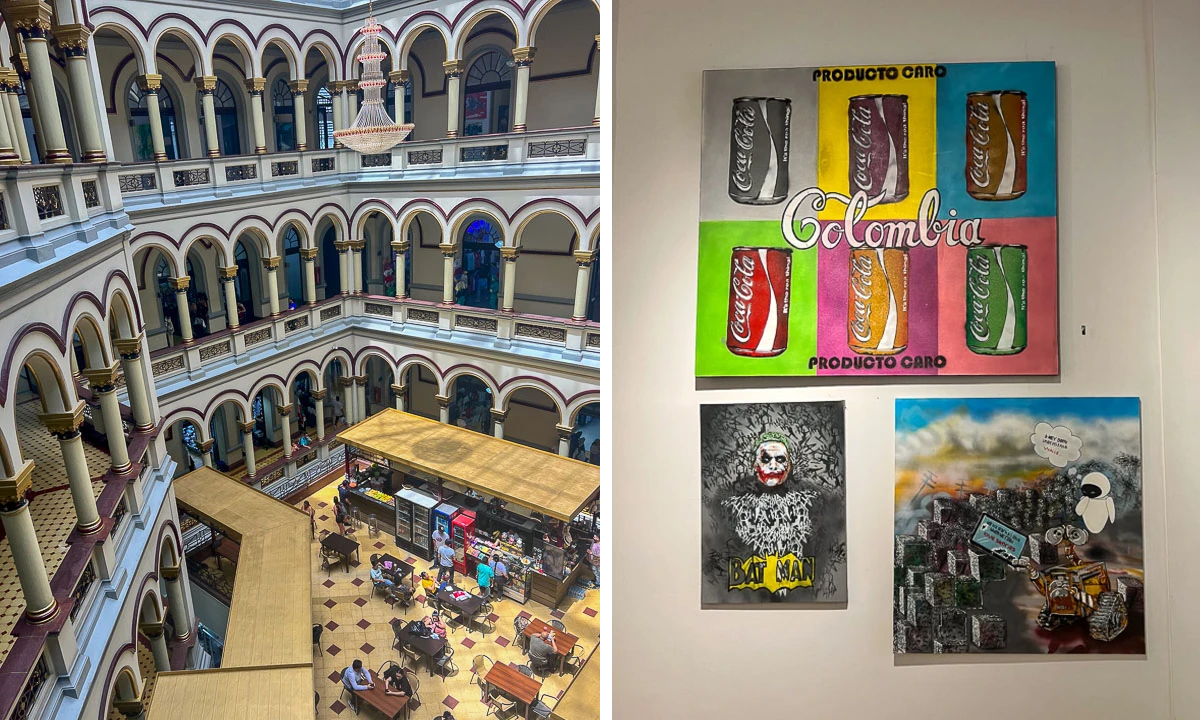
You’ll then cross the commercial heart filled with multi-story shopping centers. Pop into the National Palace Mall for a quick snack in the interior courtyard before going up to peek into the many art galleries on each floor.
This is downtown and a very densely packed area and before heading in your guide would have given you the safety tips to get through with all your things i.e., iPhone hidden and not in your hands, backpack at the front, etc. While violence is significantly down in the city, pickpocketing is a daily occurrence and what you’ll mostly have to worry about while you’re here. The locals even have an expression “No dar papaya” which literally translates to “Don’t give papaya” – don’t make yourself an easy target by flashing your valuables.
Plaza Botero
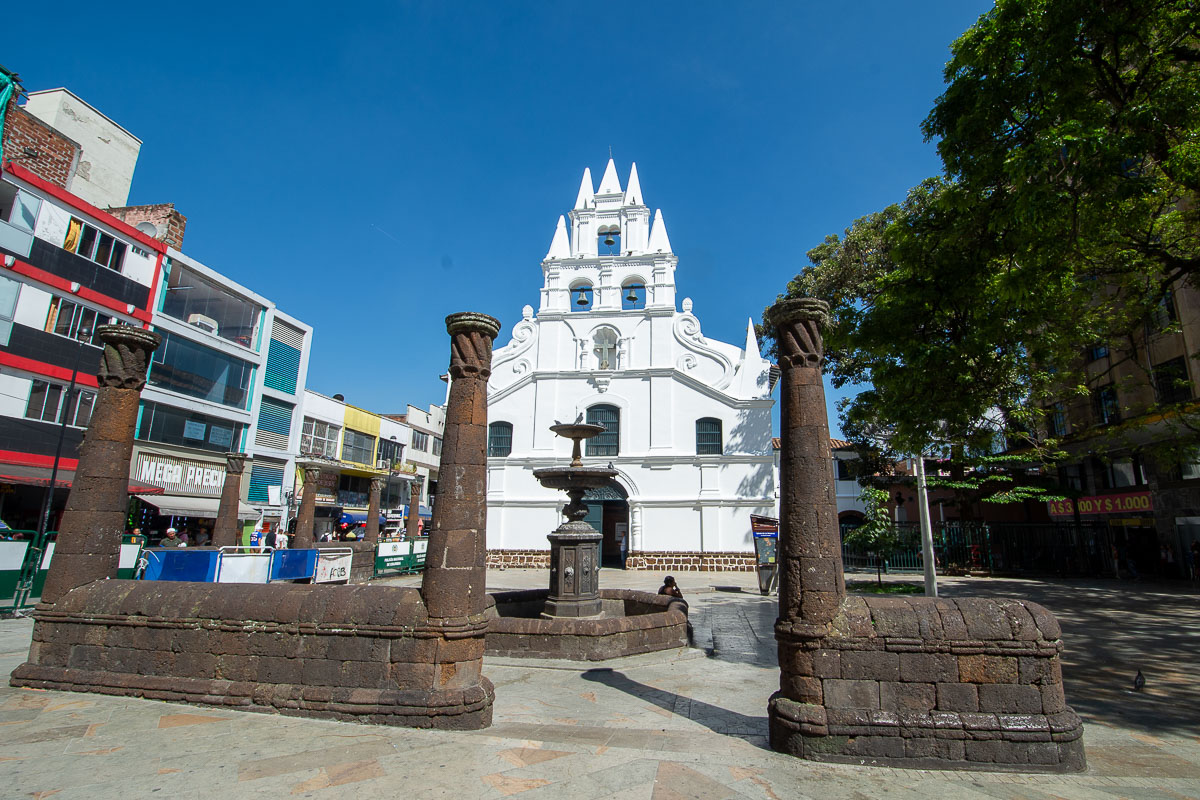
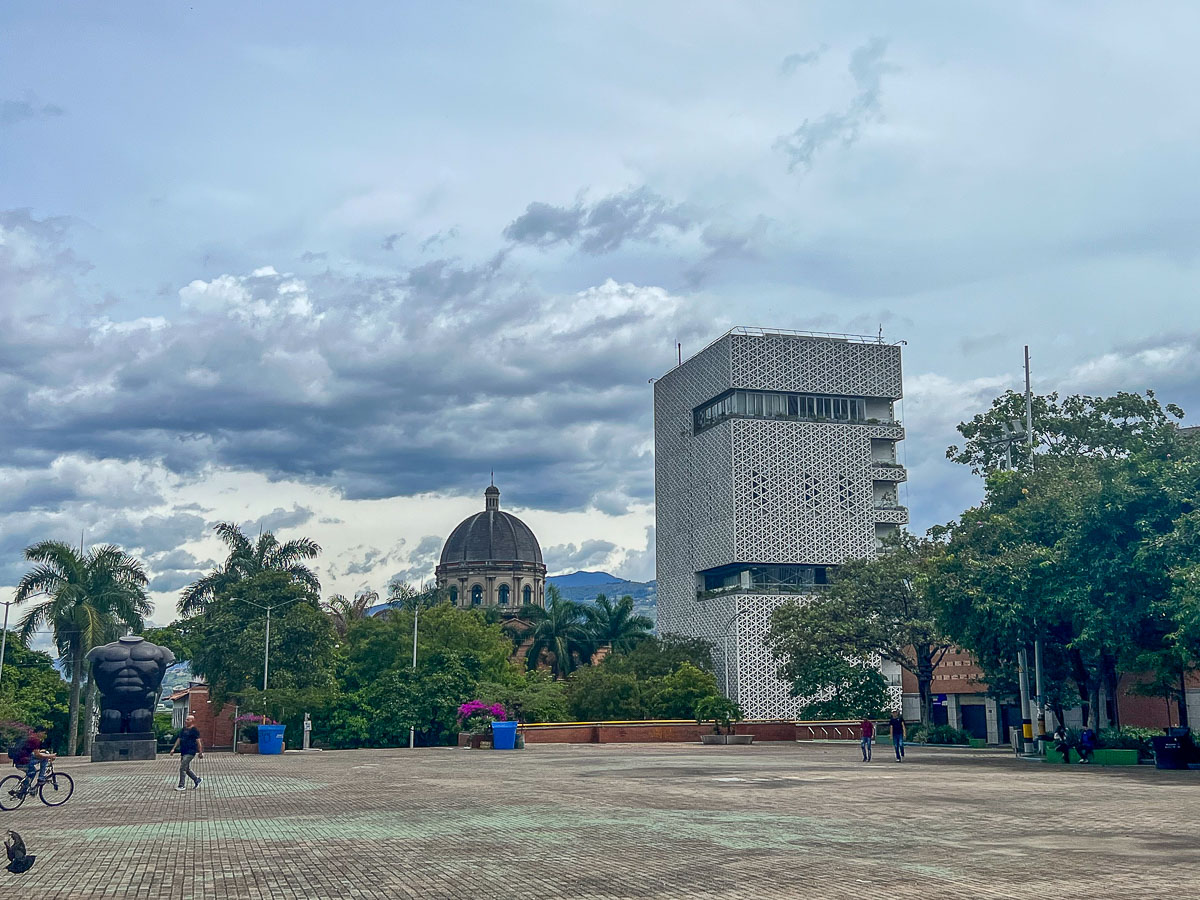
Leave the busy shopping district behind and pass by a nice little white Catholic church when you catch your first sight of the sculptures…the voluptuous creations of local legend Fernando Botero (1932 – 2023).
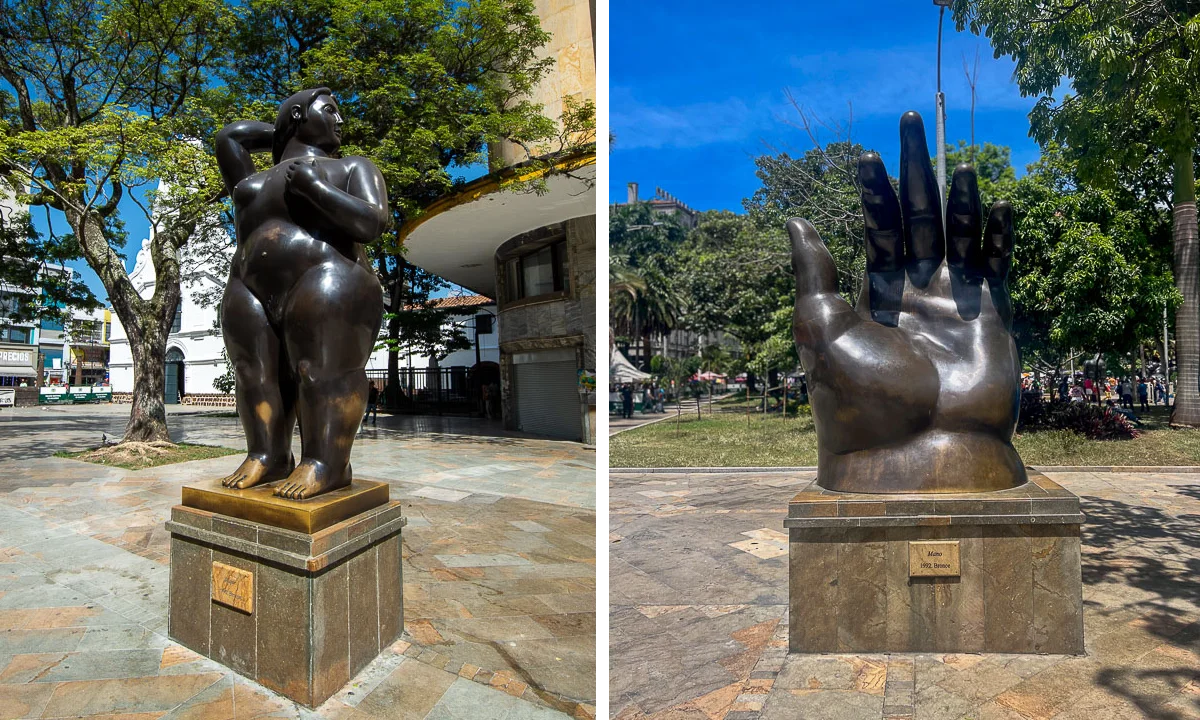
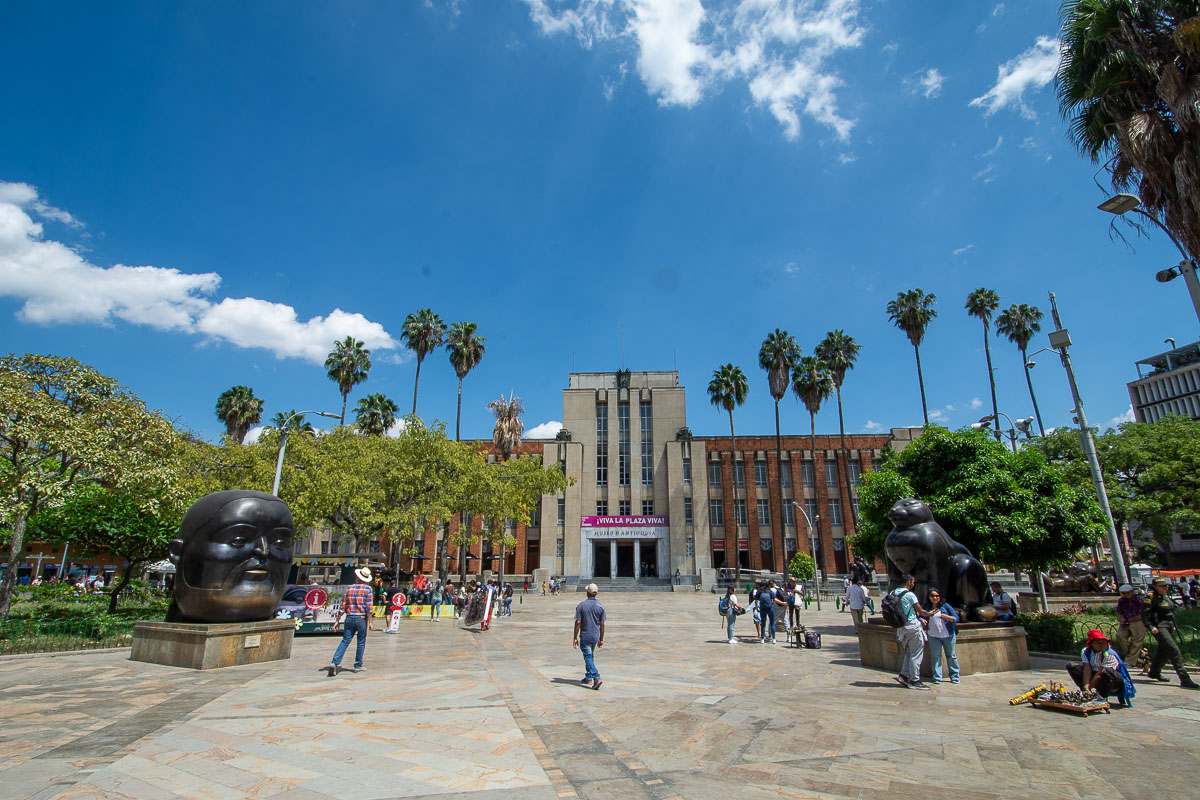
I had seen a few of them before in other cities, other countries, but arriving at Plaza Botero where 23 of his most iconic works are displayed is something else.
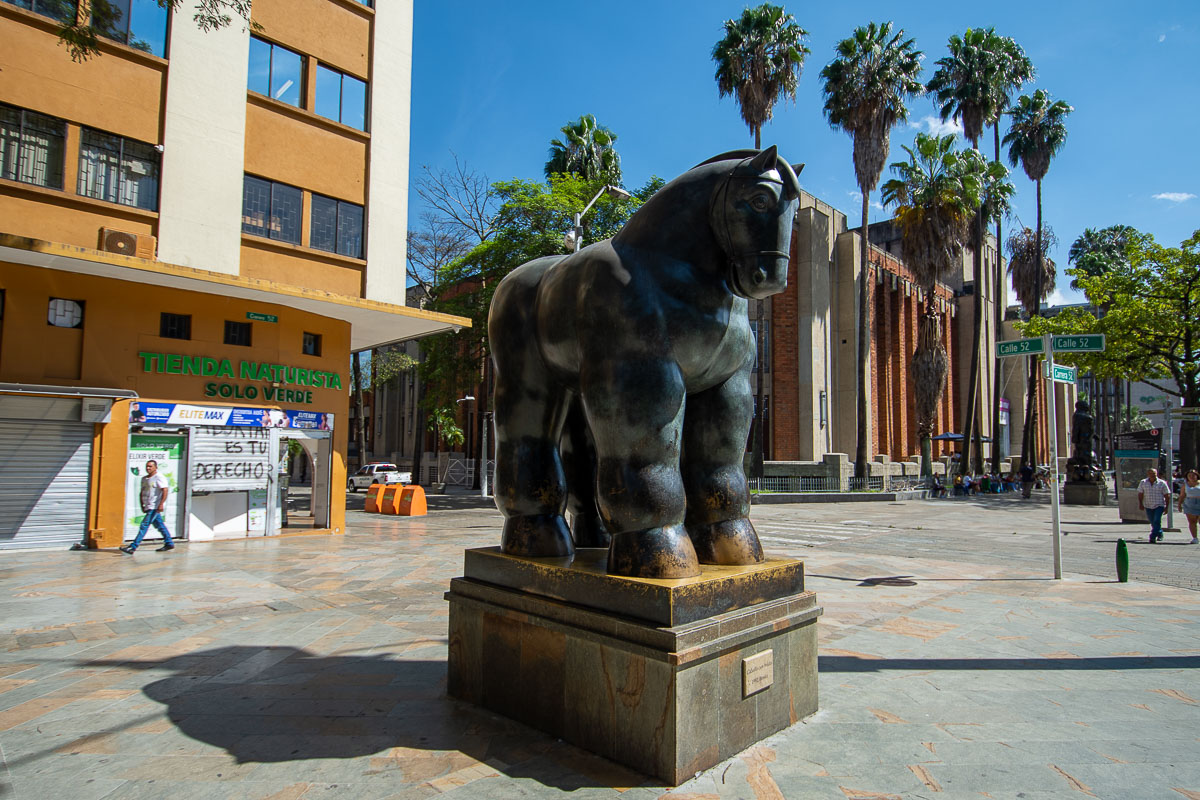
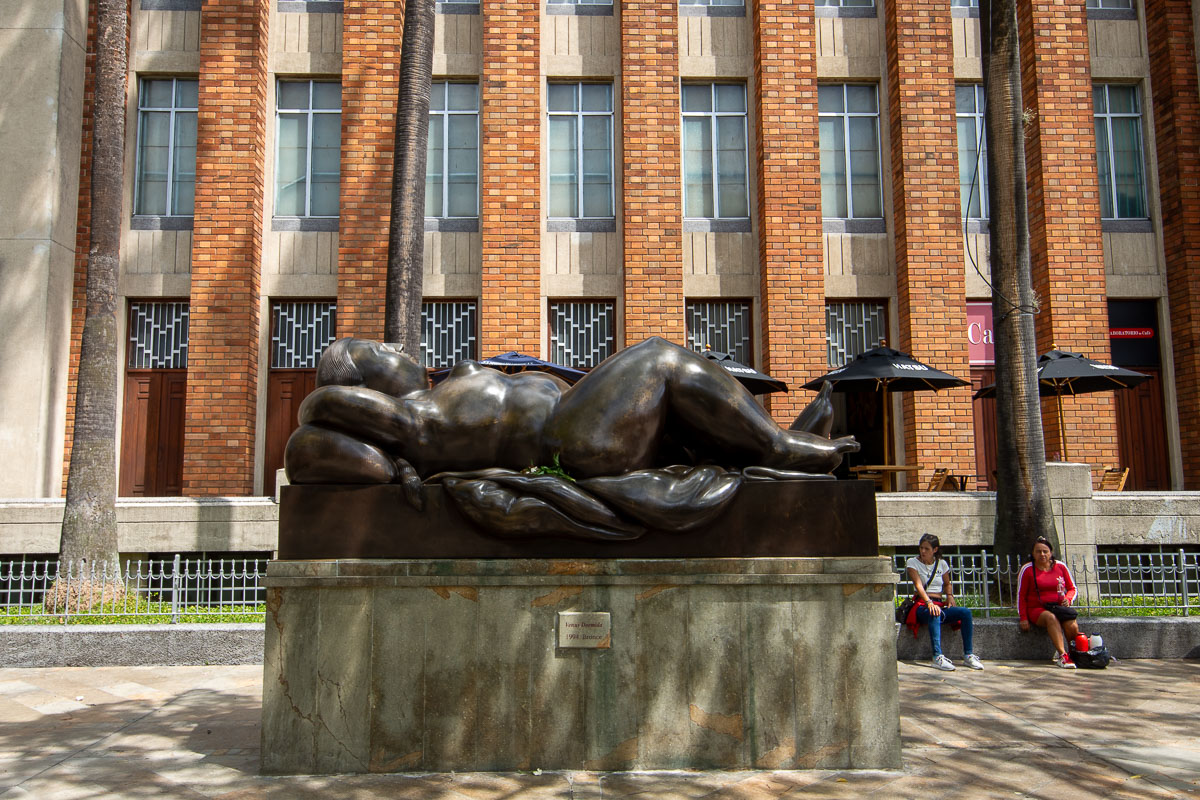
Roam around the public space to admire the larger-than-life bronze figures from up close and delight in their comedic exaggeration.
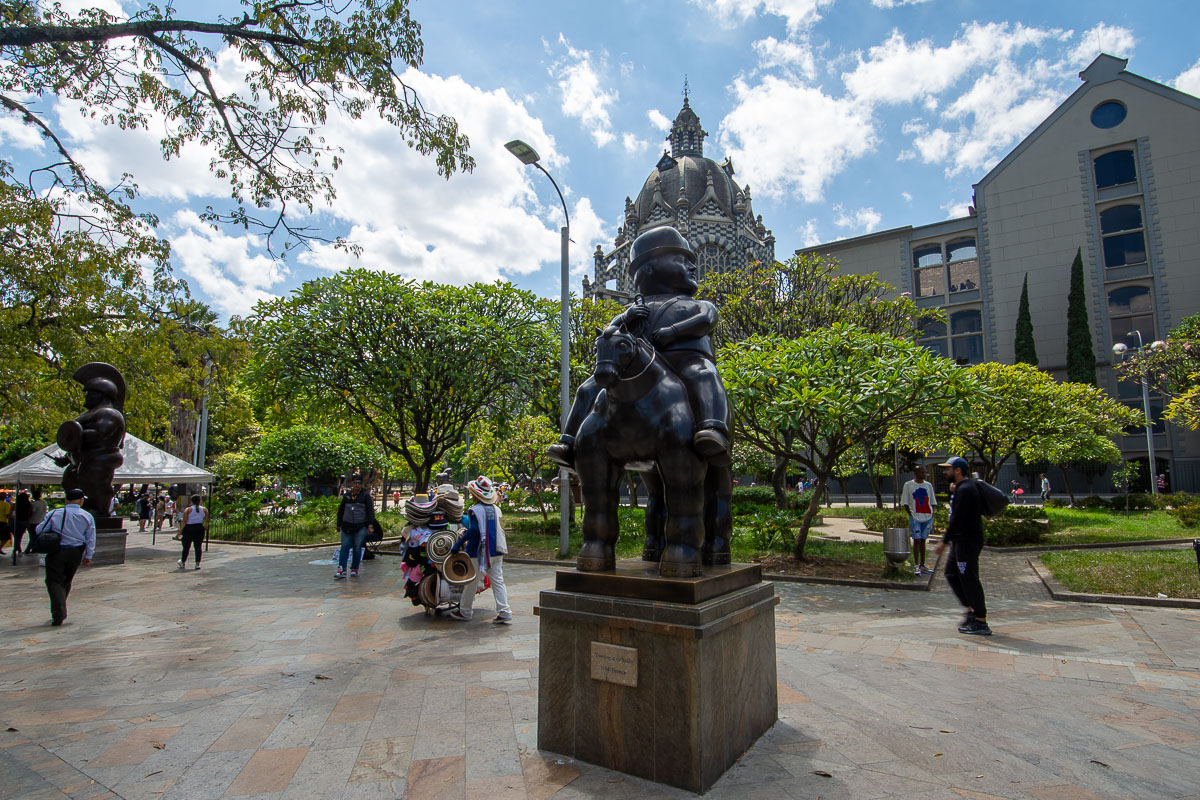
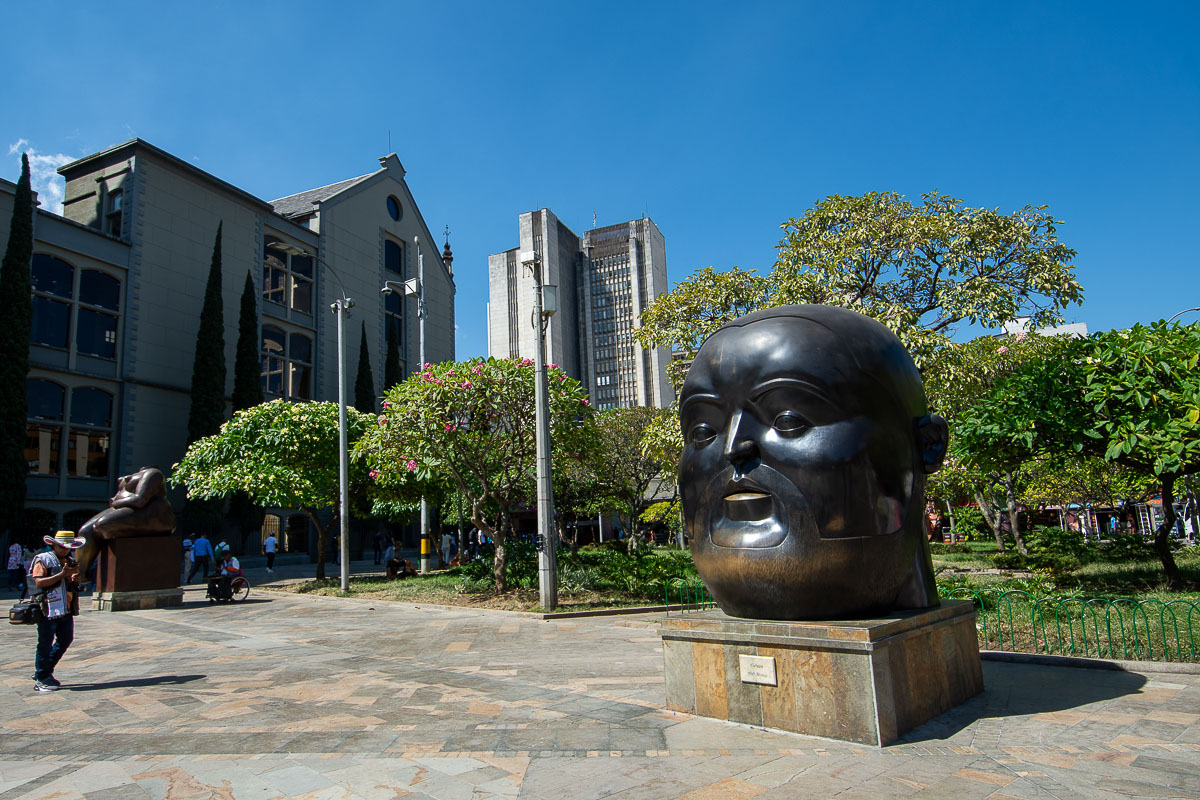
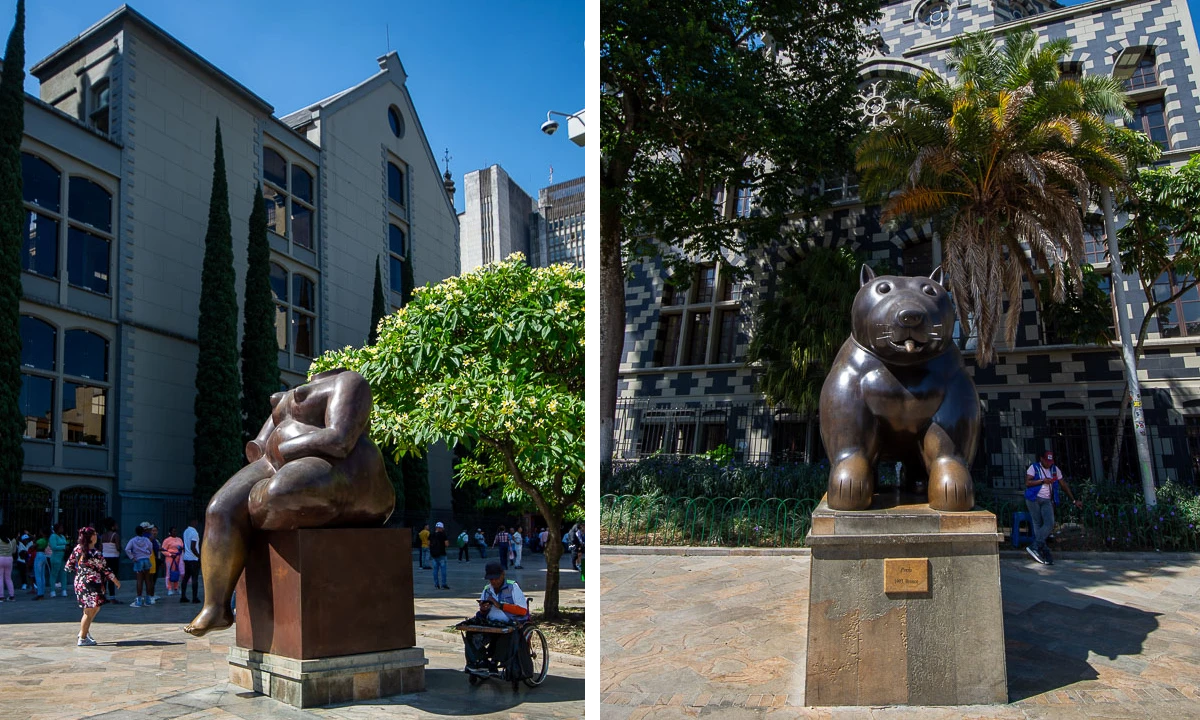
Providing a stunning background to Botero’s sculptures, the Palacio de la Cultura Rafael Uribe Uribe is no doubt one of Medellín’s most interesting building.
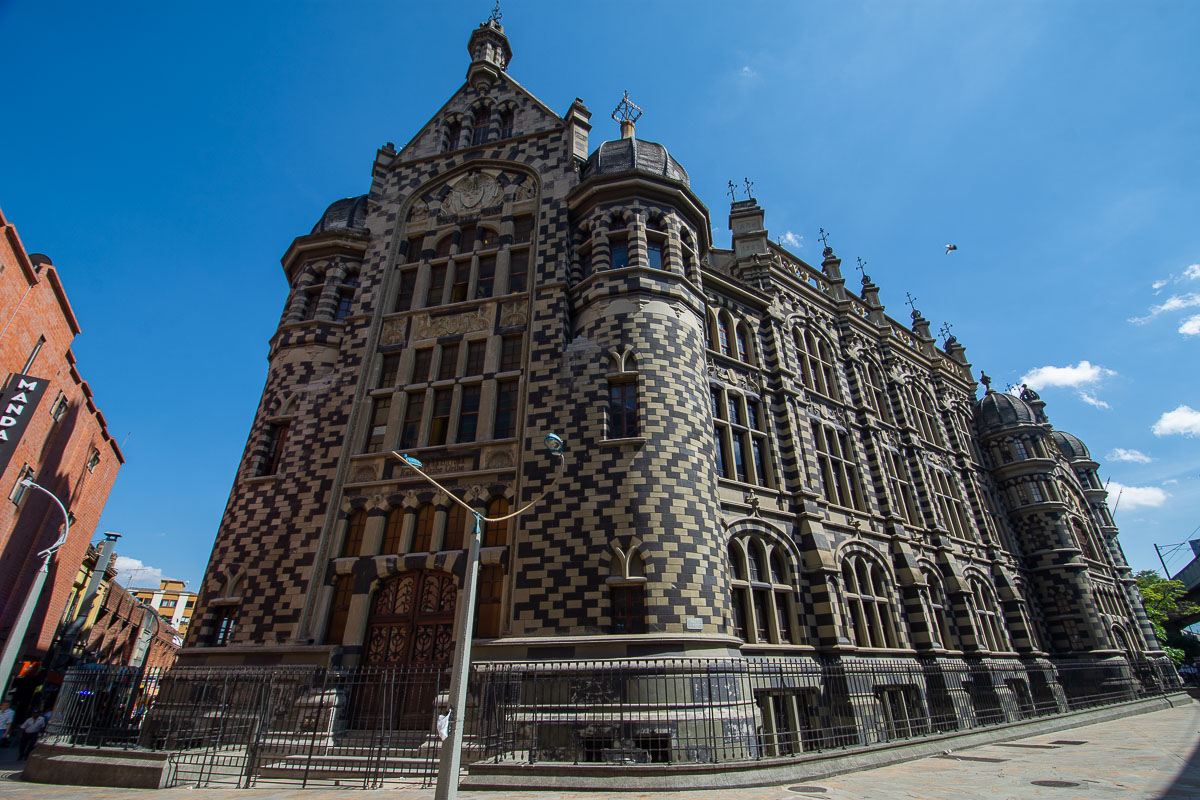
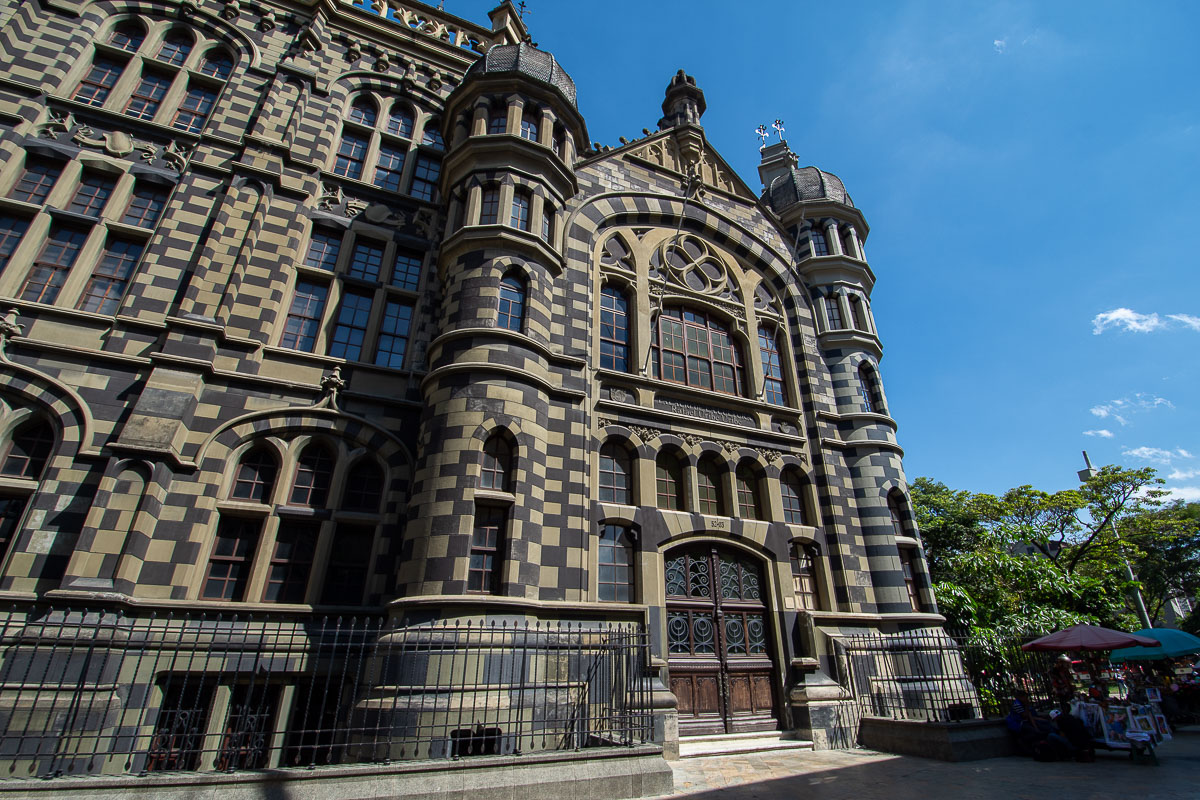
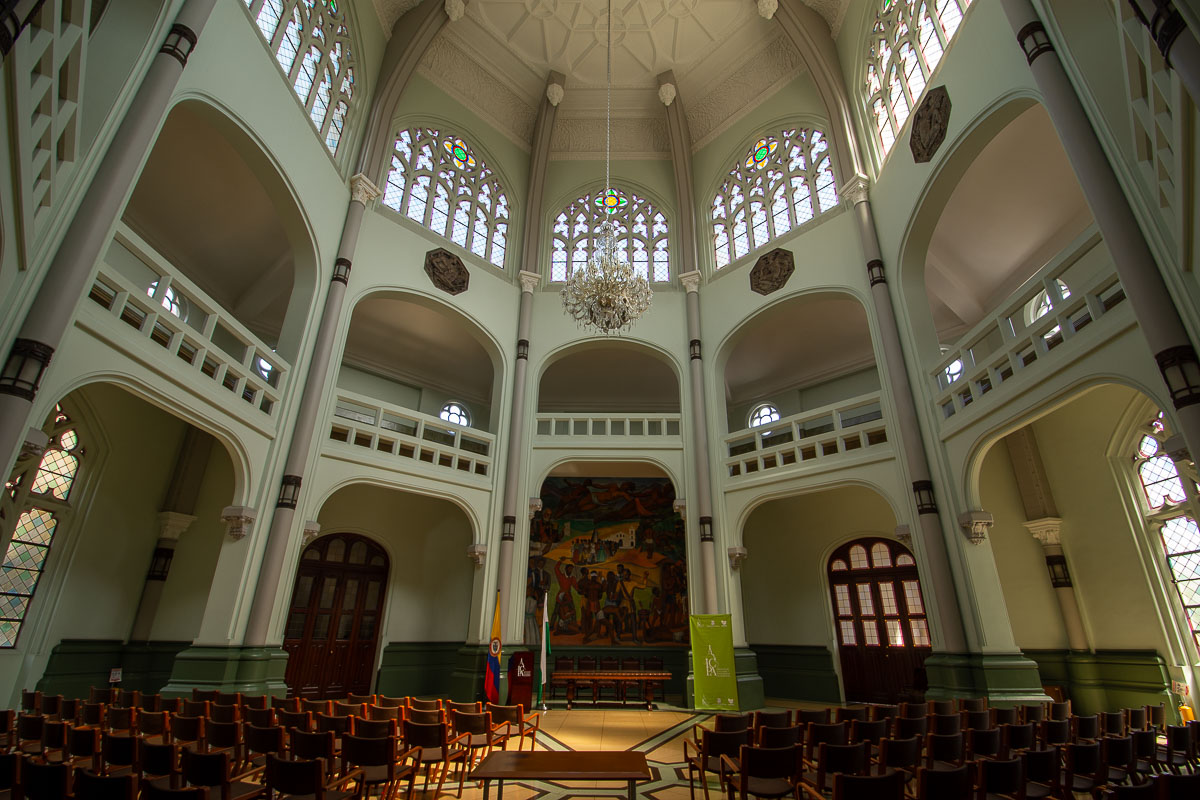
You’re free to enter the black-and-white Gothic Revival landmark, relax in its lovely central courtyard, and make your way inside to roam its majestic corridors.
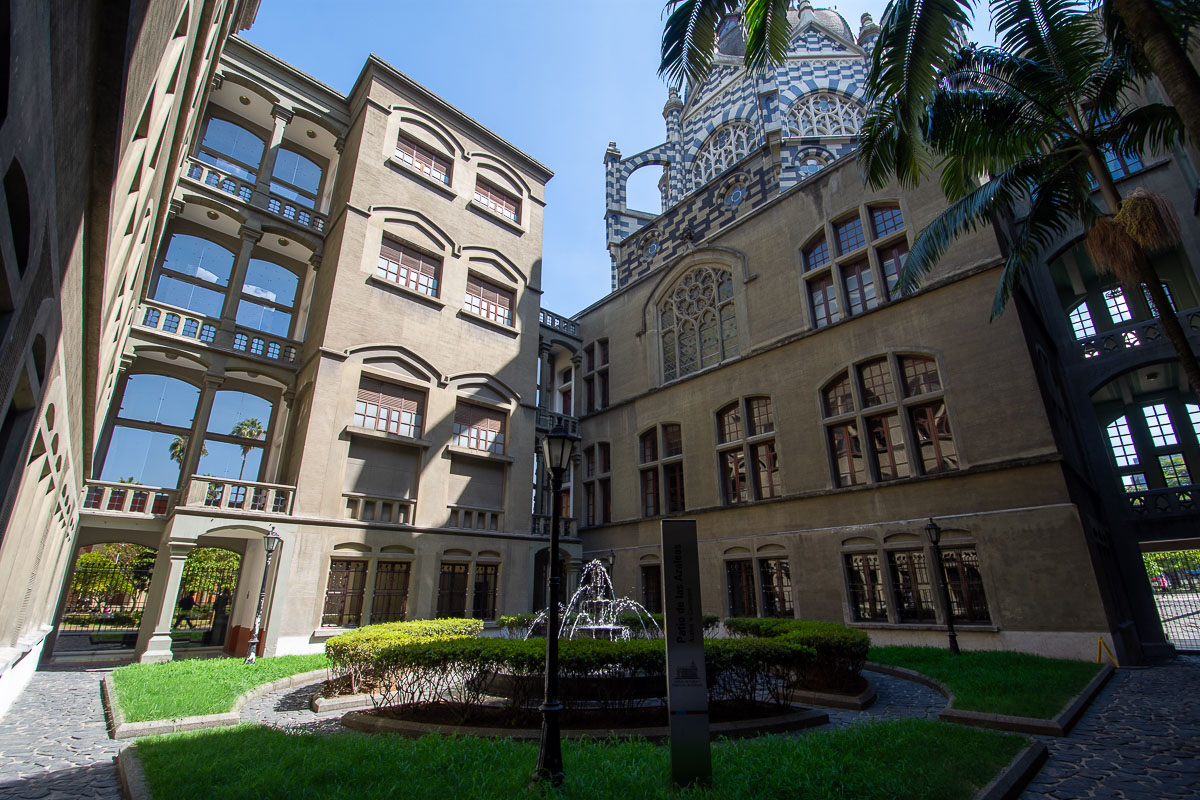
Some of the floors and rooms hold rotating art exhibitions.
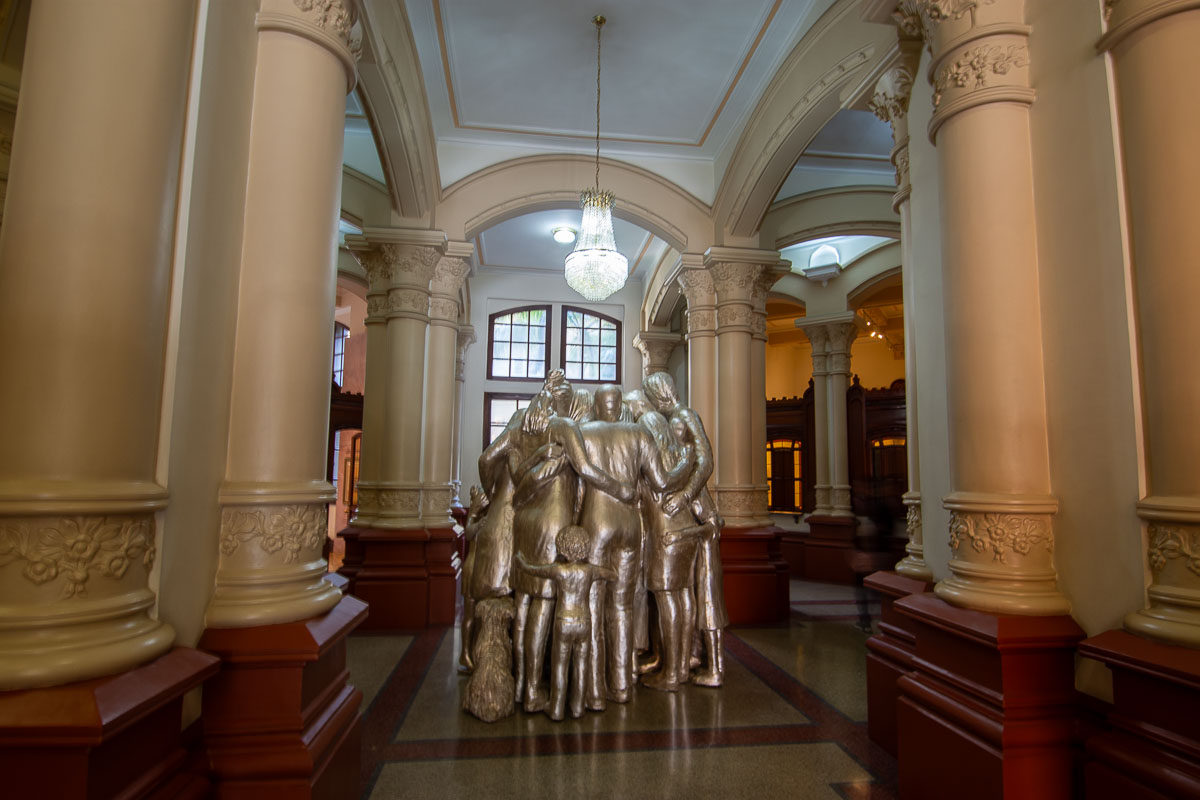
Make sure to take a peek inside the giant dome.
It’s the rooftop though that steals the show with nearly 360-degree views of the city and a stunning close-up of the dome.
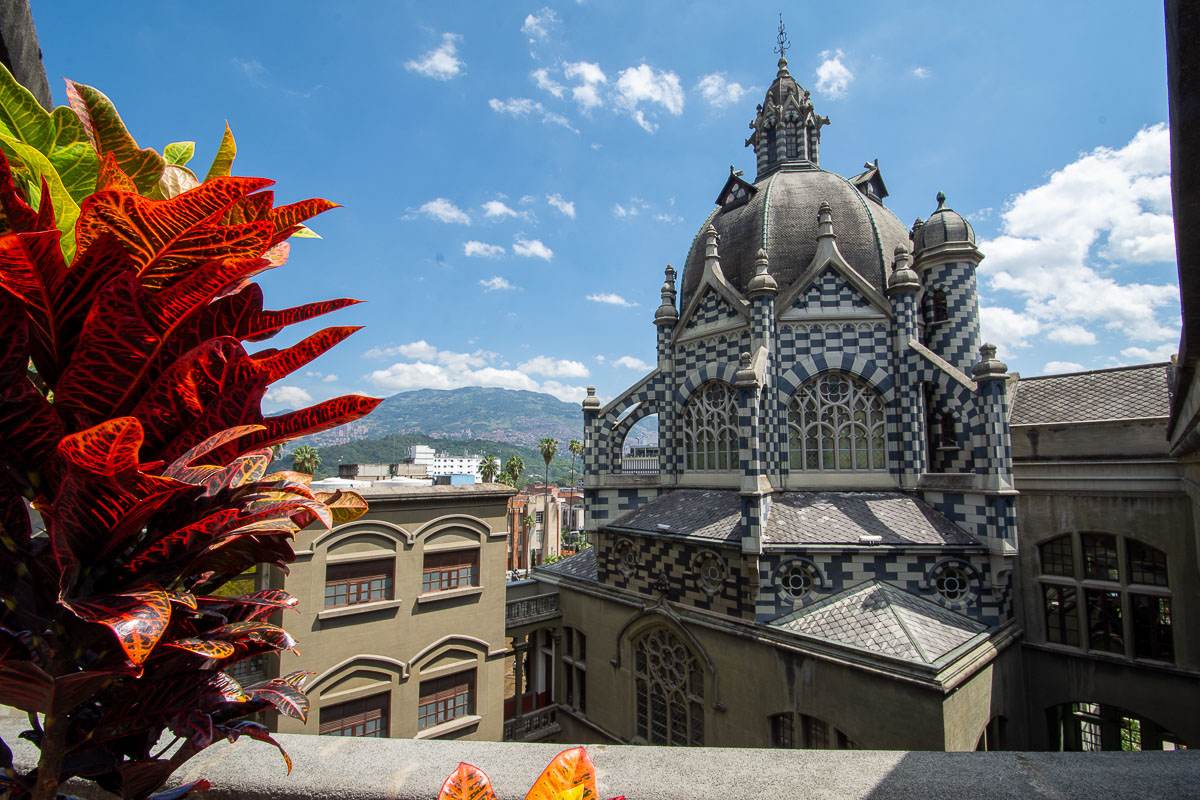
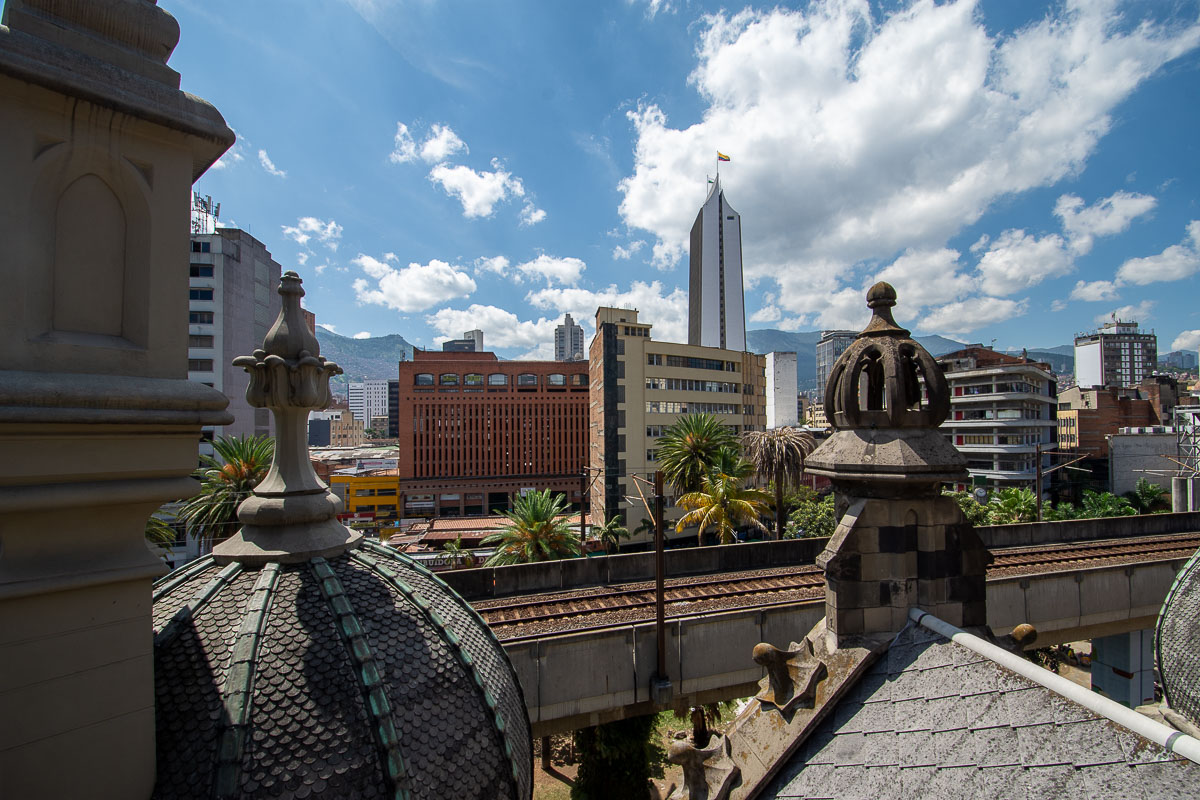
So many things that represent Medellín converge in that one shot taken from the roof: historical buildings, the elevated metro, the mountains all around, and that giant mural of Botero’s “The Dancing Couple”.
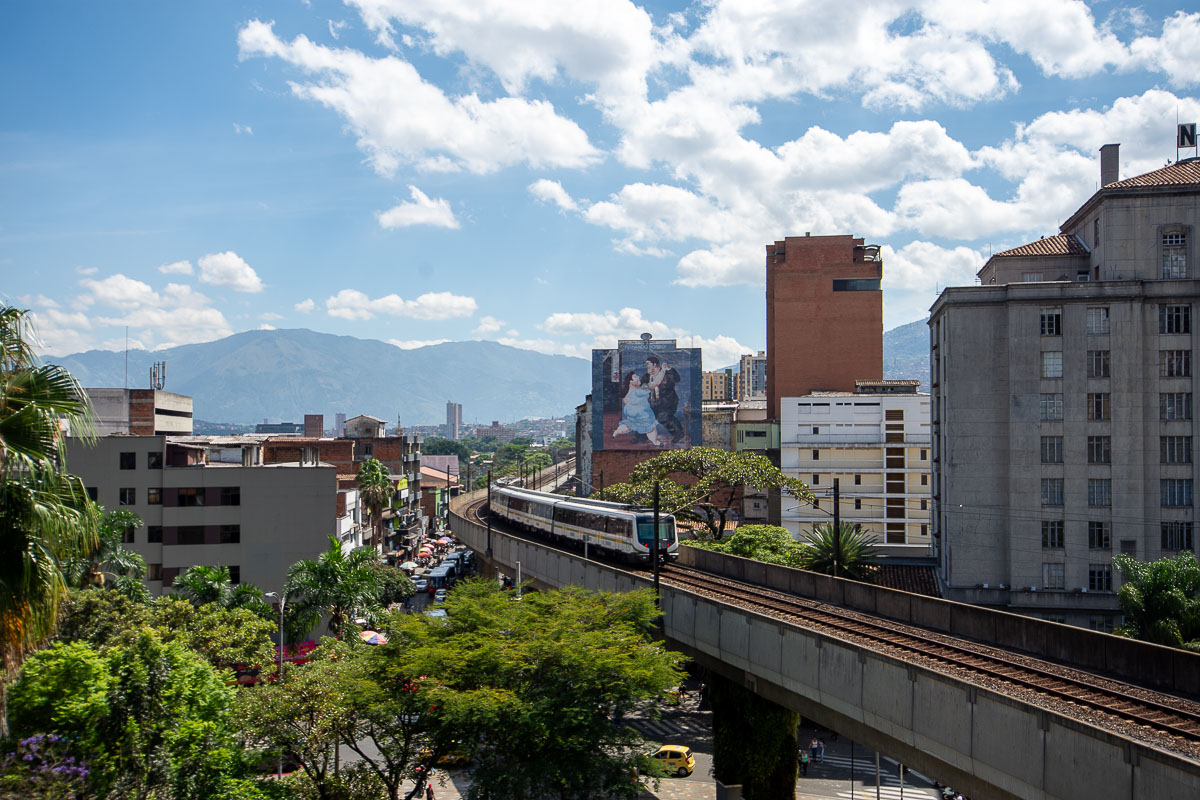
You also get the best perspective of Plaza Botero and the Museo de Antioquia – our next stop.
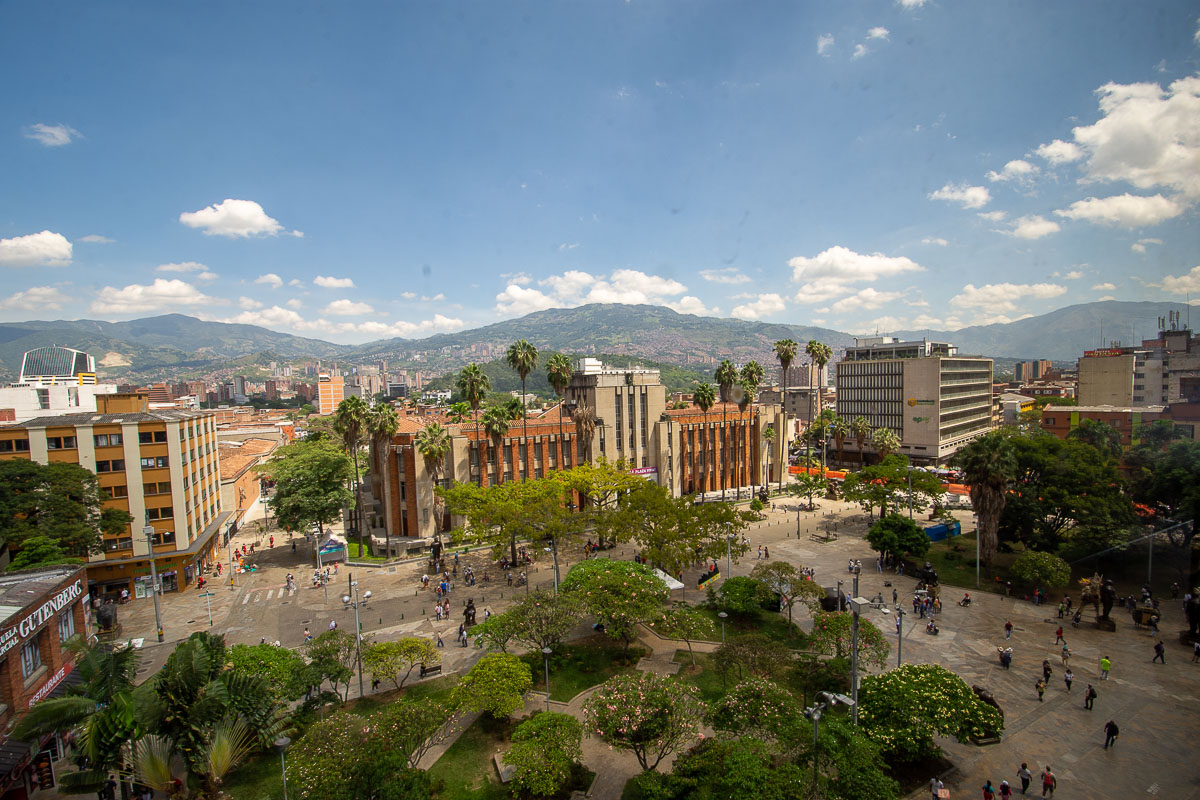
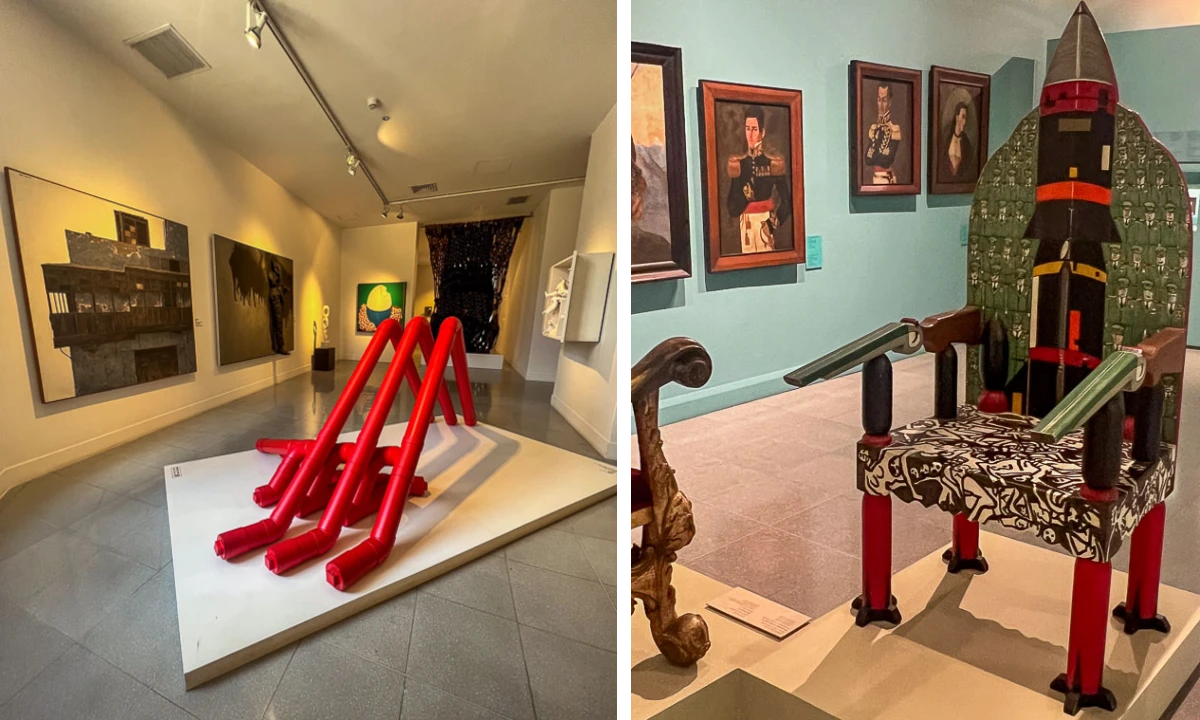
Colombia’s second oldest museum is housed in the grand art deco Palacio Municipal and is a must-see (after you’re done with your walking tour). The Museo de Antioquia has a beautiful and sizable art collection spanning 19th-century and contemporary Colombian art, with a few pre-Colombian pieces as well.
Throughout the building, look out for the large murals by Pedro Nel Gómez, one of Colombia’s most prominent artists.
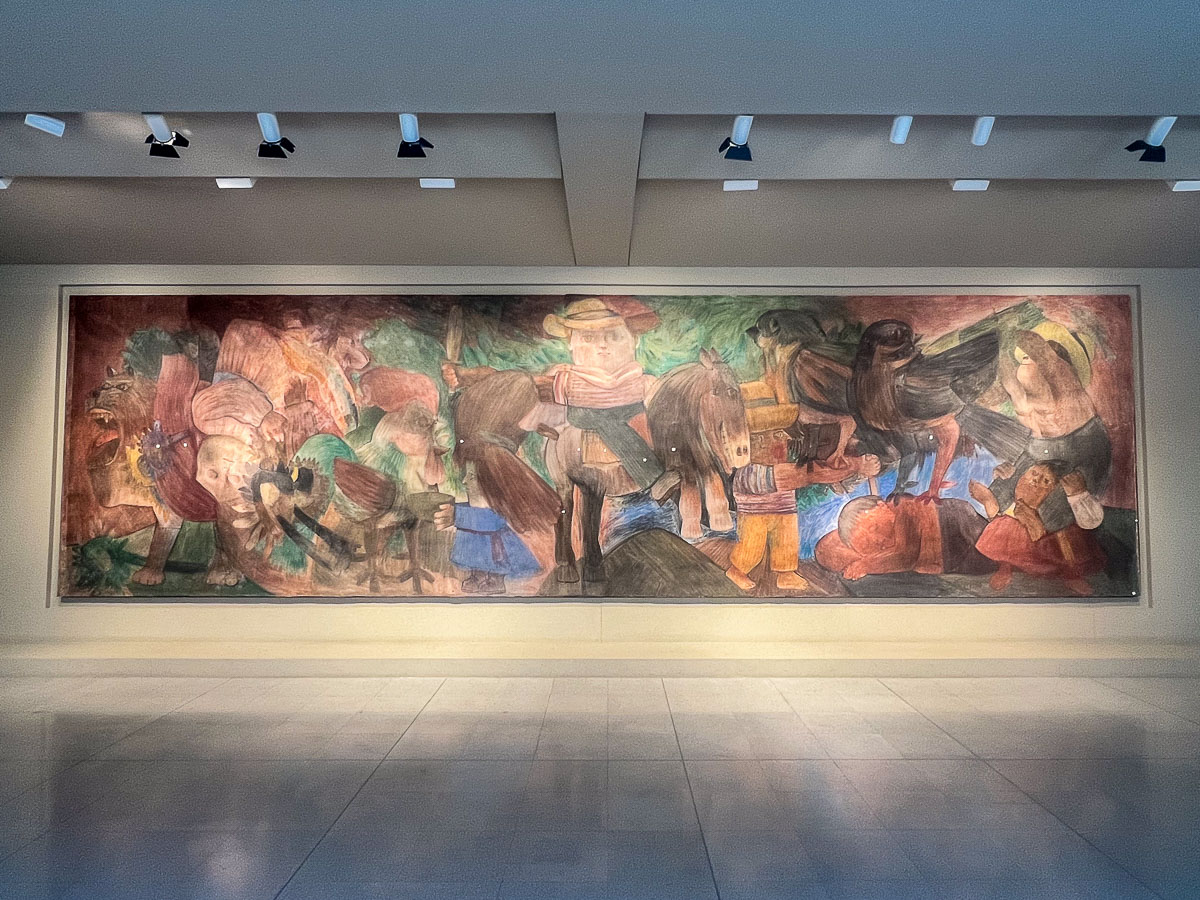
Besides the 3rd floor which is filled with over 100 sculptures and artworks donated by Botero, there are wonderfully diverse rooms with modern pieces and historical themes. The lack of crowds (at least during weekdays) means you can wander the galleries quietly and step out in the inner courtyard for a few hours.
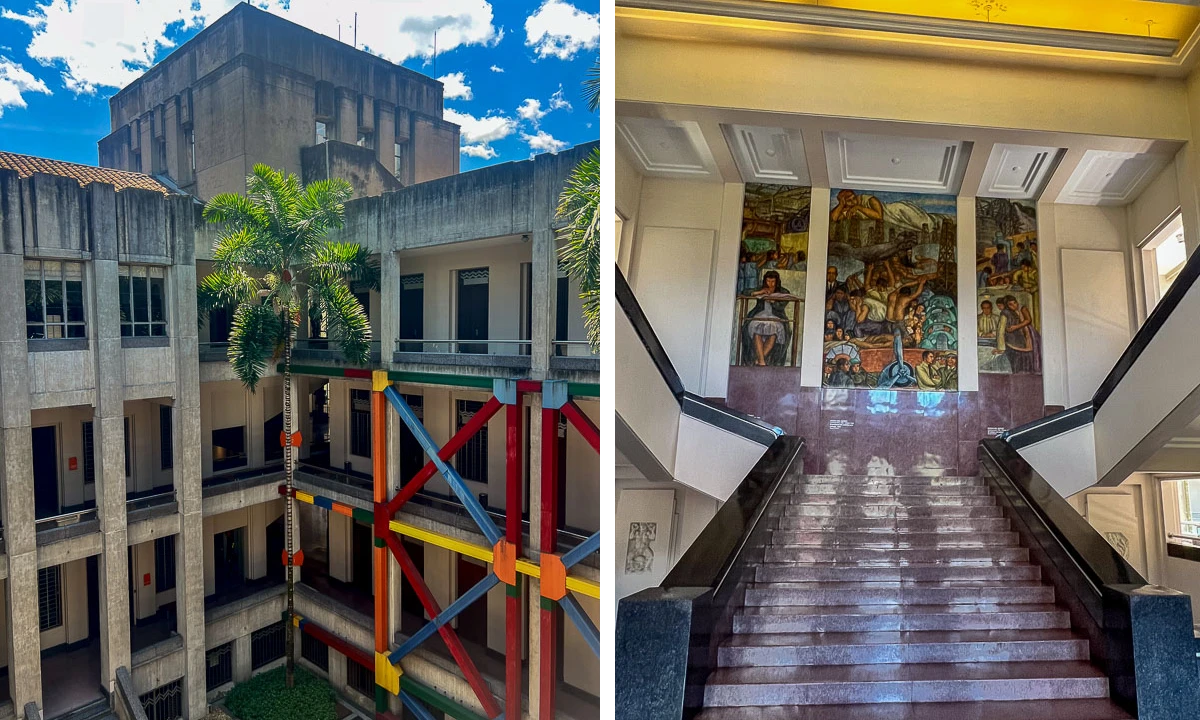
There is more art on the street and you’re likely to bump into more Botero sculptures as you wander around, one of the most iconic being La Gorda at the edge of Parque Berrío.
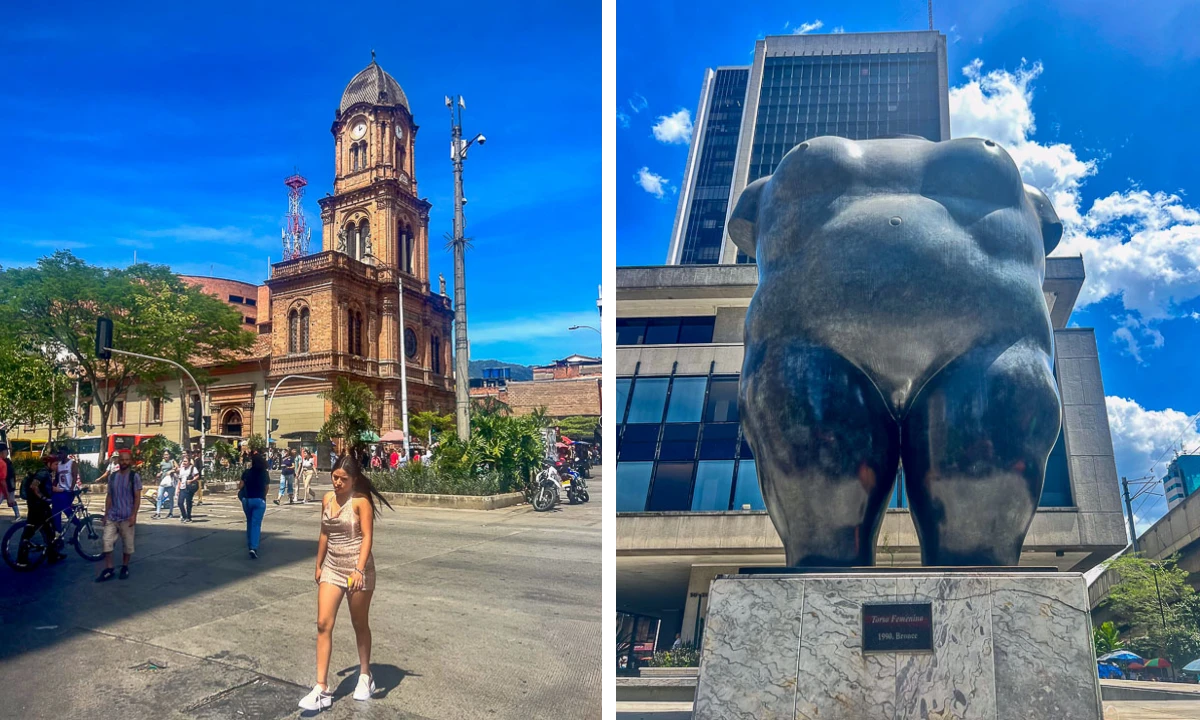
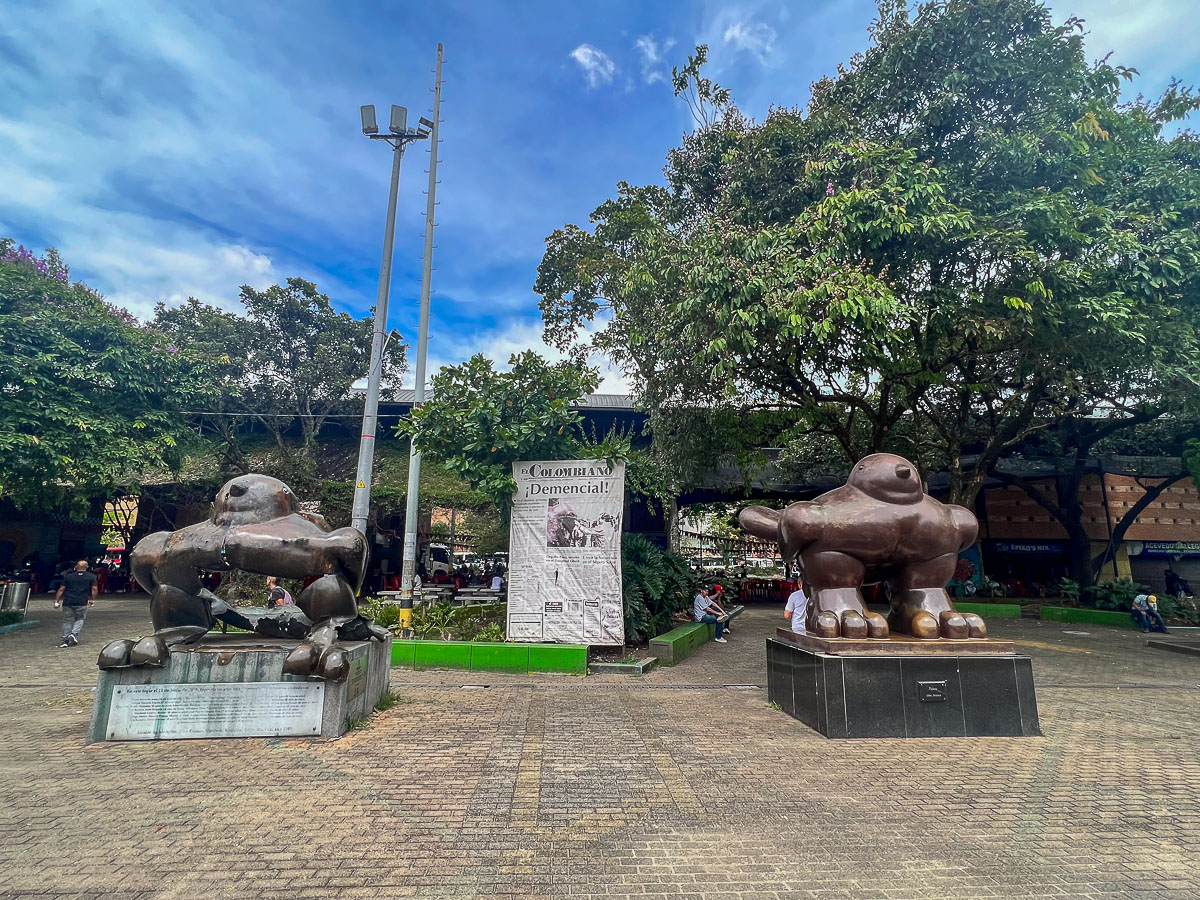
Three more sculptures can be found in Parque San Antonio.
Stop by the Pájaro de Paz (Bird of Peace) – two identical statues by Botero, one blown to pieces in a terrorist bombing, the other donated as a gift for peace.
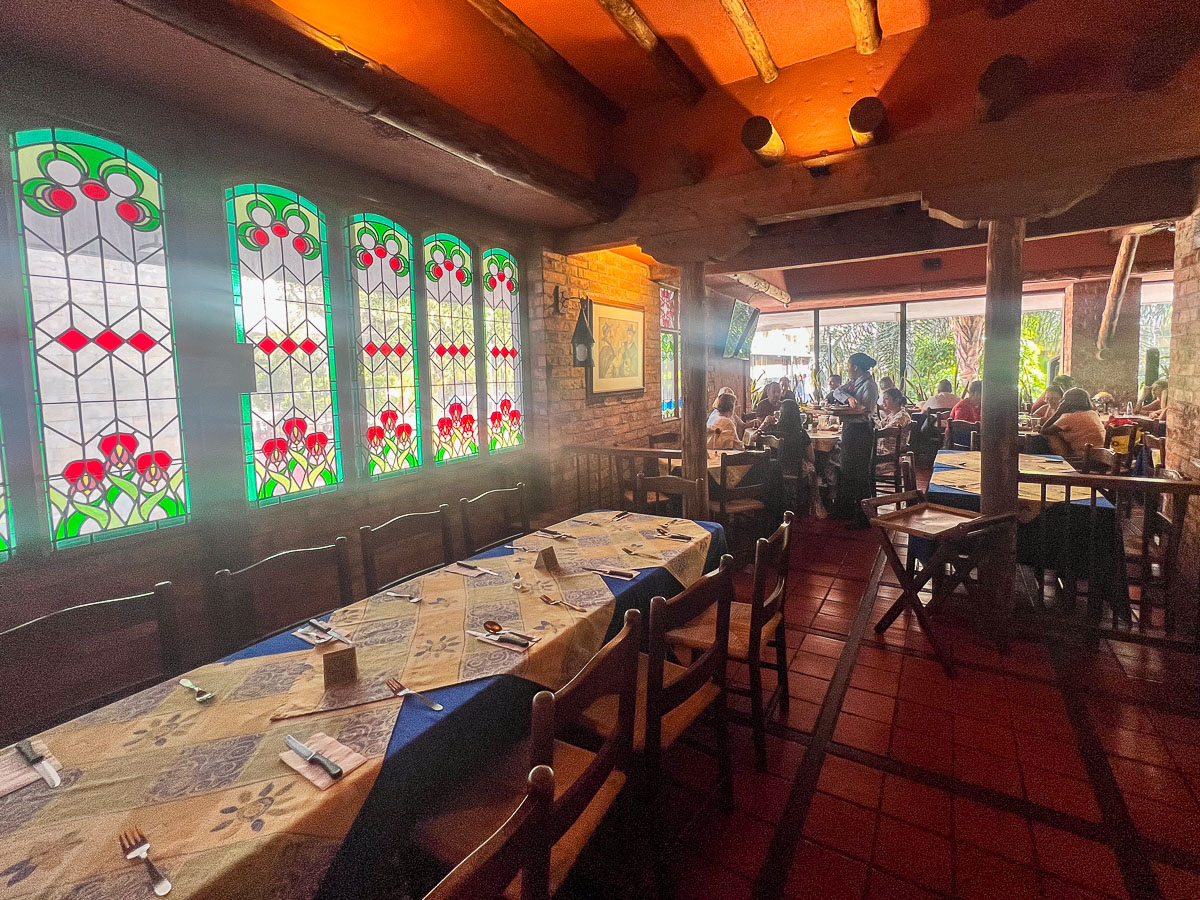
After the tour concludes, grab a typical meal in one of the downtown restaurants. Hatoviejo was highly recommended and delivered solid food in a traditional setting.
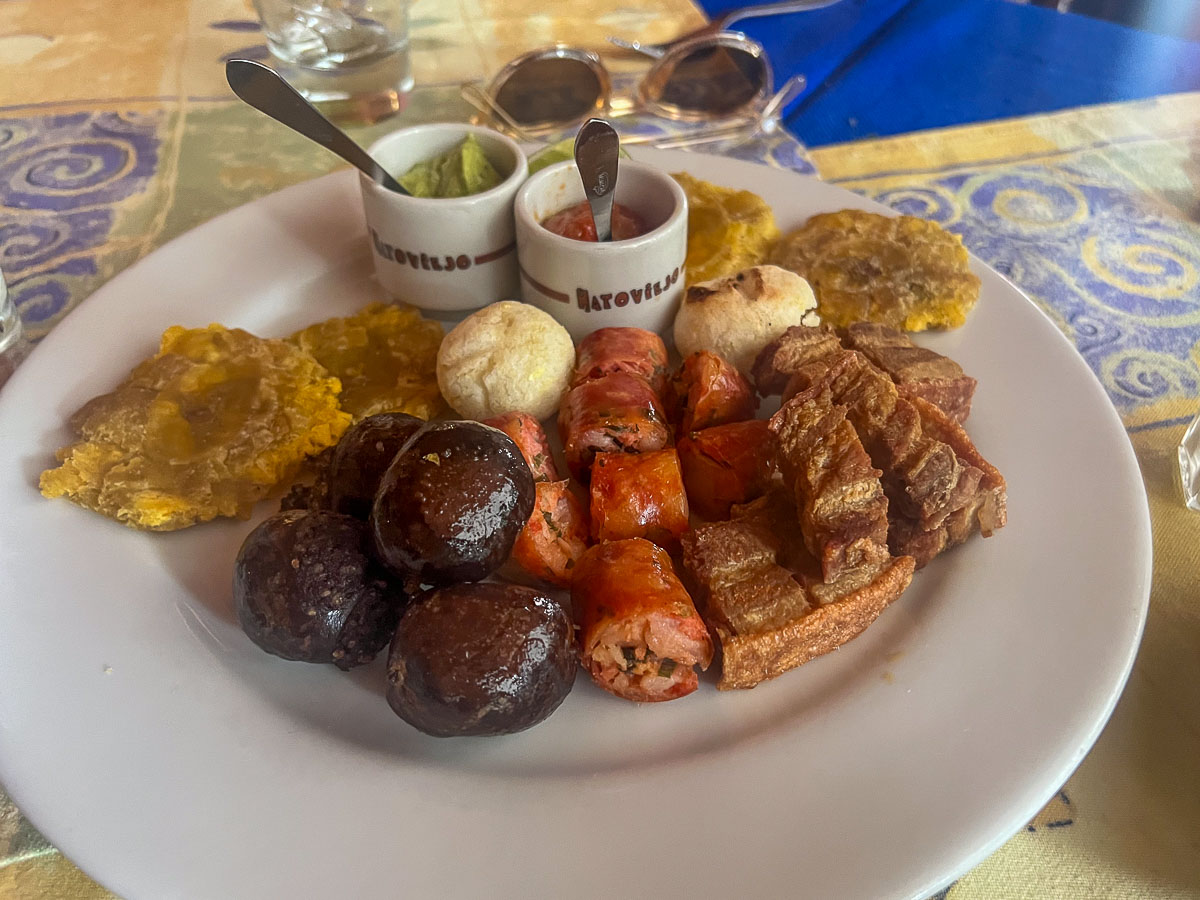
Sharing an Entrada Típica to start is the way to go if you’re a few people, just enough to calm the hunger with fried pork cracklings, sausage, blood sausage, patacones (fried green plantains) and arepa.
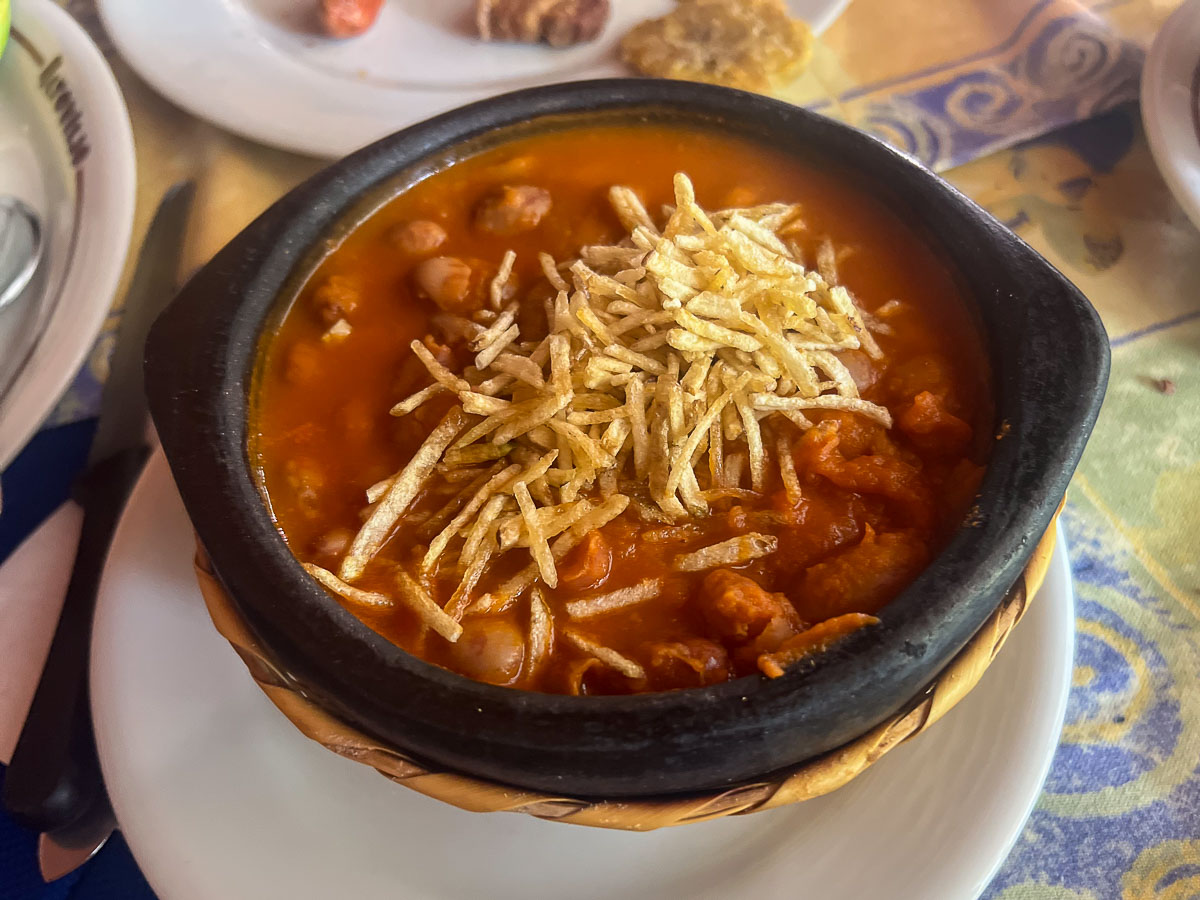
The bean soup is also a traditional main course and comes with varied sides and toppings, such as rice, avocado, cracklings, etc.
Exotic Fruits
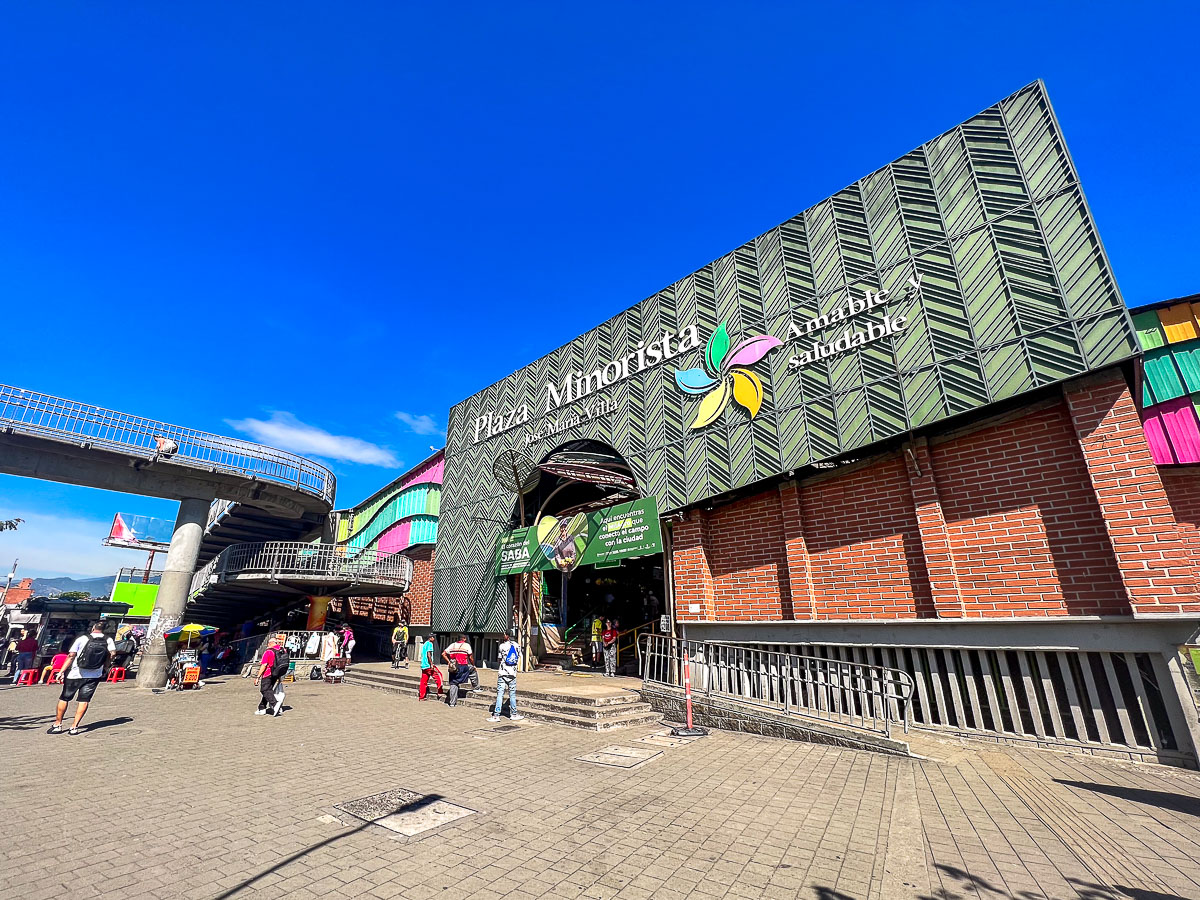
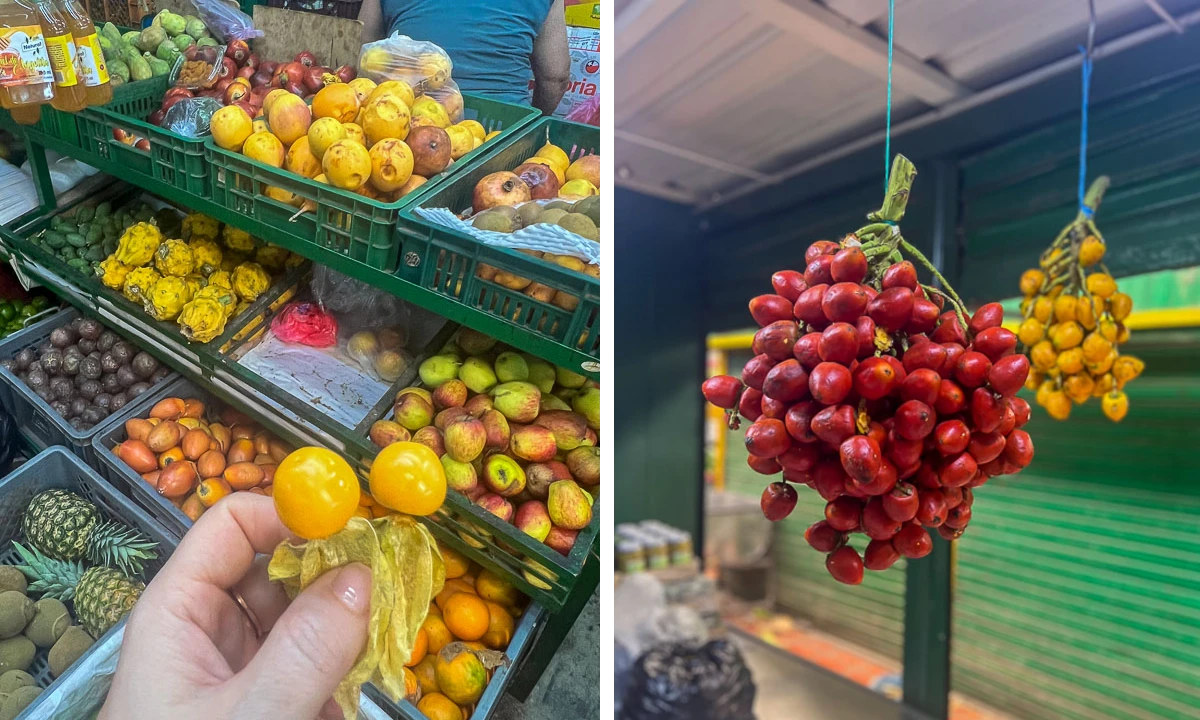
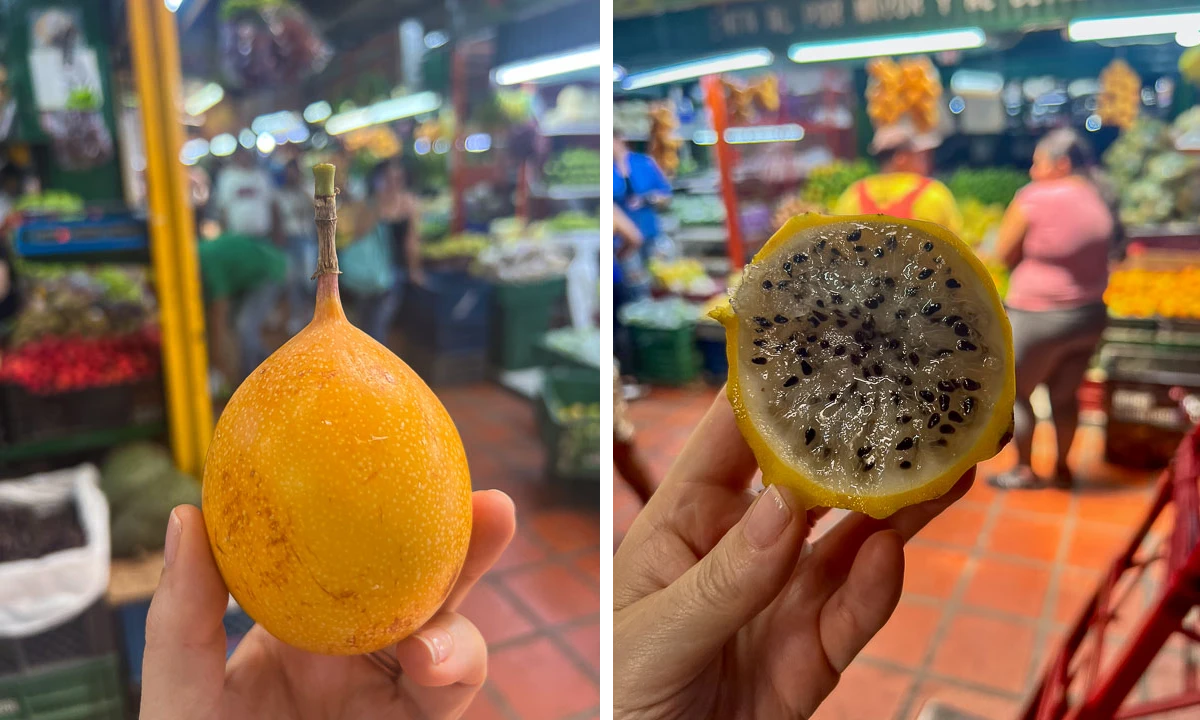
If you have time, I also highly recommend another tour from Real City Tours – The Exotic Fruits Tour. Colombia is apparently the country with the most fruit biodiversity in the world and my cold North American palate was dying to sample some tropical specimen. On top of all the different fruits you get to try, it’s also the chance to explore Medellín’s largest market – Plaza Minorista – and grocery shop with a knowledgeable guide.
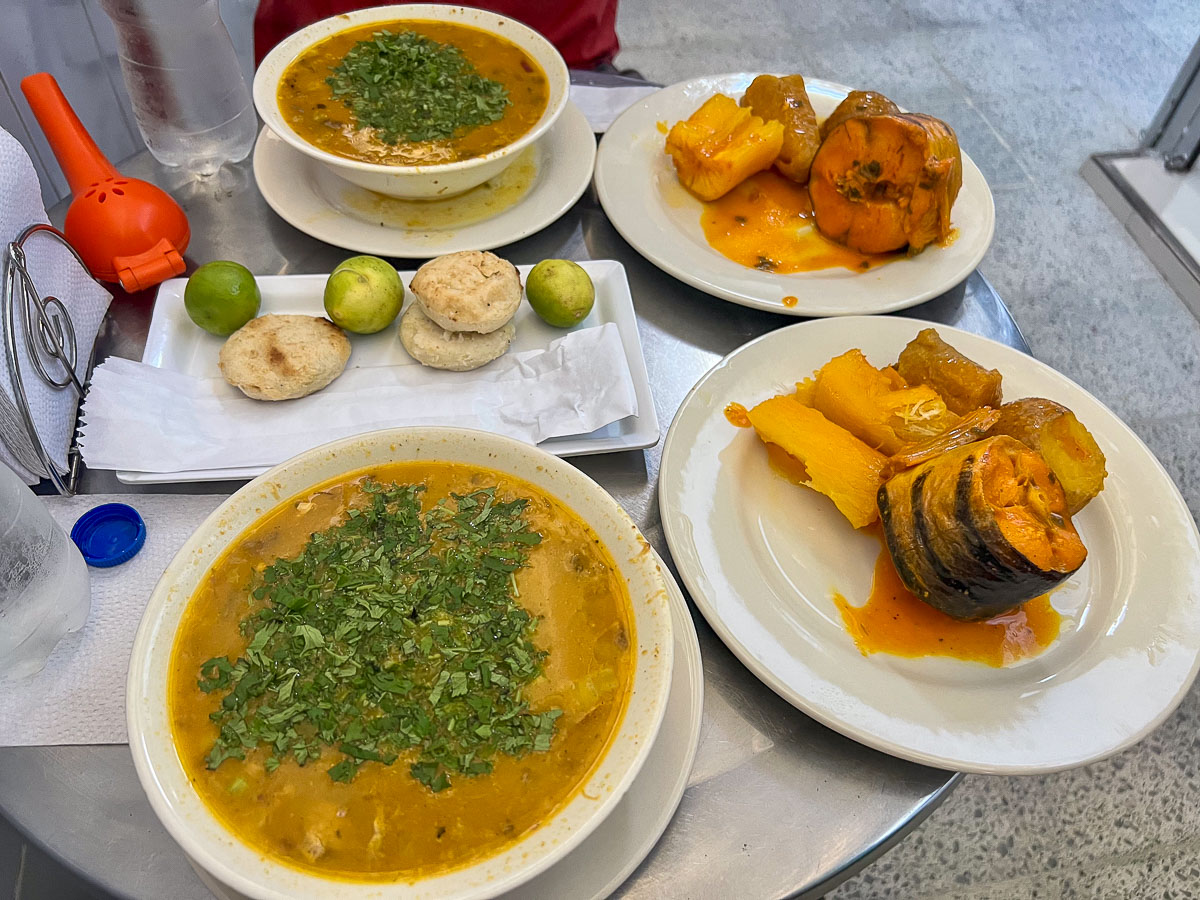
And as in any market, there’s a food court serving delicious local food in gigantic portions. My introduction to sancocho de pescado filled me up for the rest of the day!