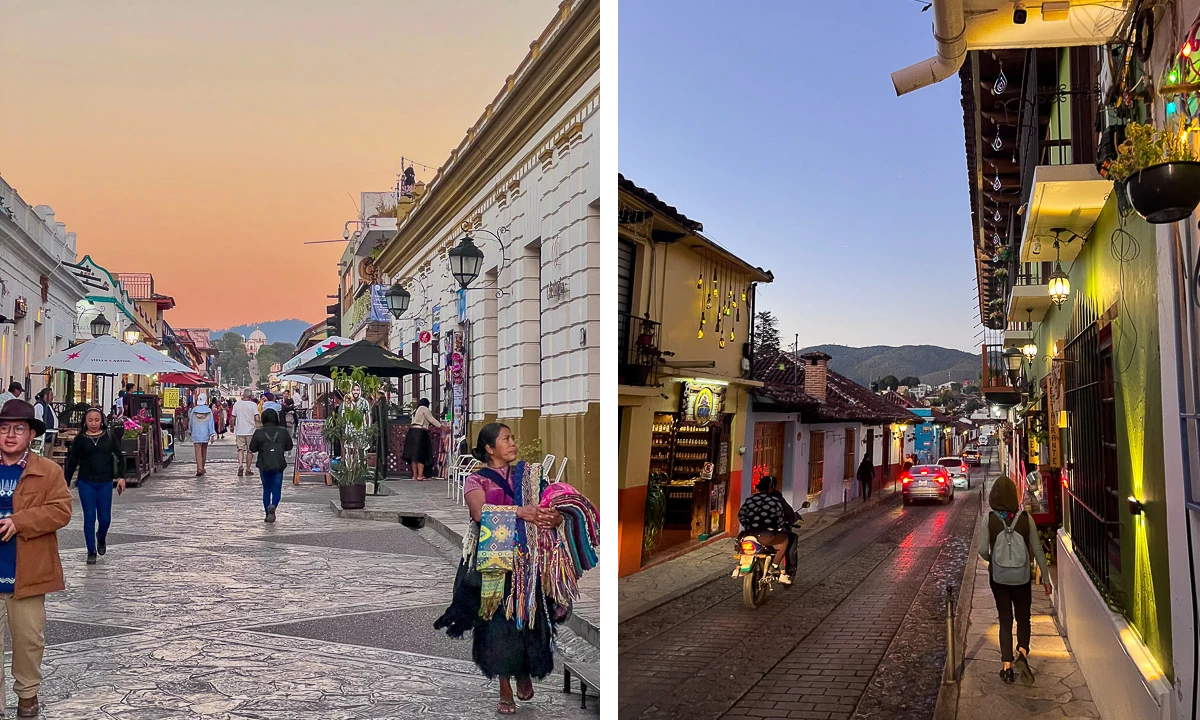
This beautiful Pueblo Mágico is a little-known gem of southern Mexico that invites you to slow down and embrace the country’s rich indigenous culture. Swaddled by the Chiapas mountains, the highland town of San Cristóbal is the epicenter of one of Mexico’s most ethnically diverse areas, with many locals still deeply in touch with their Mayan roots.
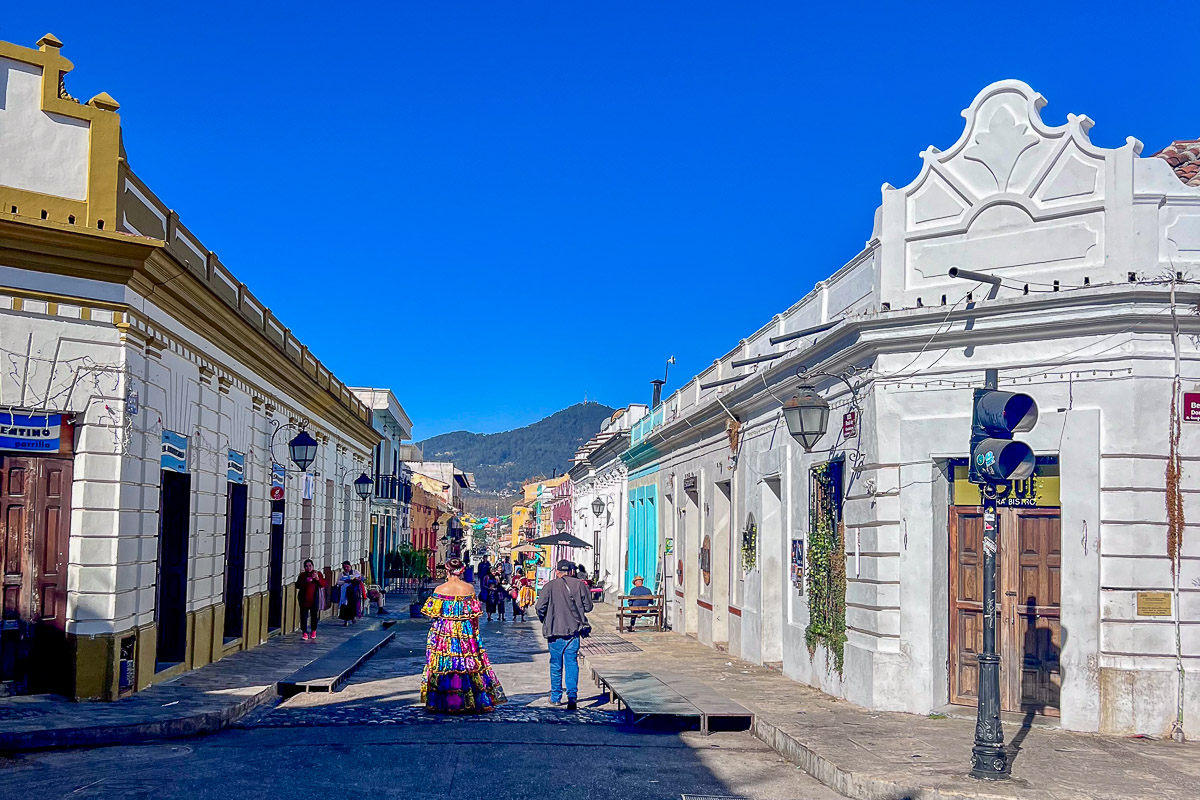
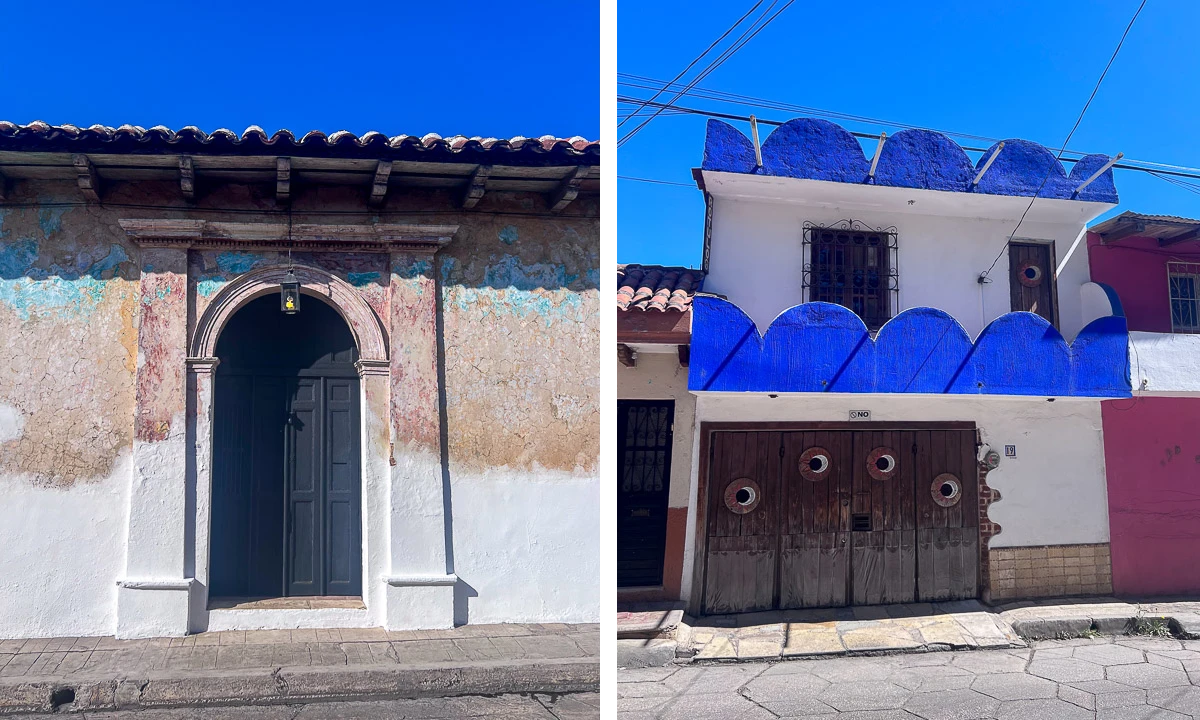
It’s a charming city of adobe walls, clay tiles, and beautiful colonial architecture that has been preserved in its historic center over the centuries.
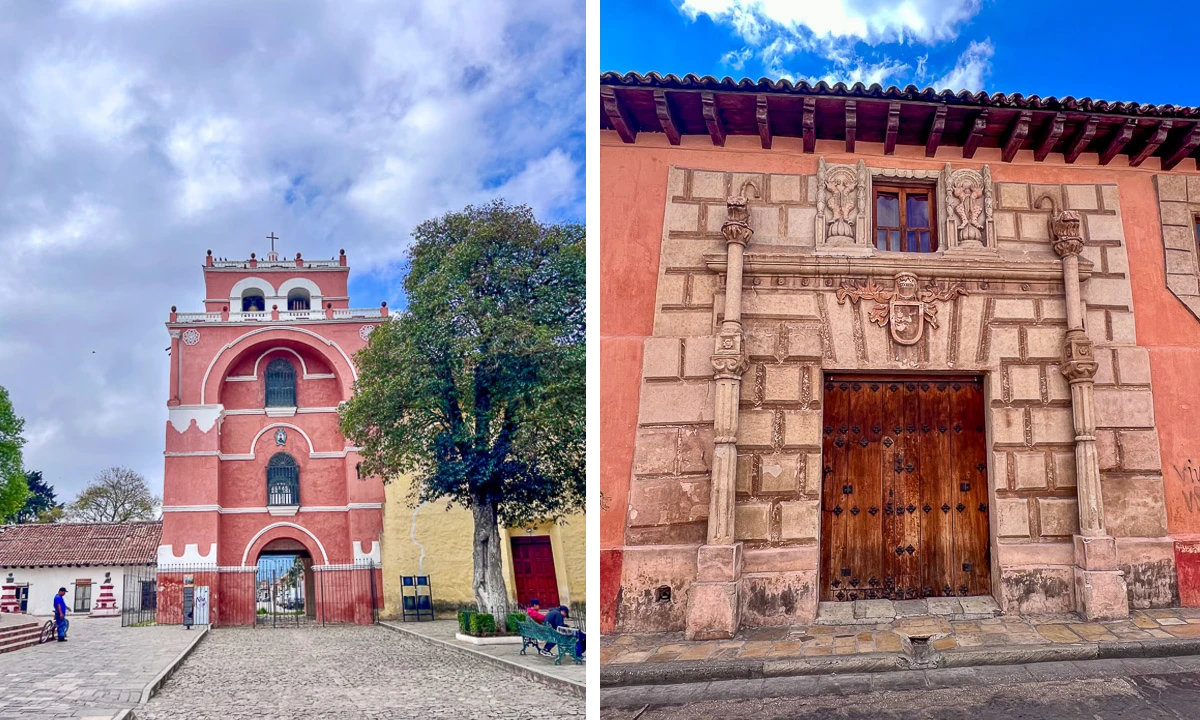
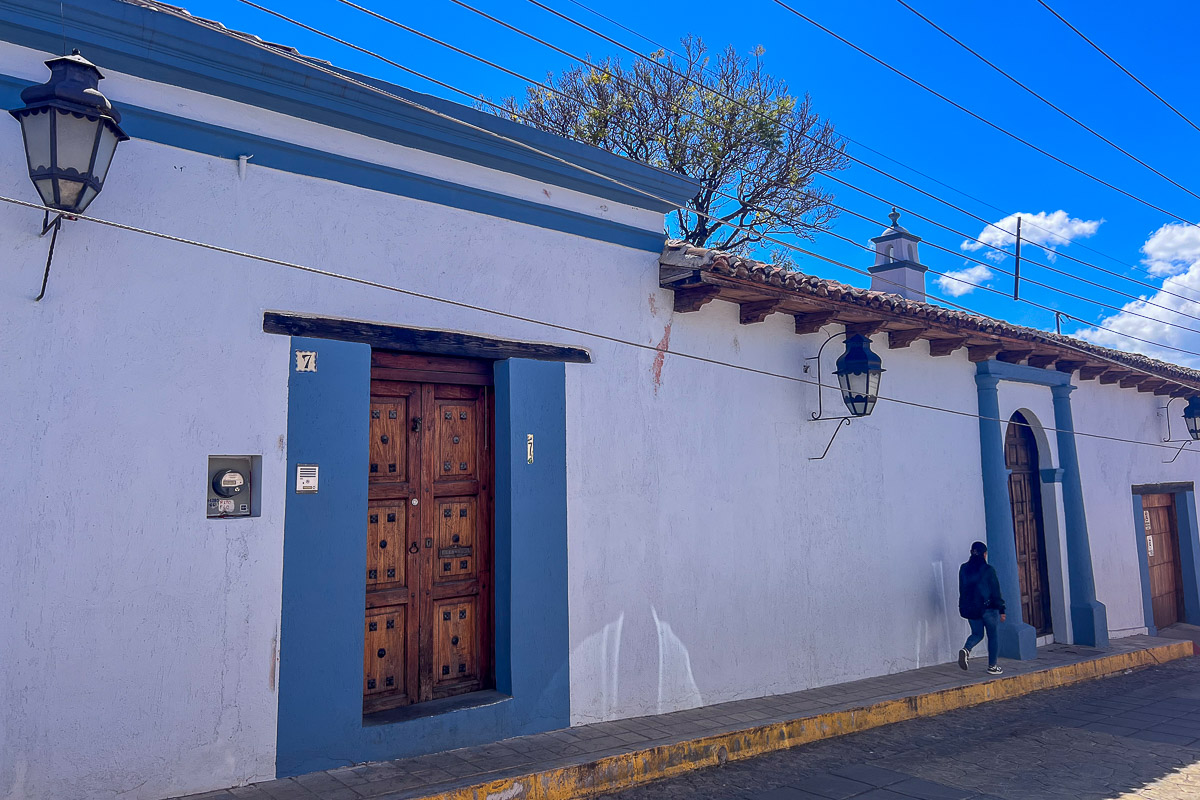
Far from the tourist trail (it’s a bit of a pain to get to), quirky expats and adventurous backpackers live alongside locals in this boho haven. The atmosphere is peaceful and ideal for those who like to wander hilly cobblestone streets and sample traditional daily life at an unhurried pace.
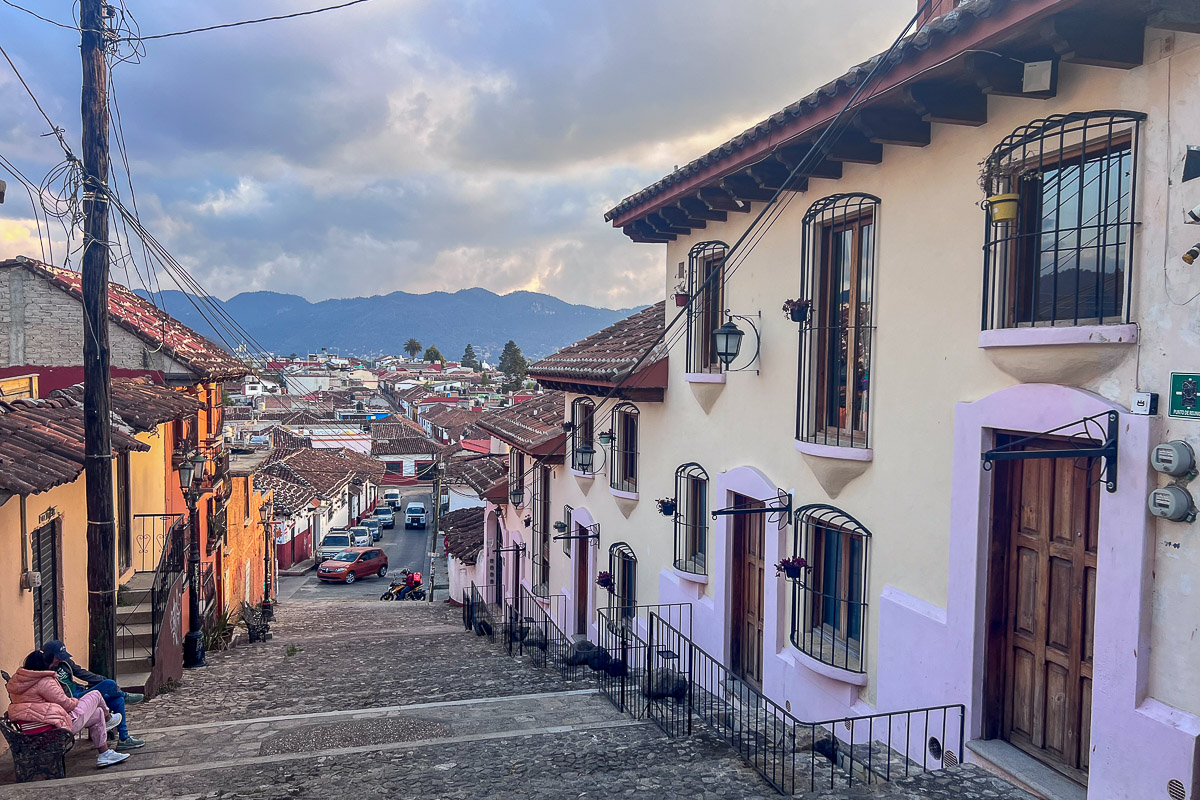
The temperate climate is ideal for exploring, with chilly mornings followed by always bright and sunny afternoons. Stroll around its downtown streets and plazas to admire the architecture and shop some of the best locally-made handicrafts and textiles in all of Mexico.
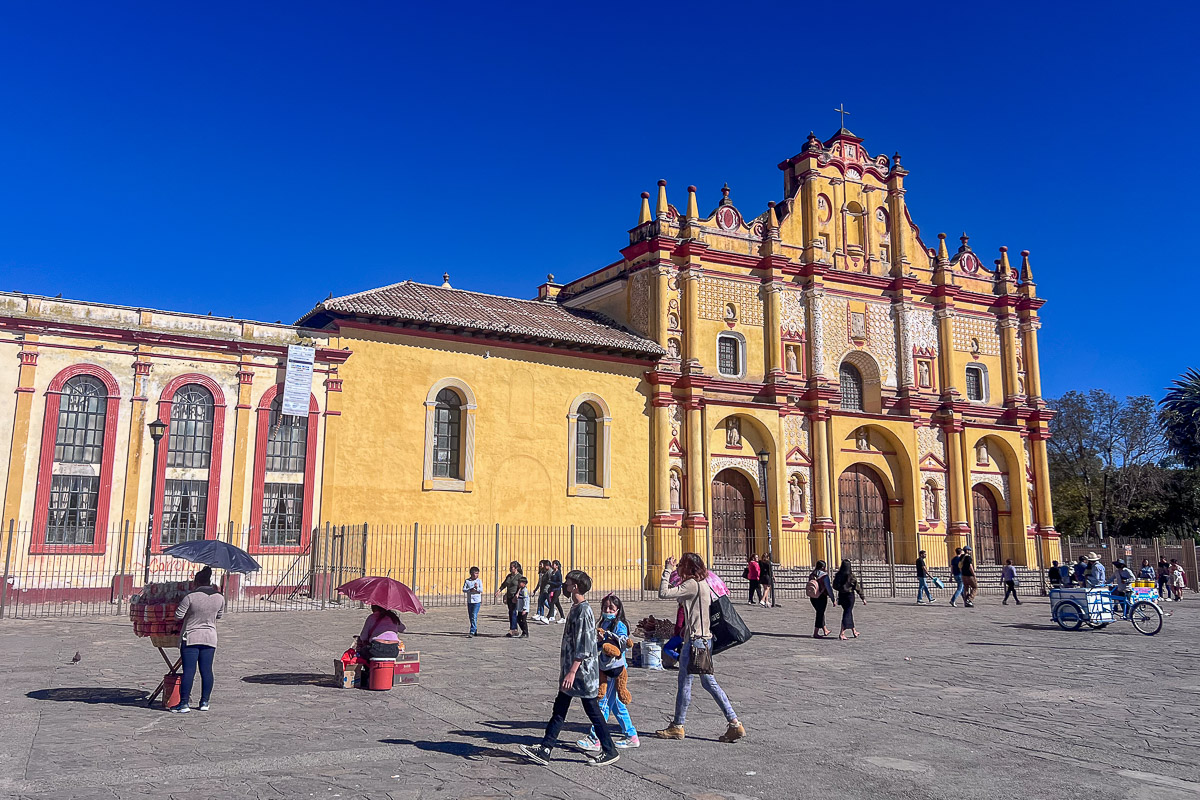
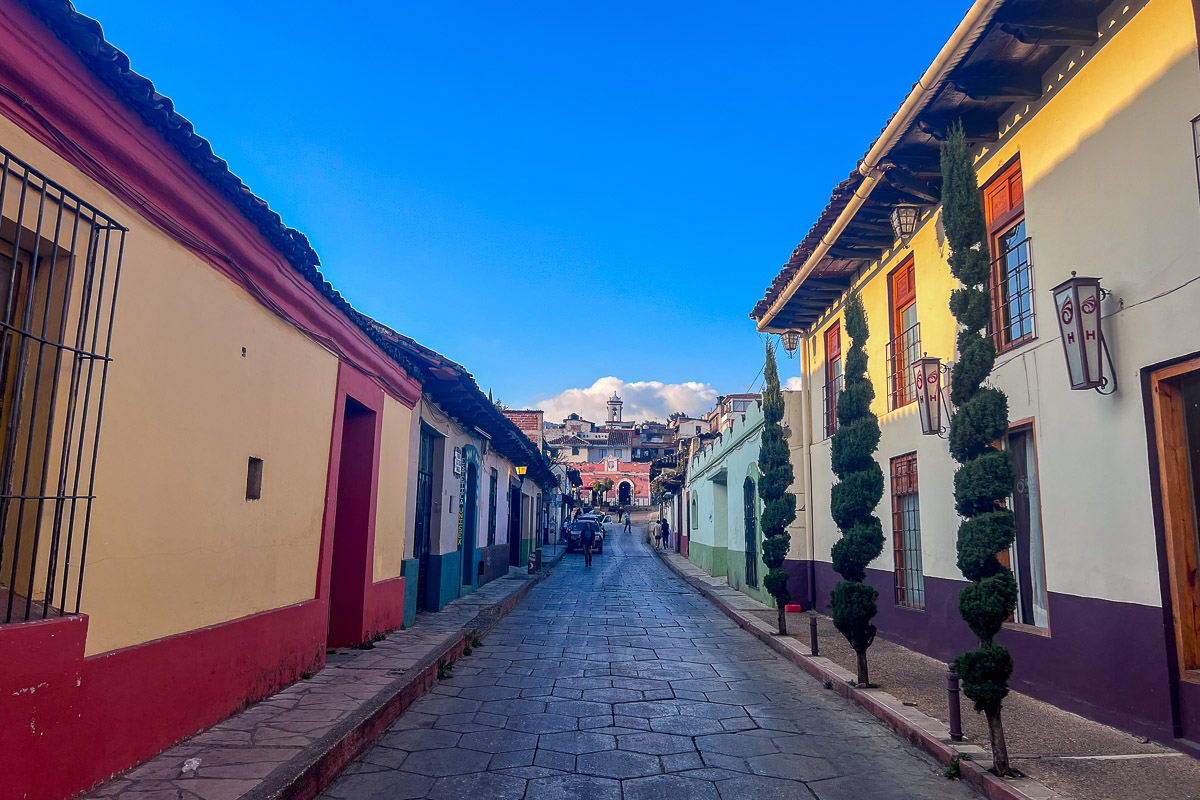
You’ll hit a coffee shop at every corner, another delightful way to slow down your walking tour as Chiapas produces the best coffee I’ve had in all of Mexico.
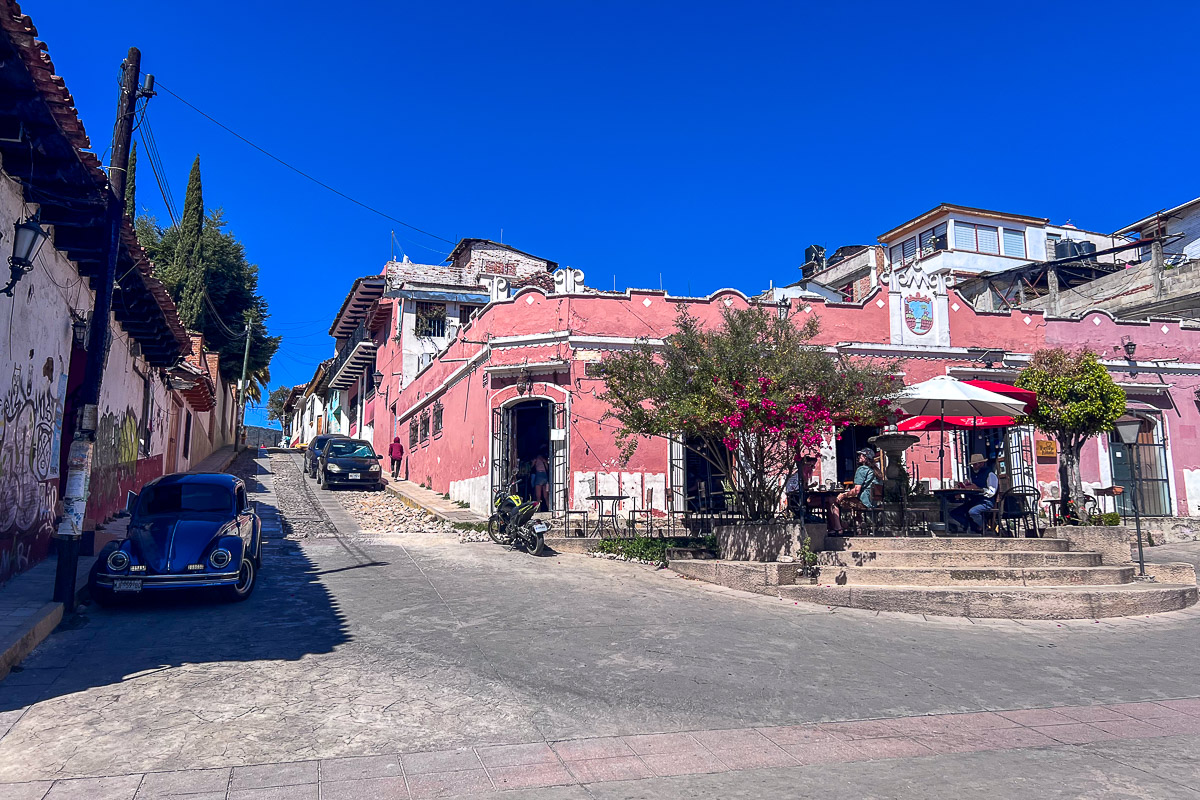
A slice of local life in the north
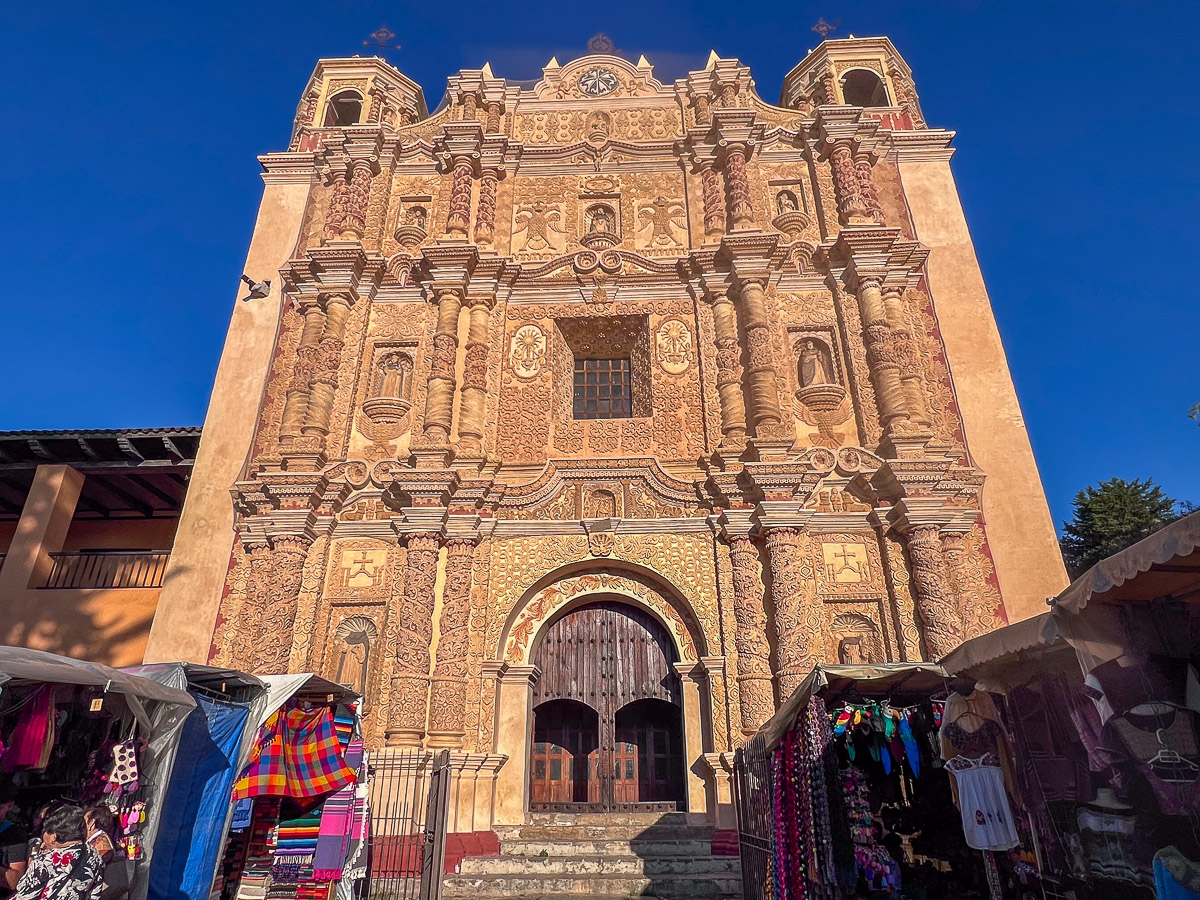
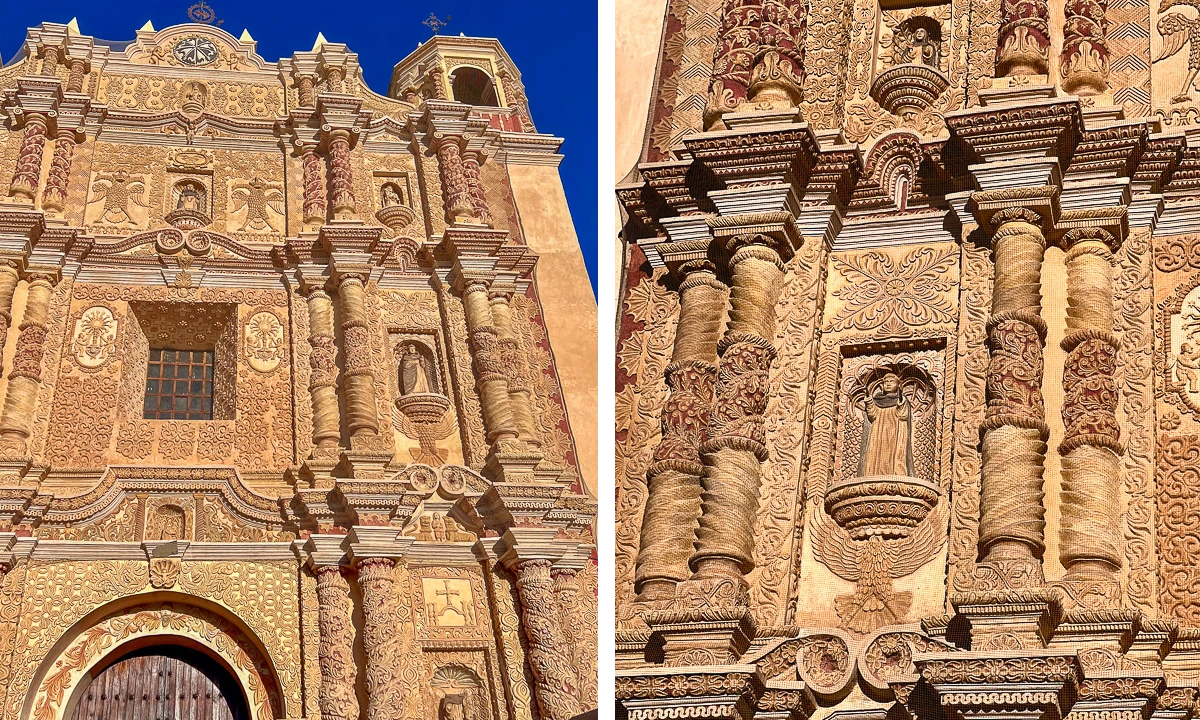
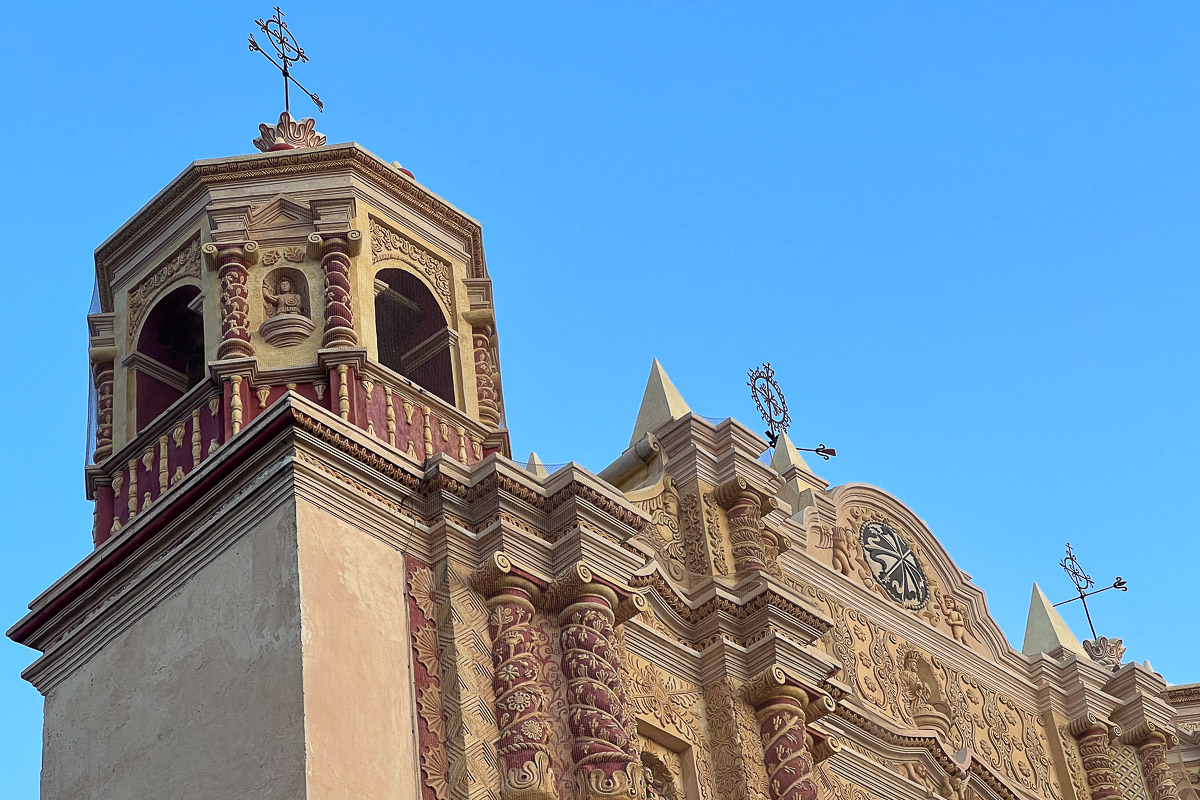
Mix shopping with stunning architecture at the 16-century Templo de Santo Domingo surrounded by a sprawling artisanal market. The most beautiful church in San Cristóbal is especially striking in the golden hour when the baroque facade glows in all its carved stucco splendor.
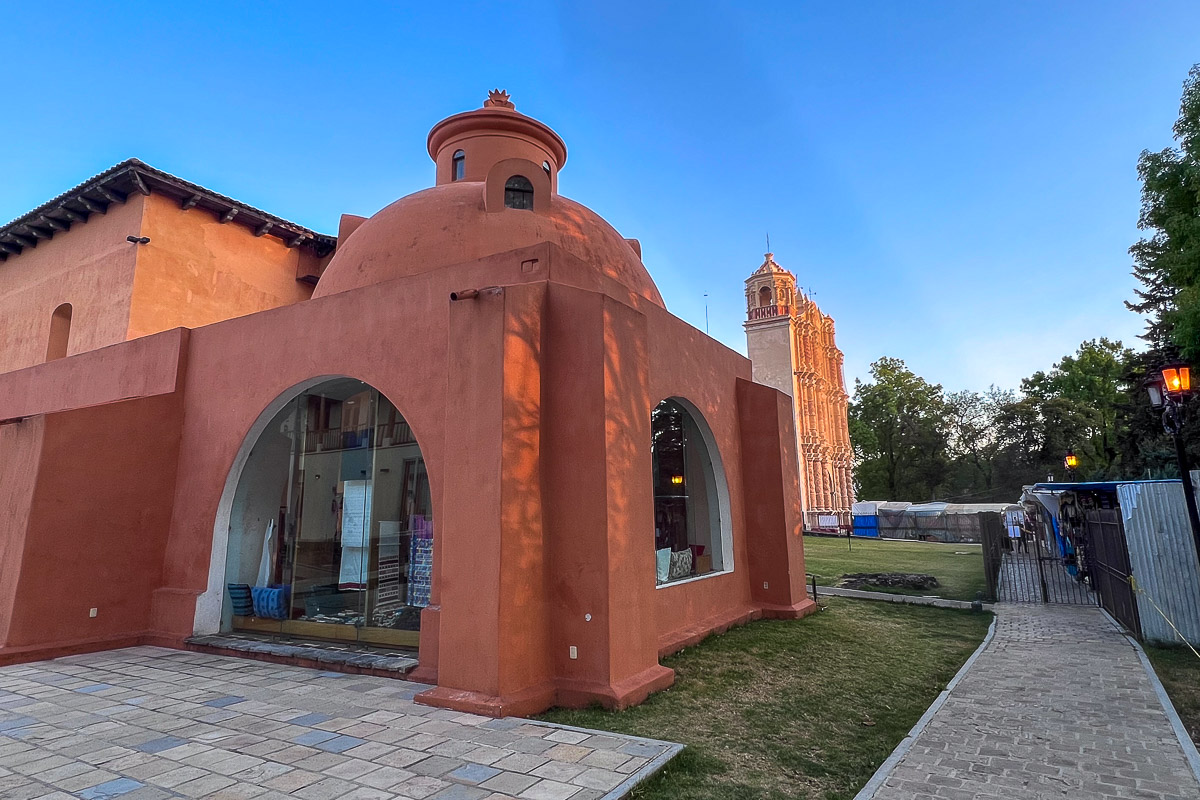
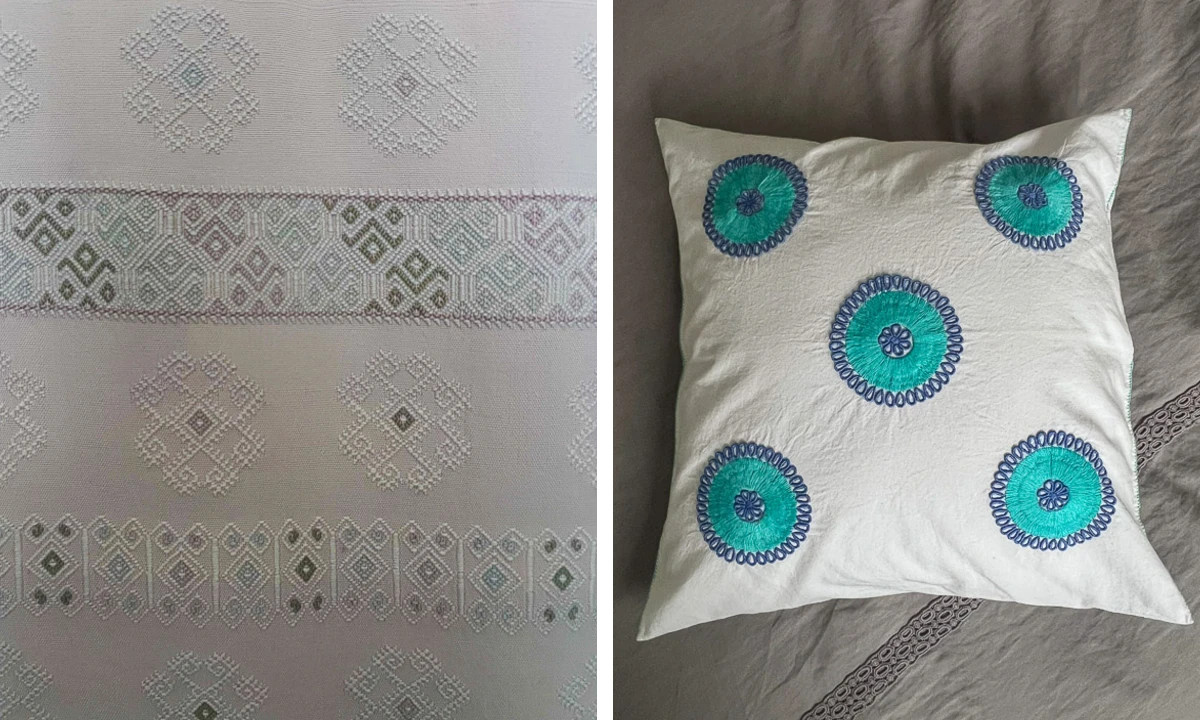
Don’t miss the excellent Centro de Textiles del Mundo Maya housed in the former monastery attached to the west side of the church. Discovering the rich traditional textiles made in the region was a highlight of my time there. The museum shop carries some of the most exquisite souvenirs you’ll want to take home, from intricate wall hangings to embroidered bed covers and placemats.
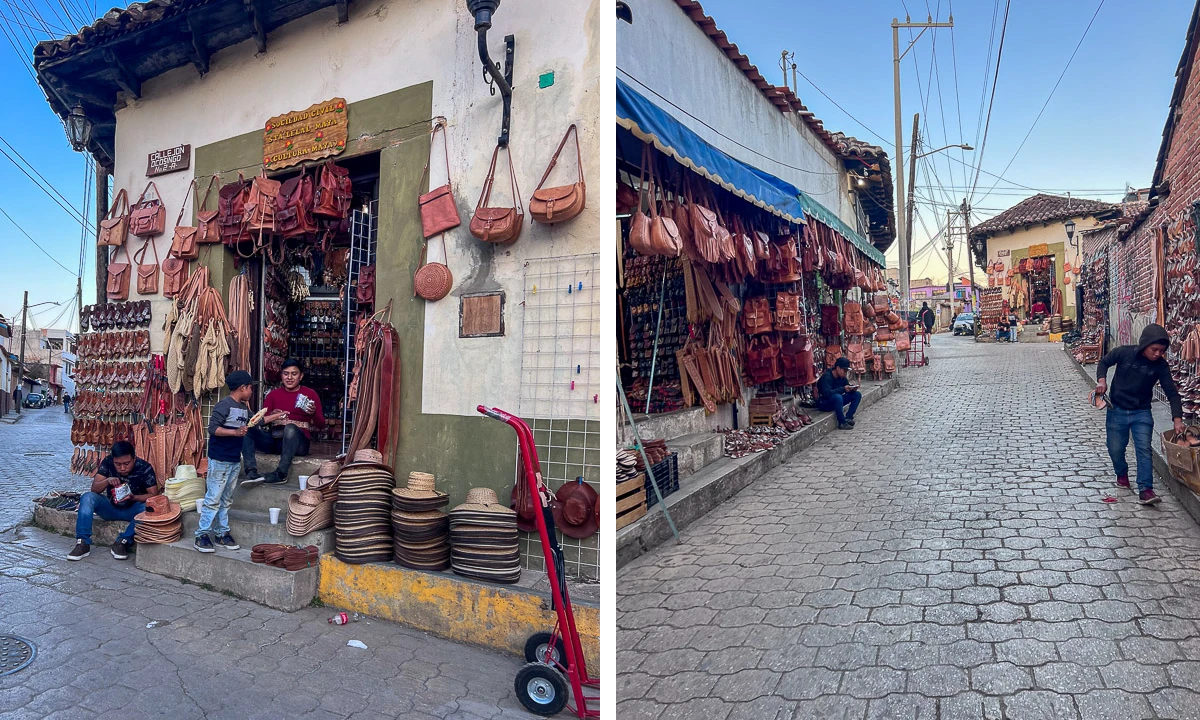
The artisanal thread expands throughout the surrounding streets with leather and shoe stores leading you further north toward the heart of the neighborhood.
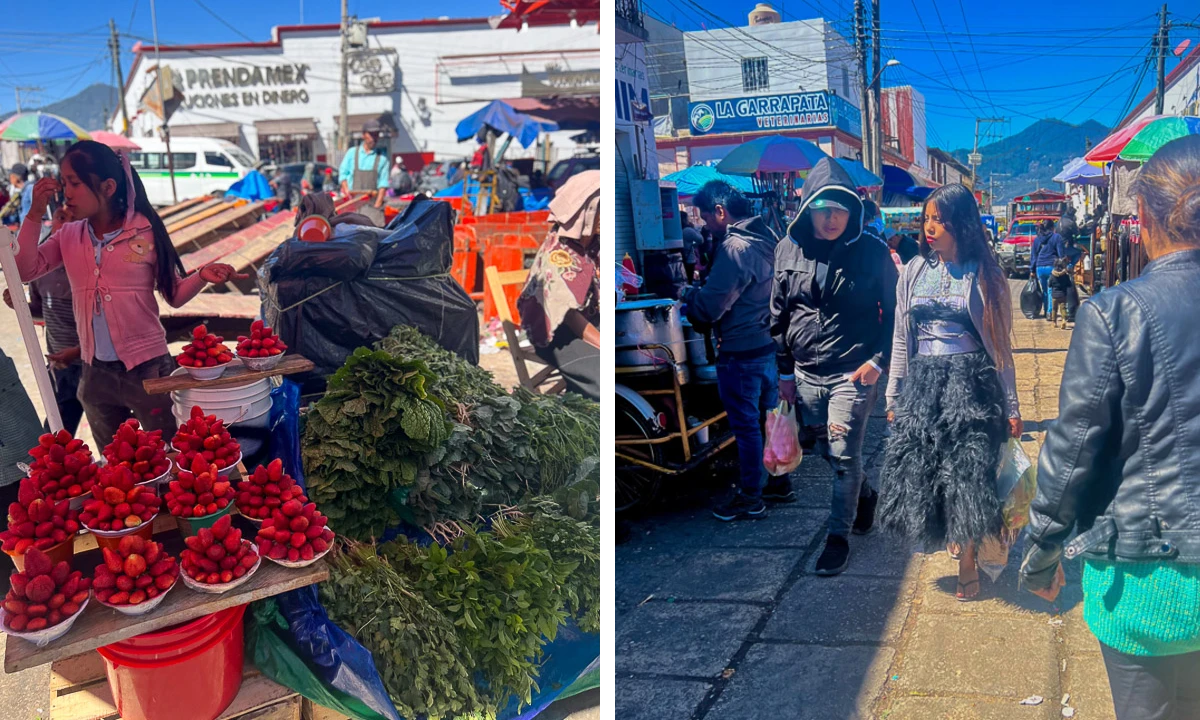
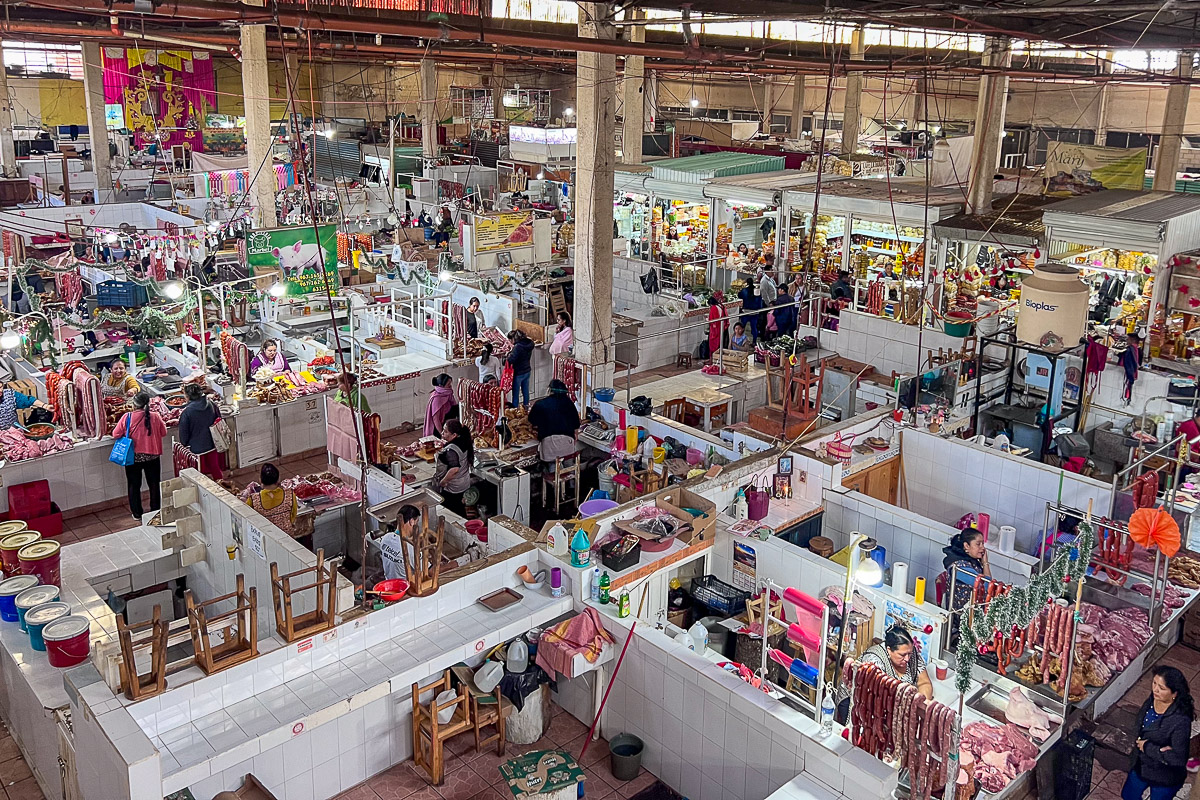
You’ll hear the buzz of the mercado municipal before stumbling upon the lively place. I visited this market several times during my month-long stay to buy fresh fruits, vegetables, dried beans and herbs as much as to soak up the vibrant atmosphere with nary another foreigner in sight.
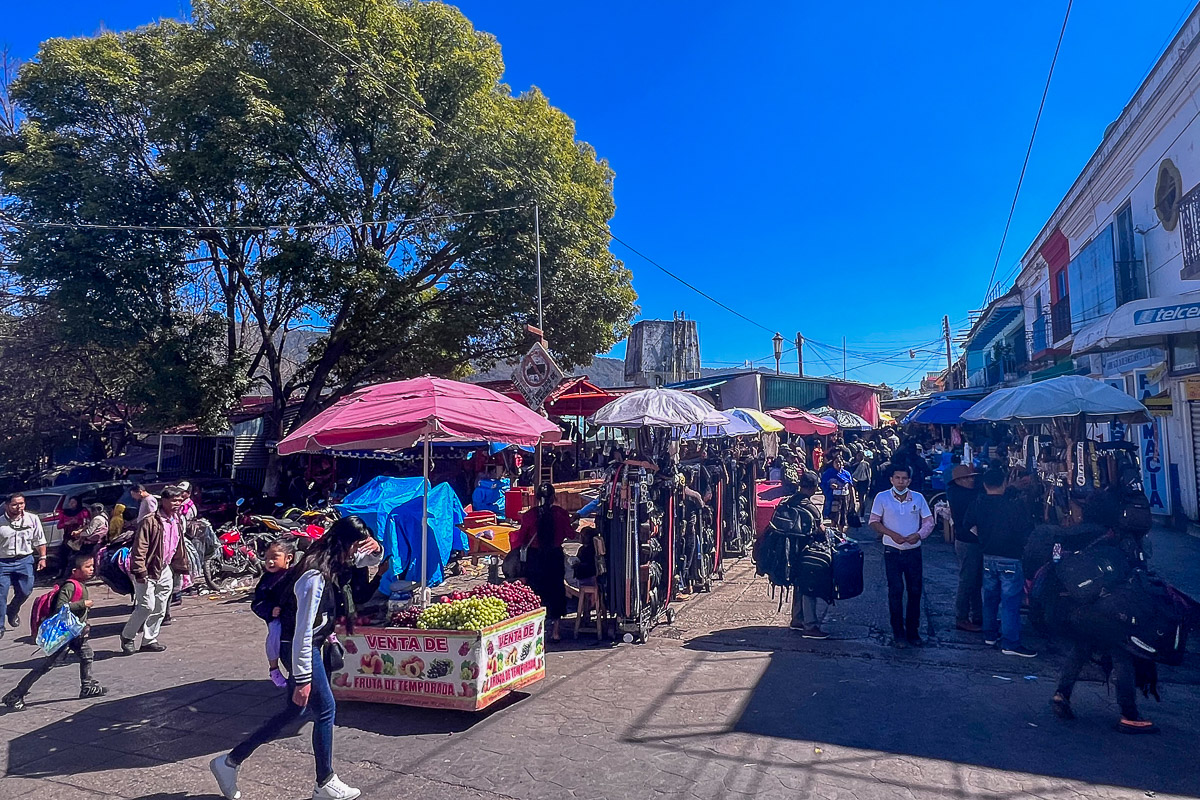
It’s a wonderful immersion into the different ethnic communities coming down from nearby villages every day to sell their products, filling the market with Mayan dialects and traditional attire. You’ll easily recognize the Tzotzil women with their long black furry skirts made from the thick, hairy wool of local sheep and often paired with embroidered sashes.
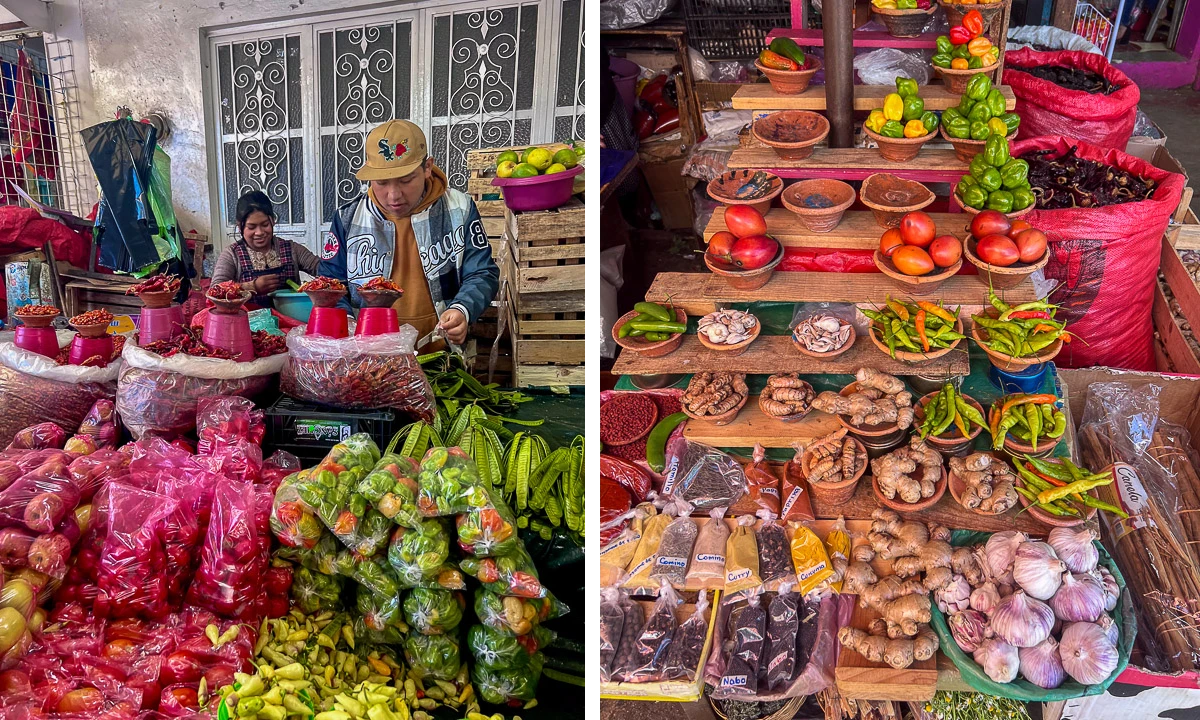
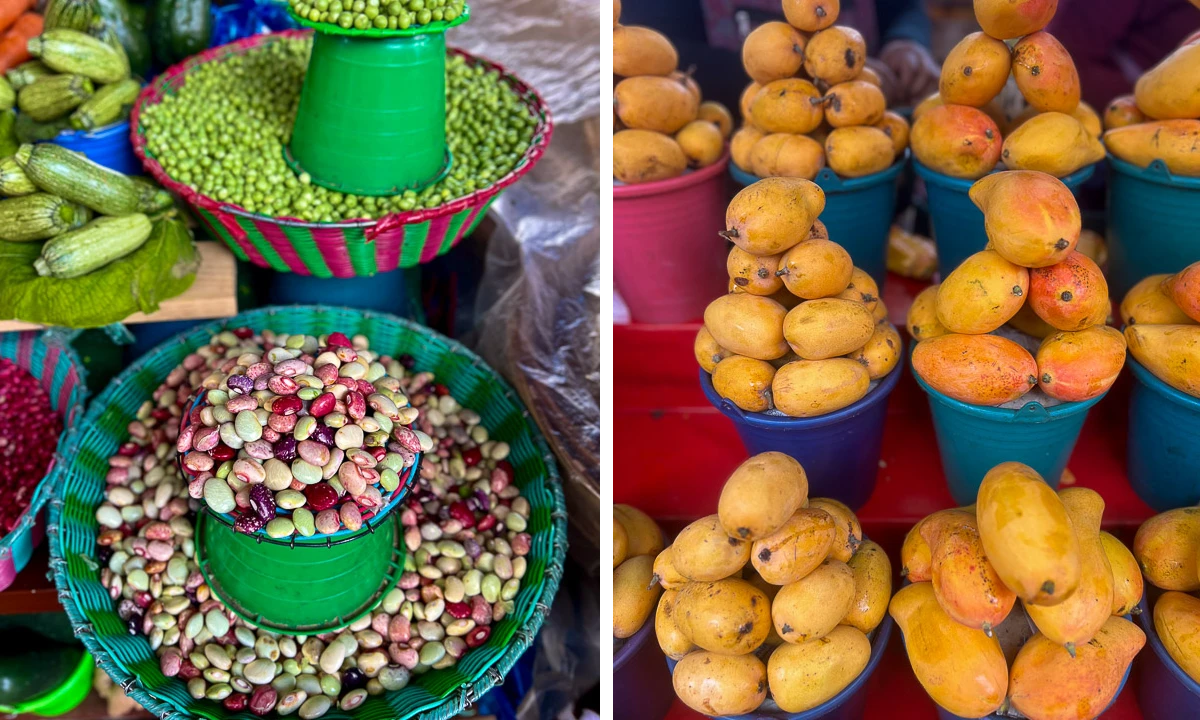
Heirloom beans made for an easy and colorful meal and how could anyone resist the small and impossibly sweet Ataulfo mangoes that originated here.
The indoor hall is where you’ll find all the meat, dairy and bread vendors alongside everyday items and affordable food counters.
A cultural introduction in the east
Get a deep dive into the heart of Chiapas at the Na Bolom Museum (or “House of the Jaguar”). This former home and research center of a Danish archeologist and Swiss photographer and anthropologist couple gives you an unparalleled view into the lives and traditions of one of Mexico’s most unique indigenous groups – the Lacandón Maya. You’ll see evocative black and white photographs and original artifacts of their way of life deeply connected to nature as you wander around this gorgeous property.
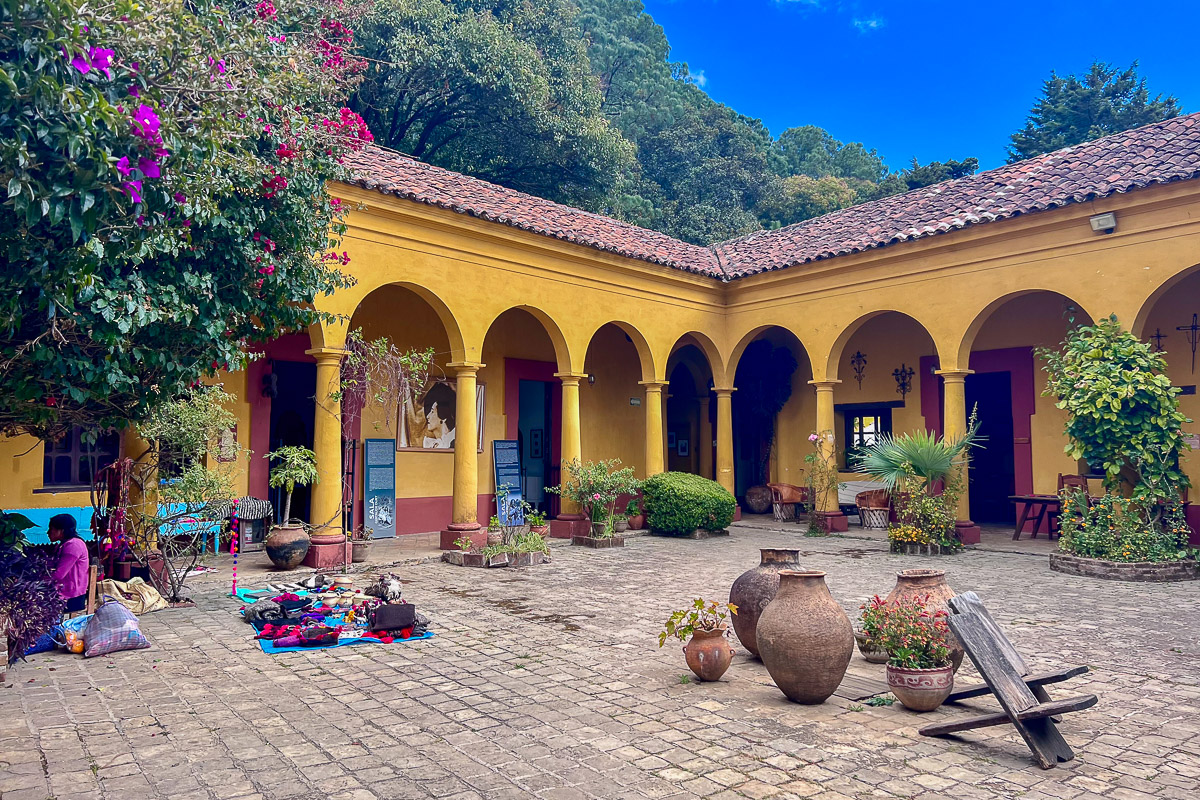
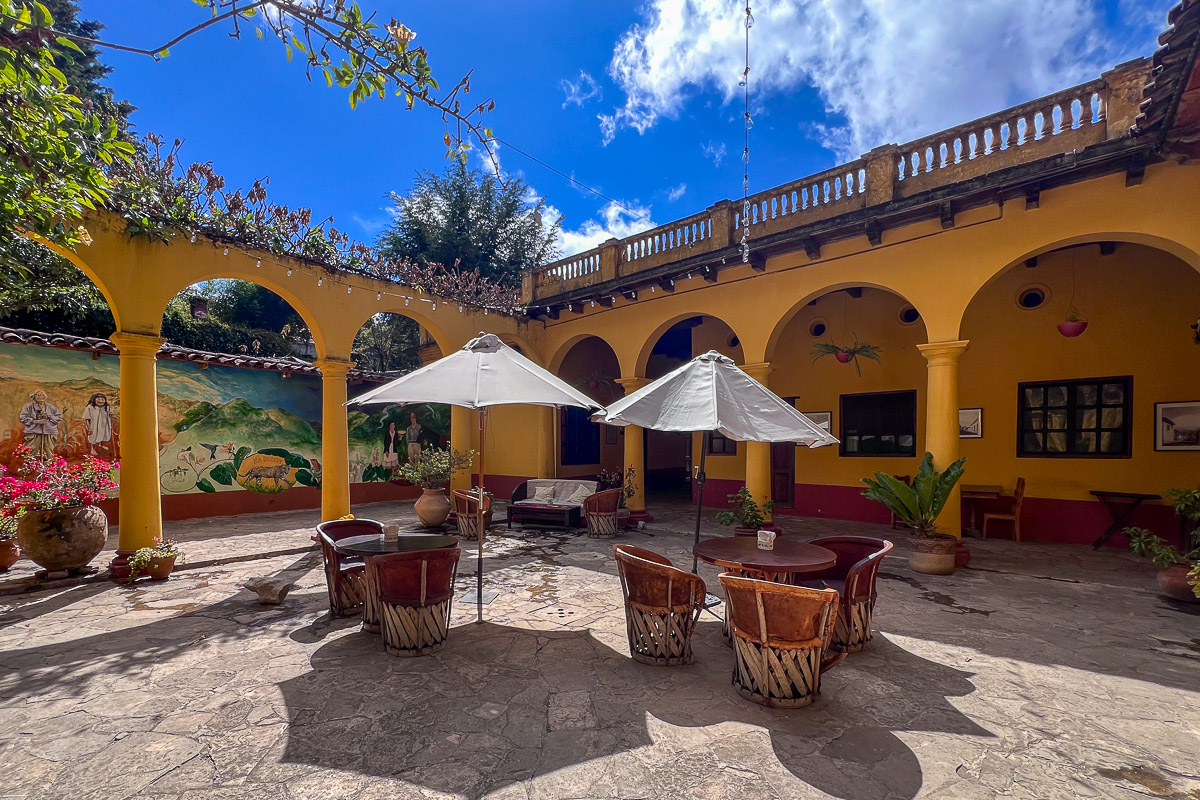
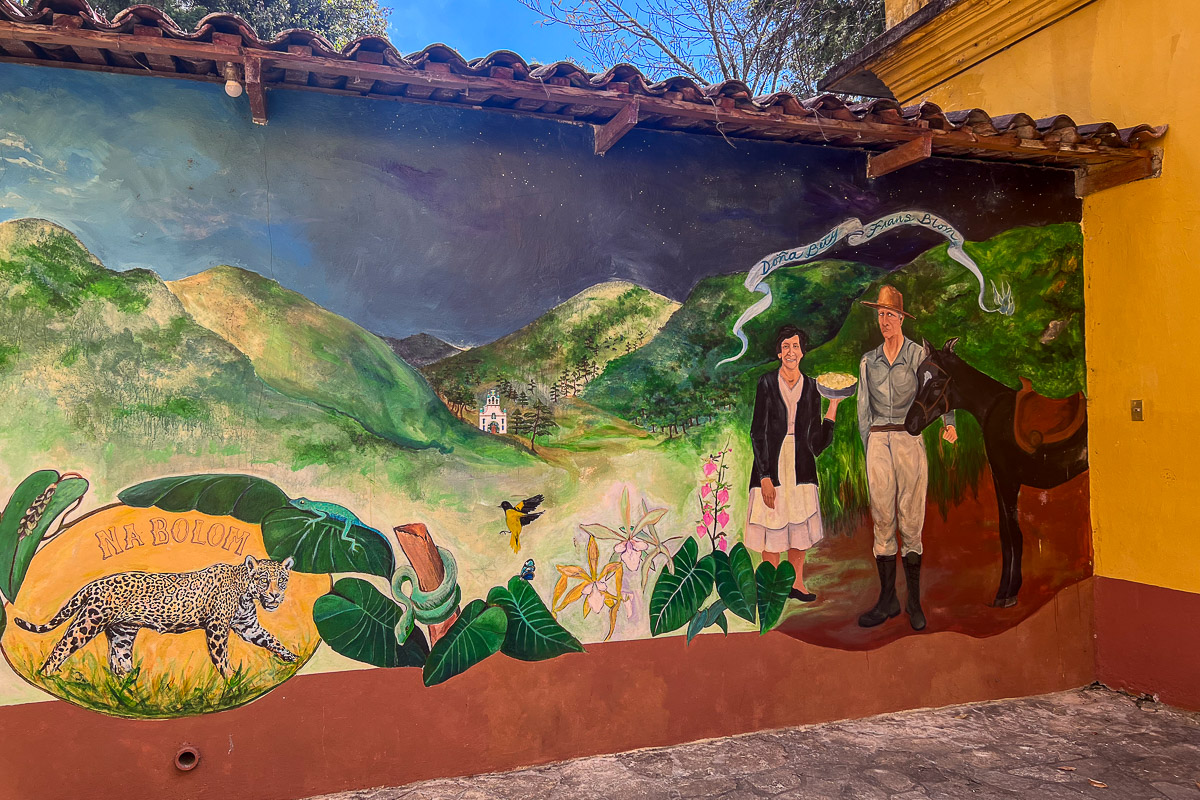
A mural of the famous couple, Frans and Gertrude Blom, is the focal point of the interior courtyard where you’ll also find a restaurant to stretch your time in this tranquil retreat.
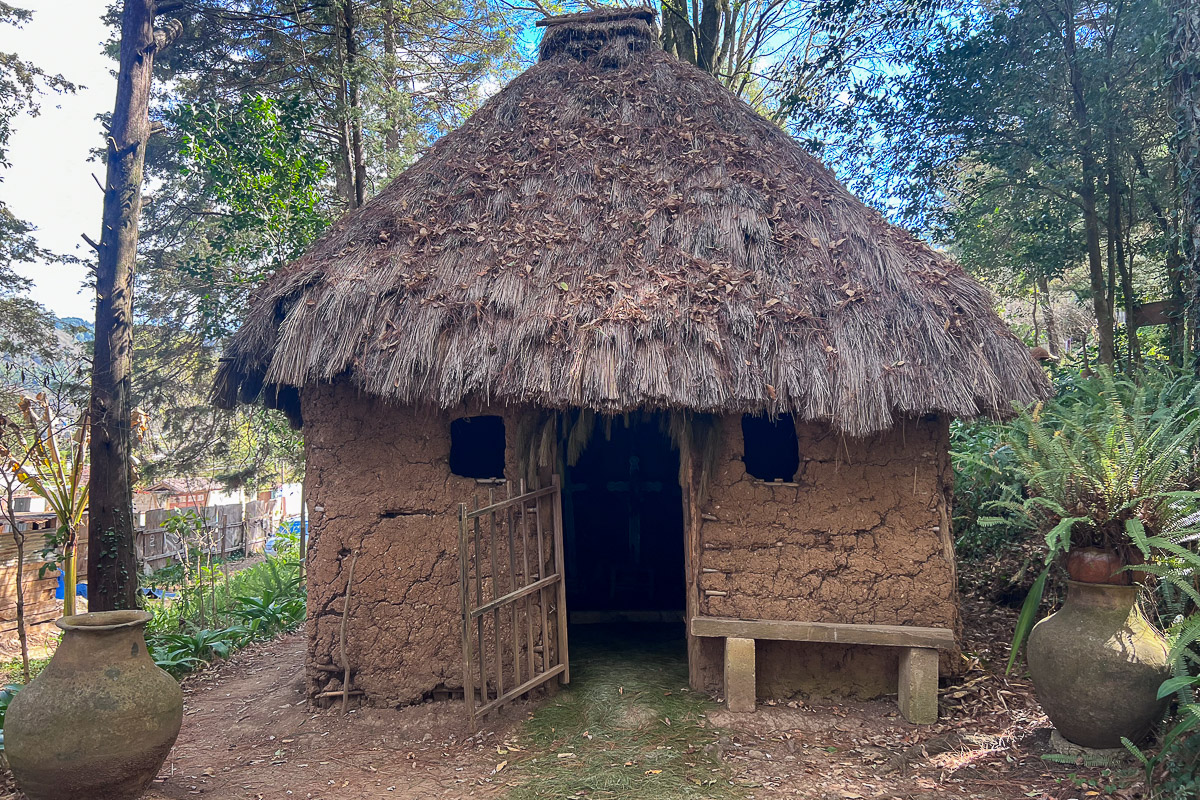
A stroll through the community garden where medicinal herbs and fruits are still grown includes a traditionally built Maya hut. It gives an idea of the typical living quarters of the most isolated communities of Chiapas.
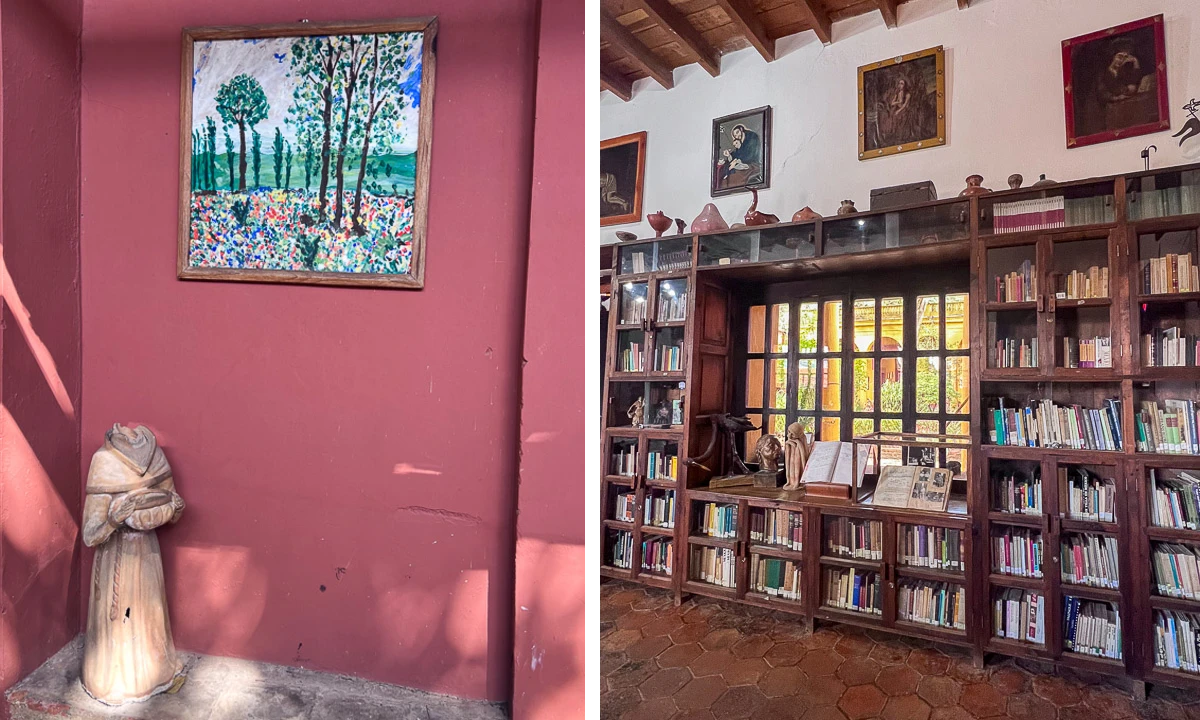
You’ll find inside the colonial Spanish-style mansion many of the original decorations, furniture, and one of the most comprehensive private libraries in Mexico dedicated to Maya culture, Mesoamerican archaeology, and the anthropology and ecology of Chiapas.
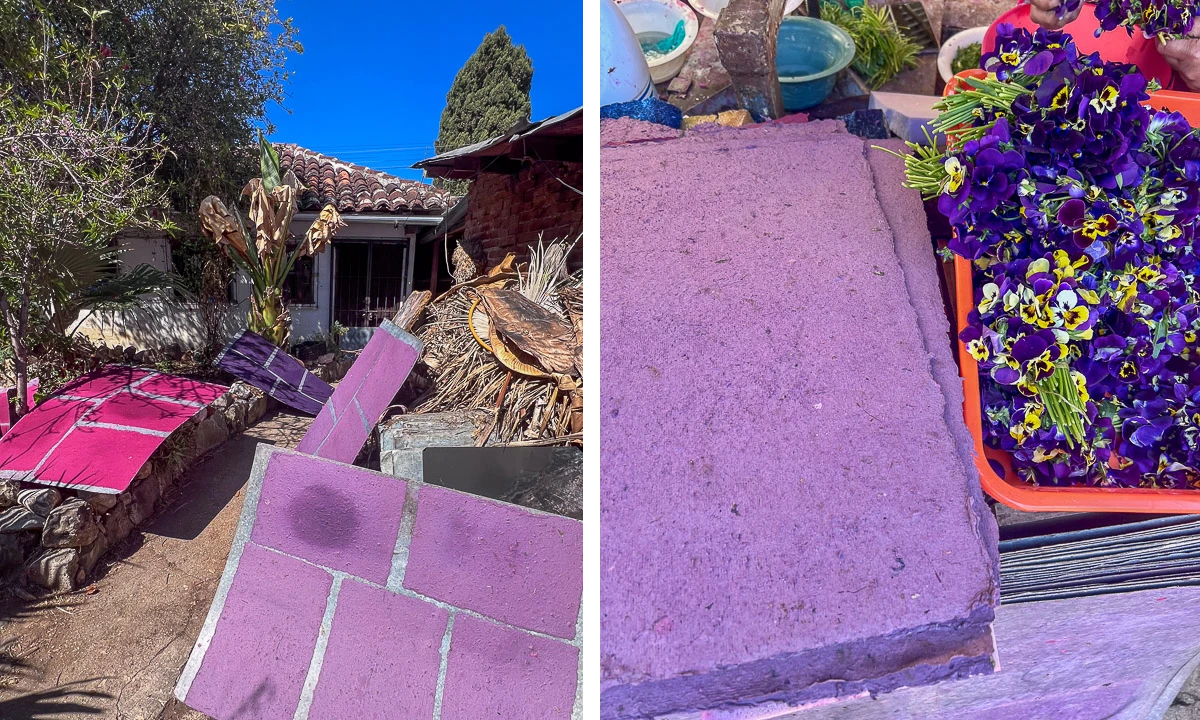
A few blocks south, don’t be shy to peek into Taller Leñateros, a local publishing collective that will be more than happy to show you around and explain how they recycle paper into beautiful prints, books, and cards.
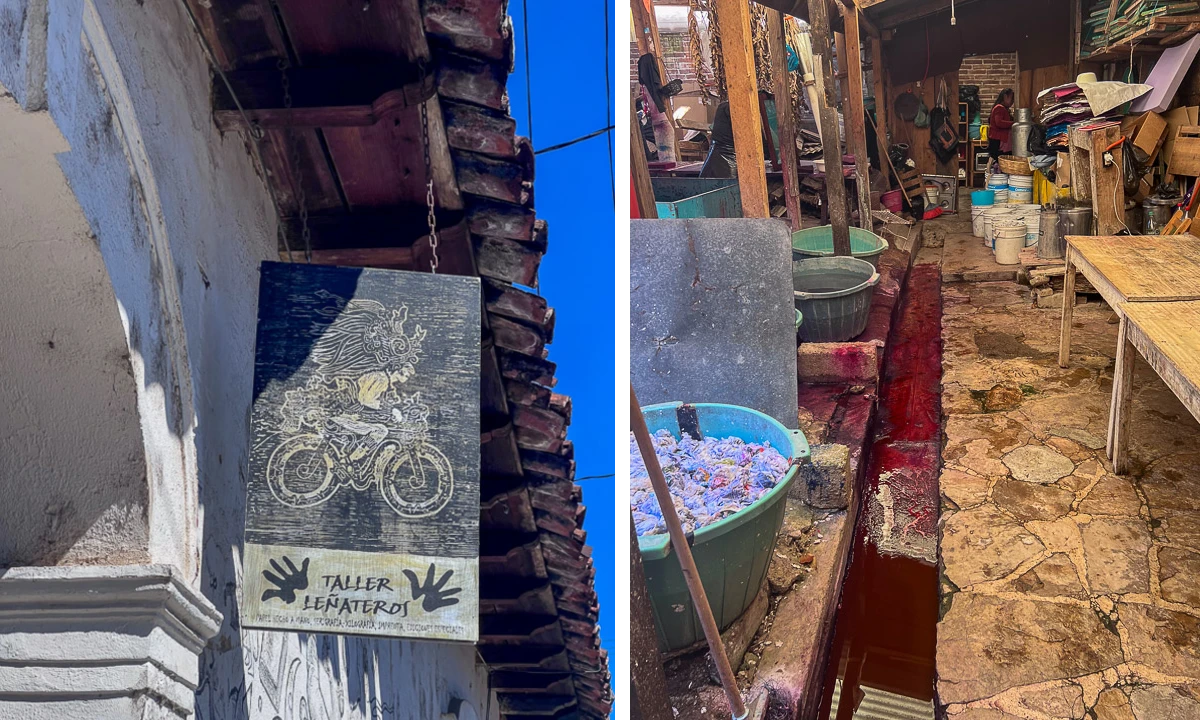
Using only natural dyes and fibers, indigenous artists create colorful and sustainable art which they sell in the shop to help protect their traditions and culture – another original place to buy souvenirs!
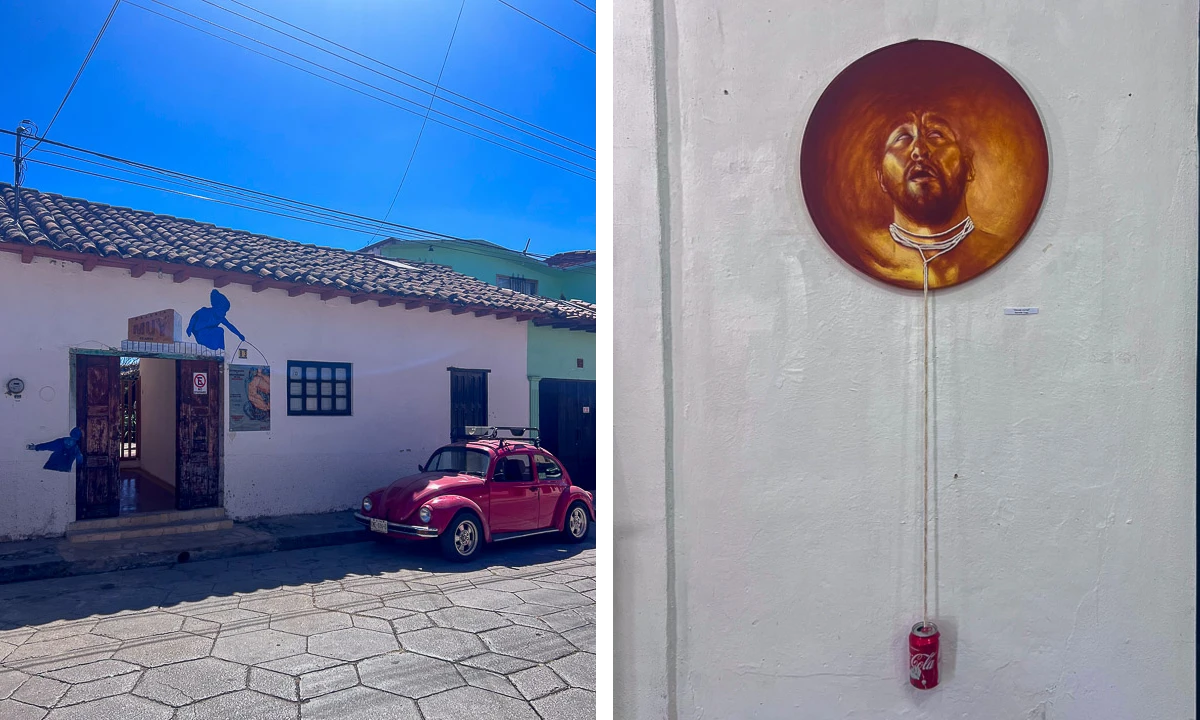
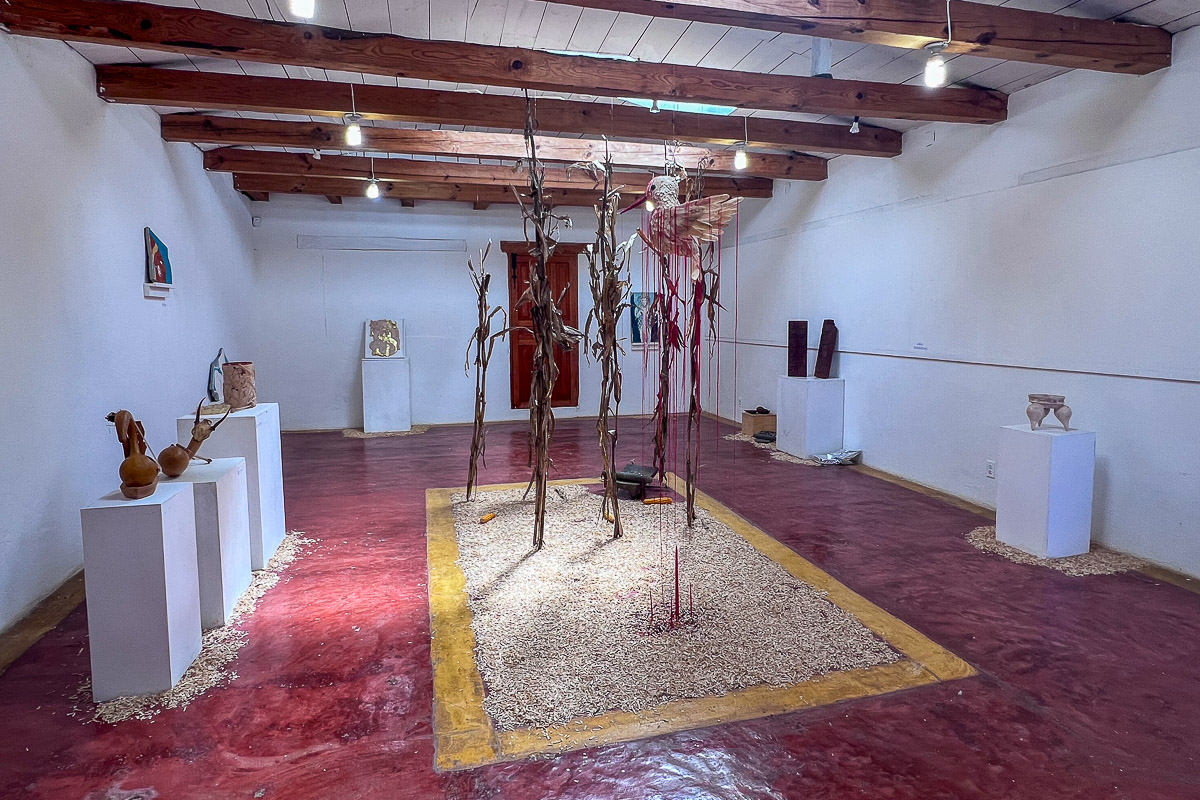
Nearby Galería MUY will give you a taste of contemporary art by Maya and Zoque people and insights into the many social justice themes you’ll see throughout the region, such as exploitative industries (Coca-Cola is everywhere – more on that later) and spiritual ecology.
Churches with views
The best views in town require climbing up one of the surrounding hills to reach a colonial church, the most beautiful one being Iglesia de Guadalupe. Located at the end of the iconic Real de Guadalupe, the white and yellow catholic church sits on top of 80 stairs and will reward your efforts with stunning views and a new perspective of the city.
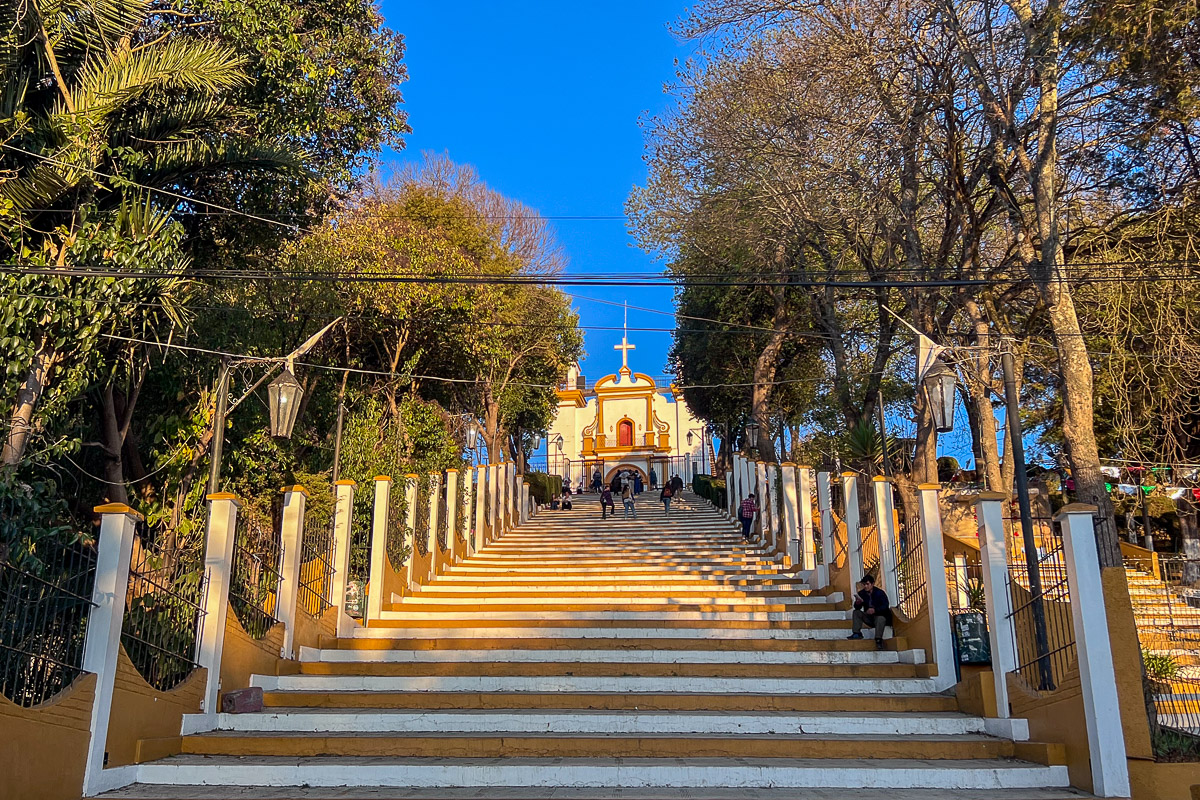
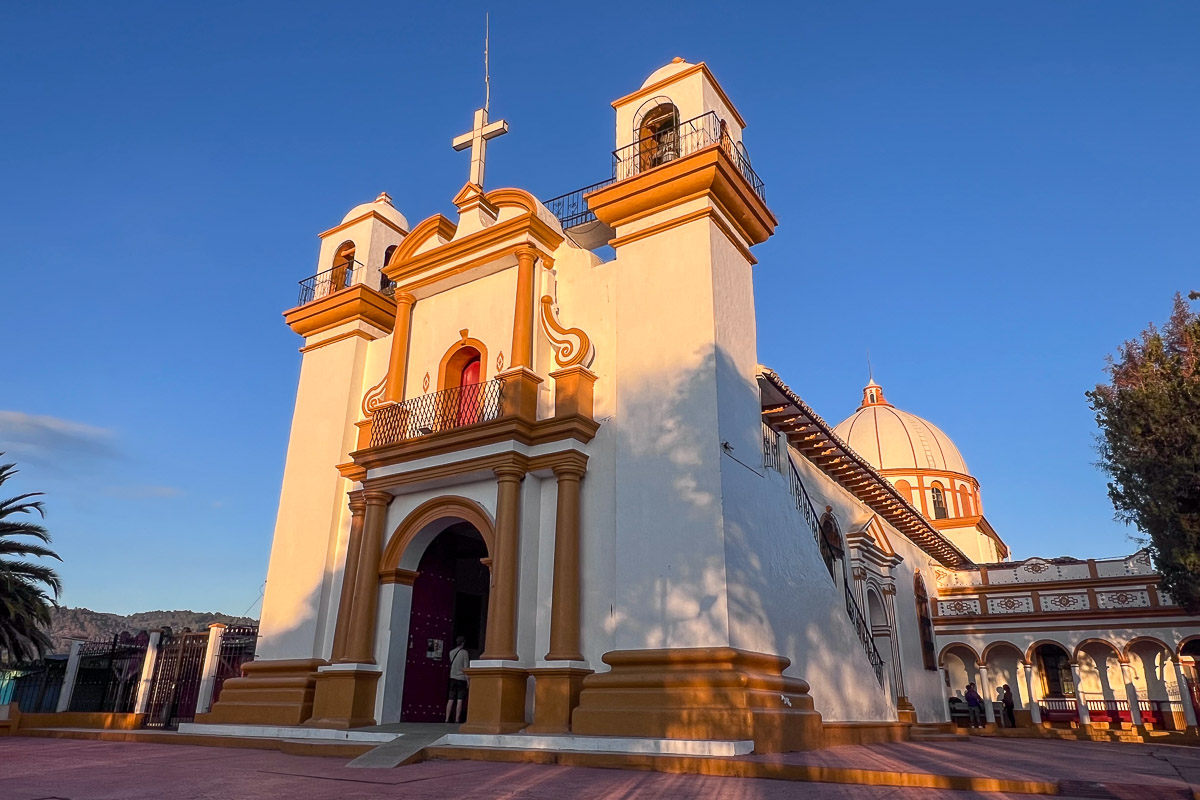
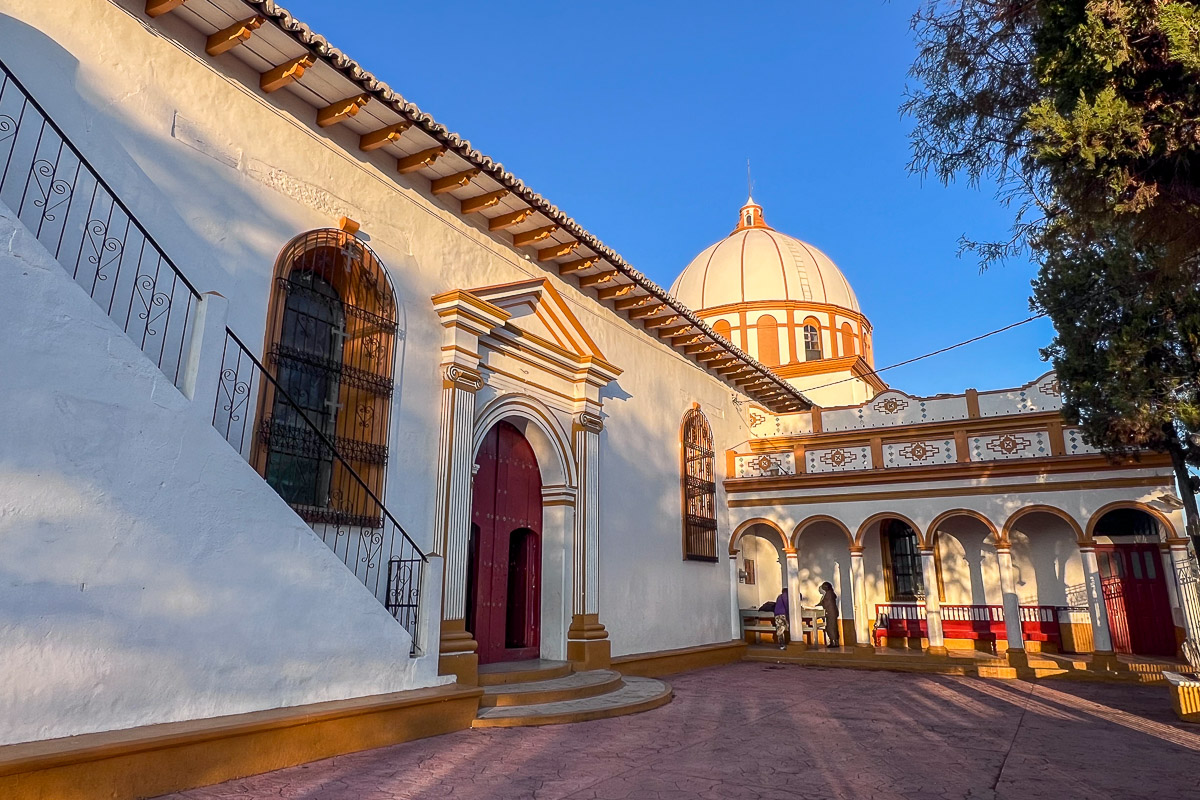
Time your visit with the sunset to see the golden orb slowly disappear behind the mountains and the barrio de Guadalupe start to twinkle with evening lights – beautiful.
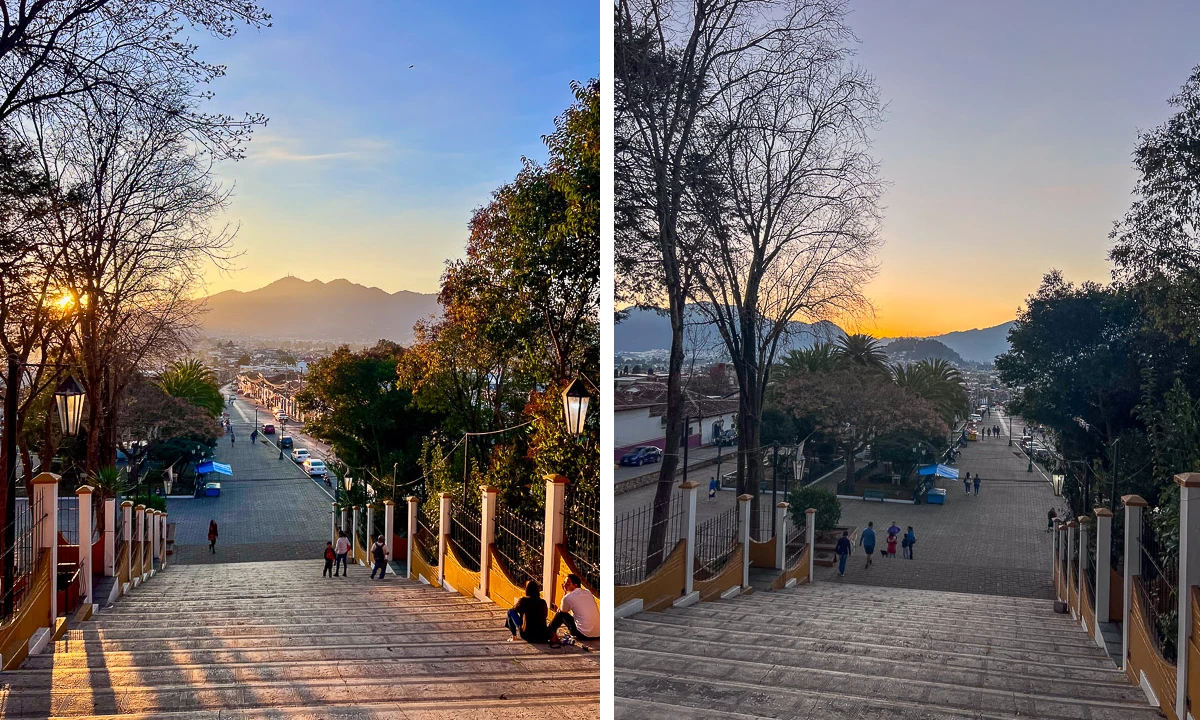
On the opposite side of the city, more hills and viewpoints await.
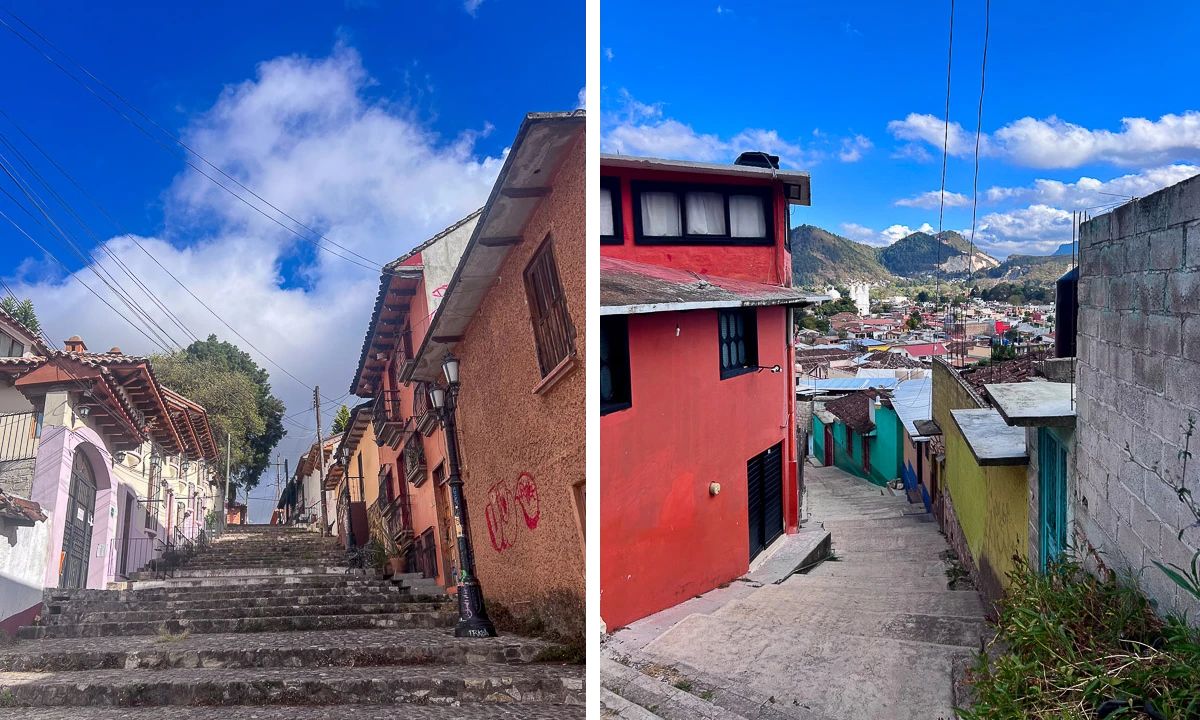
There are 240 steps here to climb through switchbacks to reach the tiny church of San Cristóbalito, often referred to as El Cerrito, built at the end of the 18th century.
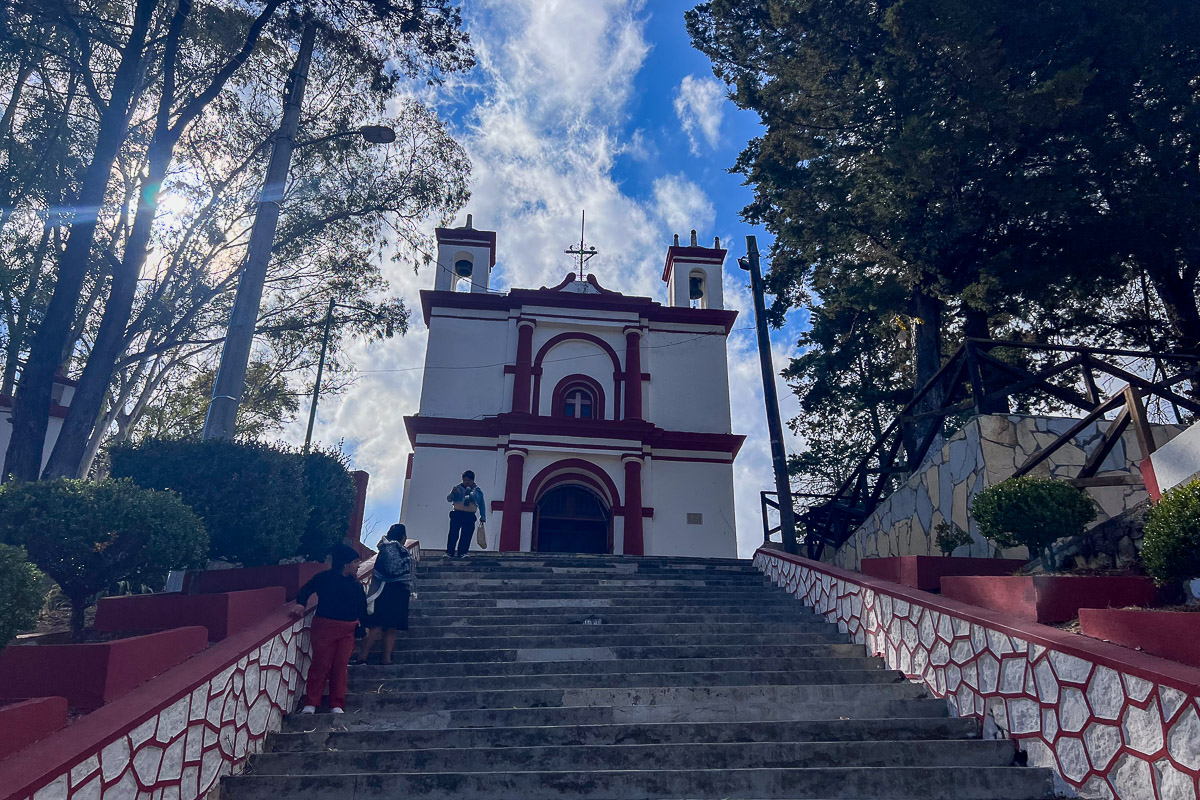
You get a more central view of the city from the top of the stairs, and a very pleasant walk down with street art adorning the side walls.
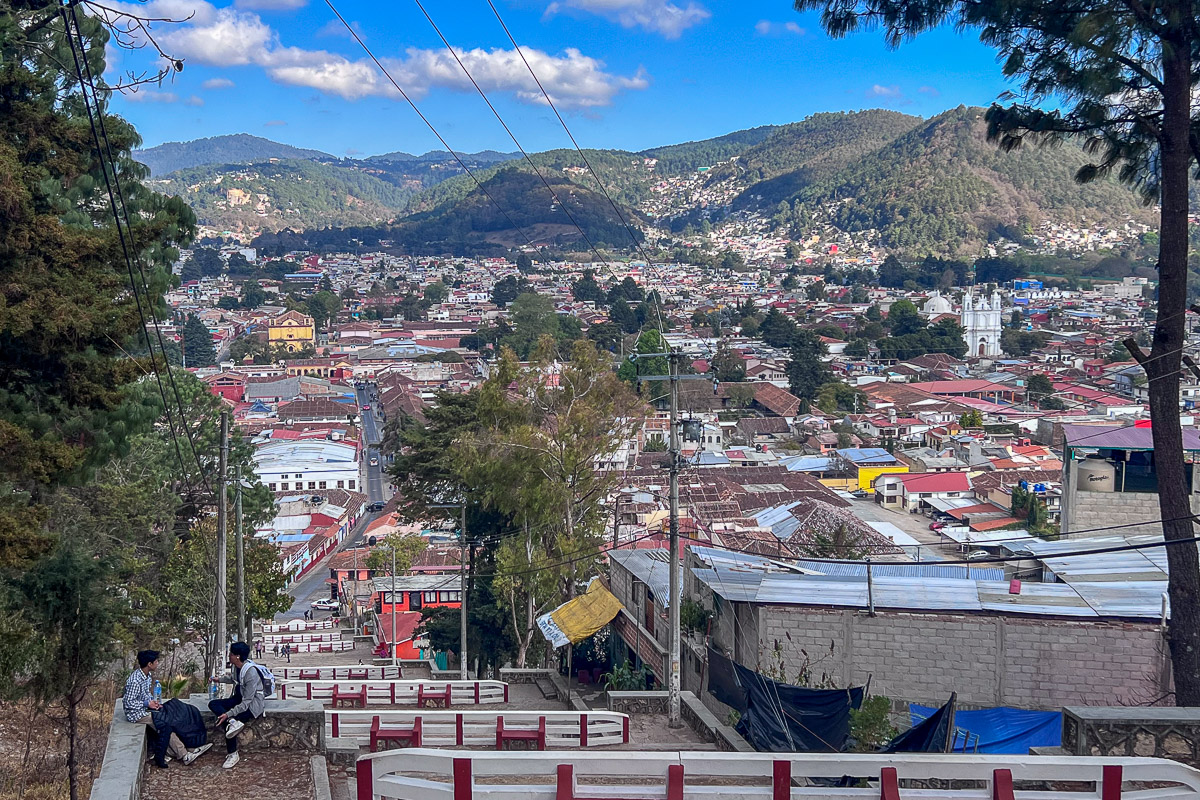
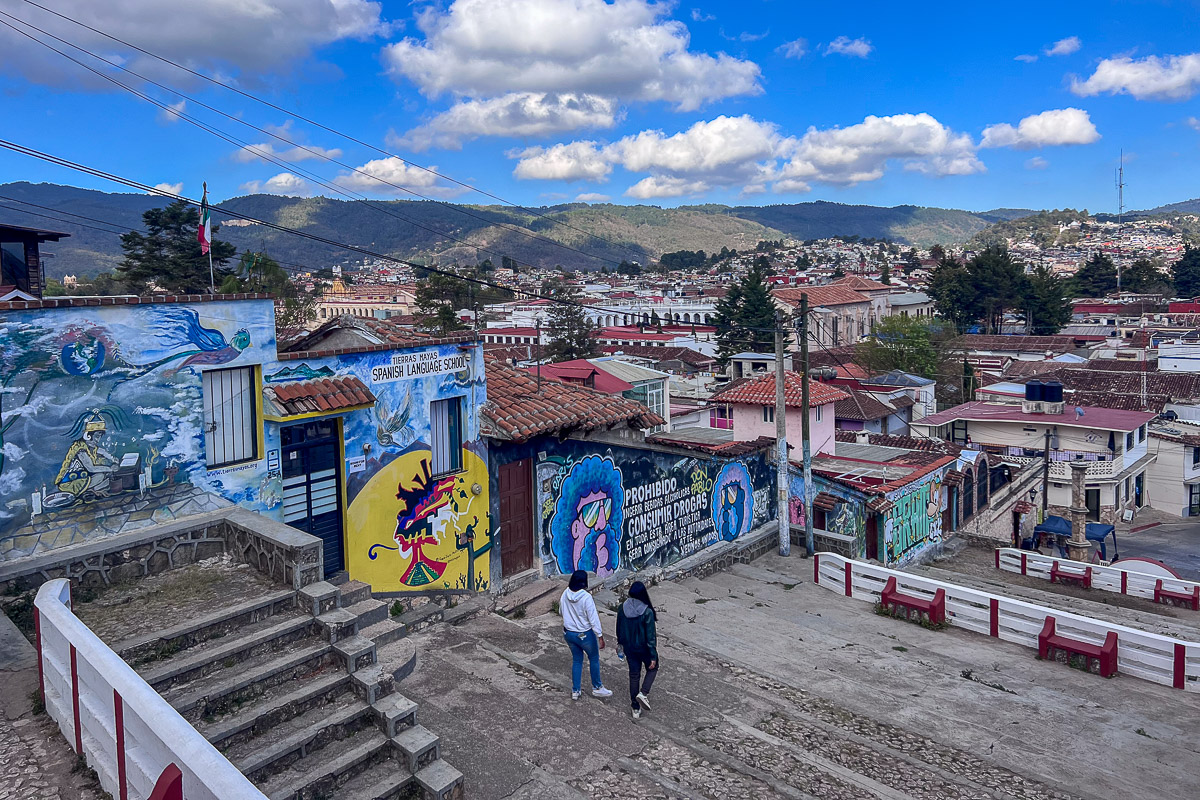
Amber delight in the south
When you come down from El Cerrito, you’re just a few minutes walk away from Plaza de la Merced – my favorite park in the city. A much quieter alternative to the main plaza, you can park yourself on a bench and watch local life goes by with distant views of the surrounding mountains.
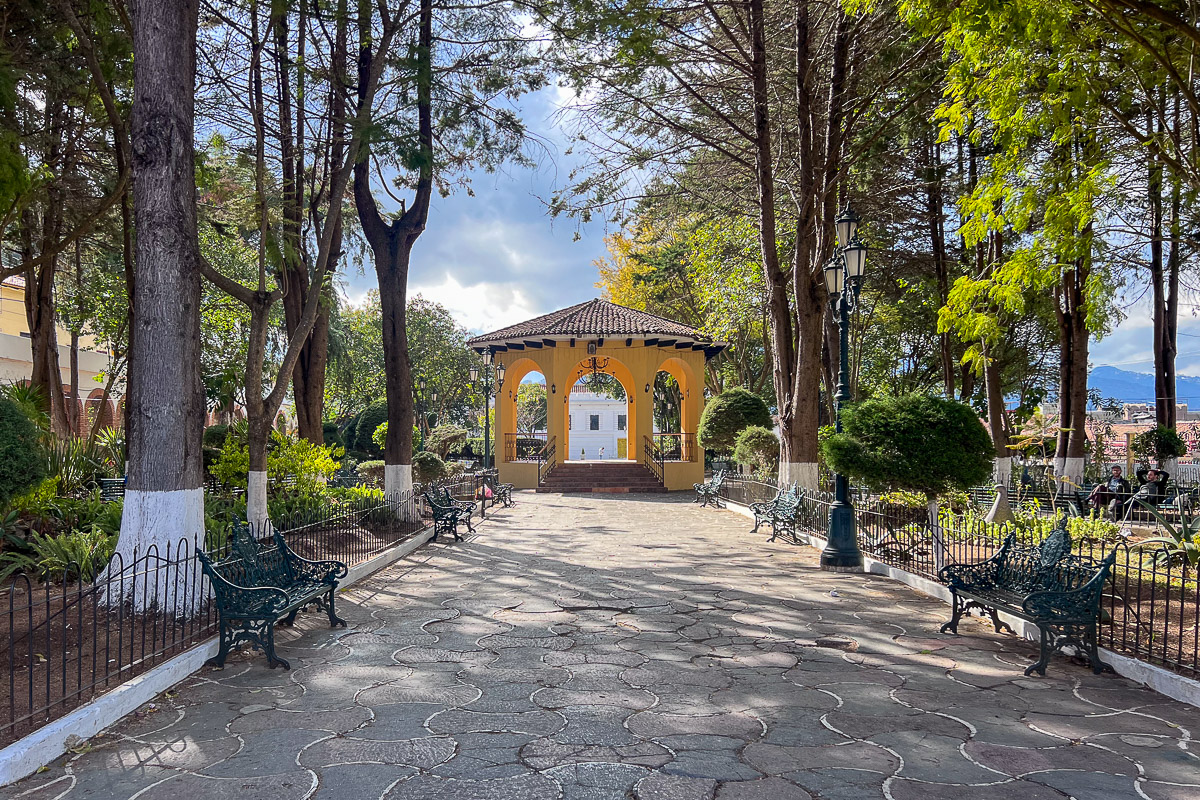
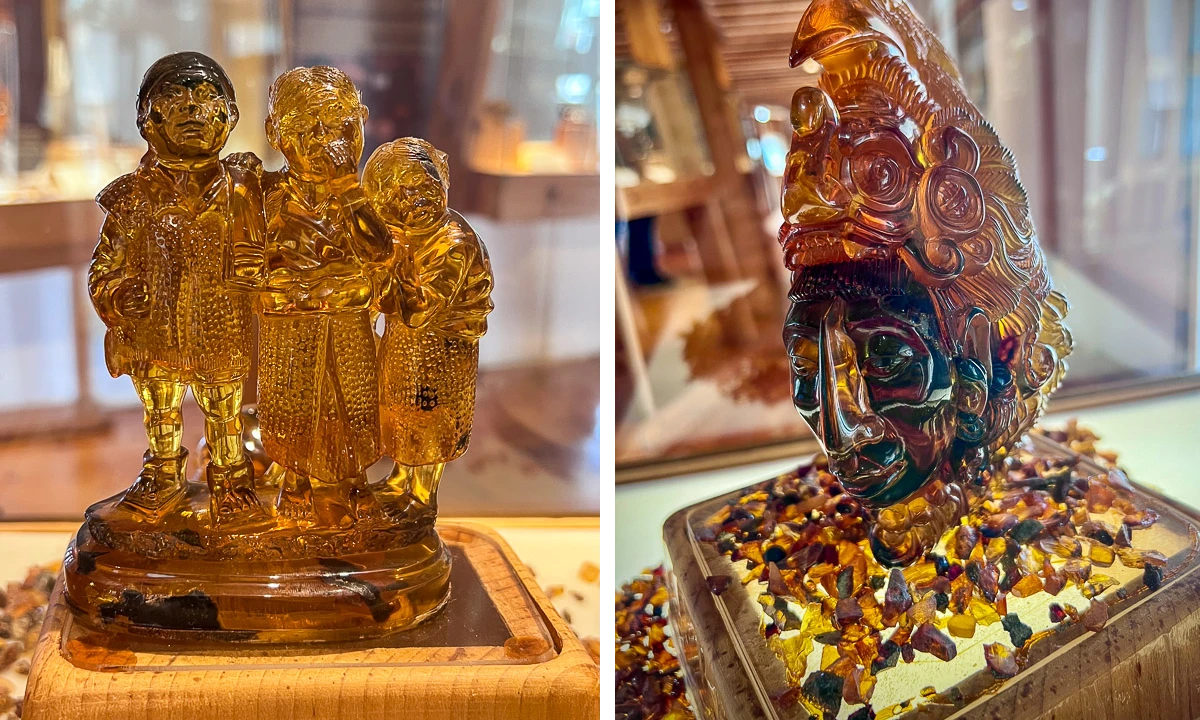
Adjoining the park, a former convent now houses the Amber Museum which was a huge surprise and one of my favorite museums in San Cristóbal.
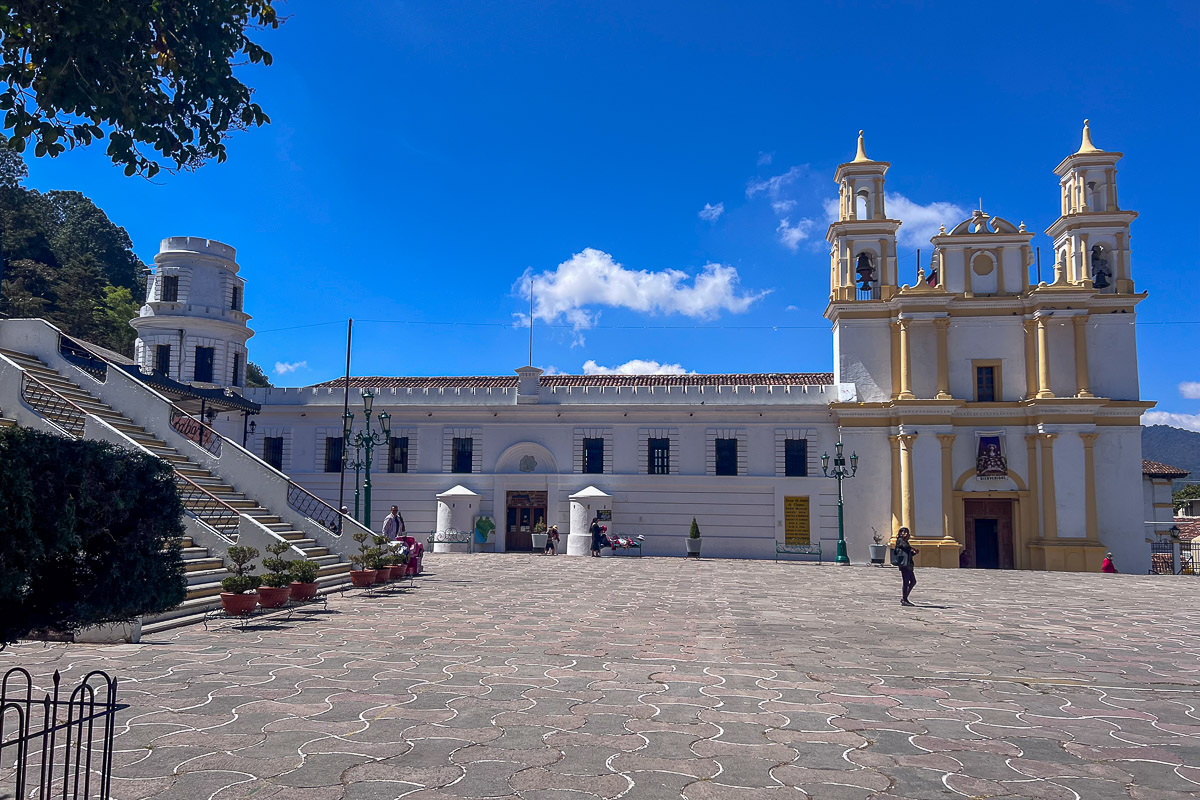
Chiapas has one of the three largest amber deposits in the world and the mountains around San Cristóbal are one of the only places red amber can be found.
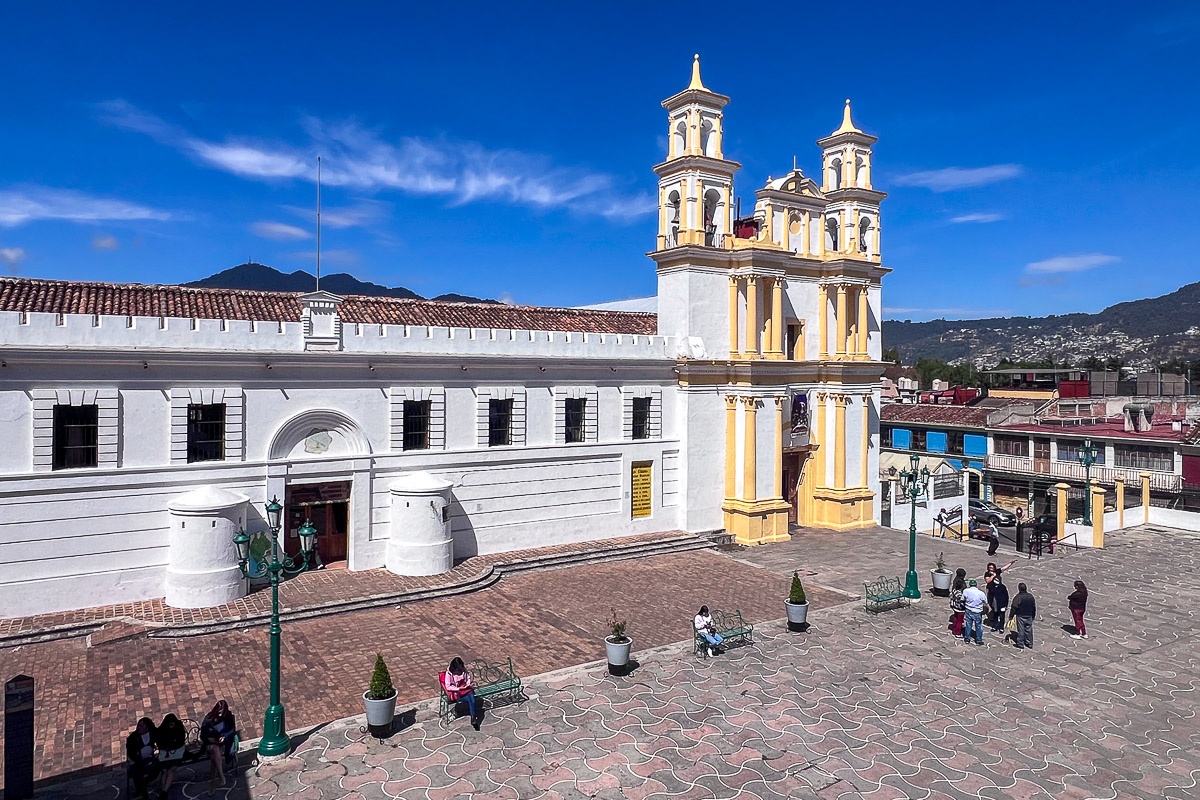
I learned so much going through the atmospheric building, like that amber is the most characteristic gem of Chiapas and was used throughout history as offering protection for medicinal purposes, to produce amulets, jewelry and art objects.
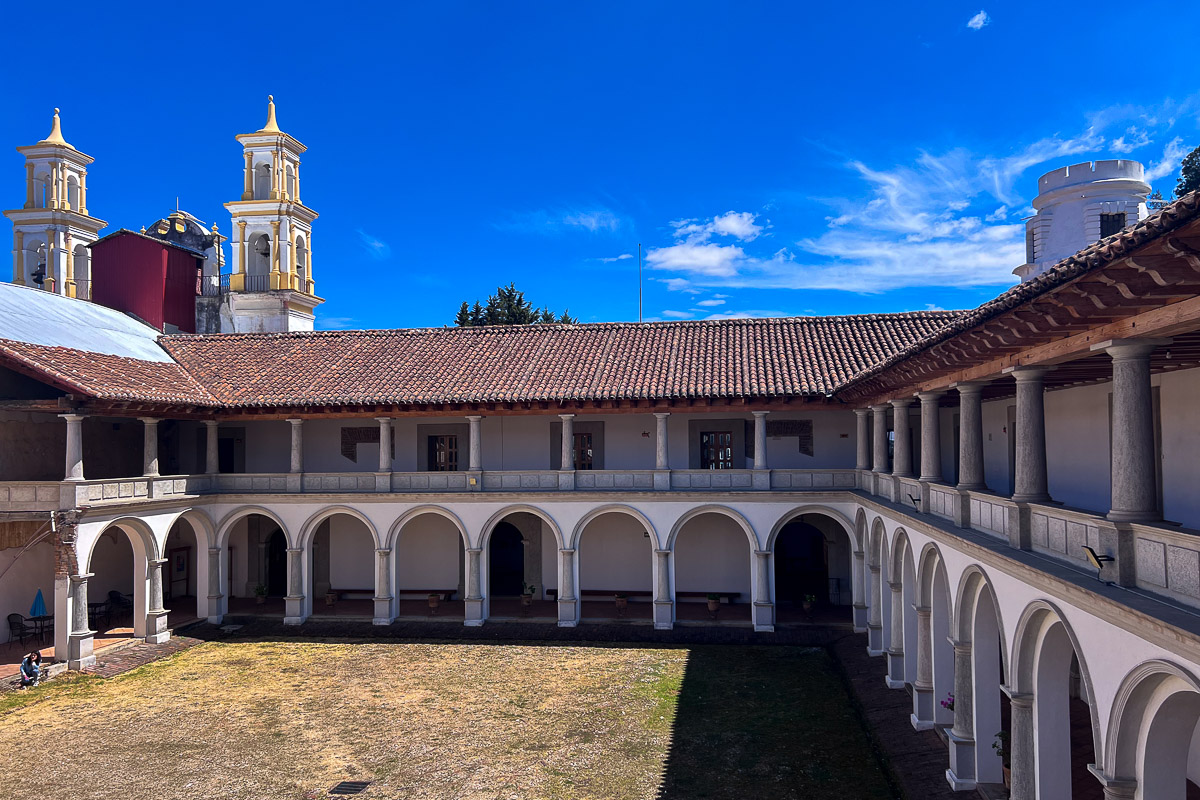
There are detailed explanations and videos about real vs fake amber, how it’s made underground and why it’s often found with dead insects inside of it.
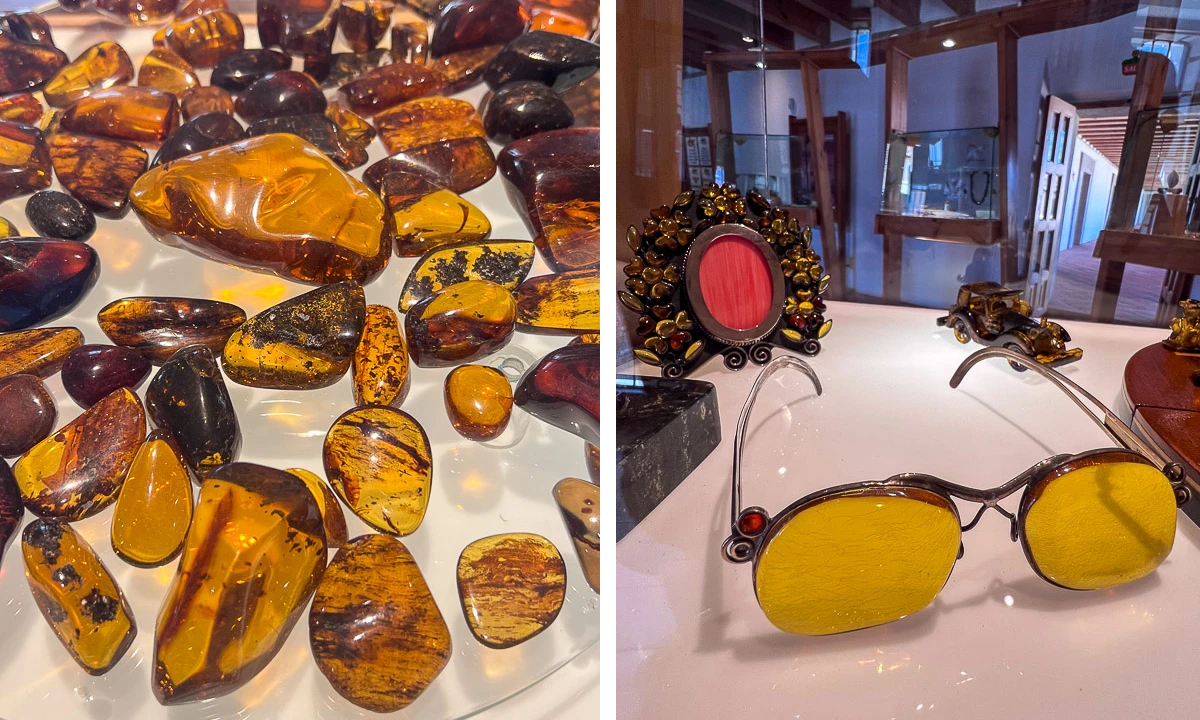
The museum features more than 350 pieces of this fossilized resin, both raw and carved by artisans with some really remarkable works of art you’ll marvel at. The gift shop at the entrance is also an excellent place for souvenirs, guaranteeing authenticity (not always the case if you shop the local markets!) with small jewelry making for very unique and local gifts.
Meandering through old-world magic
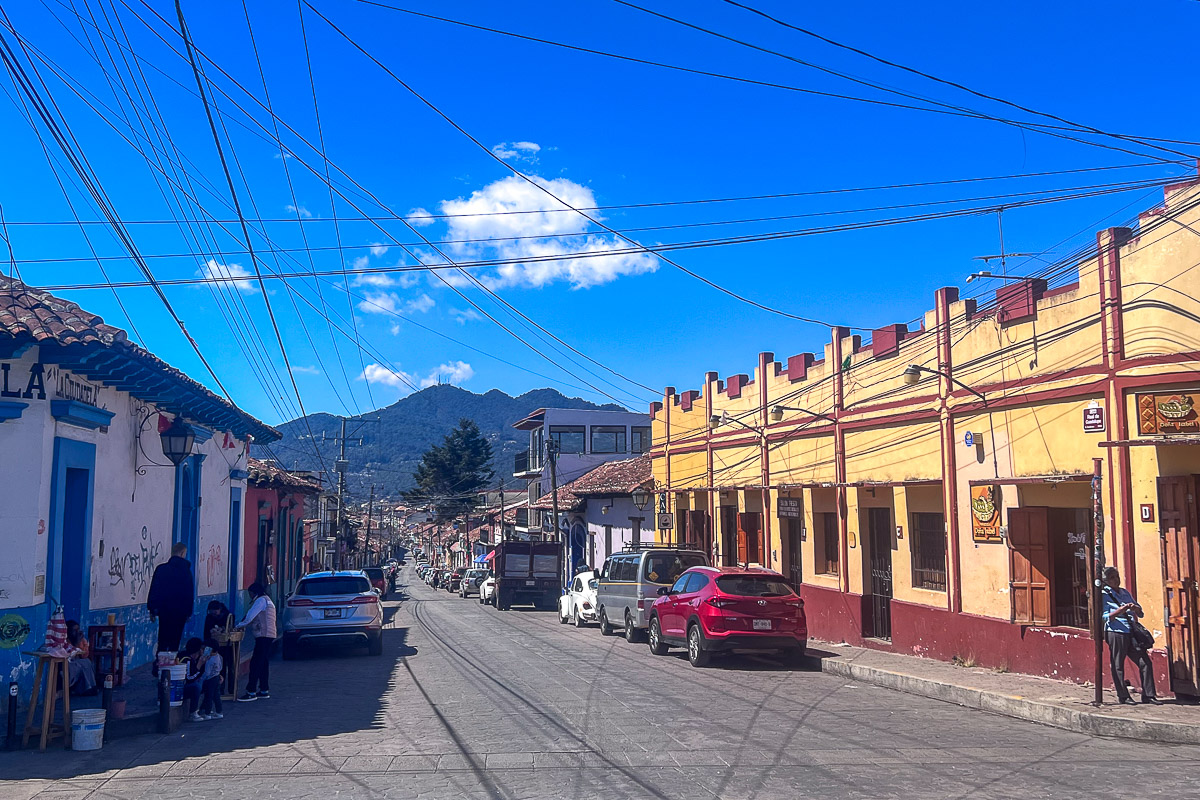
By far the best thing to do in San Cristóbal is to aimlessly wander at a slow pace and fully take in the incredibly enchanting setting. With hilly streets opening views to a charming pastoral scenery at every corner, the town sums up the romanticized highland life of Mexico.
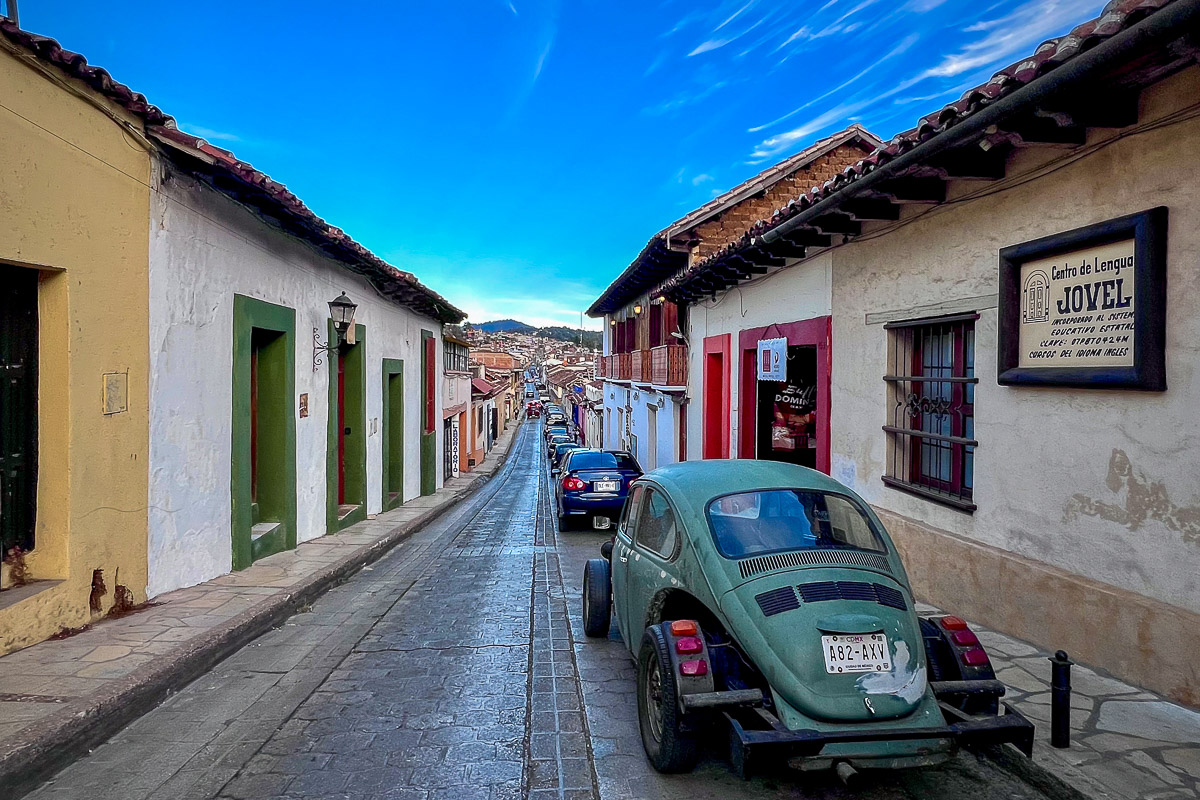
Pastel colored homes and rainbow painted city buildings lined the cobbled streets, instantly boosting your mood if the ever present waft of roasting coffee beans hadn’t already.
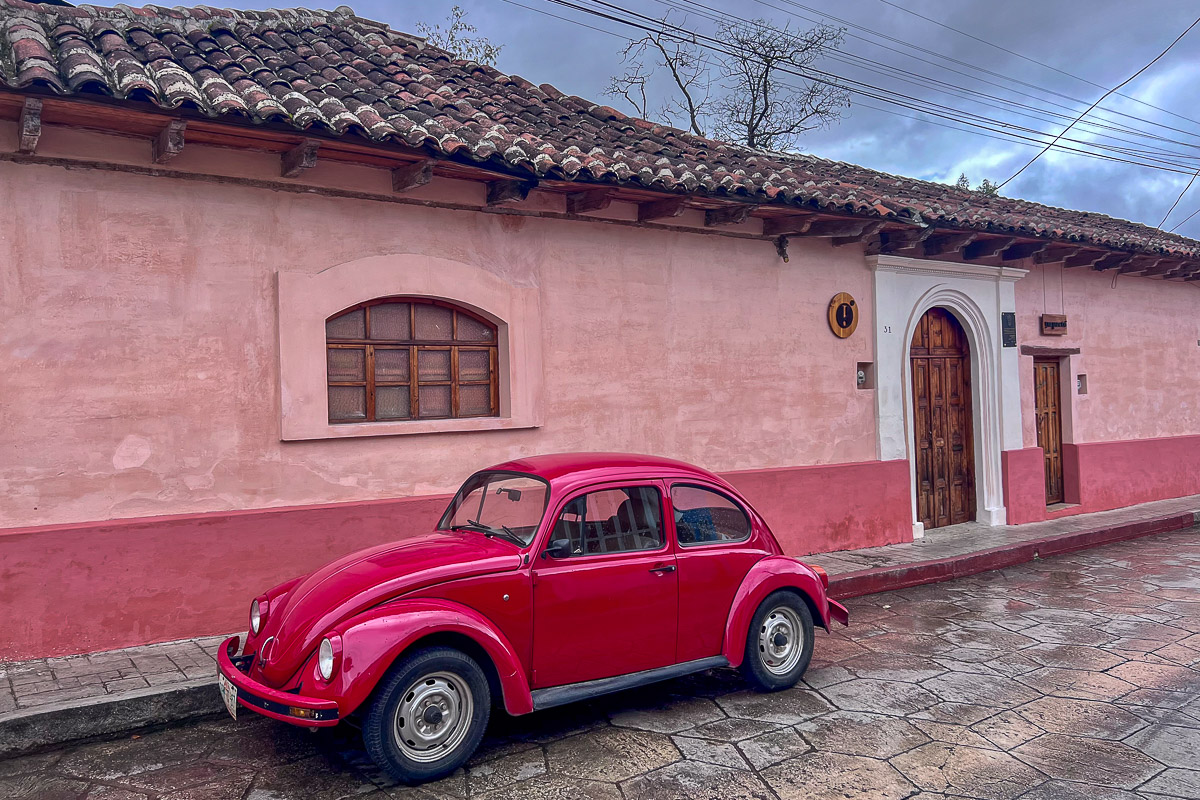
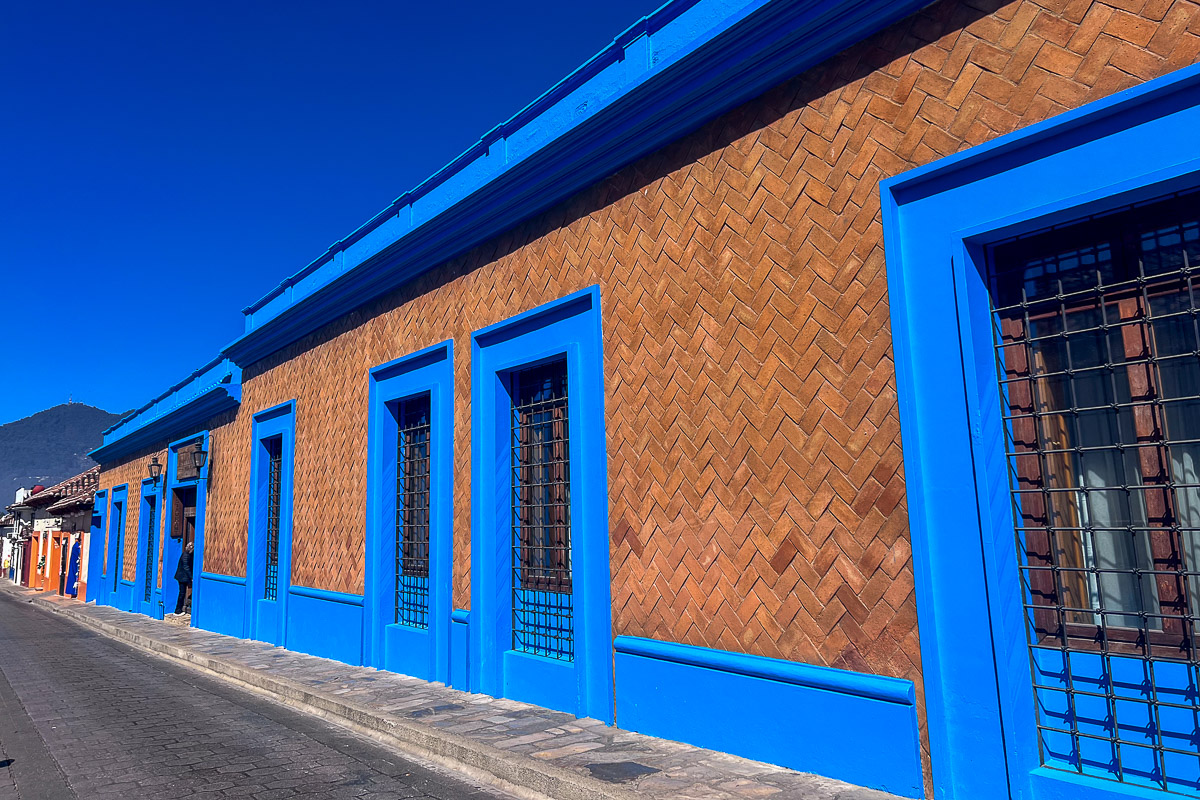
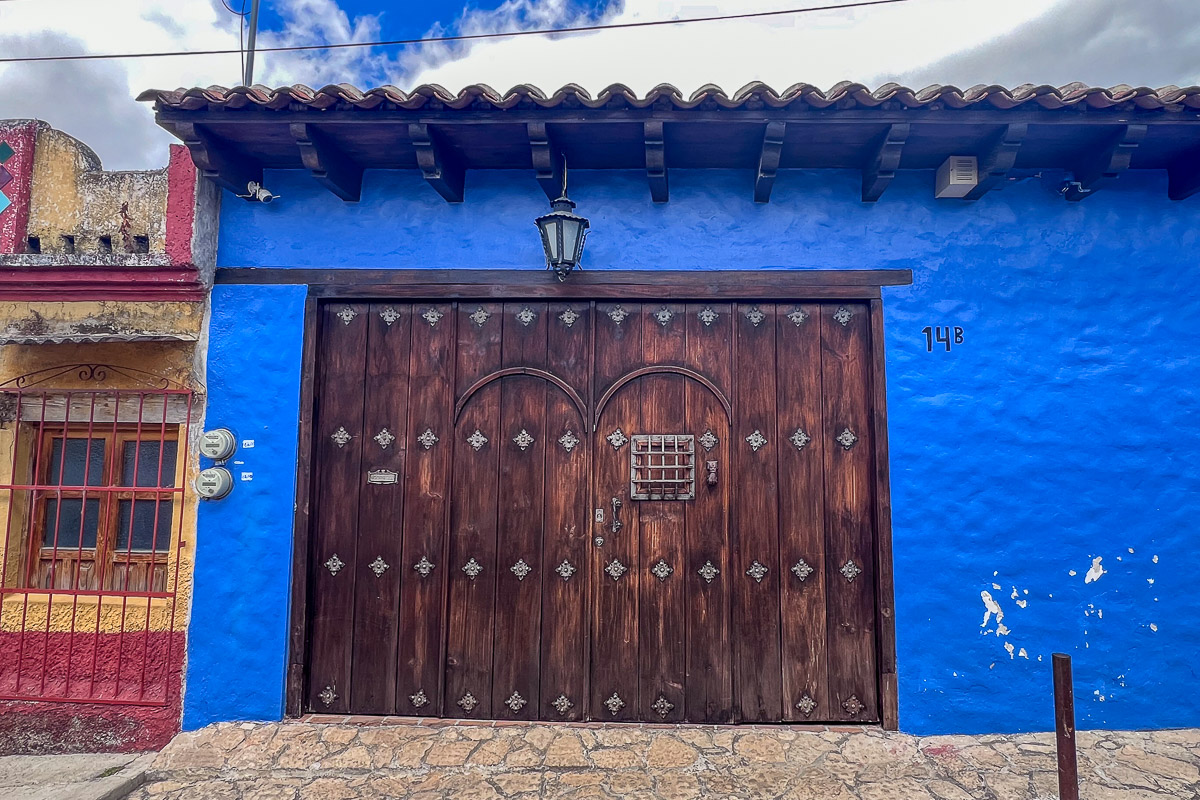
With no crowds to squeeze through like in other big cities, you’ll forget all about stress and start to amble at the same pace as the locals, sharing smiles with perfect strangers and wishing you could bottled up that serene feeling.
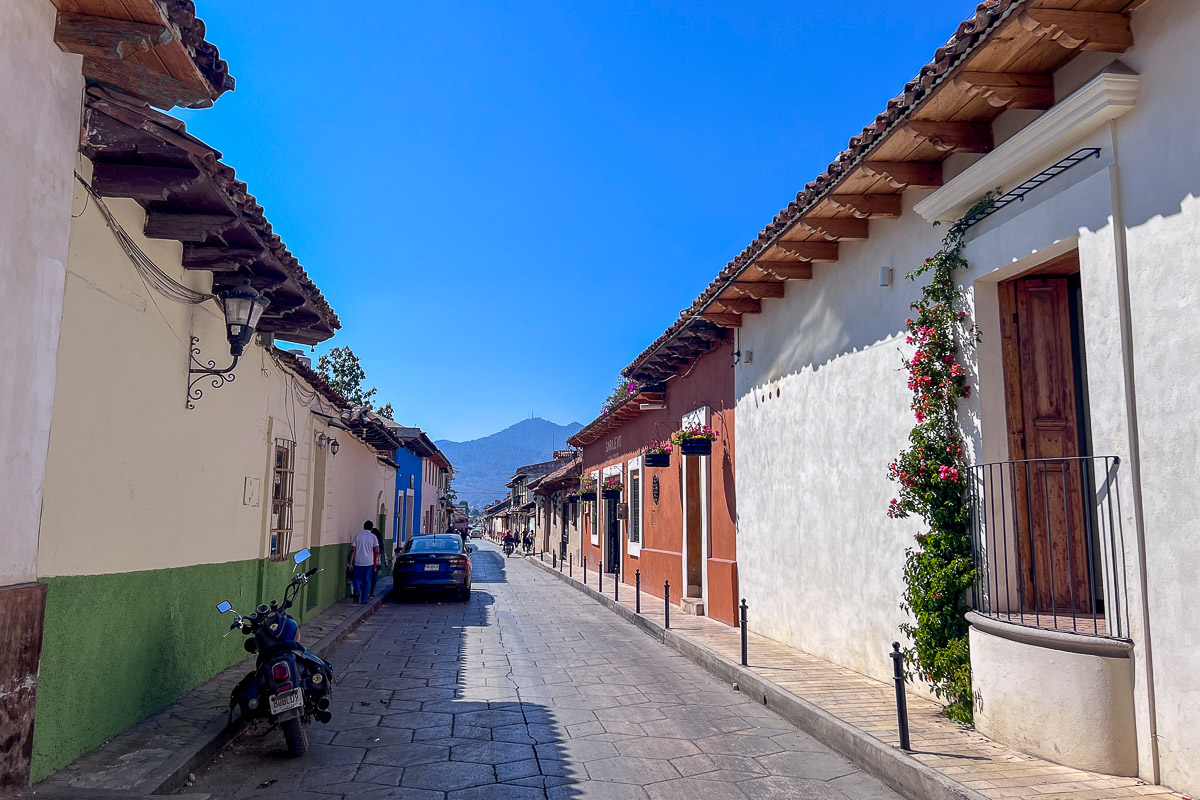
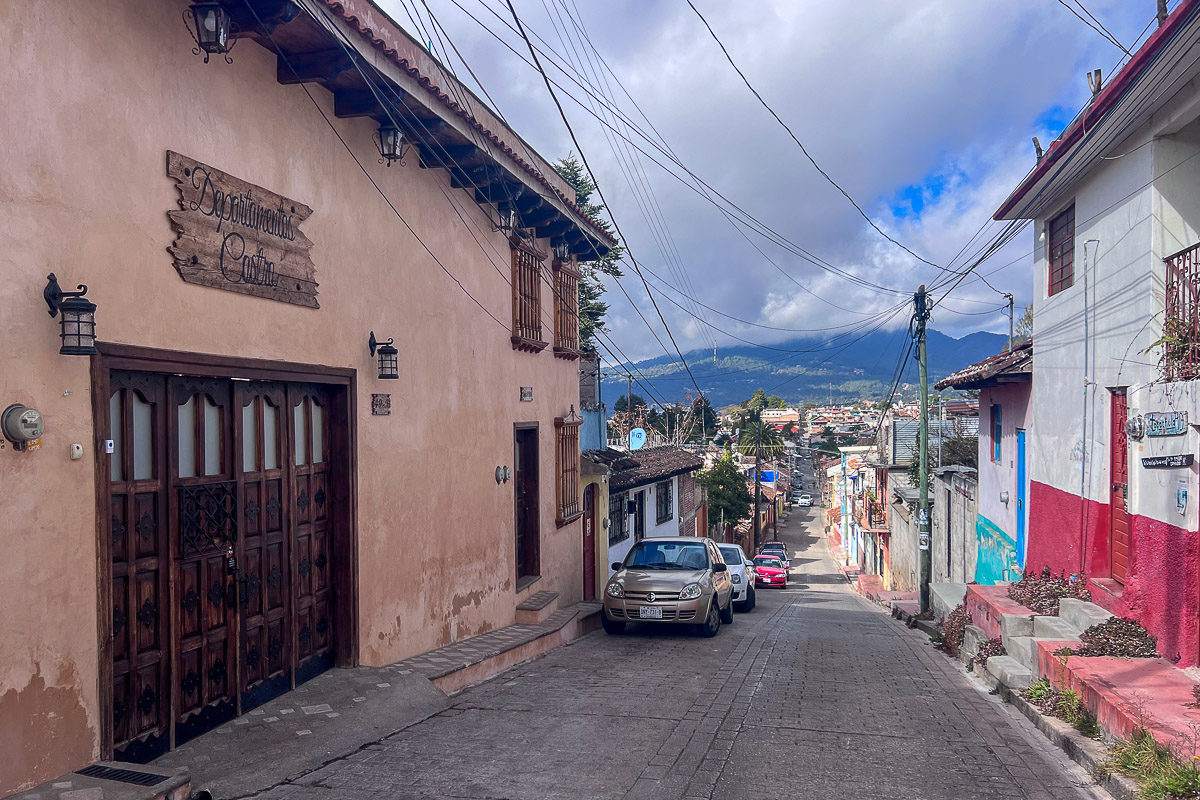
Old Spanish houses open into gorgeous interior courtyards, now charming boutique hotels and intimate restaurants.
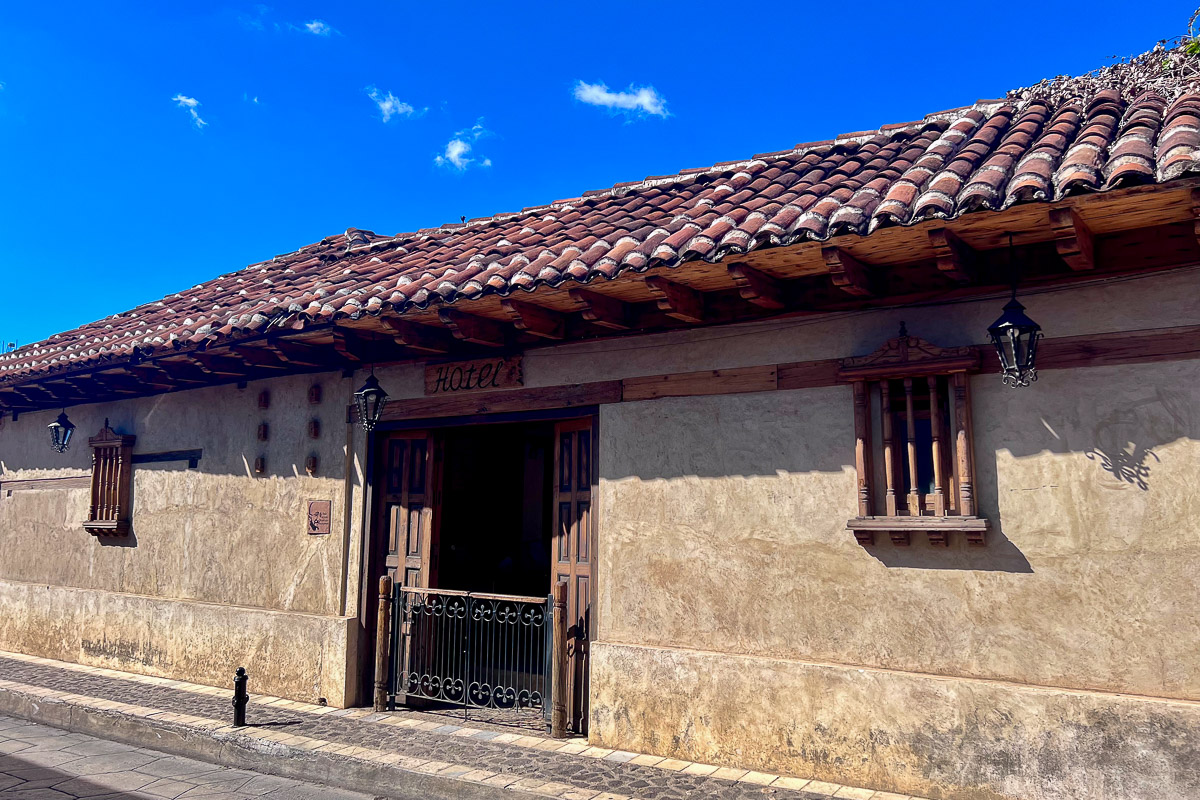
Eventually your feet will inevitably bring you back to the main drag of calle Real de Guadalupe, the center of the social life.
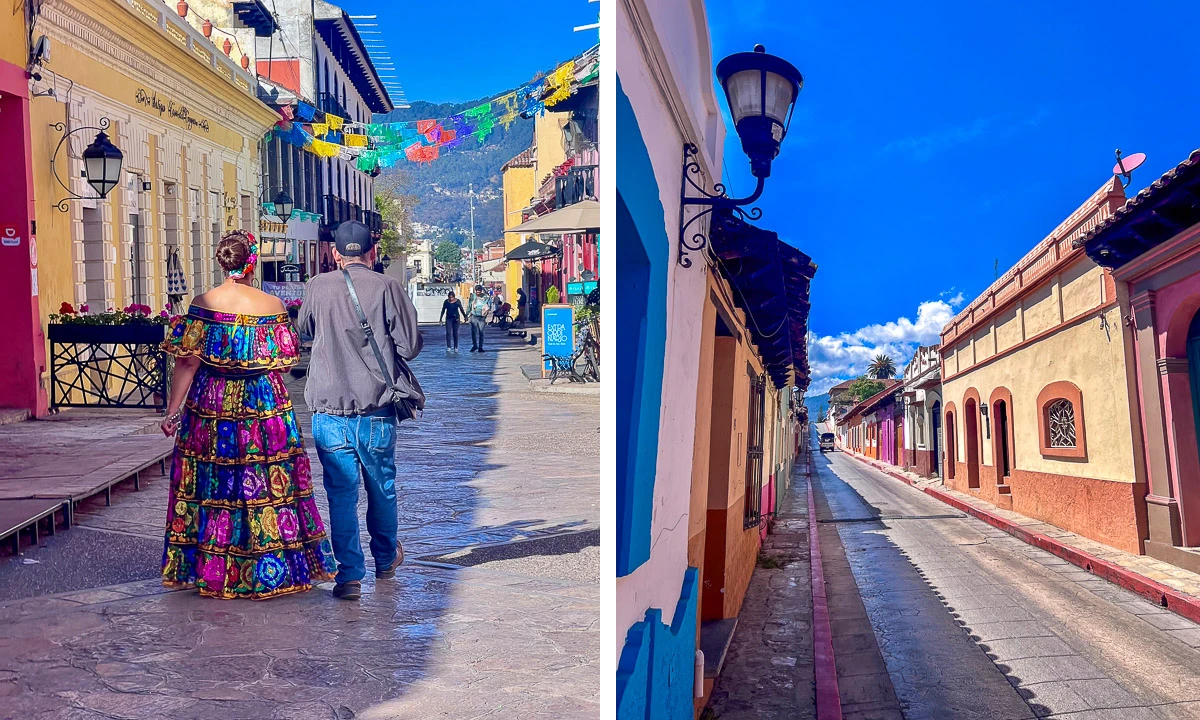
The pedestrianized street is filled with coffee shops, wine bars, and all kinds of eateries, forming the only proper “downtown buzz” if we can call it that! You’ll likely spend many hours at any time of day sitting at an outside table people-watching, seeing familiar faces. Unassuming entrances lead to shopping malls with small galleries, craft stores, and food stands bulking up your options for eating and shopping.
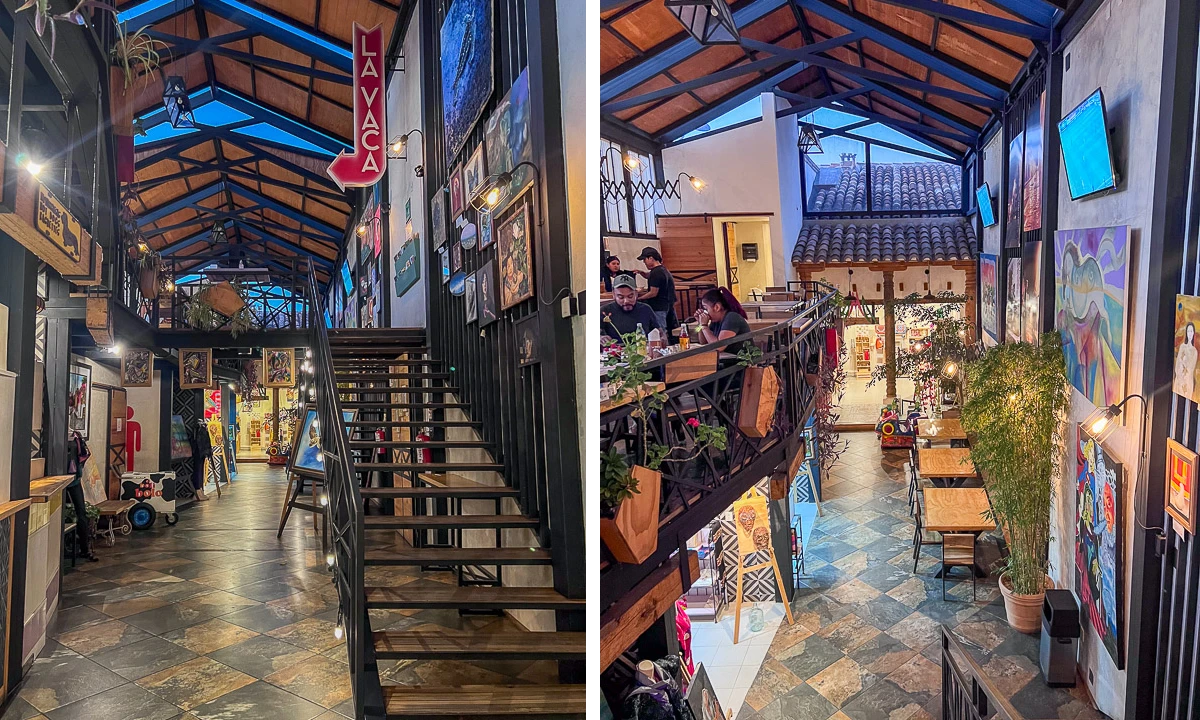
The afterwork crowd mingle at sunset as temperature drops. Indigenous sellers pound the cobblestones, their arms filled with colorful textiles, perfect to wrap around your chilled body as you slowly fall for this most magical of pueblos.