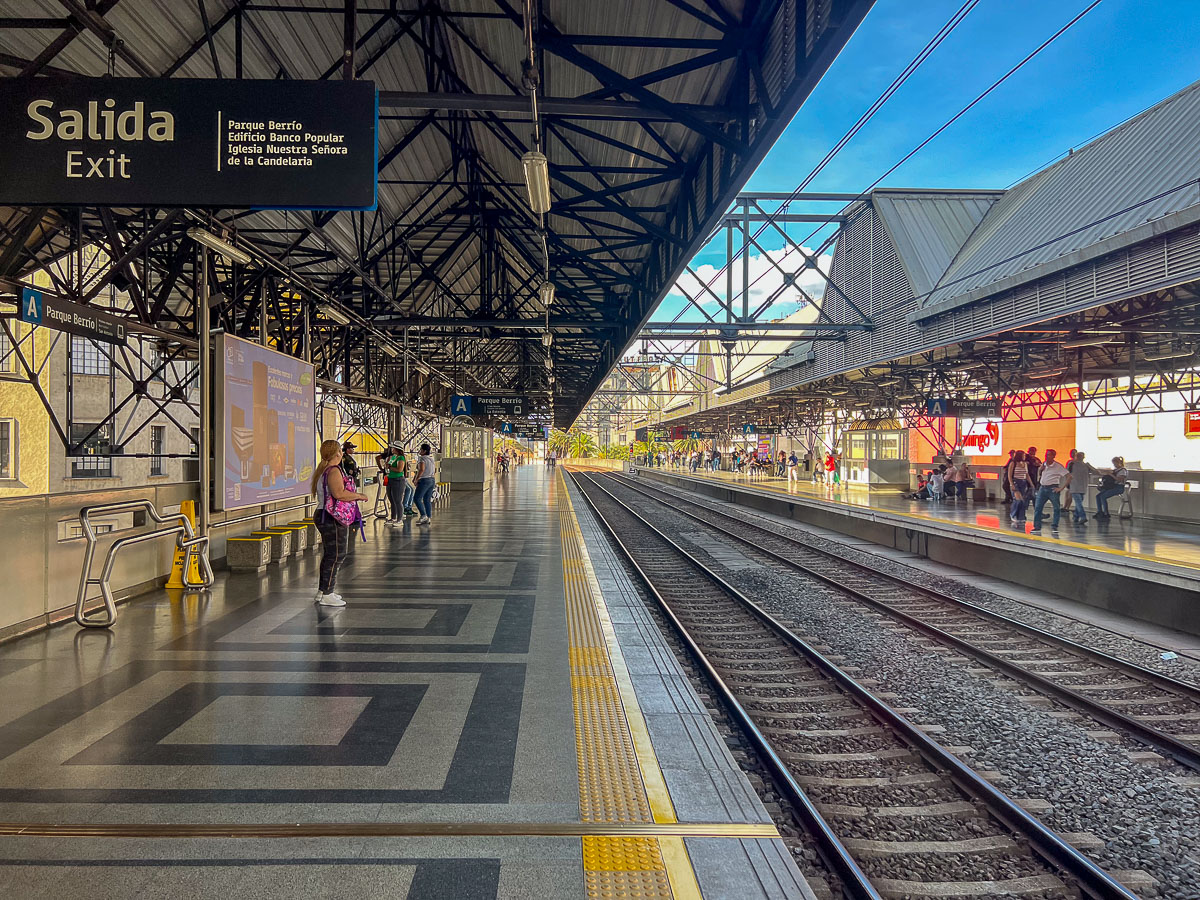
Exploring outside of Medellín’s center and El Poblado is easy thanks to the metro system. Locals are very proud of their metro, considered a symbol for Medellín, and recognized as one of the top transport systems in the world. It was inaugurated in 1995 and the most recent line was added in 2019, helping develop marginalized portions of the city with limited transportation options.
I was surprised at how clean, modern, and efficient the entire system is, far above what I’ve seen in other big metropolis around the world. For less than a dollar, you can get to many of the most popular tourist spots in the city easily and see the urban landscape from a different angle as you cross neighborhoods on the elevated rail tracks. In fact, it is the only rail-based metro system in Colombia.
Jardín Botánico
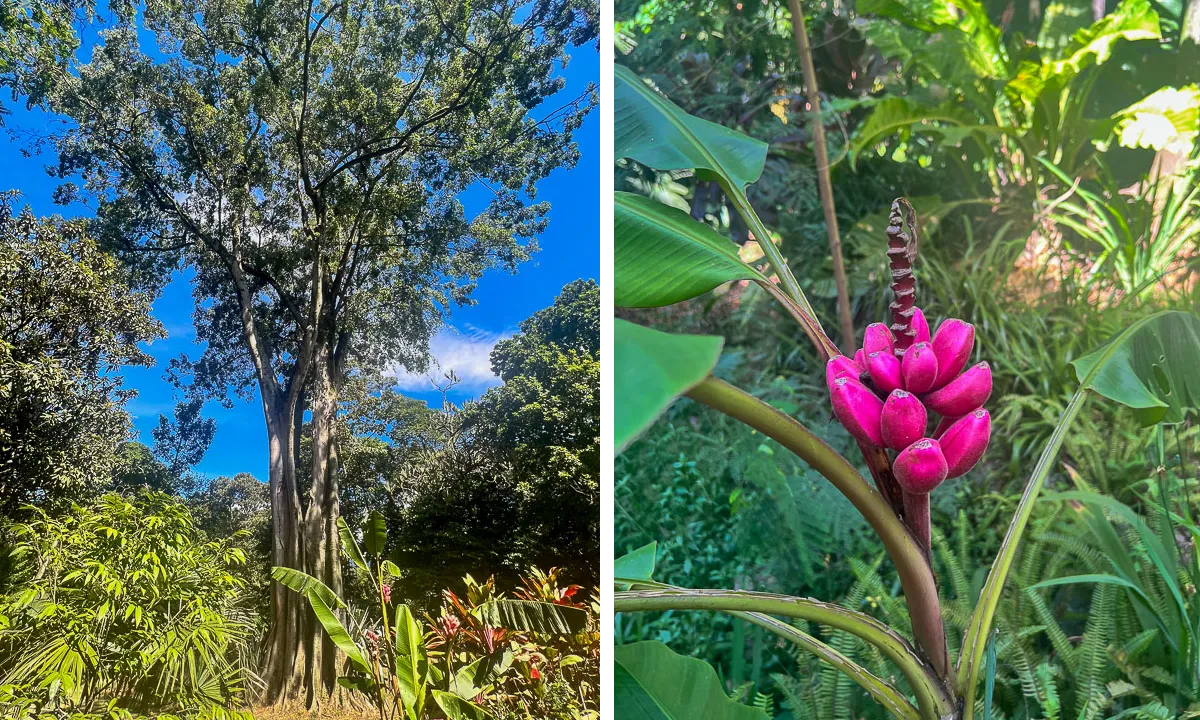
One such easy to reach tourist destination is the Botanical Garden – one of the city’s nicest green spaces – located right next to the Universidad metro station. It’s free to enter and you can spend hours wandering through the park, checking out some of the 1000 species of plants and trees, sitting by the lake, or walking through the tropical forest and butterfly enclosure. Locals gather here to picnic and chill out away from the busy downtown.
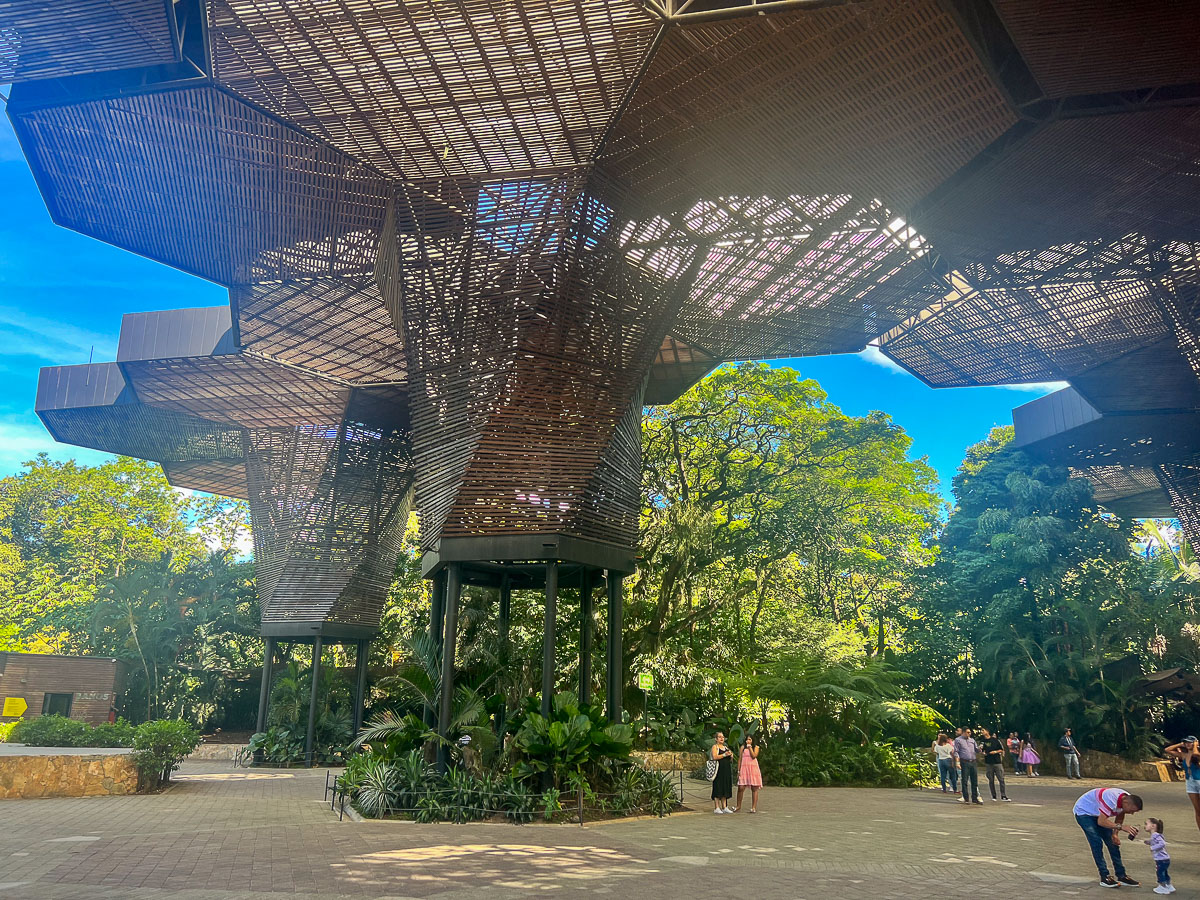
There’s an impressive structure called the Orchideorama where events are often held underneath this “bouquet” of wooden flowers.
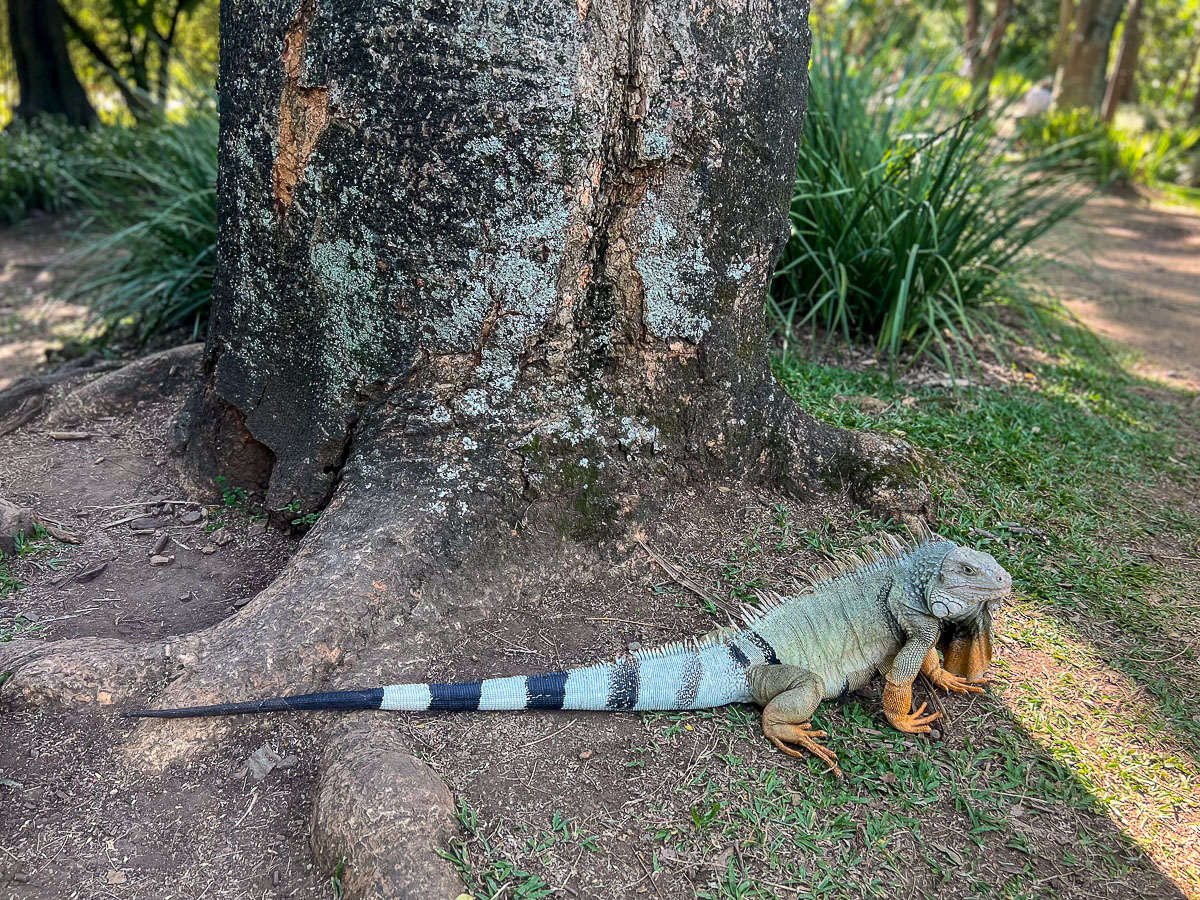
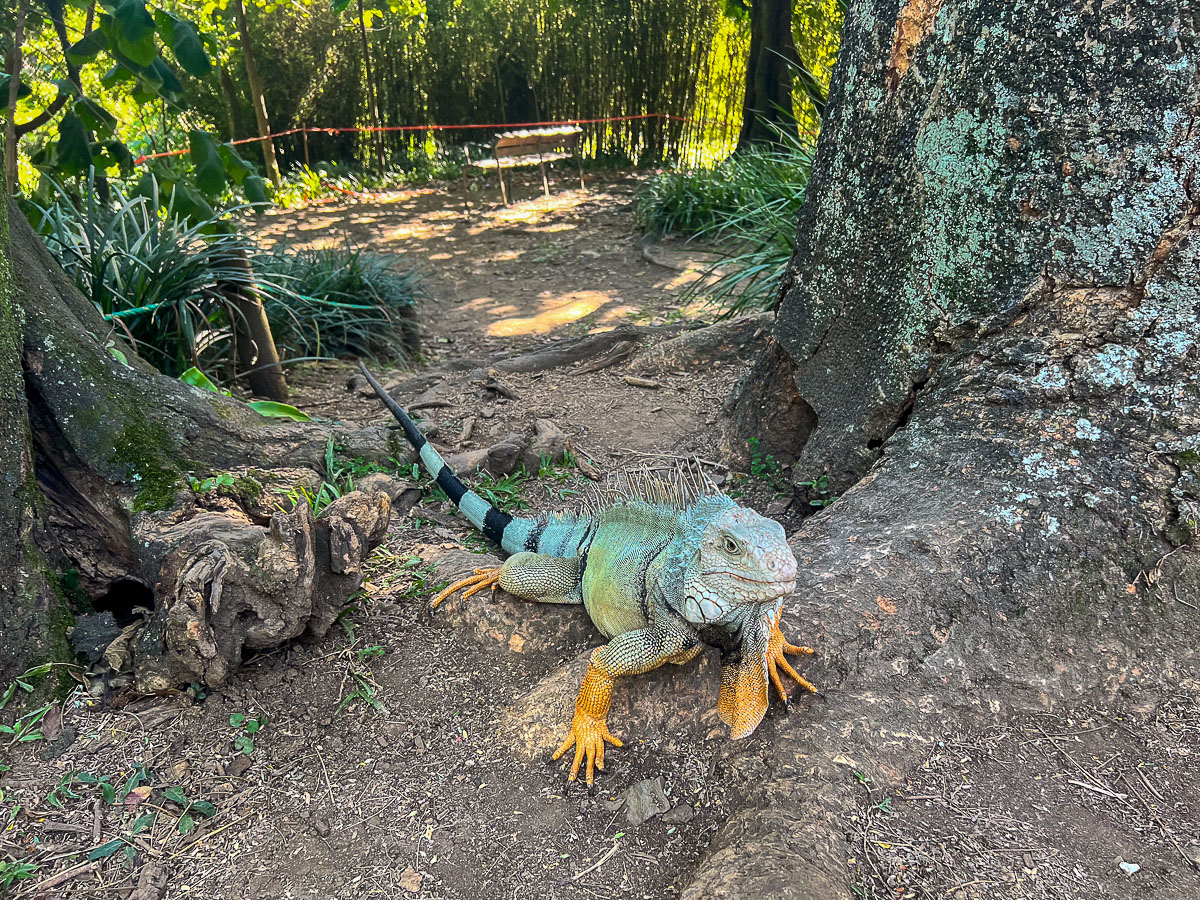
Walk long enough and you’re pretty much guaranteed to stumble upon one of the large iguanas that call the garden home…
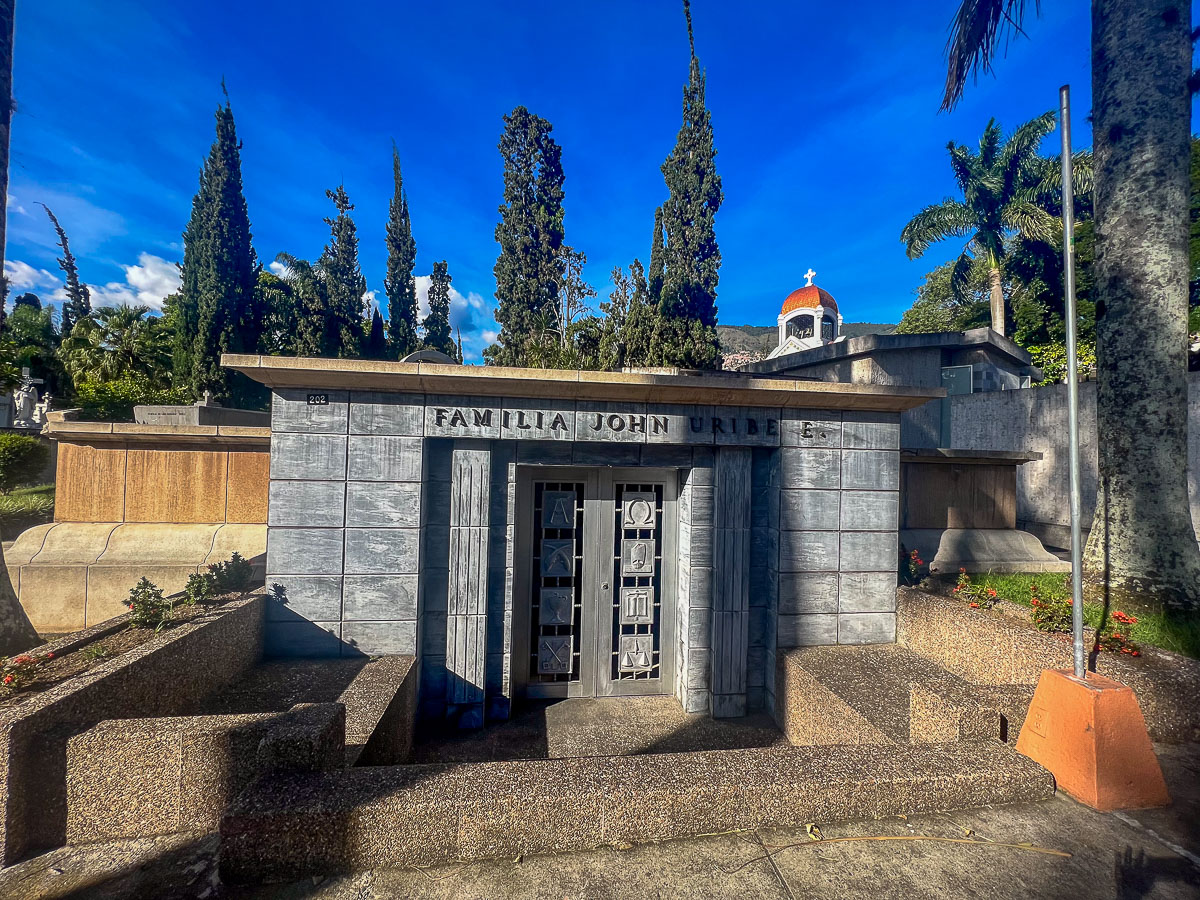
A few blocks away, the San Pedro Cemetery Museum is also worth a quick stop. The most historic cemetery in Medellín was founded by the elite in 1842 and is the resting place of prominent politicians and artists.
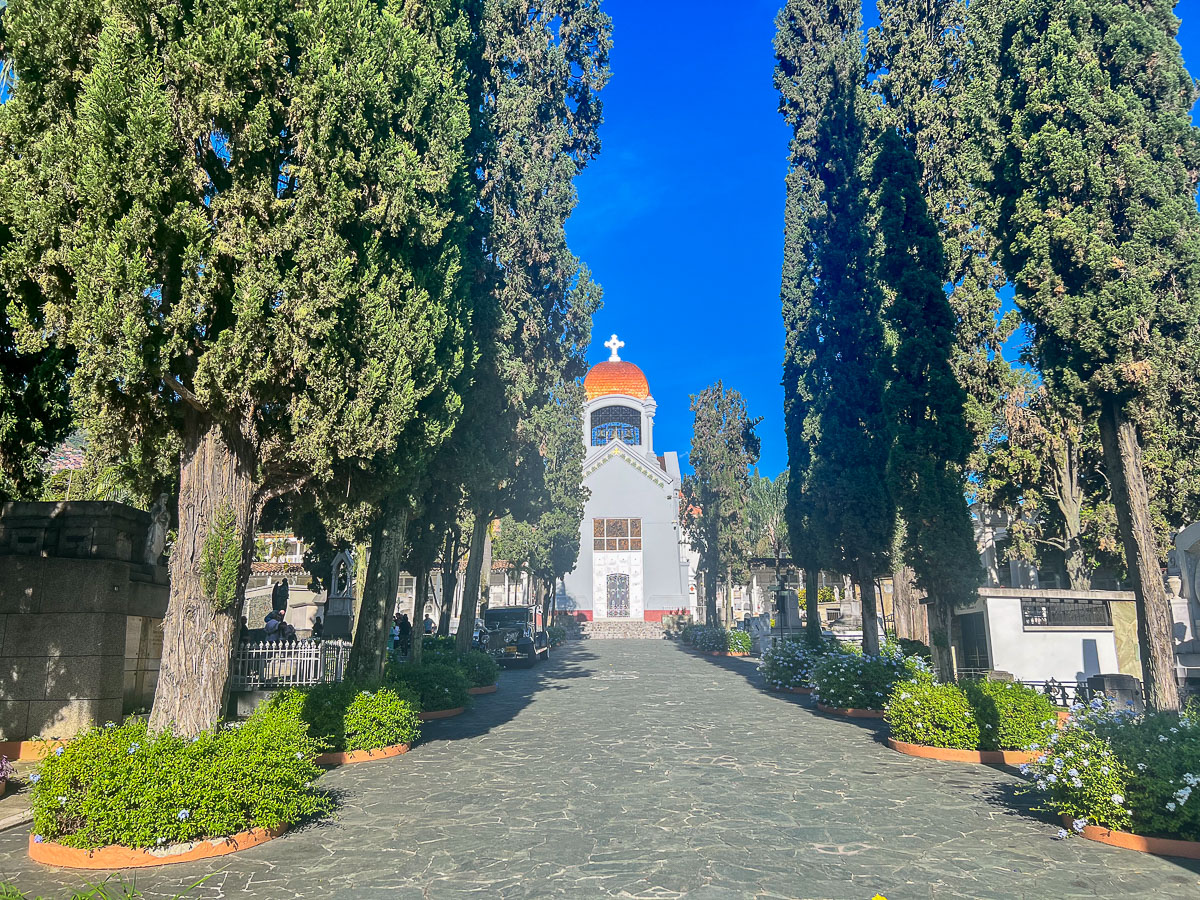
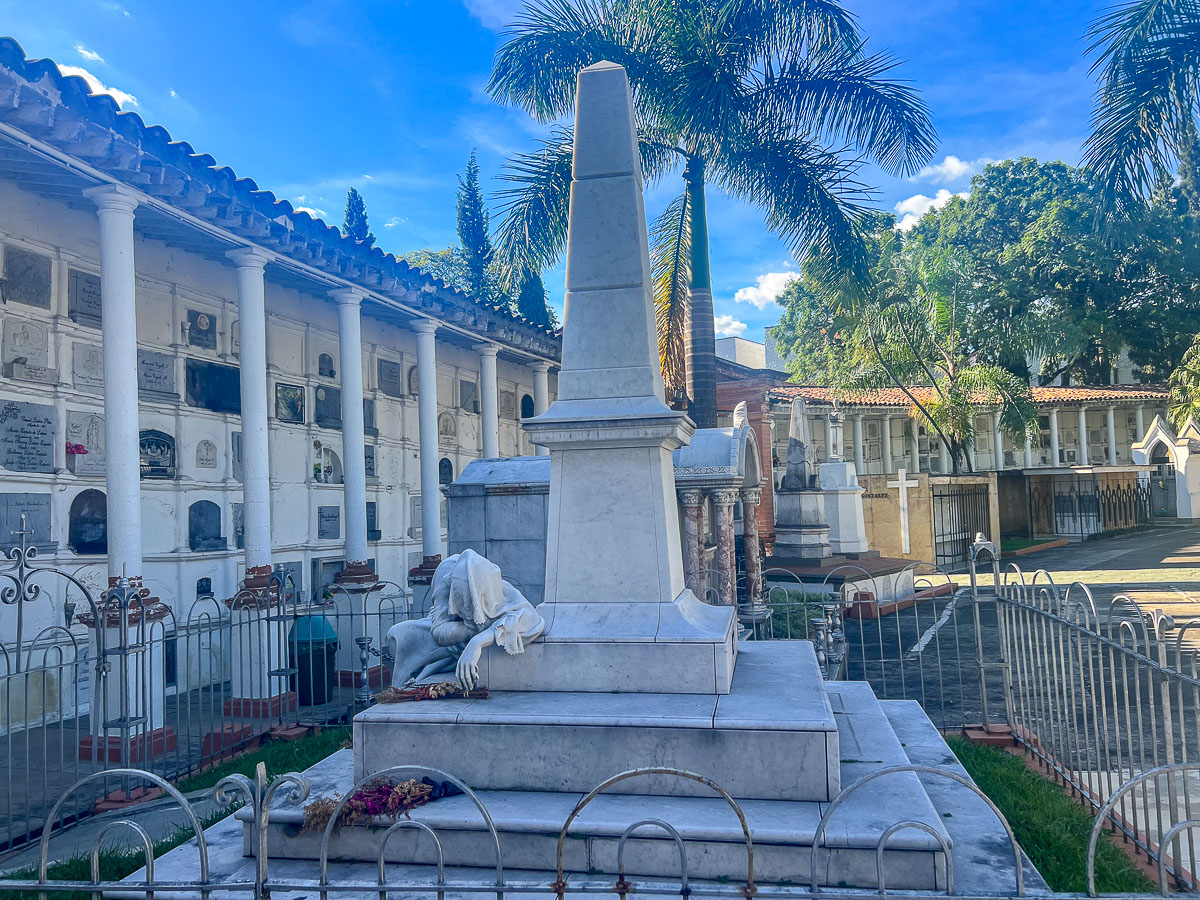
Stroll around to see familiar names on house-like tombs and beautiful European-inspired sculptures and monuments crafted by renowned artists of the time.
Parque Arví
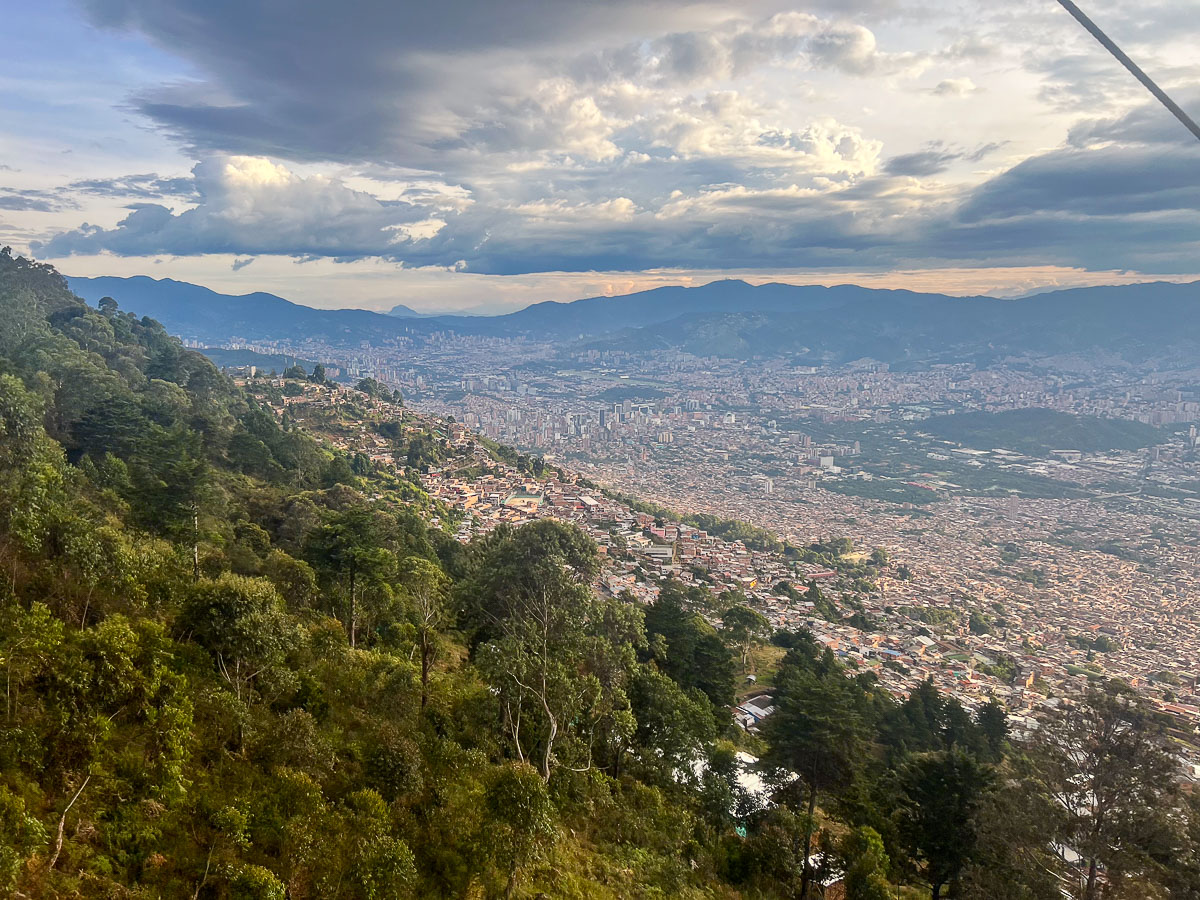
The metro system includes a network of cable cars as well and one of them will bring you up to another of the city’s biggest attraction: Arví Park. Located in the northeast area of Medellín, it’ll take you about an hour to reach the park, and getting there is part of the experience. You ascend slowly above the slums that hug the upper reaches of the hills, soon turning into a green and rural landscape.
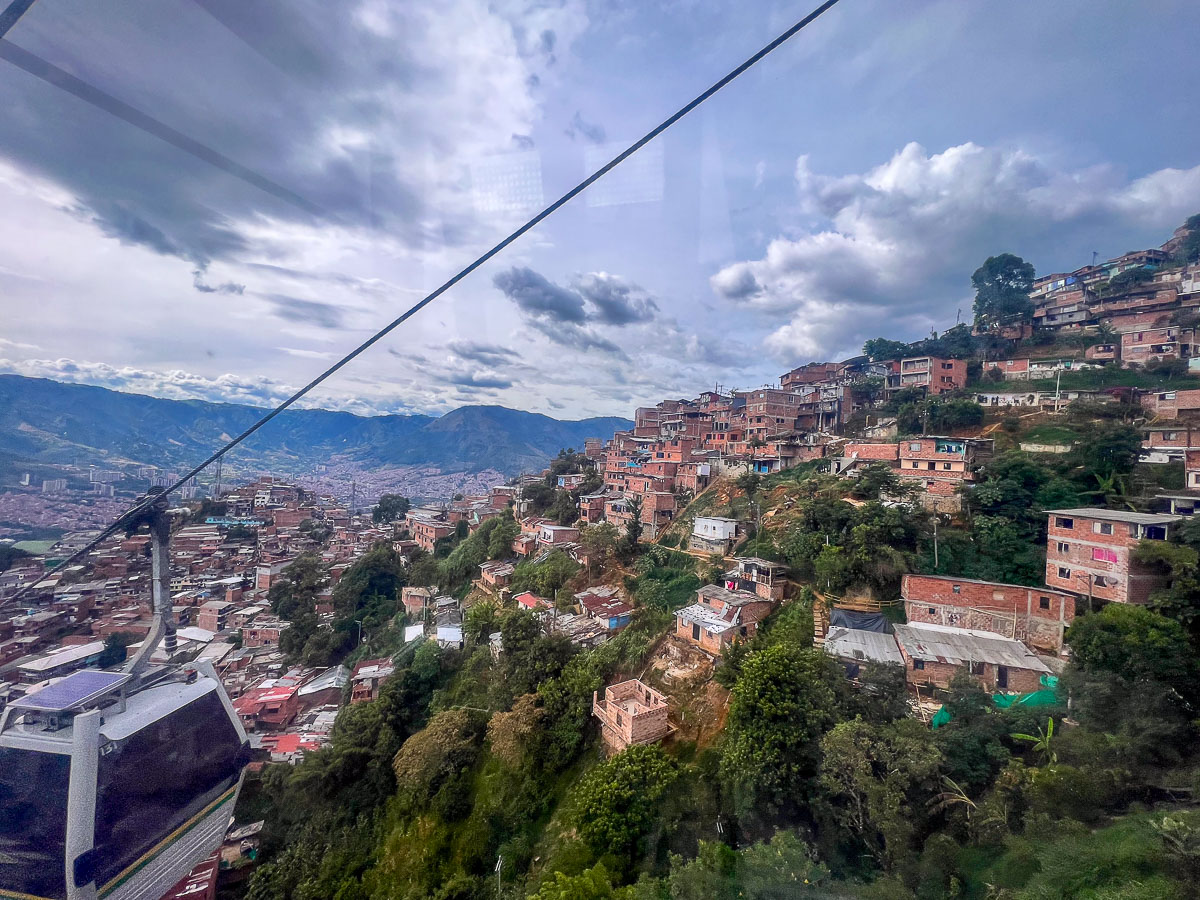
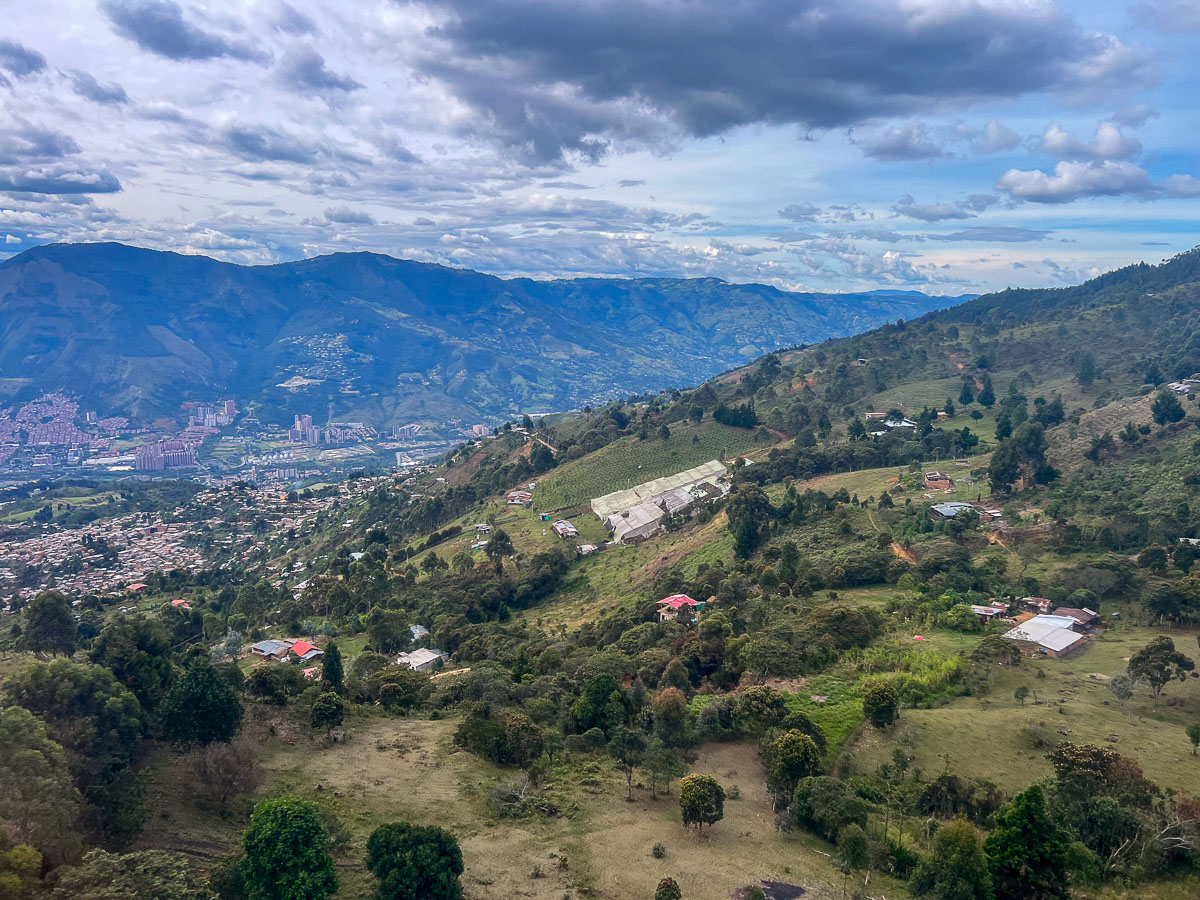
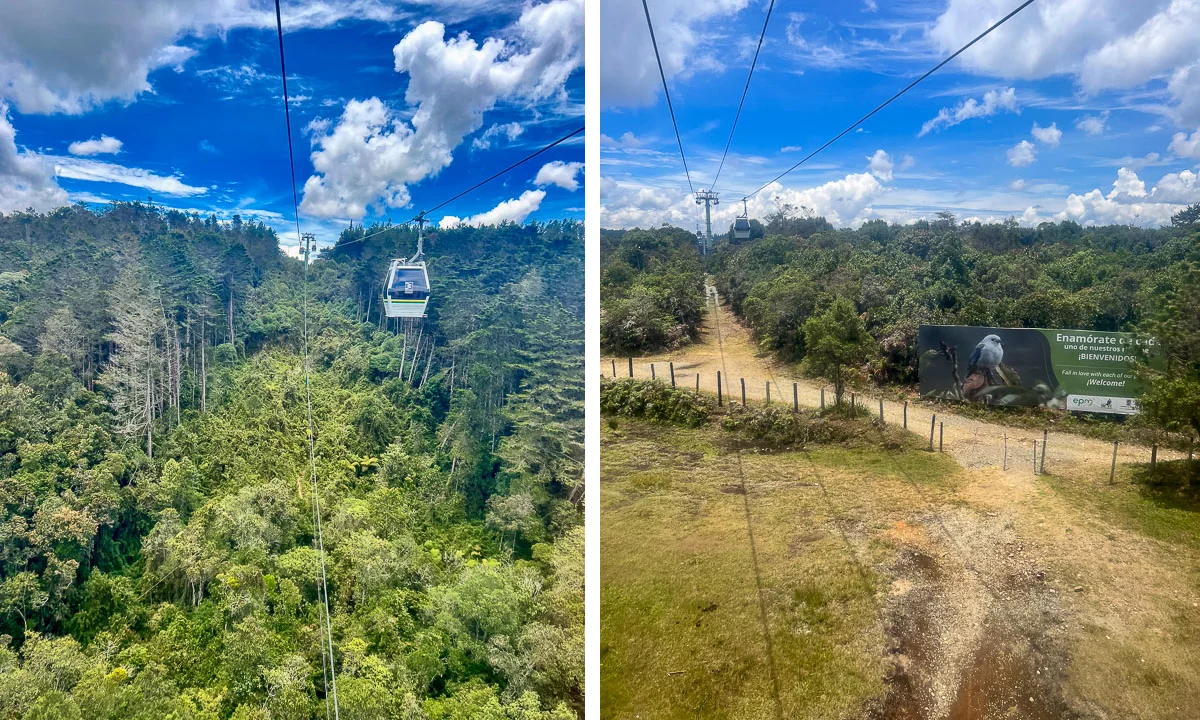
The park as you’ll soon see is a vast ecological nature reserve, much bigger than anticipated as the cable car keeps flying over a vast forest.
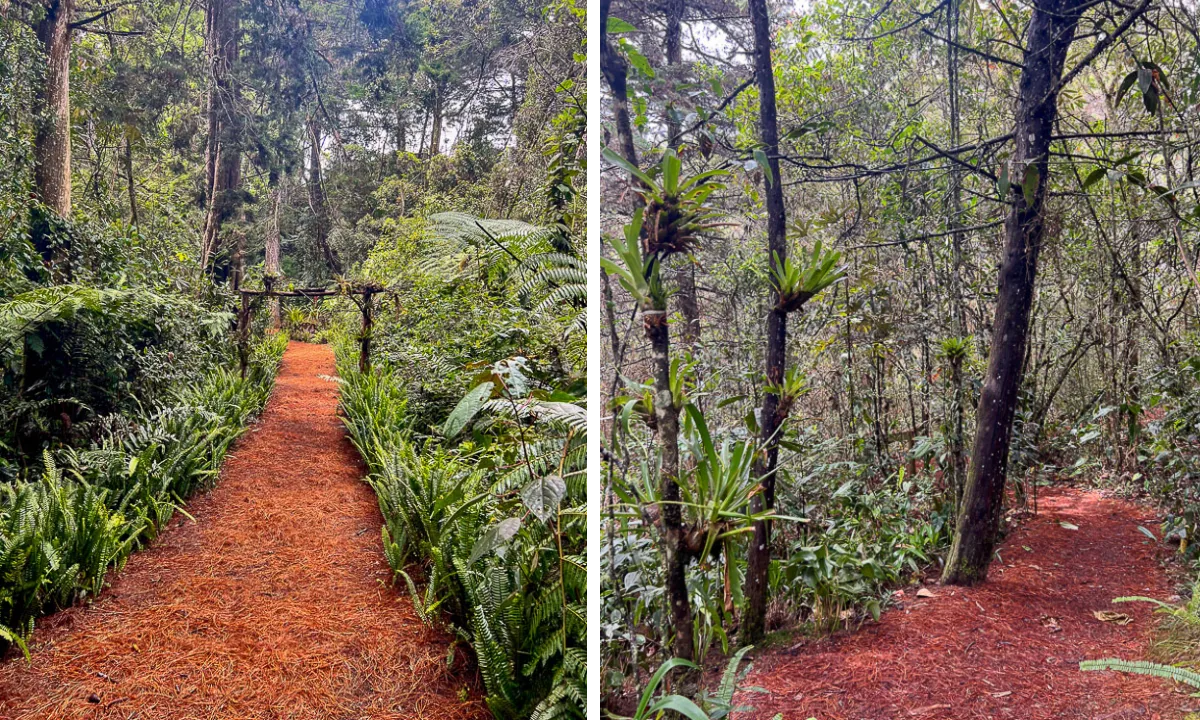
There are more than 33 miles of walkable trails though for most you need to hire a guide at the entrance (safety reason!) and only a few miles are designated for independent hikes. They make for quite a nice loop actually with plenty of plant species to look at, information panels, and rest areas perfect for a picnic.
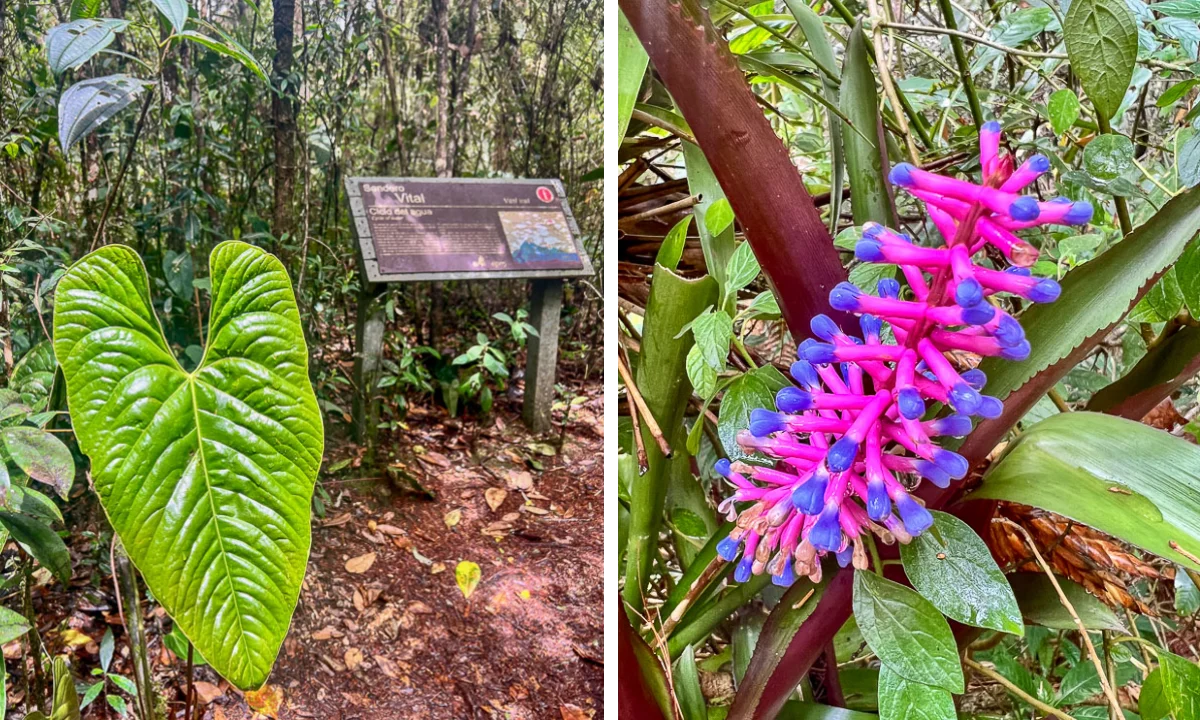
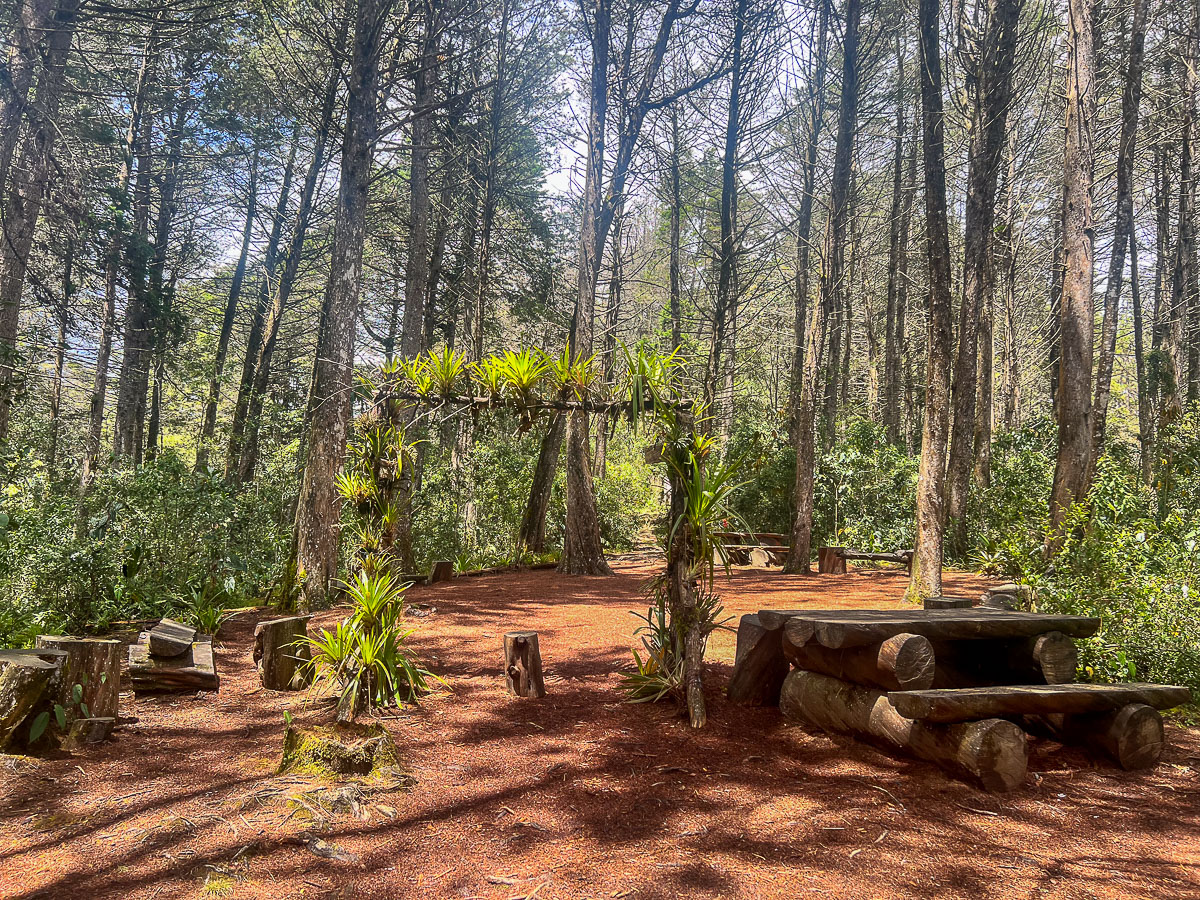
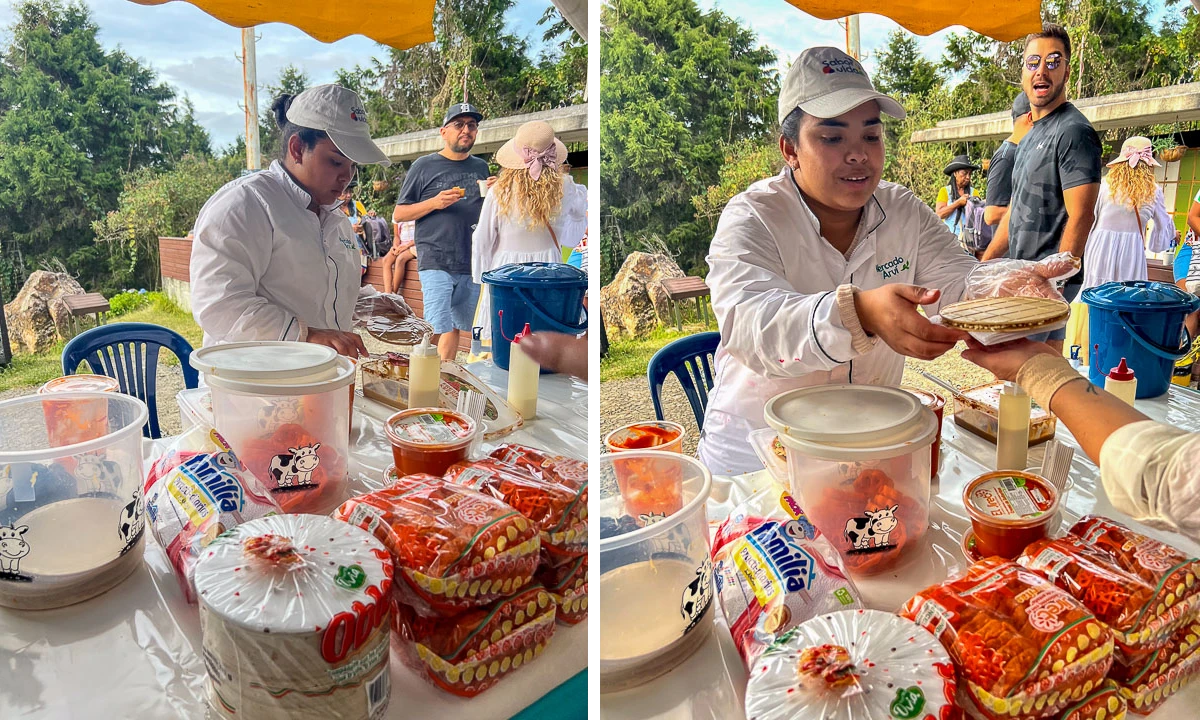
Besides hiking and picnicking, there’s also birdwatching and horseback riding, and a lovely local market with traditional food, crafts, and local produce. Try an oblea if you see them: two thin, round wafers sandwiching arequipe (like dulce de leche) and other fillings like cheese or jam.
The way down is equally scenic with stunning aerial views of the city and surrounding mountains.
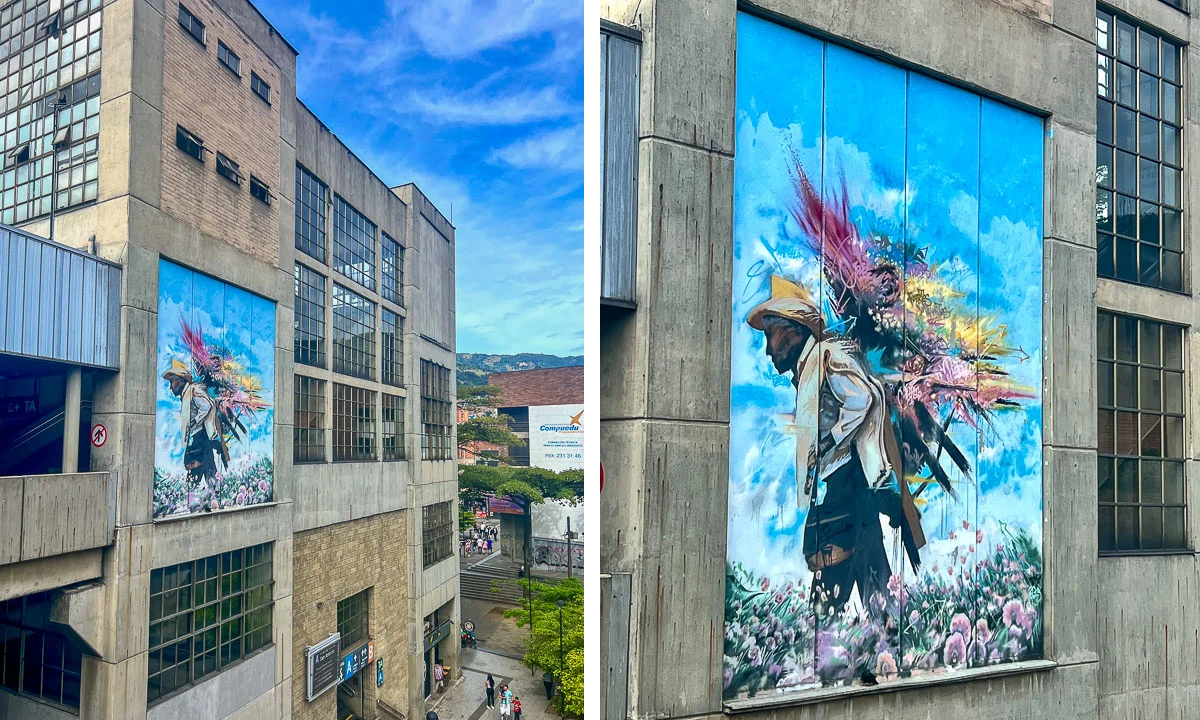
It’s also a great vantage point to spot some more street art.
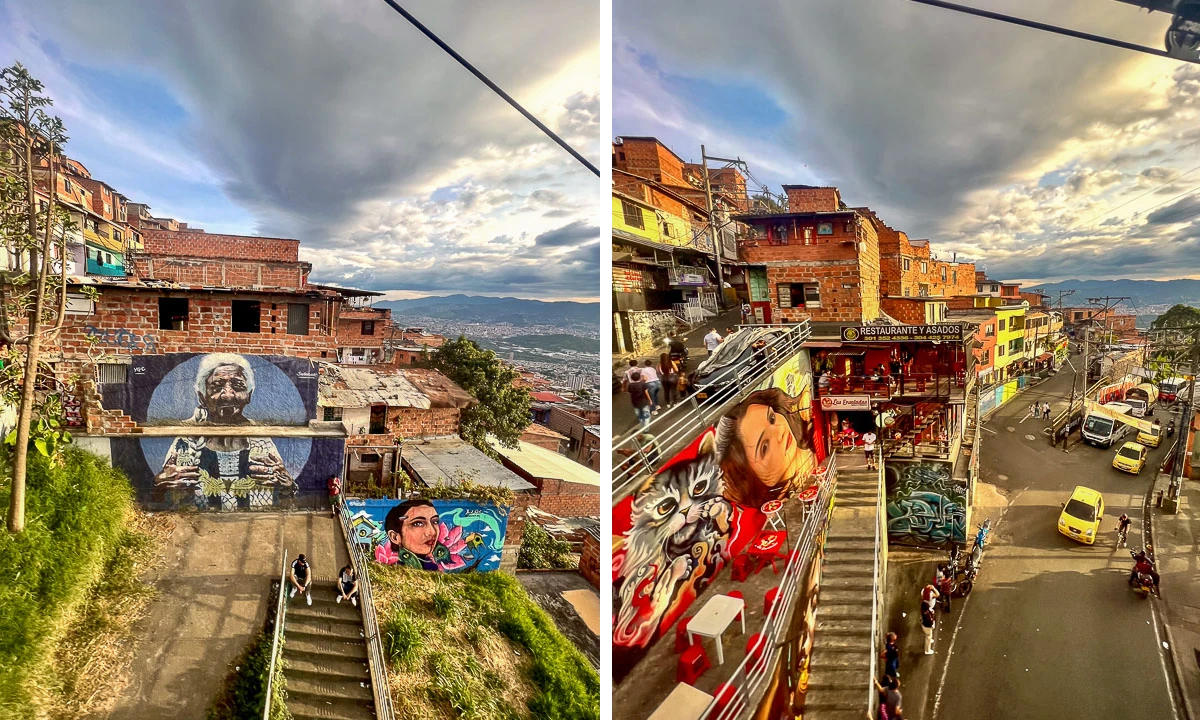
Comuna 13
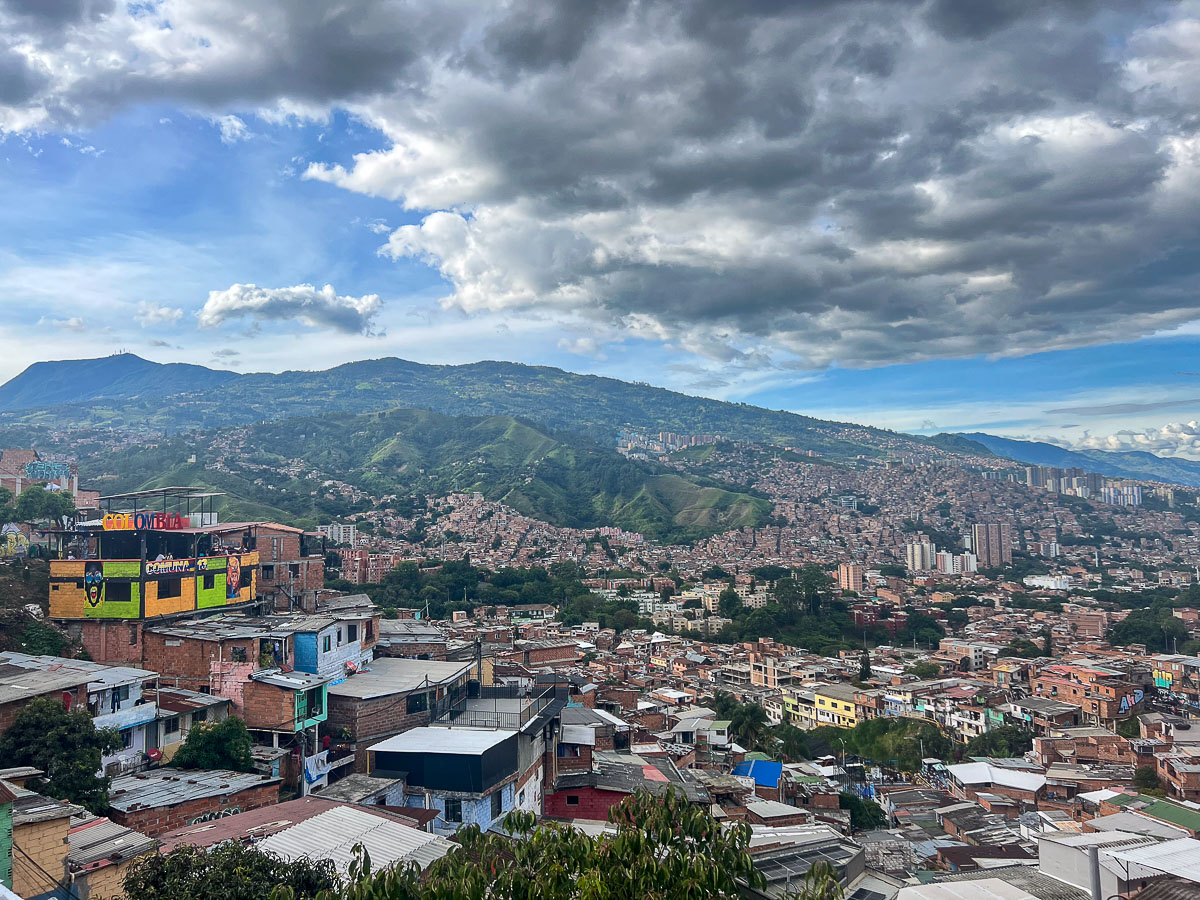
Another excellent way to spend half a day is to visit Comuna 13 to get a real feel for the urban transformation taking place in the city’s neighborhoods, or communes. The commune of San Javier, also known as Comuna 13, was once one of the most dangerous in Medellín and today is buzzing with tourists admiring its colorful murals and the fine views of the city below.
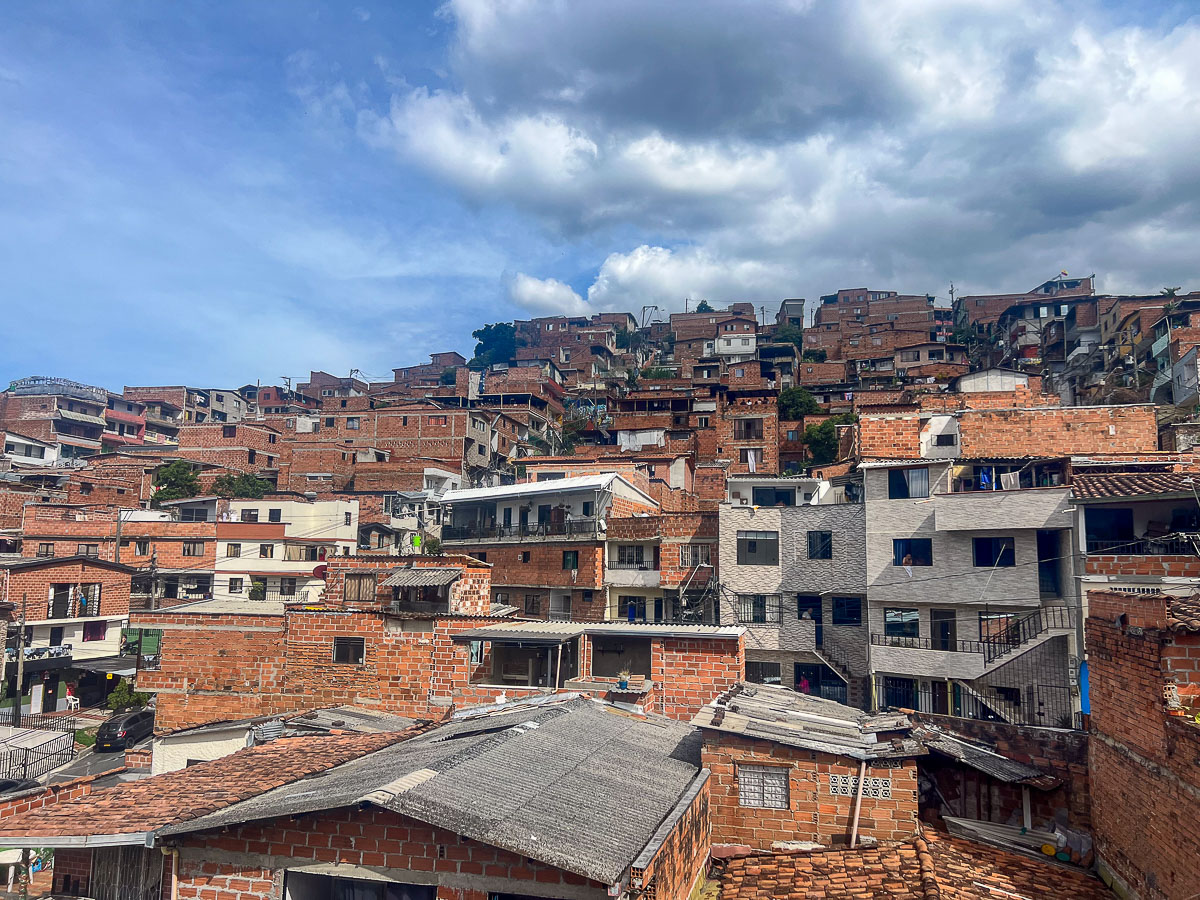
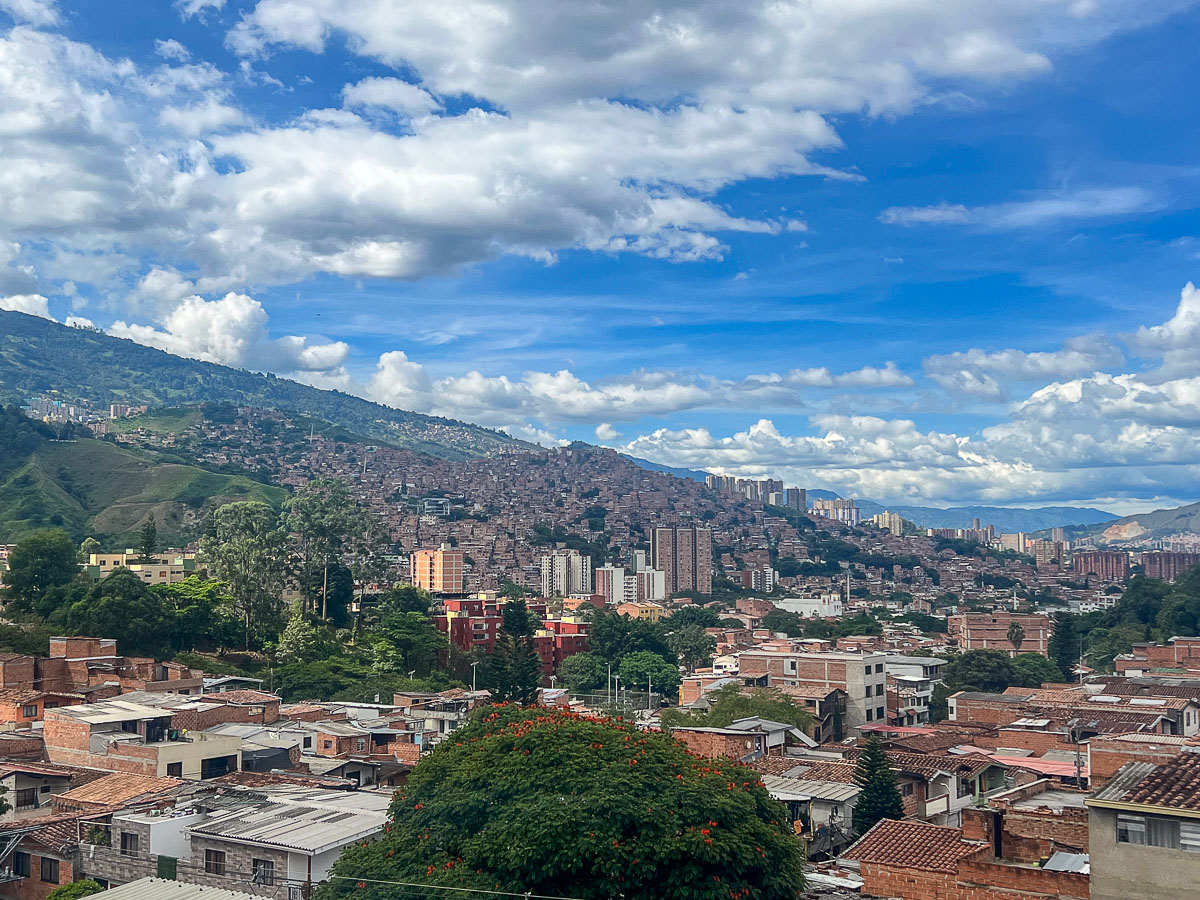
It’s best to join a guided tour (there are many) to hike the hilly comuna with a local and understand the violence and difficulties that have plagued the area and its impressive transformation.
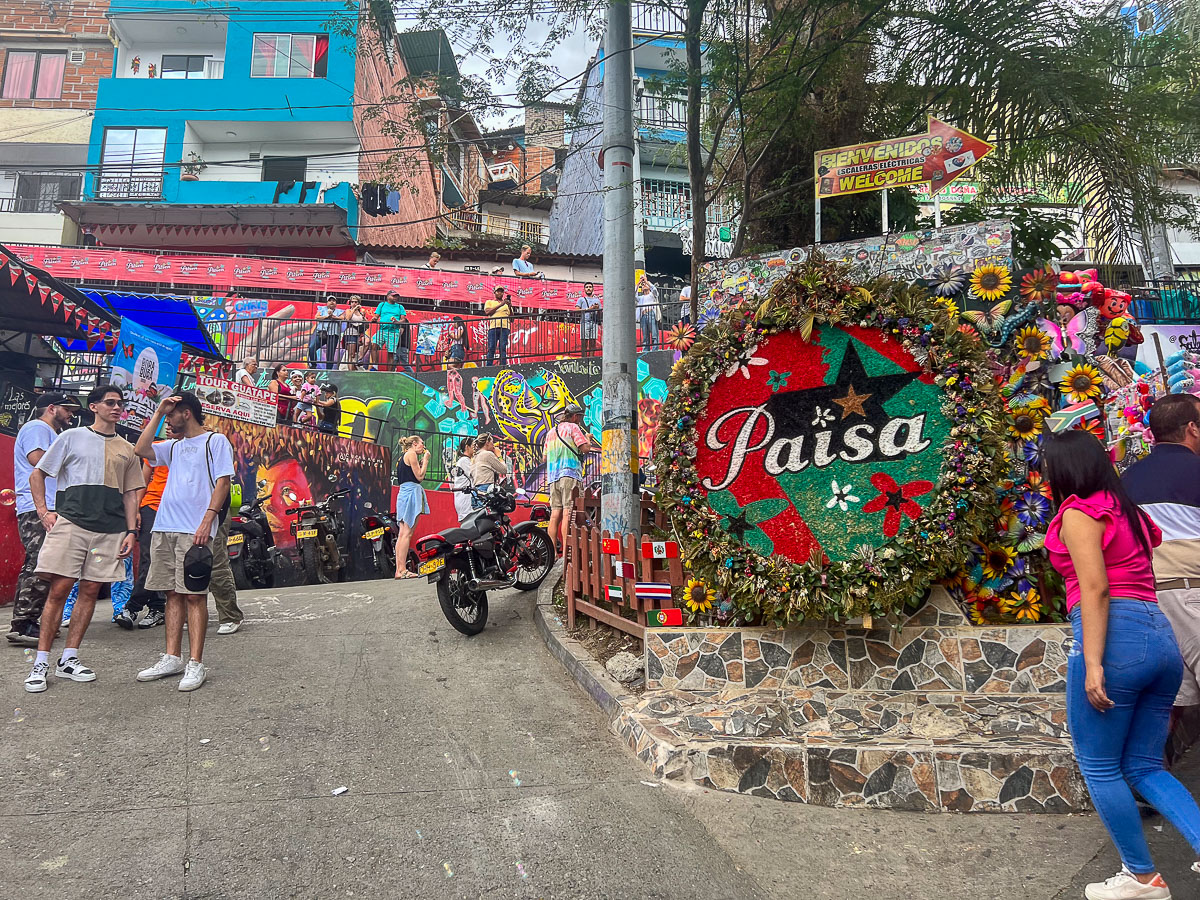
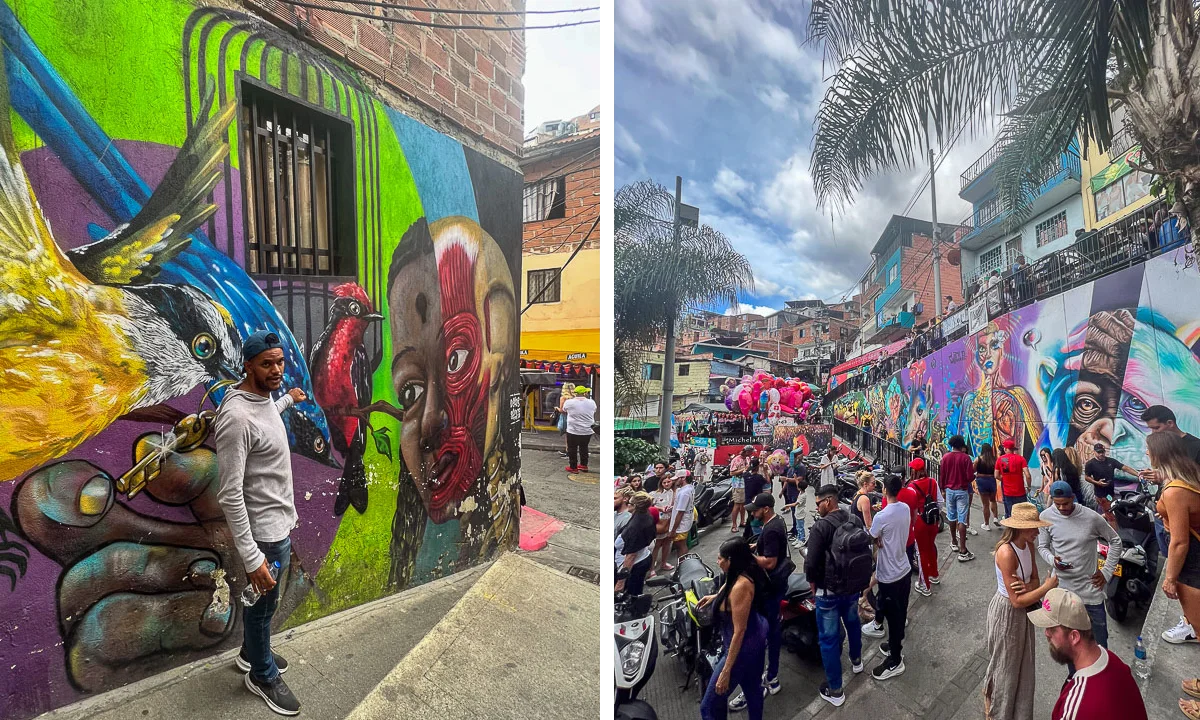
Everyone converges around the iconic outdoor escalators that have massively improved the mobility and lives of its inhabitants. A vibrant art and music scene is also radiating from there with never ending murals playing backdrop to street performances.
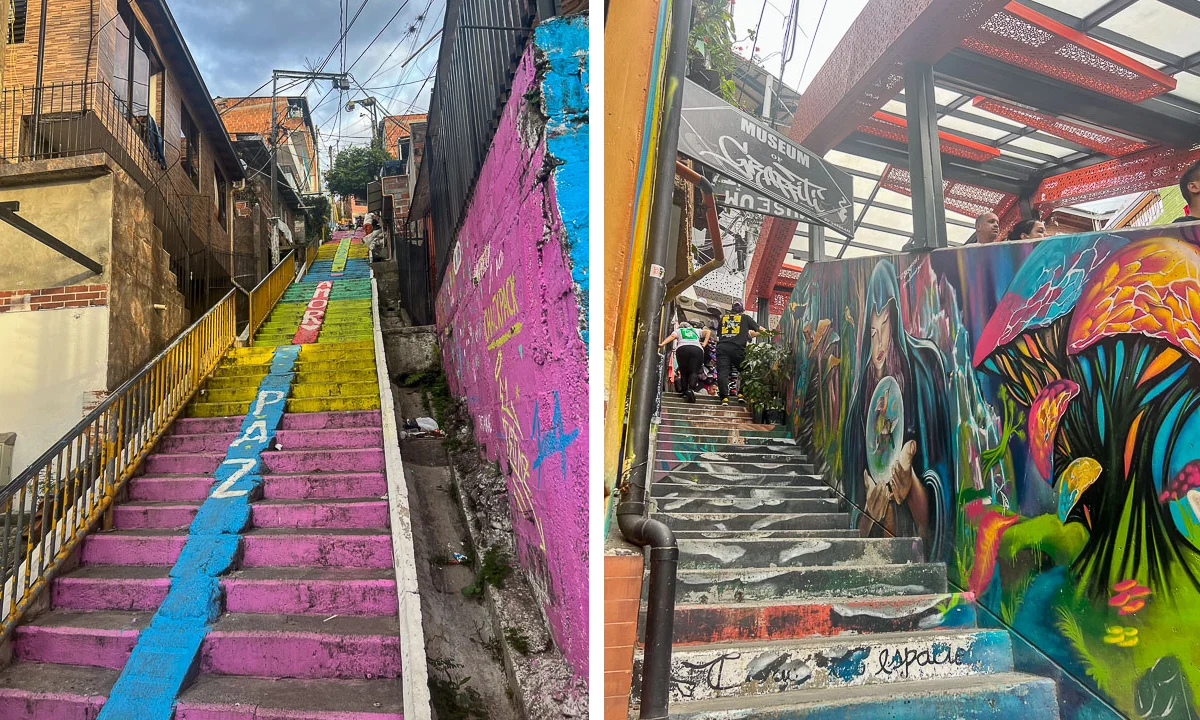
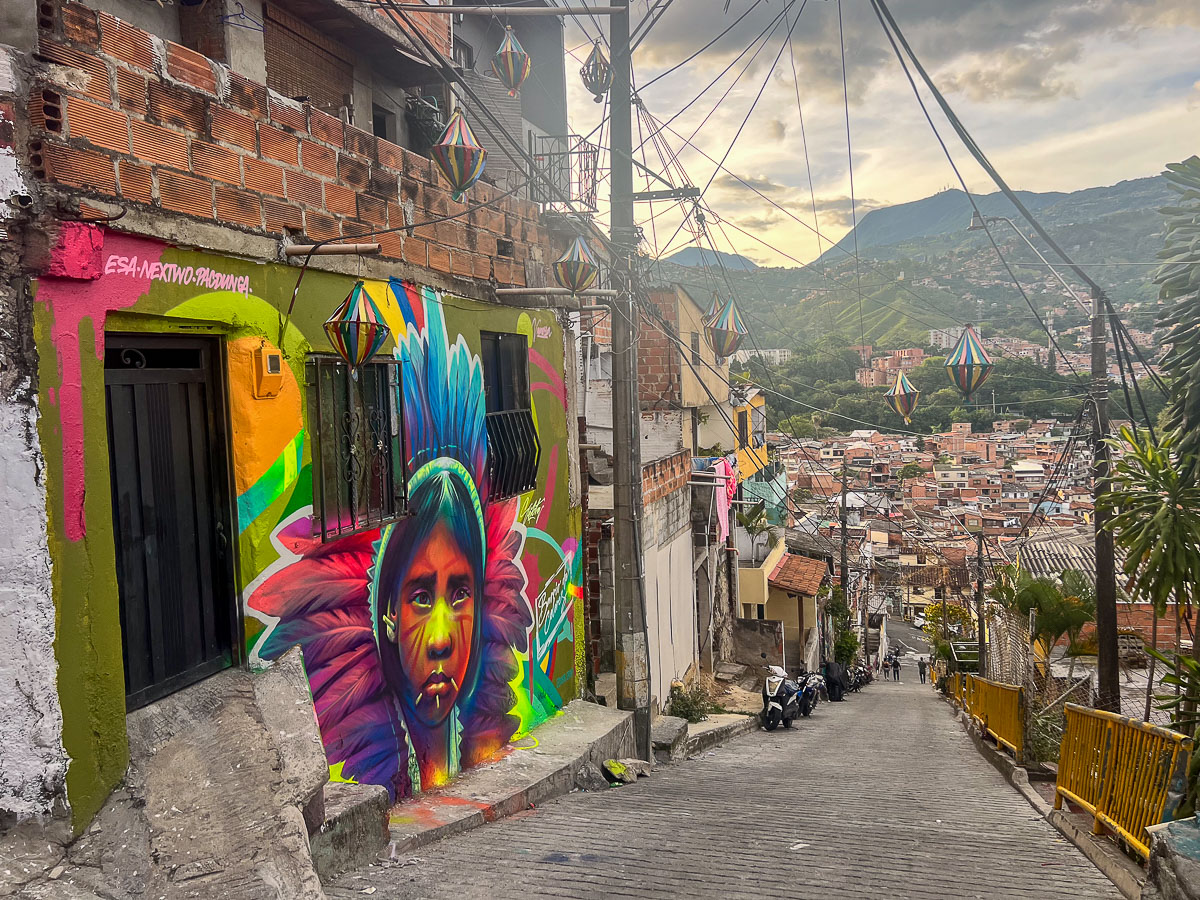
At the top, there’s a lookout and a boardwalk offering sweeping views. On the way down, lots of little cafes and community shops give the opportunity to quench your thirst from the walking and help contribute to the area’s rebirth.
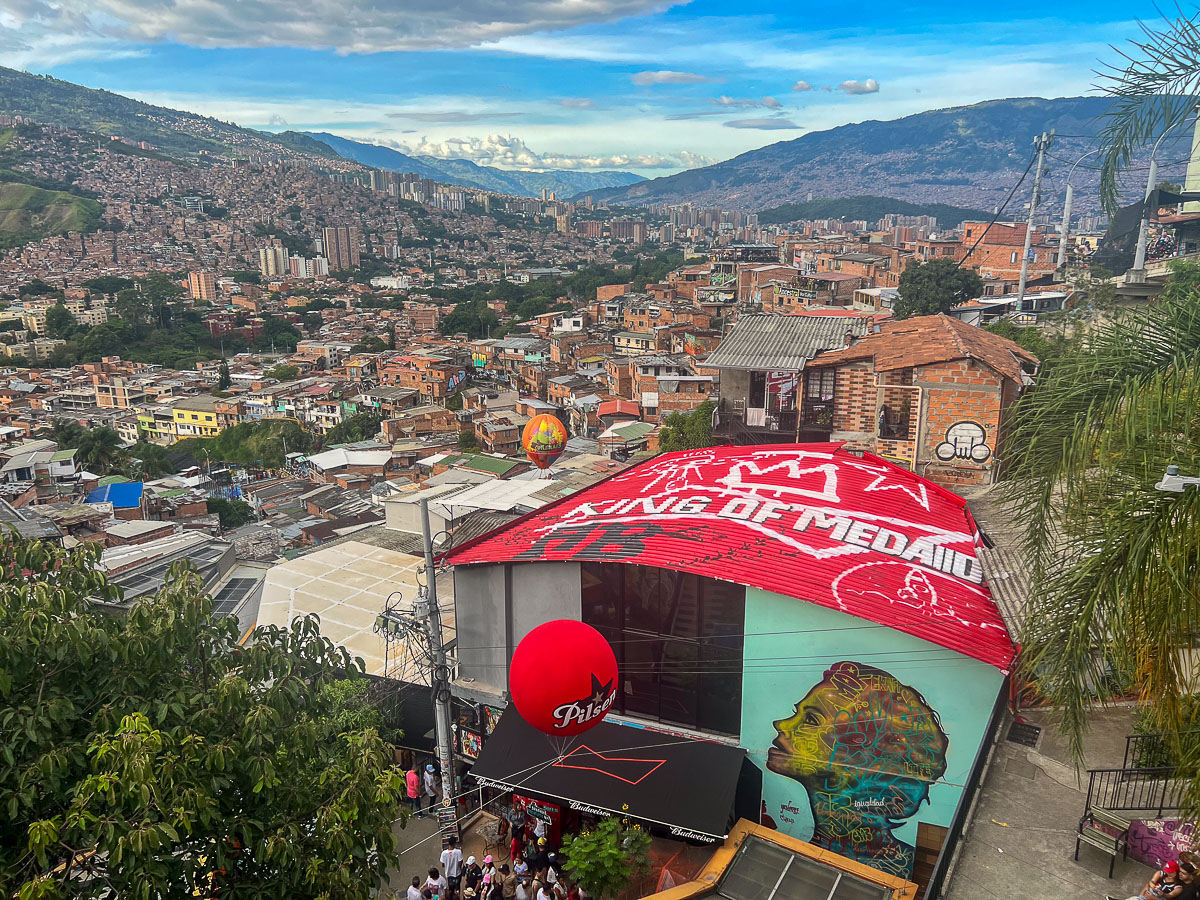
These mini “city trips” are all easy to do and help paint a much better picture of not only Medellín, but Colombia as a whole.