Literally meaning “Across the Arno”, Oltrarno has become the city’s trendiest area with its artsy charm, genuine home cooking, and insider view into the traditional side of Florence. While you won’t find as many cultural landmarks here as in the center, I ended up spending nearly half of my time this side of the river, attracted by the unconventional galleries and delicious food.
Quiet, sweet mornings
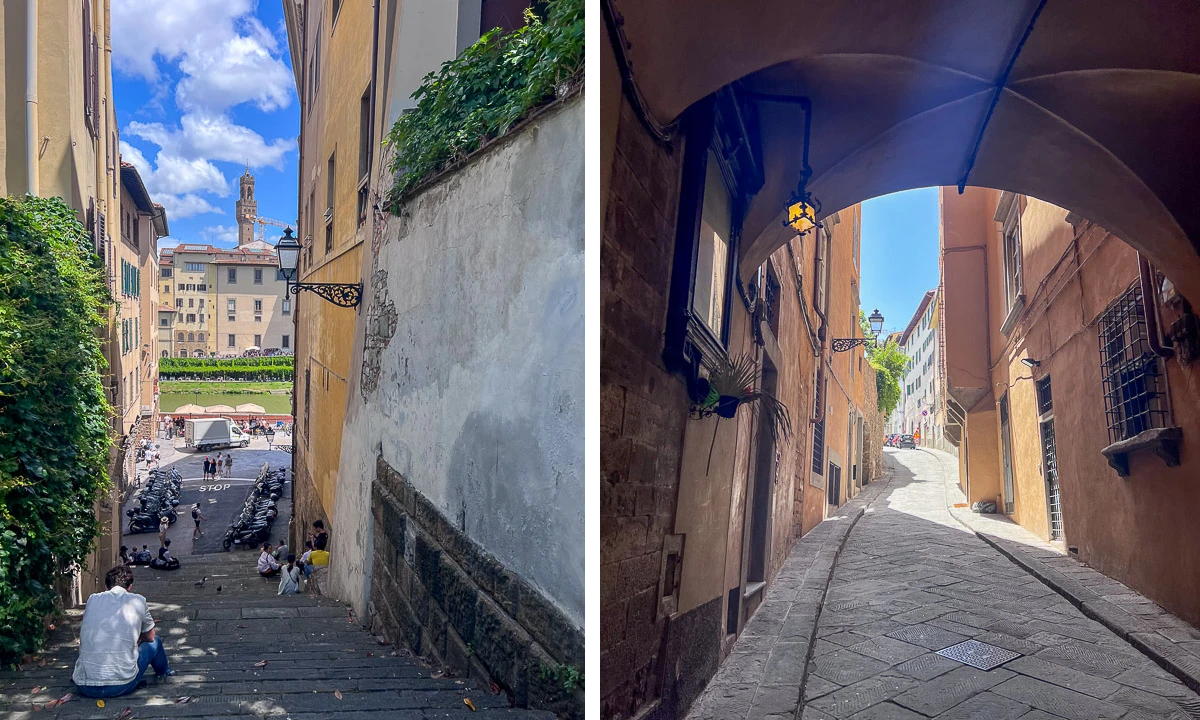
Cross any of the bridges, from Ponte Vecchio and all the way to Ponte Amerigo Vespucci, and you’ll be in Oltrarno, ready to explore the other side on foot. The latter bridge, directly opposite the San Lorenzo neighborhood, brings you at the heart of the truly local side of Oltrarno, with residential streets emptying of Florentines making their way to work and little parks offering quiet morning meditation.
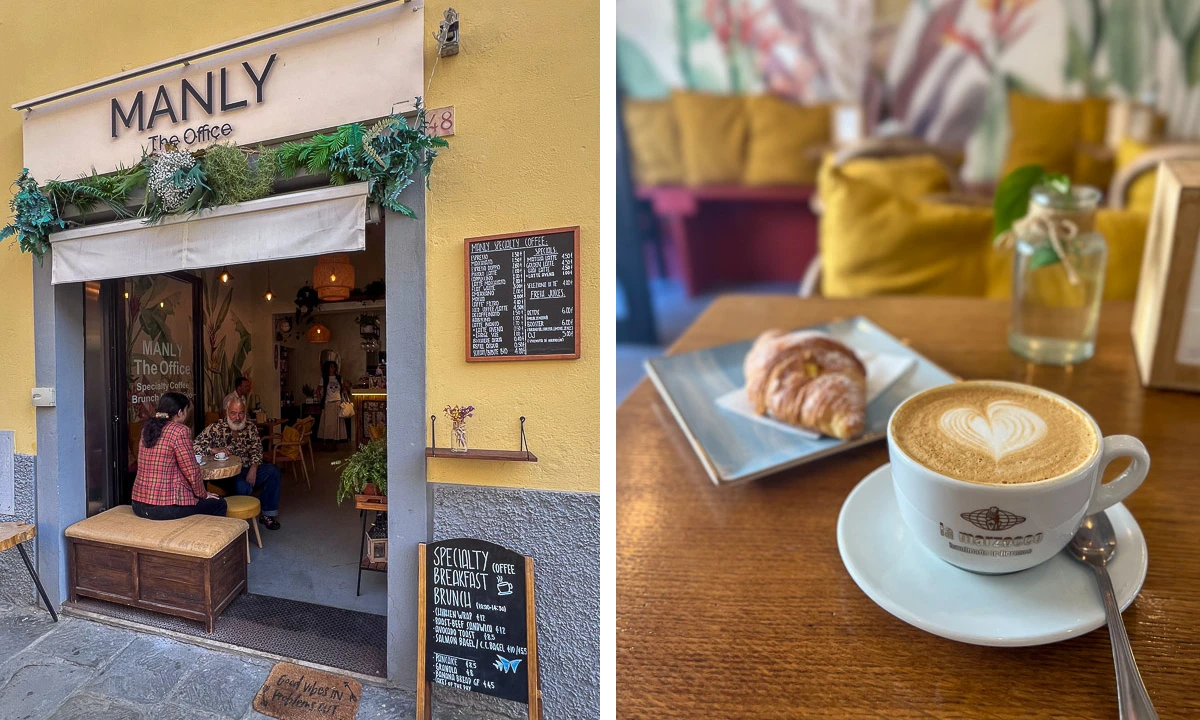
Small coffee shops abound, some with an international flair like MANLY The Office. The Australian-style café pours excellent brews and can cure your morning hunger with avocado toasts and the likes.
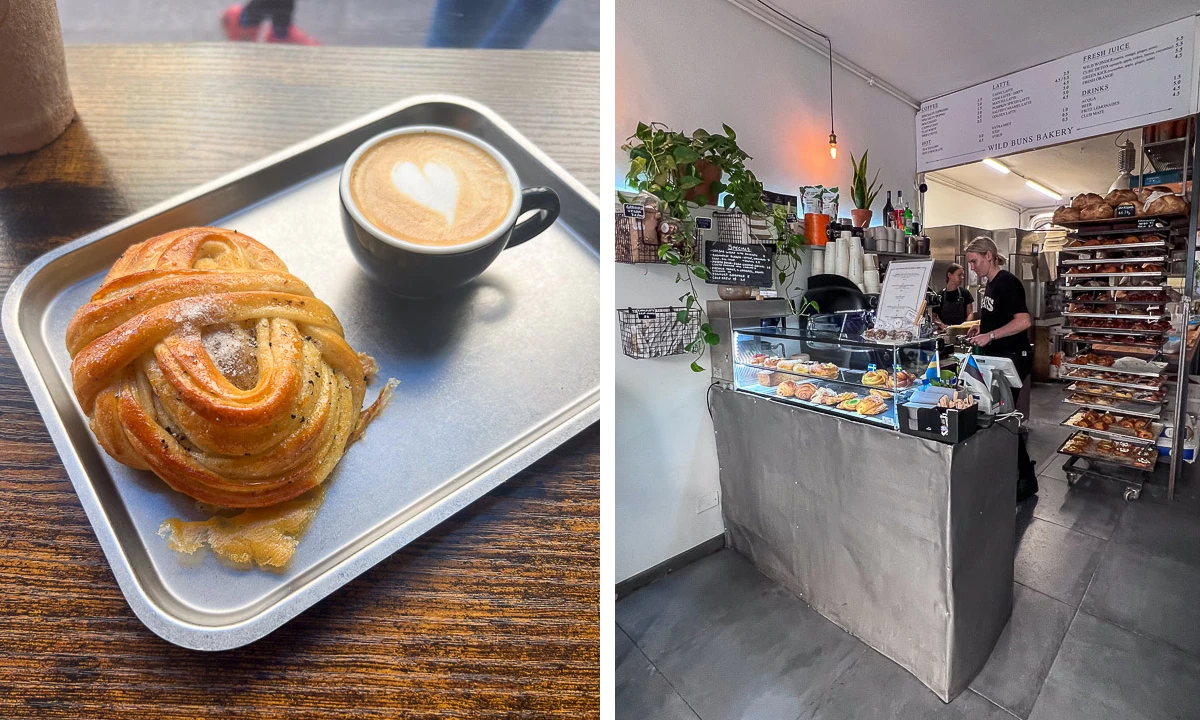
Scandinavian Wild Buns Bakery is tiny but makes up for it with cardamom buns as good as any you’ll find in Copenhagen. Plus you can sit at the window and watch the lively procession of artists and young hipsters calling the neighborhood home.
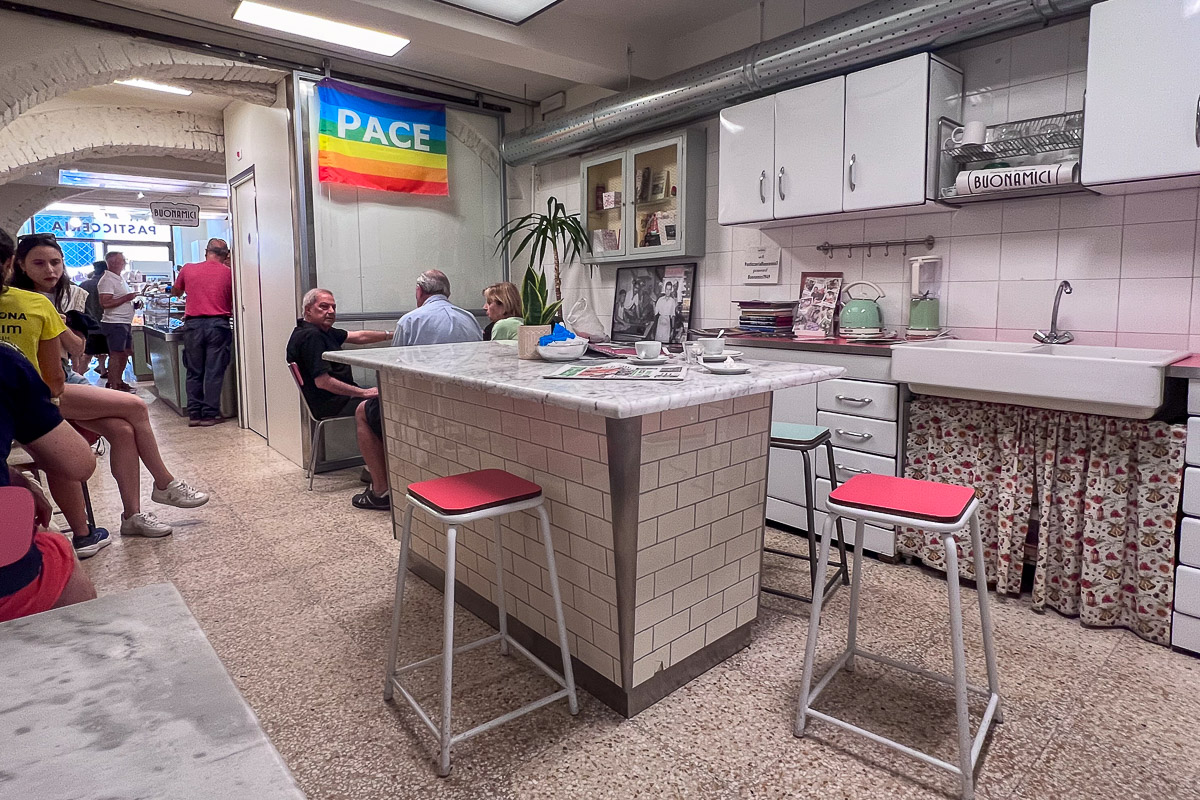
More traditional but no less trendy, Pasticceria Buonamici serves classic Tuscan pastries in a cool retro space from the 1950s.
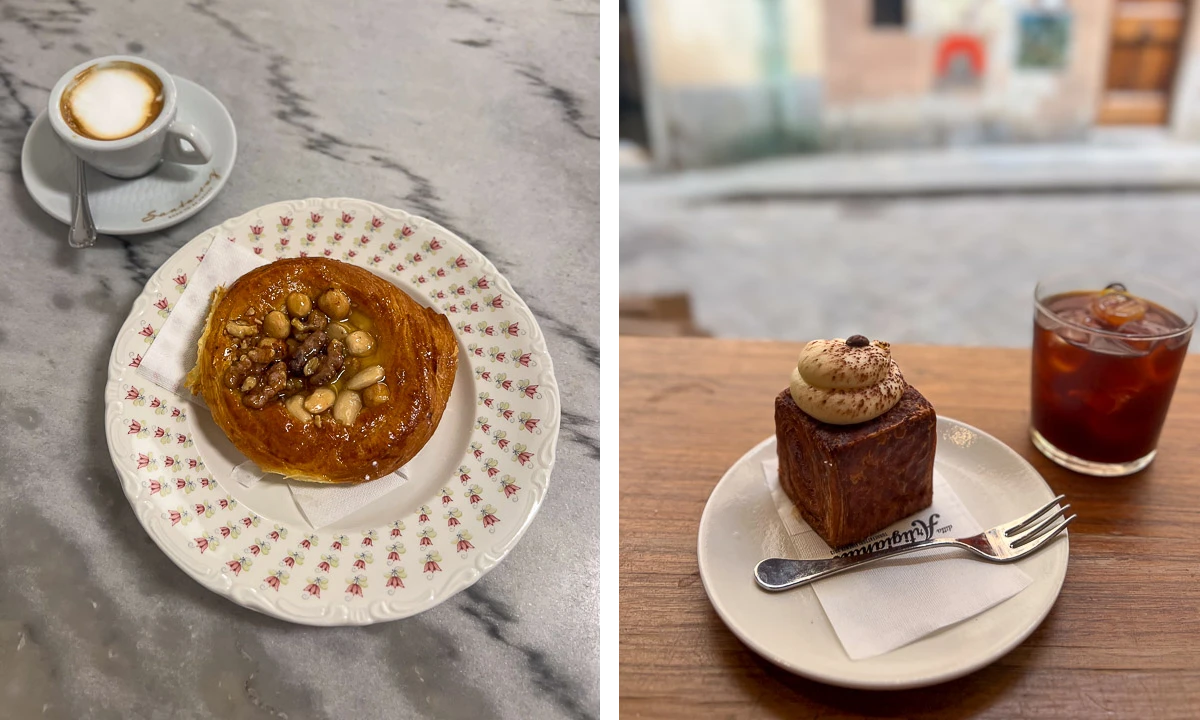
Of course, there are a few locations of Ditta Artigianale here too – the Riva d’Arno one being my favorite for a slow morning by the river.
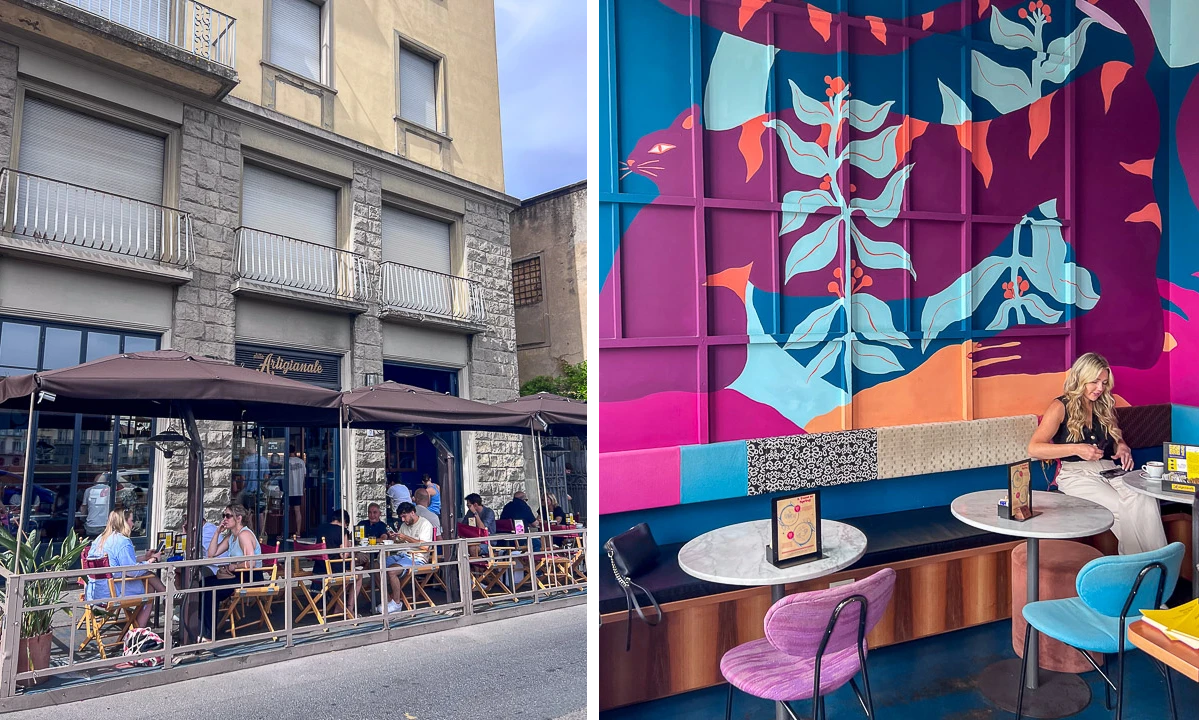
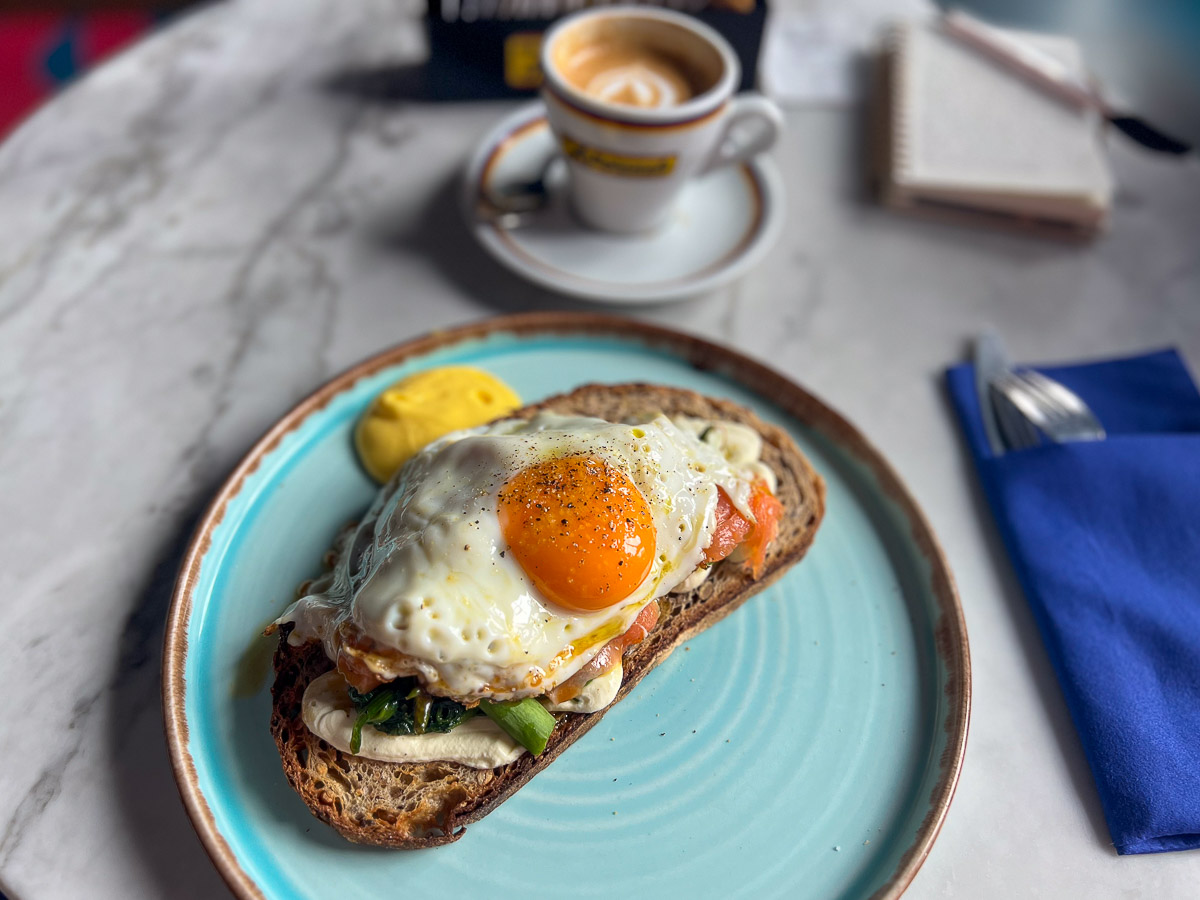
For when you need more than a croissant, their full brunch menu has everything from bagels and pancakes to eggs and savory toasts.
Palazzo Pitti
Start walking east through bohemian Santo Spirito, a vibrant neighborhood you’ll explore later, as there’s one impressive landmark here you’ll want plenty of time for…
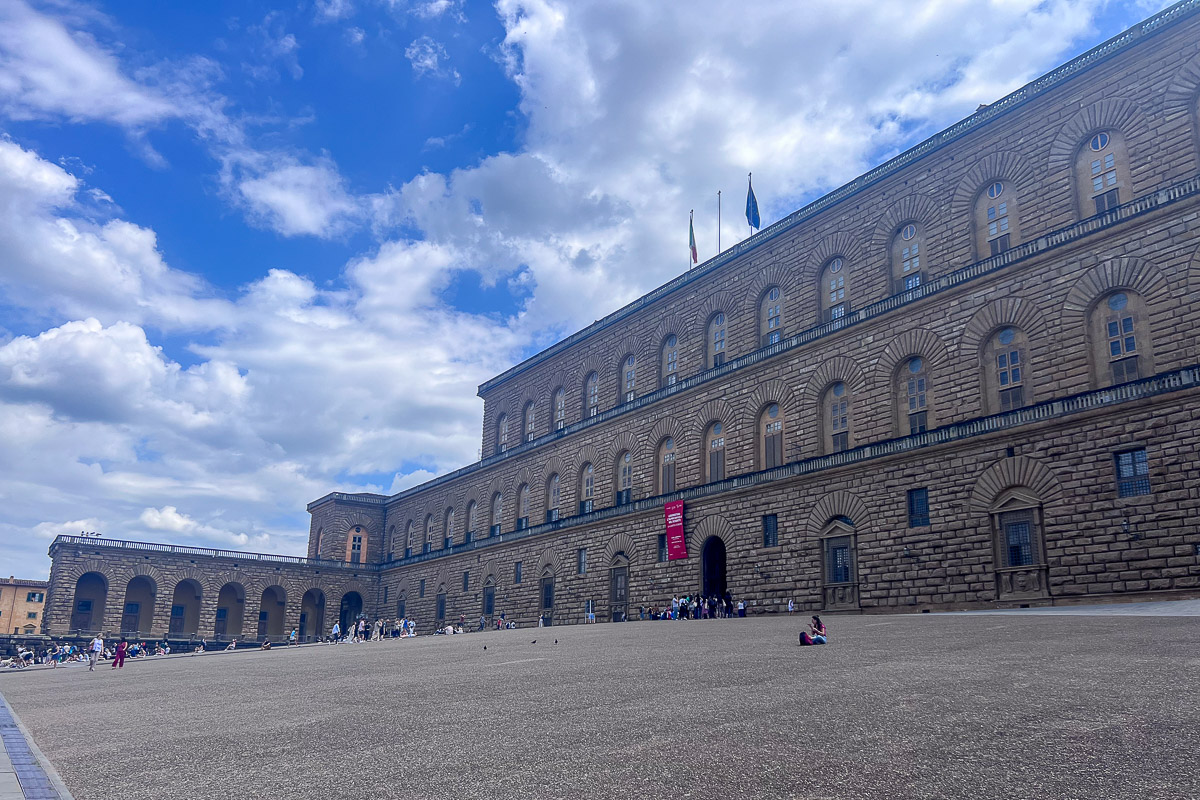
… Palazzo Pitti. Yes, this is yet another residence of the Medici family and they in fact moved here in the mid-16th century from the Palazzo Vecchio for cleaner air and a healthier environment. You could easily spend the entire day wandering this massive residence and its five museums within and it would be time well spent. However, there are equally impressive sights just outside these walls, including stunning gardens you need to factor in hence…start early!
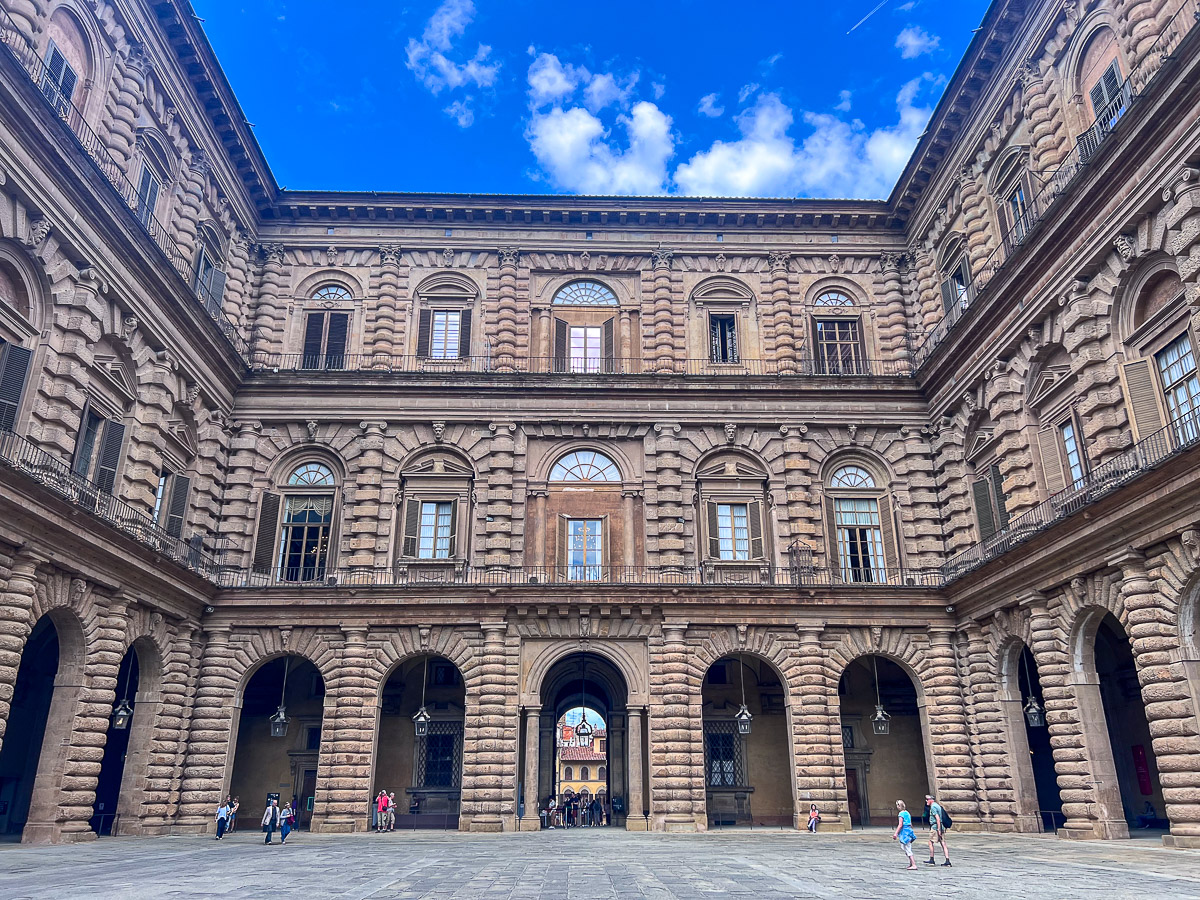
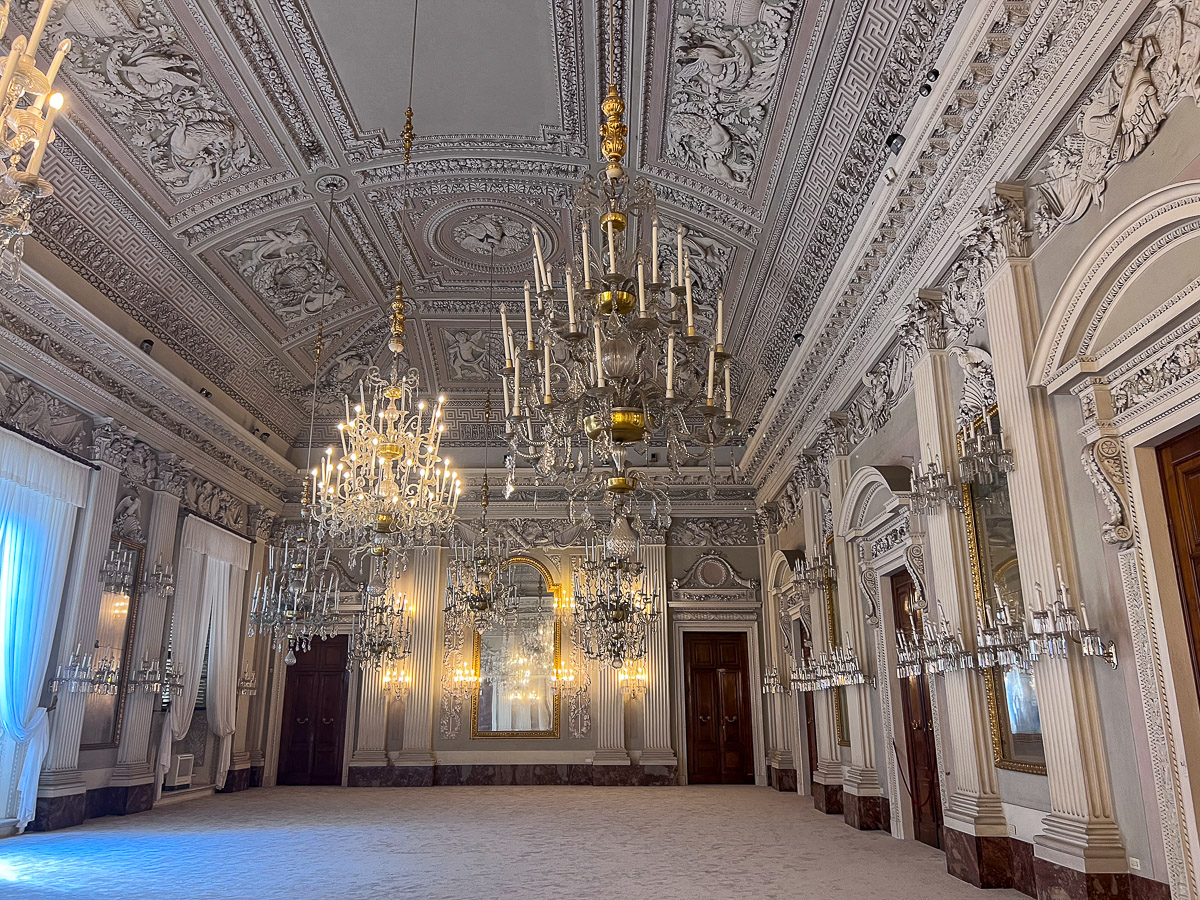
The visit includes the Royal Apartments, lavishly decorated with ornate gold and white stuccowork ceilings and luxurious furnishings.
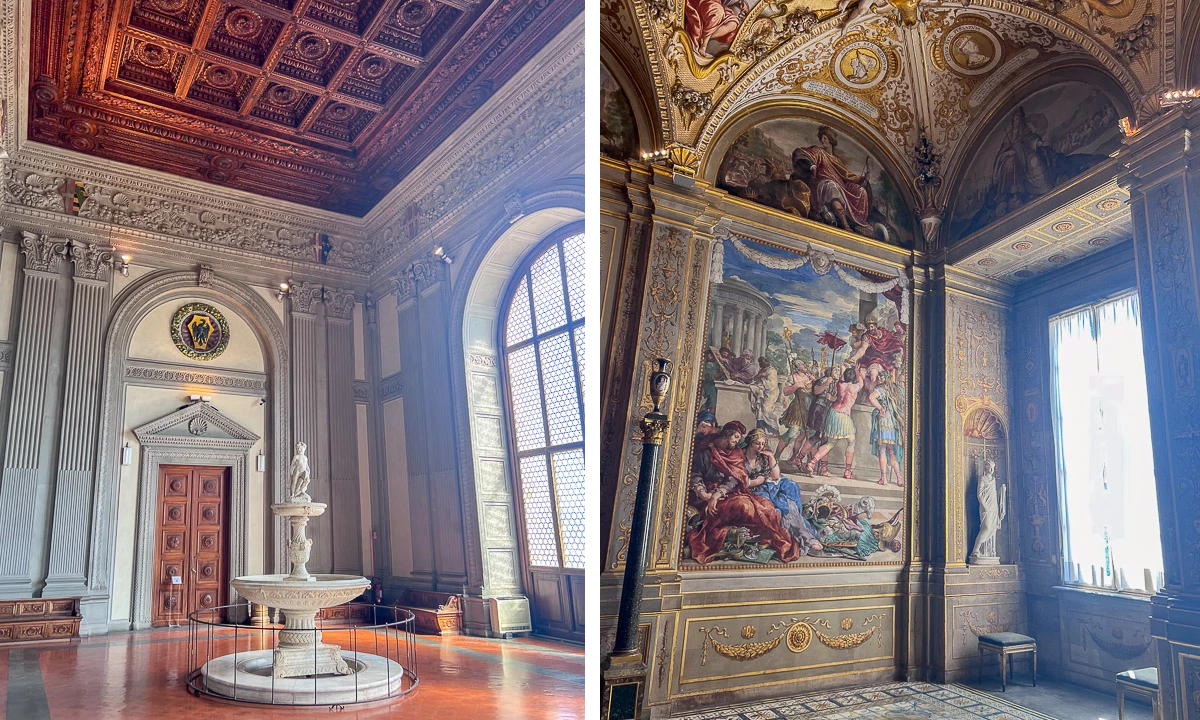
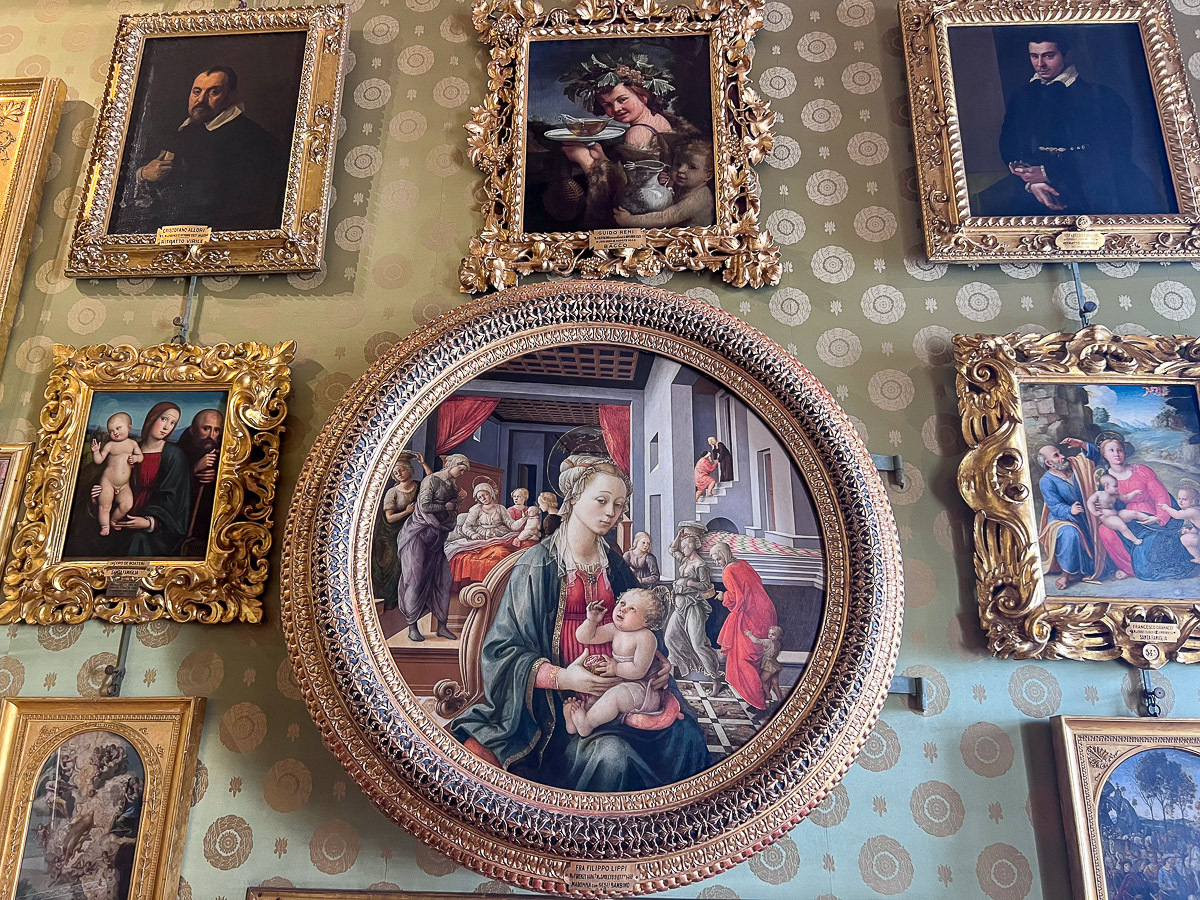
But it’s the art that once again outshines the gilded interiors. The Palatine Gallery is the star collection with over 1,000 masterpieces across the entire first floor of the palace and is considered second only to the Uffizi. You can see all the big names such as Botticelli, Caravaggio, Titian, Rubens, etc. including the largest concentration of paintings by Raphael in the world.
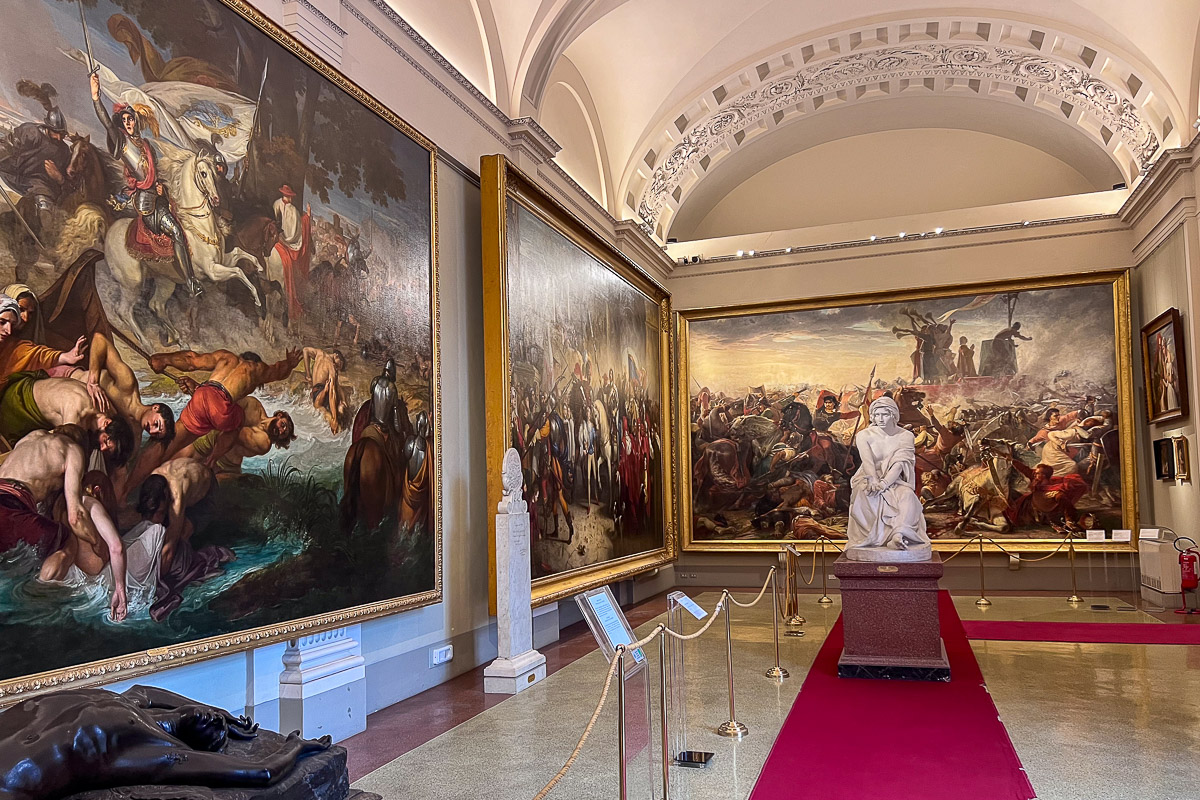
The sheer size can be overwhelming, especially with the paintings in their lavish frames covering the entirety of the walls. Your eyes will struggle to decide where to land. Rarely if ever have they seen such impressive artworks all grouped together. I must say this might have been my favorite “Renaissance gallery”. While still crowded it was nothing like the Uffizi and I feel I was able to admire many more paintings here.
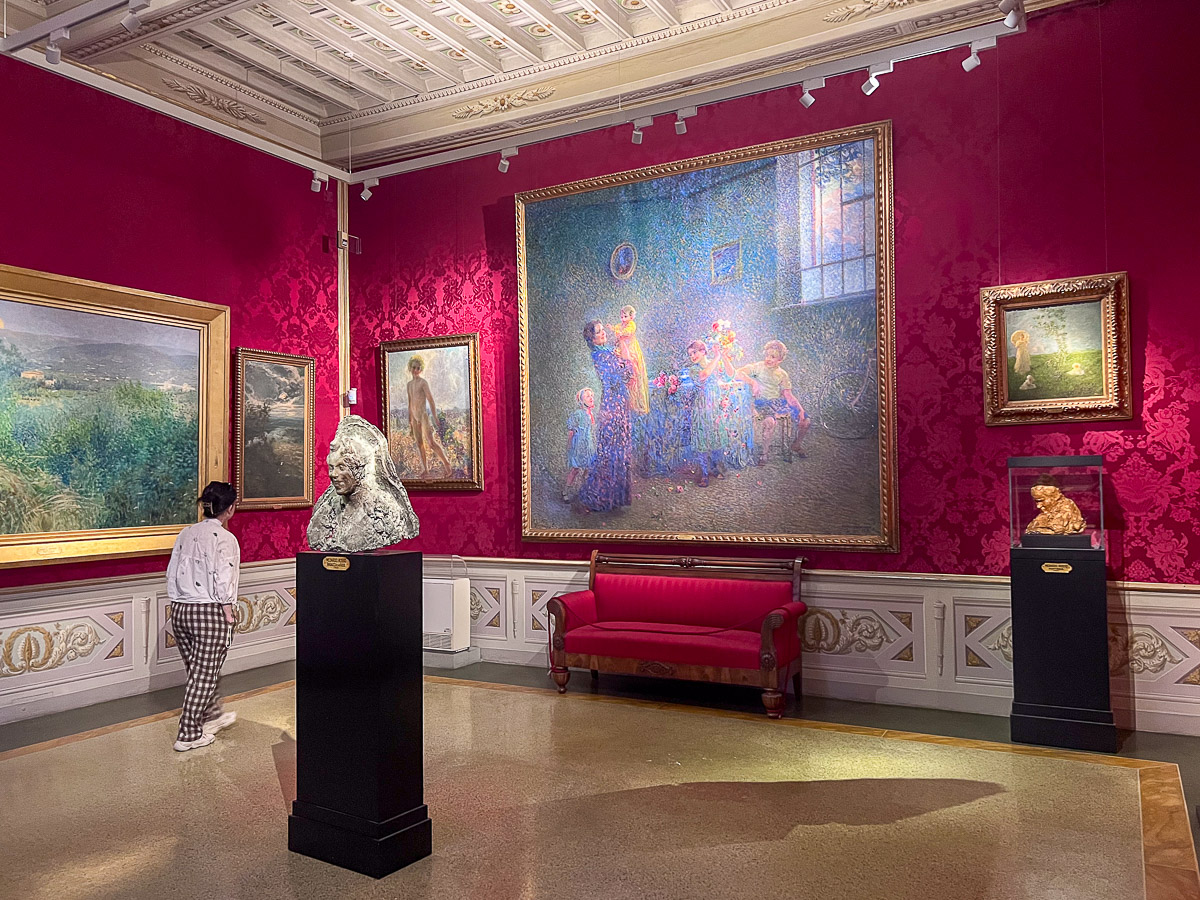
The Gallery of Modern Art on the second floor features paintings that span from 1780s to 1930s. The most interesting collection is of the group of late 19th-century artists known as the Macchiaioli (spot-makers), similar to French Impressionists.
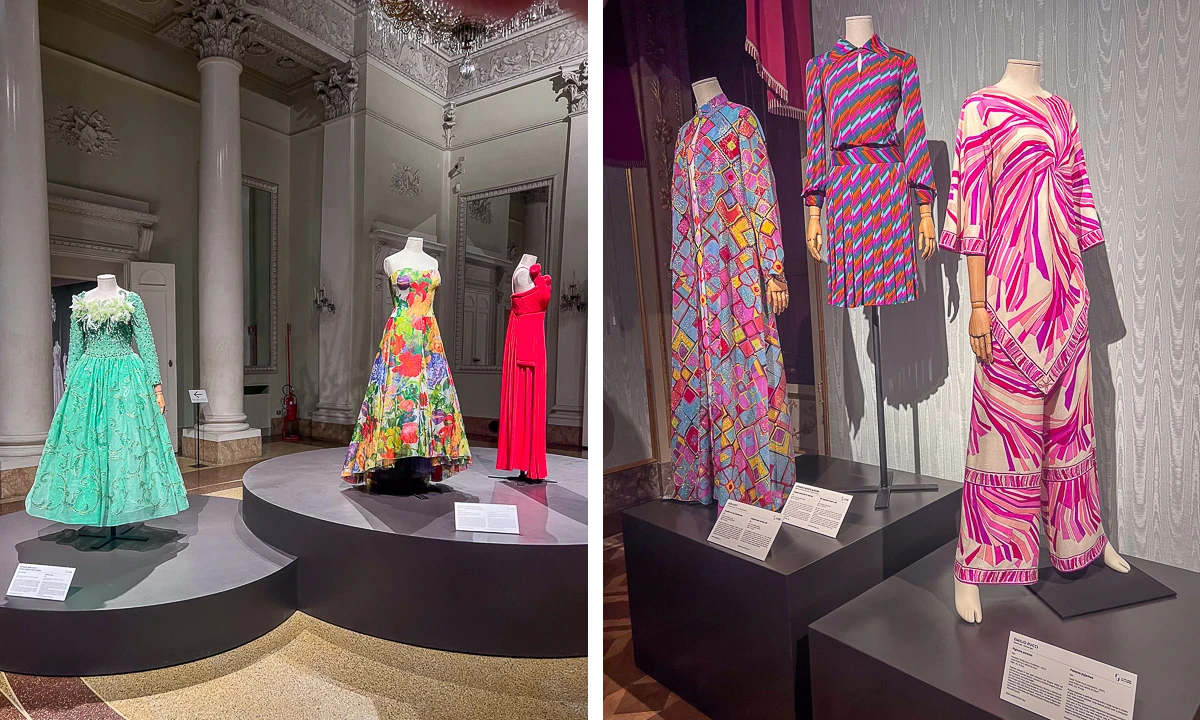
You’ll be surprised to also find here the Museum of Costume and Fashion in a separate wing. It’s a great visual of the evolution of fashion and haute couture through the centuries, with a few famous items on rotation from the likes of Valentino, Armani, Versace, etc.
Boboli Gardens
Step outside to admire the elegant façade of Palazzo Pitti (you previously entered via the back from the street) which is thought to be the work of Brunelleschi.
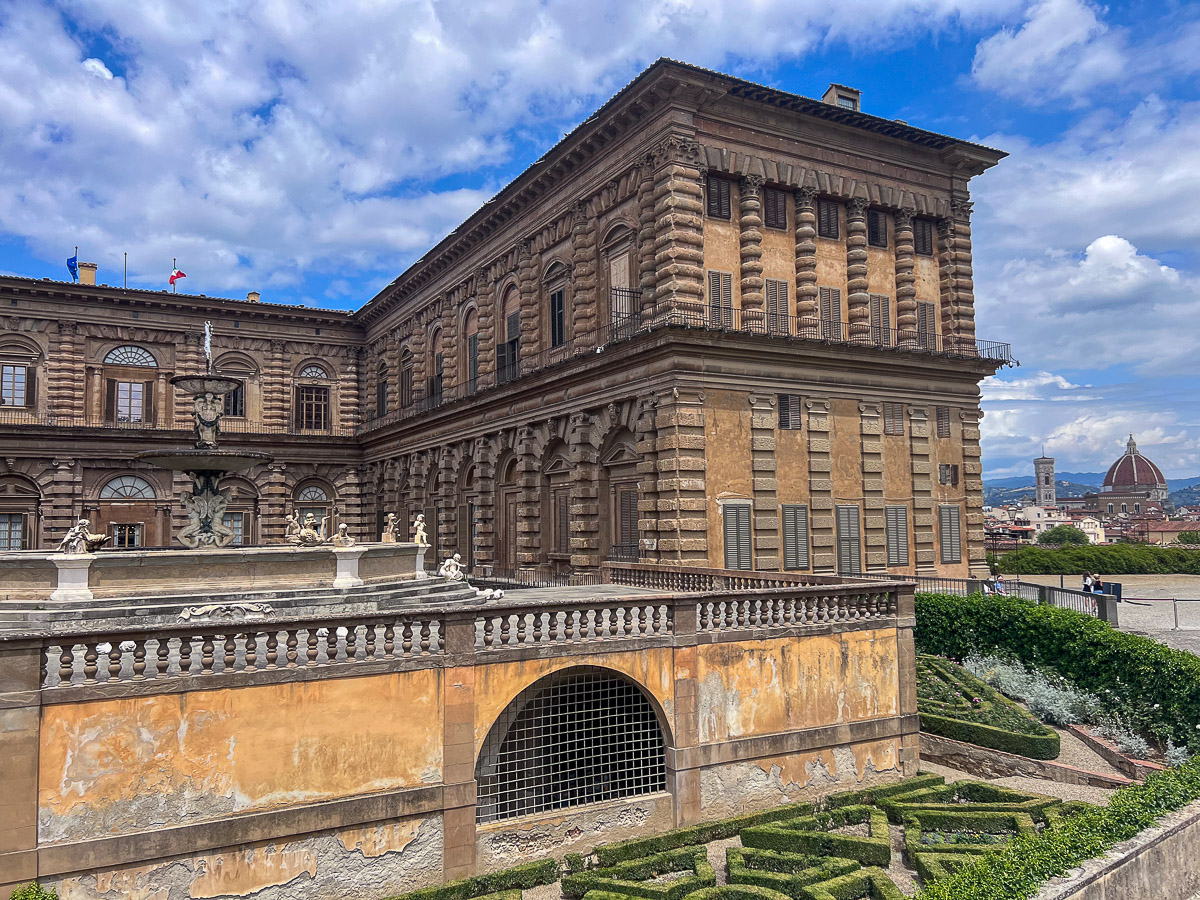
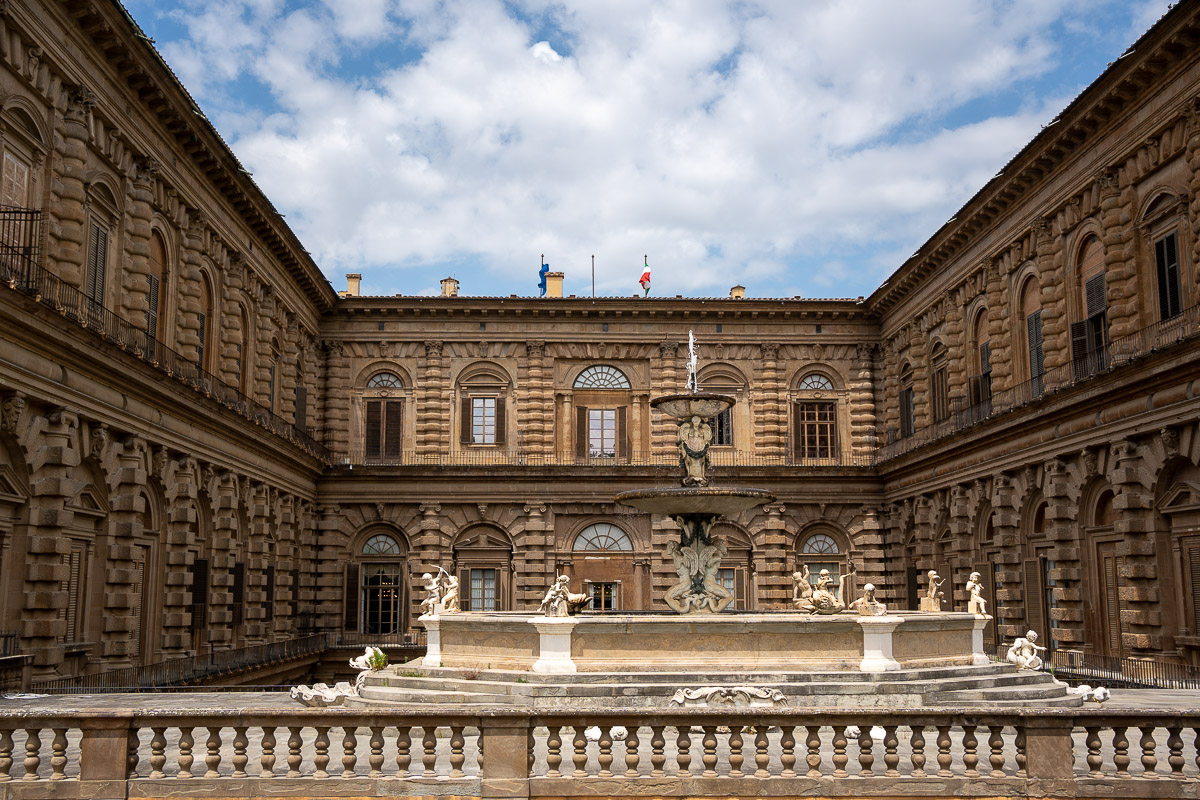
Out in front of you lay Florence’s most famous city garden – the Boboli Gardens – extending from Palazzo Pitti over 45 hectares. You’ll want to spend a couple of hours exploring the many lawns, grottoes, statues and viewpoints.
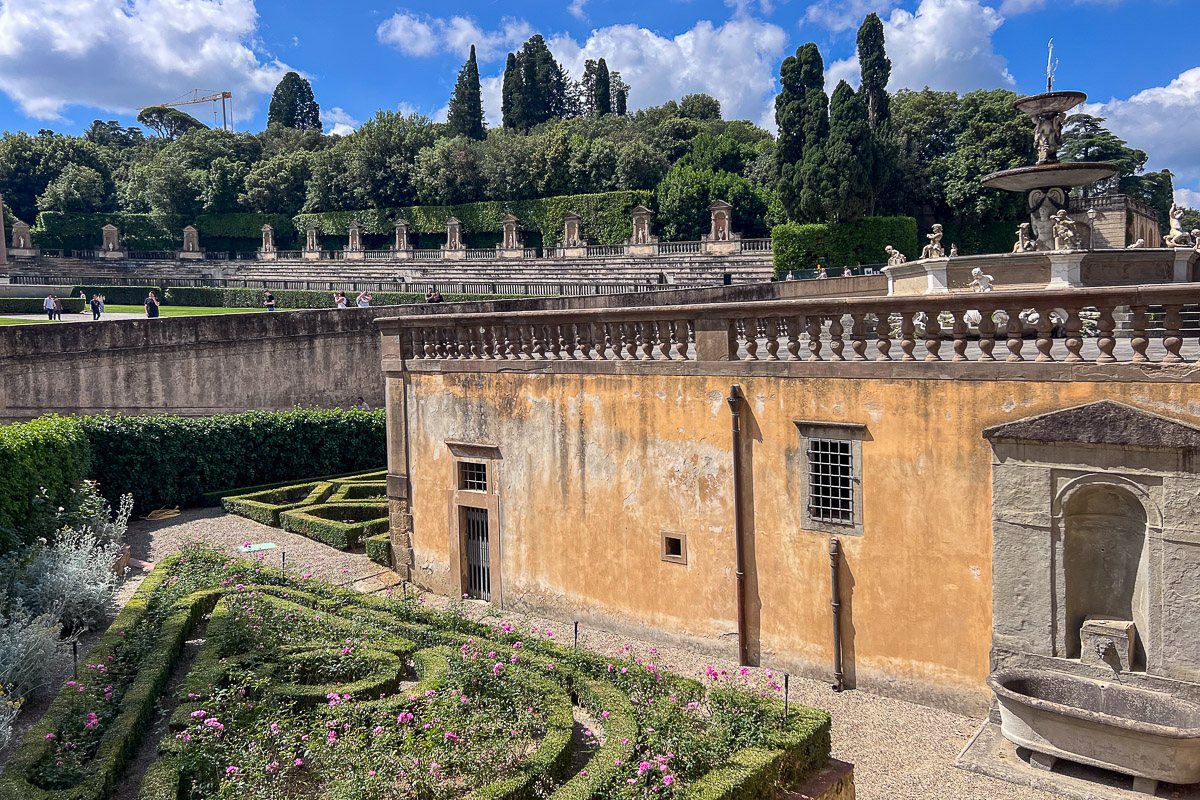
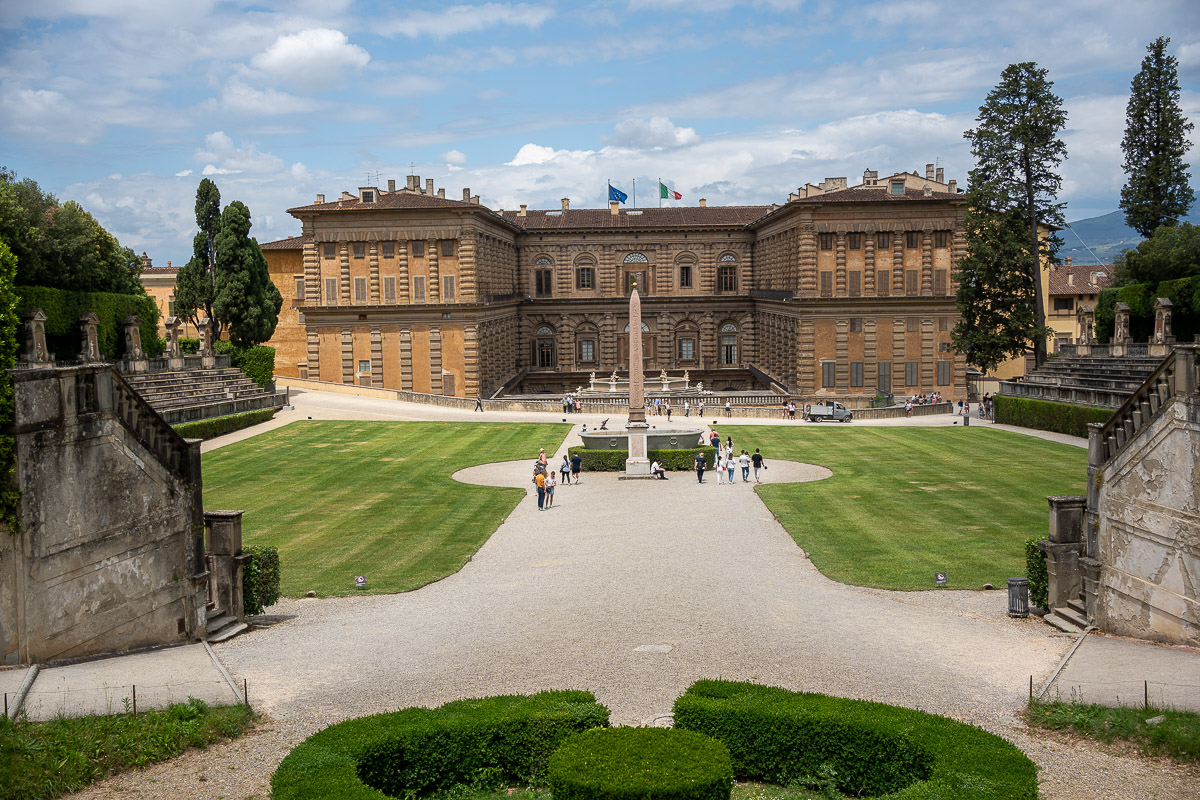
The amphitheater right in front of the palace was once used as a stage for opera performances. It certainly gives the best perspective on the regal façade.
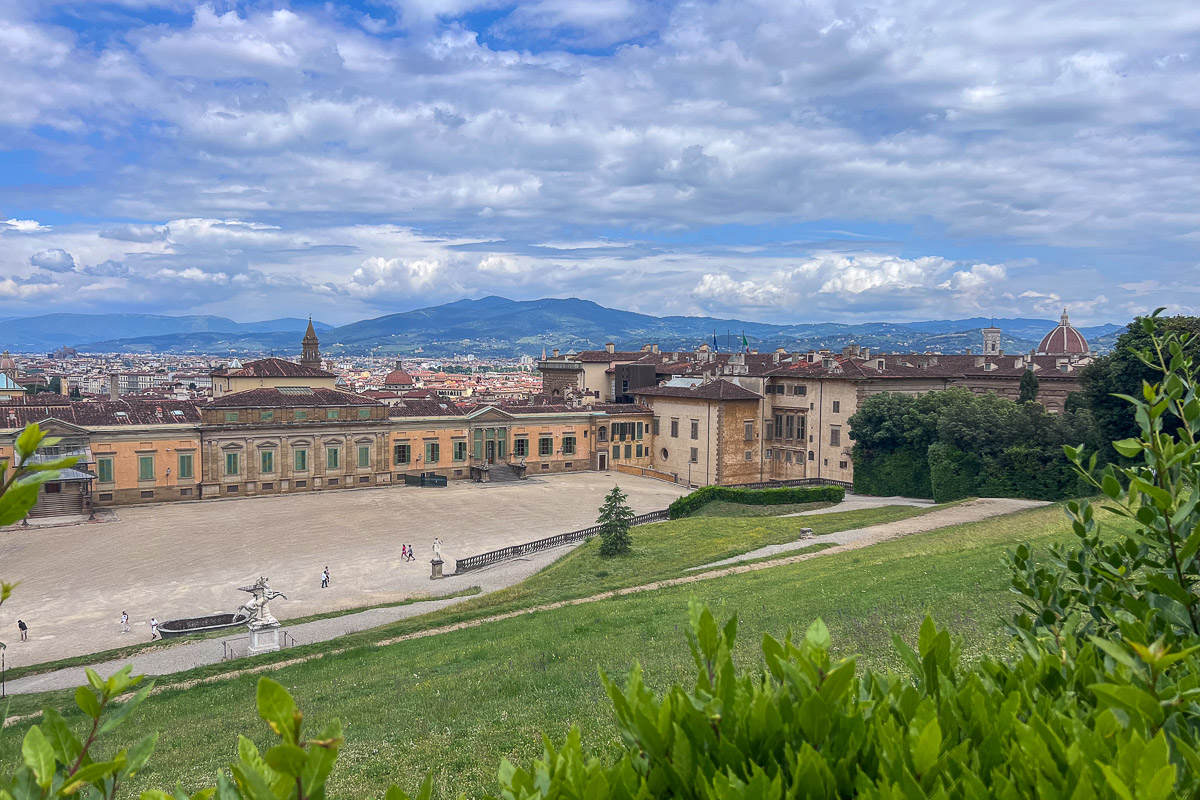
Keep going uphill for panoramic views of Florence and its surroundings.
Small gardens and hidden corners make up the northeast, hilly side. Try to find the Grotta di Madama – one of a few artificial caves – with sponge-textured rock walls, artificial stalactites, and a marble basin flanked by stone goats and cherubs.
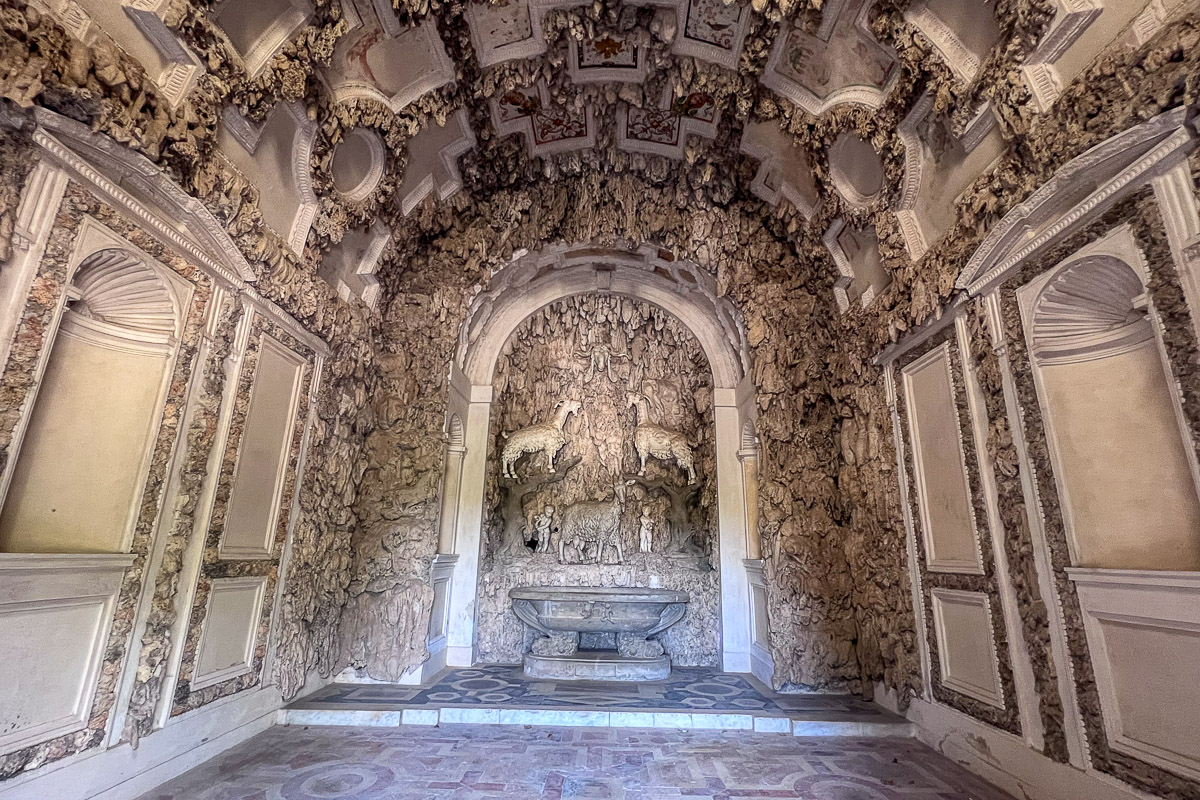
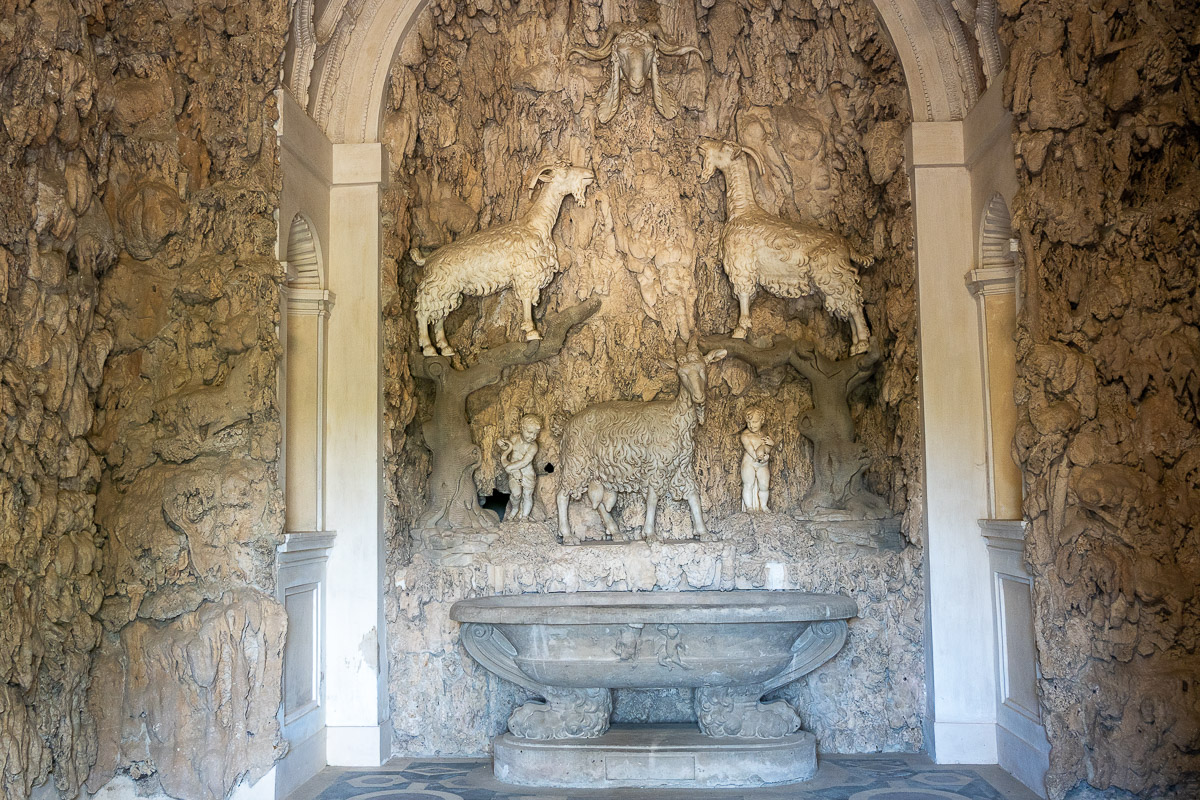
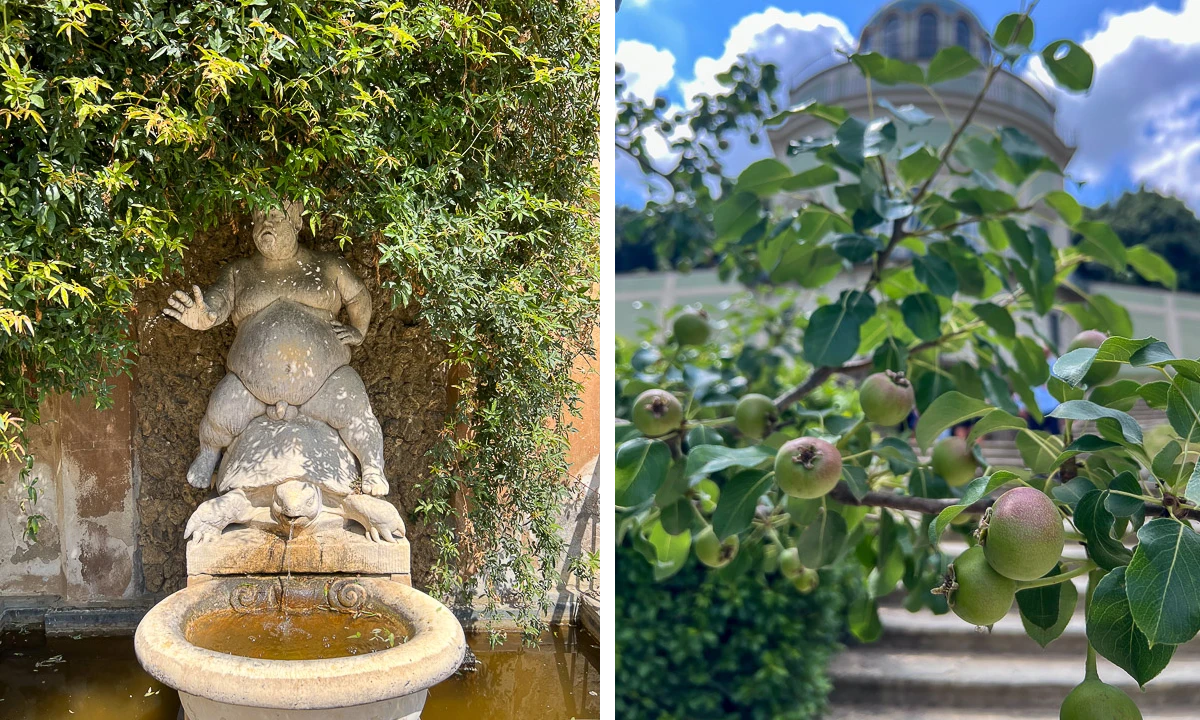
Fountains and fruit trees are dotted throughout.
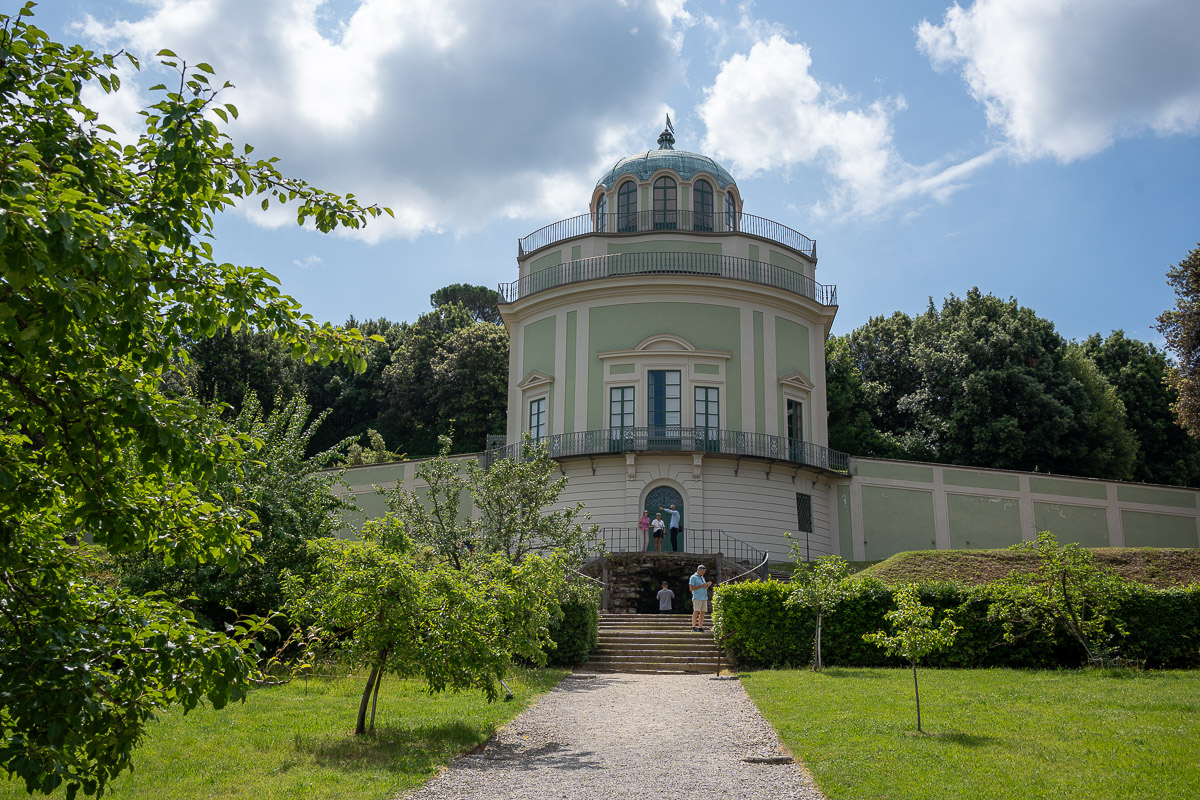
A pale green Rococo-style pavilion, the Kaffeehause, is easily spotted. It was built as a place to take a coffee or hot chocolate while strolling the gardens. It is open during summer hours with beautiful views in a very unique setting.
Continue to make your way up to reach the Knight’s Building and Garden which sits on the rampart that was built during the siege of Florence between 1527-1530.
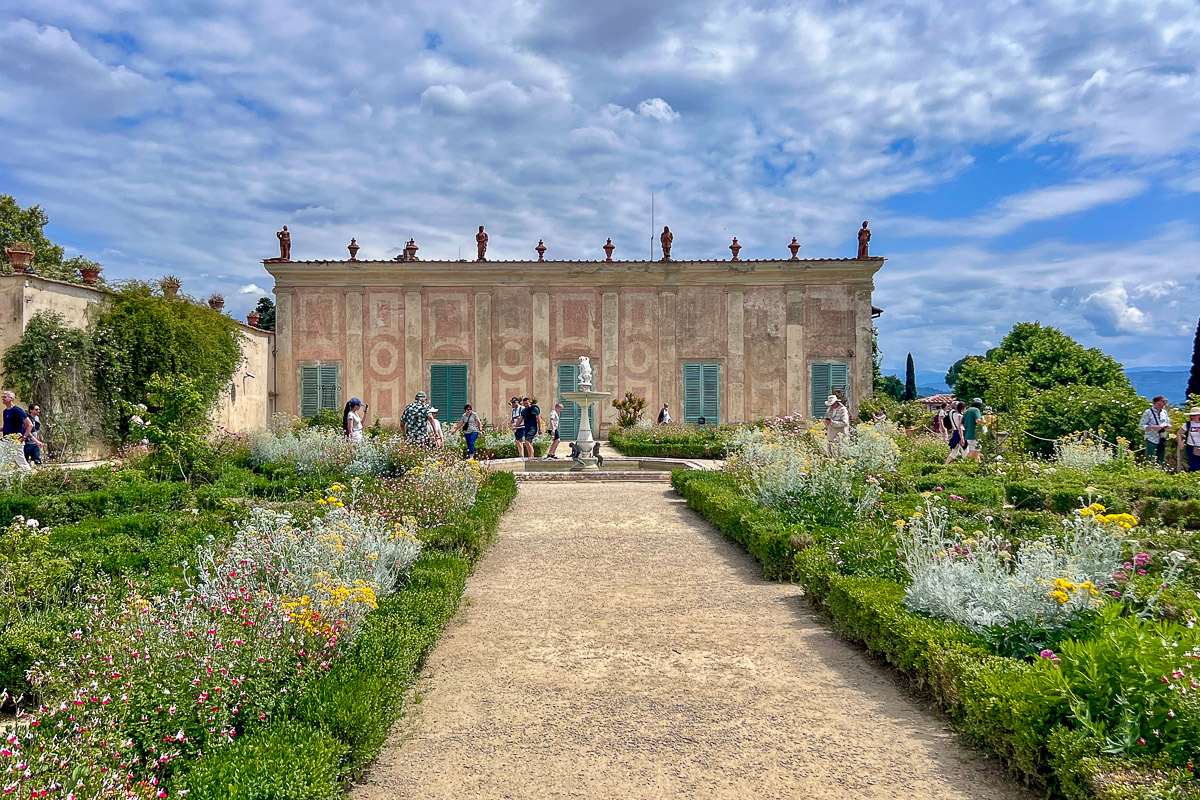
This was my favorite part of the Boboli Gardens – the building’s façade, the colorful garden, the monkey fountain…
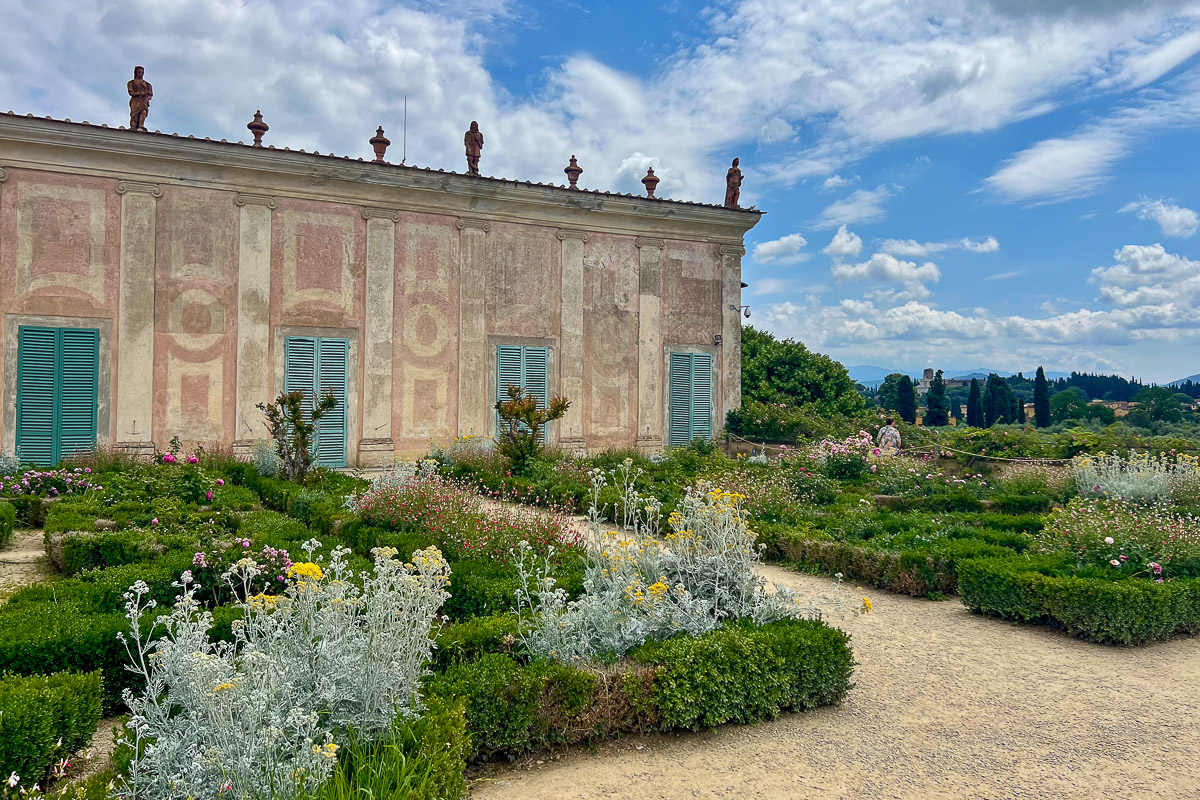
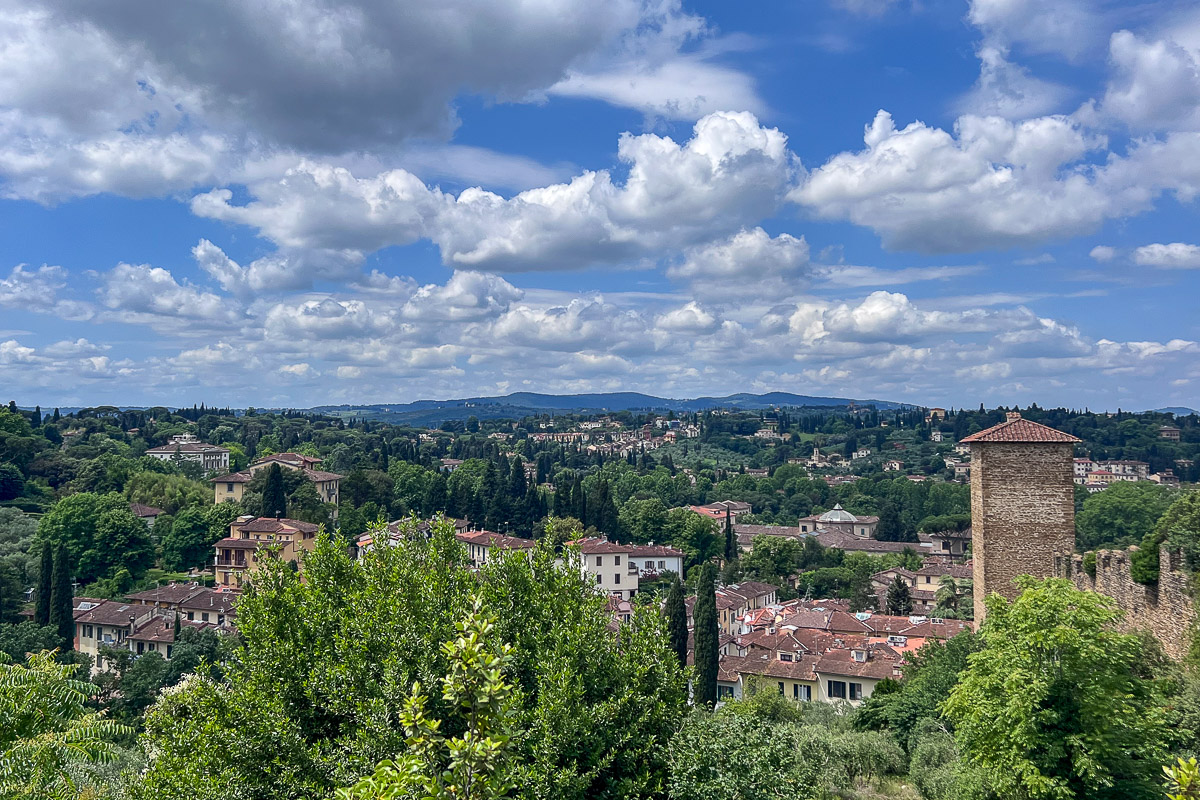
…and the enchanting views! Take time to soak it all in. Looking that way, you can almost forget you’re in Florence and imagine you’ve been transported to the heart of Tuscany.
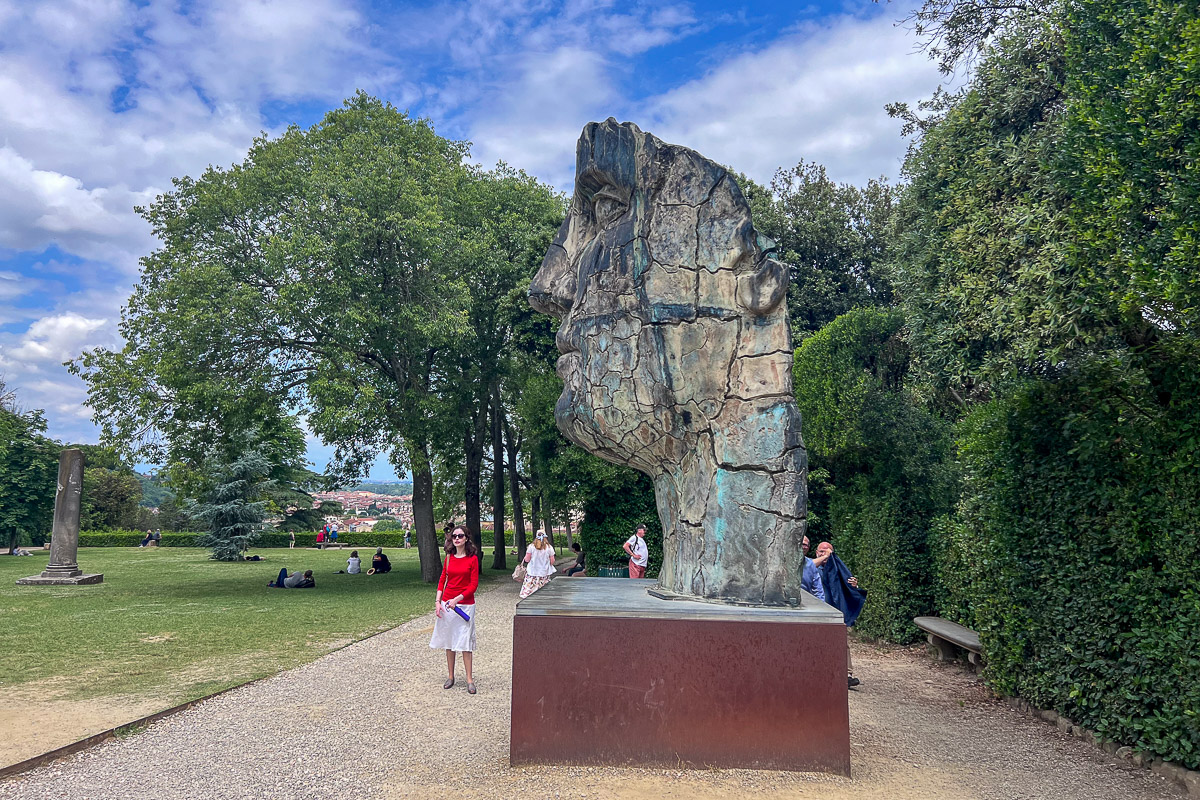
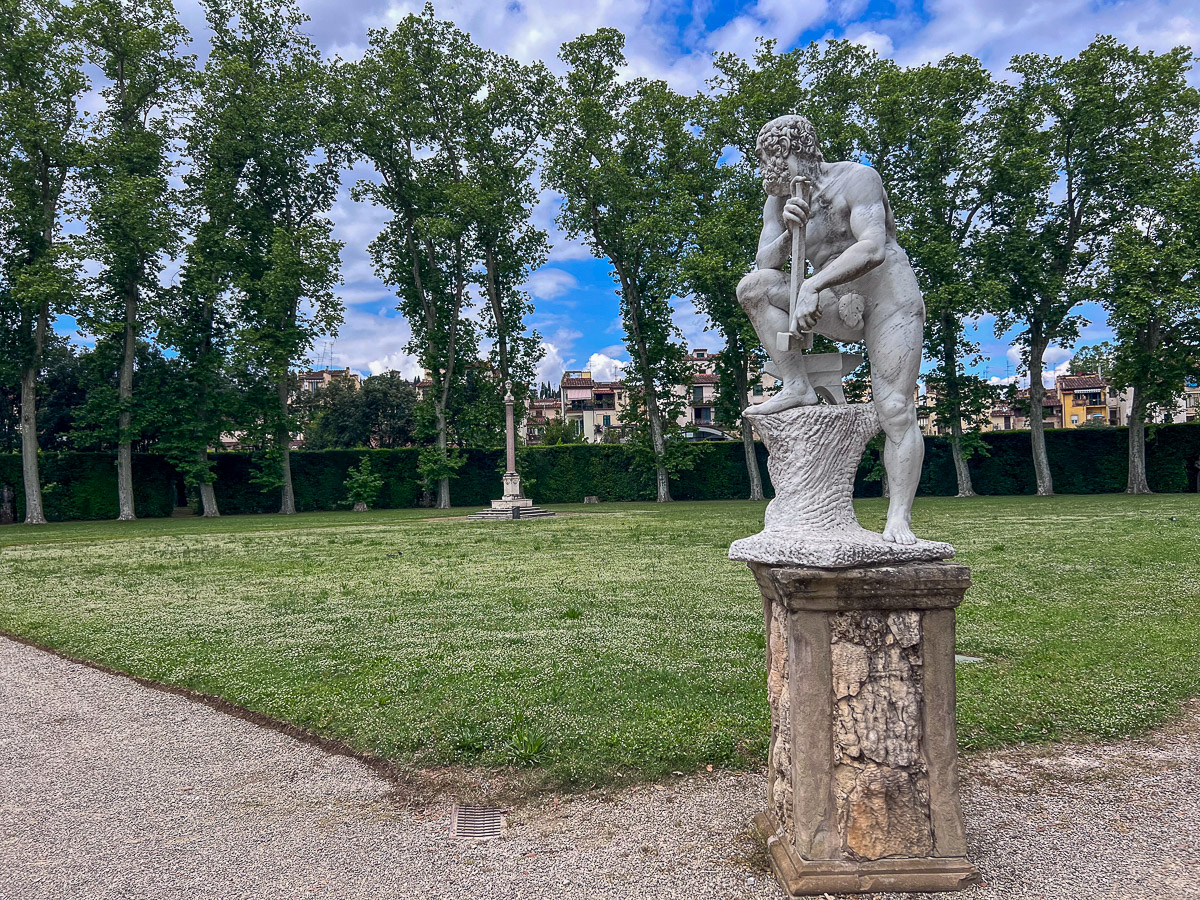
Whenever you need to rest your feet, there are scenic lawns everywhere, whether you prefer to contemplate majestic statues…
… or listen to the gurgling sound of a fountain surrounded by lush greenery.
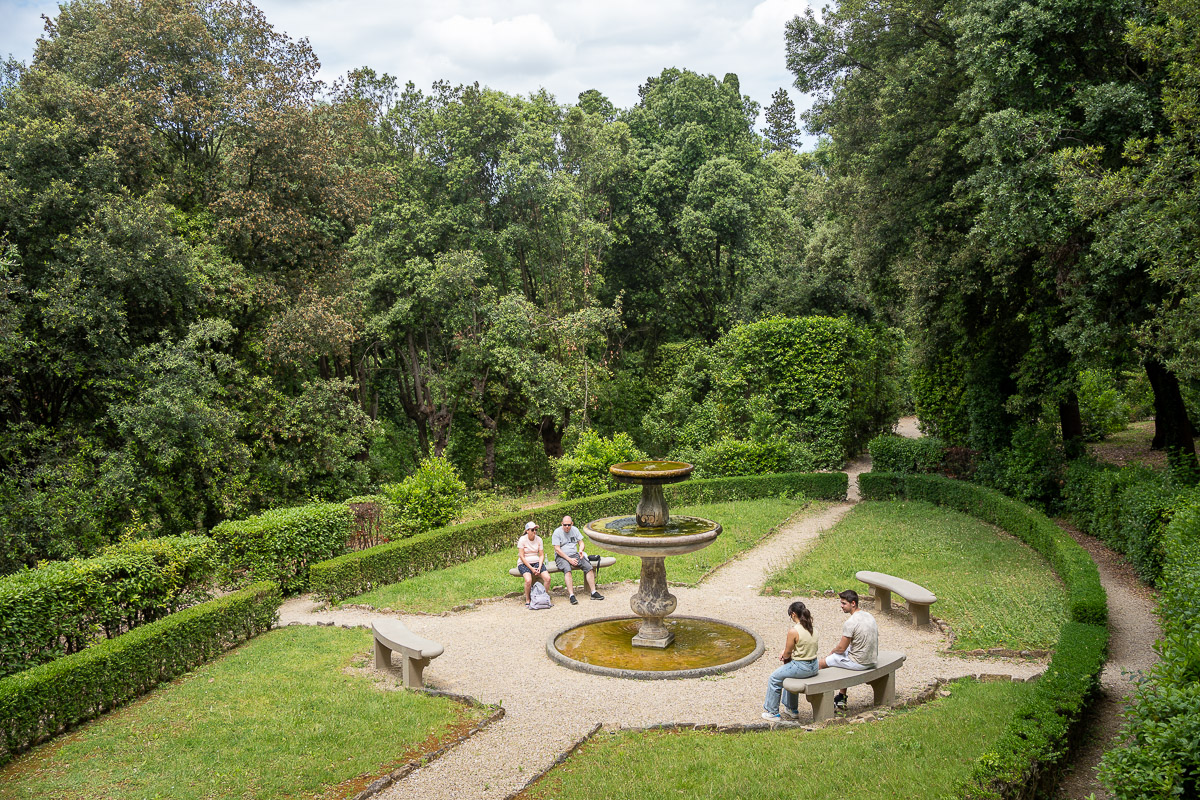
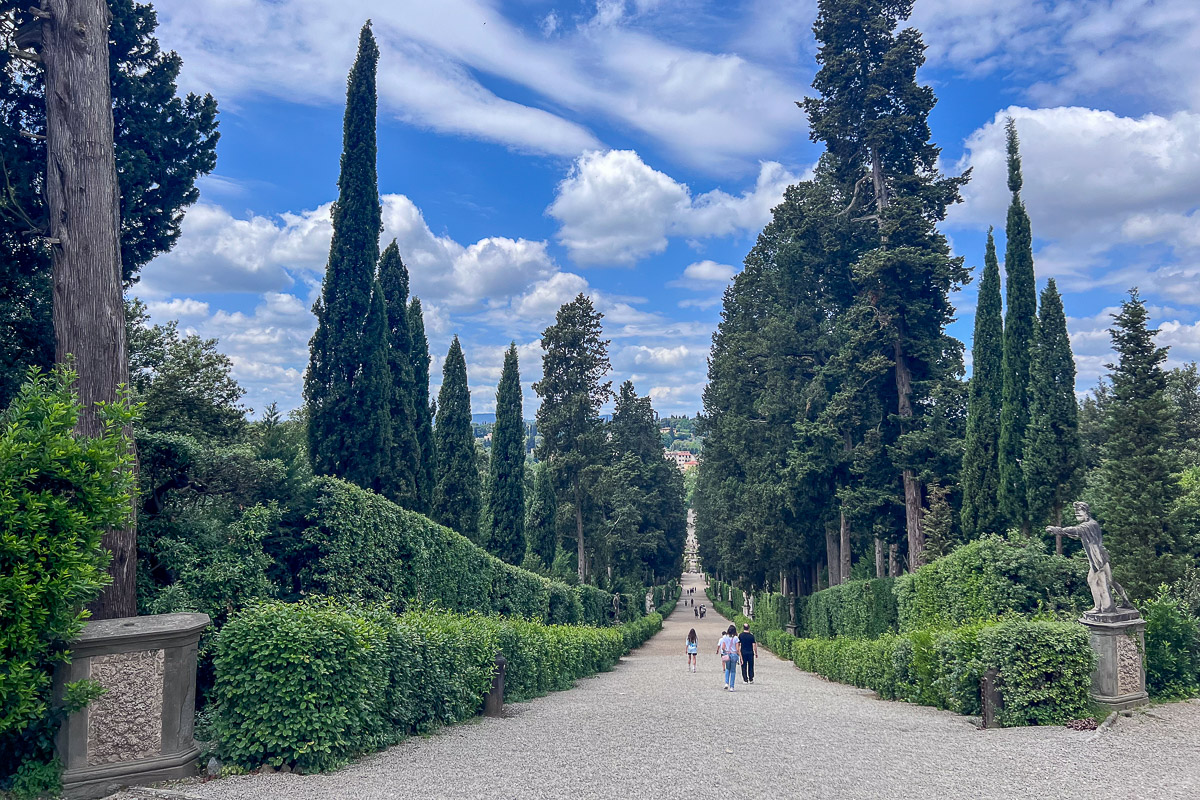
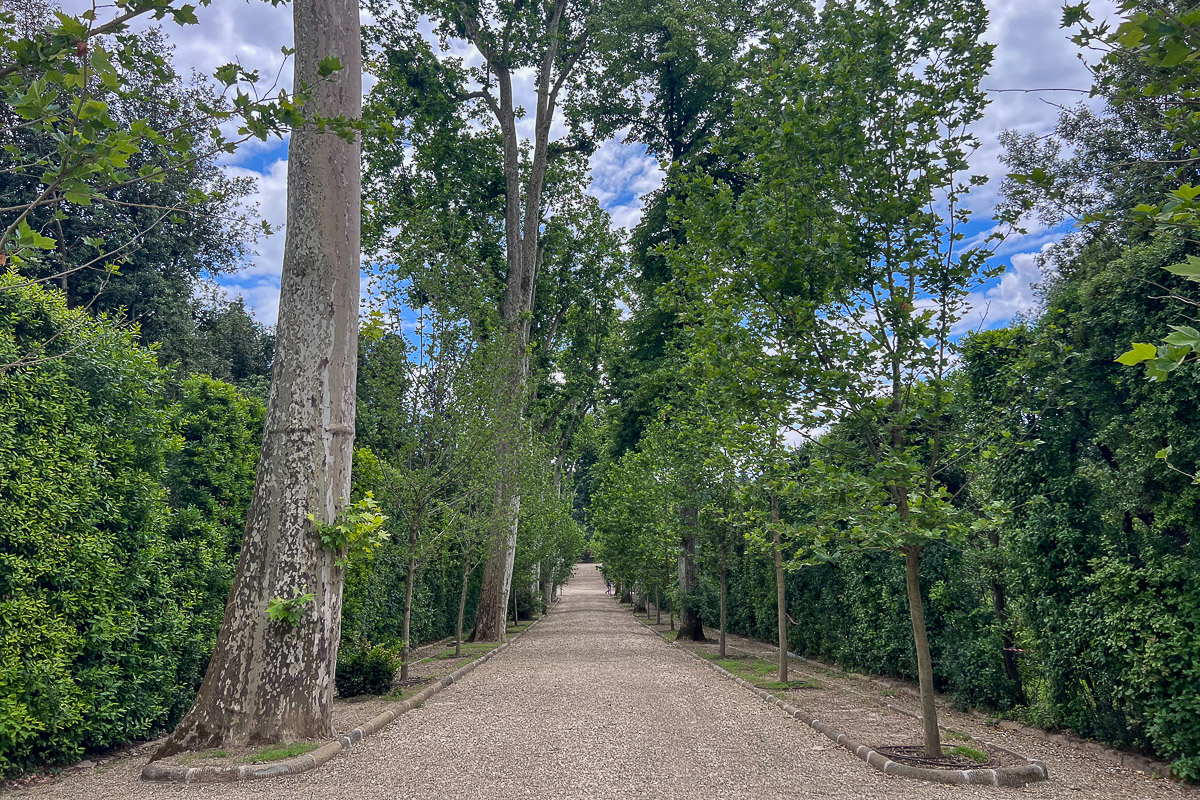
Take the majestic Cypress Lane down, slowing your route by exploring any one of the little tree lined walkways, gardens and hidden pathways found on either sides.
You’ll end up at the majestic Fontana dell’Oceano (Ocean Fountain), another perfect spot for a pause to enjoy all the beauty around you.
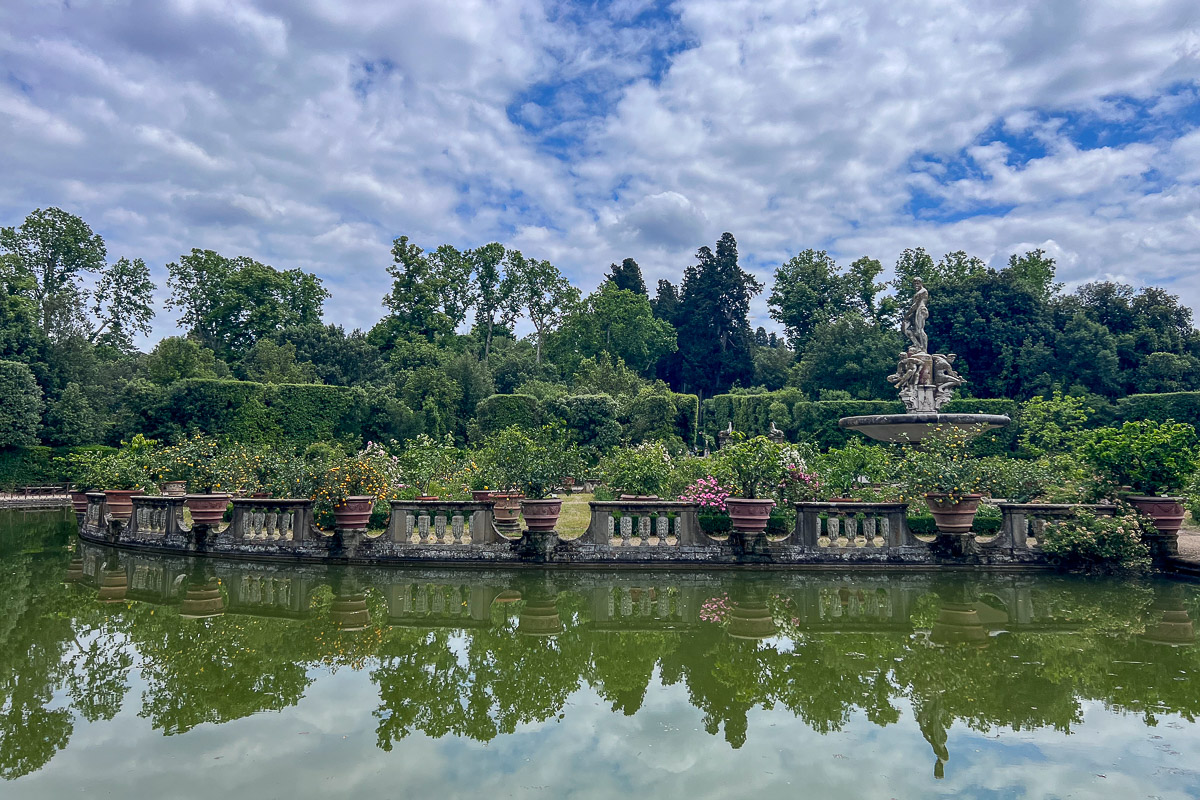
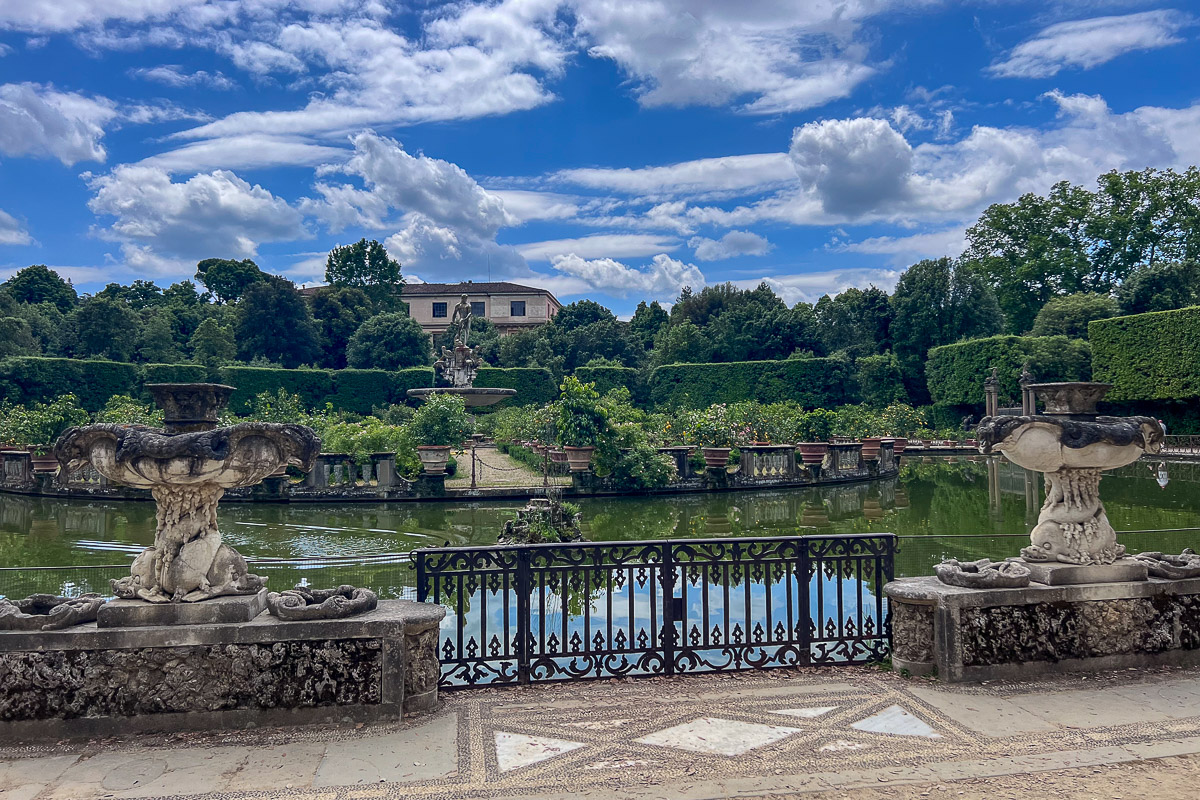
Right next to the fountain you’ll find a semi-circular lawn with a few notable sculptures and very few people – the ideal picnic ground. At this point you’ve reached the end of the gardens and can start walking back toward the palace for a few more worthwhile stops.
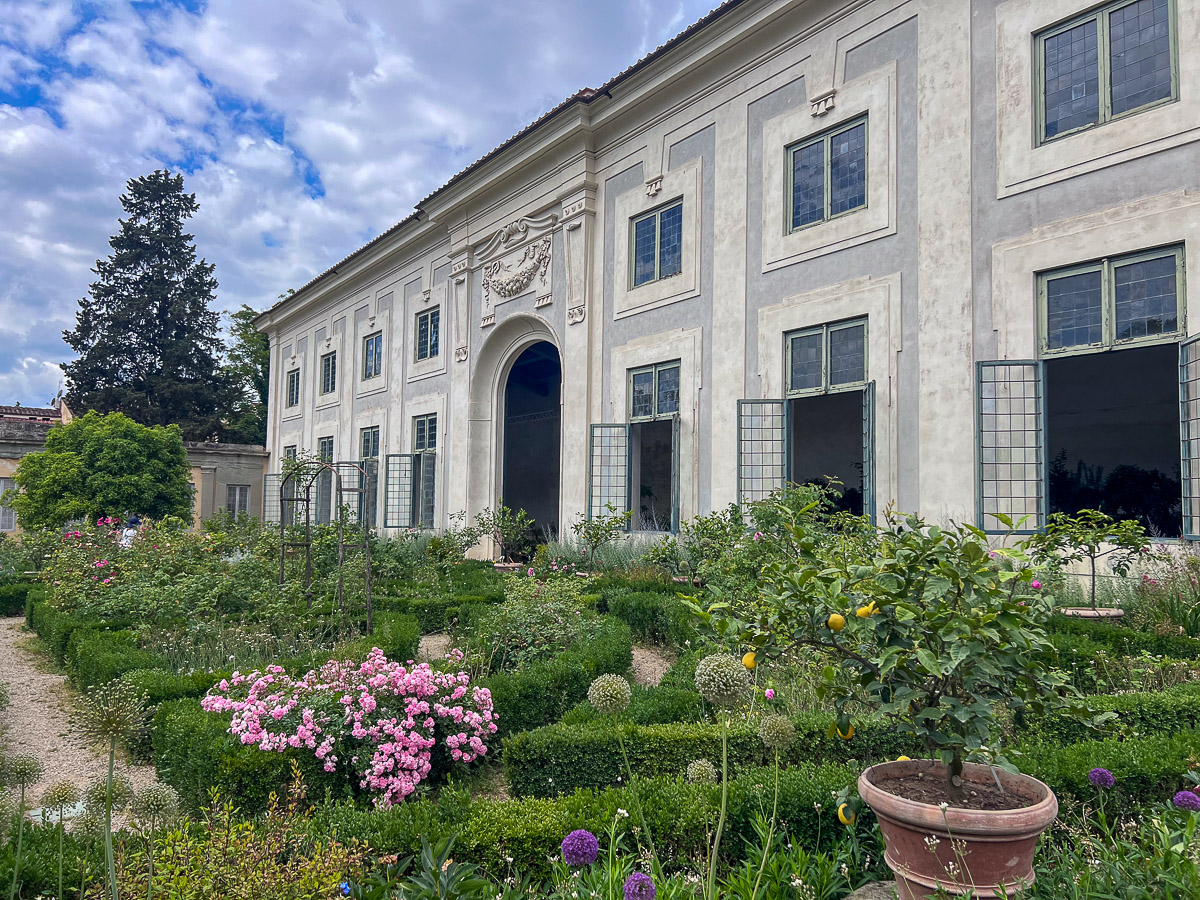
The Lemon House, still in use today, was built between 1777 and 1778 to protect rare, tender plants from frost. You can go inside and walk around the garden to see citrus trees and other fine specimens.
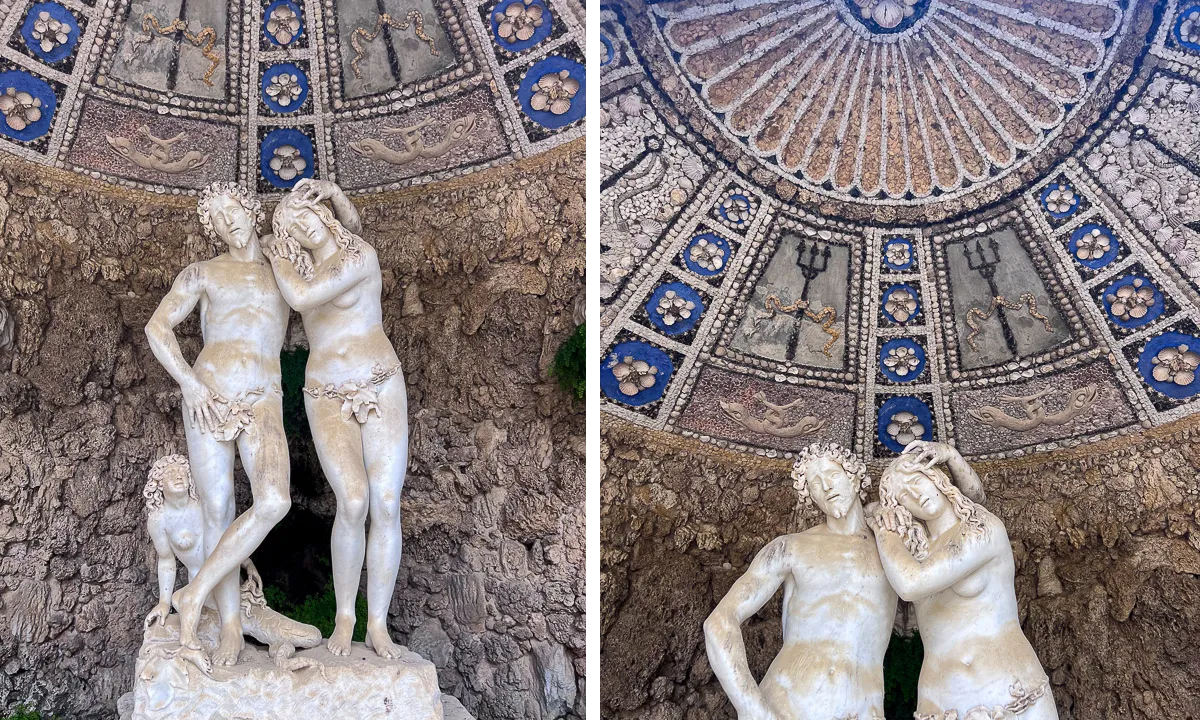
The exit right by the Lemon House will conclude your visit with one more unique grotto, that of Adam & Eve.
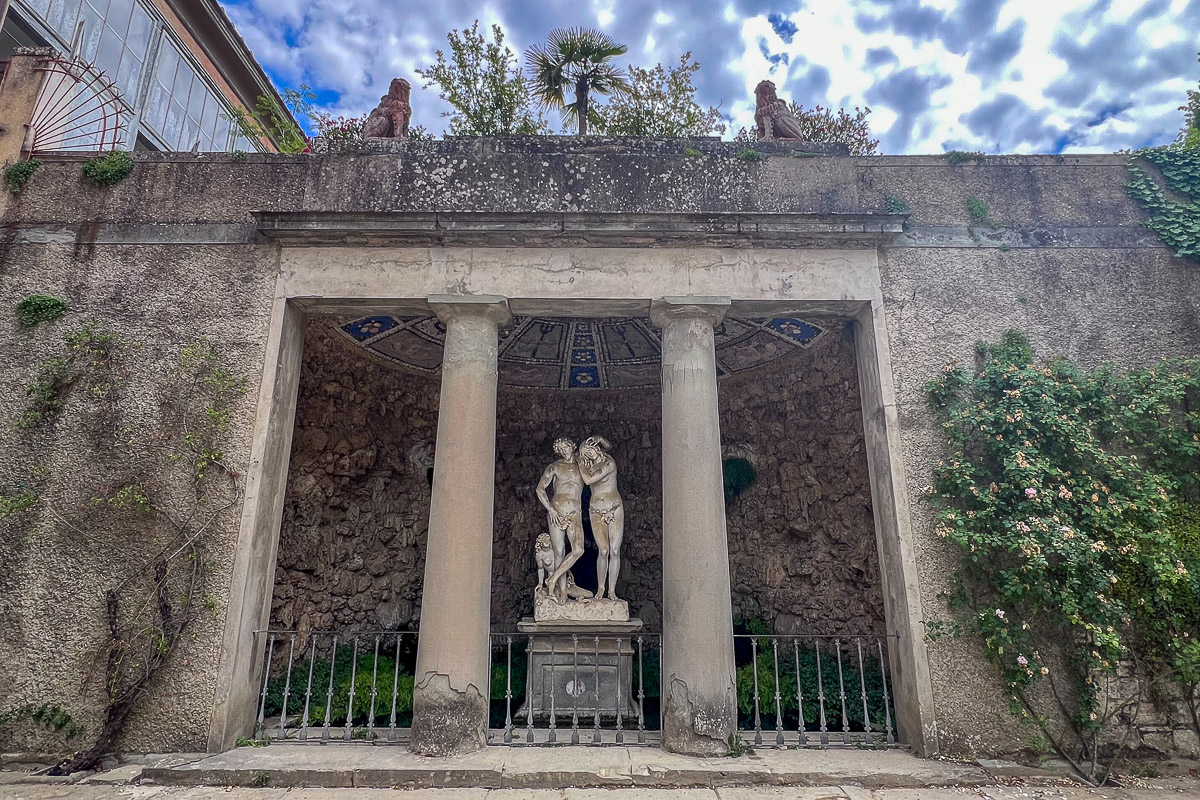
Besides the eponymous marble sculptures, it’s the half-sphere dome with its decorations made of shells that mesmerized me.
Culinary break
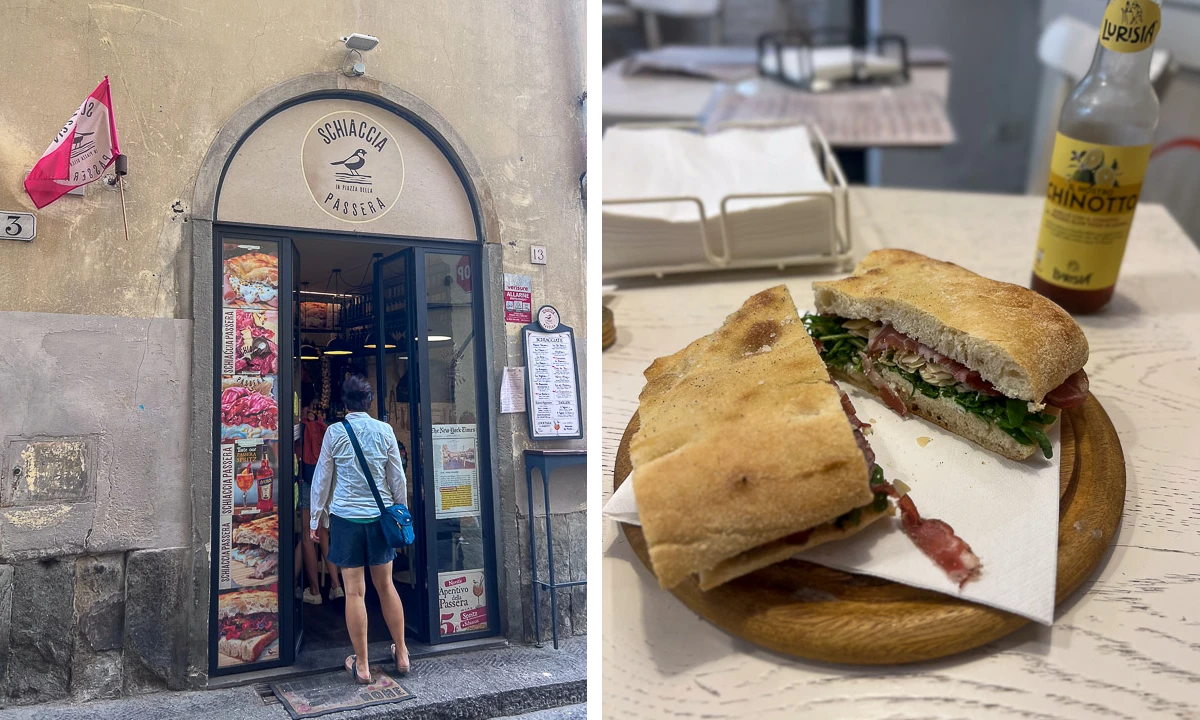
After a long palace and gardens visit a lunch break is well deserved. This neighborhood is full of little restaurants ready to satiate every one of your cravings and check off the must local eats off your list. Have you had a schiacciata yet? The flat, focaccia-like bread is seasoned with extra-virgin olive oil and a lot of salt. Filled with meat and cheese, it becomes the perfect quick lunch. Try it at Schiaccia Passera located in a small square with the bonus of a great gelateria right next door.
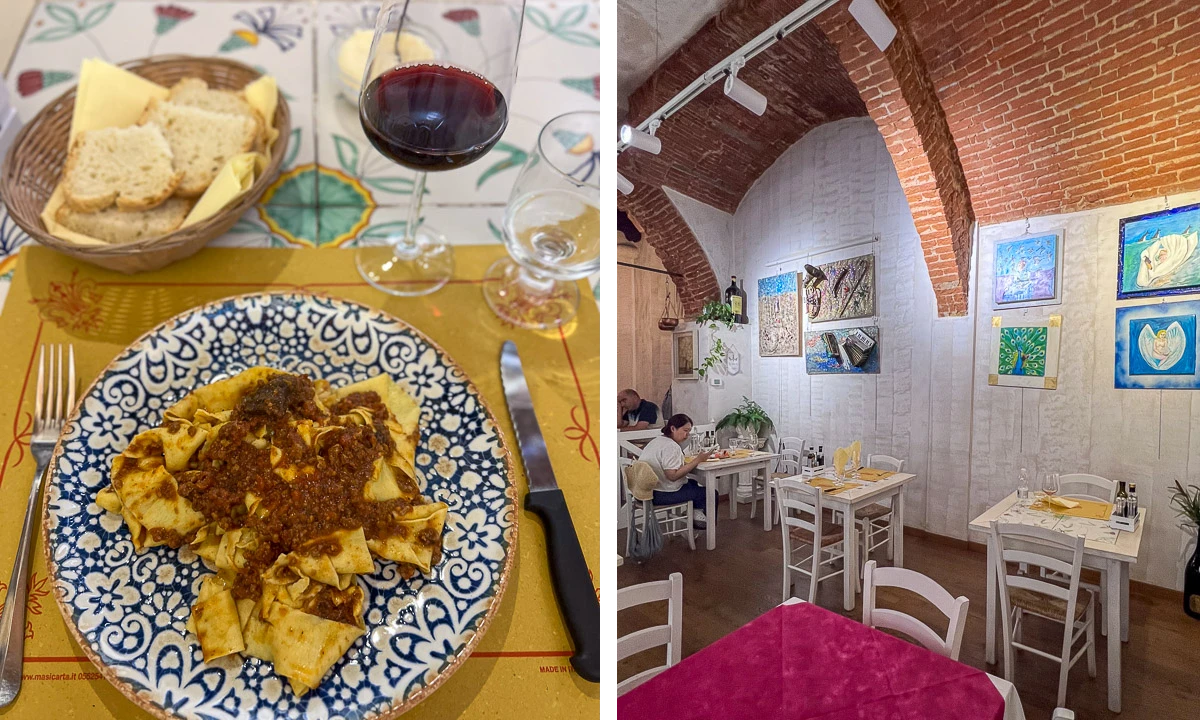
For something a bit heftier, you can’t beat a generous plate of wild boar pappardelle. You’ll find the iconic Tuscan dish on many menus but it’s best enjoyed in a family-run trattoria like at L’Arte di Dory.
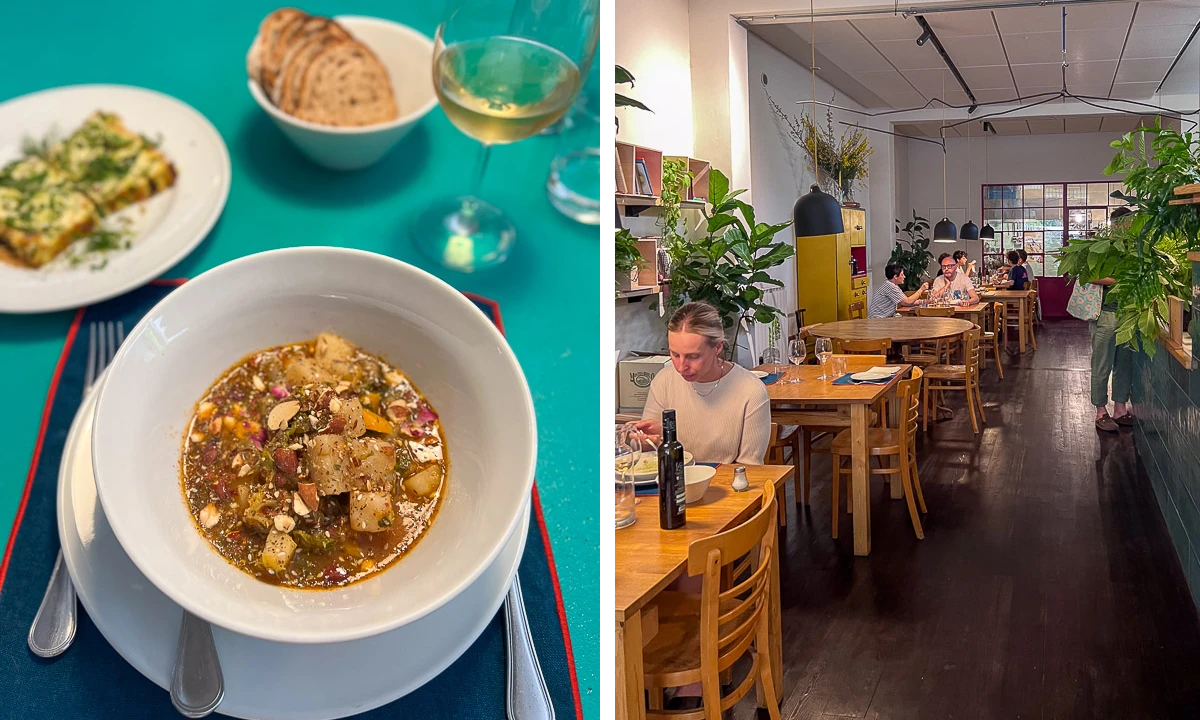
Slightly off-the-beaten-path Cucina is worth seeking out, not only for its elevated take on seasonal cuisine, but also for the super cozy space tucked away on a residential street. You can detox a bit here with an abundance of fresh vegetables and global flavors. My pairing of minestrone soup with their zucchini and ricotta cake was just what I needed.
Feel like a local at Dalla Lola, a favorite find where they revive old-school dishes with a twist.
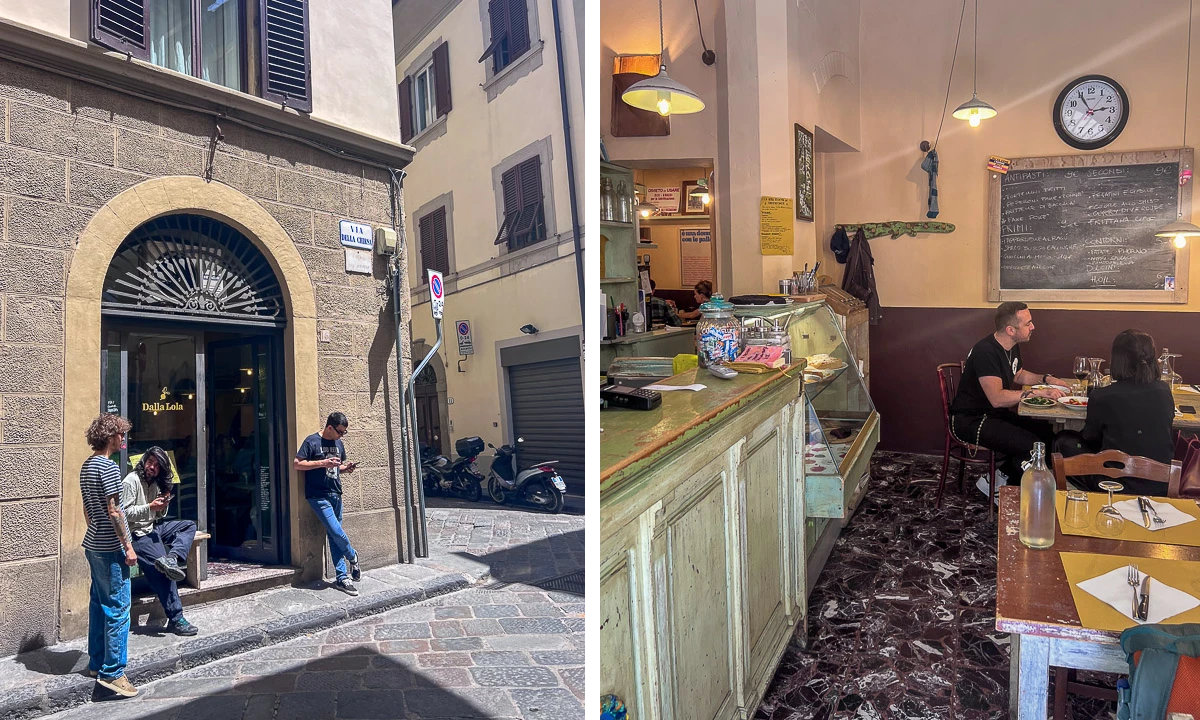
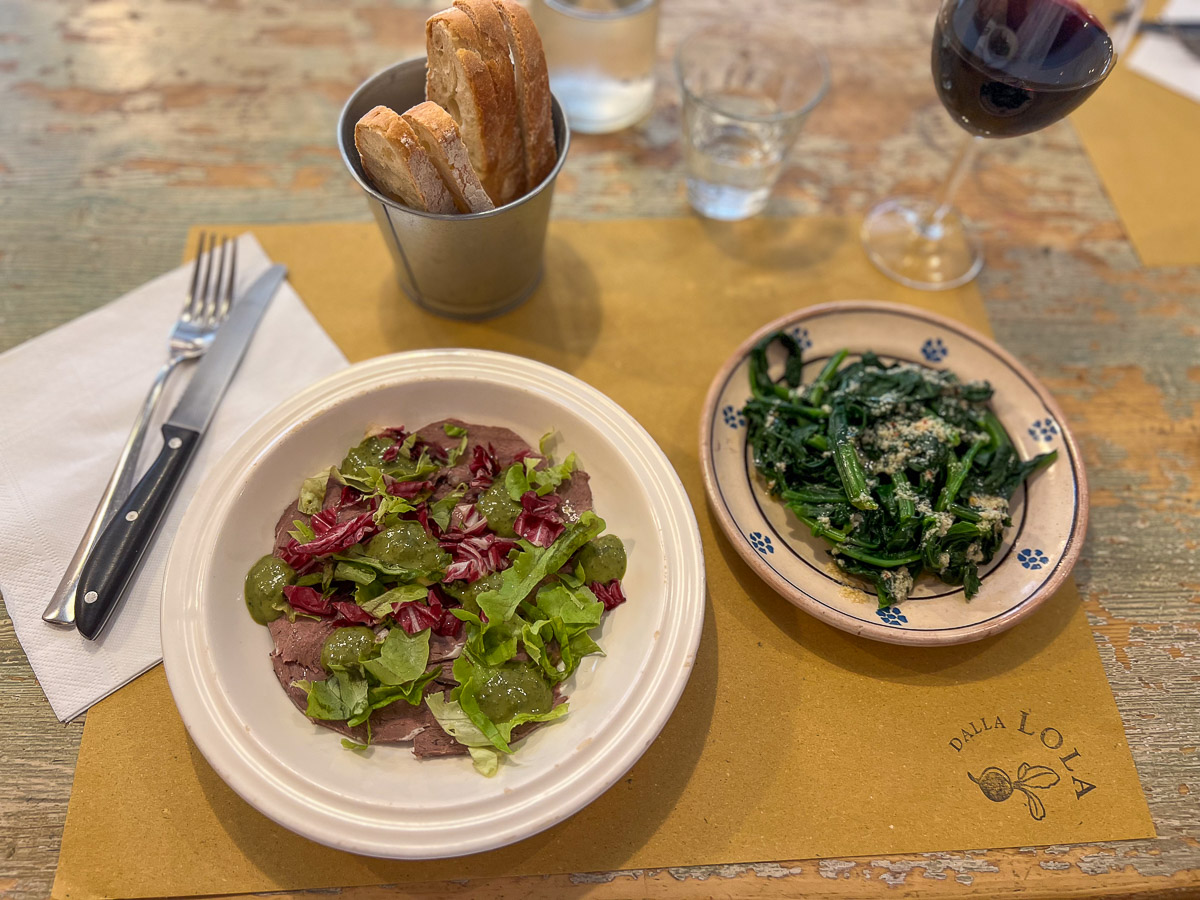
The daily changing menu promotes lesser-known and supremely delicious ingredients. My salad of cow heart stuffed with shiso and spinach was a revelation.
Panoramic viewpoint
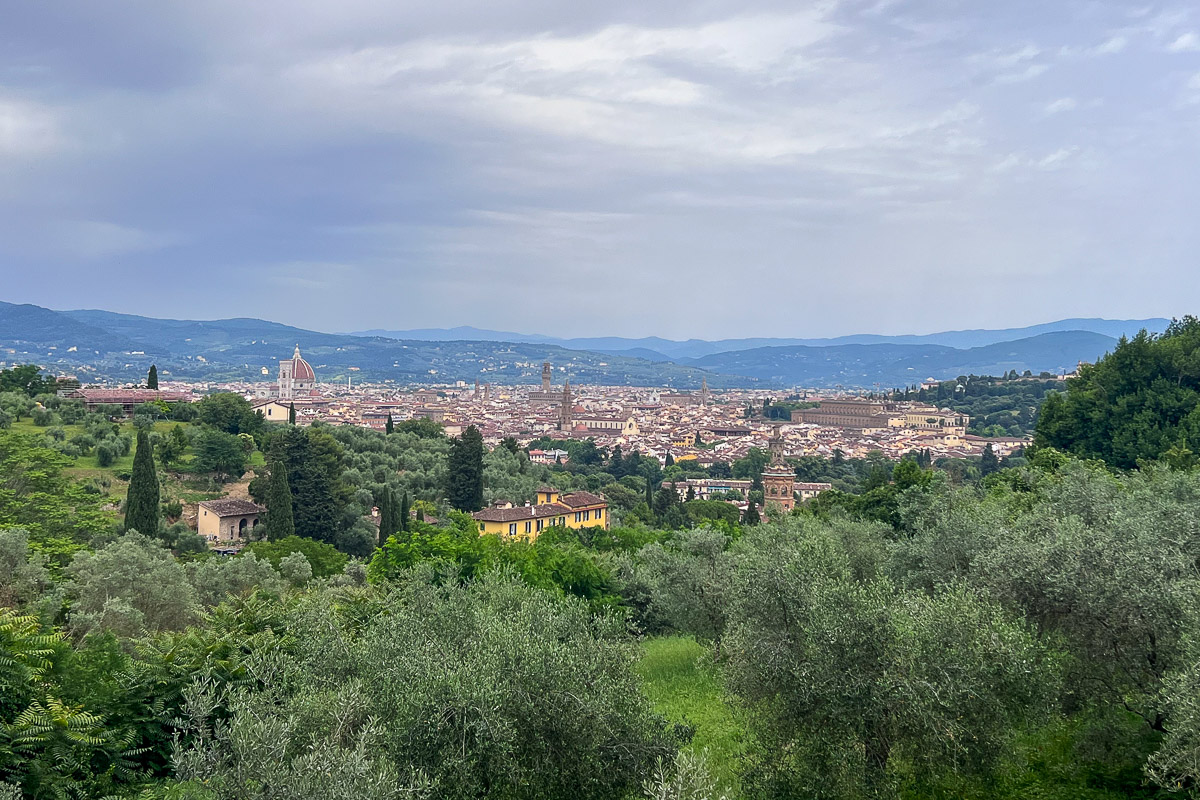
When you’re ready to stretch your legs again, there’s a great little walk up to a viewpoint of Florence. Get to the start of Via di Bellosguardo right where you’ll see this grand turreted building and follow the street up.
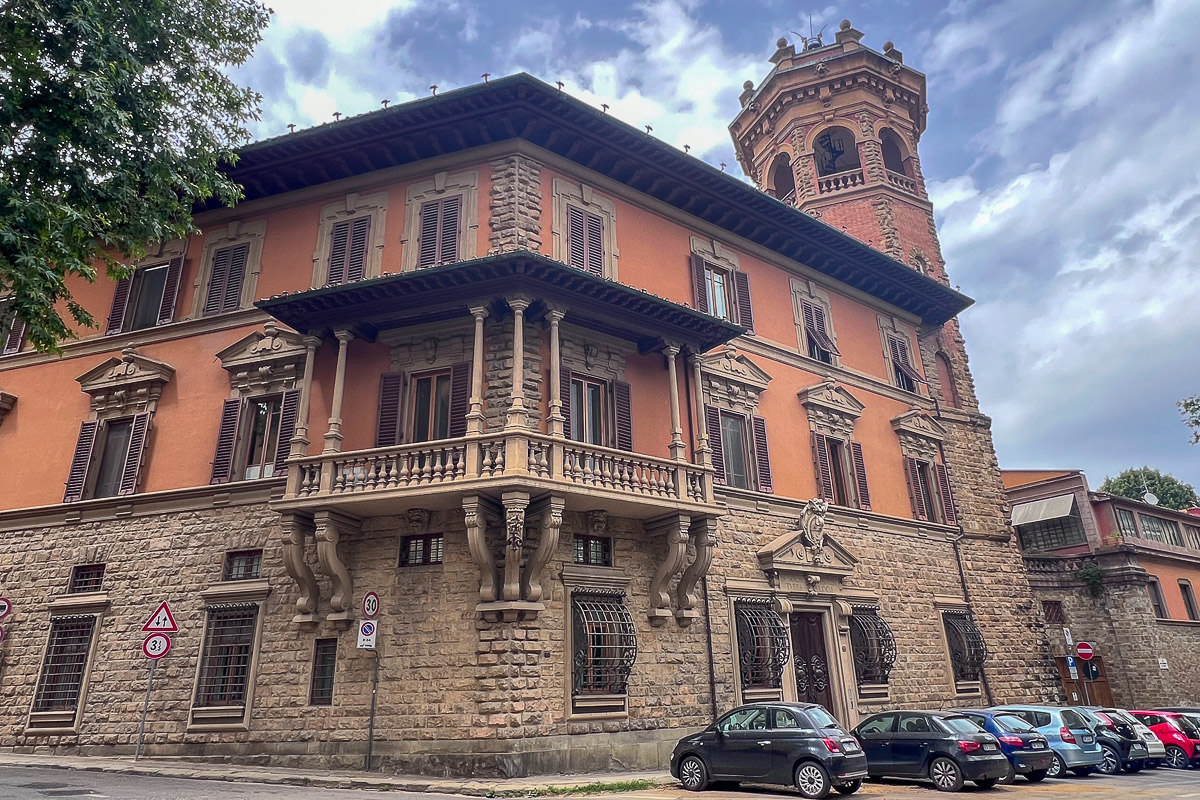
It’s a gentle 15 min climb on a narrow street with rarely any cars passing.
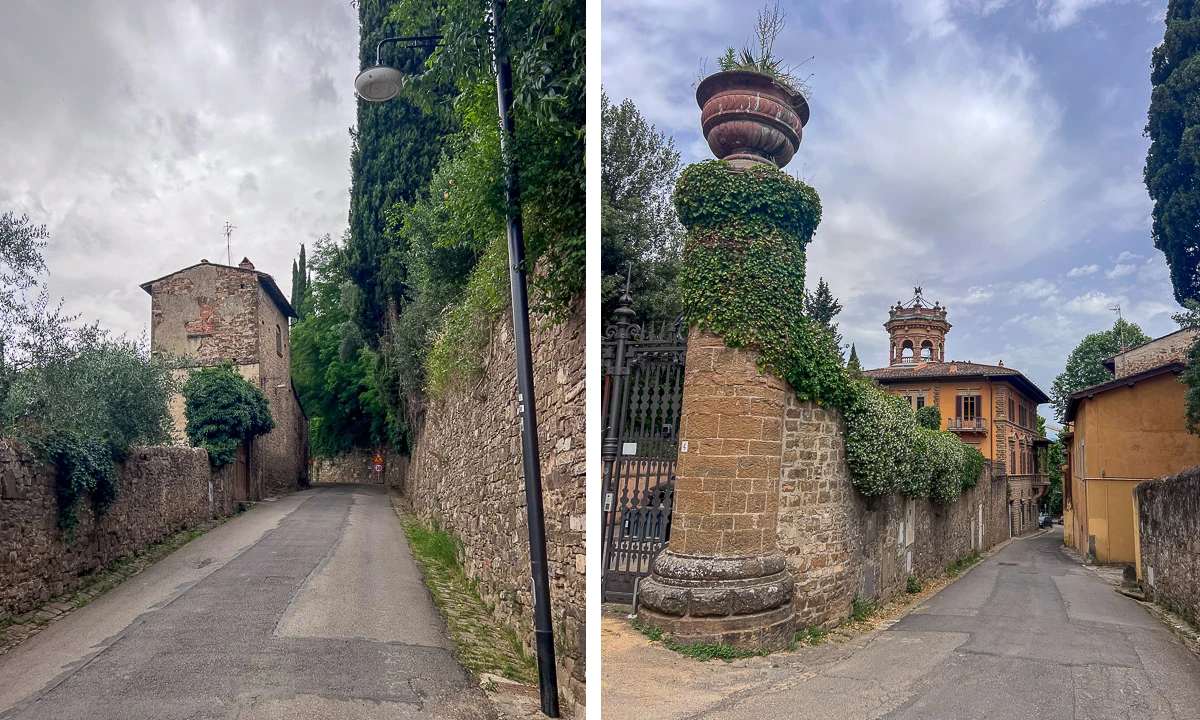
The viewpoint is right around a large bend in the road and you’re likely to be all alone. It’s a gorgeous elevated panorama of the center of Florence with all the main palaces, the Duomo and Tuscan hills in the background.
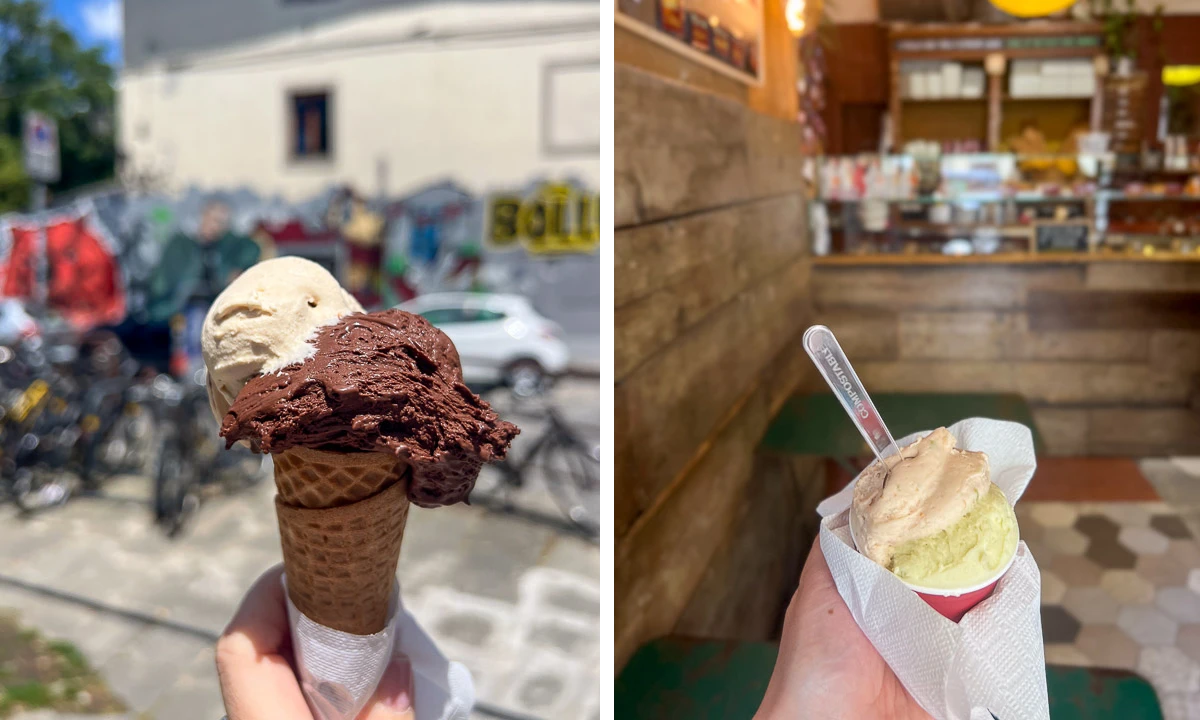
On your way back, stop at Gelateria Artigianale La Sorbettiera on the edge of the local park – without a doubt my favorite gelato in Florence (dark chocolate can never disappoint). Another worthy of mention is Sbrino a few blocks away with some unique and creative flavors.
Brancacci Chapel
Besides the Palazzo Pitti and the Boboli Gardens, there is one more (quicker) stop nearby you should plan to do: a visit to the church of Santa Maria del Carmine. It may look unremarkable from the outset – no fancy marble façade or delicate statues – but know that its treasure is well concealed inside.
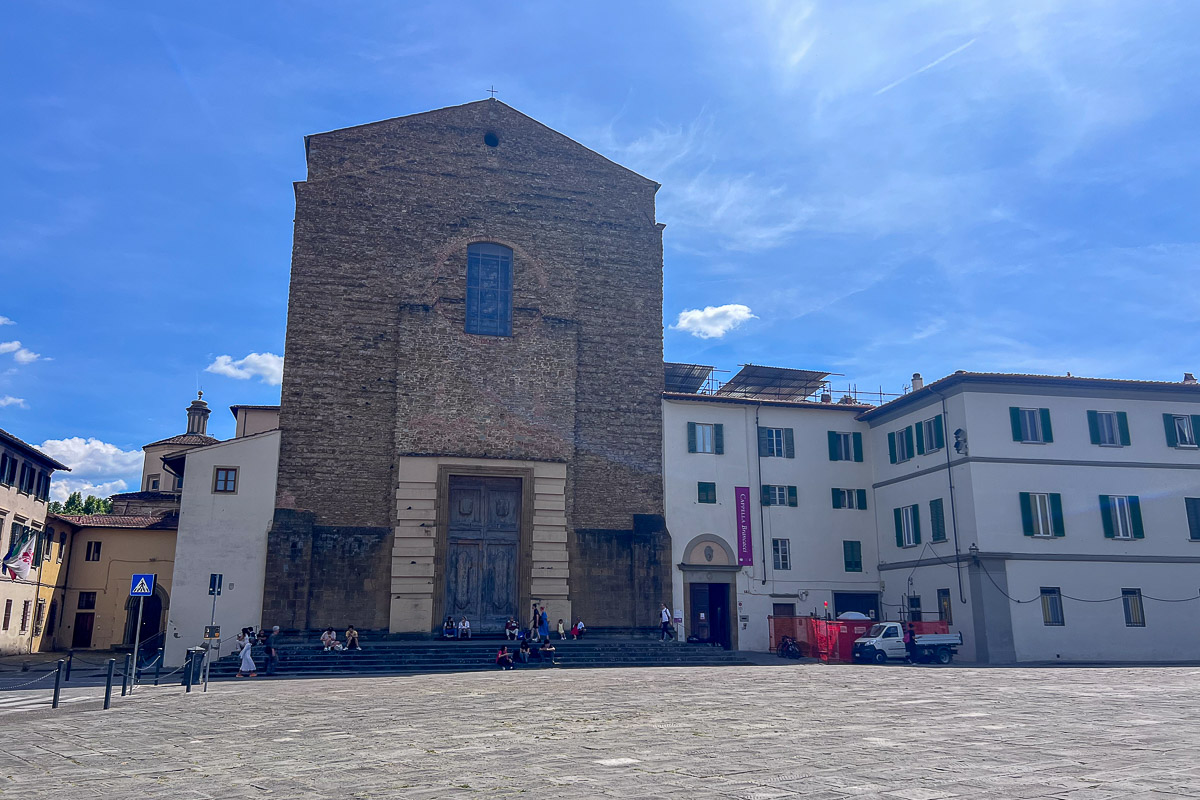
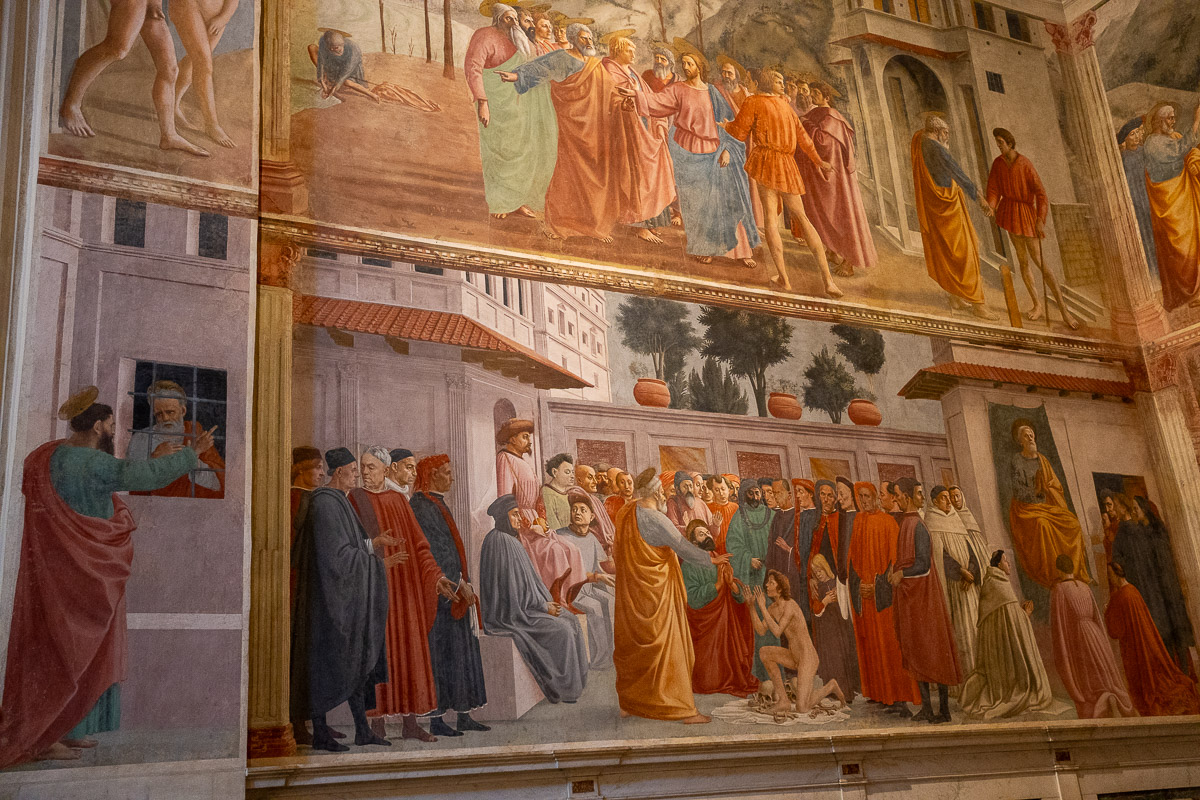
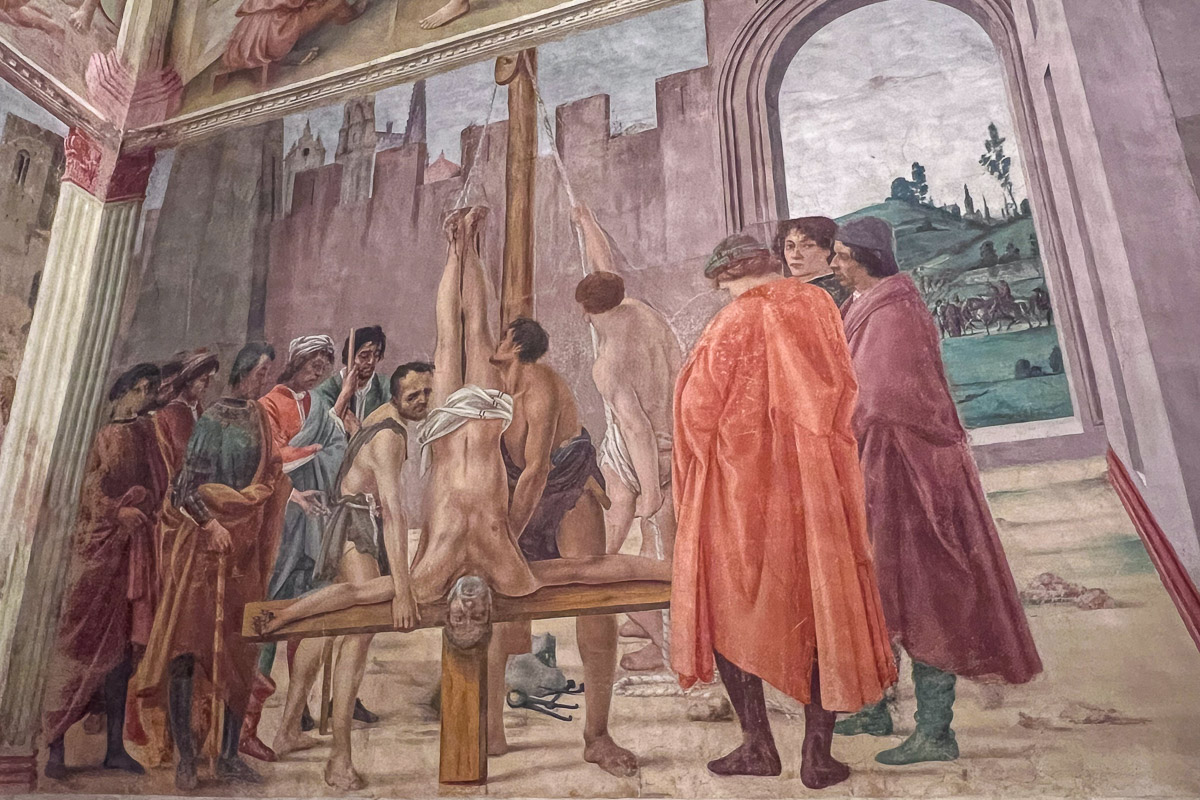
You’re here for the Brancacci Chapel, sometimes called the “Sistine Chapel of the early Renaissance”.
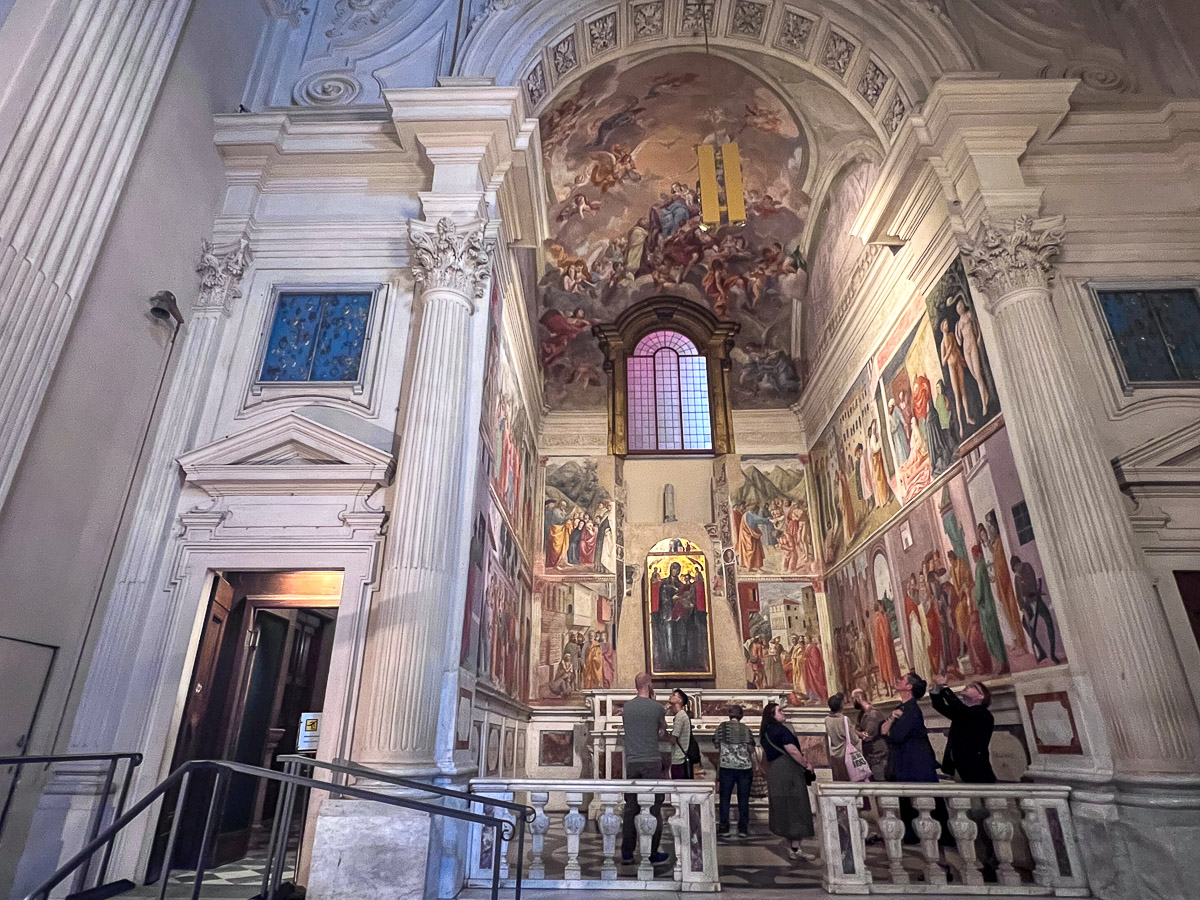
A magnificent series of frescoes on The Life of St Peter are the main draw and considered pioneer work for the time (15th century). Many great artists, including Michelangelo, later visited the chapel to study and sketch these frescoes.
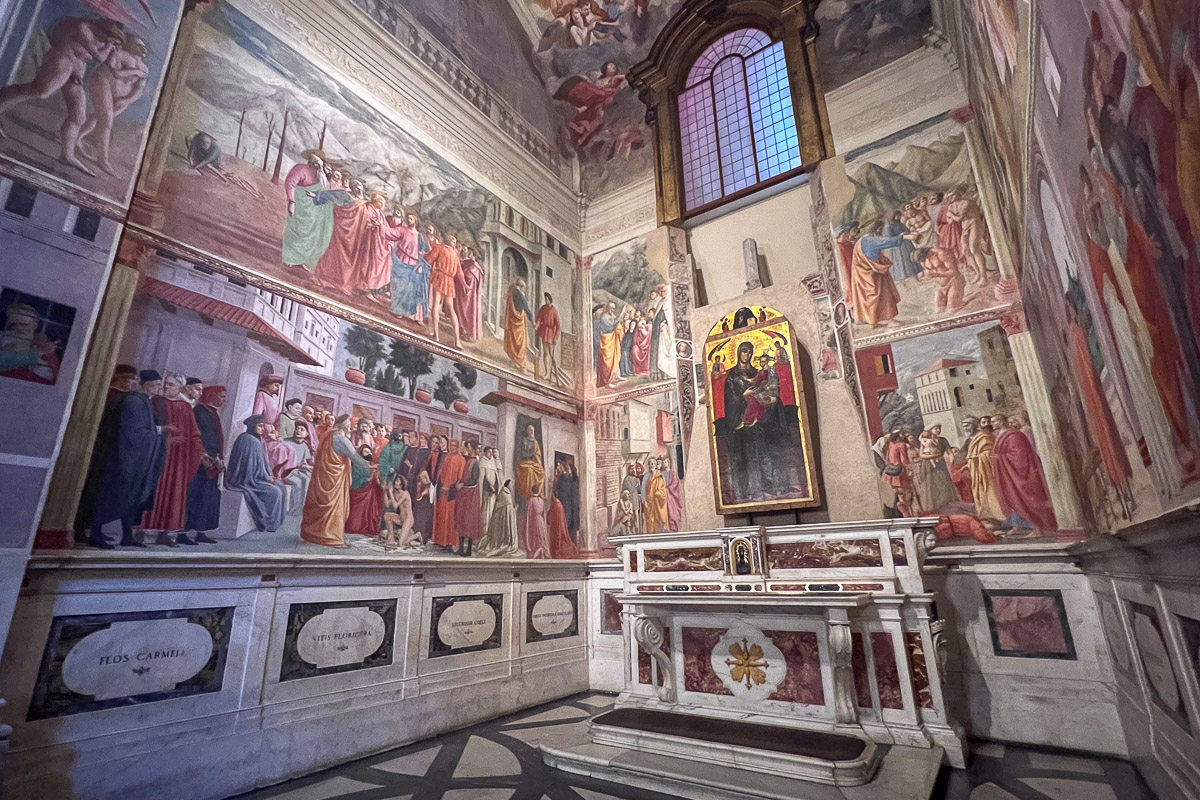
Take in all the finer details, the realism of the figures and rich colors used throughout.
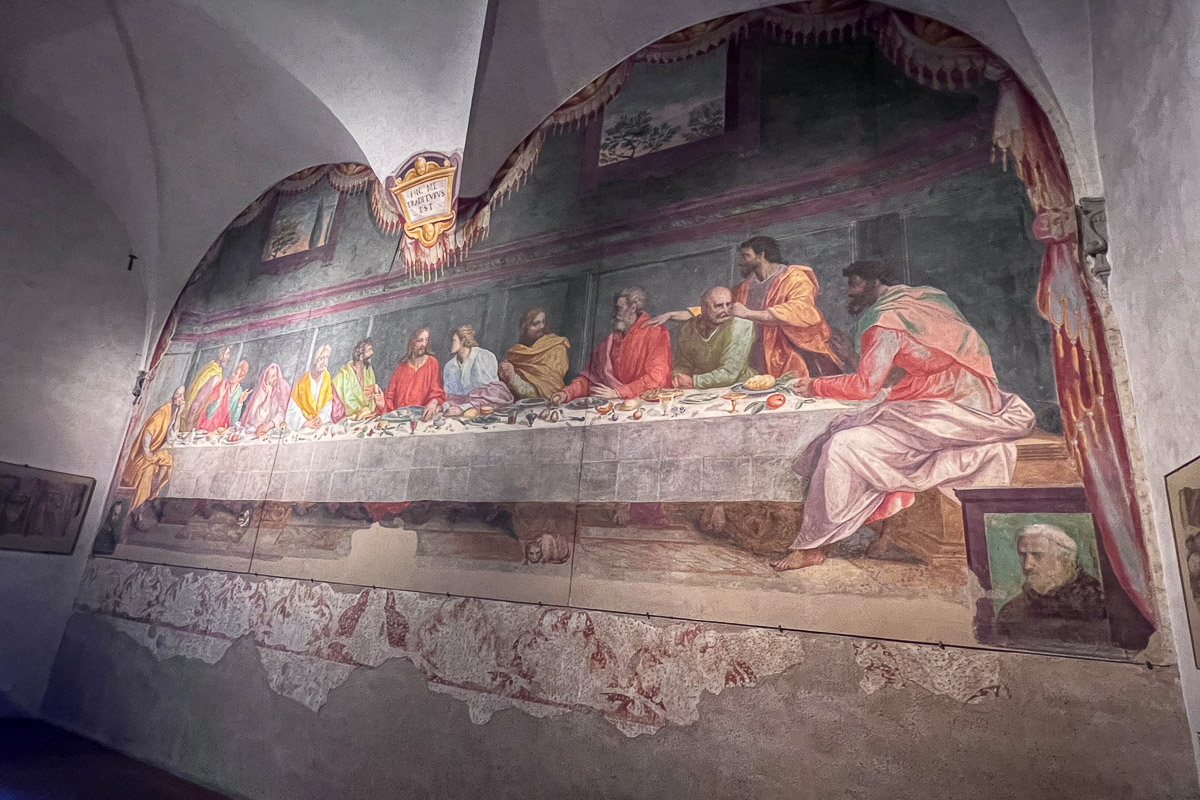
When you’re done admiring the small chapel, pay a quick visit to the adjoining convent’s old refectory which contains a 1582 Last Supper fresco well worth a peek.
Art-filled Santo Spirito
Spend the rest of the day wandering around Santo Spirito, the bohemian heart of the Oltrarno. It’s filled with local artisan shops, unique street art, lively piazzas, and authentic eateries.
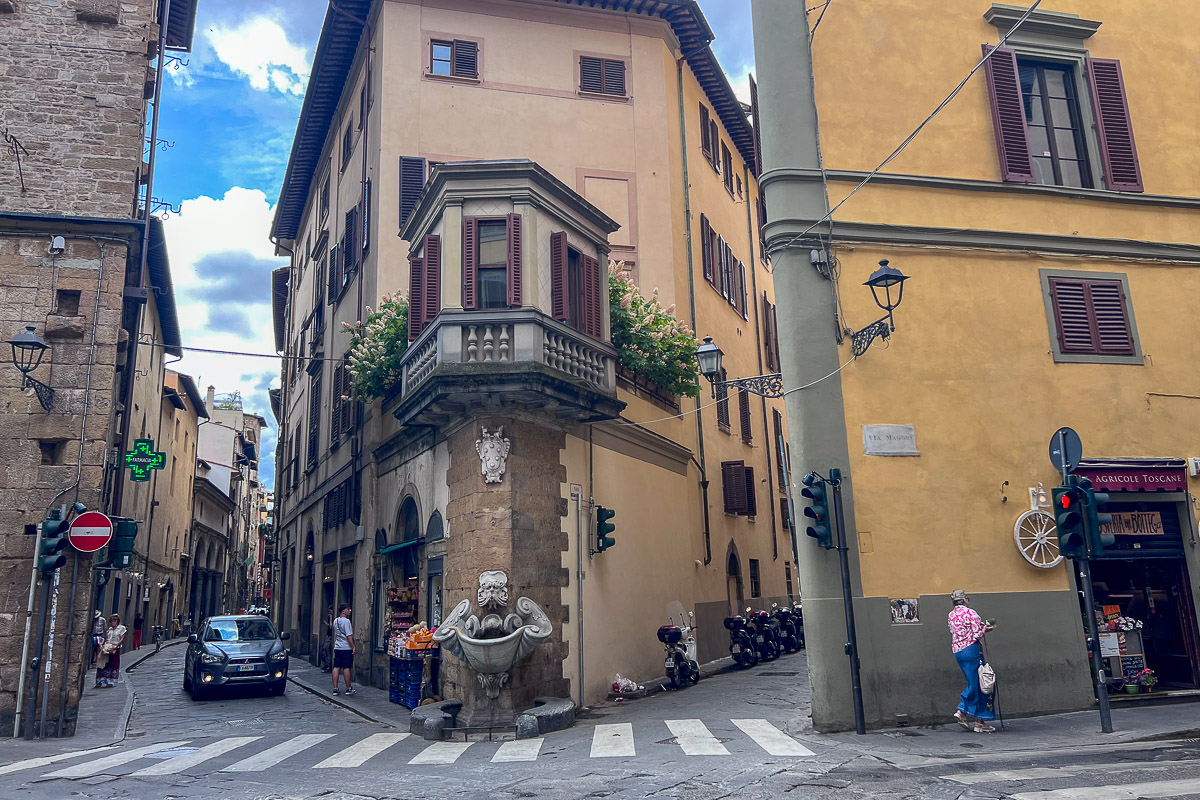
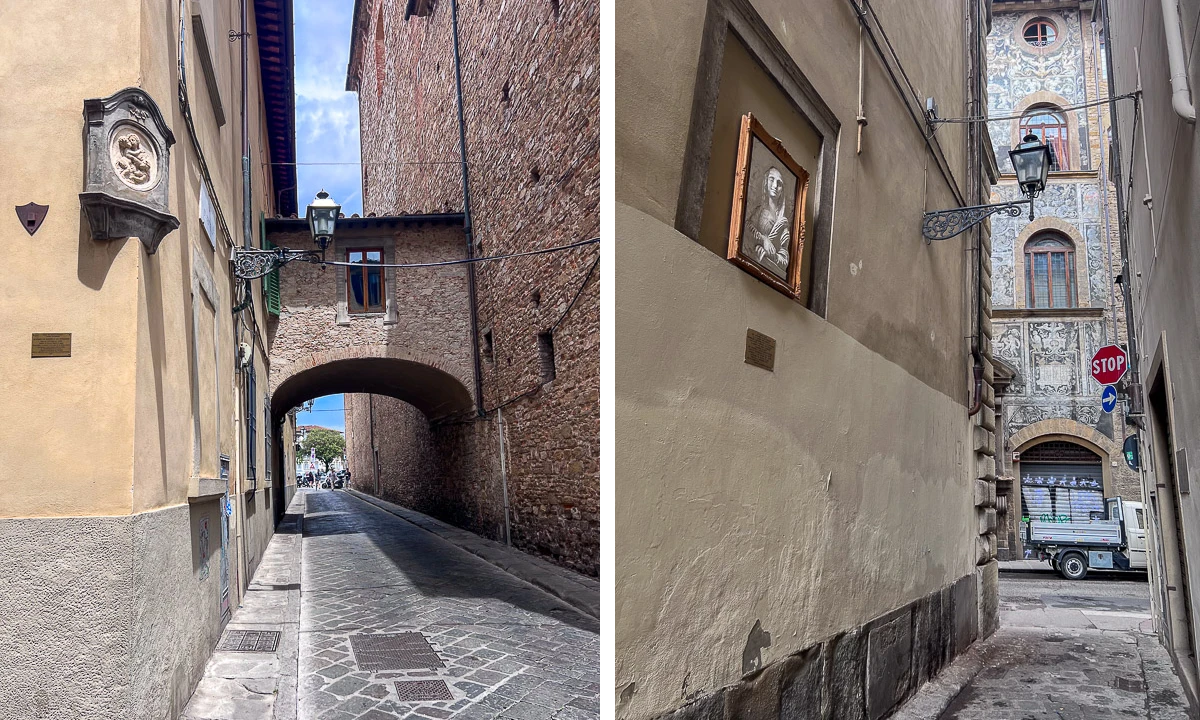
I loved just getting lost in the maze of streets, looking up to find sculptures high up on the wall, each with its own story. There’s a sculpted frame of the Mona Lisa on the house where the real model used to live on Via Sguazza.
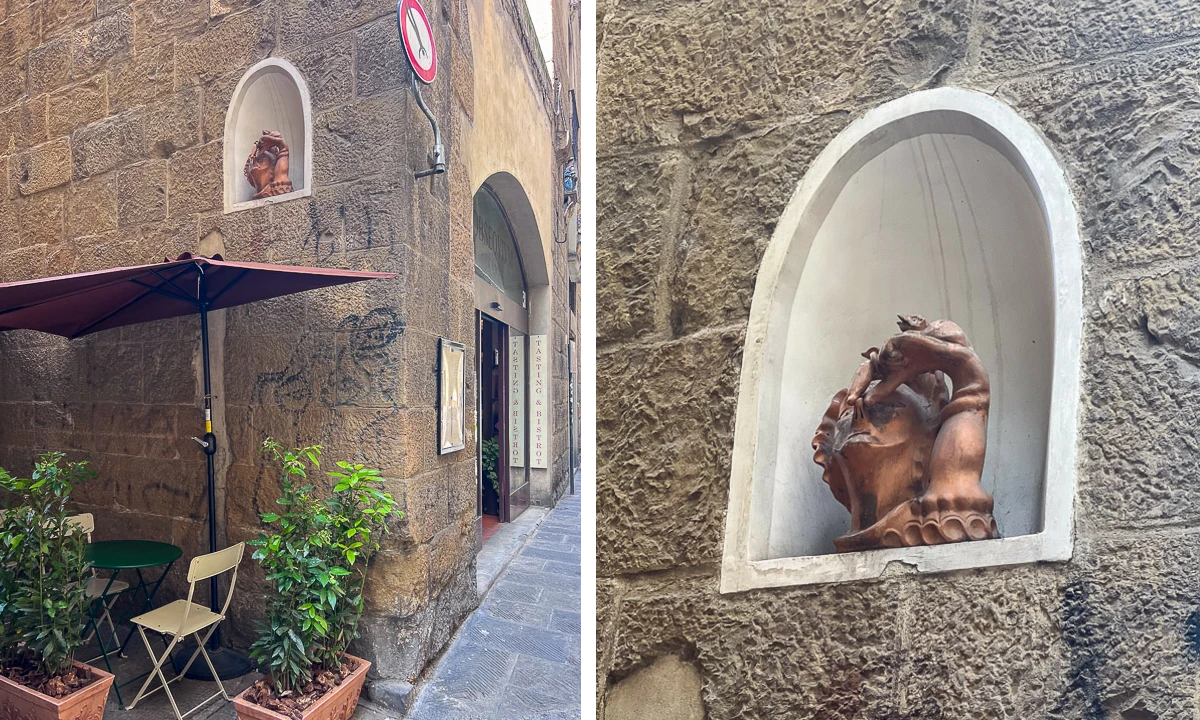
Look out for the Madonna del Puzzo (Madonna of the Stench!) in a small wall niche depicting the Virgin Mary pinching her nose. It was apparently created as a humorous public protest against foul neighborhood odors from trash and open-air street use.
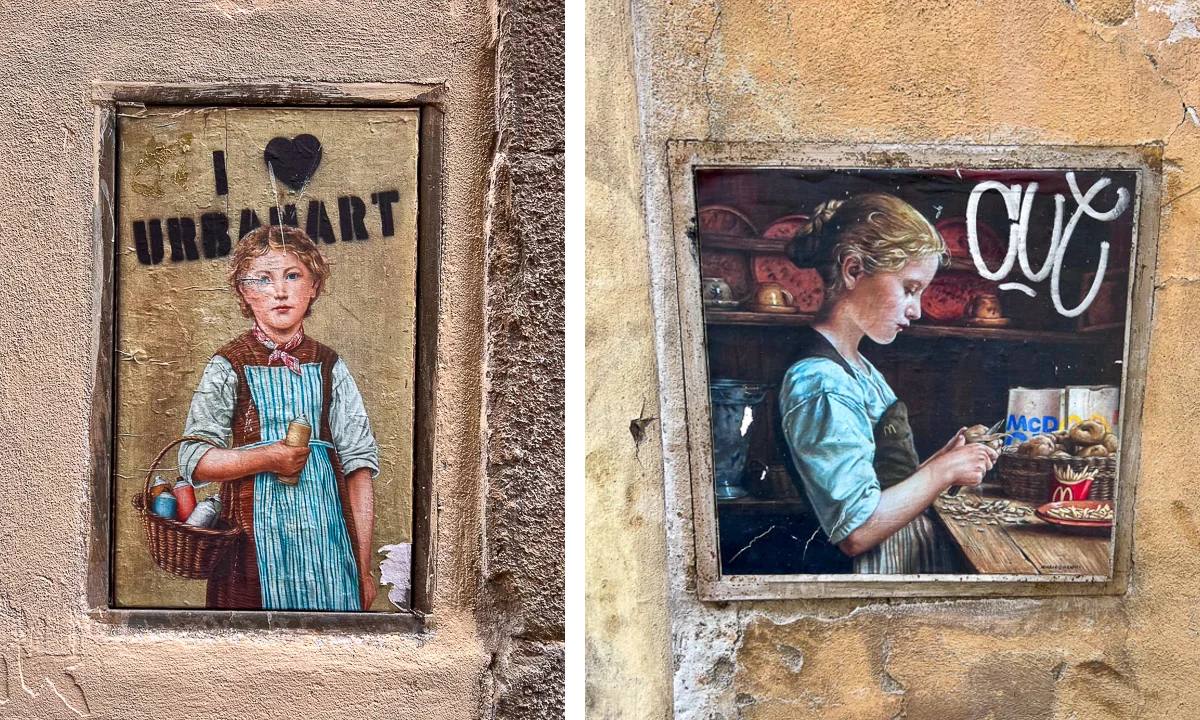
Humor continues with paste-ups covering utility panels with iconic masterpieces getting a dose of modernism.
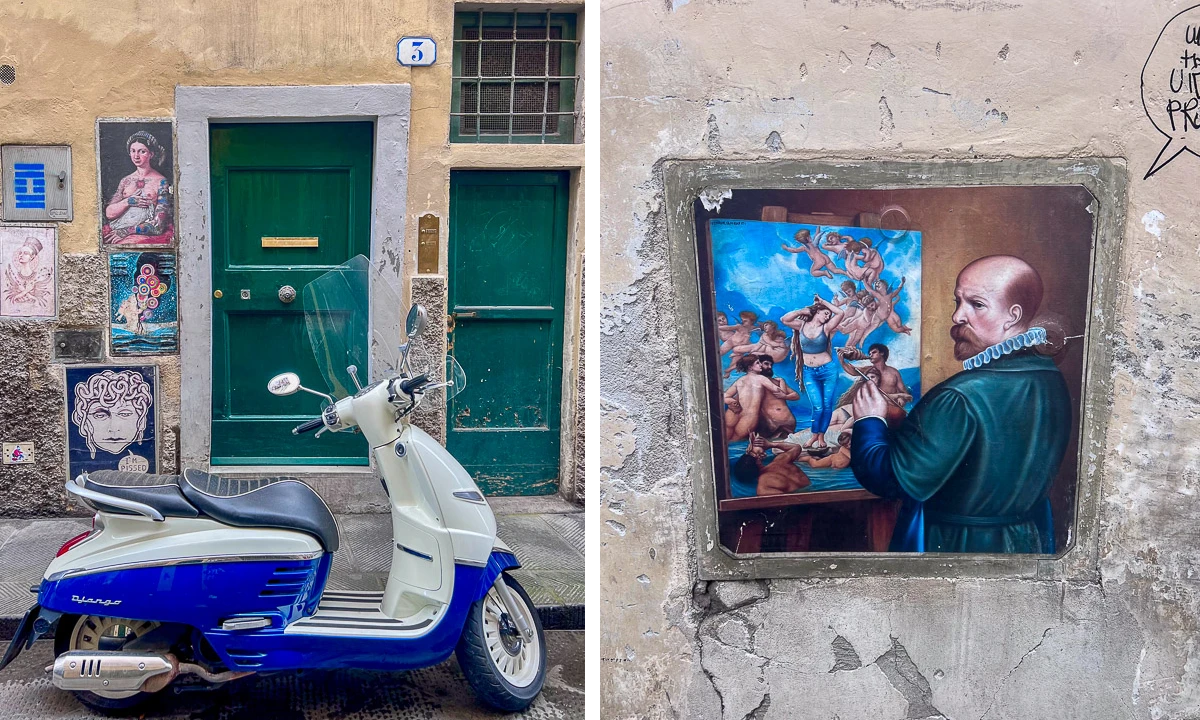
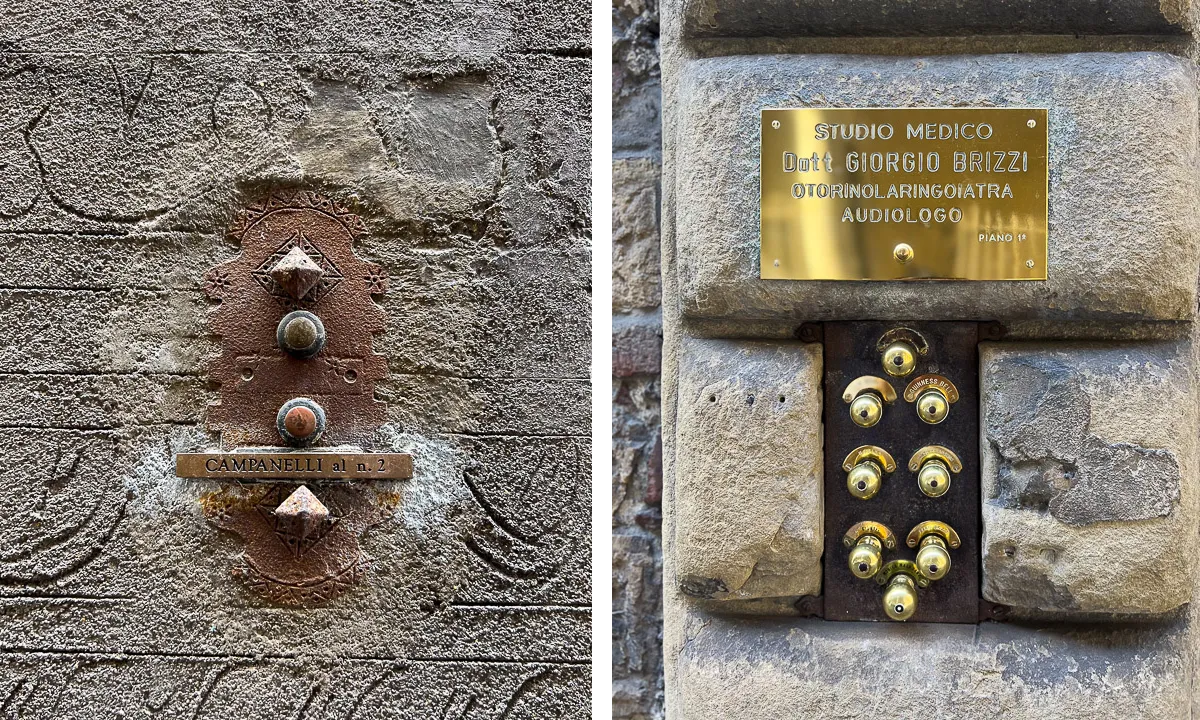
Now on to more traditional craft. I marveled at quite a few antique doorbells, some featuring ornate brass push-buttons or vintage metal nameplates.
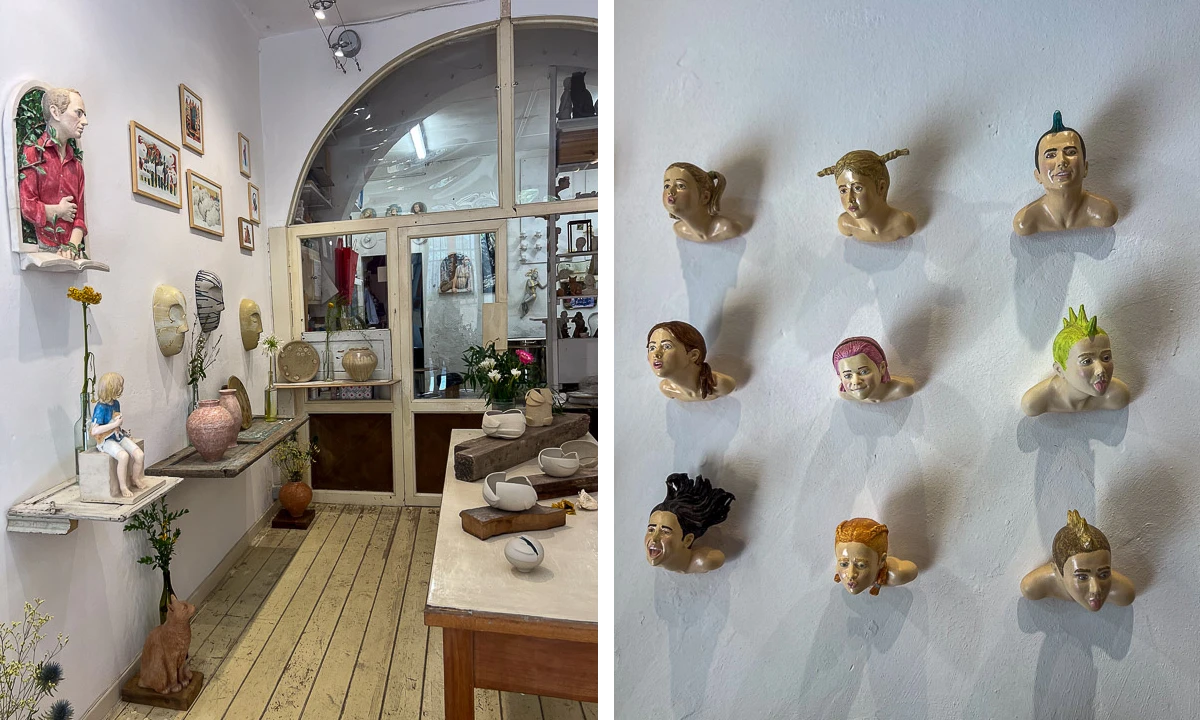
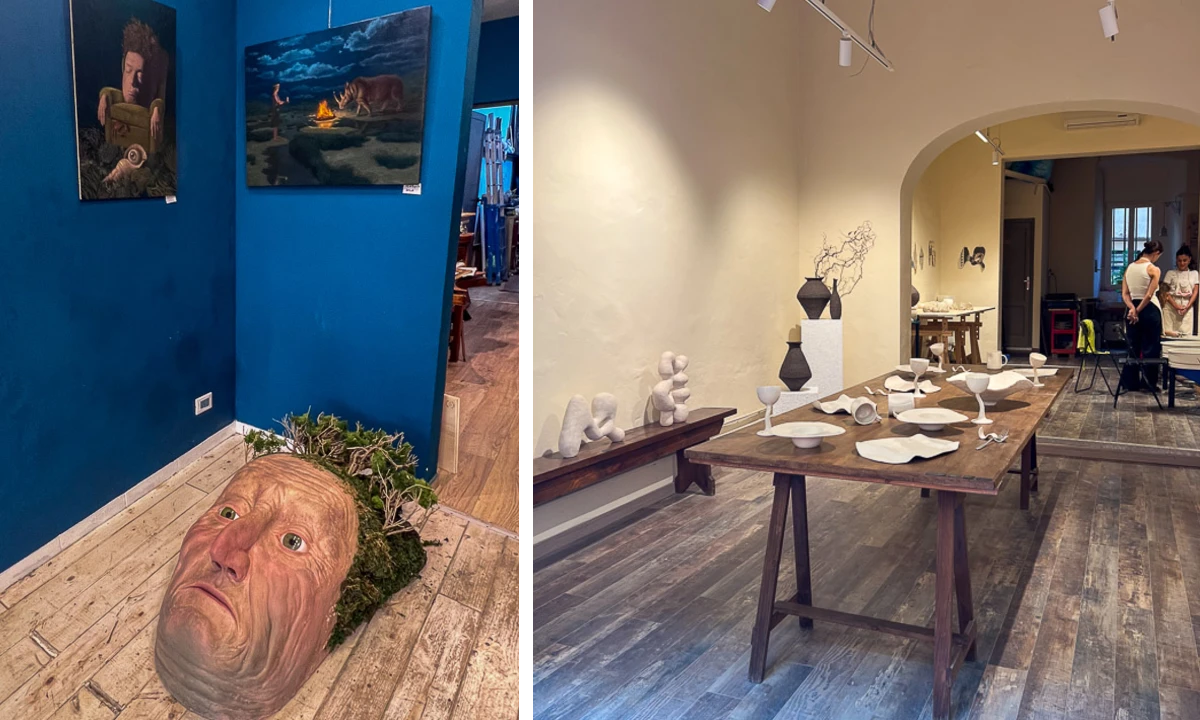
Small artisan workshops appear around every corner with such an array of original artwork.
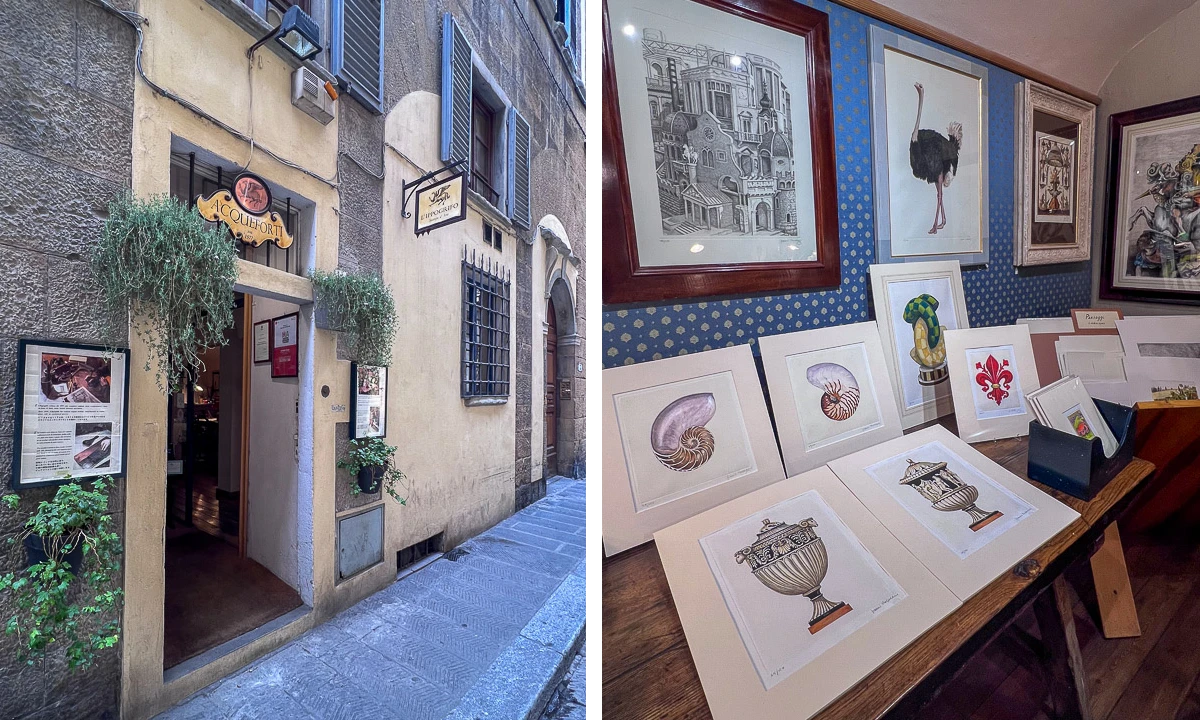
Try to pay a visit to L’Ippogrifo Stampe D’Arte. The family-run studio and shop creates fine art etchings using traditional techniques from the 1600s. You’ll likely be able to see them in action and witness the technical mastery of etching a crazy detailed scene on a copper plate before printing and hand-painting limited editions. I dare you not to find something you’d proudly display on your wall.
Aperitivo
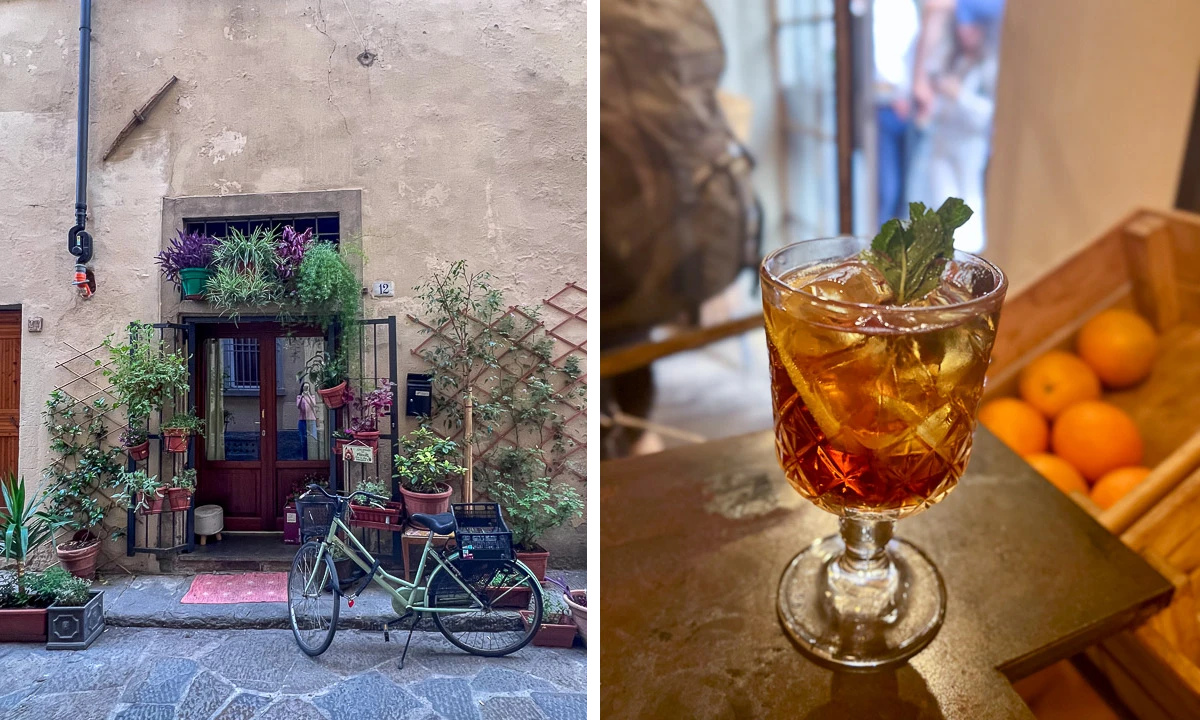
There are no shortages of places where to spend the Italian happy hour around here – the trouble is picking one. If you have just one evening, squeeze into Bulli & Balene to order one of their famous spritzes. This tiny Venetian-inspired bar, tucked away in vibrant Piazza della Passerà (literally meaning ‘Pussy Square’ – Florence’s historic red light district), is there to show you that a spritz can be made with something other than Aperol.
Try out their Cynar Spritz (a digestivo made from artichokes) or their vermouth version for a change and take your €4 sparkly concoction in crystal-cut highball glass outside where the crowd is at – THE ultimate Santo Spirito aperitivo.
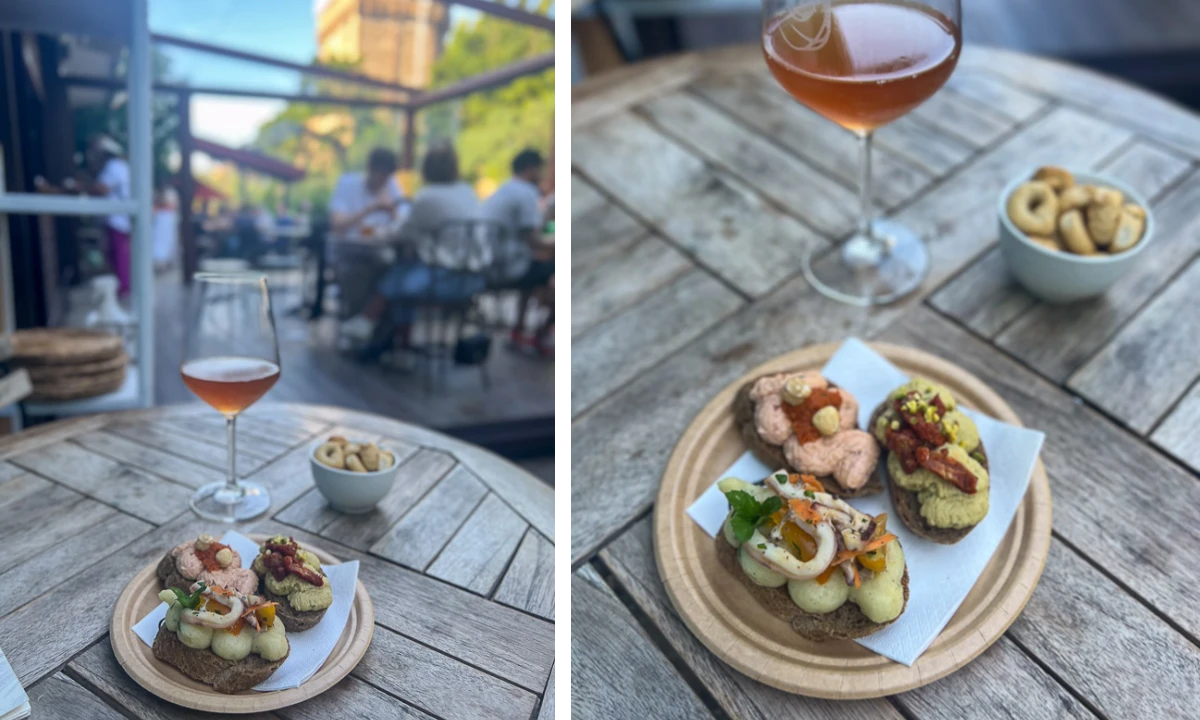
There is more room (and more people) in the lush garden of Santarosa Bistrot. Come here for a glass of wine and seasonal snacks right next to 14th-century city gate Porta San Frediano. It’s relaxed, right by the river, and might easily turn to dinner if you struggle to leave this lovely outdoor ambiance.
Italian dinner
Food is an integral part of what makes Oltrarno so special and I ate here as often as I could. You have your casual pizza joints like Gustapizza, …
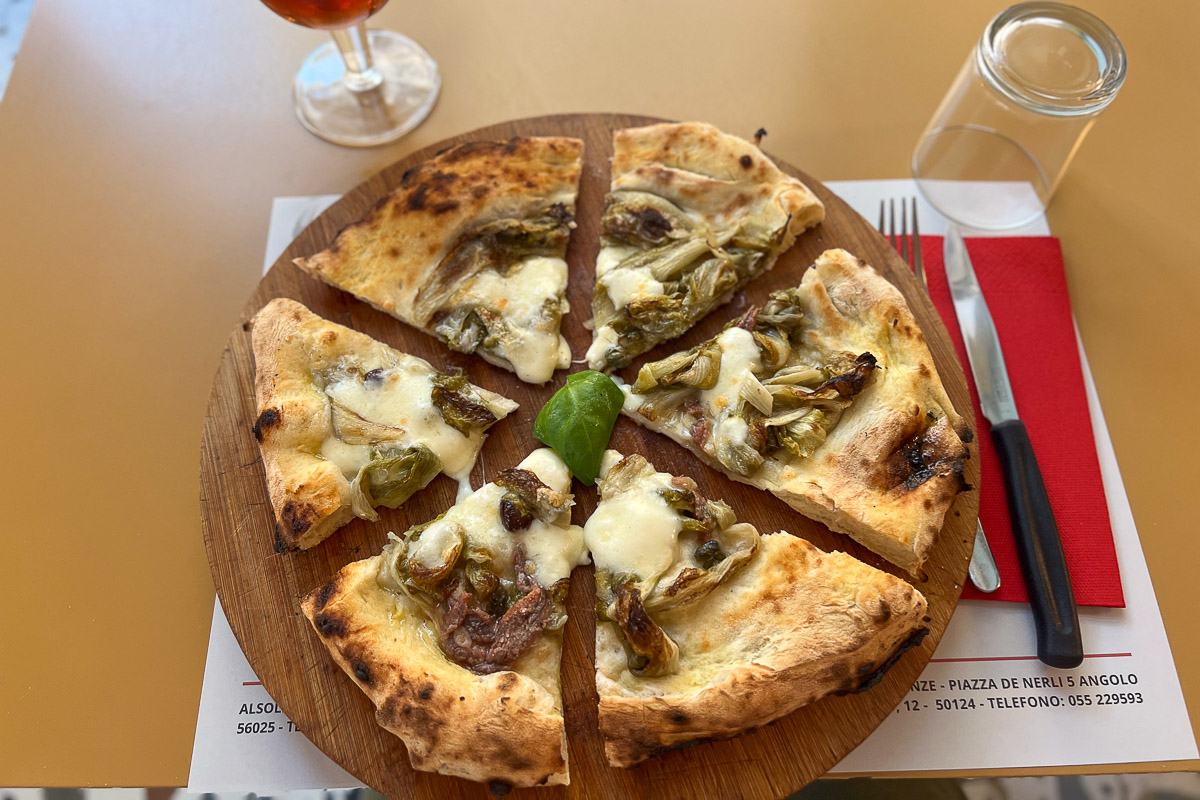
… your family-run trattorias like Trattoria Da Ginone 1949 where you’re likely to eat some of the best meals of your life.
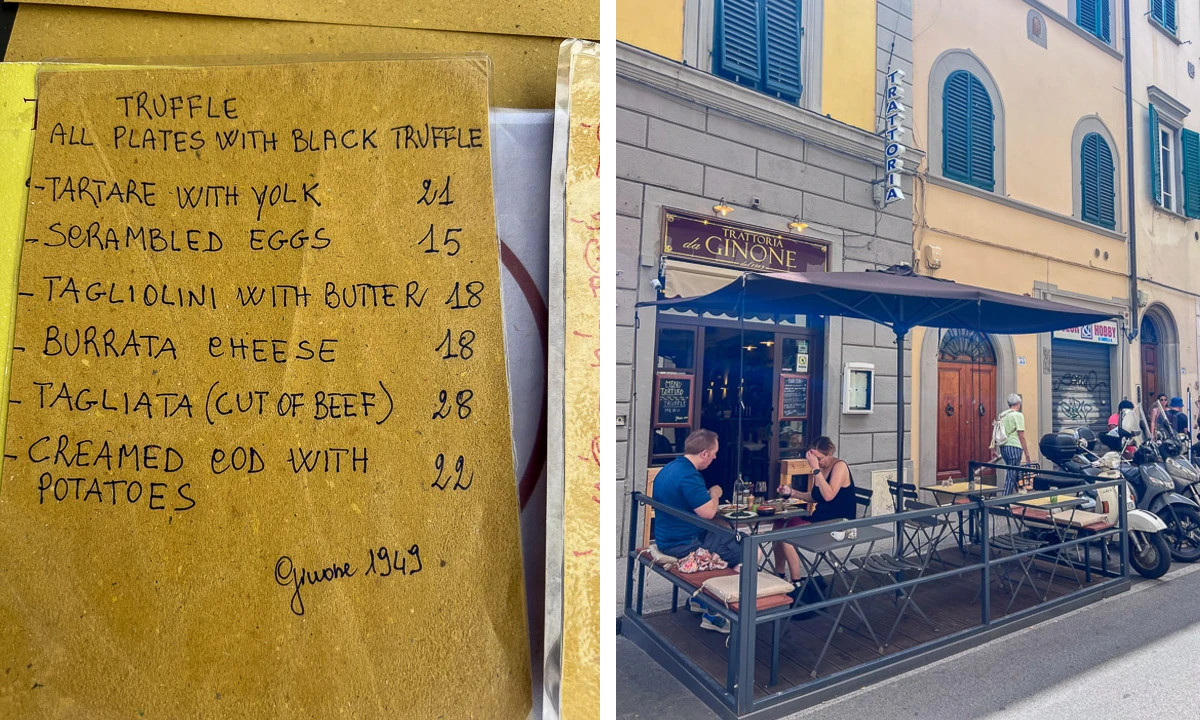
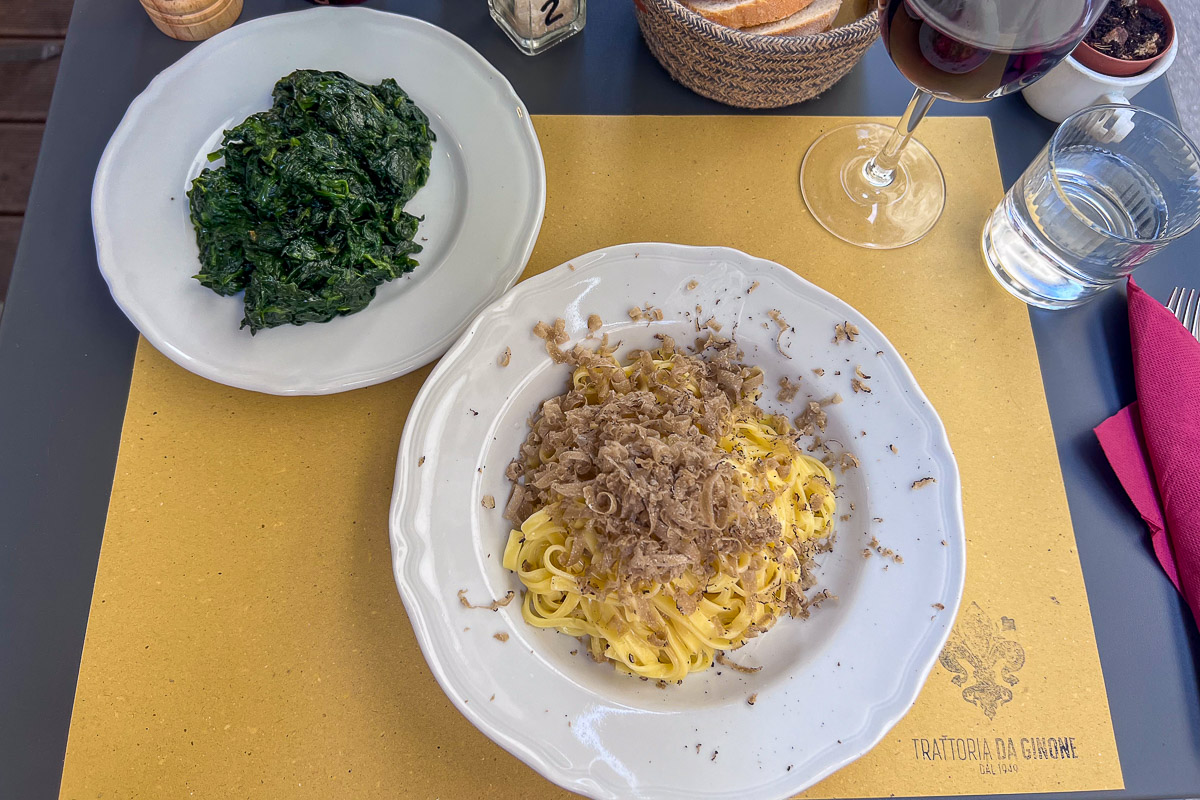
I still dream about that tagliolini with butter and black truffles.
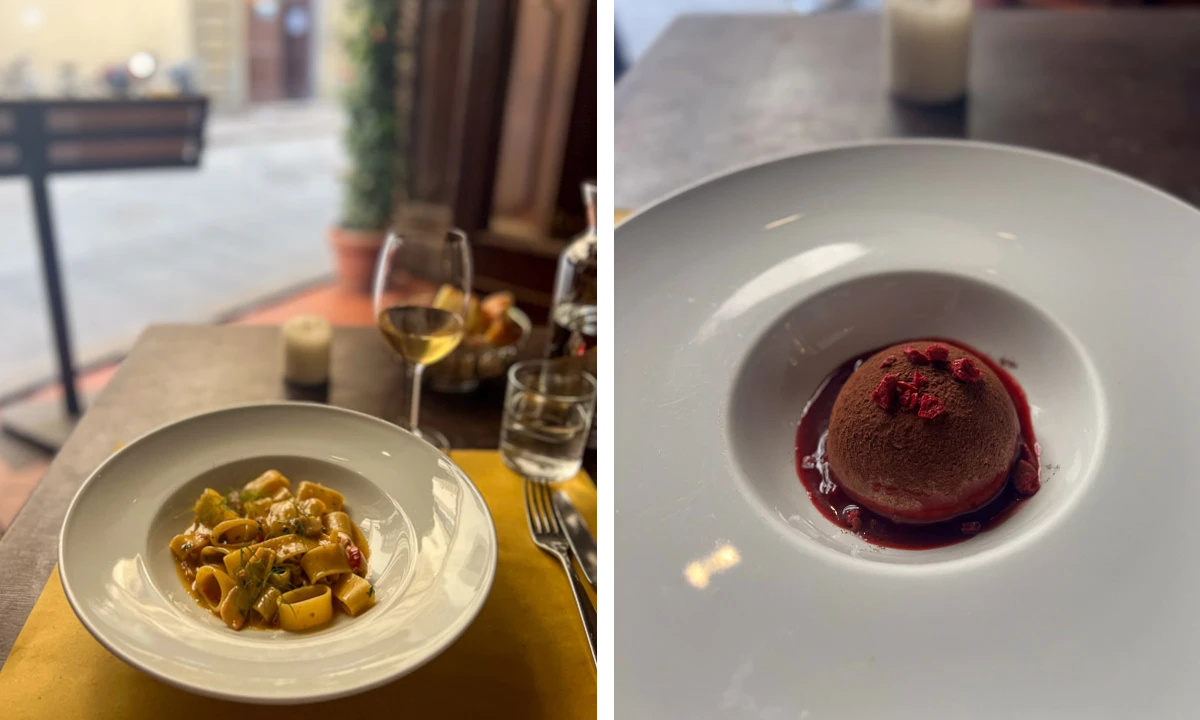
You have the chicer options like Il Santo Bevitore for your dose of classic Tuscan restaurant with dark wood, vaulted ceilings, and walls of wines.
And most importantly, you have the namesake Piazza Santo Spirito, lined with attractive bars and cafes that get louder and louder as the evening progresses.
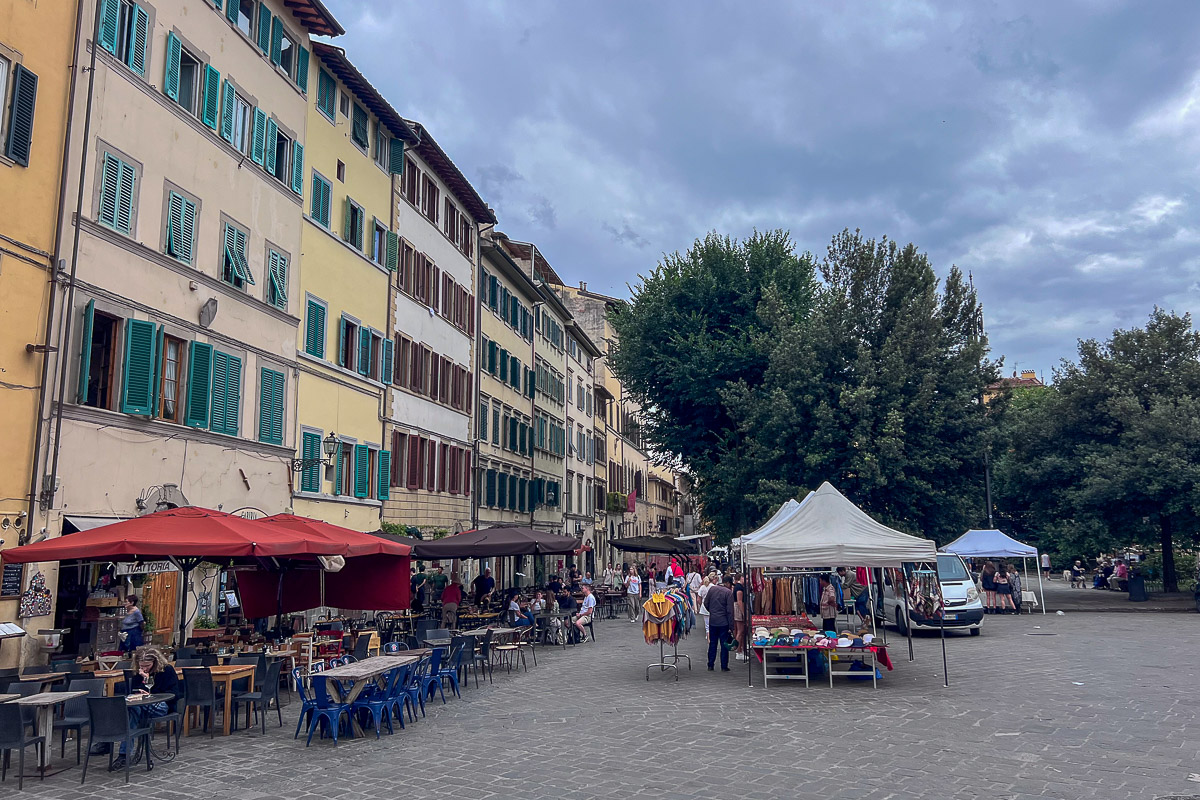
Take your pick among the lively terraces. I can recommend Gustapanino right by the Basilica di Santo Spirito for tasty pastas and friendly service.
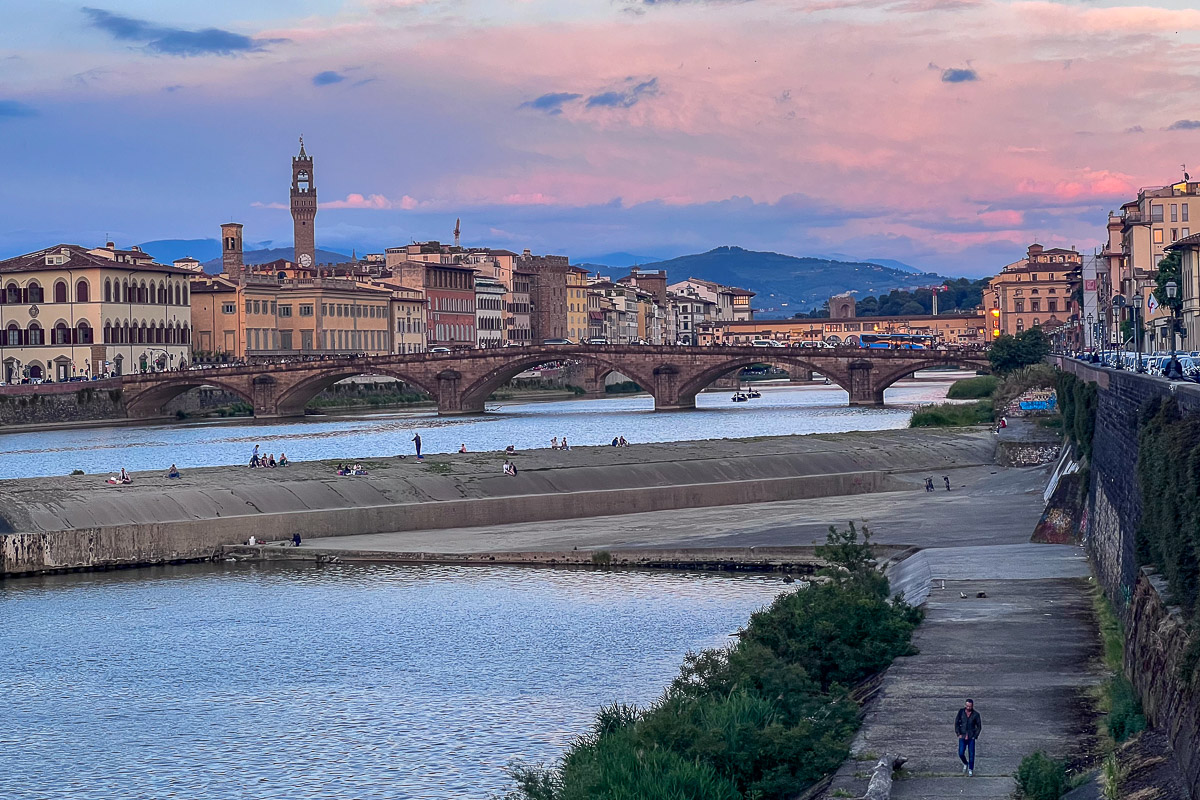
If you didn’t get sucked into the Santo Spirito nightlife, you have the usual spectacle of the river Arno at sunset, this time looking towards the city center and its towers jutting into the purple sky.