Europe Italy Travels

Renaissance art at the Uffizi & Palazzo Vecchio, Florence

May 14, 2026

As the birthplace of the Renaissance, Florence is home to innumerable artistic masterpieces, many of which can be found in what is now the oldest gallery in the world – The Uffizi Gallery. A must on every visitor’s list, it is best explored early in the morning while you still have full energy and a good 3-4 hours to do it justice. The walk along the Arno (the gallery entrance faces the river) in the morning is delightful with the south side bathed in light and the view of the Ponte Vecchio waking up.
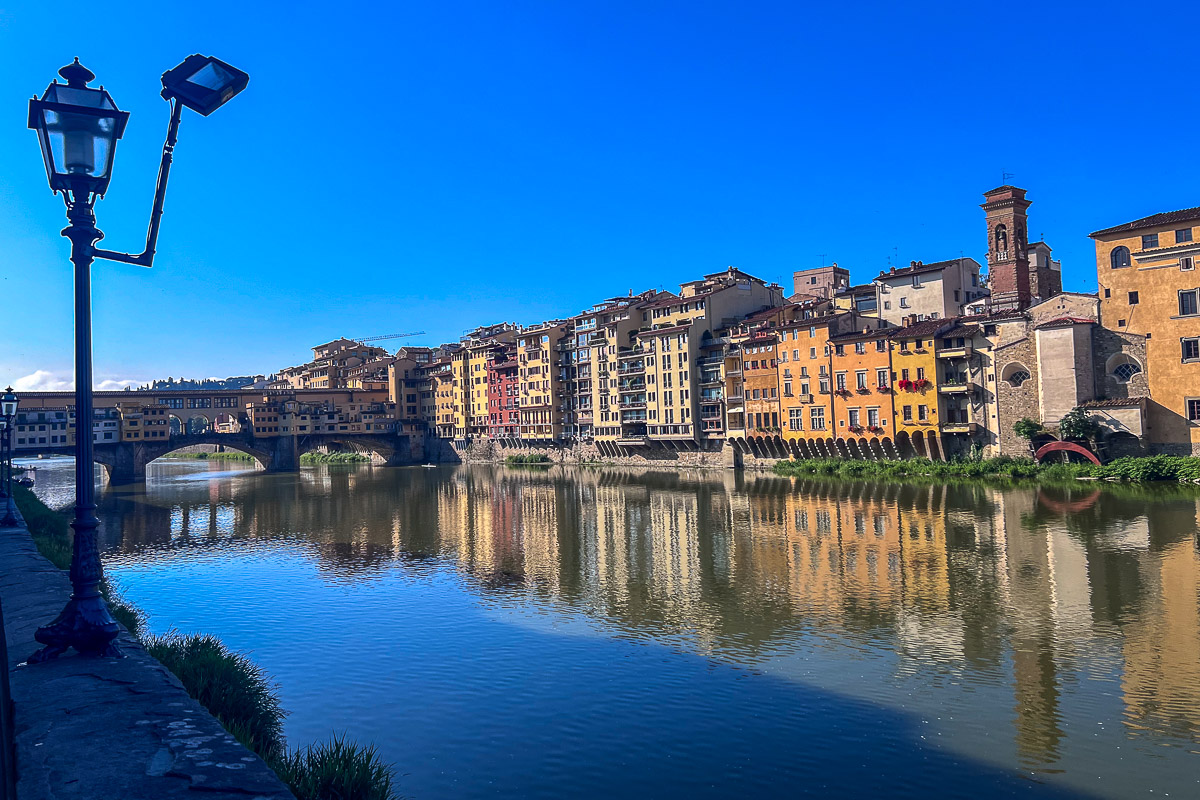
Florence Ponte Vecchio

The Uffizi

Built in 1560-1580 as a suite of offices for the then duke of Florence, Cosimo I de’ Medici, the Uffizi was shortly afterwards used by his heirs to display the Medici family art treasures. With their immense wealth, they had commissioned pieces from many great Florentine masters and their descendants kept adding to it until 1737. While the Renaissance collection is undoubtedly the highlight, you can see works on display reaching into the 20th century.
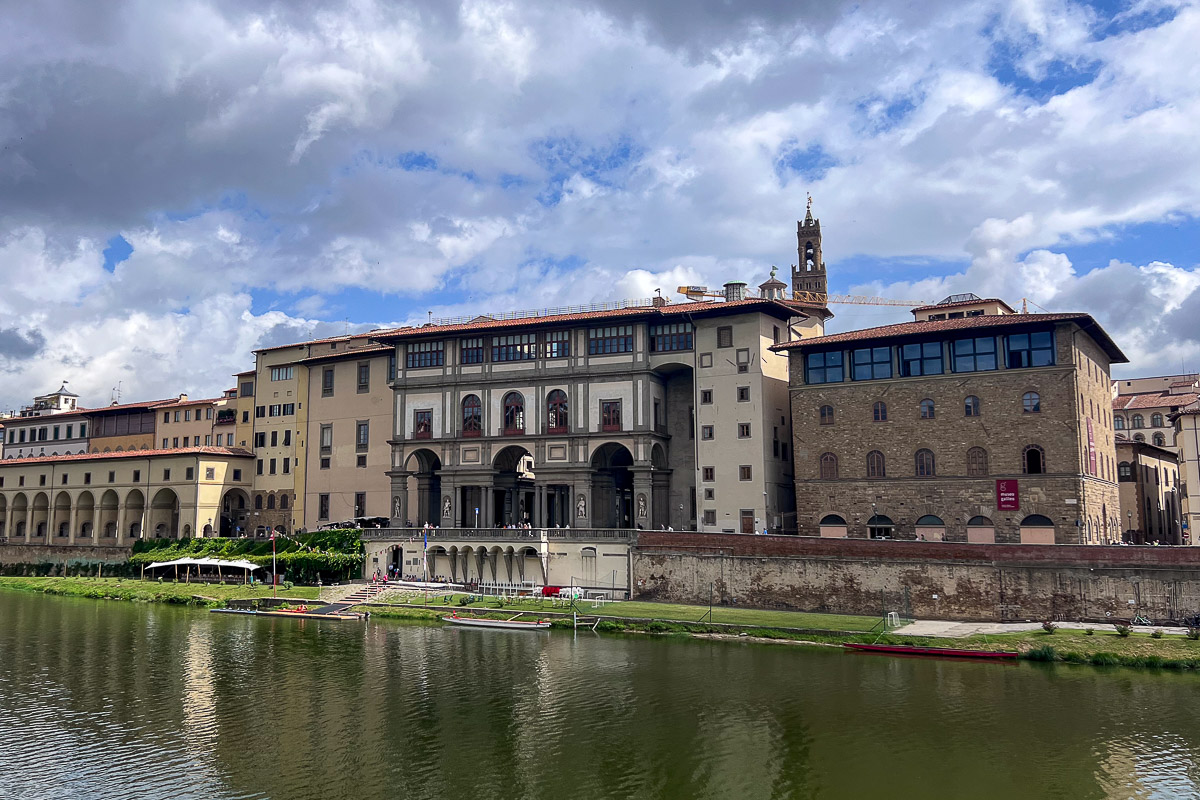
Uffizi Gallery Florence

Armed with your timed-entry ticket, you enter the gallery through the narrow Piazzale degli Uffizi, buzzing with artists already in the early morning. You can make use of an audio-guide to navigate the series of rooms, with most people starting on the second floor to see the earliest works first and explore the collection in chronological order. Yes, there are people everywhere but the reason the Medici decided to used this space as an art gallery is due to the sizable rooms and abundance of light which you’ll appreciate – it truly is a stunning building worthy of the treasures it holds.
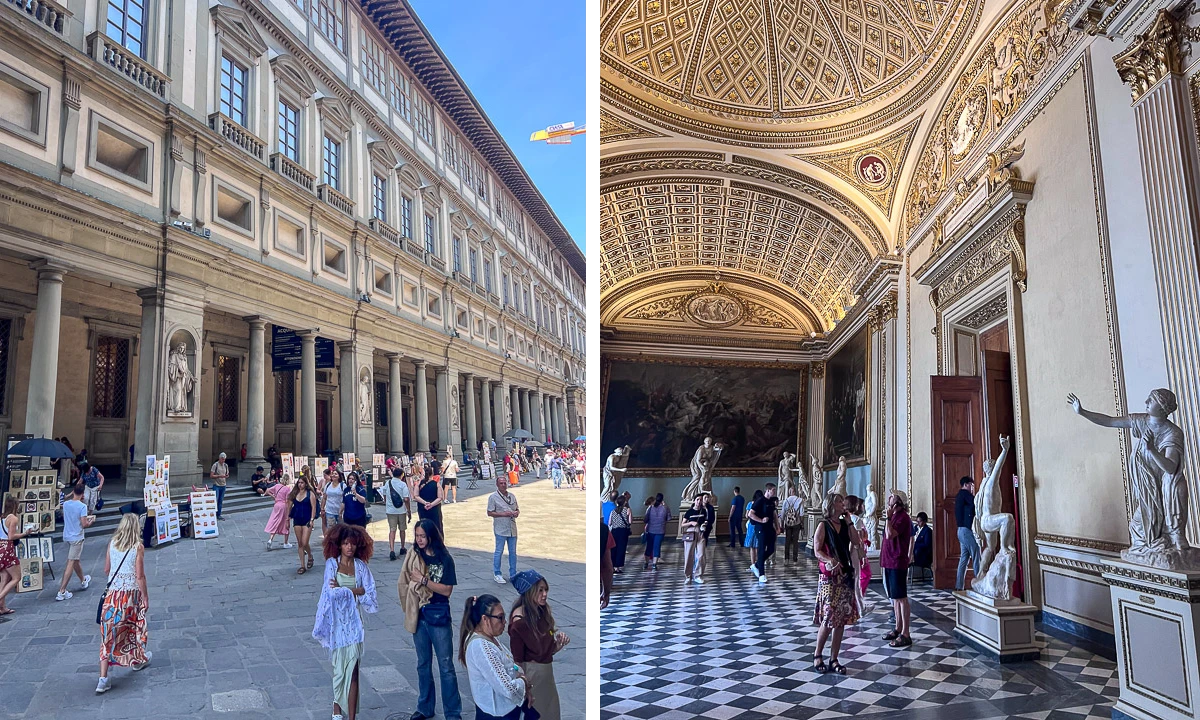
Uffizi Gallery Florence

You start with Tuscan Gothic art from the 12th to the 14th century with pieces by Giotto, a lot of gold and mostly flat figures in medieval dresses.
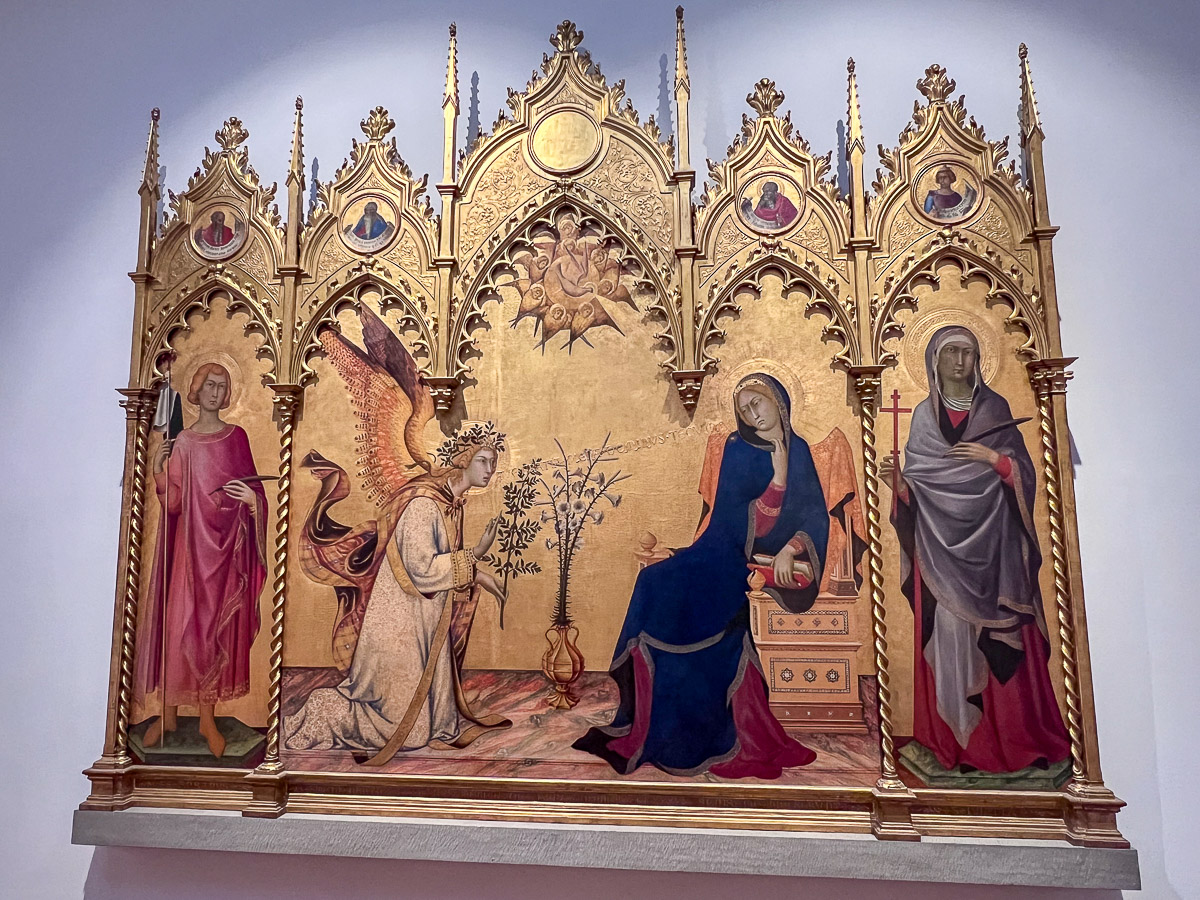
Uffizi Gallery Florence

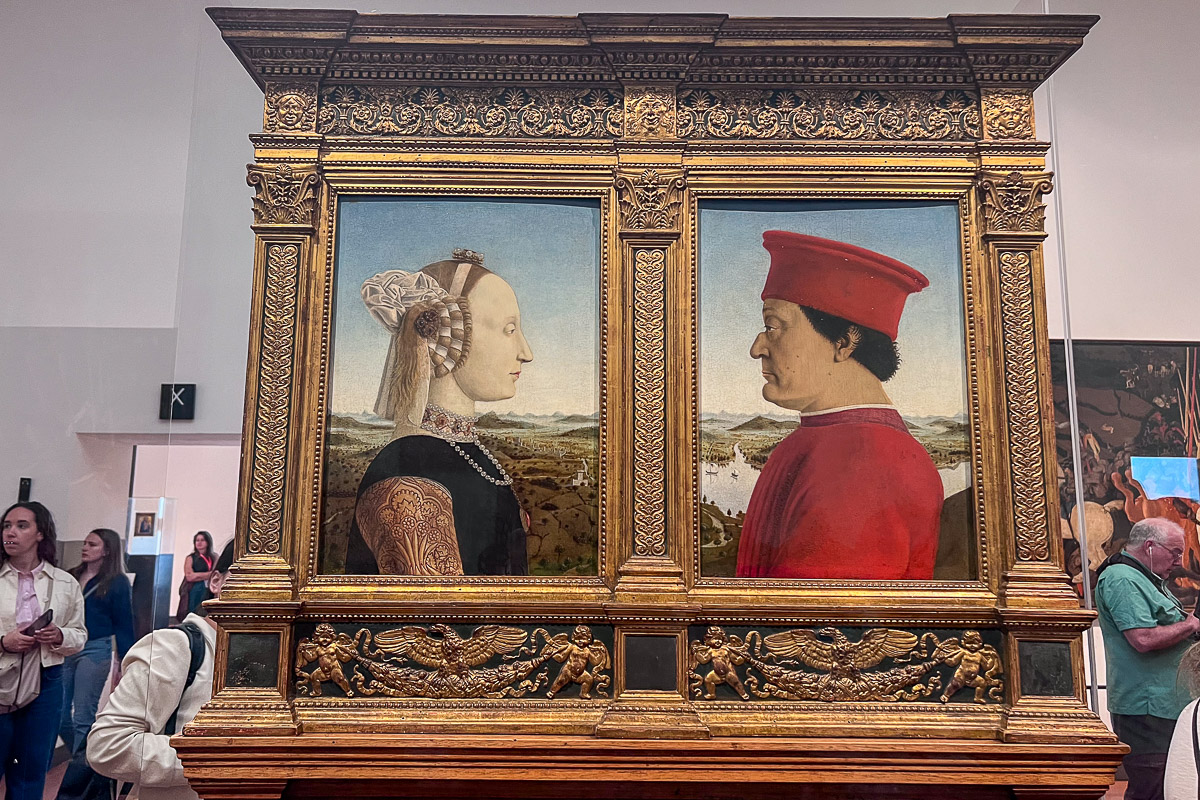
Next, the Renaissance galleries will have you wander and pause for much longer, admiring works you’ve seen referenced in school, books, and movies. The iconic double portrait of the Duke and Duchess of Urbino by Piero della Francesca (1473-1475), two of the first Renaissance portraits, stands proudly in the middle of the room so you can go around and see their painted back. On the reverse the husband and wife are portrayed as a pair of Roman gods, Mars and Venus.
Uffizi Gallery Florence

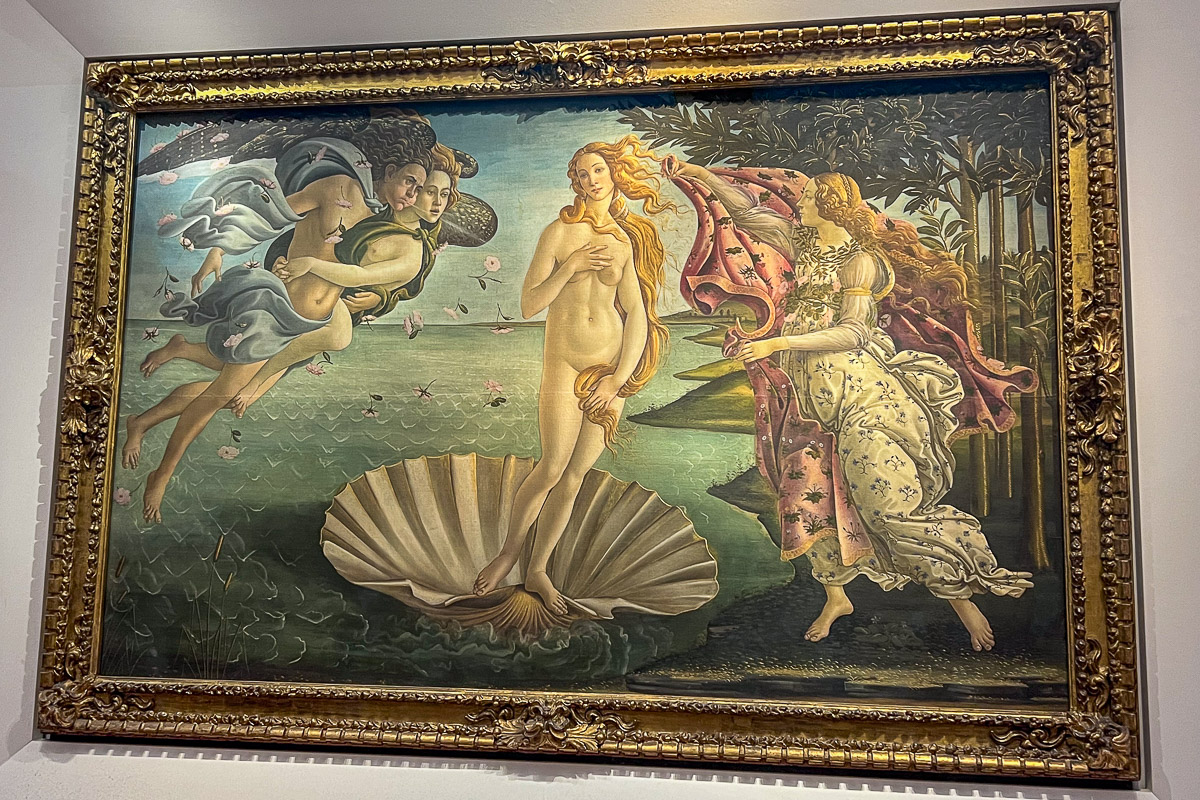
Known as the museum’s most famous artwork, Botticelli’s Birth of Venus takes up an entire wall. It will no doubt have a crowd in front admiring every detail as it is full of hidden meanings and symbols. Thankfully it is very large, unlike the Mona Lisa, and you can take in its incredible beauty from any angle.
Birth of Venus - Uffizi Gallery Florence

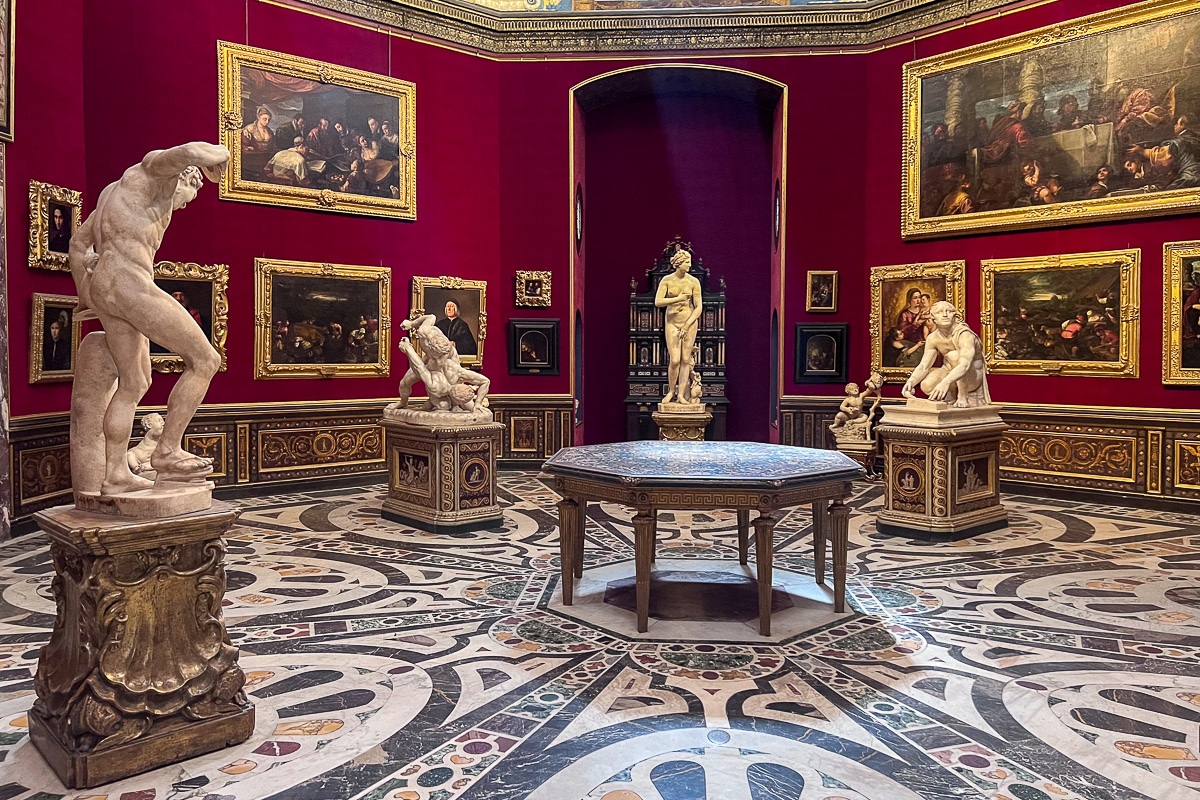
The Tribune is a gorgeous octagonal room designed by Buontalenti for Francesco I de’ Medici to showcase the most precious Medici artworks. It has served as the heart of the museum since the 16th century. While there might be a short line, I highly recommend taking the time to see this jewel box, the red velvet walls, the marble mosaic floor, and the intricate mother-of-pearl dome.
Uffizi Gallery Florence

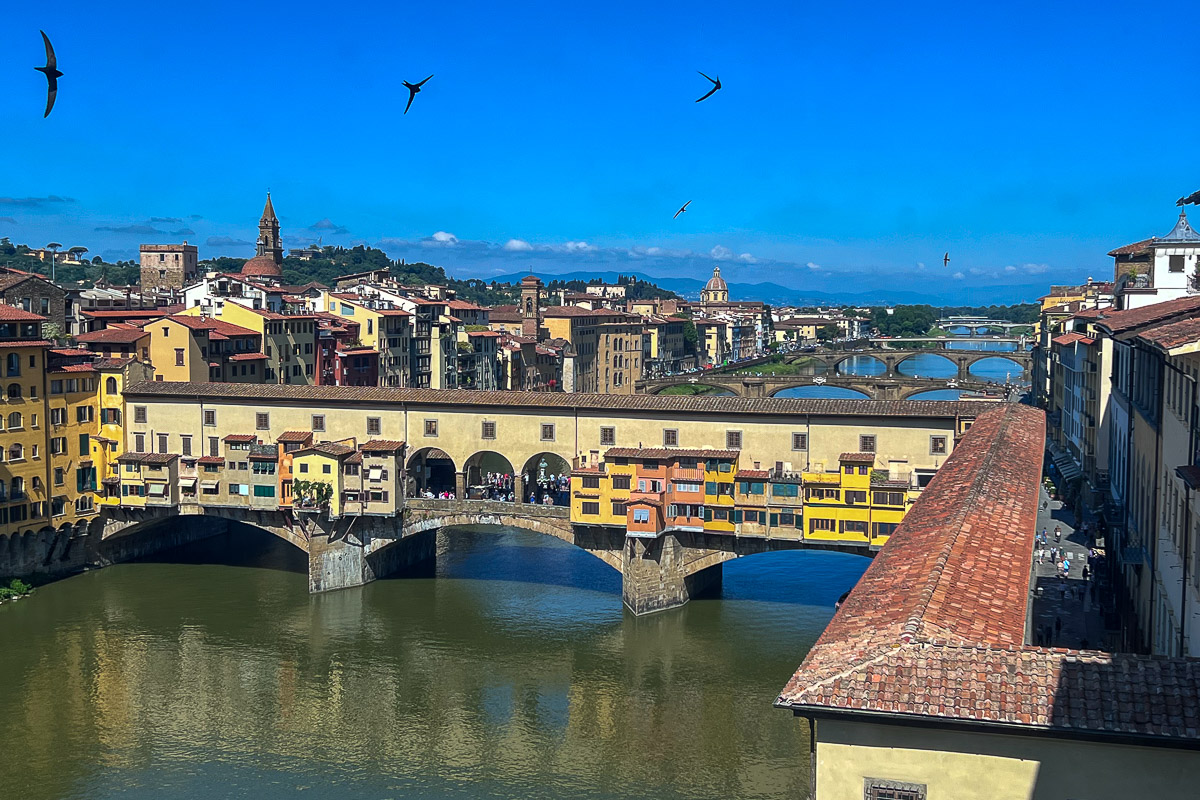
There are too many amazing paintings and sculptures for me to share here, from Leonardo da Vinci and Caravaggio to Botticelli, so you’ll have to go see them for yourself! Coming in and out of the rooms, don’t forget to peak out of the river-facing windows – the views over Ponte Vecchio from up here are just splendid.
You’ll surely need a break at this point. Thankfully, there’s a lovely terrace on the second floor’s rooftop from where you can get some fresh air with a close up look at the Palazzo Vecchio’s tower, right next door.
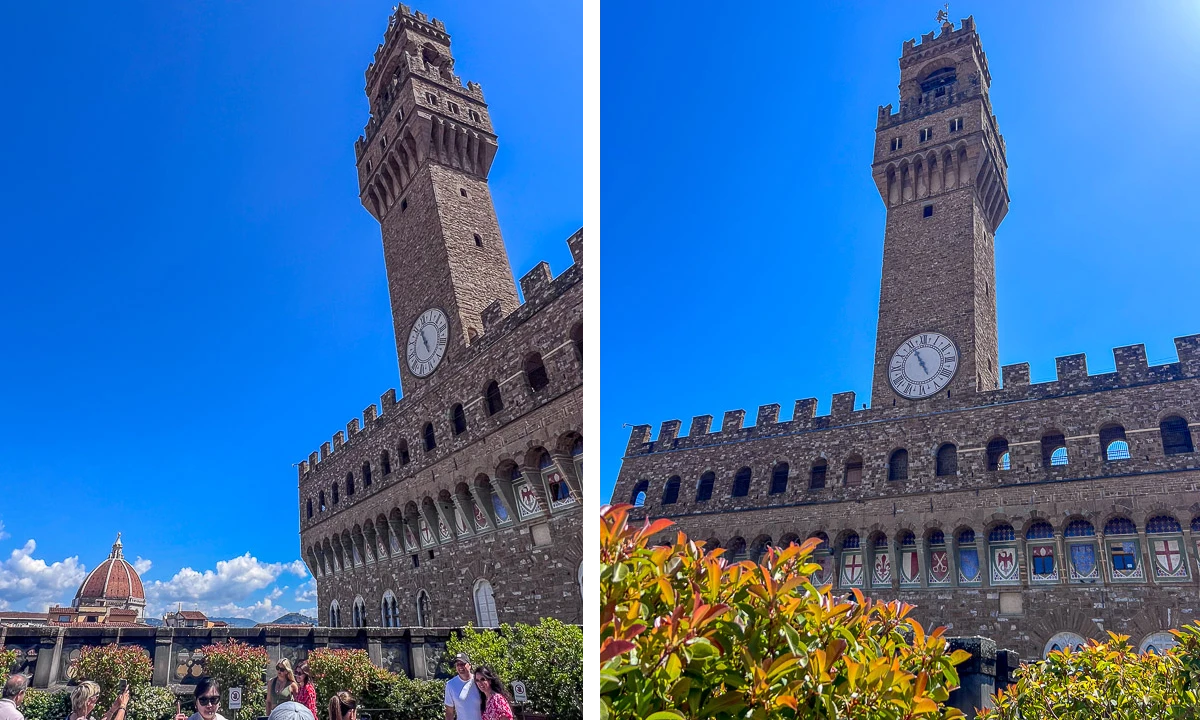
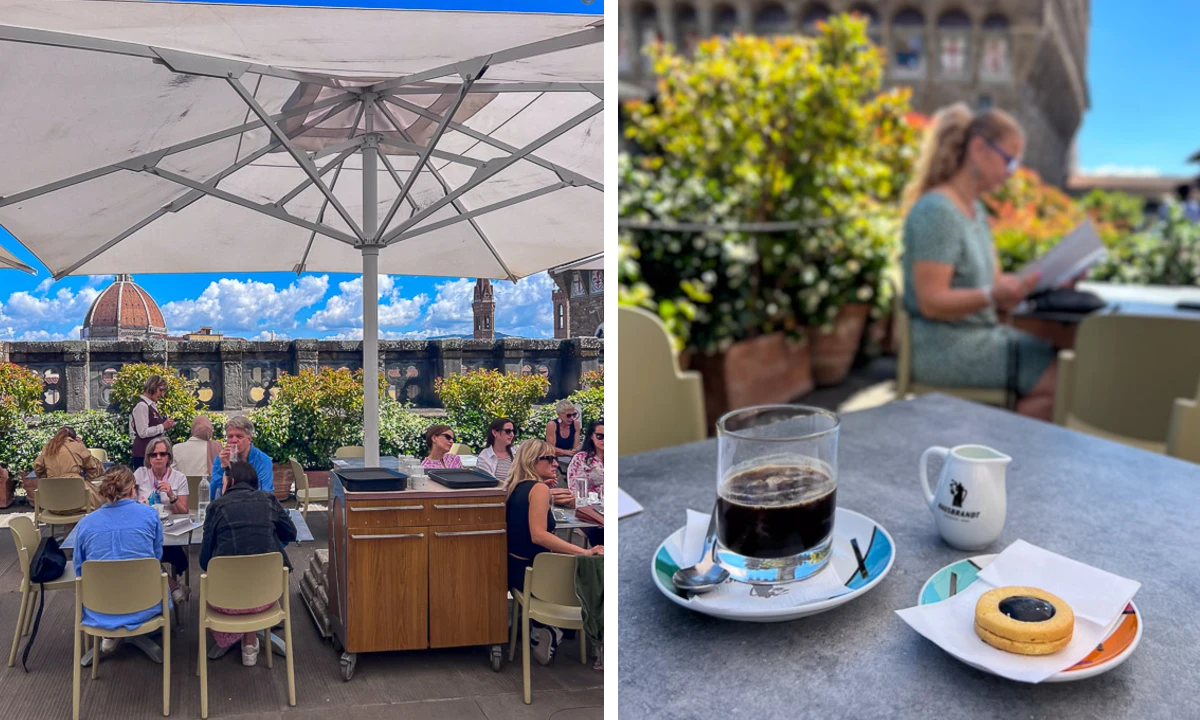
Sit at the café for some caffeine and a bite to see you through the rest of your visit. With over 1,700 artworks, the Uffizi can be a lot to take in. There’s even a so-called Florence Syndrome, often attributed to a visit at the Uffizi, which is a psychosomatic illness triggered by viewing lots of beautiful art in quick succession… you’ve be warned!
Now rested, continue your visit of the Renaissance galleries and later Italian paintings.

Uffizi Gallery Florence
Perseus Freeing Andromeda by Piero di Cosimo (1510-1513)

You’ll finish your visit on the first floor with more “modern” artworks and European art from famous Spanish, Dutch and French painters. There are still hundreds of exquisite pieces here but I was starting to think I’d rather come back with fresh eyes, feeling a bit visually exhausted by all the Renaissance works I had just spent a few hours admiring.
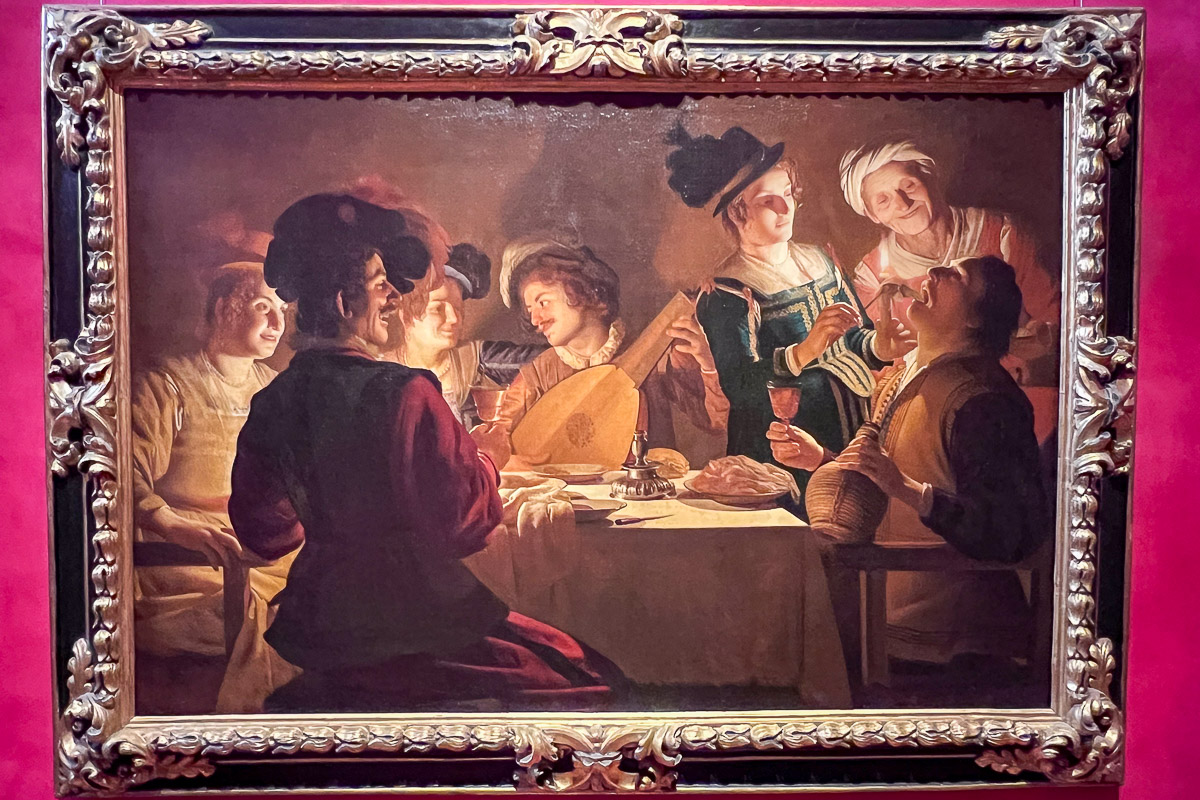
Uffizi Gallery Florence

Ponte Vecchio

Back out in the glorious sunshine, now’s your chance to check out the iconic medieval bridge that is Ponte Vecchio, steps away from the Uffizi. The oldest bridge in Florence has withstood floods and wars since the 14th century and is still today a favorite spot to enjoy the river vistas.
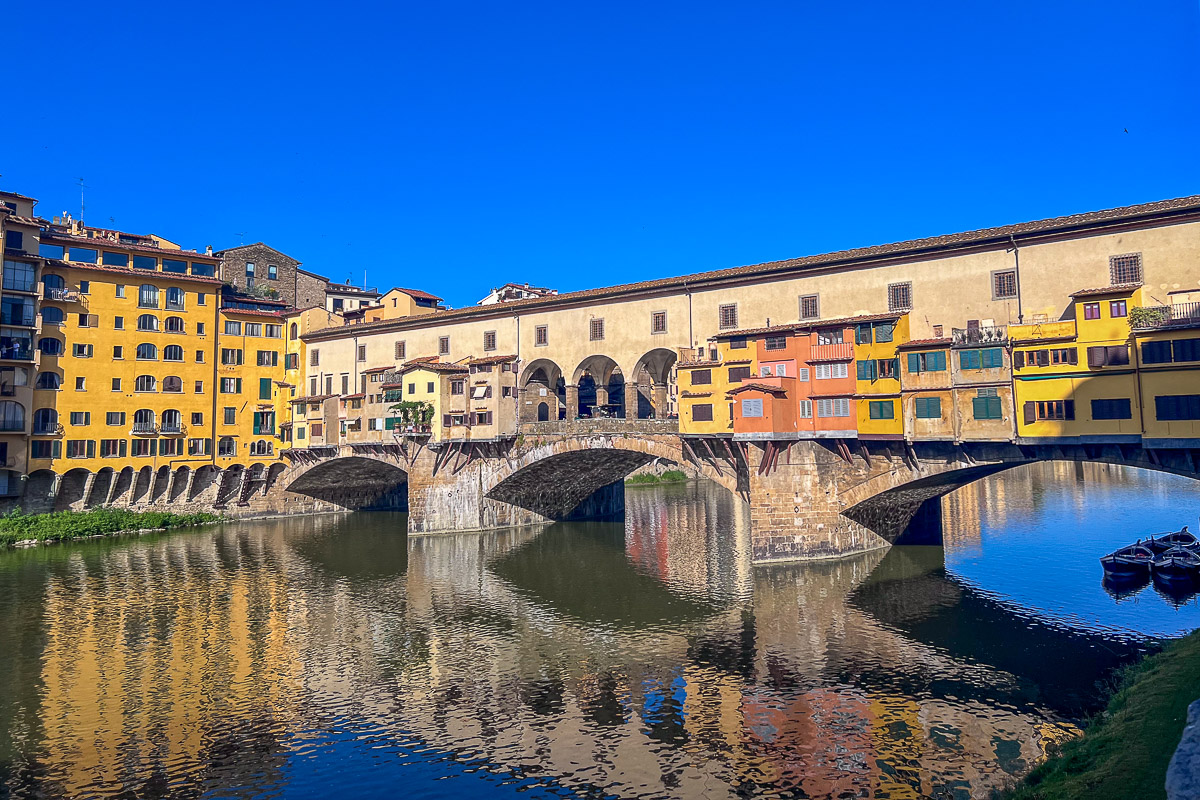
Ponte Vecchio

There have always been workshops on this bridge, though the noisy and smelly tanners, butchers, and blacksmiths shops have since been rebuilt to host the sweeter smelling goldsmiths.
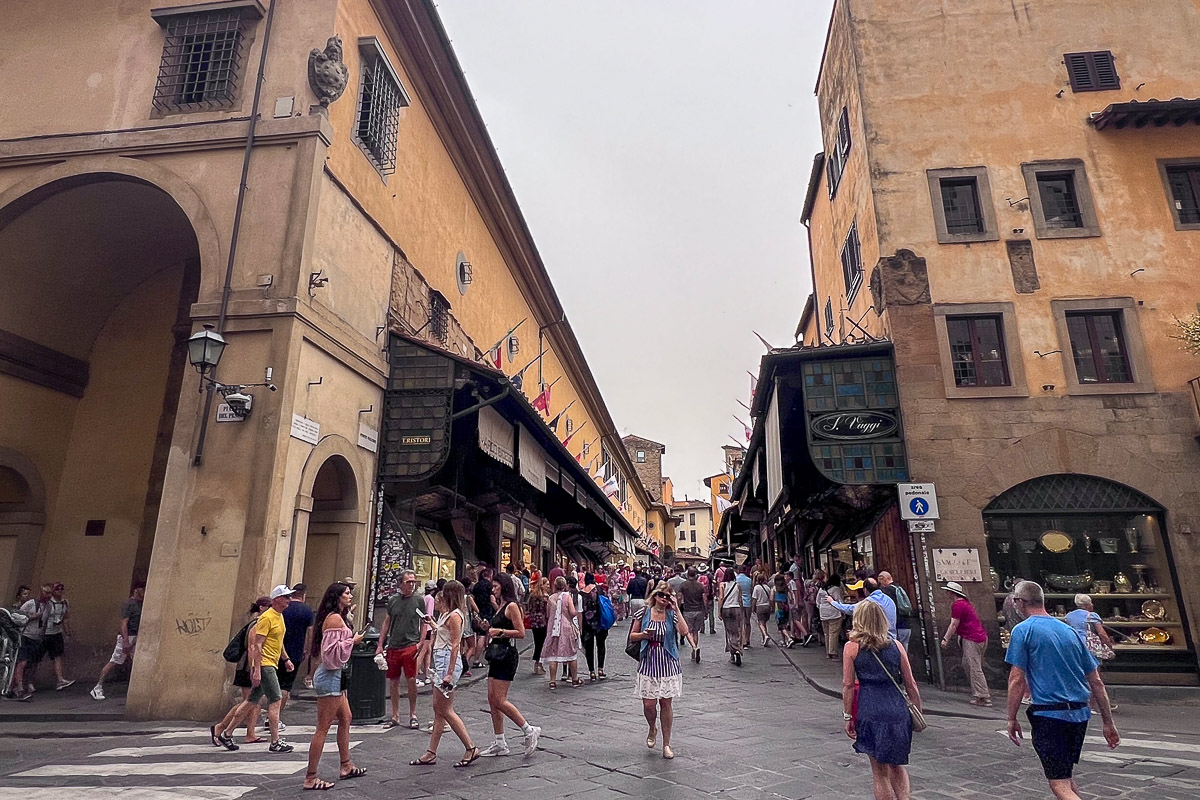
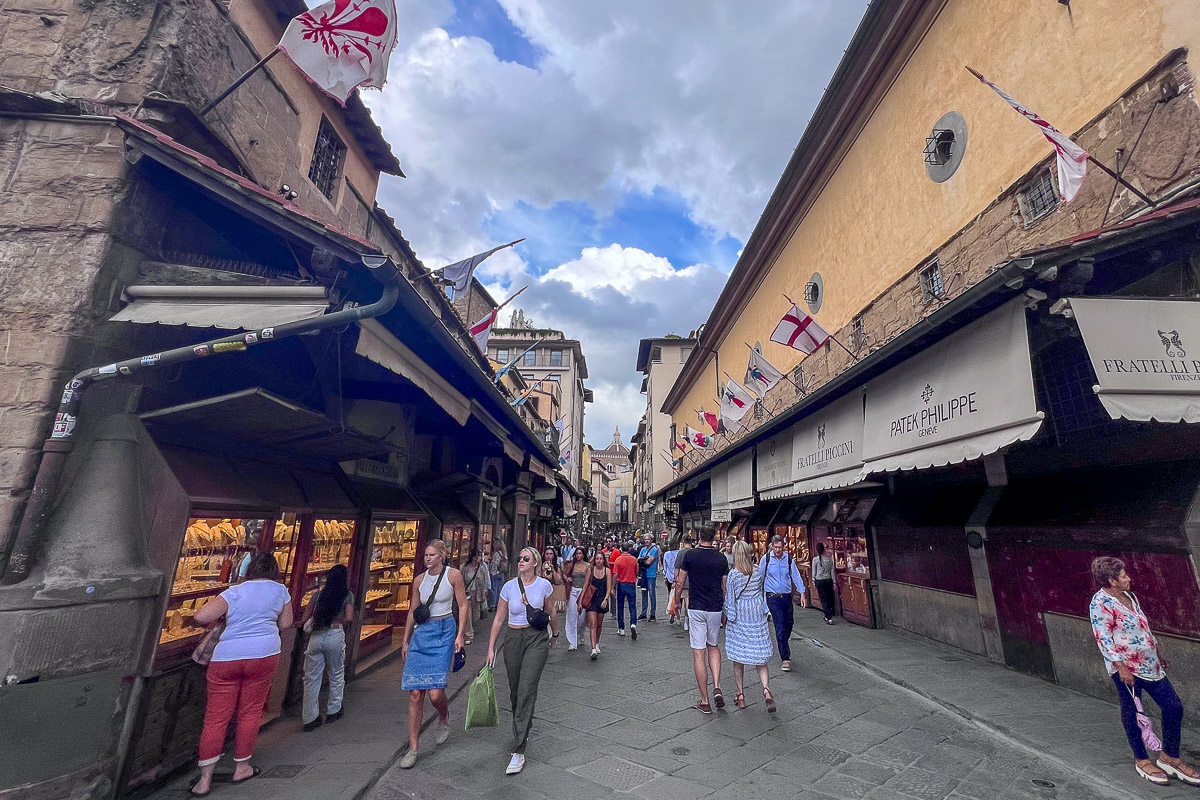
Ponte Vecchio
Ponte Vecchio

You can shop for everything from affordable modern earrings to antique rings and necklaces, or just enjoy the lively scene with performers and portrait painters mingling with the crowd.
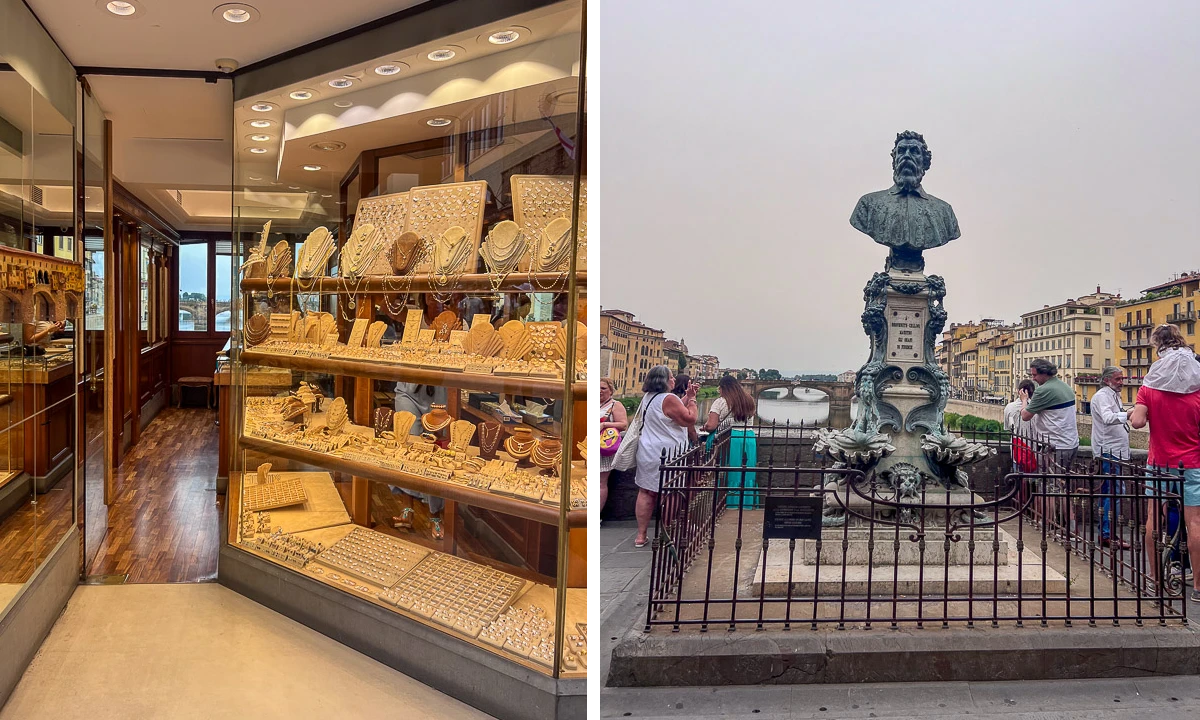
Ponte Vecchio

There are quite a few more options to stop for lunch near the Uffizi compared with near the Duomo, whether you want to sit down properly at a trattoria or get a quick snack at a cafe. Since most try to pack in as much as possible in a day, I can recommend Budellino, a cozy little wine bar with a sandwich menu perfect for a midday meal. My focaccia with salami was the perfect salty bite to pair with a glass of dry rosé.
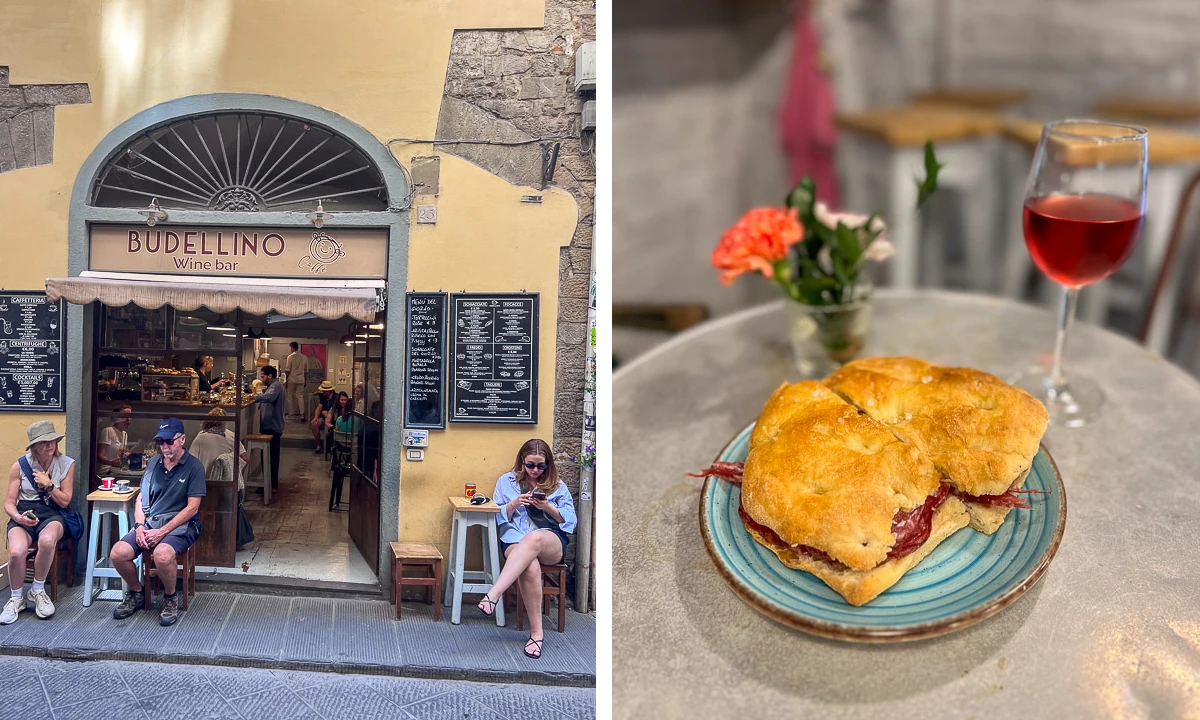
Budellino Wine Bar

Piazza della Signoria

If you exit north of the Uffizi, you’ll arrive in this huge L-shaped square, Piazza della Signoria, which used to be the hub of Florentine politics since the 14th century. Today it is surrounded by famous buildings, notably the Palazzo Vecchio, and act as a unique outdoor sculpture gallery.
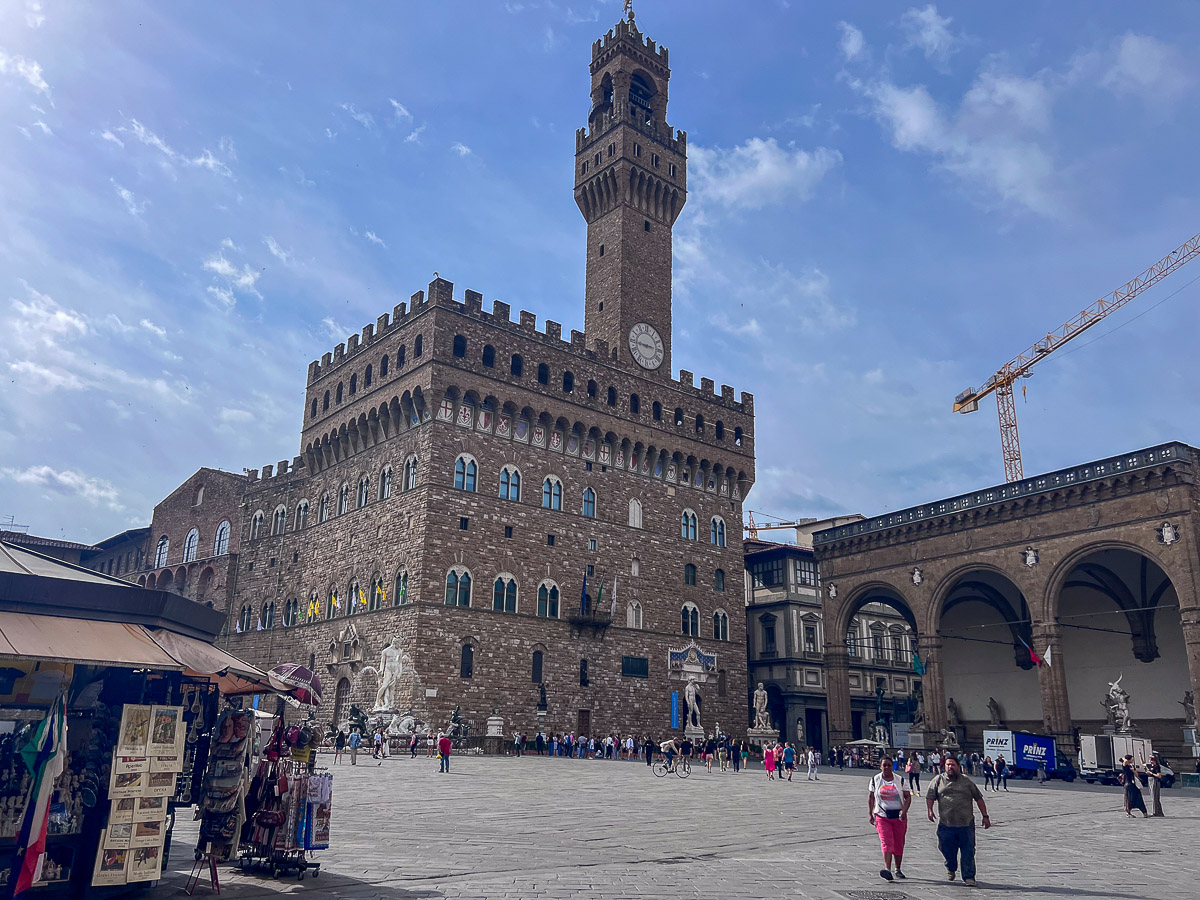
Piazza della Signoria

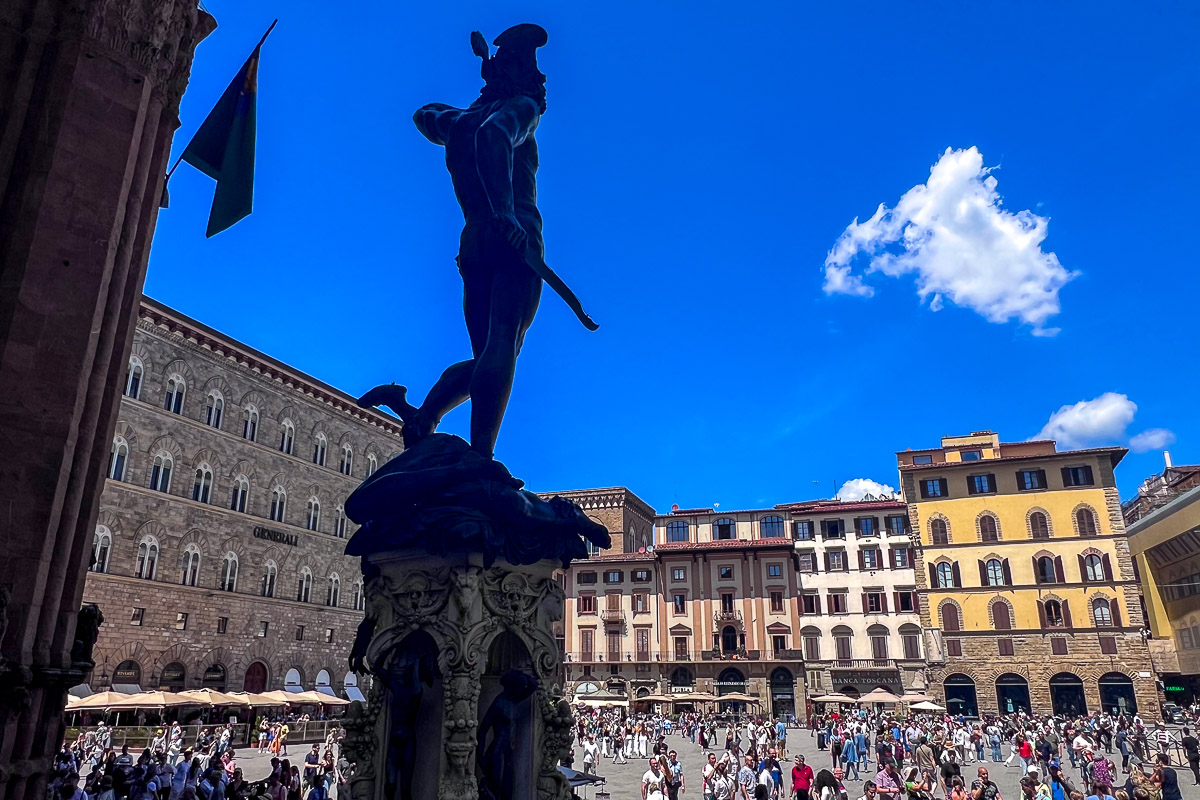
You can get a closer look at some of the most beautiful sculptures in the Loggia dei Lanzi, including the Medici lions and the famous Rape of a Sabine Woman. It’s just outside the Palazzo and you get a good view of the square from this elevated perspective as a bonus too.
The Fountain of Neptune in front of the Palazzo is a masterpiece in marble and the first public fountain in Florence. If you look closely on the side facing the Palazzo, you can still see a plaque from 1720 which lists fines for using the fountain for laundry or washing animals.
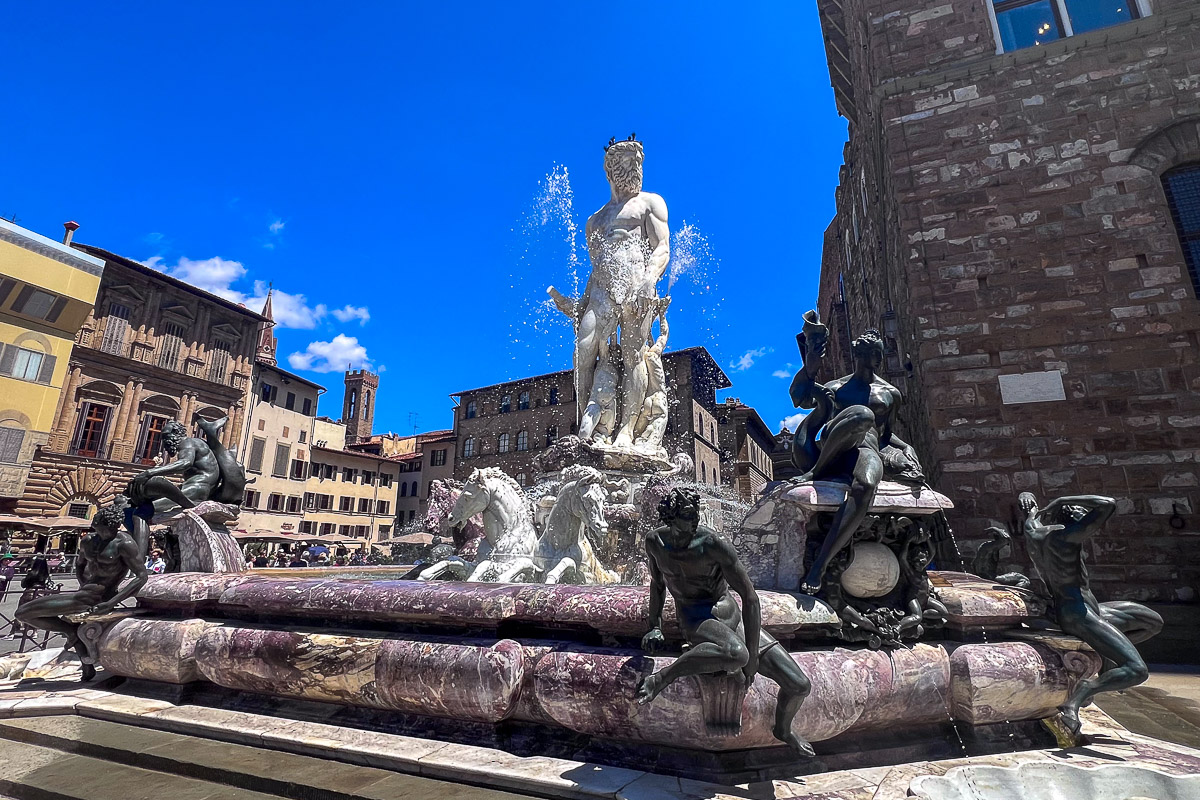
Neptune Fountain Florence

Palazzo Vecchio

The “Old Palace” which looks like a castle with a spire currently houses Florence’s city hall and museum. Though it was built in 1299, its golden age coincided with the arrival of the Medici family who chose it as their residence in 1540, a familiar story when it comes to Florence’s most grandiose buildings. The austere medieval fortress was then transformed, creating magnificent rooms such as the Salone dei Cinquecento (the Hall of the Five Hundred) on the first floor.
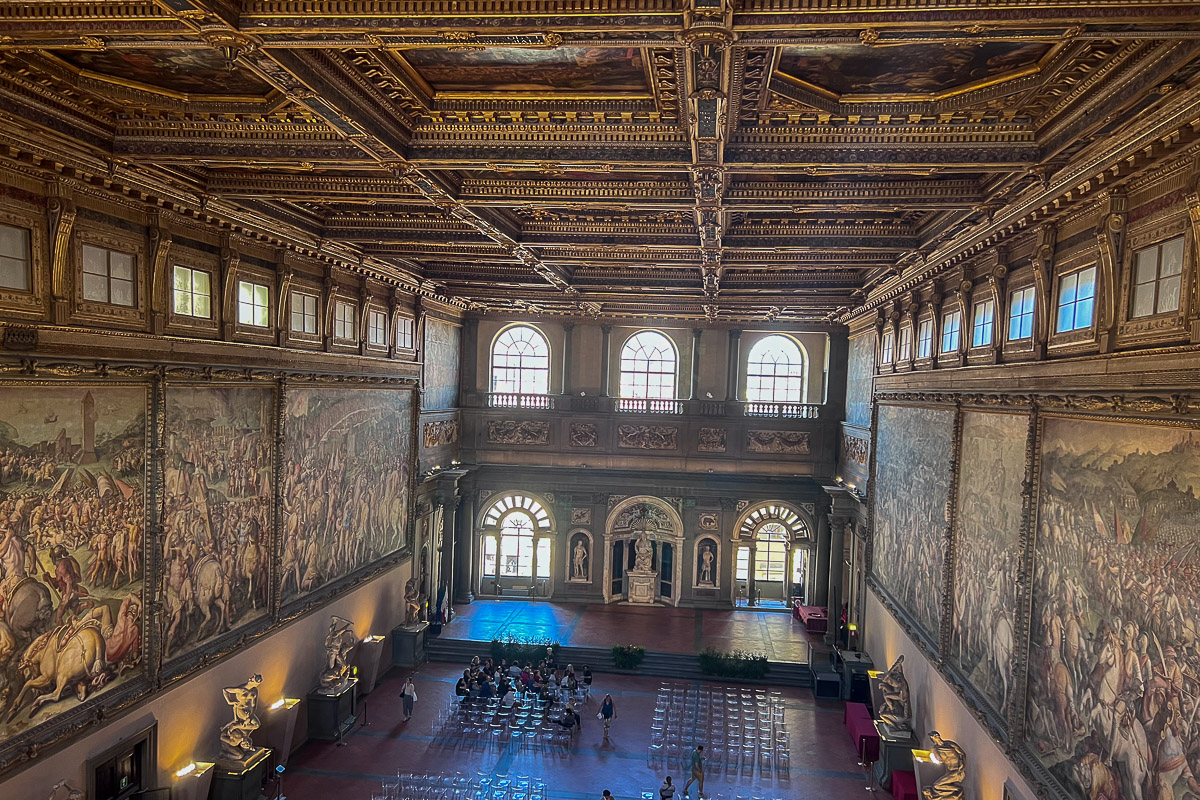
Palazzo Vecchio

Everywhere you look, from the side walls to the ceiling, are frescoes depicting the victorious battles against Pisa and Siena, celebrating Florentine power and the dynasty.
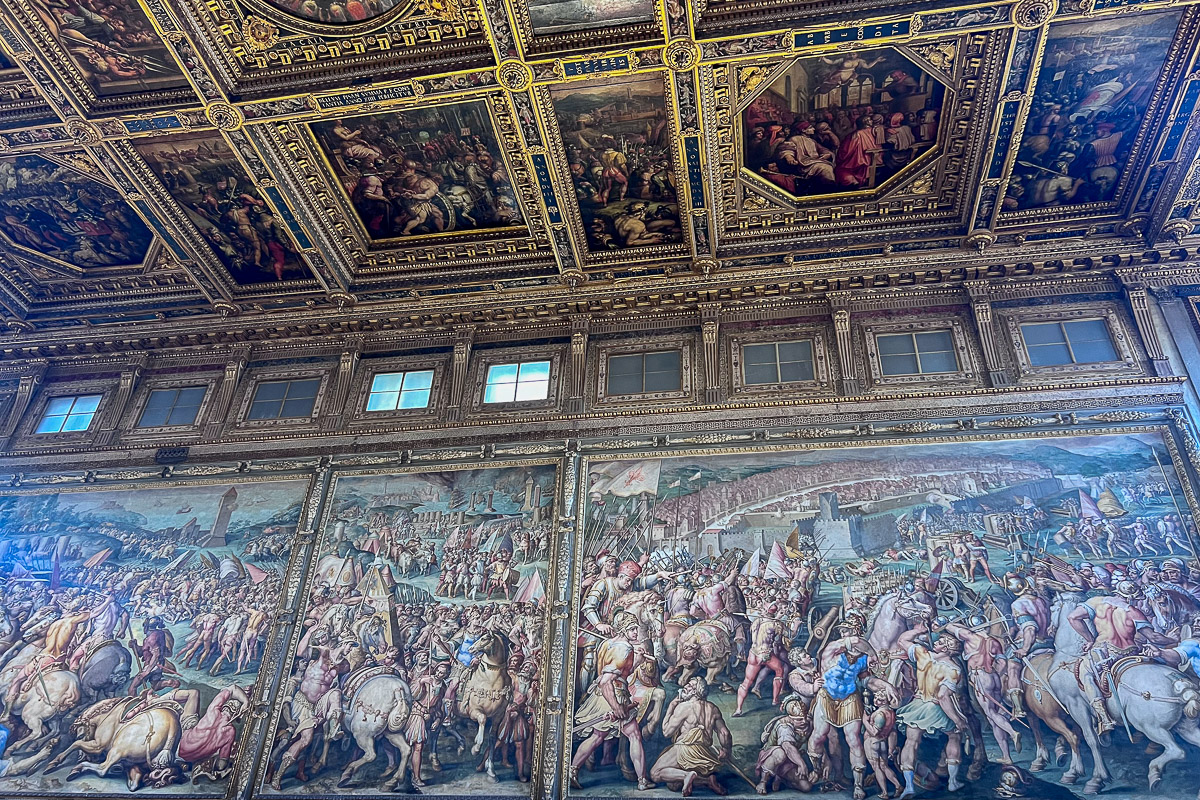
Palazzo Vecchio

Private apartments follow, offering glimpses into the opulent lifestyle of the Medici family and the beautiful furniture and artworks they surrounded themselves with.
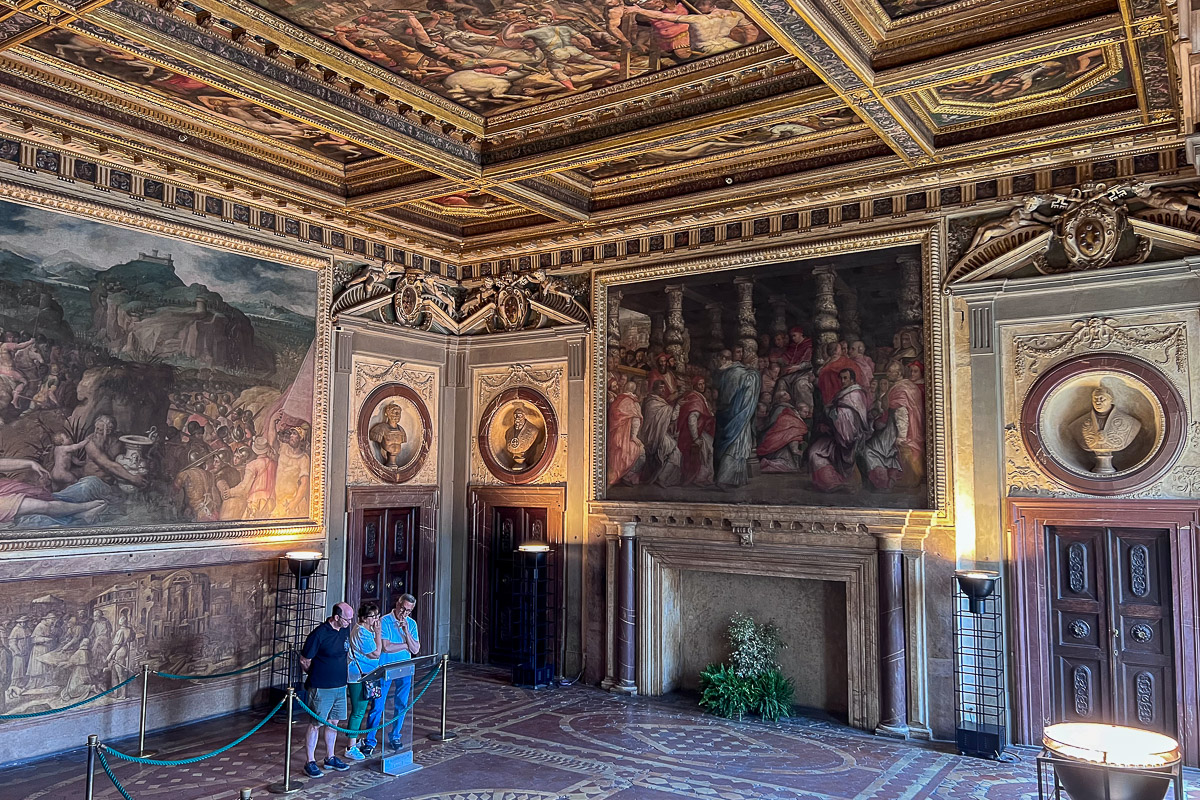
Palazzo Vecchio

The second floor includes the living quarters of the duchess Eleonora and the calming, nature-inspired Green Room from where she used to administer the Palace’s daily life.
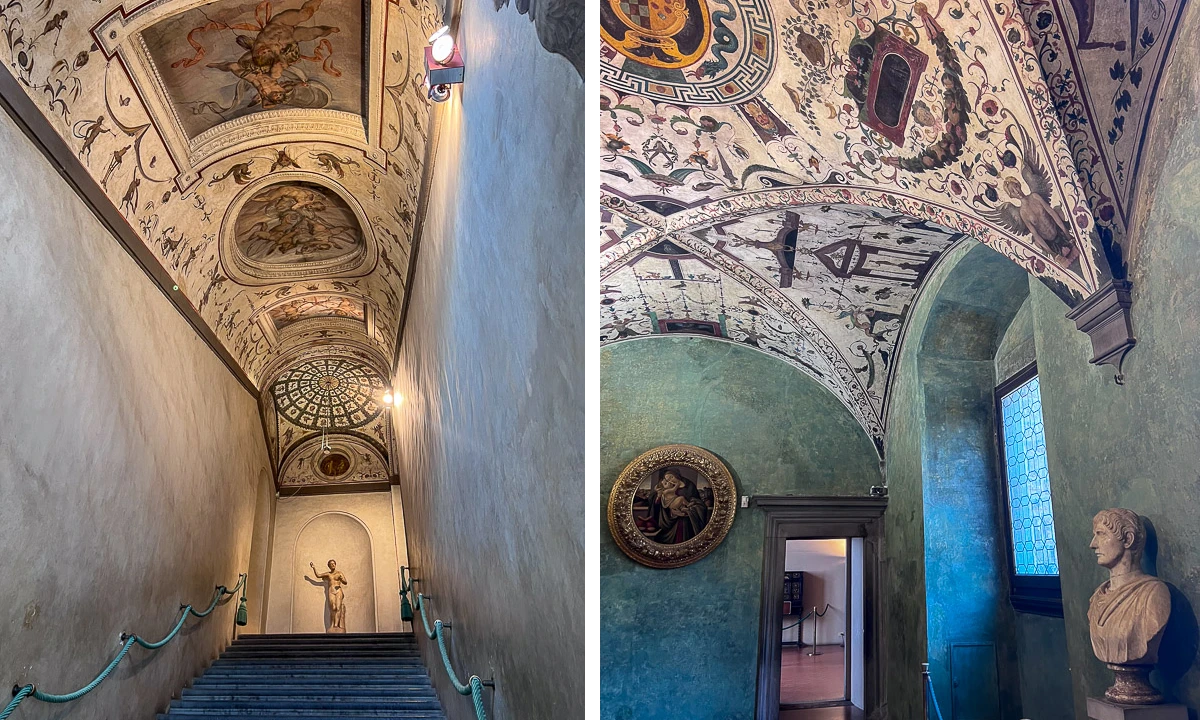
Palazzo Vecchio

She even had a private, sumptuous chapel frescoed by Bronzino right next to her office where she spent a lot of time. It is one of the few places in Palazzo Vecchio that has not been decorated to the glory of the Medici, but instead with symbolic representations of cardinal virtues.
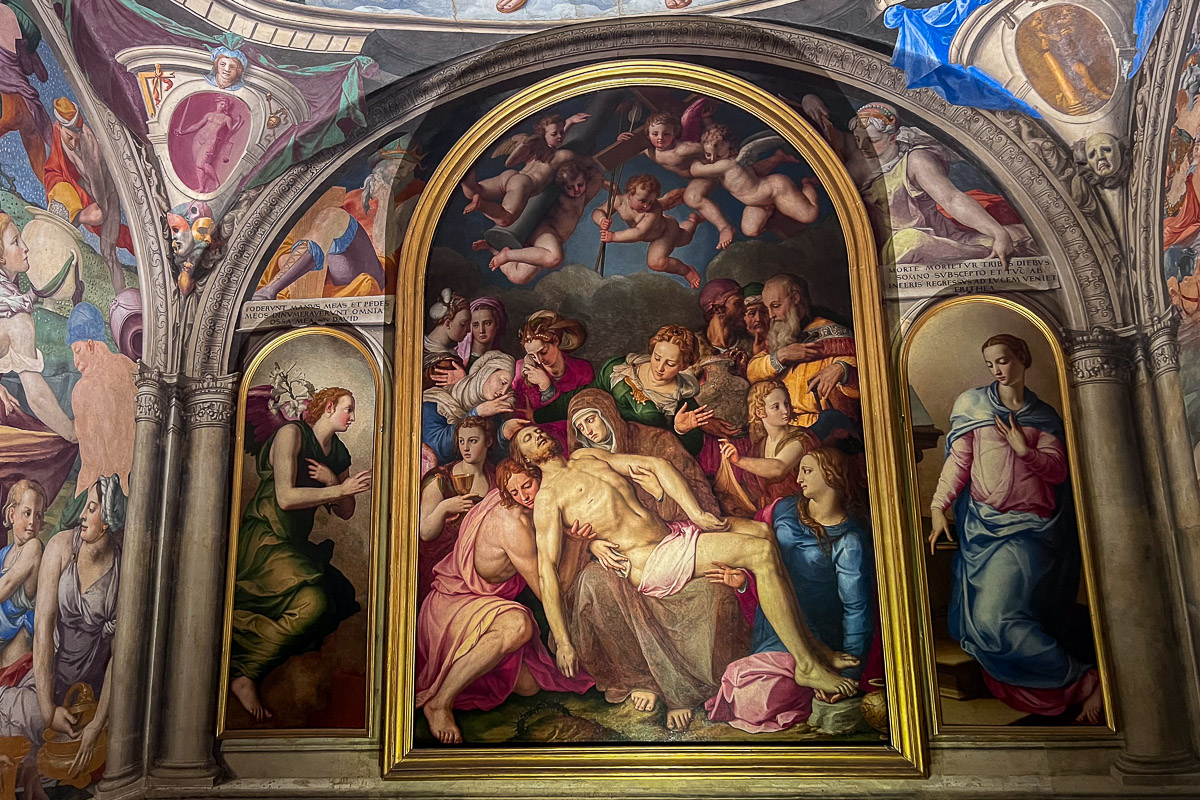
Palazzo Vecchio

More monumental rooms can be seen on this floor like the Hall of the Lilies, named for the fleur-de-lis decorations, and the Room of the Maps with more than 50 painted world maps providing a glimpse of the world during that period.
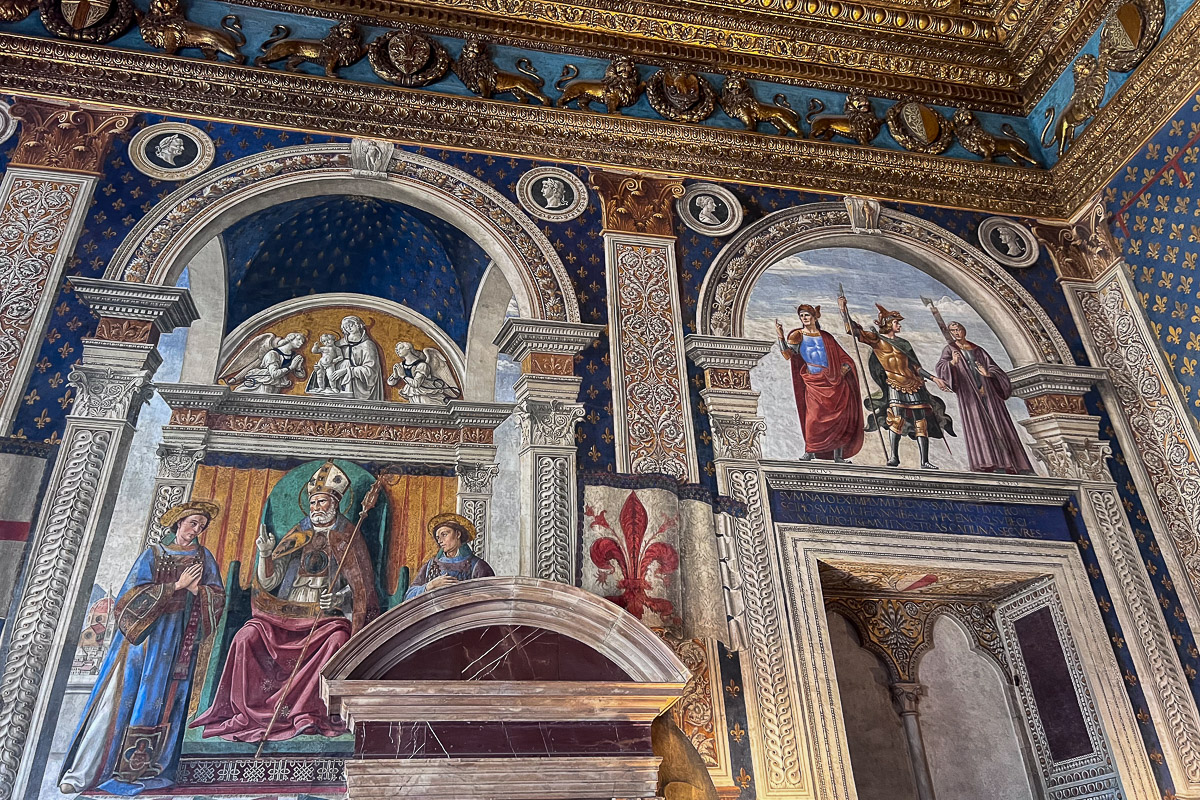
Hall of the Lilies - Palazzo Vecchio

Find the access to the Tower of Arnolfo (named for its architect) or more appropriately Bell Tower (you’ll need a timed-entry ticket here too), so called since it was built to house a huge bell used to call citizens to meetings or warn them of fire, flood, or enemy attack. The 223-step climb is well worth it and you’ll see why…
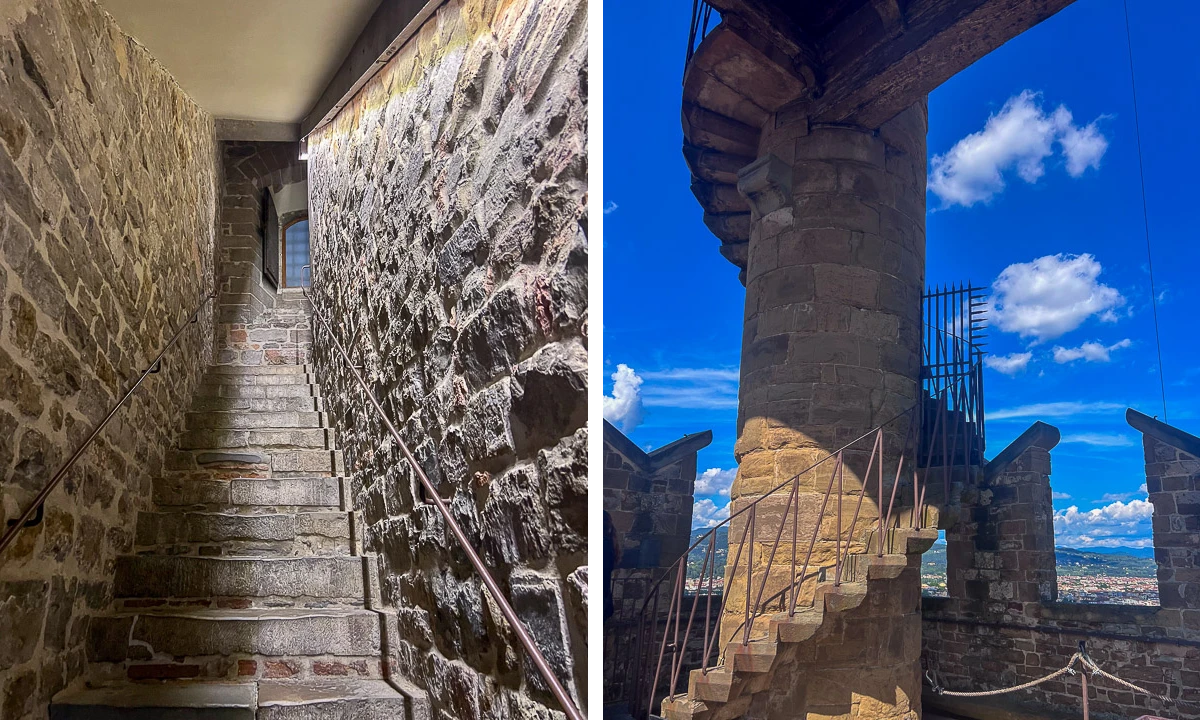
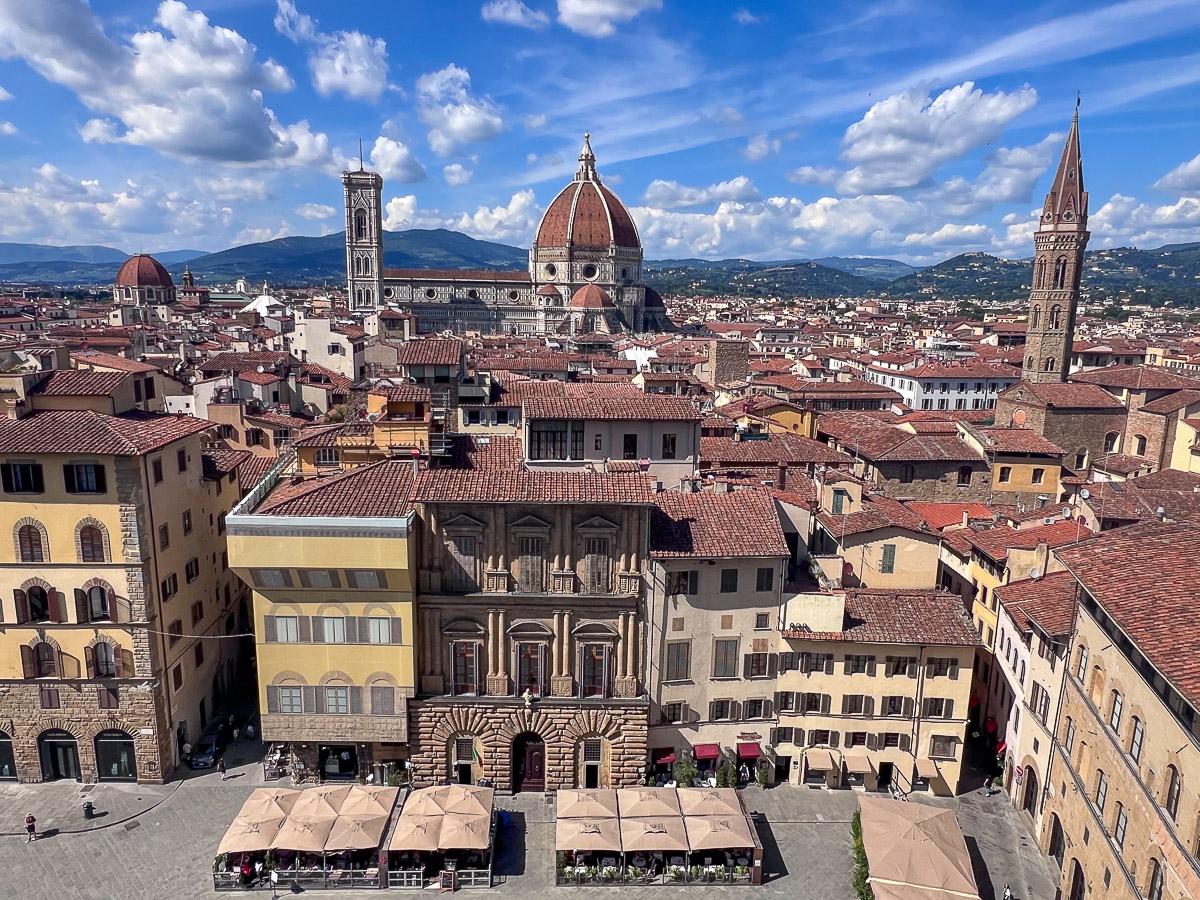
View from Arnolfo Tower - Florence

The views are incredible on a clear day, unsurprising as this is the highest tower in all of Tuscany at over 300-feet tall (yes, higher than the one in Pisa!).
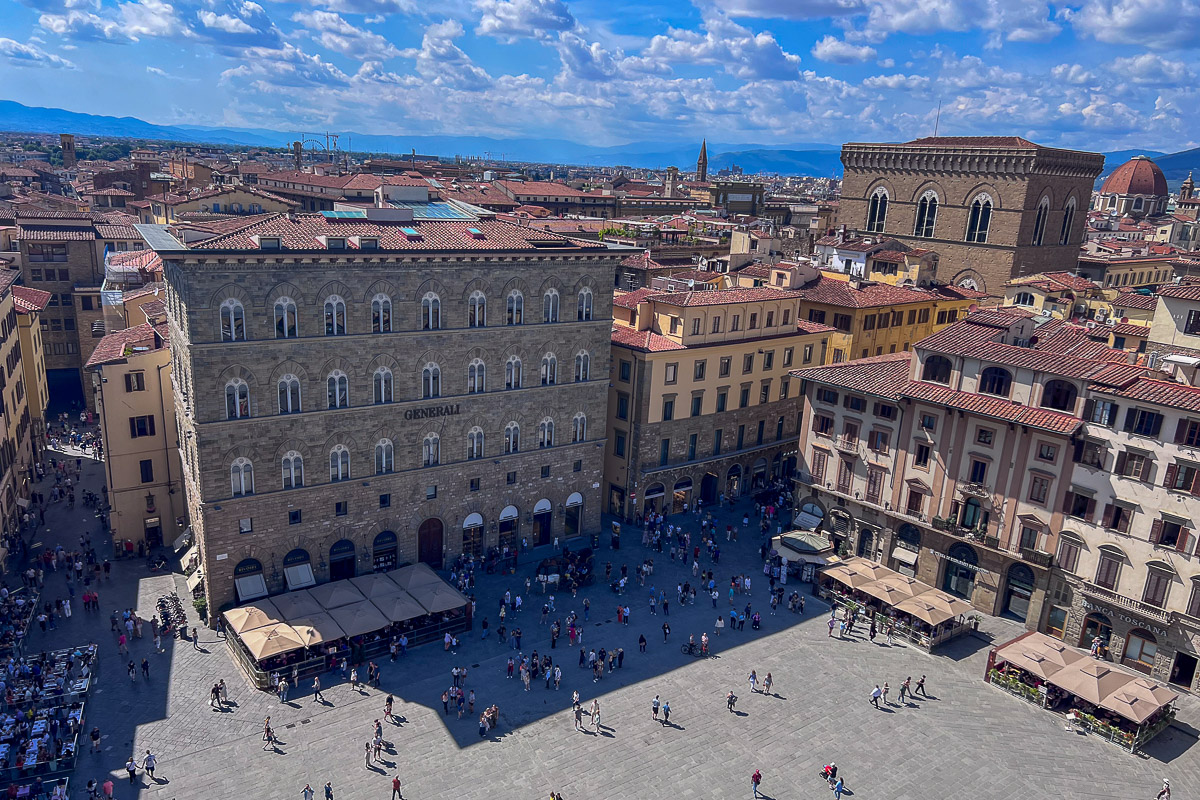
View from Arnolfo Tower - Florence

You have a direct line into the Uffizi’s cafe where you previously had a sweet break looking up at the tower you now stand in.
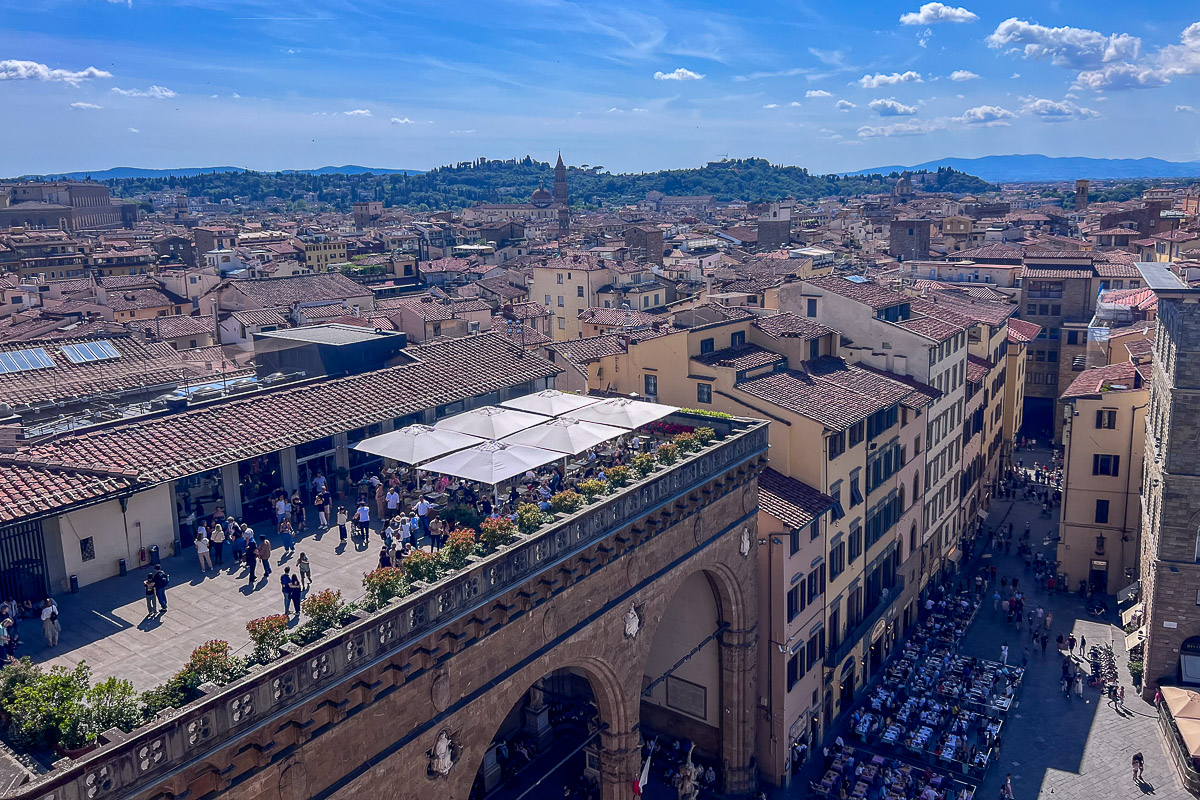
View from Arnolfo Tower - Florence

The Duomo’s scale with the mountains in the background comes to life in the prettiest Florence postcard imaginable.
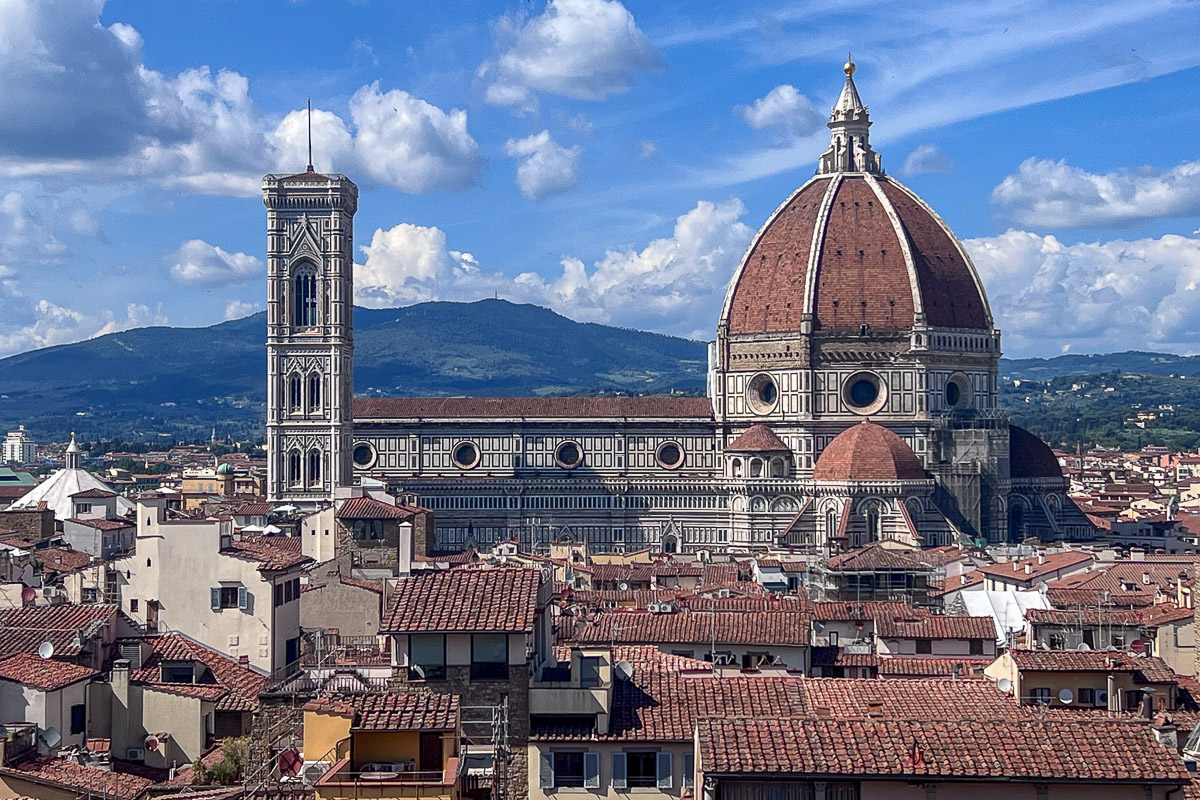
View from Arnolfo Tower - Florence

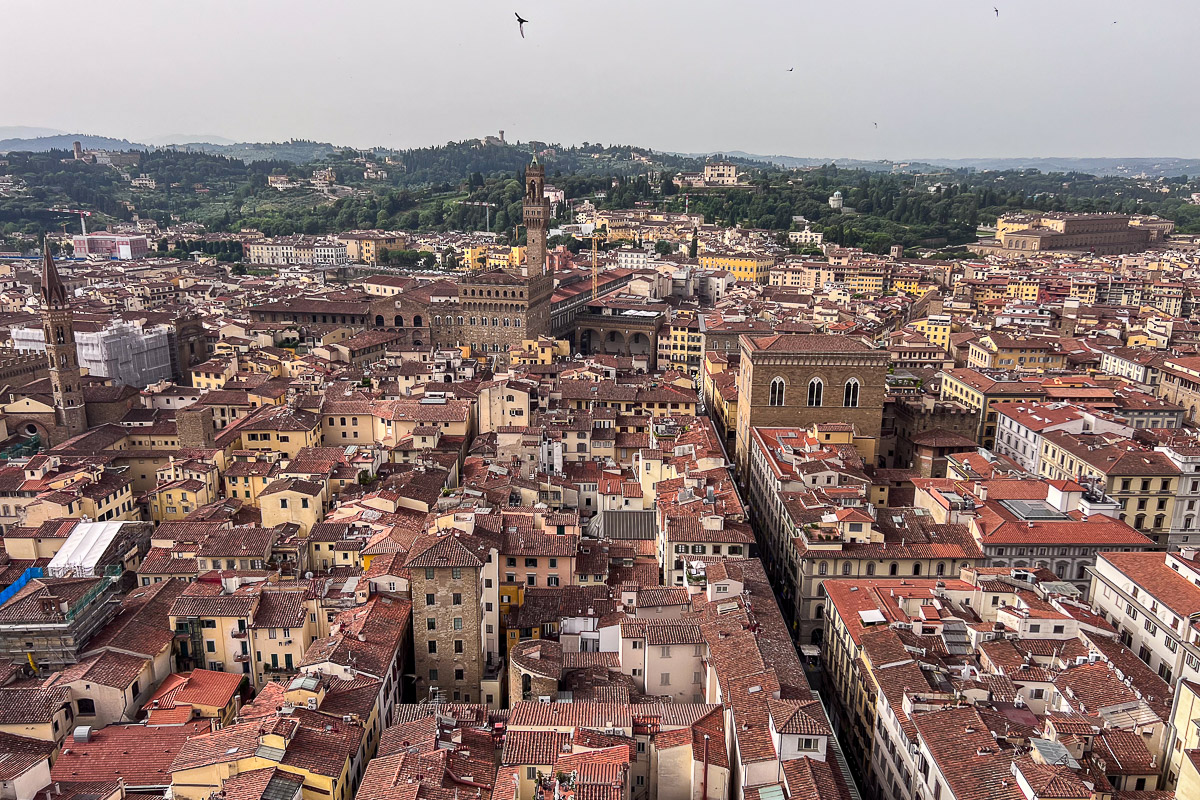
Let your gaze follow the Arno river from east to west, flowing through the city center, passing under iconic bridges and making its way towards Pisa. This was my favorite view of Florence so take your time here to soak it all in before going down.
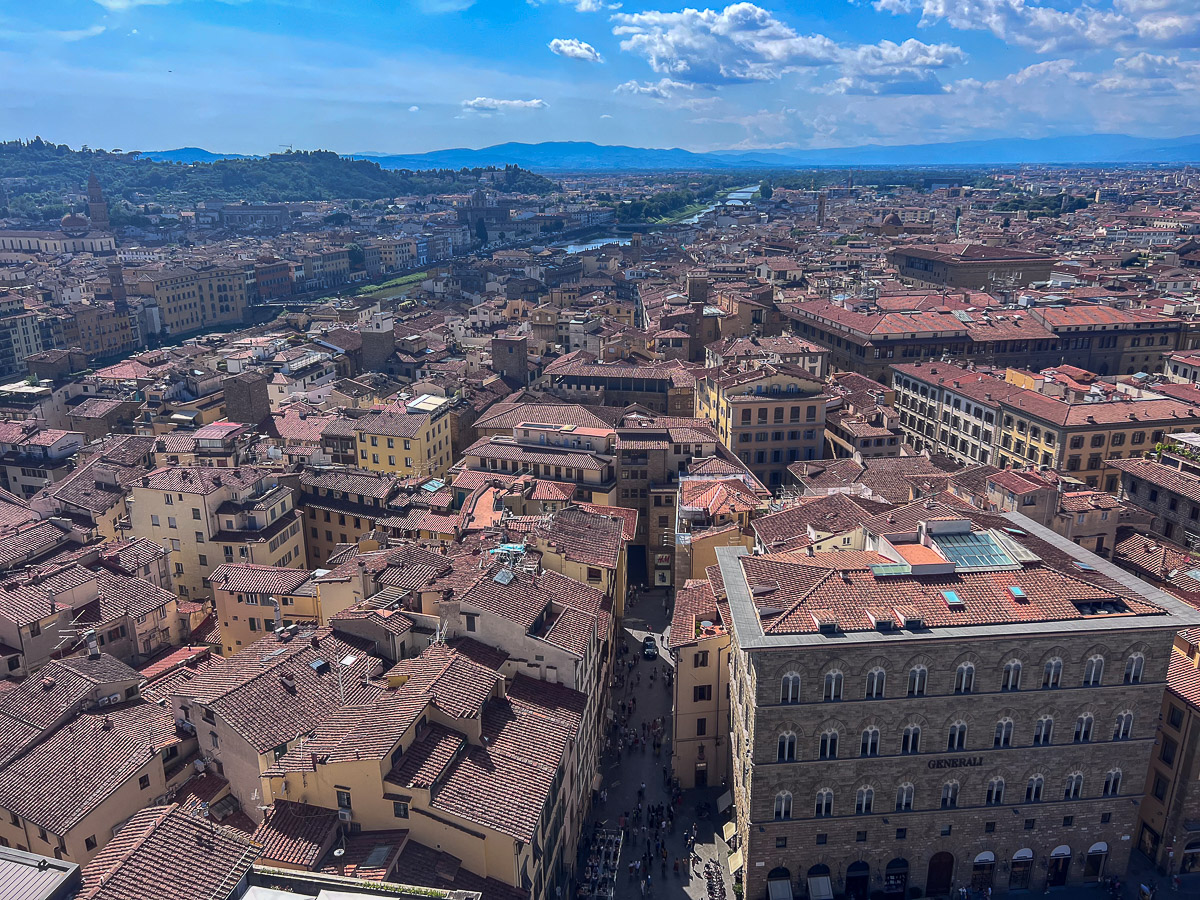
View from Arnolfo Tower - Florence

Walk back toward the river through the little streets south of the Piazza to experience the charm of medieval Florence for a few minutes. Strolling underneath the narrow stone archways of pedestrian streets like Via dei Girolami is an instant trip back in time. The old-world atmosphere of the alley is so authentic it featured prominently in the movie A Room with a View.
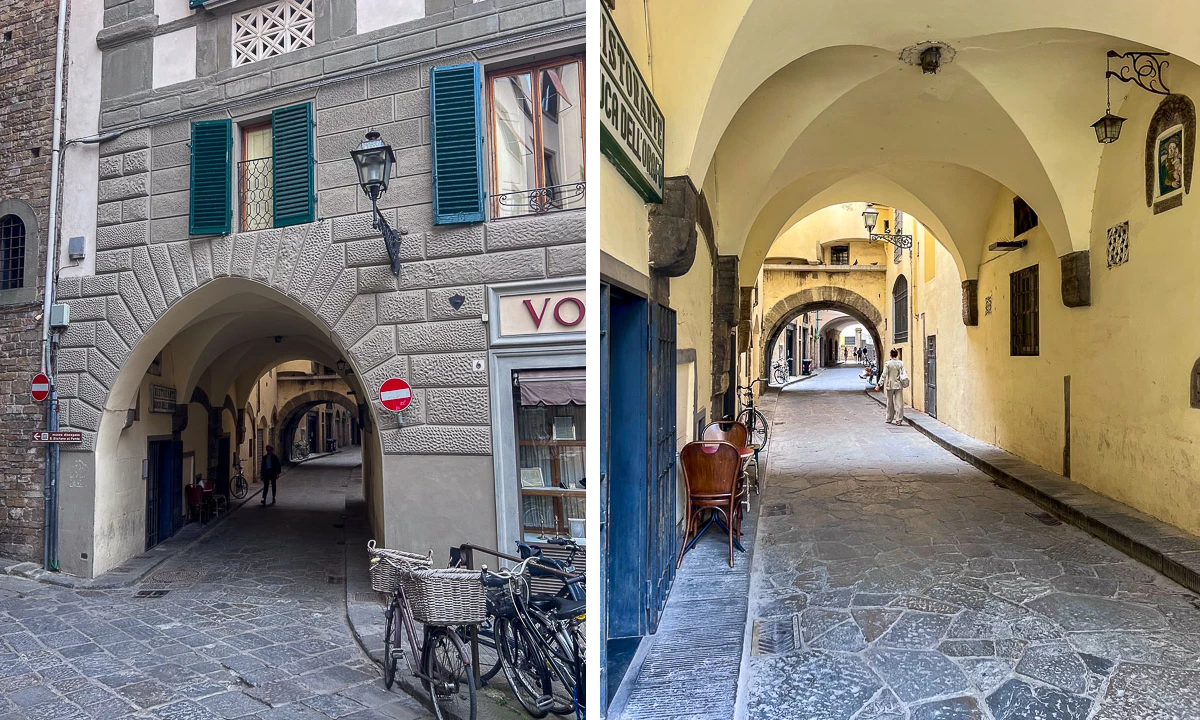
This cozy labyrinth just steps from the Uffizi opens up to little piazzas and artful surprises. The Tree of Peace (Albero della Pace), a bronze sculpture by Andrea Roggi, is displayed permanently on Via dei Georgofili right behind the gallery to commemorate the victims of the 1993 Florence bombing. A terrorist attack carried out by the Sicilian Mafia killed five people and injured a further 40 and Roggi made this sculpture to reunite Florence and promote love and compassion in memory of the attack.
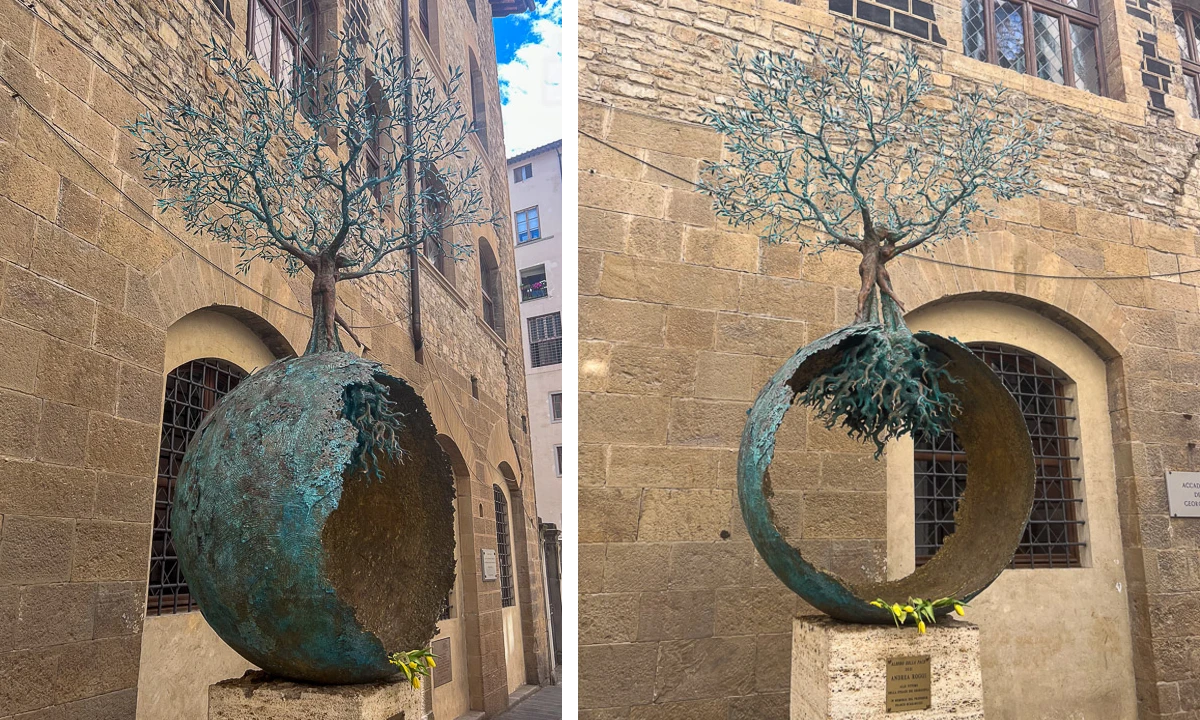
Tree of Peace sculpture in Florence

The afternoon sun is now shining on the north bank of the Arno so it’s a great time for a stroll and some luxury window shopping. When you’re ready to get back in, follow the street leading up from the Ponte Vecchio for a few blocks…
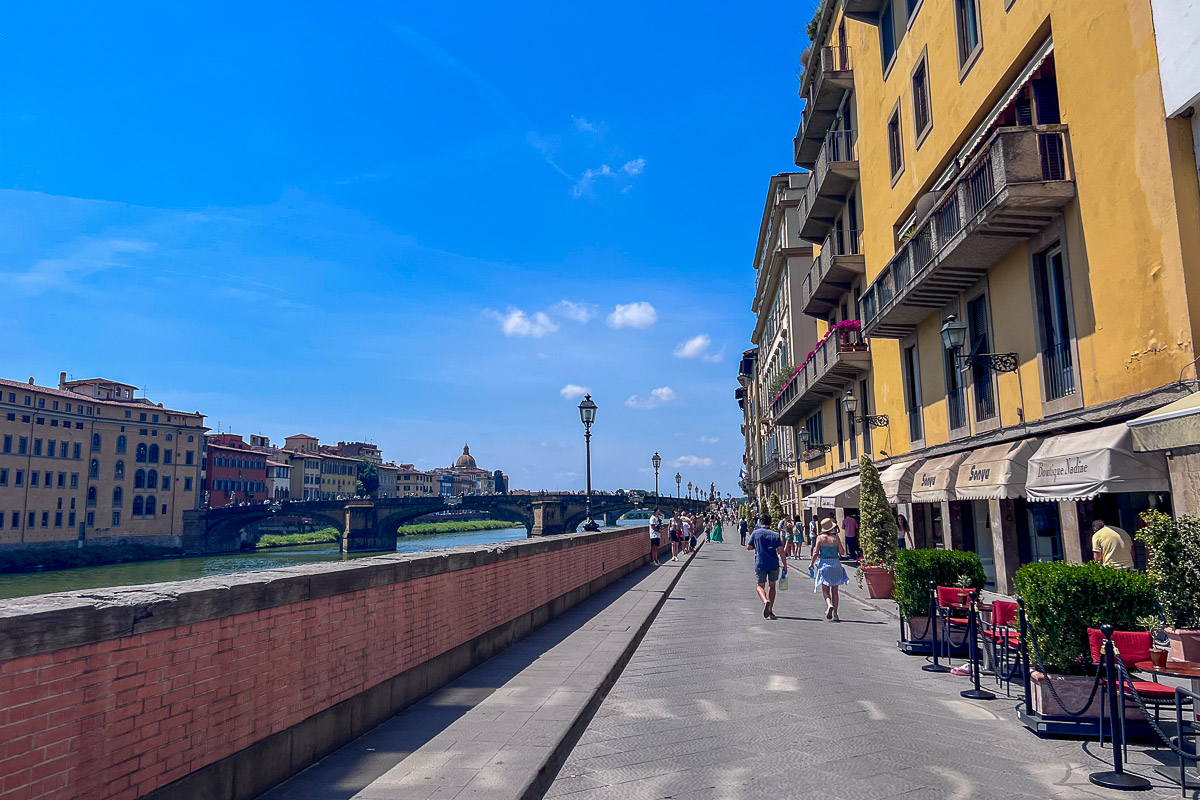
… and find the Mercato del Porcellino (also known as the Mercato Nuovo). The 16th-century Renaissance loggia has dozens of market stalls selling leather goods and other souvenirs.
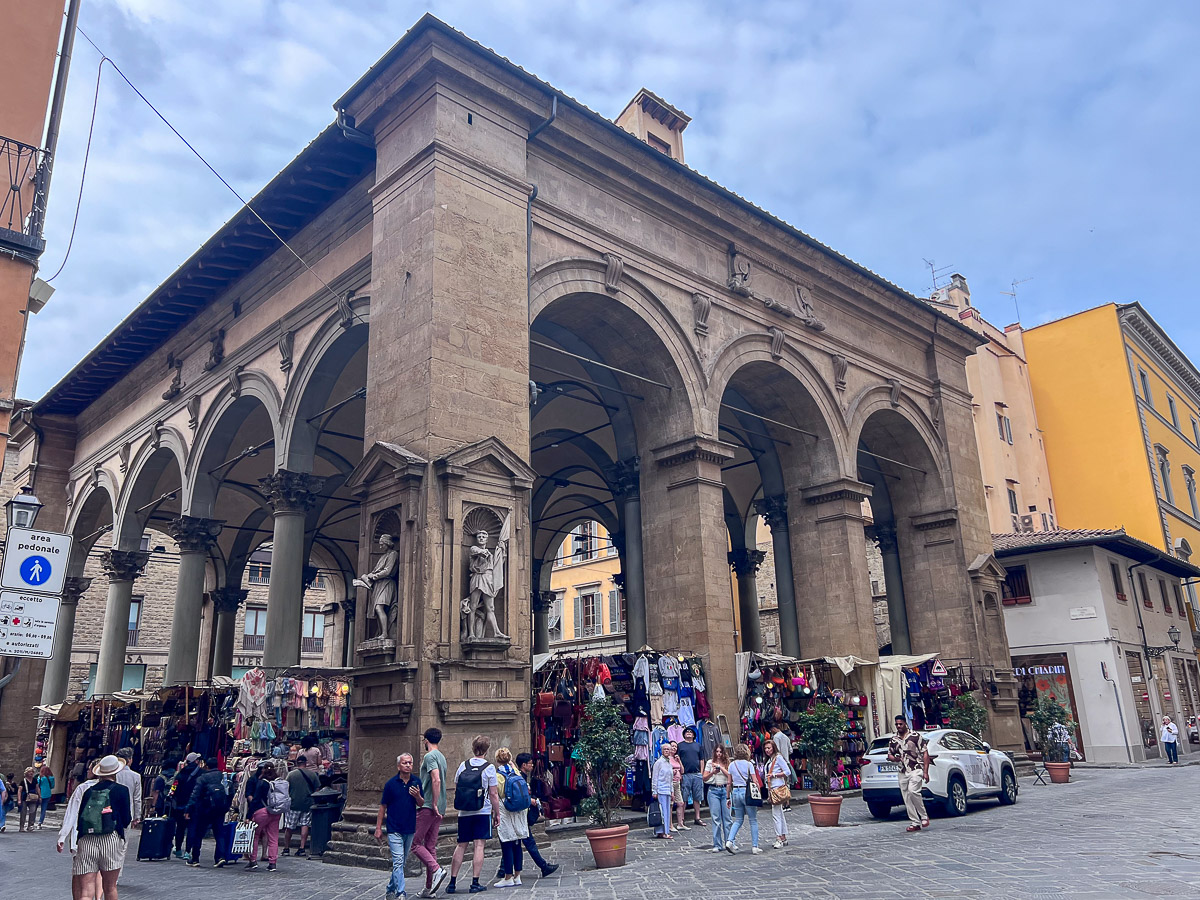
Mercato Nuovo Florence

The main attraction though is the beloved bronze wild boar fountain (Il Porcellino) on the south side. According to Florentine tradition, rubbing the boar’s snout guarantees you will return to Florence…
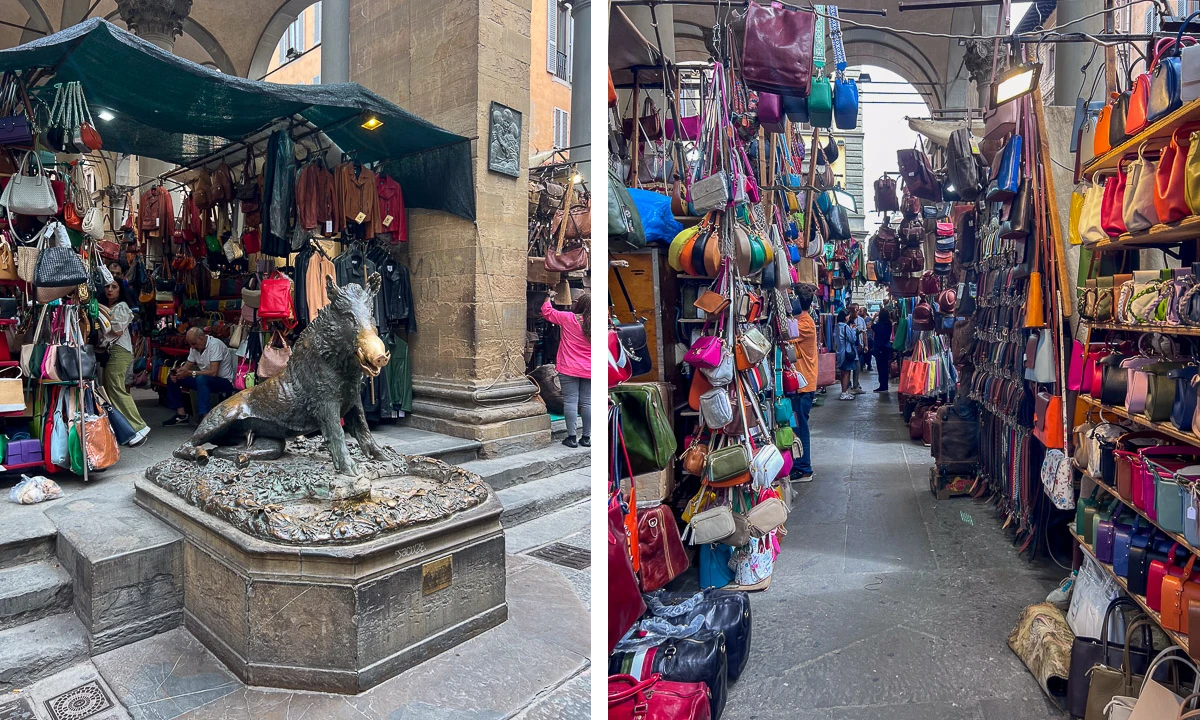
Options to fill your belly are vast around here. If you’re pressed for time, right at the corner of the market you’ll find Antica Porchetteria Granary 1916 for, you guessed it, freshly made porchetta sandwiches.
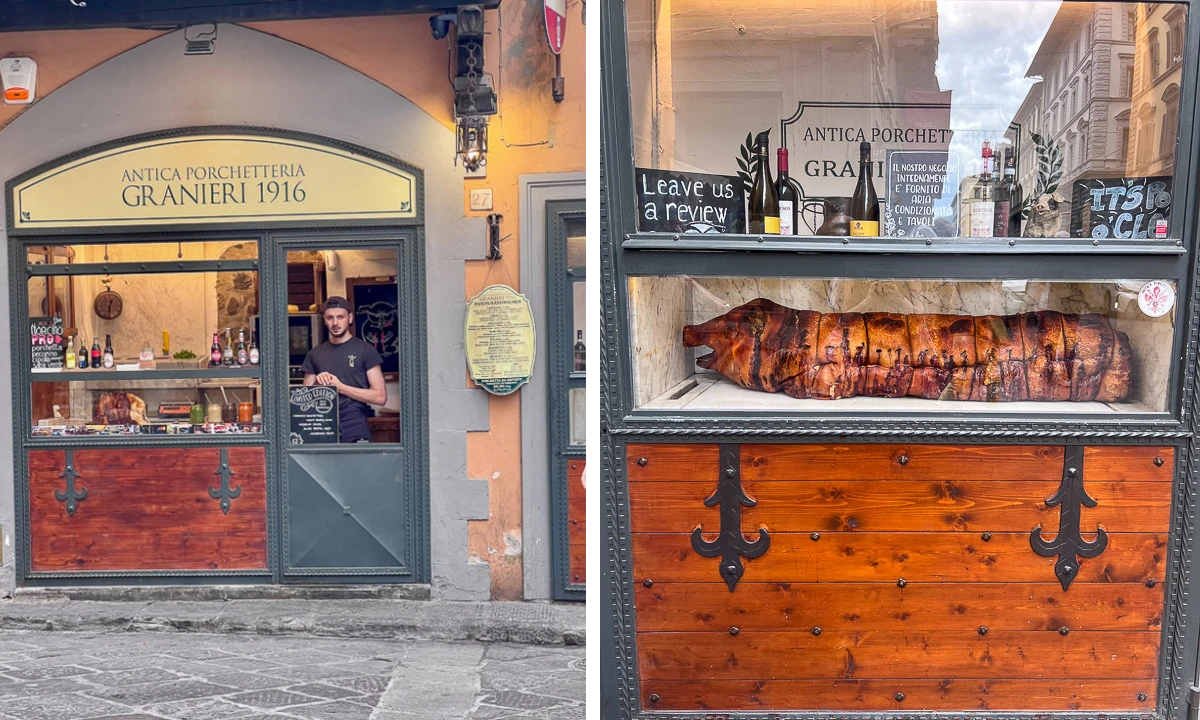
Antica Porchetteria Florence

For a quick sit down with a bit more variety, head to Orizi Mariano, a family-owned sandwich shop where the wife and husband duo will craft a dreamy panino to order. Eat it with a glass of wine in their brick-vaulted, 13th-century cellar and watch as the locals drop by for a chat and a coffee.
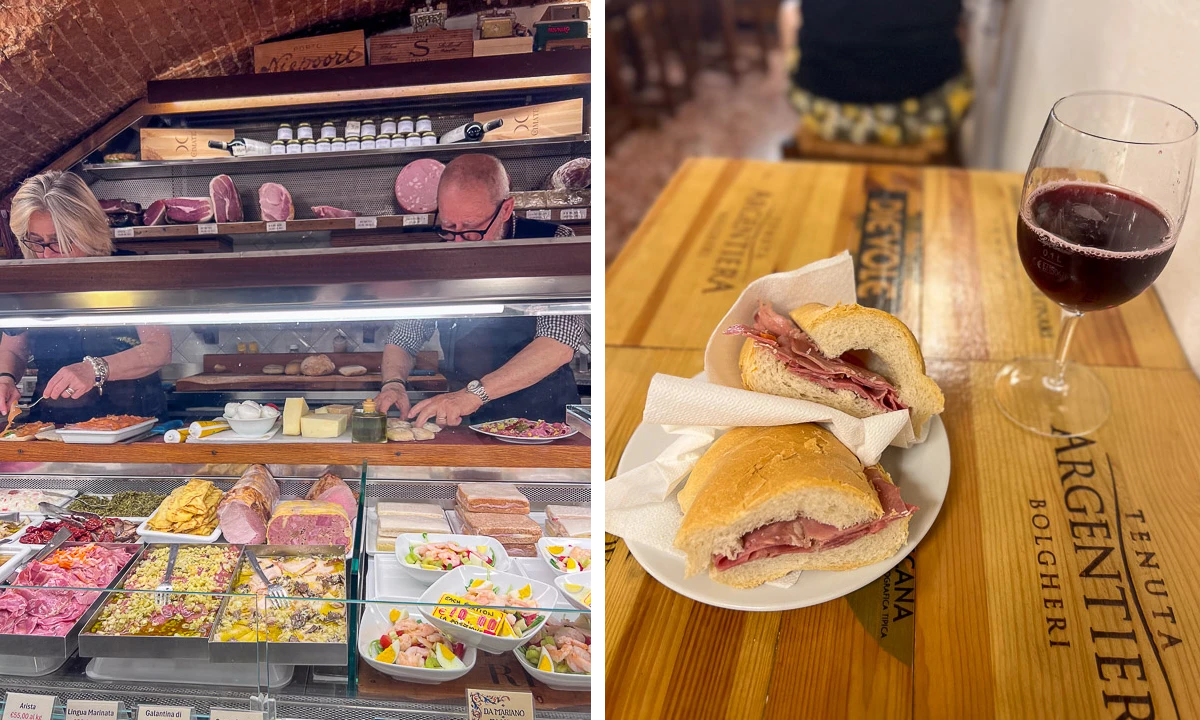
Orizi Mariano Florence

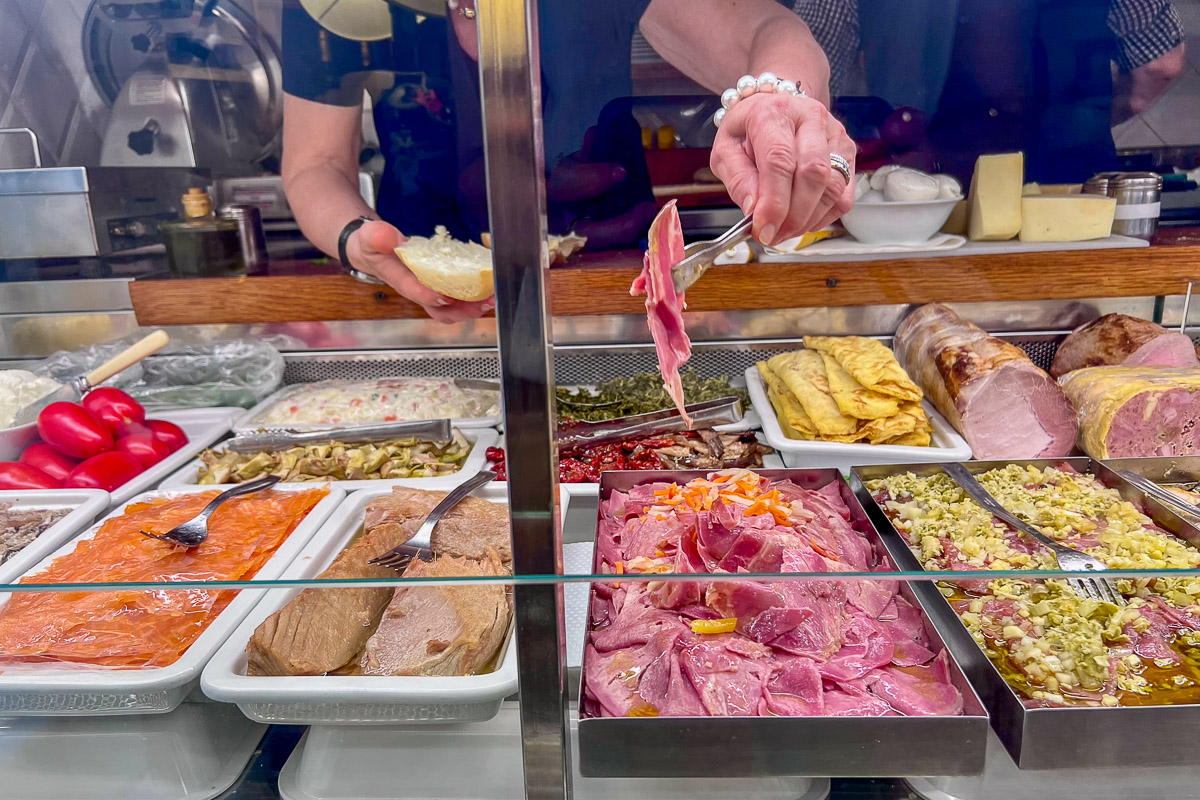
You can choose from classic cold cuts and cheese to smoked salmon and tongue, all paired wonderfully with marinated vegetables.
For a casual Tuscan comfort meal, Nerocarbone Bistró Toscano is a great cozy spot. Disregard the fact that they serve the food on paper plates (maybe it was just a one-off?), what comes out of the kitchen is delightful – crisp fried artichokes and ribolleta soup (traditional Tuscan white bean and vegetable stew, thickened with day-old bread), all brown and delicious!
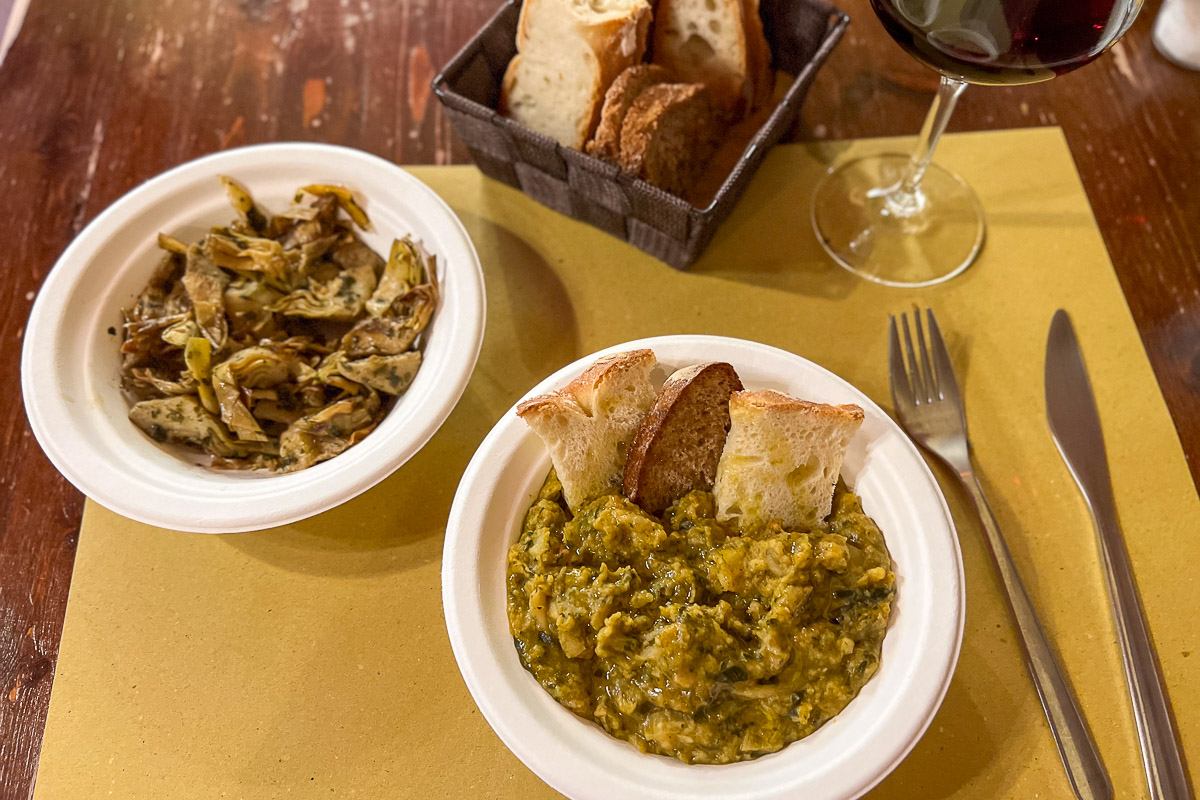
Nerocarbone Bistrot

Palazzo Davanzati

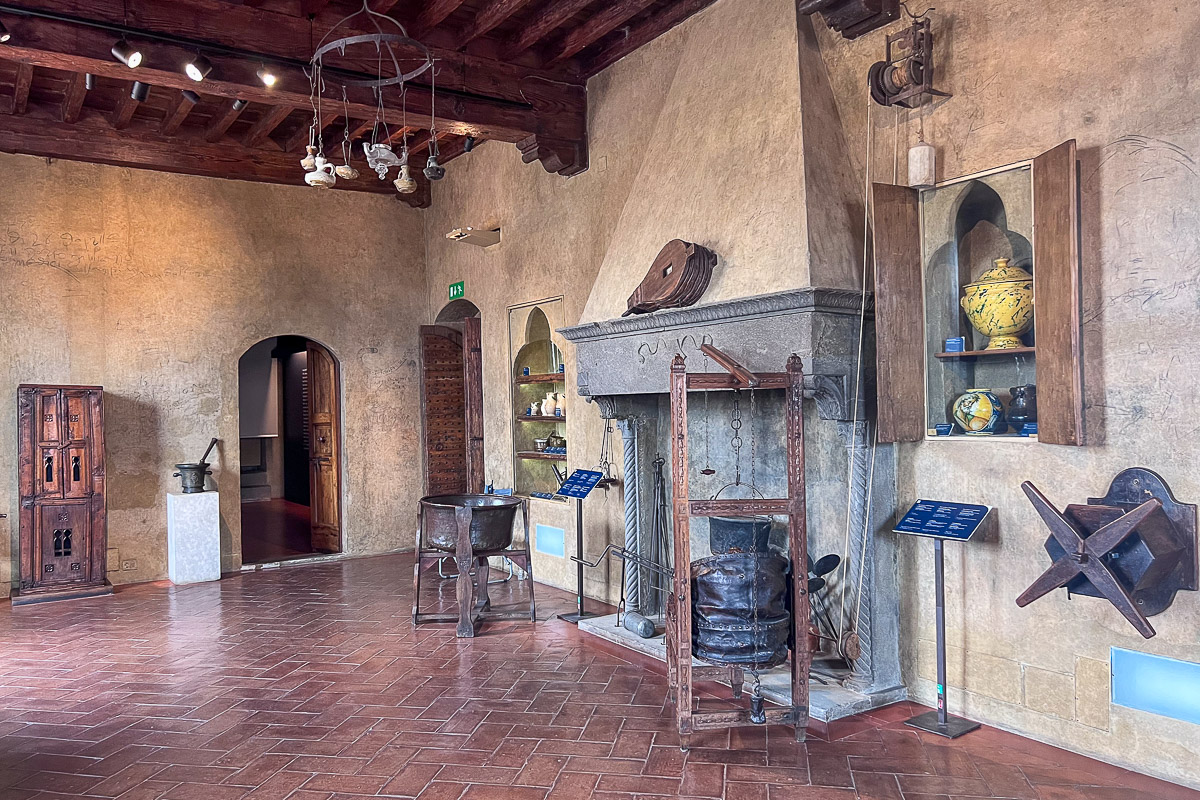
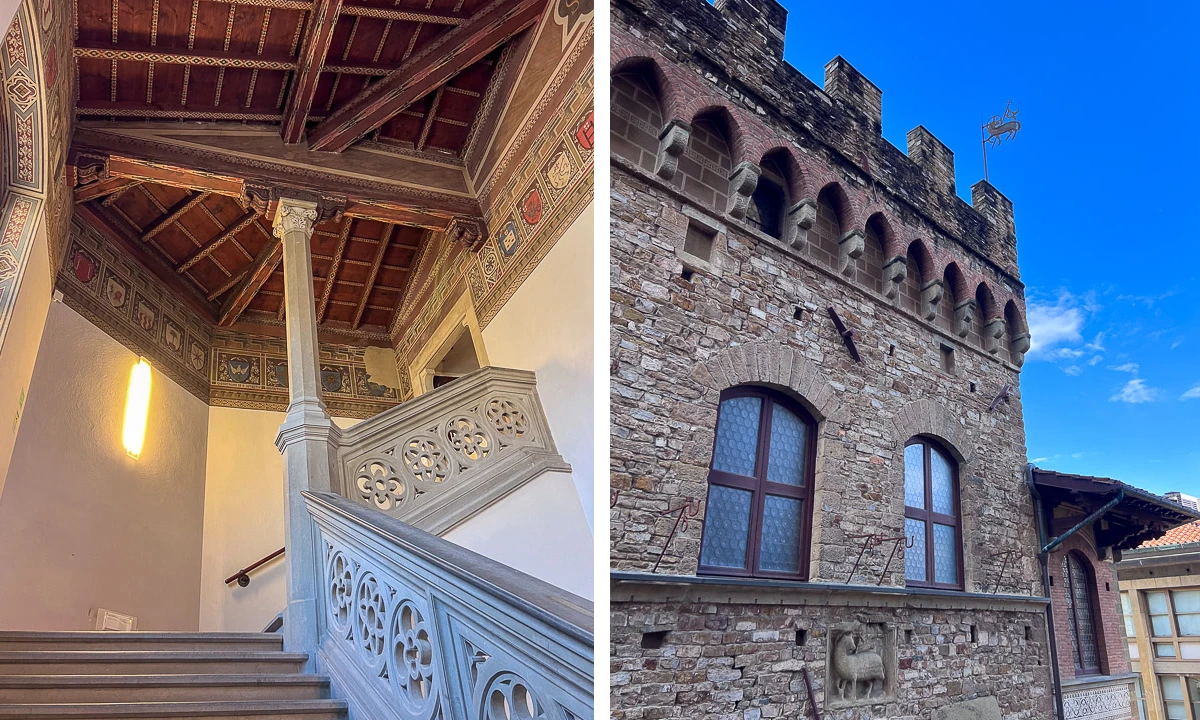
Now that you got your energy back, there is still so much more to see and do in this jam-packed center. While not in the top of “must-see palaces”, I must admit that my visit to Palazzo Davanzati was among my favorites. Consider adding it to your visit if you like preserved houses and see what life was like in the 14th century (for wealthy merchants and bankers that is). You first walk into the inner courtyard where a staircase links to the four upper floors.
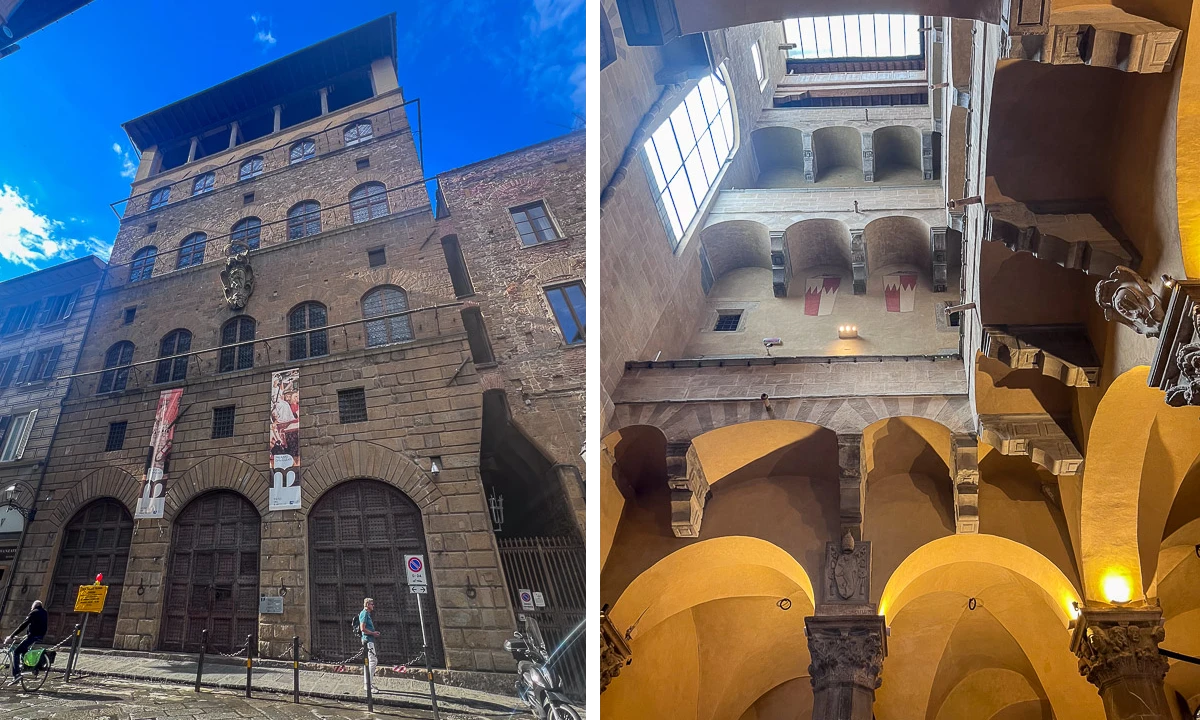
Palazzo Davanzati

It’s a one-of-a-kind example of a medieval house in Florence with furniture and household tools from the 14th to the 19th centuries. 
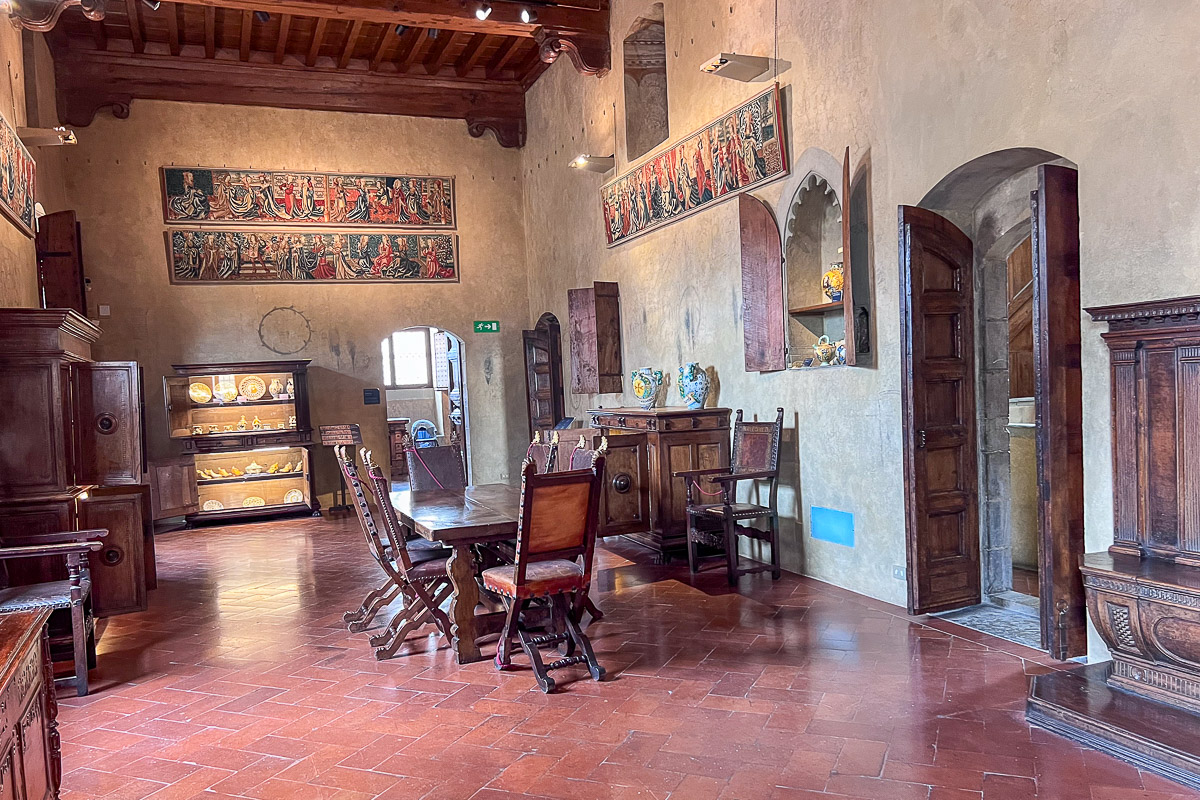
Palazzo Davanzati
The Audience room
Palazzo Davanzati
The kitchen

Some of the rooms are richly decorated with murals and frescoes dating back to the middle ages like The Parrots Room.
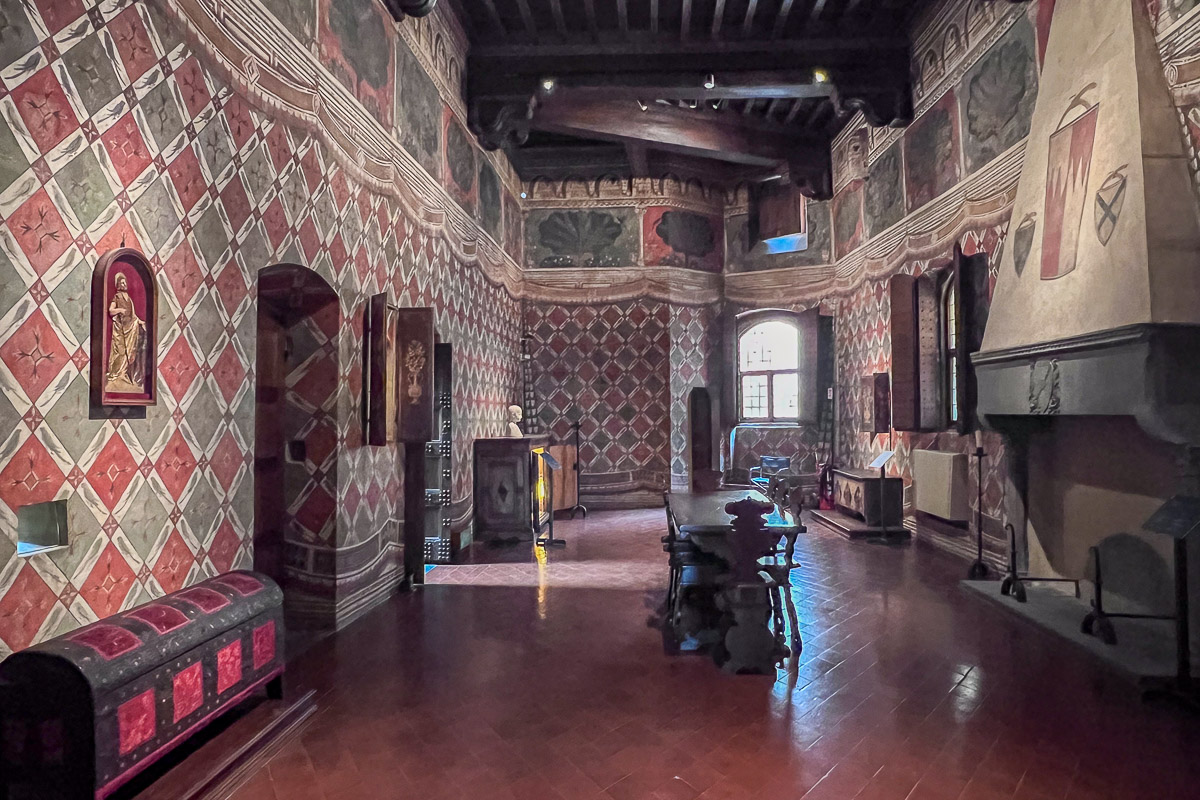
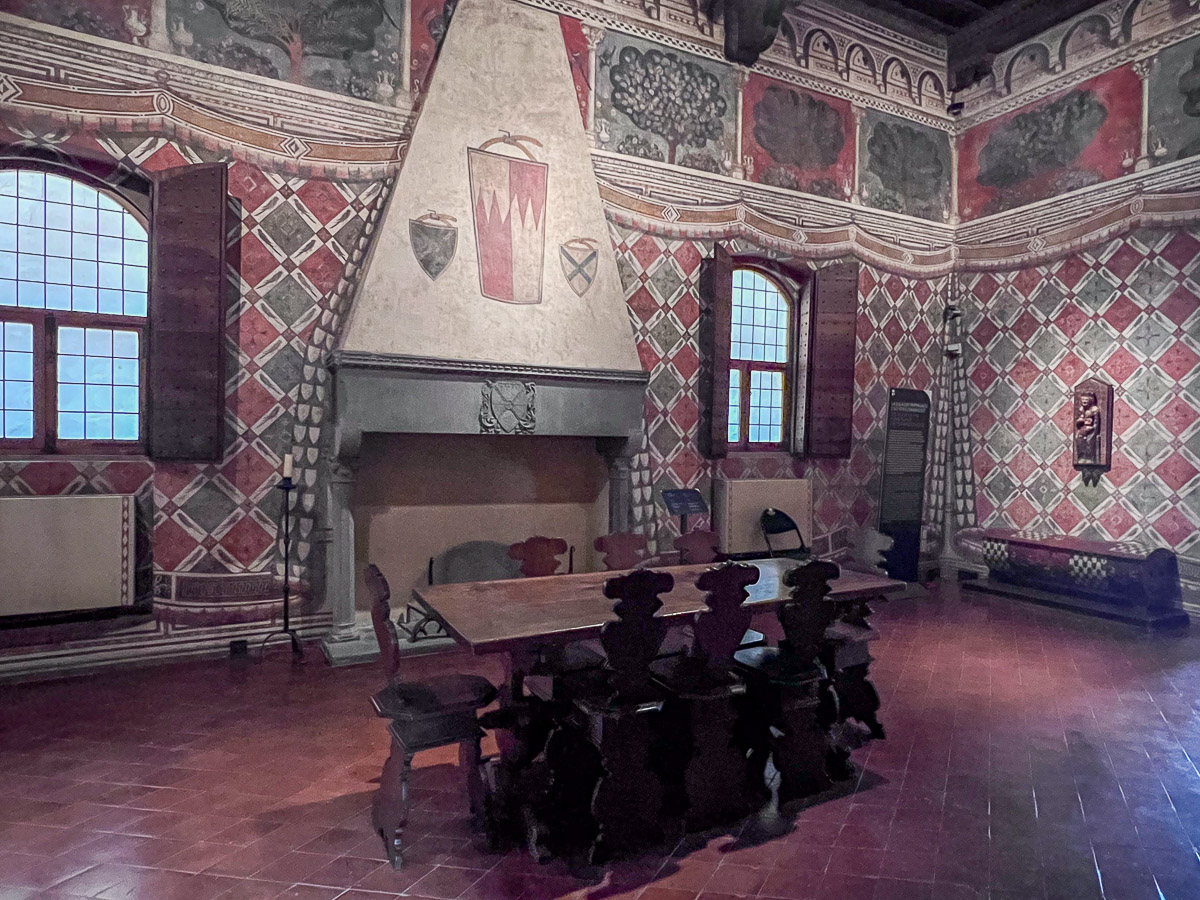
Palazzo Davanzati
Palazzo Davanzati

I was pleasantly surprised to find on the upper floor a very fine collection of lacework ranging from the 16th to the 20th centuries.
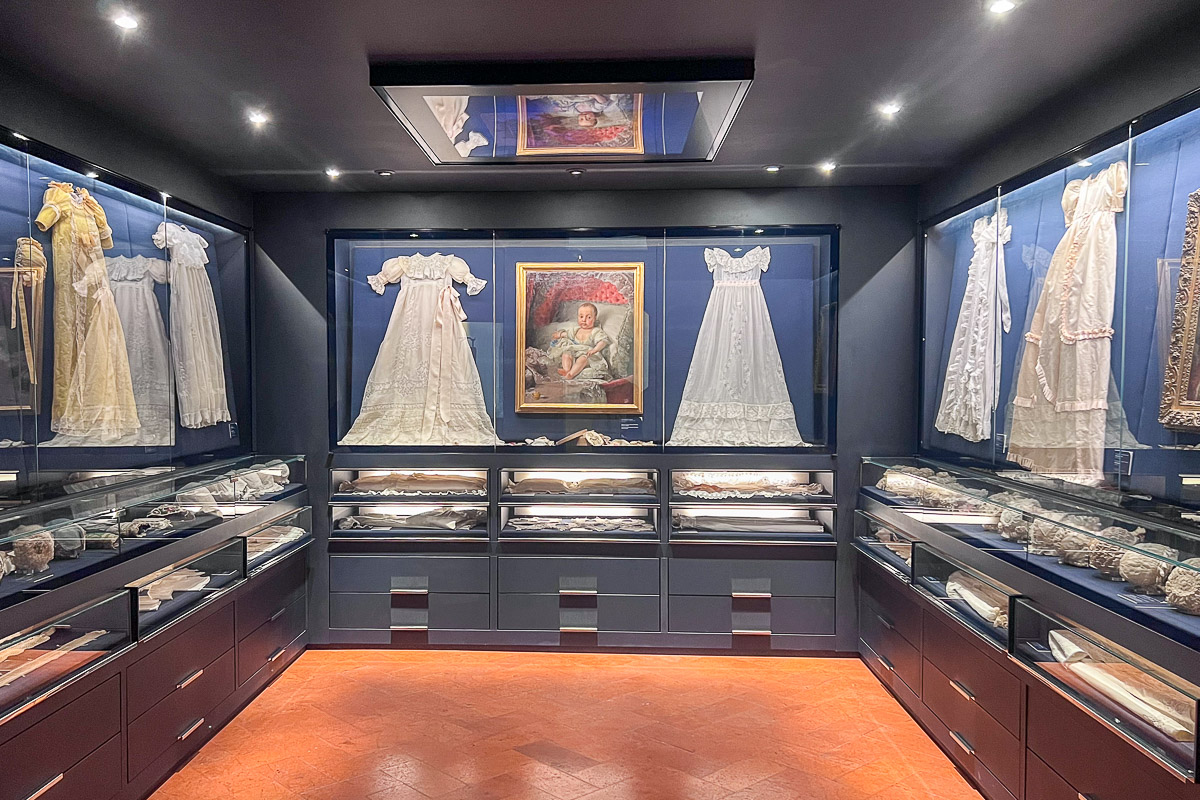
Lace at Palazzo Davanzati

You can learn more about the history of lace and the various lace techniques alongside stunning Italian, French, Spanish and Flemish samples, from christening robes to handkerchiefs.
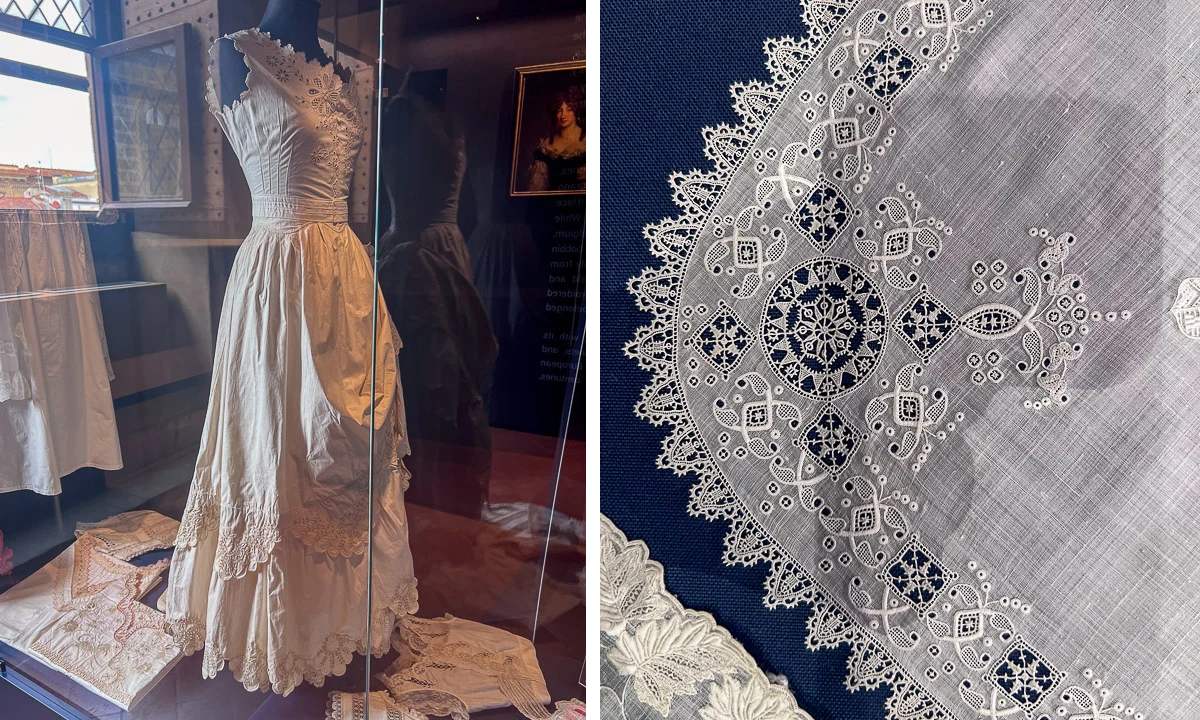
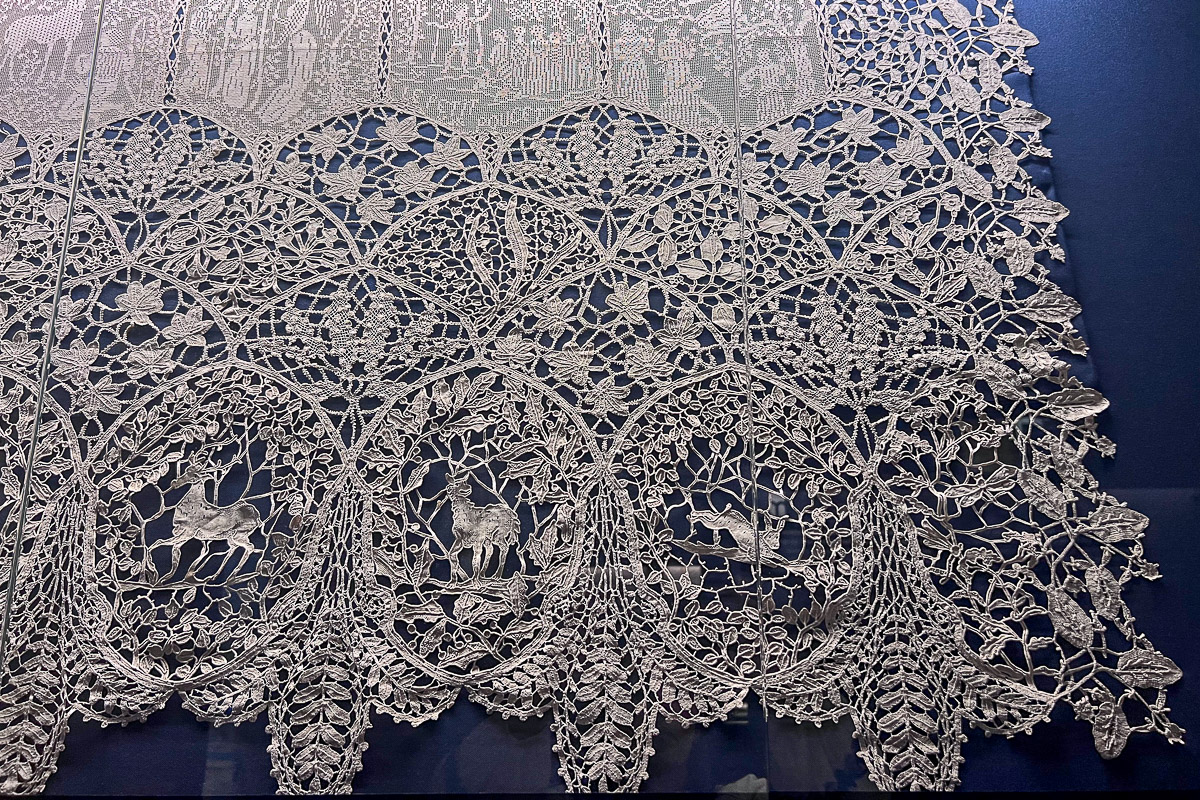
Lace at Palazzo Davanzati
Lace

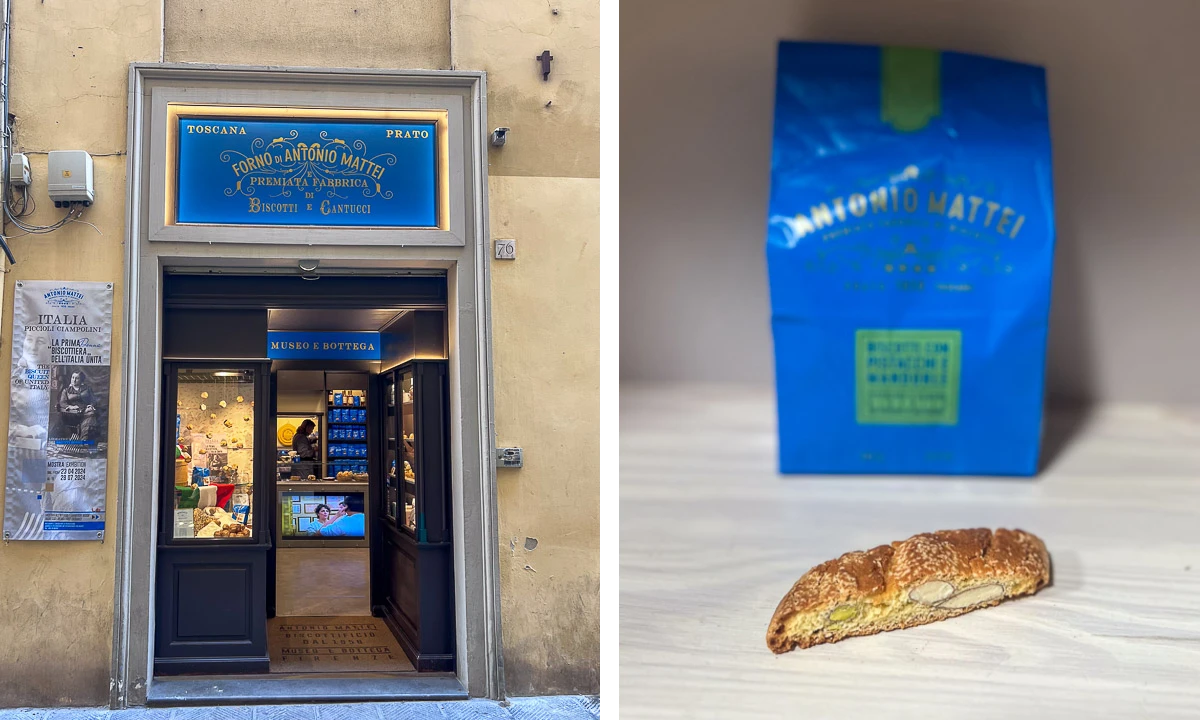
Down the block from the palace, step underneath the bright blue banner of Forno di Antonio Mattei for a snack on the go or a delicious souvenir to enjoy back home. The oldest and most renowned producer of cantucci (or biscotti di Prato) in Tuscany, they’ve been making the twice-baked almond biscuits since 1858 just outside of Florence. Go for classic or with chocolate, pistachio or hazelnut, traditionally dipped in Vin Santo after dinner or dunk in hot chocolate or frothy cappuccino.
Sooner or later you’ll find yourself passing through the beautiful triangle-shaped Piazza di Santa Trinita with its massive Column of Justice and elegant palaces. It’s a central crossroads that connects the river with the city center and feels a bit of a hidden gem although you’ll never find it empty.
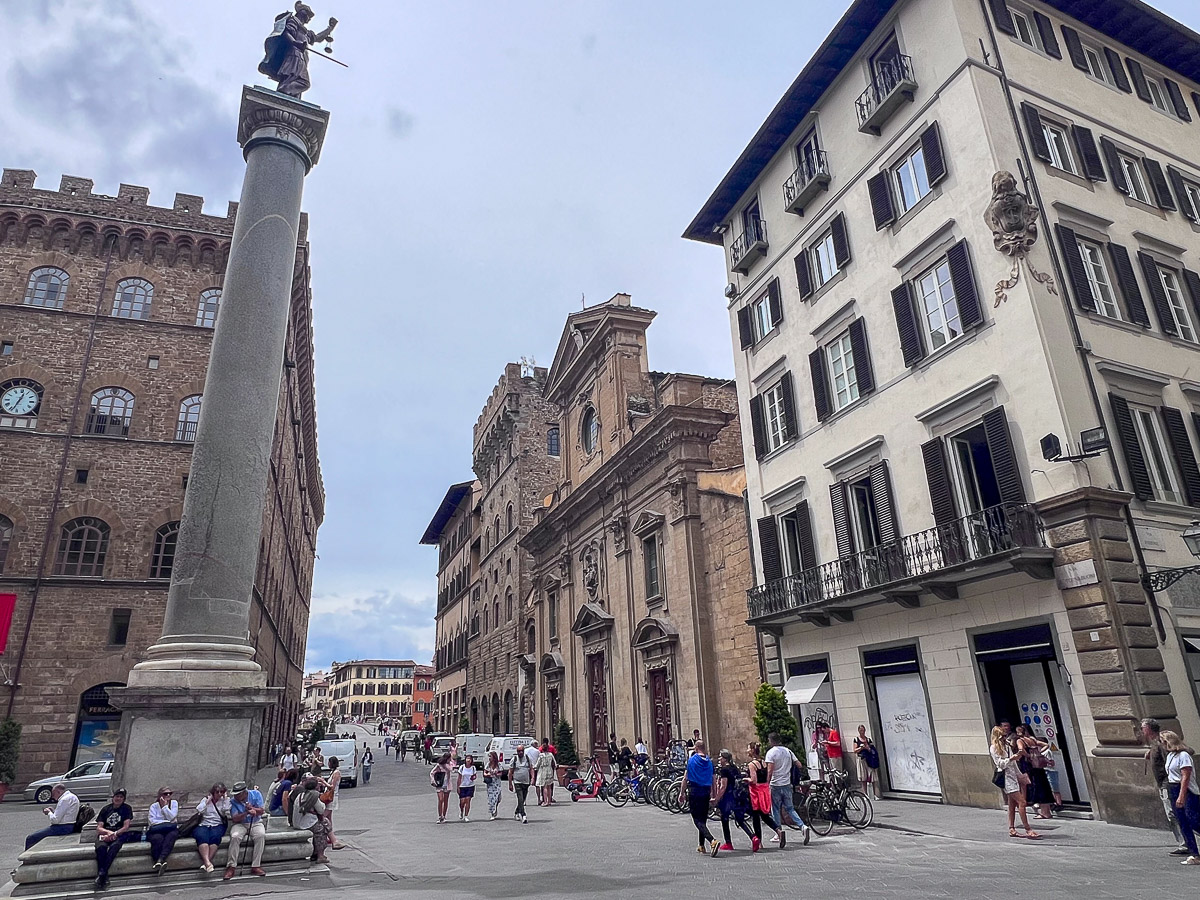
Piazza di Santa Trinita

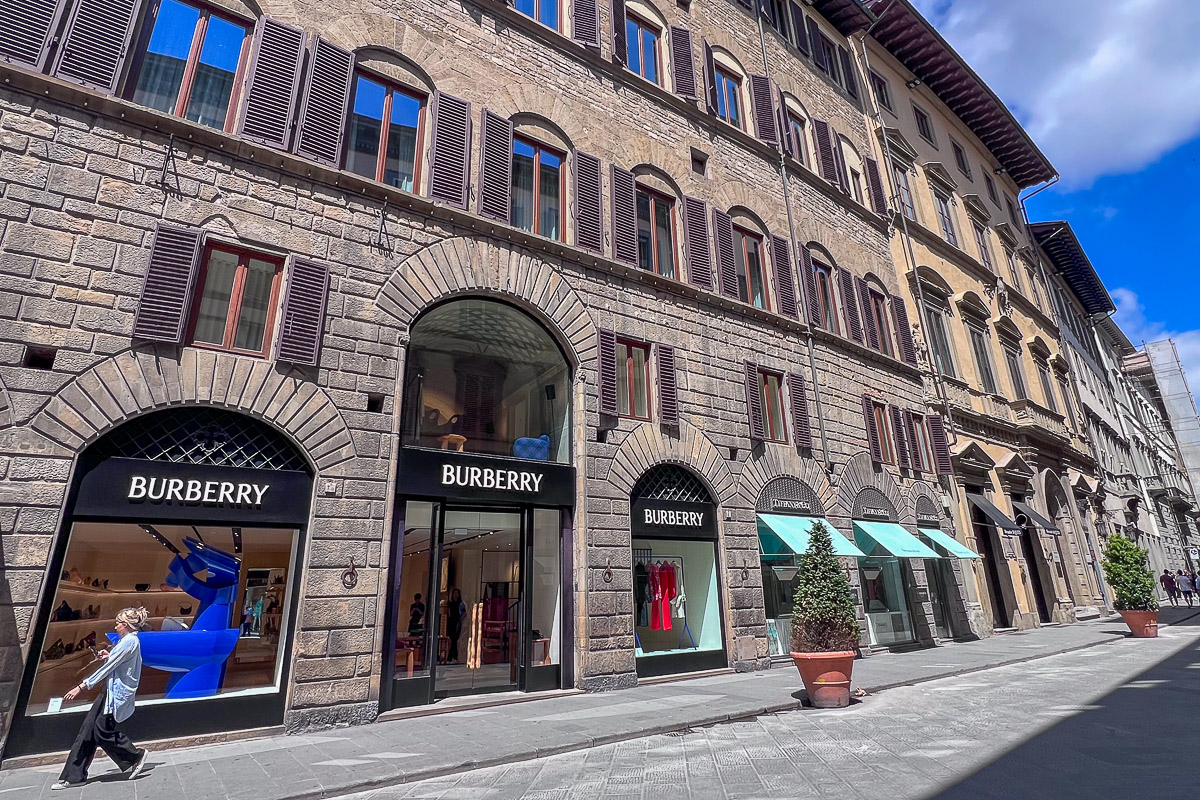
Crossing the piazza is the luxury shopping street Via de’ Tornabuoni if you’re looking for some Ferragamo shoes or a Pucci dress.
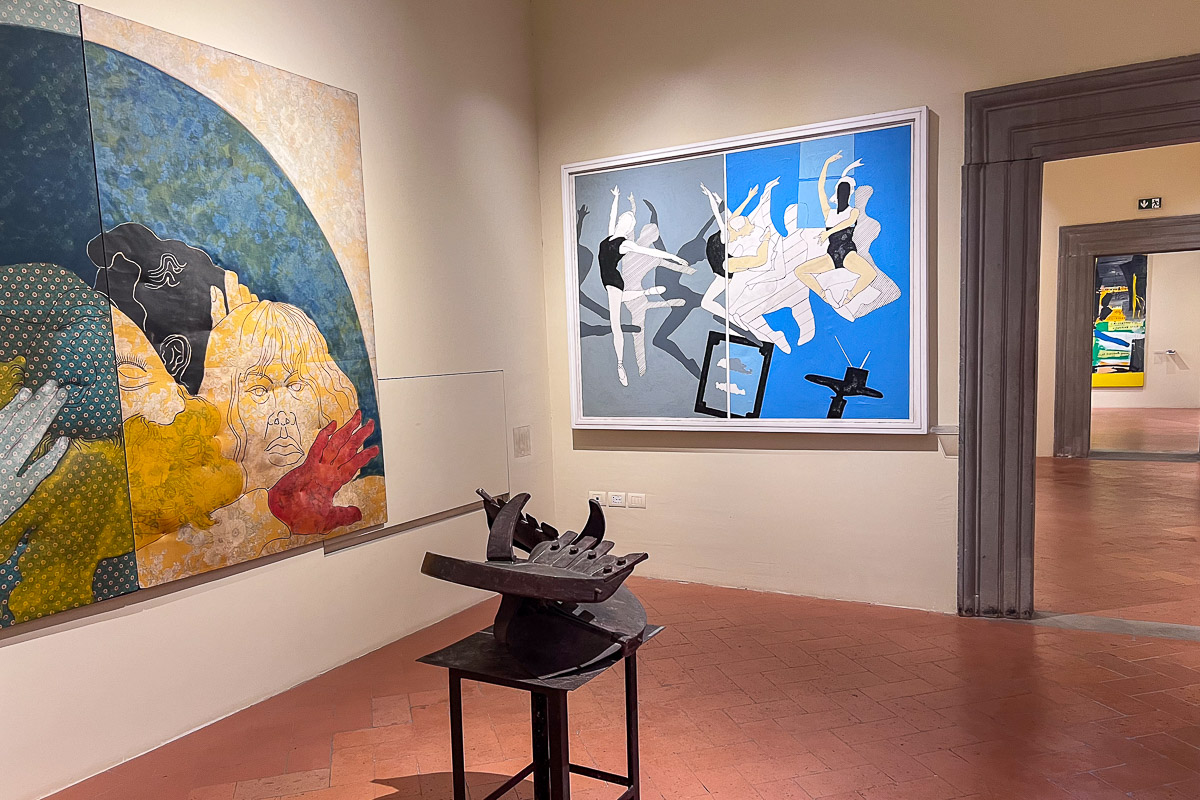
Modern art at Collezione Roberto Casamonti

Hidden among the palaces lining the piazza are fine museums, including Museo Ferragamo and Roberto Casamonti Collection. The latter is almost hidden in the Renaissance mansion on the east side of the piazza and is a must for modern art lovers.
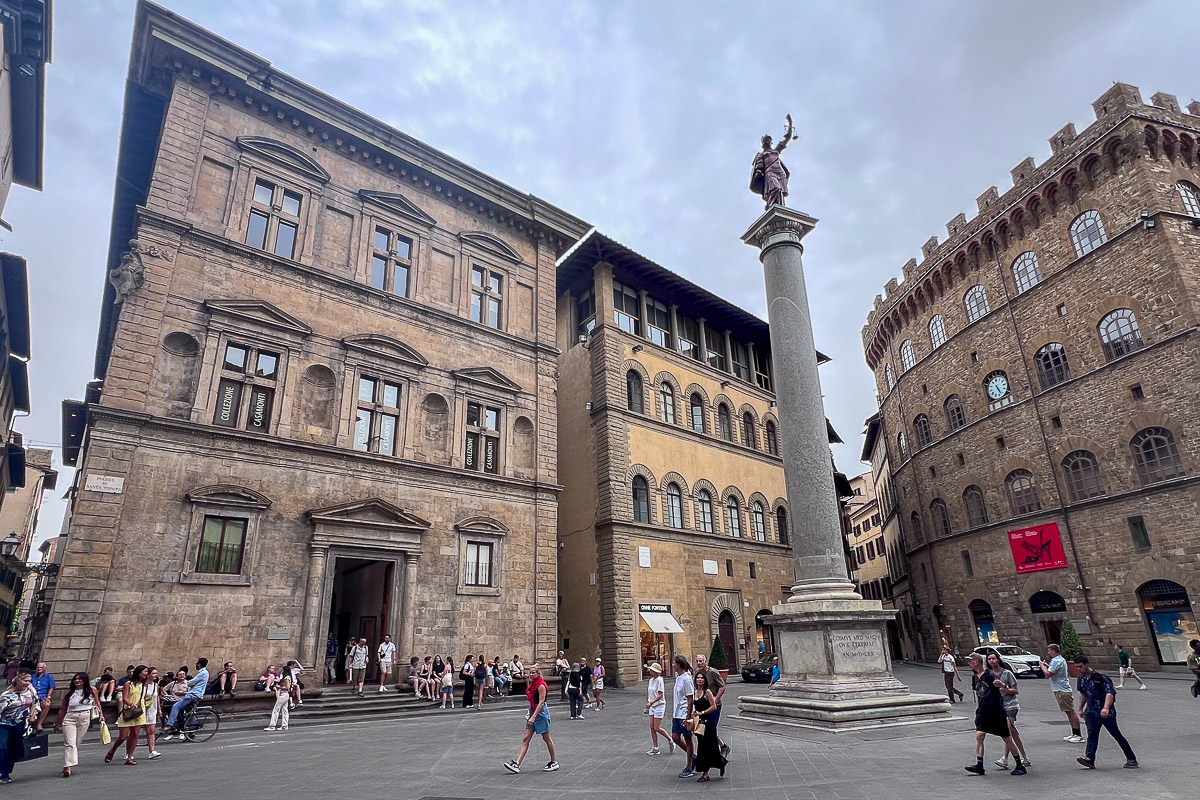
One of the largest private exhibitions open to the public, it’s housed in the home of gallery-owner and art collector Roberto Casamonti who wanted to showcase his personal collection of modern and contemporary art. Depending on when you go, you’ll see one of two parts of the collection: the first (not on display currently) includes works created from the early twentieth century to the 1960s by artists such as Picasso, Chagall, Kandinsky, Morandi, etc. and the second (currently on display) illustrates the art scene from the 1970s to the present day with Miró, Boetti, Warhol, Haring, Basquiat, Kapoor, etc.
Roberto Casamonti Collection

I was almost the only one there for a blissful hour, going from room to room and admiring this beautifully curated selection of 250 pieces. After looking at thousands of Renaissance paintings in the past few days, this felt like such a refreshing sight, almost like my eyes needed an “art rinse” before plunging back into the ‘Golden Age’.
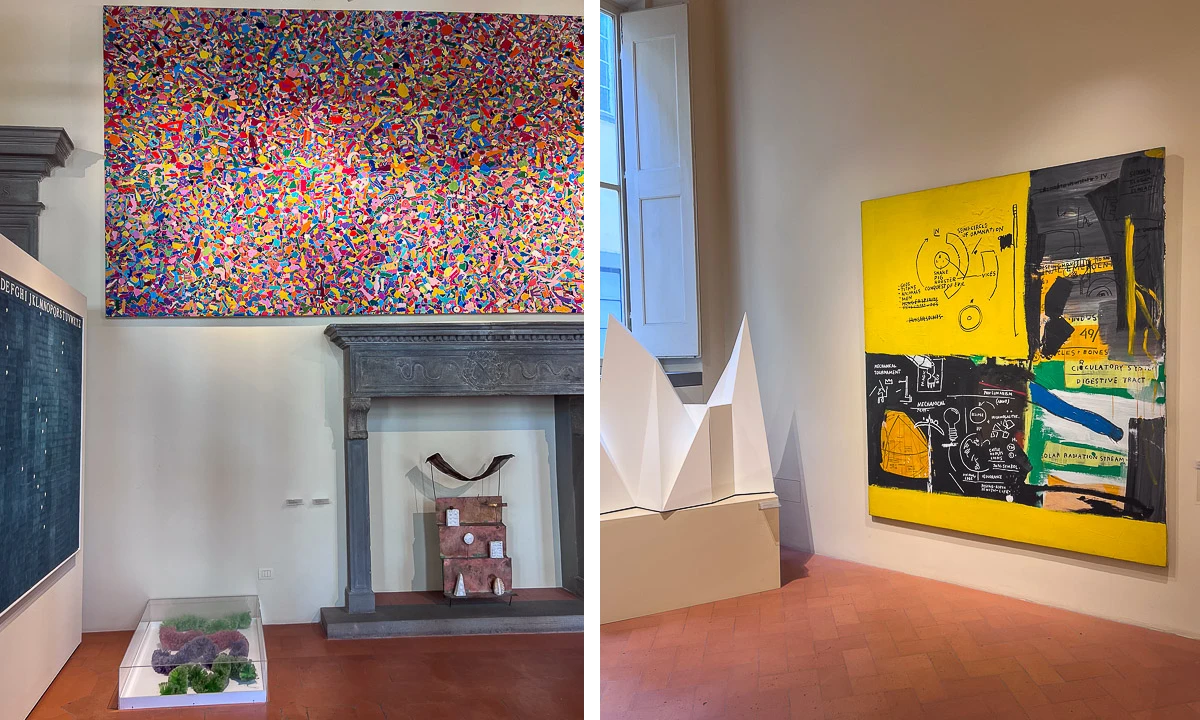
Roberto Casamonti Collection

If you need even more modern entertainment, head to the Giunti Odeon for a multicultural experience in a very unique space.
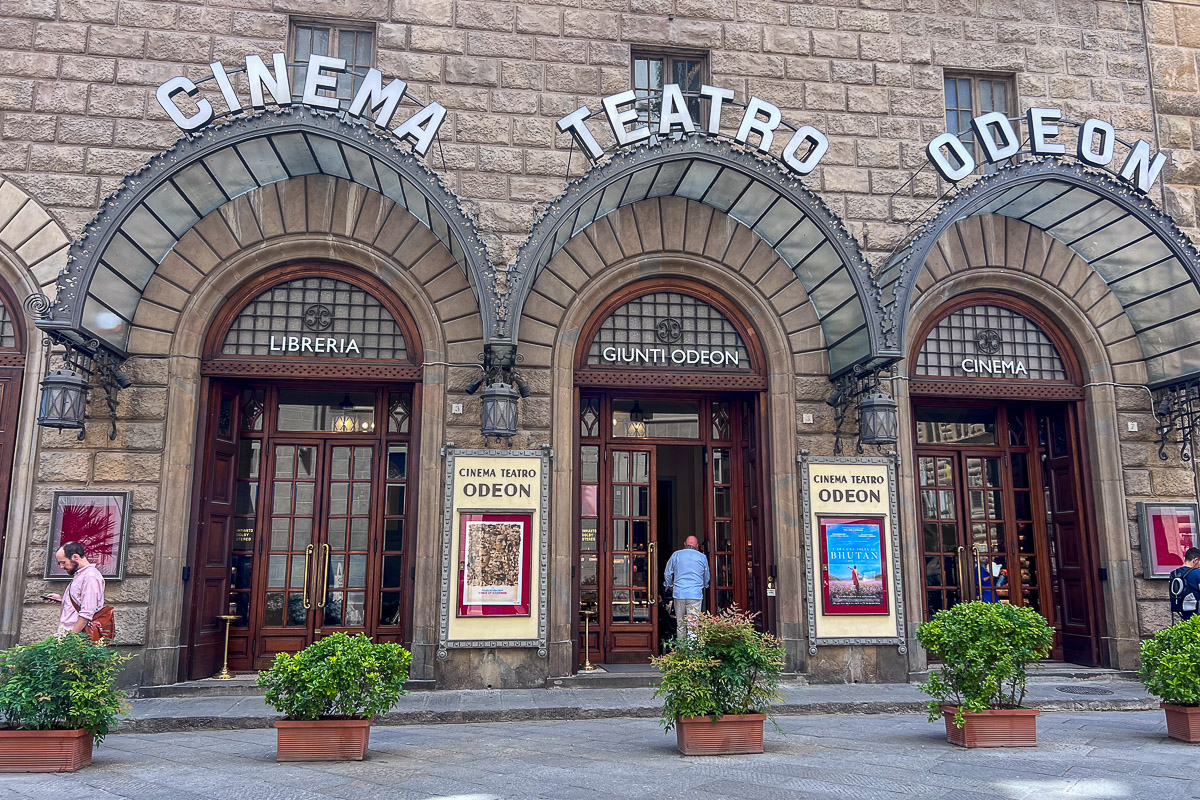
Odeon Florence

The stunning cinema also houses a bookshop and a cafe so you can peruse art books and contemporary bestsellers while catching glimpse of a movie on the big screen. How fun is that?

Odeon Florence

Art is not only found in medieval palaces and museums. Florence is full of artists creating one of a kind creations, many of them over in the Santa Croce neighborhood but a few hidden gems are right in the center. I happily stumbled upon Mio Concept Store one day and I’m still thinking about their clever spin on street art and original artworks.
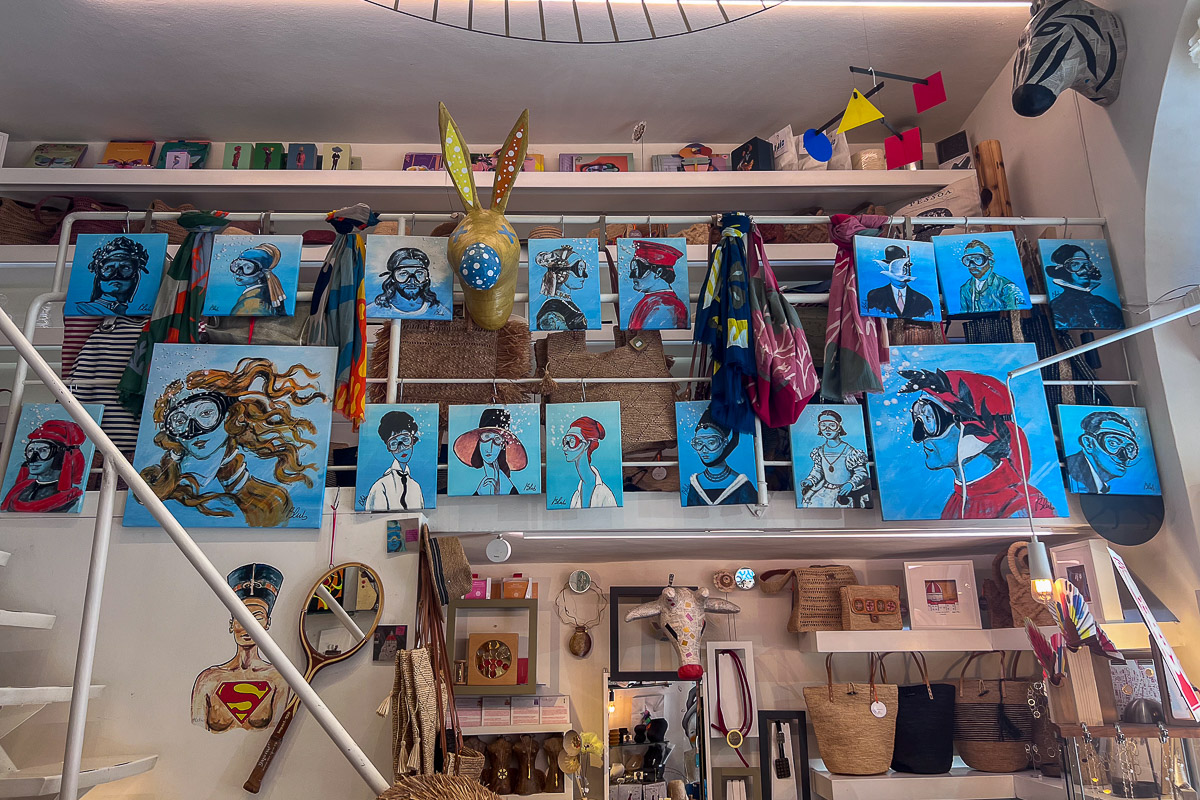
Museo Marino Marini

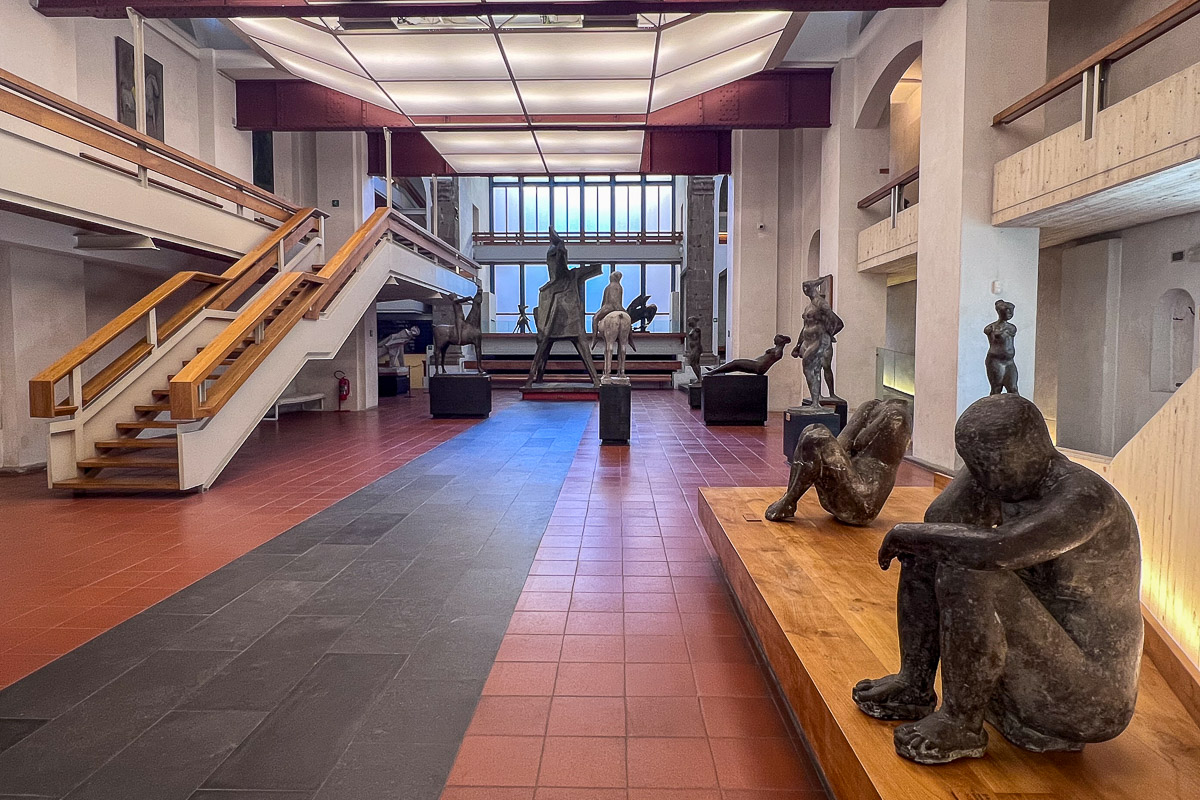
The modern art at Casamonti had me yearning for more, and there’s no better follow-up around than paying a visit to Museo Marino Marini. It’s not too big so can easily fill in a late afternoon wander before it’s time for aperitivo. The former church is devoted to the work of Italy’s best-known abstract artist, Marino Marini (1901-80).
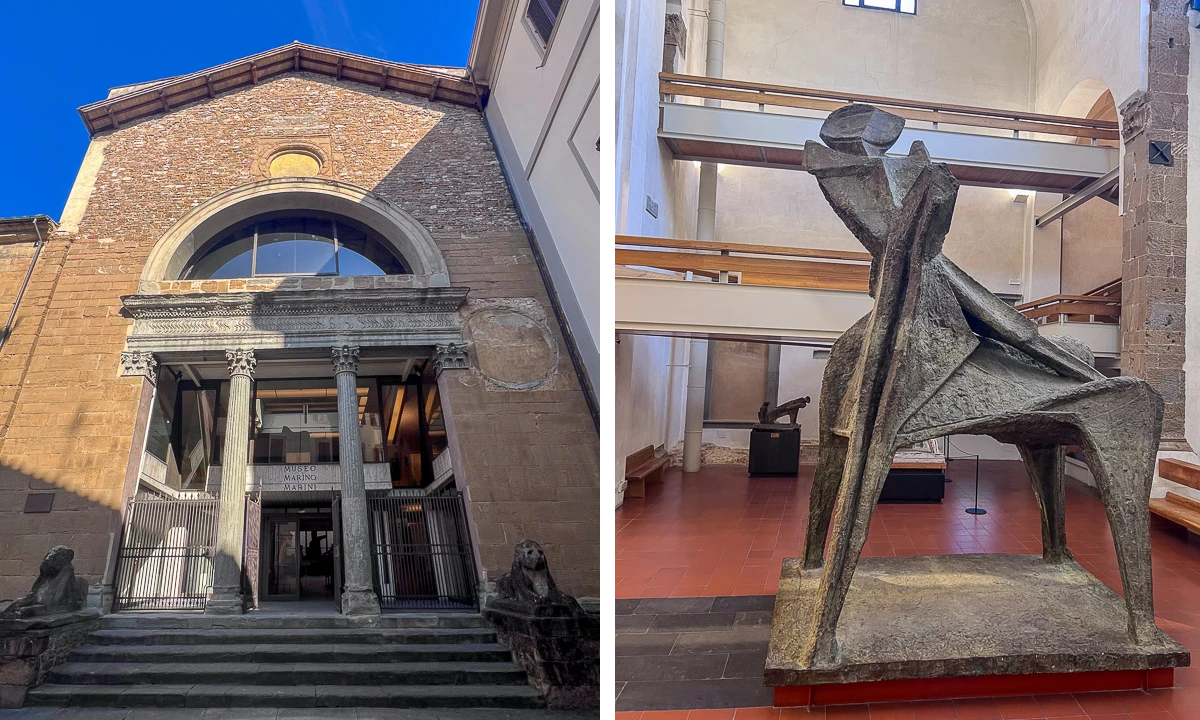
Museo Marino Marini

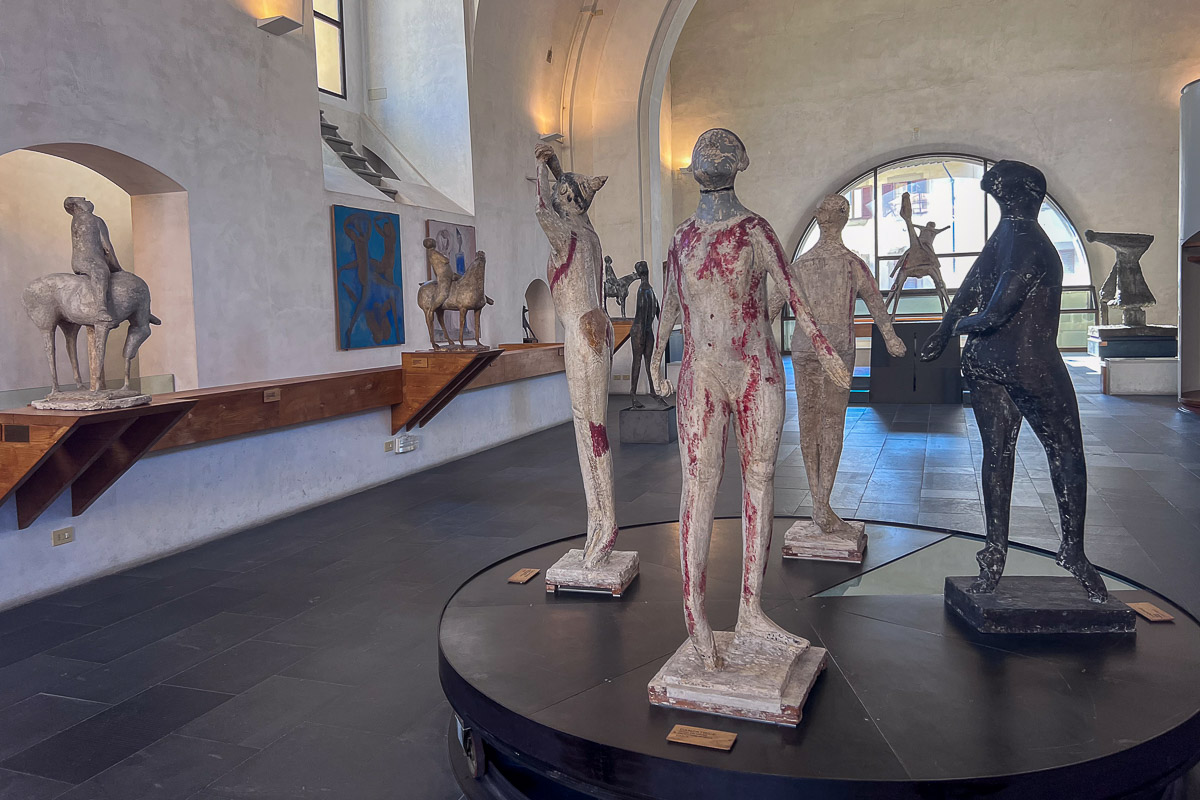
Even if you don’t know anything about the artist, you’ll appreciate the cleverly designed space with multiple viewpoints that let you take in the three dimensional bronze sculptures from their best angles and in the best light.
Museo Marino Marini

Famous all over the world for his “horses and knights”, Marini was also fond of dancers and jugglers which he also immortalized in paintings and drawings. A fascinating introduction to a new artist (well for me) and a striking building.
Museo Marino Marini

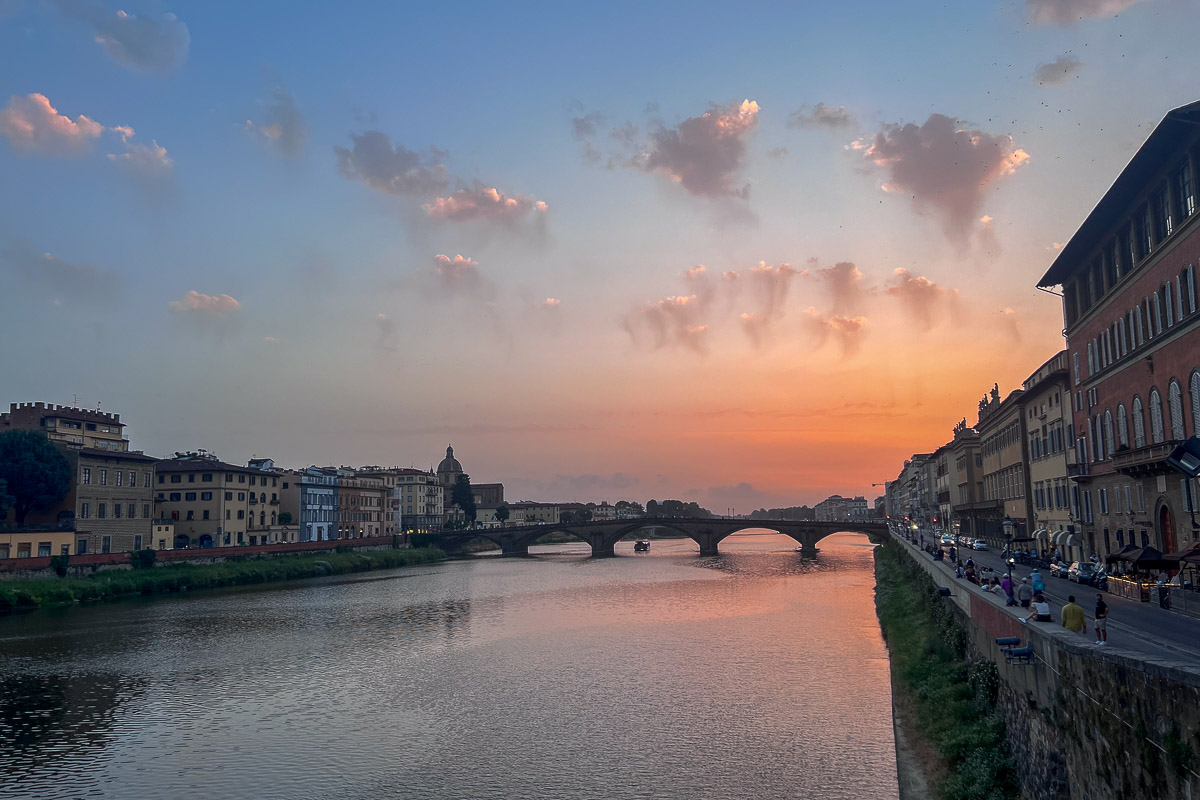
Head back to Santa Trinita bridge in time for sunset if you can. The central location gives you the best view, at once of the pink sky looking out west…
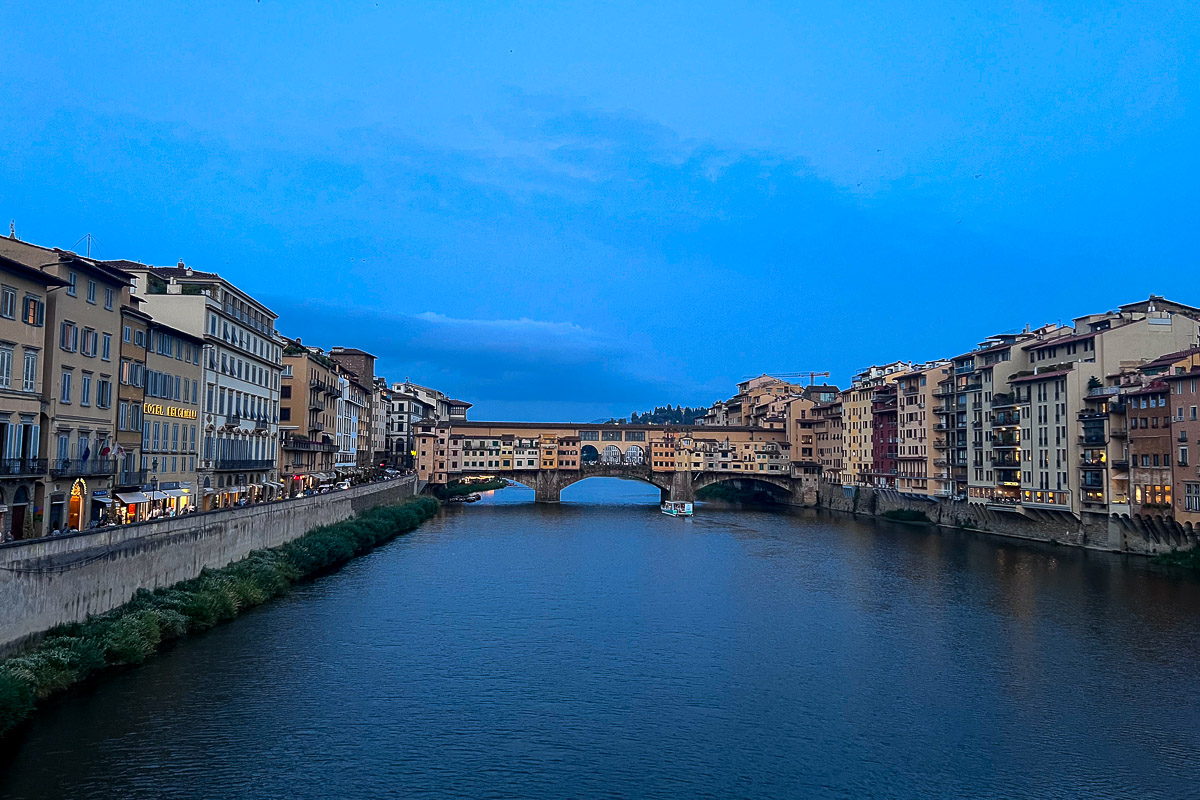
…and of the Ponte Vecchio at dusk if you just turn your head east.
Ponte Vecchio
Europe Italy Travels

A visit to the heart of Florence around the Duomo

May 8, 2026

Florence is a paradise for art and architecture lovers. With so many masterpieces packed into its compact historical center, it’s easy to fill a few days with just the big hitters though there are countless other riches near and far worth stretching your trip for. It would be impossible to write a single blog post on Florence so I’ve divided my visual story into tight walking areas with my favorite sights and eateries, from the iconic Duomo and Uffizi in the center to the surrounding Santa Croce, San Lorenzo, and Oltrarno neighborhoods and beyond.

Morning

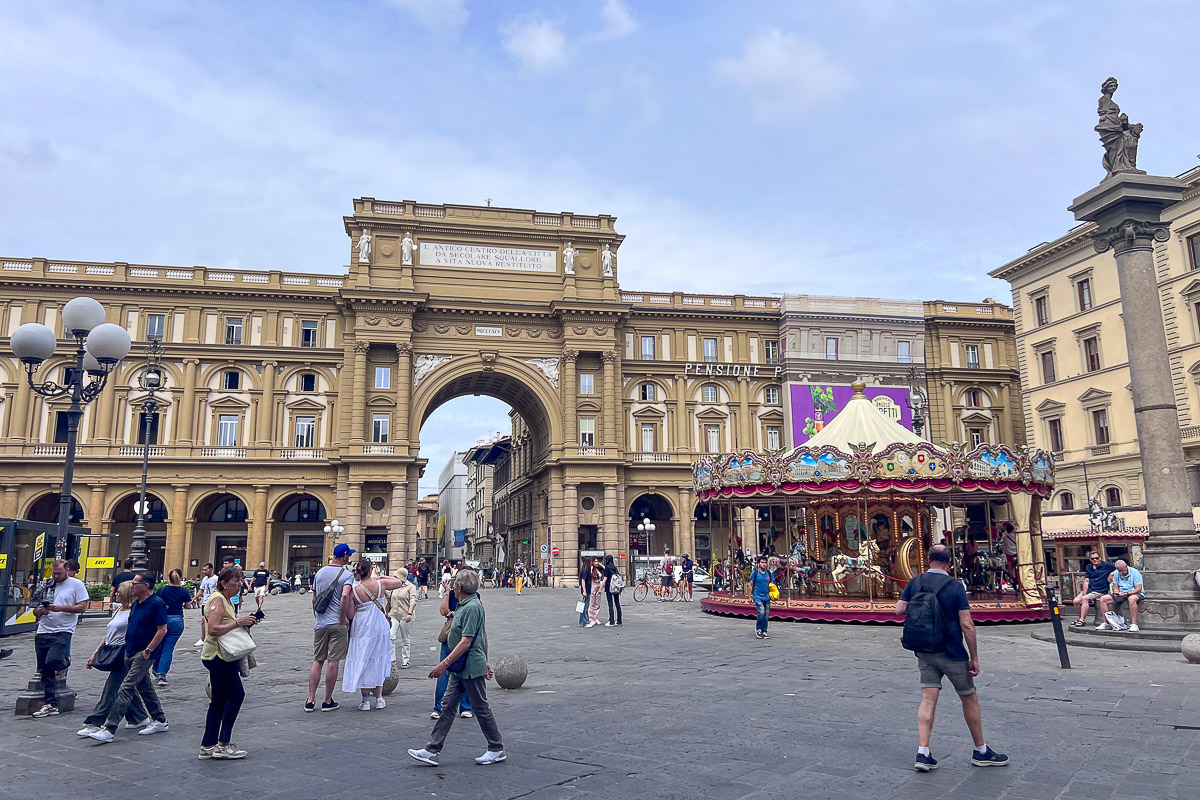
Make your way across the heart of the city with a stop at Piazza della Repubblica, a large pedestrian square which used to be the site of the Old Market (only a single column remains). The grand arch dominating the west side was built to commemorate that Florence was once Italy’s capital, albeit briefly (1865-1871).

Piazza della Repubblica

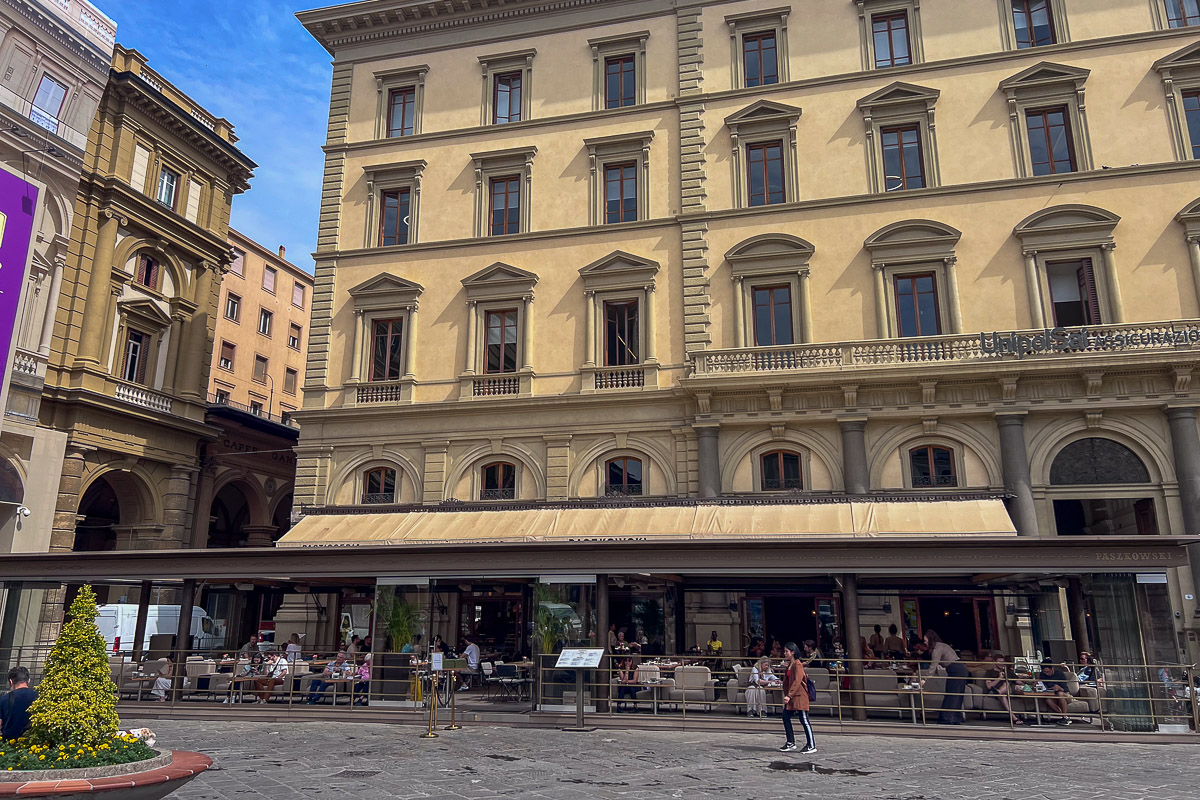
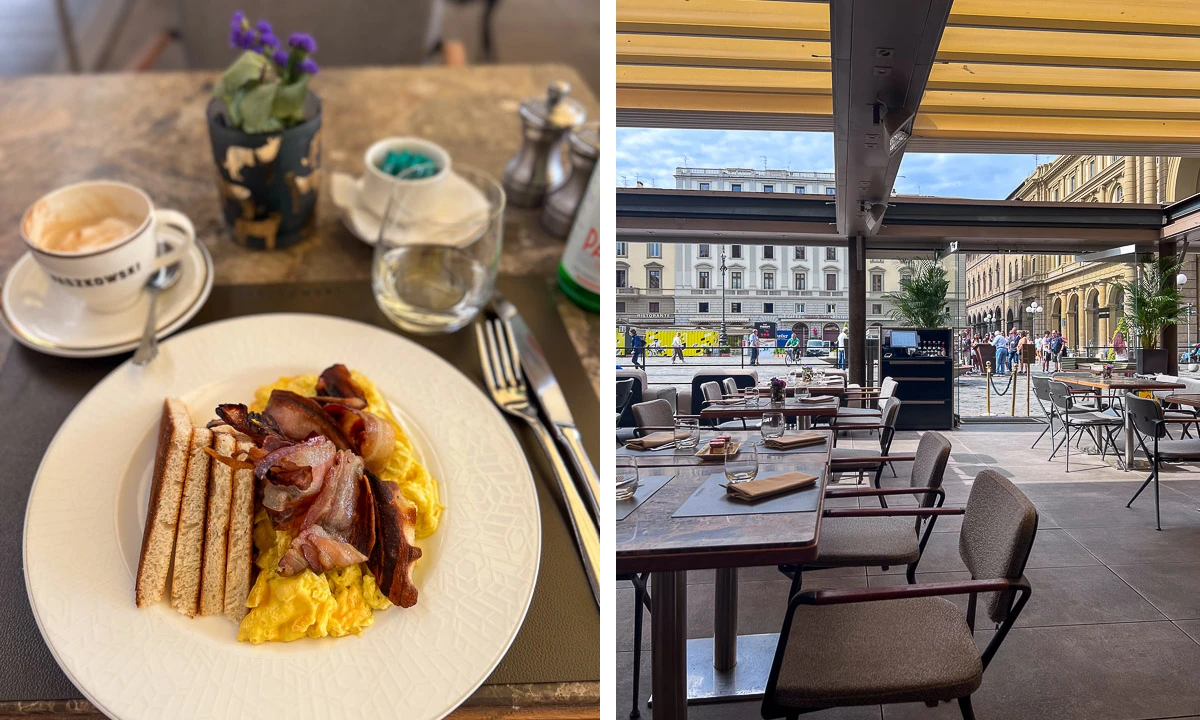
The square is lined with elegant cafes and I suggest you fuel up here in this pleasantly calm and serene refuge before you hit the tourist hordes around the Duomo, trust me. Caffe Concerto Paszkowski has the perfect shaded terrace for people watching while you eat your breakfast.

Caffe Concerto Paszkowski

Take advantage of the full menu to fill up well if you want to make it through the entire Duomo complex without starving – another tip. Yes, perhaps not your typical Italian pastry breakfast but those won’t give you the energy for what’s to come and options around the Duomo are a bit thin….

Caffe Concerto Paszkowski

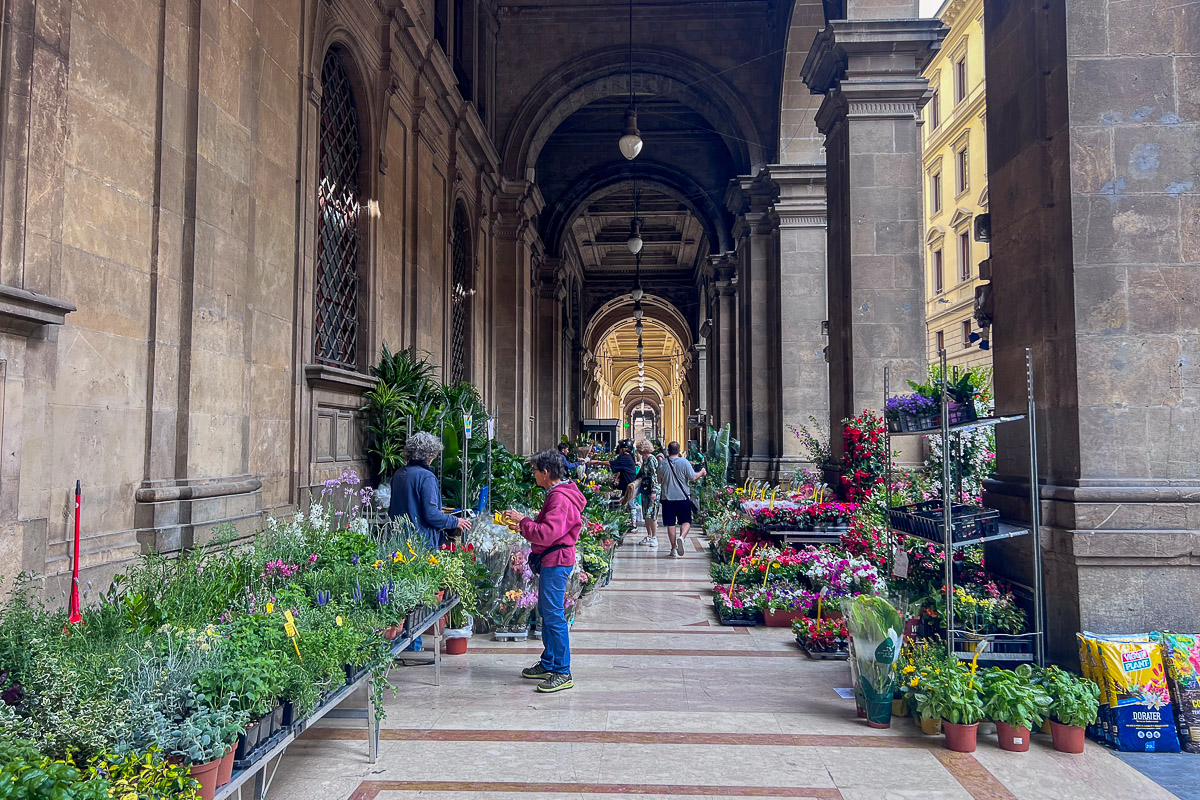
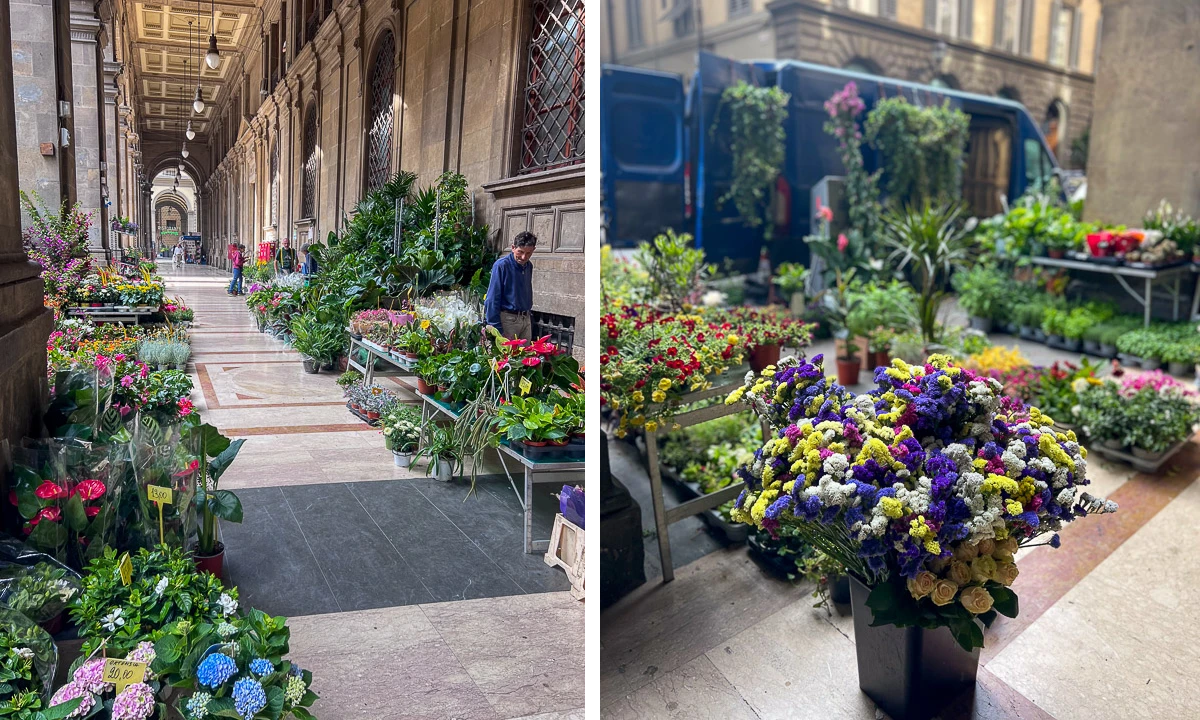
If you can, time your visit on a Thursday when the weekly flower market fills the arches southwest of Piazza della Repubblica with fresh flowers and potted plants.

Flower Market Florence

Duomo

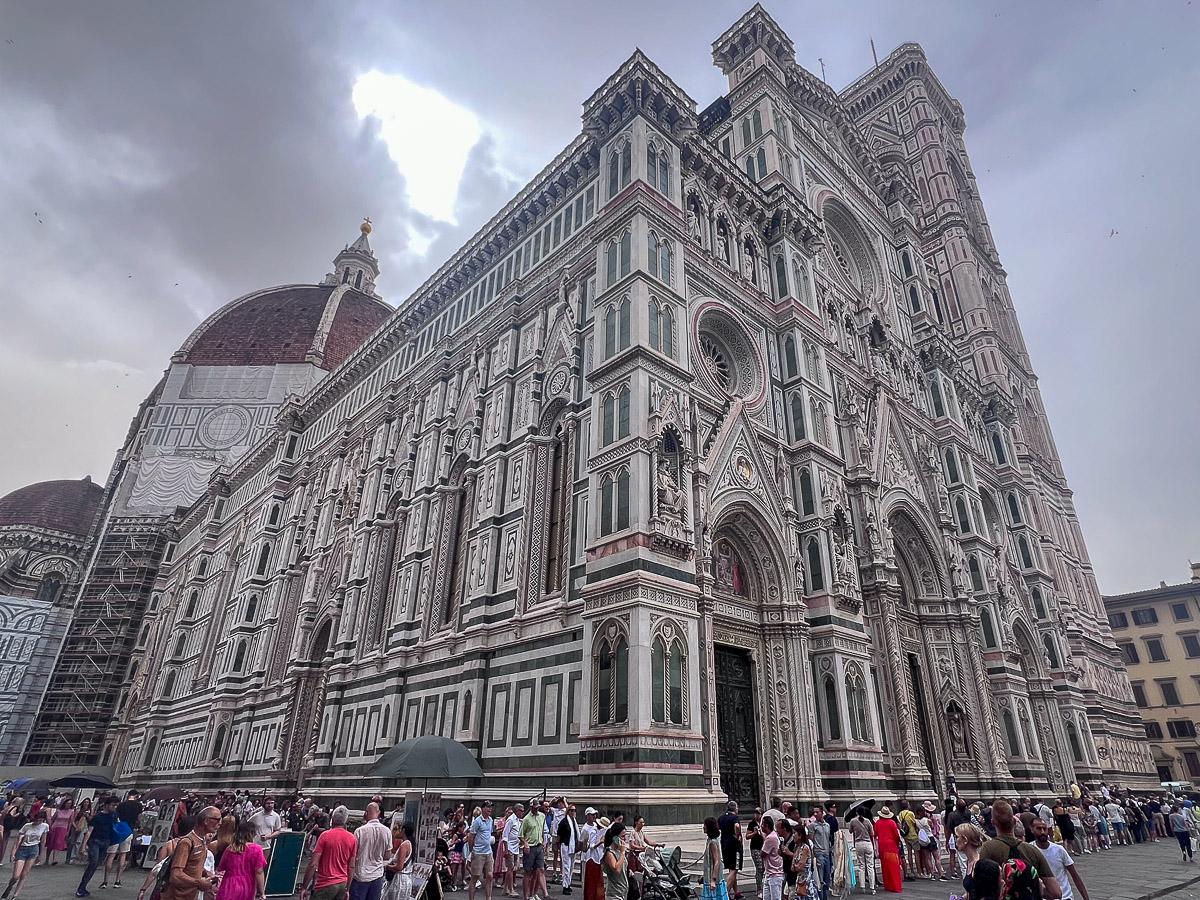
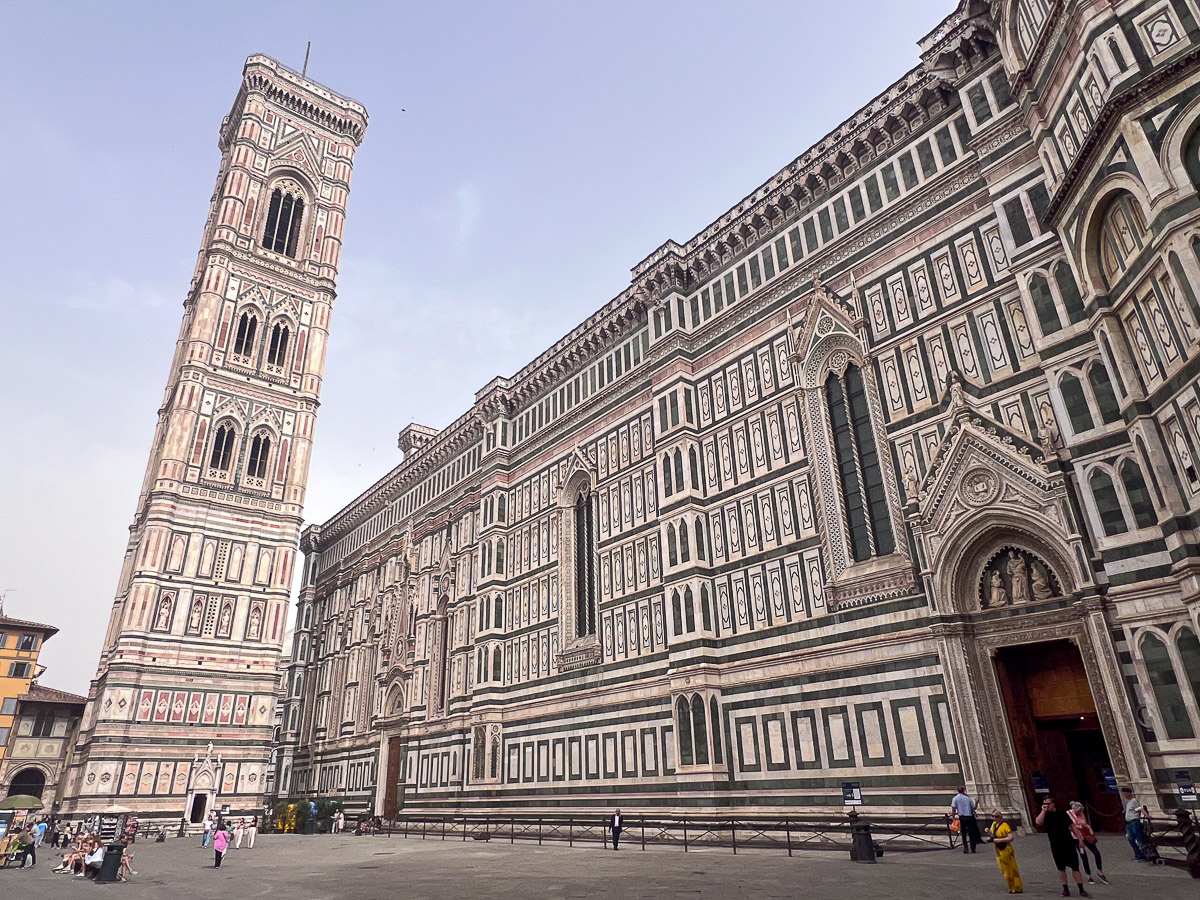
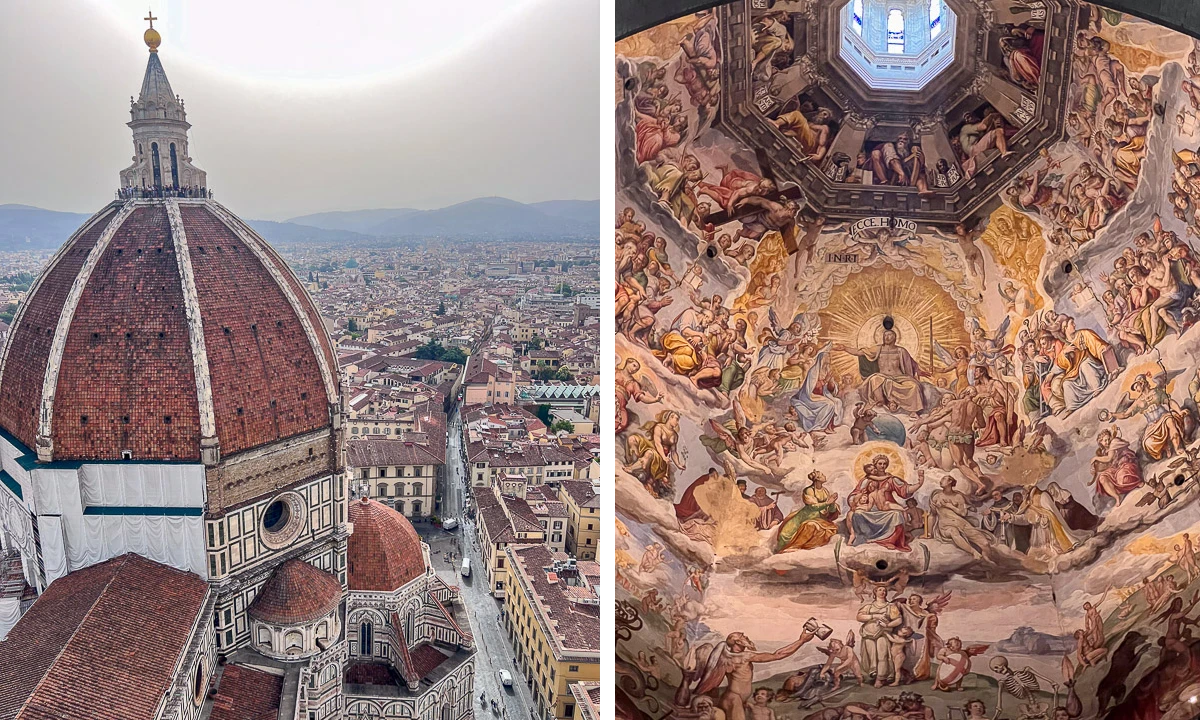
Florence’s most famous symbol is impossible to miss and will dwarf anything in its vicinity. The cathedral’s enormous dome dominates the city and no other building stands taller. Get ready to crane your neck and marvel at magnificent monuments.

Arriving at Piazza Duomo puts you in the middle of the busiest square in the city with all the expected activities of itinerant artists and gelato-licking visitors.

Duomo Florence

Other things of note: lines, incredibly long lines. While the Duomo is free to enter, you’ll need tickets to get into other areas such as the Baptistery, Campanile (tower), museum, and to climb to the top of the dome. I highly recommend buying a pass in advance which will give you access to all you want to see and timed entries so you never have to wait (including to enter the Duomo). This is where it pays to plan, especially if you want to climb the dome as the tickets sell out many weeks before.

Duomo Florence

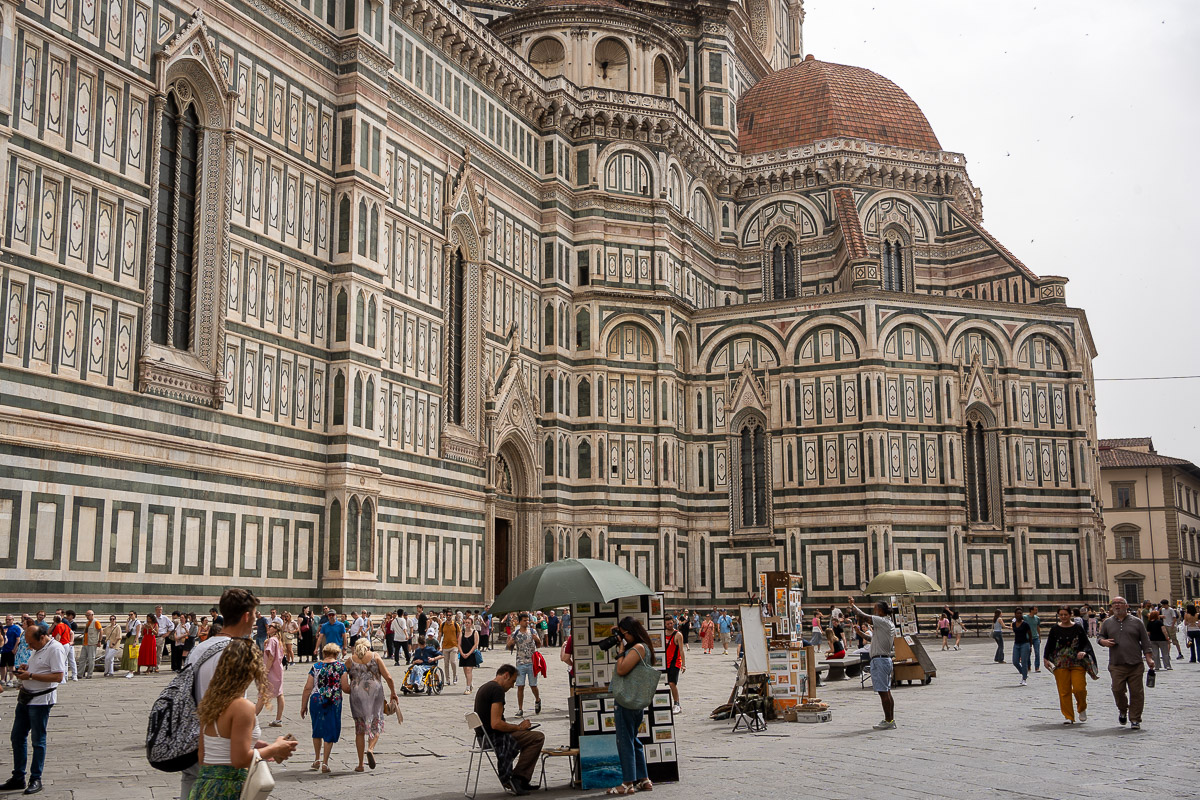
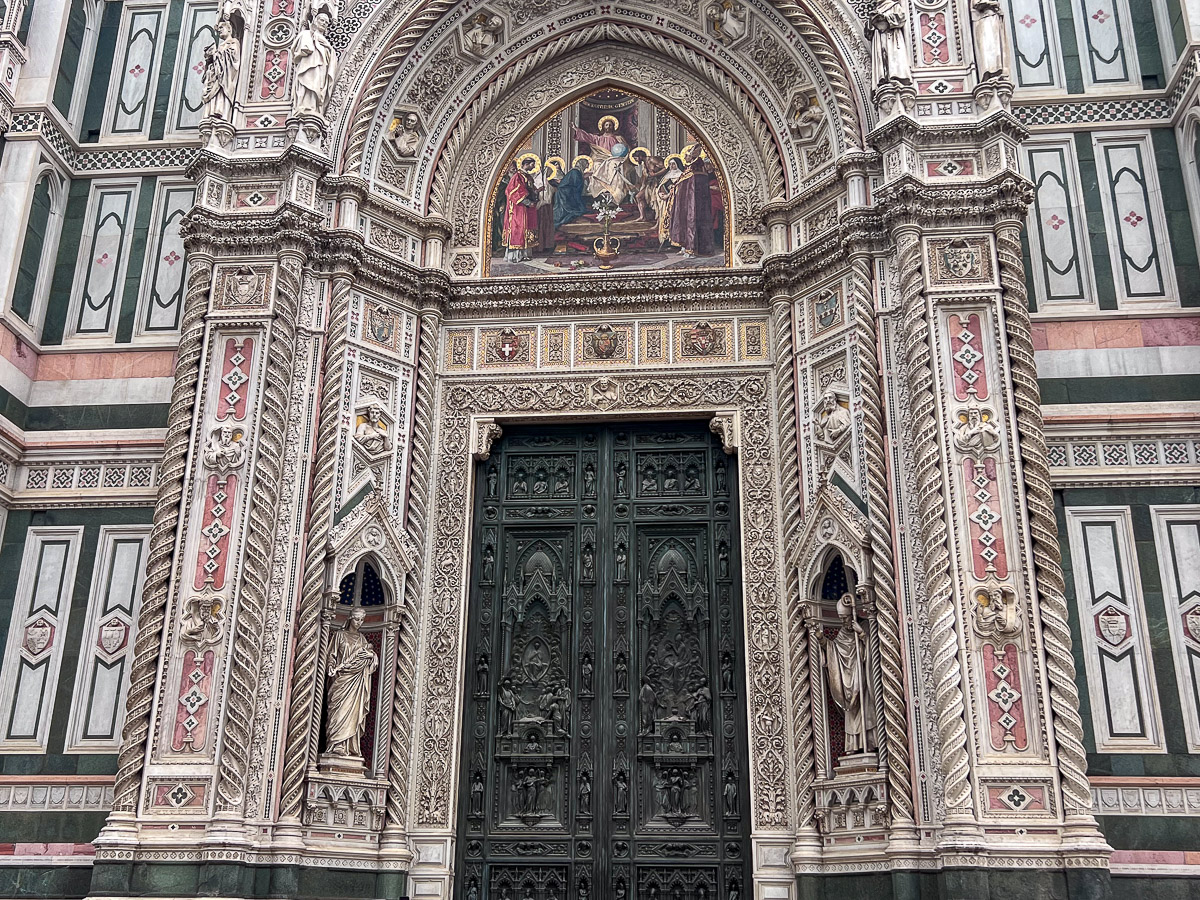
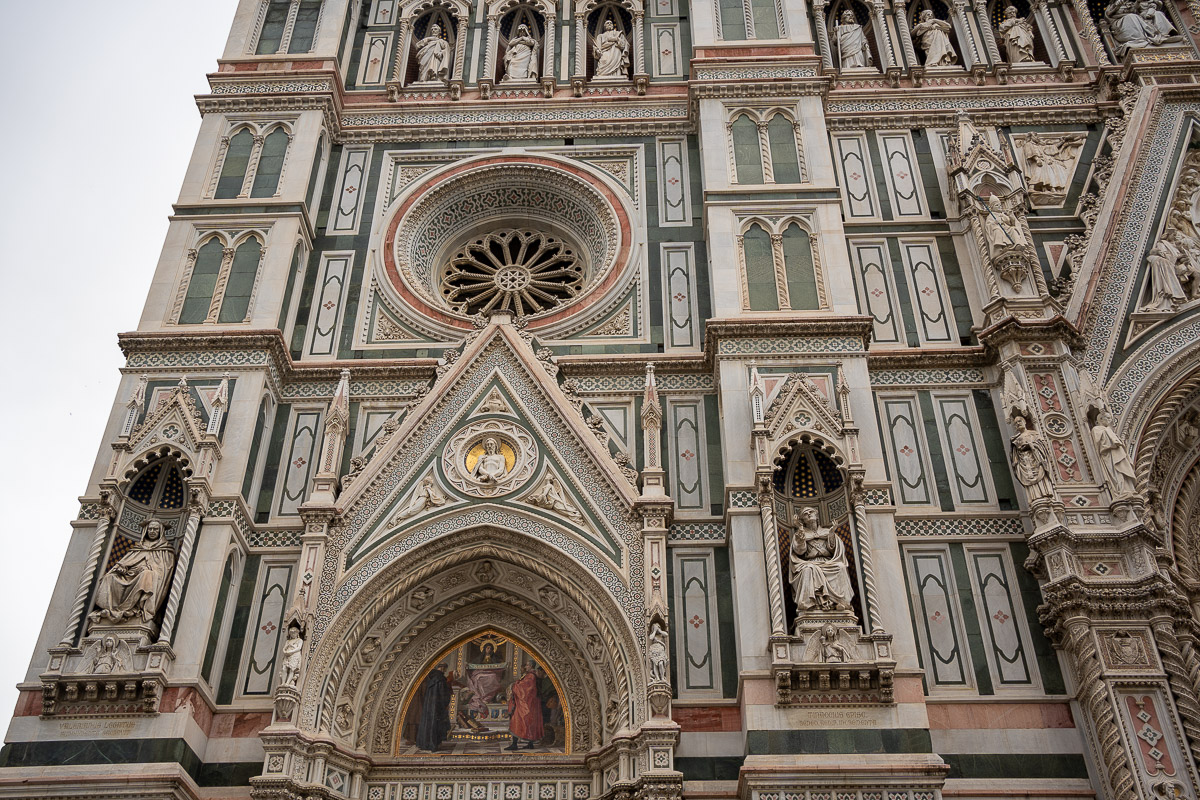
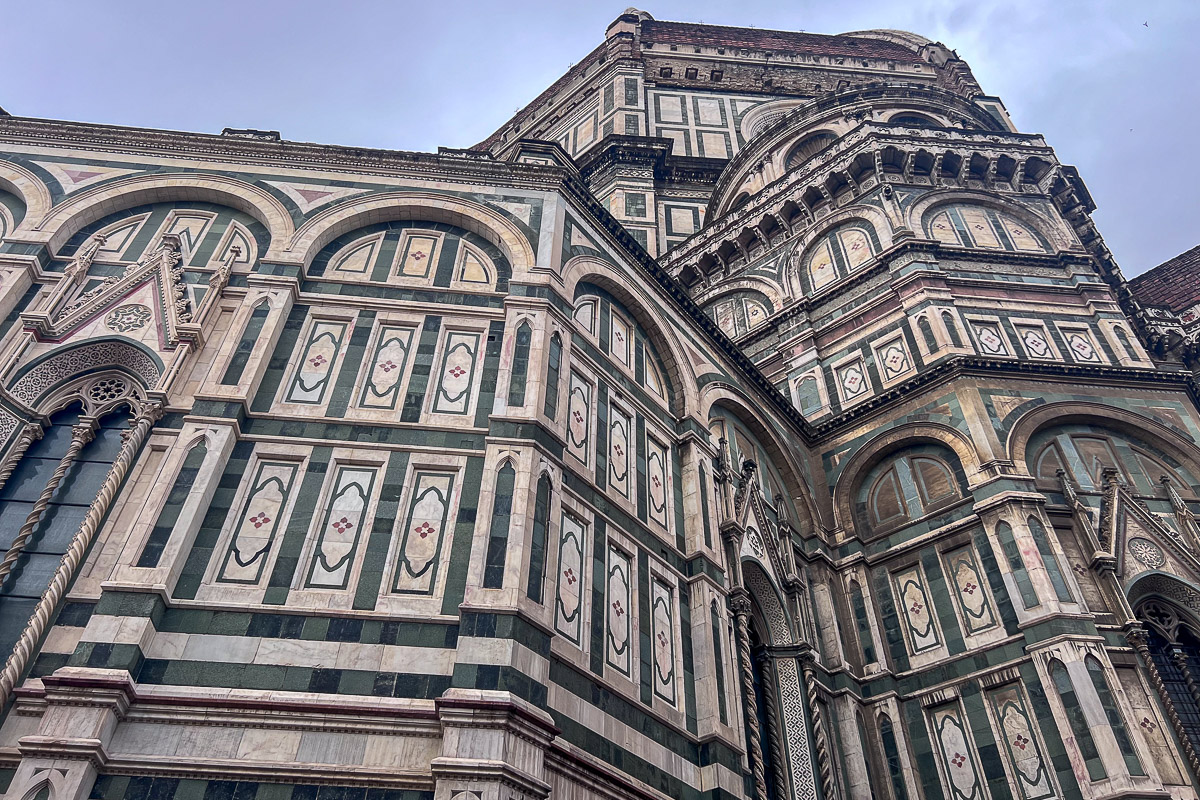
The richly decorated exterior with its colorful marble panels in shades of green and pink stuns and one can spend a long time admiring all of the intricate details surrounding such a vast building.

Duomo Florence
Duomo Florence

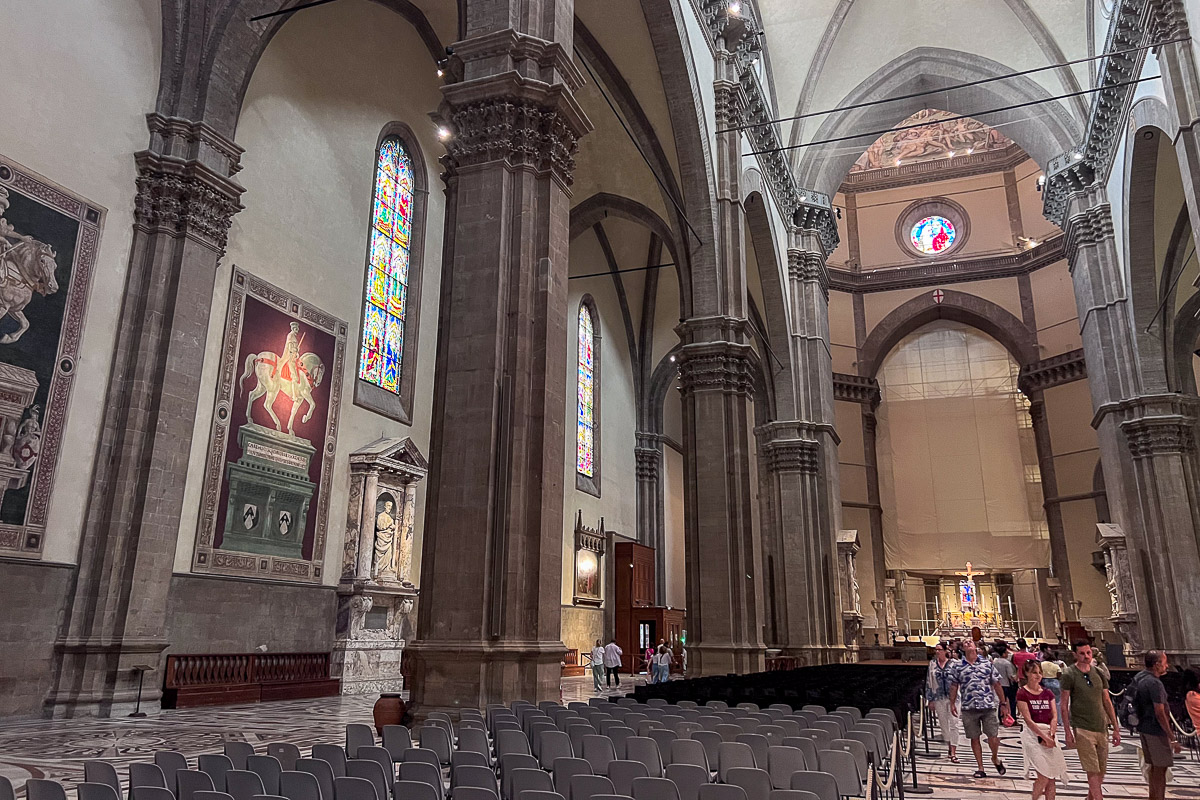
Other than its size, the inside of the cathedral is not that impressive compared with other religious buildings you’ll visit in the city – you’re really here like everybody else for the dome seen at the end.

Duomo Florence

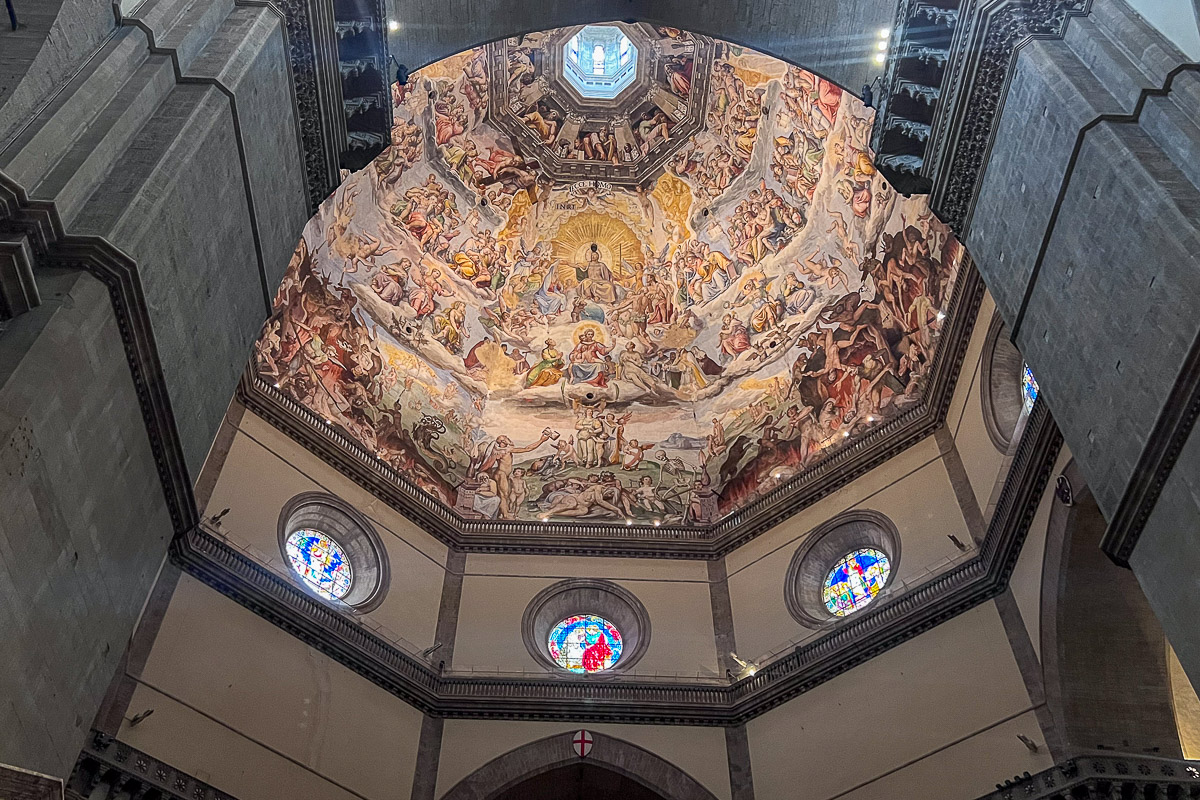
Catching a glimpse of the world-famous “Brunelleschi’s Dome” is awe-inspiring to say the least. The largest brick dome ever built, its construction marked a major breakthrough in architectural techniques. It’s worth getting your hands on the book Brunelleschi’s Dome: How a Renaissance Genius Reinvented Architecture before your trip – a fascinating read that will truly enrich your visit.
Duomo Florence
Duomo Florence

You can choose to either climb the Dome or Giotto’s Campanile (Bell Tower) when booking your tickets (you can also do both but I think it’s overkill?). I personally picked the tower to get the views over the dome, well worth it.
Duomo and Bell Tower - Florence
View from Campanile Duomo

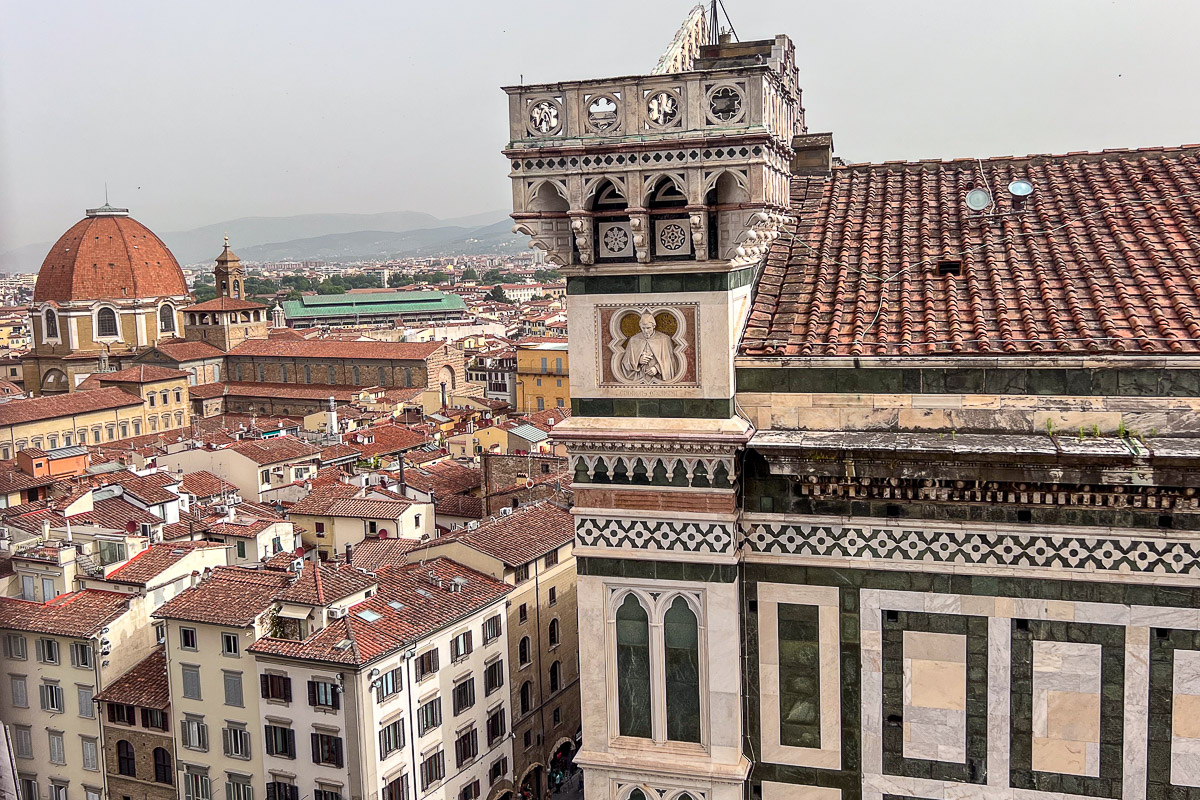
You get stunning 360-degree views over Florence…

View from Campanile Duomo

… and a great perspective on the enormous orange-tiled dome.
View from Campanile Duomo

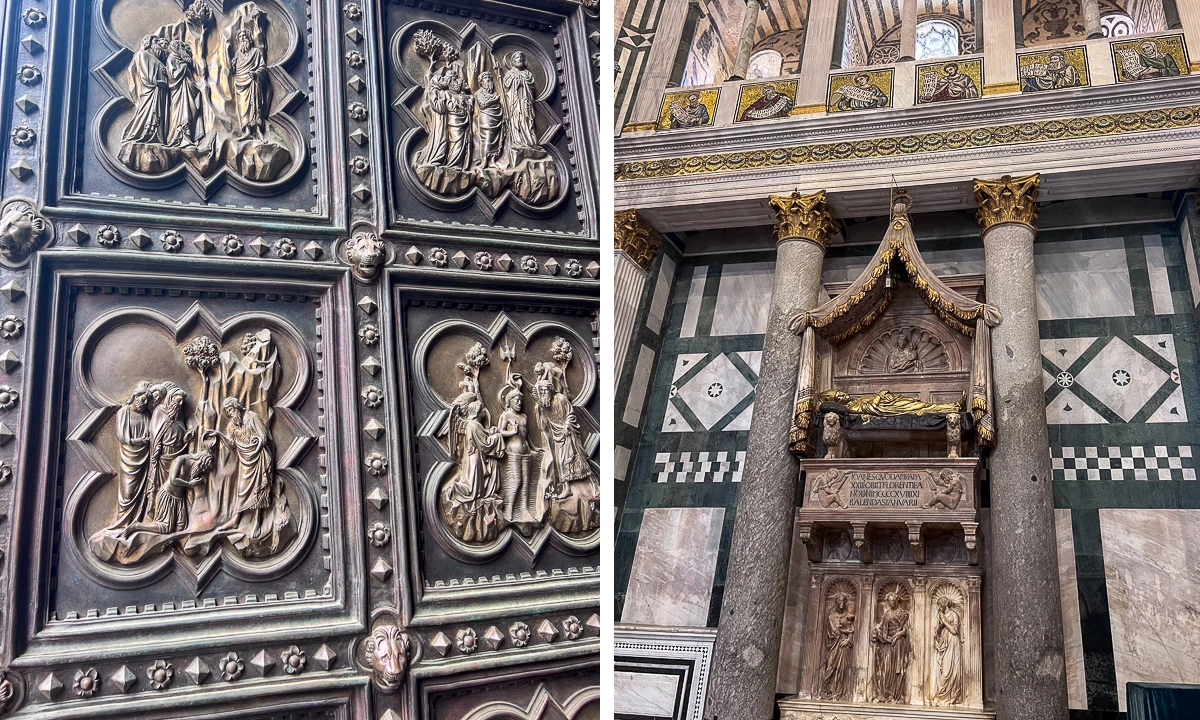
Head next to the octagonal building in front of the cathedral – the Baptistery. One of Florence’s oldest and most important religious buildings, it is famous for its beautiful bronze doors made by renaissance sculptors such as Pisano (although to see the real ones you’ll need to go to the museum)…

Baptistery Florence

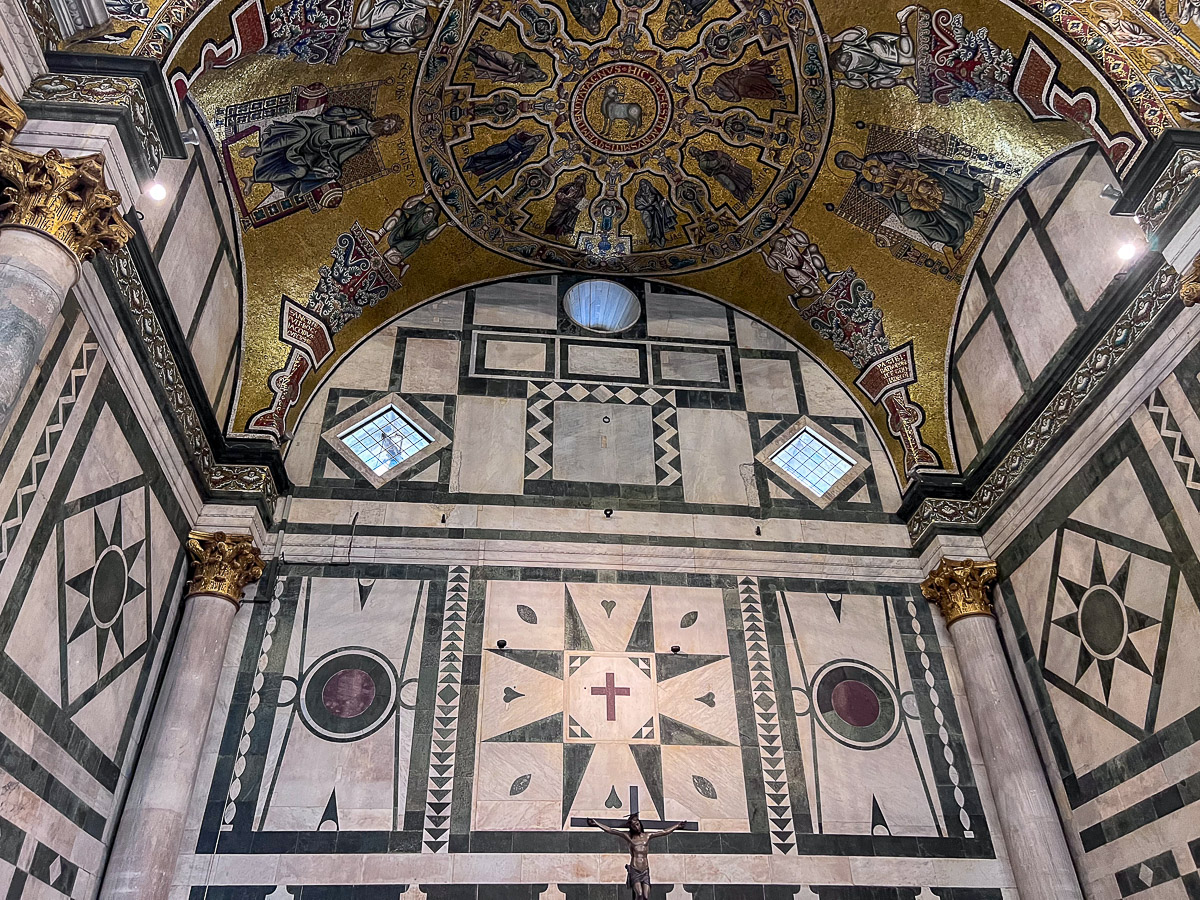
…and for its dazzling mosaic covering the entire ceiling and parts of the walls.

Baptistery Florence

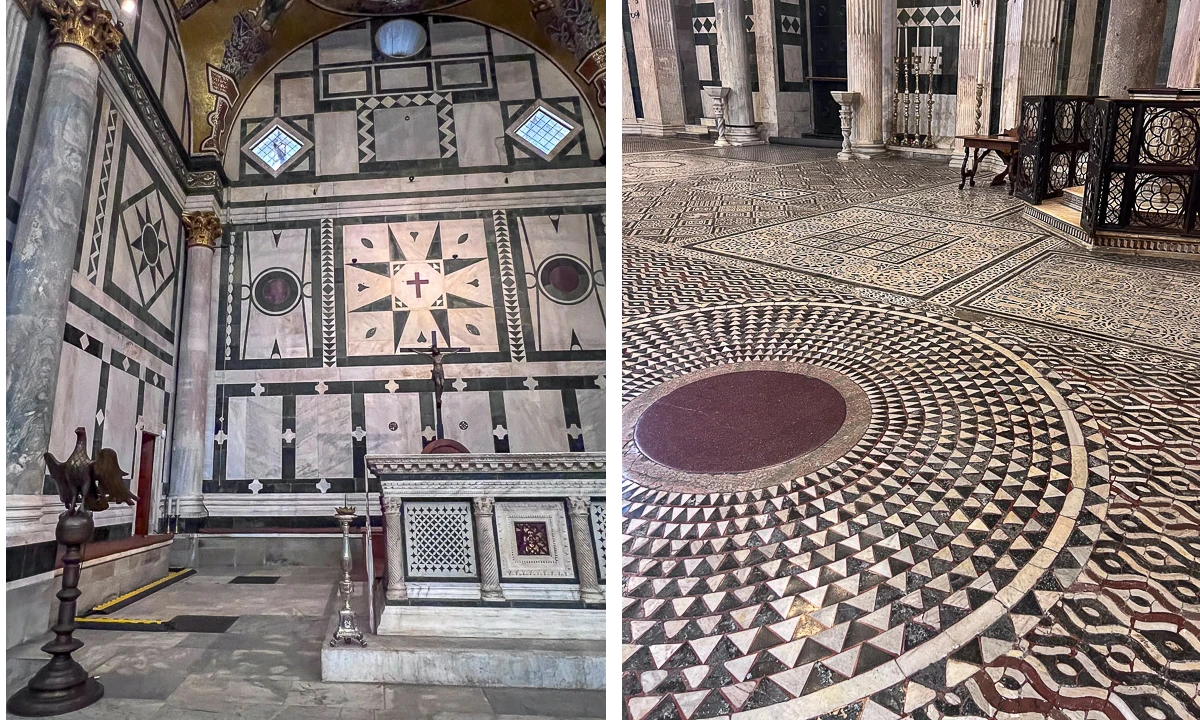
The walls are decorated with geometric designs in white and green marbles but I was most captivated by the floor, a splendid assemblage of “marble carpets” inspired by Middle Eastern textiles from the early 1200s.

Baptistery Florence

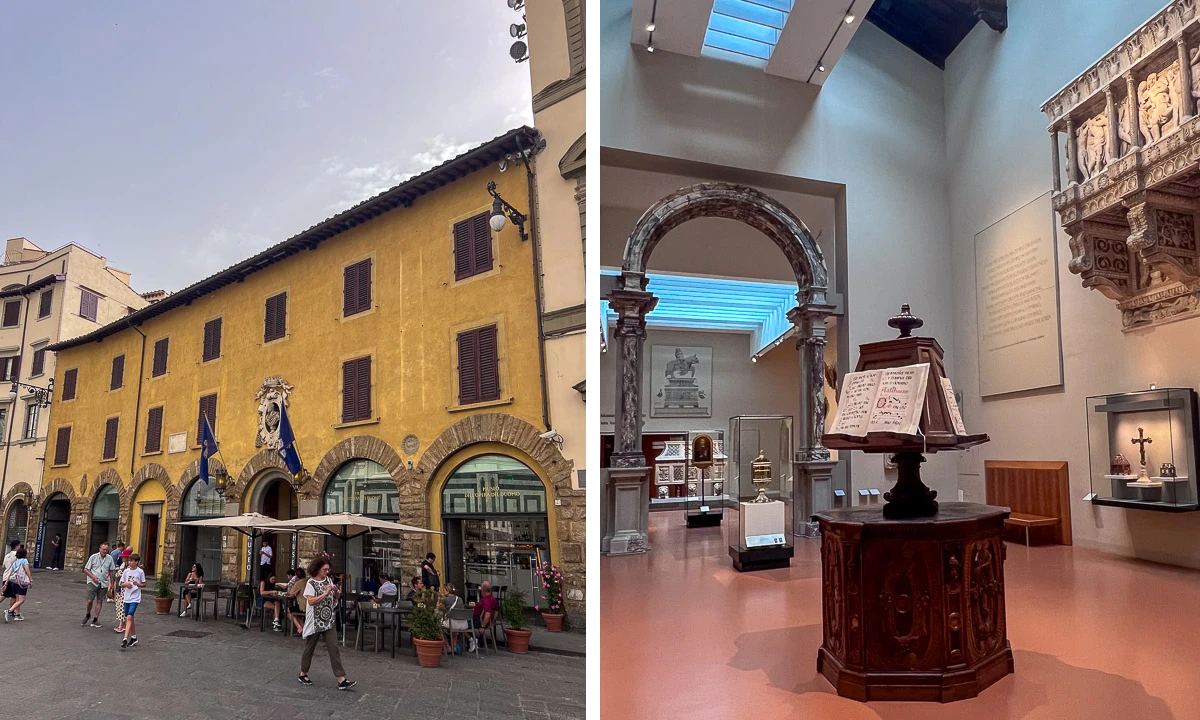
When you’re done admiring the complex, go around the back of the cathedral to find the Opera del Duomo Museum housed in a yellow building. It truly brings the sheer scale and ambition of the construction of the Duomo alive through amazing exhibitions and display of the original artworks.

Duomo Museum

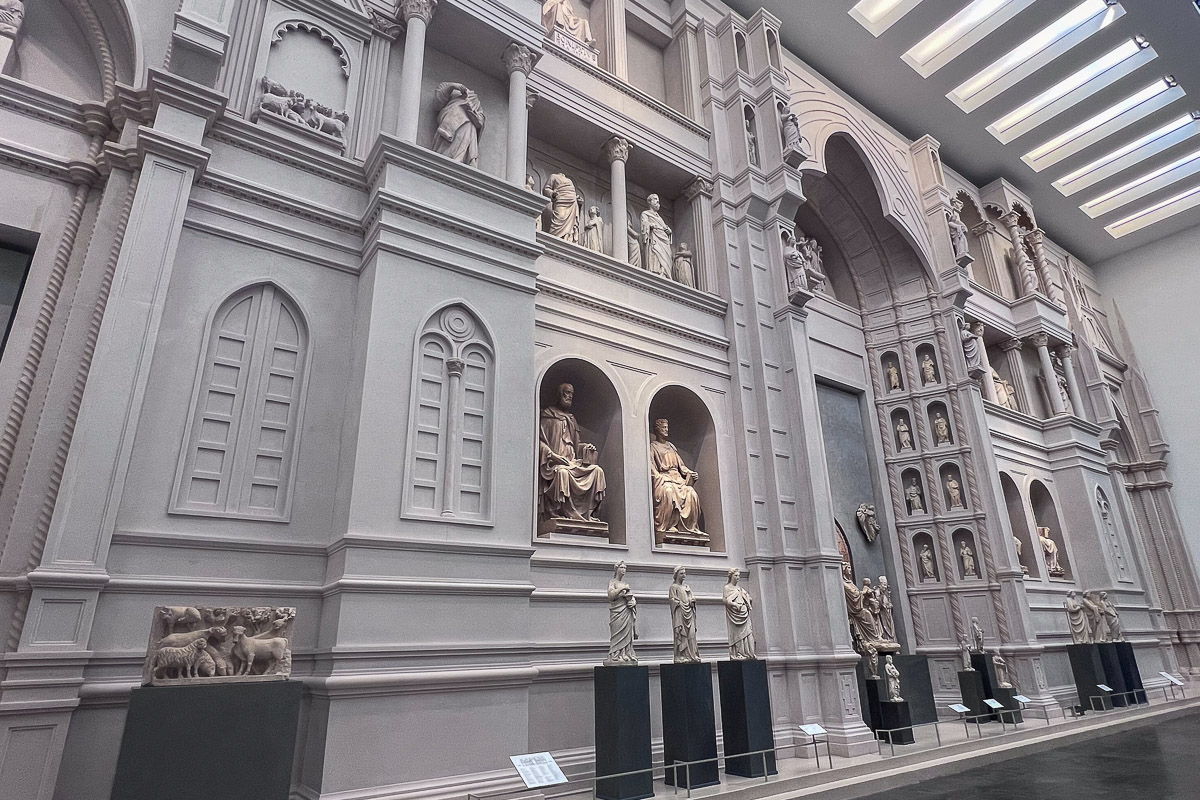
The main attraction on the ground floor is the recreation of the ancient façade of the Duomo, which was originally unfinished and dismantled in 1587.

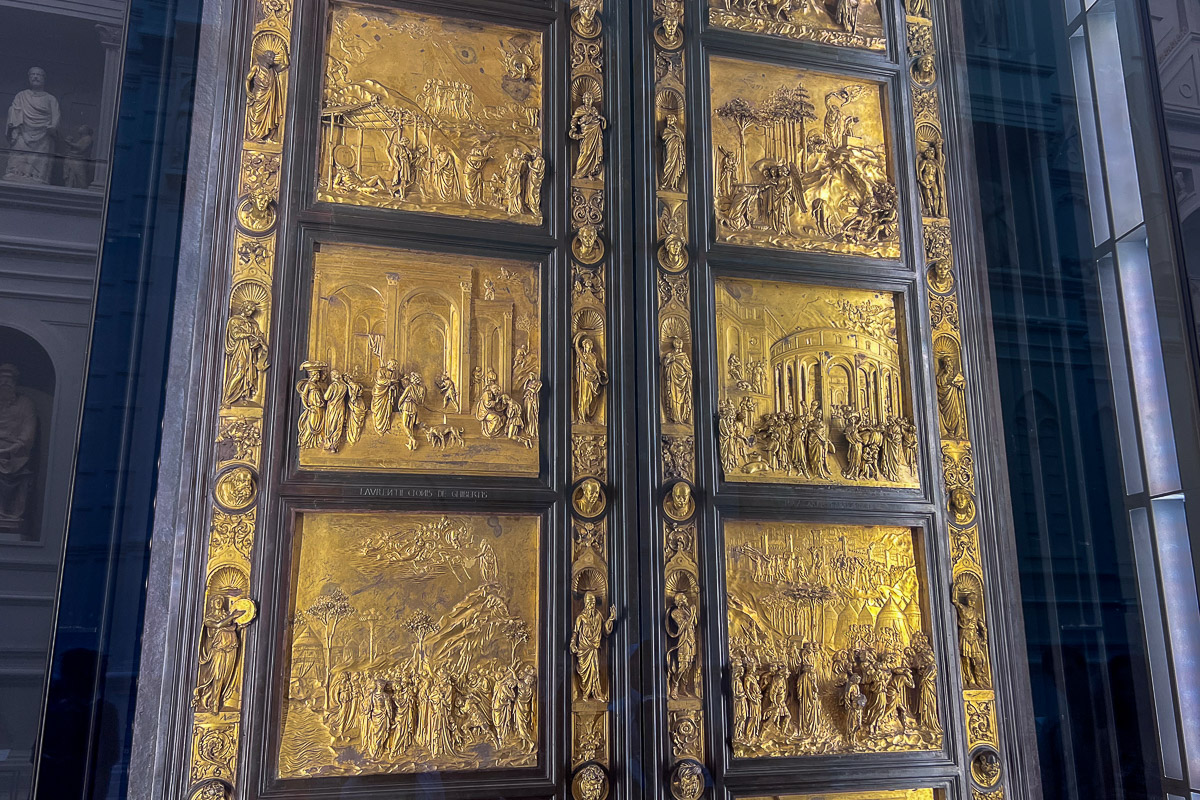
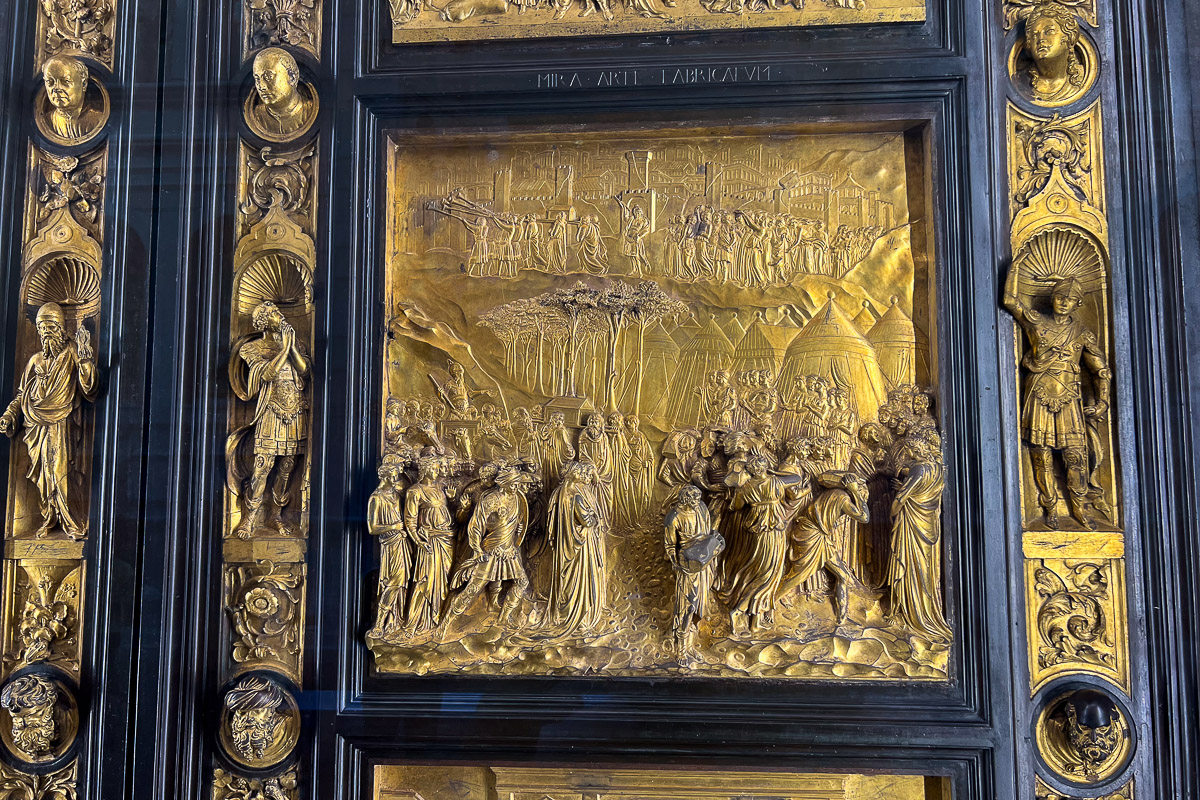
You also get to see up close the original bronze doors of the Baptistery and their intricate relief panels. The eastern pair, ornamented with 10 stories from the Old Testament, was dubbed the “Gates of Paradise” by Michelangelo and considered a renaissance masterpiece.

Baptistery doors
Baptistery doors

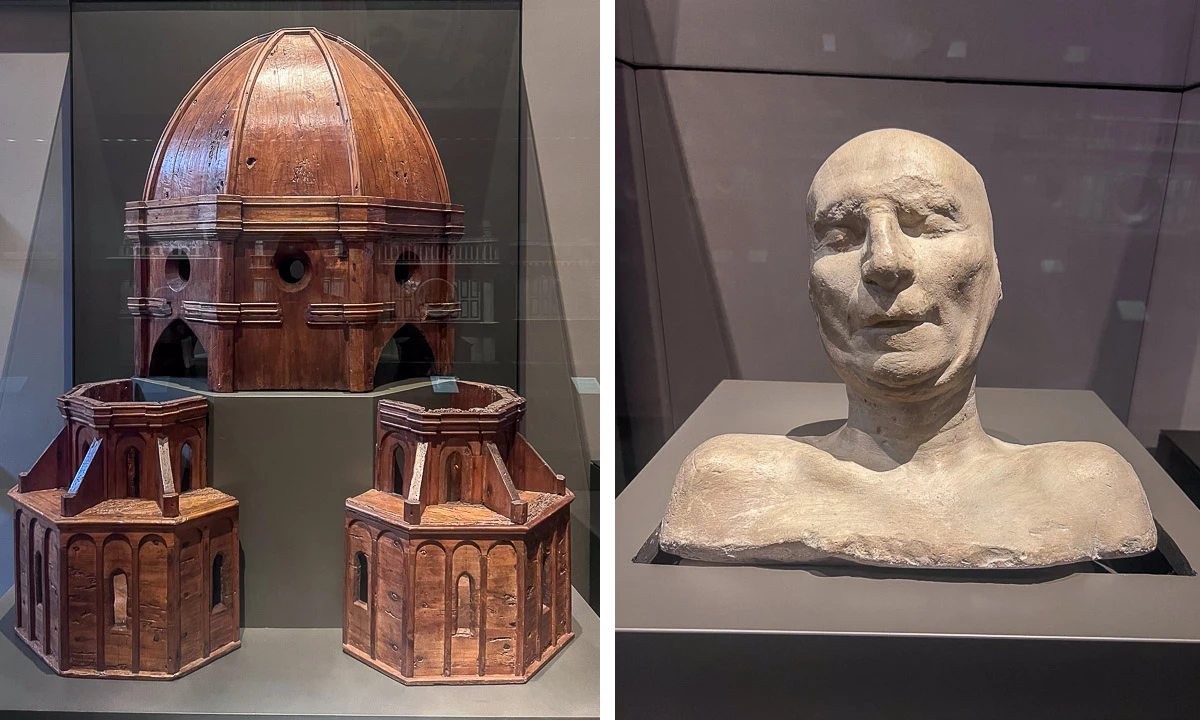
The Cupola Hall brought everything I had read about the difficult construction of the dome to life with a display of tools specifically invented for it, small scale models, and the funeral mask of the dome architect, Filippo Brunelleschi.

Around the Duomo

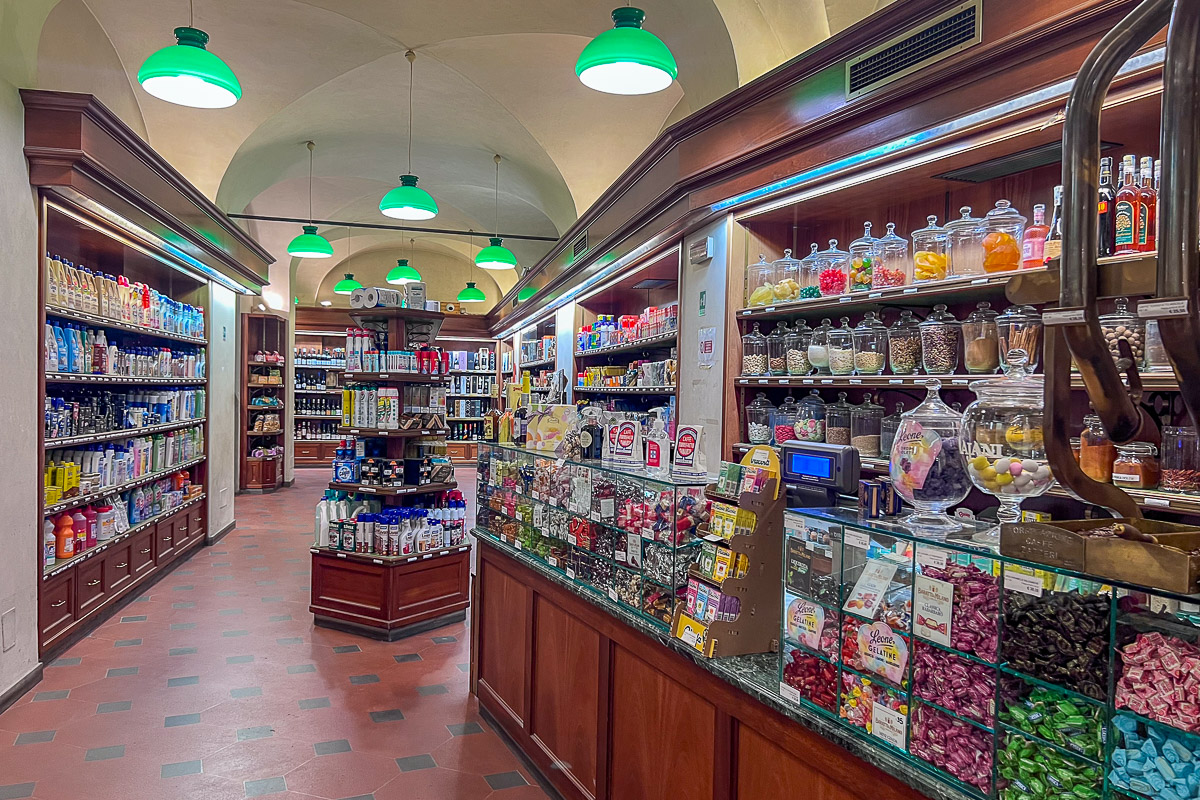
Lots of small pedestrian streets radiate south of the cathedral to let you catch your breath, find a bit of “quiet”, and discover local shops. Pegna dal 1860 is a historic gourmet grocery store located in a former monastery dating back to the 1600s just a block from the Duomo. It is THE place to buy Italian specialties for your pantry back home, from spices and chocolates to olive oil, wine and pastas.

Pegna dal 1860 Florence

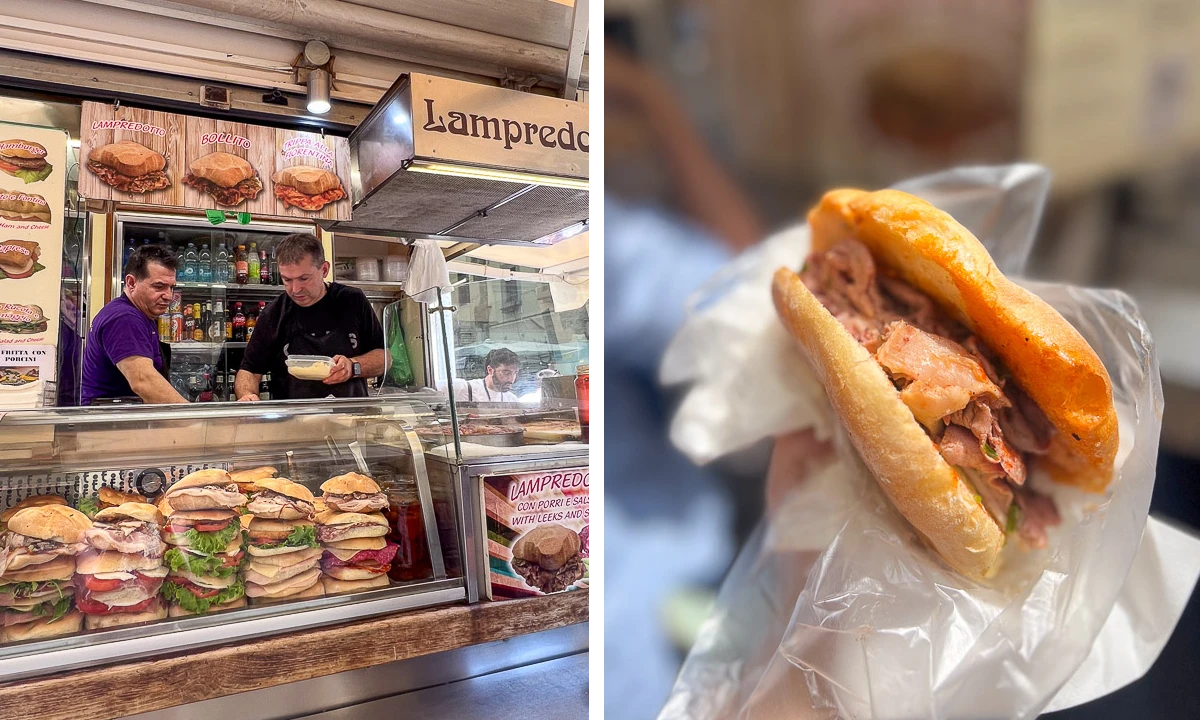
Continue south to find better food options for lunch than what’s available right by the cathedral, unsurprisingly. Make your way to Piazza dei Cimatori where you’ll find the sandwich cart L’ Antico Trippaio – a must try. You won’t find more local and authentic than sitting on a stool next to locals eating your very first lampredotto, a Florentine sandwich made with slow-simmered beef tripe, served piping hot inside a crusty roll soaked in broth… simply incredible!

Antico Trippaio - Florence

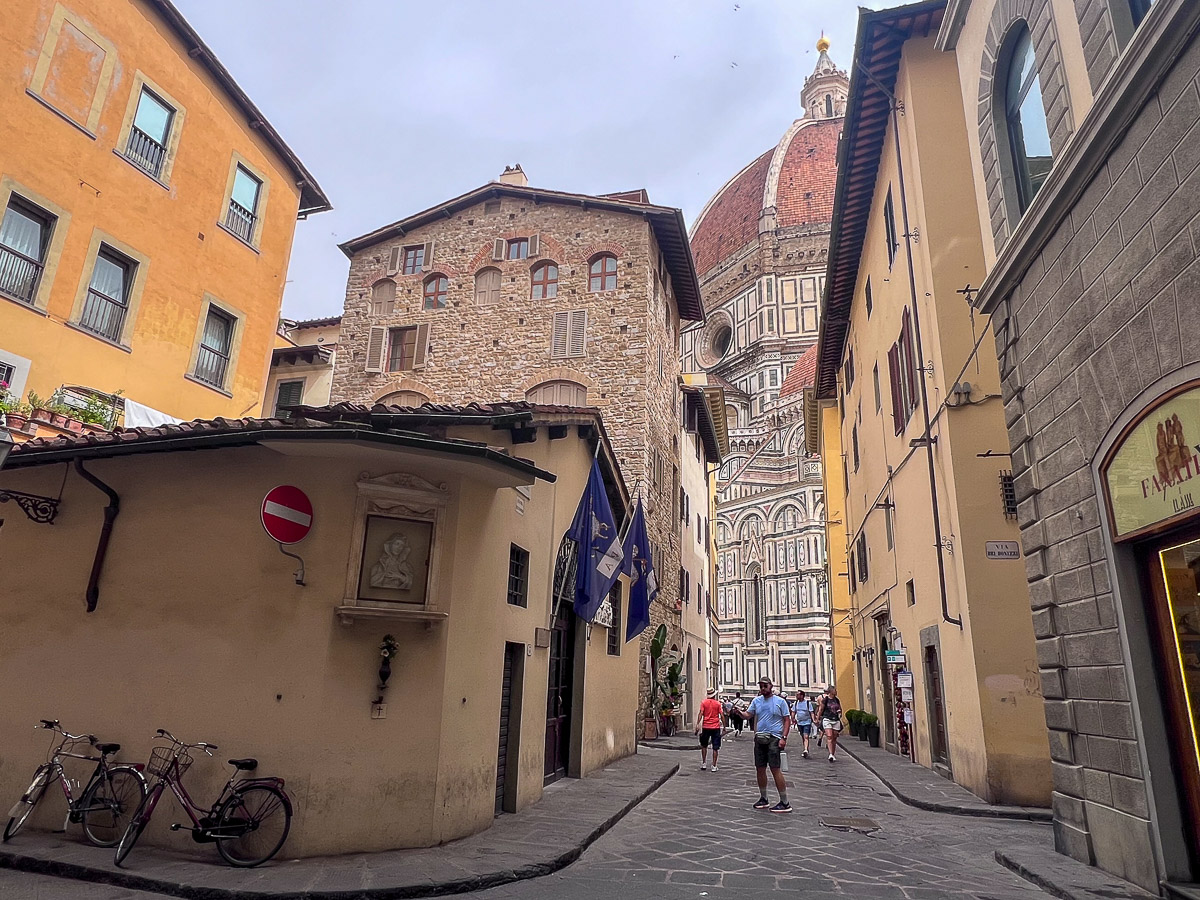
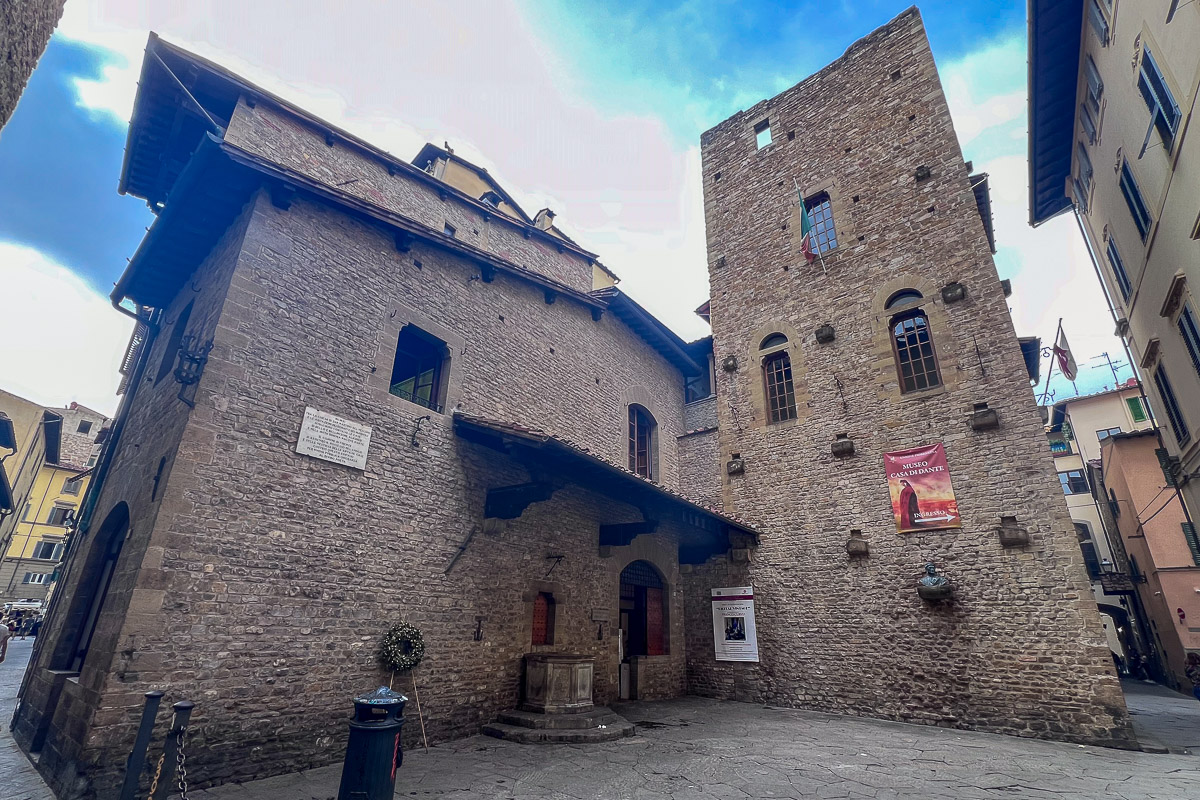
There’s the House of Dante nearby if you’re interested in seeing where the famed poet was born.

Dante Museum

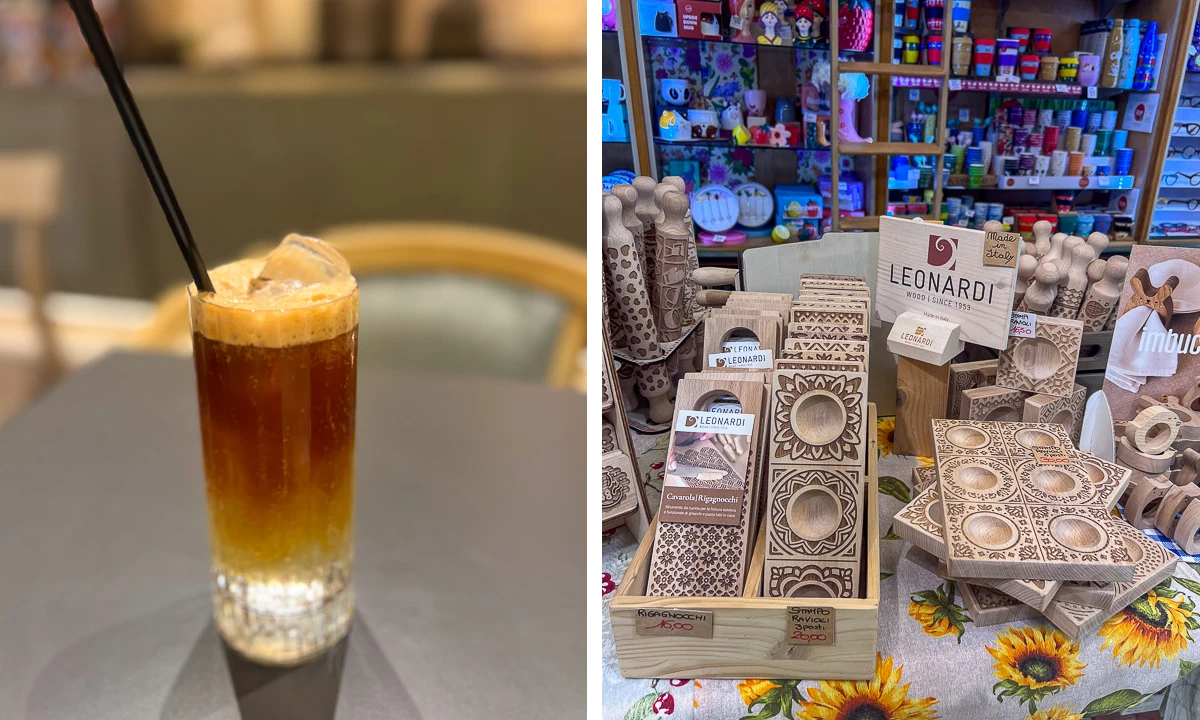
I didn’t go into the Dante Museum but admired the tower house from a little cafe across the courtyard with my first espresso tonic – a refreshing pick-me-up on a hot afternoon. I also stumbled upon a kitchen supply store, Ditta Braschi, with unique gift ideas you should check out, from intricately carved pasta molds to whimsical glasses.

Espresso tonic

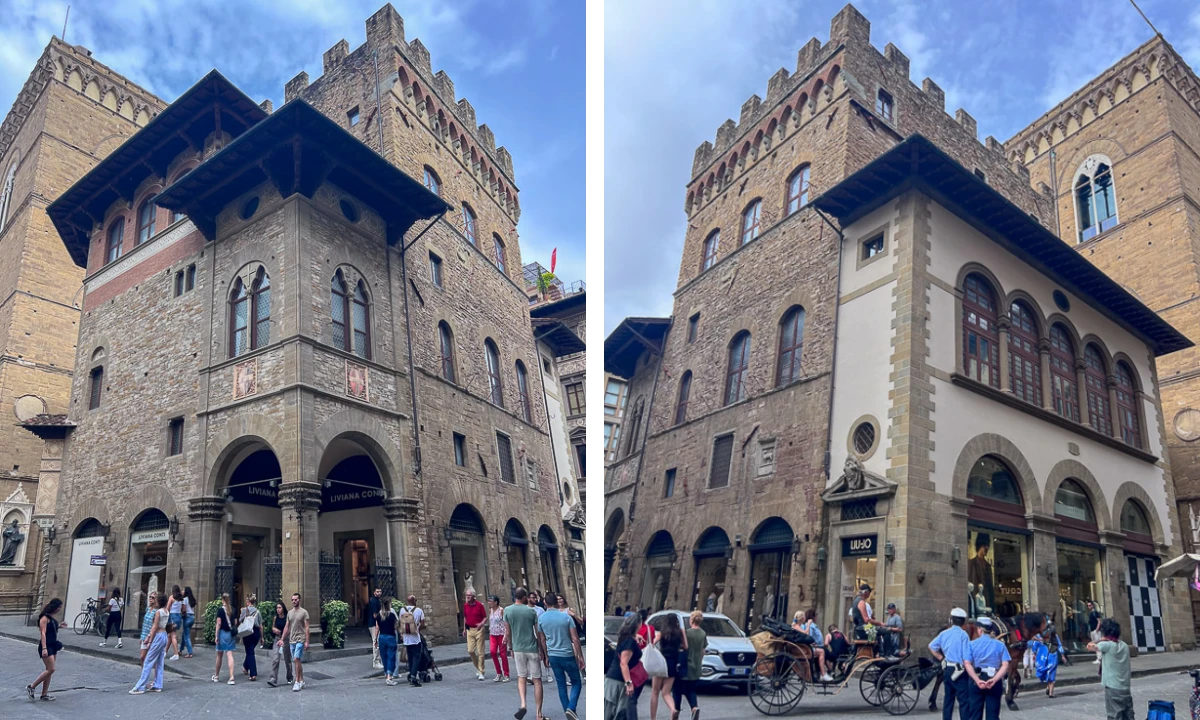
Make your way through narrow lanes to the buzzing shopping district where fortified towers house brand names.

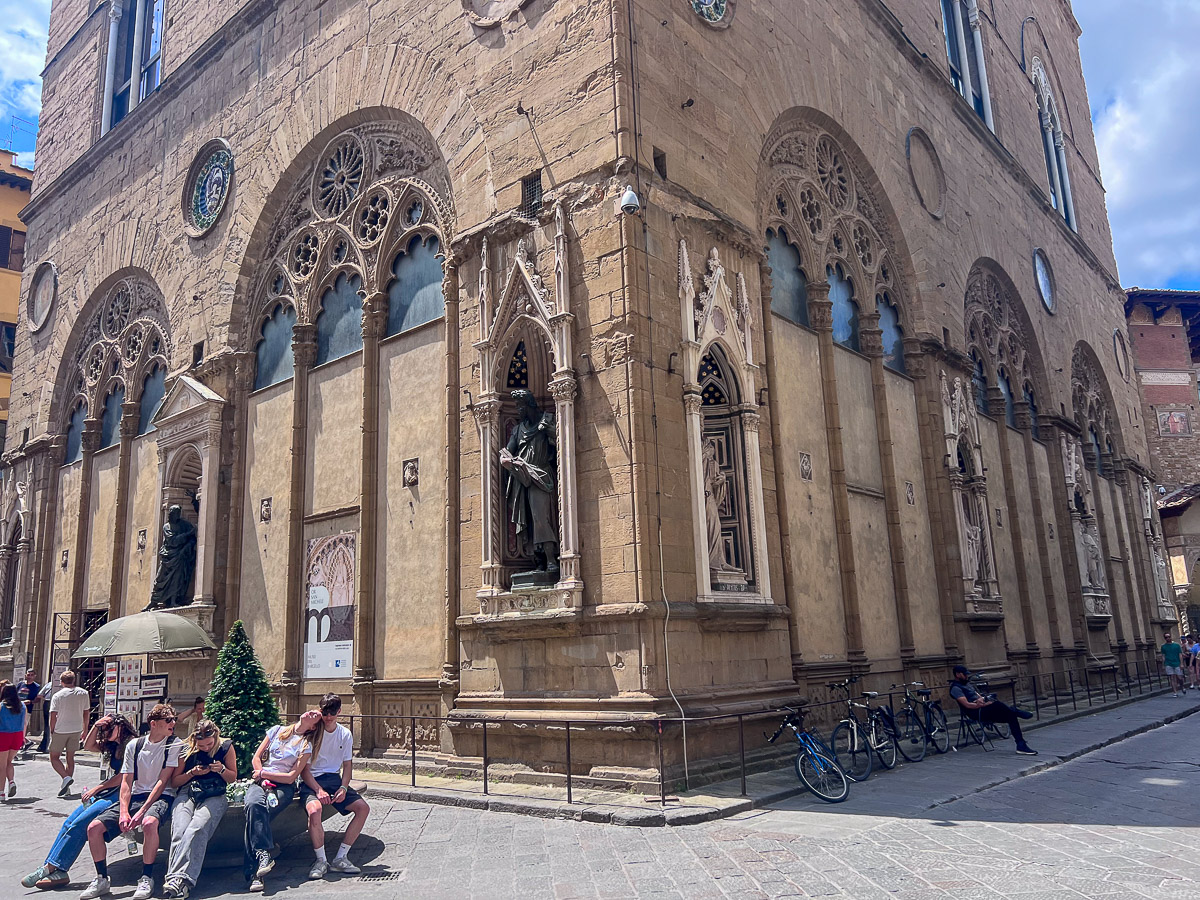
Orsanmichele

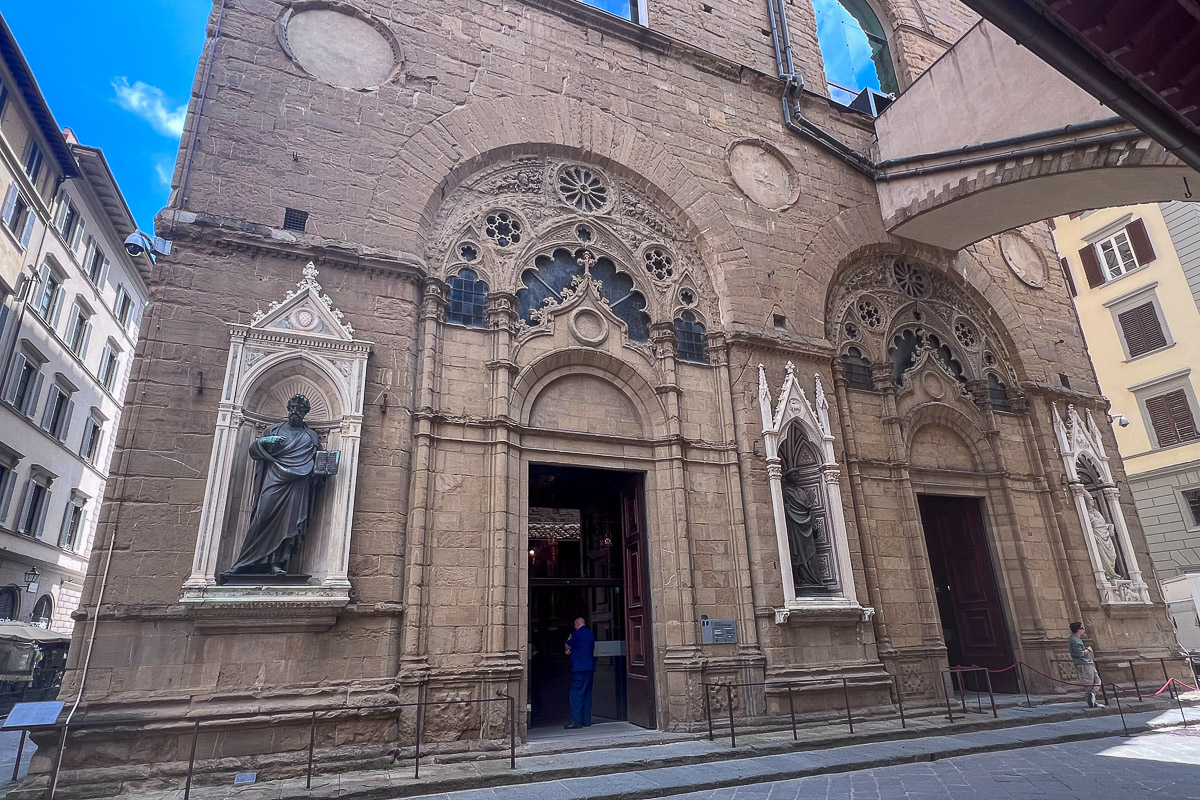
Surrounded by clothing stores and gift shops, the church and museum of Orsanmichele stands out with its gothic façade in the very heart of the ancient city center.

Orsanmichele Florence

You’ll need a ticket to enter the building which used to be the city’s grain market in the 14th century before being transformed later into a beautiful church.

Orsanmichele Florence

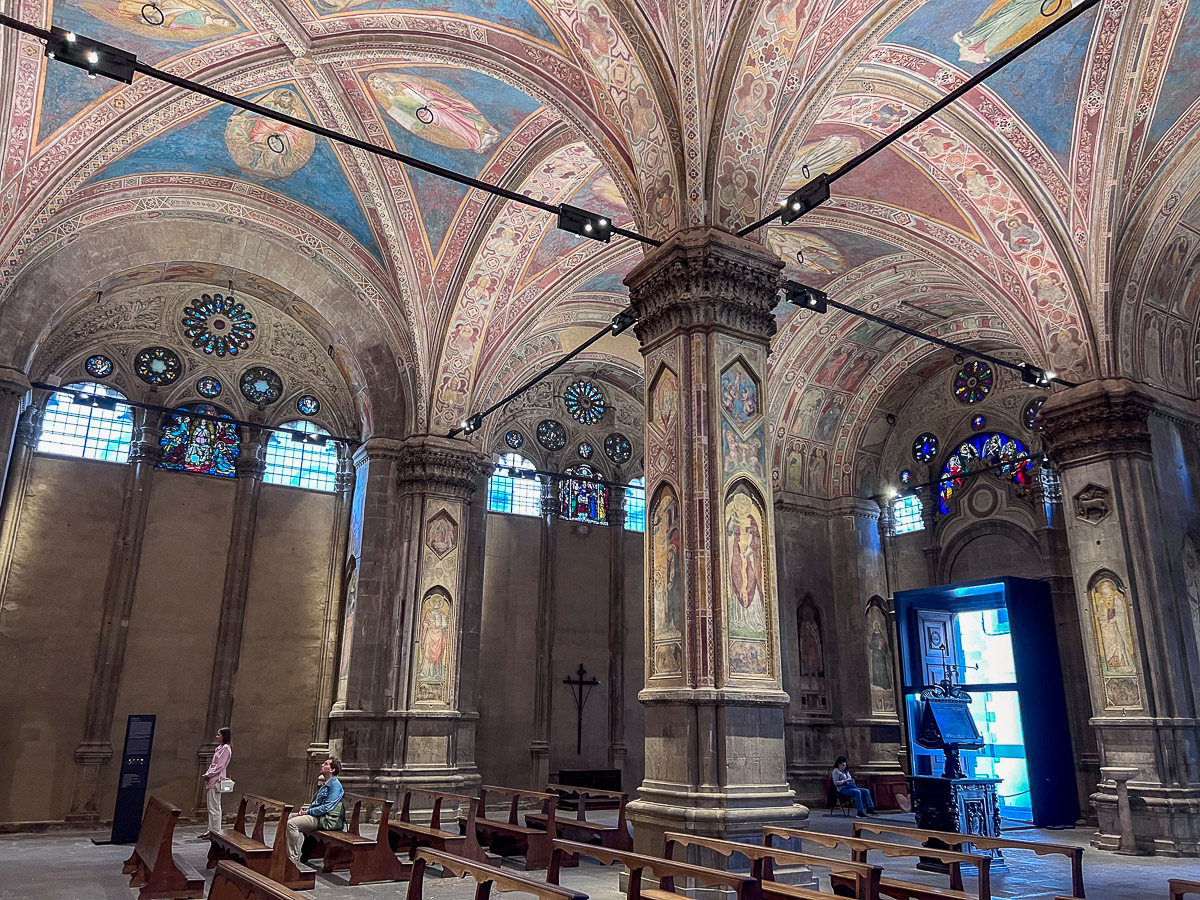
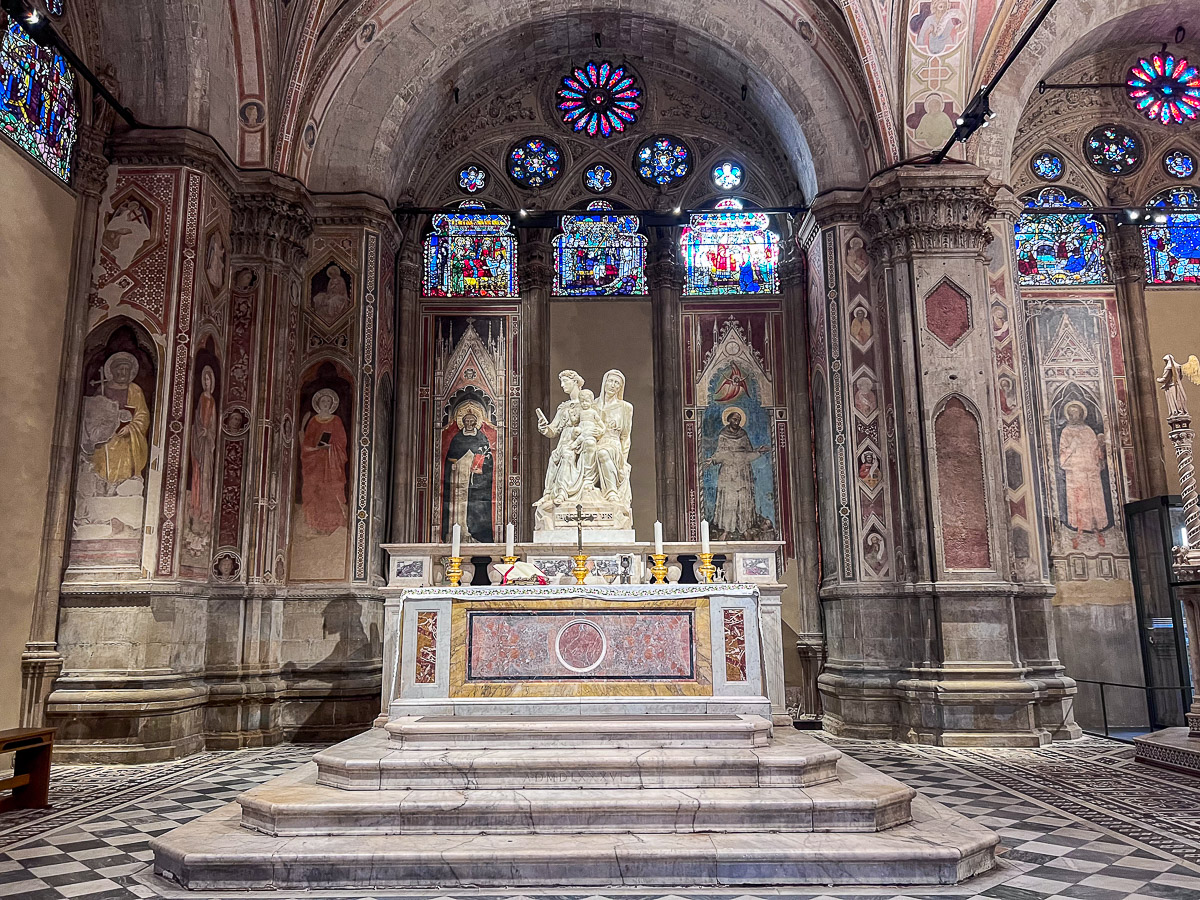
Frescoed vaults and painted images of patron saints of the Arts (guilds of arts and crafts) adorned the interior…

Orsanmichele Florence

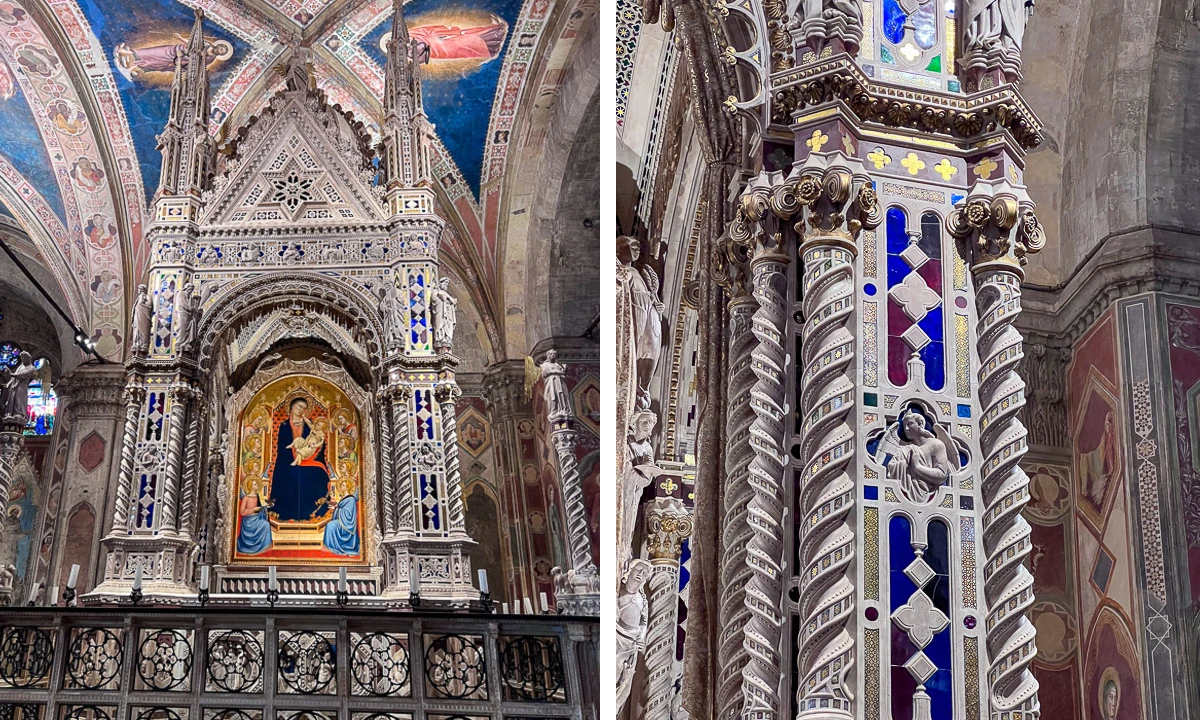
…but it’s the extraordinary 1350s tabernacle covered in carved reliefs and encrusted with colored marble and glass that catches the eye.

Orsanmichele Florence

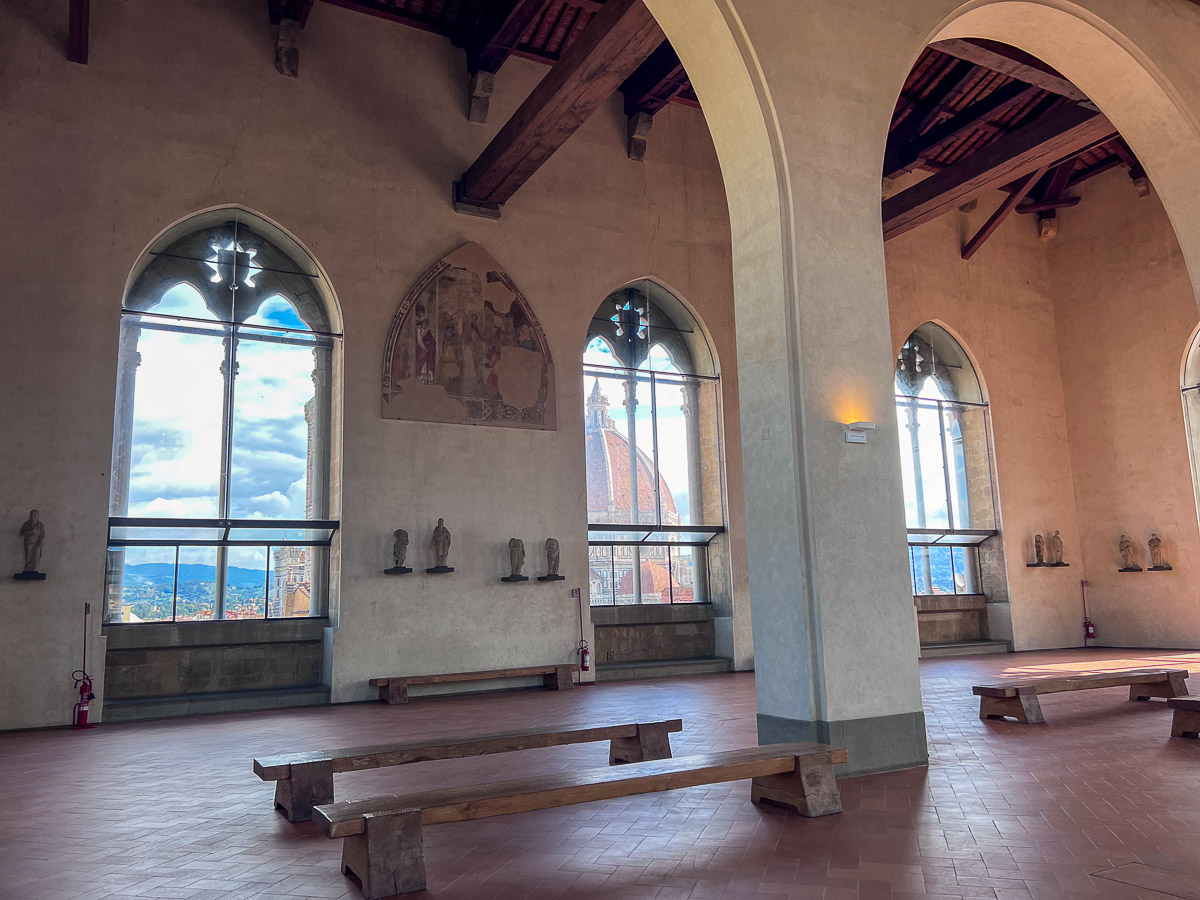
The upper floors house the museum with the original sculptures from the building and some nice perspectives on the city’s nearby historic buildings.

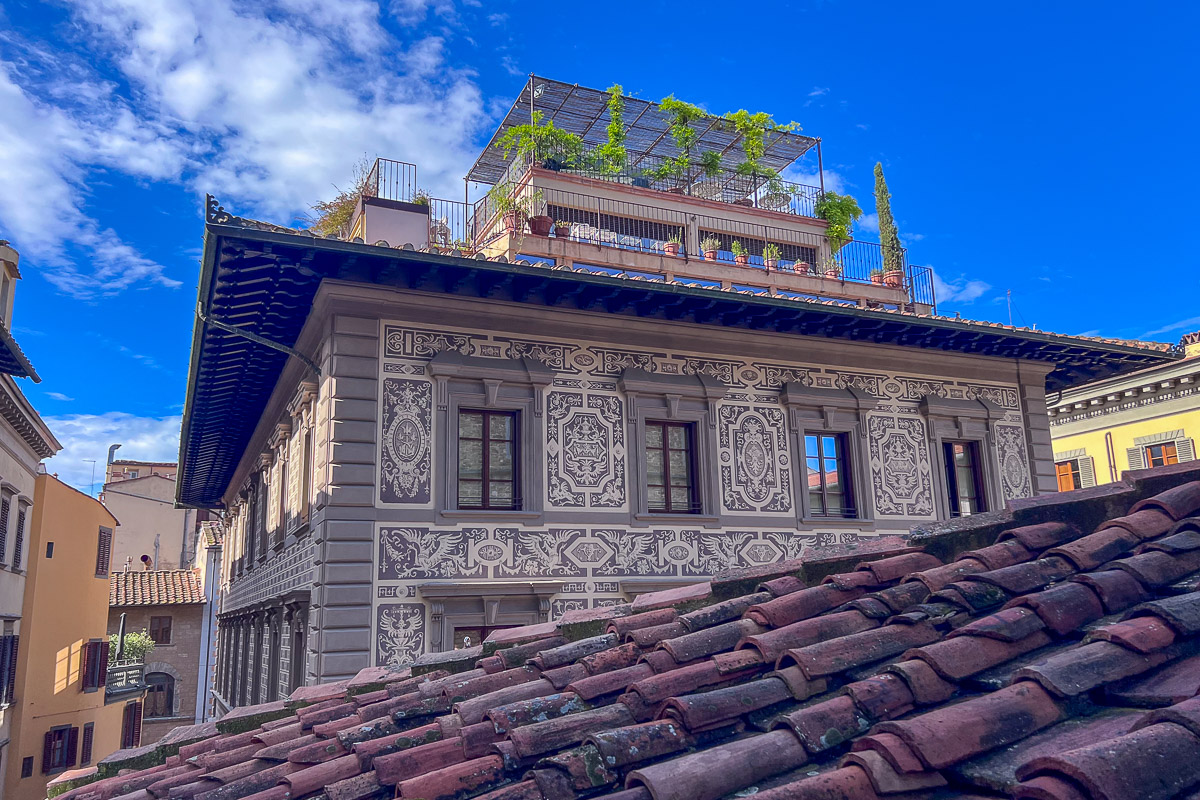
There are no bad angles to the Hotel Calimala on the next block in a 19th-century palazzo with its rooftop bar.

Visit the top floor for an incredible panorama of Florence before exploring more of the center.

Orsanmichele Florence

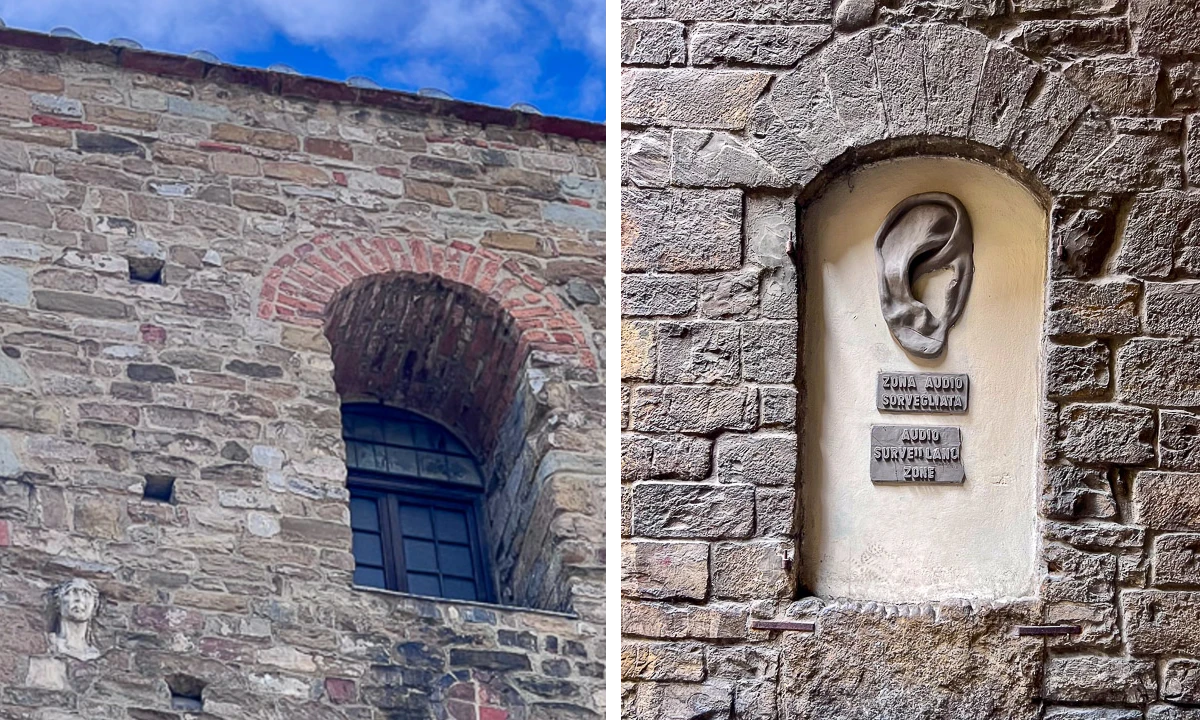
In a cityscape so compact and filled with so many visual marvels, finding the little hidden mysteries of Florence is extremely rewarding. See if you can spot La Berta – a mysterious disembodied head of a woman – sticking out of the Church of Santa Maria Maggiore. According to local legend, she’s either a medieval fruit seller cursed by a sorcerer, or a donor memorialized by the city.

La Berta - Florence

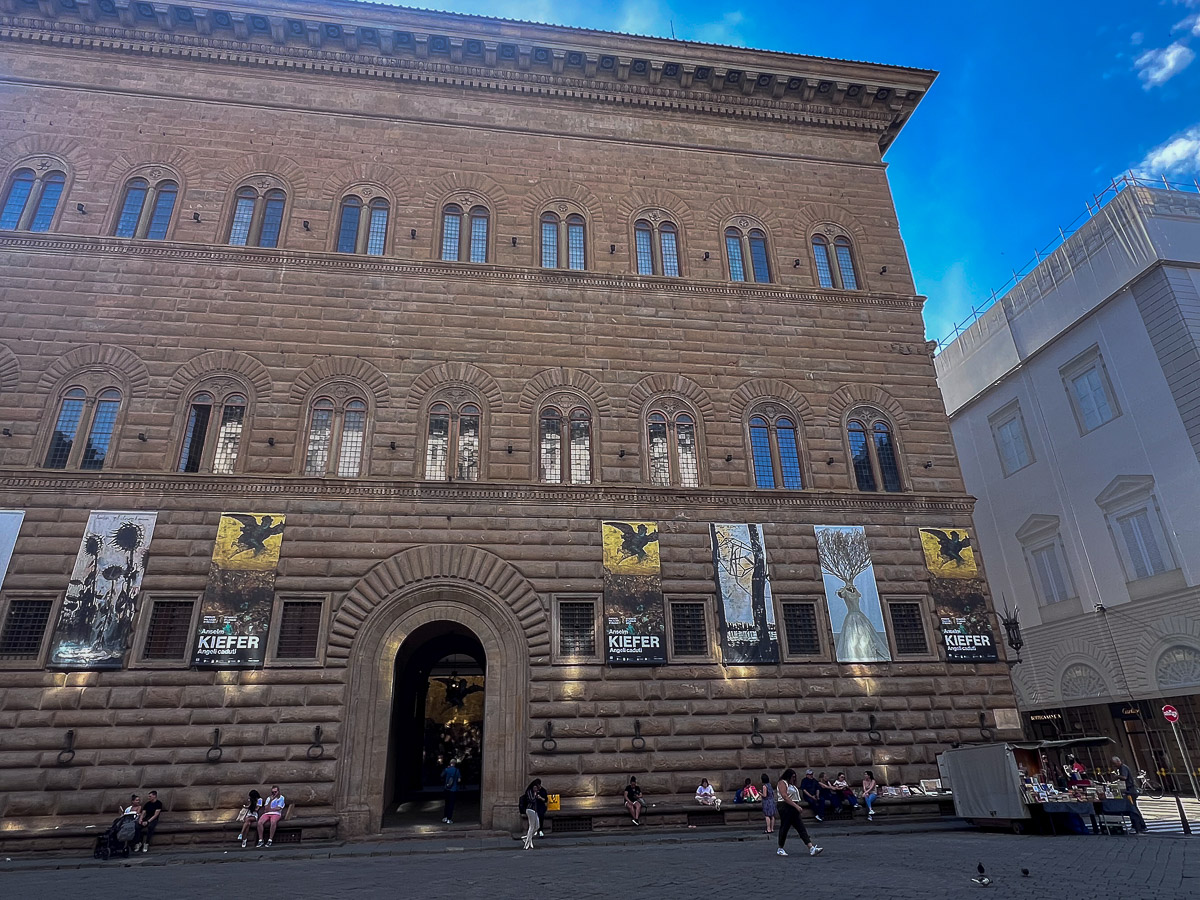
Strozzi Palace

You’ve already seen a few Renaissance masterpieces and religious buildings today so I suggest a change of scenery by stepping into the gigantic Palazzo Strozzi.

Strozzi Palace

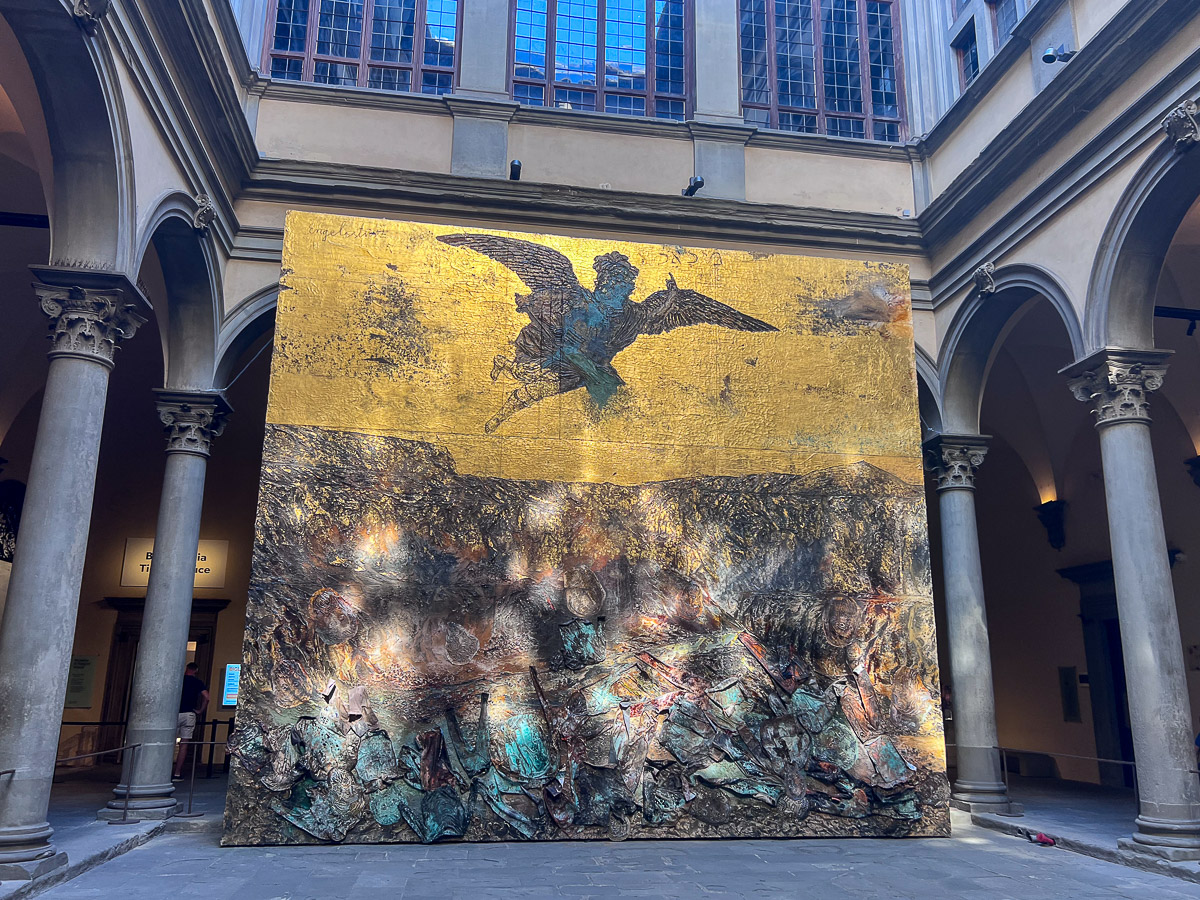
The massive palace is now a major cultural venue with world-class exhibitions of art and antiquities. Grabbing an aperitivo in the vast courtyard is a wonderful way to unwind with an impressive backdrop of contemporary art before making your way inside.

Strozzi Palace

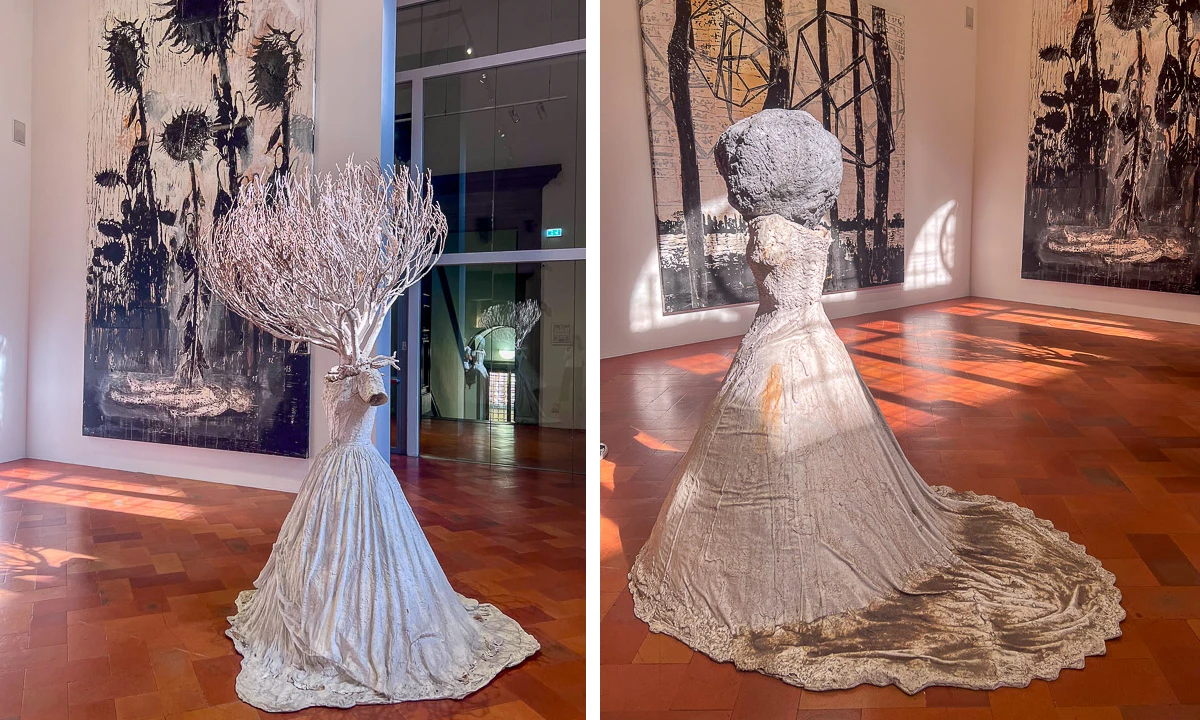
The palace is only three stories but each is massive and perfect for large-scale paintings and scupltures.

Strozzi Palace

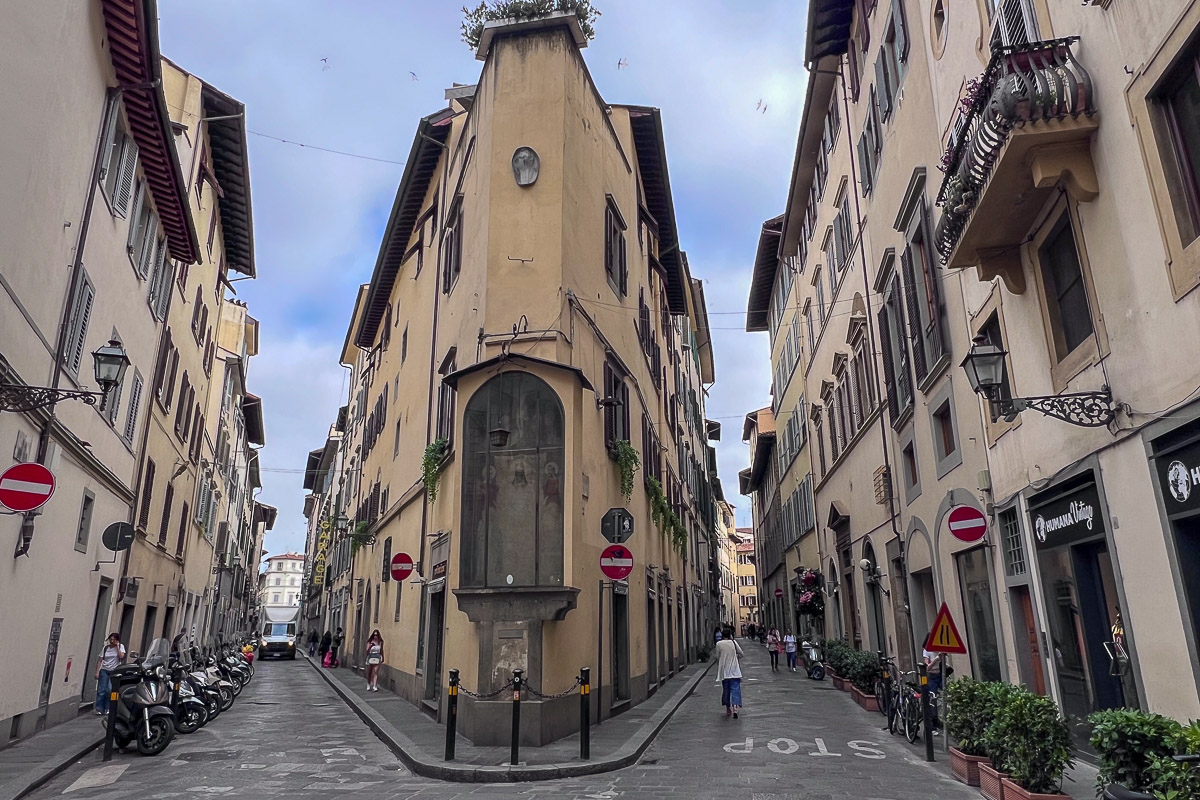
Keep this quiet, contemplative vibe by strolling the nearby historic streets, home to traditional Florentine architecture and quaint hotels.

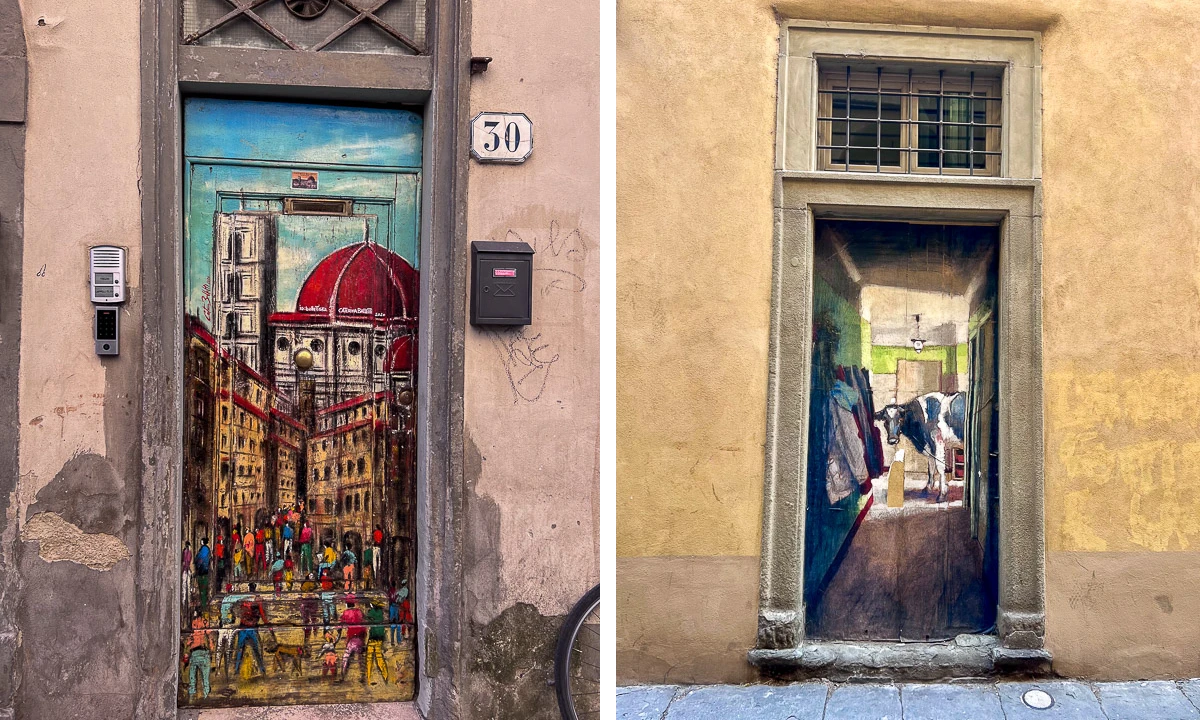
You won’t find any large wall murals in this UNESCO World Heritage city center, but art is tolerated on “low-risk surfaces” such as doors and utility boxes. Keep your eyes open and you’ll stumble upon a few surprises on your walks…

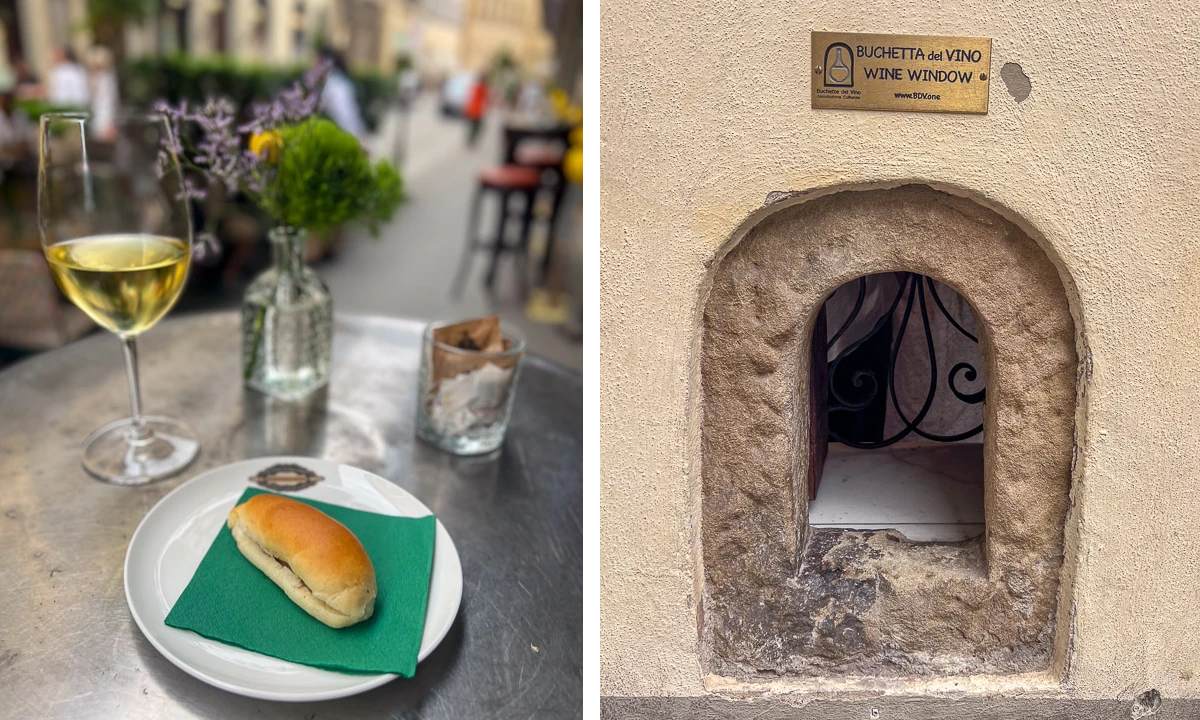
You won’t have to look that hard though to find another famous icon of Florence in this area – “wine windows” (buchetta del vino). These small hatches were once used by noble families in the 17th century to sell wine directly to the public. Several have reopened today, often attached to a restaurant or a bar. It’s a fun contactless experience where you simply ring a bell and order your wine from a faceless waiter which you’re free to sip on the street. If you’re craving a seat and a nice little bite, head to Procacci 1885 and order their tiny, delicate sandwiches filled with truffle cream, you won’t be able to stop at just one!

Procacci 1885 Florence

A packed day it was, and there are way more masterpieces just a few blocks away… Tomorrow, we head to the Uffizi Gallery!

Americas Mexico Travels

Ruins, jungle, and waterfalls in Palenque, Mexico

February 22, 2026

Mexico and neighboring Guatemala are not short on Mayan ruins, and while I can’t claim to have visited them all, I can say as of now that Palenque sits at the top of my list and is absolutely worth the effort to get to. Hidden deep within the jungle of Chiapas, this renowned UNESCO World Heritage site is a long drive from any major cities but will reward you with one of the most outstanding Classic period sites of the Maya civilization.

Those with a bit more time will want to stay 2 or 3 days in the nearby town of Palenque to soak up the natural environment and get to the ruins first thing in the morning. The majority though will appreciate the day trip option from San Cristóbal de las Casas, a long one for sure, but one which is packed with wonderment as it combines a visit to the ruins with two more spectacular waterfalls. Here’s the day tour itinerary with a 4am departure from San Cris…

Palenque Mexico

Agua Azul

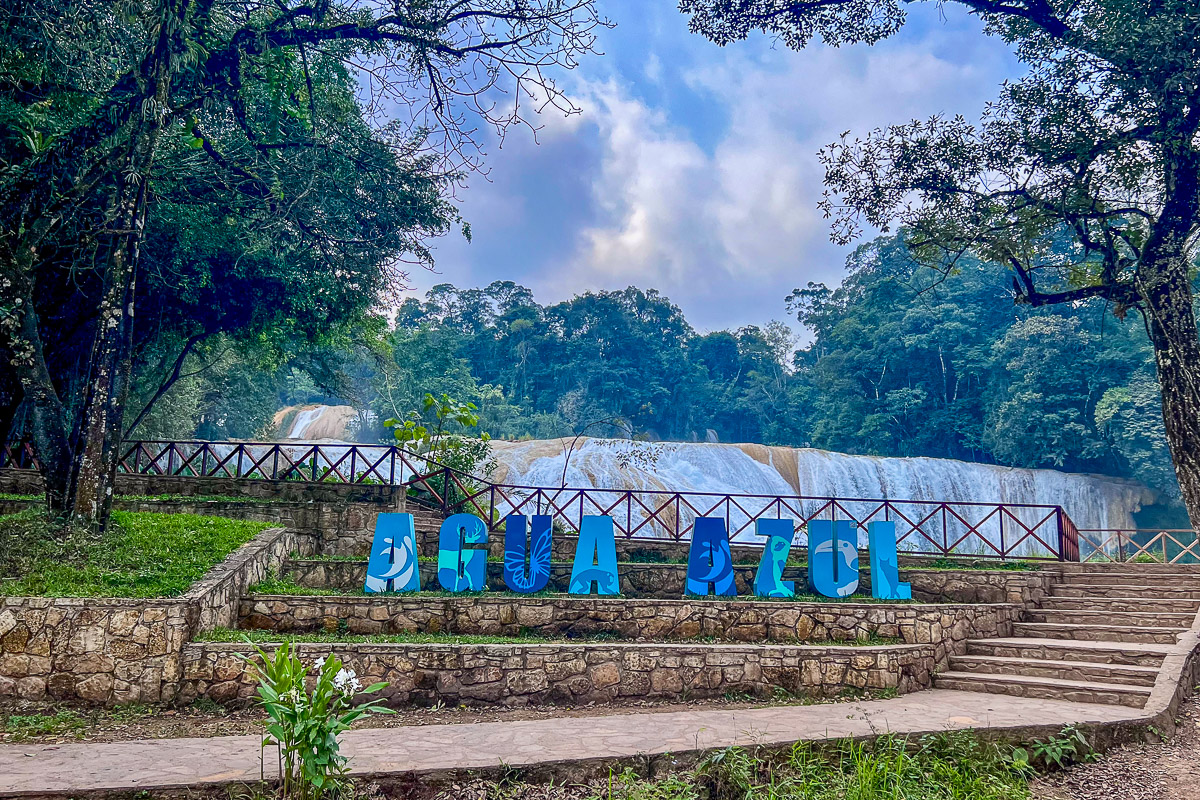
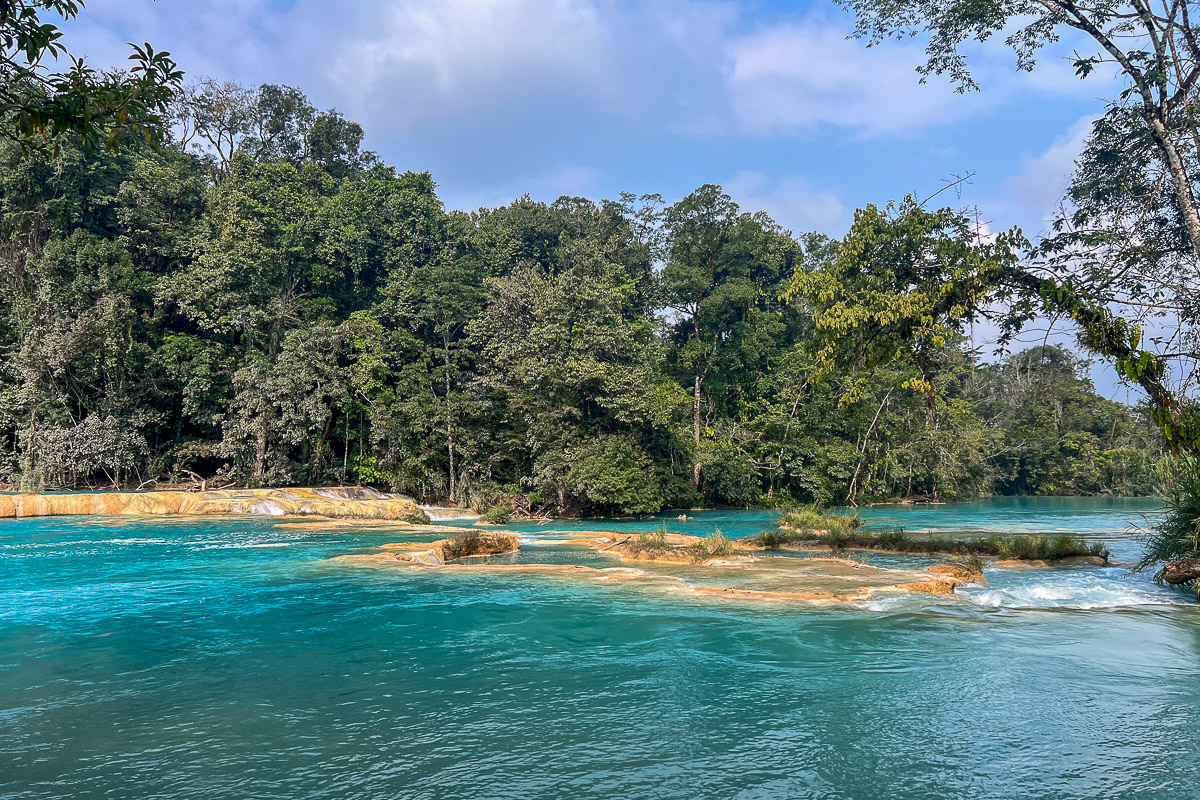
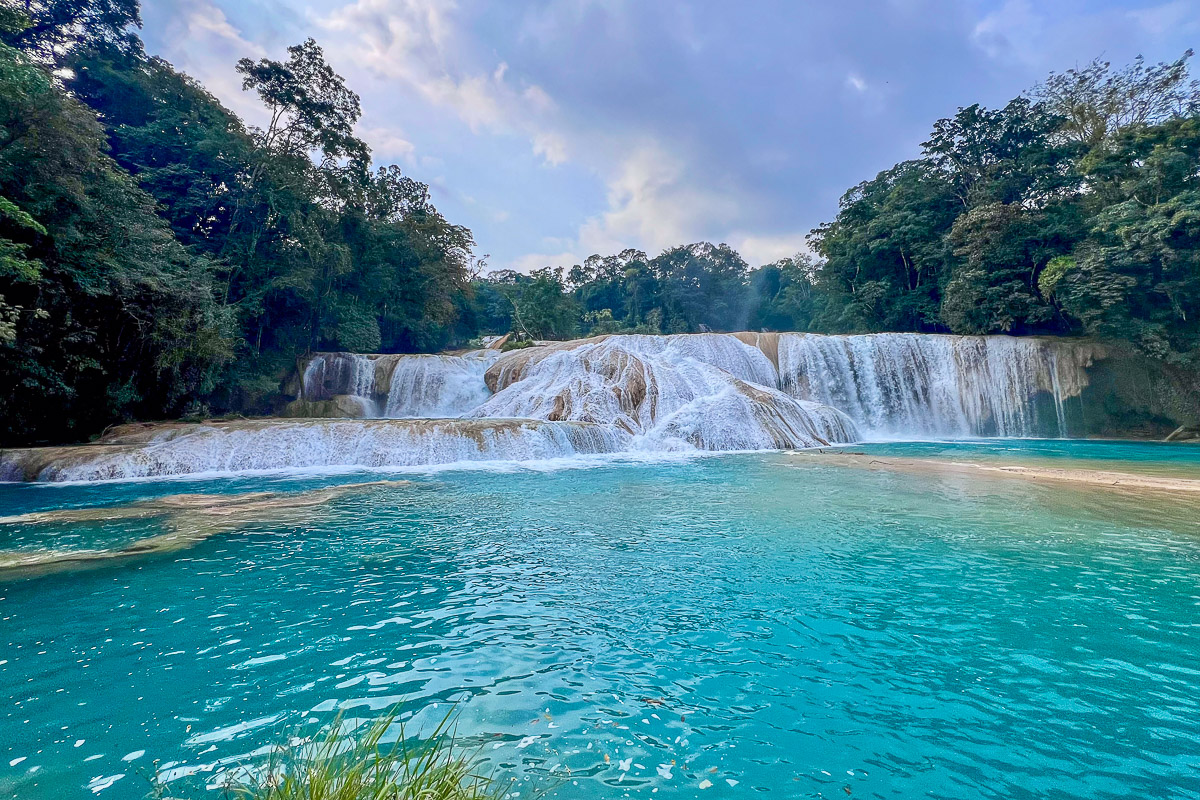
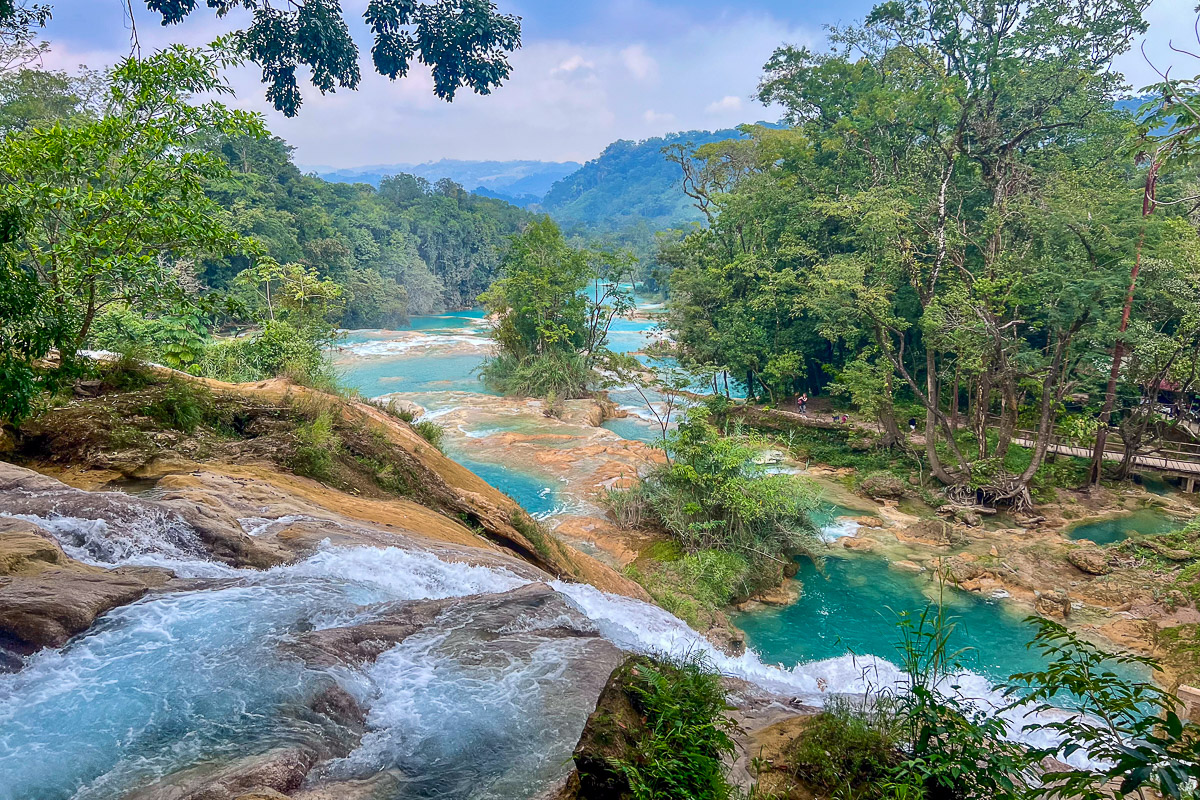
I’m still not over how many breathtaking turquoise waterfalls there are in Chiapas and was delighted that our first stop of the day after a long and very early morning commute was at the famous Agua Azul.

Agua Azul Waterfalls Mexico

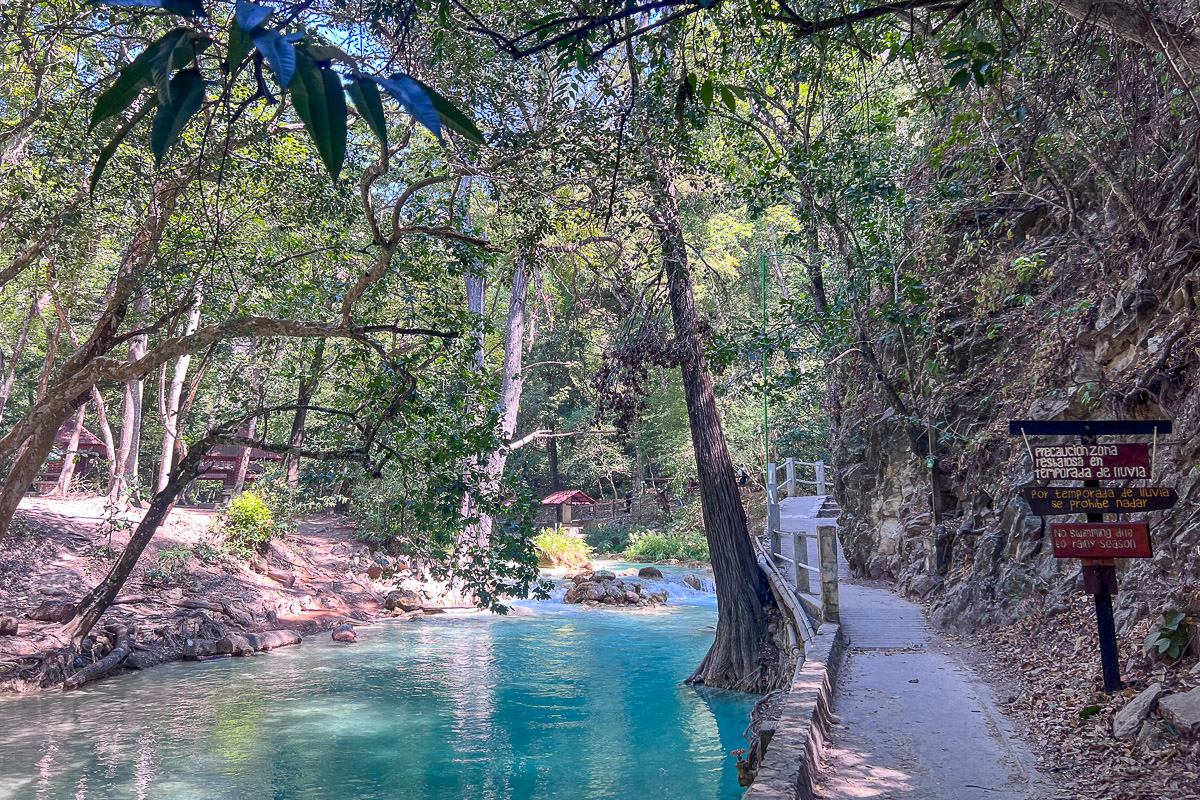
The name “Blue Water” is immediately obvious as you approach the downstream pools and their surreal hue.

Agua Azul Waterfalls Mexico

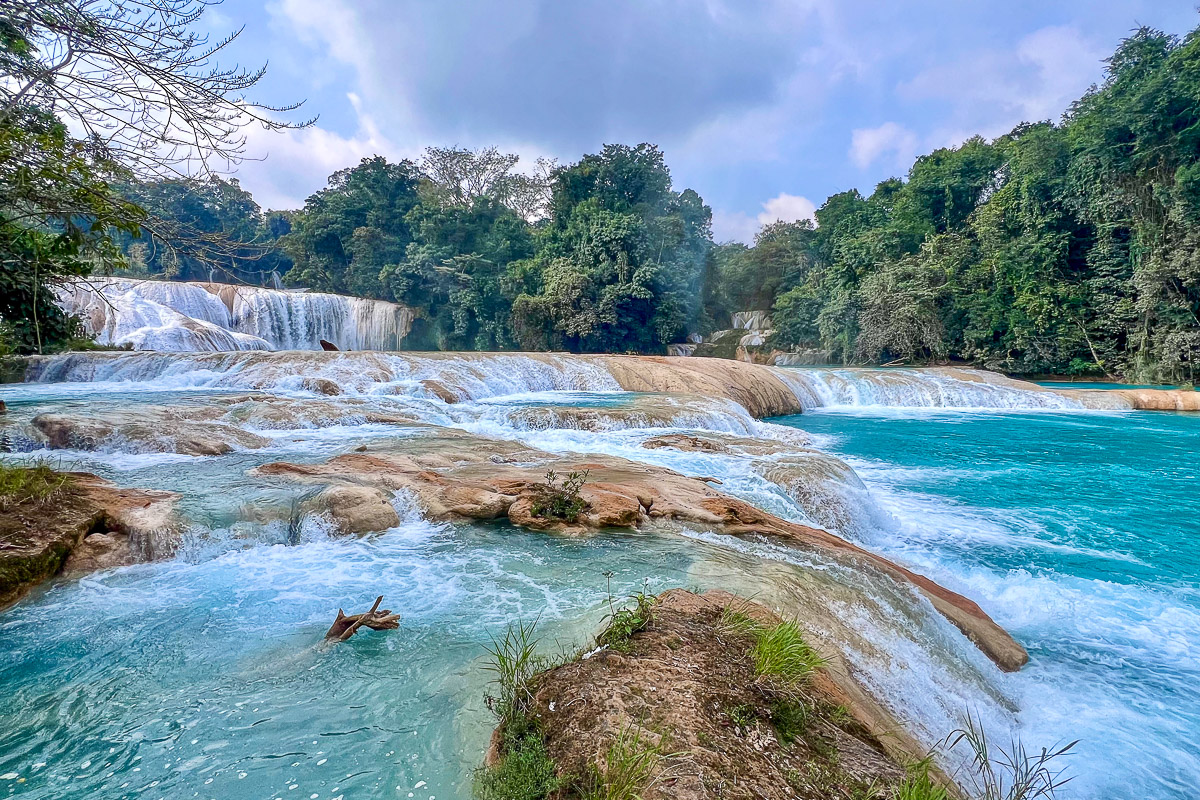
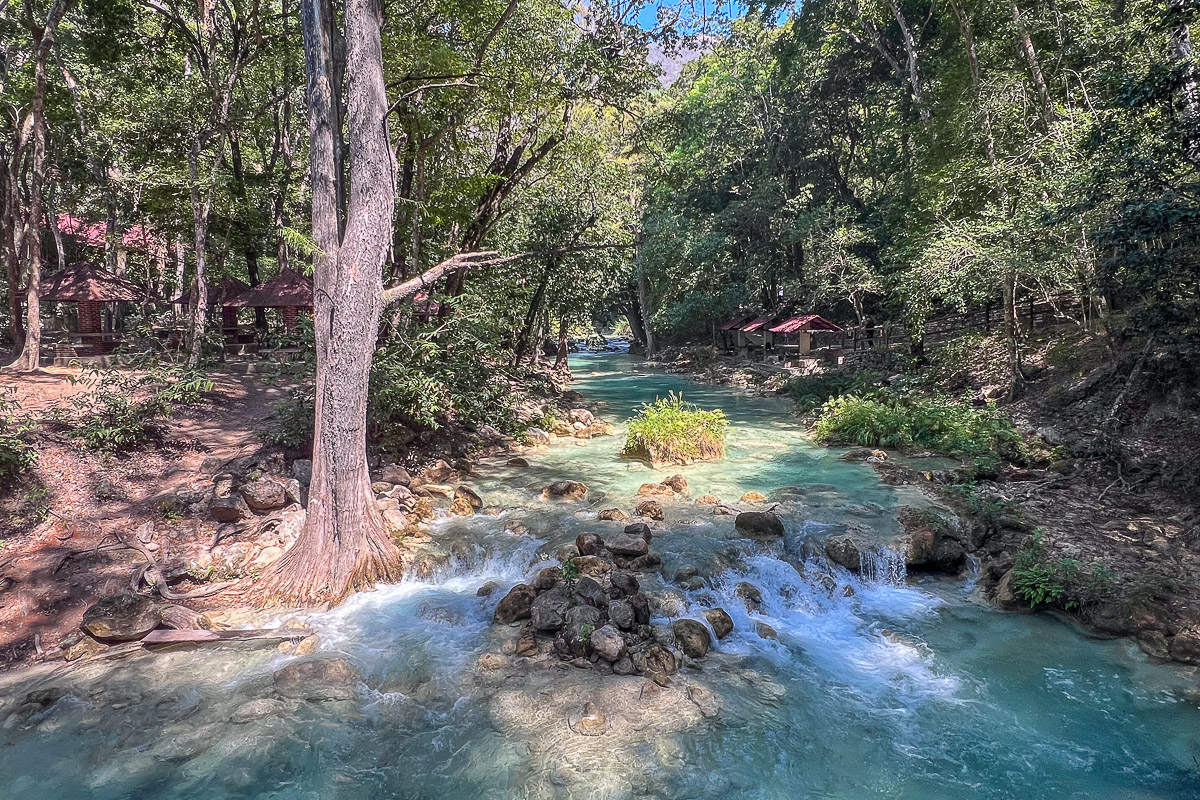
A large walking path slowly leads you up along the river to the series of torrential cascades.

Agua Azul Waterfalls Mexico

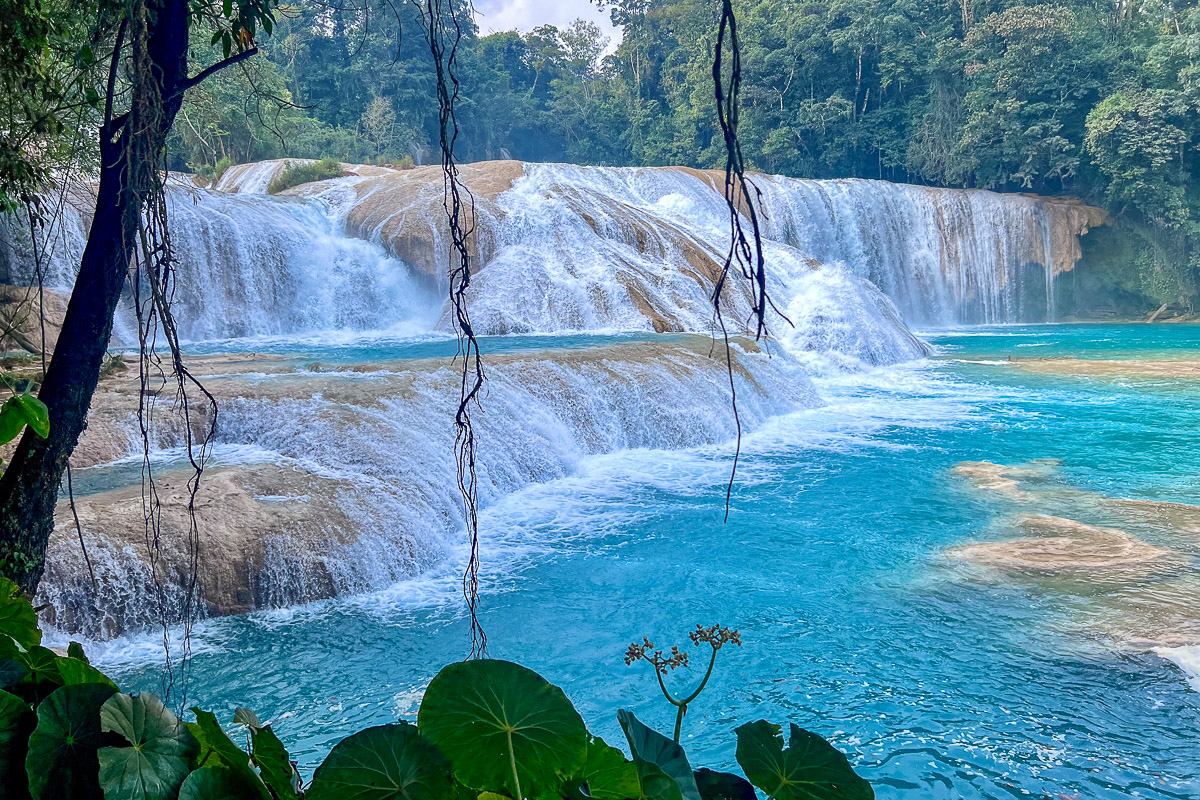
Their color and undulating shape come from the limestone-rich deposit, with smaller falls joining together as you go higher up.

The views from the upper reaches are majestic, and you’ll find large pools safe for swimming here with enough time left for a quick dip before continuing your journey.

Agua Azul Waterfalls Mexico

Misol-Ha

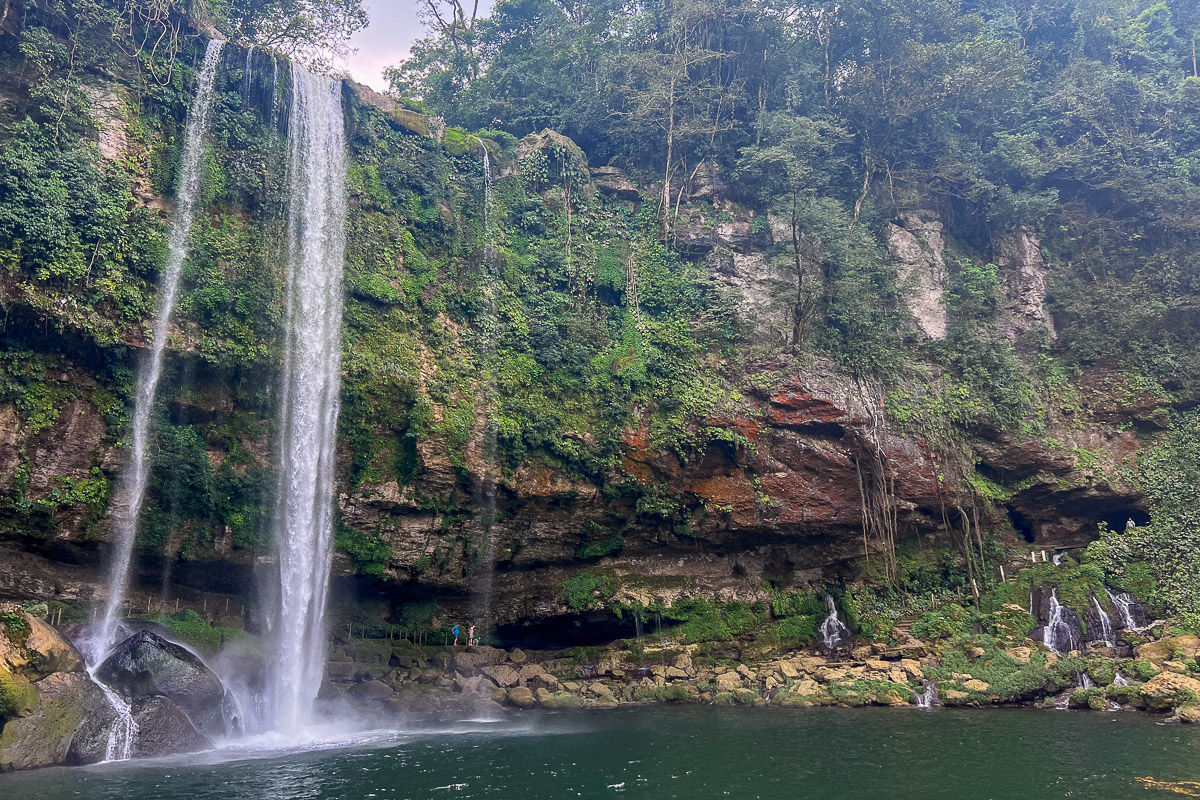
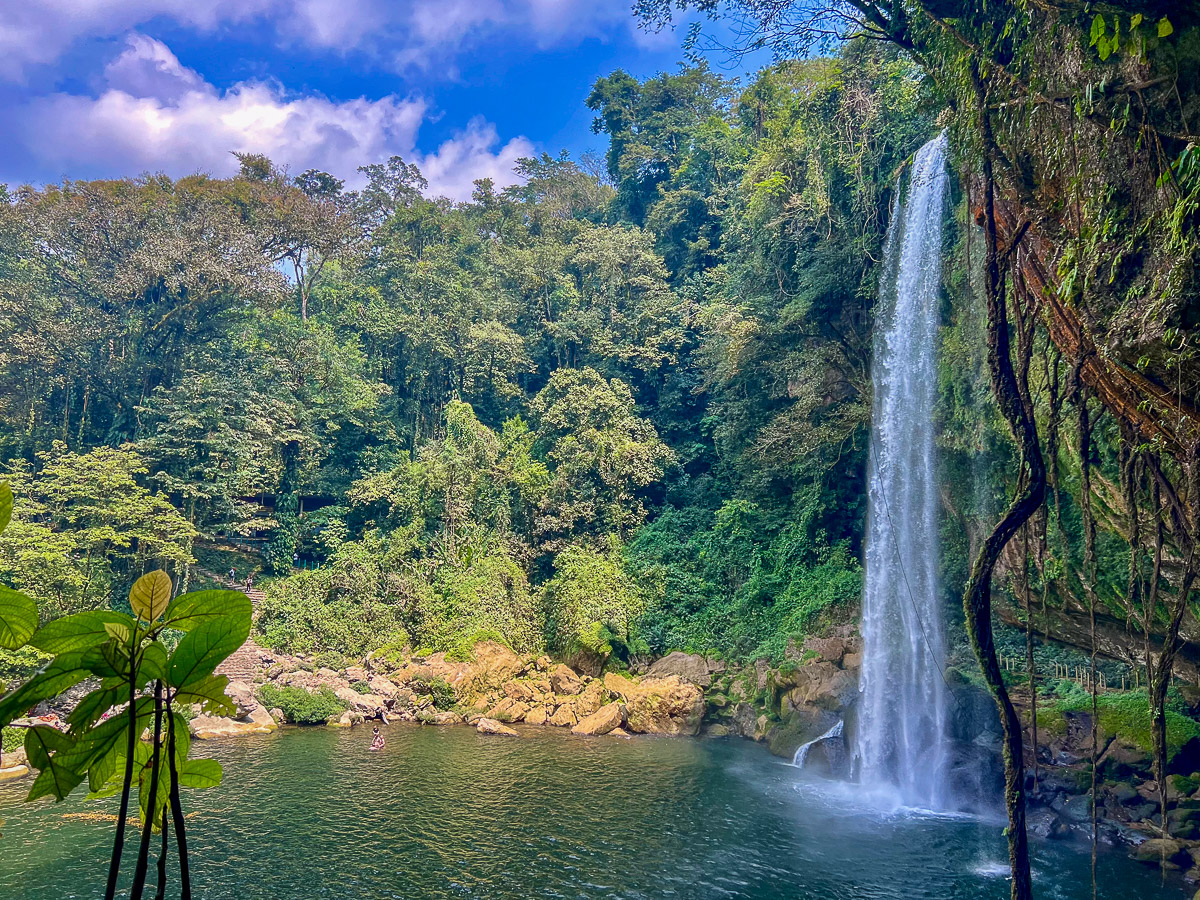
One more albeit shorter stop on the way to Palenque (it is a 6-hour drive btw so you’ll appreciate any chance to stretch your legs!) is to another waterfall called Misol-Ha. This stunning single-drop waterfall falls nearly 120 feet into a deep and refreshing pool below.

Misol-Ha Waterfall

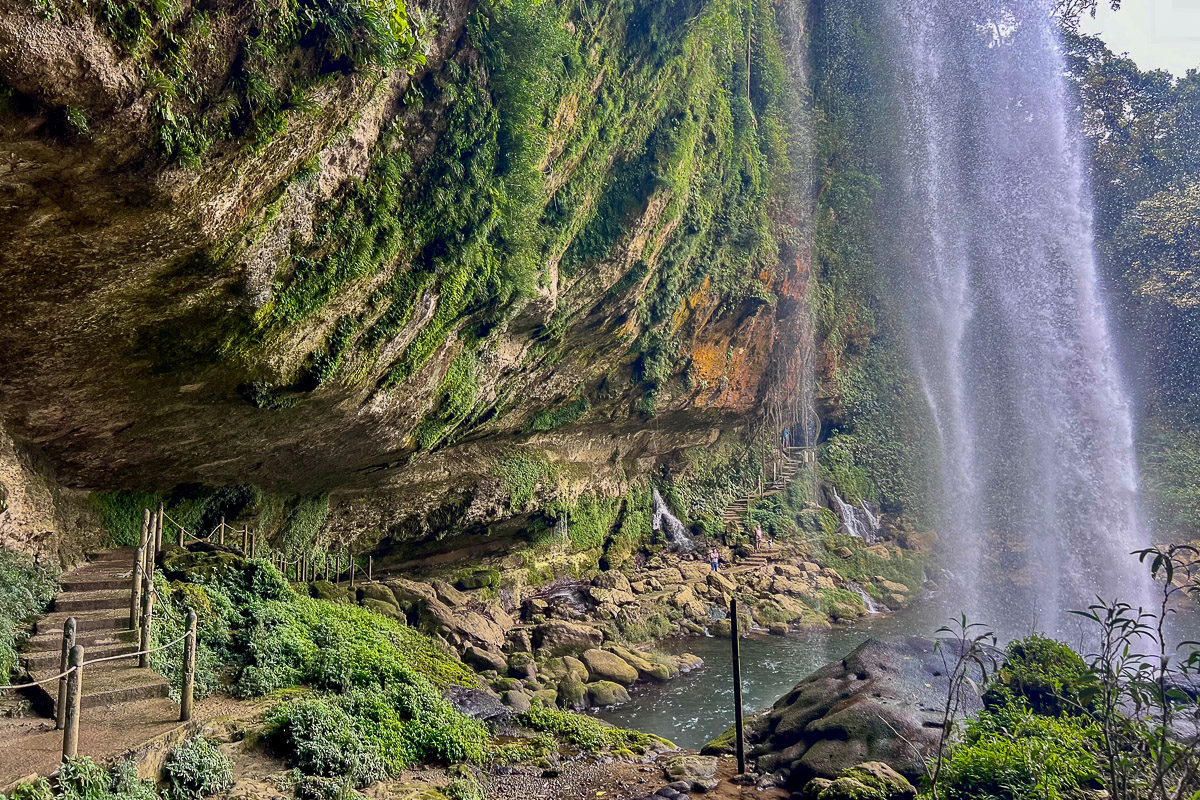
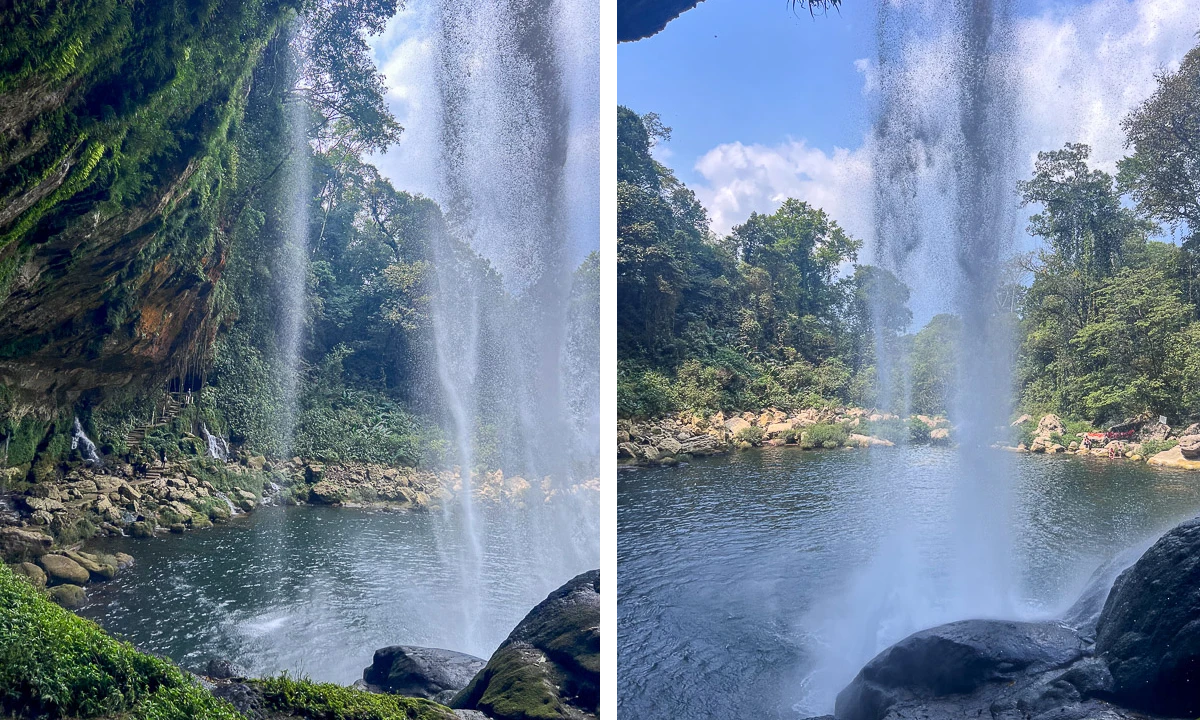
A small walkway takes you behind the water curtain and there are some caves you can also briefly visit at the end.

Misol-Ha Waterfall

The lush setting with tropical vegetation is worthy of a movie set, and it once was as this site was featured in the 1987 Predator movie…

Misol-Ha Waterfall

Palenque

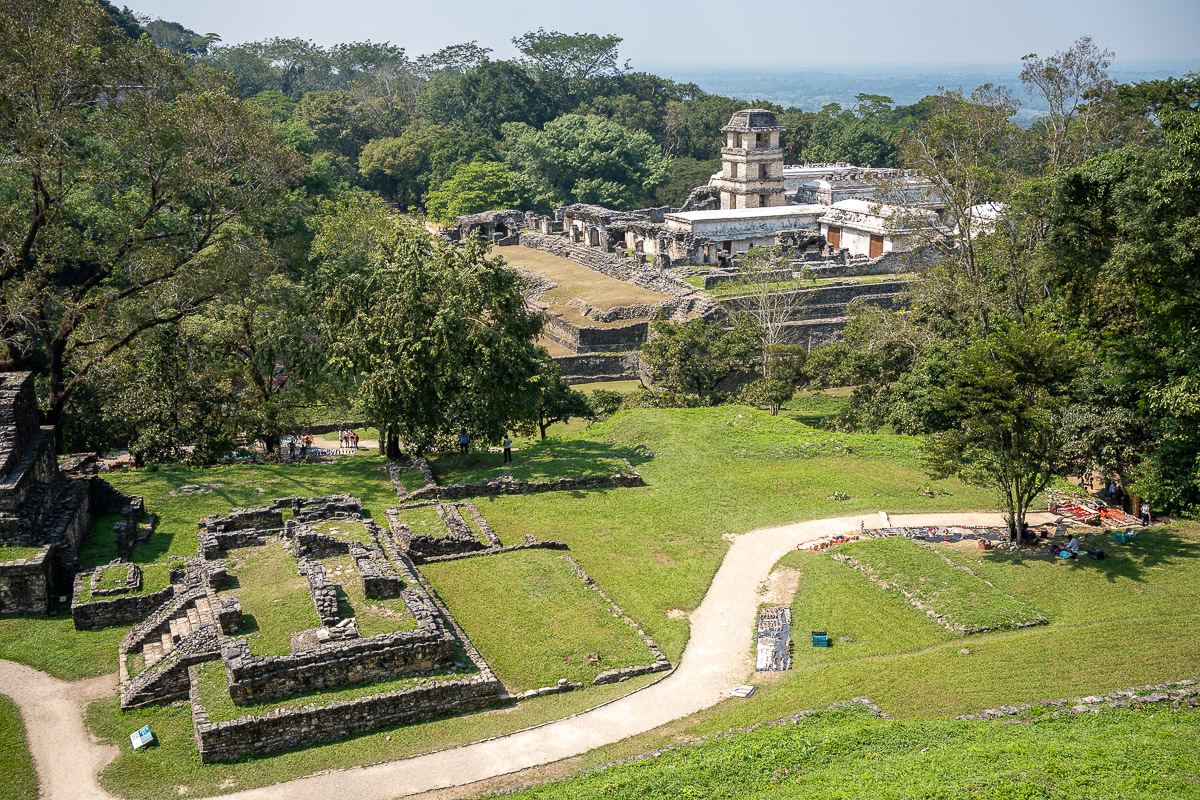
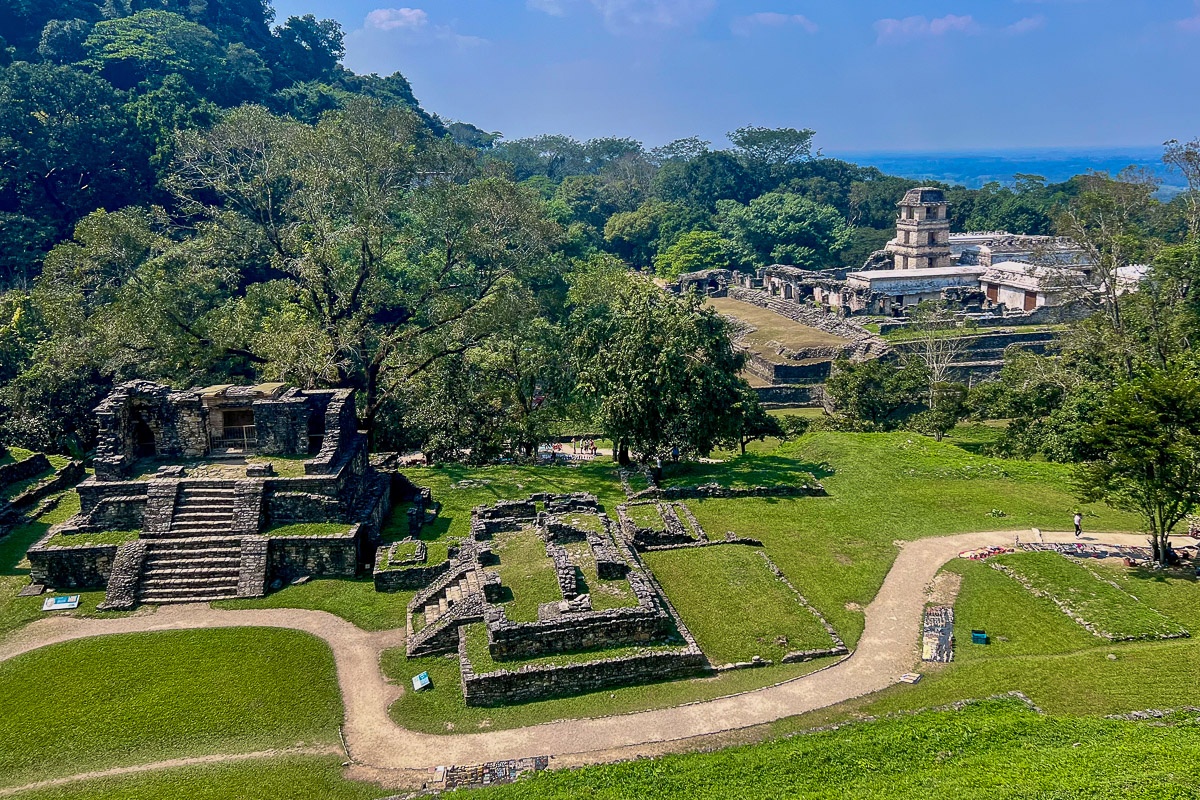
You finally arrive in early afternoon to Palenque and feel like you’ve stepped into another realm. The extreme heat and humidity of the jungle paired with the rolling grunts of howler monkeys and piercing bird cries lend a mystical atmosphere well suited to this magical place. It’s a site best explored solo at a gentle pace, where you can learn about its fascinating history, take frequent breaks in the shade of giant trees and enjoy the feeling of serenity.

Palenque Mexico
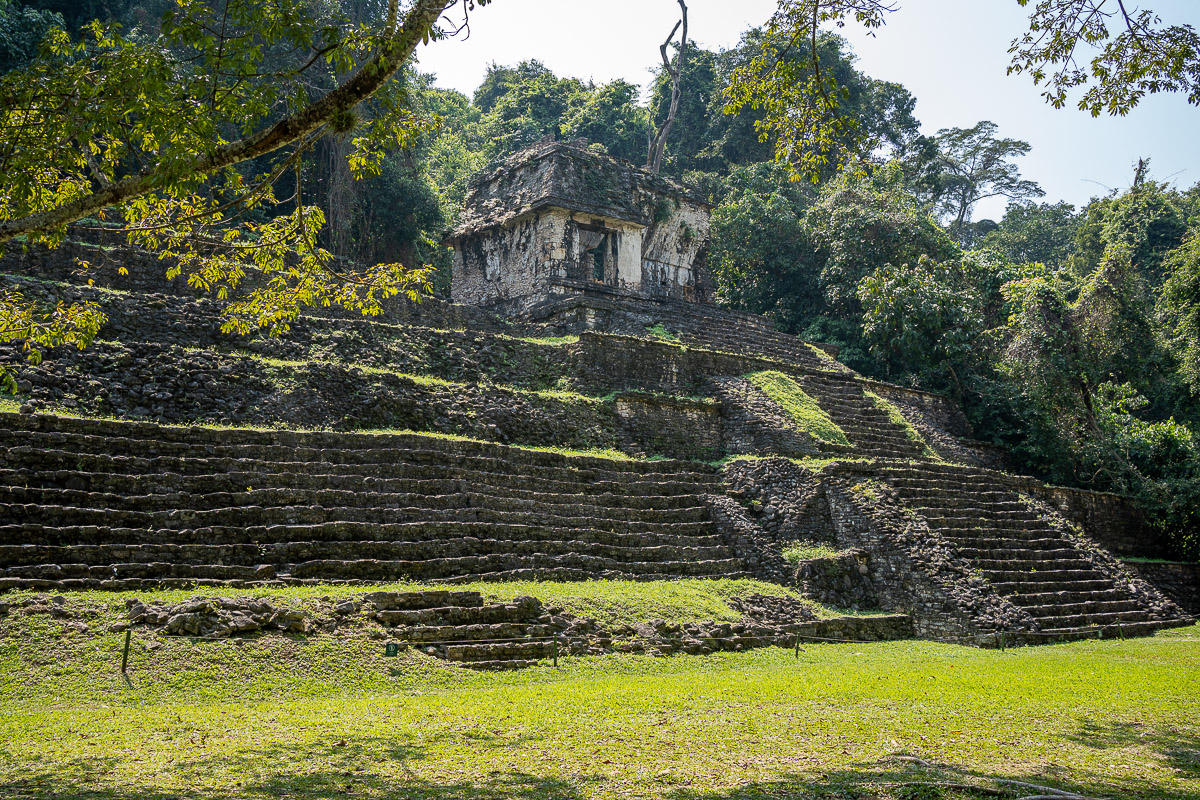
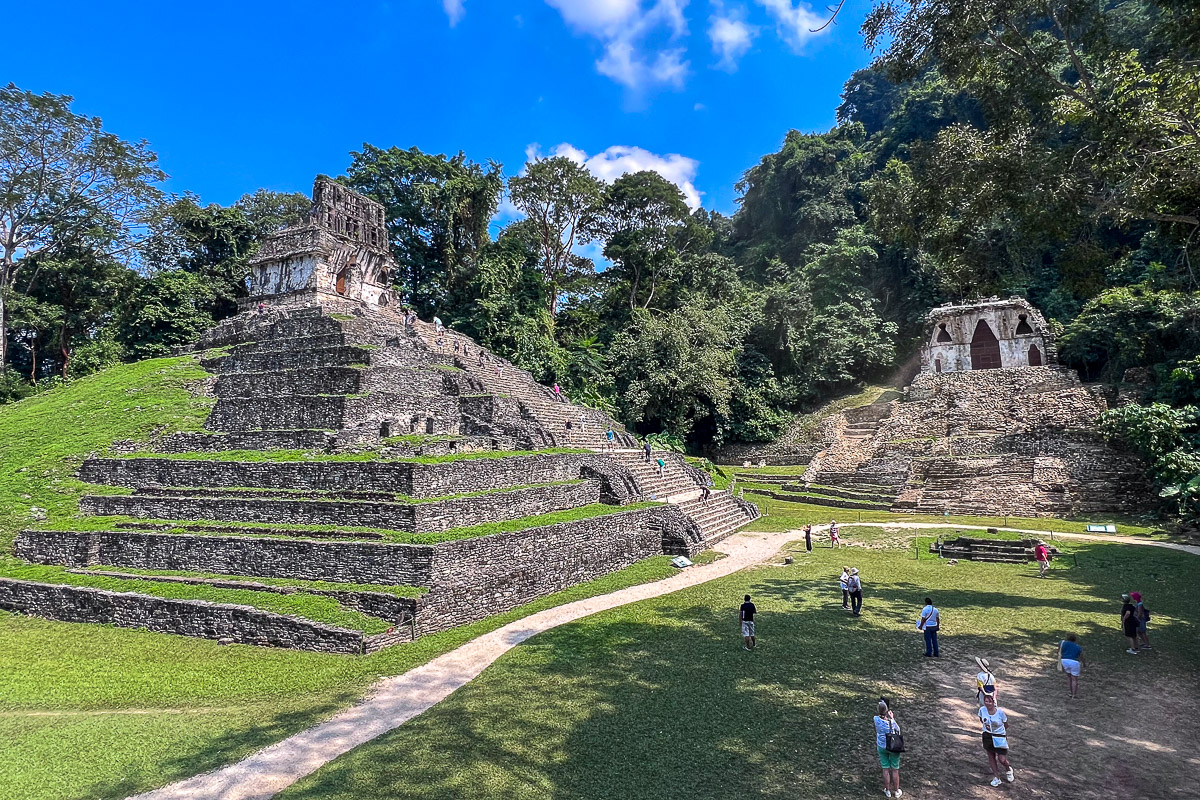
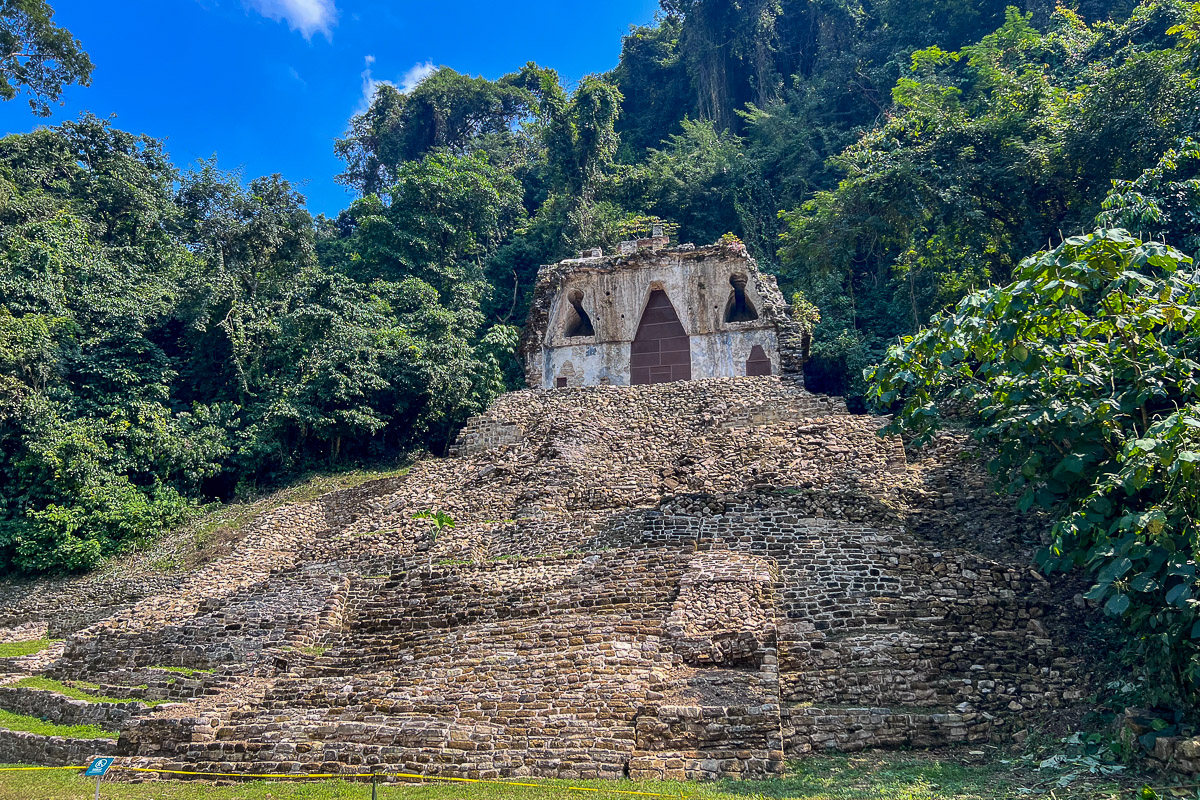
Templo de La Calavera (Temple of the Skull)

The ancient city was an important seat of power during the Classic Maya period and reached its peak between 500 and 700AD before being abandoned in 900AD. Older than Tikal in Guatemala, it is an outstanding archeological site of which barely 10% has been uncovered to this day.

Palenque Mexico

It’s also one of the few archaeological sites in Mexico where you can still climb the pyramids and enter the buildings, immersing yourself further into the genius of this civilization.

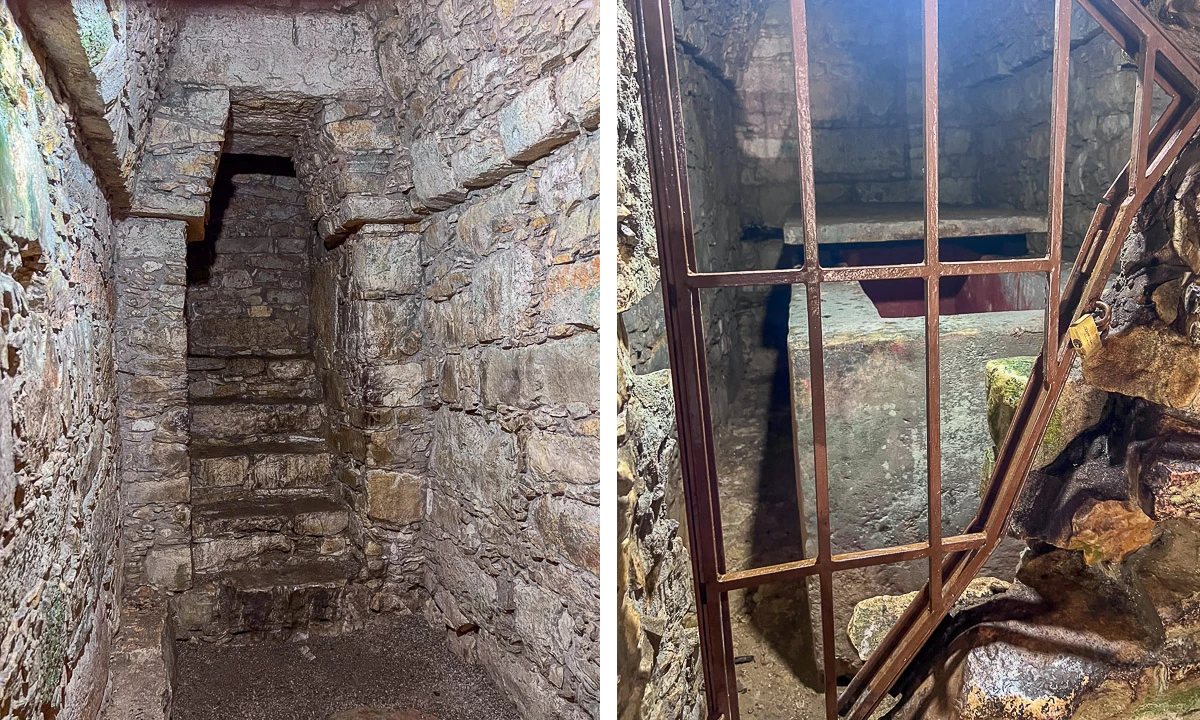
Tomb of the Red Queen

Palenque is world-renowned for its distinctive and artistic architecture which sets it apart from other Maya sites.

Palenque Mexico
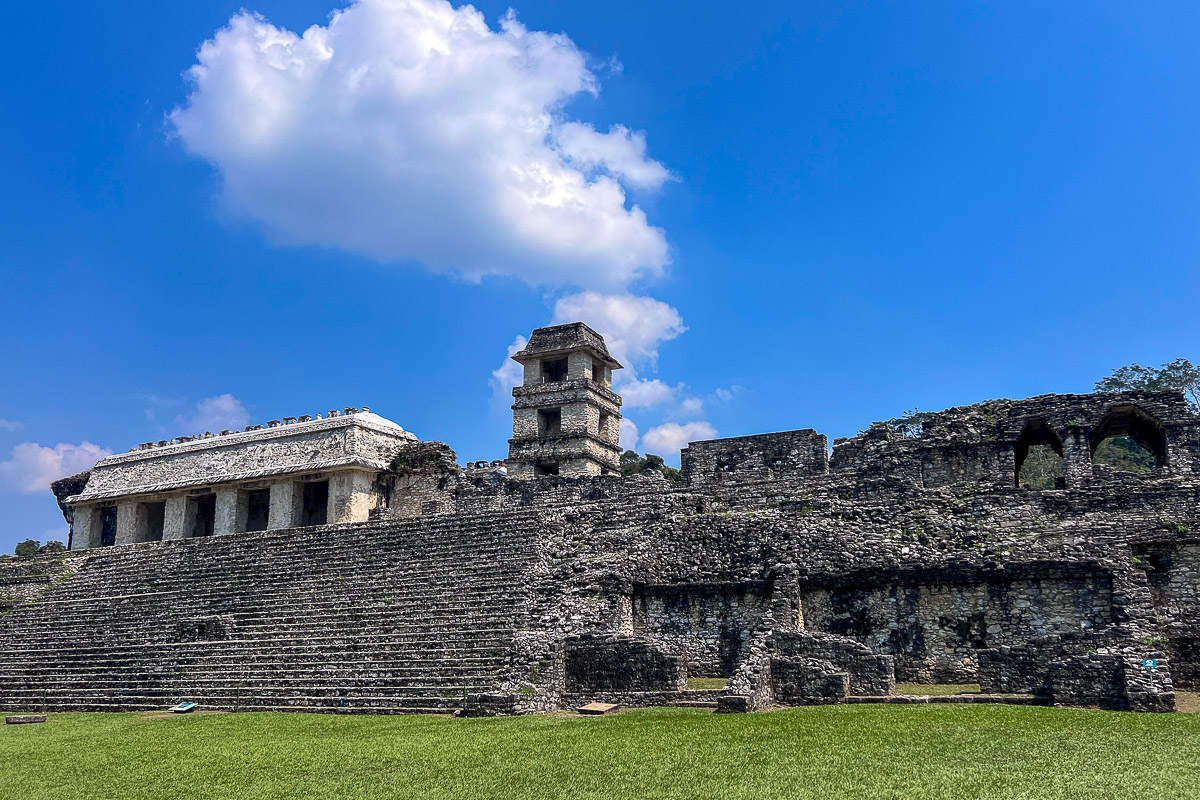
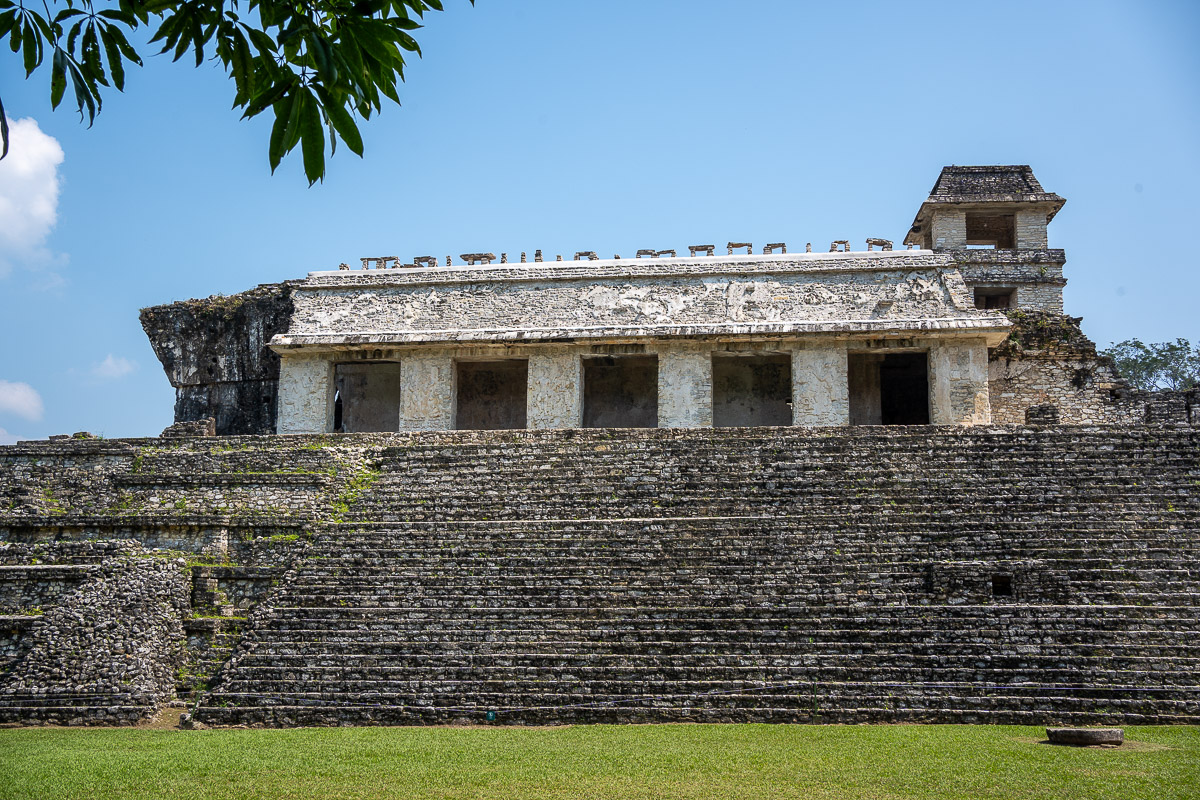
El Palacio

There’s an elegance to the structures not seen elsewhere which proves just how creative they were, especially knowing this was all built without the benefit of metal tools, the horse or the wheel…

Palenque Mexico
El Palacio

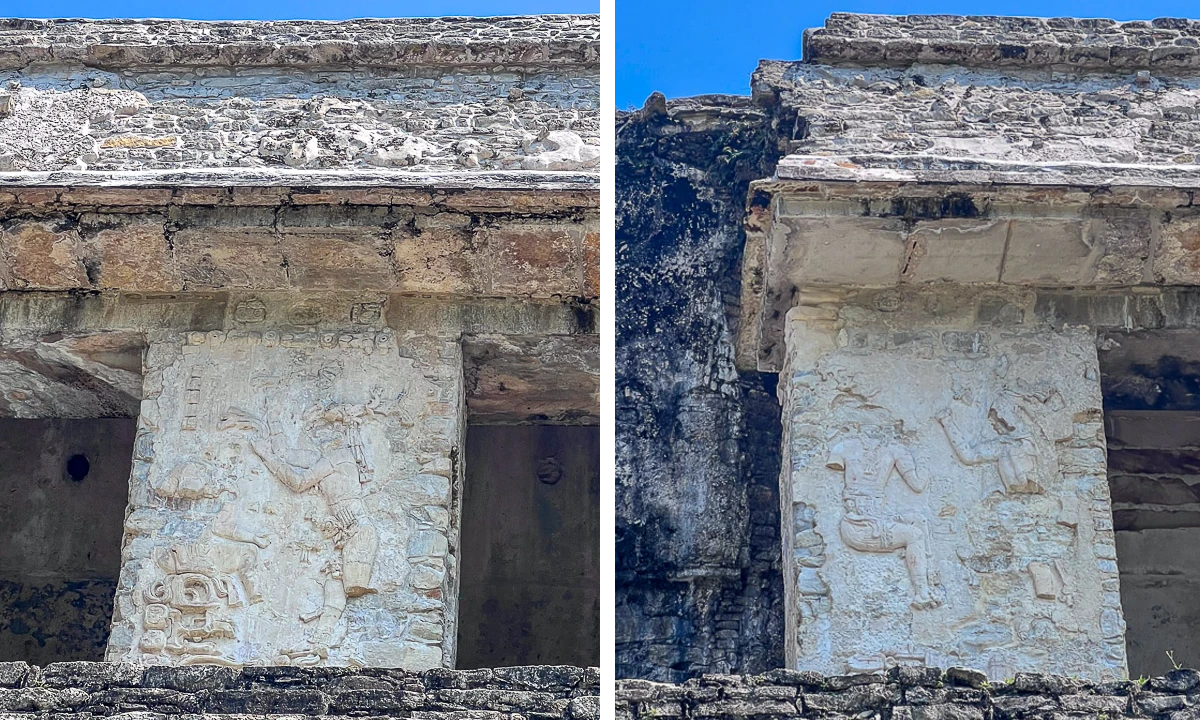
That’s why taking its time is worth it here, so you can admire the craftsmanship of this ancient civilization. On top of marveling at the size and construction of their ceremonial and civic buildings, you’ll find intricate decorations throughout like sculpted reliefs representing Mayan mythological themes.

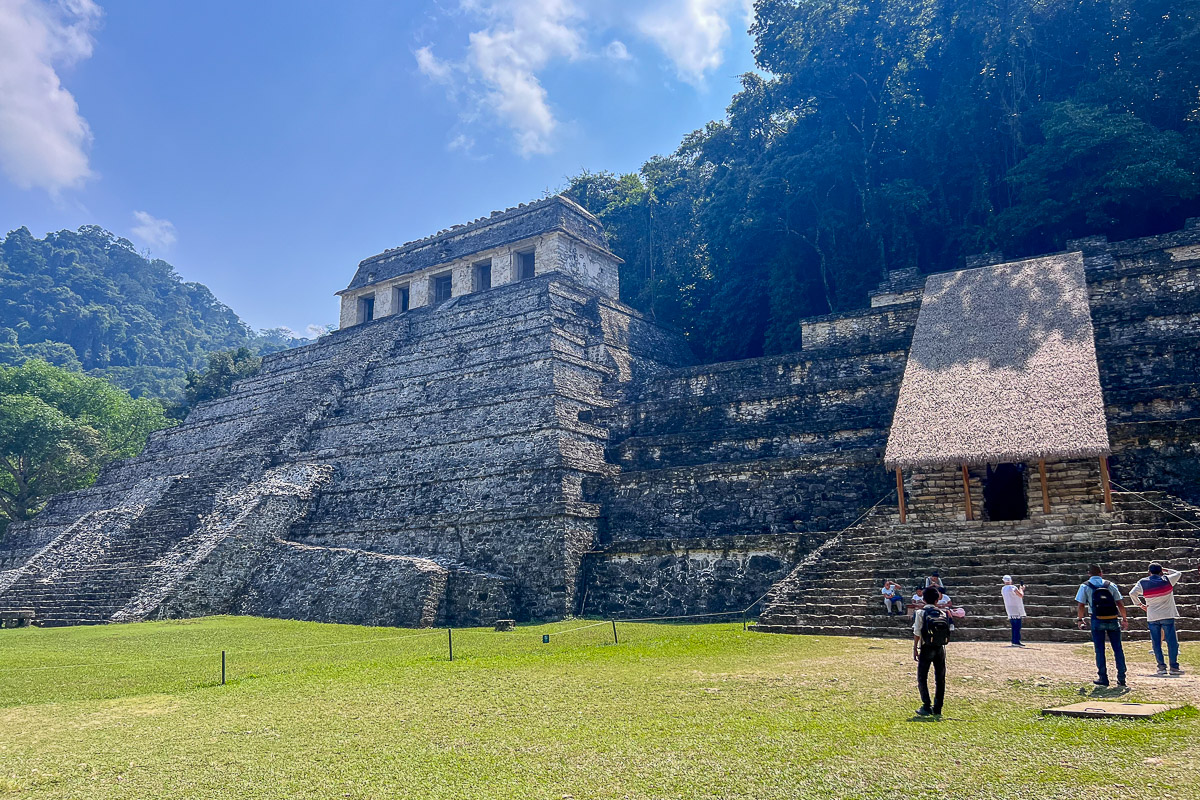
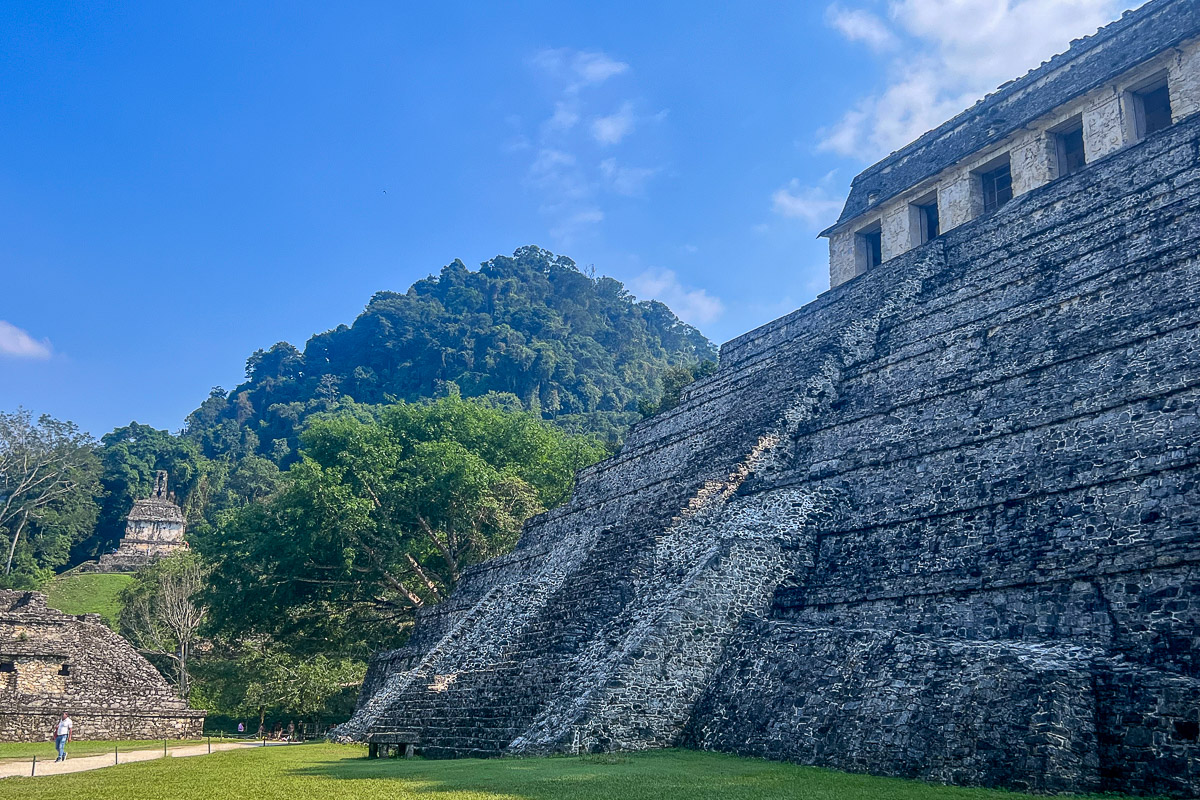
Templo de las Inscripciones

What makes Palenque truly special besides its impressive size and build is how integrated it is into the landscape. It not only creates an unbelievably beautiful city, but the landscape is the reason we’re able to appreciate it today in such a well preserved form. Once abandoned, the thick surrounding jungle quickly took over and covered the temples and palaces, essentially protecting them from looters and the elements for centuries.

Palenque Mexico
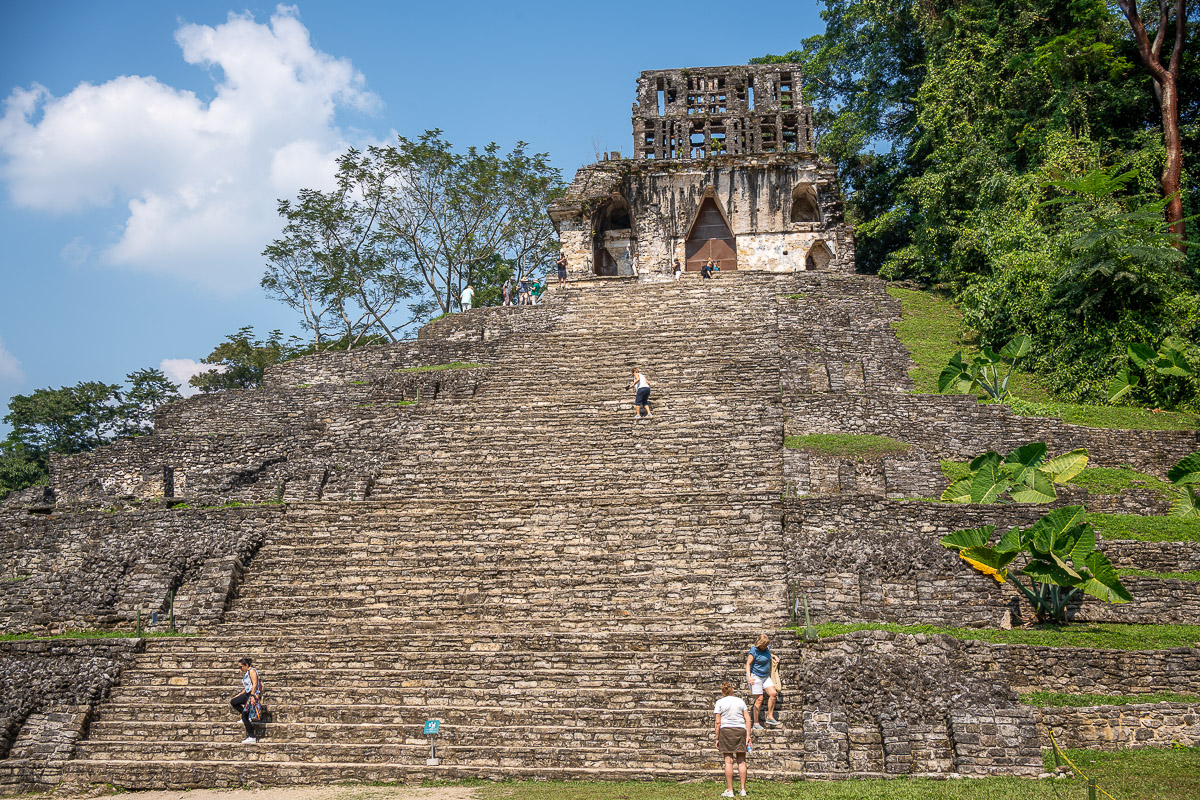
Templo de la Cruz Foliada

Save your energy for walking up the stairs of the Templo de La Cruz, one of the highest in Palenque.

Palenque Mexico
Templo de La Cruz (Temple of the Cross)

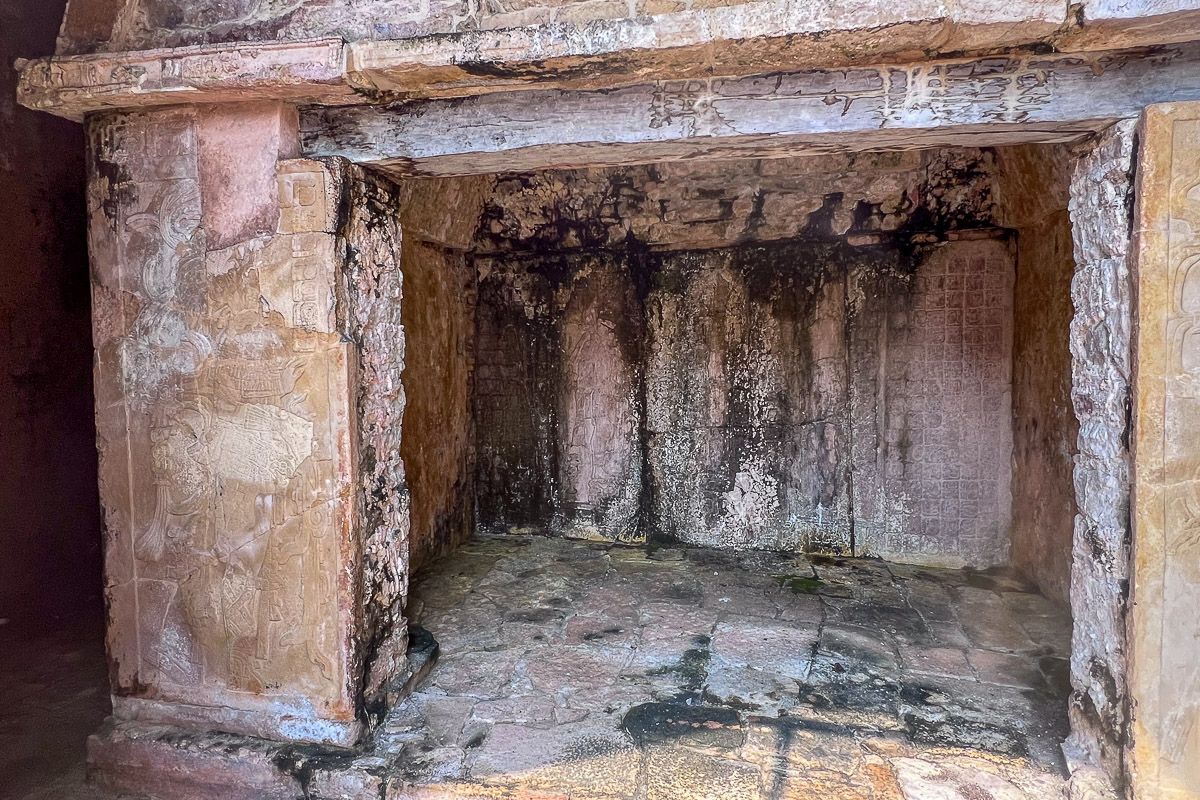
At the top you’ll get to see an engraved shrine with one side representing God smoking tobacco and the other a richly attired Lord Serpent Jaguar (a drawing on the information panel helps with picturing what is what).

You also get a splendid view over the Palace and surrounding area, trying to imagine what it would have looked like back in the day with over 500 buildings since it’s already pretty impressive!

Palenque Mexico

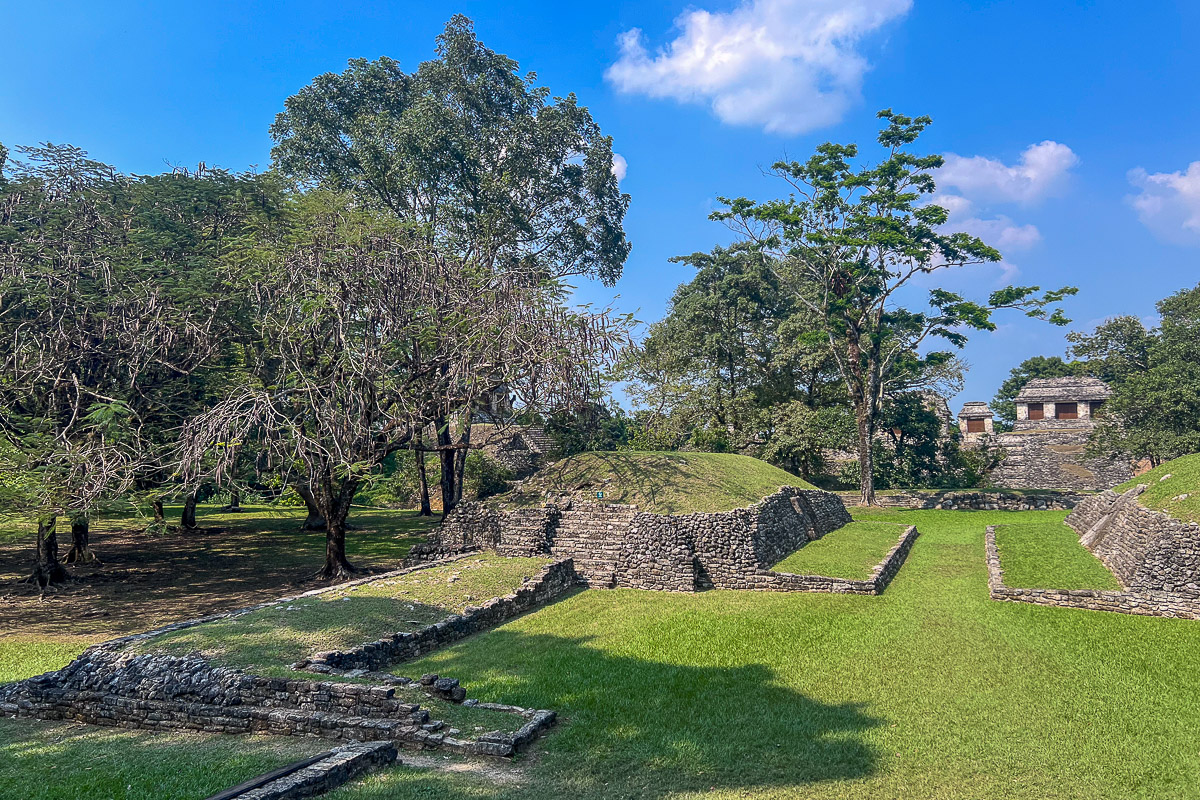
There are many other sections you can walk around and take a rest under the shades of the trees, such as by the old ball court where they used to play the ancient game of Pelota.

Palenque Mexico
Juego de Pelota

After a few hours on the site, it’ll be time to grab a filling lunch at one of the nearby cafeteria and start the very long drive back to San Cristóbal, in awe of the treasures you’ve uncovered in Chiapas’ spectacular jungle.

Americas Mexico Travels

El Chiflón waterfalls & Montebello lakes, Chiapas

February 15, 2026

Most people when thinking about Mexico picture white sand beaches, taco stands, agave fields, and charming colonial towns, but few know that the state of Chiapas is one of the country’s most outstanding area of natural beauty. The climate is tropical with lush forests and heavy rains that create some spectacular water features.

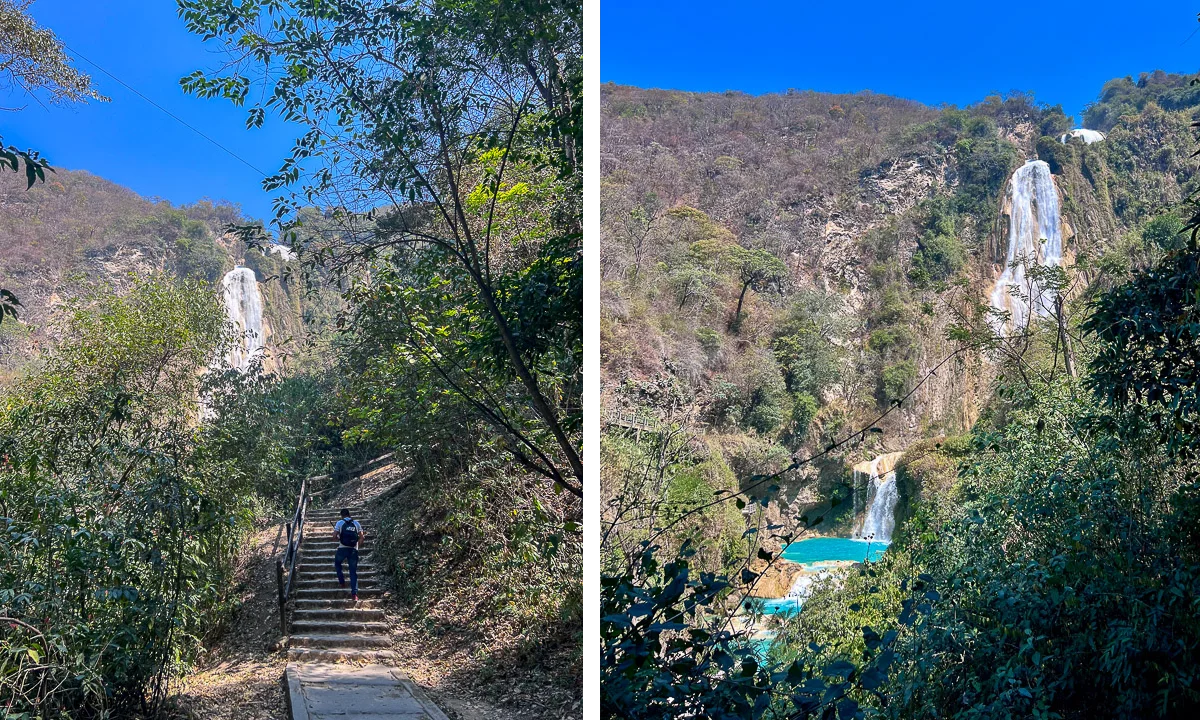
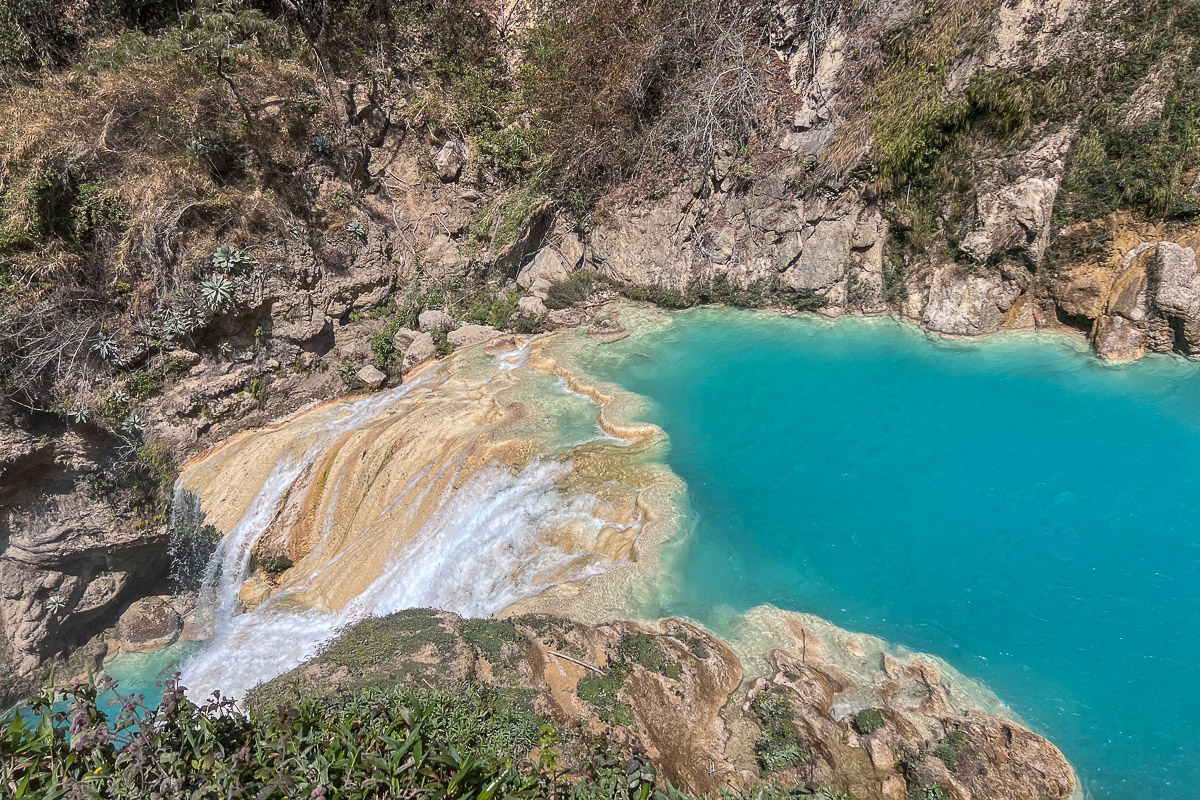
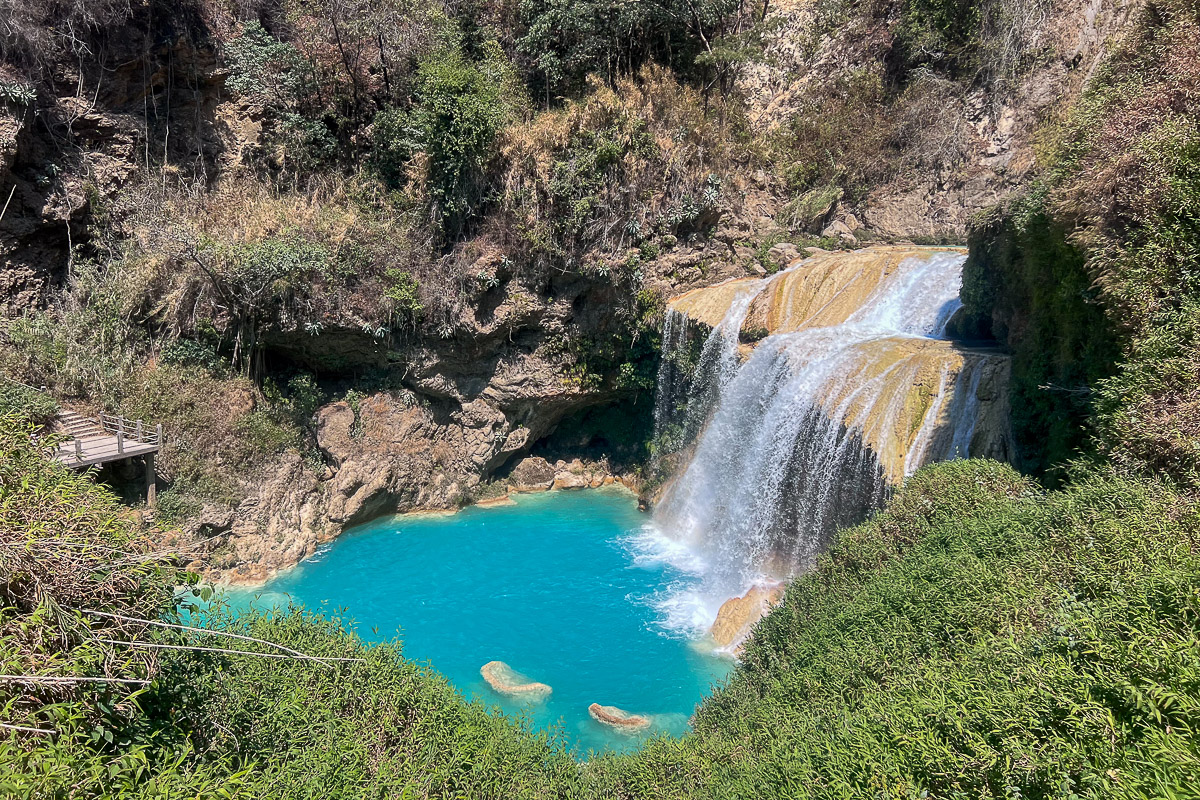
One such spectacle worth venturing out to is Cascadas El Chiflón, located over 2 hours south of San Cristóbal de las Casas. Here, the mighty San Vicente River drops dramatically through a tropical forest into a series of enchanting and absurdly blue waterfalls. To see them all, it’s a nice little hike up along the river on a well-made path over 1.5km, with a few steep sections but plenty of spots to refresh along the way!

Cascadas El Chiflón

The first waterfall you encounter is El Suspiro (The Sigh) with a wide turquoise pool.

Cascadas El Chiflón

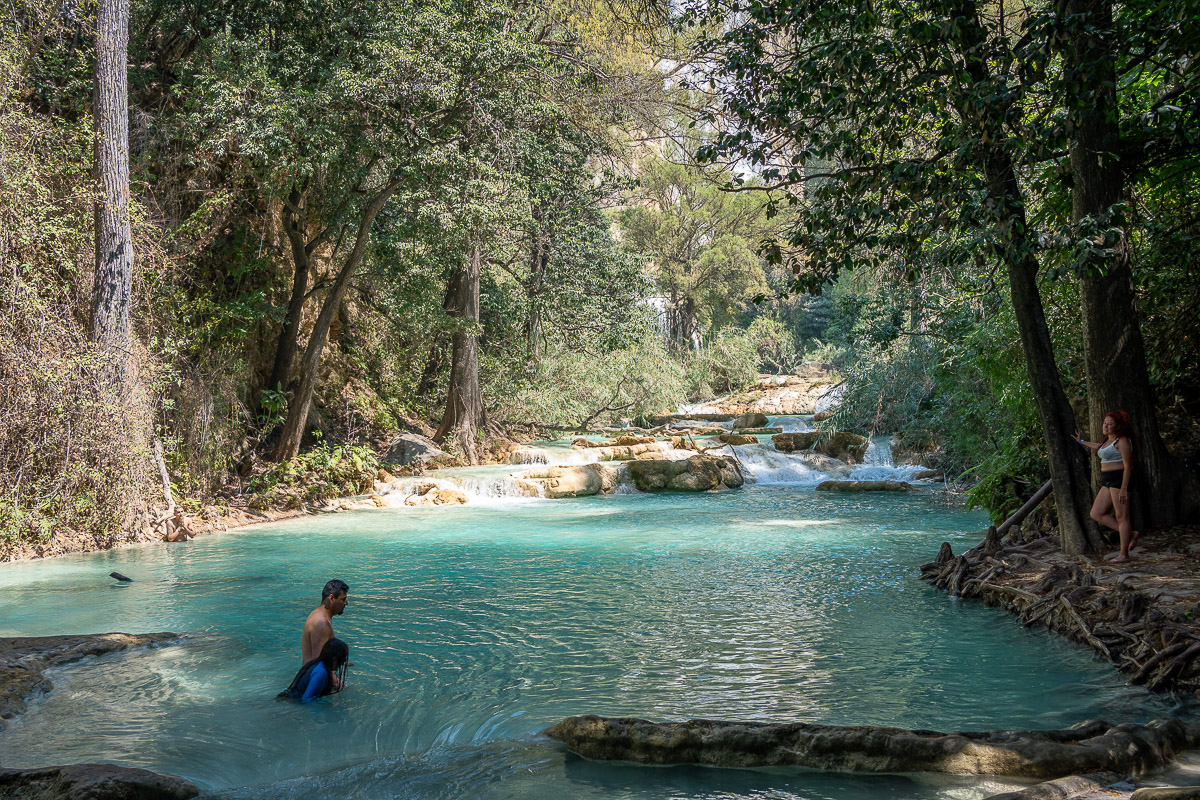
Next one is Ala de Ángel (Angel’s Wing), nicely shaded with a shallower basin, perfect to dip your feet in.

Cascadas El Chiflón

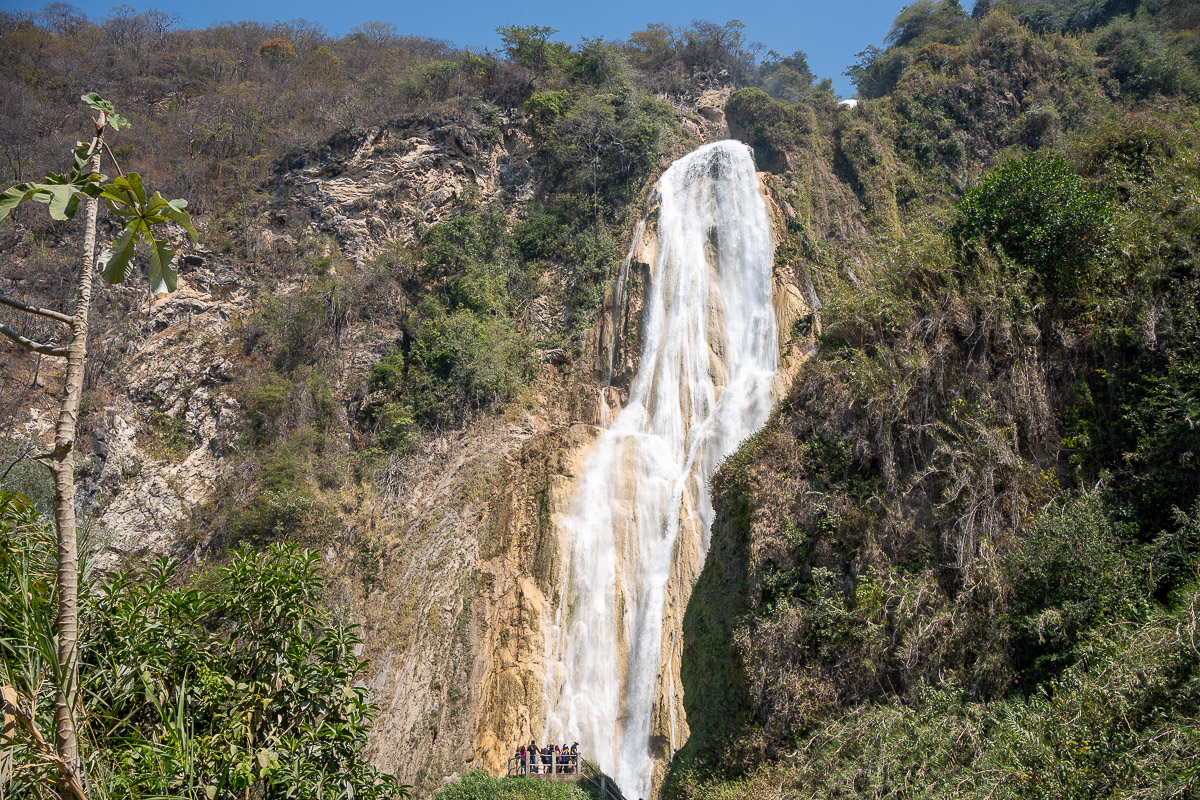
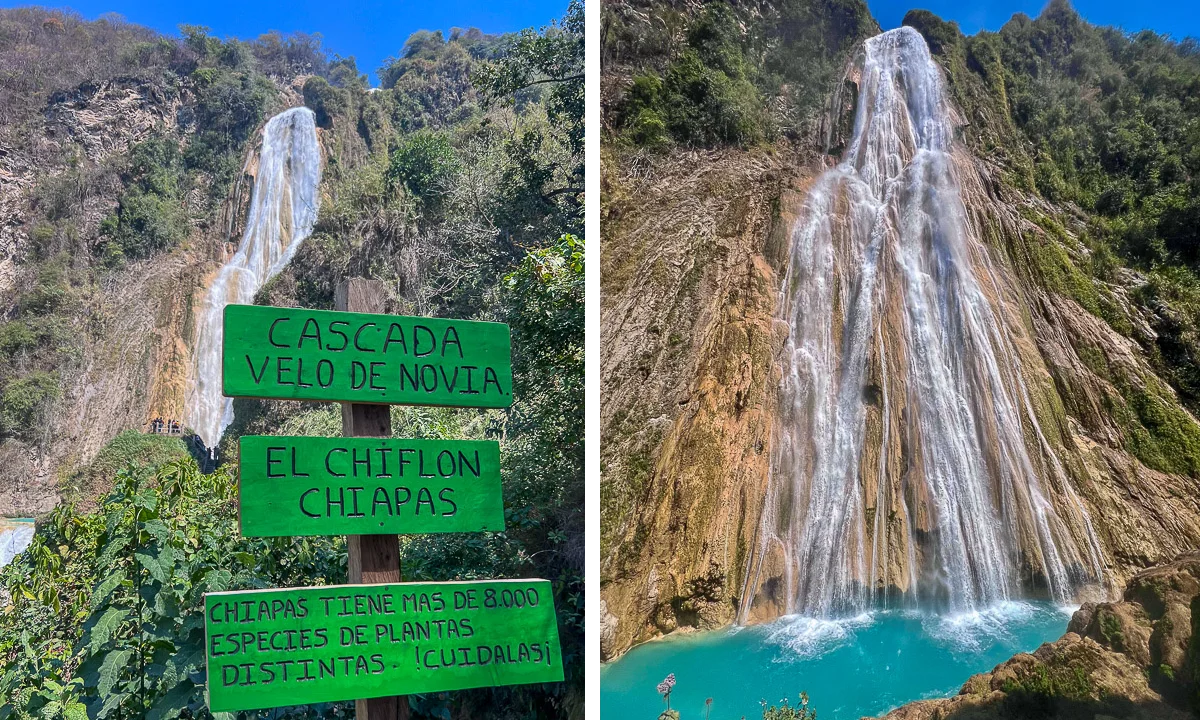
Then you start the climb towards the main attraction and tallest waterfall: Velo de Novia (Bride’s Veil). You can catch glimpses between the trees of all the bright blue pools, a really special sight.

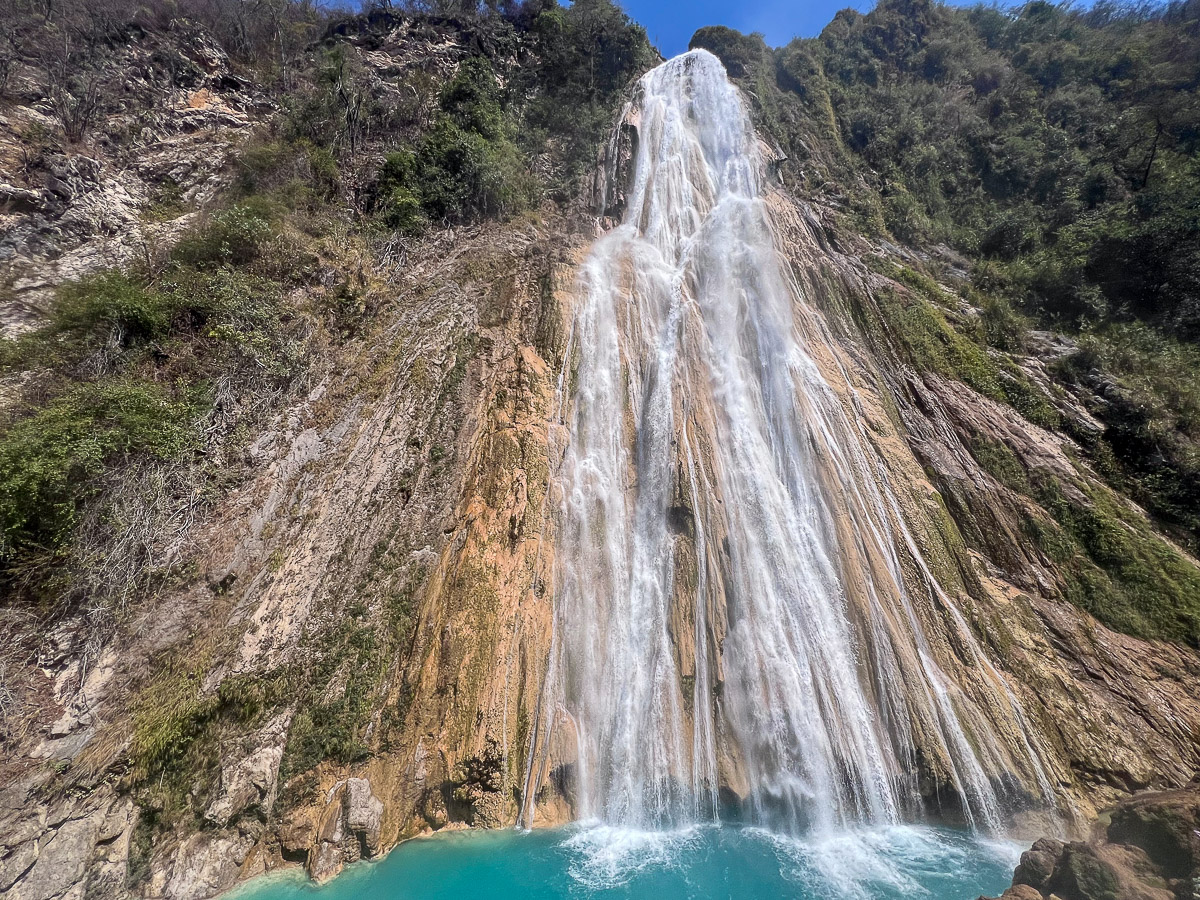
As you get closer, the thunderous roar and impressive height fill your senses as you stare at the 120m steep drop of rushing water.

Cascadas El Chiflón

Climb the steps to the viewing platform which is as close as you can get to the falls – and prepare to get wet!

There are two more smaller waterfalls up ahead, though if you go with a group like I did, you’ll turn around here due to lack of time. It’s a nice walk back down in the shade with more opportunities for photos…

Cascadas El Chiflón

…and for swimming in designated, calmer areas. Bring your swimsuit if you don’t mind your water on the chillier side

Colorful lakes

It’s typical to combine the waterfalls of El Chiflón with a visit to the other water attraction of the area – Montebello Lakes National Park, a further two-hour drive away.

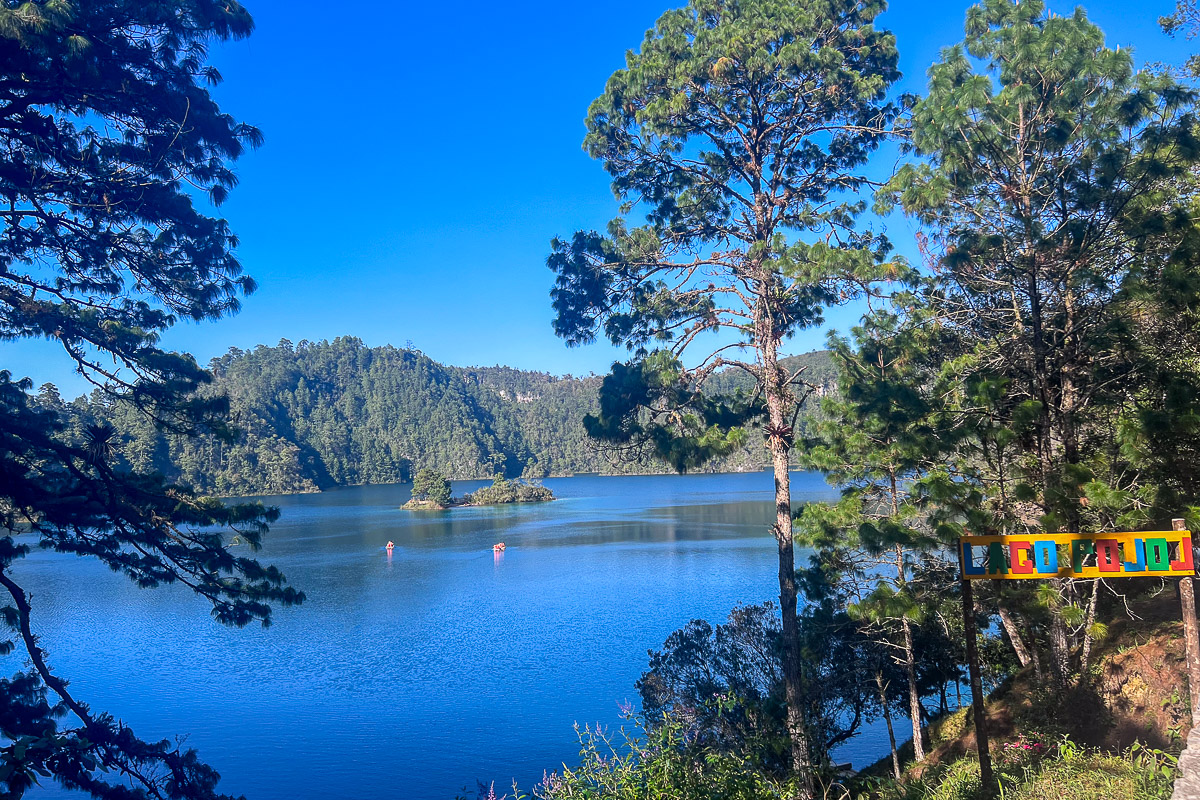
The UNESCO Biosphere Reserve has over 50 lakes in a pine forest and a few tourist facilities to refuel in the middle of a long day.

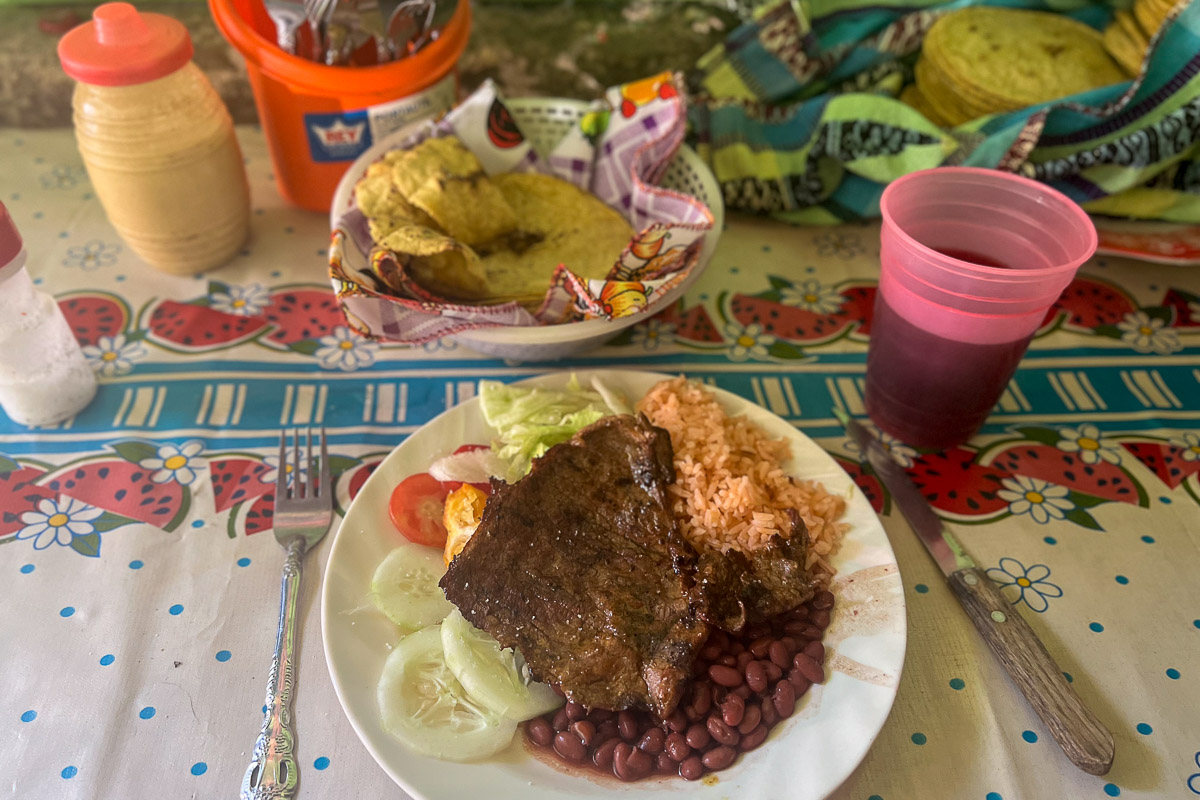
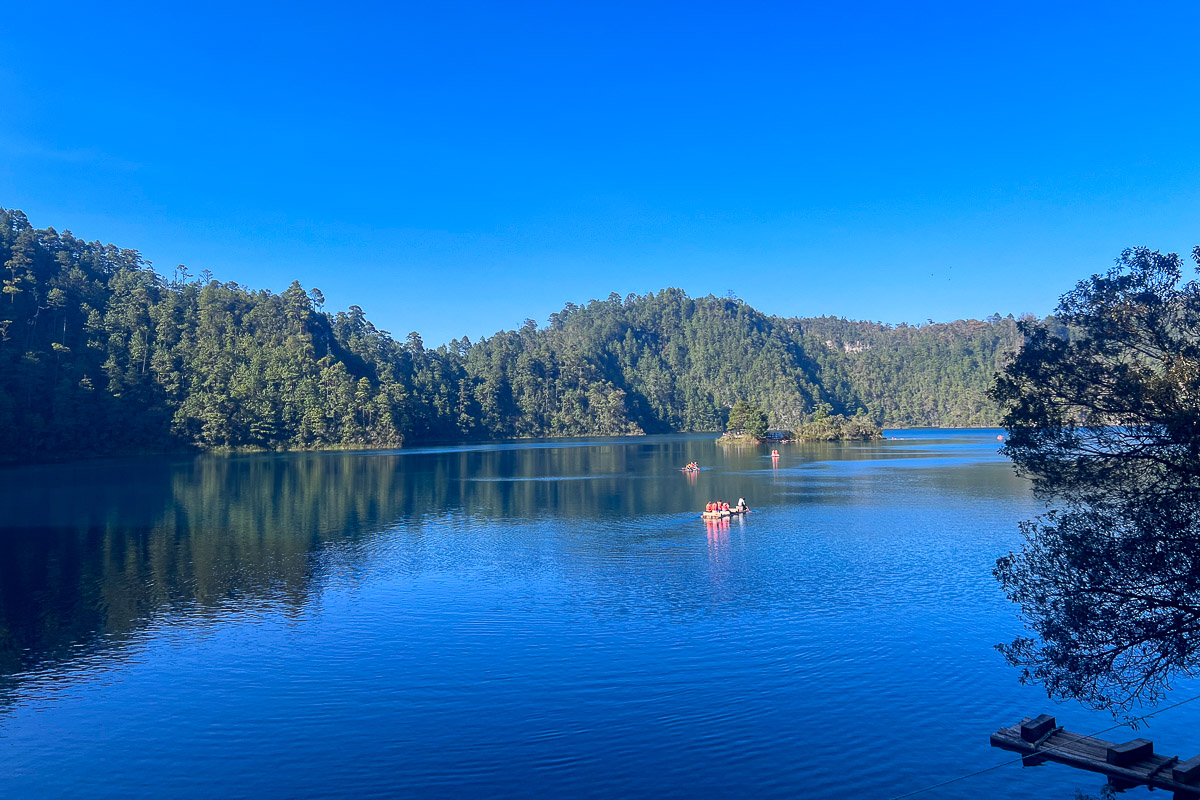
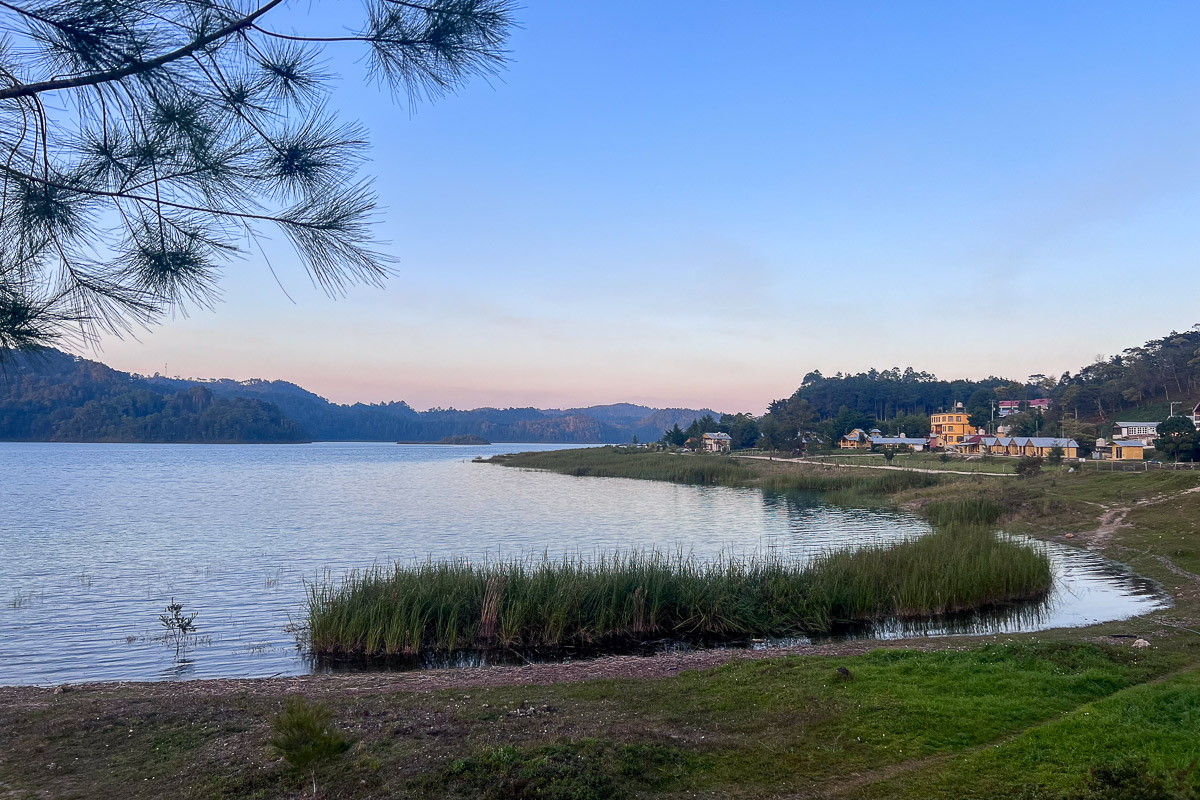
Famous for the color of their waters, the lakes all reflect turquoise blues and greens, coupled with the scenic backdrop of the surrounding mountains and forests. We stopped at Laguna Pojoj for lunch followed by a very relaxing boat tour.

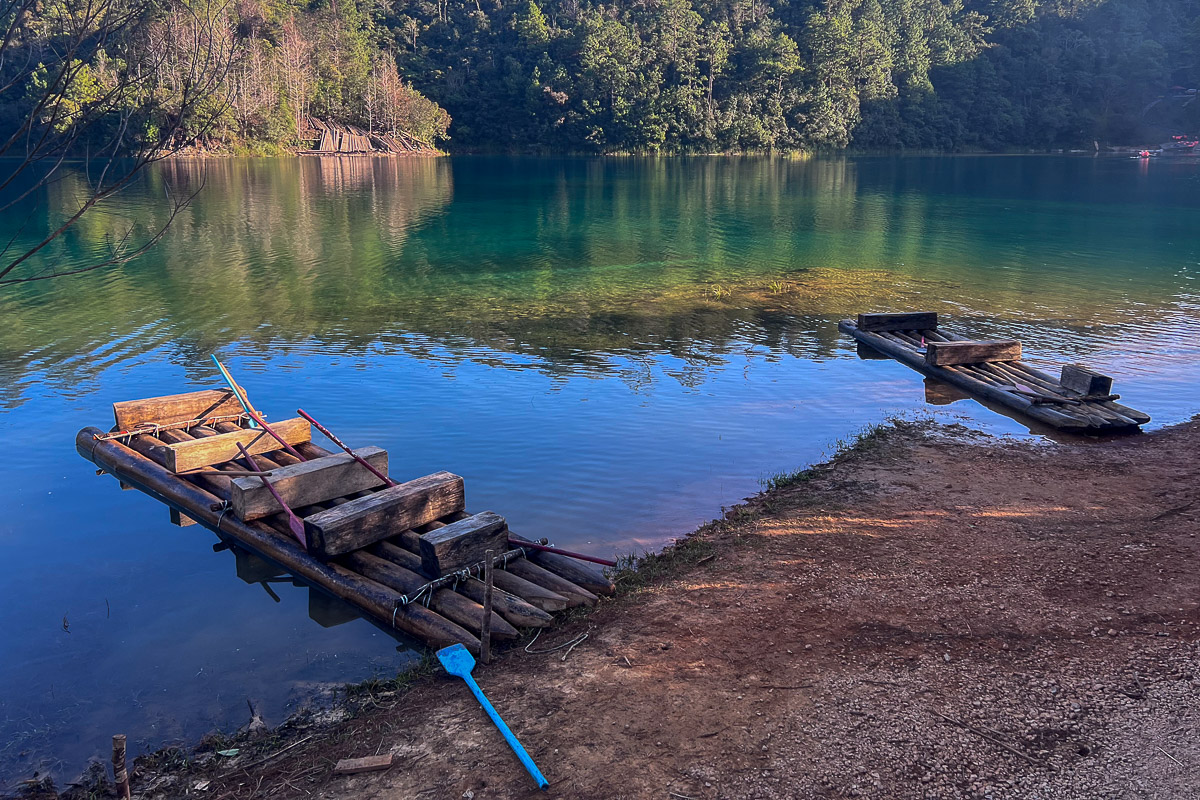
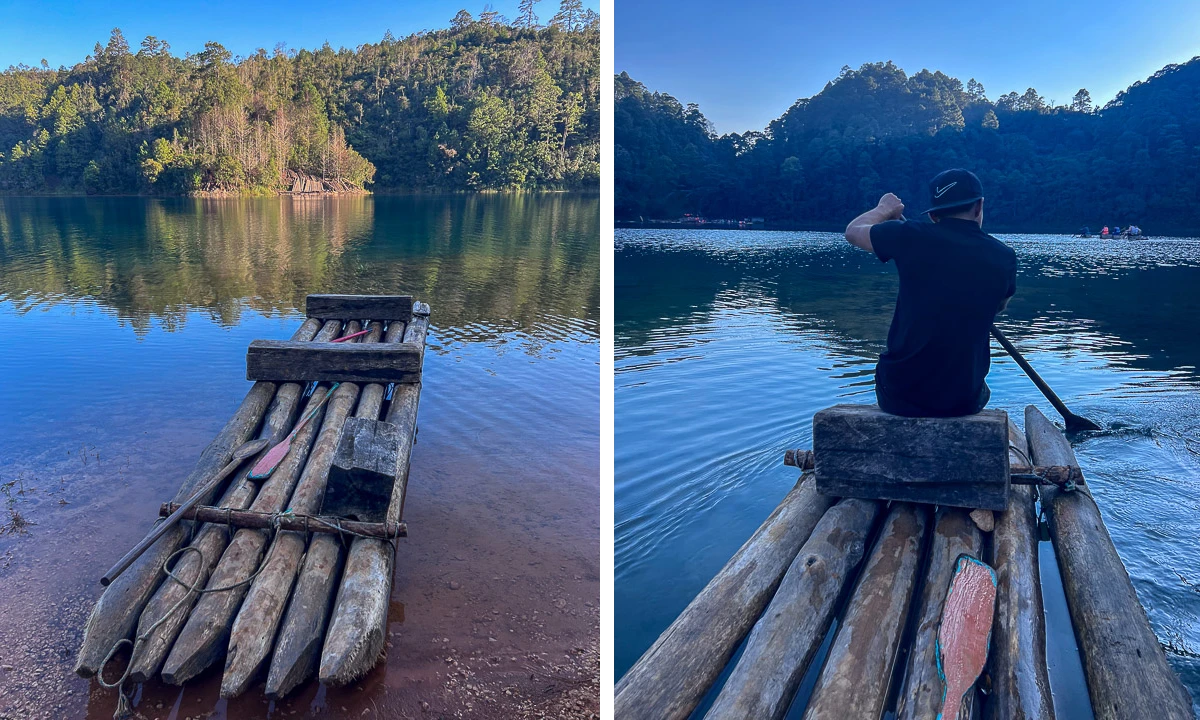
The traditional wooden canoes are makeshift rafts made from tree trunks tied together and glide beautifully over the crystal-clear water.

It was the most peaceful experience of my entire month in Chiapas, sitting quietly in the middle of the lake, breathing in air that was so sweet and pure.

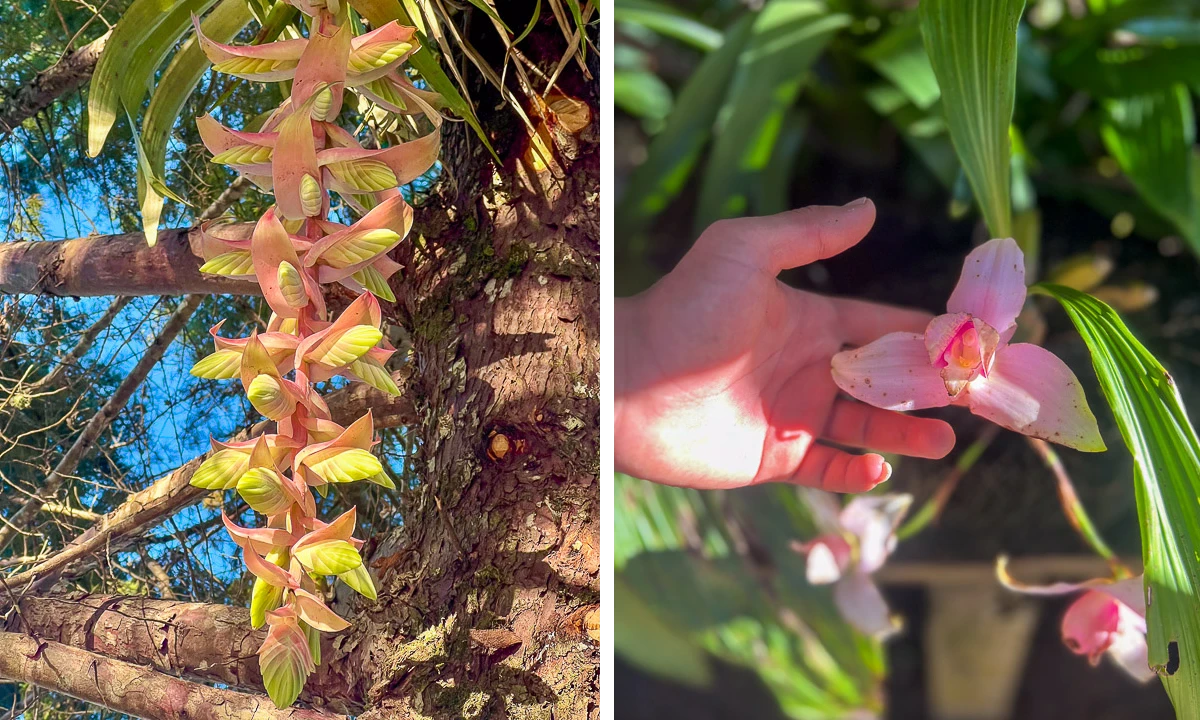
You stop at a small, orchid-filled island in the middle of the lake where you can also swim and take in more of the serene atmosphere.

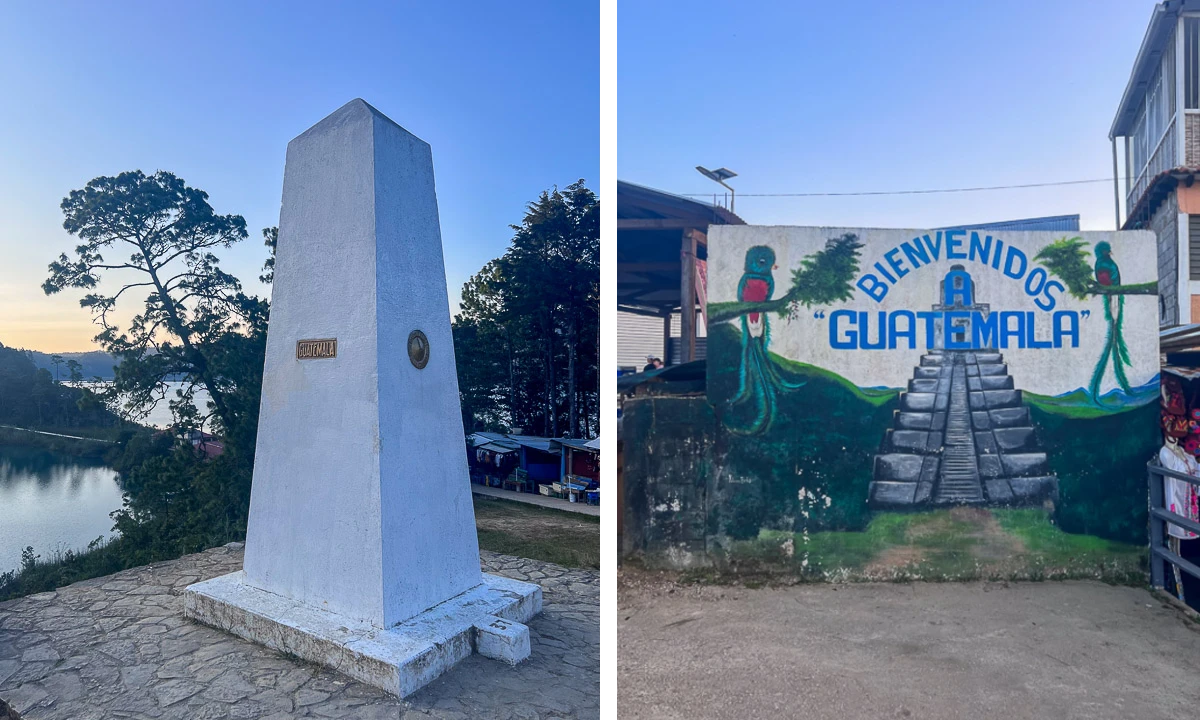
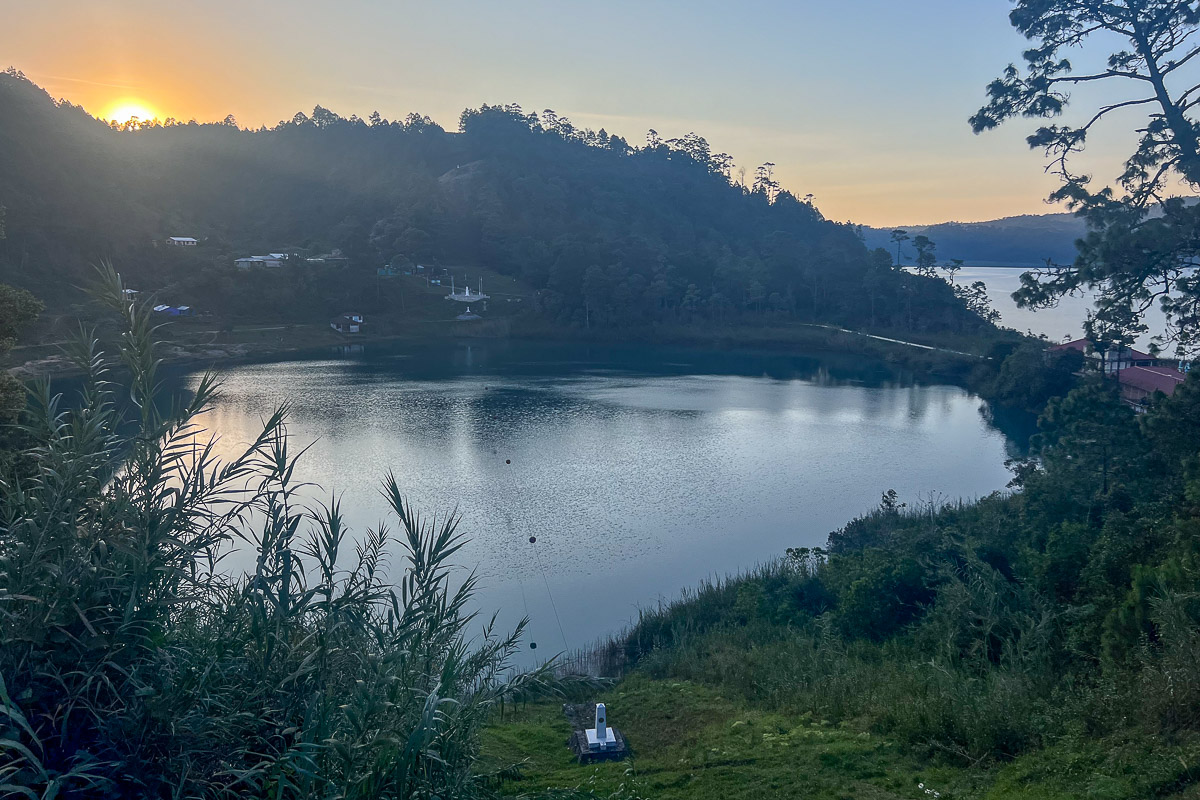
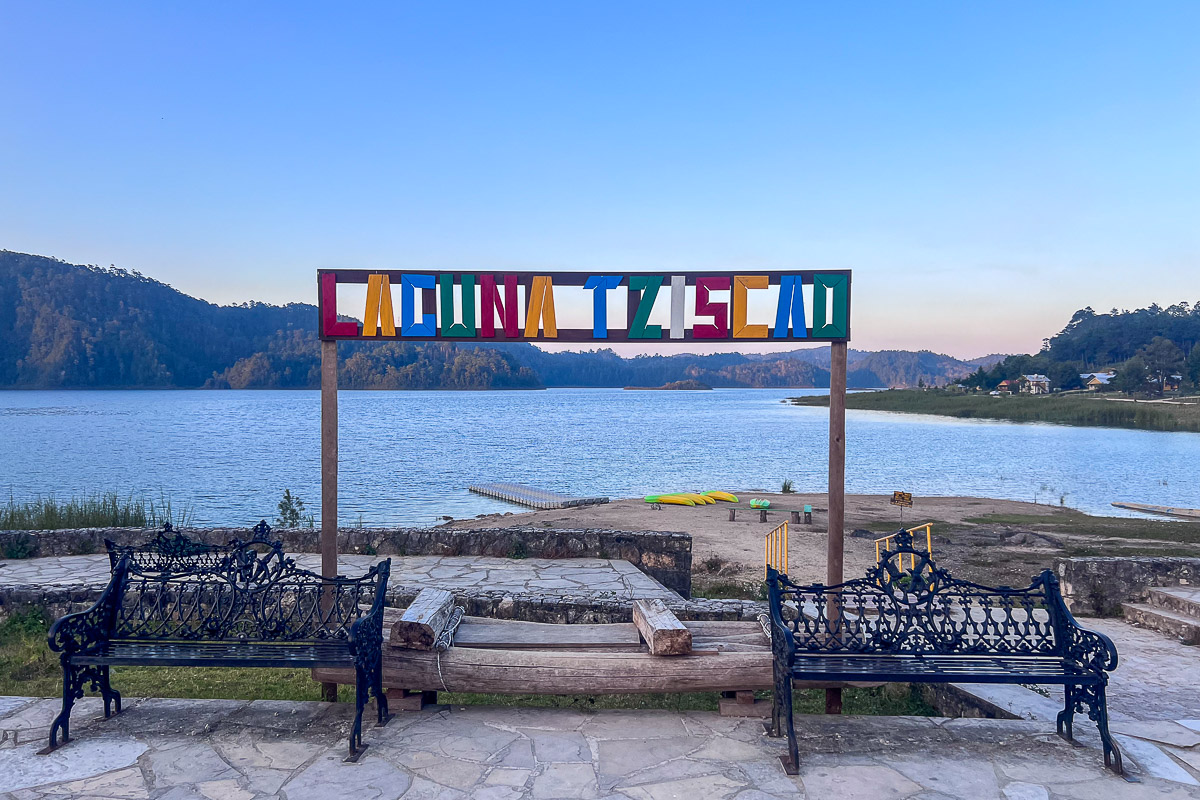
One last stop for the day is at Laguna Tziscaothe largest lake which also happens to cross over into Guatemala! Yep, you’ve reached the border.

You can also rent boats here to tour the lake but as the day was drawing to an end and we still had a long way to get back to San Cristóbal, we just walked around and enjoyed the sunset views.

A splendid day in nature, and further proof of Chiapas’ many hidden gems.

Americas Mexico Travels

Cruising the majestic Cañón del Sumidero in Chiapas

February 14, 2026

The Mexican state of Chiapas is filled with natural wonders from caves and lakes to stunning waterfalls. One of its most unique though is the breathtaking Sumidero Canyon which is fairly easy to access from the capital Tuxtla Gutiérrez and the state’s main airport.

Cañón del Sumidero

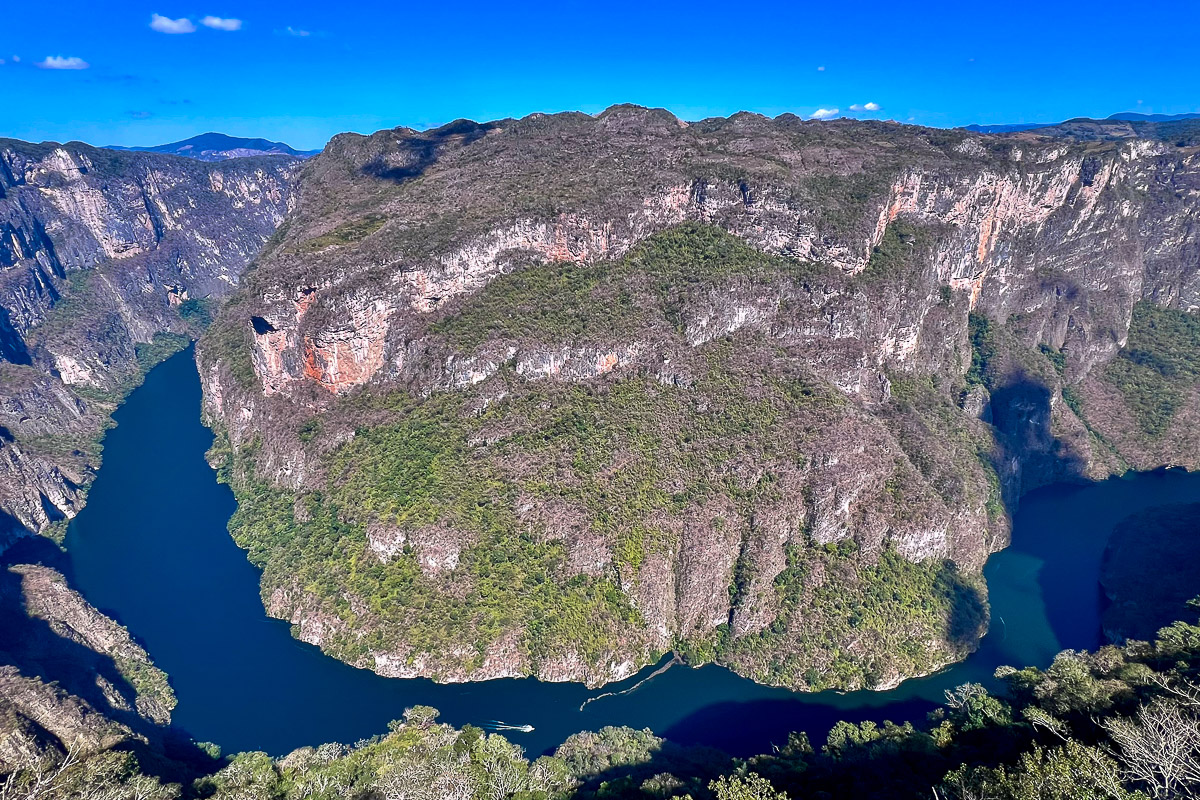
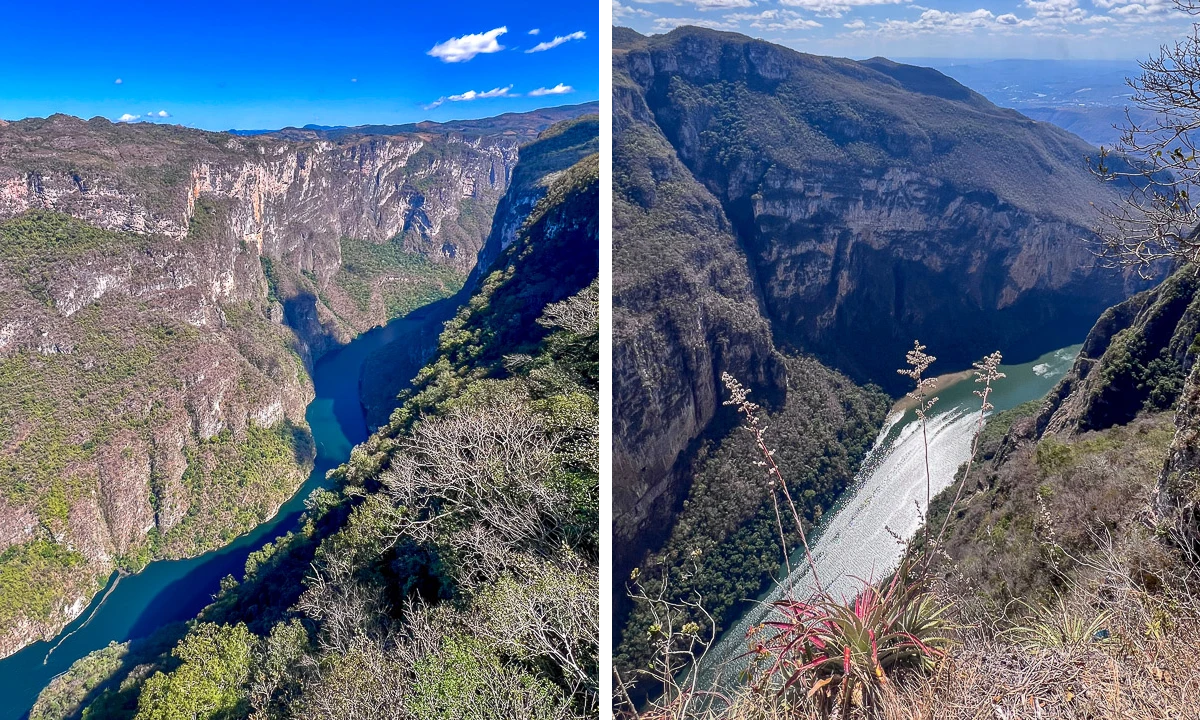
Day tours leave from either Tuxtla or San Cristóbal de las Casas and will bring you first to the viewpoints above so you can grasp the scale of the canyon from a bird’s-eye view. It was formed 35 million years ago through a combination of cracks in the Earth’s crust and erosion from the river, around the same time as the Grand Canyon.

Cañón del Sumidero

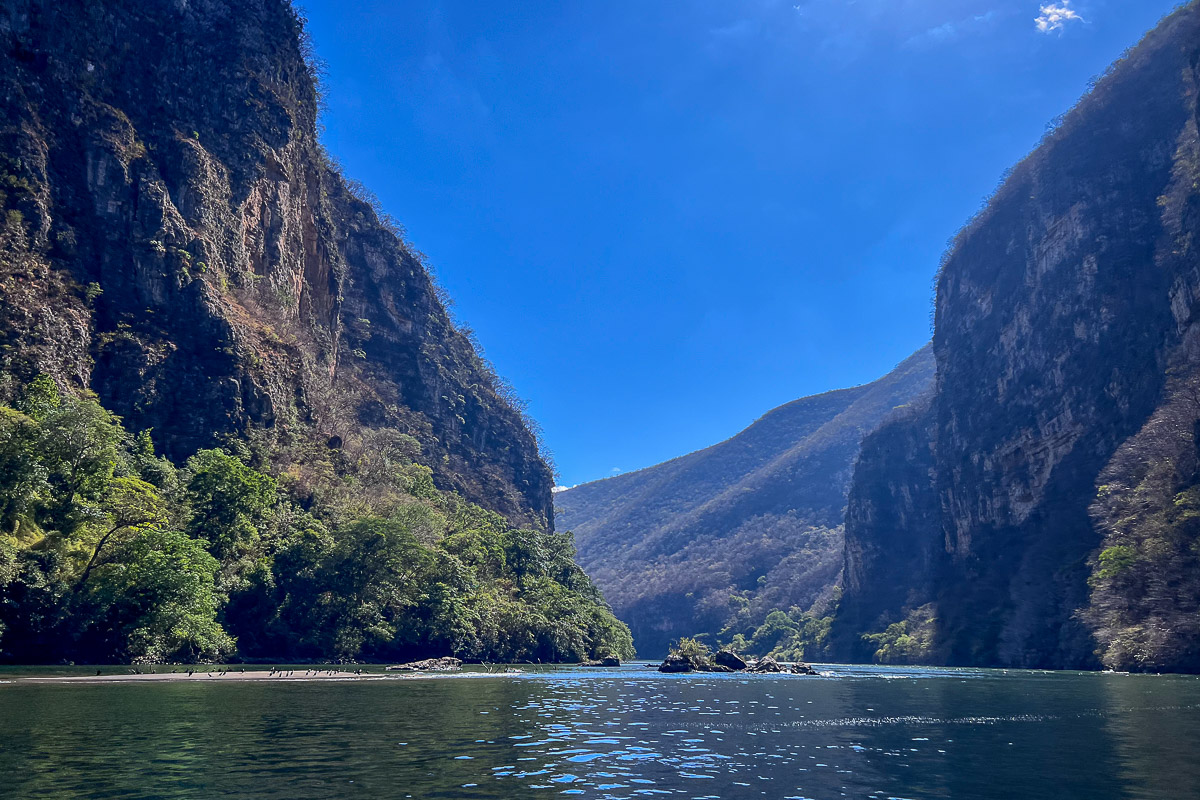
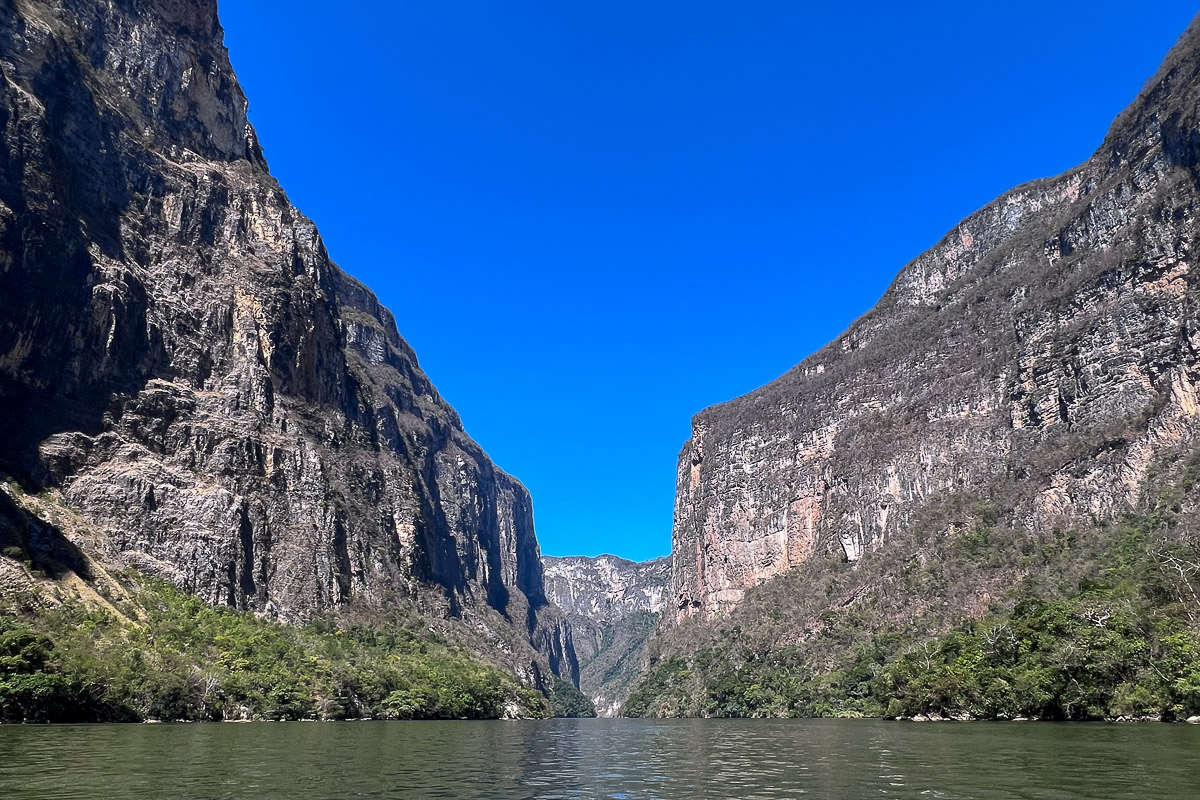
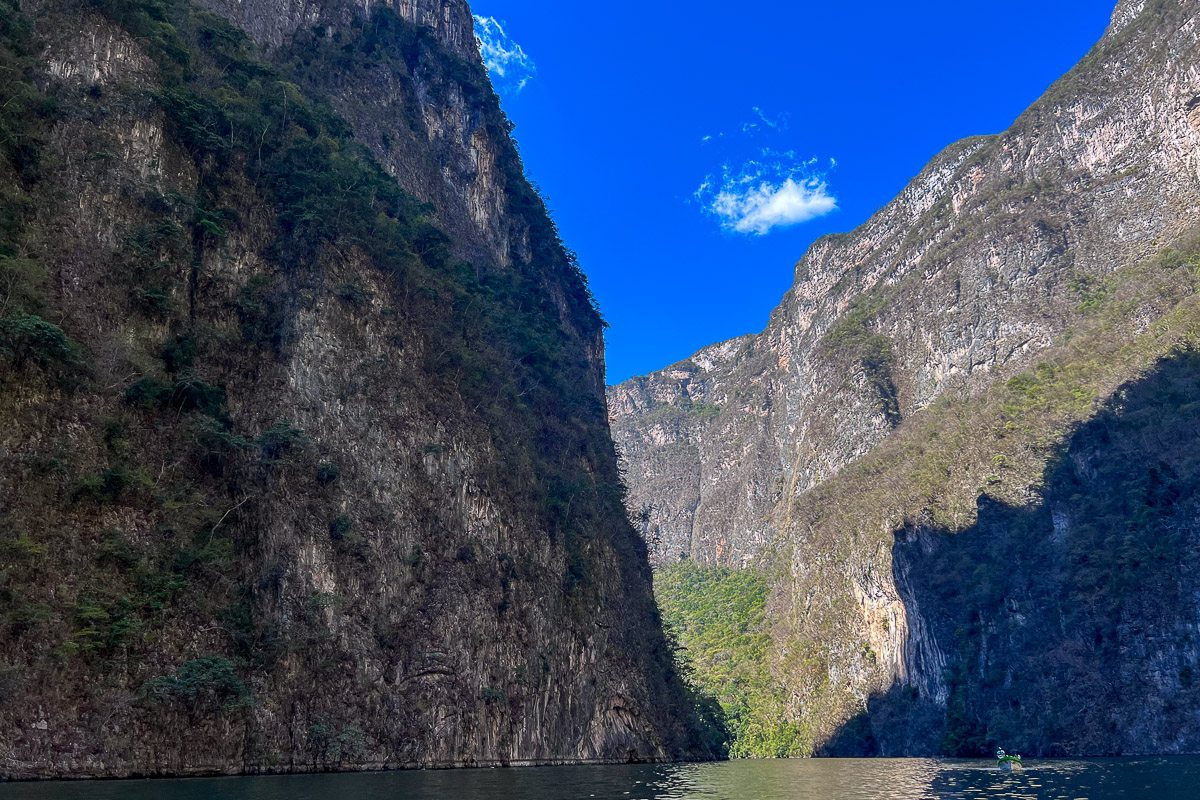
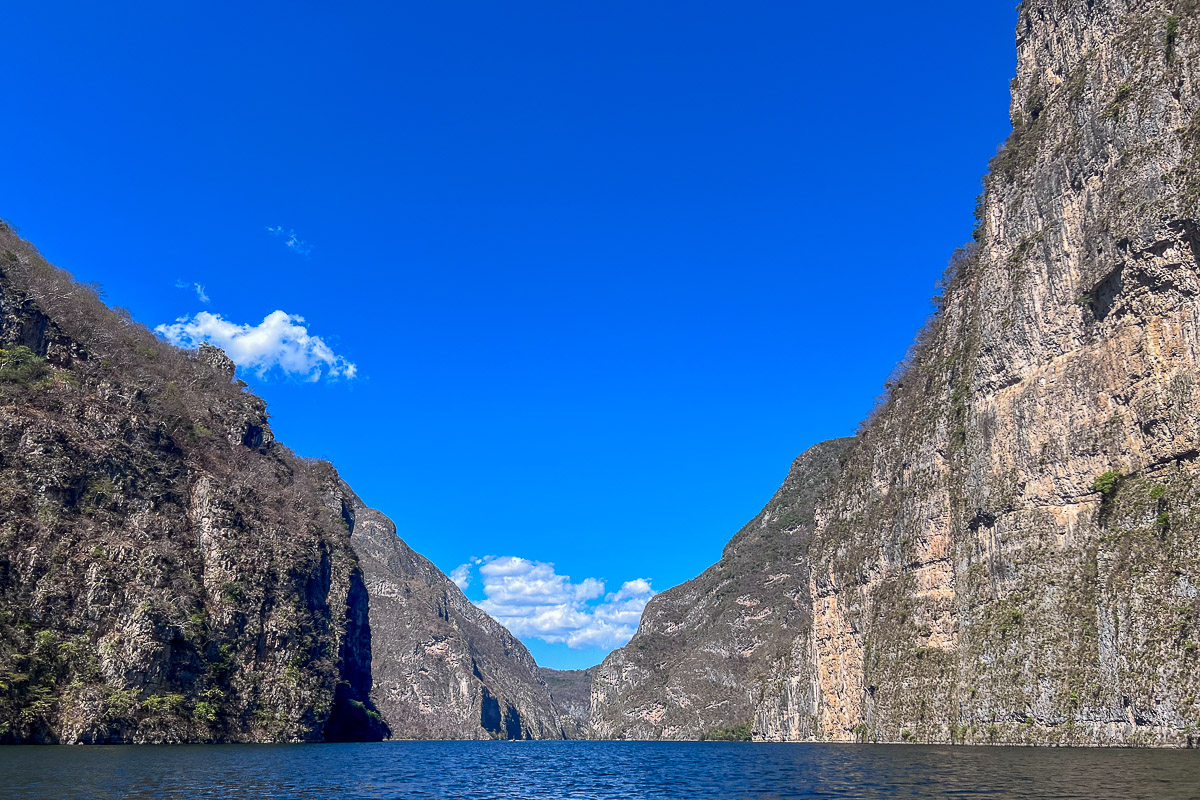
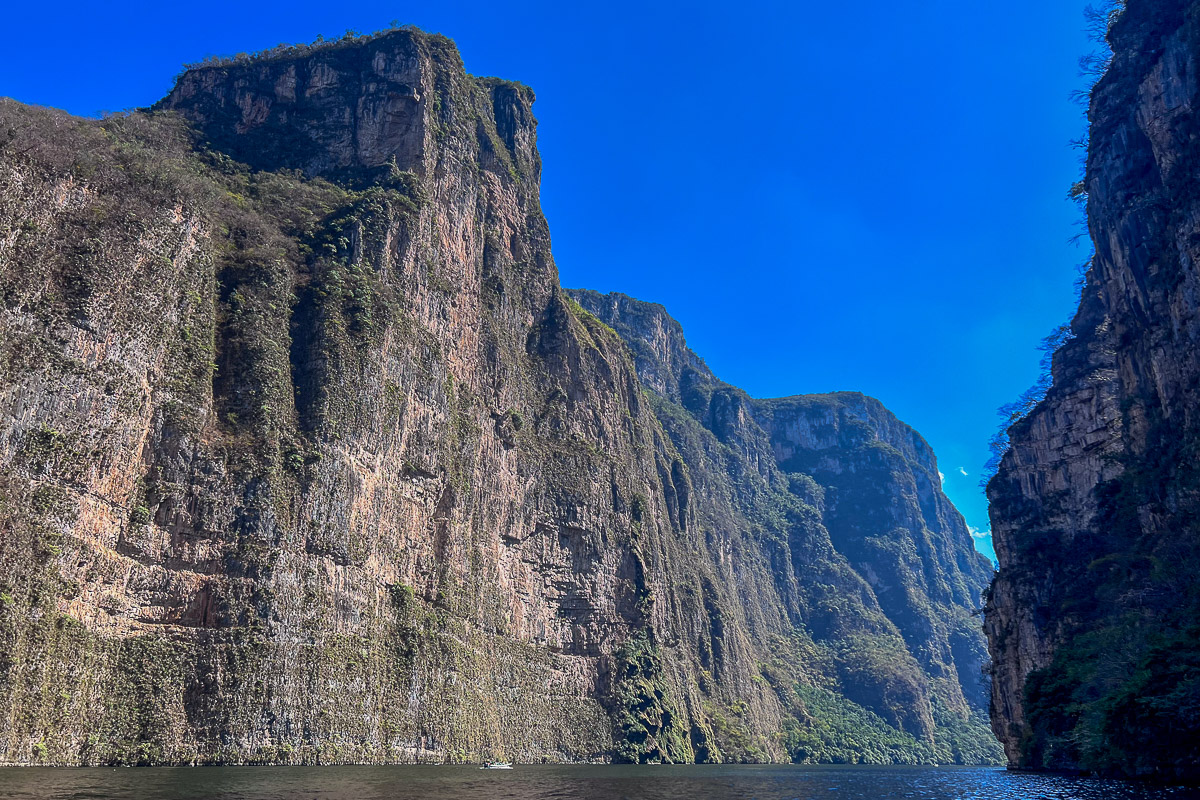
The best way to truly experience it is on a 2-hour boat ride navigating the 8 miles through the gorge, with sheer walls rising up to 1,000 meters (3,300 ft) high. Word of advice if you come from San Cristóbal – prepare for tropical weather! While it’s just an hour away, there’s 5,000+ foot elevation difference from mountainous San Cris to the canyon, with temperatures often 20-30°F higher. It is swelteringly hot so bring plenty of water, sunscreen, and a hat.

Cañón del Sumidero

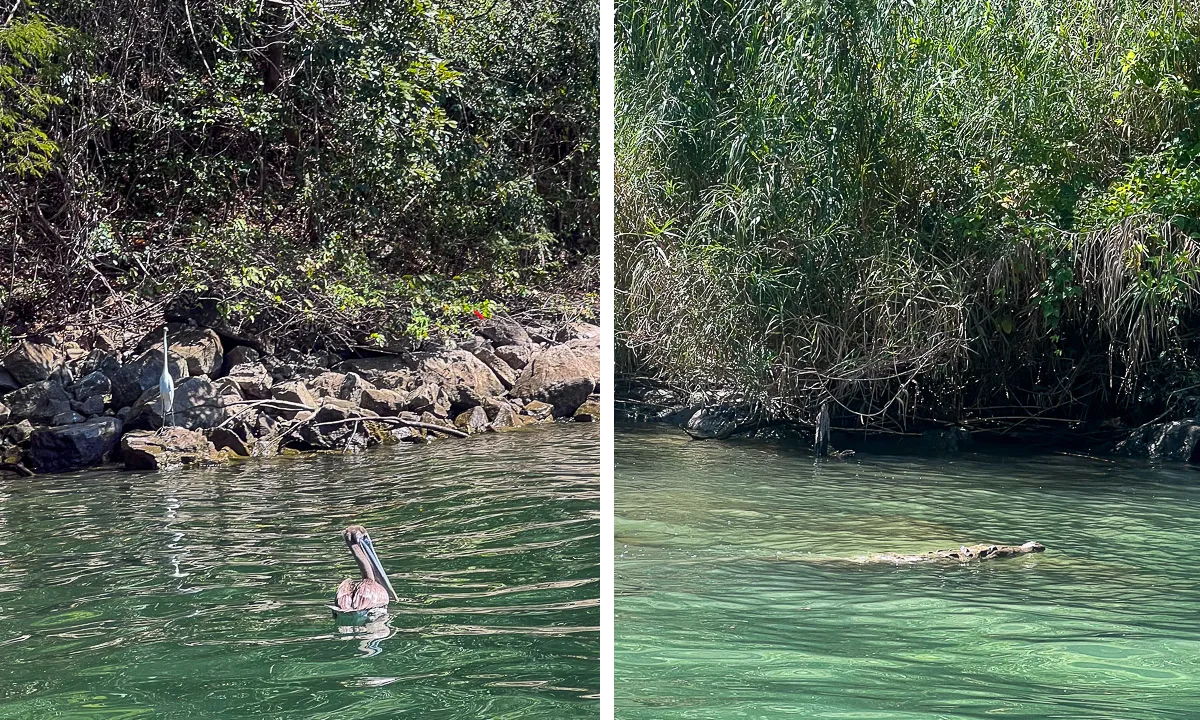
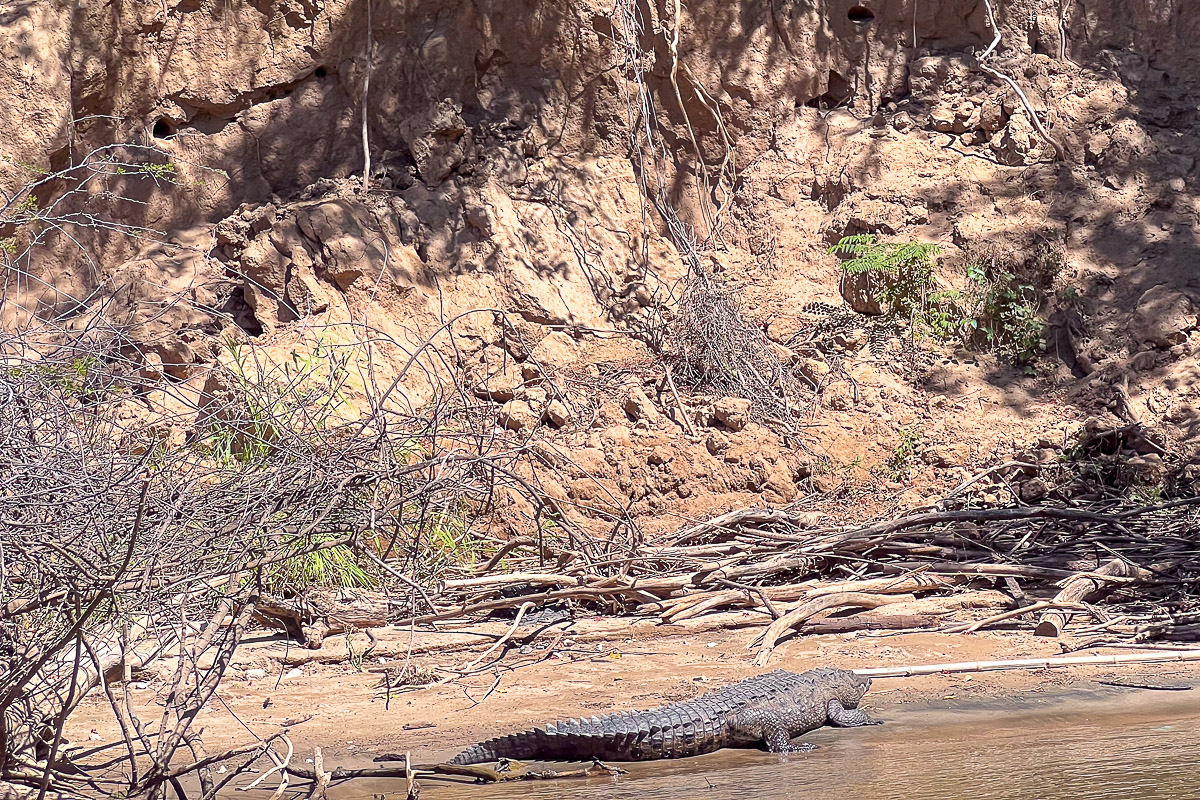
The towering cliffs rising on both sides are magnificent and will take up much of your attention, but there are plenty of other things to admire. The national park is a protected habitat for biodiversity in the region and you’ll see plenty of wildlife along the shores, especially herons, egrets, river crocodiles, and even spider monkeys.

Cañón del Sumidero

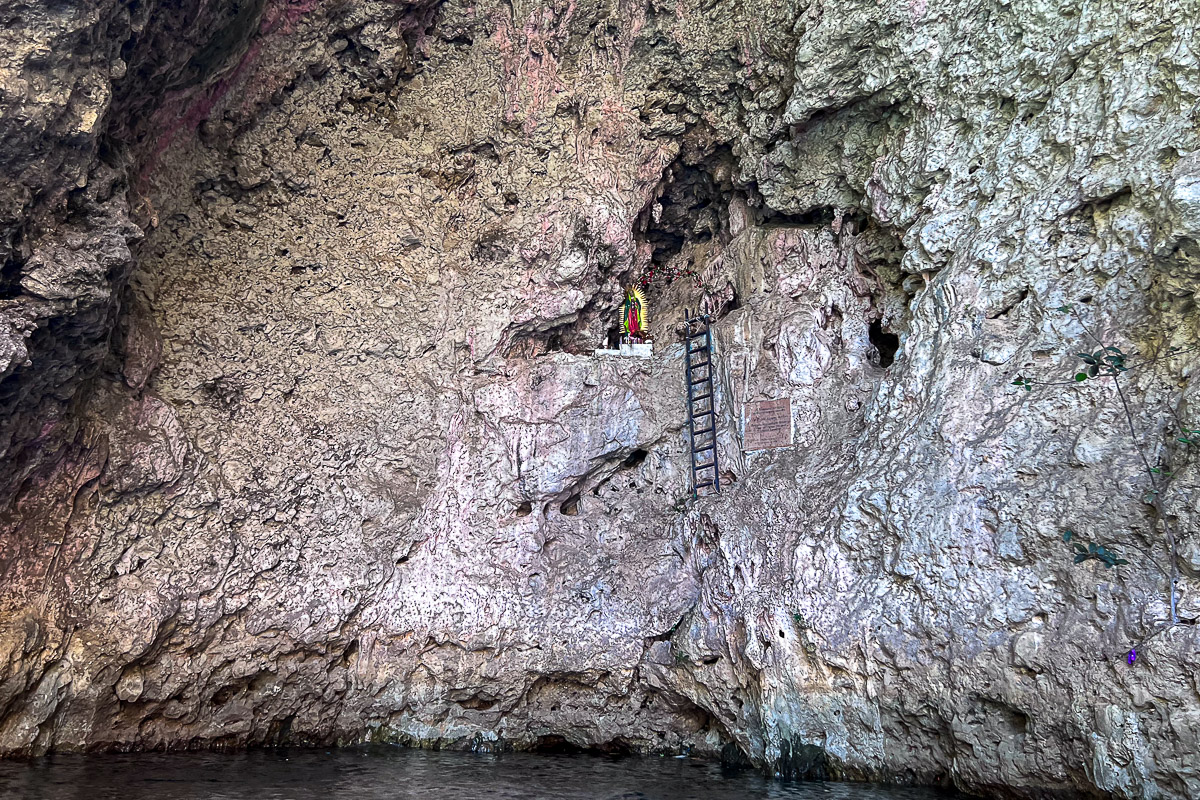
There are also some interesting caves like the Cueva de los Colores (Cave of Colors), famous for its pink walls caused by mineral deposits. A statue of the Virgin of Guadalupe can be accessed via a small ladder and visitors come here to pay respect with flowers and candles.

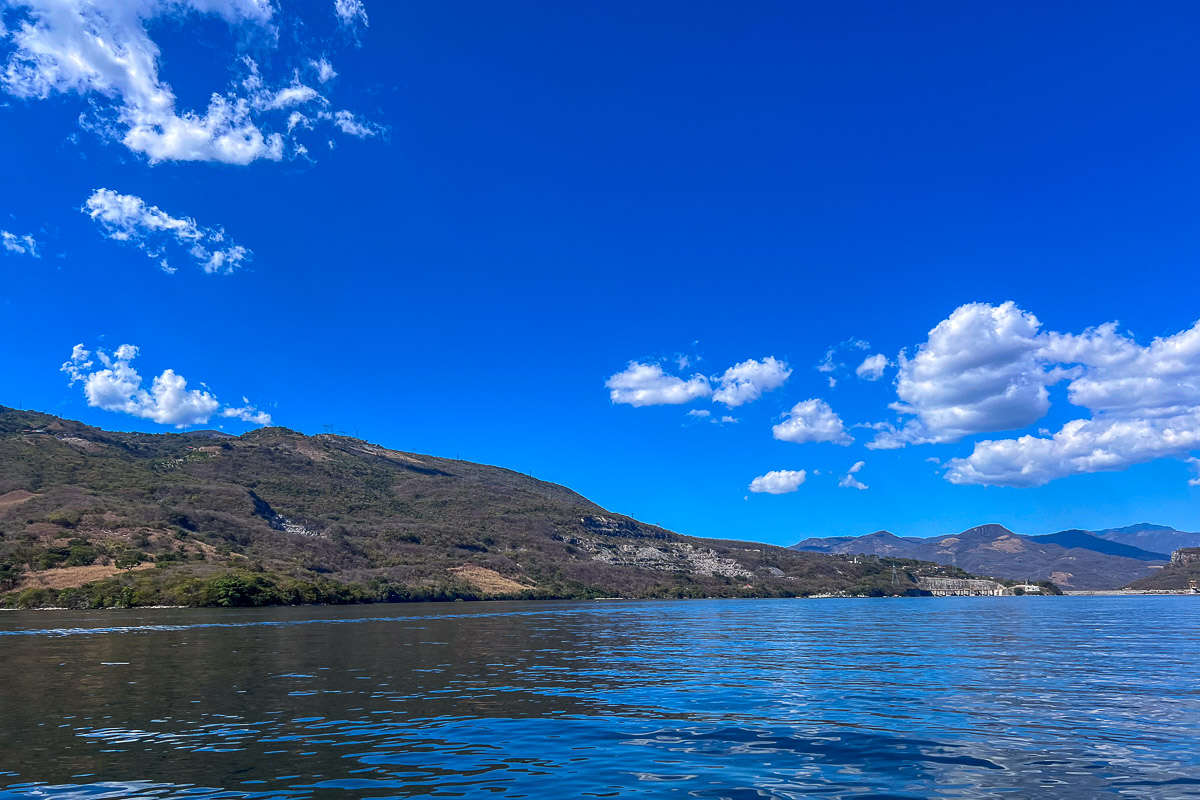
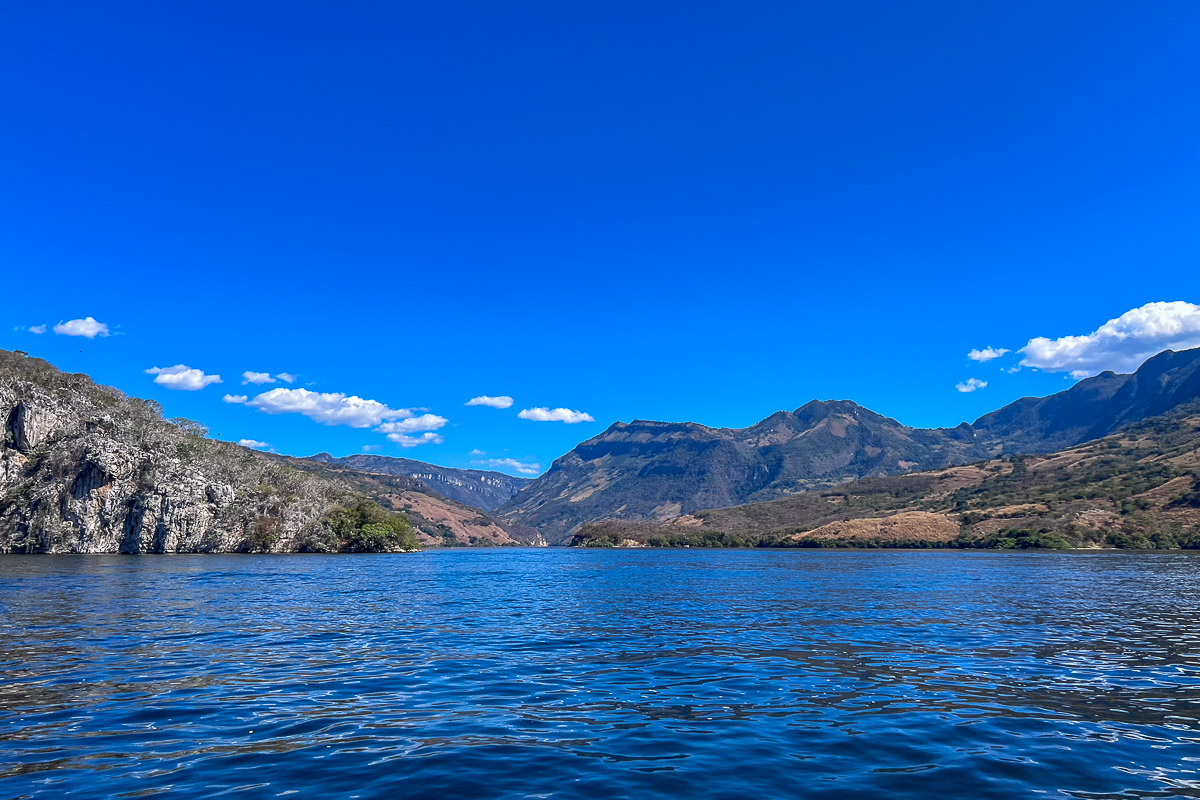
Eventually the river opens out to a large body of water towards the end of the trip with far reaching views.

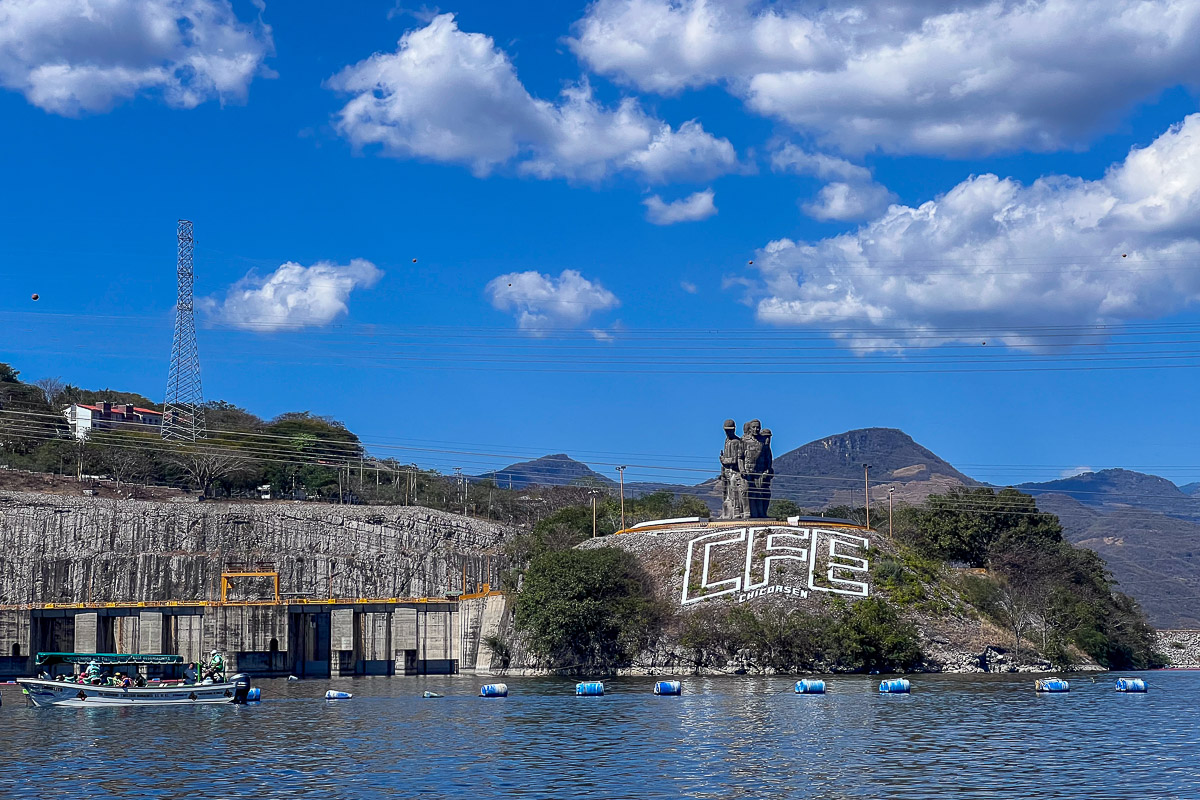
The boat will get you as close as possible to the Chicoasen hydroelectric dam, one of Mexico’s most important sources of electric power, before turning around and retracing your route back to the beginning.

Cañón del Sumidero

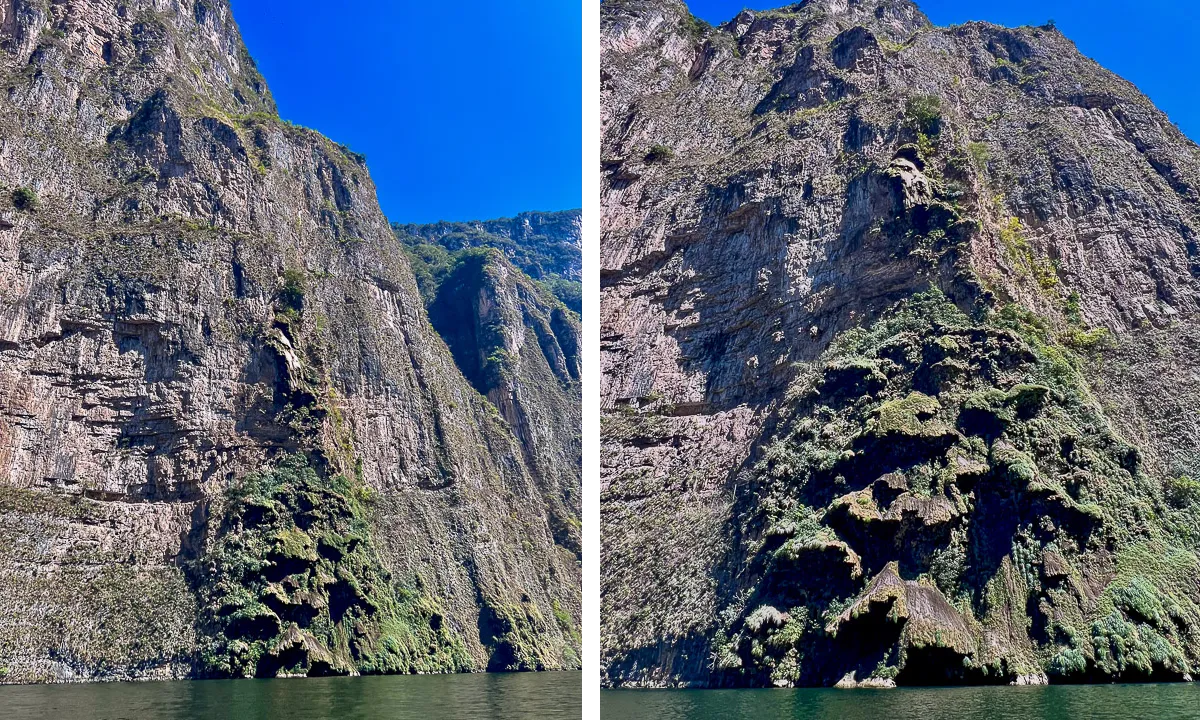
Far from boring, the return trip highlights unique rock formations, the best being the “Christmas Tree”.

A green coniferous shape juts out from the wall, looking very much like winter’s prettiest evergreen. Water trickling down during the rainy season has over time created moss hanging down like weeping branches – such a pretty sight!

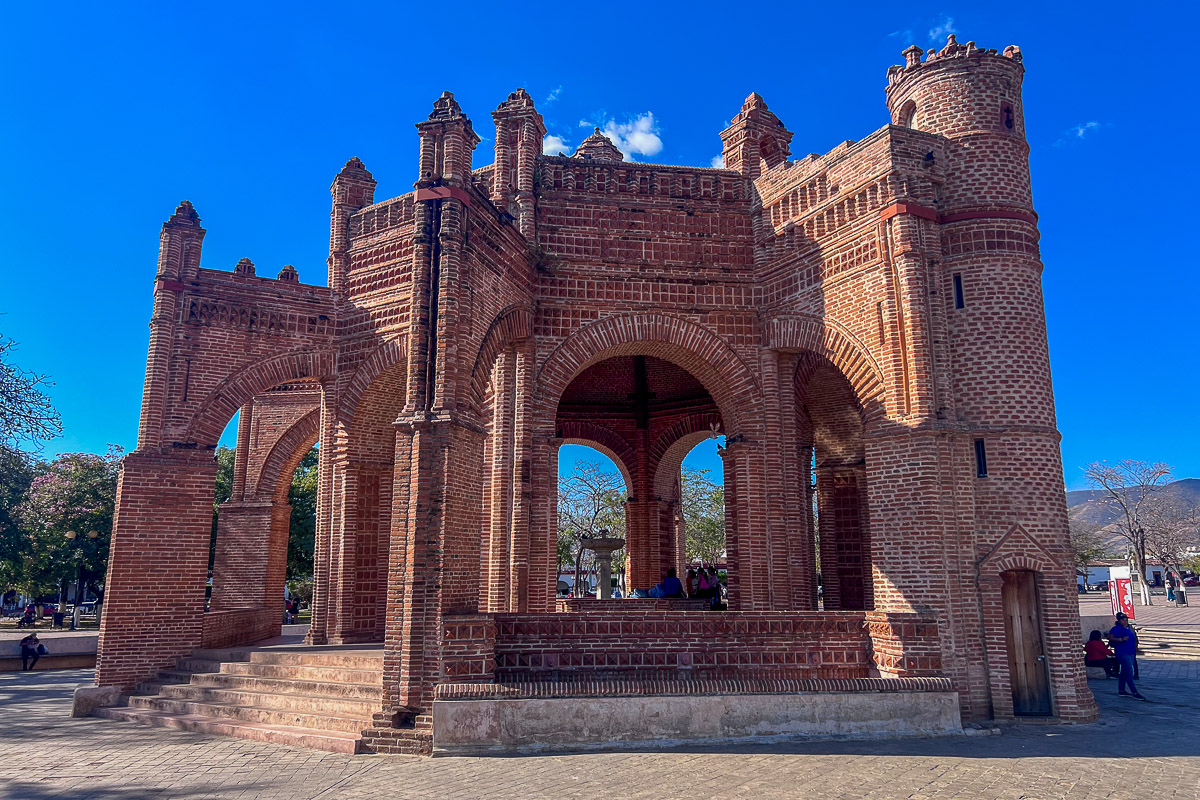
You’ll disembark at Chiapa de Corzo, the first city to be founded in Chiapas in 1523. Most tours spend a bit of time here as it’s a lovely, atmospheric colonial town and an ideal break for food and to stretch your legs after the boat ride. The little town is centered around the very big Plaza de Armas, the main town square, with the unmissable La Pila on its south side – an eye catching fountain built like a crown that used to be the main source of fresh water back in the days.

Chiapas del corzo

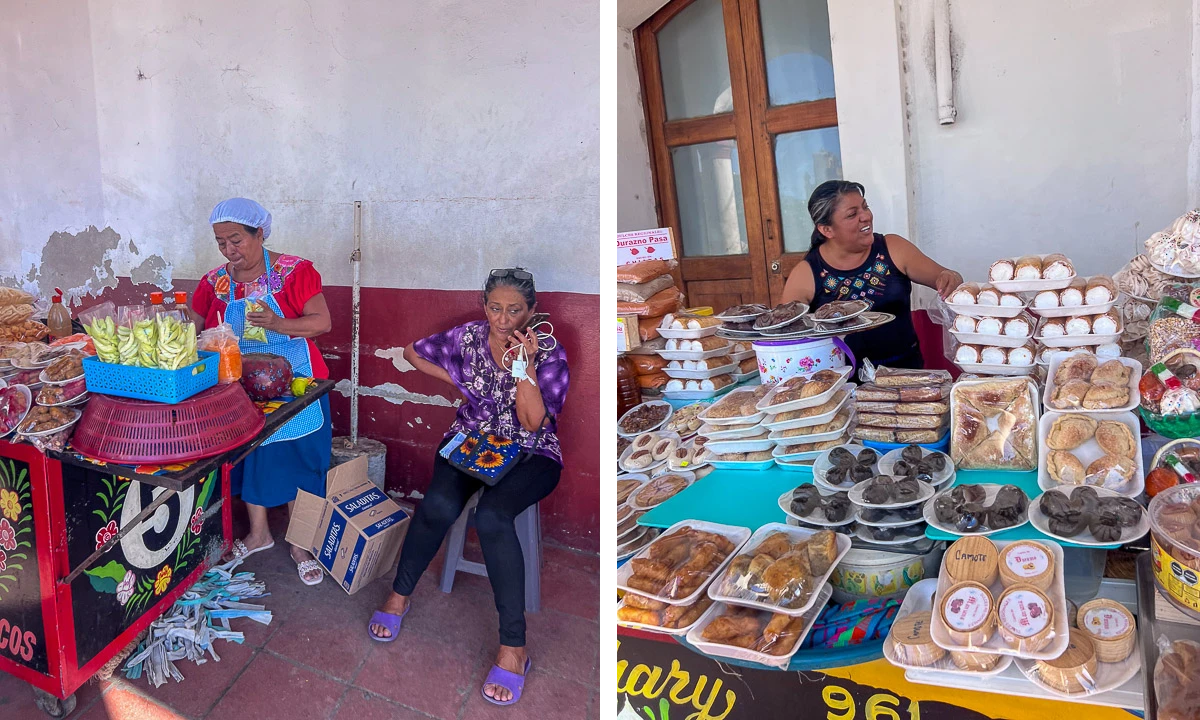
All around the plaza are shops, cafes, and vendors of all kind escaping the heat under the arched arcades.

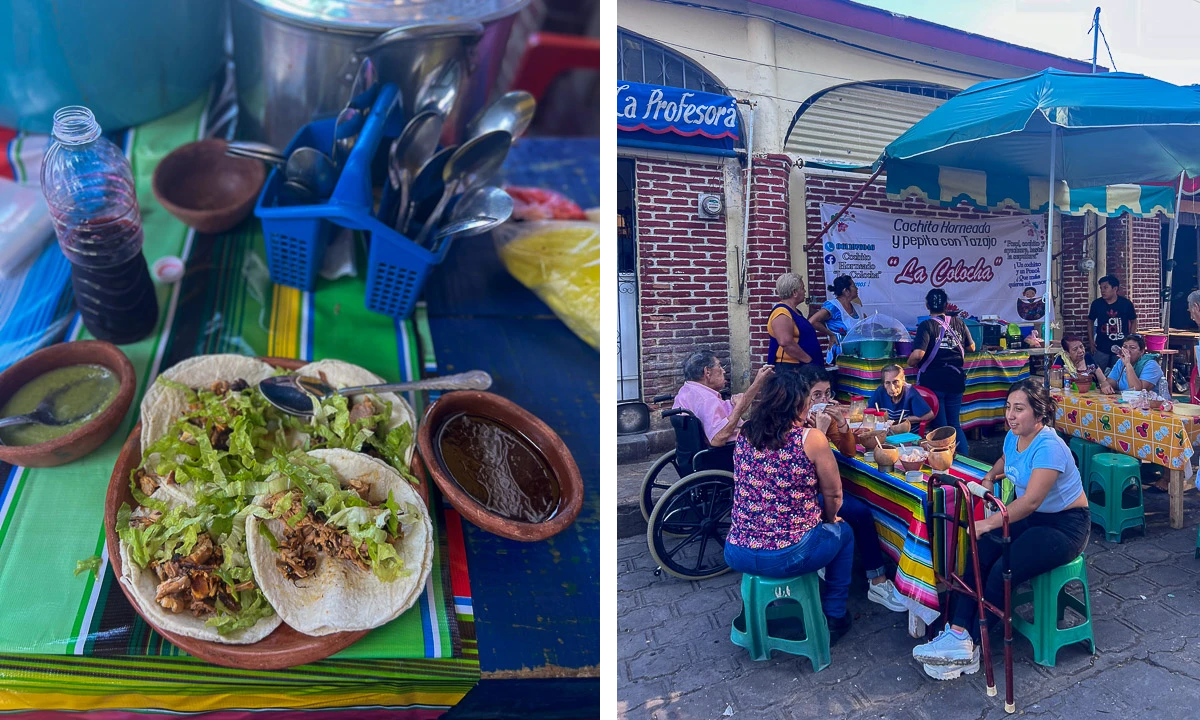
You’ll surely be hungry by then after all this time outside. Follow your nose two blocks south to find the local market and many busy food stalls. I had insanely good cochinita al horno (pork tacos with bouillon dip) before going back to San Cris in the late afternoon. A great day trip!

Cañón del Sumidero