Europe Italy Travels

Pompeii and a stunning meal…

October 26, 2014

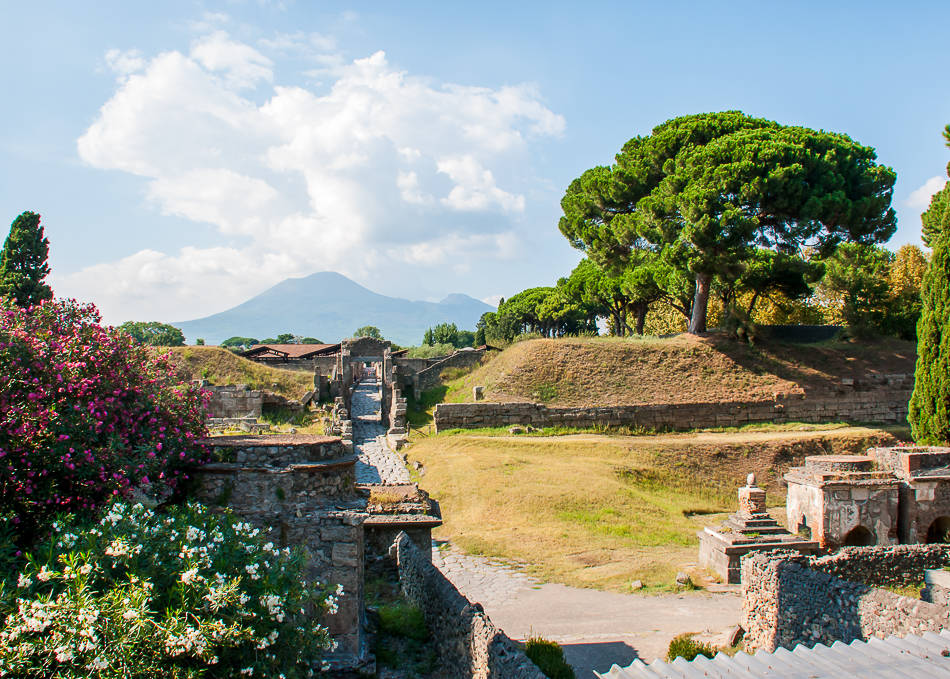
No need to be a history buff to appreciate the wonder that is Pompeii, the old city buried in ash. Located near Naples, what was once one of the greatest cities of the Roman age before being destroyed by the eruption of the Vesuvius in 79 A.D. is now one of the best examples of preservation known today. With a pair of sensible shoes, a water bottle, and a bit of advance planning, you can spend a few hours in the only place in the world offering a fairly clear picture of what life was like here 2,000 years ago.

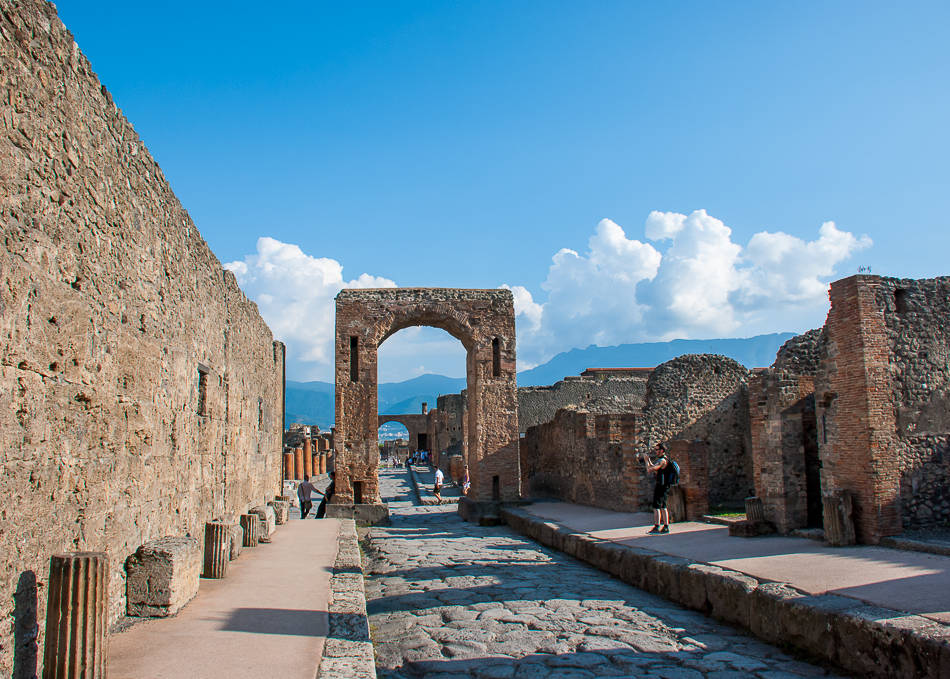
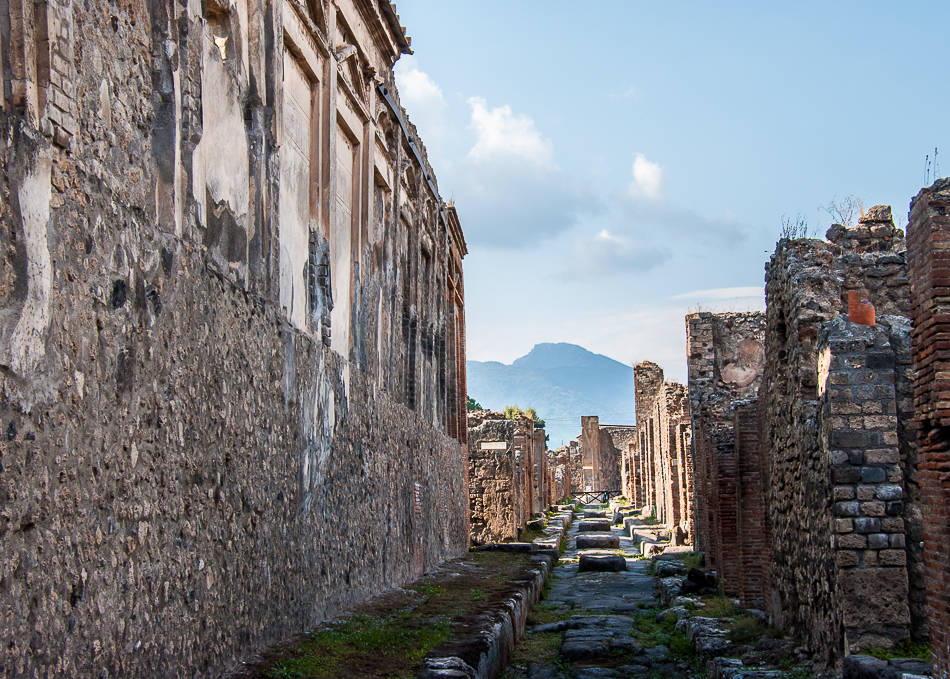
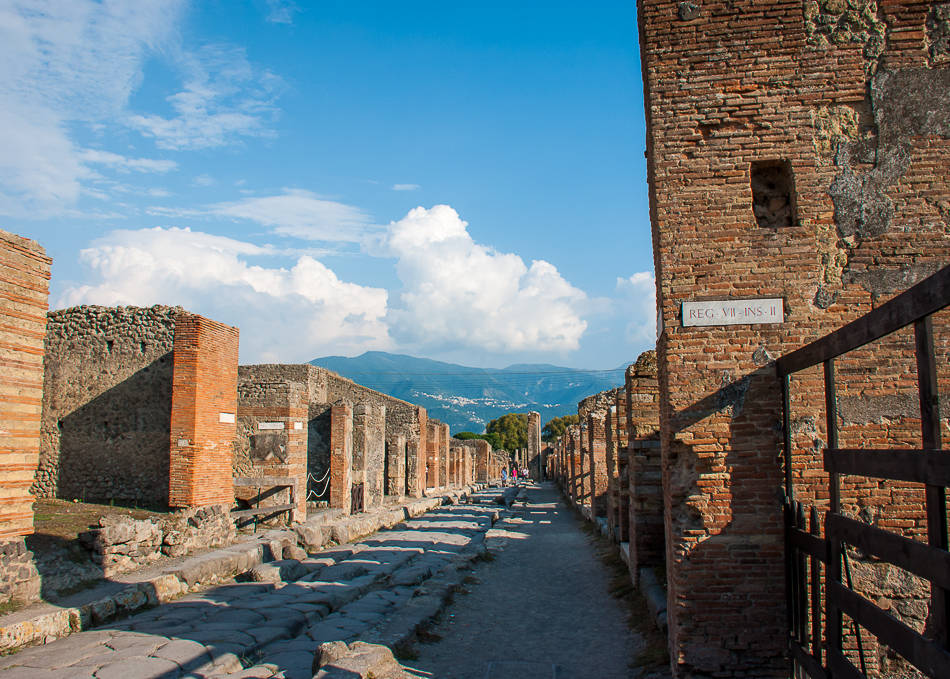
The ancient street plan is intact so you just need to grab a map, decide which of the numerous buildings you most want to see and start walking. Don’t try to work out what every building was as you would be here for days but do venture outside of the main arteries for a quieter exploration.

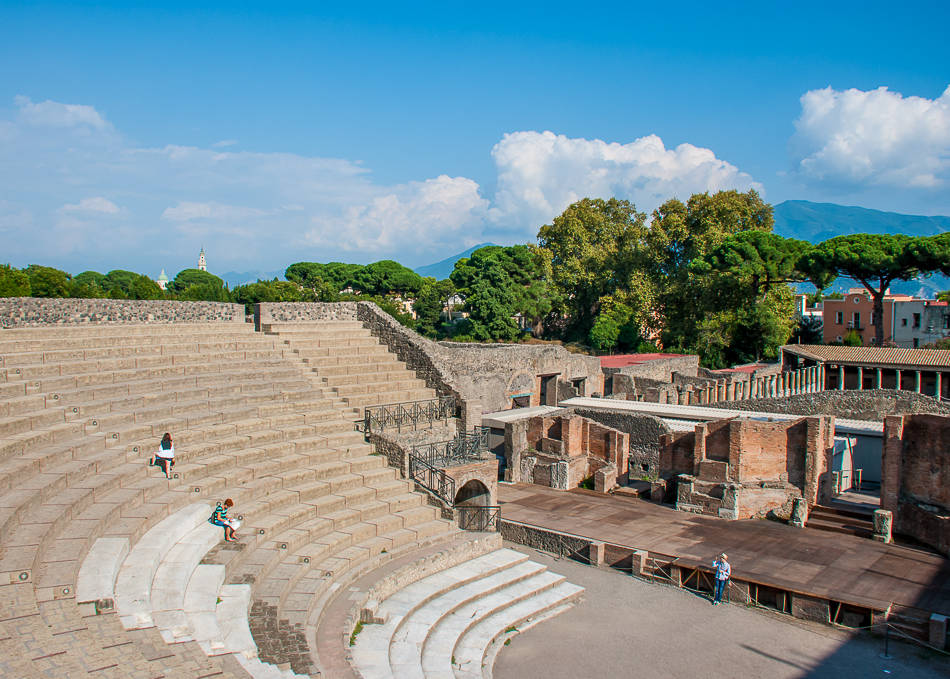
The large theatre could sit up to 5,000 people and hosted performances of comedies and tragedies as entertainment.

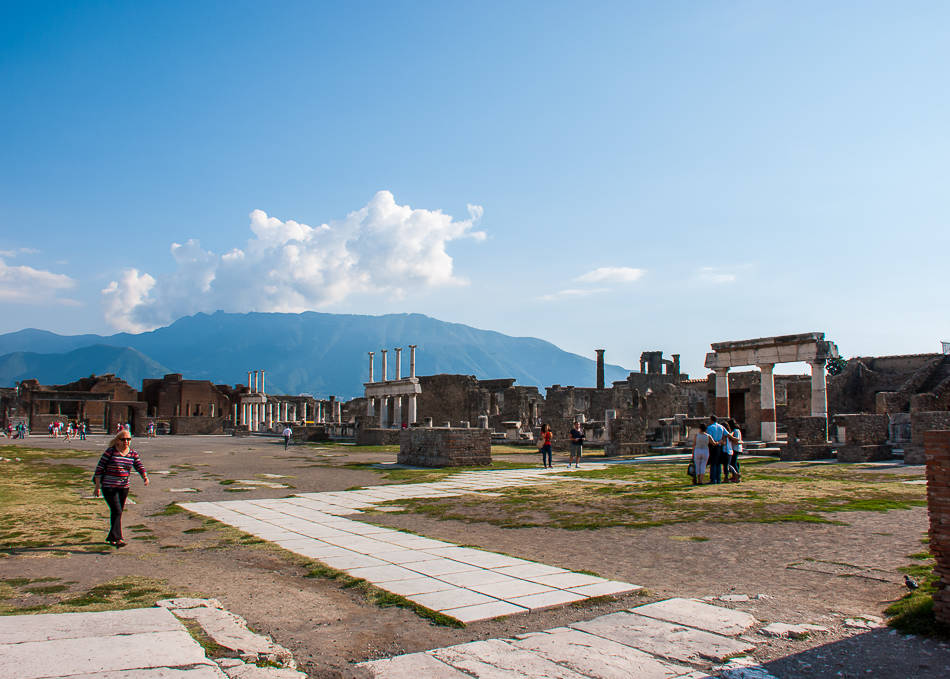
The expansive Forum was, like in Rome, the political, commercial and social heart of the town.

The court house, municipal offices, main temples, and the market were all located within the Forum.

If you visit later in the afternoon, you’ll be able to escape the crowds, the heat, and linger along the silent streets where you can truly fall under the site’s spell.

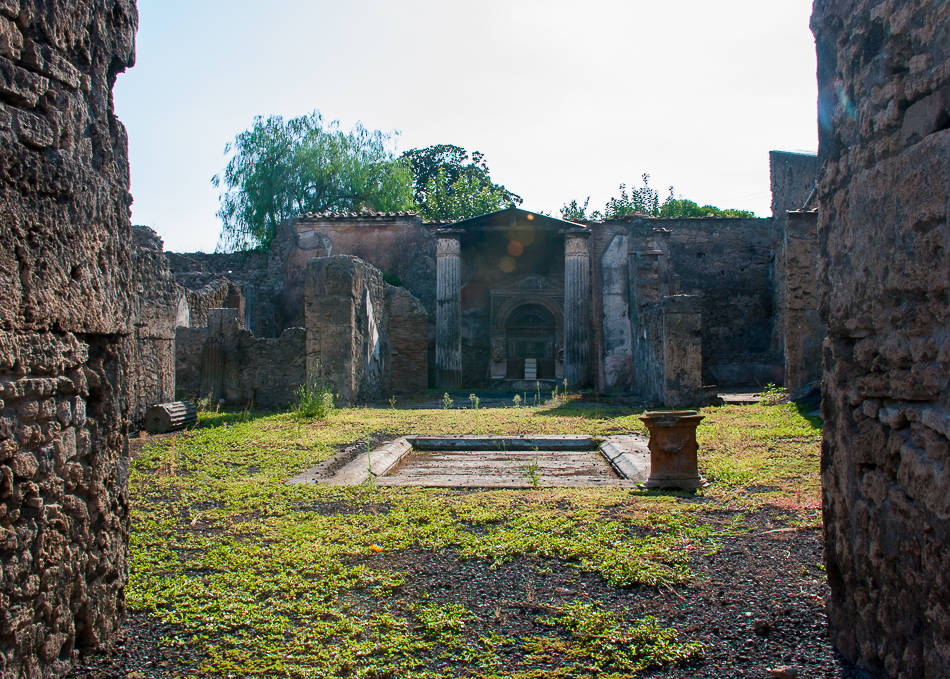
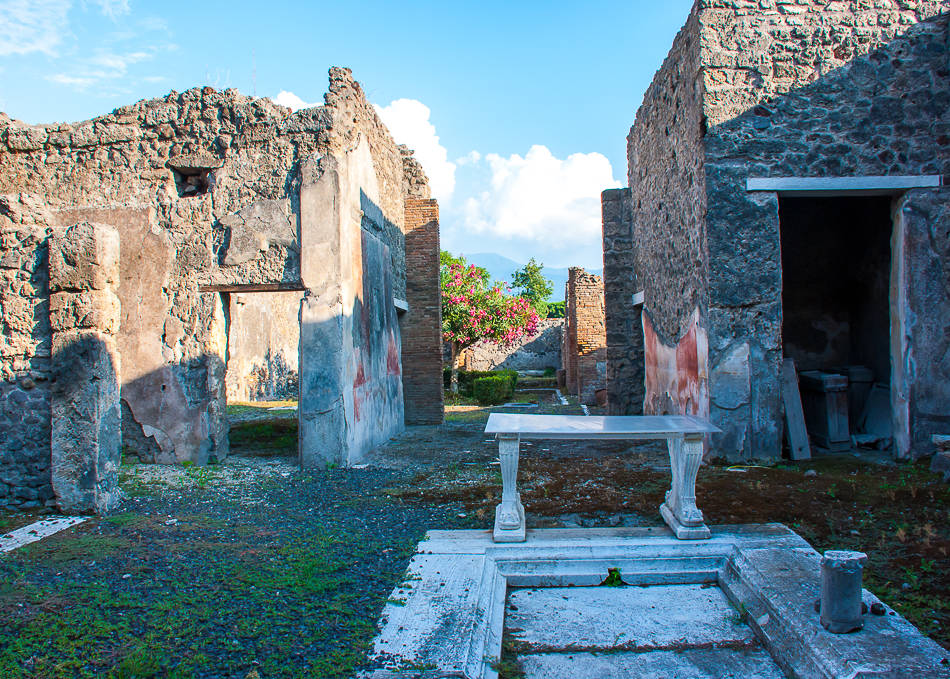
The beauty of wandering through a deserted Pompeii is unmatched, especially as you’ll discover plenty of hidden treasures along the way. By all means, if you spot an open door – go through it! We’ve stumbled upon open courtyards, little fountains, marble furniture, etc.

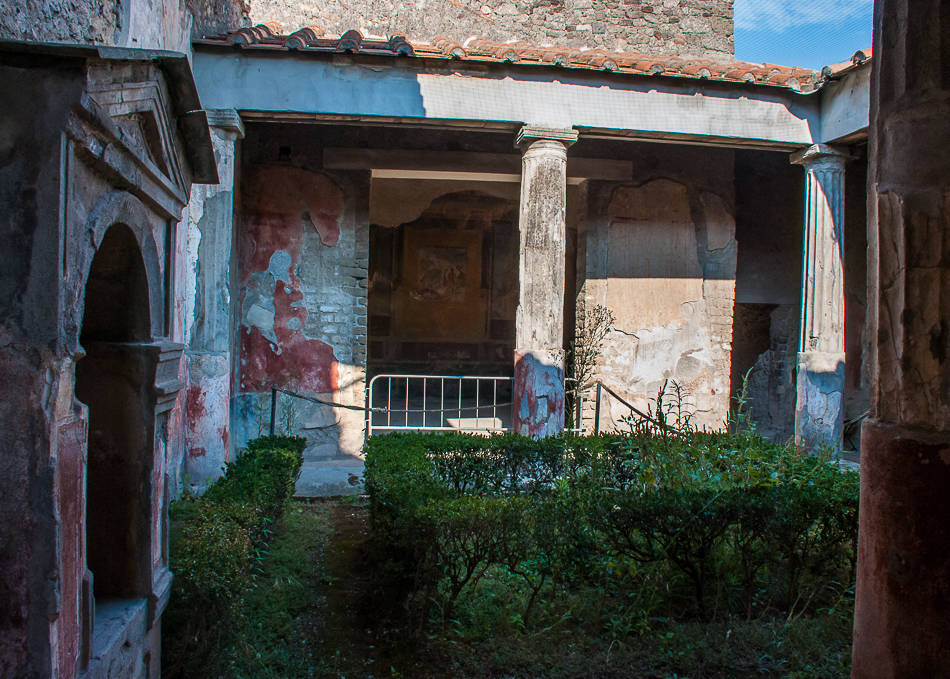
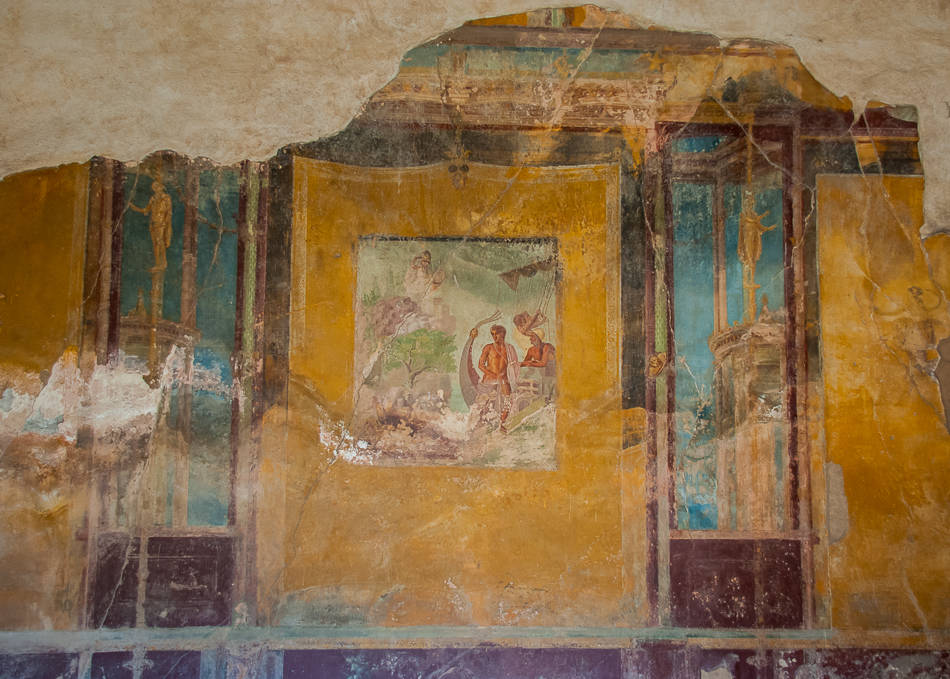
The House of the Tragic Poet, a example of a typical private home of that time, charms with its colorful walls, well preserved paintings, and overall romanticism.

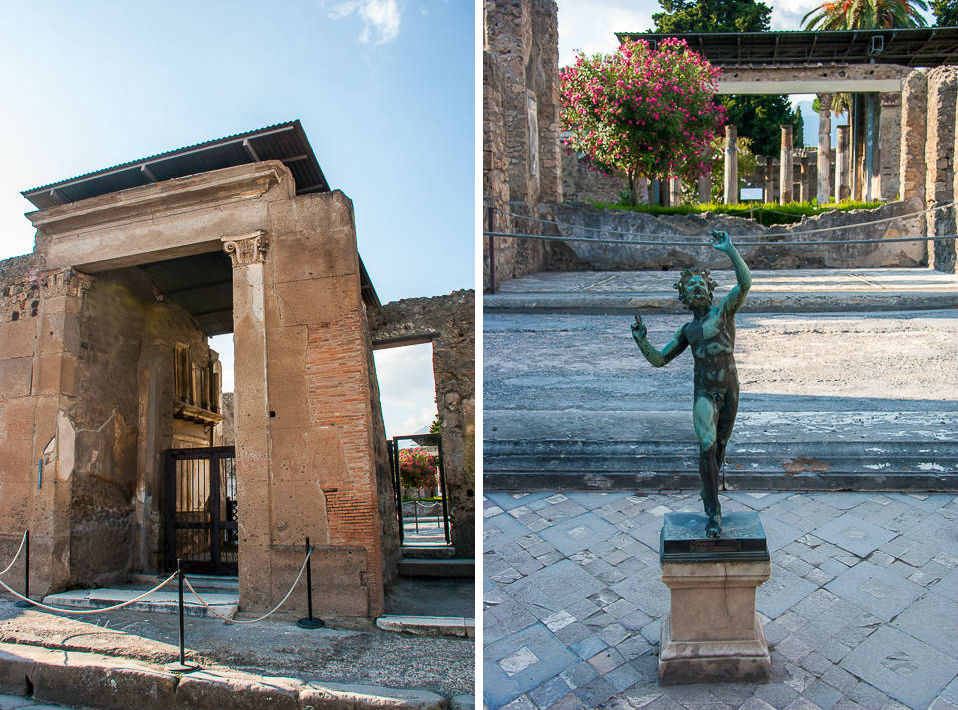
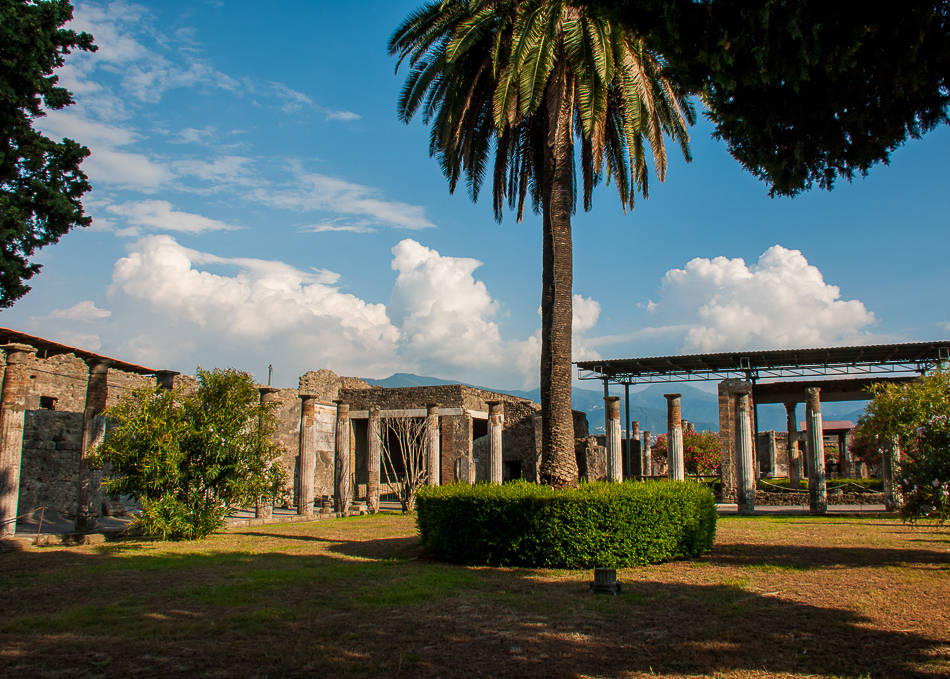
A lot more impressive though is the House of the Faun, one of the largest residences in Pompeii.

Looking at the magnificent gardens (reconstructed of course) and lavish mosaics still covering some of the floors, one can only imagine the opulent lifestyle of the elite owners.

One of the main streets

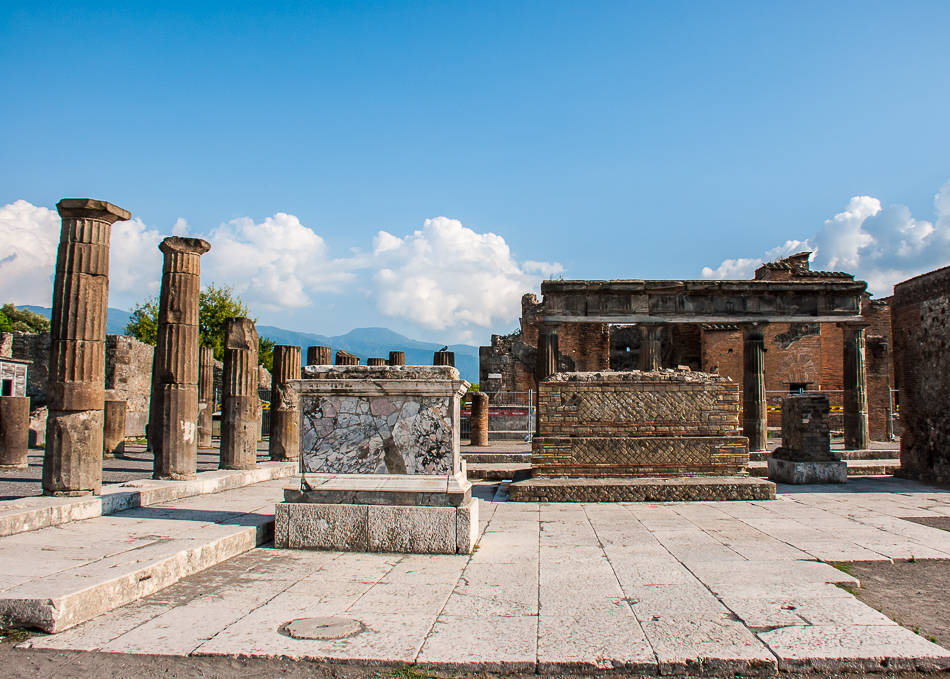
An exquisite marble bench

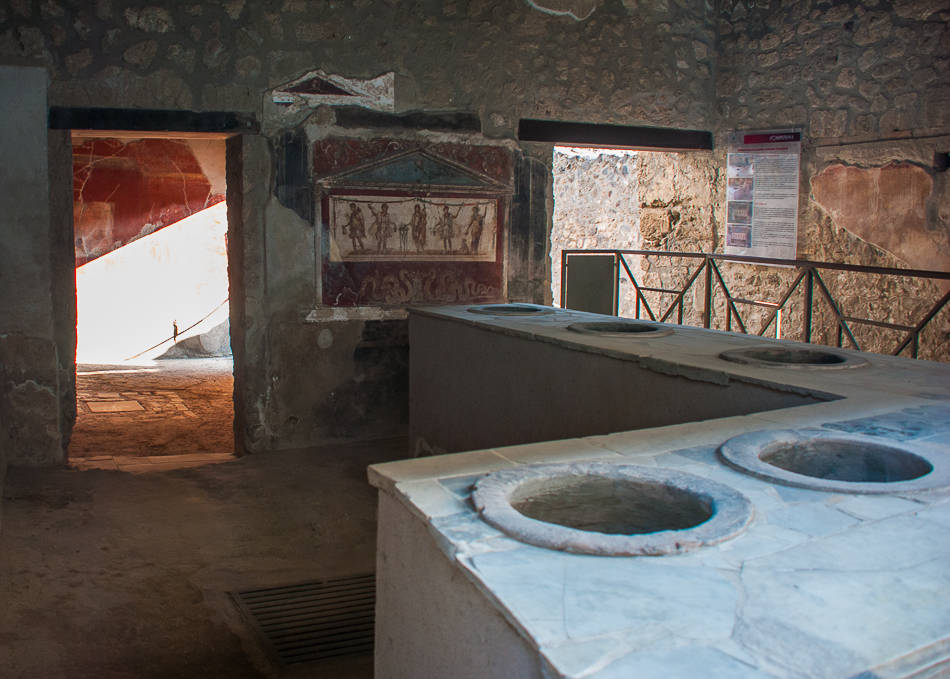
Besides lovely houses, the historical value of discovering the day-to-day life through the numerous bath houses and here, the local bar, is immense. Large holes would contain water, beer and/or wine.

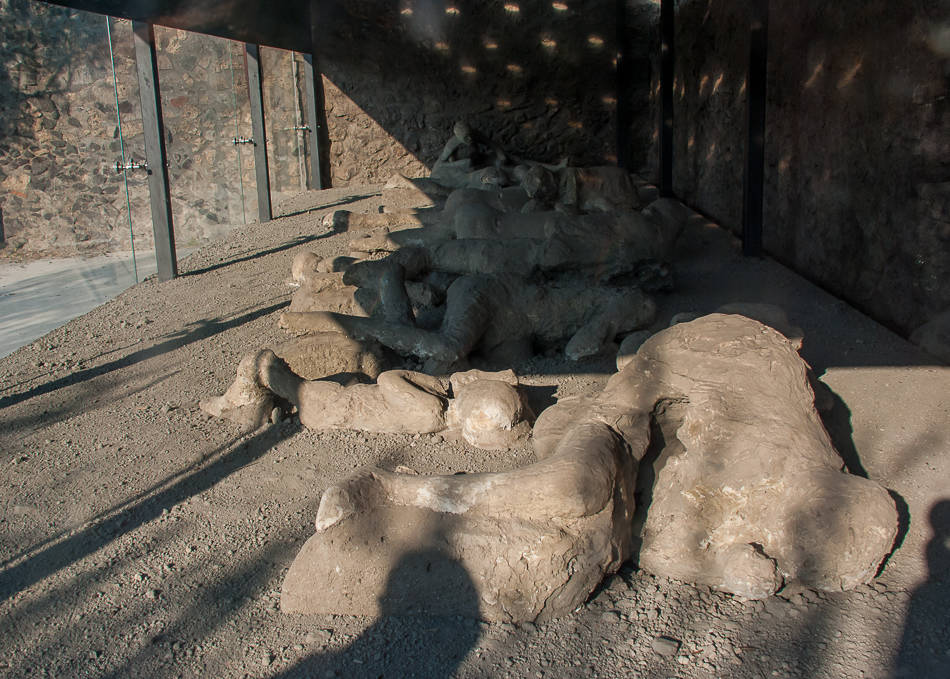
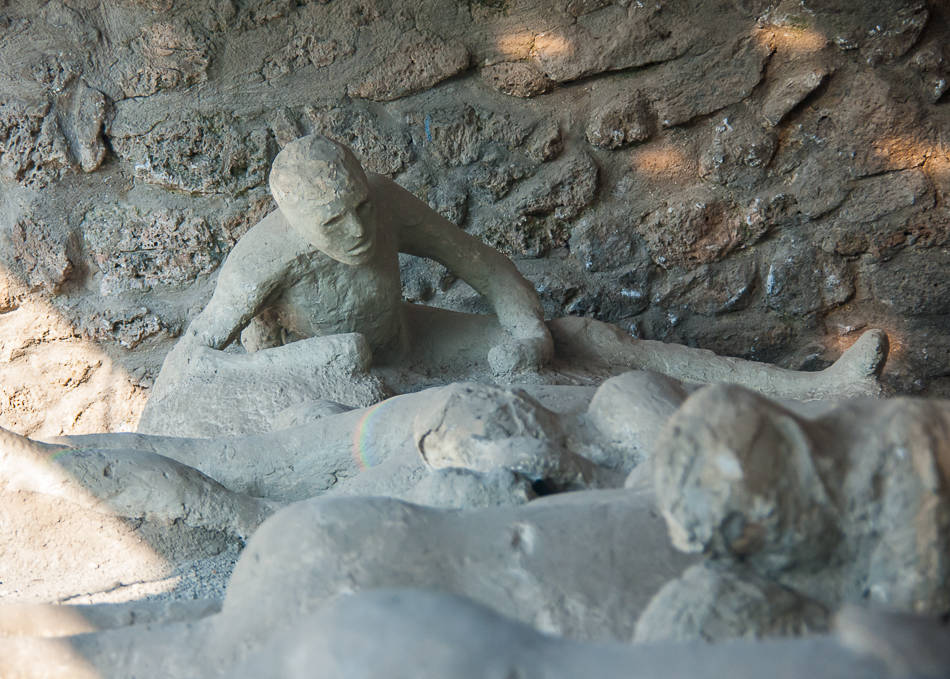
While many inhabitants were able to flee the eruption in time, it’s impossible to ignore the tragic ending of those who got stuck in the city as is remembered throughout the site. A stop at the “Garden of the Fugitives” is a chilling reminder with plaster casts of victims still in situ, crouching in corners or clinging to each other as the debris fell.

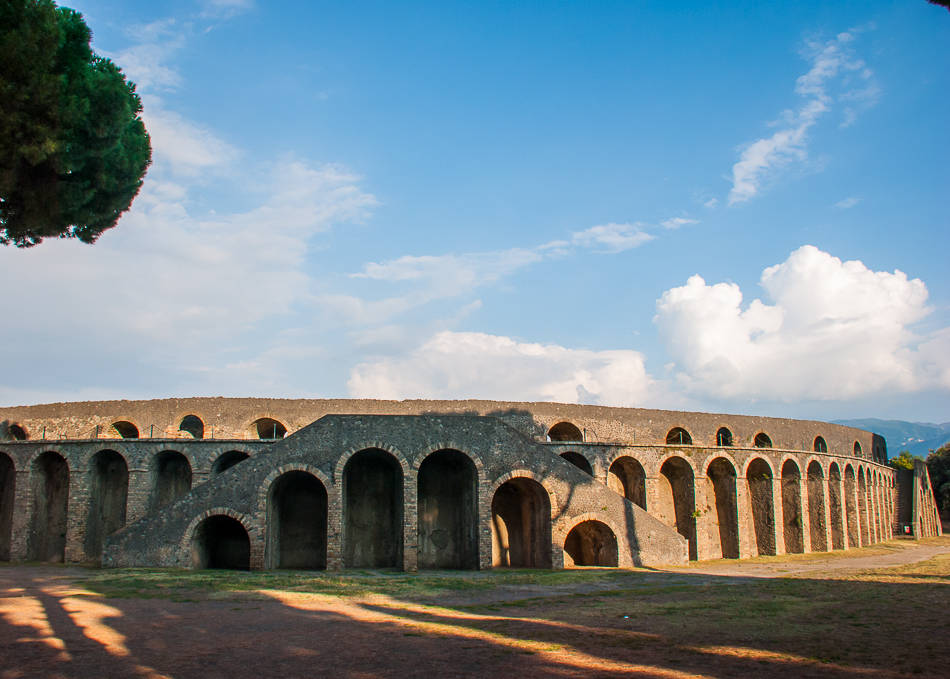
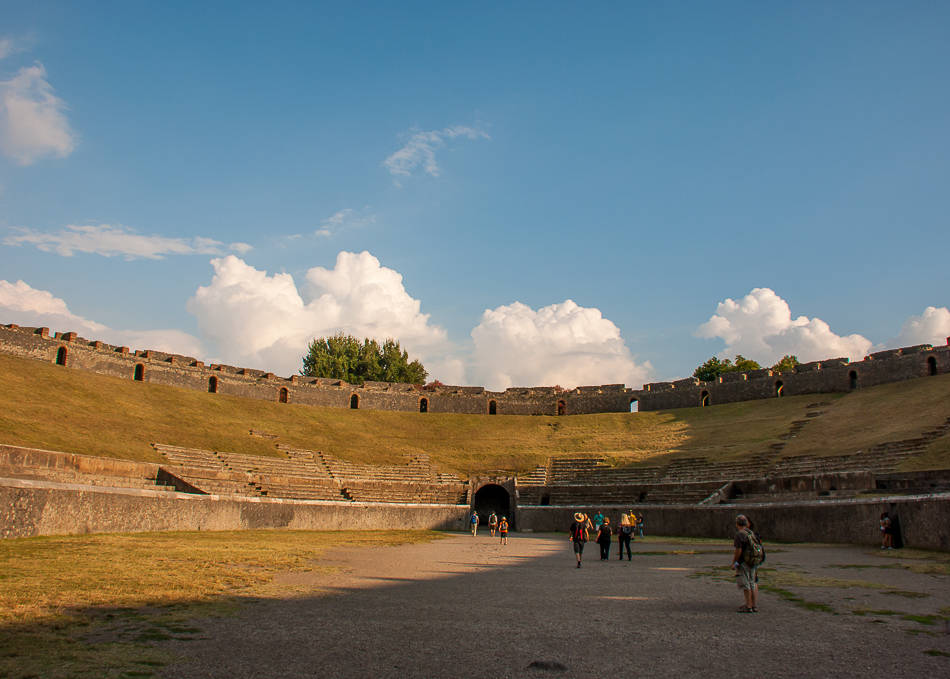
At the other end of the city, next to the exit, stands the majestic Amphitheatre.

It’s the oldest stone building of this kind in the world, 150 years older than the Colosseum in Rome.

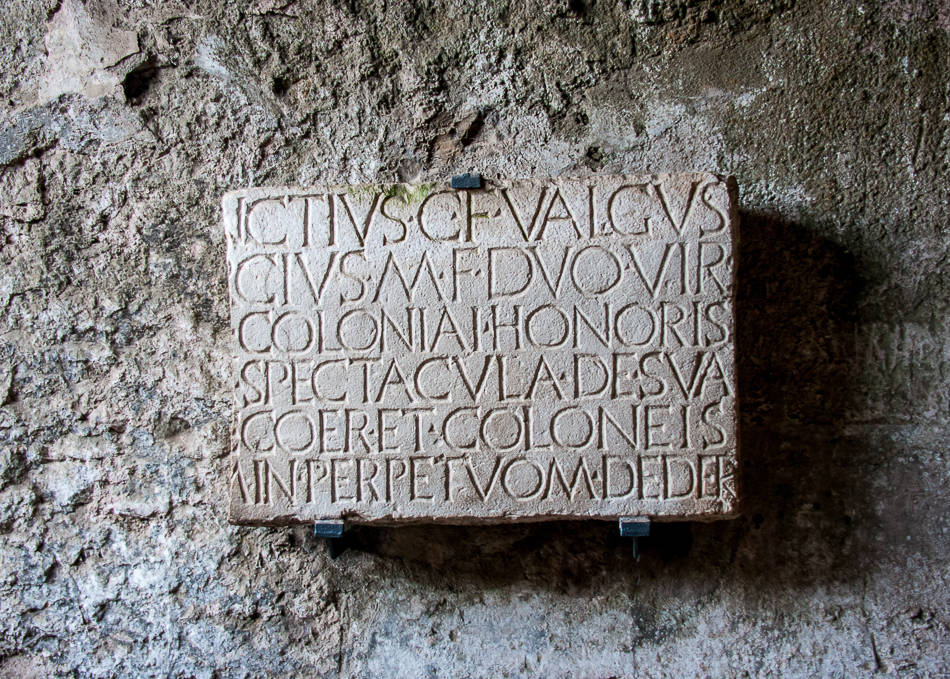
Preserved sign by the exit

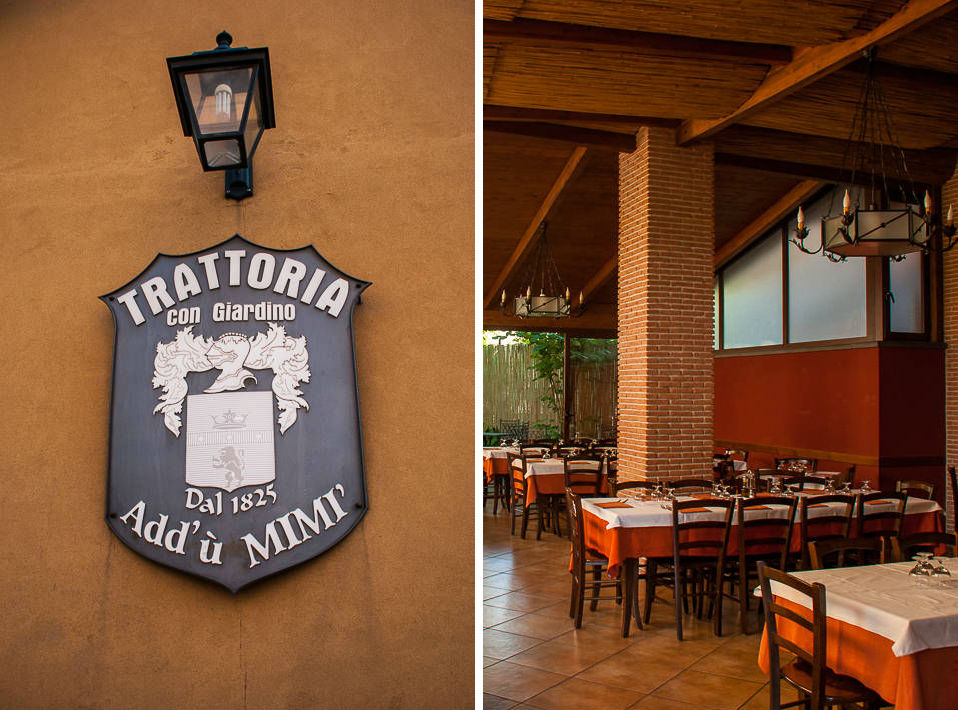
You’ll surely be hungry by now and thinking of jumping into the first open café you’ll see and that wouldn’t be far from the best scenario. As providential and surprising as it may seem, it’s merely a few steps down the street from the exit that we had one if not THE best meal of our trip in the most inconspicuous of places. That such a culinary treasure as AdduMimi should find itself in close proximity to the biggest tourist attraction in the region is a mystery, but one you’d be foolish not to uncover.

Trattoria

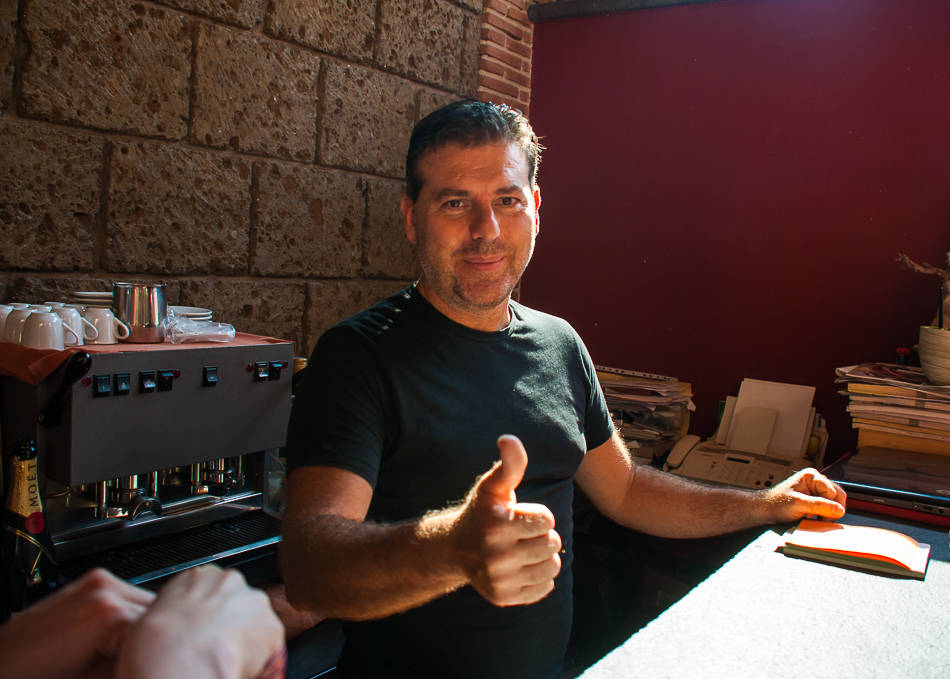
First of all this has to be the restaurant with the best service we’ve had, the owner Roberto kindly welcoming us and describing the house specialties with a love and respect for the regional food one hardly sees, and in three languages no less! With everything made in-house, including a fennel-based digestive at the end of our meal which trumped every limoncello we’ve previously had, the outstanding quality shone throughout the few hours we spent there.

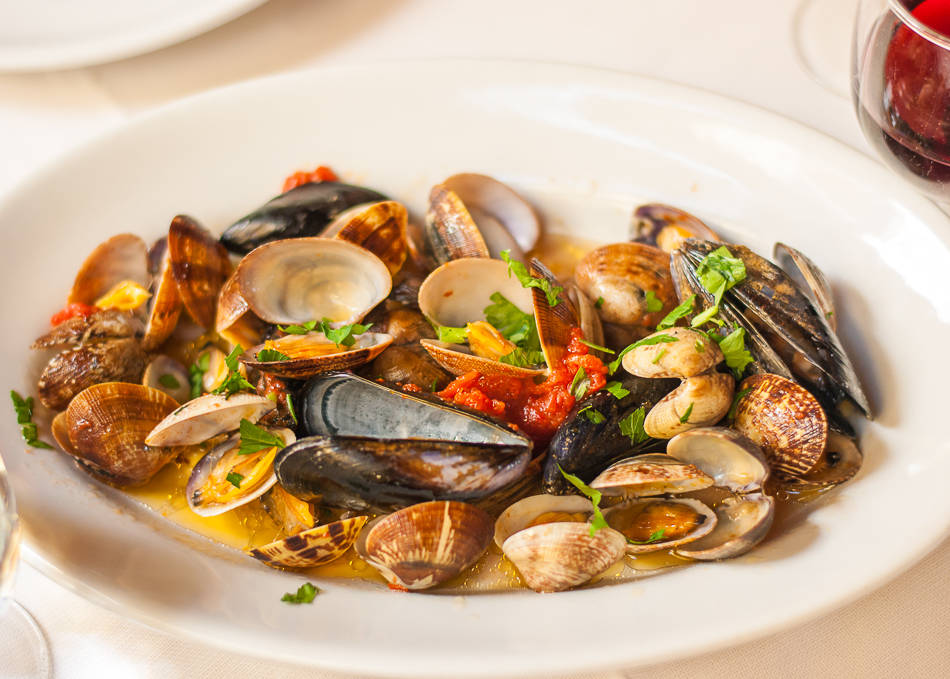
What followed was a perfectly choreographed feast of the simplest dishes, heavy on the local seafood  which is the specialty, each with a taste that I have yet to forget. Even better, the prices are as gentle as the cooking methods with barely anything on the menu venturing into the double digits. A true find which has ‘almost’ eclipsed the 2,000 yrs old city we had just visited…

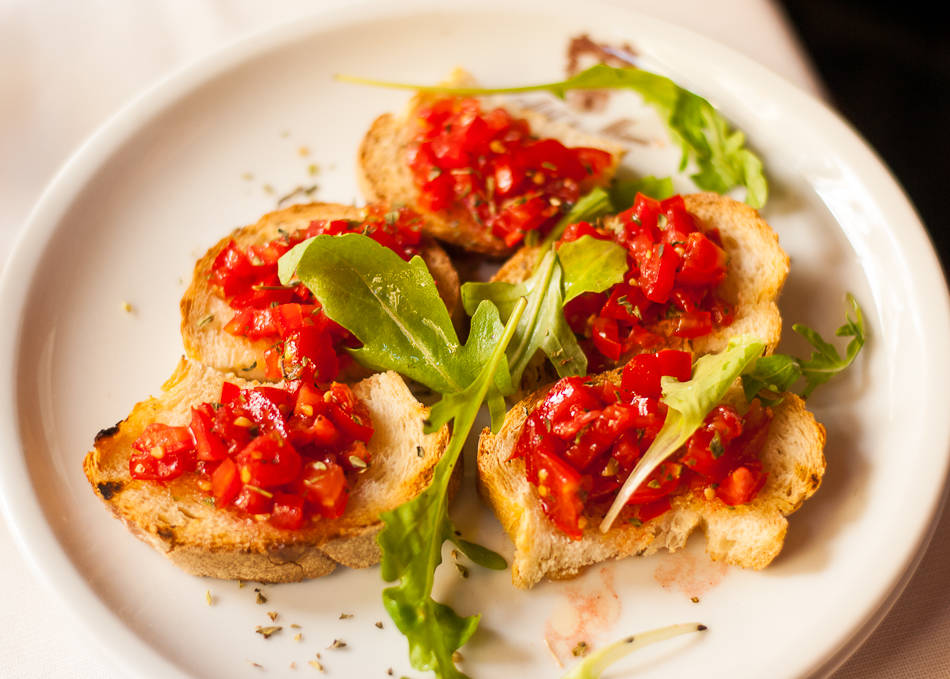
Antipasto Assortito – Bruschetta

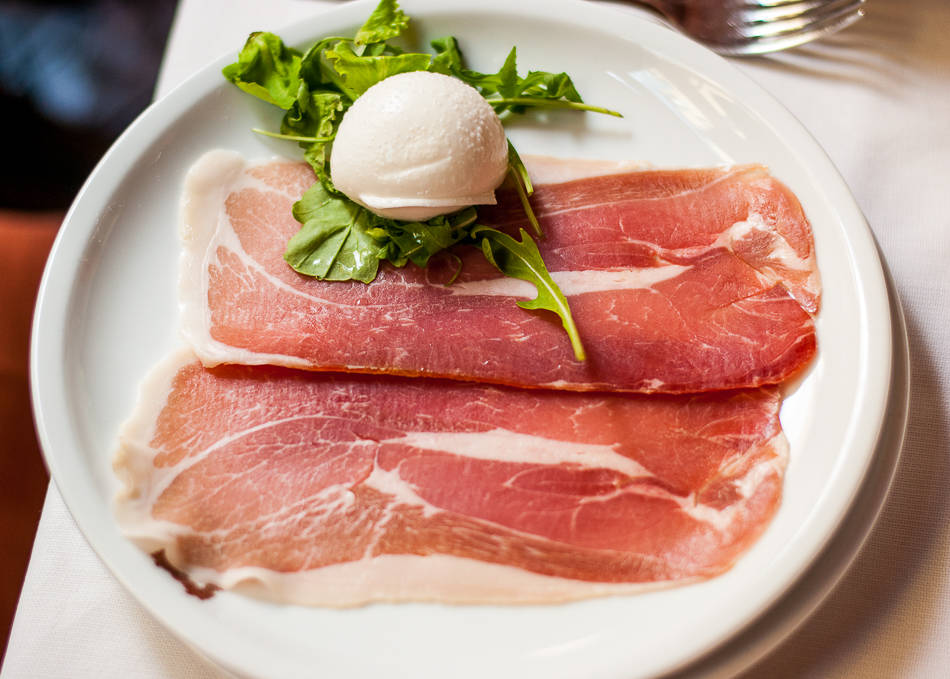
Antipasto Assortito – Prosciutto e mozzarella

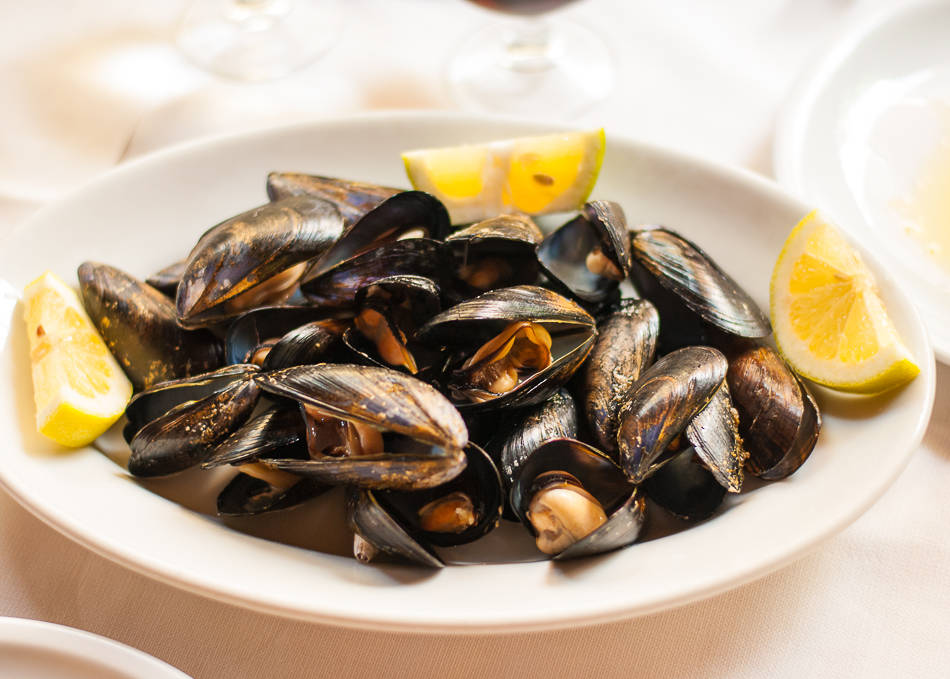
Mussels

Antipasto di Mare

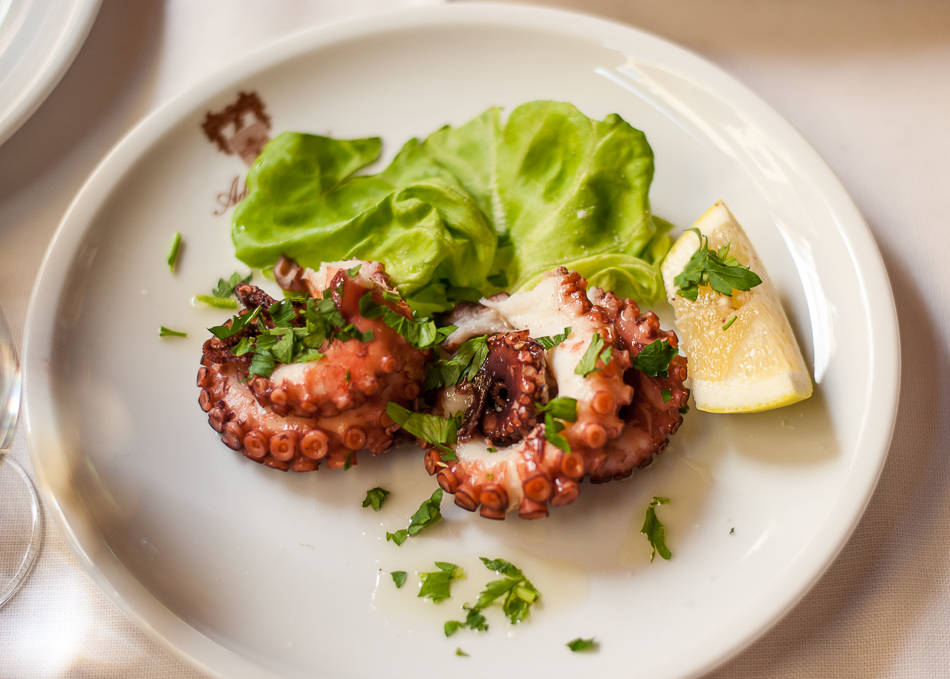
Polpo

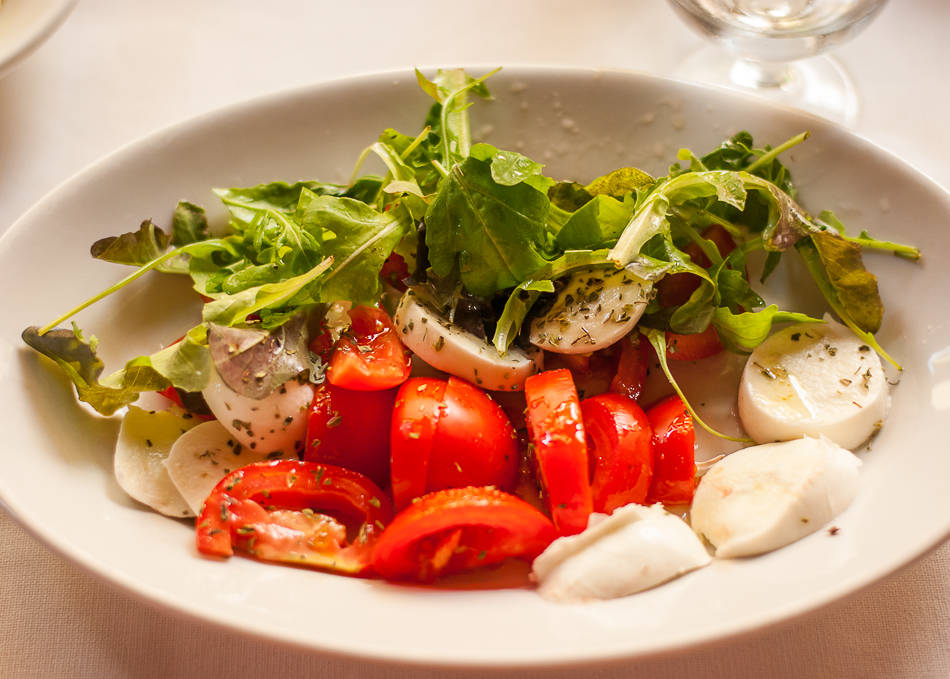
Insalata Caprese

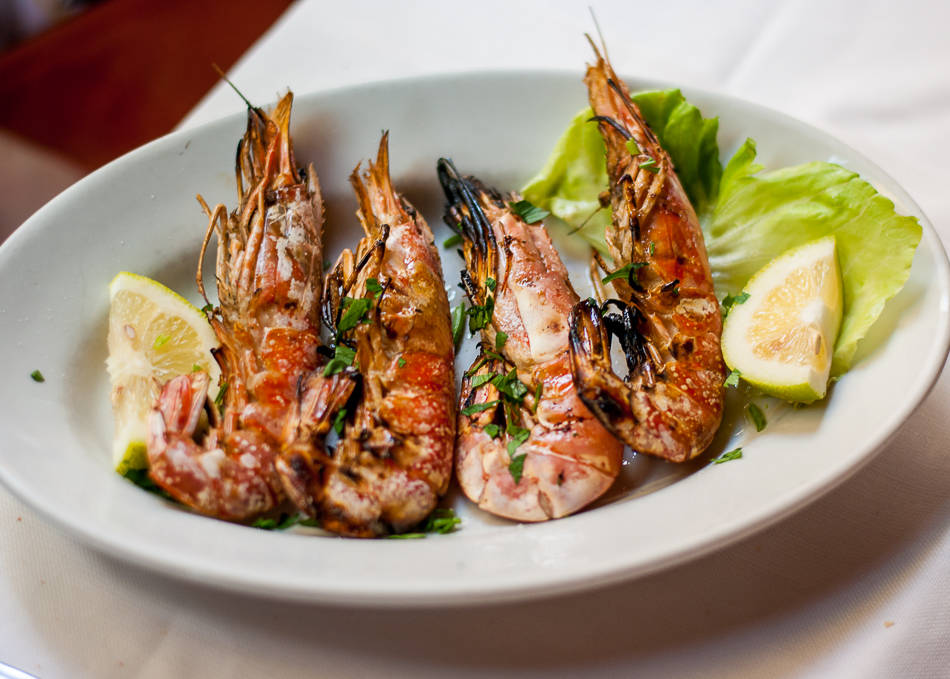
Shrimps
Add'u Mimi - Shrimps

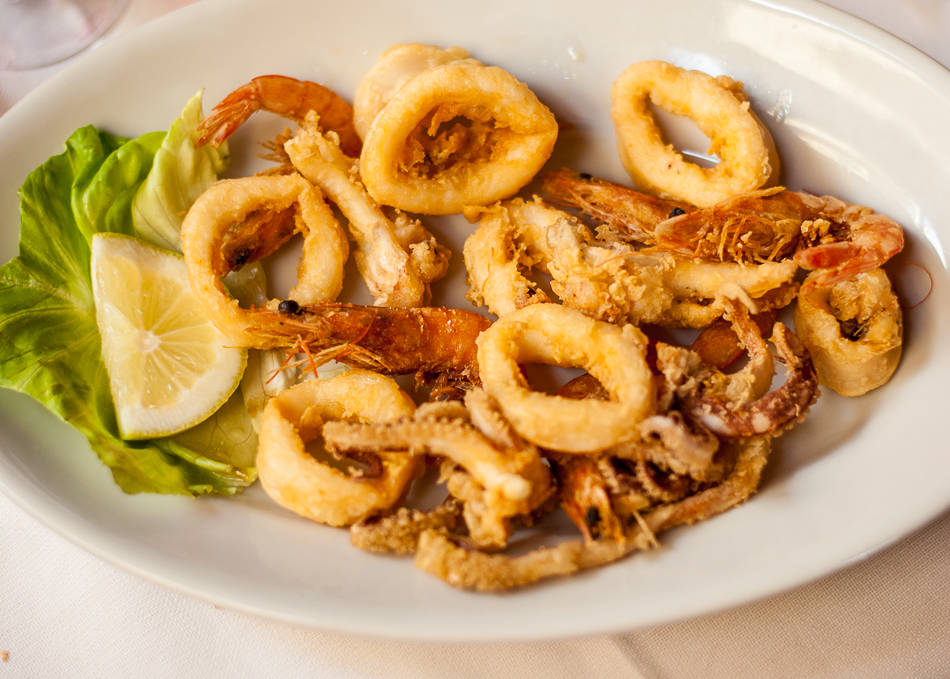
Frittura Mista del Golfo

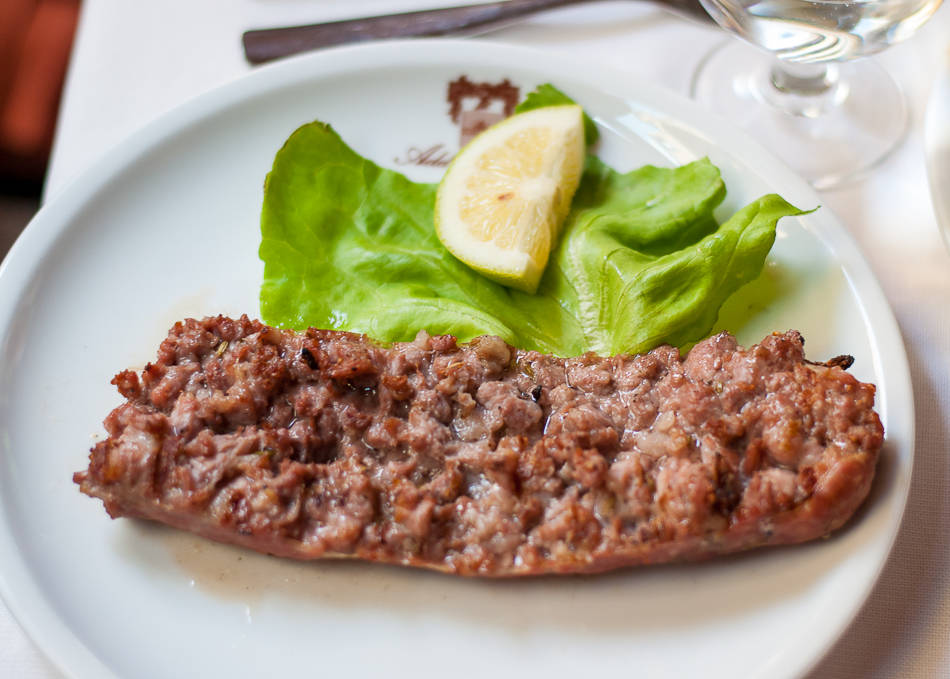
Salsiccia

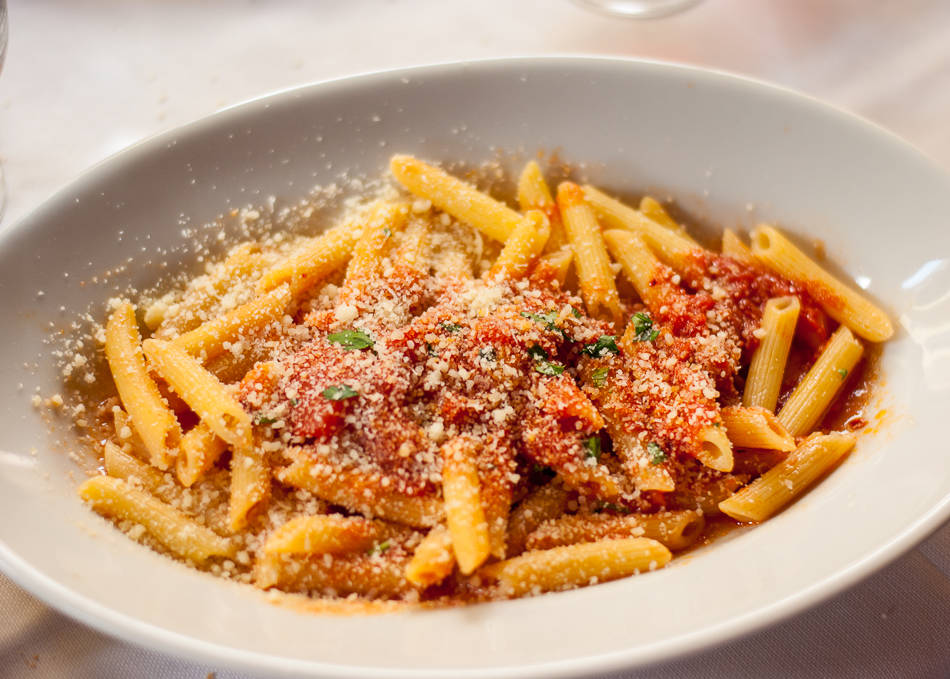
Pasta

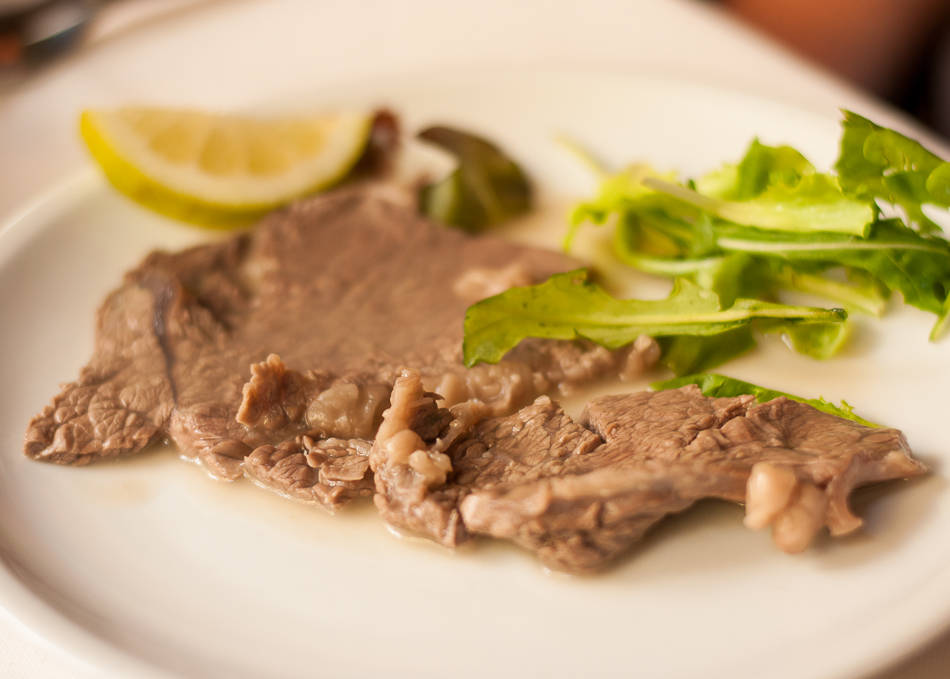
Vitello

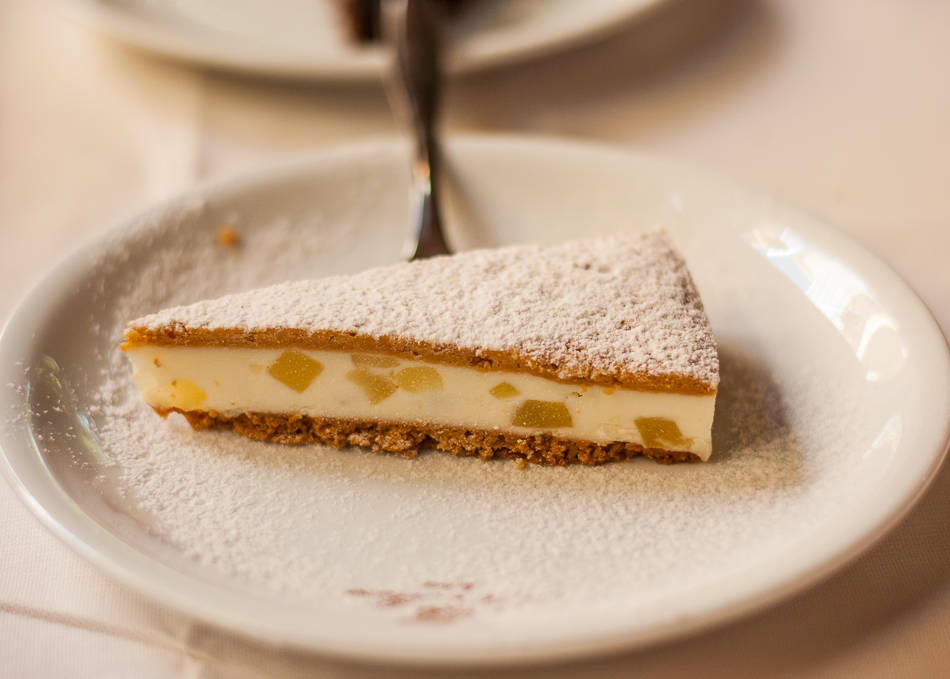
Torta Ricotta e Pera

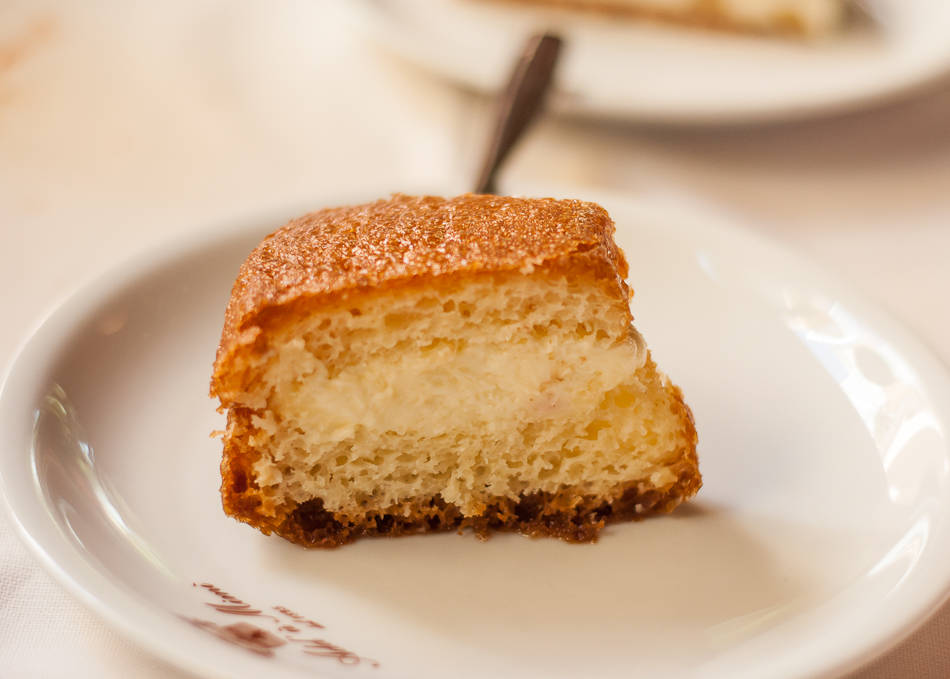
Baba au rhum

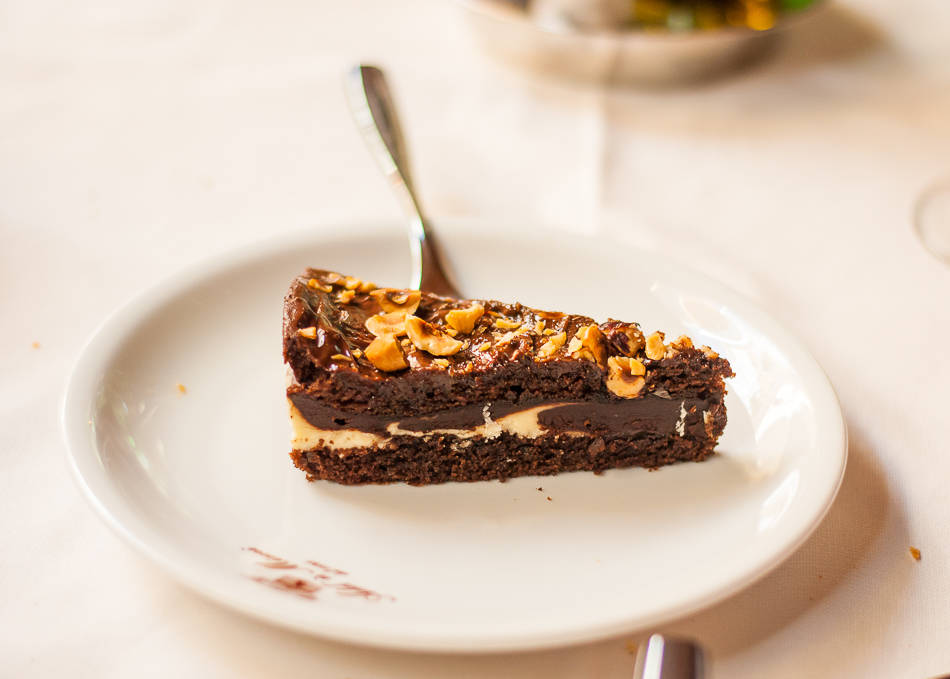
Chocolate & Hazelnut

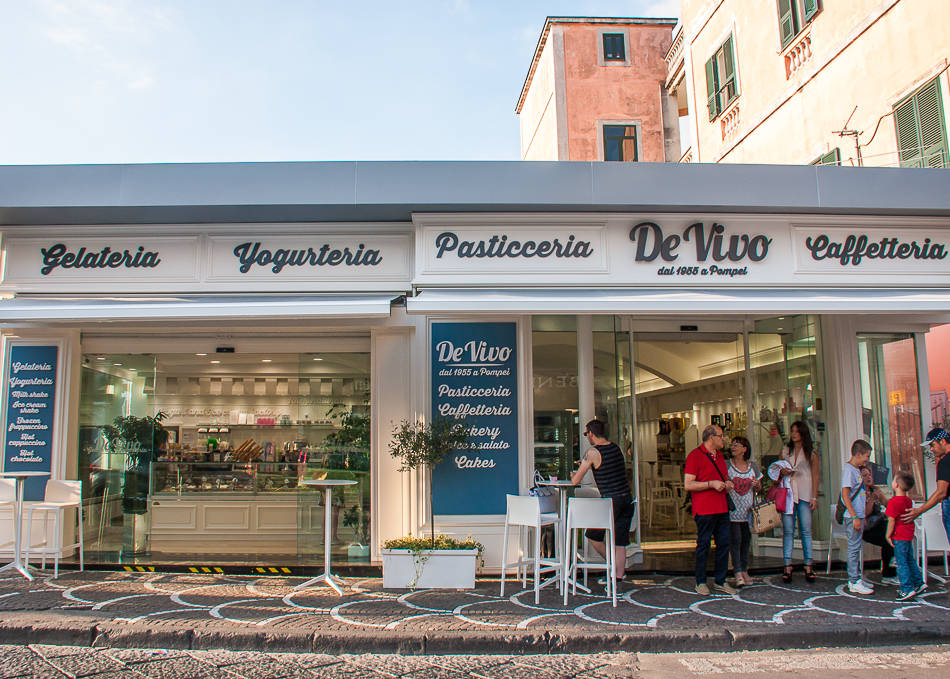
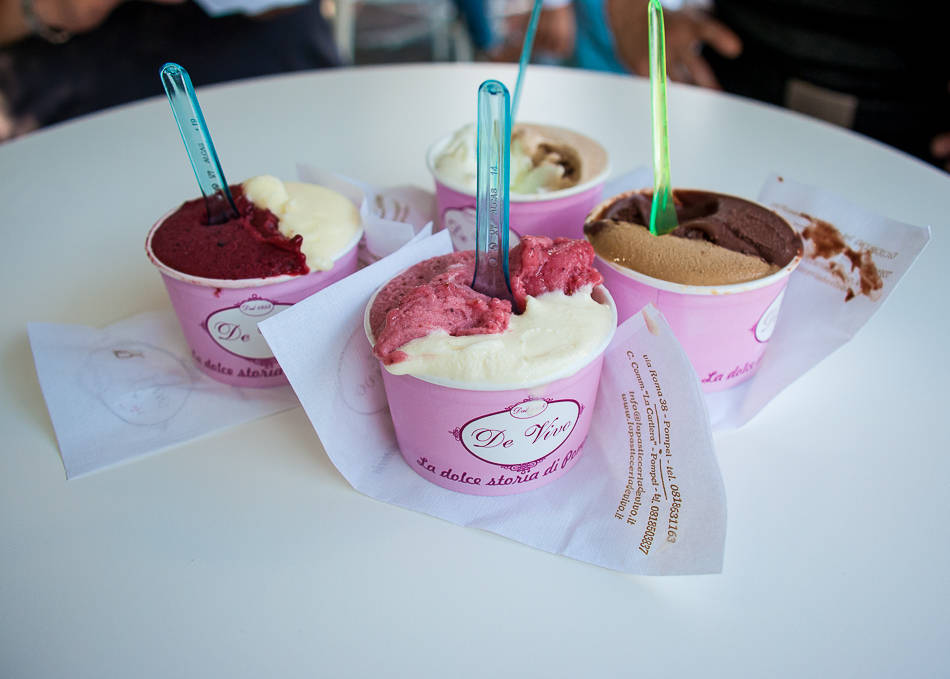
You’ll be pretty full by then, but just in case there is a great gelateria almost right across the street which is well worth a visit also.

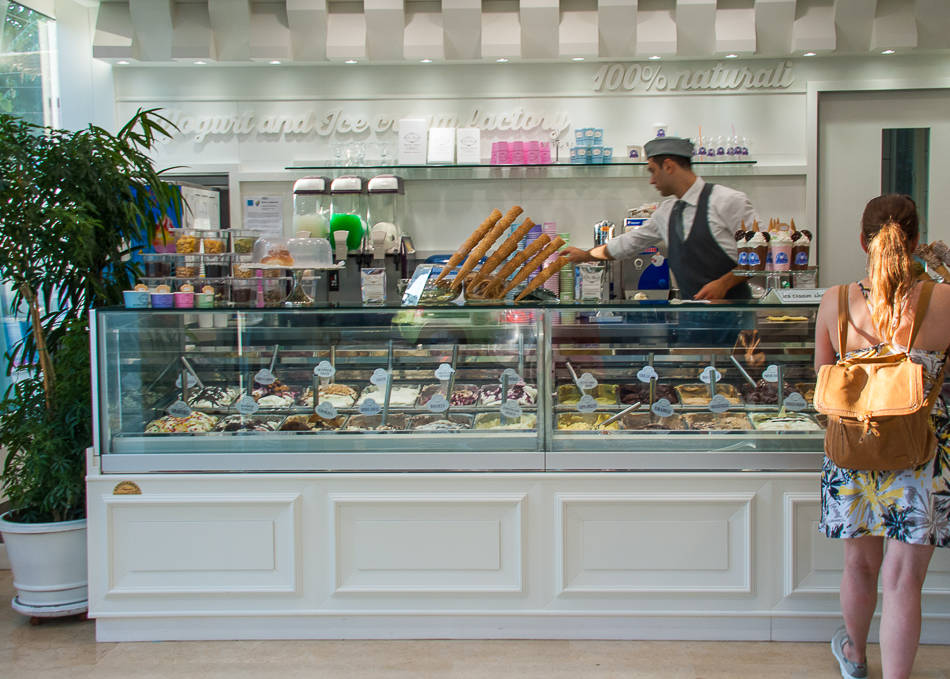
De Vivo has plenty of retro charm and loads of pastries on top of the homemade gelato.

We couldn’t resist…

Italy Travels

Roman Holidays

October 17, 2014

A few days in Rome is really all you need for an exquisite culture and food fix. It’s clearly not enough to cover even a fraction of it, but a good pair of walking shoes, some advance planning, and a big appetite will go a long way toward making the most out of the Eternal City.

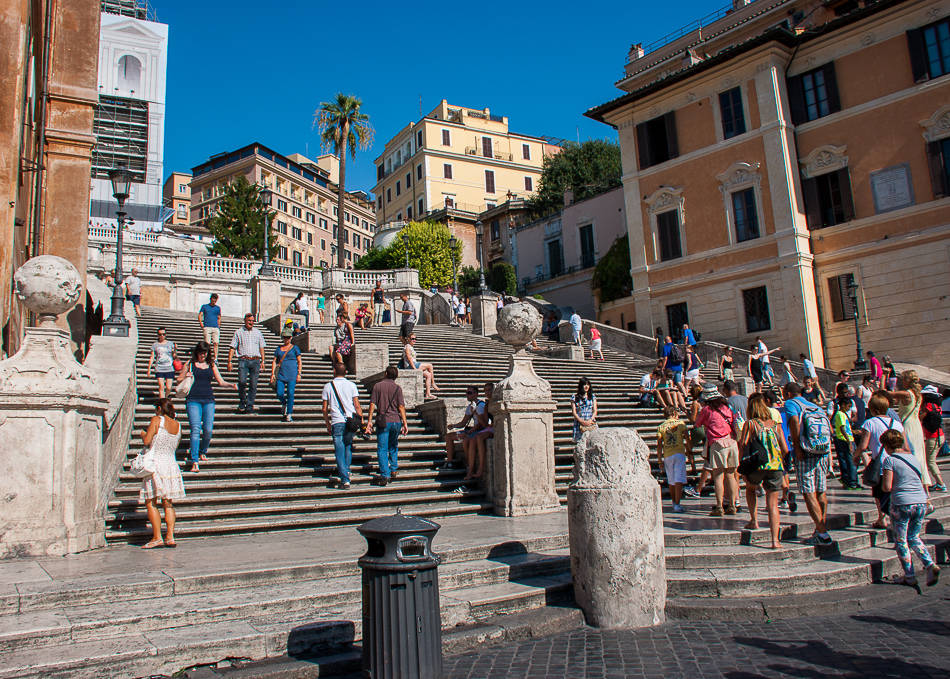
A good starting point is the Piazza di Spagna, one of the most famous squares of Rome. The long and monumental staircase, better known as the Spanish Steps, is the perfect people-watching spot in town and likely to be very crowded.
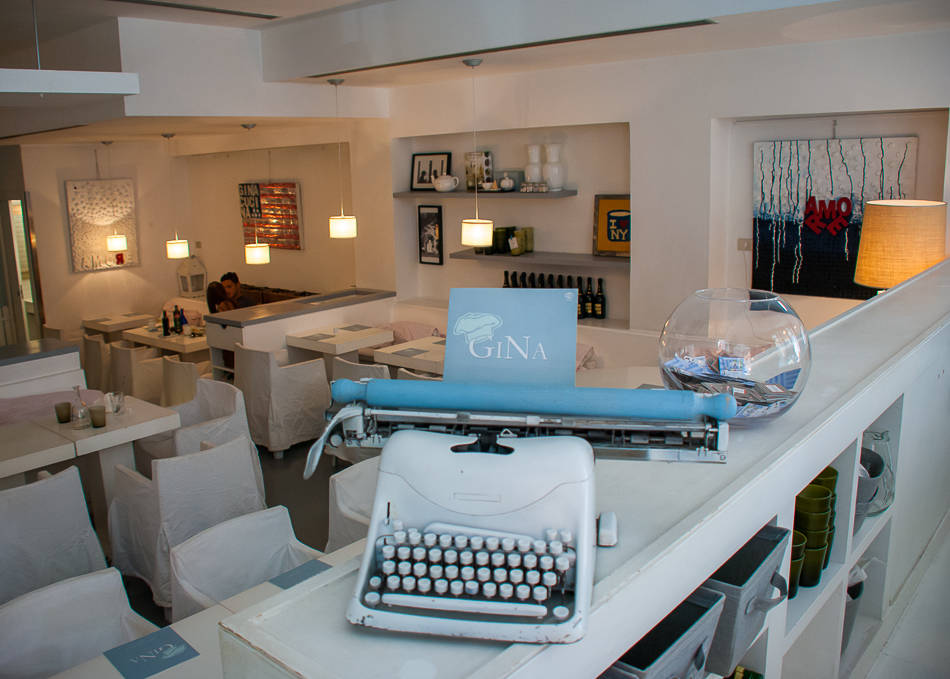
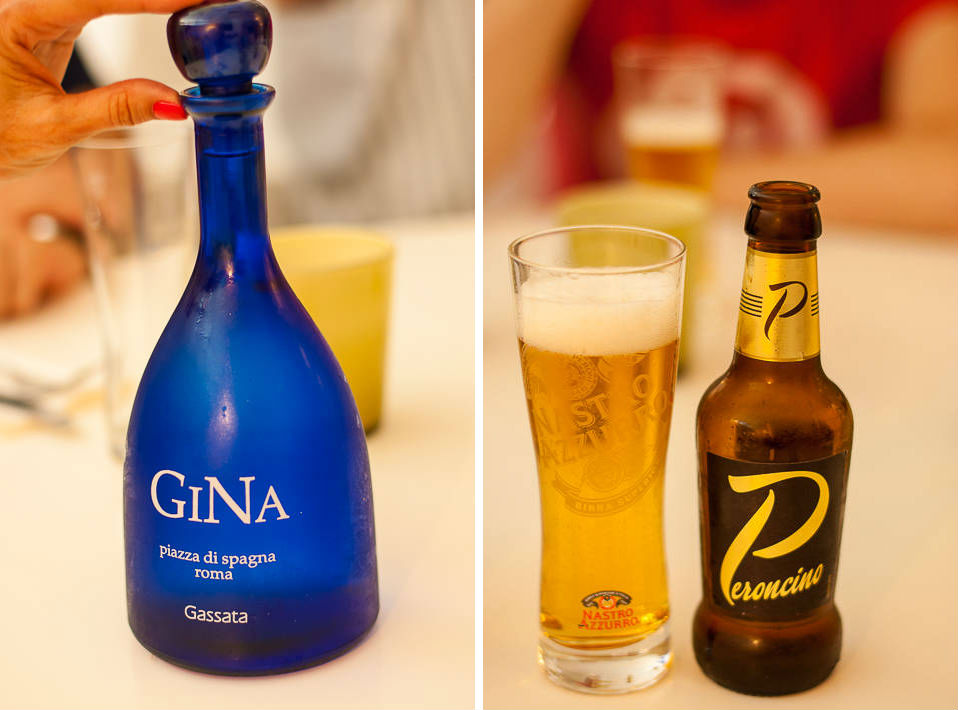
When hunger strikes (as it will since you should be hitting this city completely starving!), avoid the overpriced and touristy eateries right on the piazza and head instead around the corner to GiNa. The fresh and minimalist restaurant/café serves delicious and light breakfast, lunch, dinner and snacks a stone’s throw from the crowd in a chic setting.
 Elegant water bottle
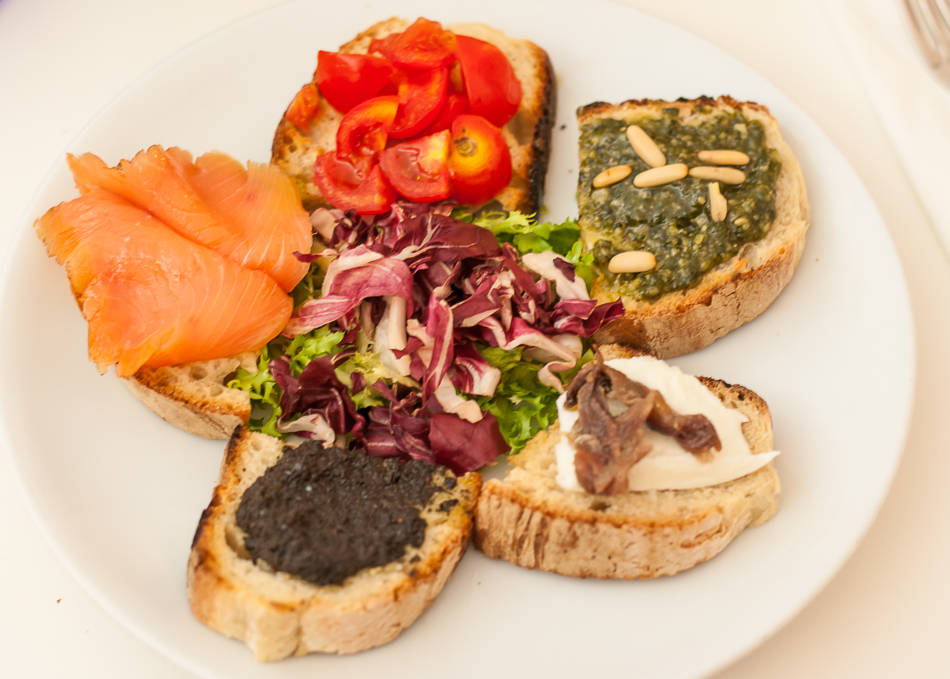
Bruschette (tomatoes – olive paste – smoked salmon – pesto – mozzarella & anchovies)
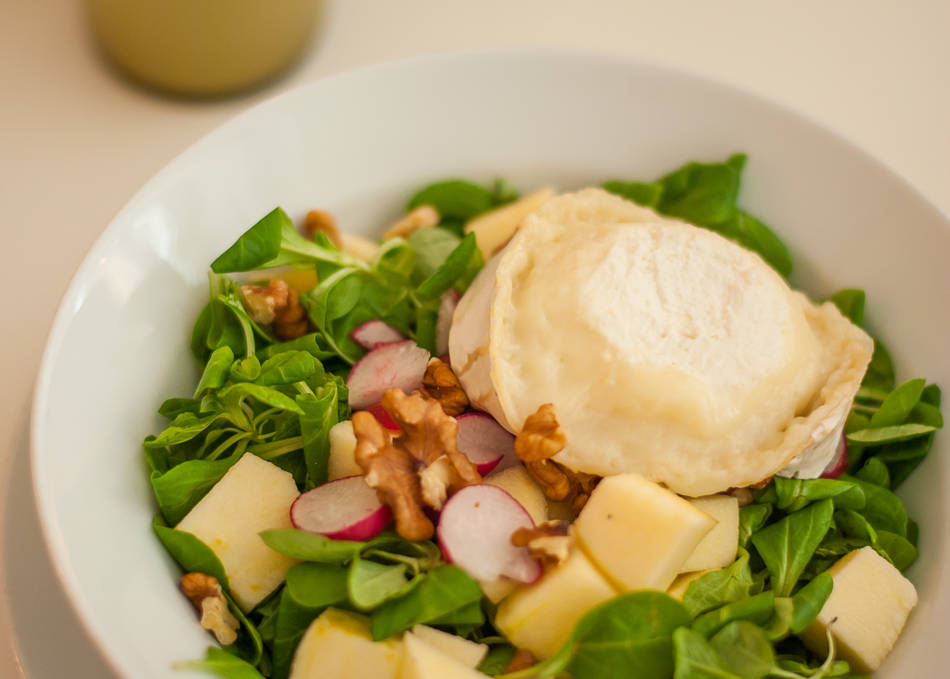
Sibà: Green salad – apple – radish – walnuts – chèvre cheese
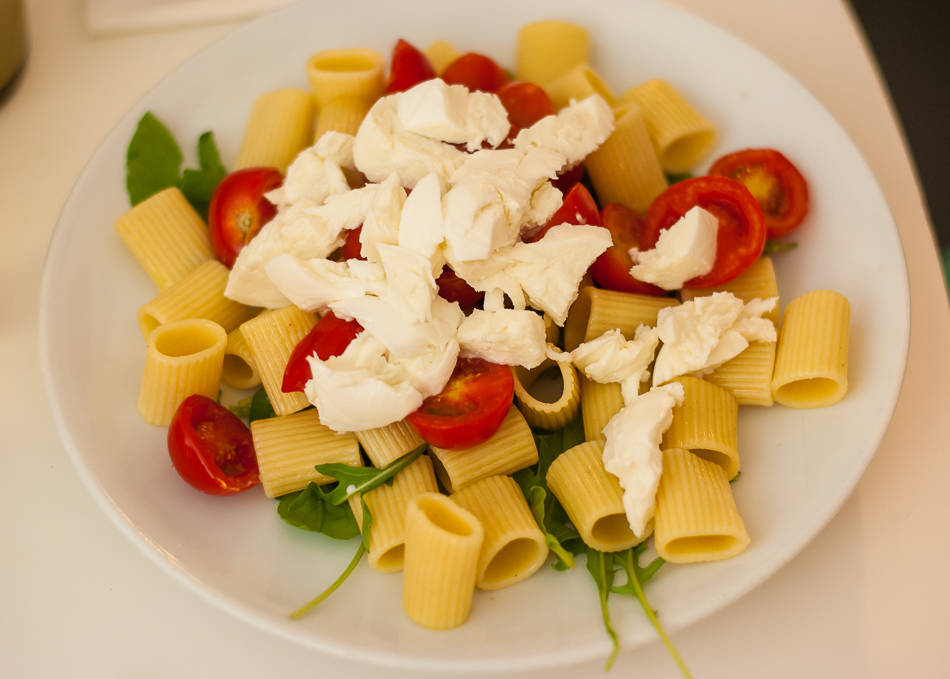
Cold pasta with cherry tomatoes, mozzarella and rucola
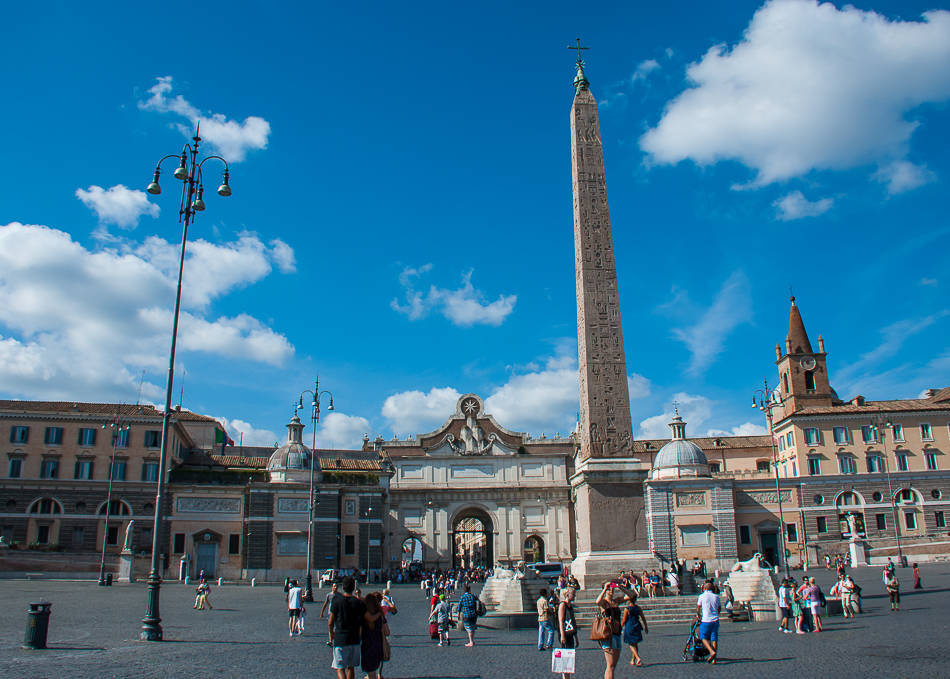
From Piazza di Spagna, walking north on any of the three main shopping streets that are Via del Babuino, Via del Corso, or Via di Ripetta will lead you straight to Piazza del Popolo. The large urban square was once the starting point of the most important route to the north as well as a place for public executions…

Piazza del Popolo with its Egyptian obelisk and Porta del Popolo.
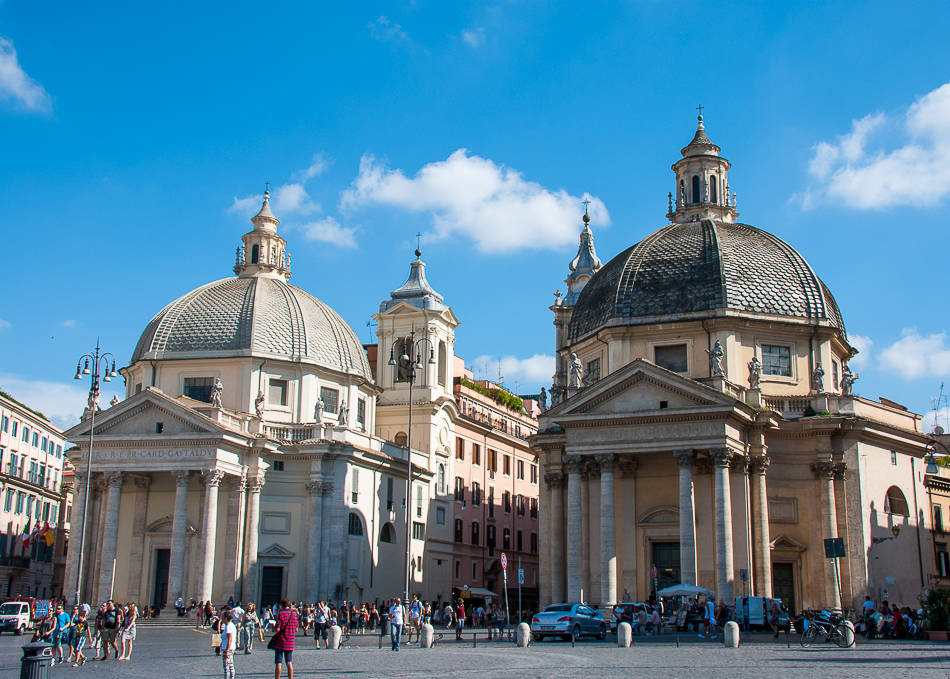
Santa Maria dei Miracoli and Santa Maria di Montesanto – two churches facing the northern gate often called the ‘twins’.
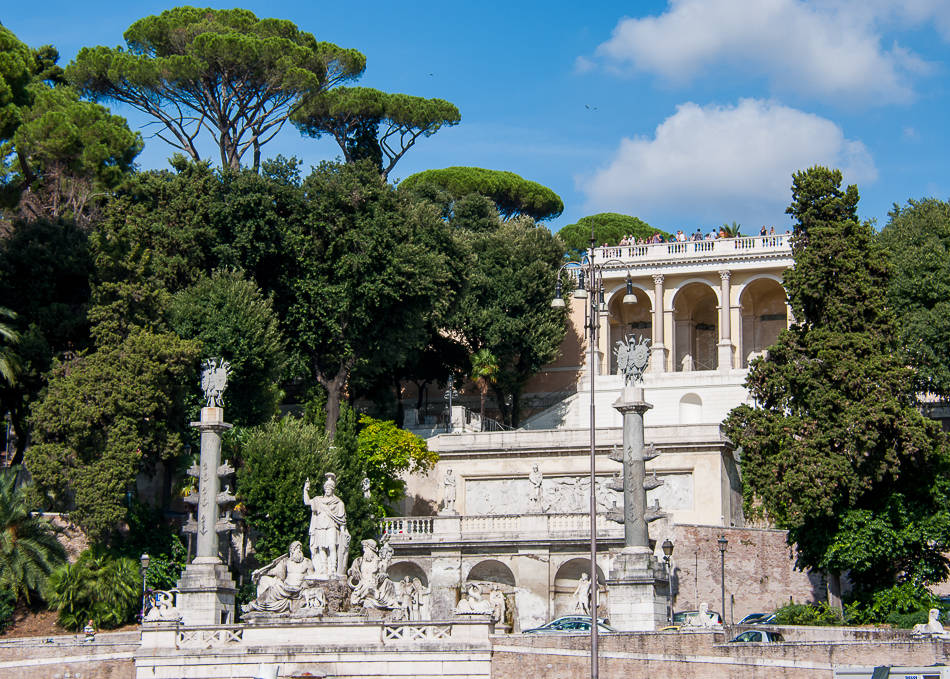
Fontana della Dea di Roma at the foot of the Pincio Gardens to the east of the Piazza.
Your first afternoon should definitely conclude with an Italian aperitivo (pre-dinner drink) and I couldn’t recommend more a stop at the legendary Harry’s Bar on Via Veneto.
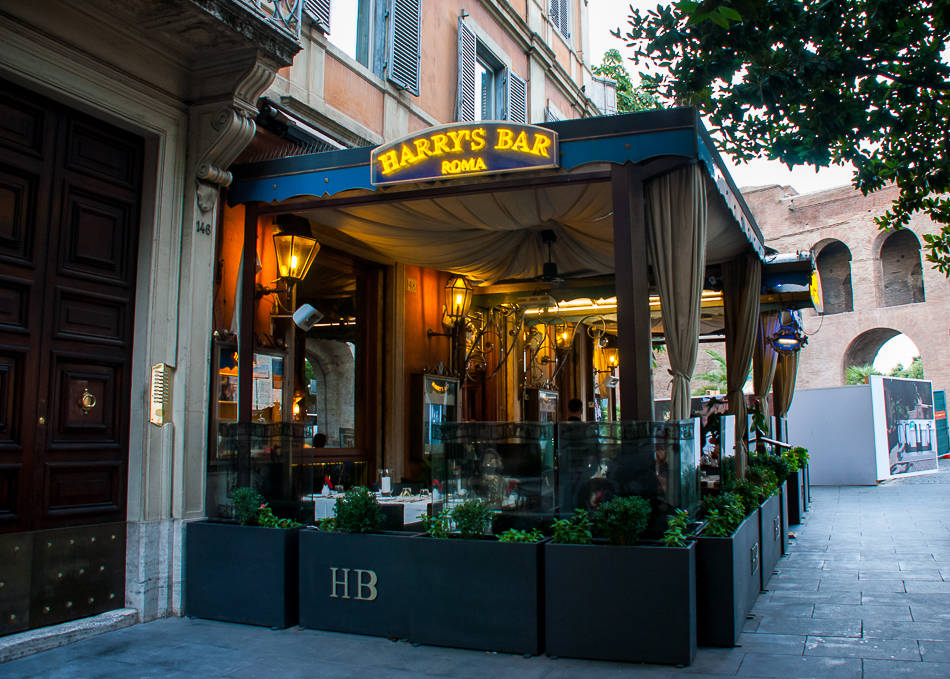
Made famous when it was featured in Fellini’s classic film La Dolce Vita, make sure to step inside to soak in the old world, glamorous atmosphere and picture in the old regulars like Sophia Loren and Frank Sinatra.
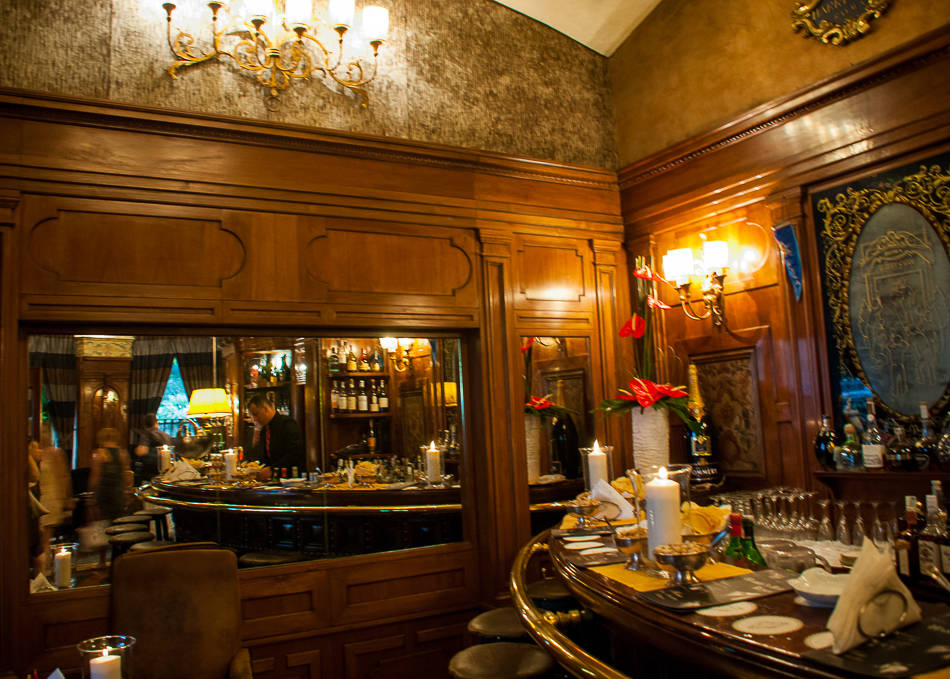
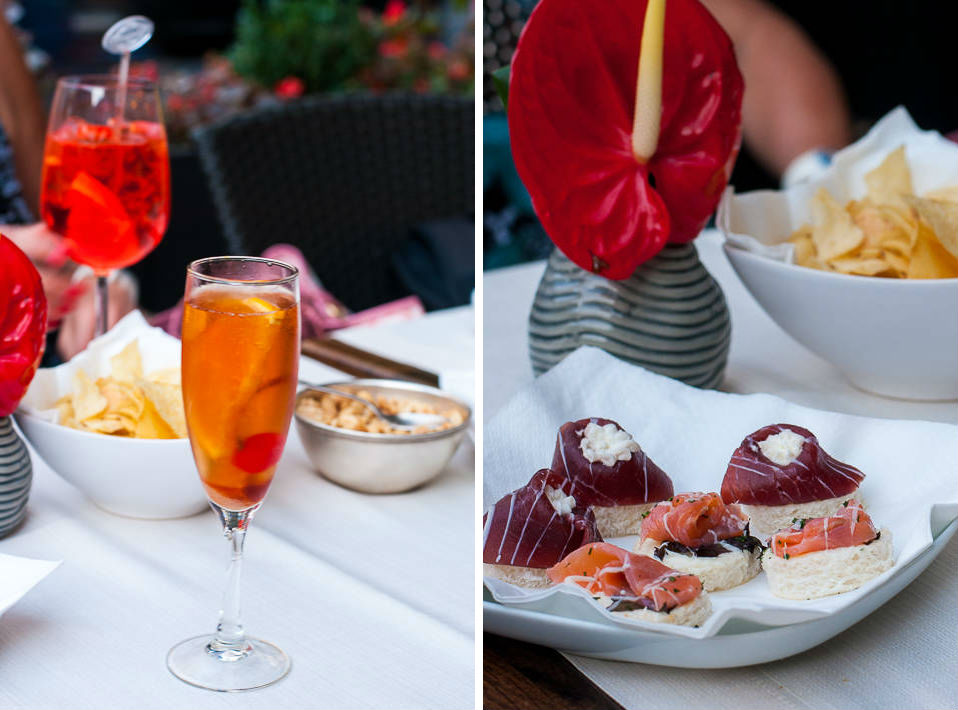
The cocktails, understandably some of the priciest in the city, are expertly crafted and worth the splurge, accompanied by delicious and upscale snacks far from the usual peanuts and chips.

Aperitivo time!
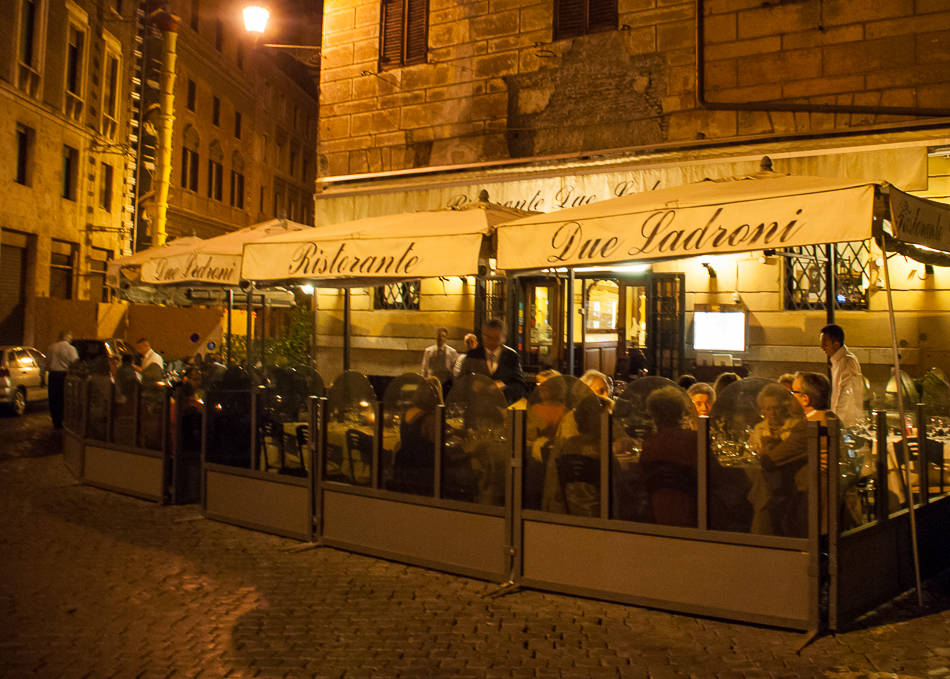
For dinner, head over to Due Ladroni (The Two Thieves) for superb seafood and classic Italian fare. The well-loved Roman institution is a favorite of the media set and packed to the gills most nights so booking is essential.  They have a very pleasant outdoor seating area on the Piazza Nicosia in the warm season.
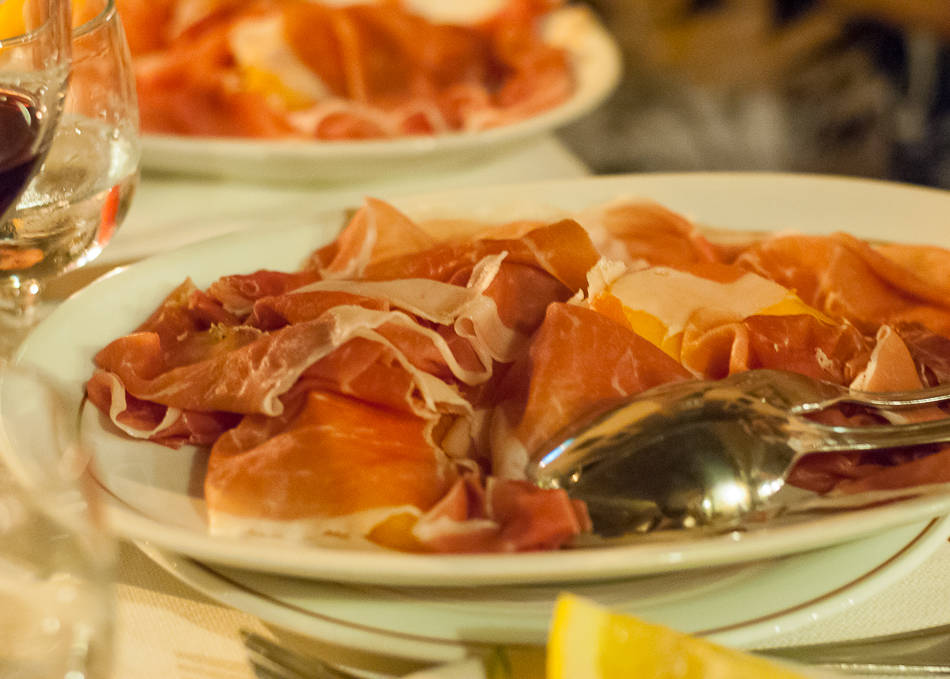
Prosciutto e melone
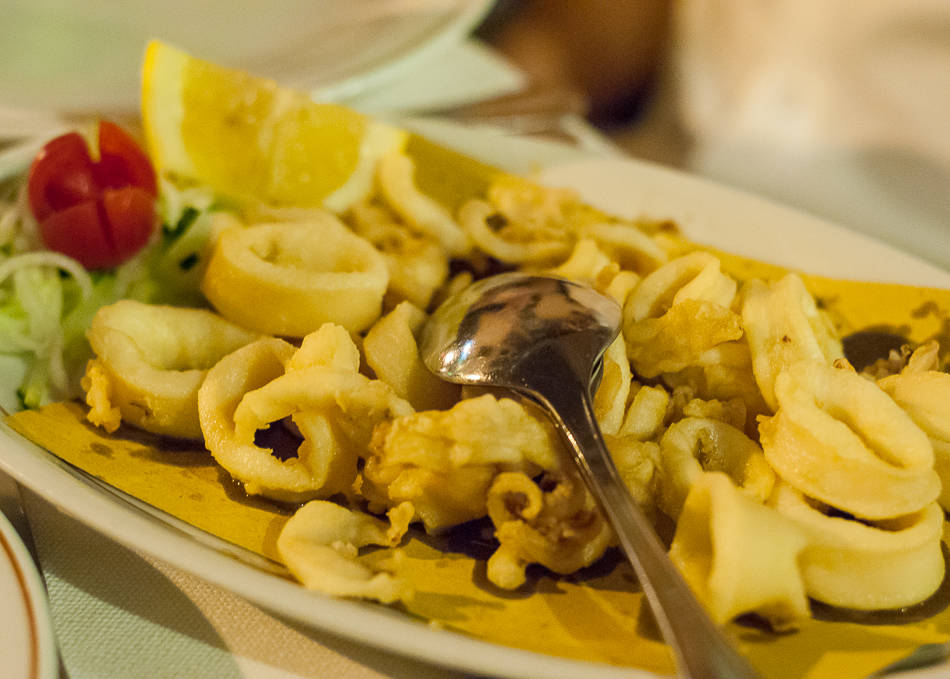
Calamari
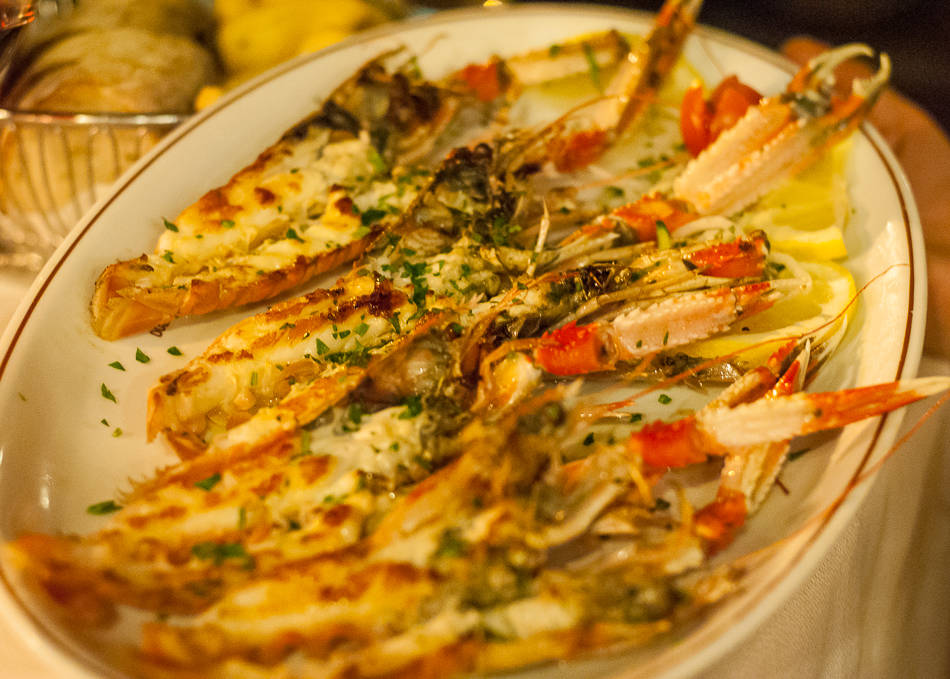
Prawns (gamberi)
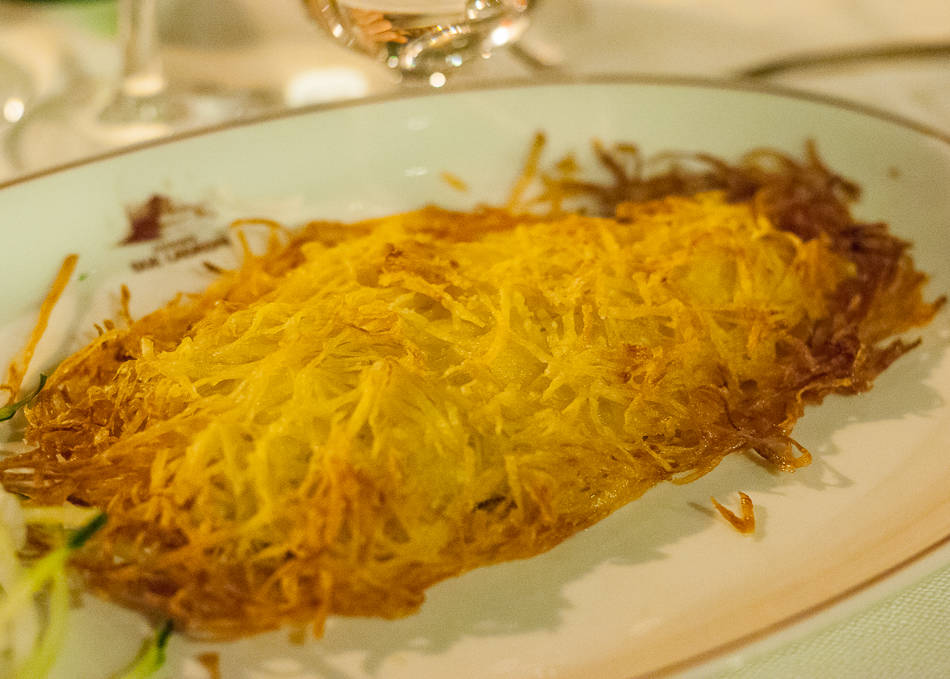
Potato-crusted fish
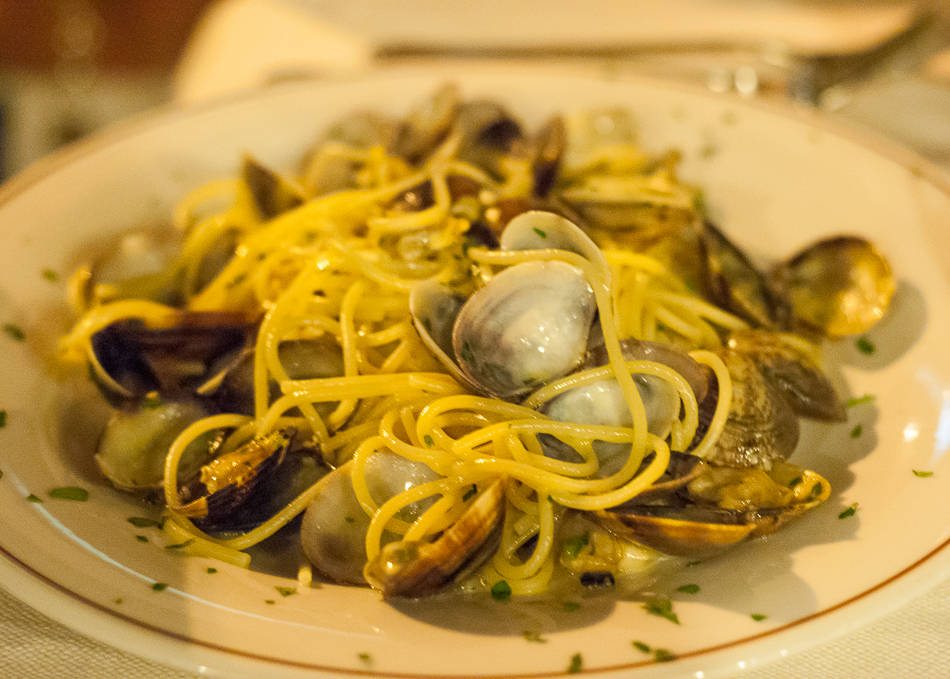
Spaghetti alle vongole
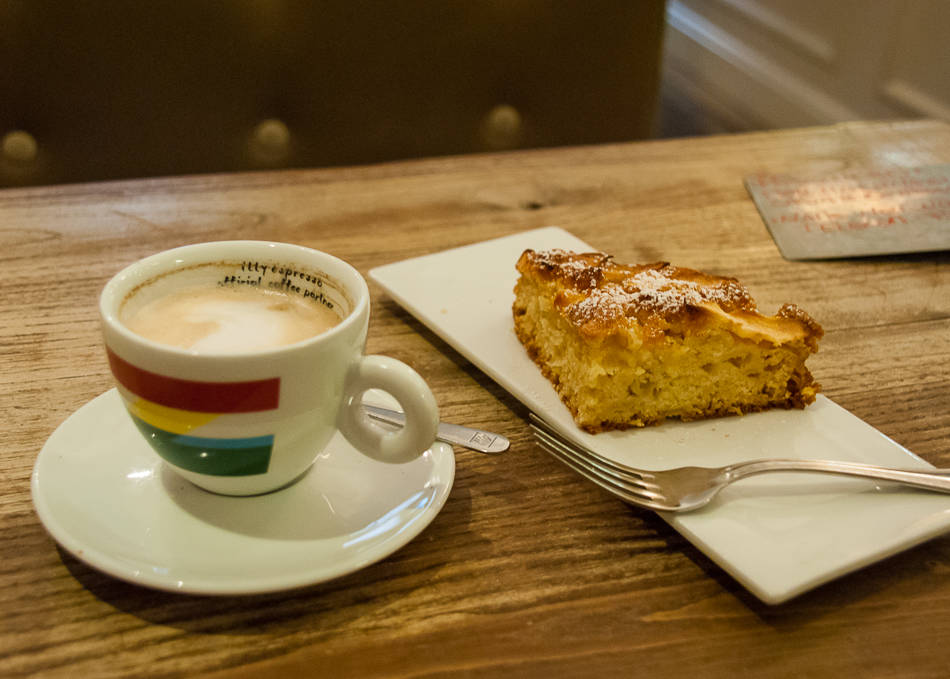
With another full day ahead, a little Italian breakfast of cappuccino and cake (or cornetto) is the preferred way to get started.
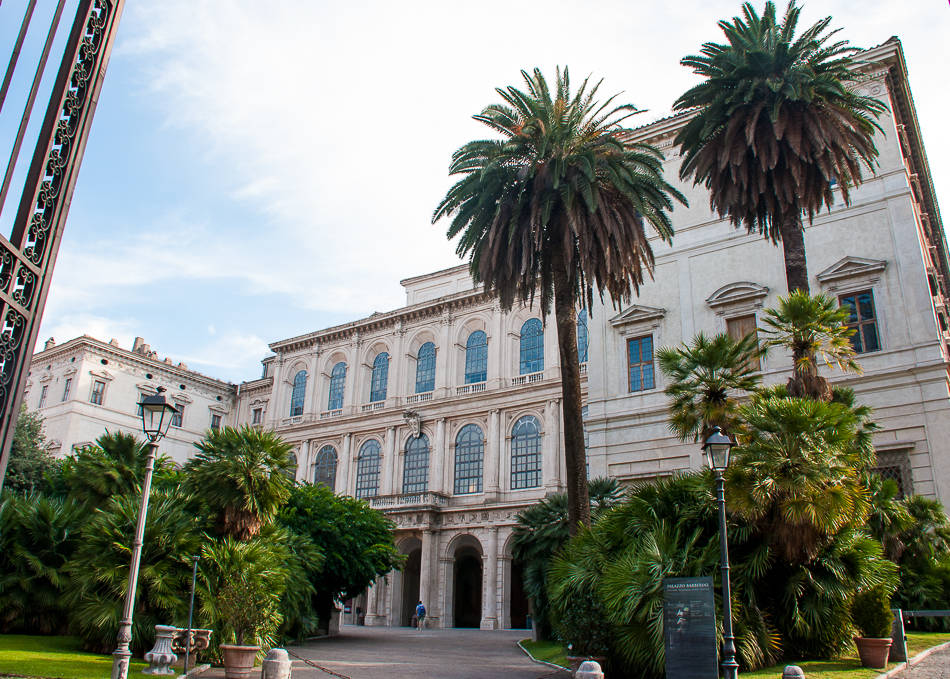
A stroll anywhere in Rome is likely to bring you face to face with the multitude of lavish palaces dotted around the city centre, such as Palazzo Barberini, housing the National Gallery of Ancient Art.
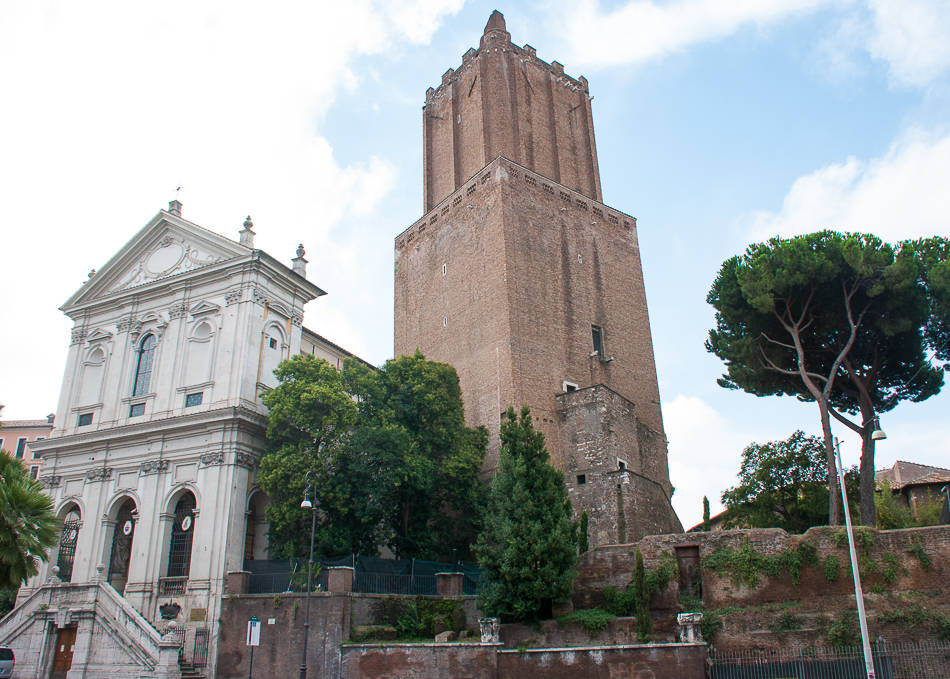
As you get closer to the centre, ancient ruins start appearing in-between the stately buildings, hinting at what is soon to appear nearby…
Best tackled in the morning to avoid both the masses and unforgiving sun rays, the Coliseum in the city centre is a sight to behold.
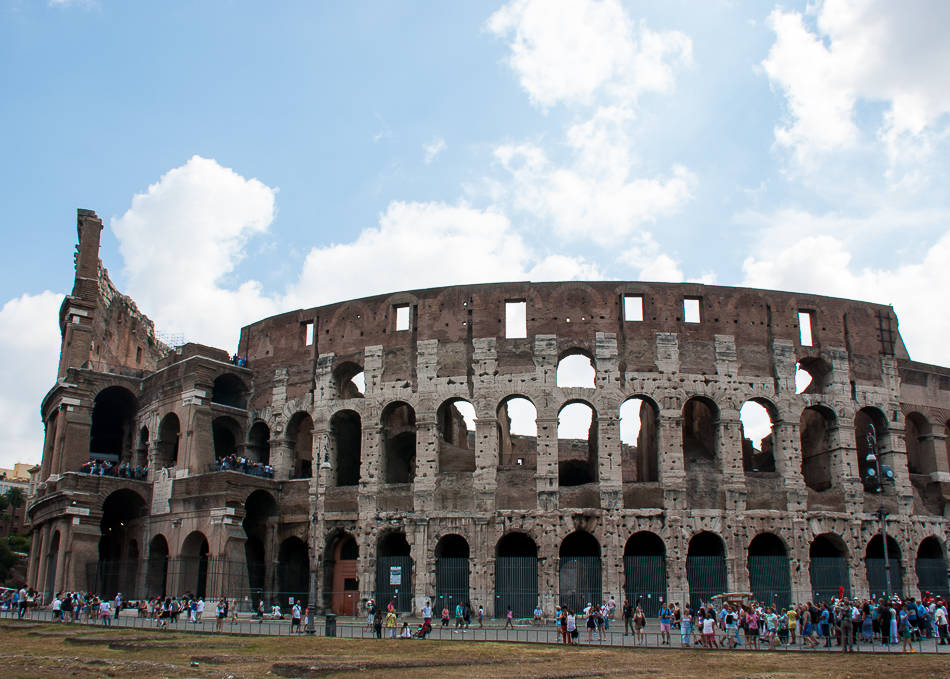
The largest amphitheater in the world had me transported back for a while into my childhood’s Asterix days and marvel at the monumental structure, almost seeing the gladiators fighting below.
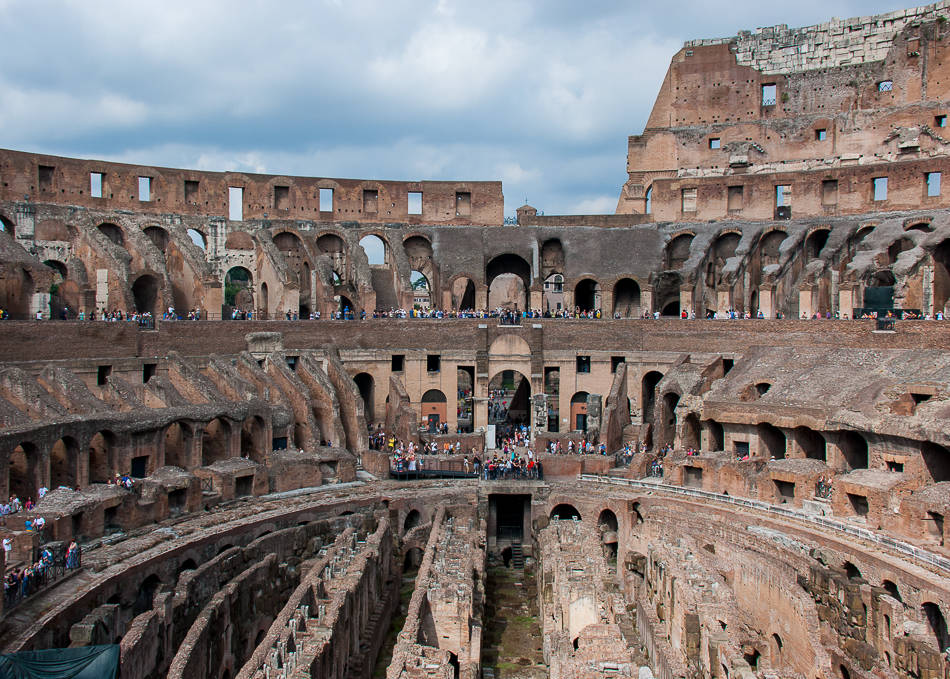
Rome - Coliseum

Just west of the Coliseum lay the expansive Roman Forum.
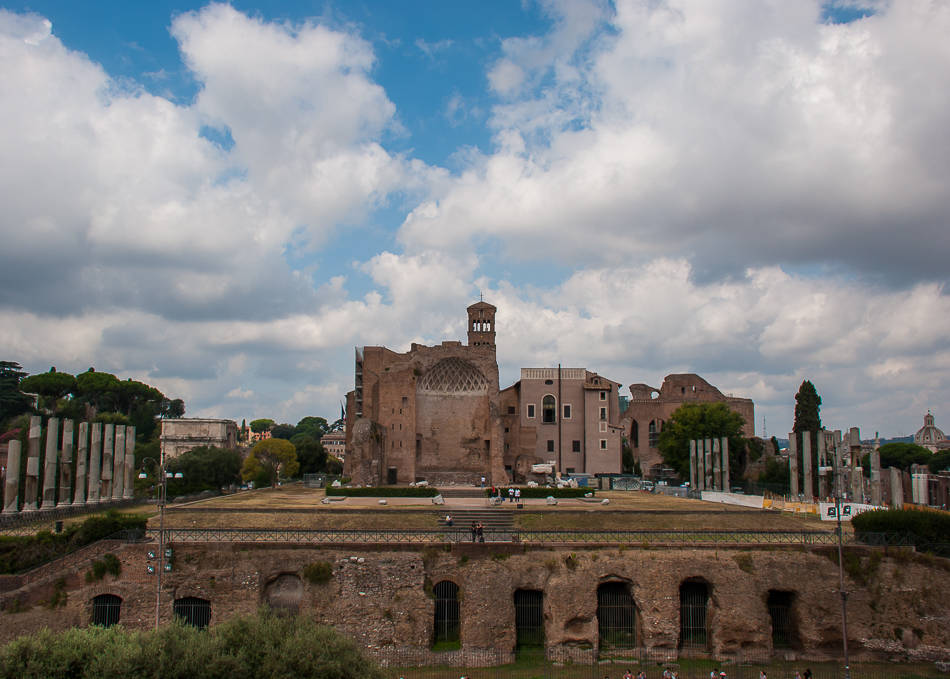
What first began as a marketplace became the economic, political, and religious center of all Rome some 2,000 years ago.
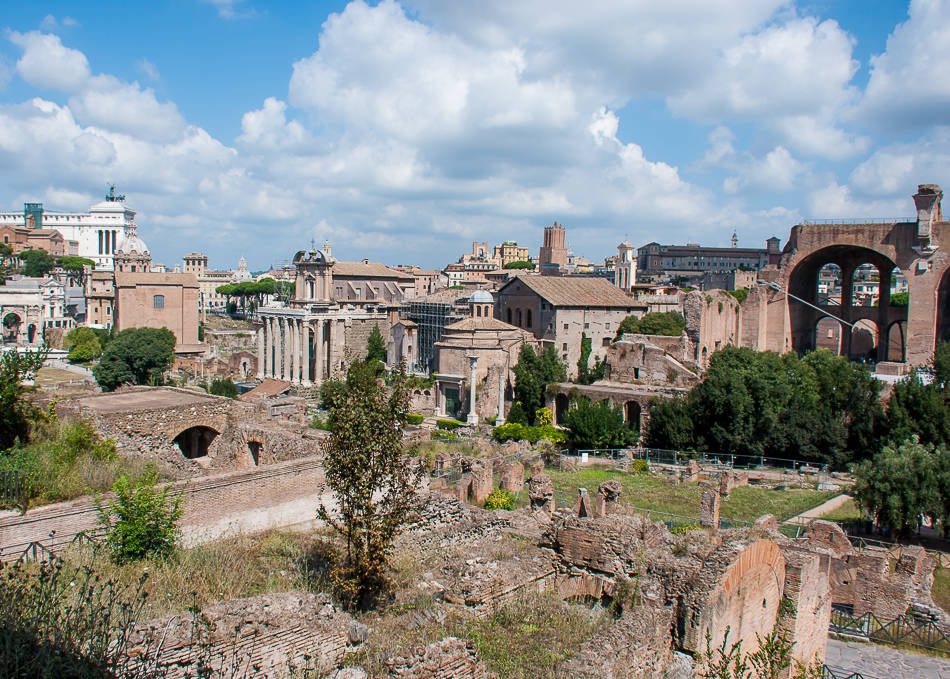
You can literally stroll for hours among the ruins of stately temples, palaces, and shops and bask in the enduring romance of the place.
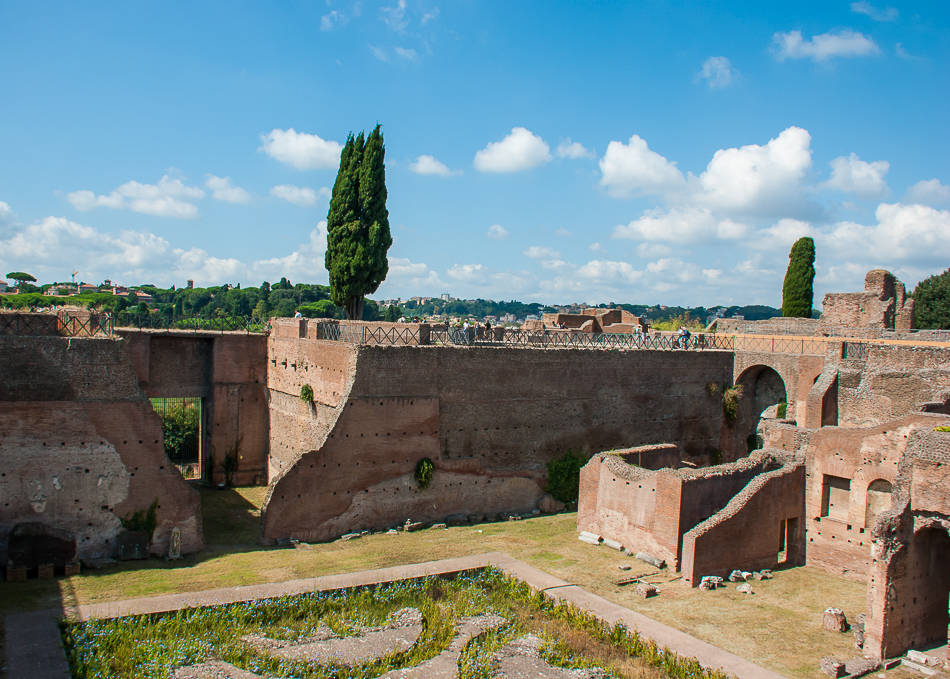

The Arch of Titus
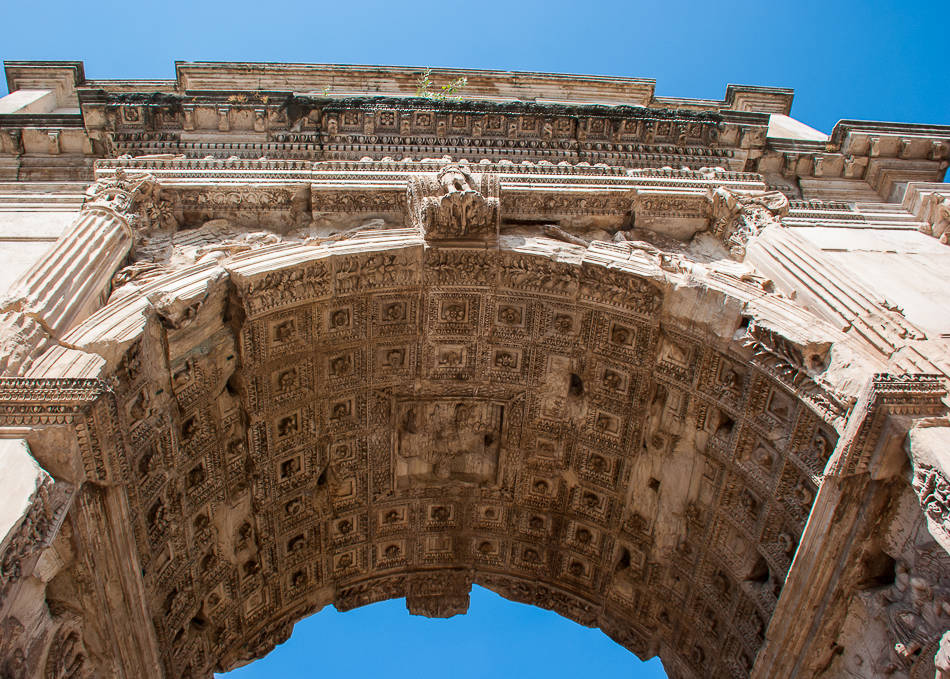
The remains along the main street form an enchanting chaos, only showing fragments of their former splendor and yet still managing to impress vividly those who walk the grounds.
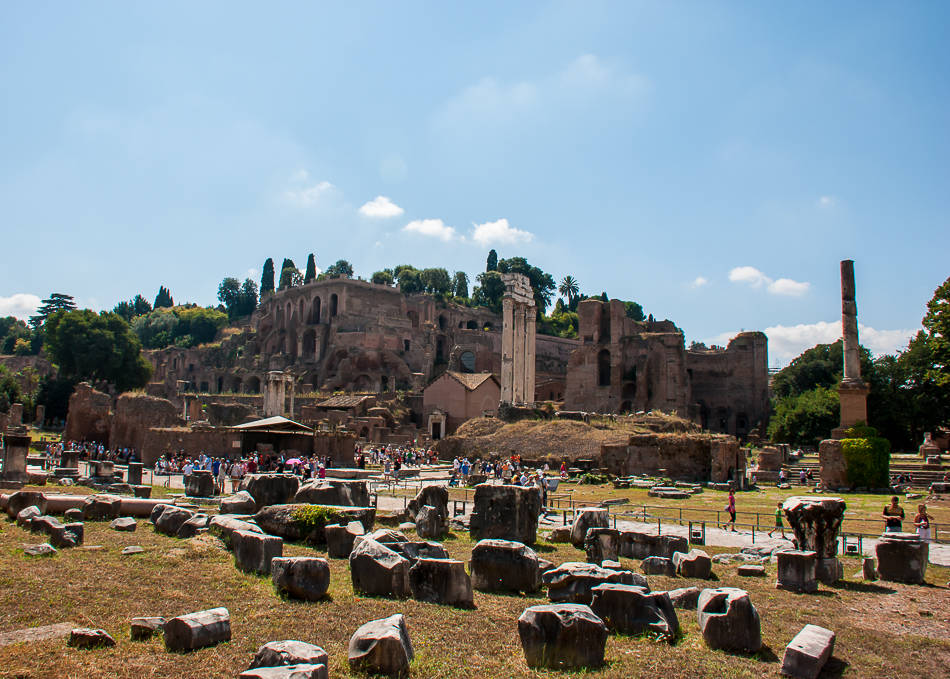
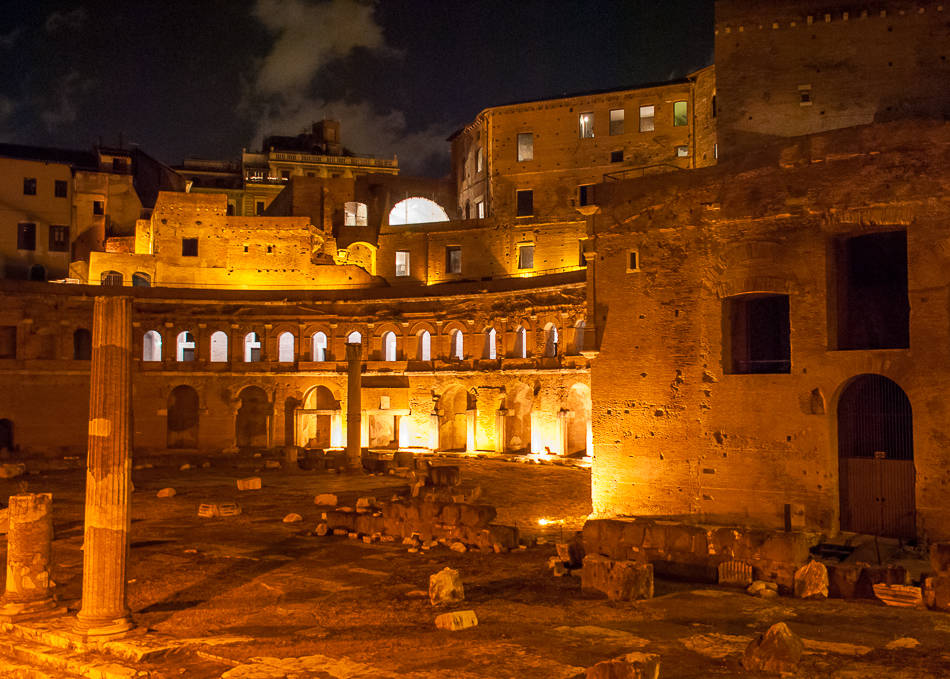
Trajan Forum – Remains of the Roman square
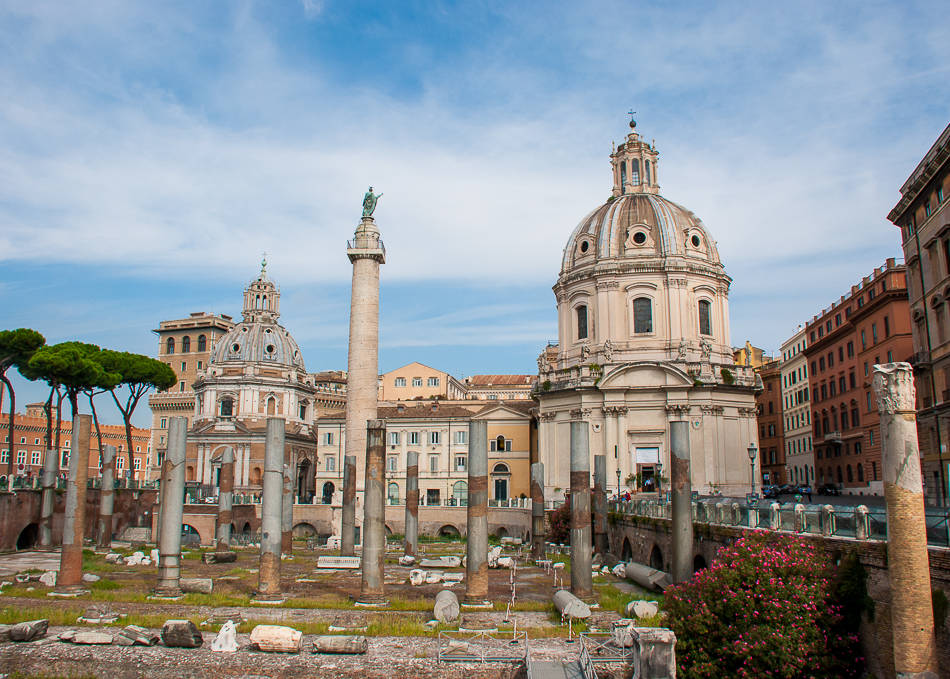
View of the Altar of the Fatherland and Trajan’s Column.
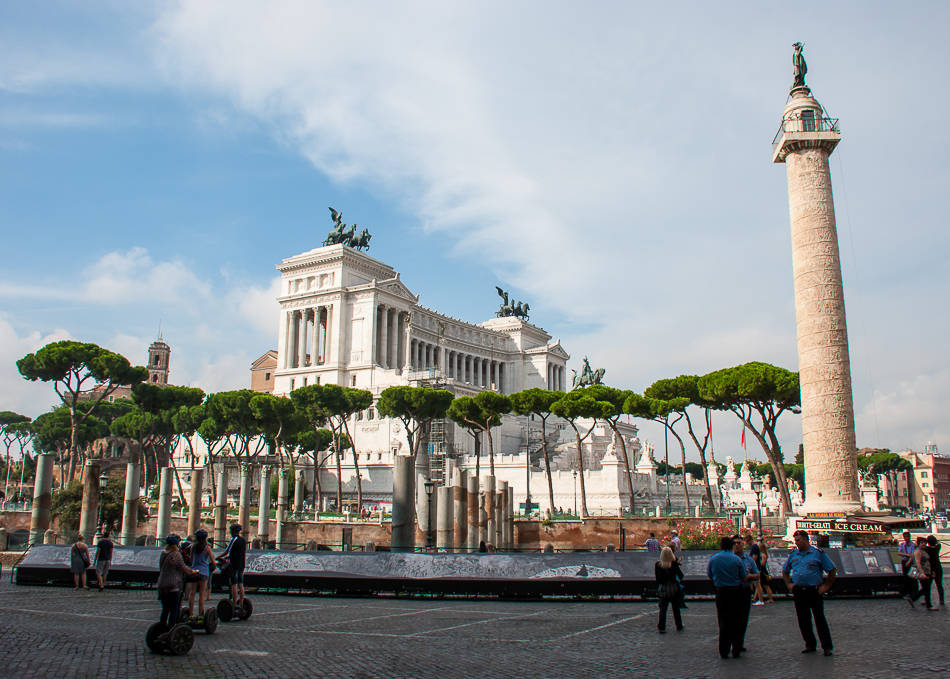
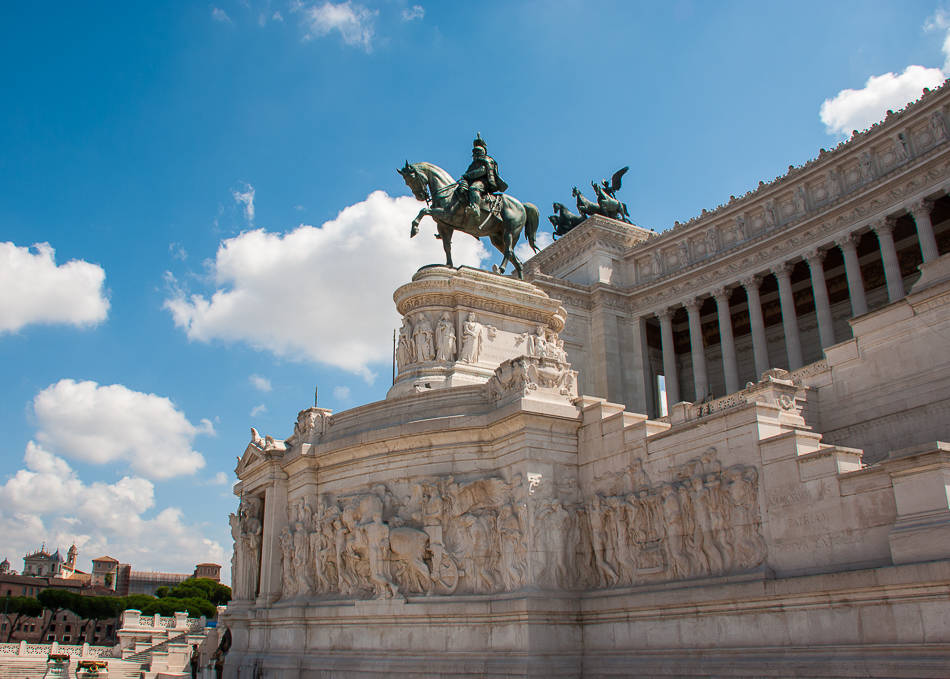
To the north of the Forum, the unmissable Altar of the Fatherland (Altare della Patria) is the largest national monument in the country.
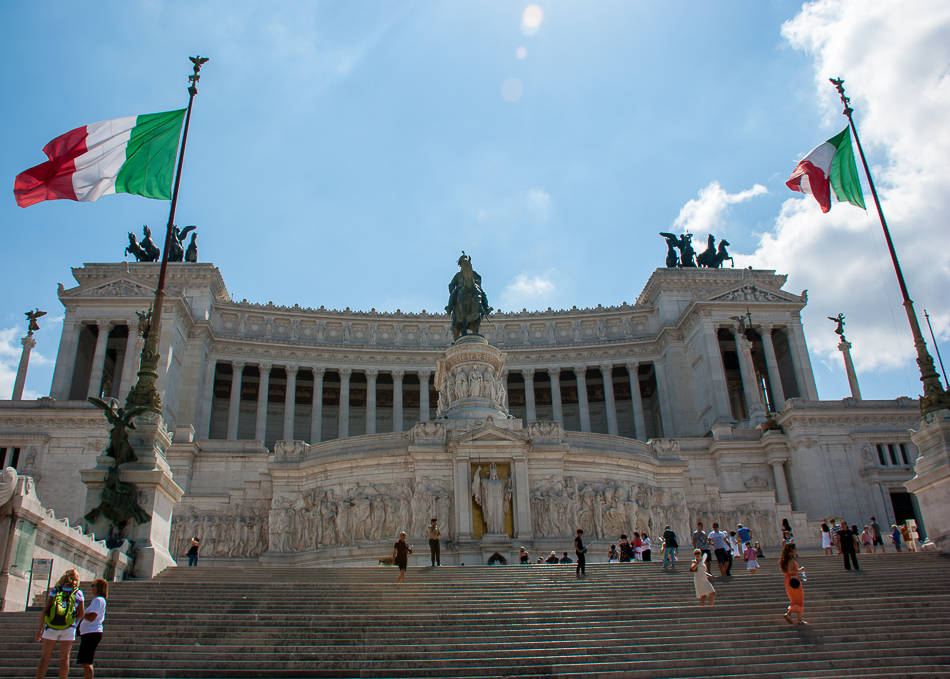
Built to commemorate the unification of Italy and honour Victor Emmanuel II, Italy’s first king, it offers splendid views over the old town.
It is well worth coming back in the evening for a memorable light show over the forum ruins.
With all this sightseeing you’ll surely need a pick-me-up, and thankfully you’ll then be within walking distance of Rome’s best coffee shop (some even say the world!) – Sant’Eustachio. Always crowded, locals and tourists alike flock here for an espresso to die for in a shop going back to the 30’s.
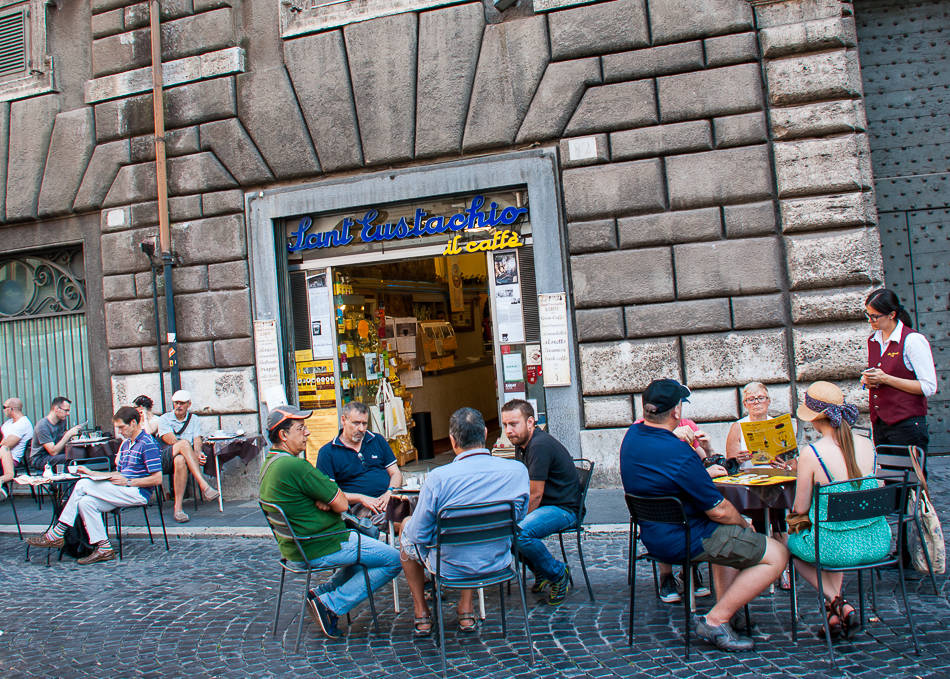
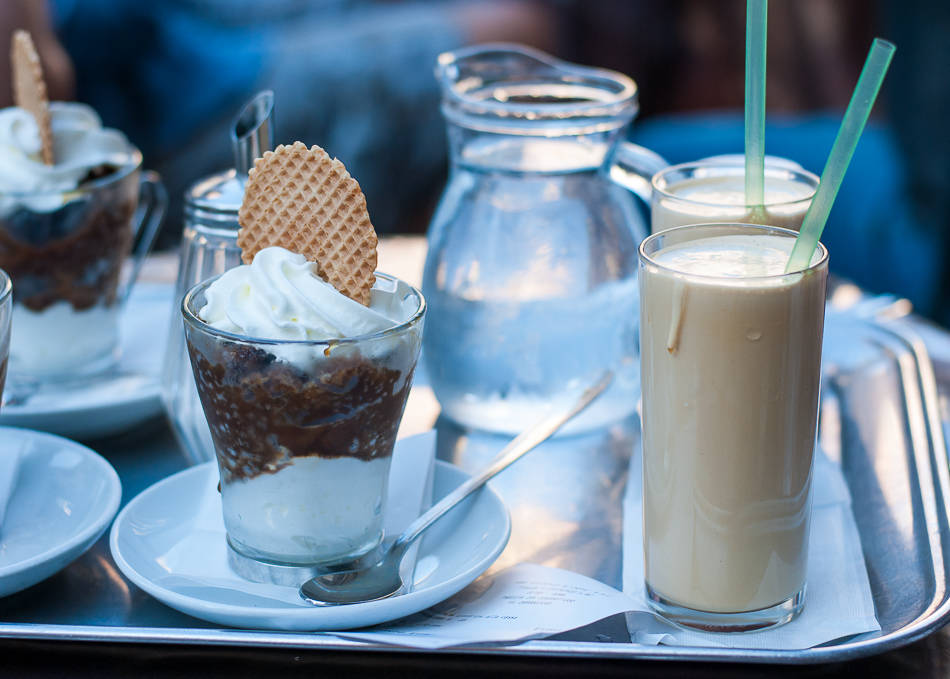
The home-roasted beans (apparently blended with water from an ancient aqueduct) make exquisite concoctions whether you opt for the signature ‘Gran Cafe’ (a larger espresso) or some other specialties such as the granita (frozen coffee topped with whipped cream) or mousse al caffè (a sweet tasting cream made with strong coffee, sugar, eggs and whipped cream).
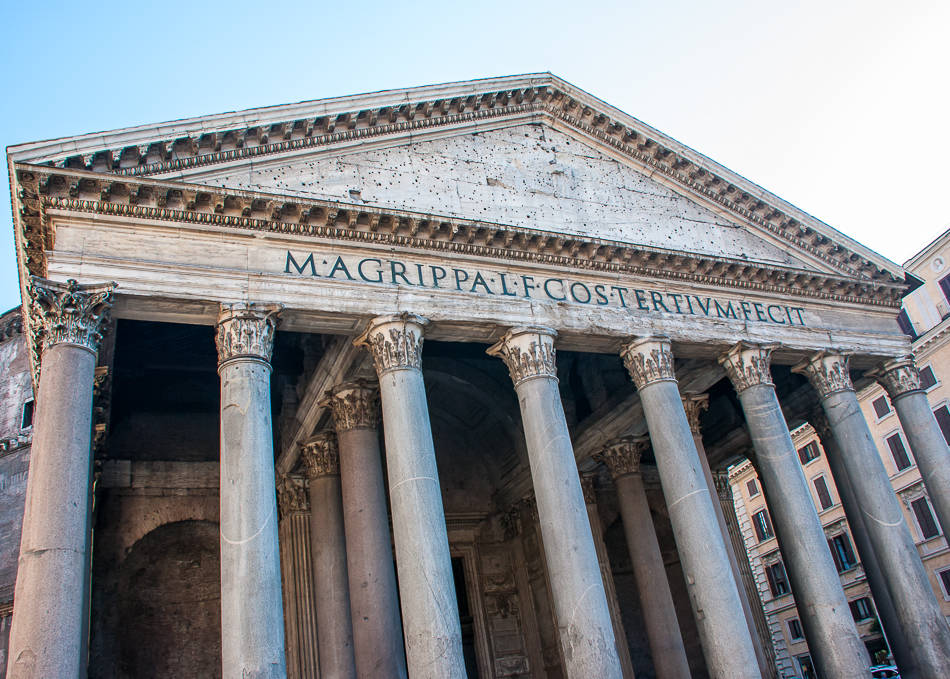
Now you should be ready for some more historical sightings and that’s perfect since you’ll be just a few steps away from the Pantheon, Rome’s famous “Temple of All the Gods”.
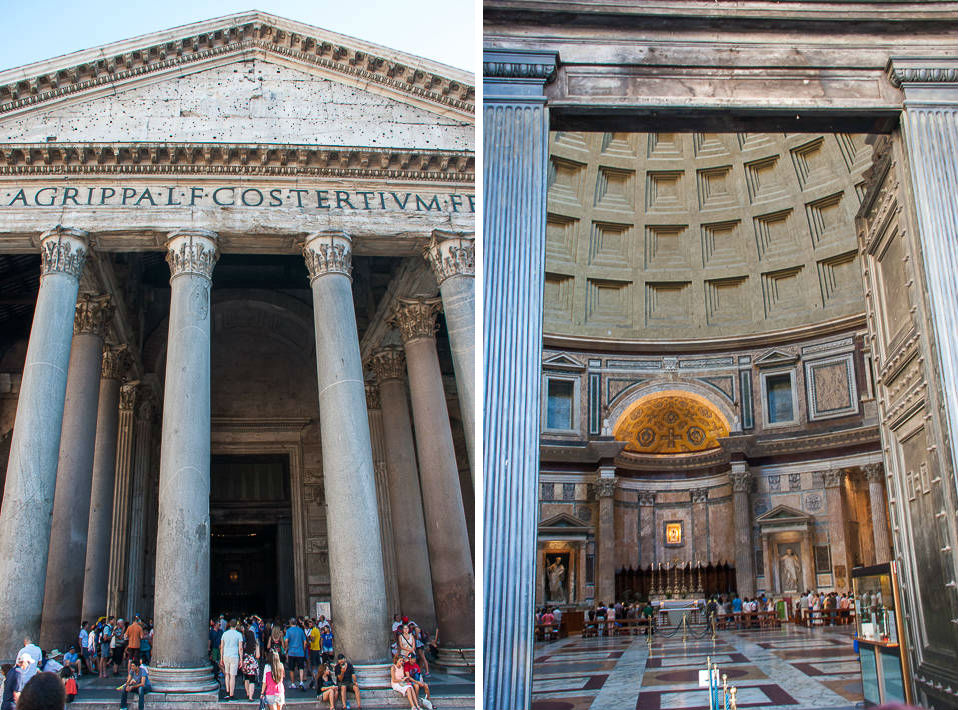
The best preserved building from ancient Rome (it is after all 2,000 years old) has a magnificent dome considered to be the Romans’ greatest architectural achievement – so look up and marvel.
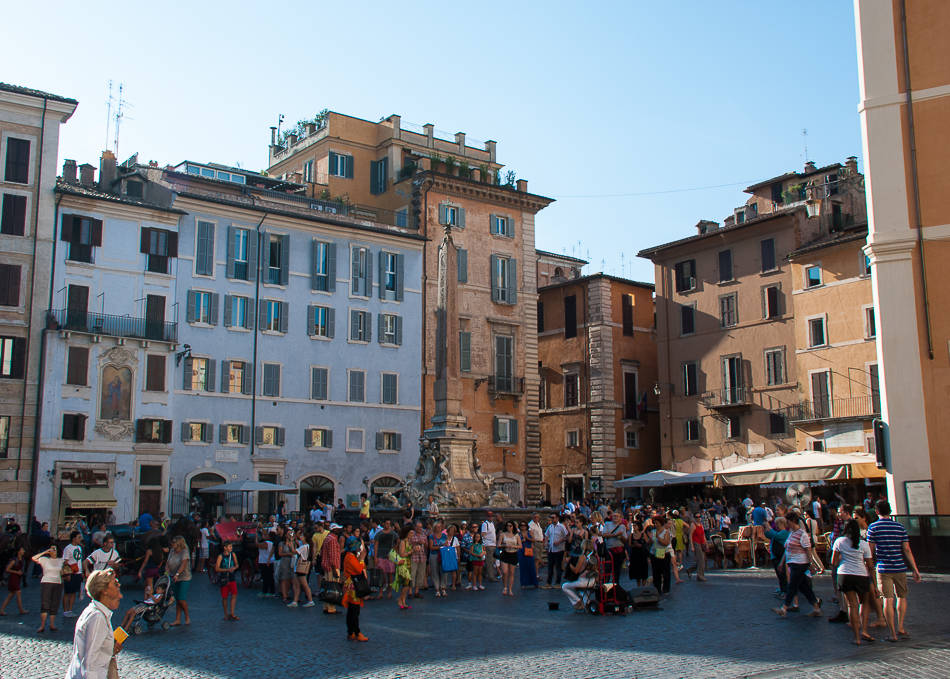
The Piazza della Rotonda borders the Pantheon and can barely contain the crowd of onlookers.
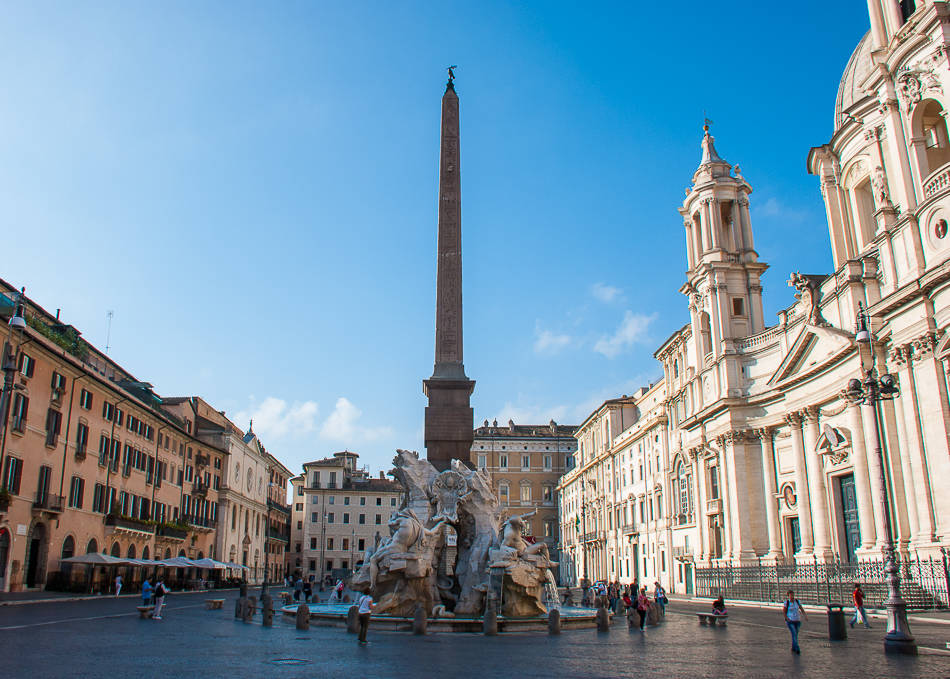
True, Rome does have plenty of squares, but none as beautiful as the nearby Piazza Navona!
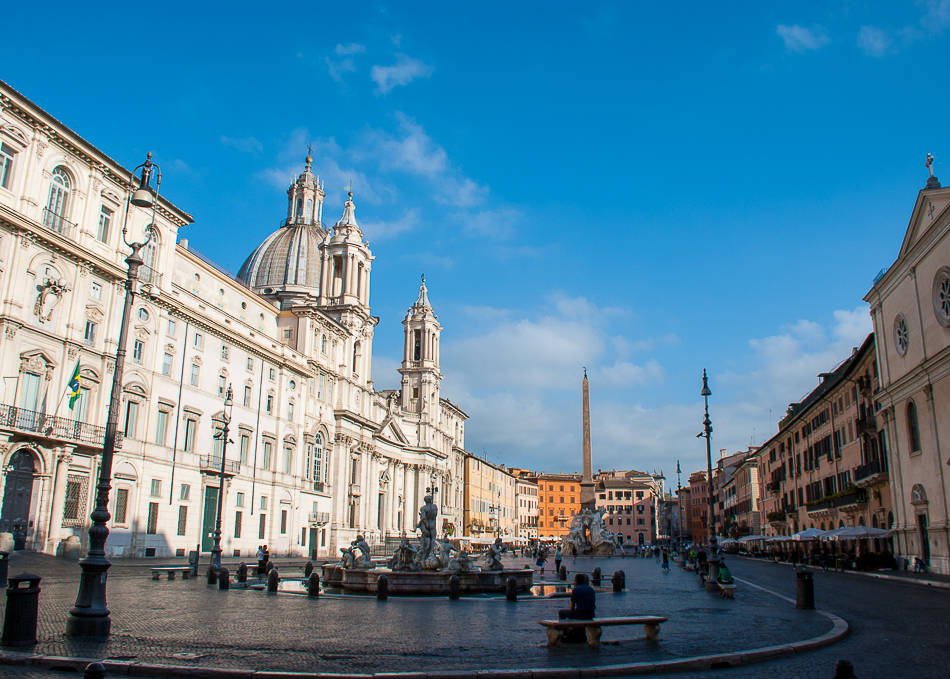
There’s the sheer size of it, the imposing baroque church, and no less than three fountains! You’ll want to take advantage of the many outdoor cafes to sit down and admire the enchanting setting.
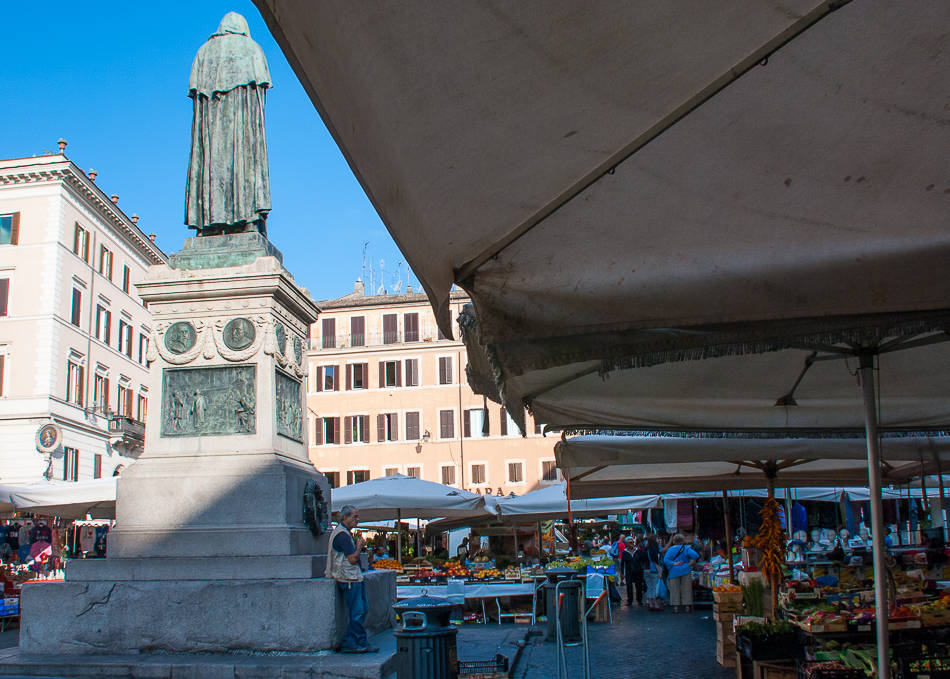
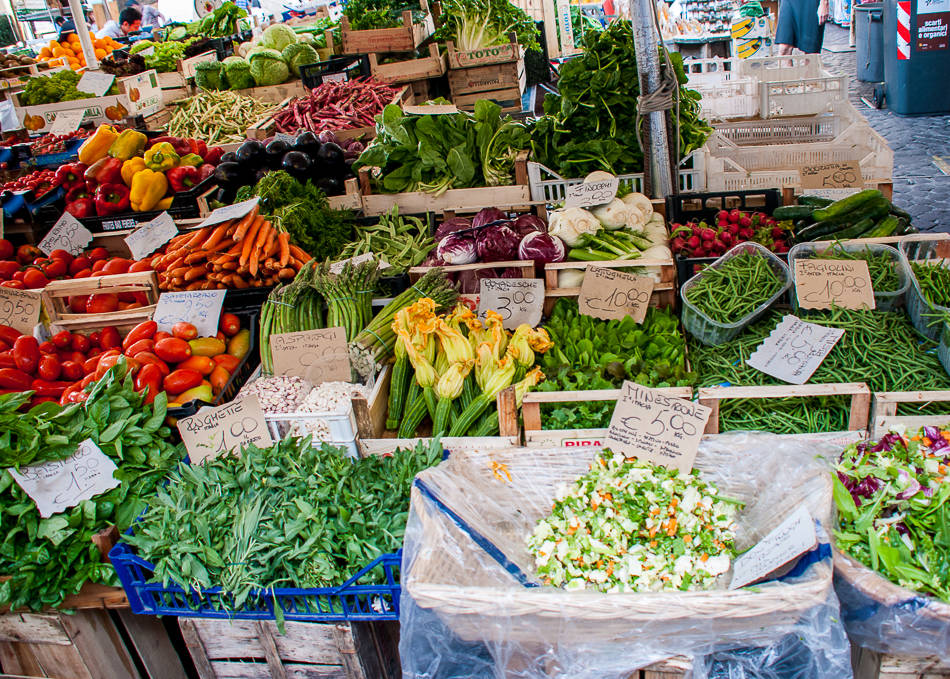
Walking south, another piazza is worth a look – Campo de’ Fiori. If you get there before 2pm you’ll be treated to a lively market with people bustling among the fruit and vegetable stands, and at night a hub for nightlifers.
Time for lunch and a full-on Roman pizza experience at Da Baffetto.
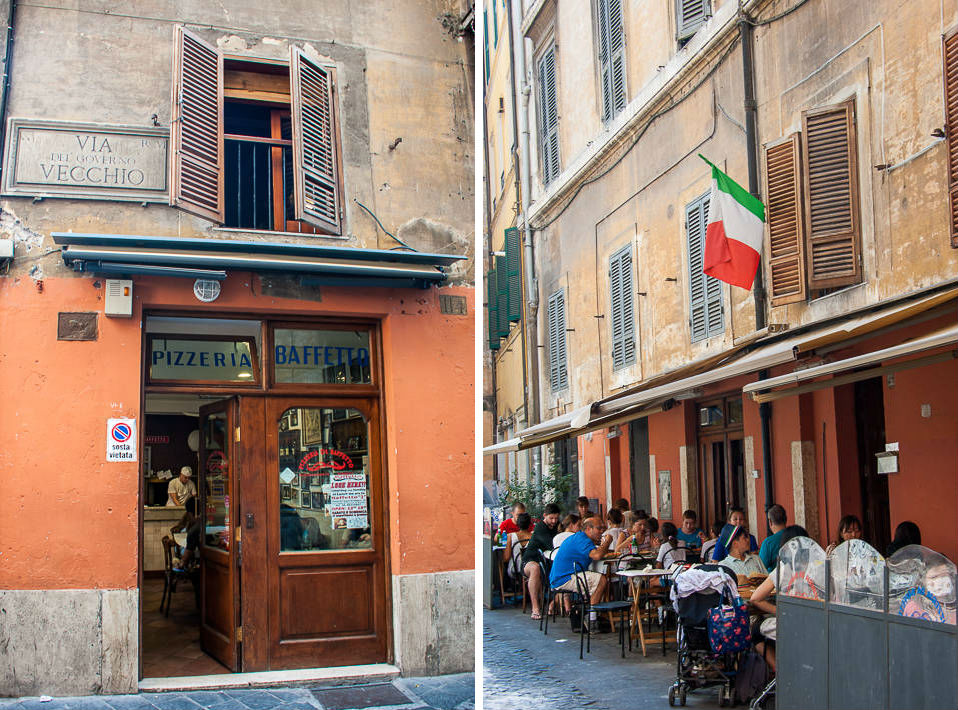
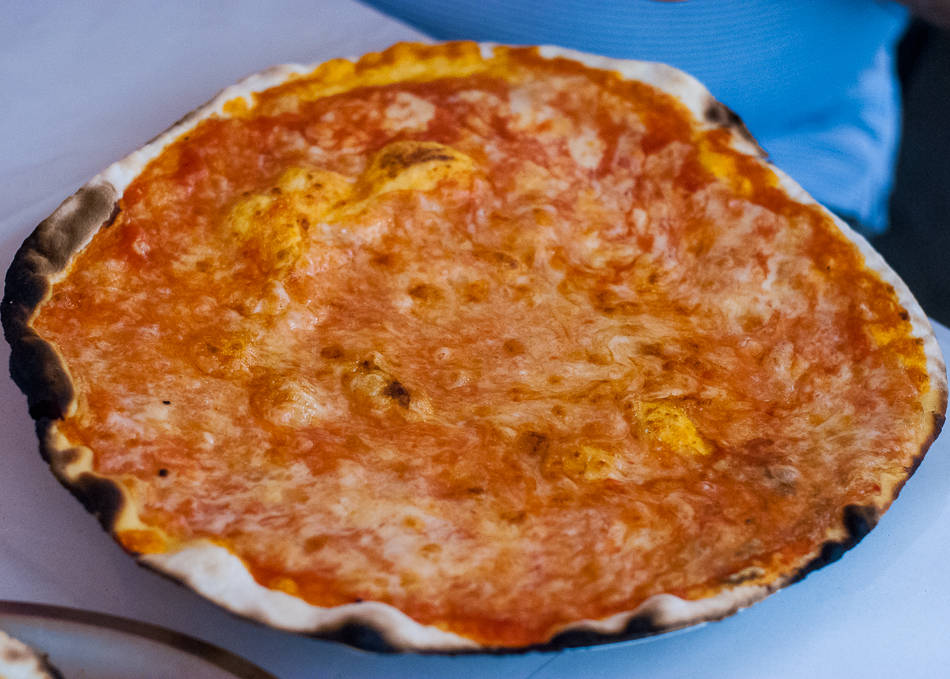
Everyone has their favorite pizza, but I say this is the way they were always meant to be and by far my favorite, with a super thin crust, lightly charred, and the lightest and simplest of ingredients.

The Margarita
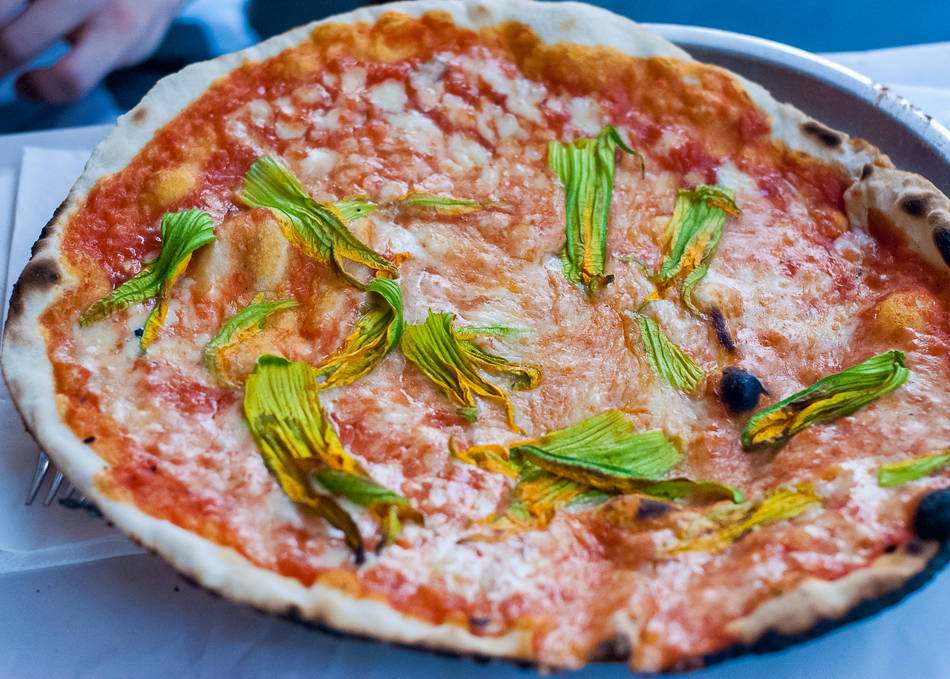
Pizza with zucchini flowers
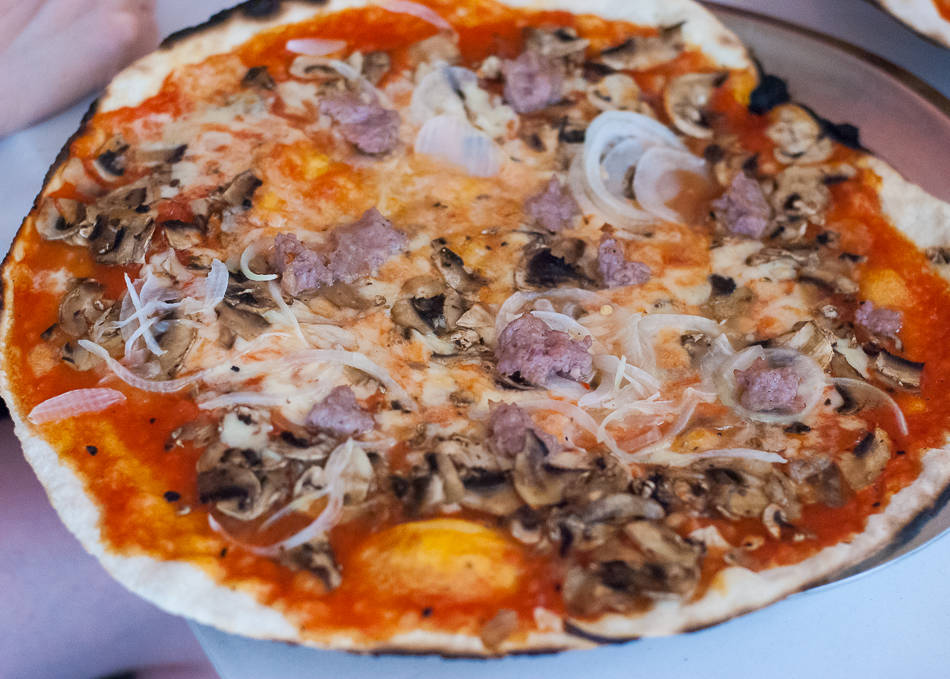
Pizza with sausages
The area is filled with adorable courtyards, tiny cobblestoned streets, and the ubiquitous fountains so just wander around for a while going west to reach the river.
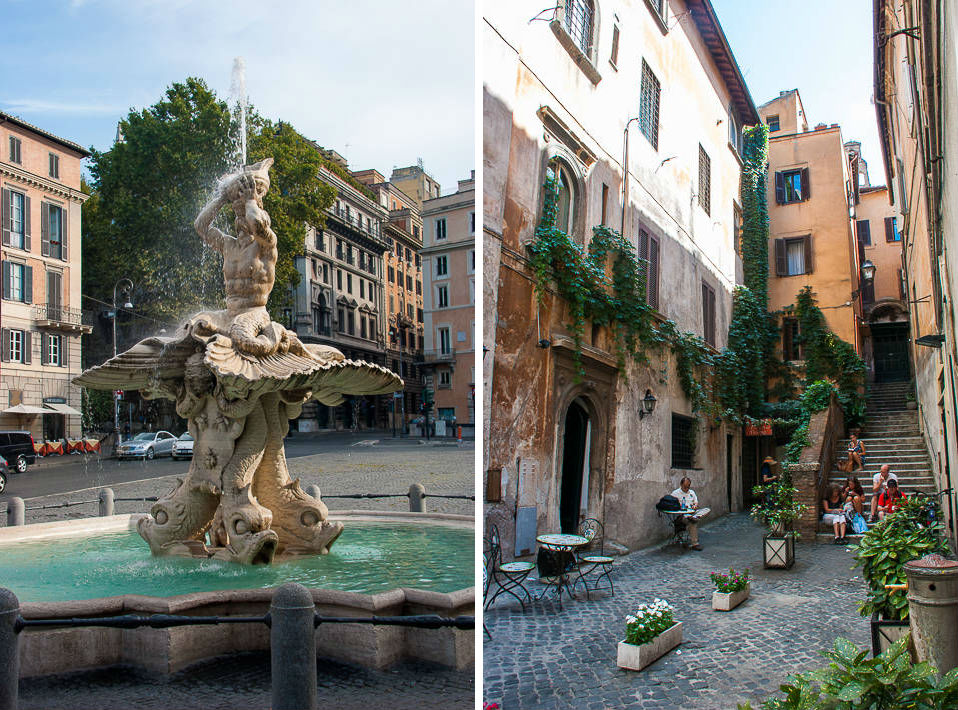
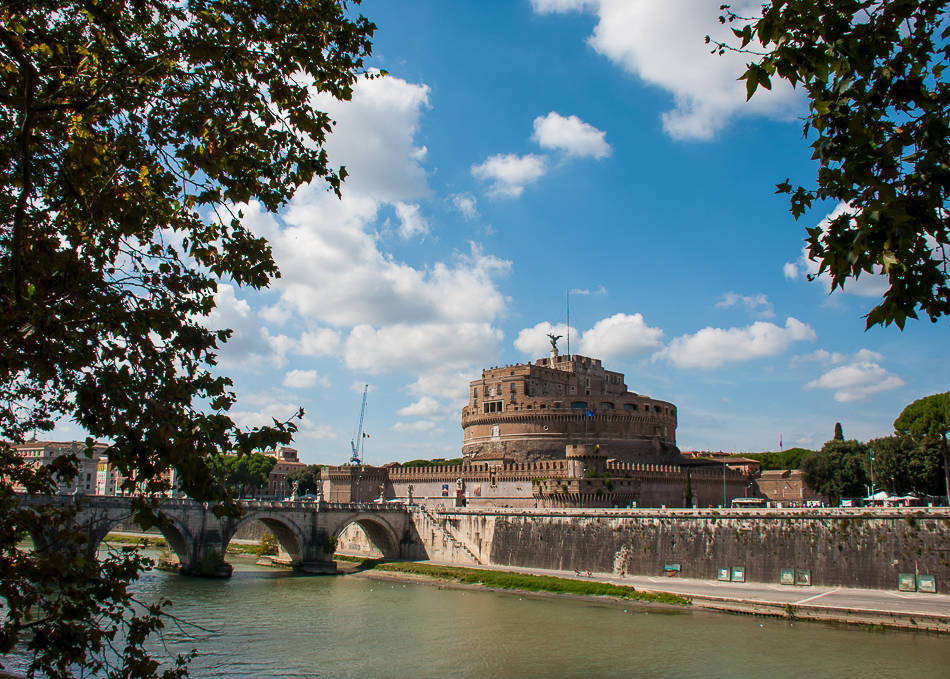
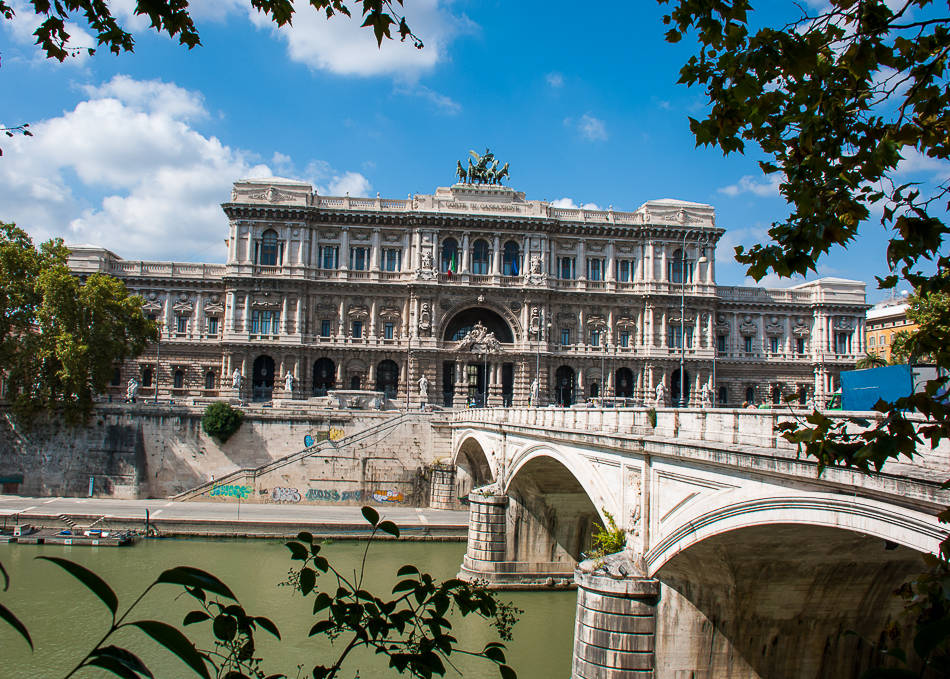
A stroll along the banks of the Tiber will award you with great views of some of Rome’s attractions, such as Castel Sant’Angelo

…and the imposing Palace of Justice.

Back east towards the city centre, an afternoon gelato stop is in order at Rome’s oldest ice cream parlor Giolitti.
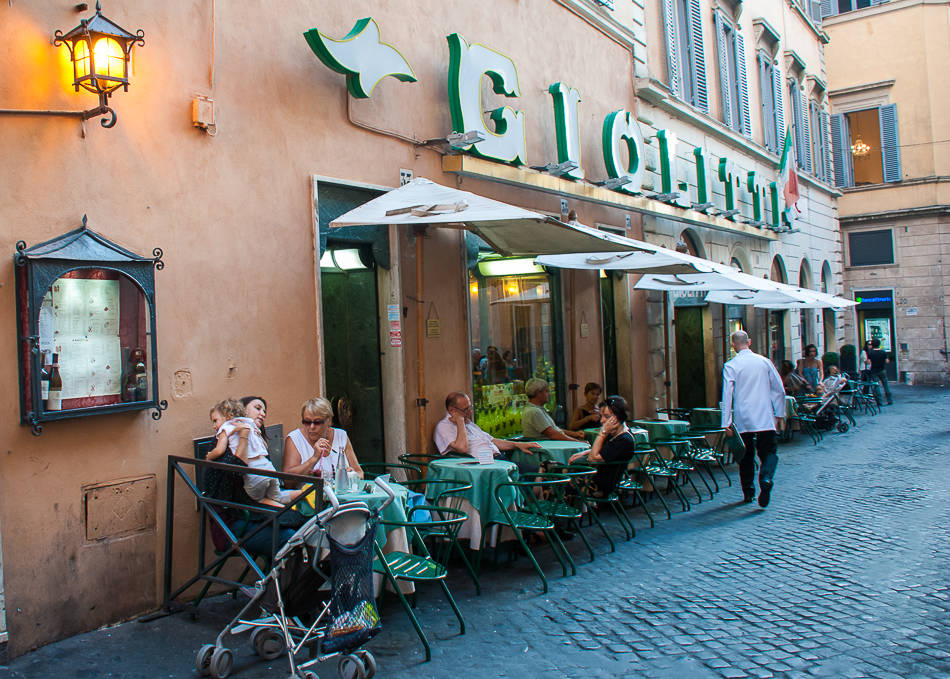
The city’s most famous gelateria artigianale has been serving up scoops since 1900 and it seems it has hardly changed since except for the dizzying array of flavors available now – you’ll need plenty of time to make your choice!
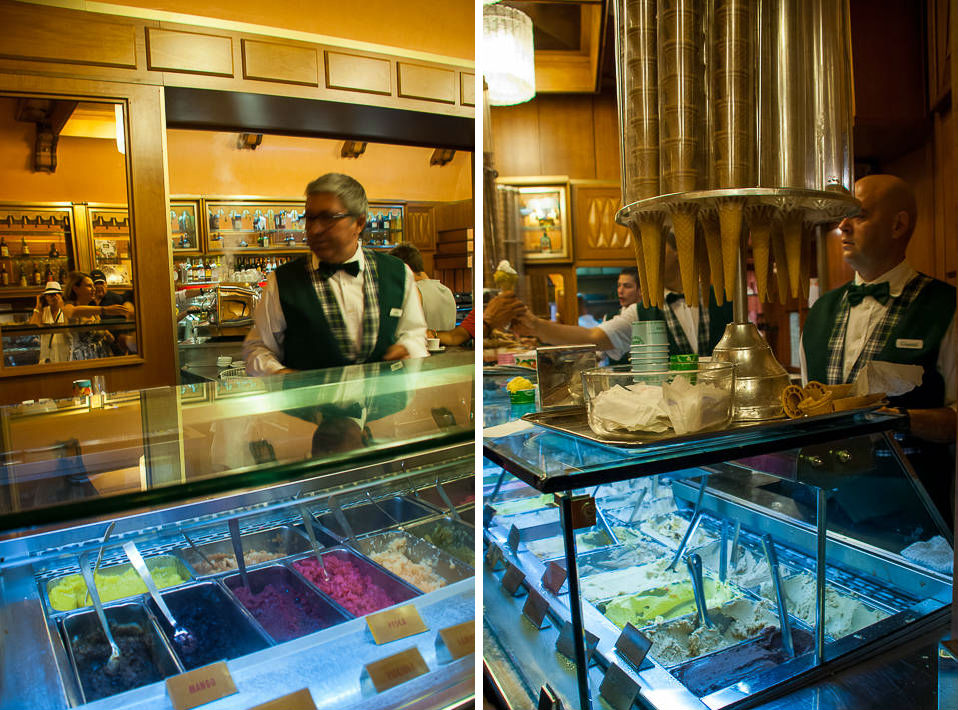
May I suggest the Champagne one? It was divine…
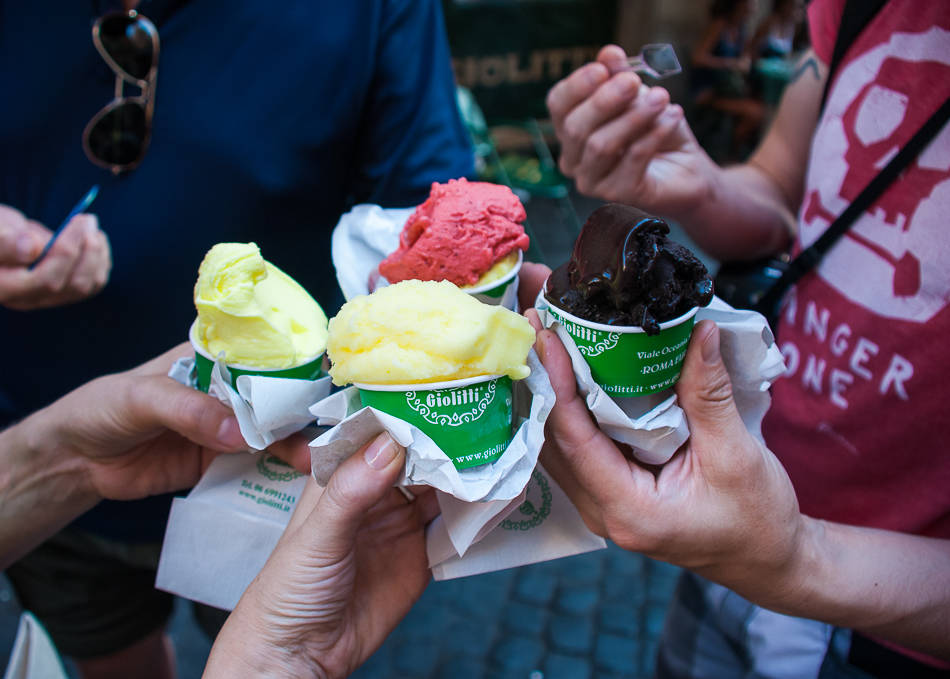
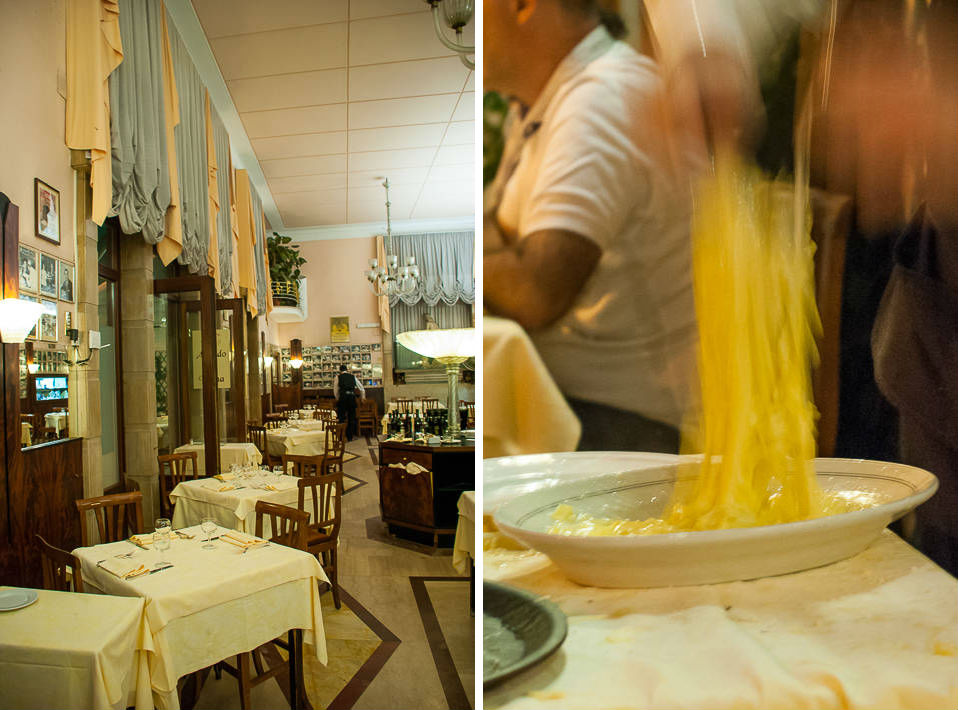
Hopefully this will have opened up your appetite, and what better follow up to today’s light pizza than a dinner of Roman pasta? We went to Il Vero Alfredo, the restaurant from the creator of Fettuccine Alfredo, with all the classic looks and celebrity photos covered walls you can imagine.
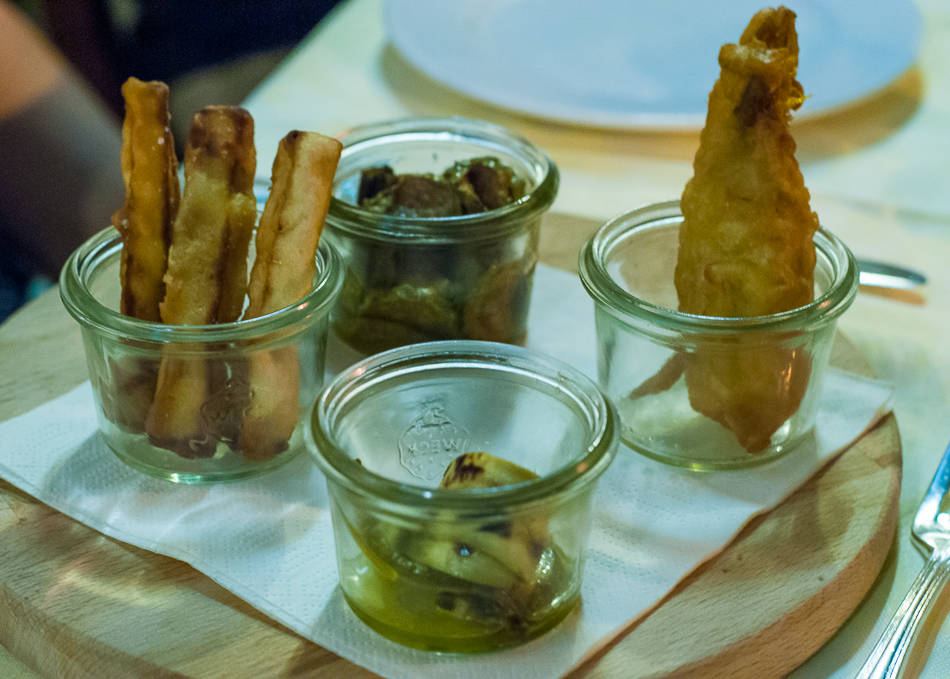
Appetizer: 4 different tastes of zucchinis
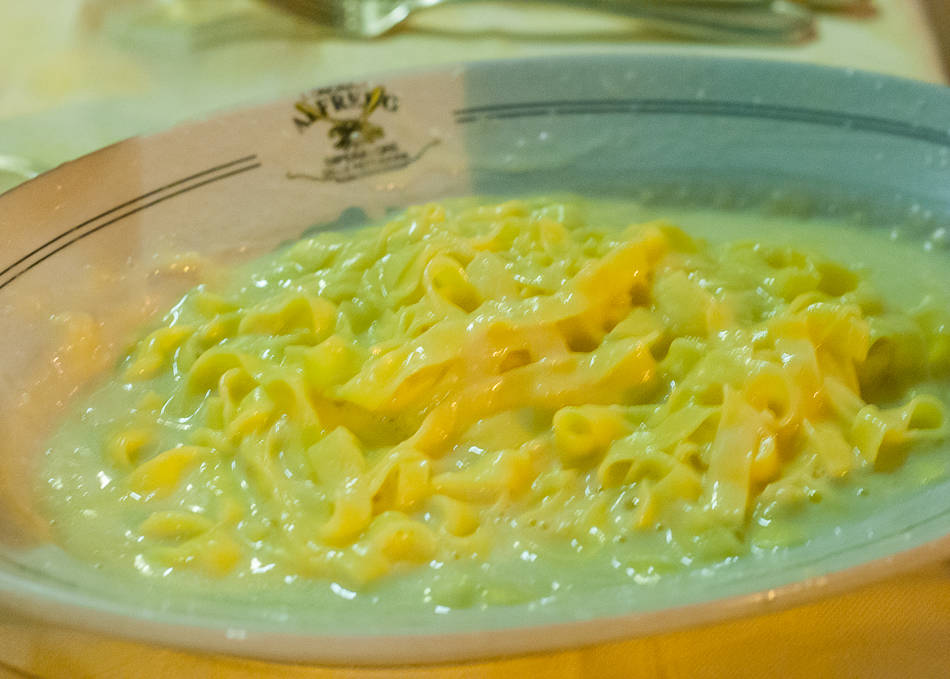
When eating at l’imperatore delle fettuccine, one must obviously order the house specialty – the famous fettuccine Alfredo style. Prepared tableside and slightly different (and much better!) than versions I had back home, it has only three ingredients: fettuccine, butter, and parmigiano-reggiano…enough said!
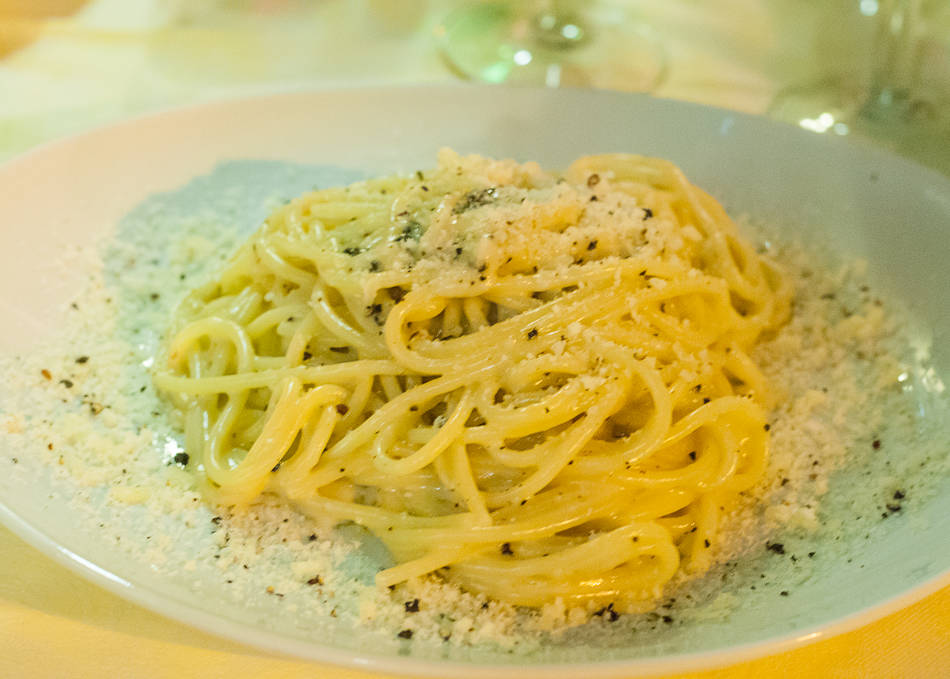
Other pastas on the menu were equally scrumptious, and when in Rome you should definitely get at least one plate of Cacio e Peppe, another one of Rome’s traditional pasta dishes. Here again, the simplicity of the 3-ingredients combo (Pecorino Romano cheese, black pepper and pasta) was astounding.
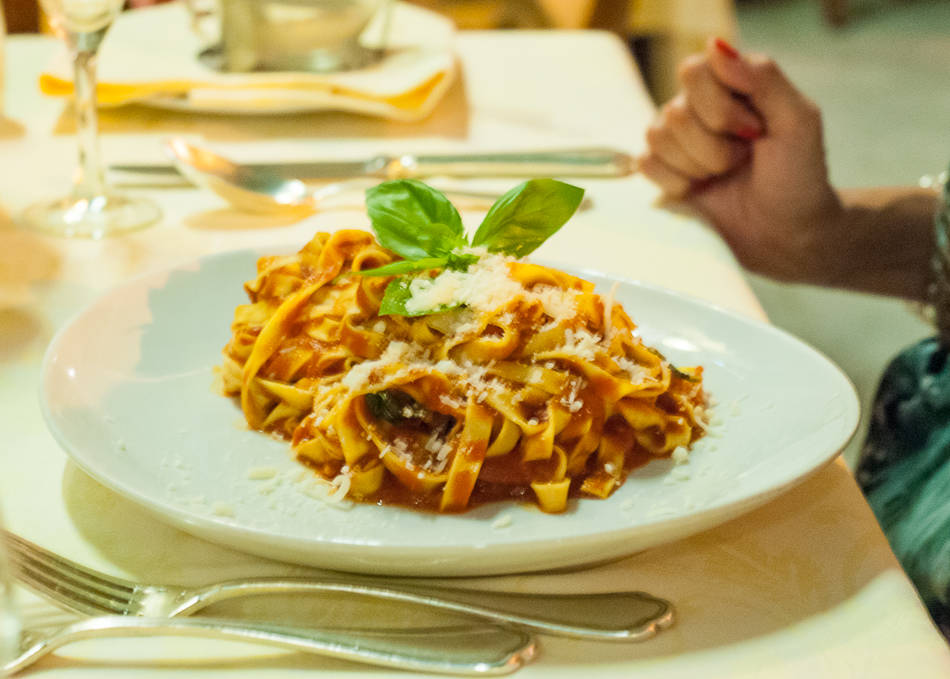
Pasta with simple tomato sauce
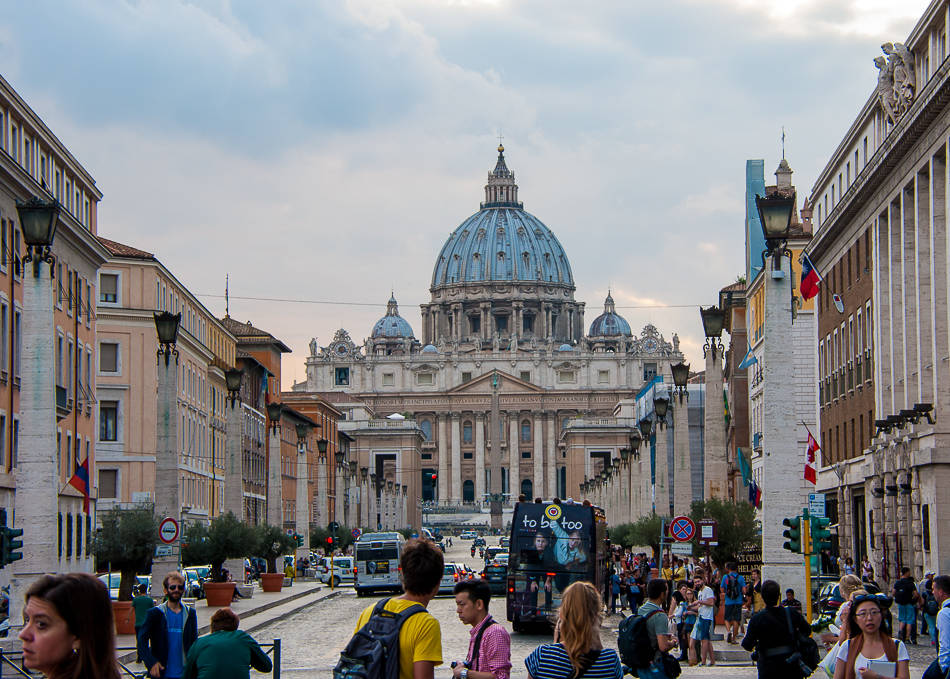
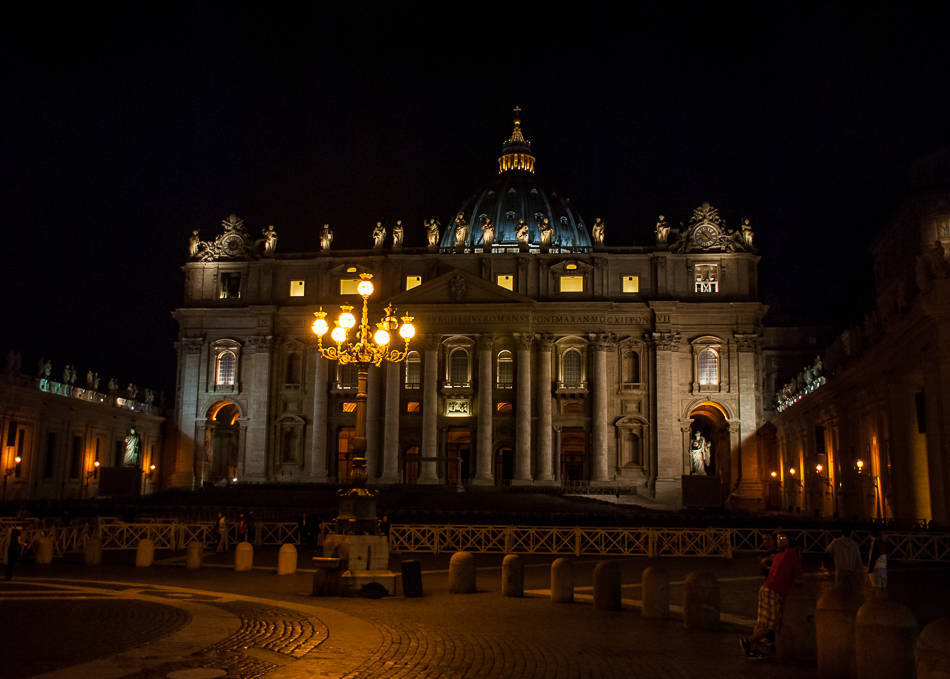
Last but not least on this short break – St. Peter’s and the Vatican.
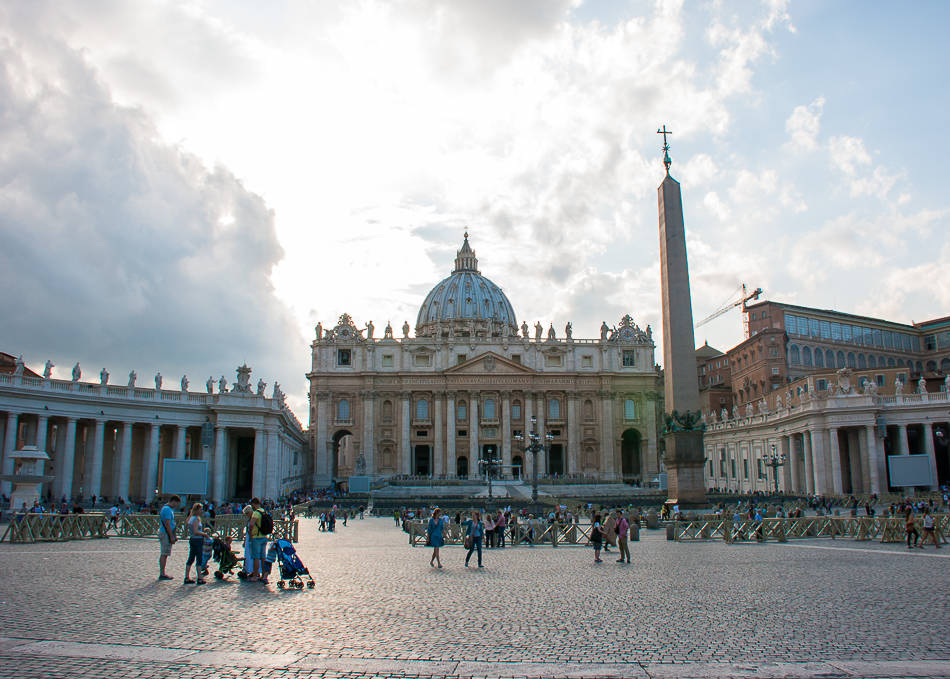
While I couldn’t quite fit in a visit to Vatican city, standing in the middle of St. Peter’s Square and admiring the basilica is  a must.
Come dinnertime, L’Arcangelo is a fantastic choice where you’ll get to experience a unique type of cuisine inspired by ancient Roman recipes and Renaissance preparations.
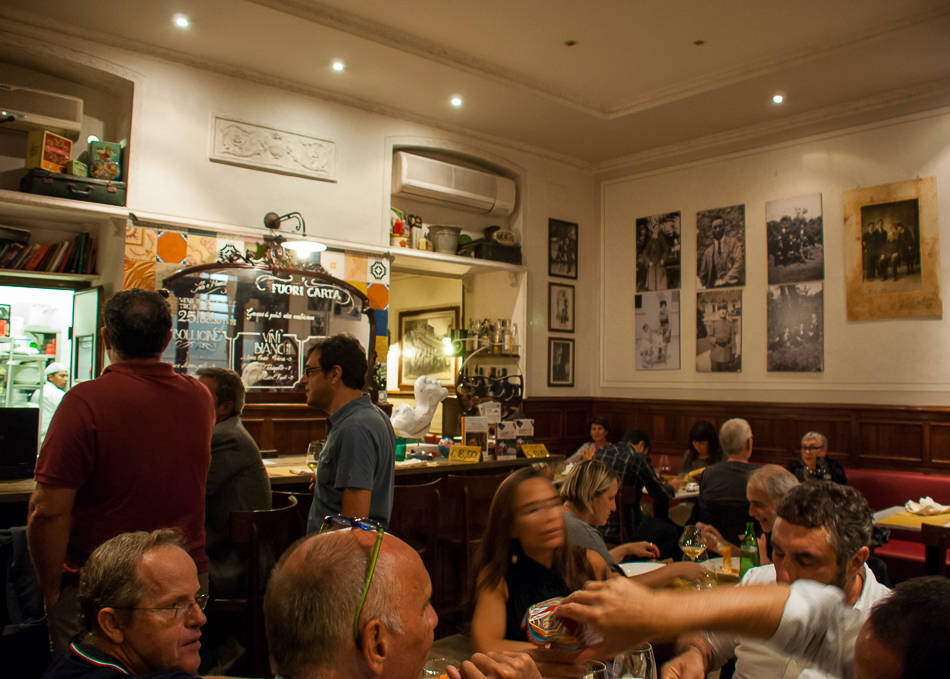
Considered among Rome’s finest with a menu that reads like poetry, L’Arcangelo will surprise and delight you with classics as well as more obscure dishes.

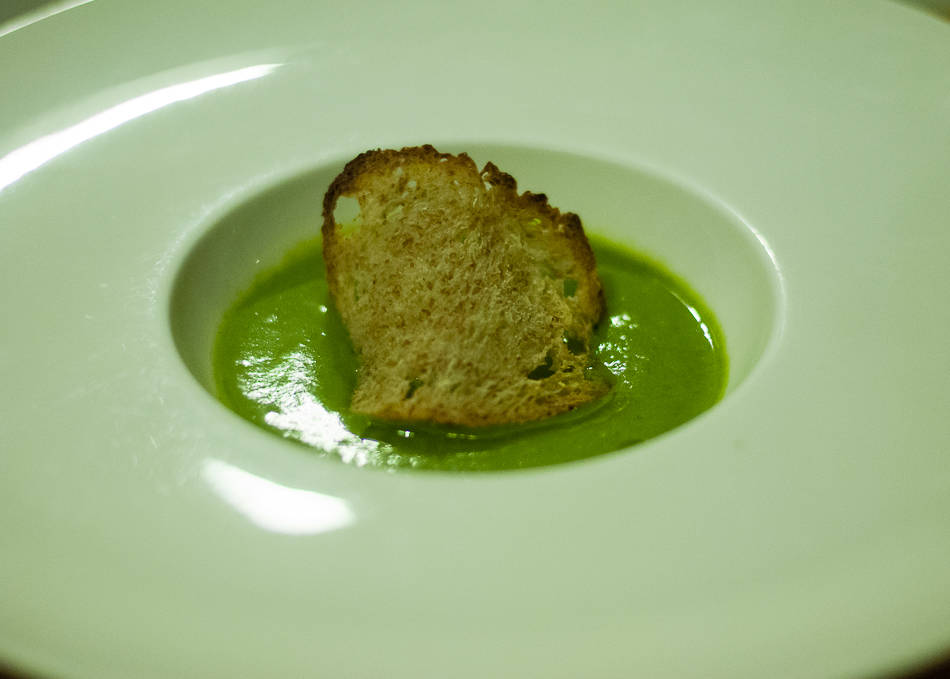
Cold vegetable and olive oil soup
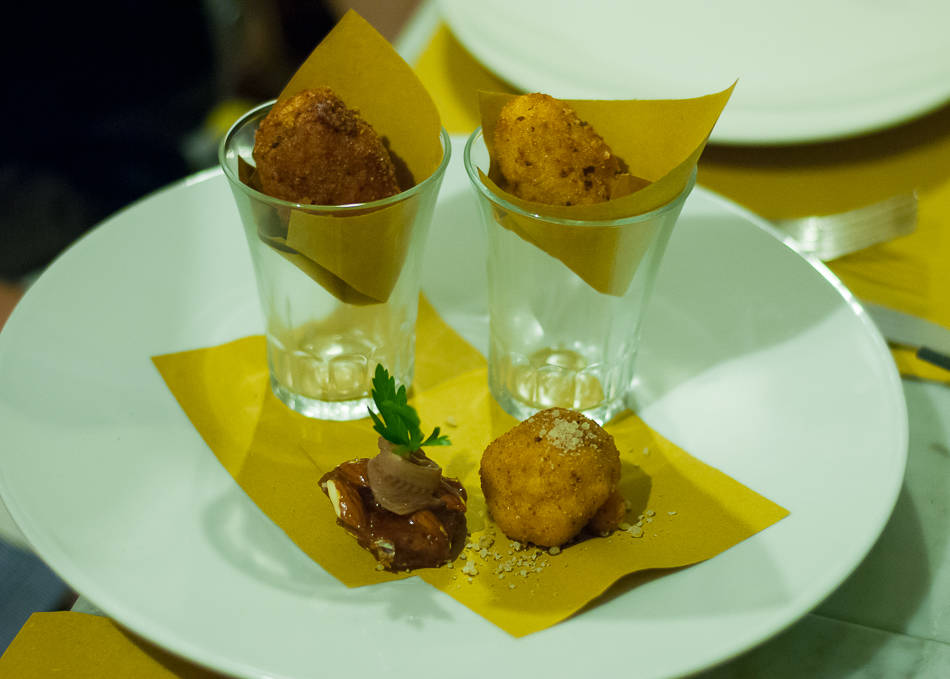
Croquettes of rice & smoked potato, fried custard, compote of pecorino, and crunchy almonds with anchovy “colatura”
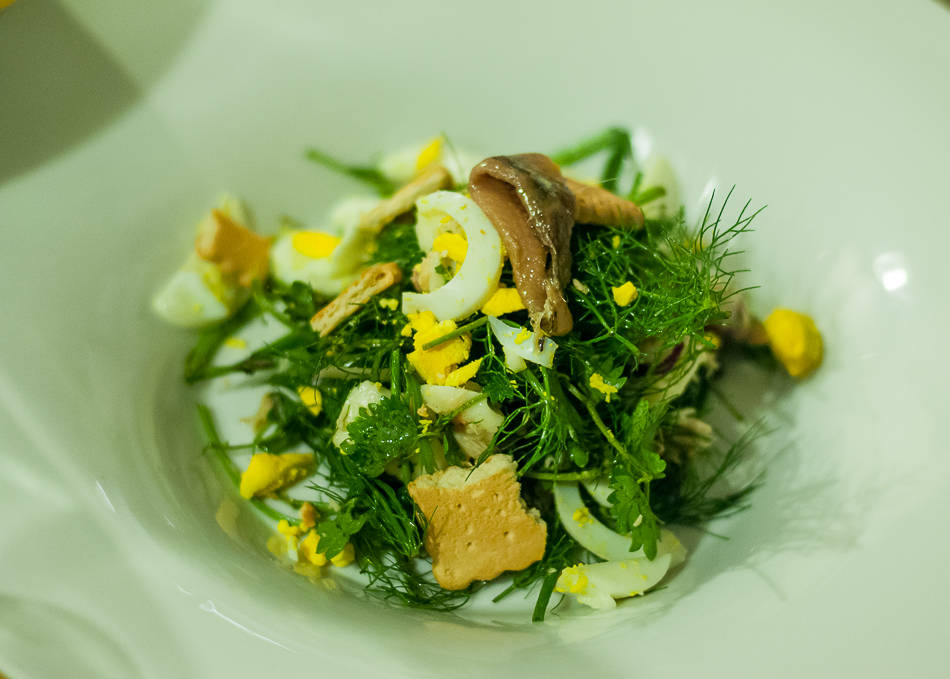
Herb salad with eggs, red onion, mackerel, milk biscuits, primosale cheese and chile oil
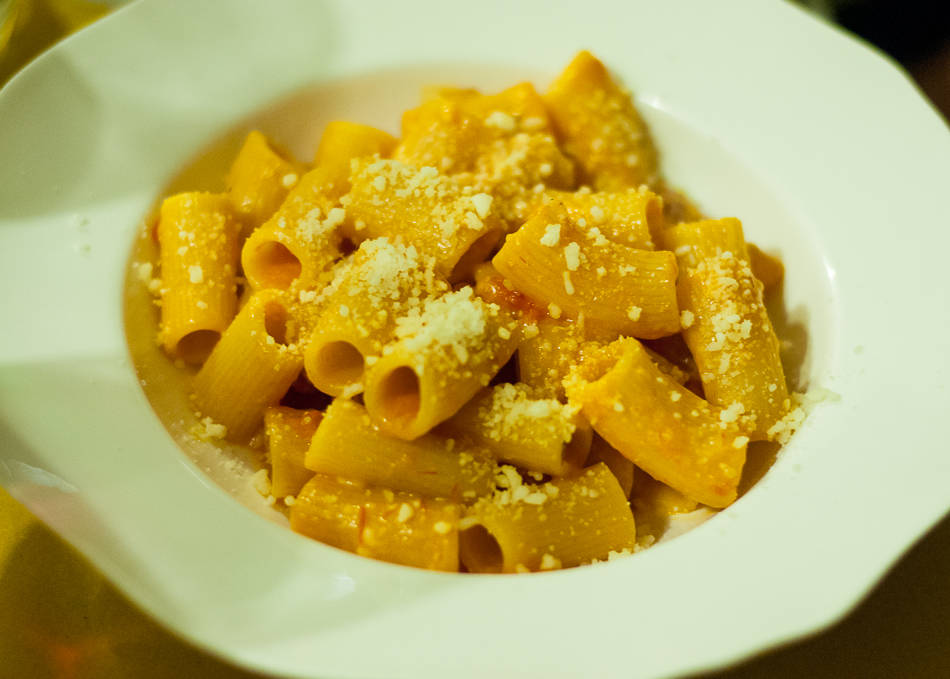
Rigatoni all’Amatraciana (chili, pecorino, tomato and bacon)
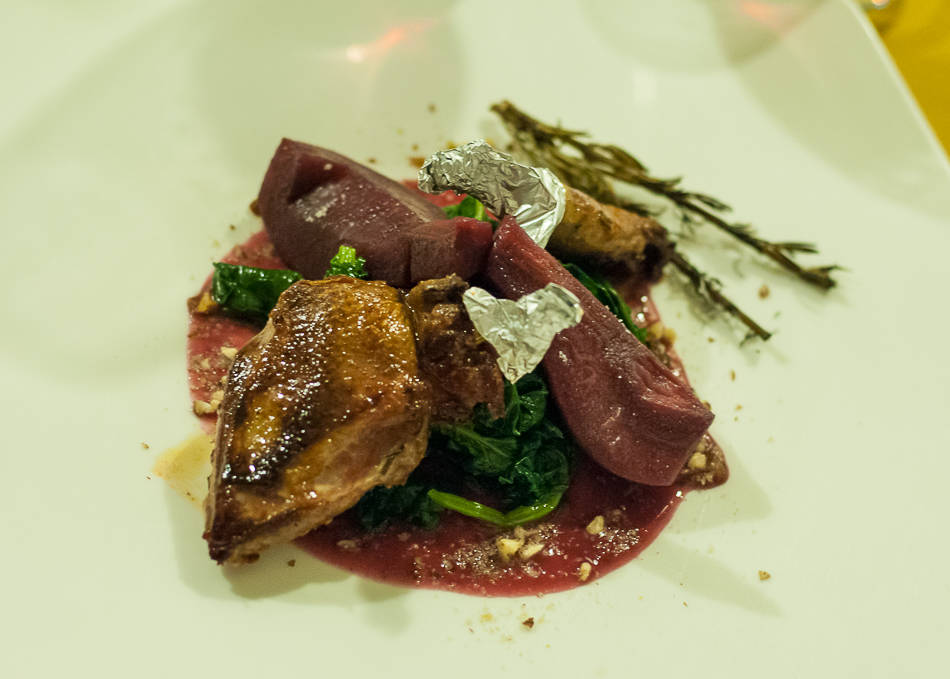
Seared pigeon, mustard, pears in red wine, hazelnuts and rosemary smoke and incense
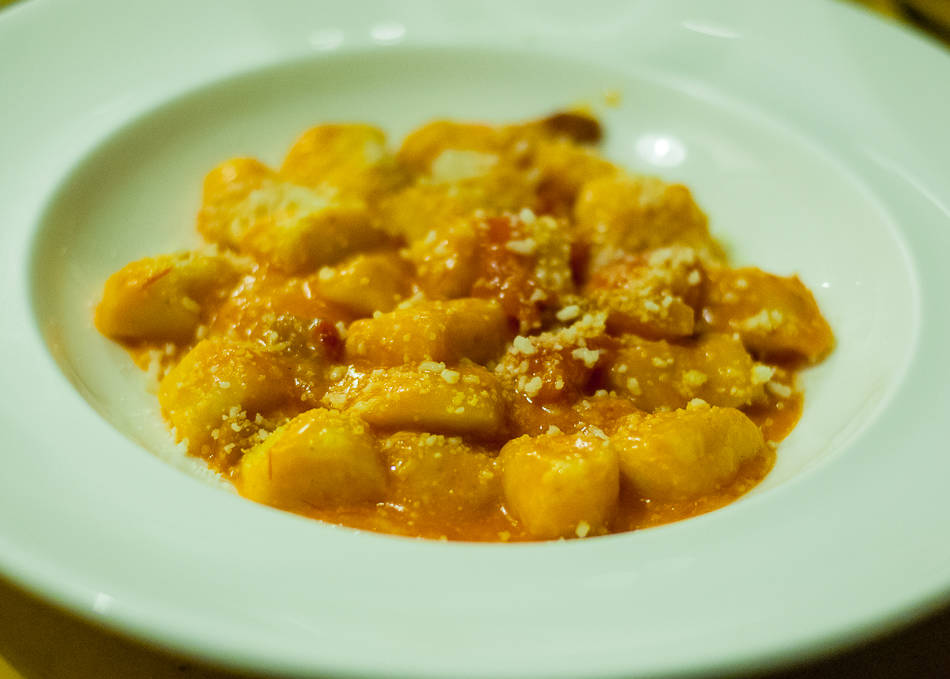
The gnocchi alla matriciana (served only on Thursdays) are known to be the best in Rome, and should absolutely not be missed.
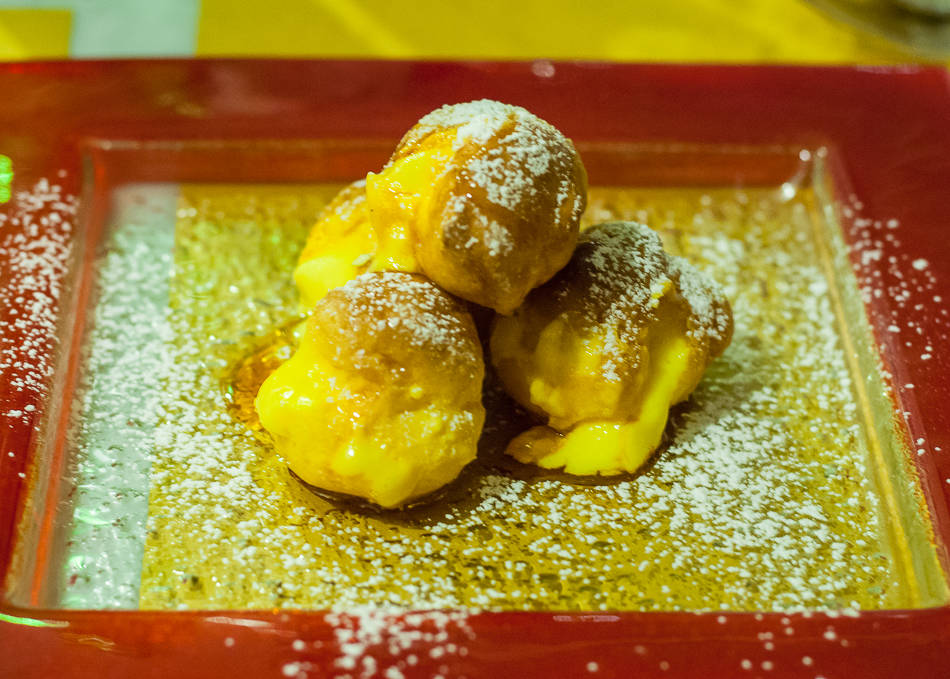
Beignets stuffed with citrus custard and caramel
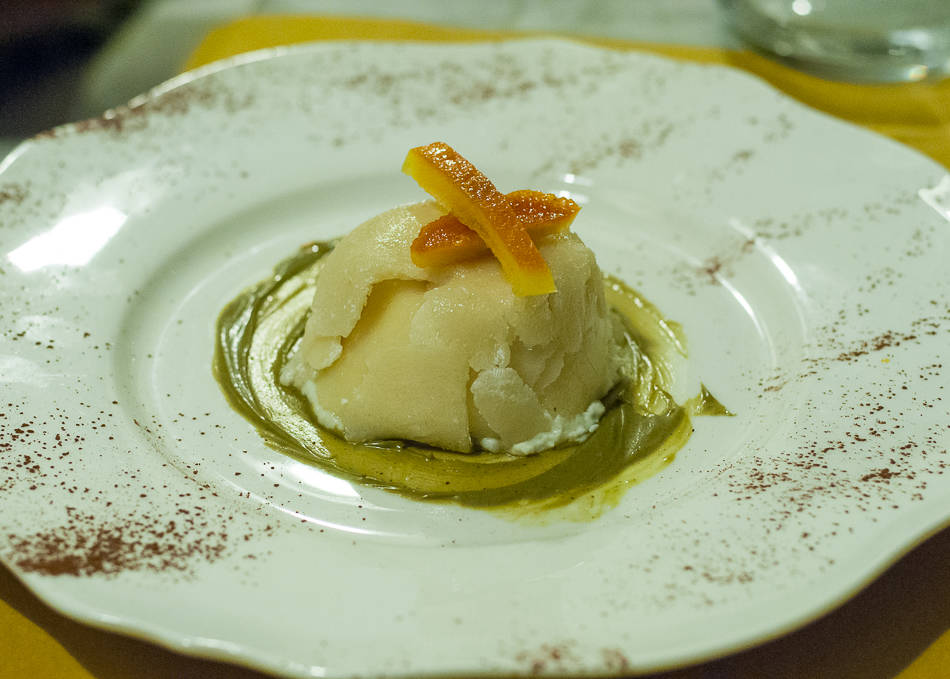
Small naked cassata
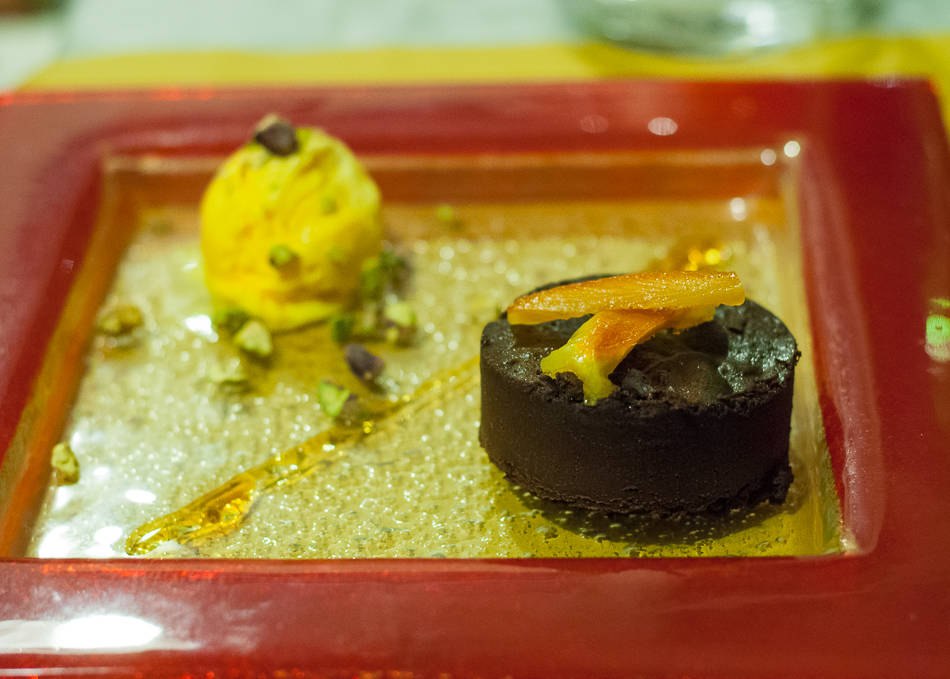
Bitter chocolate marquise, eggnog ice cream
Walking back through St. Peter’s Square at night was a treat – fewer tourists and a scene made a lot more dramatic…
Next post…I’m heading south!

Recipes Side dish Vegetarian

Sweet and Sour Kabocha Squash

October 3, 2014

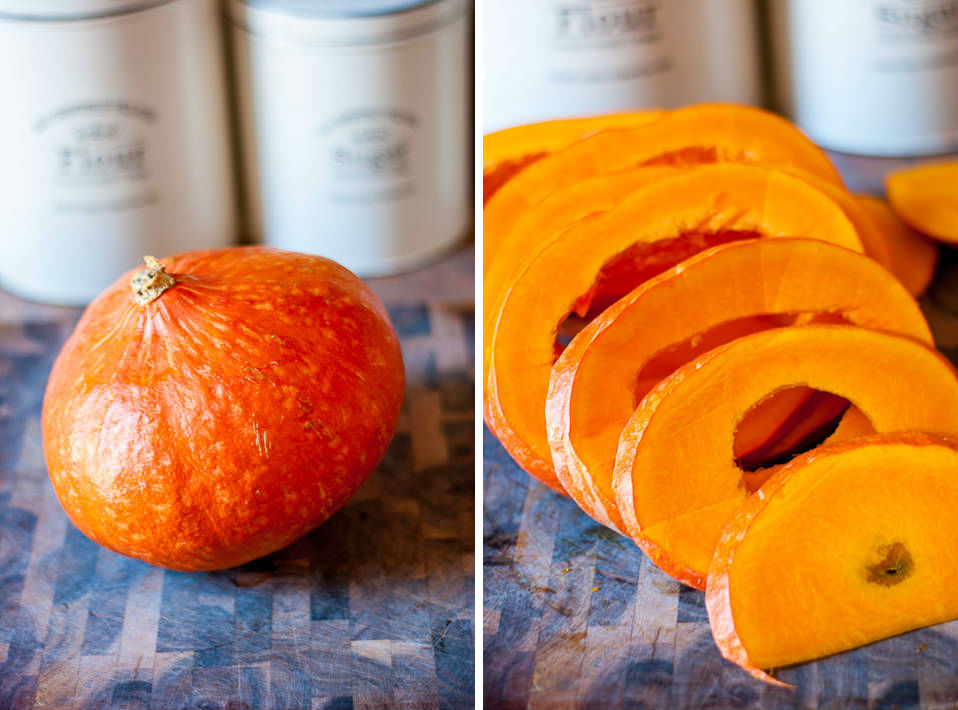
With my favorite summer produce slowly disappearing from the markets, I seek solace in the various beautiful winter squash making their debut. A rising favorite is the orange kabocha, also known as Japanese pumpkin, whose versatility makes it an ideal side dish to just about any cold-weather meal.

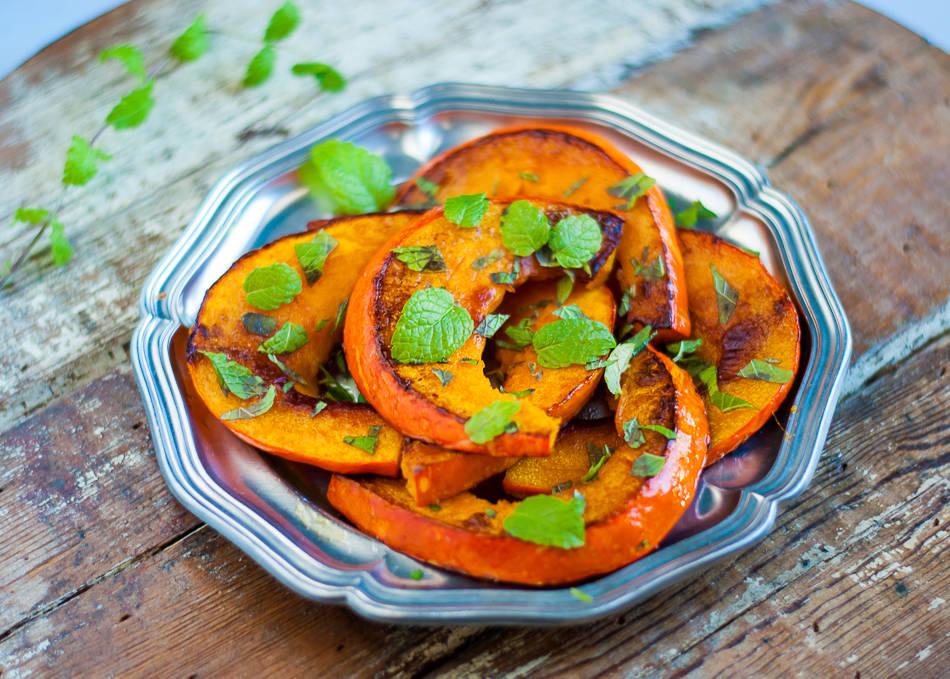
It’s the sweetest variety out there, very unique, and when roasted it has a rich and nutty taste, reminiscent of roasted chestnut. You might have encountered it in a curry or deep fried in a tempura, but it’s simply roasted or baked on its own that truly brings out the best in this hearty vegetable like in this sweet and sour side dish.

It’s also super easy to cook and no peeling is required as the edible skin offers a delicious texture and loads of extra fiber. This healthy dish is just a start to discovering the wonders of the kabocha – wait until you’ve tried it in a soup, or better yet swapped it for the pumpkin in your next fall pie…you won’t regret it!
Divider

Sweet and Sour Kabocha Squash

Recipe adapted from Elle a Table
Active time: 15 min
Total time: 25 min
Serves 4

1kg of orange Kabocha squash or pumpkin
Extra virgin olive oil
1 teaspoon sugar
3ml vinegar
Bunch of fresh mint

Divider

Cut the squash in 1cm thick slices (you can leave the skin on).

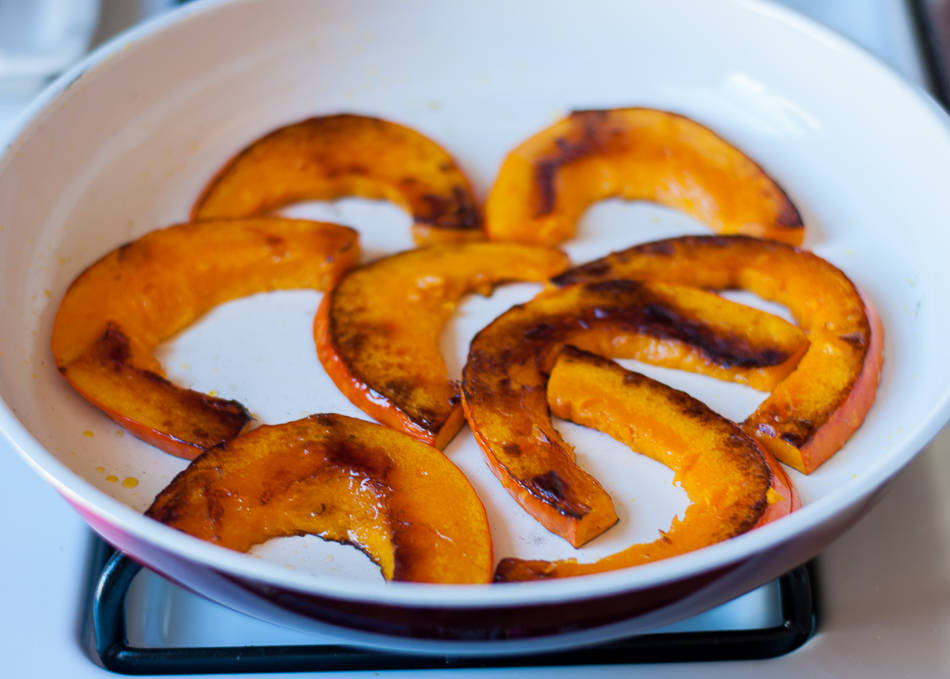
Heat a frying pan with a bit of olive oil over medium heat and fry the squash until well browned.

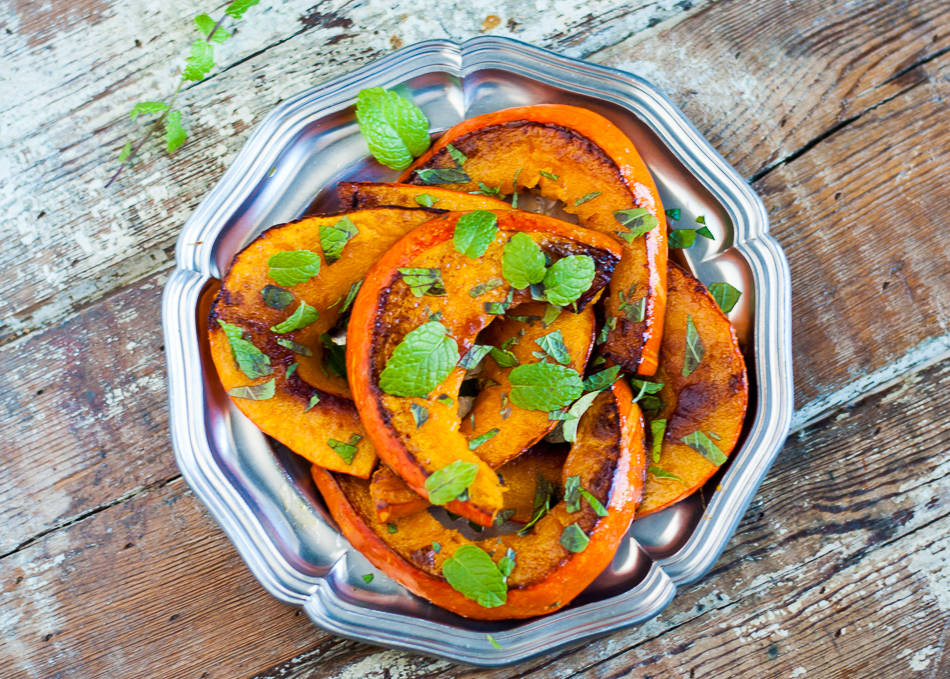
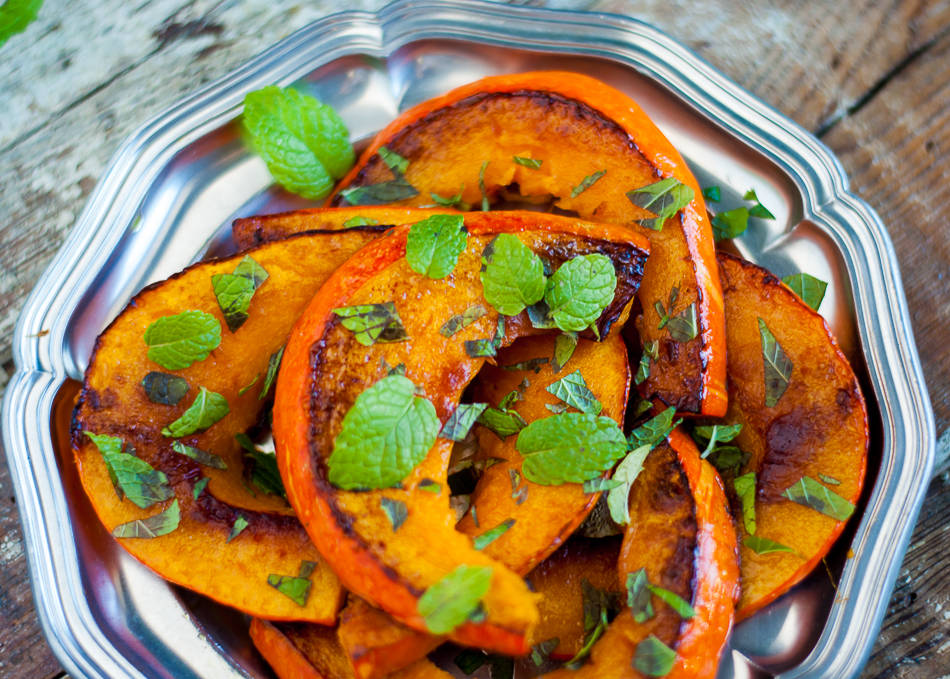
At the last moment, dust the sugar over the squash and add the vinegar. Just before serving, scatter the chopped mint over the squash.

[print_link]

New York Restaurants

Grindhaus, Brooklyn

September 28, 2014

While it’s still super nice and crisp outside, day trips to Red Hook in Brooklyn should be on everyone’s weekend menu. Not only is the walk along the piers and the view of the Statue of Liberty beautiful, the stretch of nearby Van Brunt street has been churning out impressive restaurants and transforming the area in a culinary destination worth hopping on the B61 for.

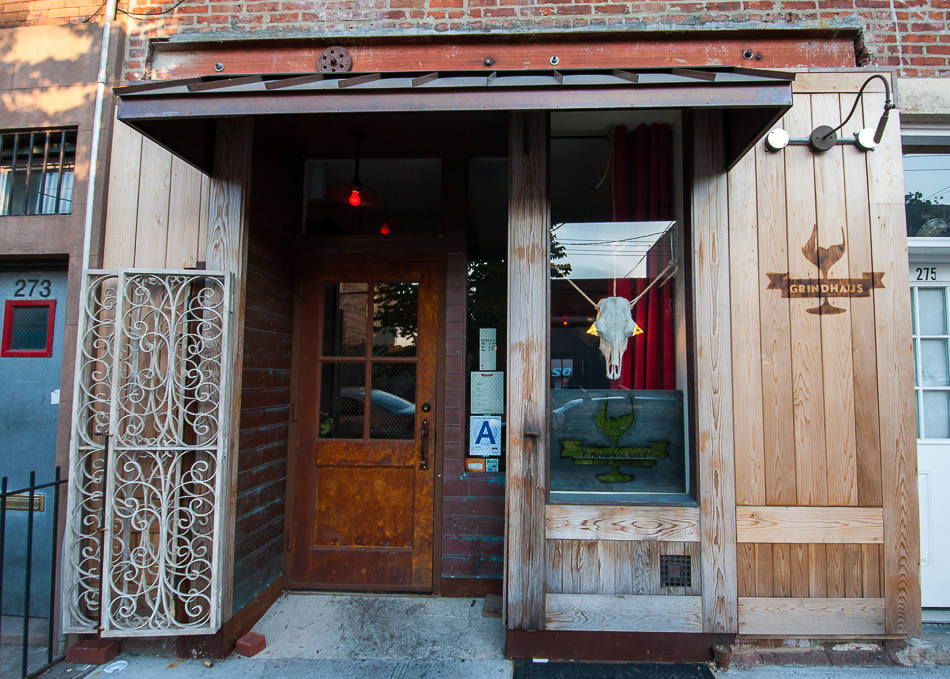
Grindhaus, which quietly opened in December of last year after much delays caused by Hurricane Sandy, is a favorite.

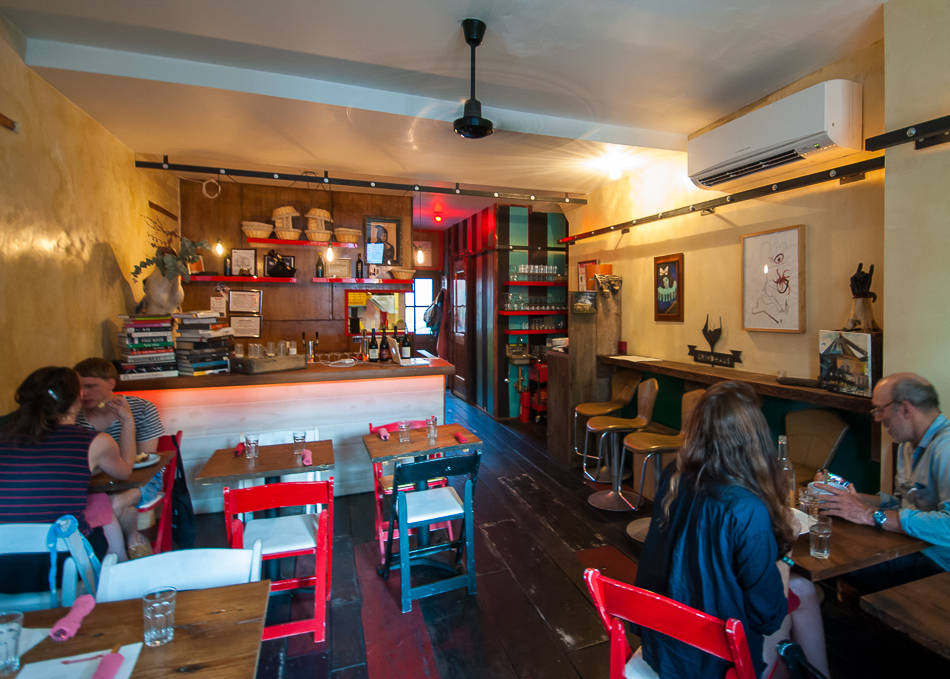
The quirky farmhouse aesthetic with colorfully mismatched furniture makes the 20-seat spot laid-back and unfussy.

The food is similar to the decor in a way that it will seem odd at first but ends up working wonderfully well. The offbeat menu changes often and mostly consists of fresh-baked breads (which you must absolutely try), unusual salads and vegetables, one or two pastas and interesting local seafood dishes. Whatever you order, the beauty of Grindhaus is that every bizarre though pretty combination that will end up in the plate in front of you will be a revelation once you mix it all up and realize what a genius idea it was! Eating here is a memorable experience and a sincere one – there’s no gimmick or flashy presentation, just a wonderfully cohesive chaos, and super delicious to boot!

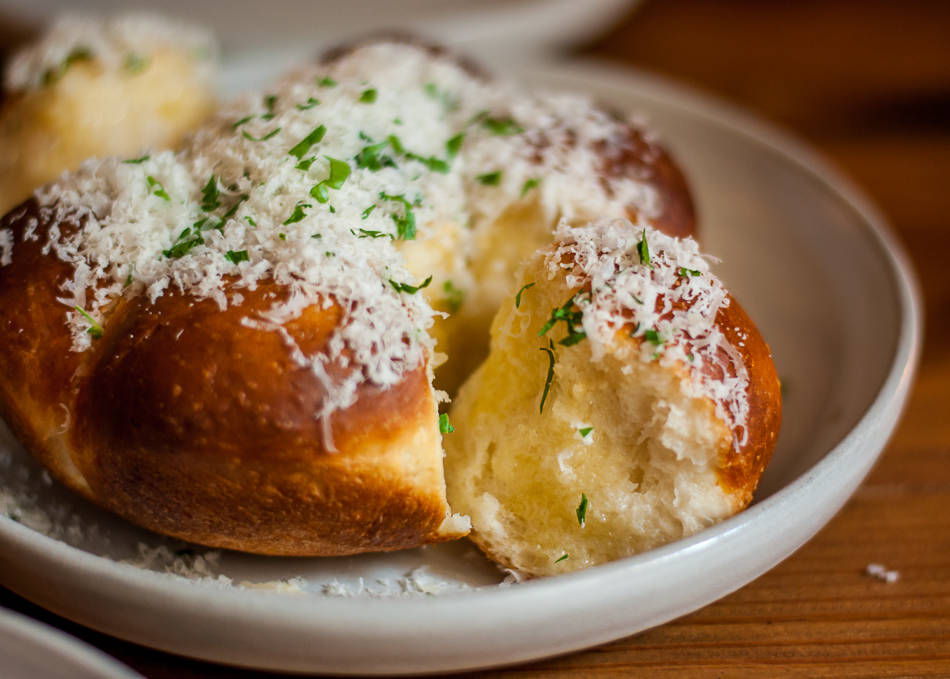
Parkerhaus Rolls – lemon, parsley, garlic

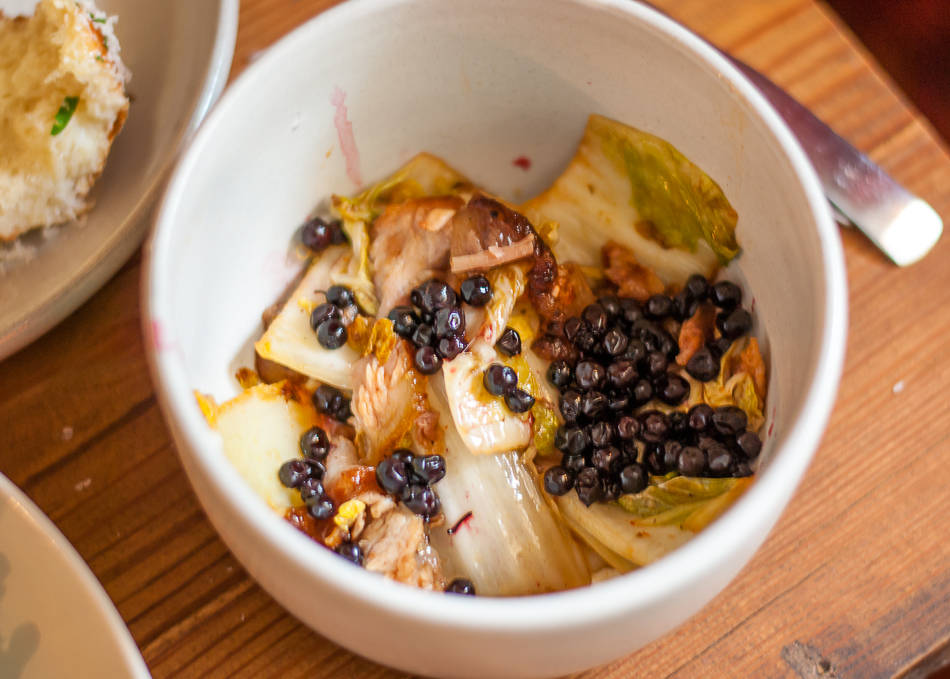
Cabbage – smoked jowl, yogurt, huckleberries

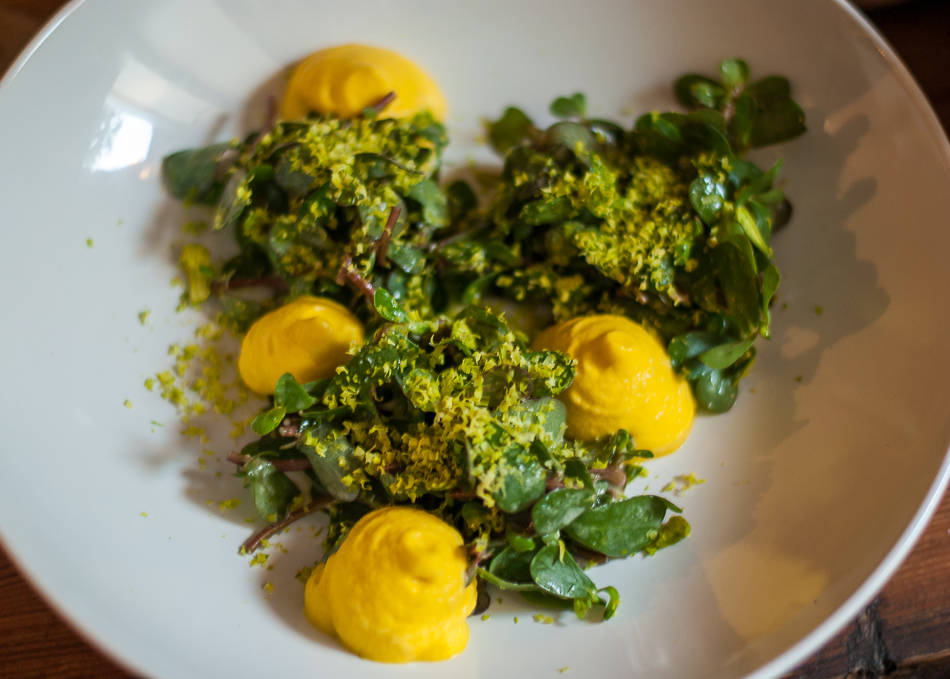
Carrot – purslane, pistachio

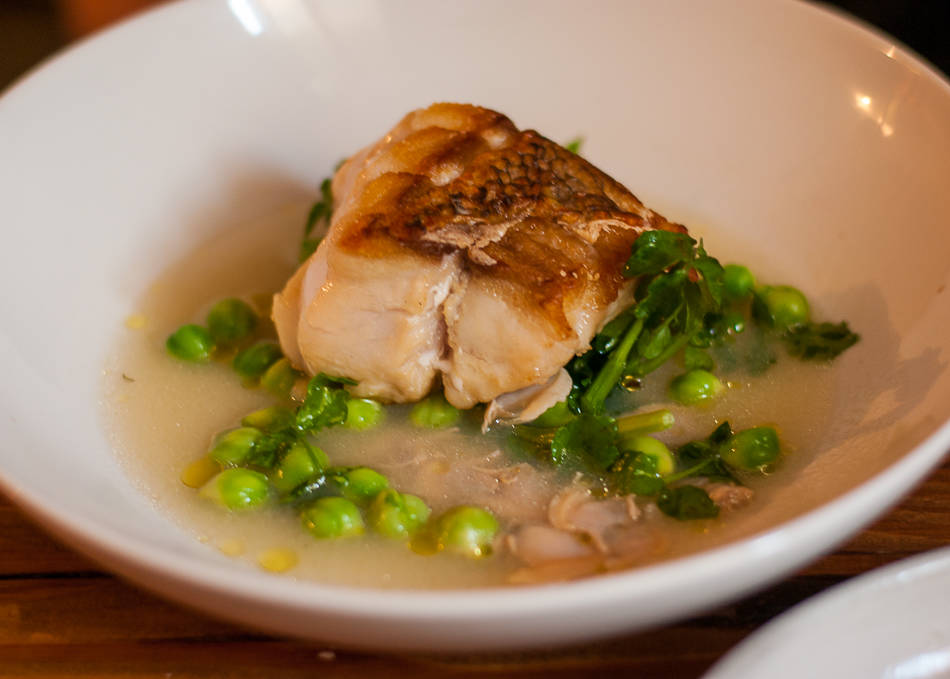
Black bass – mussel broth, haricot vert, nettles

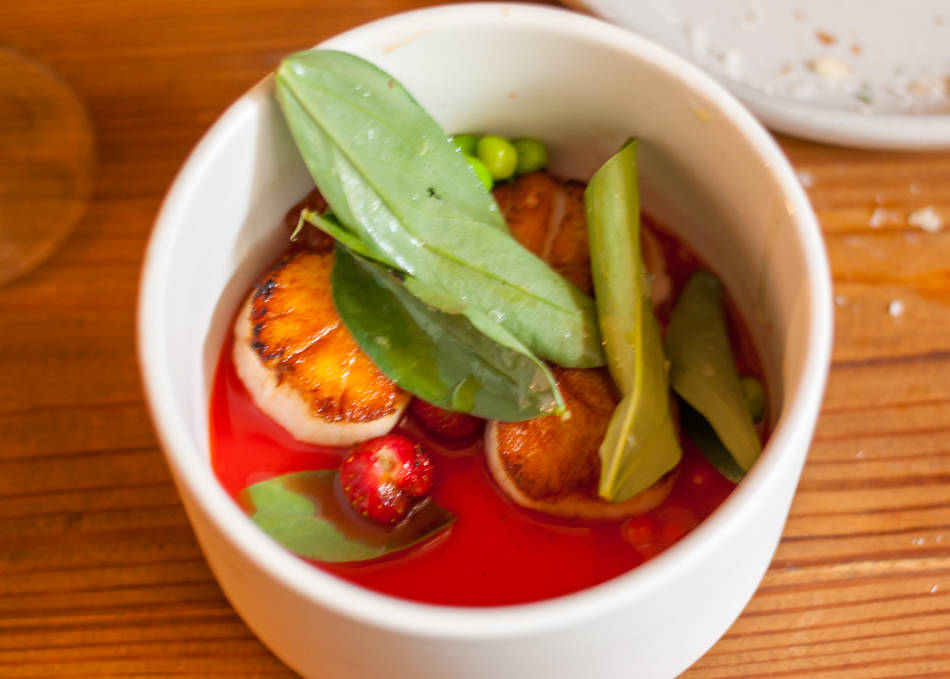
Scallop – strawberries, salmon roe, peas, fava leaves


Grindhaus
275 Van Brunt St.
Brooklyn, NY 11231
Tel: (718) 909-2881
Map

Denmark Europe Travels

Copenhagen – A very happy place

September 23, 2014

Why it took me so long to visit the capital of the happiest country on Earth (UN’s 2013 World Happiness Report said so) I do not know, though one thing’s for sure I’m now determined to come back more often to get all the benefits of wonderful Copenhagen. With green spaces aplenty, a thriving waterfront, more cyclists than actual cars and so many Michelin star restaurants you don’t know where to start, no wonder people are smiling left and right. My good friend Anna and host for the weekend, a Swedish who married a Danish, was the epitome of the happy Nordic while showing me around.

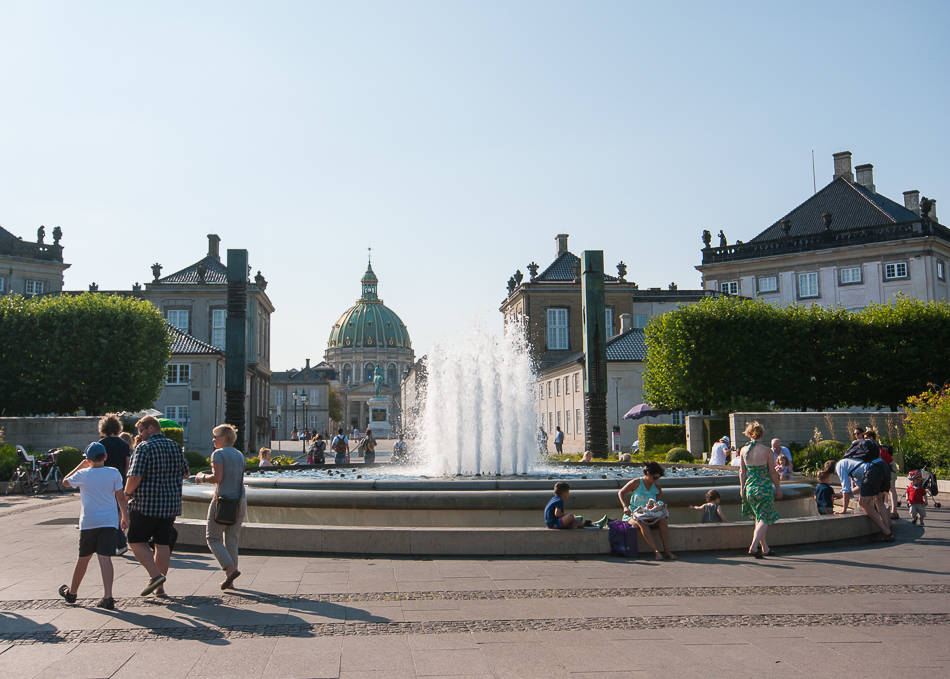
Amalie Garden with view of the Marble Church

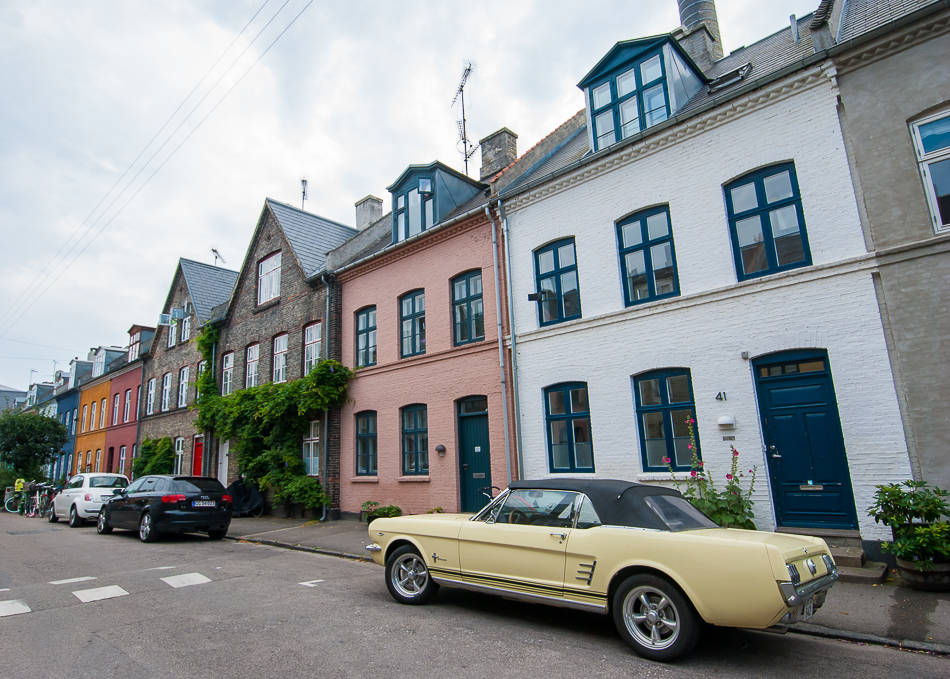
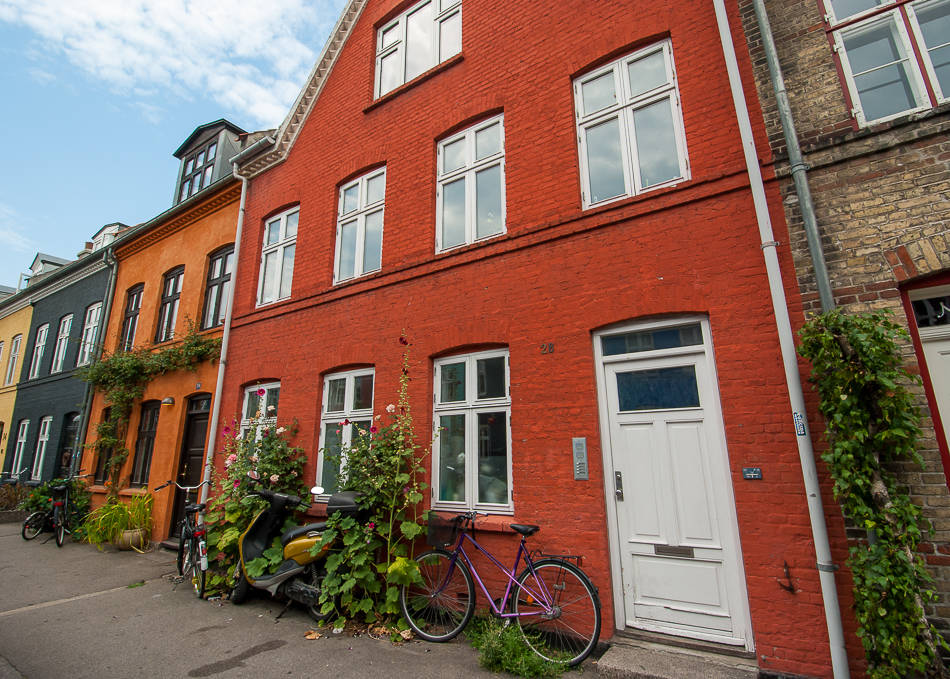
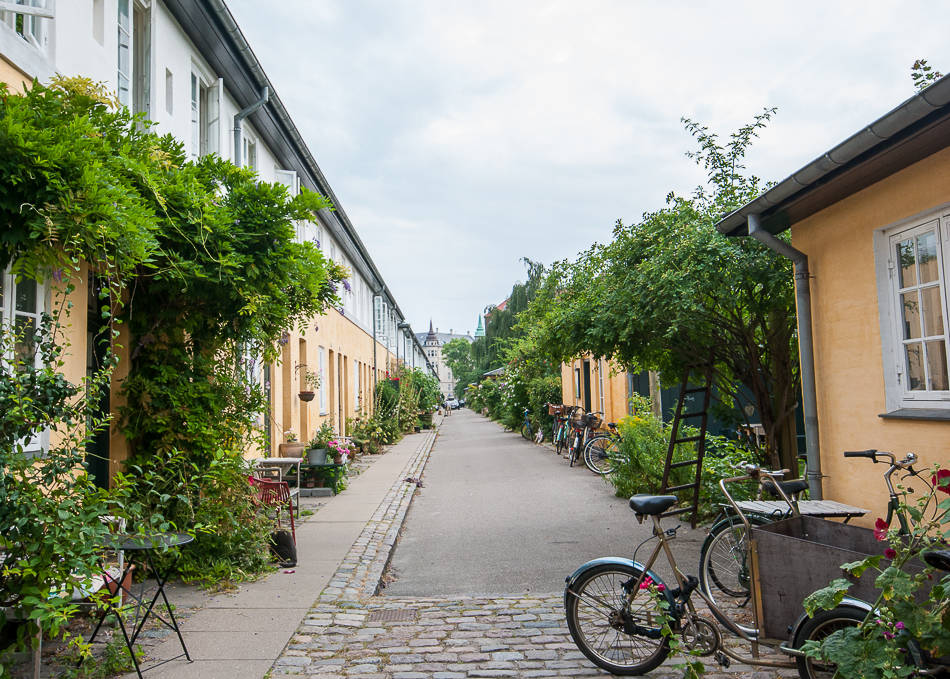
Strolling, or preferably biking through the streets which I literally did all weekend, is the best way to experience the city and its myriad of architectural styles. While Copenhagen has been known for its modern marvels of late, I always find myself more charmed by the ancient buildings and row houses.

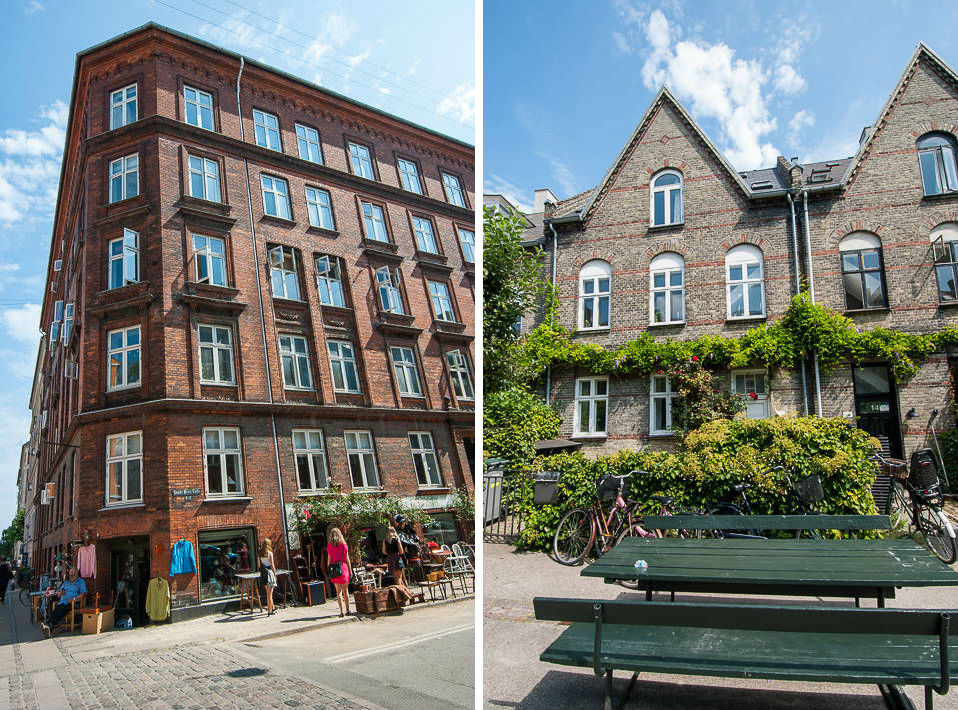
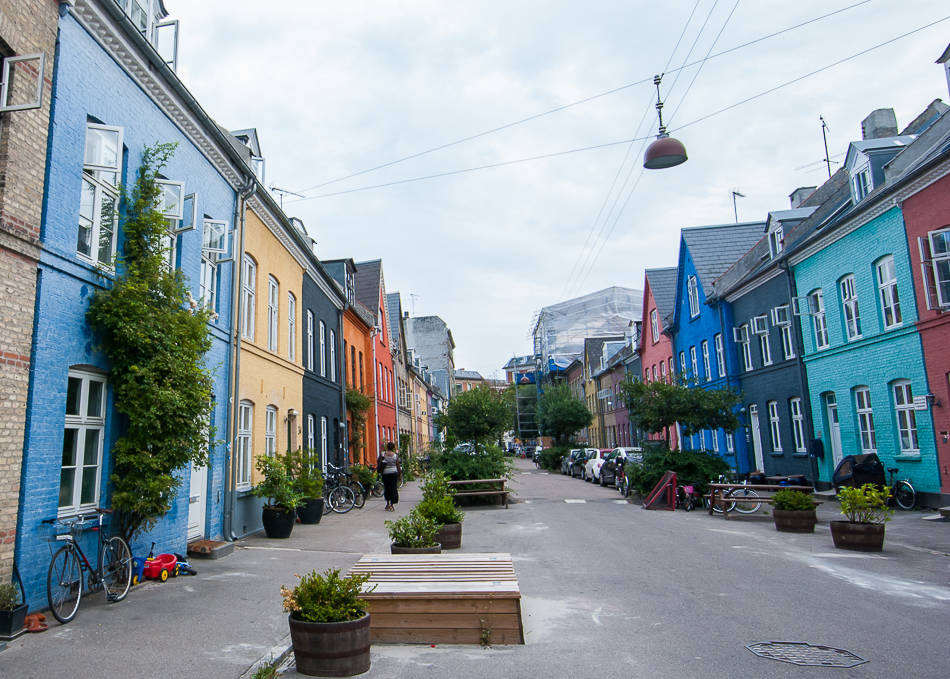
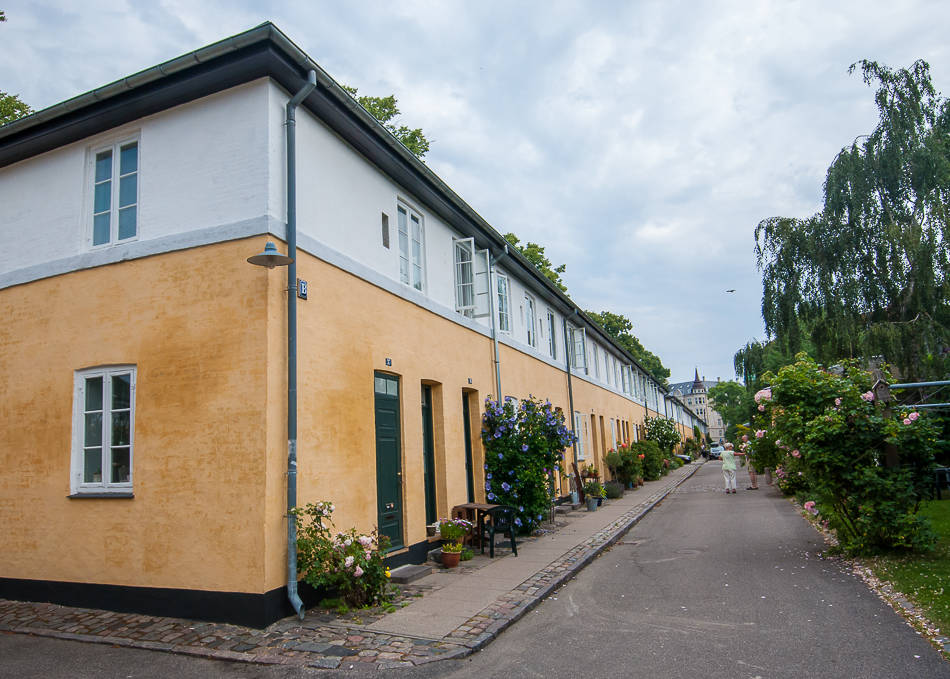
Especially worth nosing around are the famous ‘Potato Rows’ – a housing community in the Østerbro area.

What started as housing for working-class families is now one of the most popular and highest-priced addresses in Copenhagen.

What’s so special about the Potato Rows is that they were named the Most Livable Neighborhood in the World by multiple planning organizations and a quick walk around will show you why…

On top of their central location, they benefit from the safest streets, and the homes are perfectly sized to make for enough private space and entice at the same time residents to interact with their neighbors and communal surroundings.

The narrow streets are quickly turned into an outdoor living room for all the neighbors with emphasis on trees, picnic tables, etc. A clever design for community living like it was always meant to be.

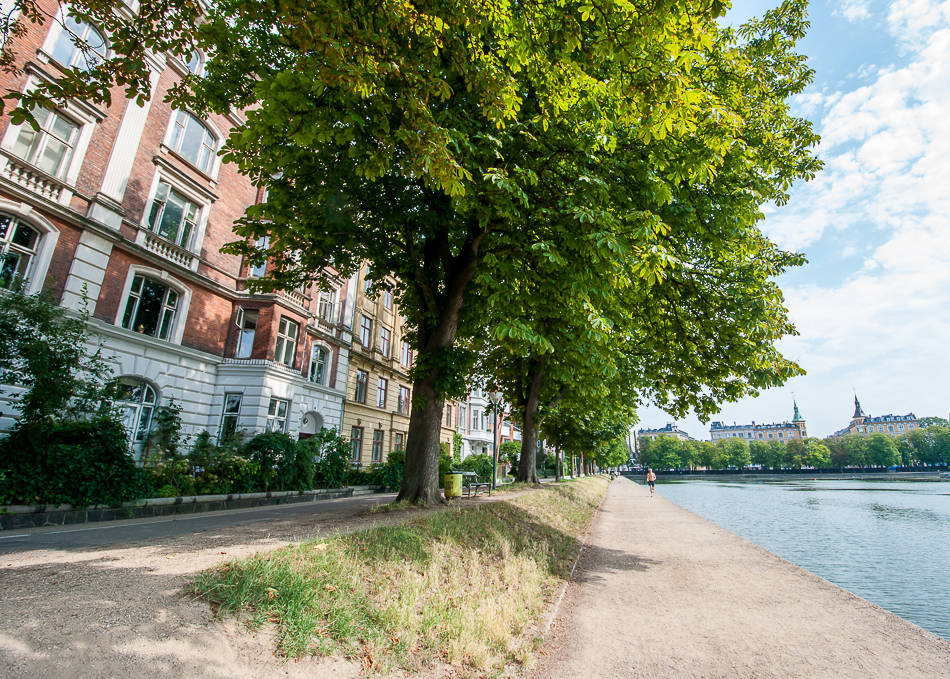
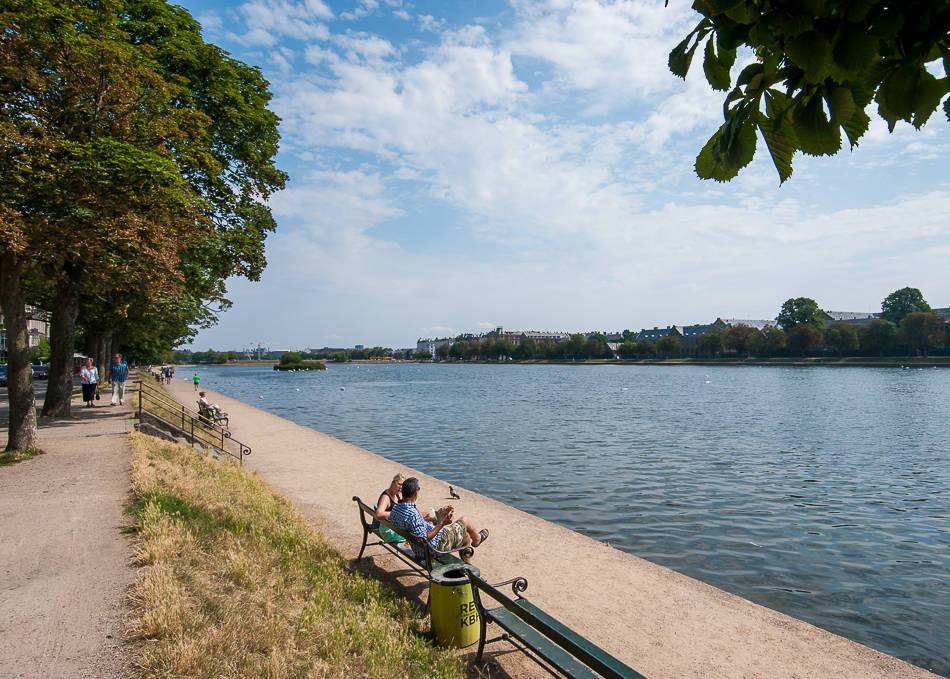
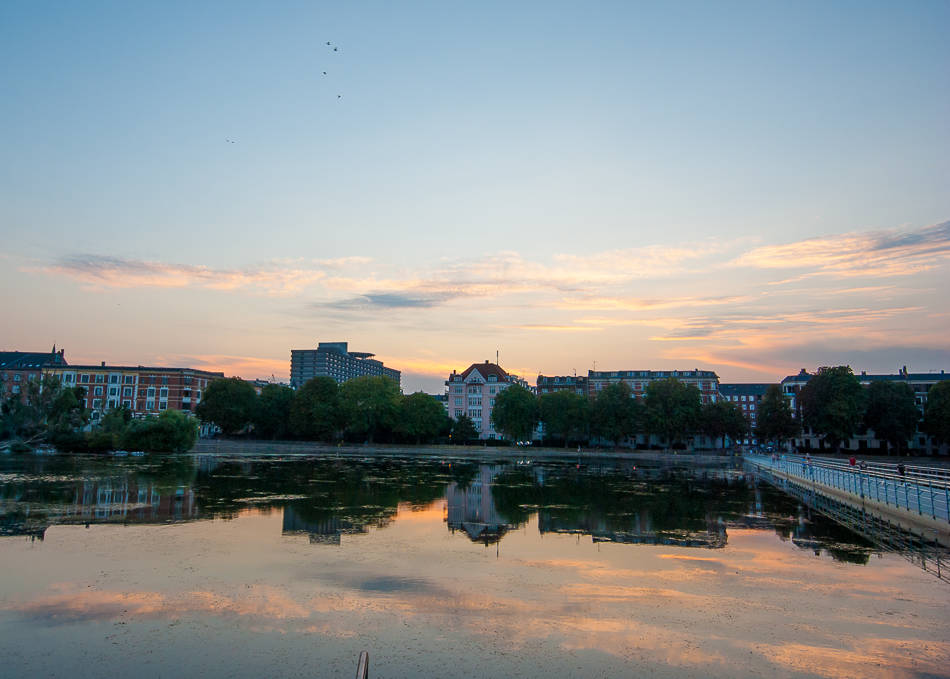
You can continue your stroll nearby on The Lakes, a row of three rectangular lakes curving around the city center.

Locals jog, have a coffee on their shores or just hang out to enjoy the vistas.

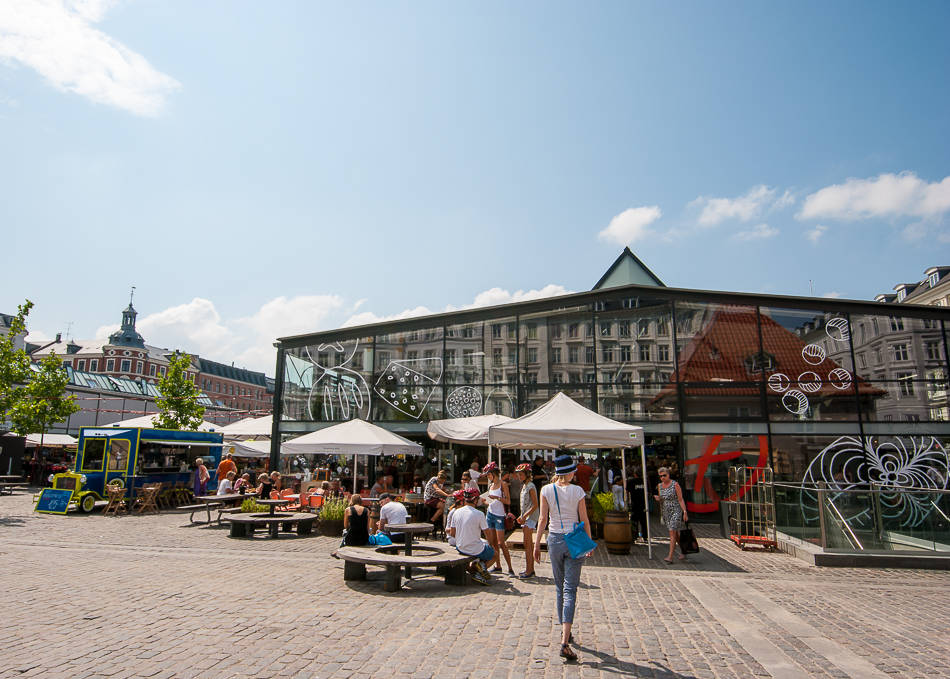
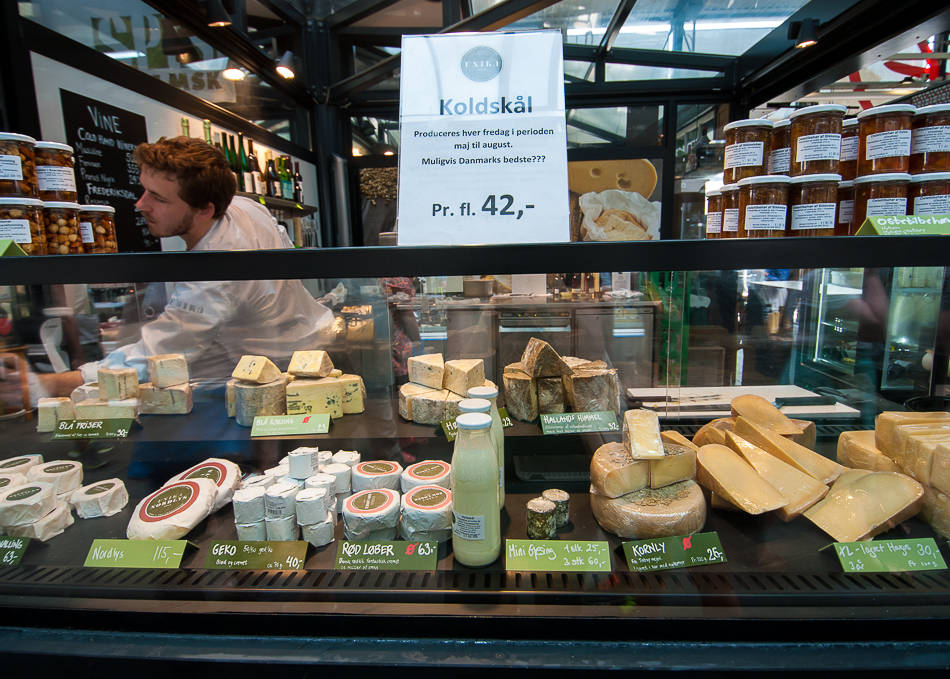
A short bike ride away is the ideal lunch spot for any discerning foodie – Torvehallerne (The Market Halls).

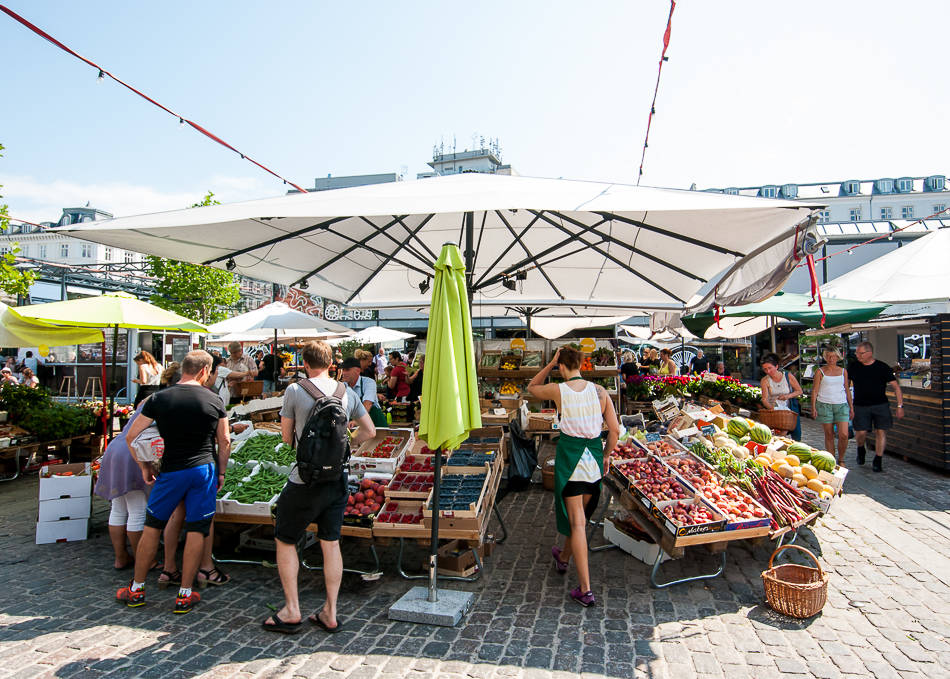
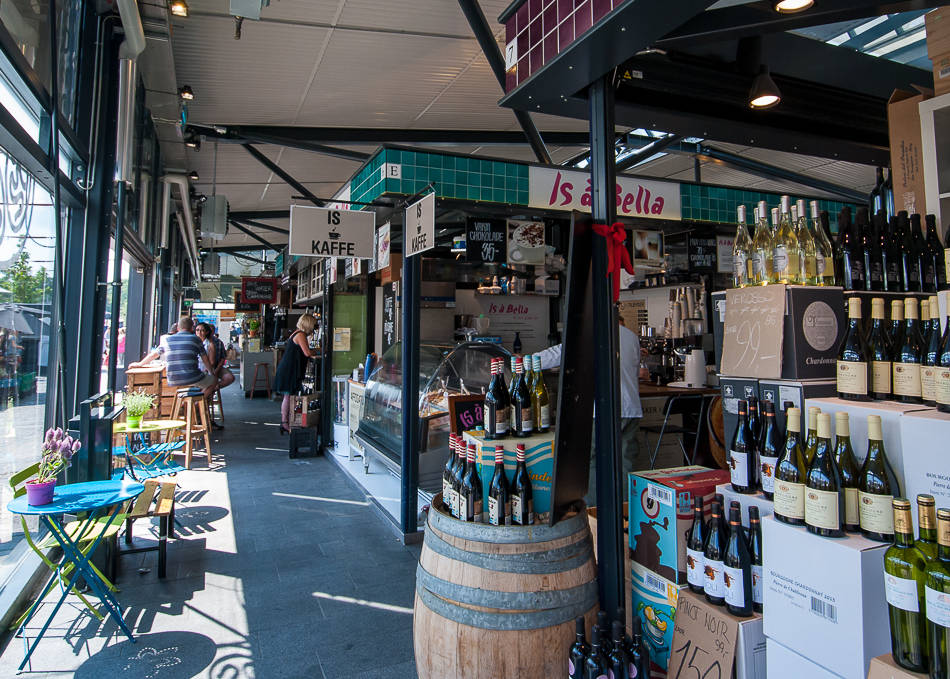
Copenhagen’s first food market is a treasure trove of gourmet ingredients inside its two glass and steel market halls, with a fruit and vegetable market taking over the outside square during the warmer months.

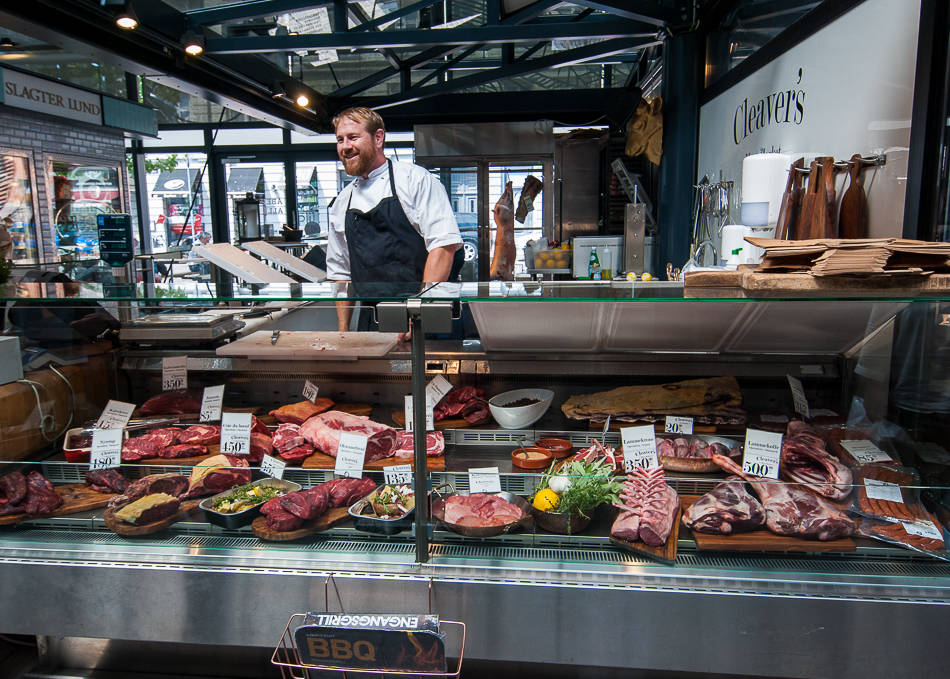
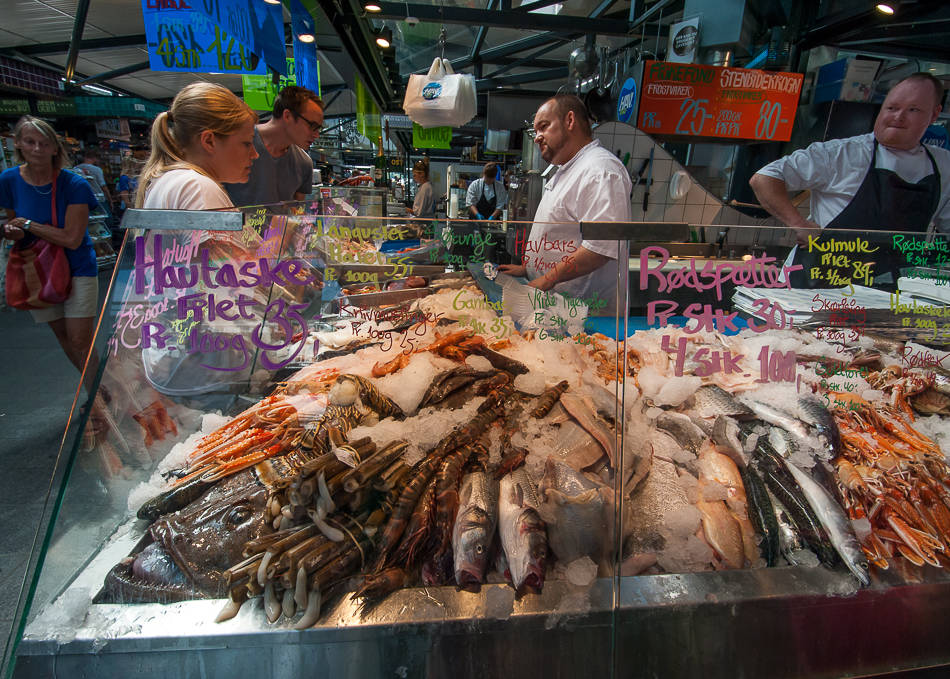
It sure underlines the city’s reputation as a top foodie destination as you pass by over 60 different stalls selling everything your heart desires, from coffee and juice bars, butchers, fishmongers, bakeries, wine shops, etc.

The vibrant scene is one you’ll want to immerge yourself into and watch the office workers on their lunch break, tourists looking for a snack and souvenirs to bring home, families shopping for dinner, and tattooed locals strolling down the aisles. Grab one of the rare seats at a food stall and enjoy the energy.

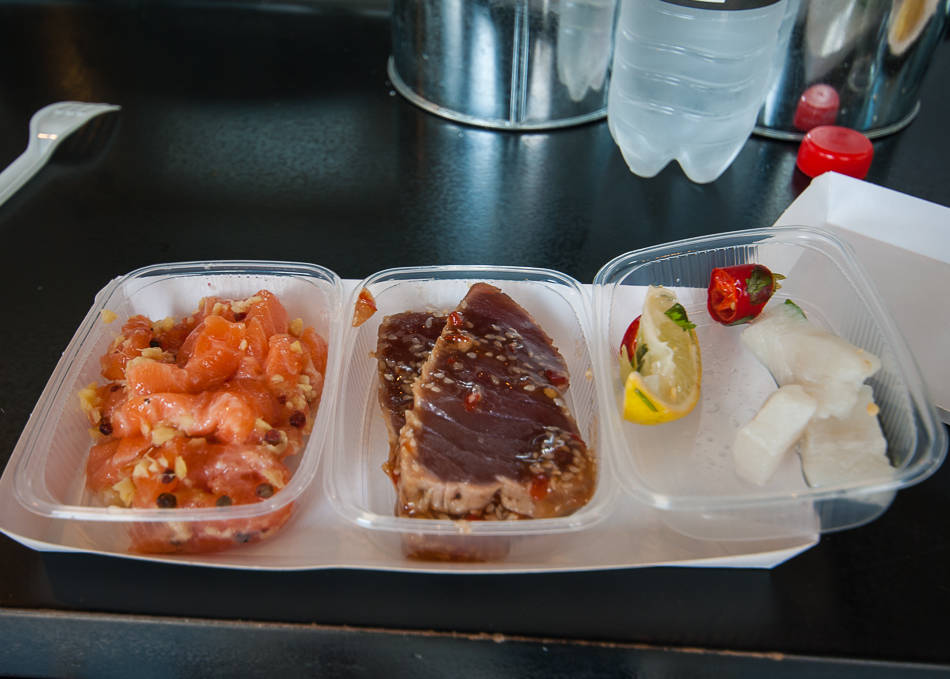
Raw fish at Boutique Fisk

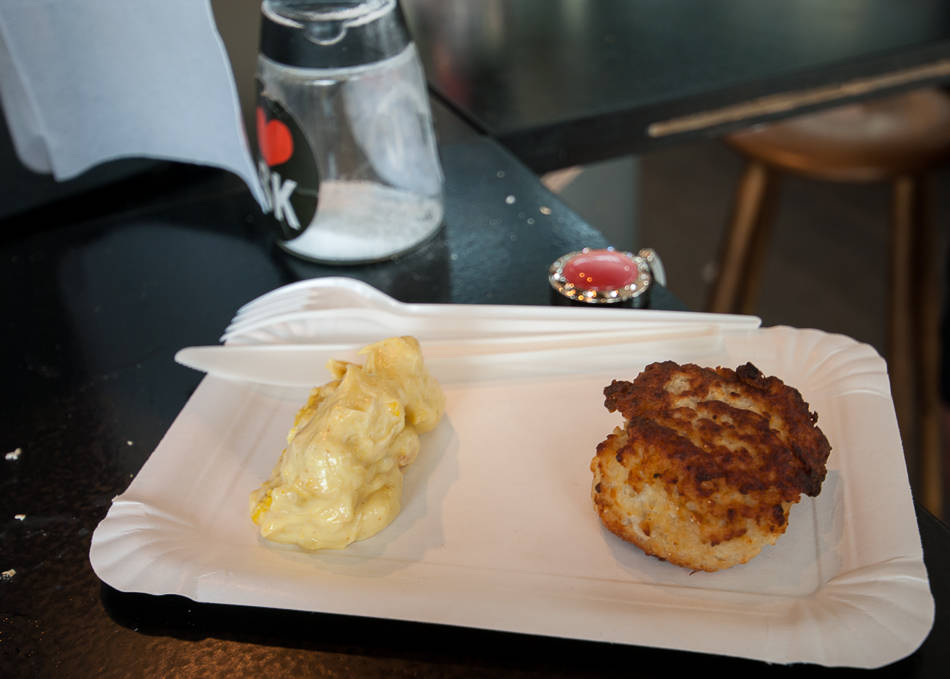
Danish Fiske Frikadeller (fish cake)

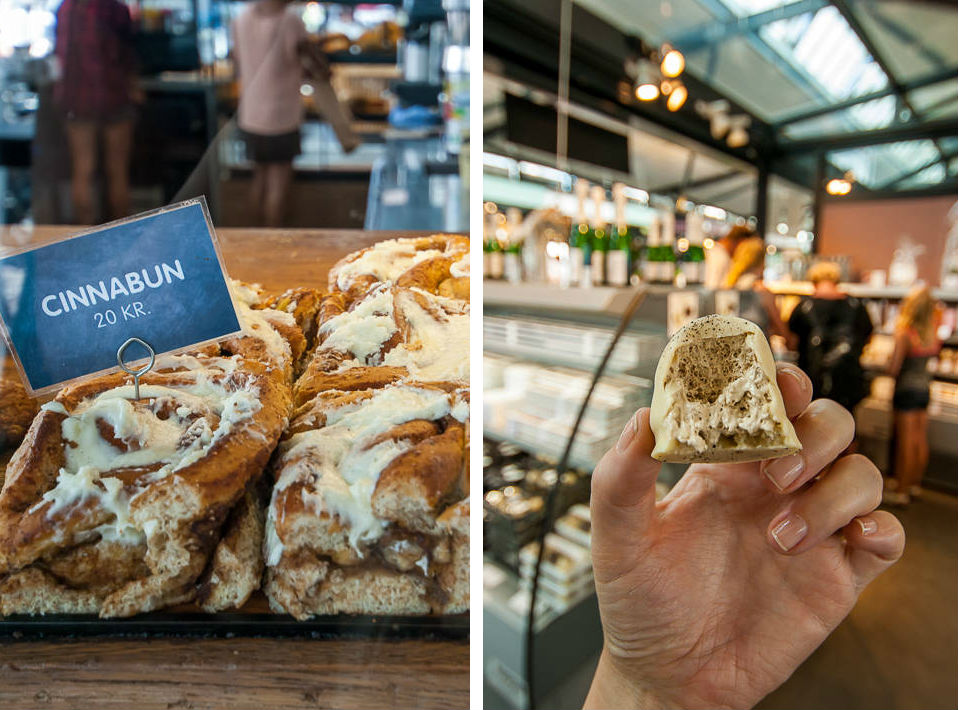
There’s also plenty to satisfy your sweet tooth, including hot and gooey cinnabun and the creations from Summerbird chocolaterie.

Cinnabun

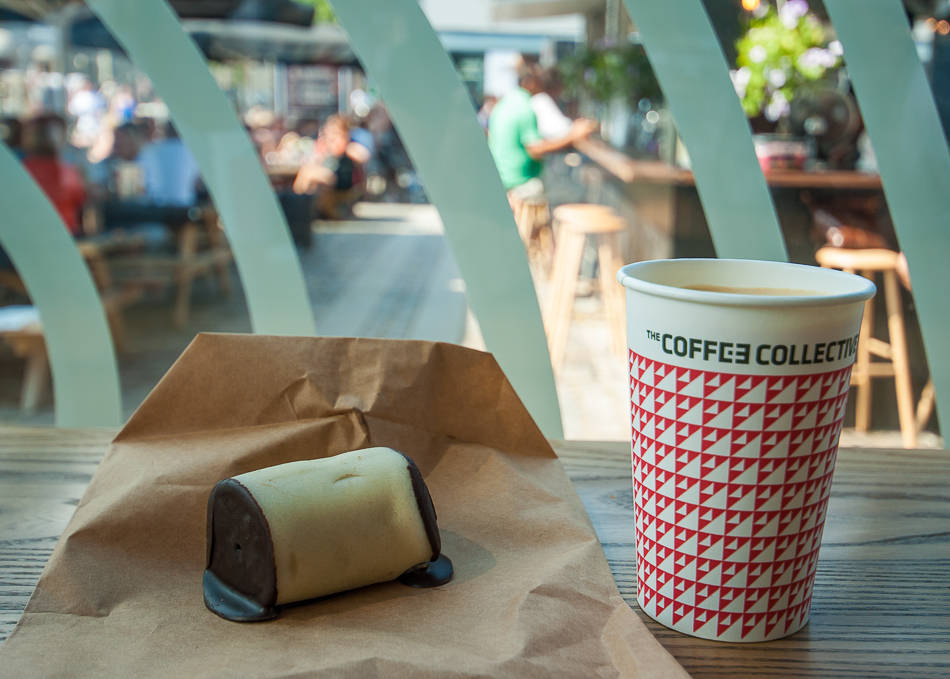
Coffee collective is the preferred stop for a caffeine fix.

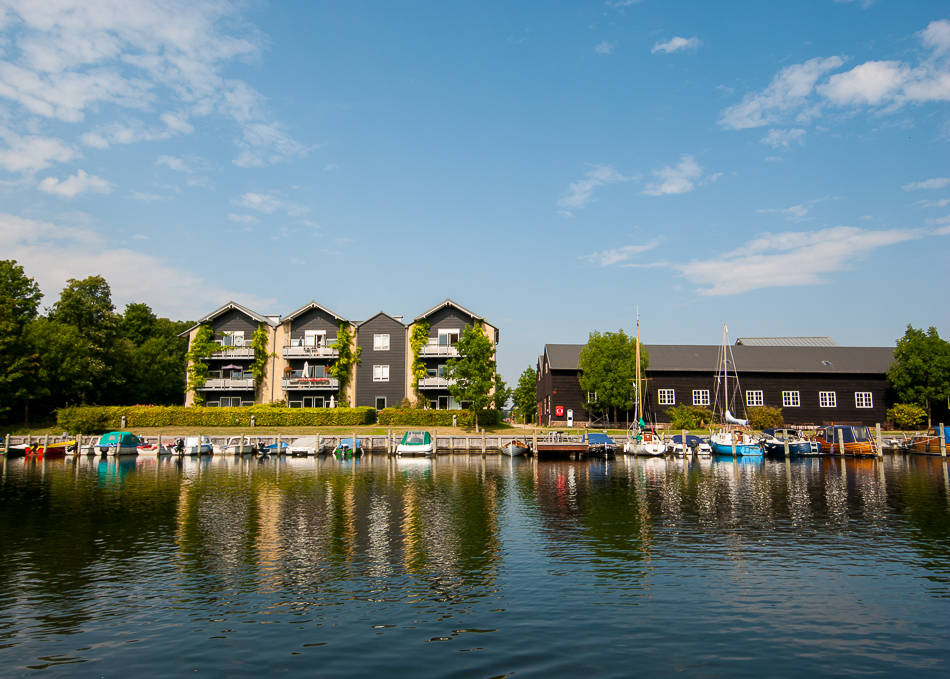
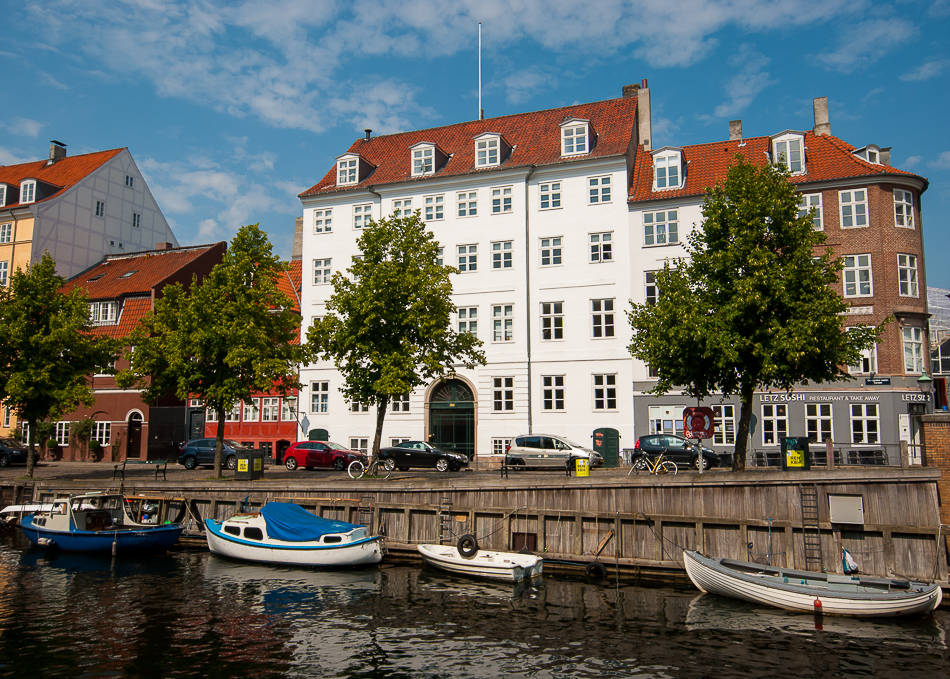
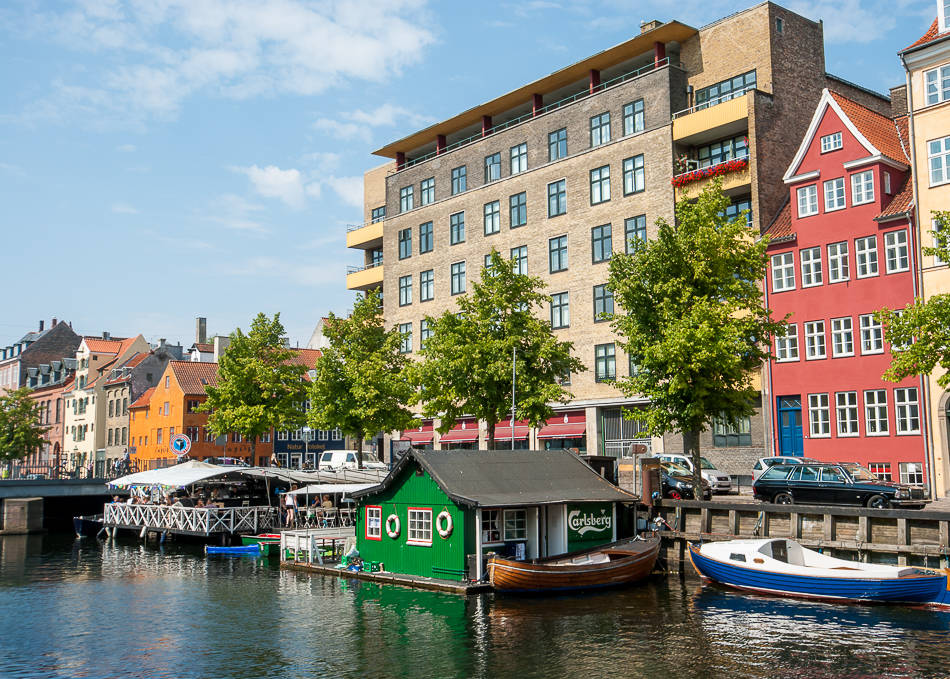
Next stop: the canals, which can be a vision of suburban serenity…

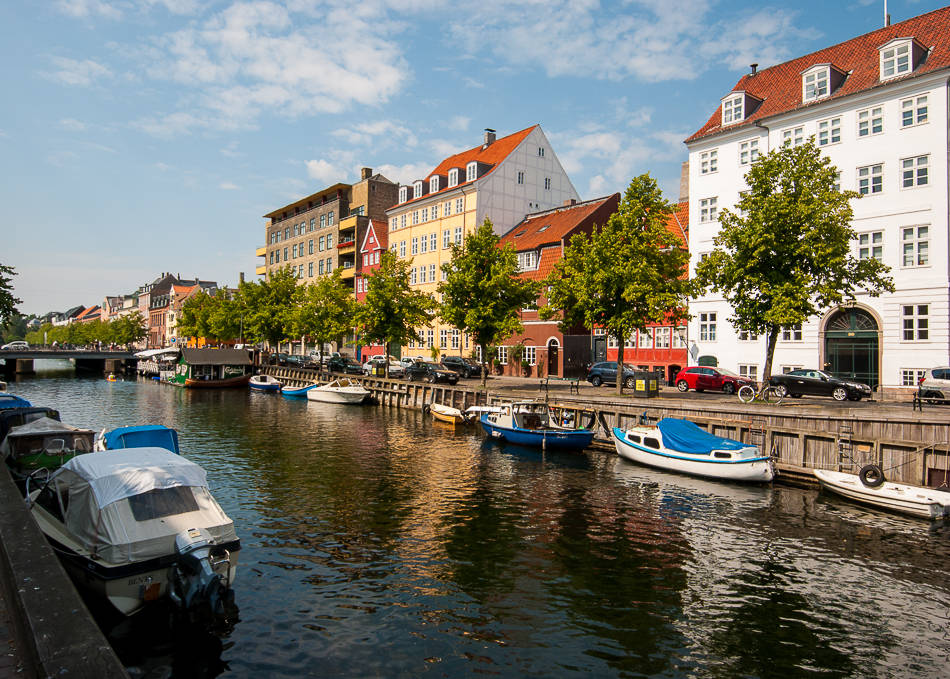
…or historical city landmarks for postcards worthy pictures.

The area right outside the Christianshavn metro station is a colorful stretch and less touristy than the famous Nyhavn.

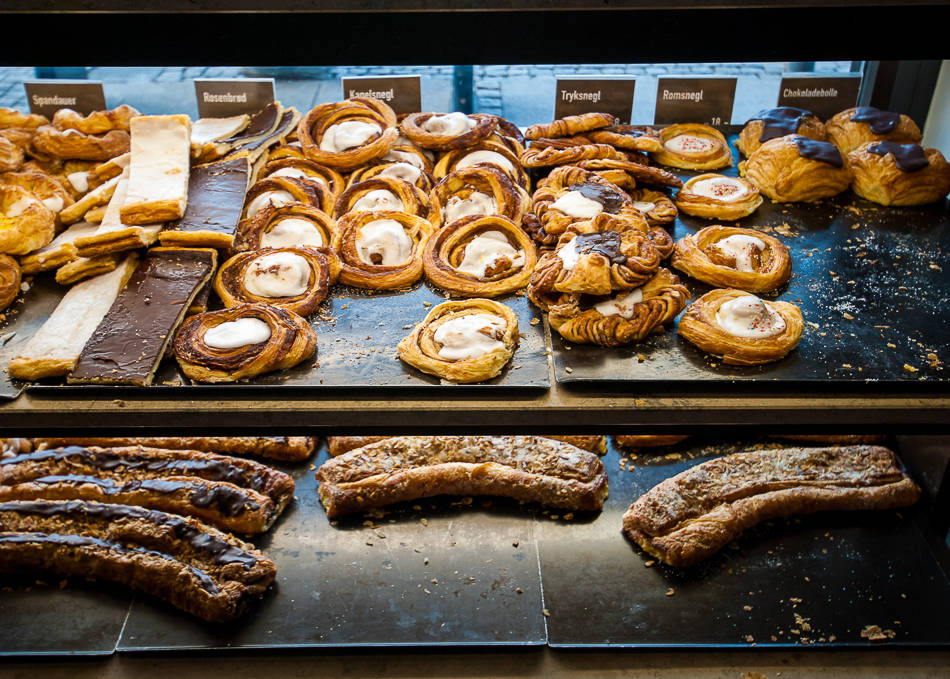
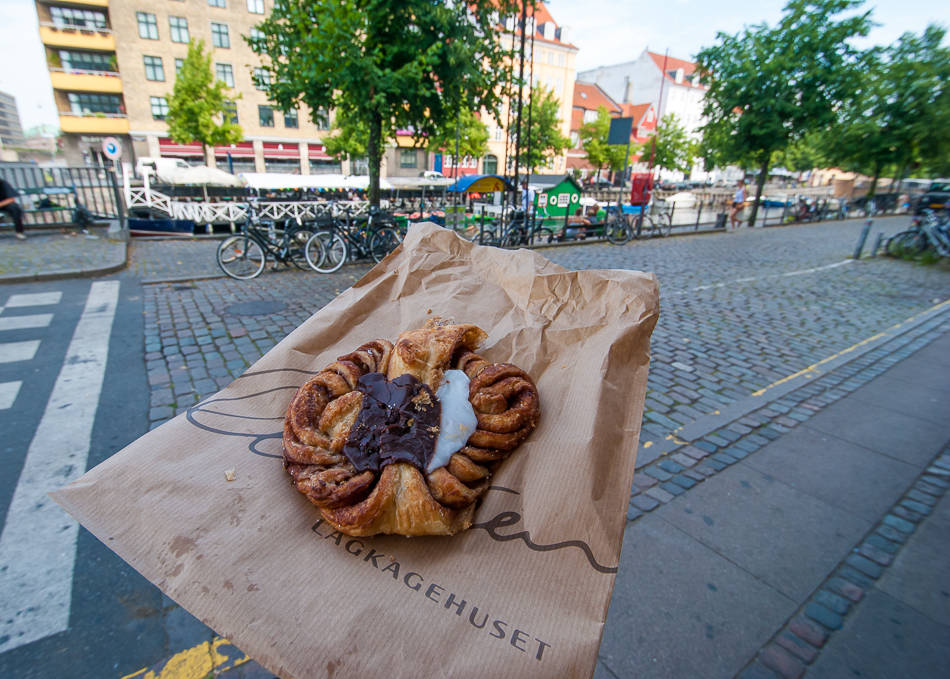
While you’re there, make sure to stop by Lagkagehuset, one of the best bakeries in town.

While there are other branches in the city, this one on Torvegade is the original and perfect pit stop for one of their sweet pastries…

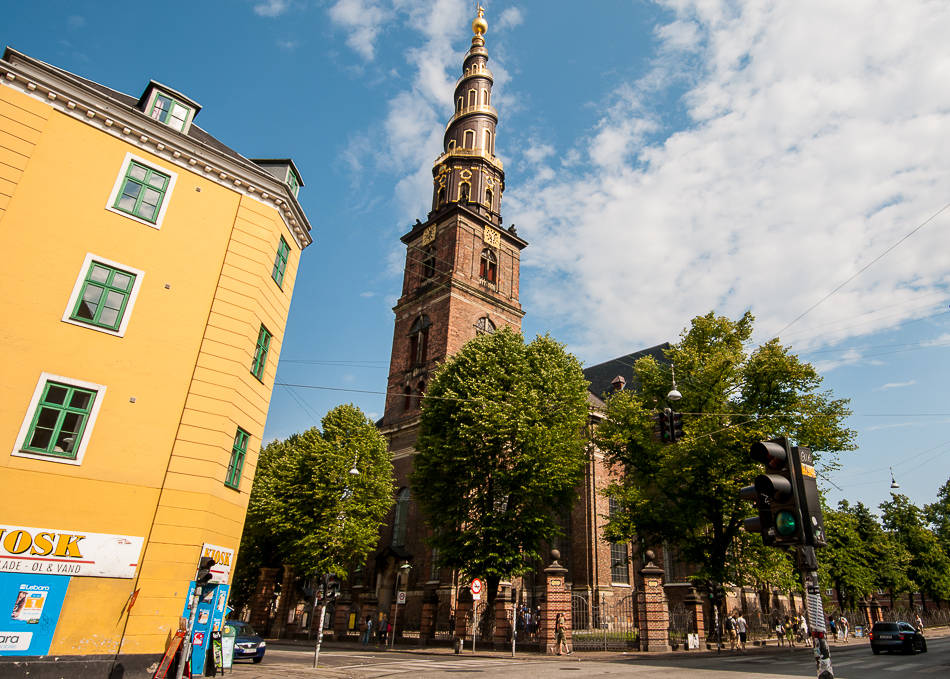
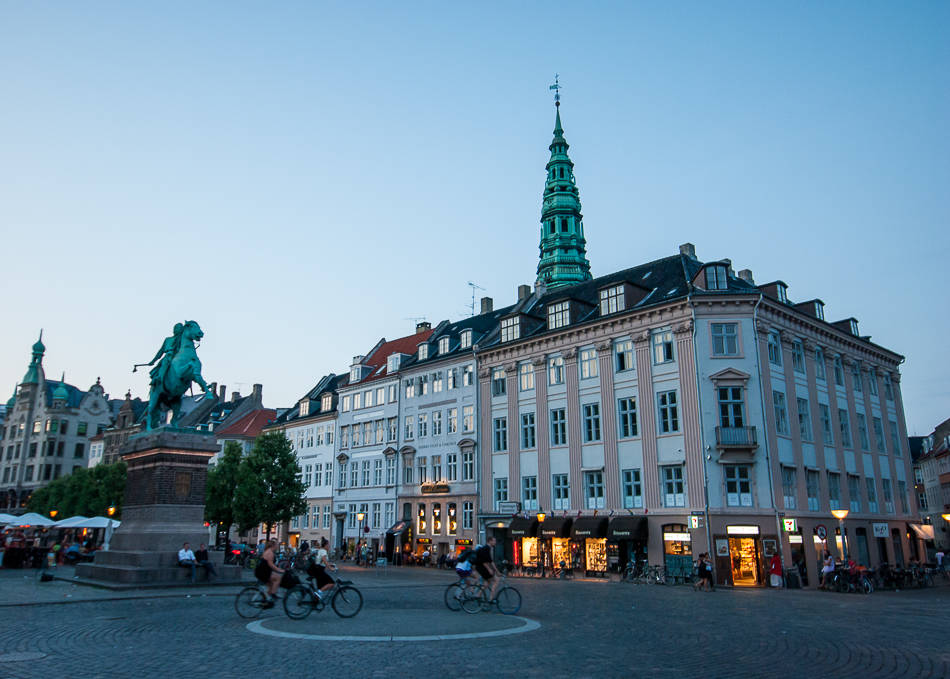
Take it for a stroll around towards the baroque Church of Our Saviour which can be seen from far away thanks to its towering corkscrew black and golden spire.

Near the church lay the commune of Christiana, an autonomous neighborhood consisting of former military barracks and old city ramparts, and famous for its open trade of cannabis. Pictures are forbidden here but the ‘village’ is well worth a visit for its historical buildings and social and progressive lifestyle.

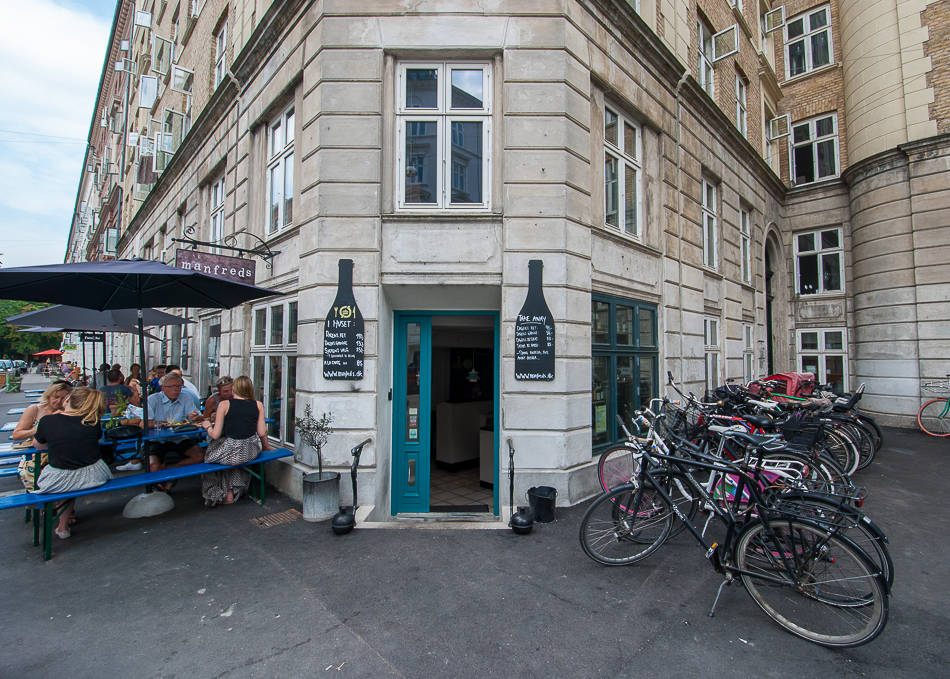
Back on our bikes, we ride northwest to the vibrant Nørrebro neighborhood, packed with trendy bars and fashionable boutiques as much as dives and cheap kebab places. We head to the hip Jægersborggade street for a true grass root vibe and our lunch stop: Manfreds & Vin.

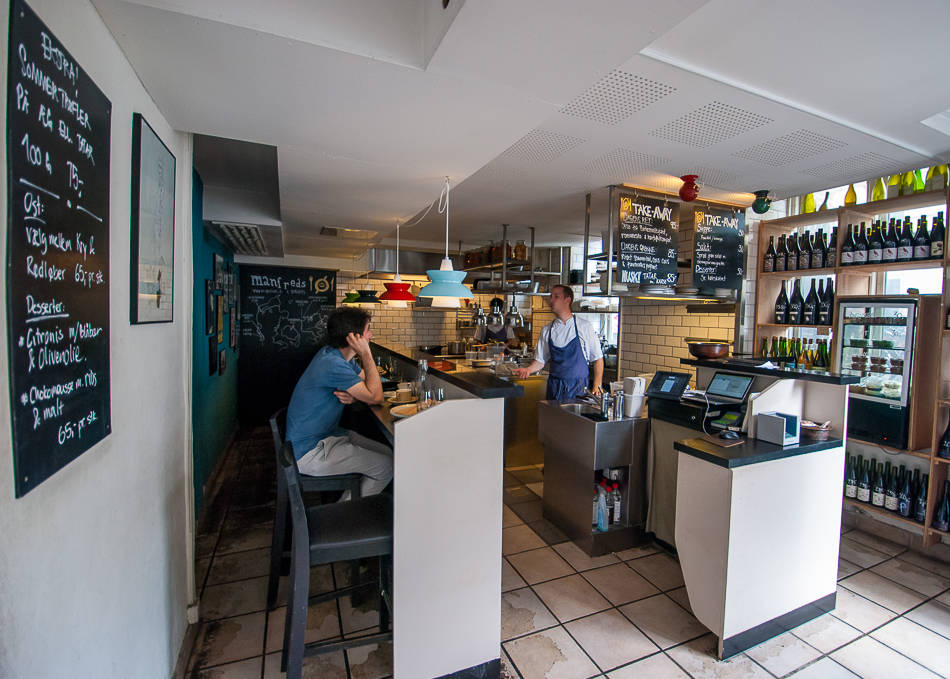
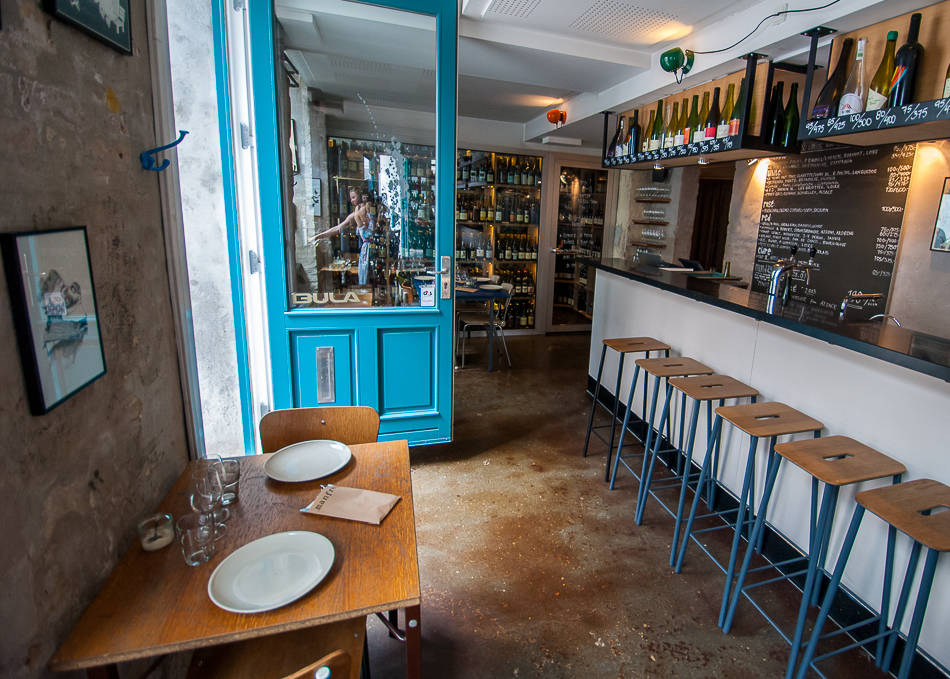
A relaxed spot for sampling Copenhagen’s much hyped new Nordic cuisine, Manfreds is a restaurant/wine bar amongst the best in the city.

Options vary from takeaway to a la carte tapas to full tasting menu and either way will treat you to plenty of biodynamic vegetables, organic meat, and herbs freshly plucked out of the forest. The intimate space is perfect for a healthy feast between friends, and their selection of natural wines will round out the meal nicely.

We opted for their 7-course sharing menu ‘Chef’s Choice’ which is the best experience you can possibly have here – expect LOTS of extremely tasty vegetables and whatever is freshest that day.

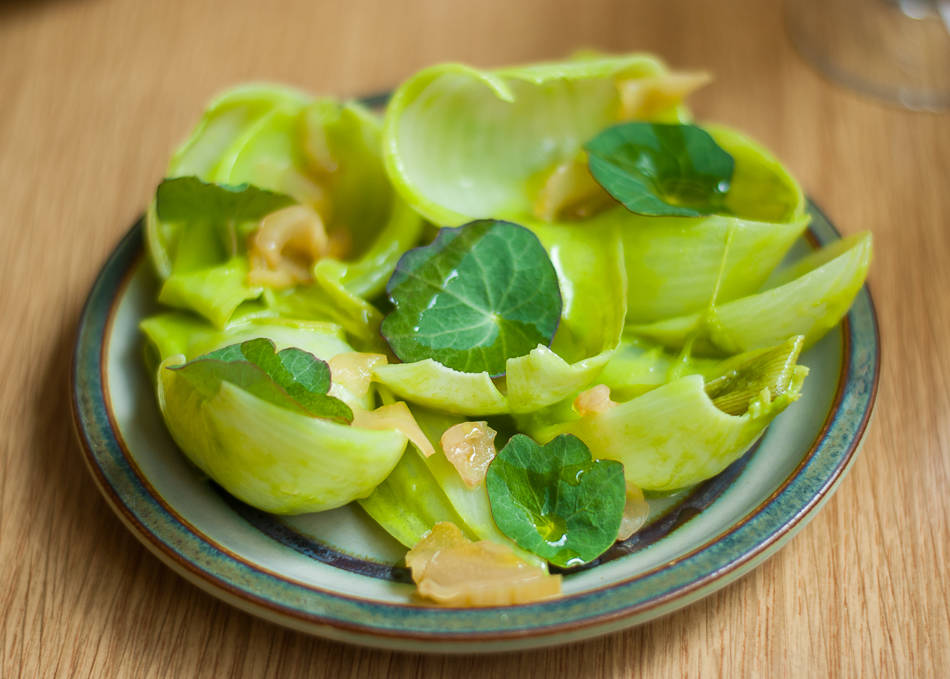
Onion salad with fermented rhubarb

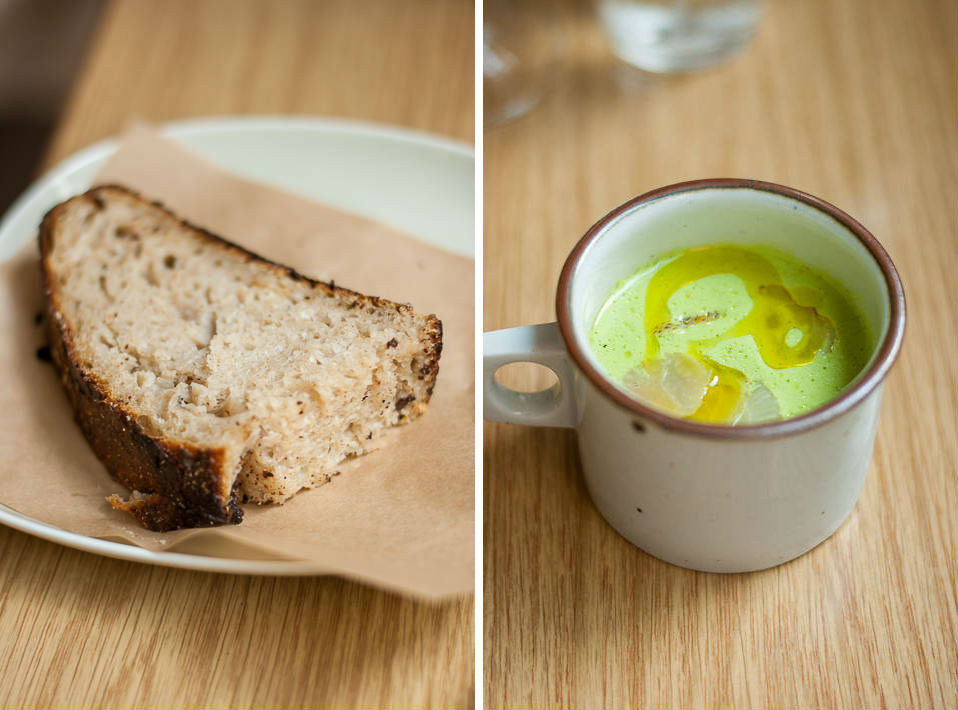
Cold cucumber soup with pickled green strawberries

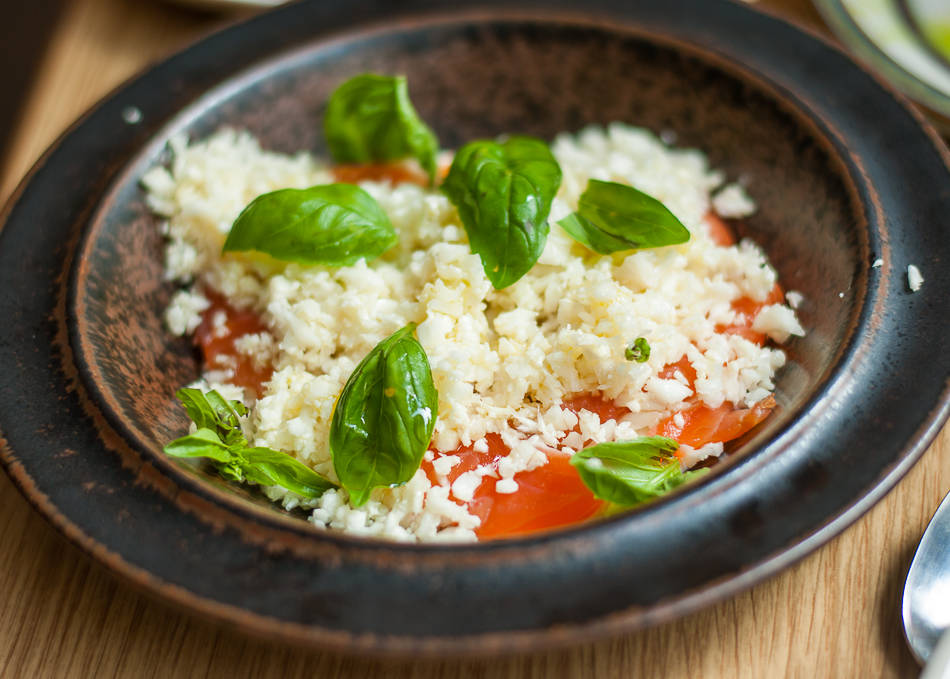
Trout with cauliflower and basil

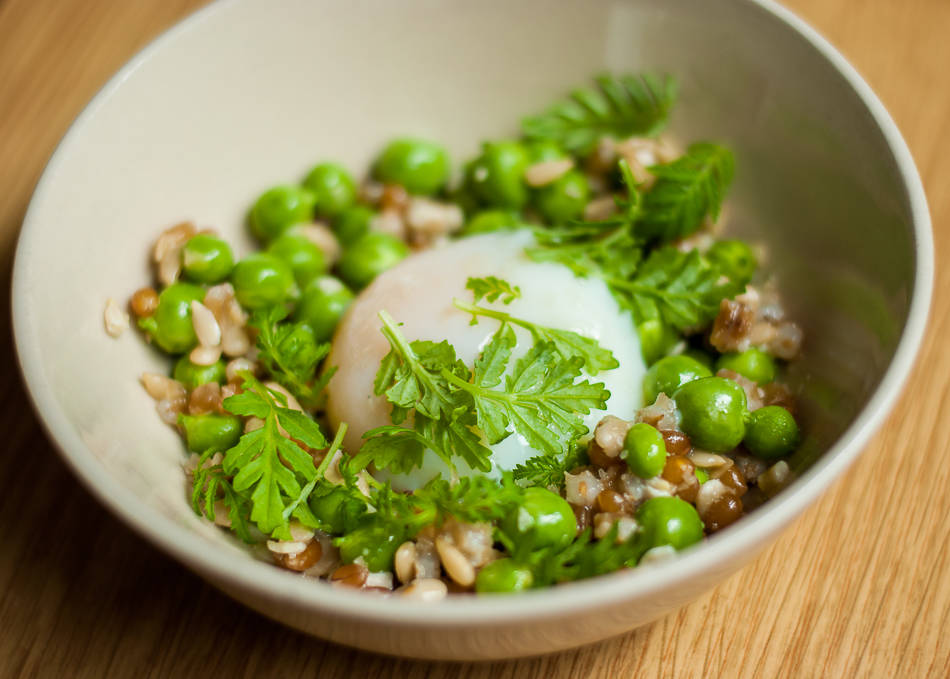
Poached egg with marigold, quinoa, sunflower seeds and peas

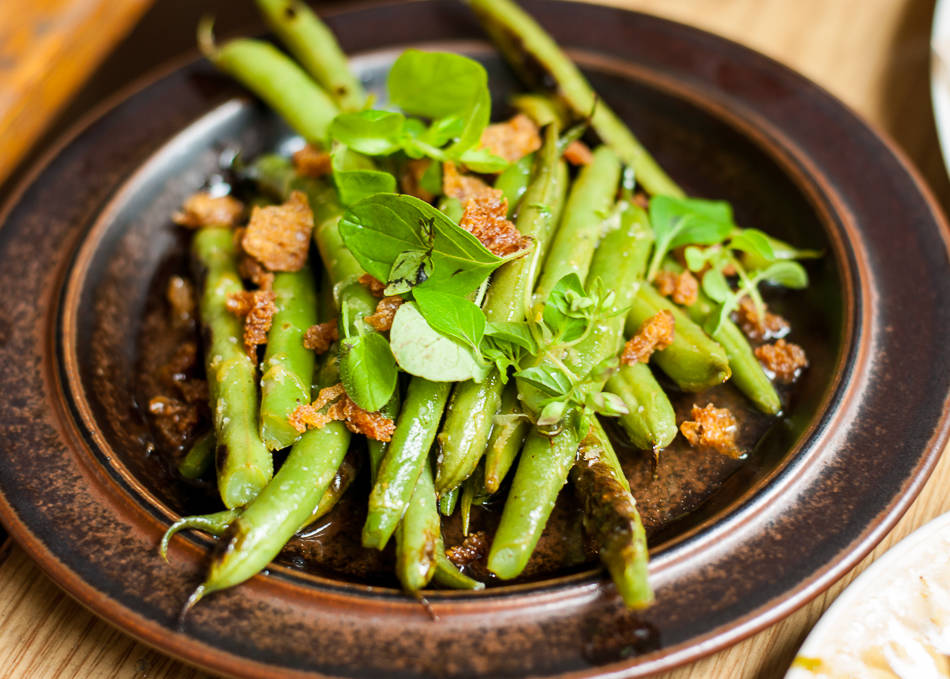
Green beans with Lam sauce and breadcrumbs

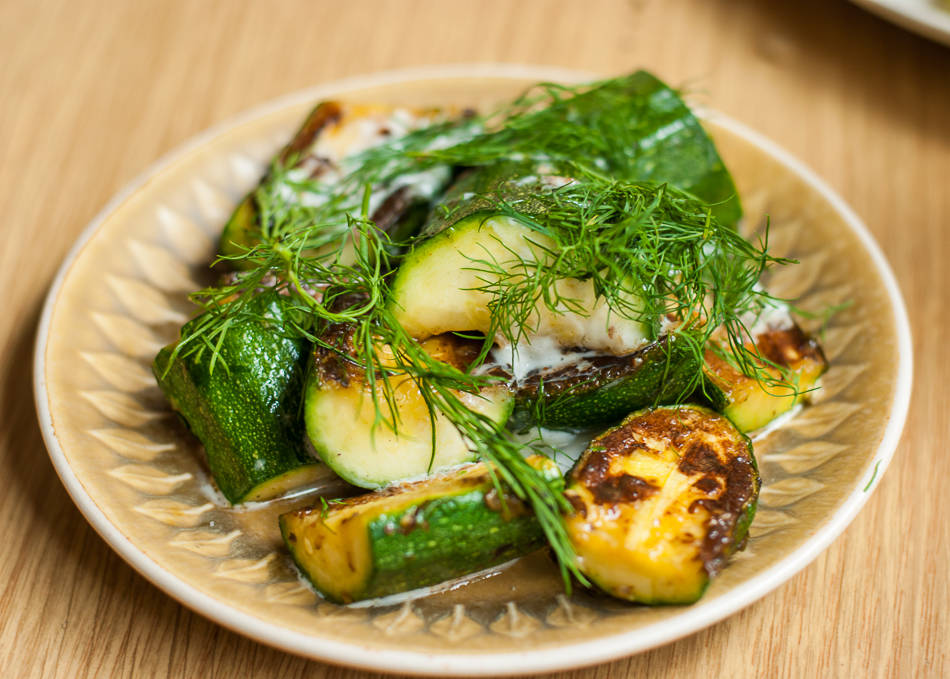
Roasted zucchinis with goat cream and dill

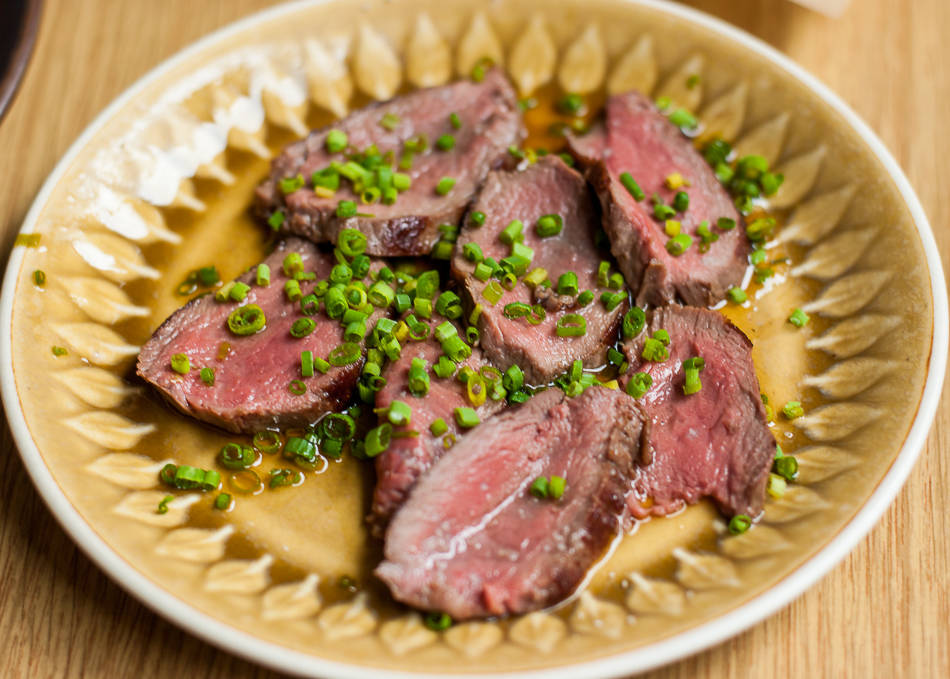
Venison with chives

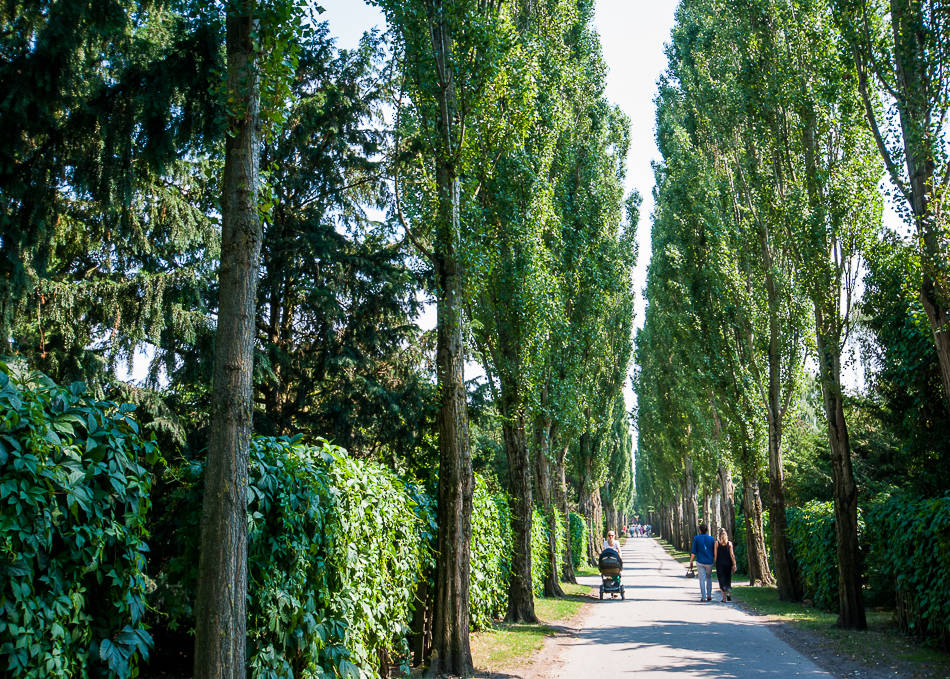
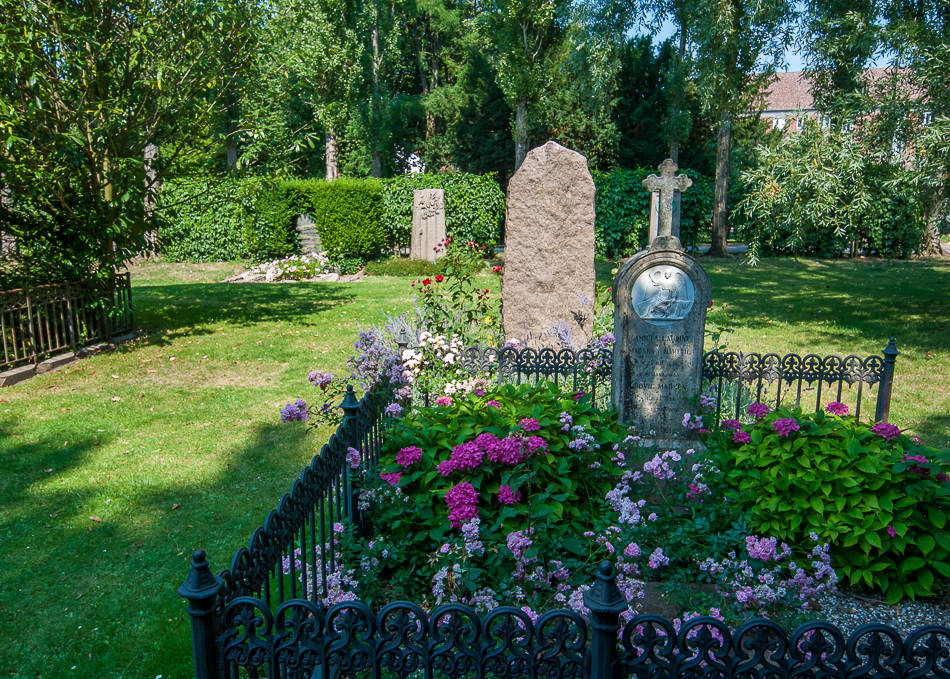
To digest all of this, nothing better than to walk to the end of the street where the Assistens Cemetery awaits with its perfectly manicured lawns and romantic paths.

You can visit the grave of famous Danes such as Hans Christian Andersen or do like the locals and relax with a book or picnic in the cemetery park.

One last bike ride through the cobbled streets of the city center ends a perfect weekend…