New York Restaurants

The Dutch, New York

February 18, 2014

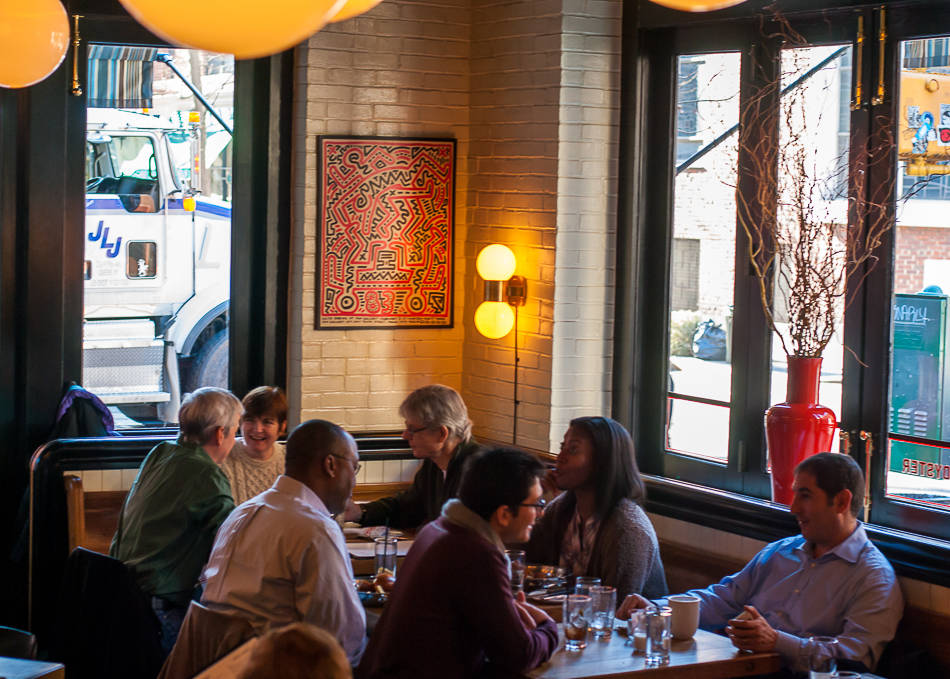
Already well established as a Soho hot spot for a few years now, The Dutch’s celebrity status had made scoring a dinner table pretty hard, hence why I waited for my office to move to Soho so I could check it out at lunchtime! It’s definitely a more relaxed restaurant at midday and though it makes for a pleasant lunch, it seems to really only get exciting when the sun comes down and the place fills up with good-looking people here to celebrate and get some drinking action going on.

The Dutch has quite a few things behind its success, like one of the most beautiful venues in town as it took over the old Cub Room space and Andrew Carmellini at its helm of Locanda Verde fame. It does a mix of American cuisine where you can get your fix of oysters and champagne if you fancy or dine out on dry-aged steak, fried chicken, pasta and seasonal vegetables.

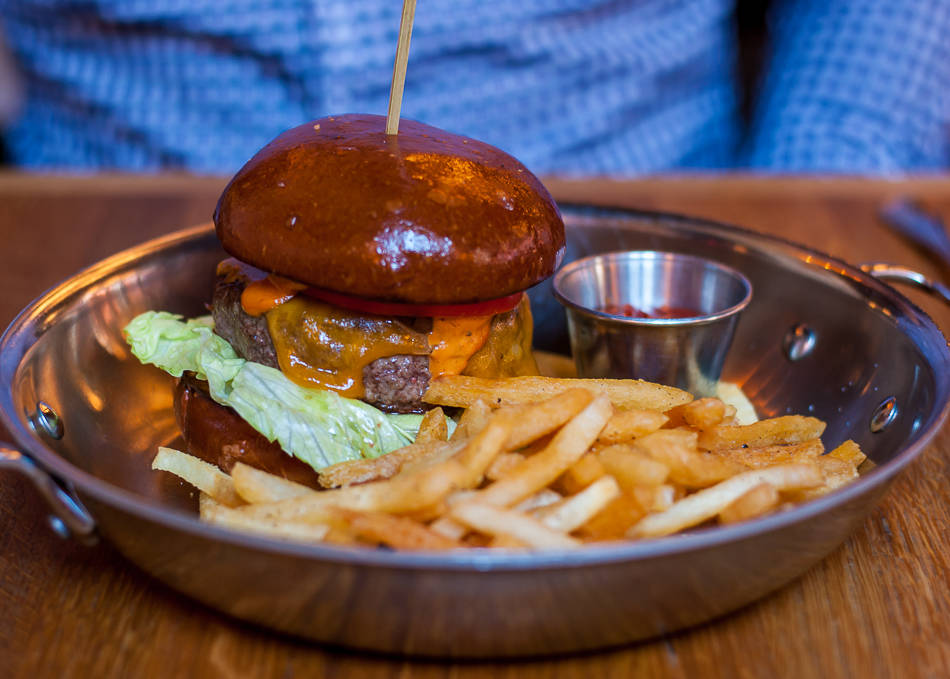
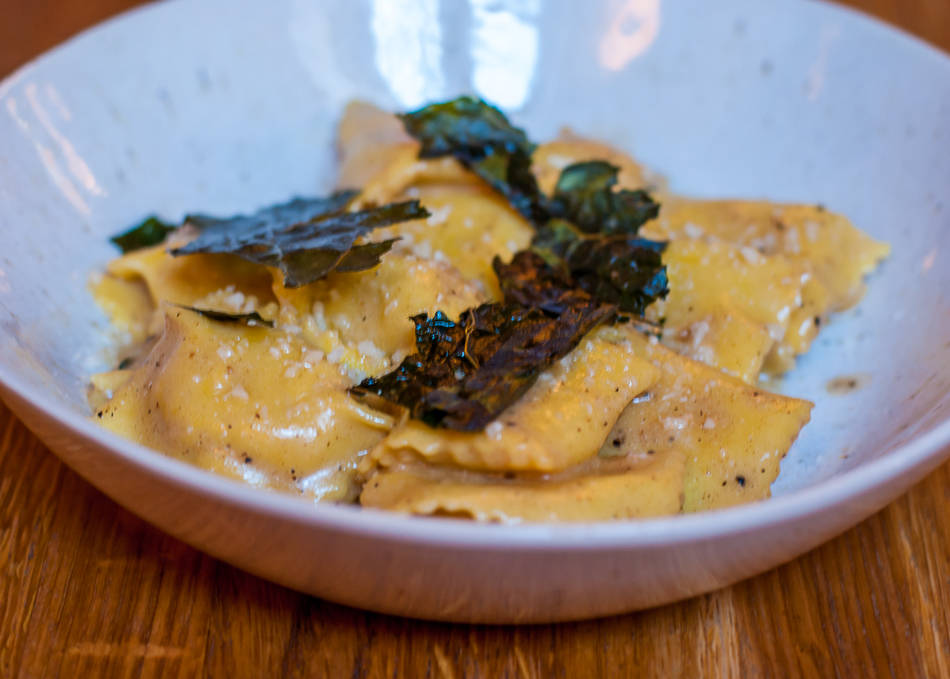
It’s not quite fine-dining, not quite a casual bistro either so it seems to want to be everything to everyone and it works for most people. While the food is OK (fried chicken is meant to be stellar and my friend relished his burger though my pasta was underwhelming), I’d say it’s worth checking out for the fun evening atmosphere and getting a few drinks and comfort food with friends in a hot venue and neighborhood.

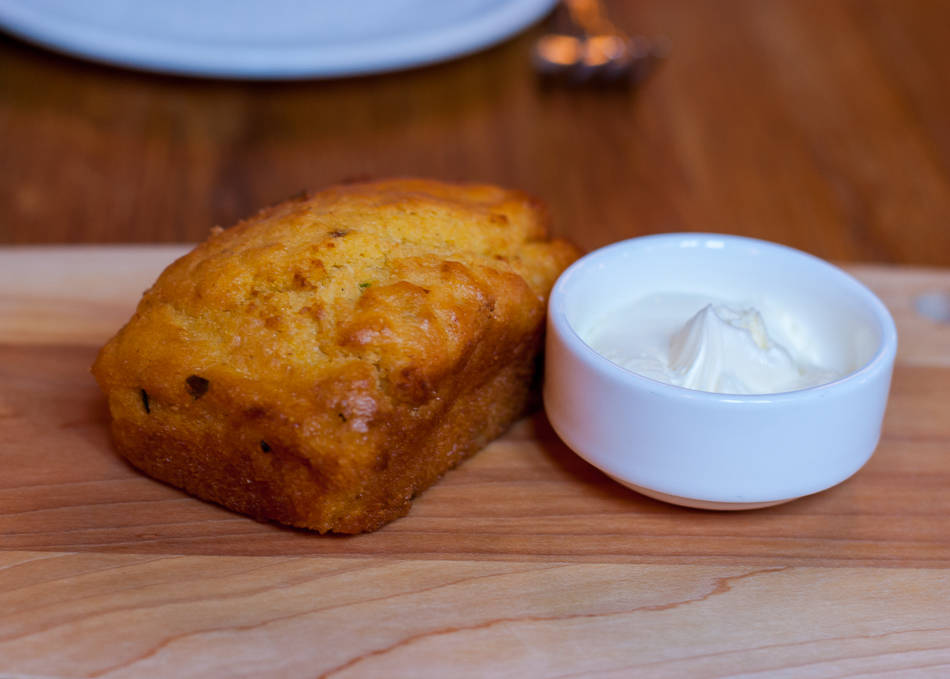
Warm complimentary Jalapeno Cornbread

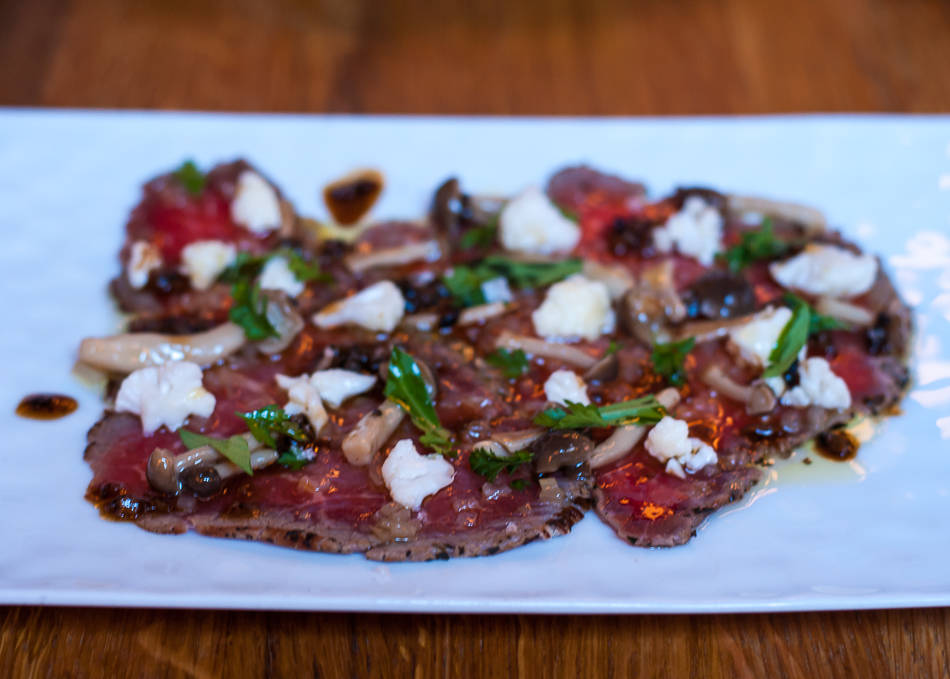
Truffled beef carpaccio, pickled cauliflower, rye

Dry-aged burger, cheddar, secret sauce, fries

Chestnut-ricotta agnolotti, brown butter, sage

The Dutch
131 Sullivan Street
New York, NY 10012
T: 212-677-6200
Map

Breakfast / Brunch Recipes

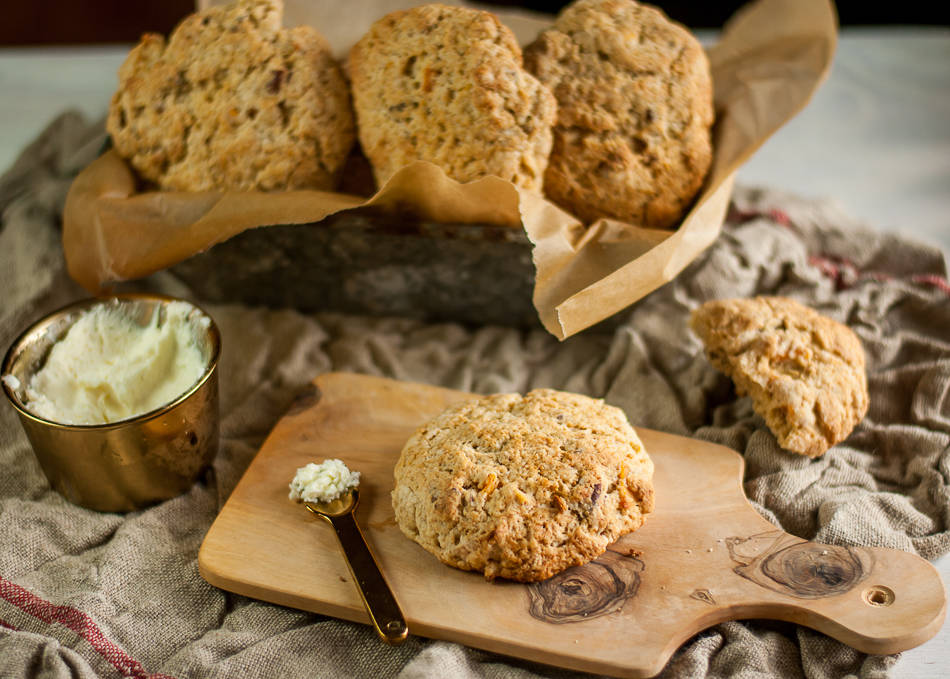
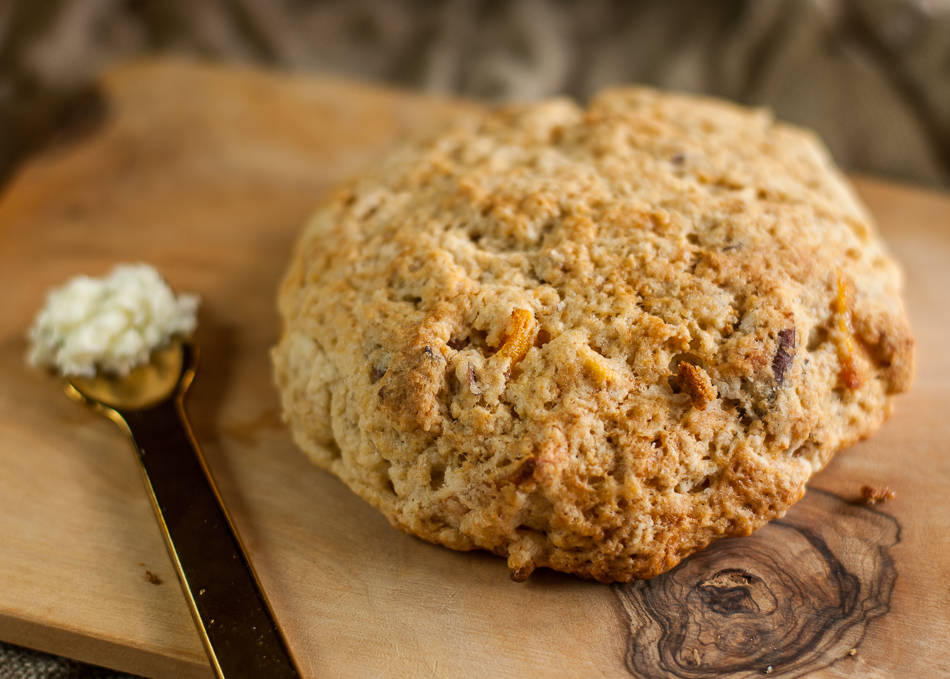
Dried Mango Scones with Pecans and Shredded Coconut

February 11, 2014

I thought long about what my first food post should be after Africa. While I very much enjoyed getting immersed in West African food, I must admit I had cravings on a daily basis, and dreamt of being back in my kitchen almost as often. It certainly taught me about what true life necessities were (NOT that fancy chocolate bar or fresh piece of sushi) and got me overwhelmed as to what I was going to make once I was home….

Seeing as I got back to frigid temperatures, comfort food was high on the list and especially baked goods which I had missed dearly. My usual breakfast consisted of a sweet pineapple or papaya so I thought these decidedly tropical scones would be a great reintroduction.

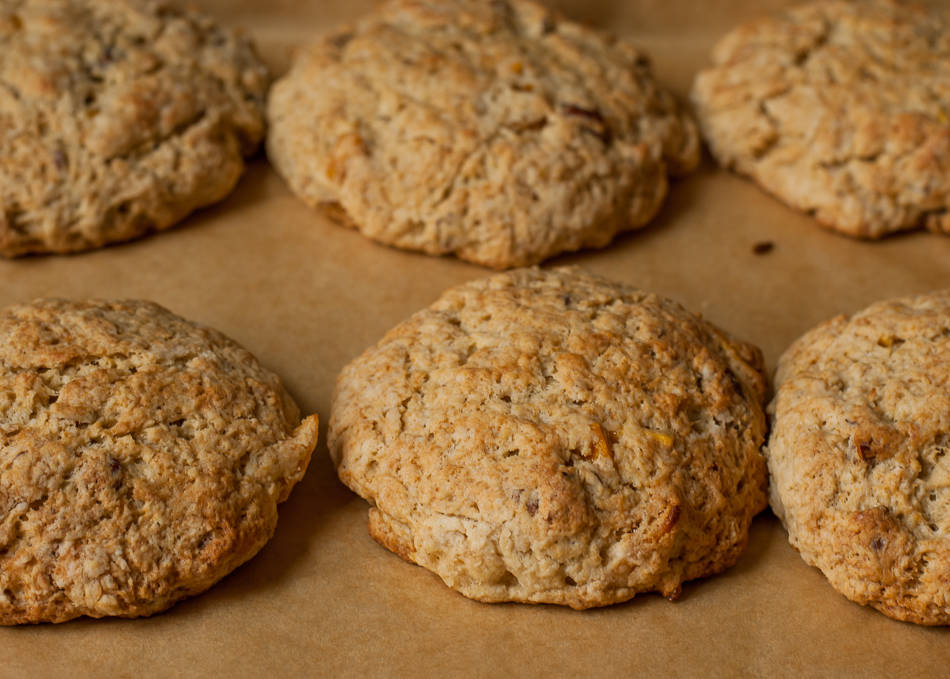
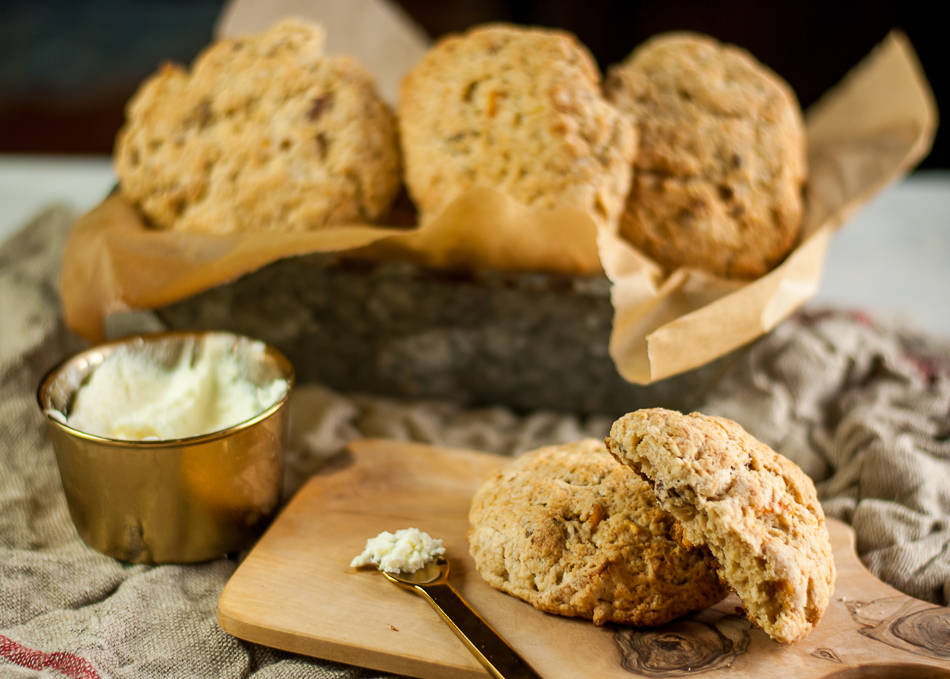
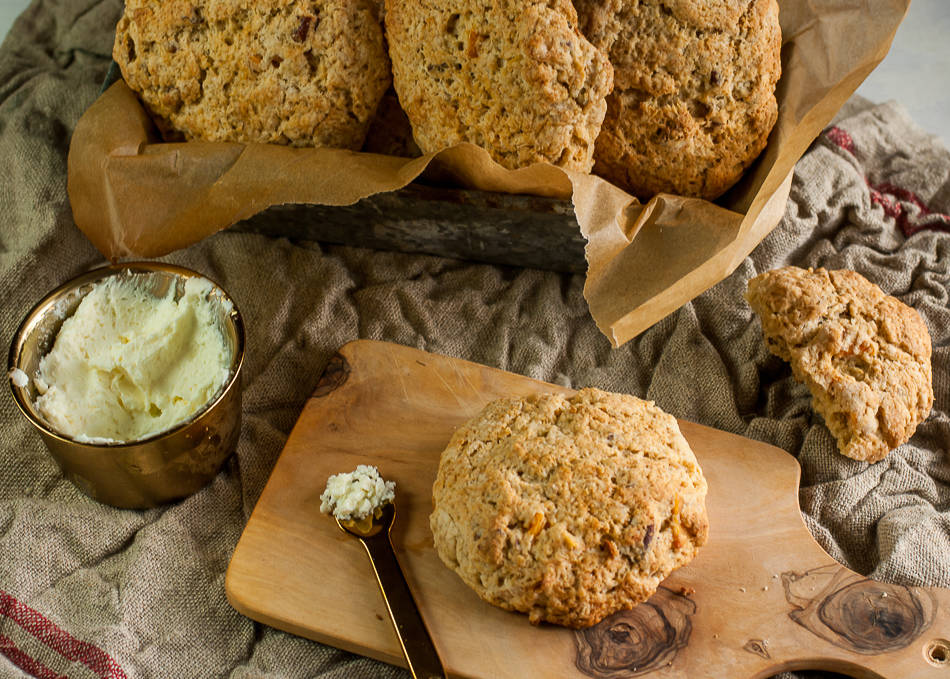
They’re full of bits of fruits and nuts and make for a great energy-packed and healthy breakfast. You could easily replace the dried mango with dried apricots, pineapple, or papaya as they’ll all marry wonderfully with the coconut and bring you back to a much warmer place than it is right now! Besides the flavor profile, these came out perfectly fluffy with a nice, crisp exterior and moist interior, feeling surprisingly light for such a rich combination. They also must have seemed that much more heavenly to my wide-eyed, deprived appetite…

Divider

Dried Mango Scones with Pecans and Shredded Coconut

Recipe from Once Upon a Tart
Active time: 20 minutes
Total time: 45 minutes
Makes 8 scones

2 1/2 cups unbleached all-purpose flour
2 tbsp baking powder
1/2 tsp salt
1/2 cup packed light brown sugar
10 tbsp (1 stick plus 2 tbsp) cold unsalted butter, cut into 1/4-inch cubes
2 large eggs
1/4 cup cold milk
1 tsp vanilla extract
1/2 cup pecans, coarsely chopped
1/2 cup dried mango, chopped
1/4 cup shredded unsweetened coconut
Divider

Position your oven racks so that one is in the center, and preheat the oven to 400 degrees F.  Line a baking sheet with parchment paper.

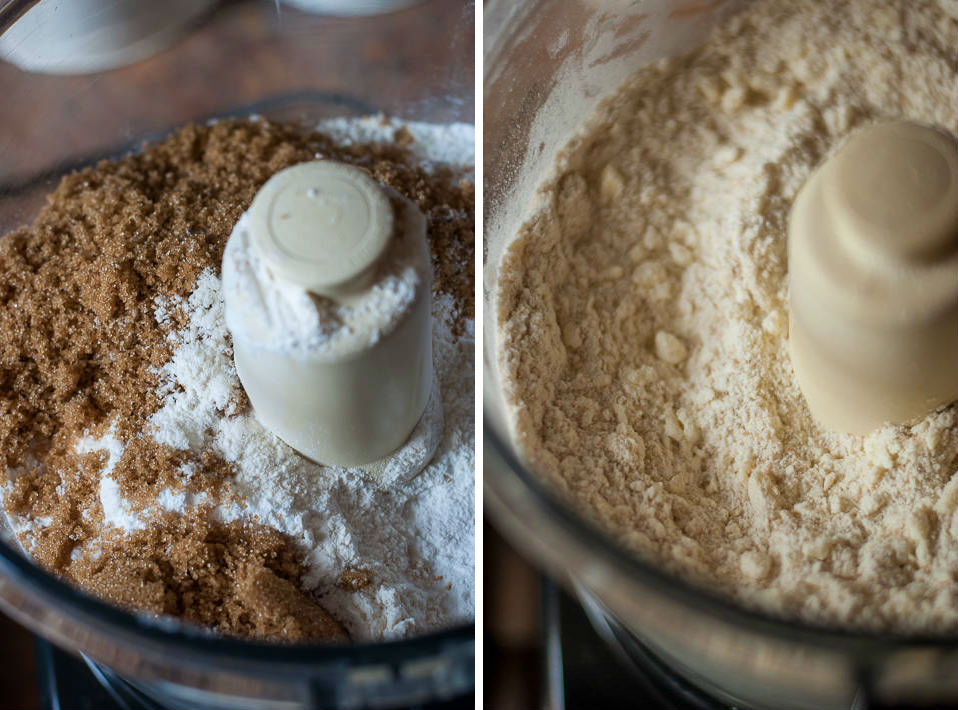
Dump the dry ingredients into the bowl of a food processor fitted with a metal blade, and pulse to mix.
Add the butter to the bowl all at once, and run the food processor for about 15 seconds.  Switch to pulse, and continue pulsing until there are no chunks of butter left and the mixture looks like moist crumbs.  Remove the blade from the food processor, and dump the crumbs into a big bowl.
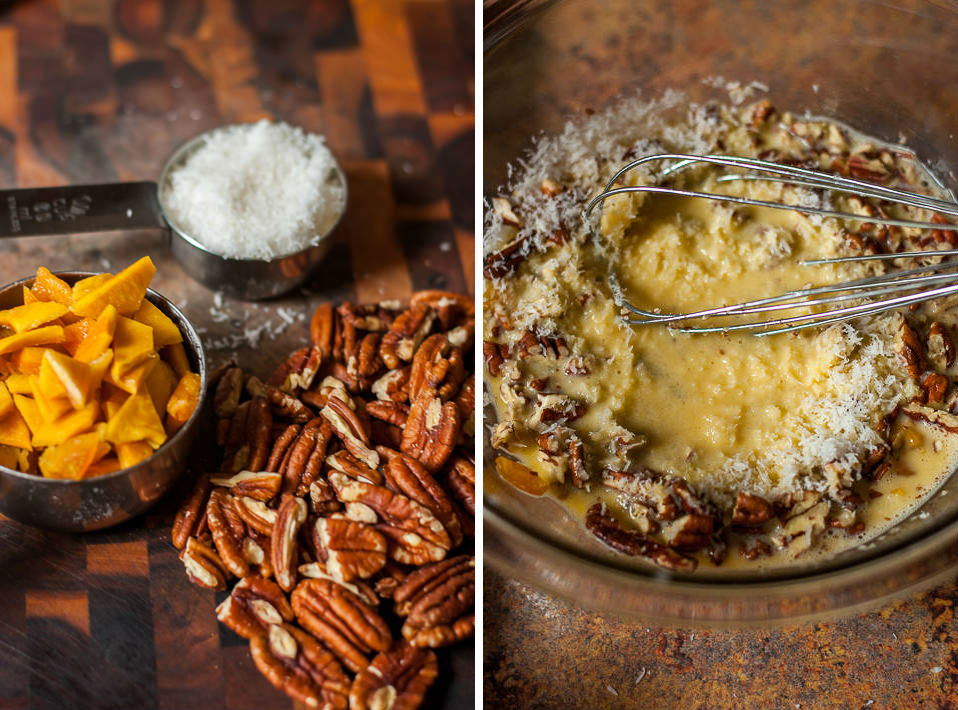
In a separate, medium-size bowl, whisk the eggs to break up the yolks.  Whisk in the milk and vanilla.  Use the whisk to stir in the nuts, apricots, and coconut.
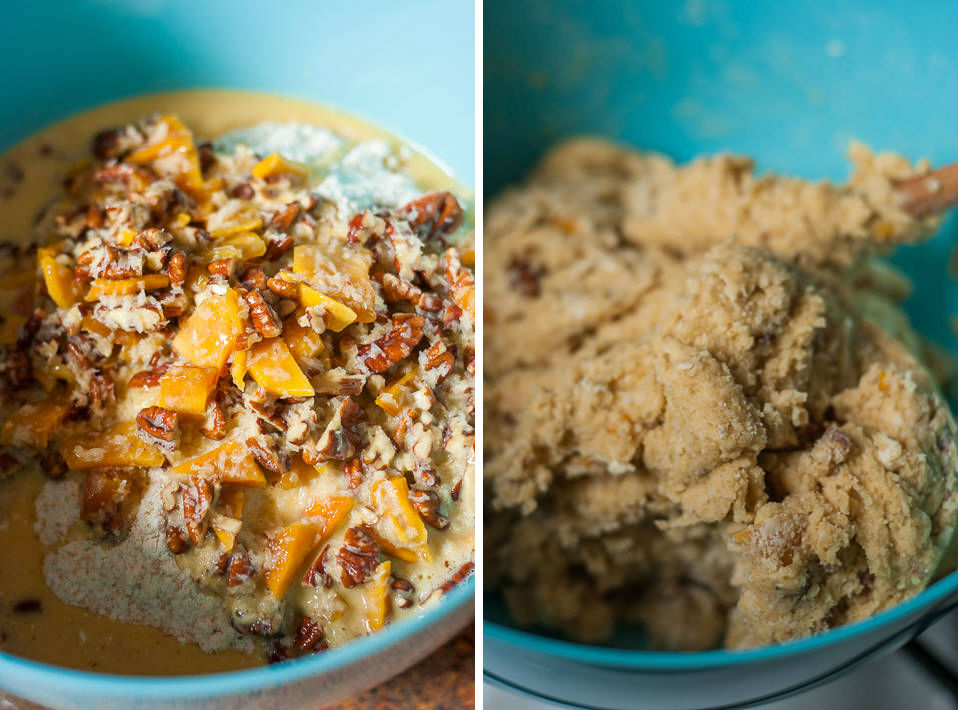
Pour the wet ingredients on top of the flour-butter crumbs, and stir them with a wooden spoon until they come together and there is no flour visible.  Don’t work the dough a moment longer than necessary.
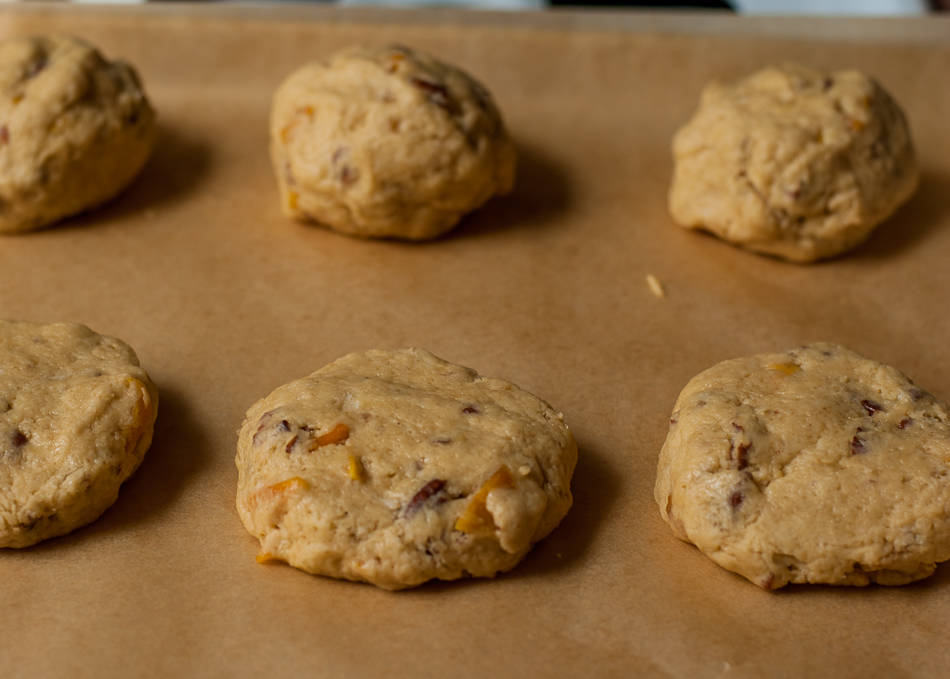
Use a 1/2-cup measuring cup or your hand (eyeballing for size) to scoop up the dough.  Roll each piece of dough into a ball and place it on your prepared baking sheet, leaving 2 inches between pieces. Press down on each dough ball with the heel of your hand so that you have a fat disk (1-1 1/2 inches thick), like a hockey puck.
Place the baking sheet on the center rack in the oven, and bake the scones for 20-25 minutes, until the tops are golden brown and a toothpick or small knife inserted into the center of one comes out clean.
Remove the baking sheet from the oven, and place it on a wire rack to let scones cool for a few minutes. Lift the baking sheet off the rack, and use a metal spatula to transfer the scones from the baking sheet to the rack, or directly to whatever you’re serving the scones from.  Serve fresh from the oven or at room temperature.
[print_link]
Africa Ghana Travels

Goodbye Ghana

February 1, 2014

My last post on my West African adventure is a personal ode to the little everyday things that filled my days in Ghana, particularly in my home base of Accra. While seeming rather common to the local eyes, now that I’m back home in New York they’re conspicuous by their absence and became the true souvenirs I keep going back to.

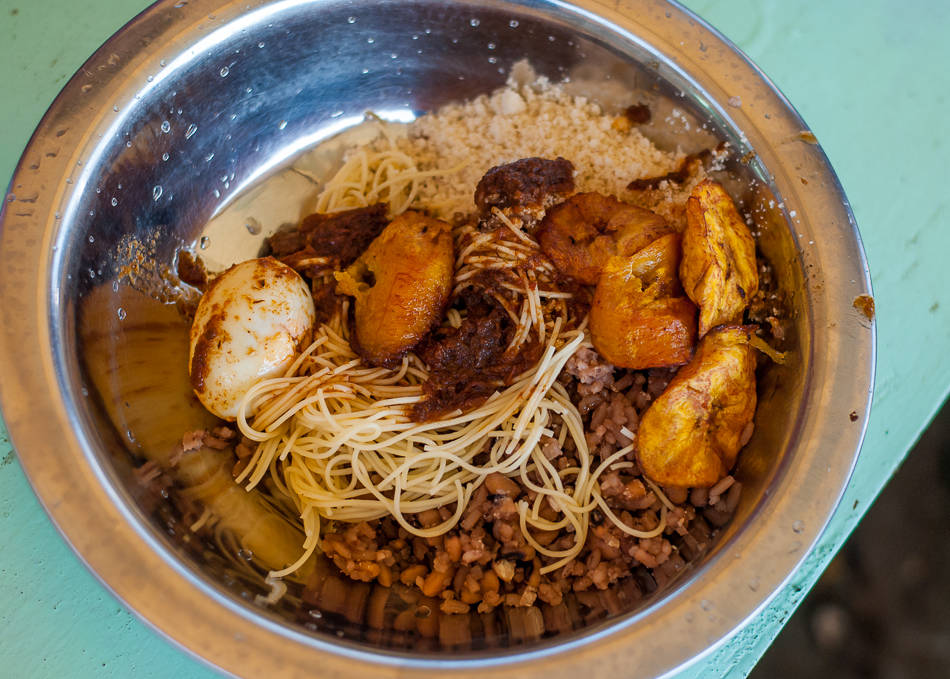
The street food of course, eaten outside at a chop bar, always looking so bizarre, always tasting so good. A special mention to the Waakye (pronounced waachay) served at Aunti Muni’s in Labone, Accra.

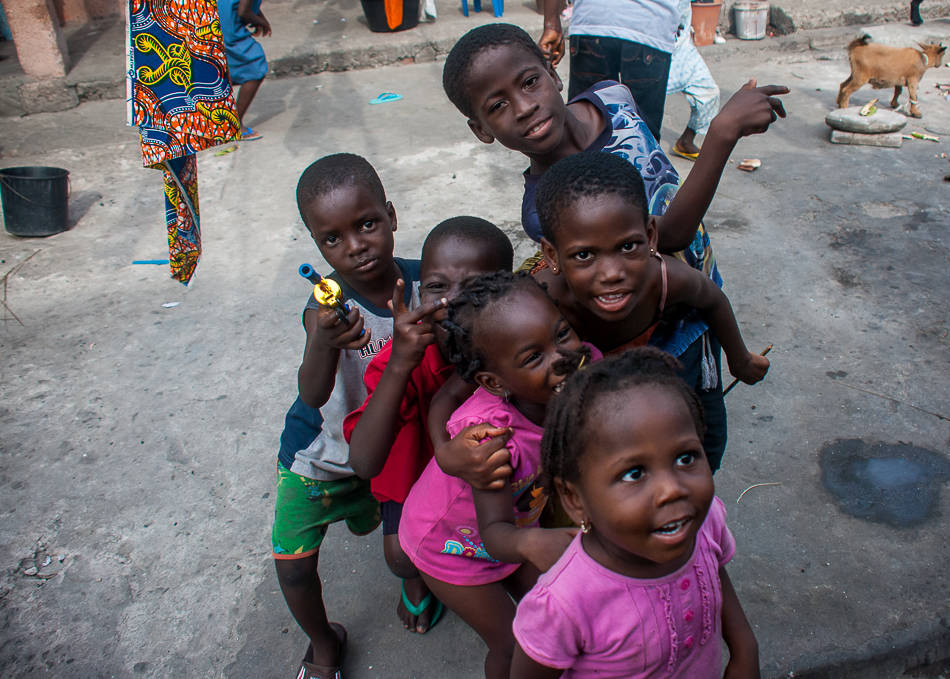
The children everywhere, auditioning in front of my camera,  with such vitality and potential.

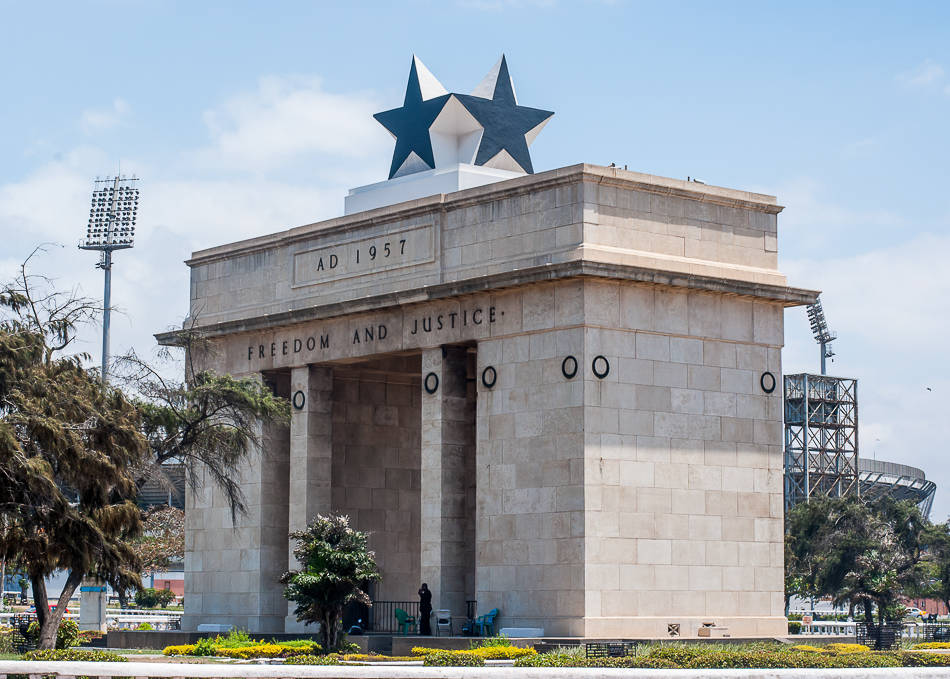
The long yet very short history of a country only recently made independent.

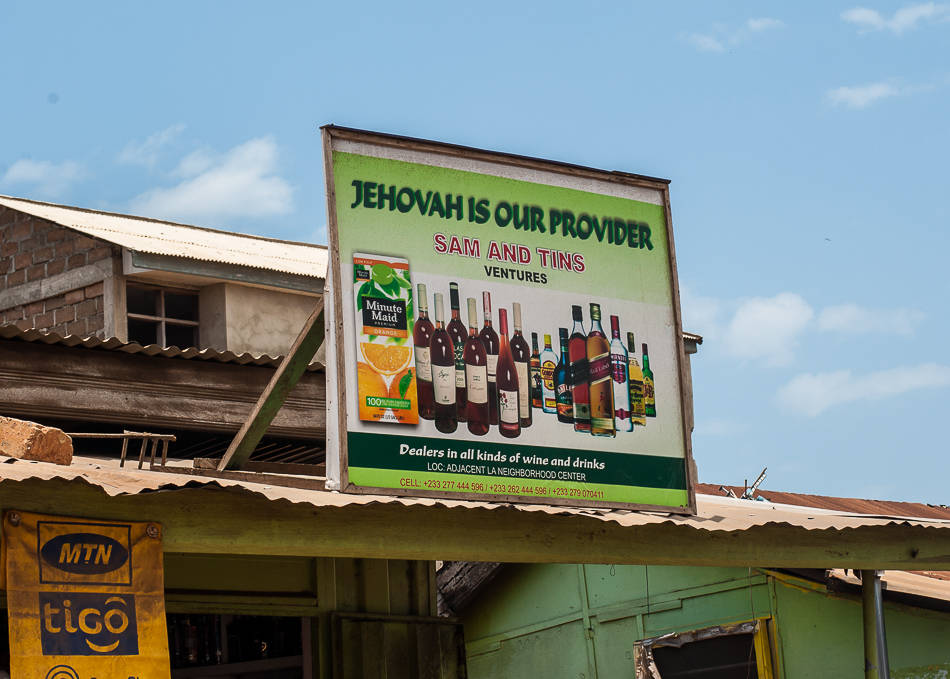
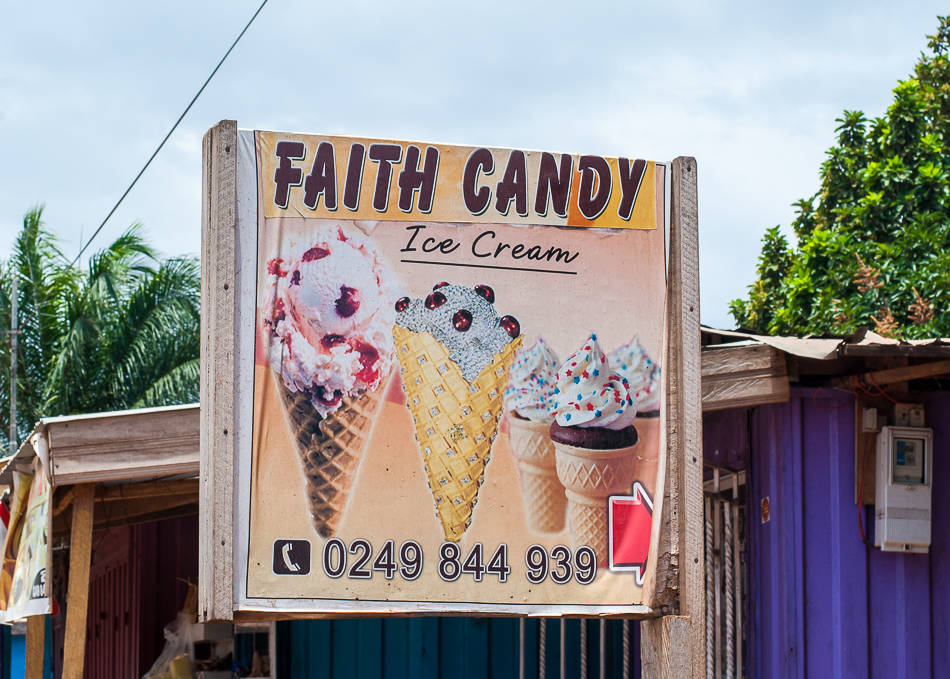
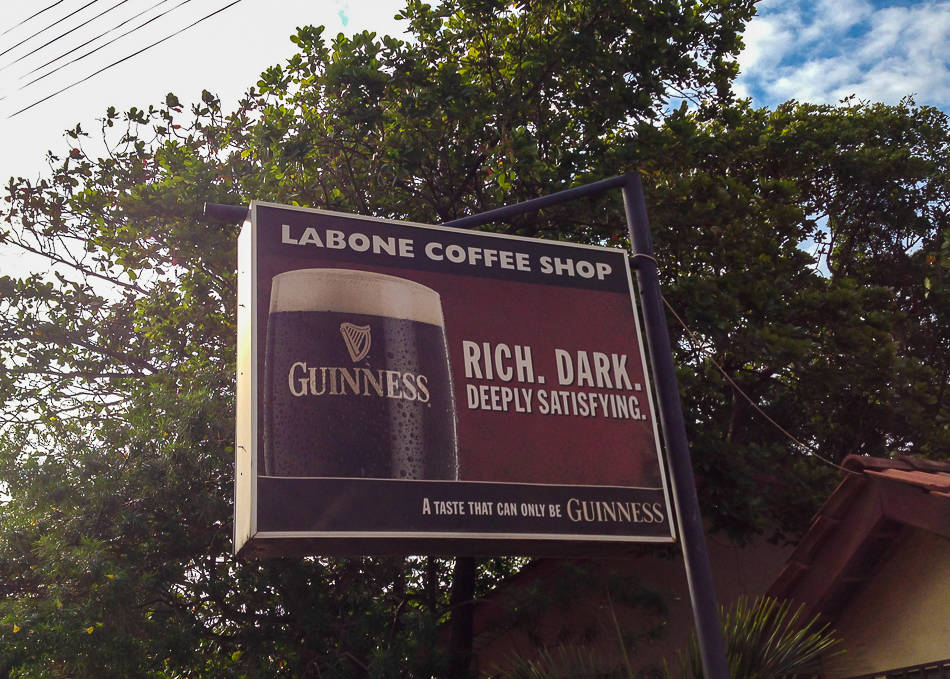
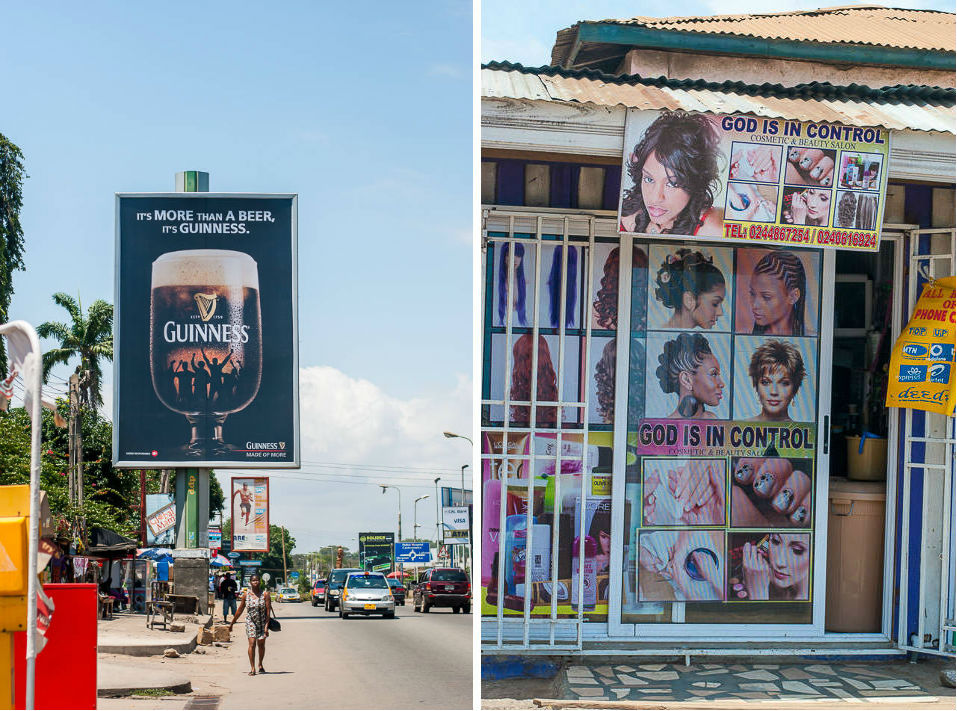
The omnipresent billboards and shop signs, most often religious, always amusing.

The wide availability of Guinness, not always cold but always satisfying.

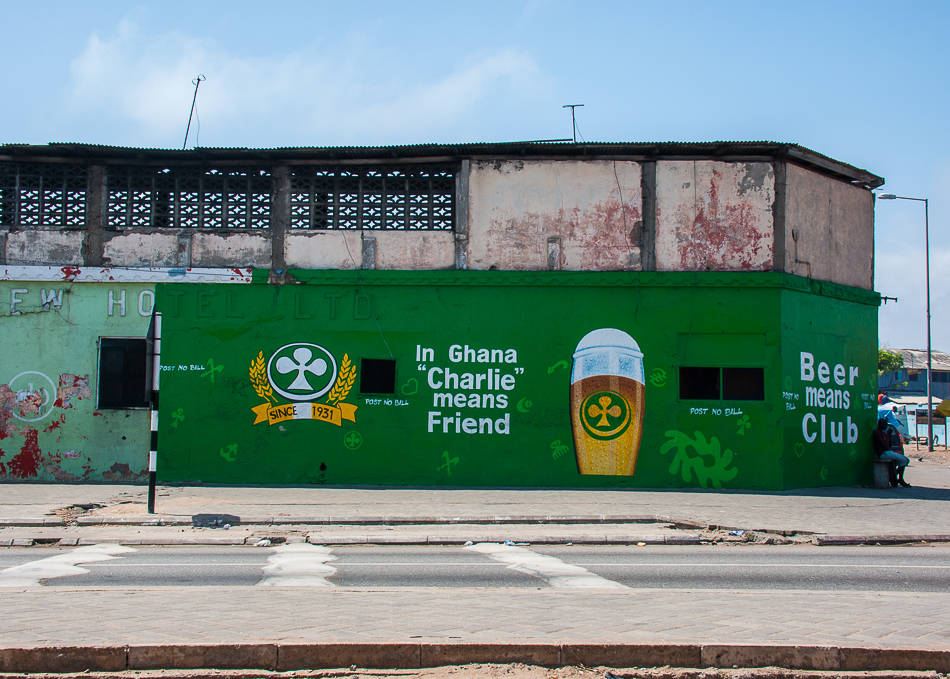
The even wider availability of Club, the local beer and preferred companion to many nights and dinners.

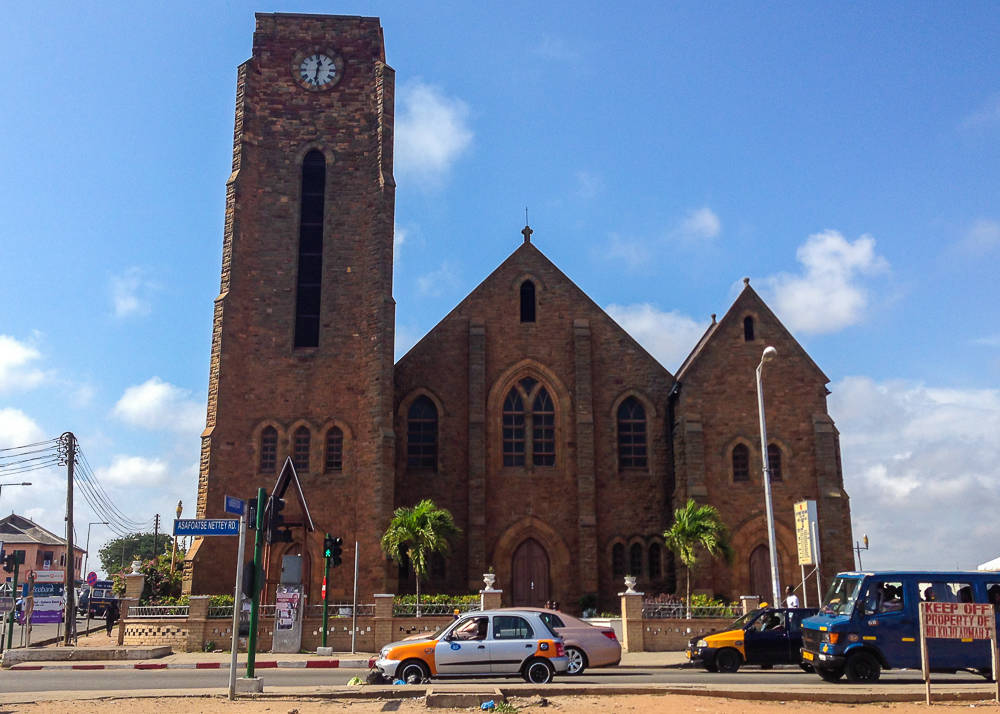
The fundamental place of religion in everyone’s life, with the grandest churches juxtaposing the poorest neighborhoods.

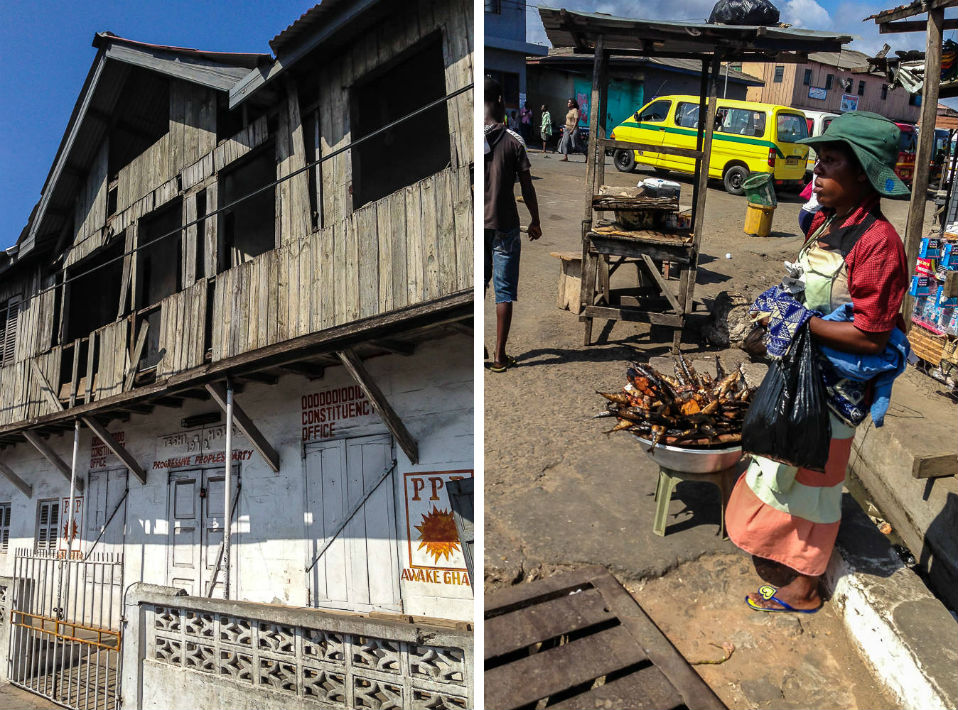
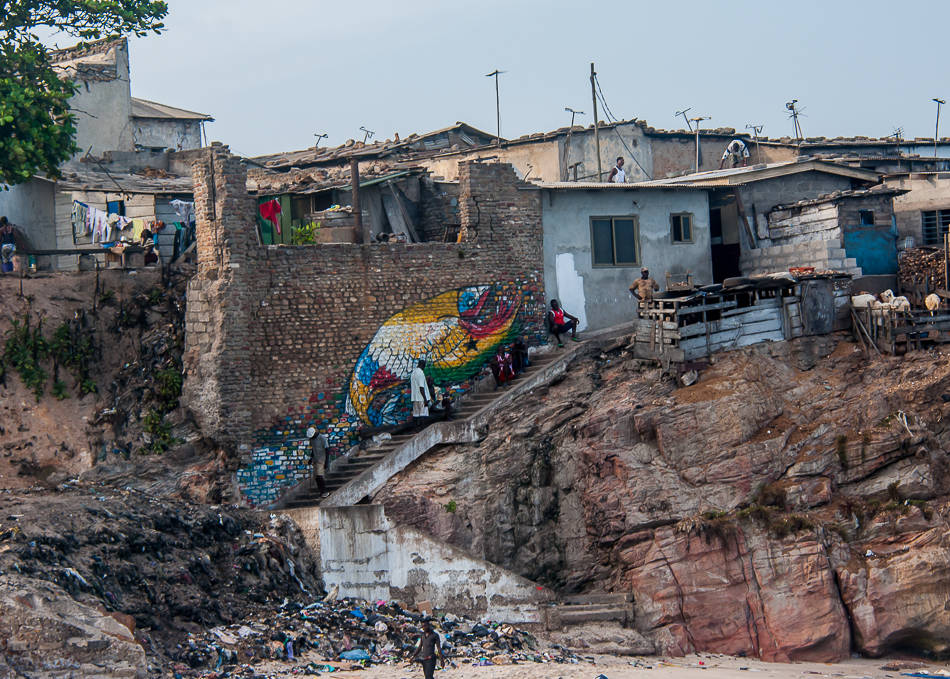
Jamestown, the oldest and poorest area of Accra, where colonial buildings mix with shacks and make for the liveliest of villages.

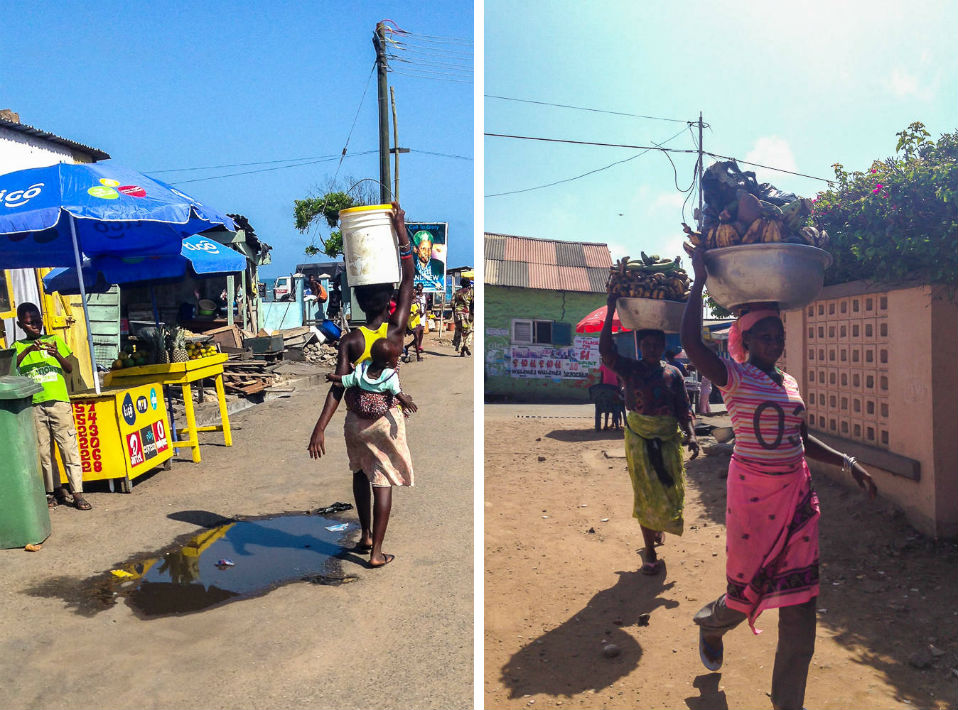
Women carrying just about anything on their head.

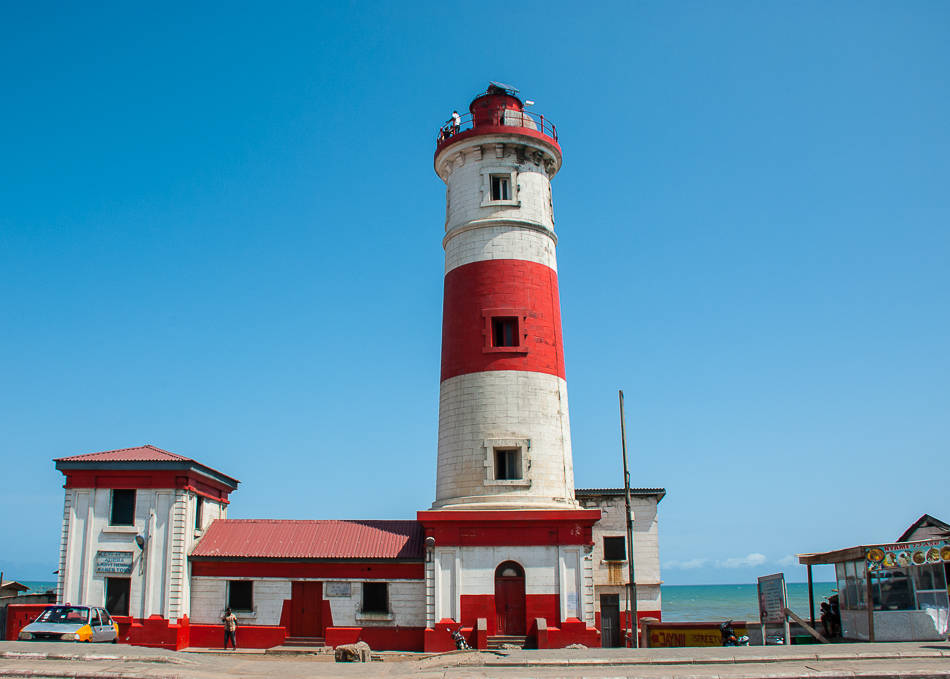
Beautiful landmarks from the colonial era such as the lighthouse in Jamestown.

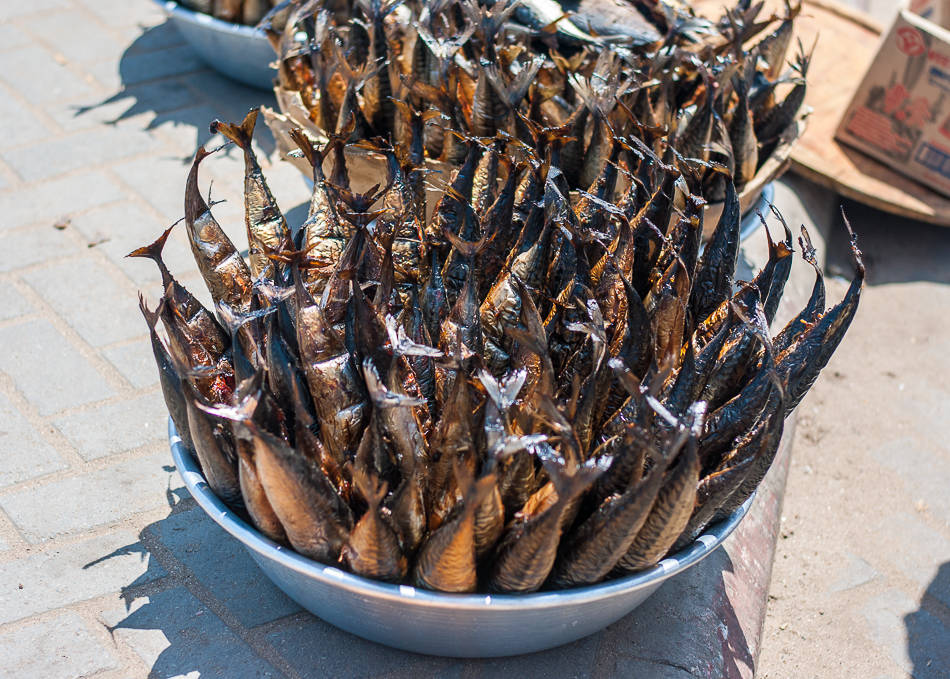
The abundance of fish, sometimes grilled, more often smoked for preservation.

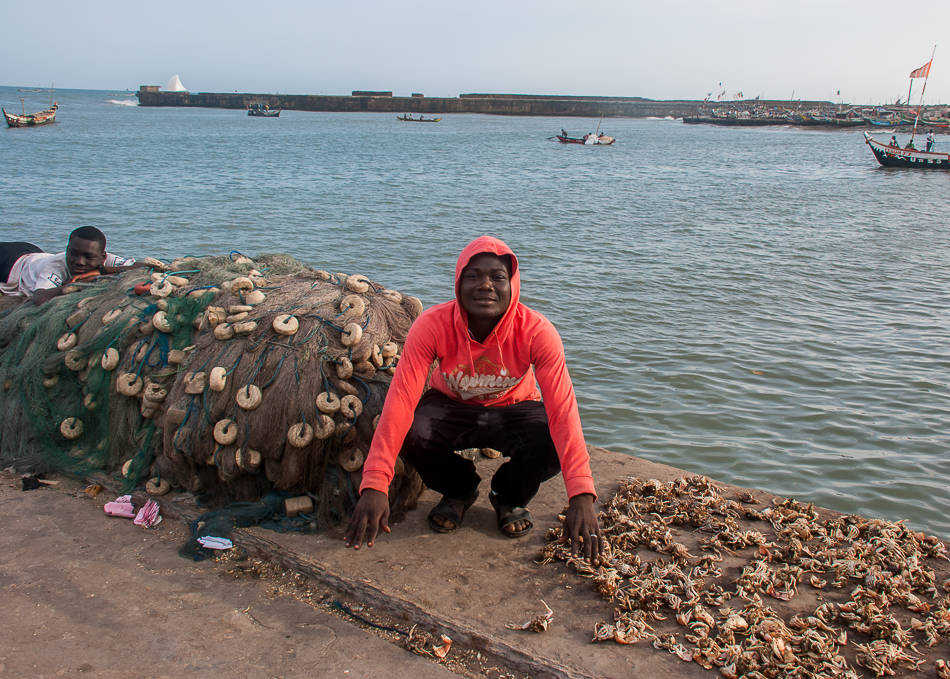
The proximity of the port and all its activity, reminding us of Ghana’s old name of Gold Coast.

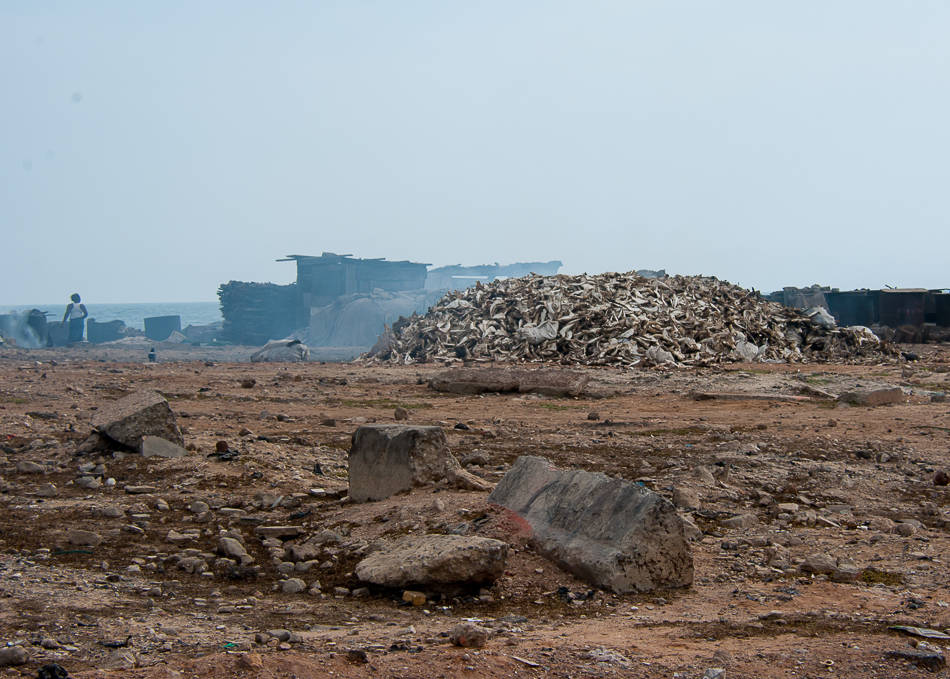
The startling sight of a beachfront slaughterhouse, huge piles of carcasses laying around and a constant reminder of the scarcity of space and proper facilities…

The Ghanaian colors proudly displayed everywhere in the most creative ways, here adorning an old wall by the fishing port.

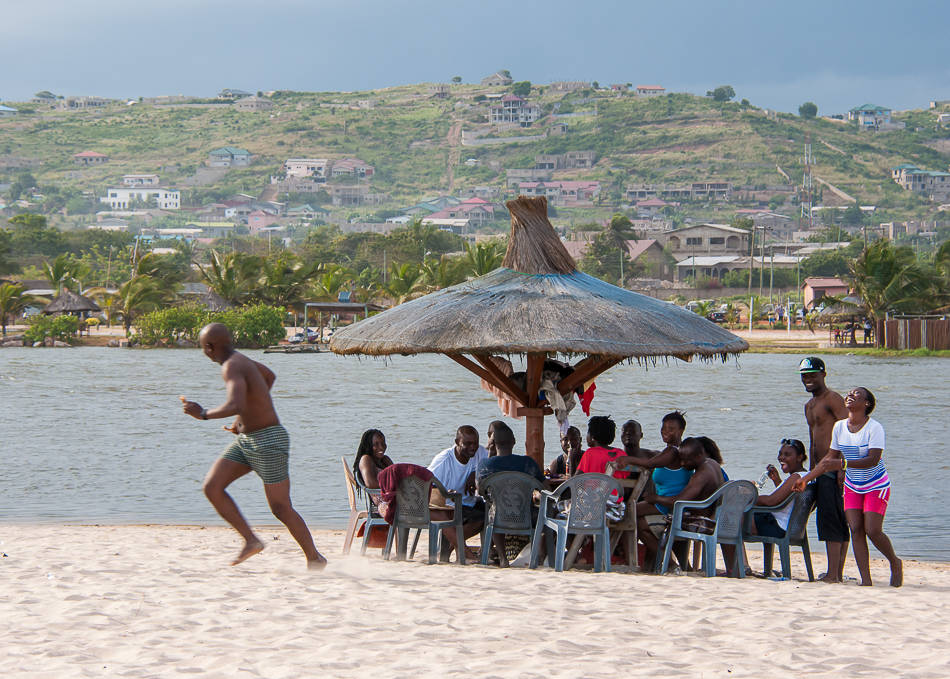
How in just a few minutes drive from the city you’ll get to a nice white beach filled with locals enjoying their weekend break.

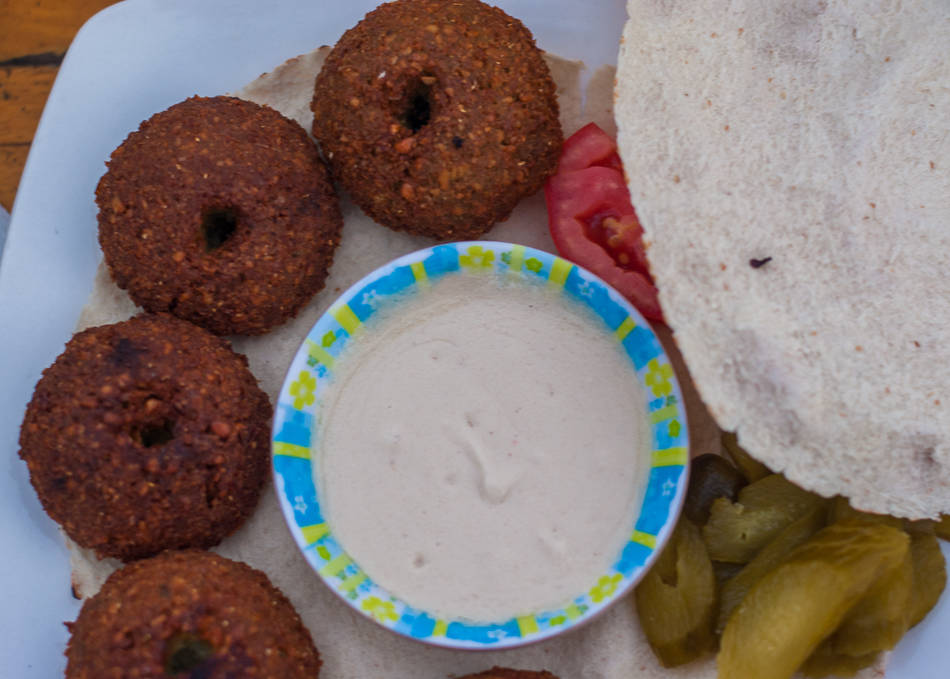
The strong Lebanese foothold in the country which meant delicious falafel whenever I was tired of fufu…

…and quite a few hookah bars which have seen many volunteers relax to the aromatic fumes of a local shisha.

This was my Ghana…

Africa Benin Travels

Ganvié – The ‘Venice of Africa’

January 21, 2014

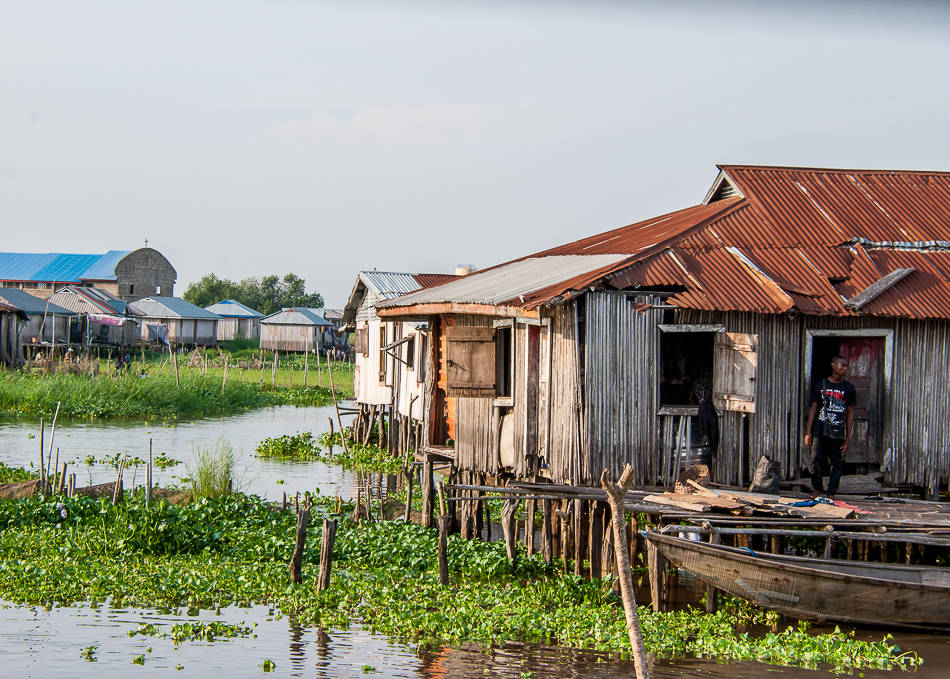
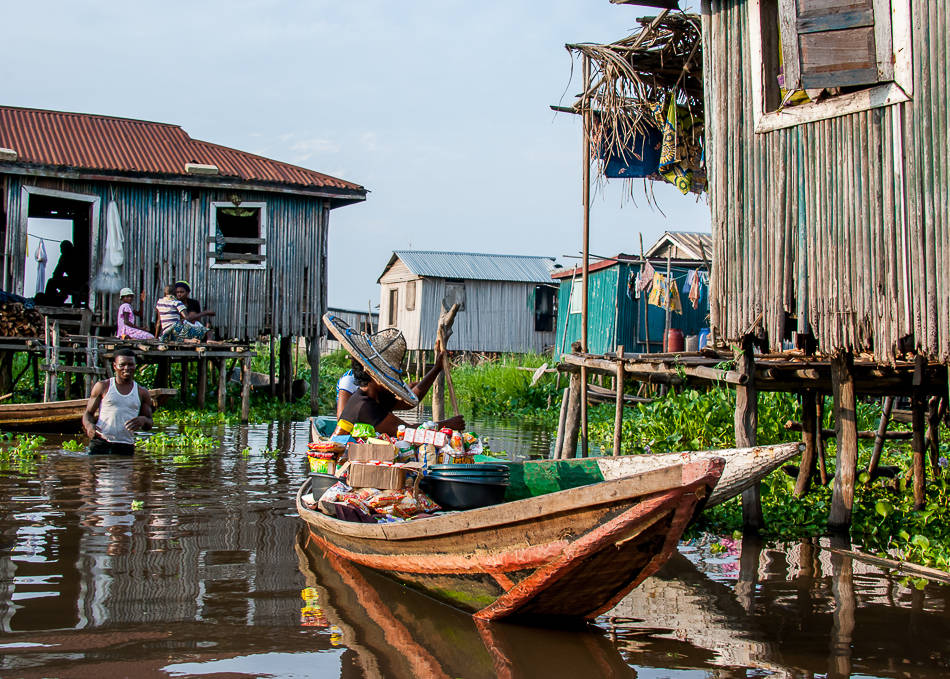
After days of driving south through the entire country of Benin, I couldn’t have pictured a more stunning and magical place to end my journey than Benin’s famous stilt village – Ganvié.  Often referred to as the ‘Venice of Africa’, I can attest that it is equally mystical…though world away from the romantic Italian city.

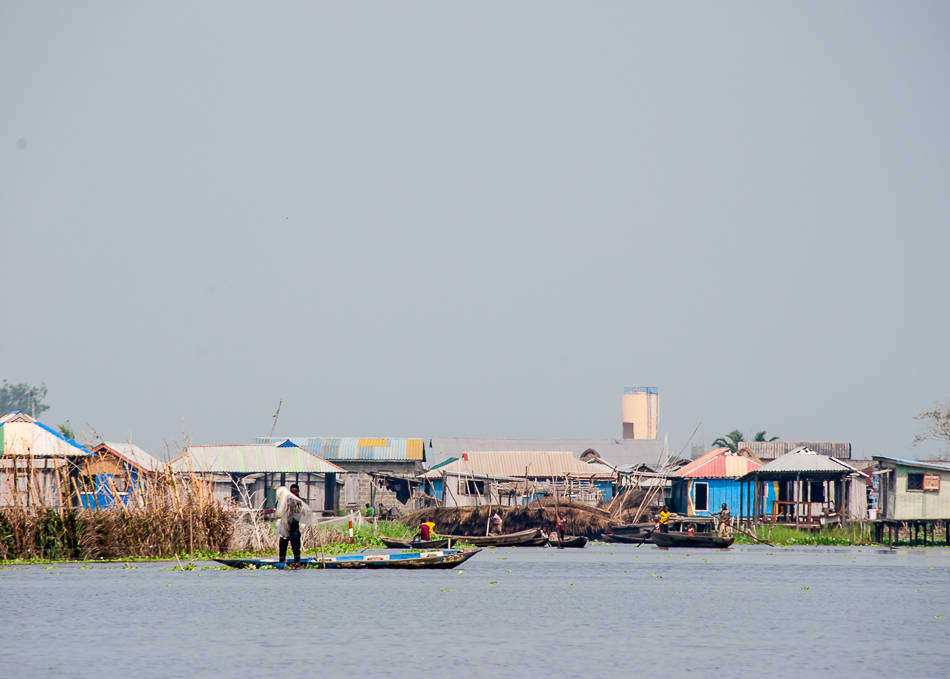
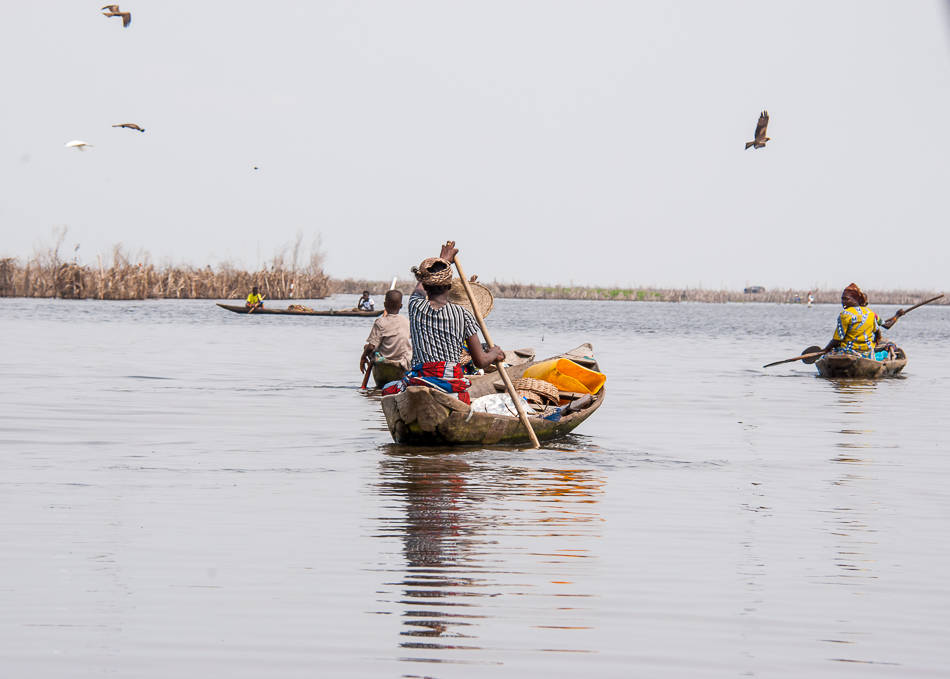
Ganvié stands in the middle of Lake Nokoue in Southern Benin, several miles from the nearest shoreline, and the only way to access it is by boat obviously, either in a local pirogue or if you’re lucky a motorboat which should take you there in about half an hour.

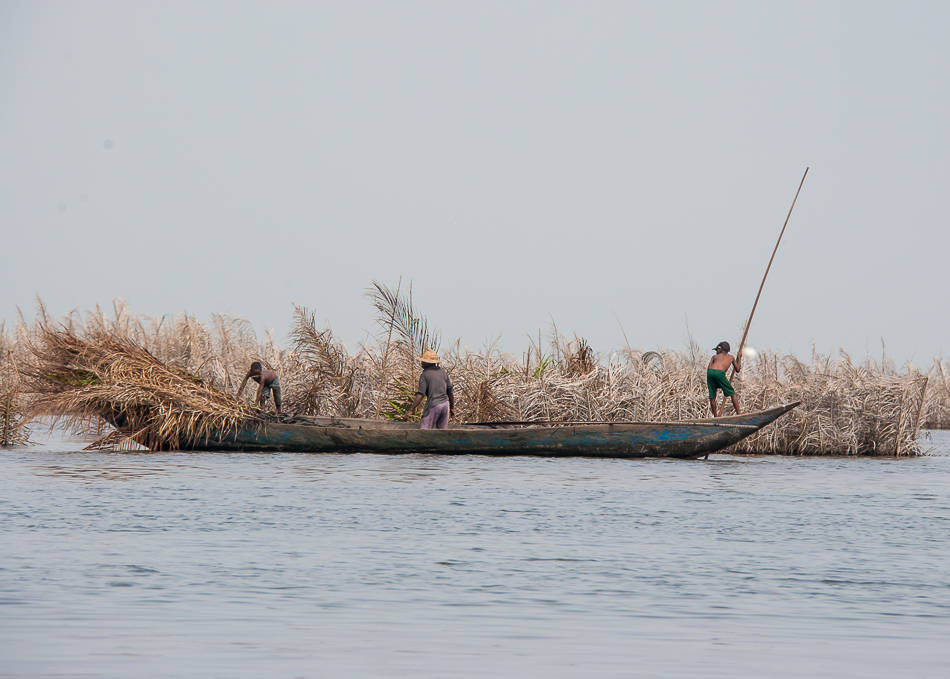
On the way you’ll see tons of fish traps since fishing is the main source of living for the village 30,000-odd inhabitants. Quite clever, this system consists of an ensemble of branches anchored at the bottom of the lake which serves as a refuge for the fish (mainly tilapia) which feeds on the plankton developing on the decaying leaves. They get quite comfortable in there and will eventually get picked up by the village fishermen.

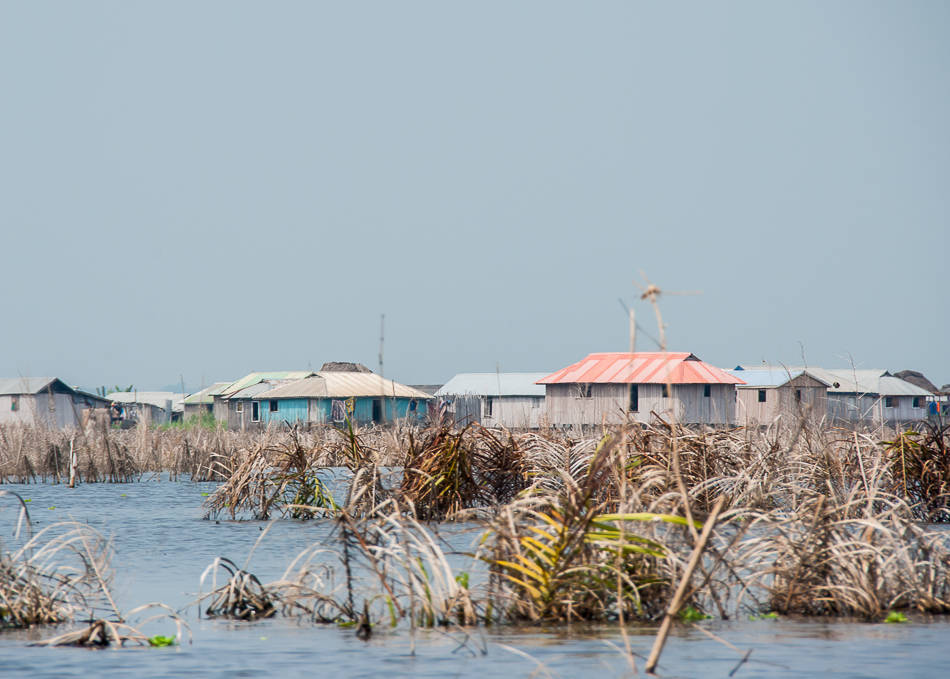
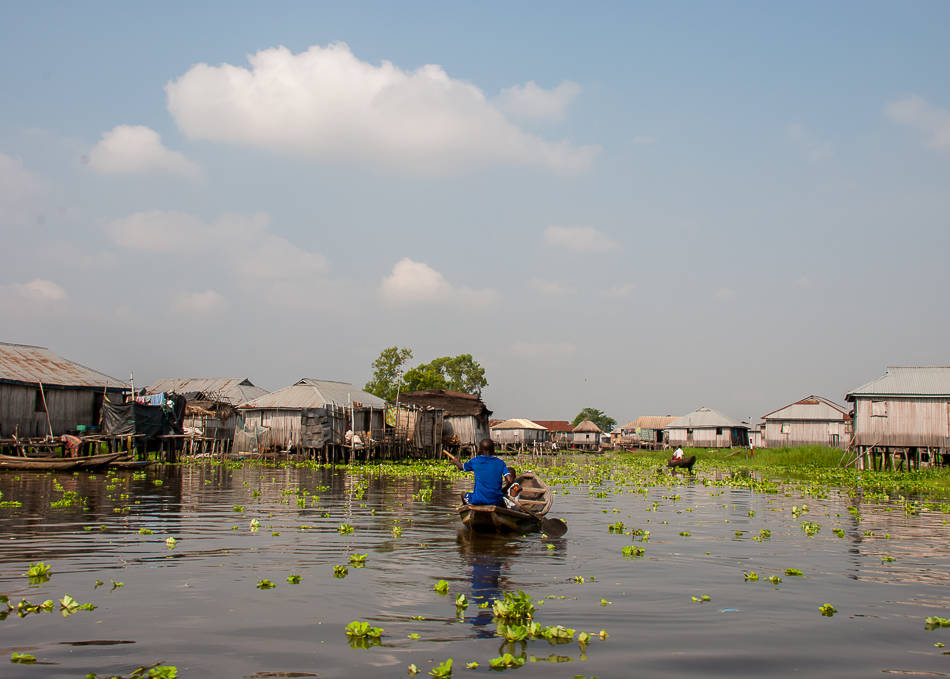
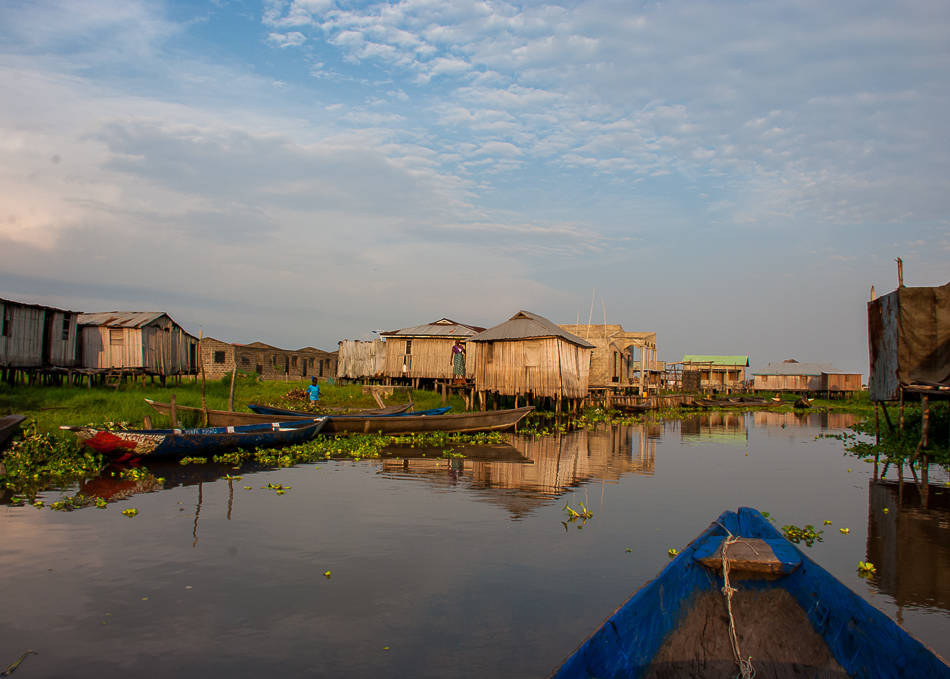
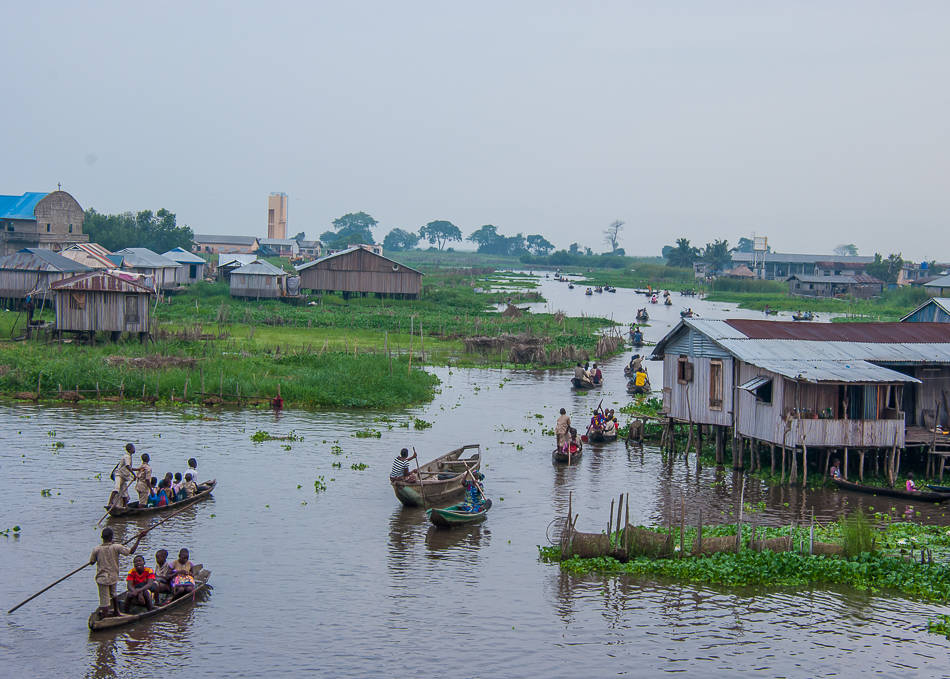
As you slowly approach the village whatever images you had in mind simply can’t do it justice.

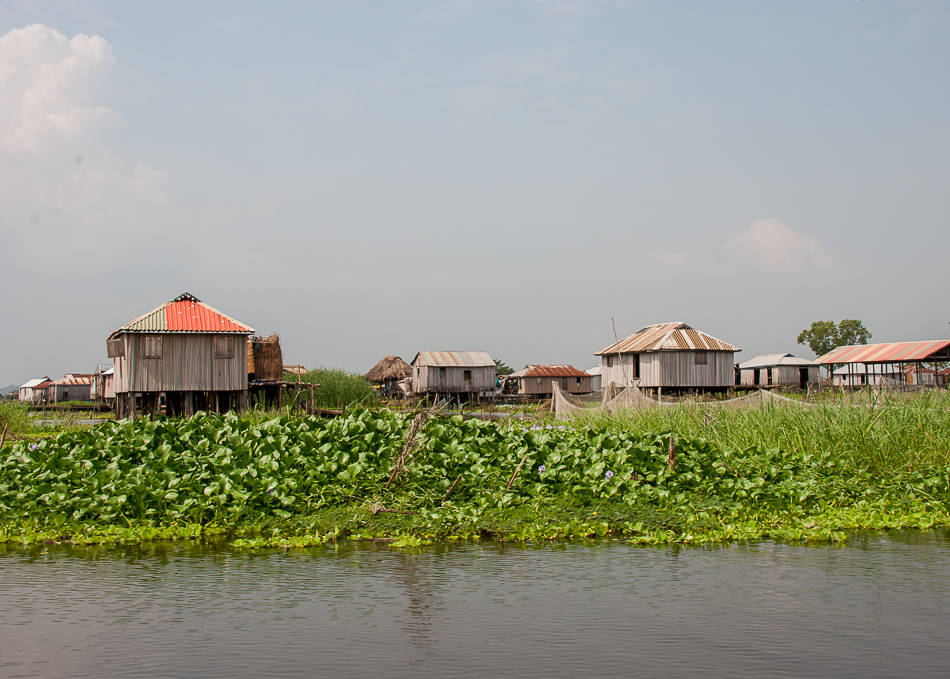
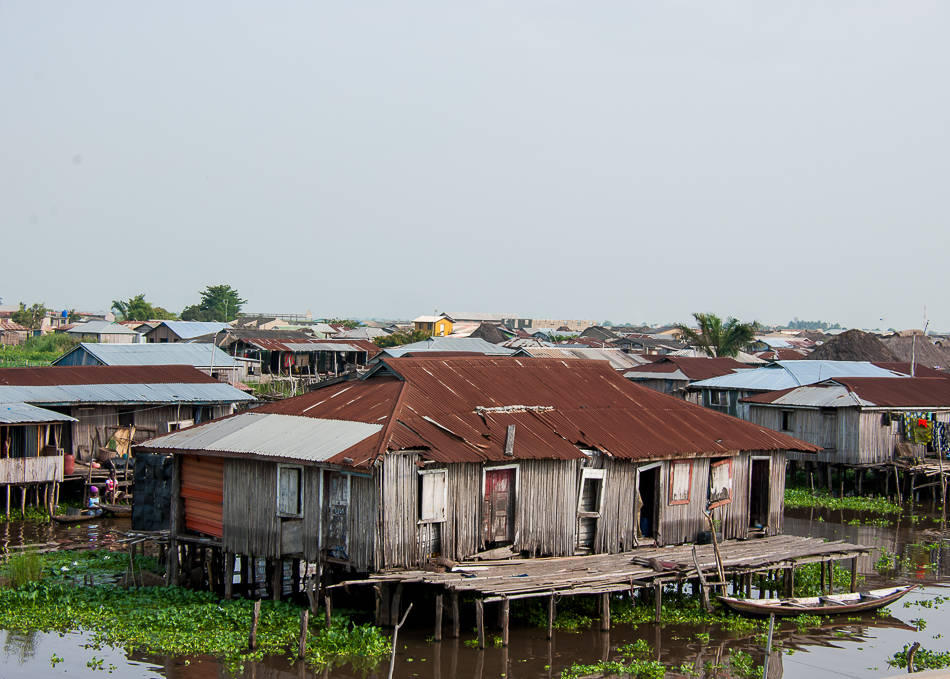
Never a town has appeared so organic, as if Mother Nature had had a surge of love and decided to embrace this community, leaving just enough room to breathe and a beautiful coexistence to bloom.

It is after all the only human settlement of its kind in the world and being in Benin it had to have a mystical story of its creation. Unsurprisingly, just like the majority of the past villages I visited, the inhabitants of Ganvié were fleeing the slavers hundreds of years ago and settled over the lake to evade capture (apparently the Fon warriors who they were running away from were forbidden for religious reason to attack people dwelling on water). Ganvié actually means ‘We survived’.

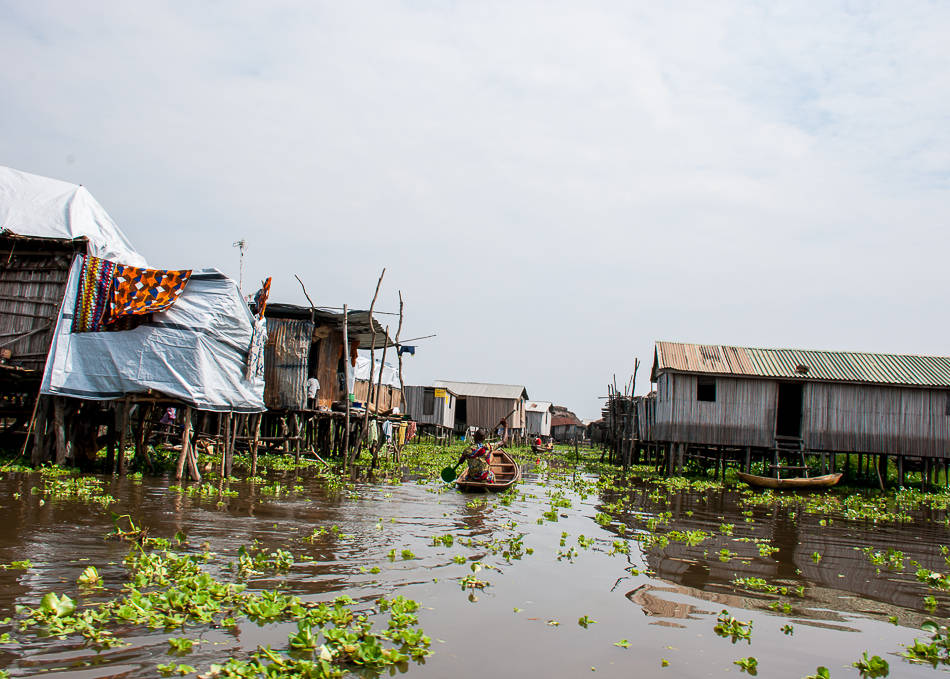
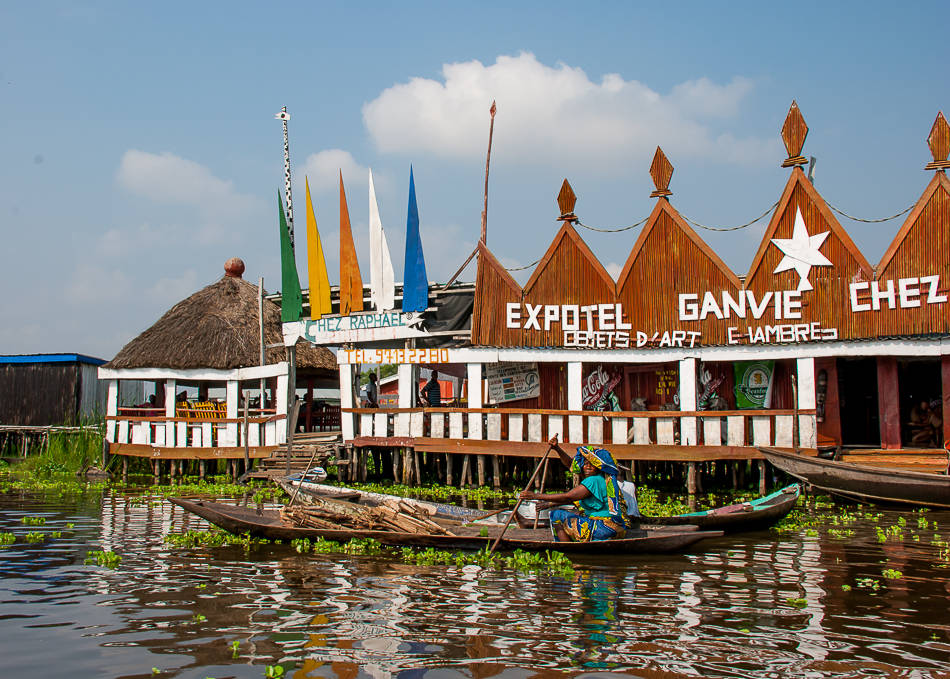
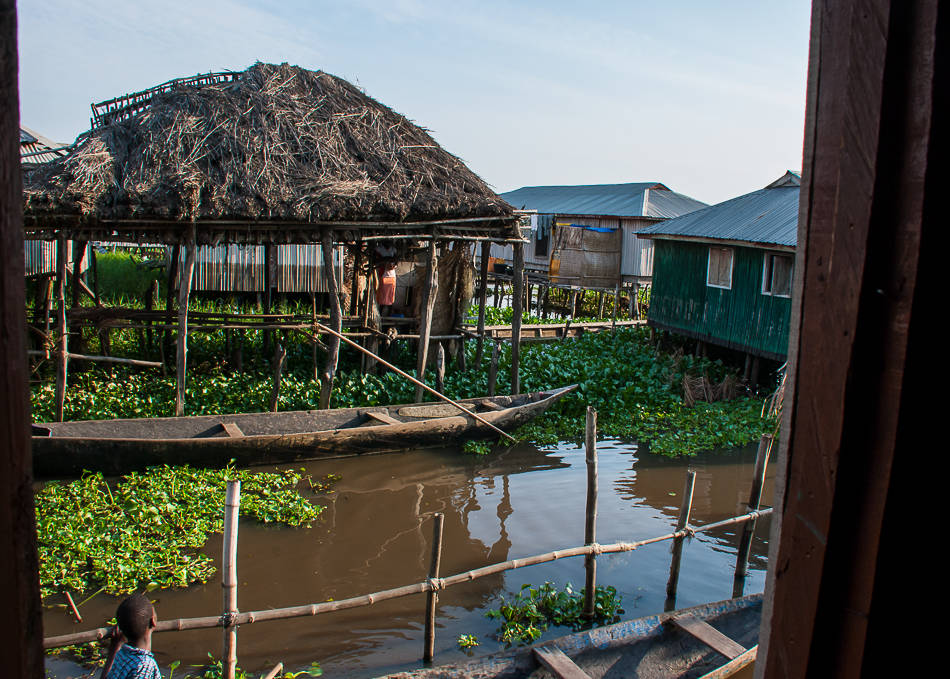
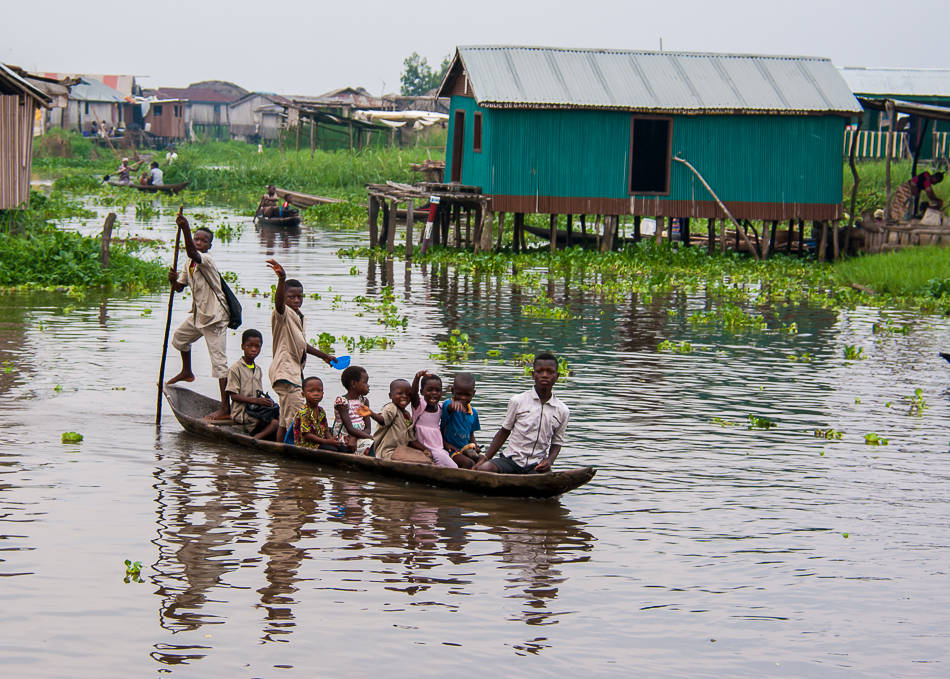
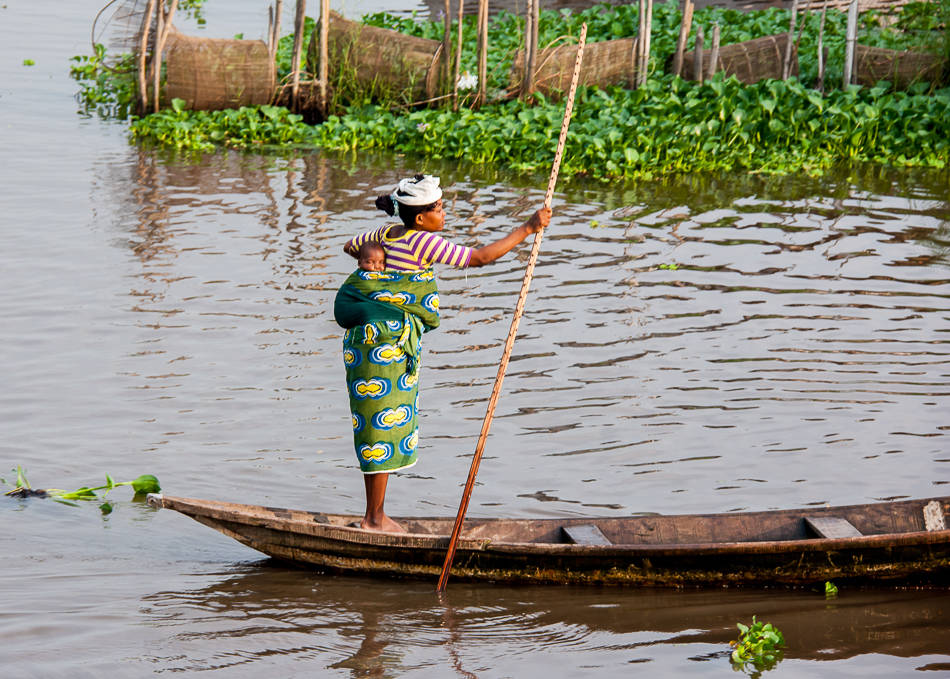
There’s no better way to enjoy the village than by drifting lazily in a pirogue with a local kid as your driver, wandering through the maze of tiny ‘alleys’ and circling picturesque houses.

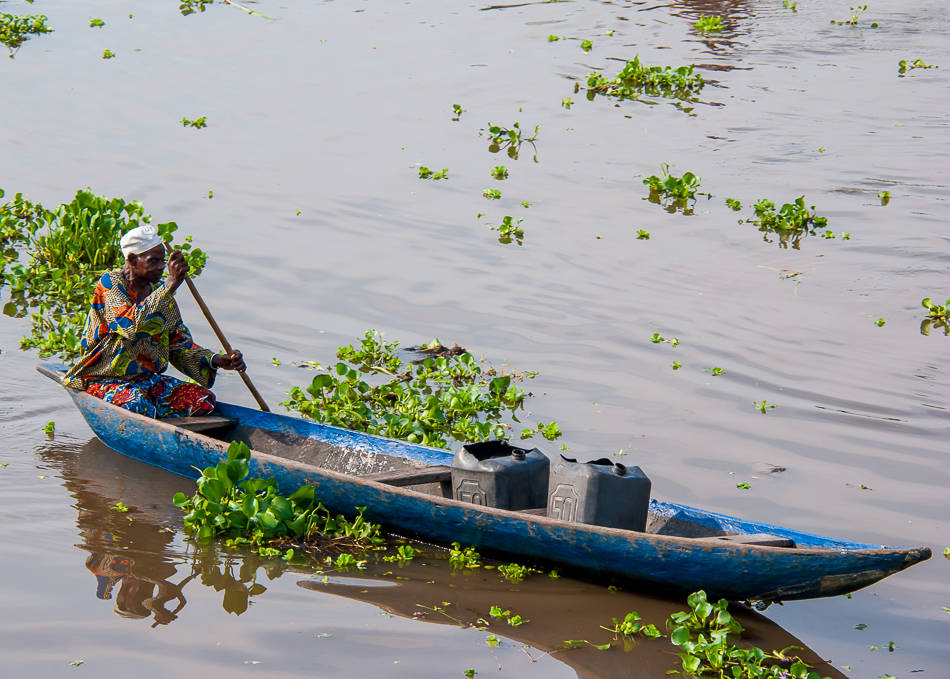
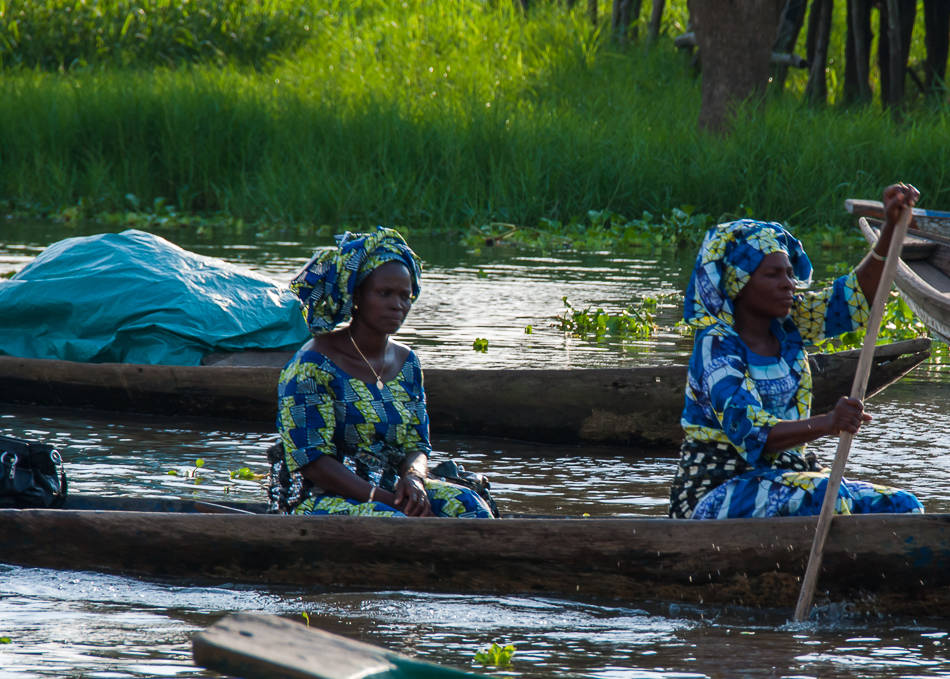
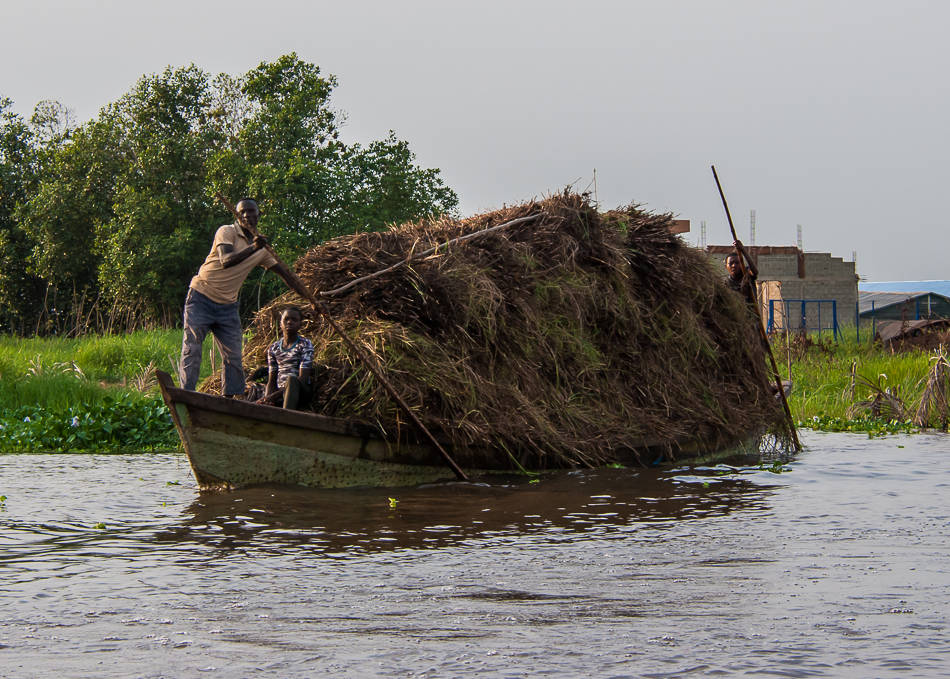
Everyone here travels almost exclusively by boat (carved from tree trunks) even if only to visit their next door neighbor as it is the only way.

What’s most fascinating though is how Ganvié has developed into a fully sustainable village within the constraints of life on the lake.

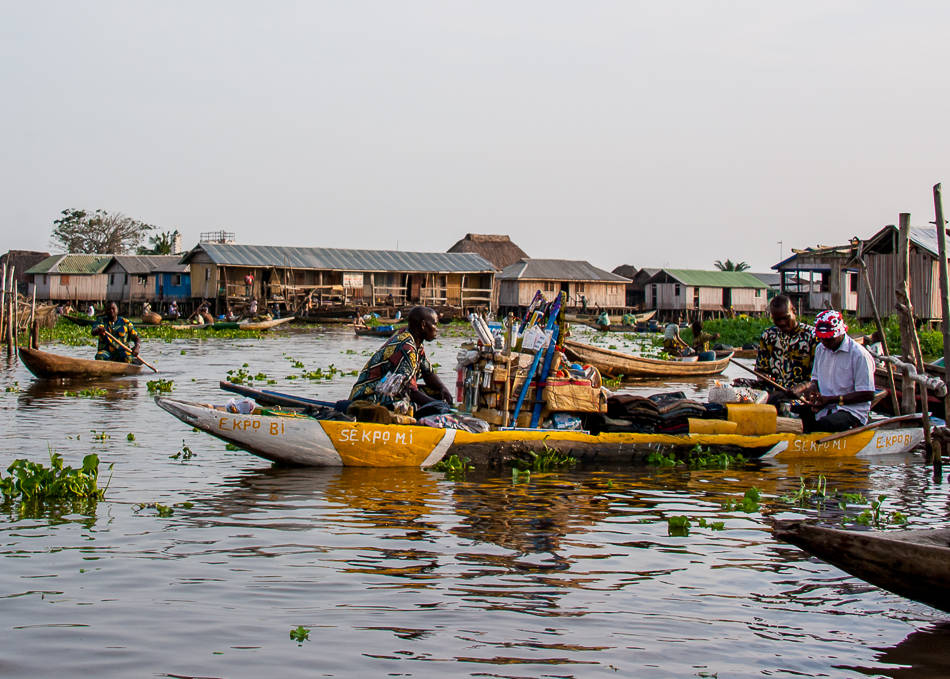
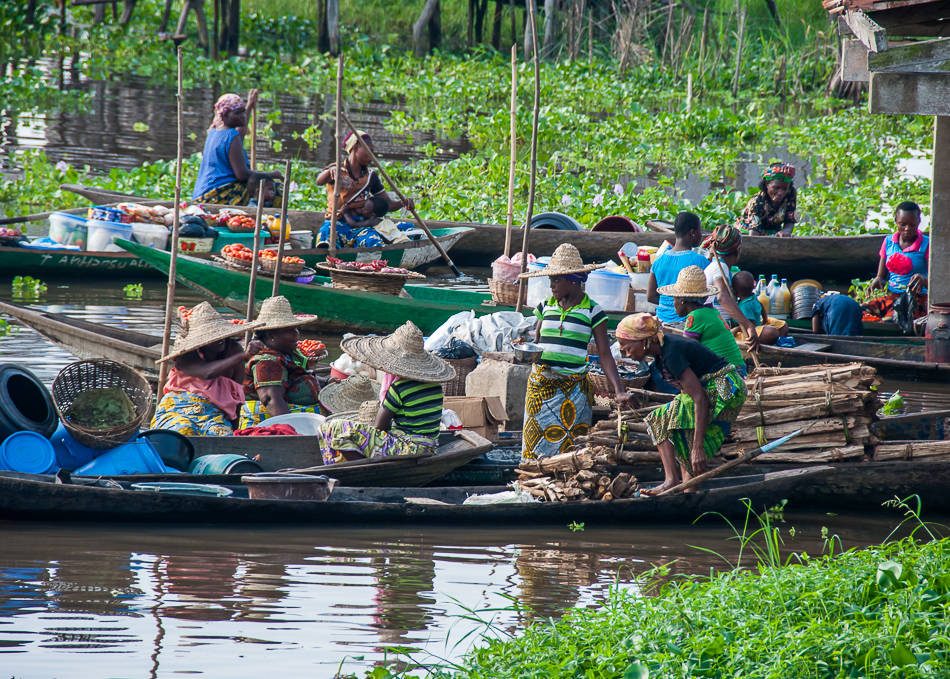
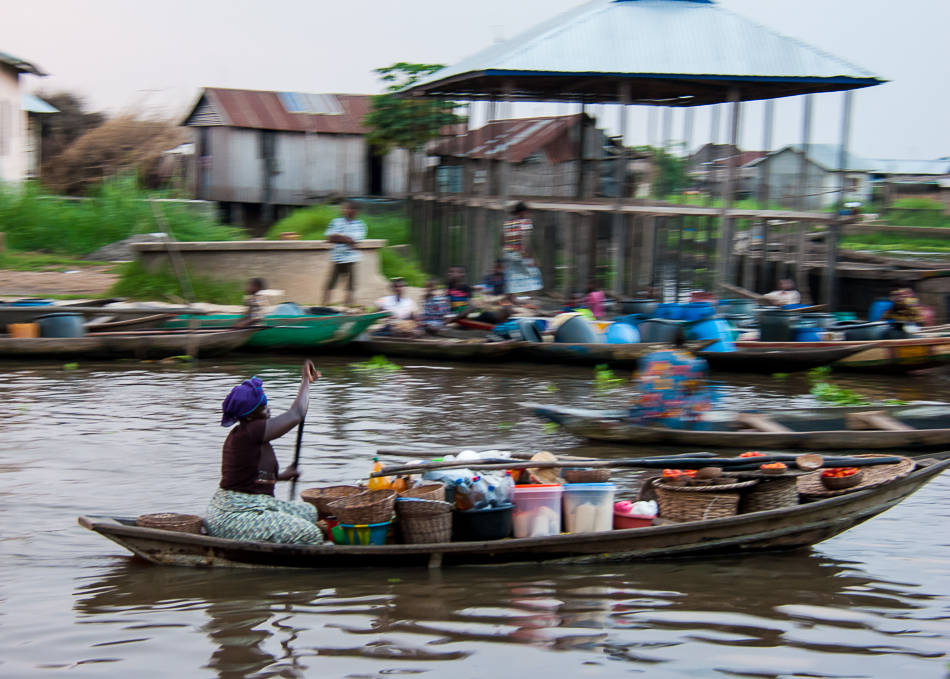
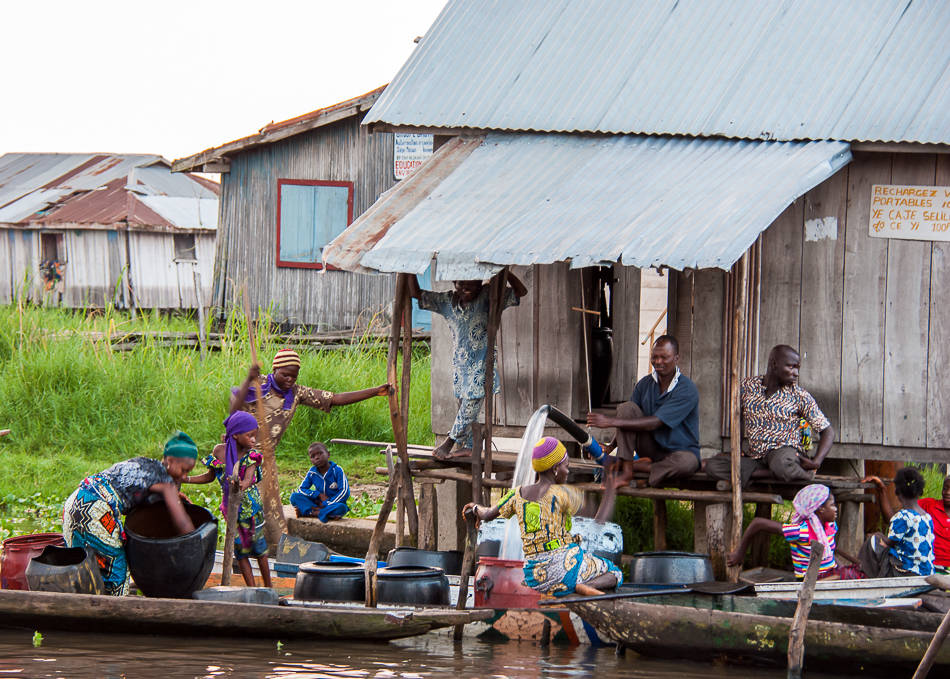
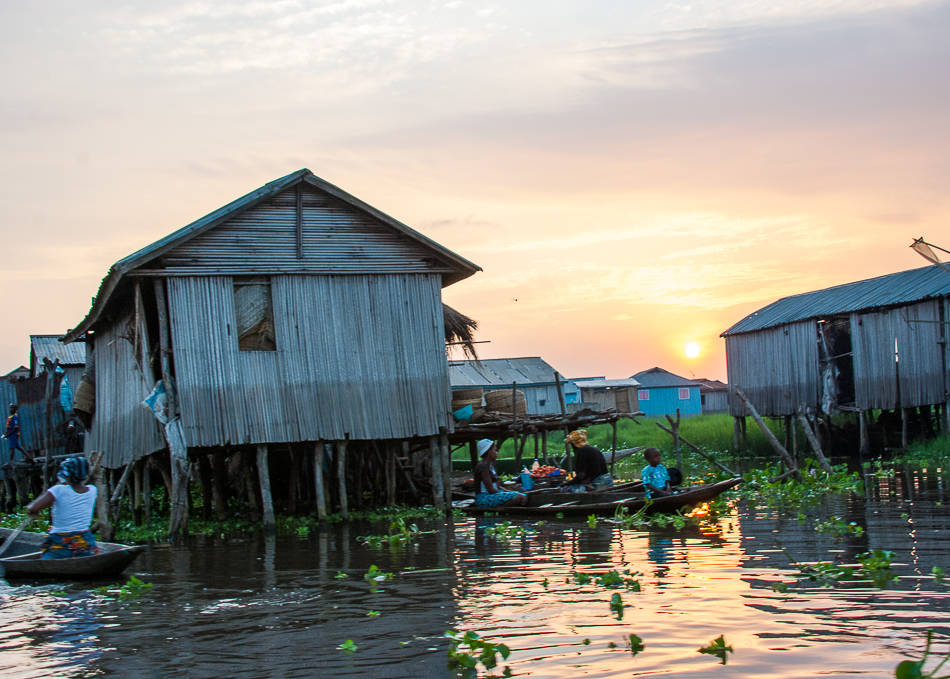
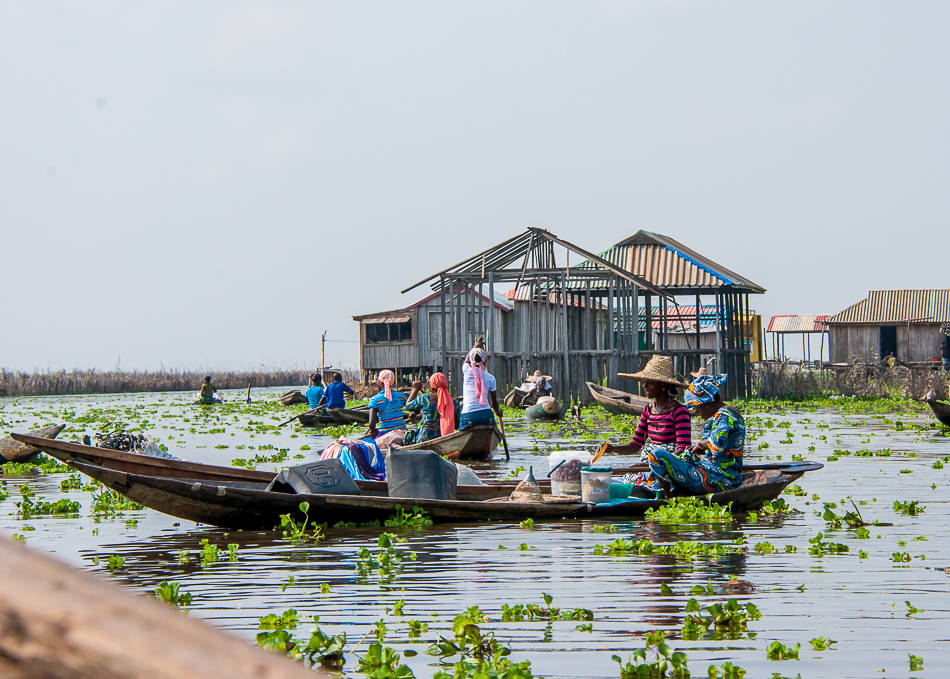
Just as you would find in all African villages, produces and other life essentials can be bought off the street, although here it’s by paddling to a seller’s boat you’d make your purchases.

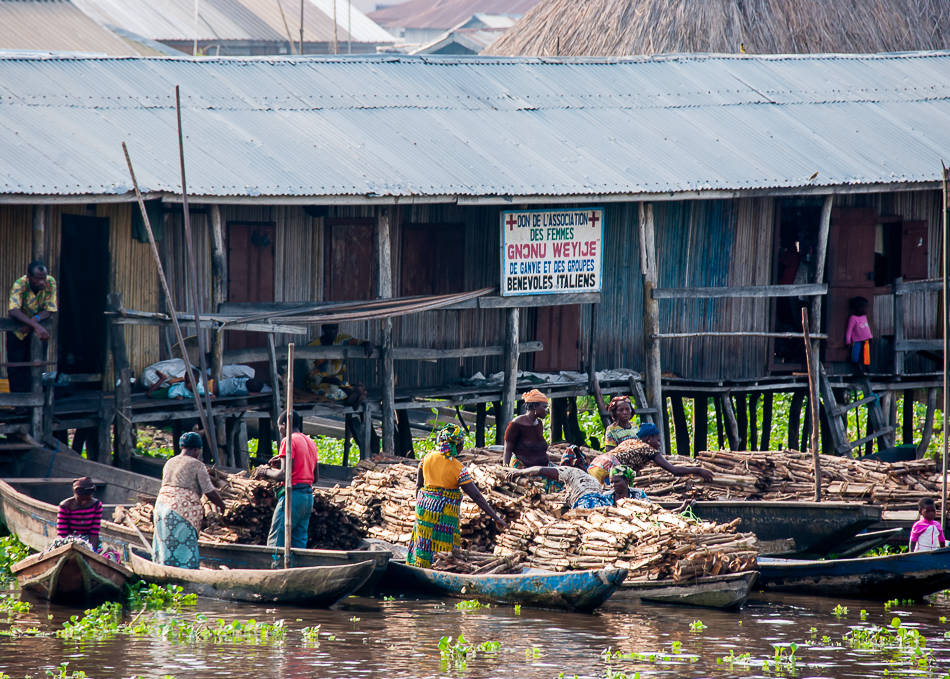
The central market is always buzzing and surprisingly resourceful.

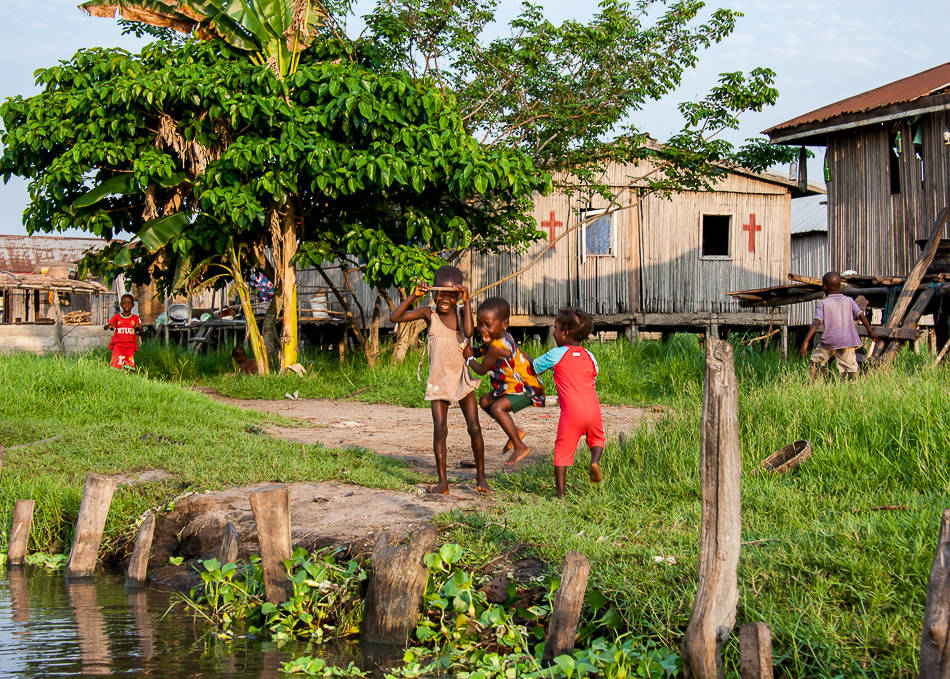
Locals eat, sleep, play, and work on water.

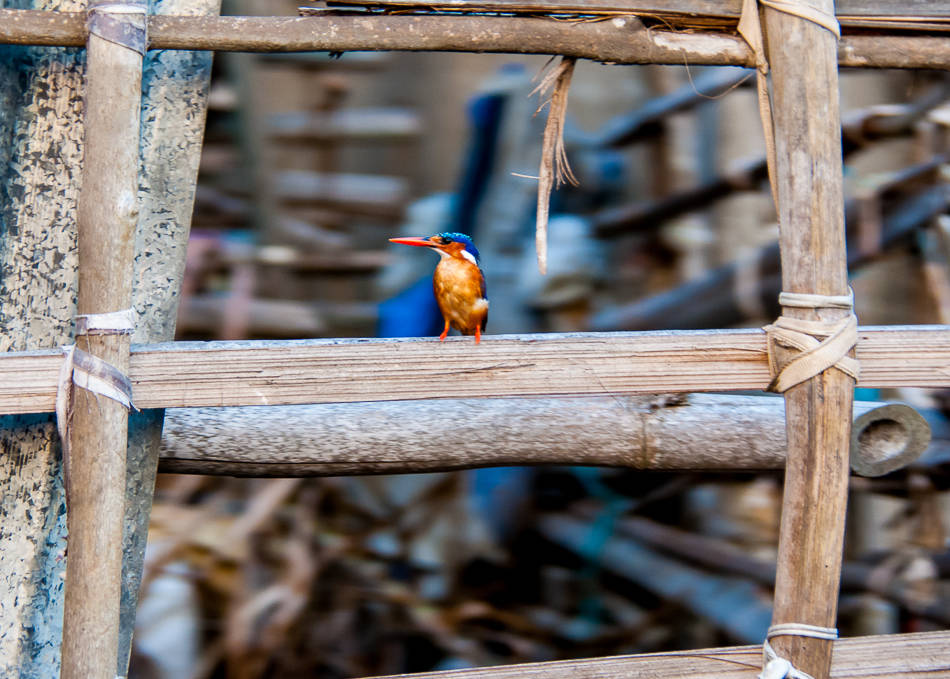
While egrets are a common sight, I was quite happy to snap this little colorful specimen.

The only permanent traffic jam is by the water reservoir which distributes at high flow rate water for the families to bathe, clean, cook, etc. into huge plastic barrels.

Almost every tourists visiting Ganvié will stay for just a couple of hours, but it is possible to spend the night and I highly recommend you do!  You’ll sleep in one of the most memorable hotels in Benin (I stayed at a place called ChezM“) and can make use of the town’s few restaurants and souvenir shops. Despite all these amenities, it’s still however a fairly unknown tourist destination and it would be surprising if you found yourself sharing the village with more than half a dozen other tourists at any one time.

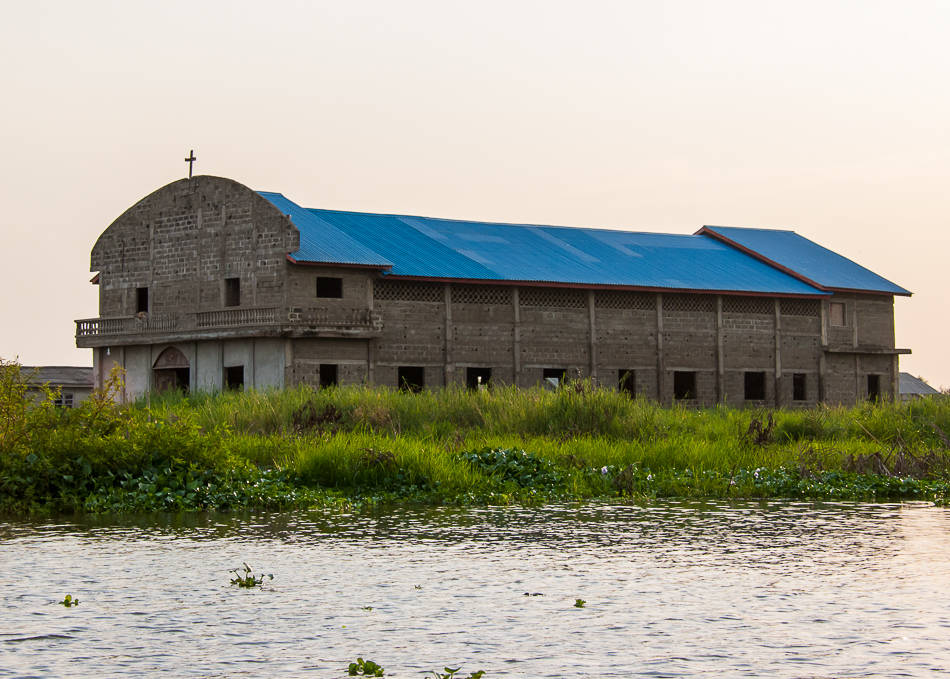
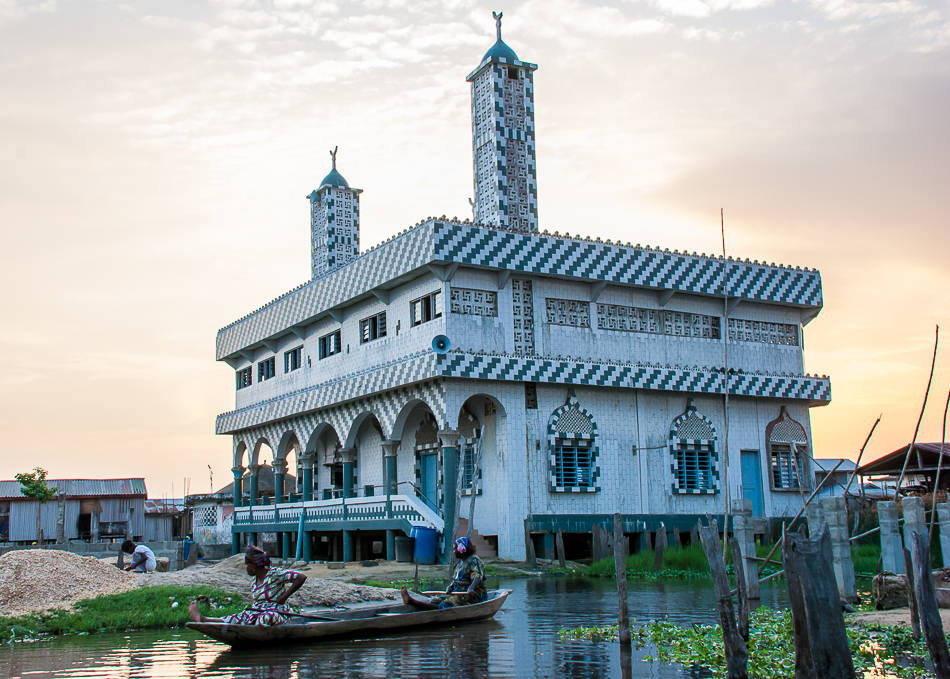
The church, the mosq, and the school are the only ones of Ganvié’s 3,000 buildings that exist on land.

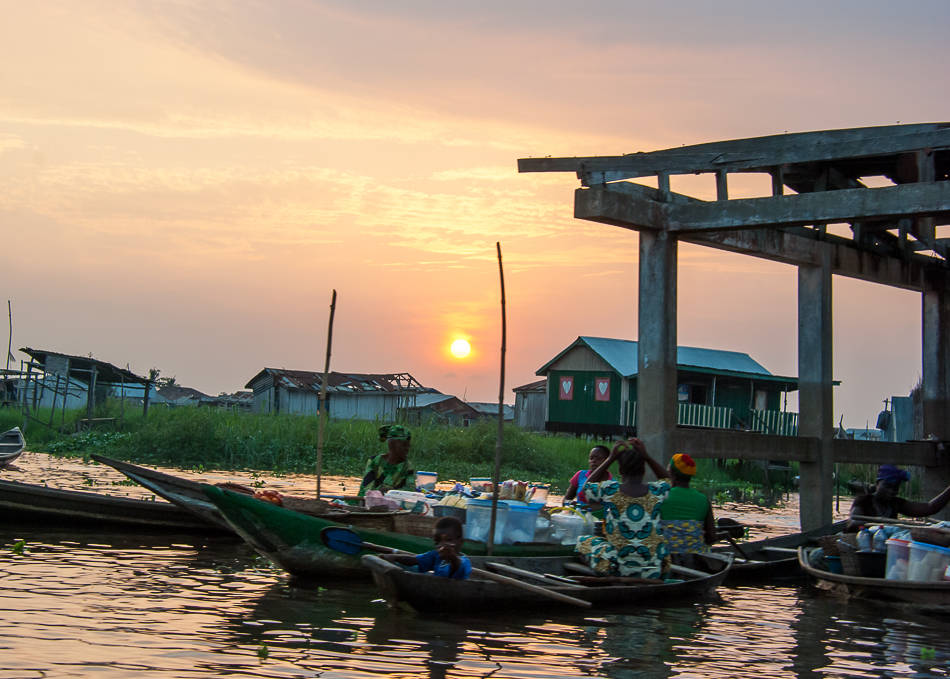
Sundown is the perfect time to be on the water as the reflections themselves make for a myriad of beautiful paintings and something you’re unlikely to witness anywhere else.

Life on the water won’t stop when the sun has disappeared though and it’s a treat to sit in the dark and watch the boat traffic going by. With only a tiny lantern if anything to light the front, villagers go from house to house amidst chatter and the splashing sound of water…surreal surrounding to fall asleep to!

The morning view from my bedroom window is a delight and no need to mention that life here starts pretty early…no sleeping in allowed.

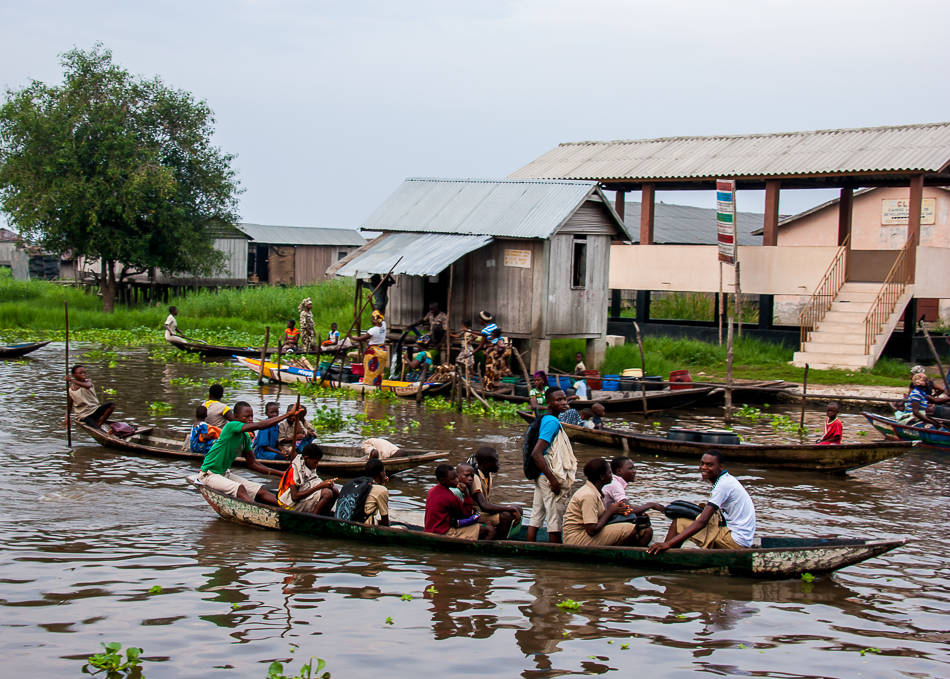
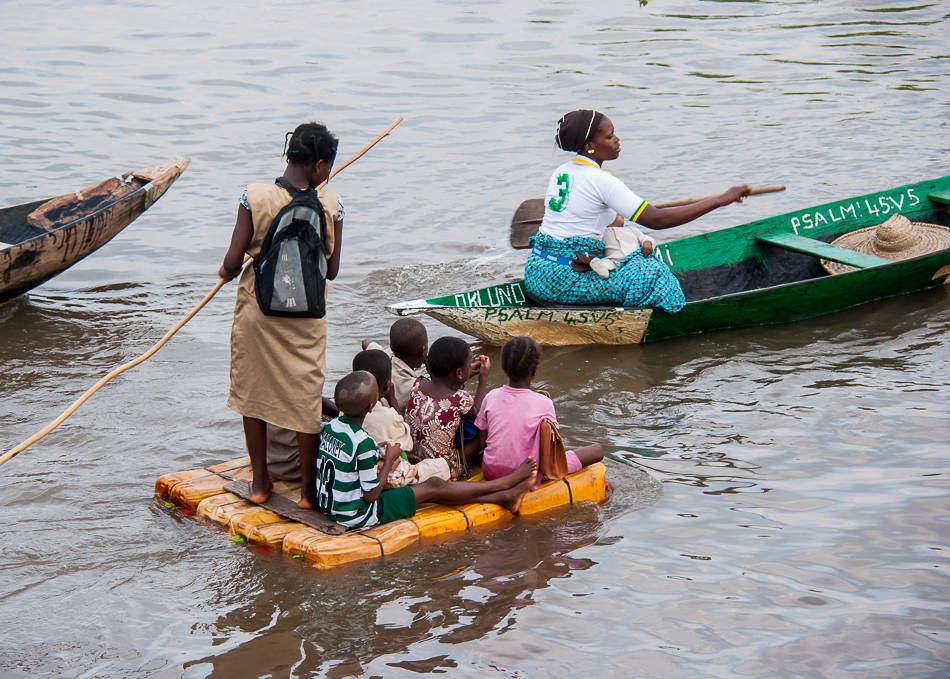
Morning sees a long line of boats going to school at the far end of the village, khaki-clad young boys and girls expertly maneuvering their float as they’ve noticeably done for years now.

You can see some inventive ‘barge’ on the water too, like this one made up entirely of yellow canisters. Seems to do the job!

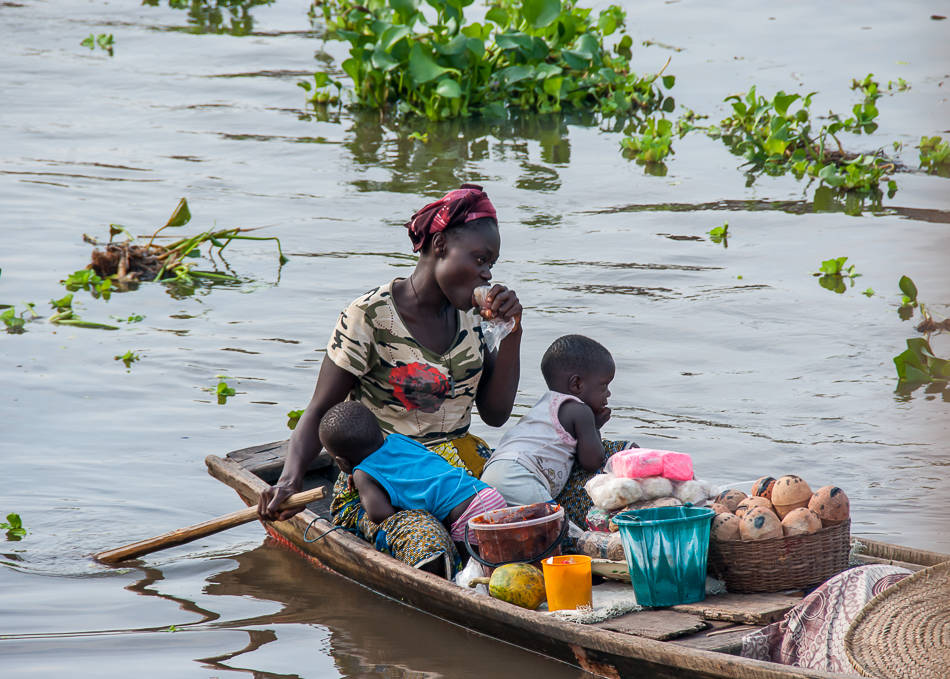
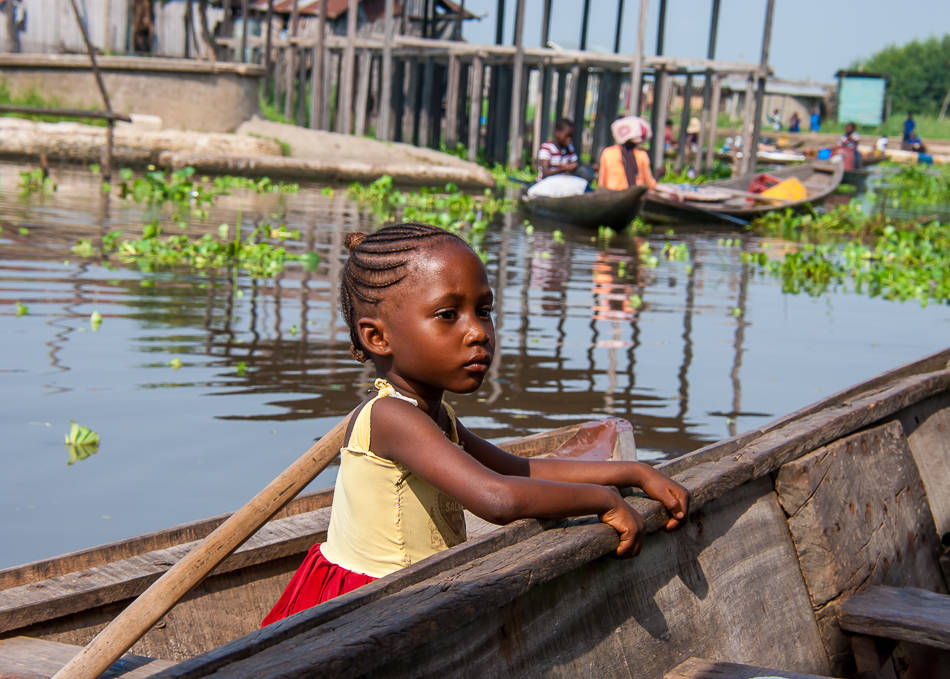
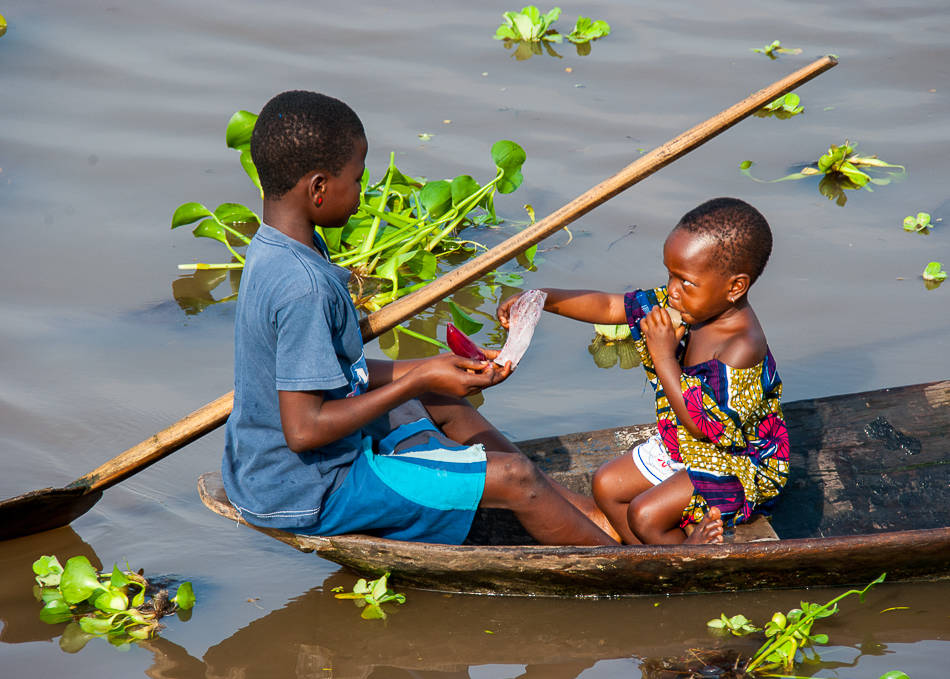
Kids not attending school will be hanging around in boats, perhaps running errands for the family.

One last look before I leave and I still can’t make out the end of the thousands of floating houses that lay in front of me – a sight like no others.

On the way out, we cross paths with many of the villagers on their way to check on their fish traps, and women selling snacks for the long and laborious day ahead.

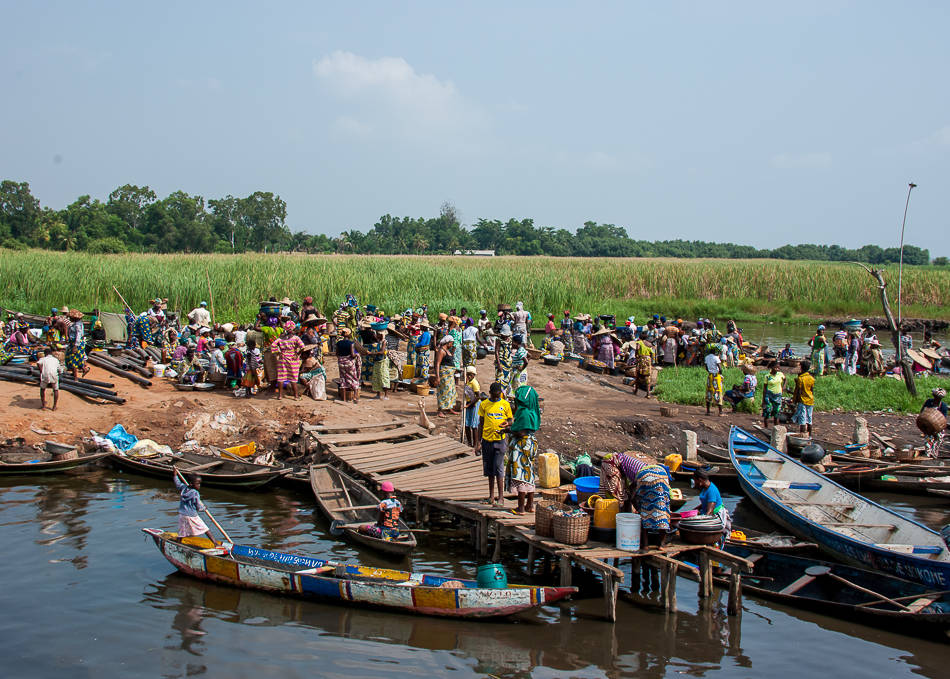
Ganvié being fully sustainable, the only time villagers will go ashore is to sell their fish at the market which you can’t miss on your exit on the lake shore.

Such a hub of activity is captivating, and further enhanced by the knowledge that you’ve just witnessed a tourist attraction second to none…

…and most importantly an intricate and prosperous culture which few will have the chance to experience.


Africa Benin Travels

Voodoo and Tribal Traditions in Benin

January 12, 2014

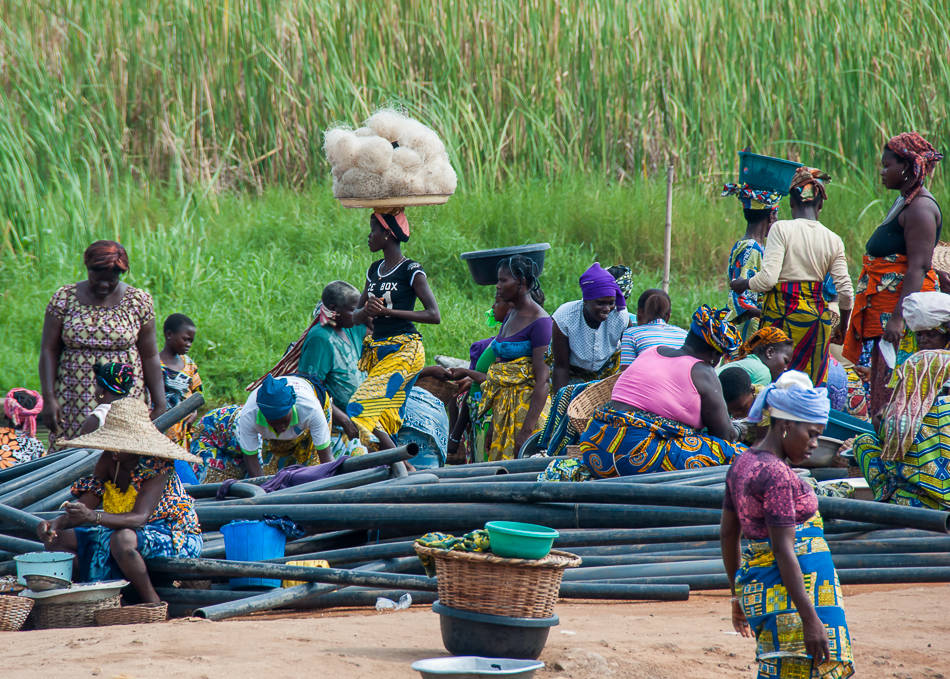
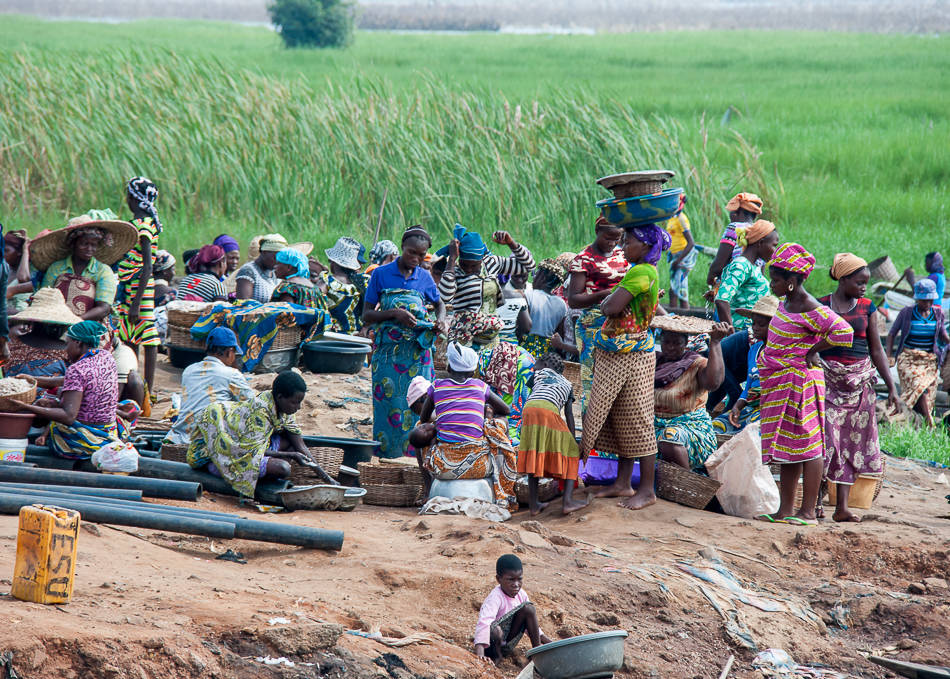
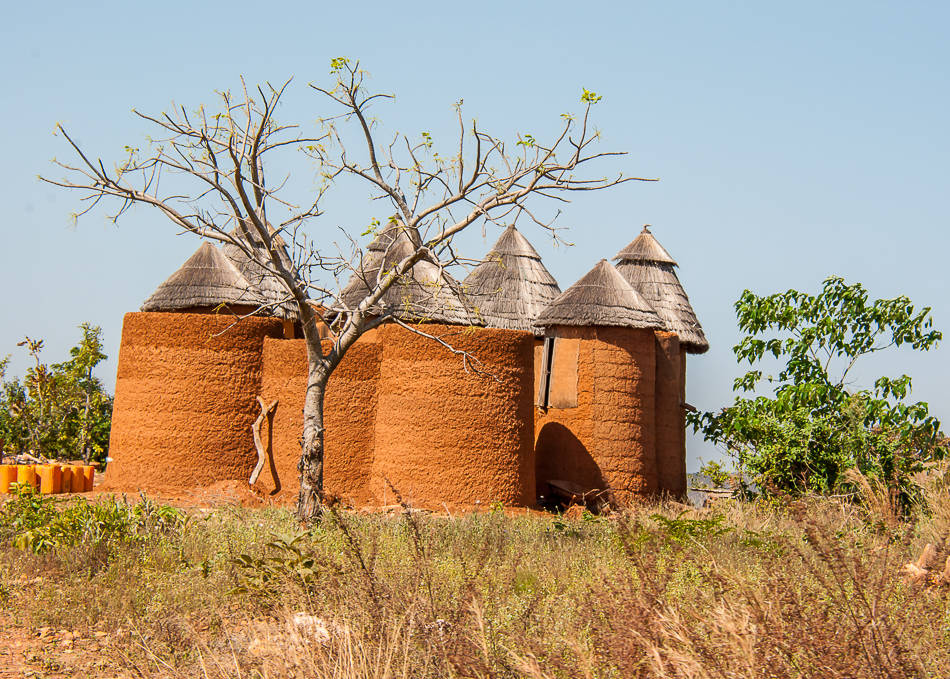
Being one of Africa’s smallest countries hasn’t stop Benin from harboring quite a few unique gems, all somewhat of a closely kept secret which makes it a prized destination for adventure travelers like myself. Entering Benin by road via the north as opposed to the airport in the south places you smack in the heart of Somba country, aka the land of the Somba tribe (also called Betammaribe) and their unique fortified ‘Tata’ houses (as seen in my latest post in Togo).
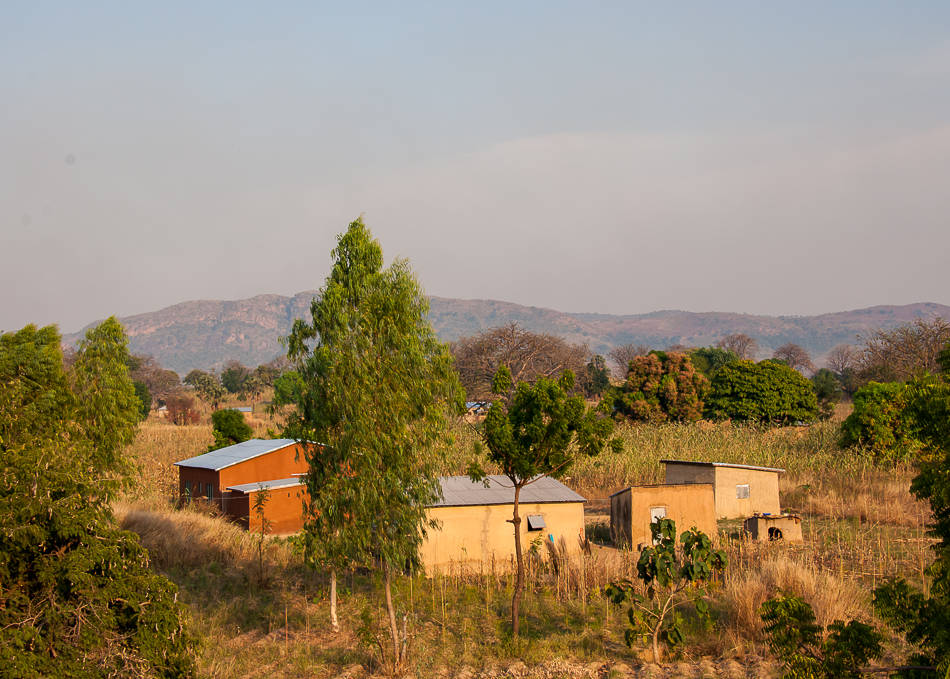
The region is of great natural beauty and one of the country’s main tourist attractions. Life here has barely changed and locals mainly live on subsistence agriculture, keeping their tribal traditions alive and pure. Up until a few decades ago they were almost totally unknown to the Western world and living like they had for hundreds of years – hunting with bows and arrows, barely wearing any clothing and living in mud fortresses.
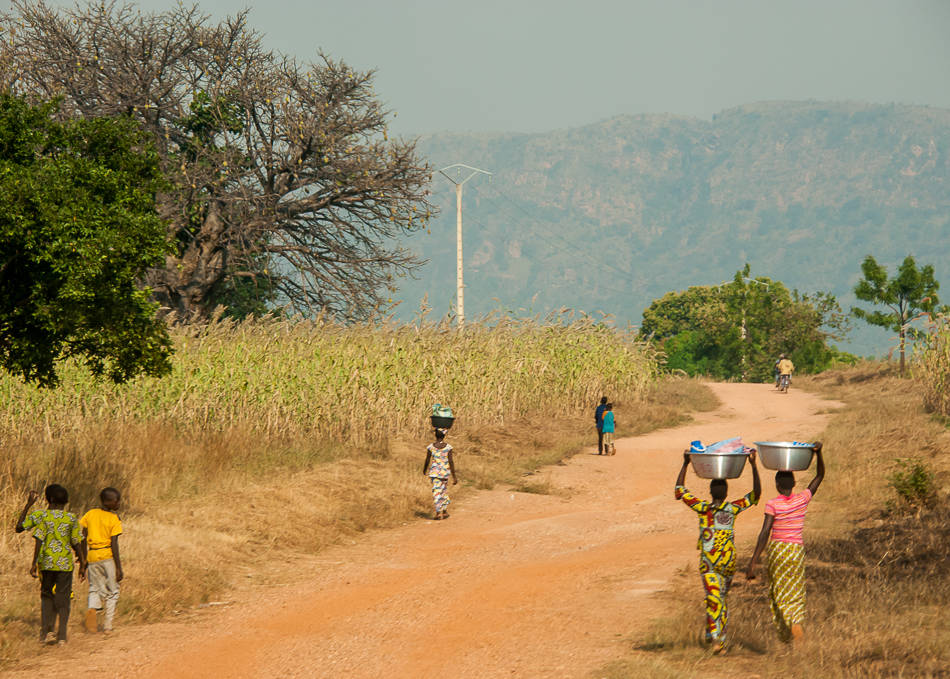
Contrary to other African communities, the Somba don’t live in close proximity to one another and instead build their houses in the middle of their fields, far from everyone else. A few have move on to a more modern house aesthetic (corrugated roofs are a sign of prosperity) but that’s about all that has evolved…that and the addition of some clothing.
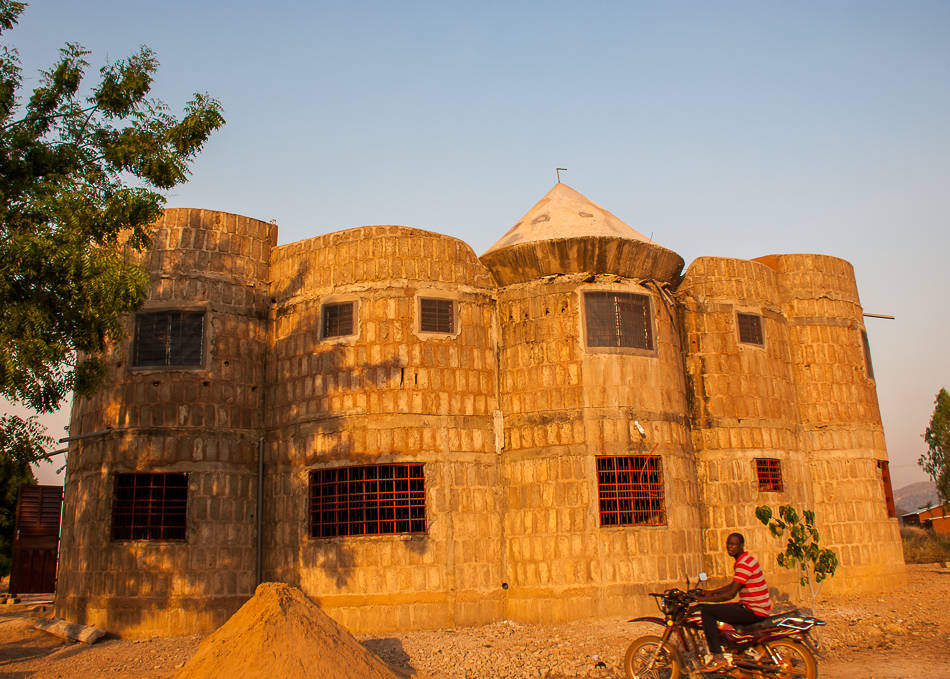
The town of Boukoumbé is the launching pad to the region and the brand new (still unfinished) hotel Tata Koubetti in its center is the ideal pied-a-terre to explore it. The hotel was built in the traditional way of the Tatas which you can see everywhere around you and offers a very comfortable way to see how local people live.
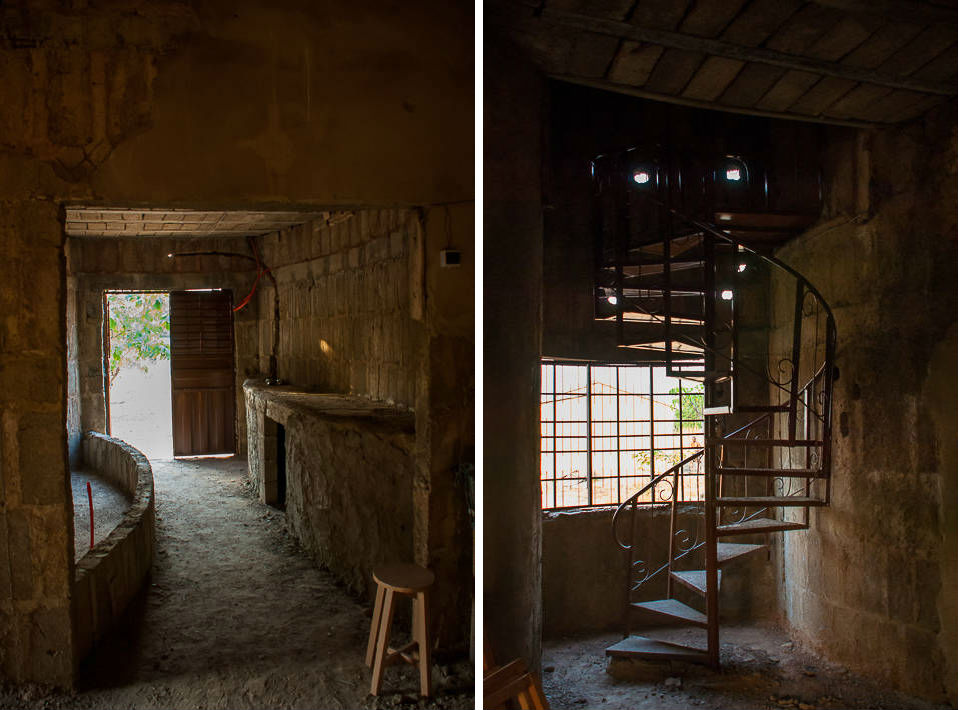
The ground floor is usually reserved for livestock but here will include the kitchen, a common area and a few extra rooms. You need to take the staircase to access the living quarters and finished section of the hotel just like you would in a real Tata house.
The clean and comfortable rooms are inside each tower and a hole in the middle of the terrace floor allows you to take a peek on the ground floor below you (in a traditional house, these holes serve to defend the house against the enemies as you can easily surprise and shoot arrows through them).
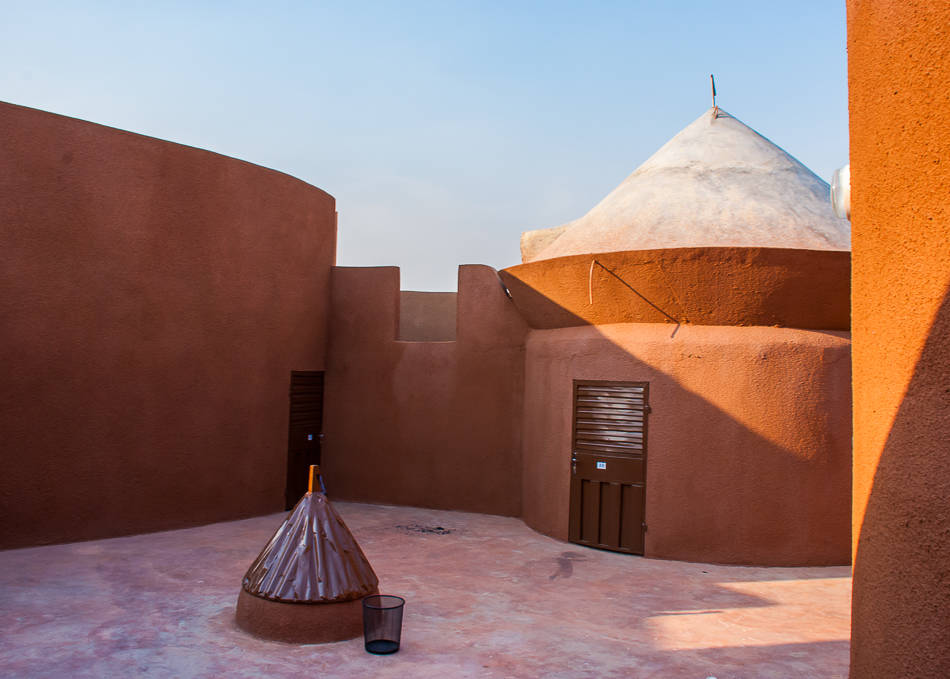
The ladder is to access the top living floor (or rooftop).
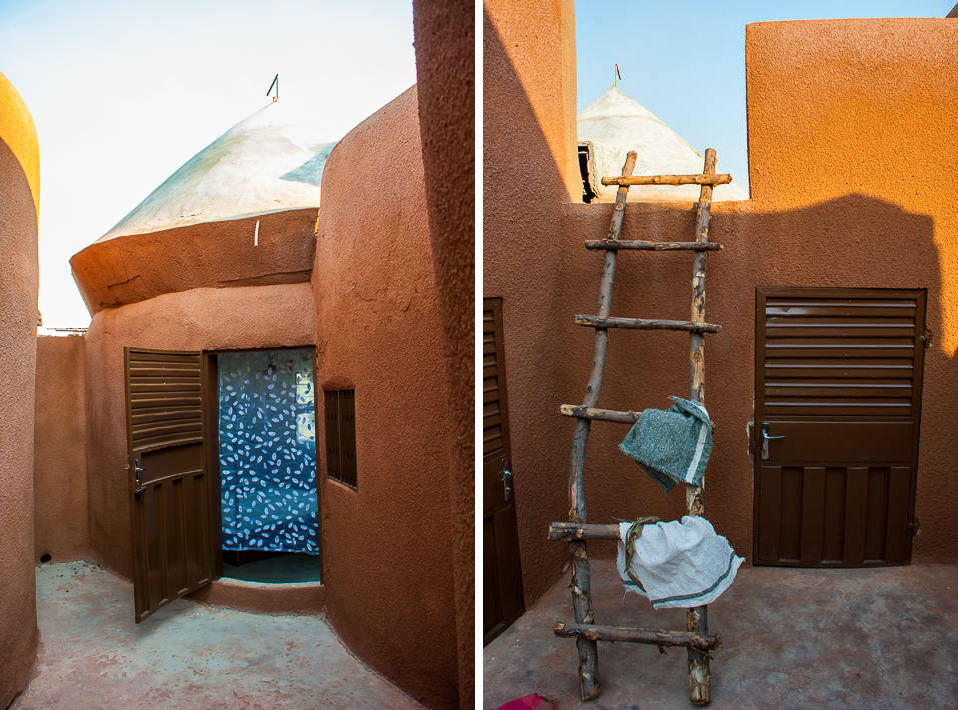
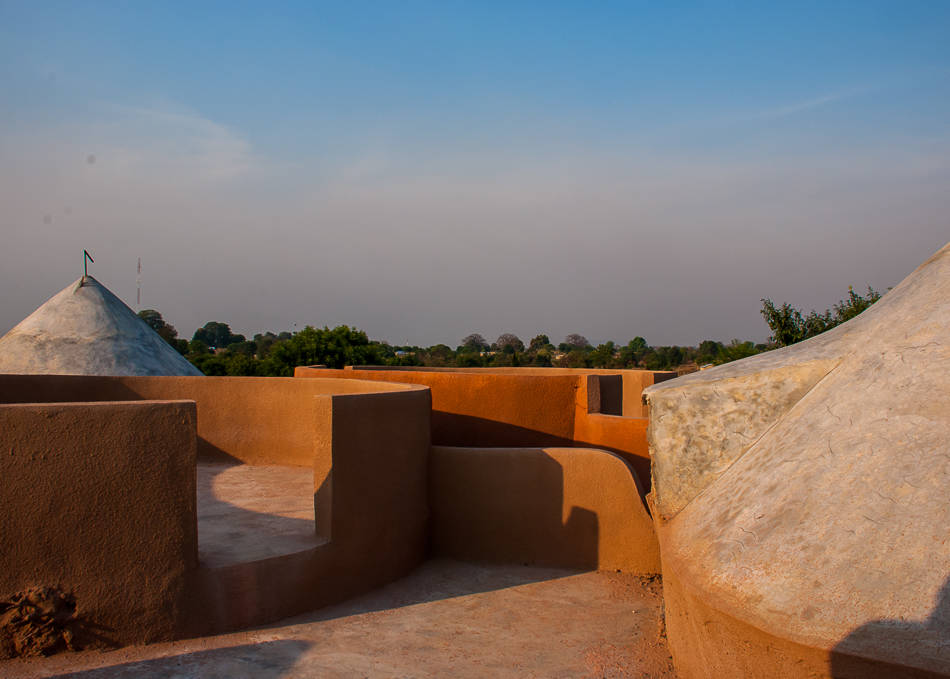
It’s here that they would dry their crops for storing them and sleep under the stars when it got too hot inside. It also gives a splendid 360 view of the surroundings.
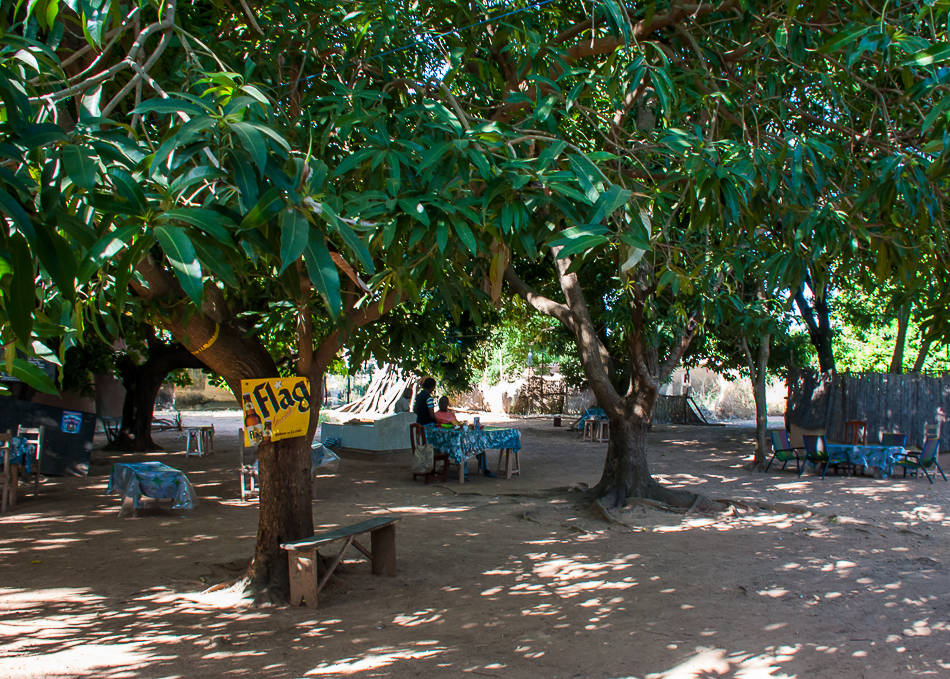
Down the road from the hotel lies a super laid-back haven, the hotel restaurant and bar, which welcomes you in a leafy courtyard surrounded by huge mango trees.
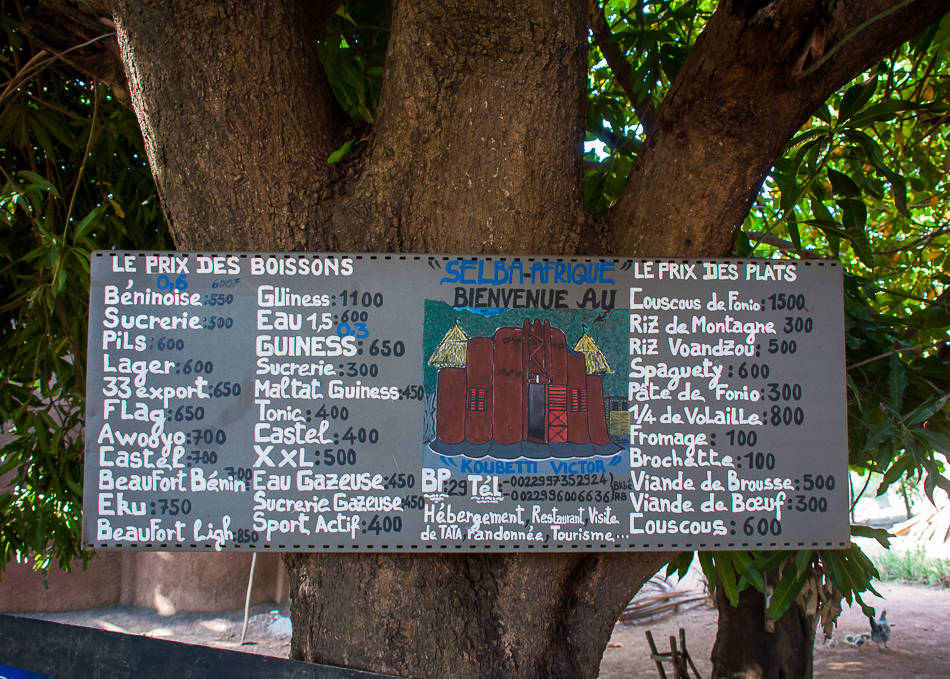
The local menu offers tasty dishes and specialties such as Fonio, a special kind of millet which I ate served as couscous with wild rabbit.
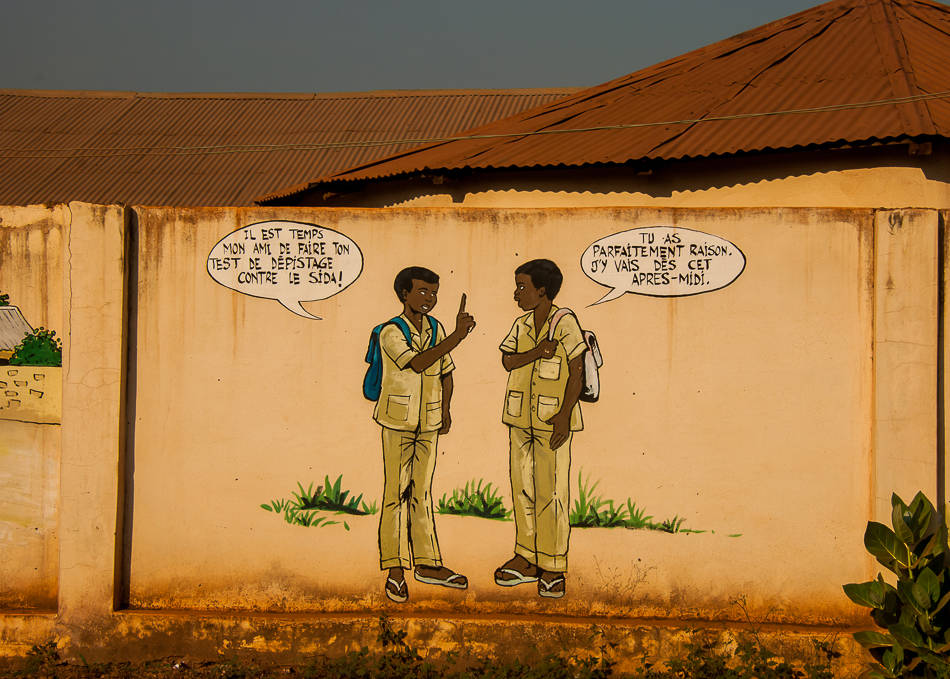
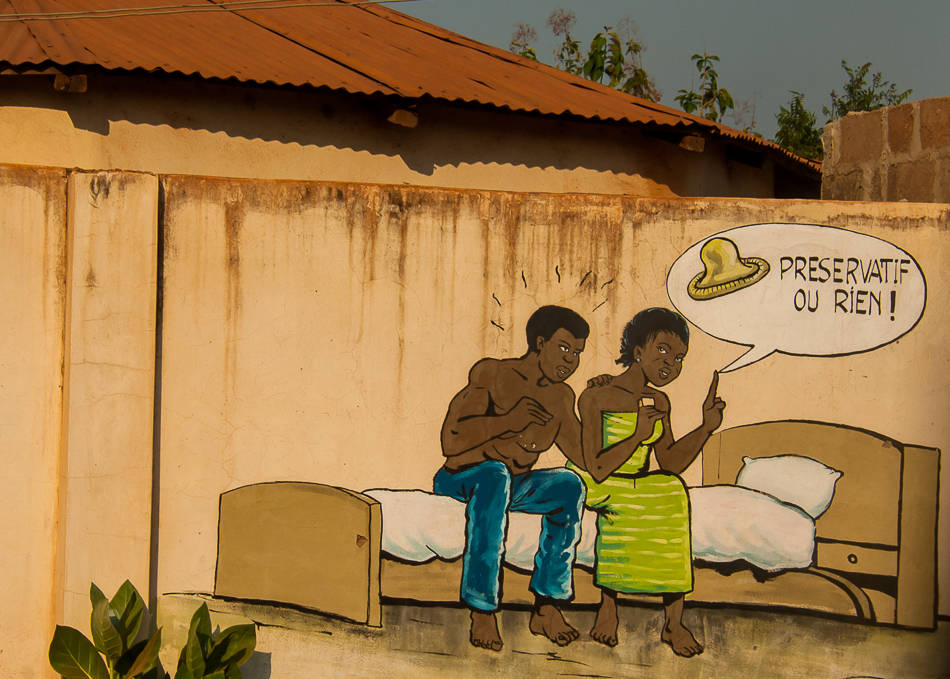
Small town life is seen right outside the hotel’s property, with chop bars, churches, NGO’s offices, and schools spread out on each sides of the main deep orange dirt road. The school’s external walls are brightly decorated with AIDS prevention cartoons – the most effective way of passing the message in these parts where visuals are more understood than lengthy pamphlets.
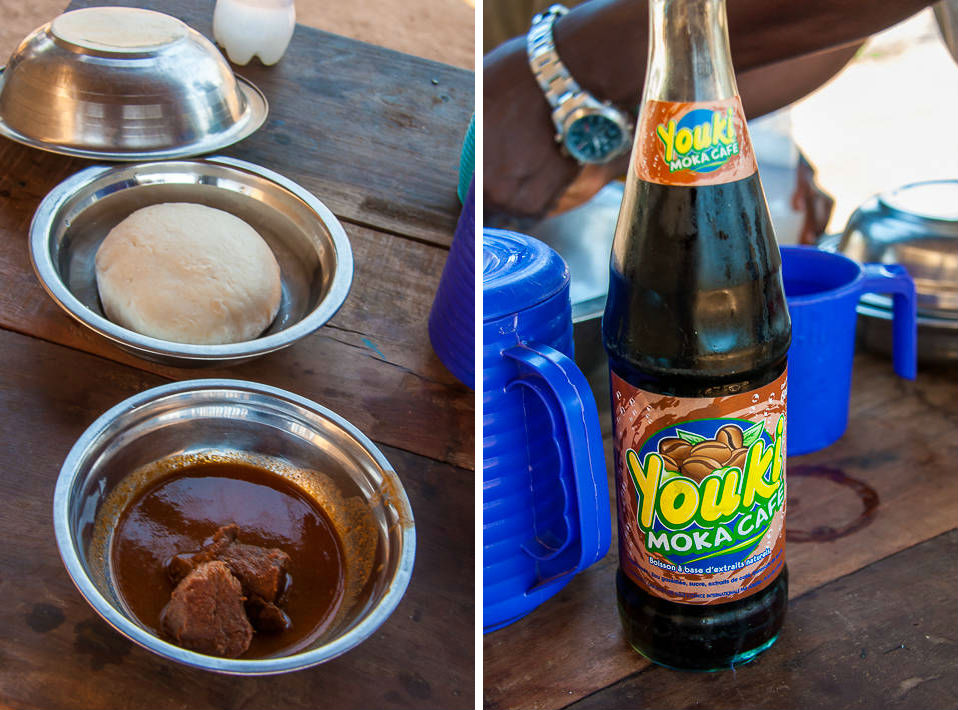
Quaint chop bars offer the usual staples of fufu and banku.
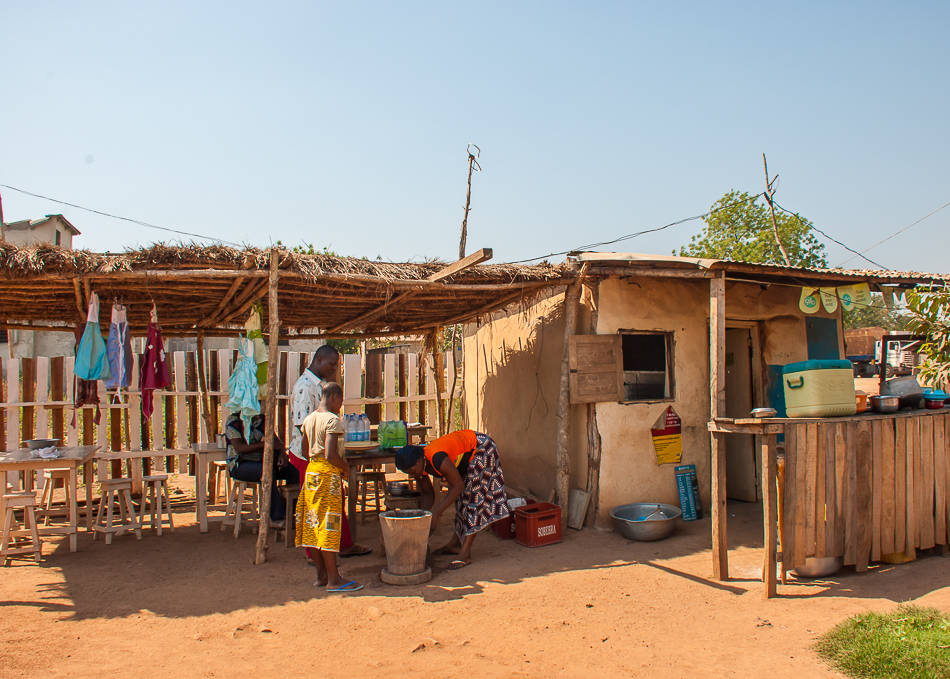
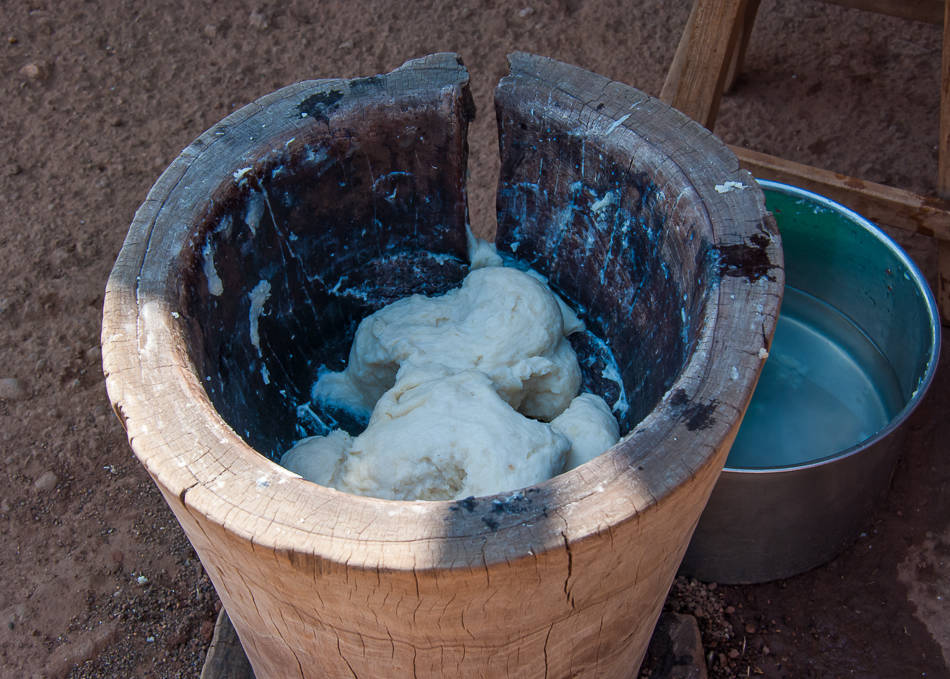
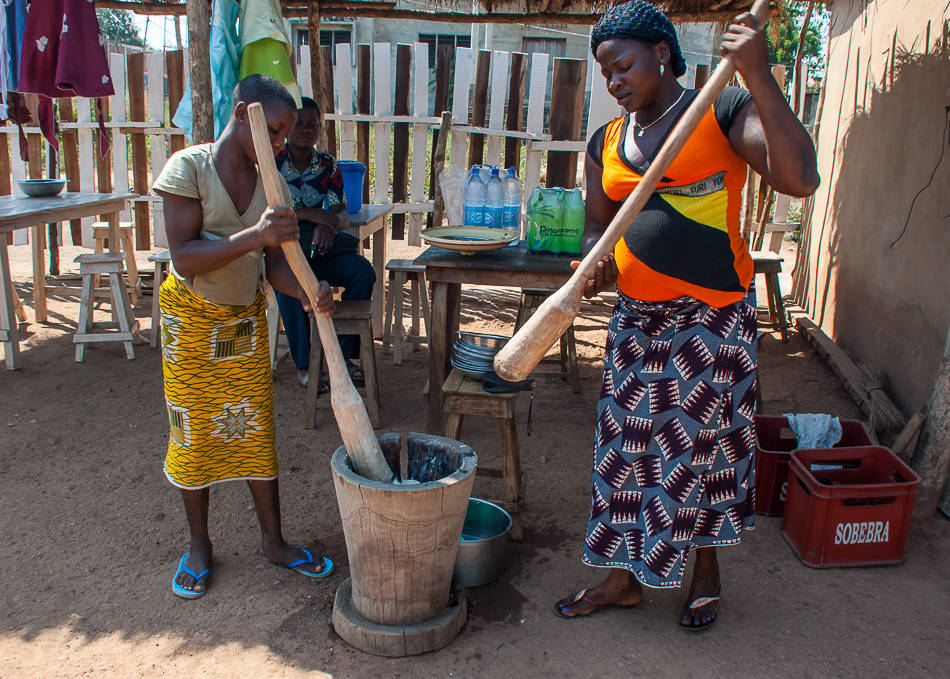
Pounding fufu
My delicious lunch of fufu and light soup with beef was accompanied by a sweet Moka – a local coffee flavored soft drink.
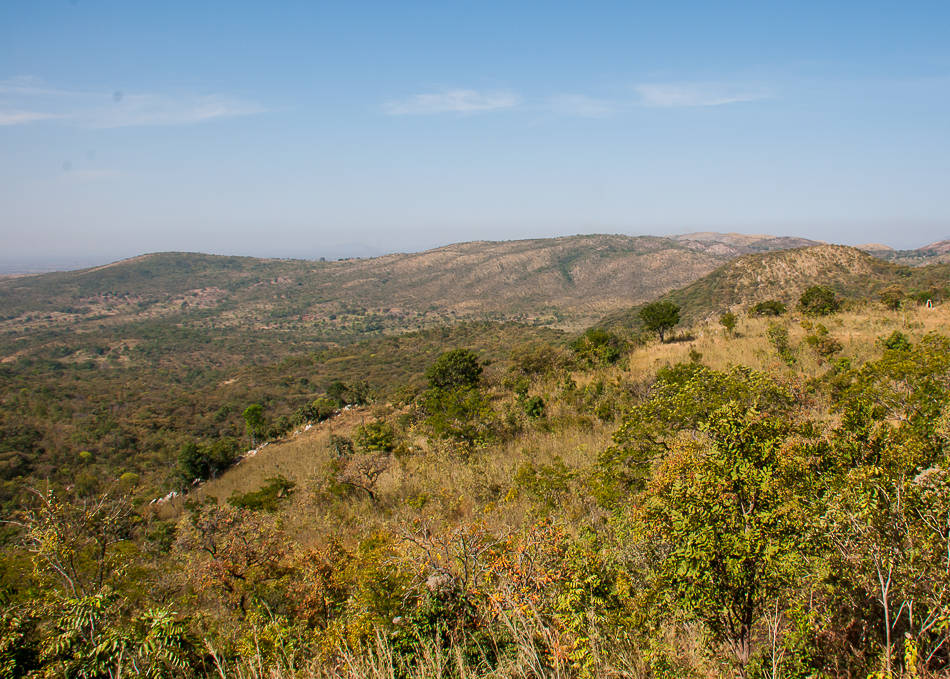
One last look at the hills to the north before starting our way down south…
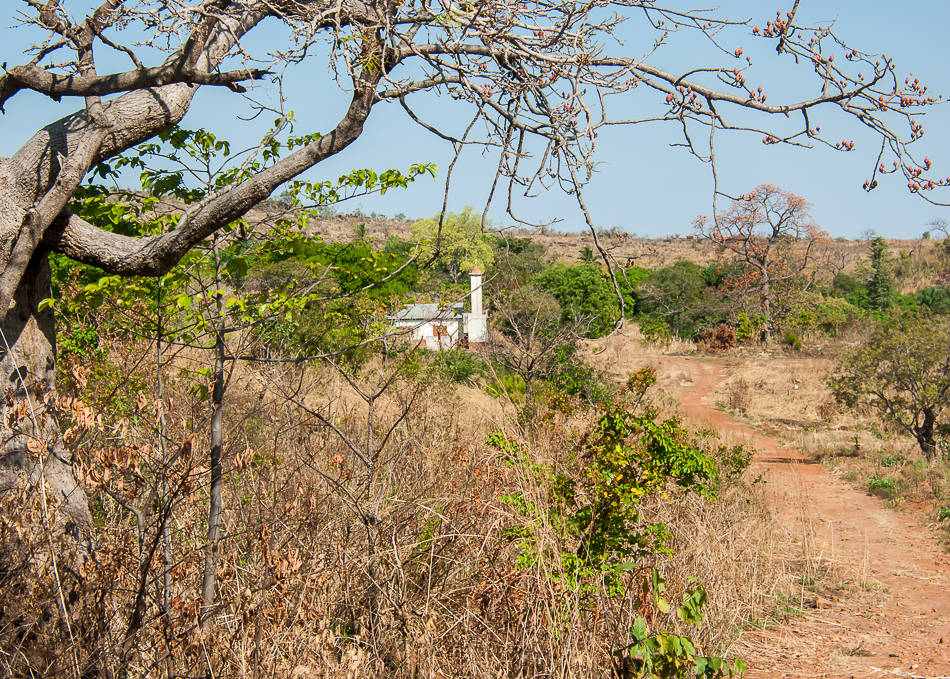
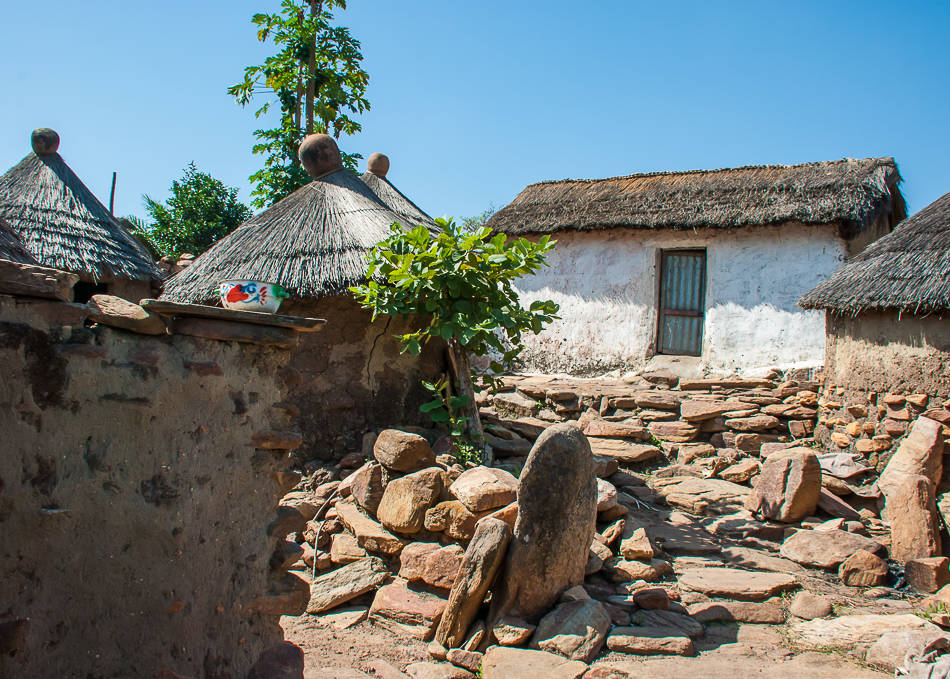
The last northerly visit is to one of the fascinating Taneka villages which are molded on to the rocky hillside, and are quite a mission to get to.
From a distance they may appear just like any other African villages, but standing in the middle of them will reveal quite a few particularities.
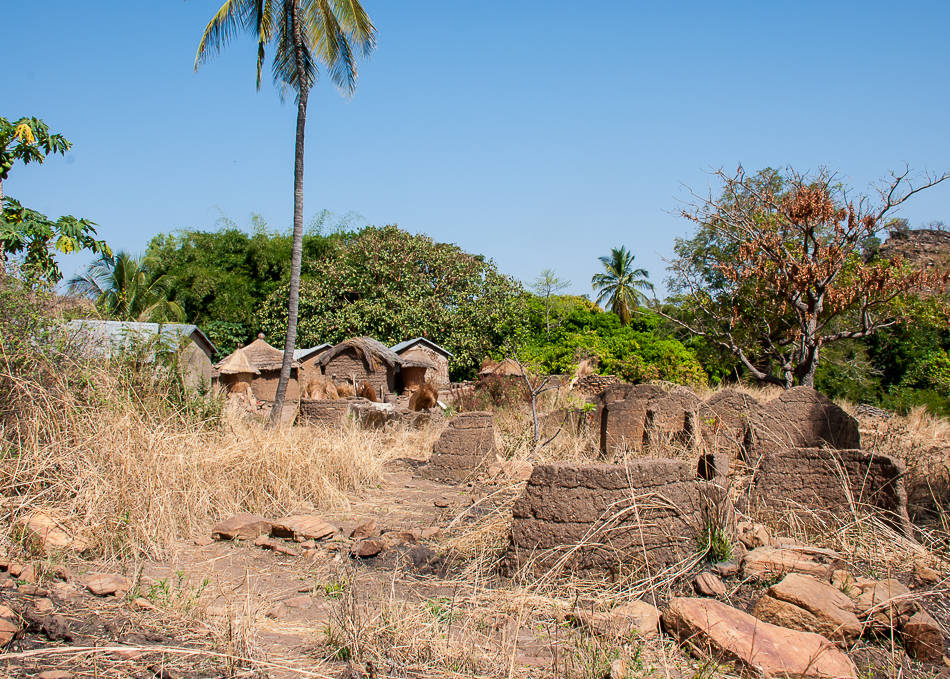
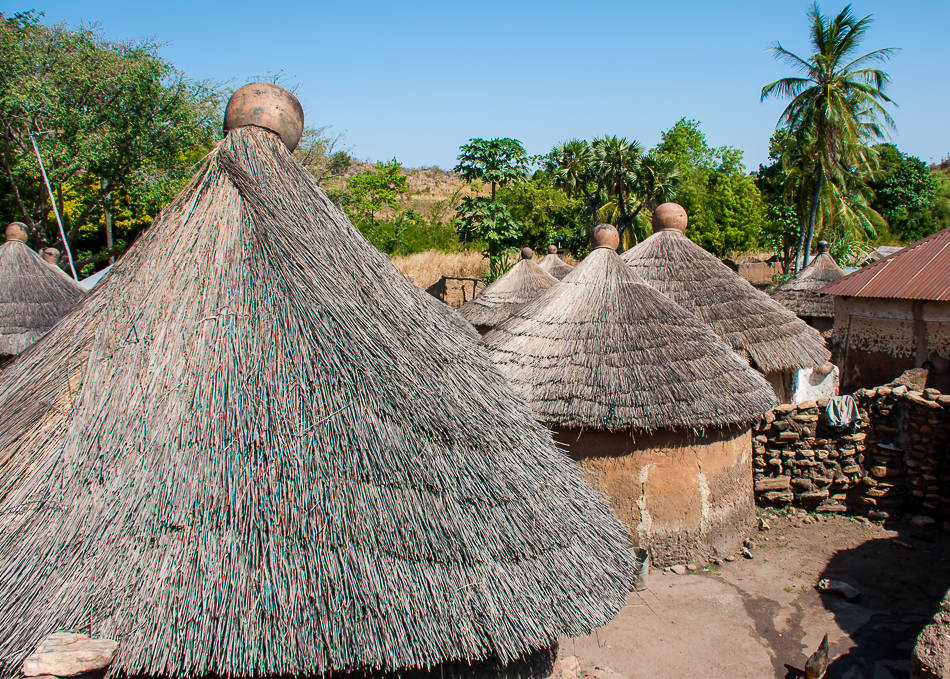
Close knit groups of small circular grass roofed huts are centered around a common courtyard where cooking and meetings occur.
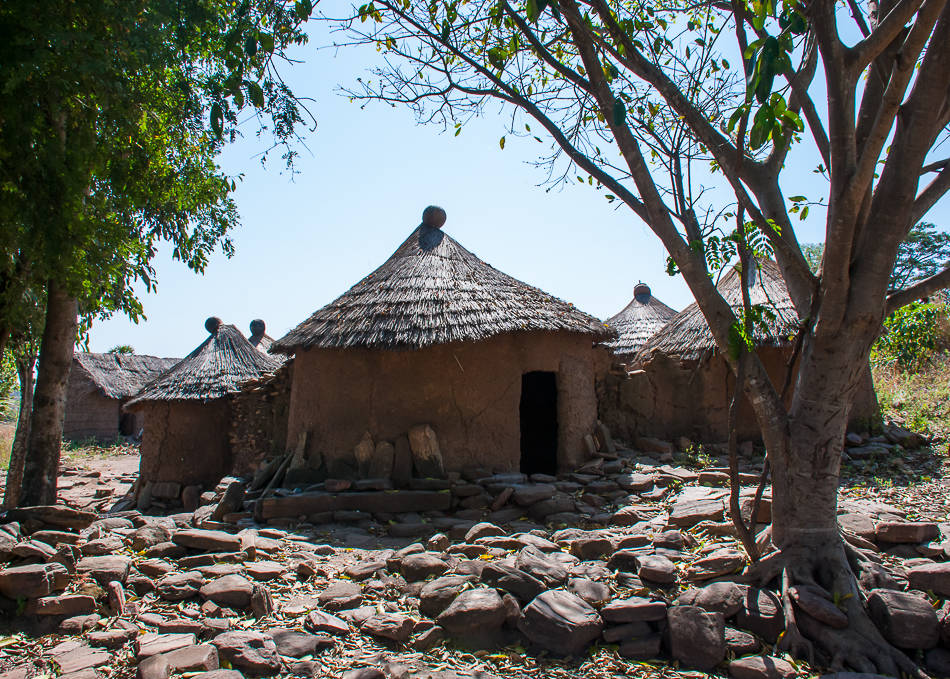
All the buildings are in fact a lot smaller than initially thought…
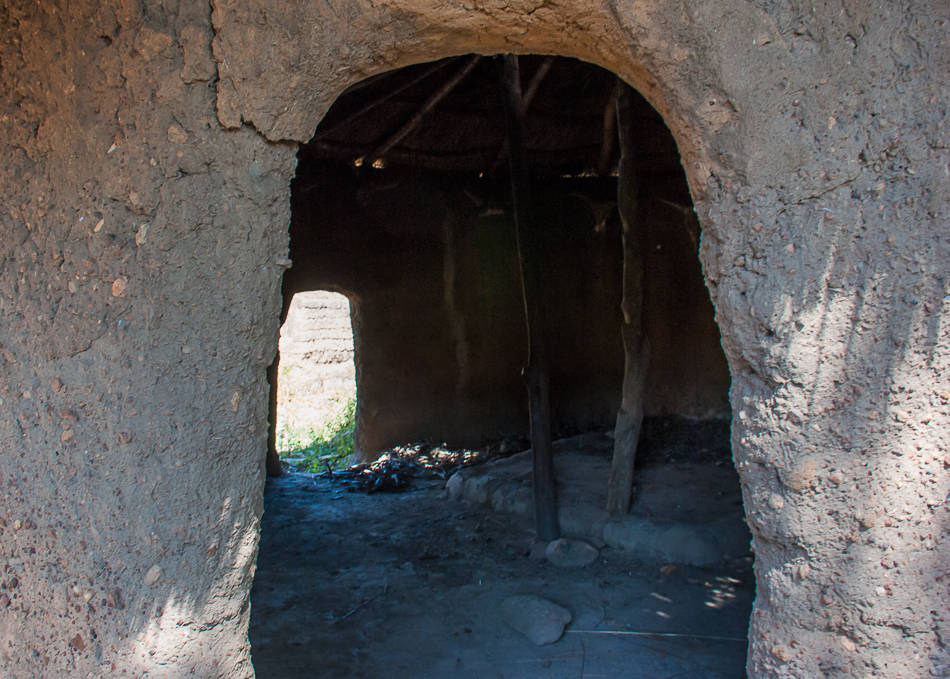
The inhabitants arrived here in the second half of the 18th century from different regions of Togo, Ghana, Burkina Faso and Niger, all running away from the slave hunters.
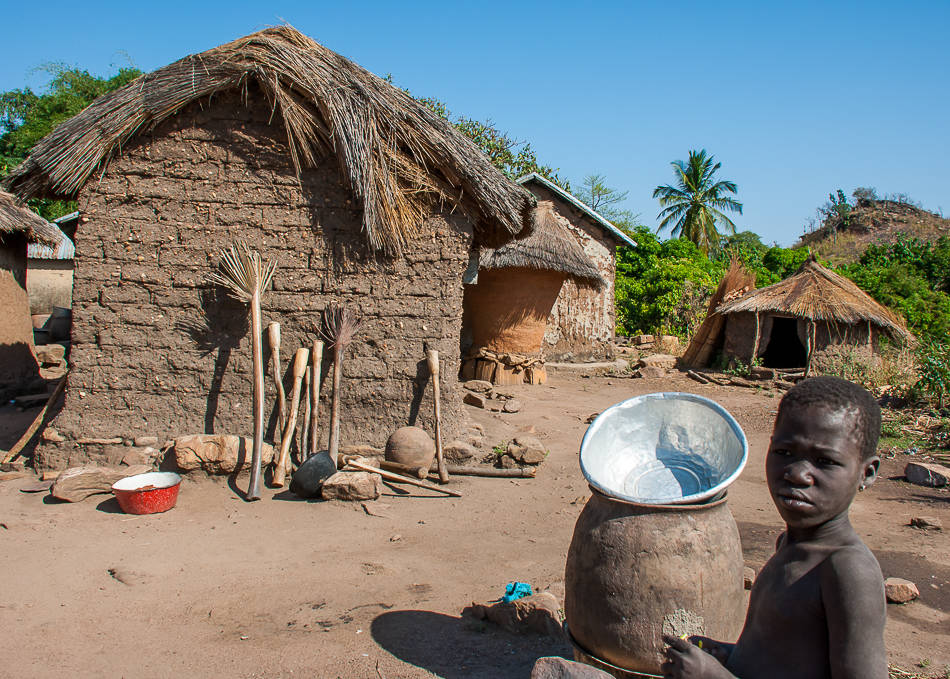
They saw a natural fort in these steep and rocky hills with a great view of the surrounding area and have settled there since, keeping their respective tribal traditions alive much like the Somba people in the north.
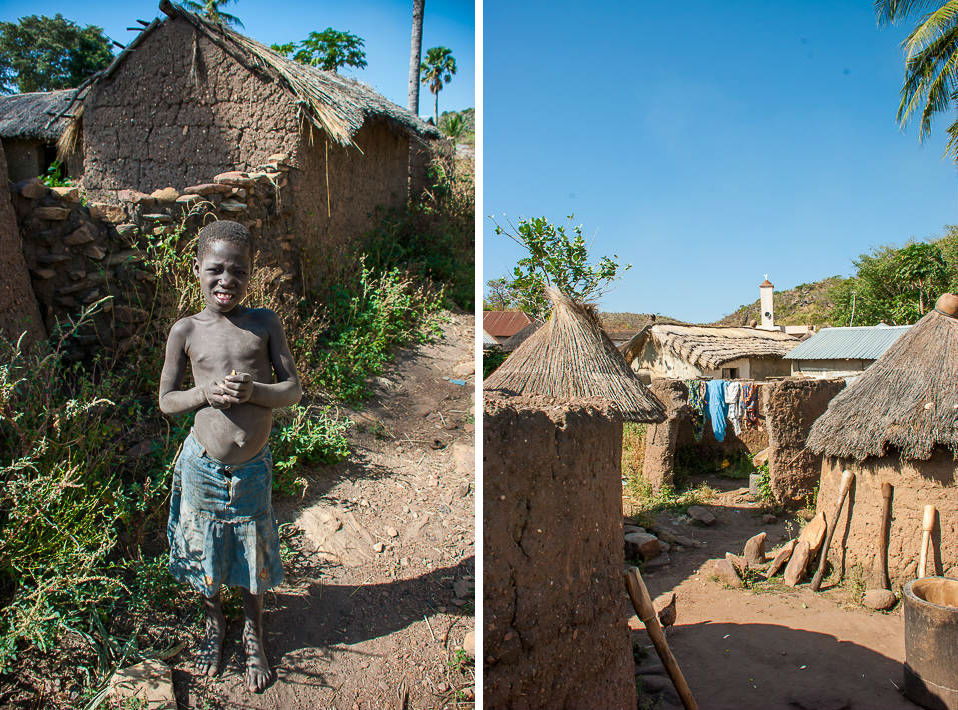
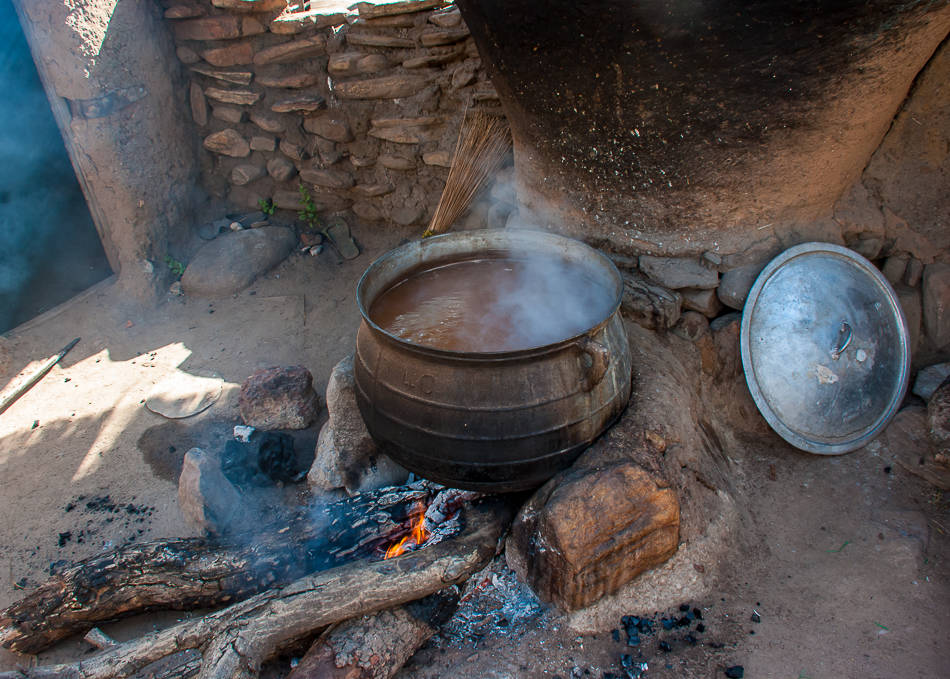
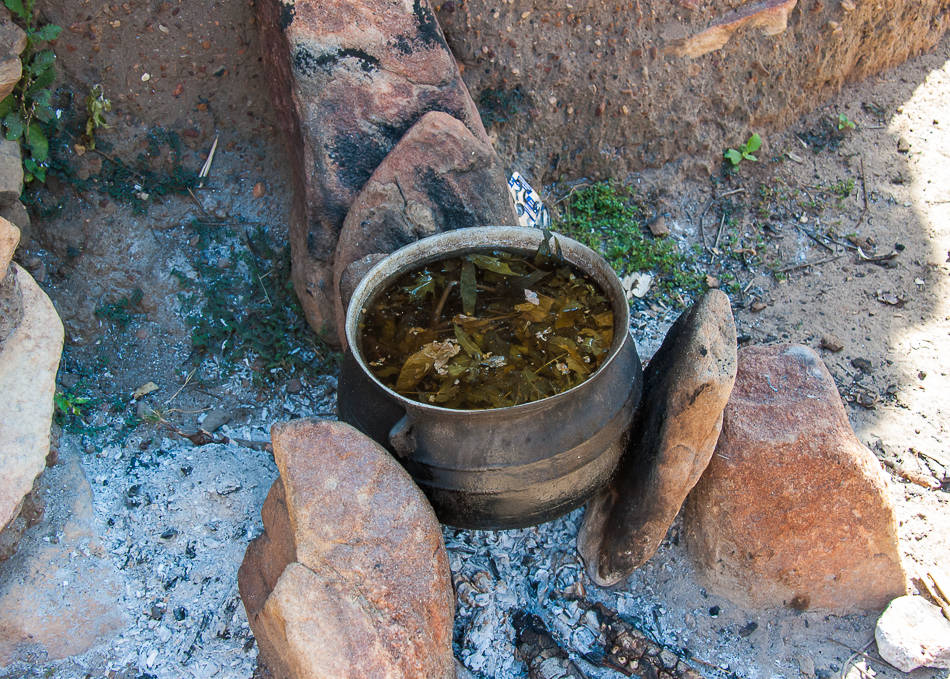
We arrived mid-morning and the village was practically deserted, the men and women having gone to the fields to work on their crops. Only signs of activity were pots simmering over fire, this one filled with beer made out of millet.
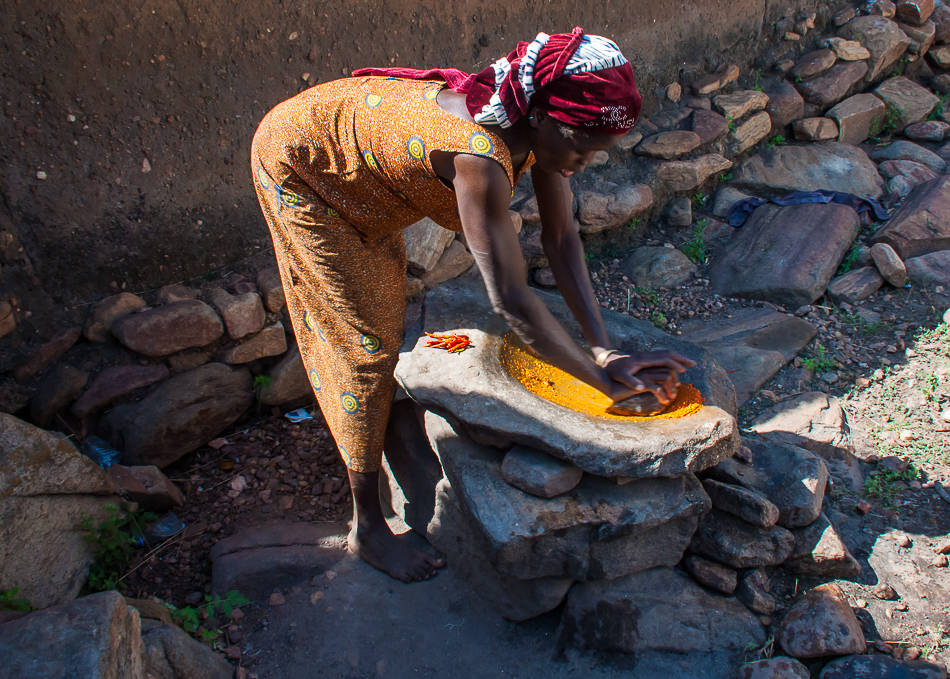
The only woman I met was busy crushing hot peppers on a stone mortar.
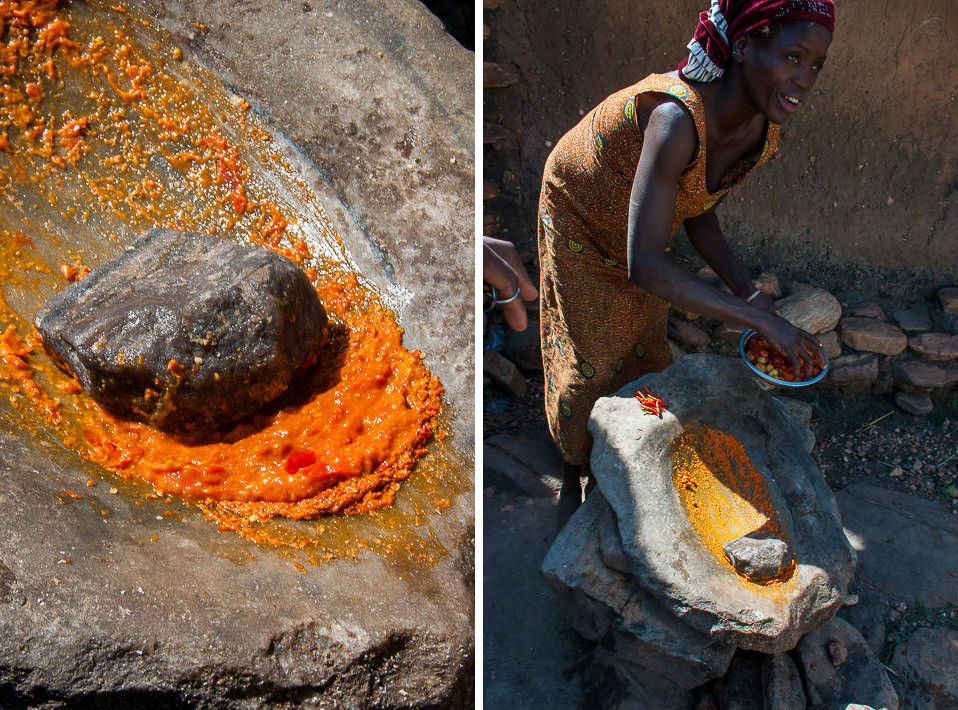
Tomatoes are added to make the traditional sauce, often eaten simply with boiled yams.
Another pot contained a natural medicine for  malaria – the knowledge of all the plants and herbs is a traditional and very precious one as they are too poor to afford western medicine.
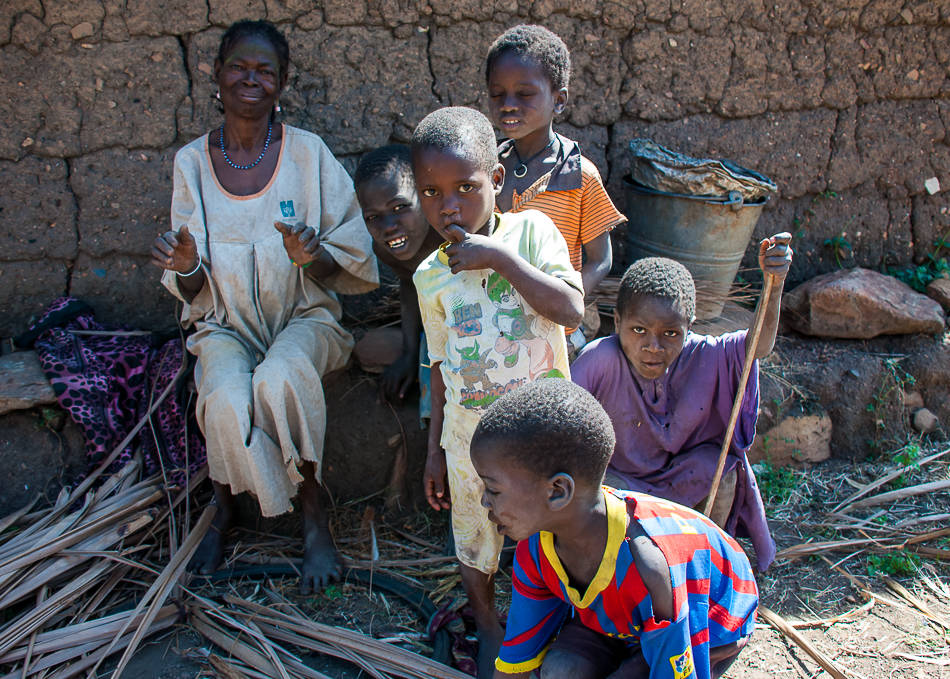
Kids are left with their grandmothers while the parents are out in the fields all day with little to do but hang out, playing with sticks and stones.
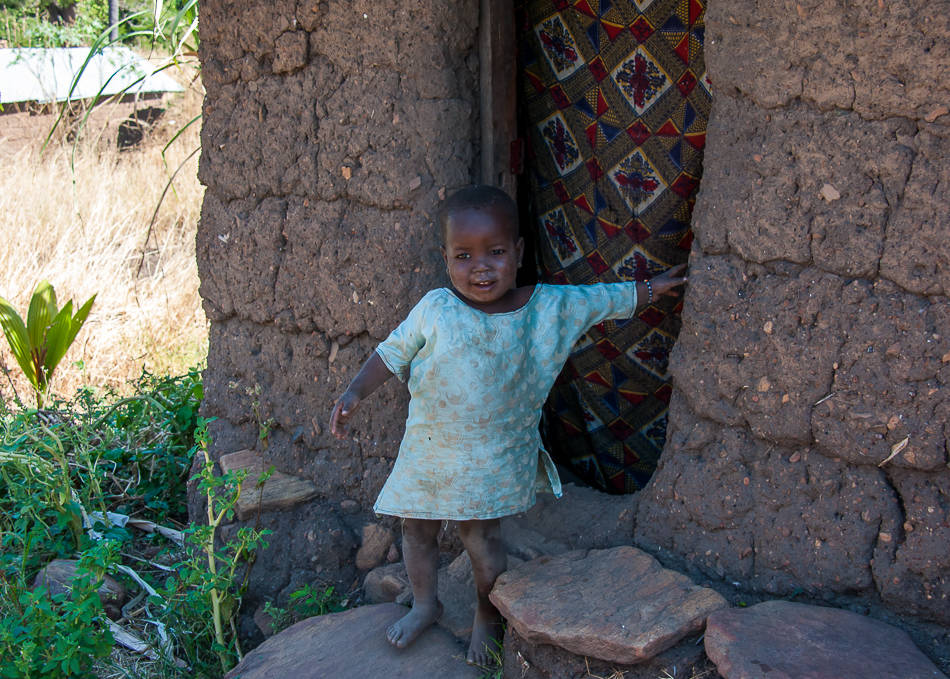
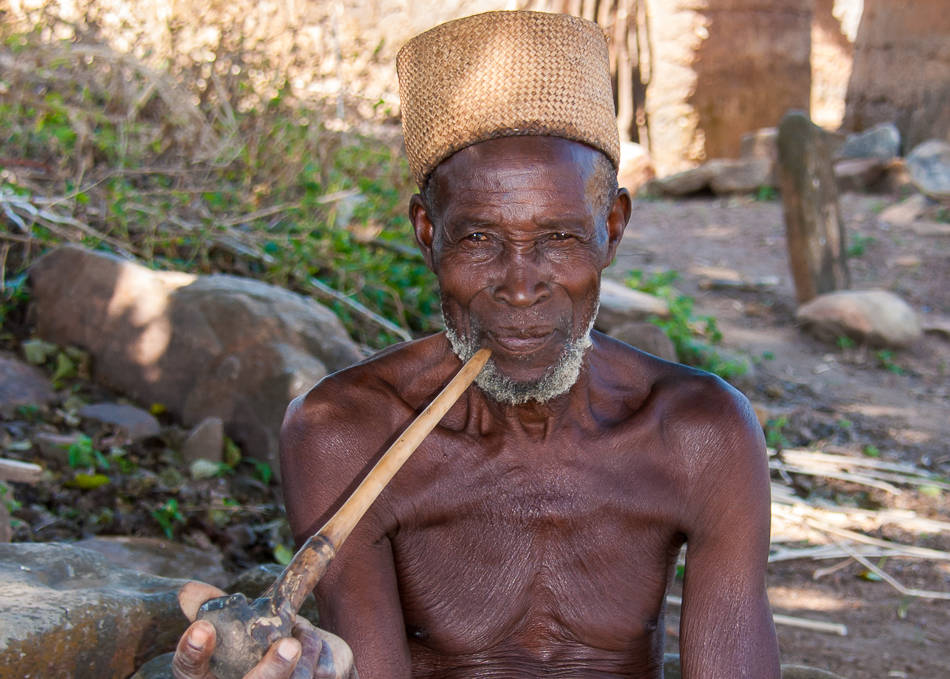
The fetish priest is the second highest figure in the village and has kept the tradition of wearing only a leather loin cloth as clothing.
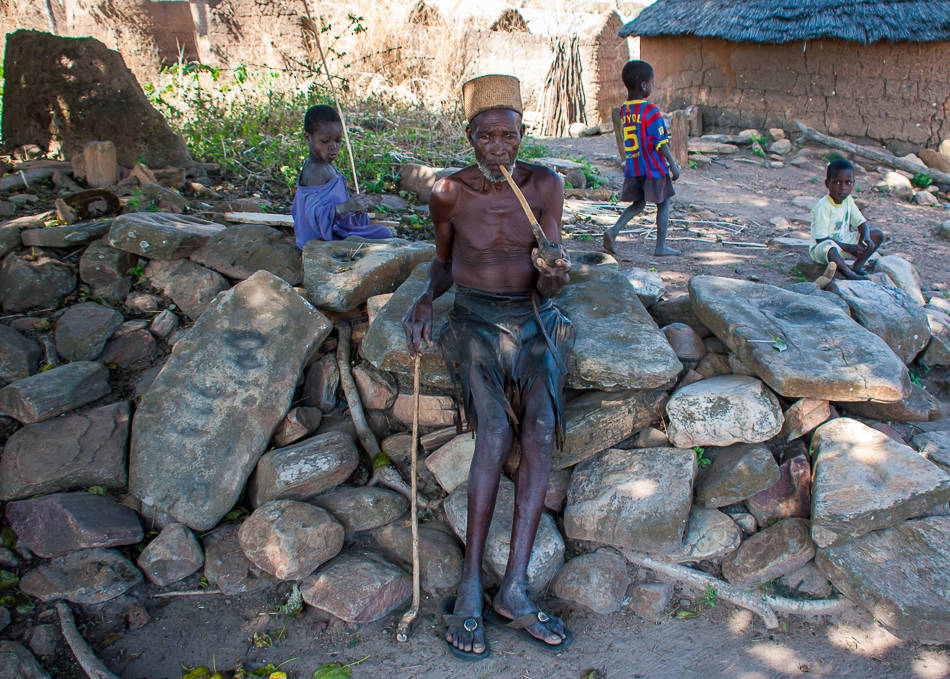
Smoking from a long hand carved pipe is a favorite pass time of his and many others. He was all smiles as I gave him money to buy a bit of tobacco…just made his day he said, ah!
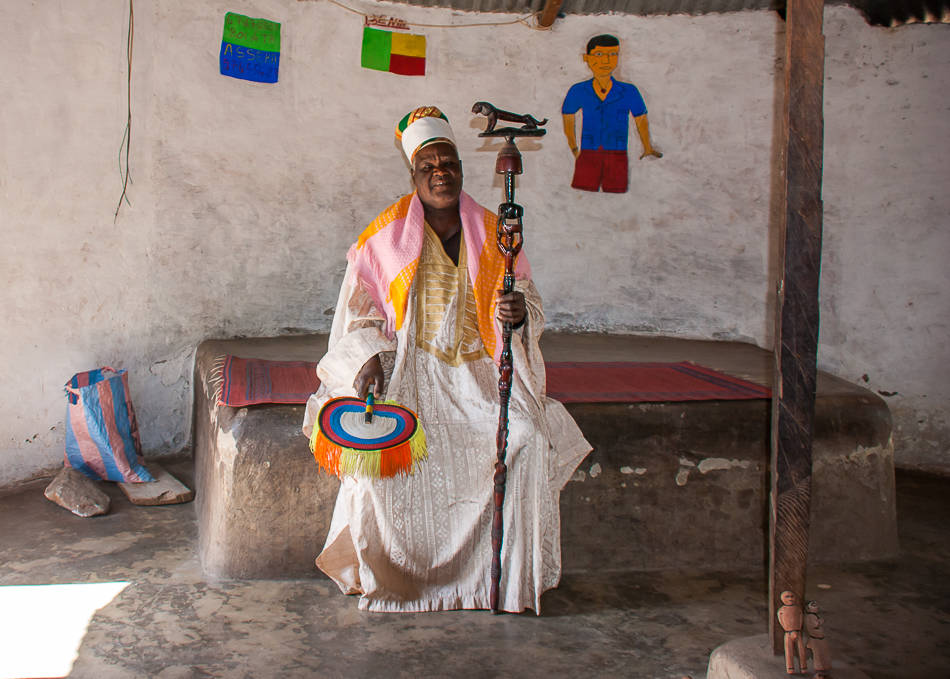
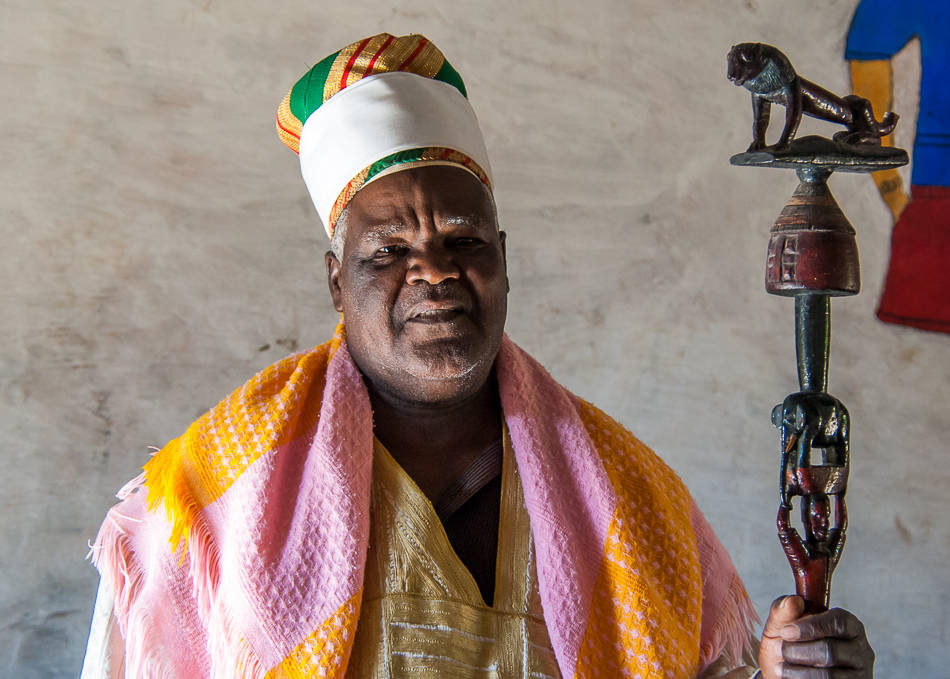
The highest figure in the village is unsurprisingly the King with whom I’ve had the pleasure of an audience. I was able to ask him all my questions about the village, their customs and ancestry and learn a great deal about their lives and strong beliefs in keeping things as they’ve been for hundreds of years…
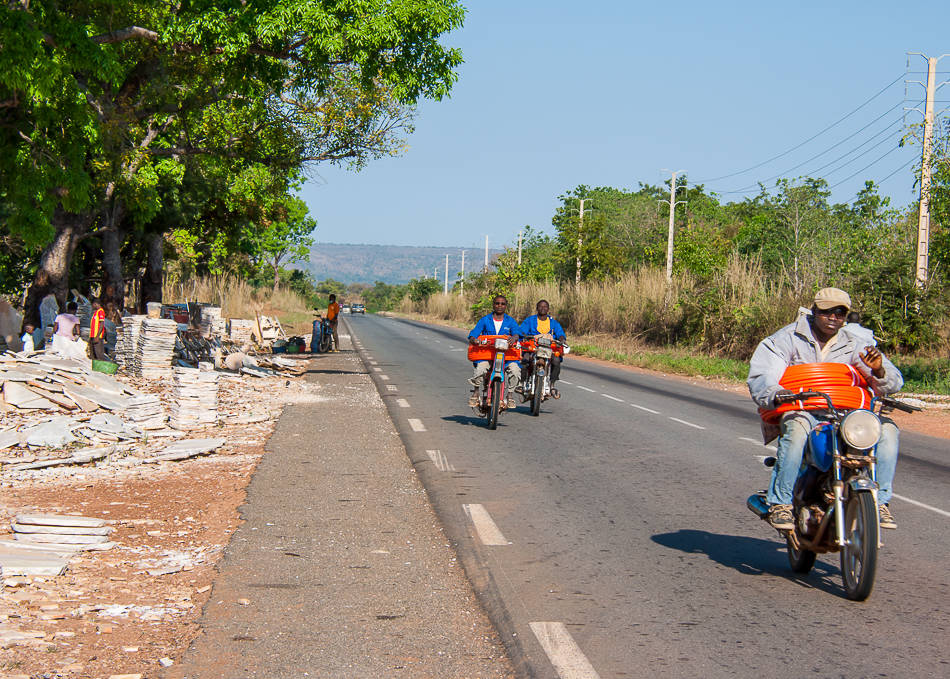
Back on the road, I stopped at a roadside marble vendor stand just to get a shot of these overloaded motorcycles…funny or ingenious?
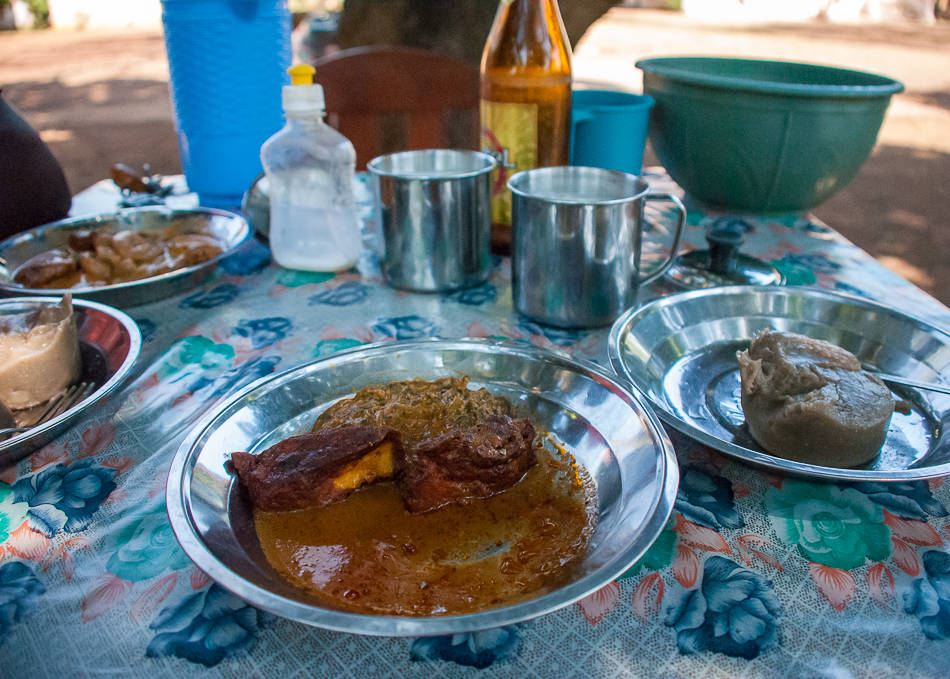
Another delectable lunch, this time extra special as I found cooked cheese and kontomire (spinach sauce) along with a very special banku. With a cold beer on the side this was well worth the $1.50!
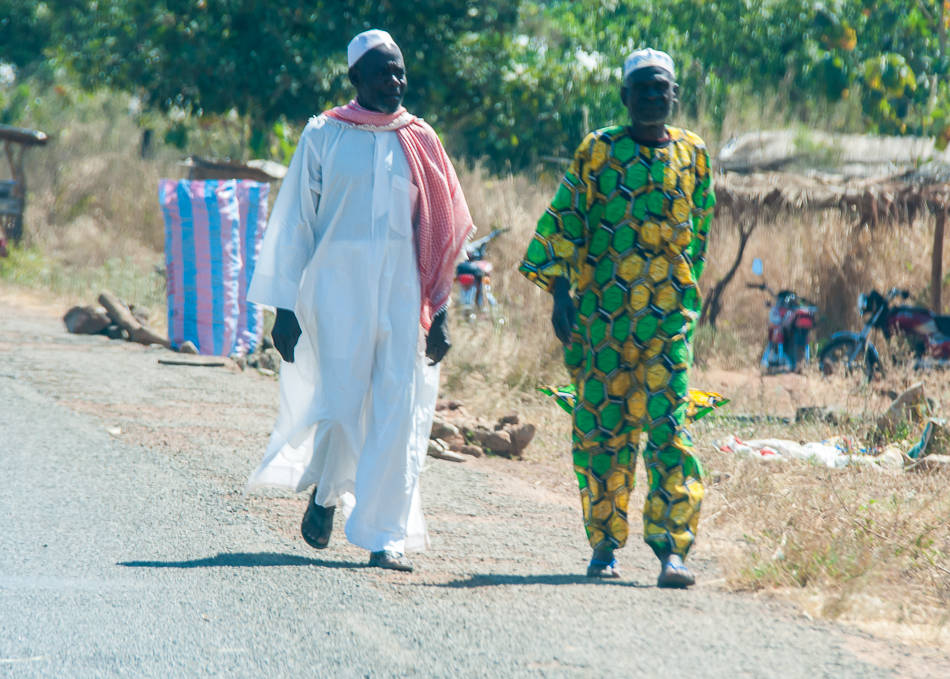
Men

Benin is the birthplace of Voodoo and it remains to this day the official religion of the country as well as an important part of Beninese life. Temples and roadside shrines abound, none as famous as the monstrous Dankoli shrine, the most important fetish in the country.
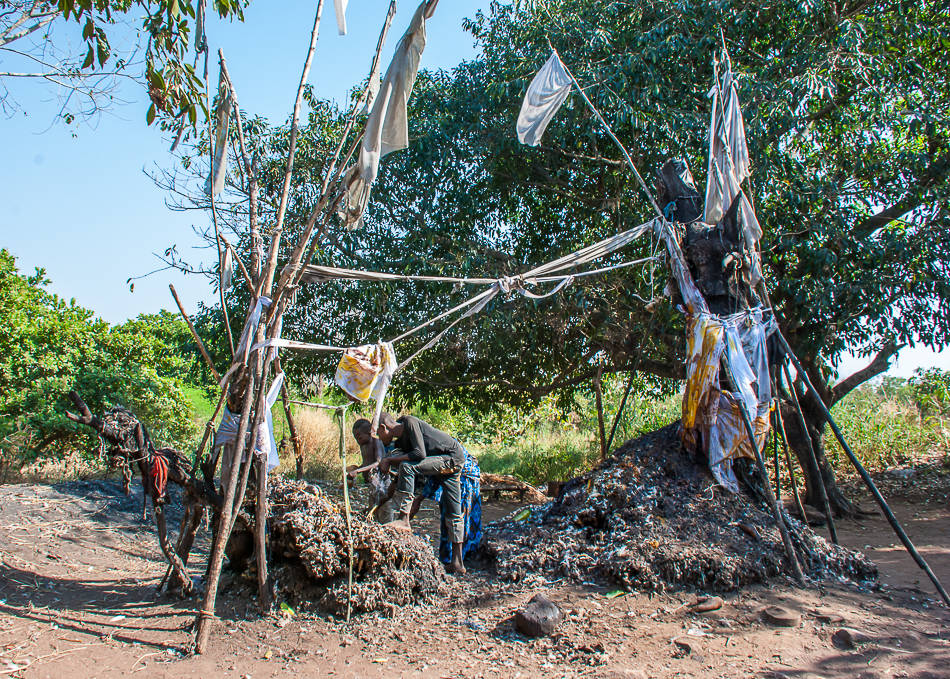
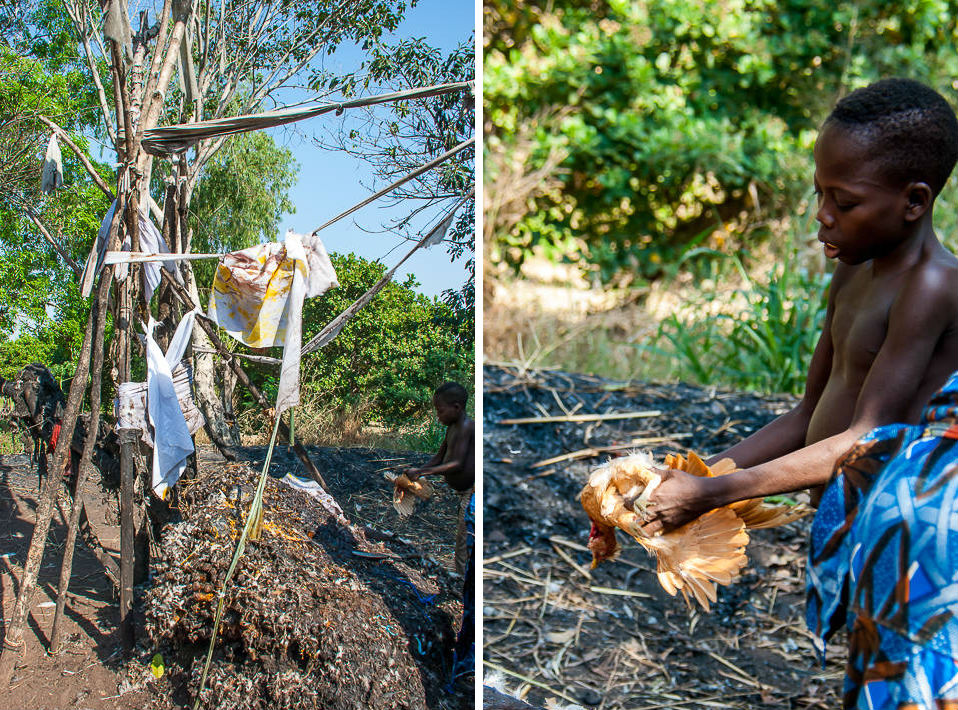
To an outsider, the shrine is nothing but a rotting pile of blood, bones, and feathers with a tree stump at its center to hang various animal parts. To locals though, this is where they come to speak directly with the spirits who will bring their messages to the gods. I witnessed a few requests, consisting mainly of hammering a wooden peg into one of the two shrines (one male and one female) while making silently your request, then pouring red palm oil on to your stake before spitting a mouthful of a specially prepared rum at your stake while constantly repeating your request. The same pouring and spitting must be performed three more times on a giant wooden penis sticking out of the ground and two holes in the ground called ‘the twins’.
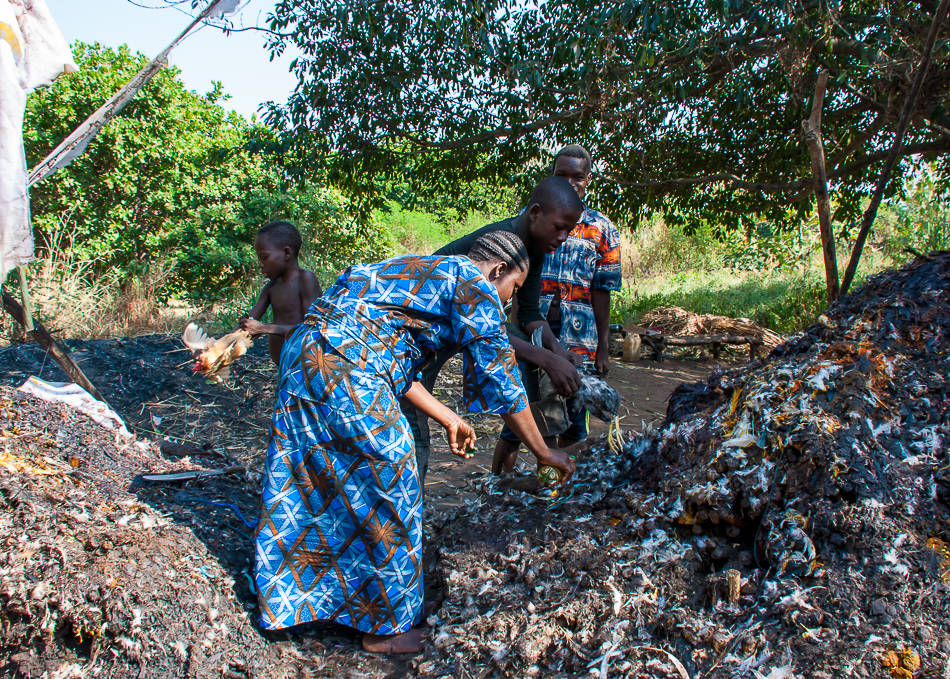
Of course, gods need a little incentive so you must also put a bit of money next to your stake, pouring more oil and rum onto it, and your request should be answered within the year… If it is, you must return to the shrine and offer a sacrifice, usually chickens which were being slaughtered all around me… Let’s say I didn’t stick around too long!
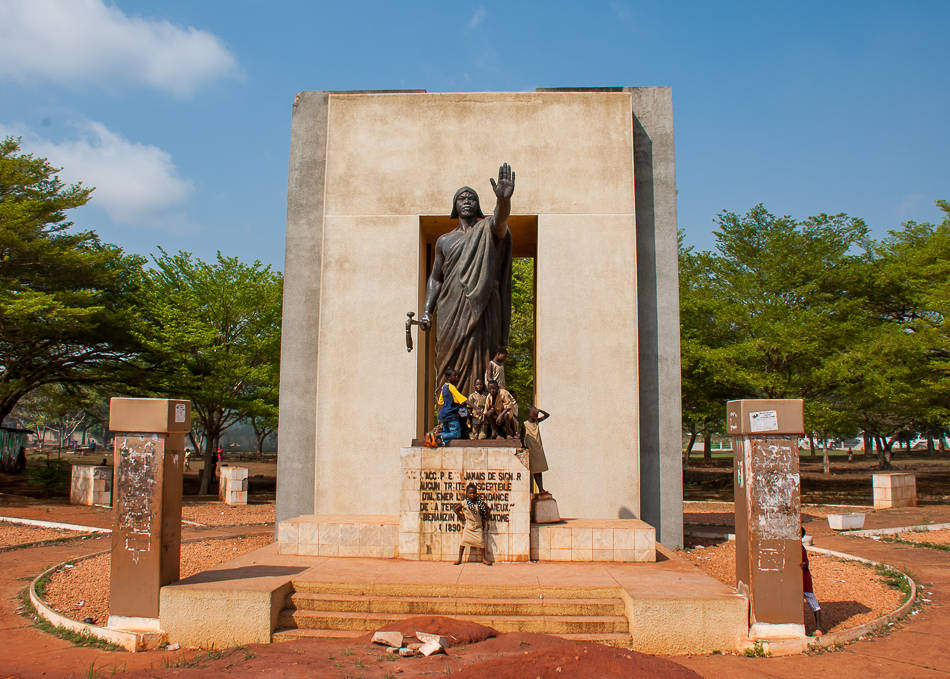
A visit to Benin wouldn’t be complete without stopping at the seat of the once powerful Kingdom of Dahomey (1800s–1894). The city of Abomey was the capital of the Dahomey Empire and boast many ruined temples and royal palaces (listed as UNESCO World Heritage site) worth a visit. Photos of the palaces were prohibited but I did get a good shot of the statue of King Behanzin, Abomey’s last independent ruler.
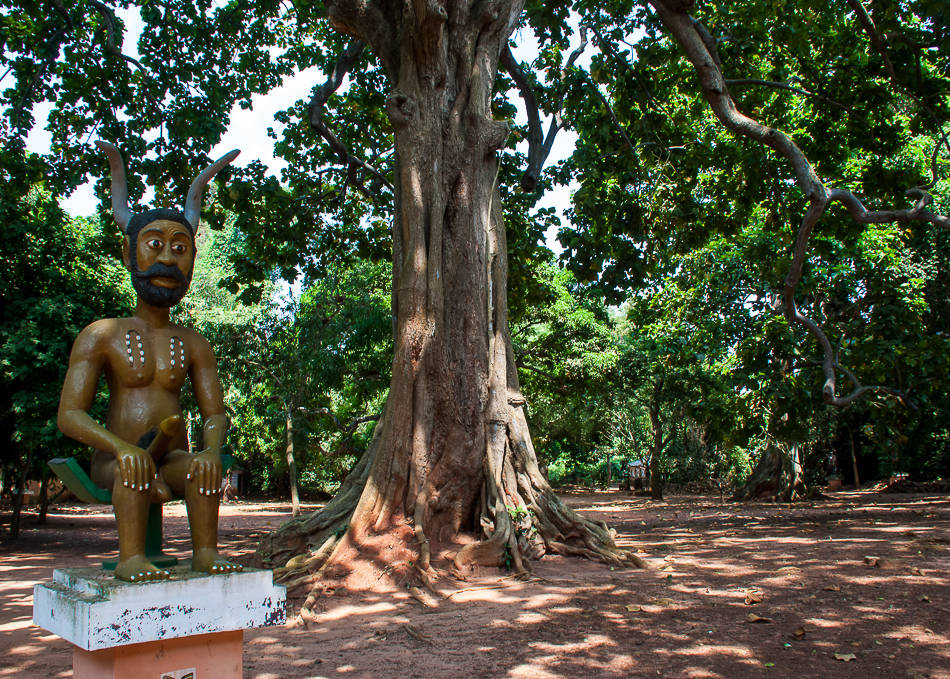
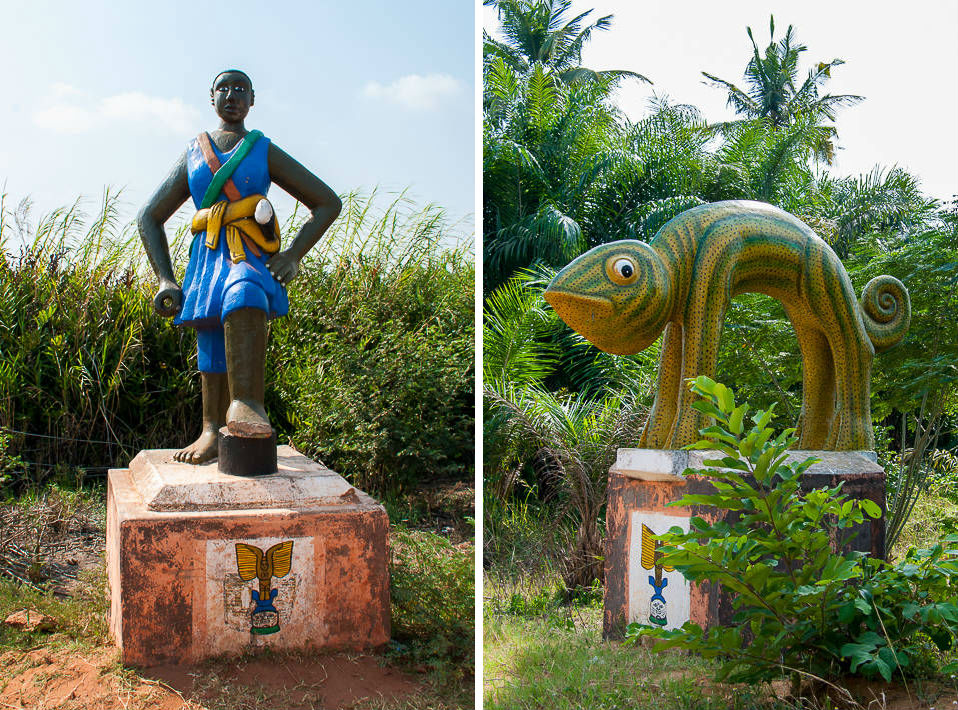
Heading always south and finally reaching the coast, we get to the city of Ouidah, the spiritual center of the Voodoo religion. Just outside the center you can find the Sacred Forest of Kpasse, a quiet oasis dotted with bronze statues of gods which you can also see scattered around town. You’ll hear great stories of magical trees and other legends.
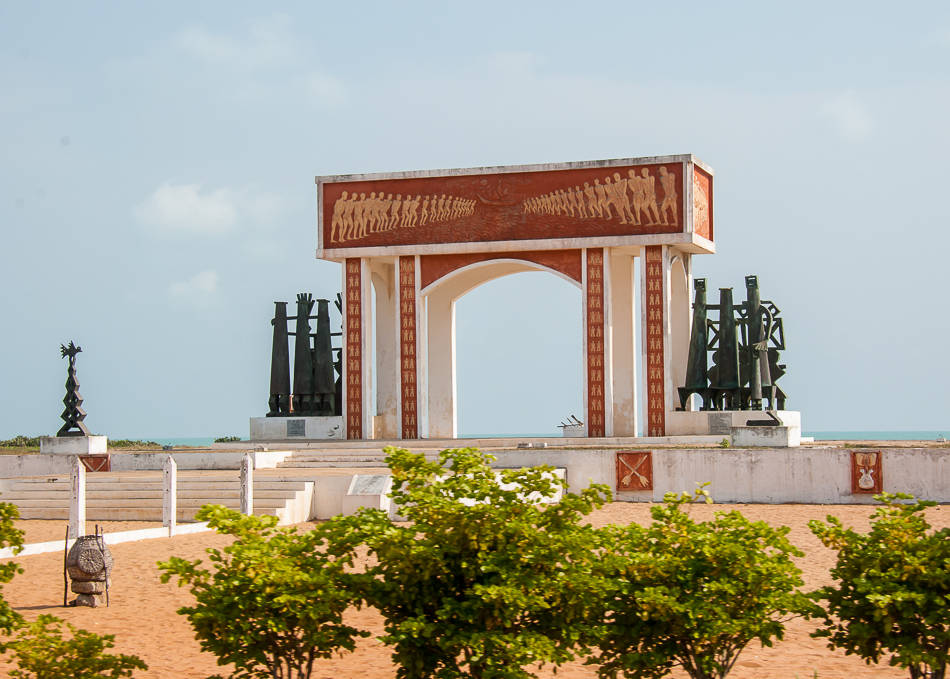
The Route des Esclaves was the road by which slaves were taken to the beach (and then the boats) and has numerous statues and monuments along its 4 km.
The most famous monument is without a doubt the ‘Door of No Return’, a memorial arch set on the beach where boats used to come and collect the slaves to take them away forever.
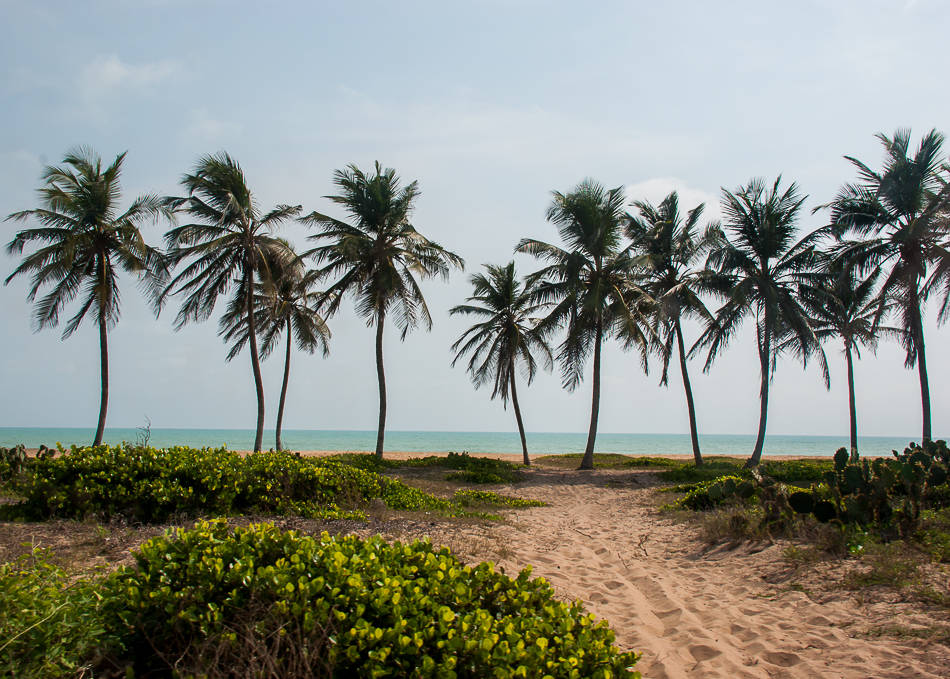
The beach in Ouidah is supposedly the nicest in the country.
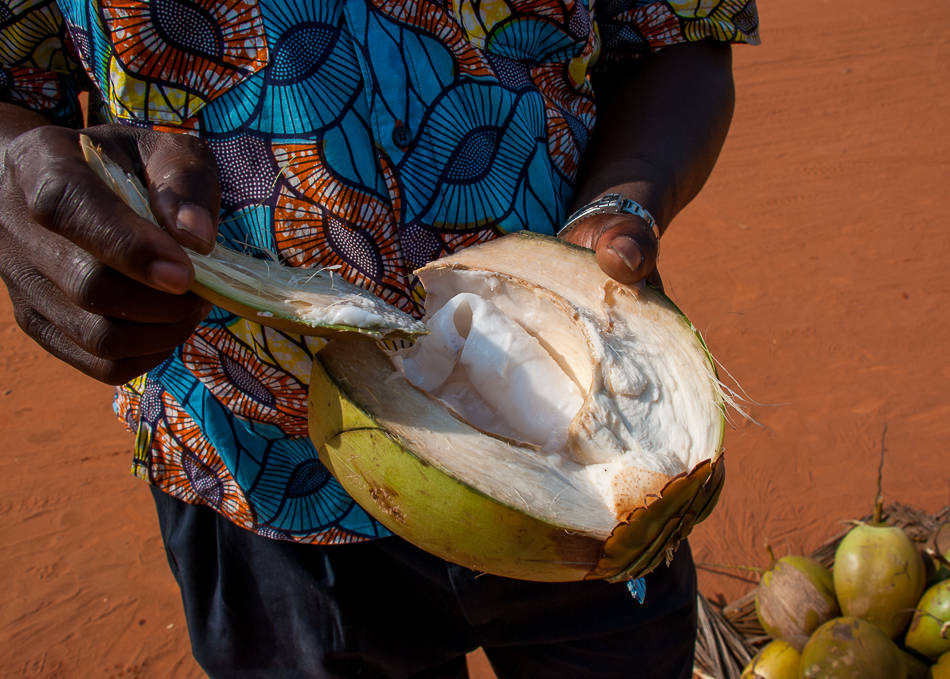
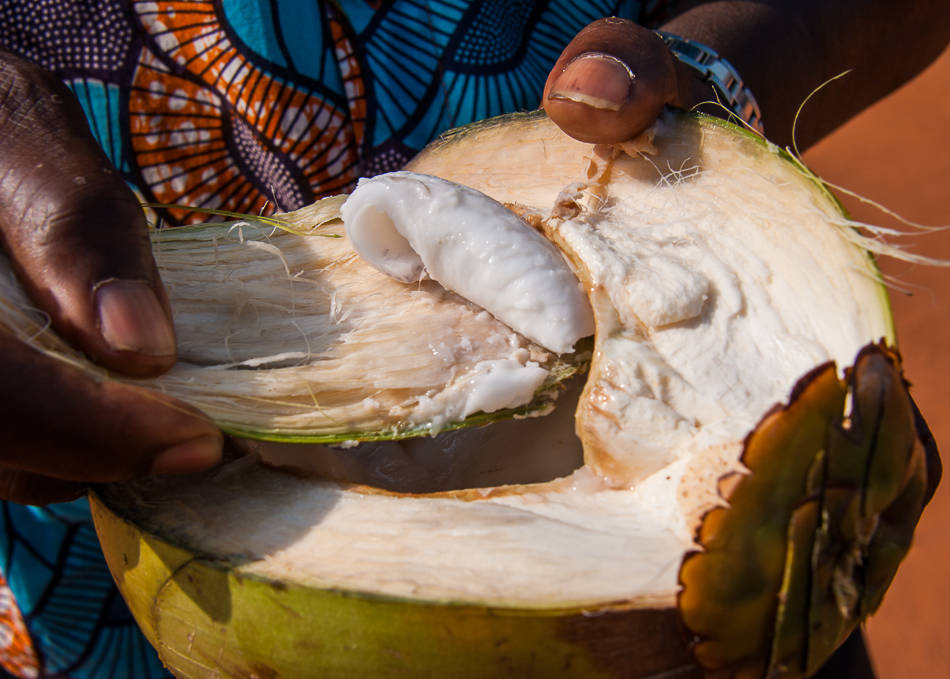
Nearby were tons of coconut vendors waiting to quench my thirst, and I’ve also learned to indulge in that amazingly fresh and tender coconut meat found in the middle.
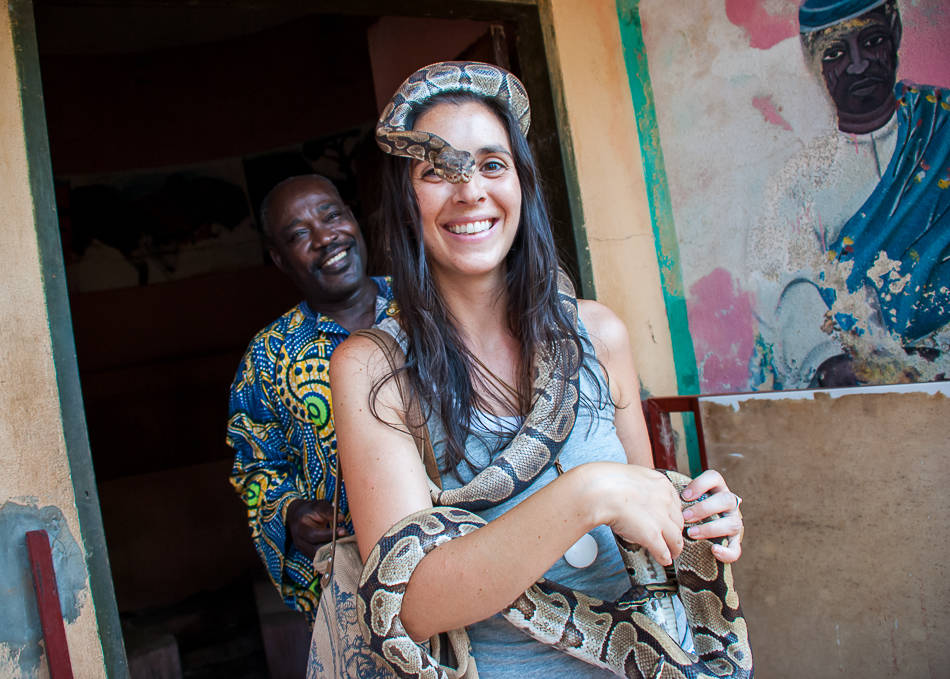
I kept the most popular attraction for the end – the Python Temple. In Voodoo the snake represents the god Da (or Dangbe) who is the bringer of life and fertility and the favorite god of Ouidah, hence a whole temple is dedicated to a large group of harmless Royal Pythons.
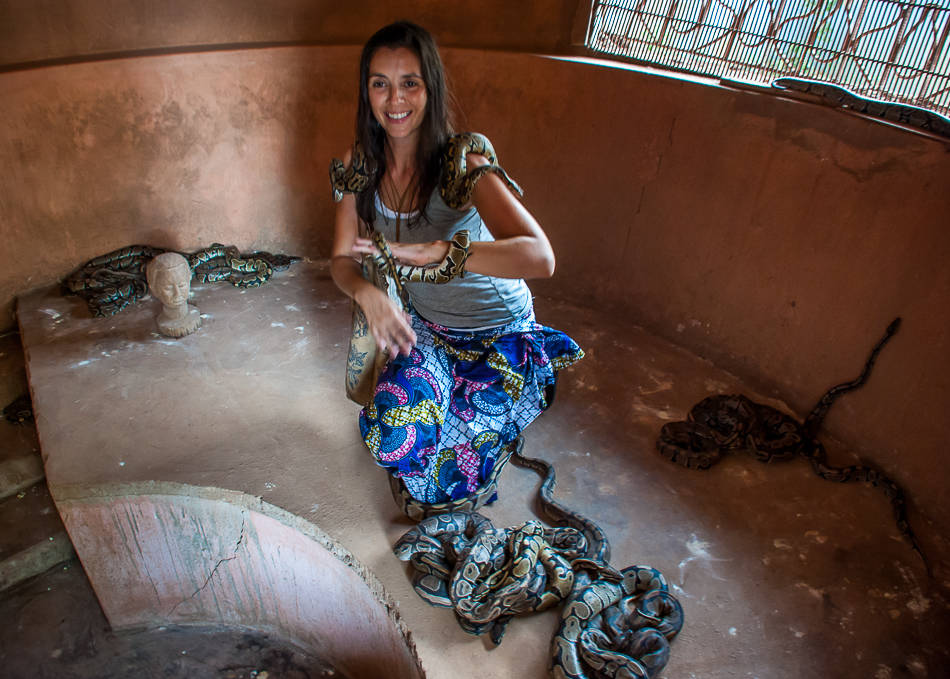
The snakes are used in various Voodoo ceremonies held at the temple, and in between make for some pretty entertaining photo shoot with tourists! 🙂