
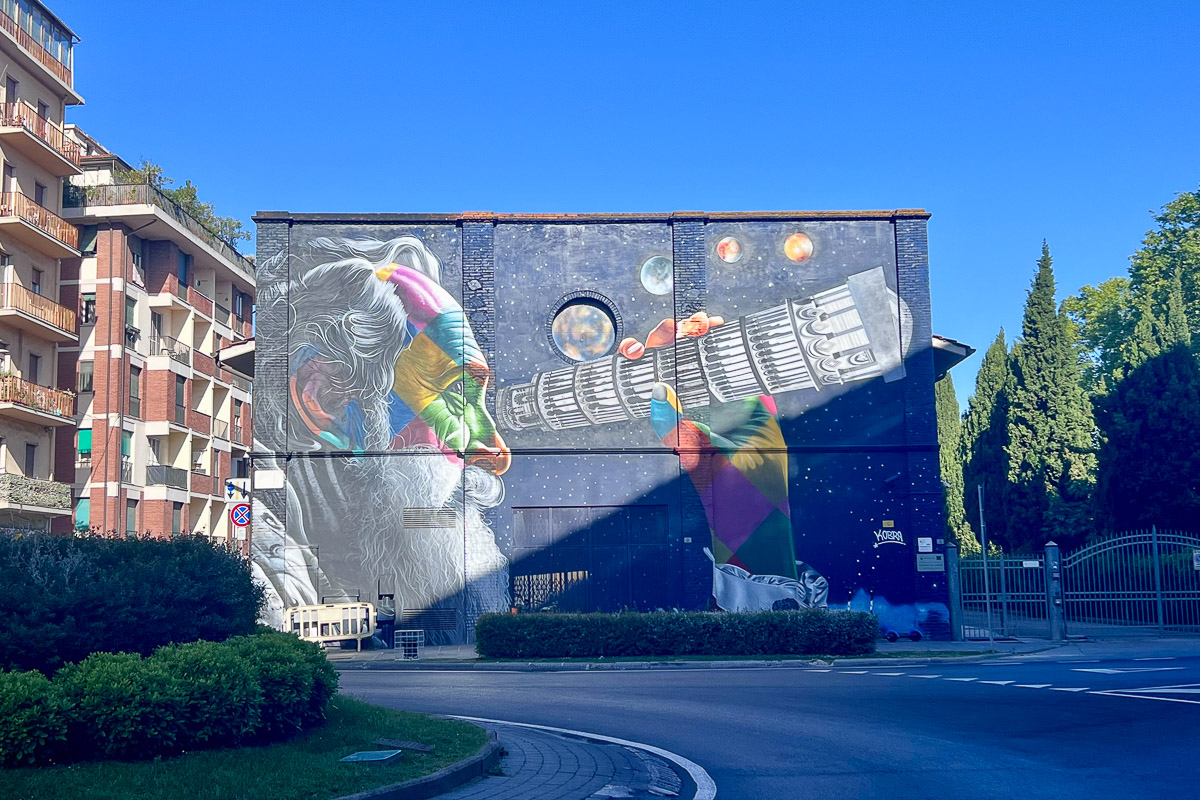
Come for the Leaning Tower for sure, but know that the town of Pisa in northwest Tuscany has a lot more to fill in a pleasant full-day trip. If you arrive by train, the walk from the station will have you pass by large urban murals, starting with a striking tribute to Galileo. The historic astronomer was born in Pisa in 1564 and is beautifully depicted here looking through a telescope shaped like the Leaning Tower.
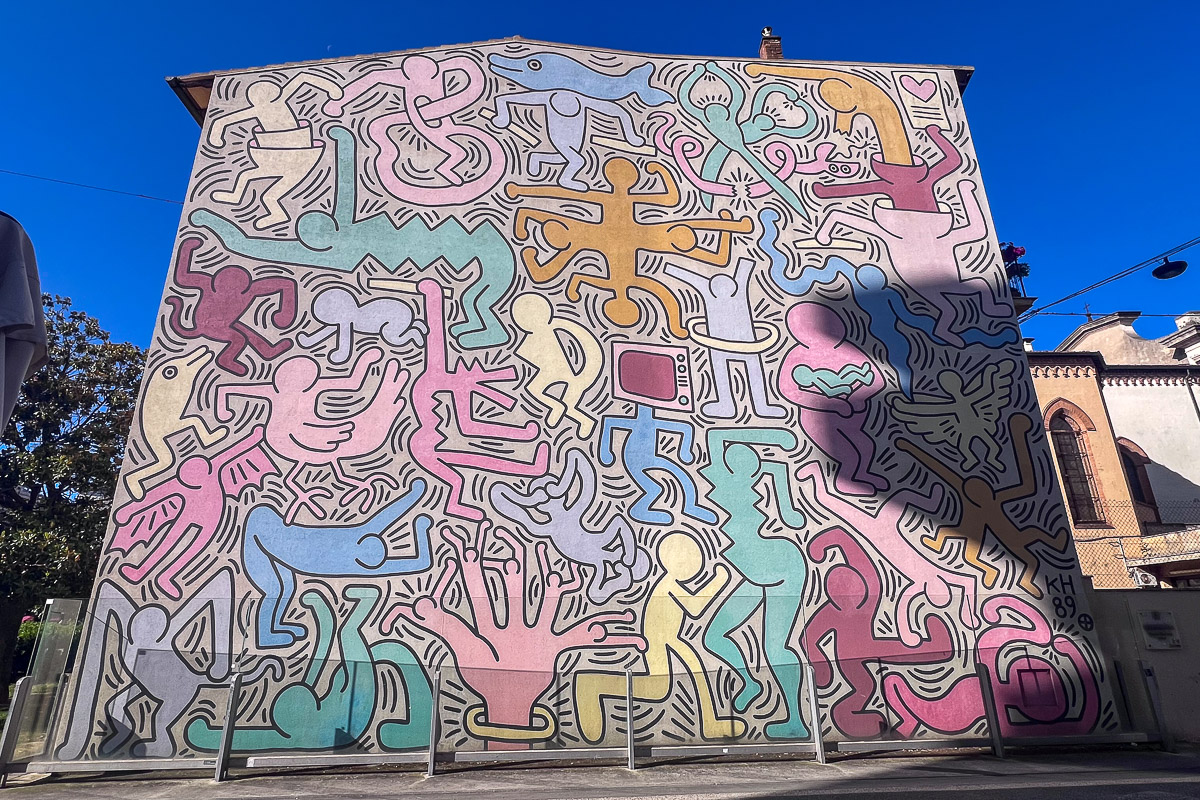
A few blocks away, on the back wall of the Church of Sant’Antonio Abate, you’ll find Tuttomondo by Keith Haring (1989). The 180-square-meter masterpiece is famous for being the final public work painted by the artist shortly before his death. There are benches and a cute cafe right across from where you can admire the colorful figures.
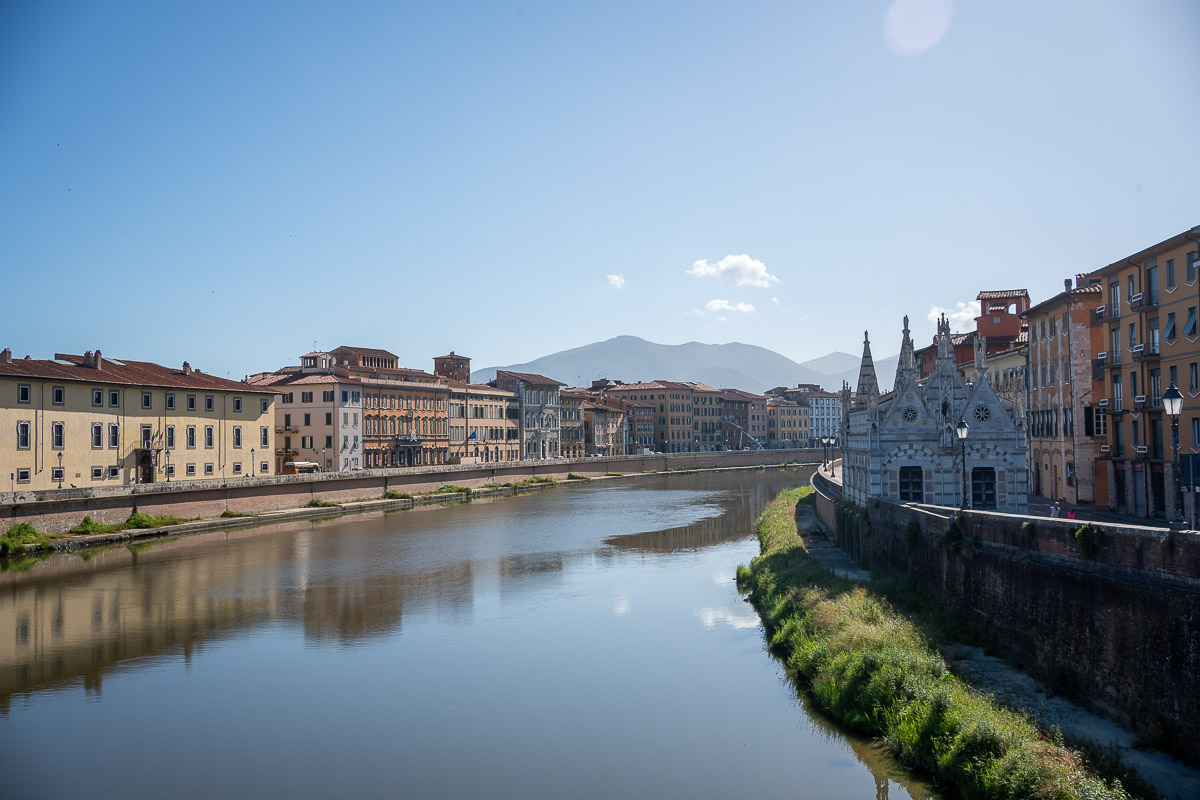
Continue going north and you’ll soon reach the Arno river (the same that flows through Florence) and its scenic banks.
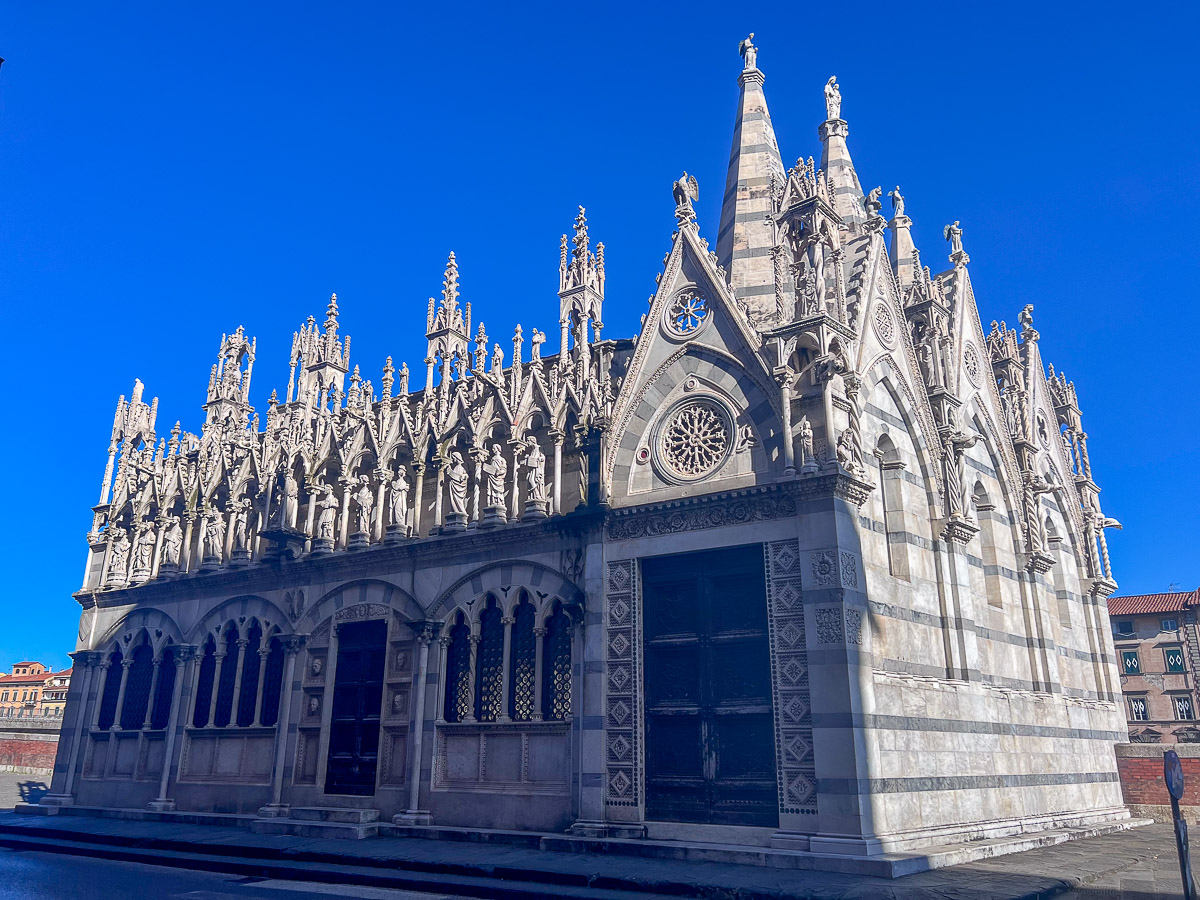
The gothic Santa Maria della Spina church (Church of Saint Mary of the Thorn) is hard to miss with its spiky pinnacles and sits right on the edge of the river. It was built to house a thorn from the Crown of Thorns forced on to Christ’s head before his crucifixion.
Square of Miracles
After about 30 minutes you’ll finally emerge onto Piazza dei Miracoli (Square of Miracles) where a staggering number of impressive white buildings fill your view.
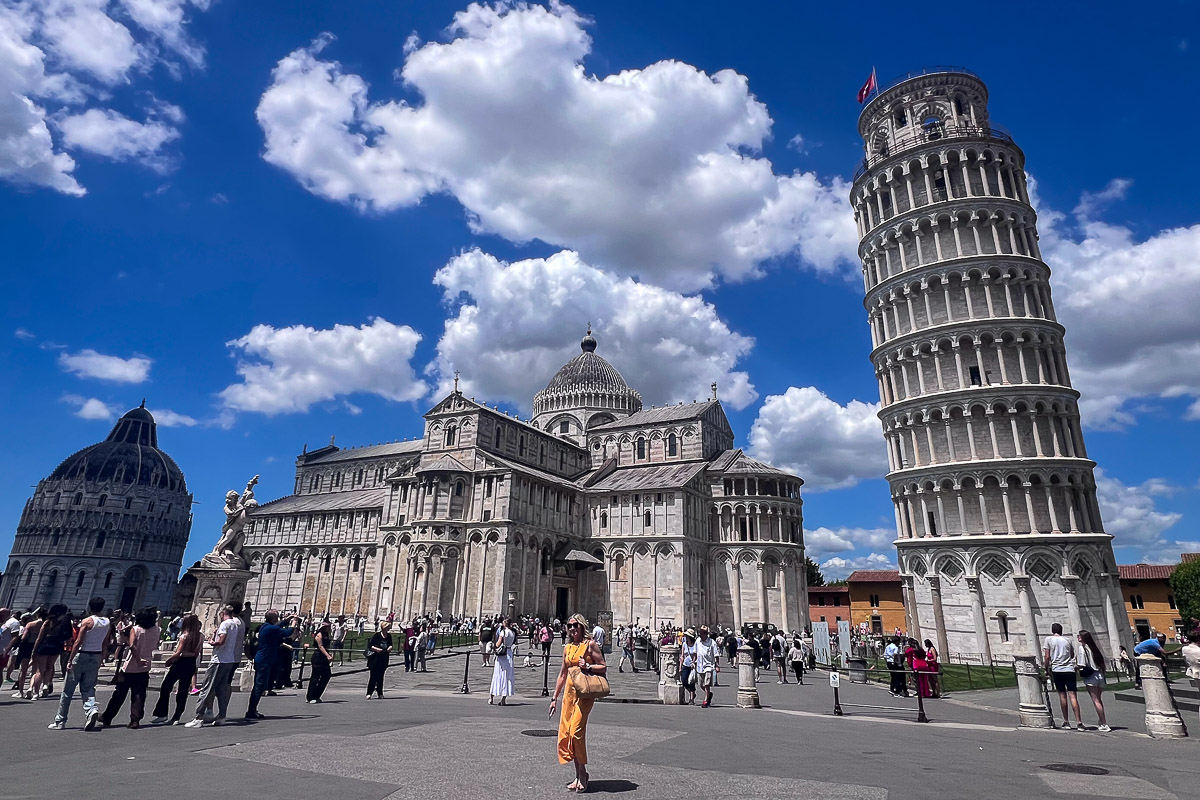
The Leaning Tower of Pisa
You’ll have eyes for only one at first, the Leaning Tower, that seems to tilt at a different angle every time you look at it. The optical illusion is very real though and more pronounced the closer you get to it. The reason for this iconic slant is the sandy silt subsoil and shallow foundations, leading the bell tower to begin to tip sideways during construction in the 12th century. Recent engineering interventions in the 2000s succeeded in stabilizing it and it should remain secure for the next 200 years.
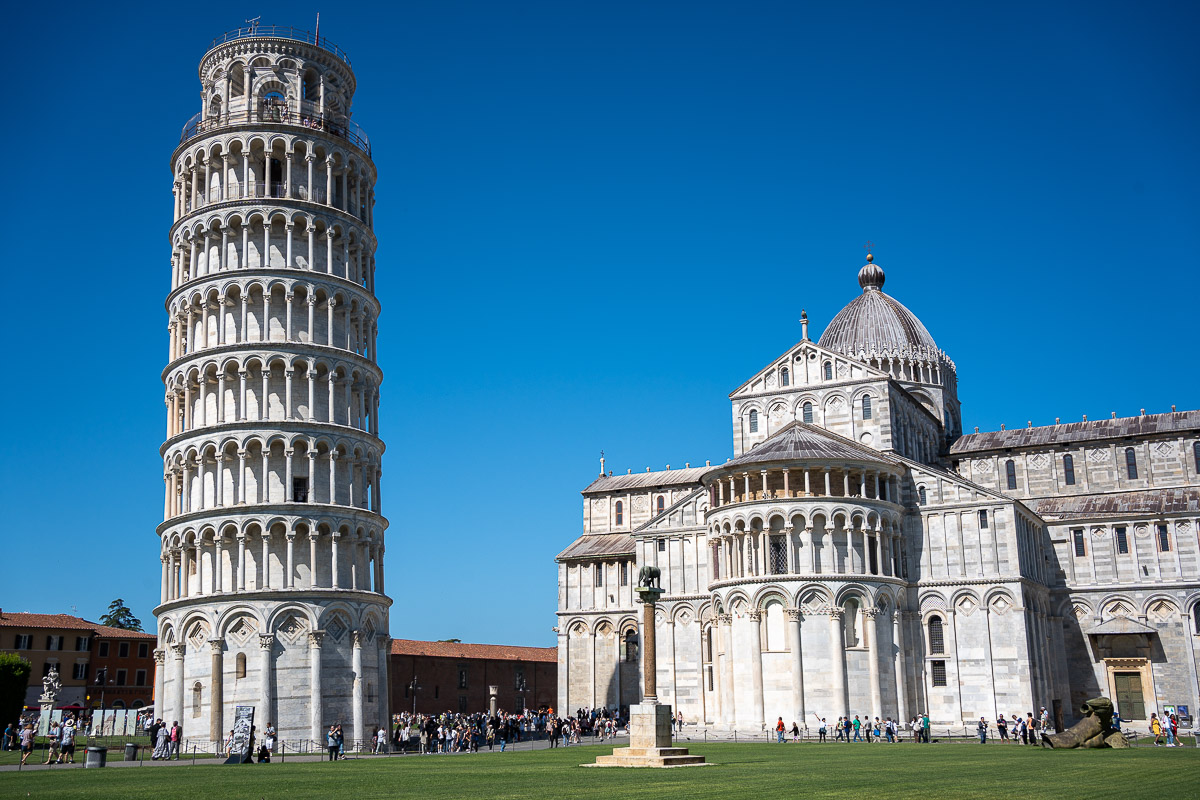
After getting your timed-entry tickets and leaving your belongings in a locker, you queue up at the base of the tower for your climb. It’s quite something to walk into this world famous landmark and something else entirely to walk up its eight floors feeling your body tilting. If you’re interested in numbers, know that the tower tilts at an angle of approximately 4 degrees today meaning the top sits about 13 feet off its true vertical center line. Vertigo and a bit of claustrophobia are expected but at least there are a few windows on your way to the top.
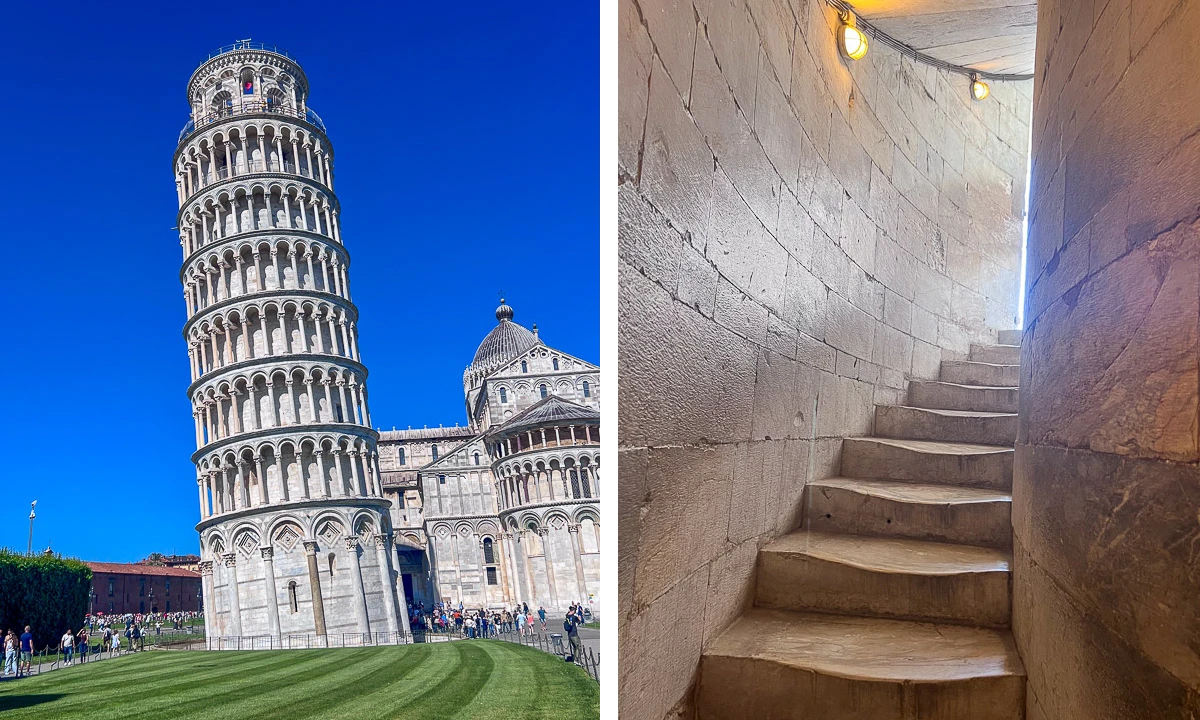
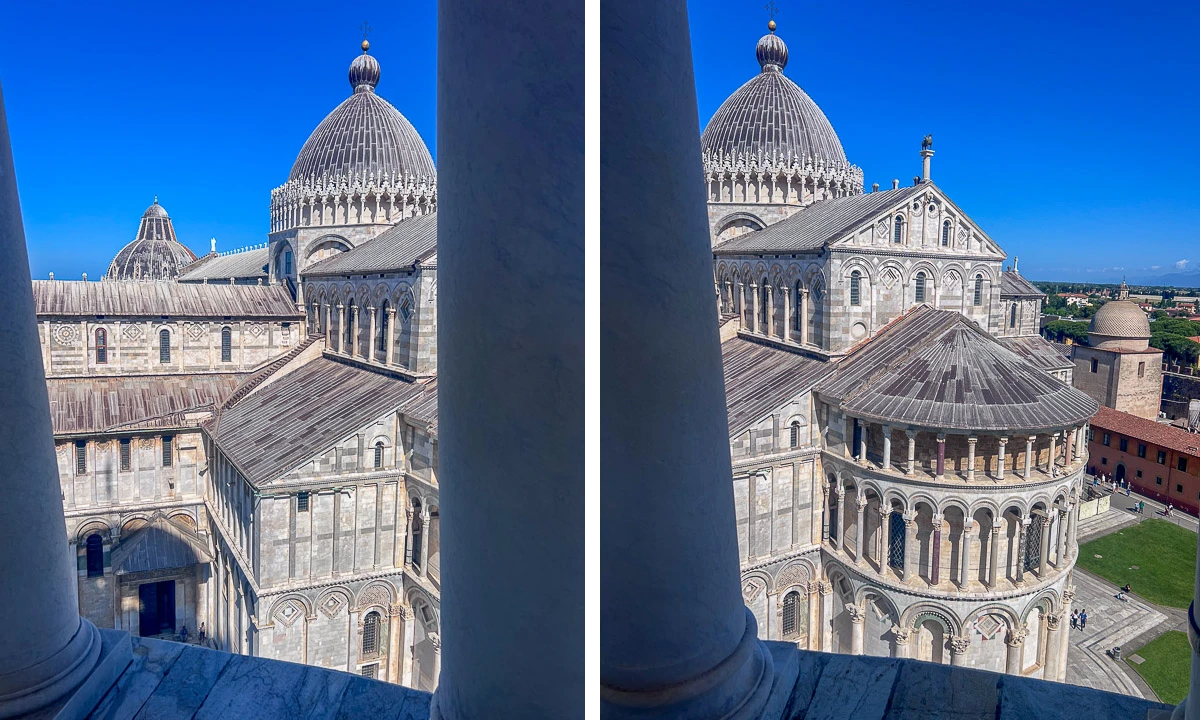
After 251 steps you will have reached the top with the bells and wonderful (although tilted) views of Pisa.
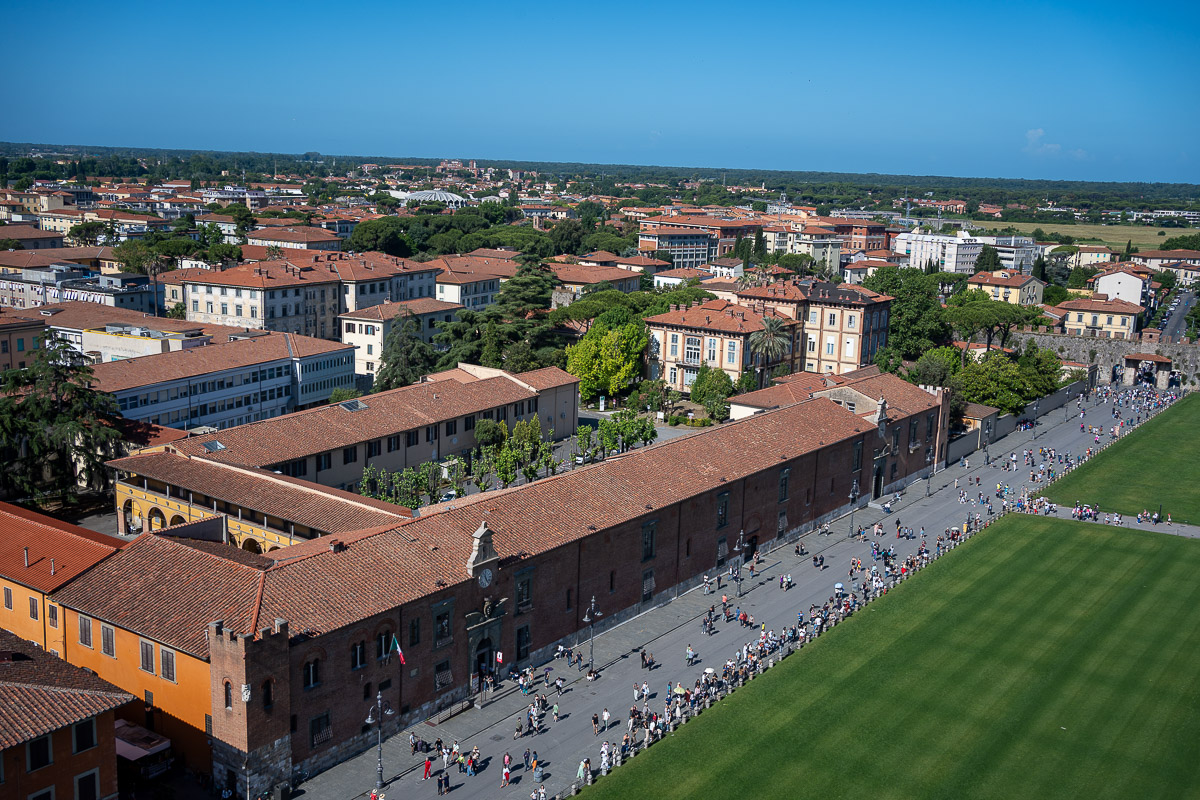
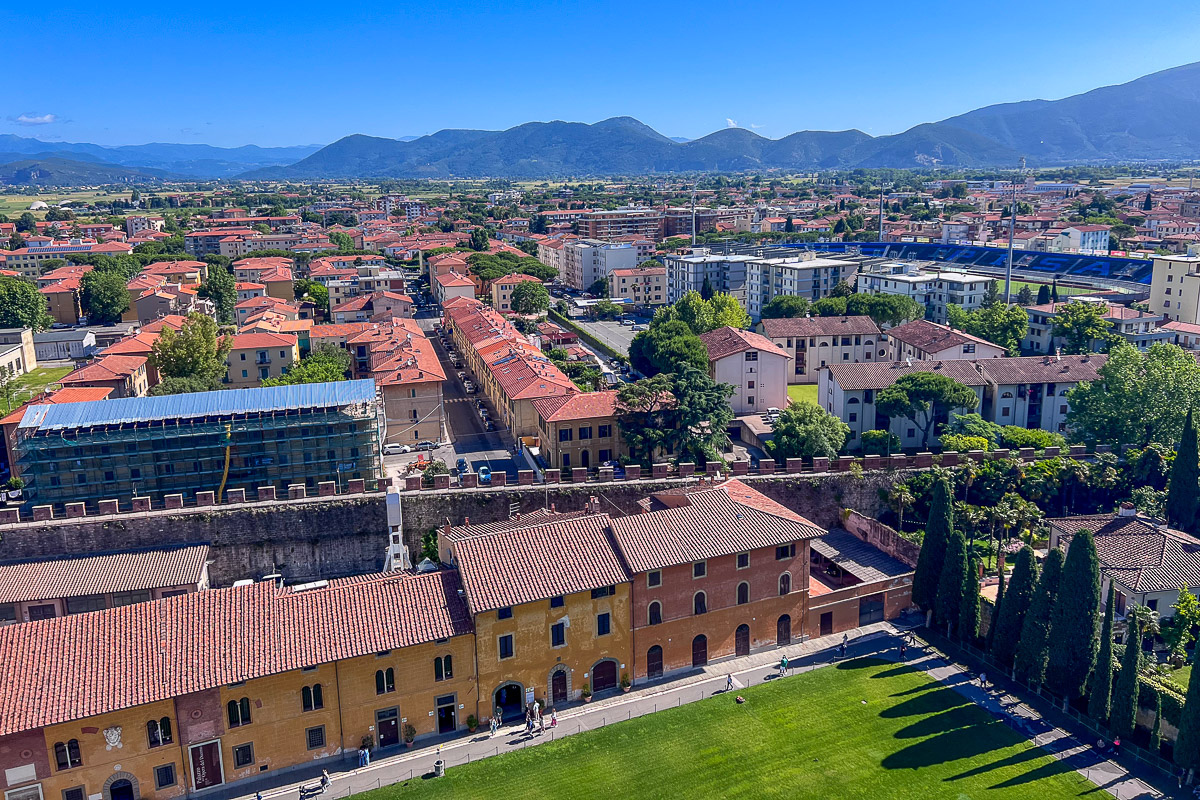
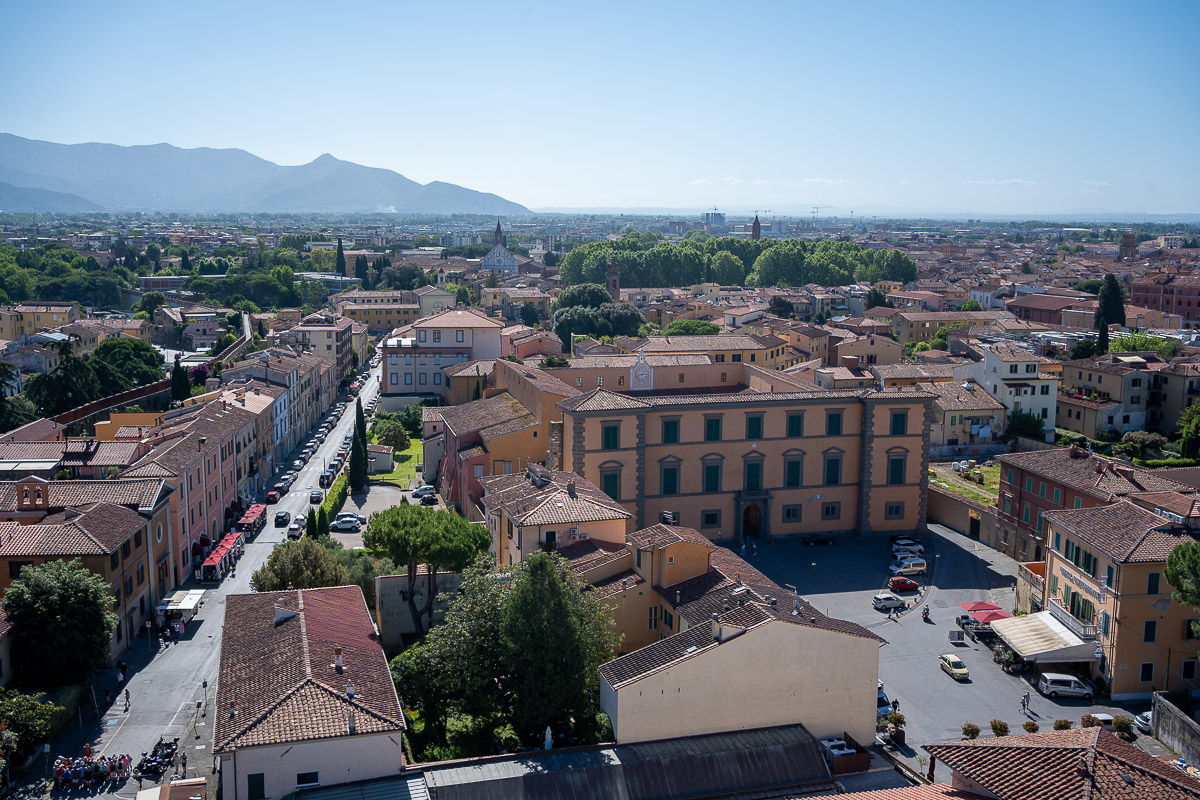
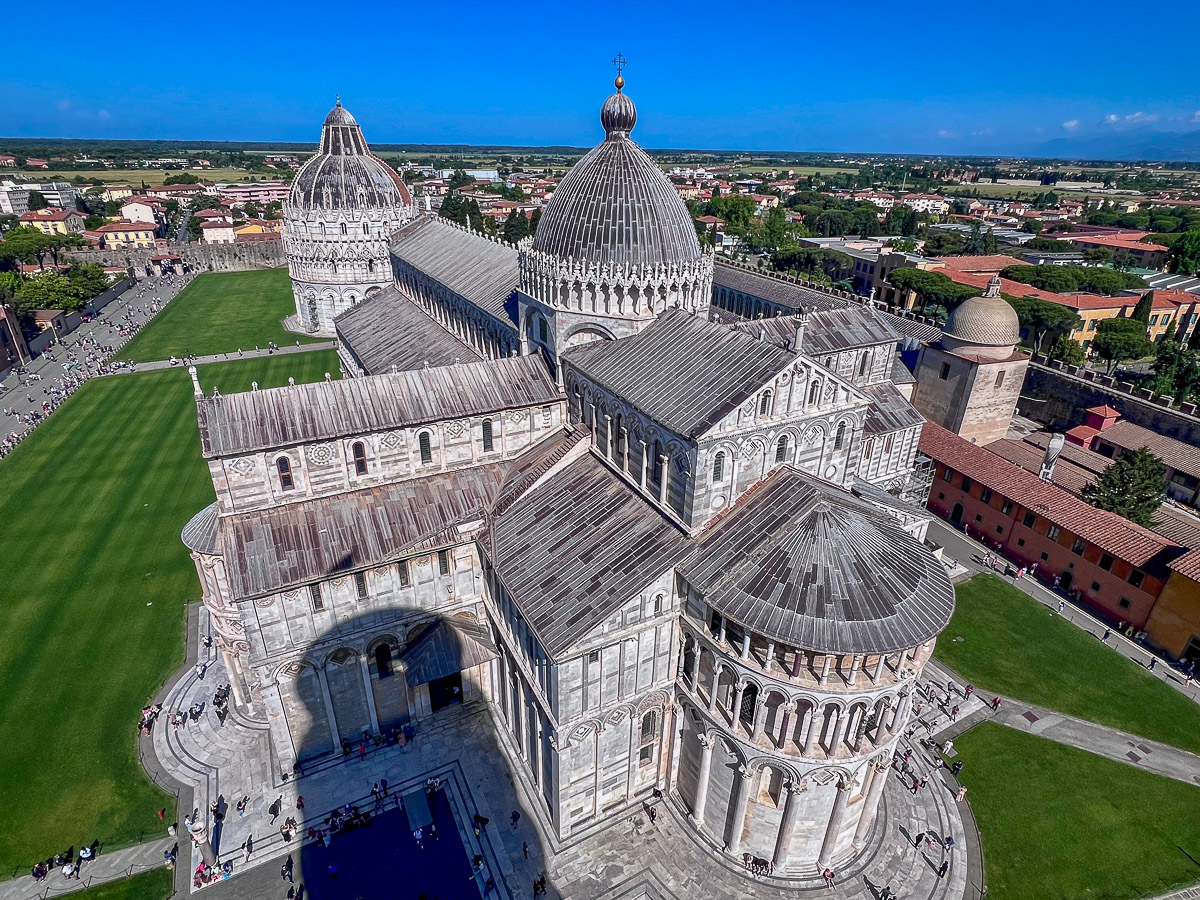
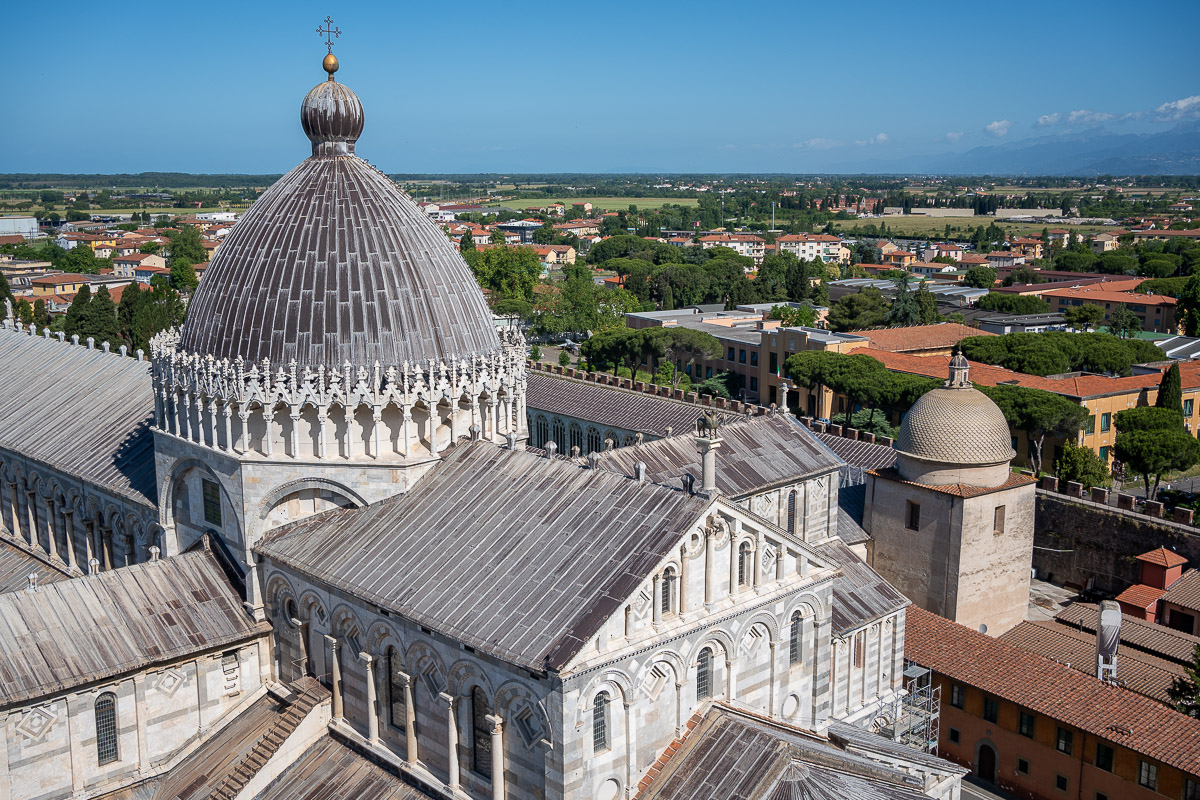
The perspective of the Duomo with the Baptistery in the background from here is particularly arresting.
Opera del Duomo Museum
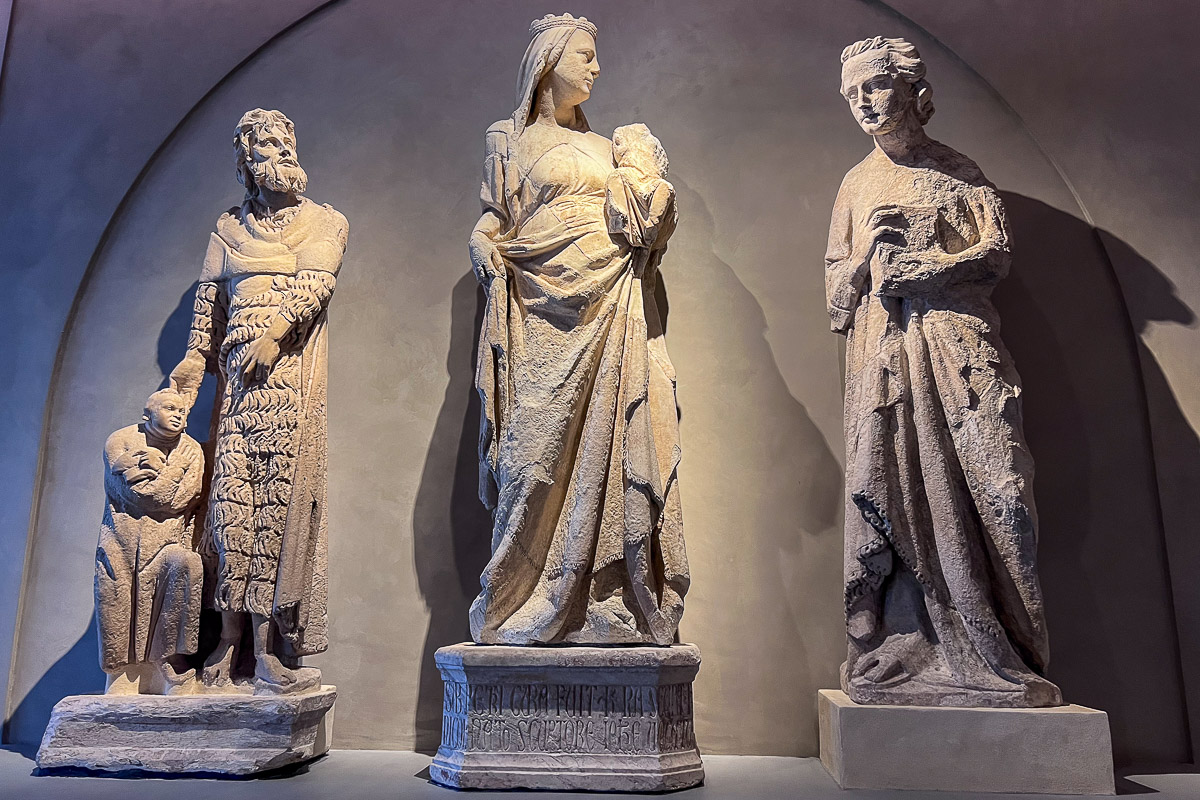
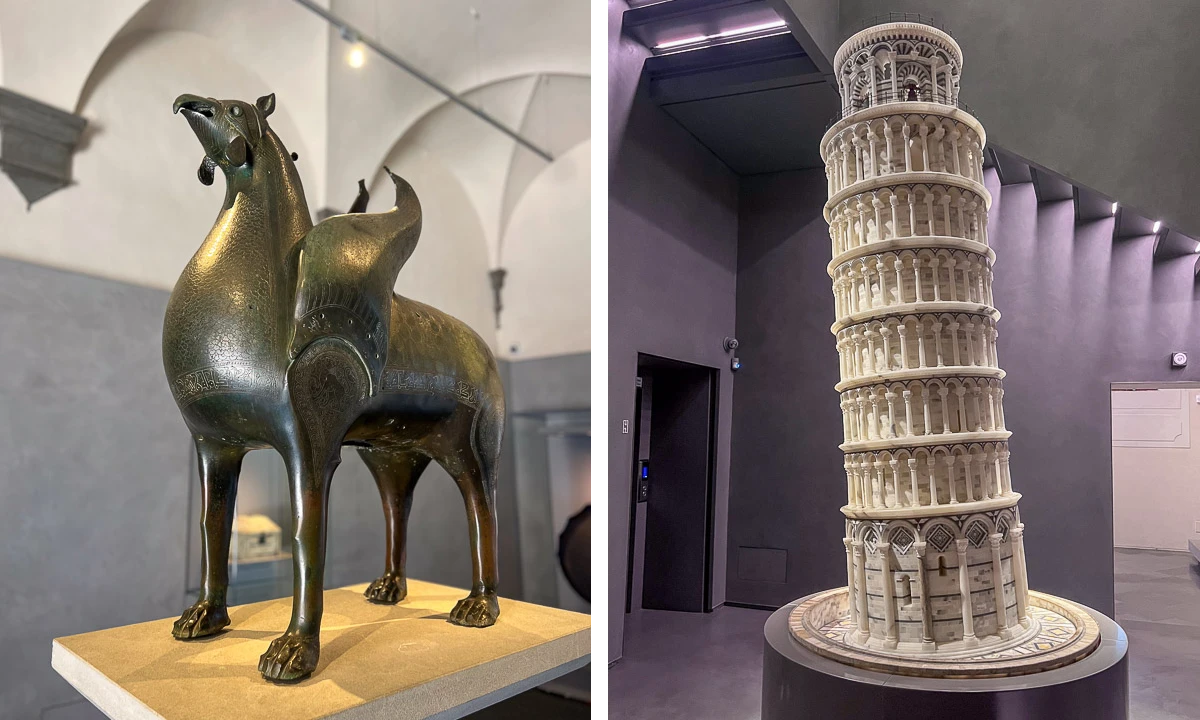
When you’re back on firm and straight ground, pop over to the Opera del Duomo Museum next door to get a bit of context and history before visiting more of the buildings. You’ll learn about the influence of Rome and Islam on the architecture of the site and get to see some fine art.
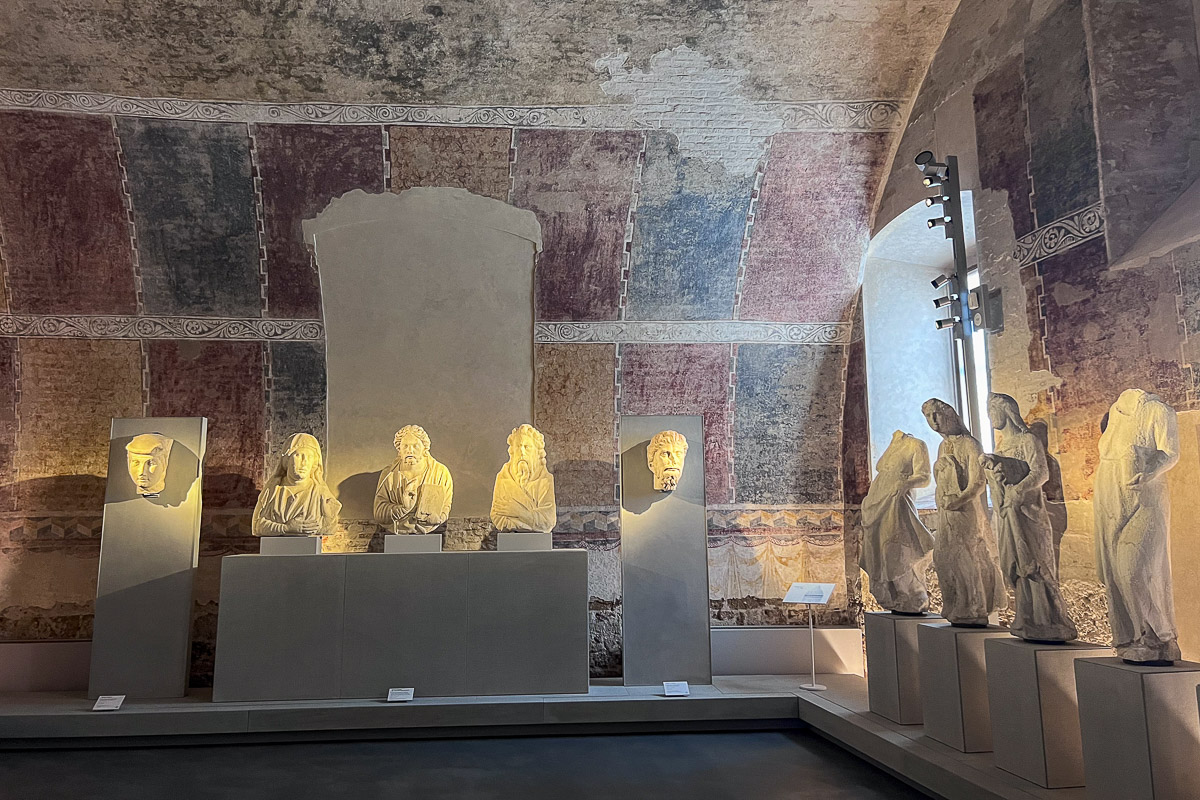
Sculptures and bas relief that once adorned the Cathedral and Baptistery are the focus.
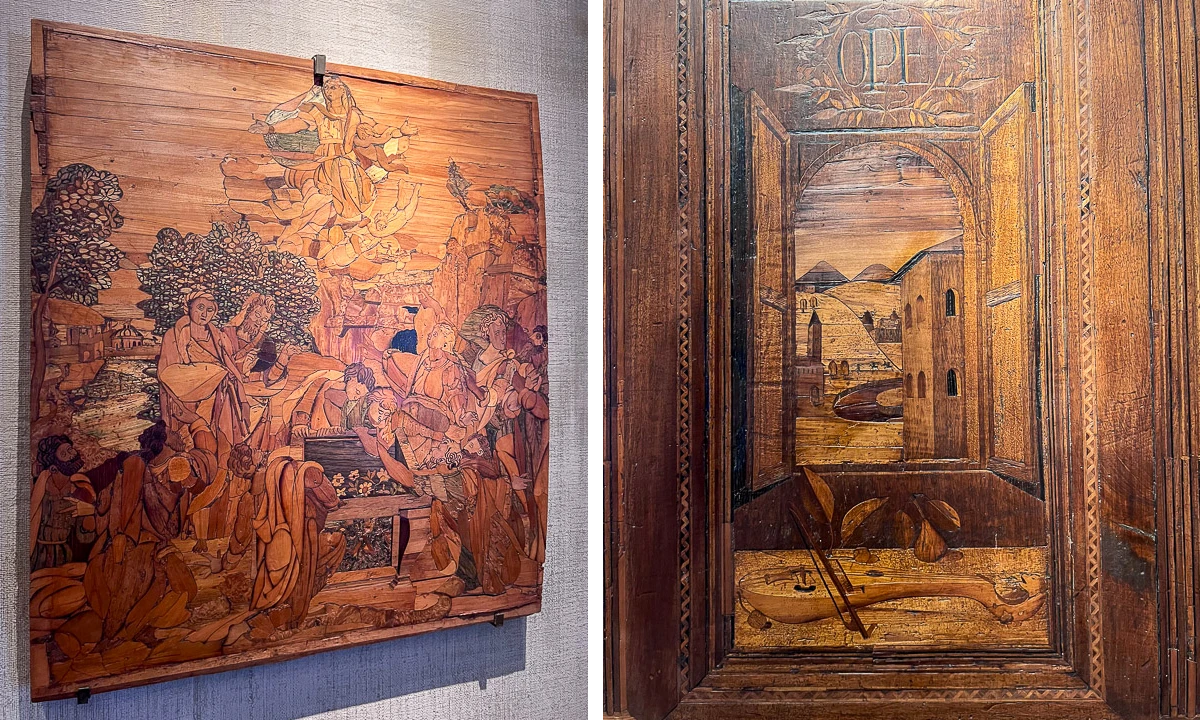
There are also furnishings, paintings, and beautiful marquetry pieces designed for the clergy.
Artefacts from overseas and a gallery dedicated to the tower round out this small but very informative museum (and you’ll definitely appreciate the AC on a hot day!)
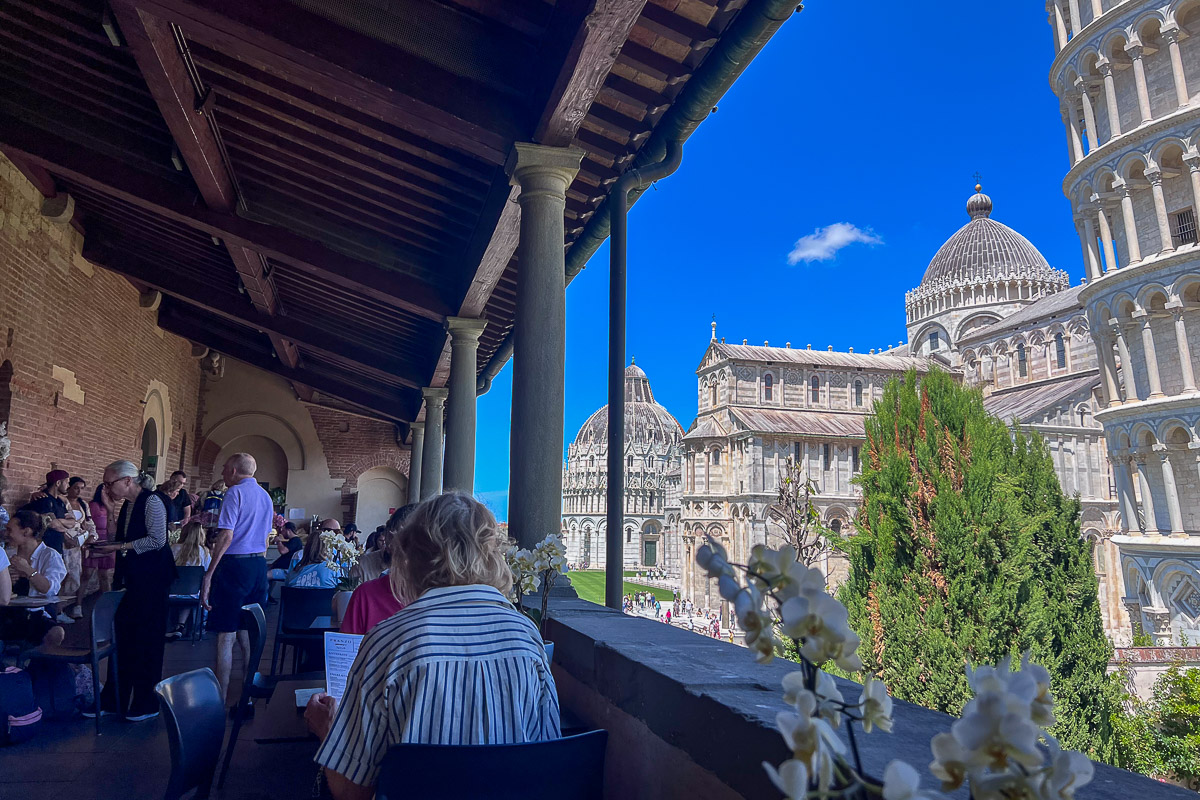
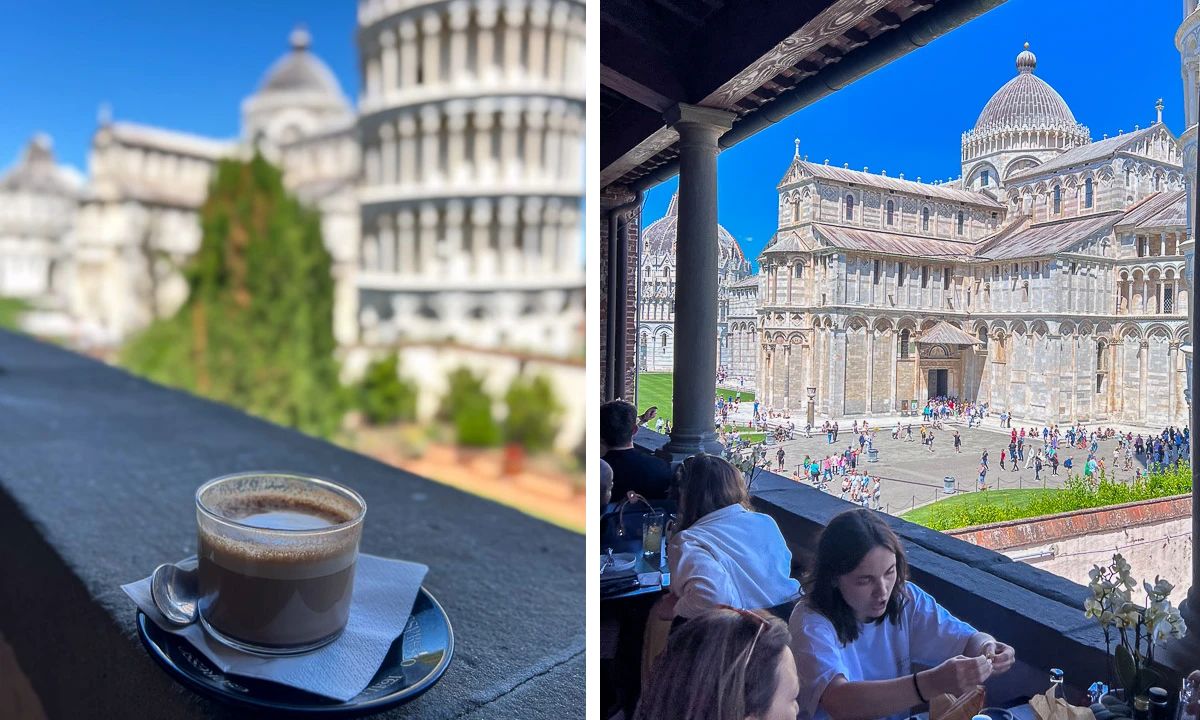
On your way out, you likely won’t be able to resist stopping for a refreshment at the museum’s café with possibly the best views of the tower and the Cathedral.
Baptistery
Unfortunately closed for renovations during my visit, if you get the chance you’ll want to visit the Baptistery (1152-1284), the world’s largest. Inside you’ll find a famous marble pulpit designed by Nicola Pisano and apparently mesmerizing acoustic effects produced by the double dome roofing system.
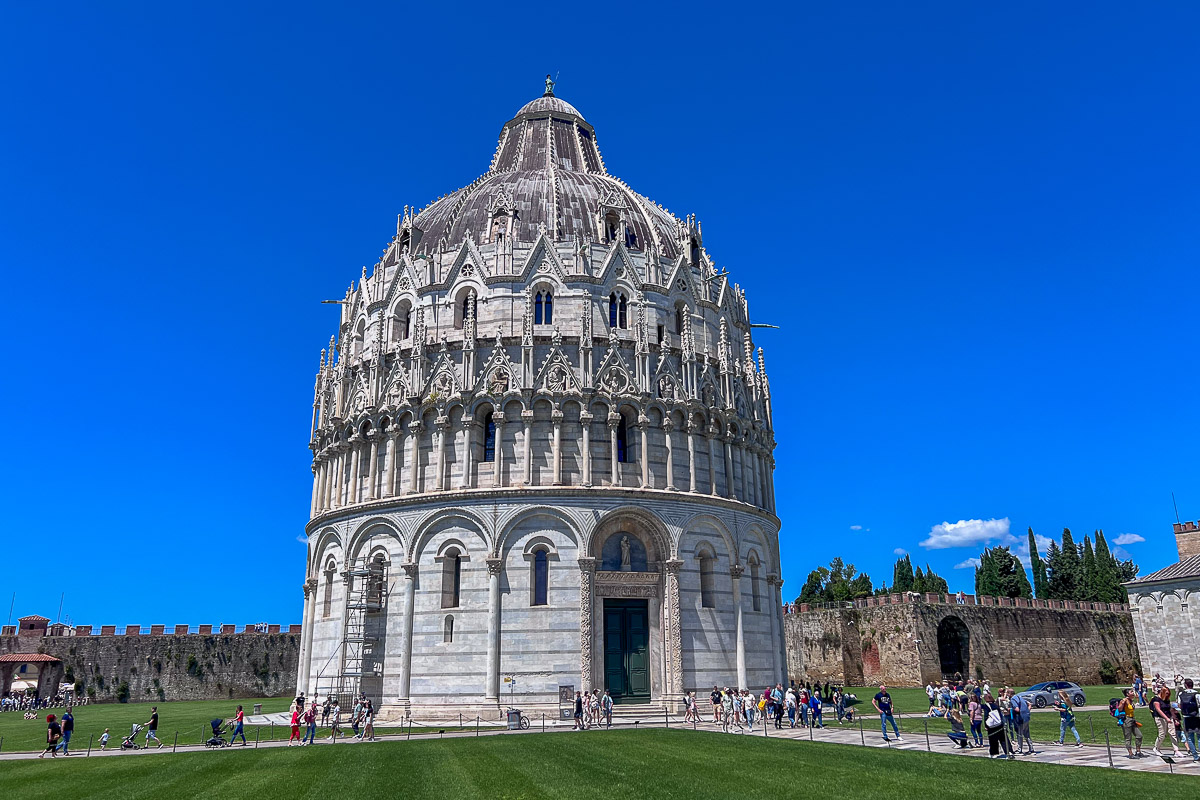
At least I was able to admire the ornate sculptures that adorn the arches and the roof from outside.
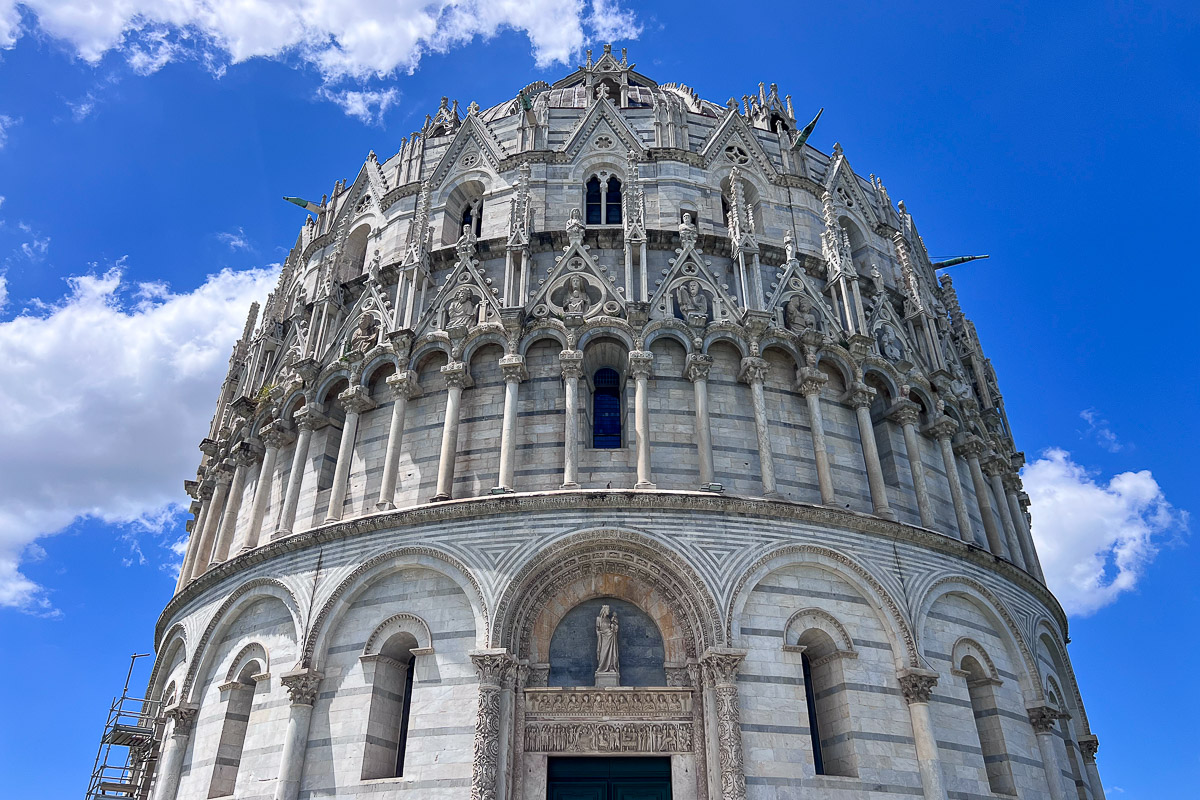
Monumental graveyard
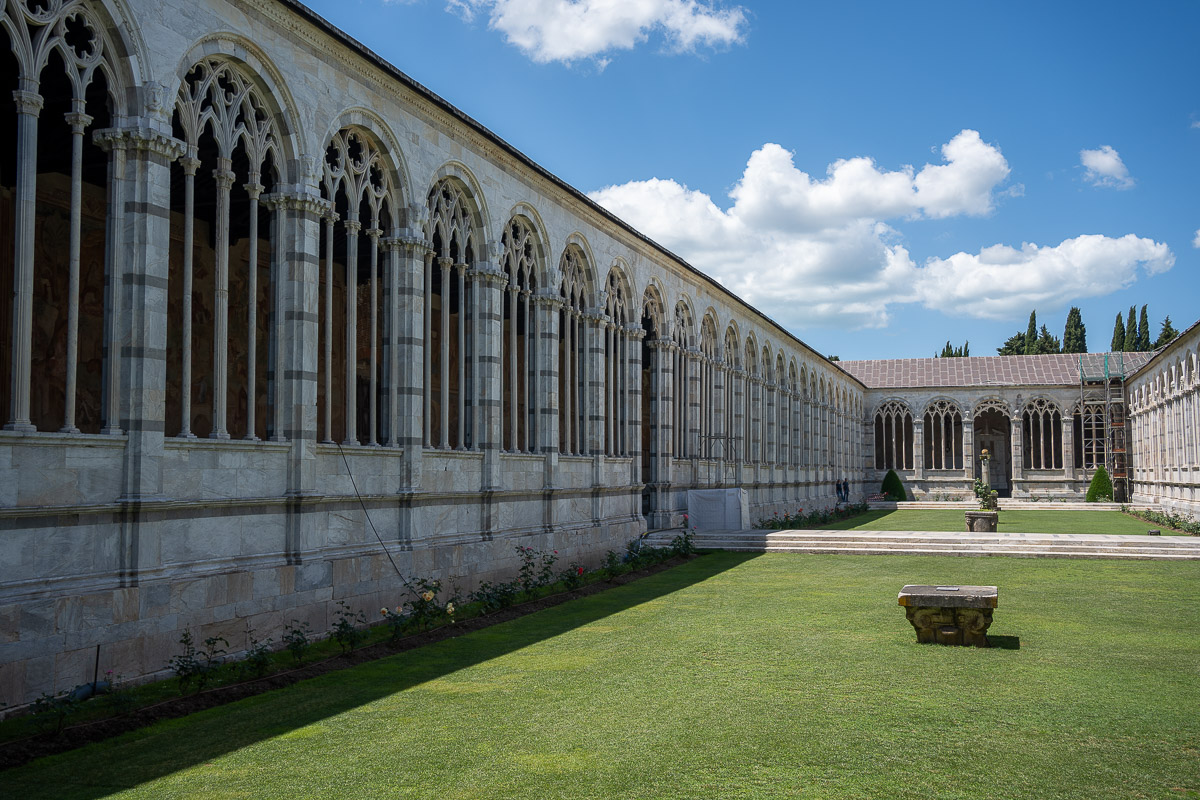
The long rectangular building next to the Baptistry and the Cathedral is the Camposanto Monumentale (cemetery). It is where prominent local people were buried during the Middle Ages in traditional Roman sarcophagi.
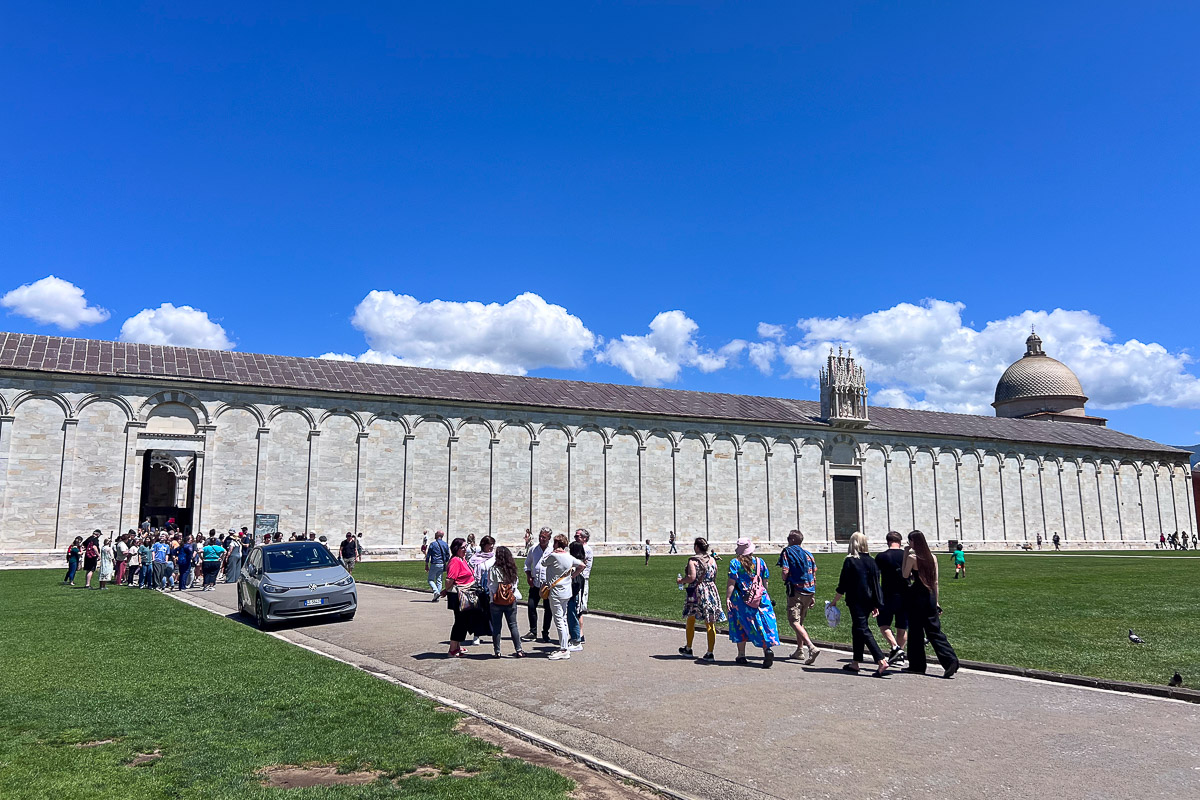
As soon as you step inside, you’ll notice the silence and stillness (and fewer visitors). Wander the open-air walkways of this most unique cemetery, looking down at the stone floor tiles which are in fact gravestones…
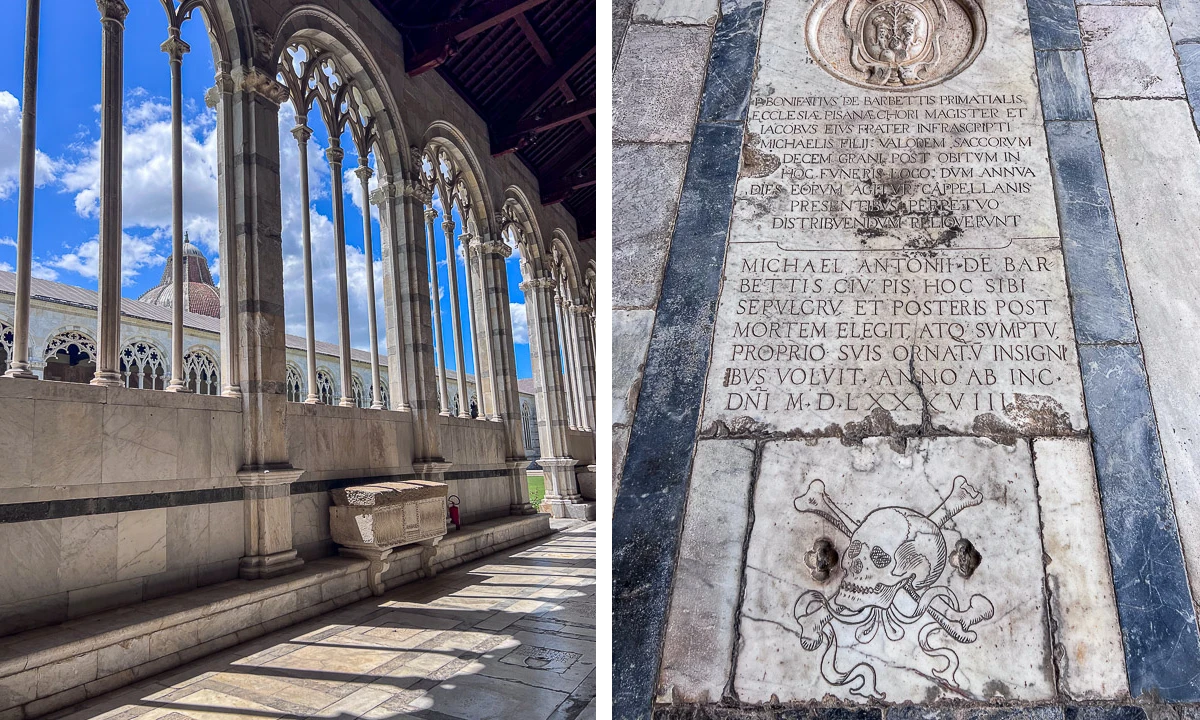
…while the walls are lined with exquisitely sculpted funerary monuments fit to be in a museum. You’re surrounded by death and beauty at the same time.
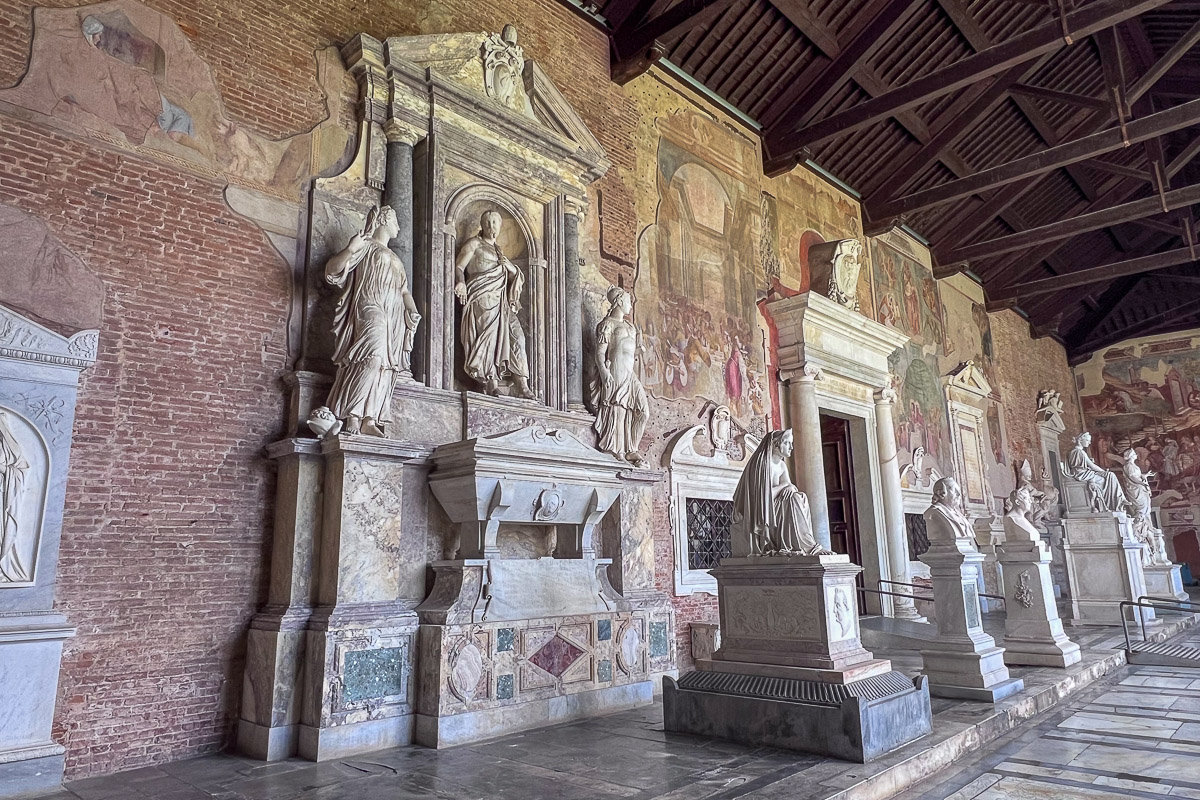
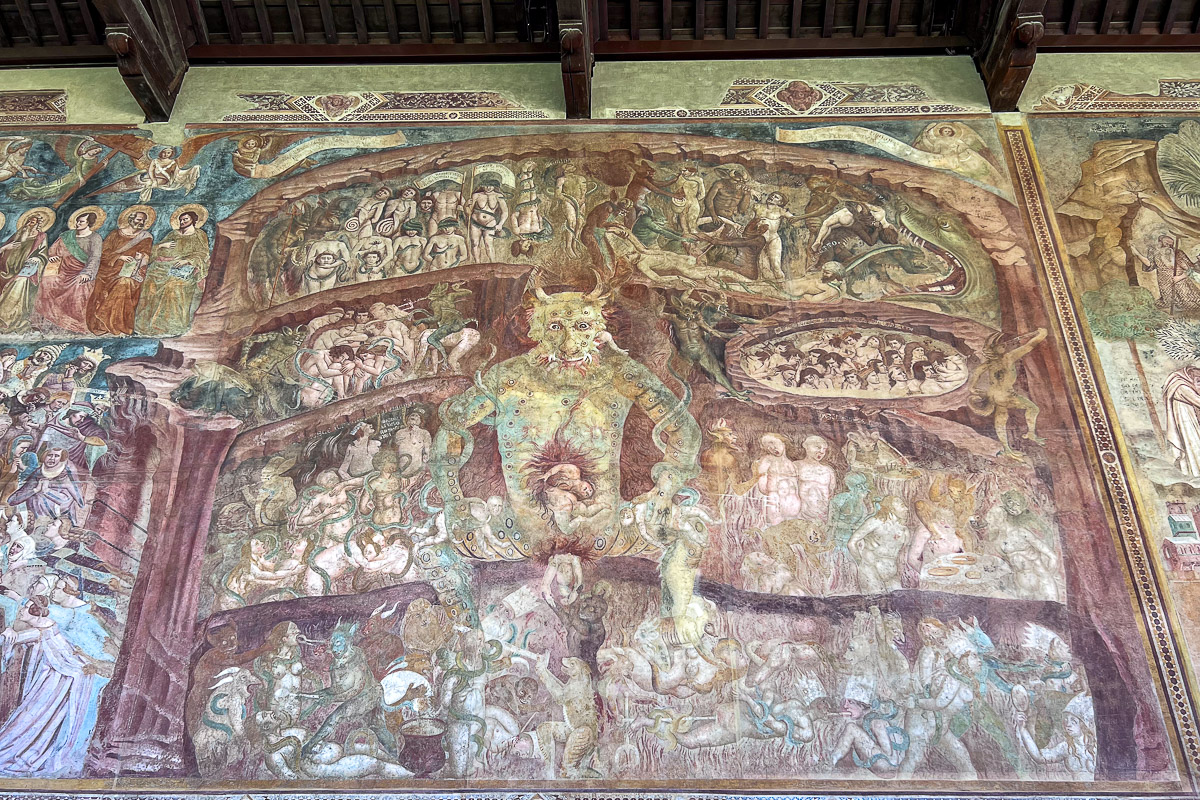
Even more haunting are the somewhat grim frescoes covering the walls that depict demons and the devil. They sure offer a glimpse into the mythology and religiosity at the time, from “The Last Judgment” to “Inferno” shown below with Lucifer at the center devouring, digesting, and excreting the bodies of the damned.
A quick visit to the peaceful central lawn should help erase the disturbing murals.
Duomo di Pisa
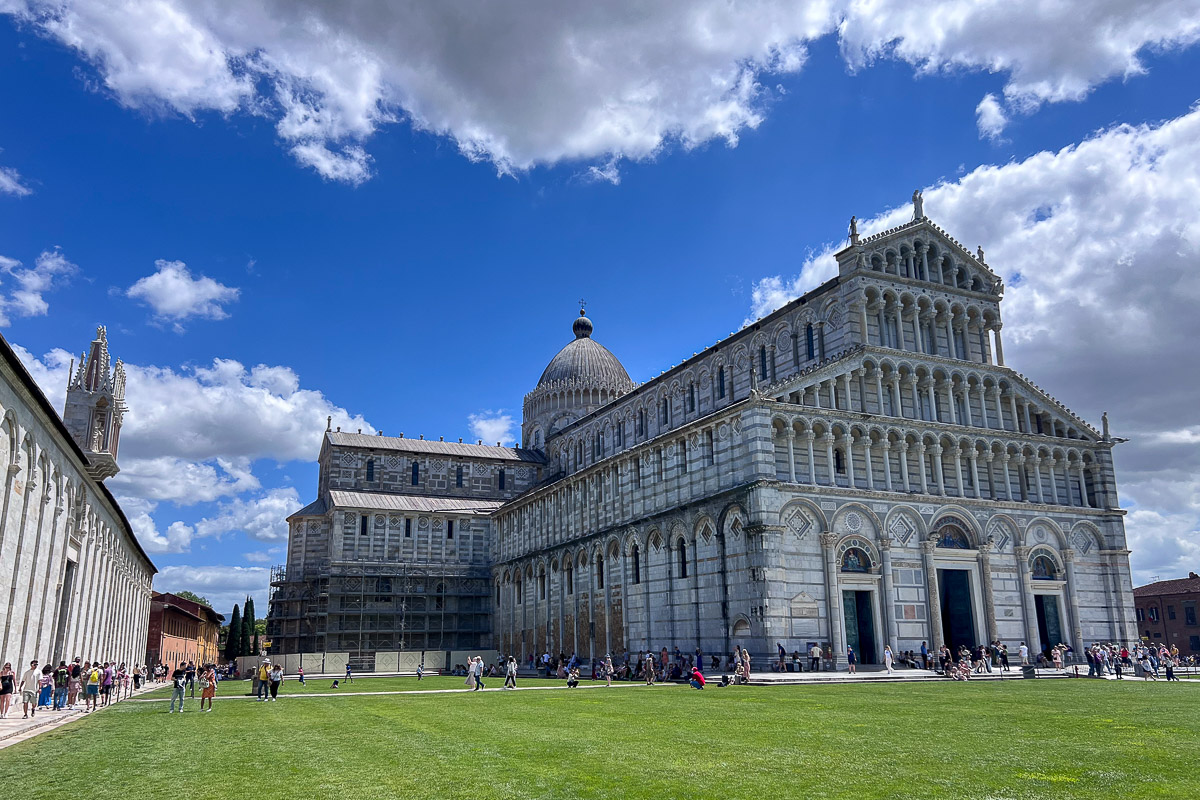
Last but not least, there’s one more masterpiece of Romanesque architecture that makes up the UNESCO World Heritage Site of the “Square of Miracles” – the Duomo aka Pisa Cathedral. The majestic marble construction stands proudly in the middle of the piazza, its size and splendor a testament to when Pisa was one of Italy’s most powerful maritime powers.
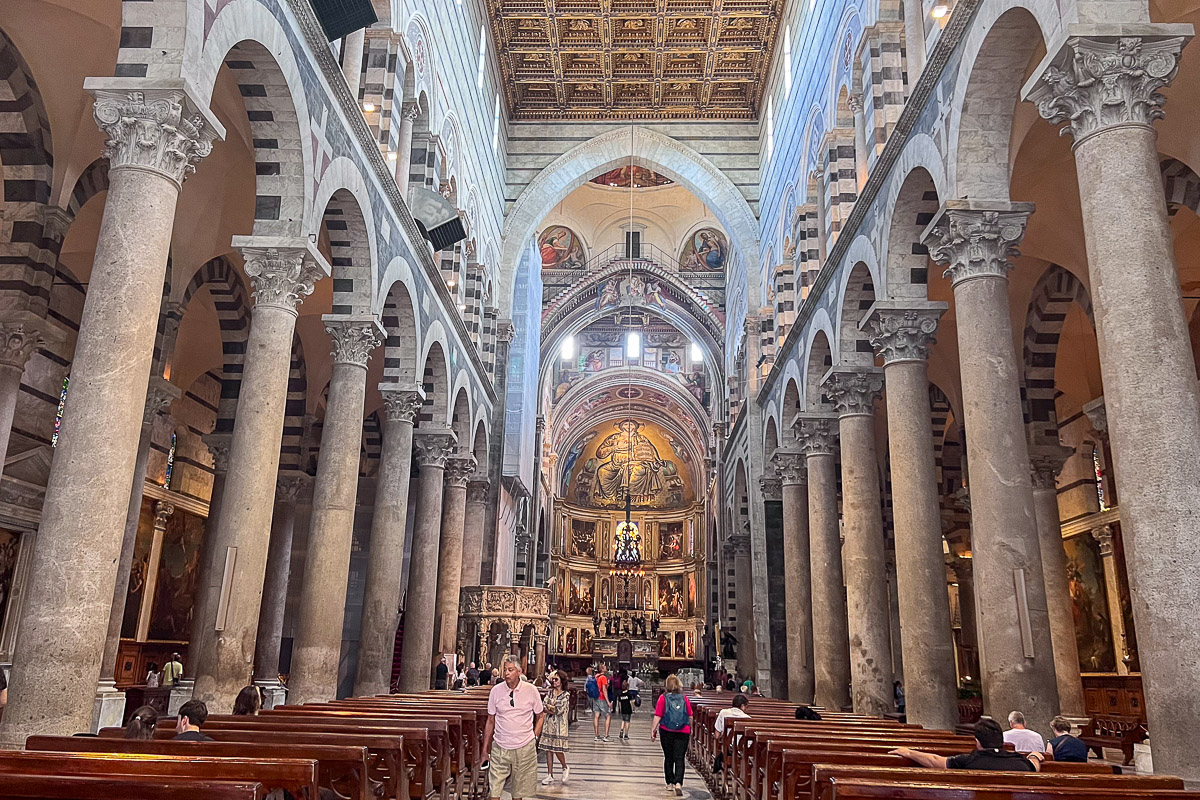
Architecture buffs will appreciate the interior, reminiscent of the great Islamic mosques with the use of raised arches, black and white stripes, and an unusual elliptical dome of Moorish inspiration. Different styles blended over the years as the Pisan merchants expanded their international trade.
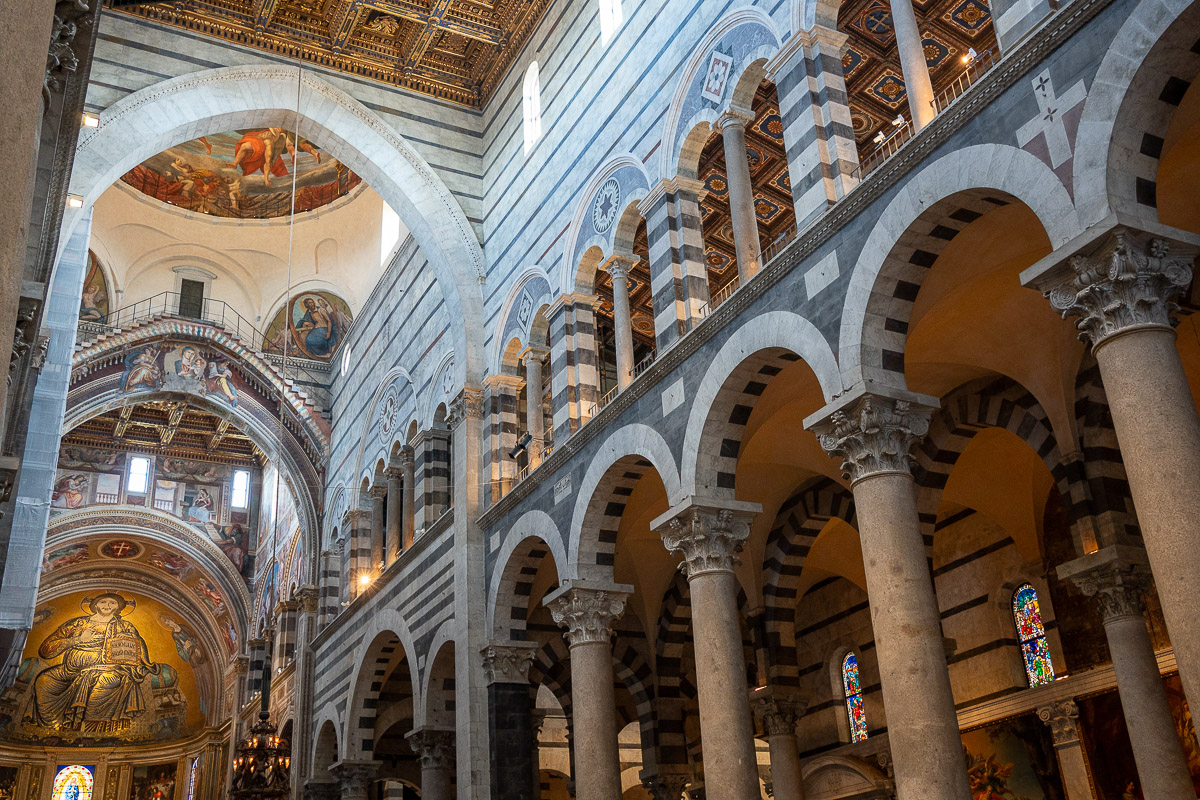
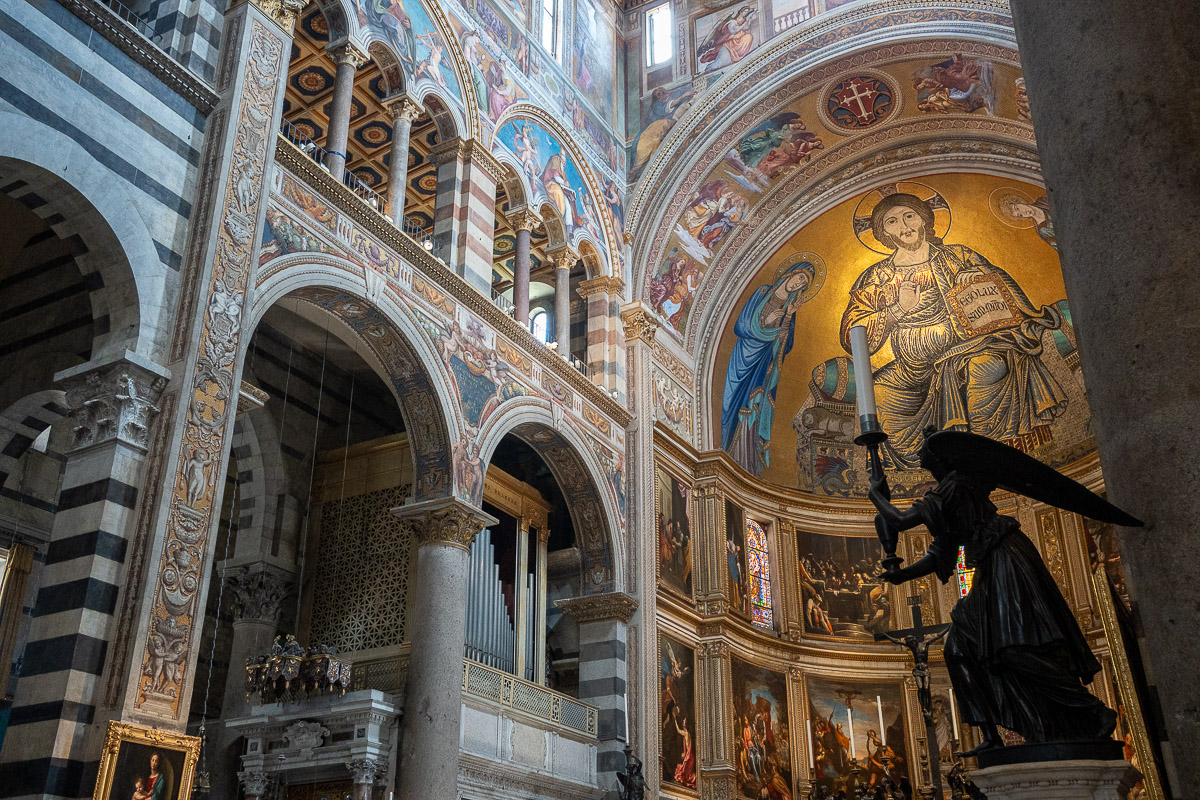
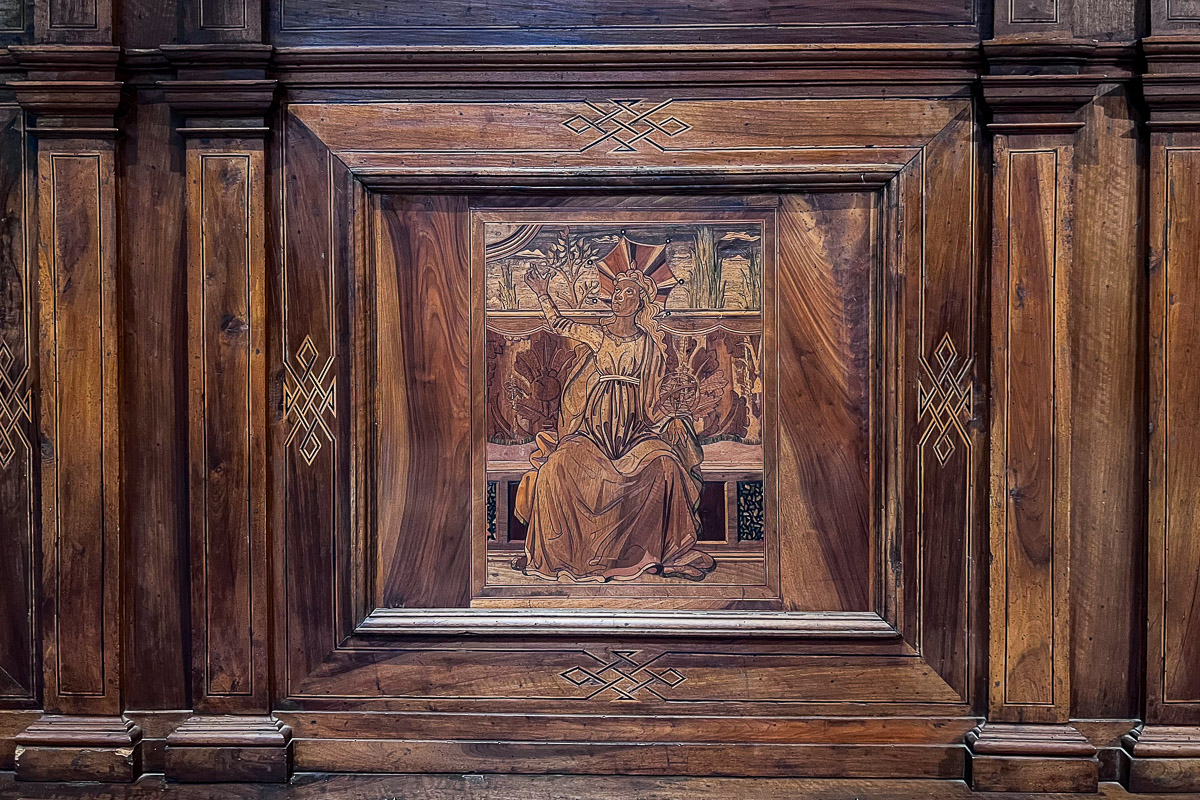
Frescoes, gilded ceiling, paintings, and one of the most complex sculpture of the time (the pulpit designed by Pisano) are all worth taking a peak at, as are the smaller, less conspicuous adornments like the marquetry decorations in the pews.
Stroll through the historic center
Having checked off the glittering buildings of the Square of Miracles, now you can relax and enjoy the charm of Pisa itself. With the tower behind you, walk straight onto Via Santa Maria, a lively pedestrian street lined with cafes and shops.
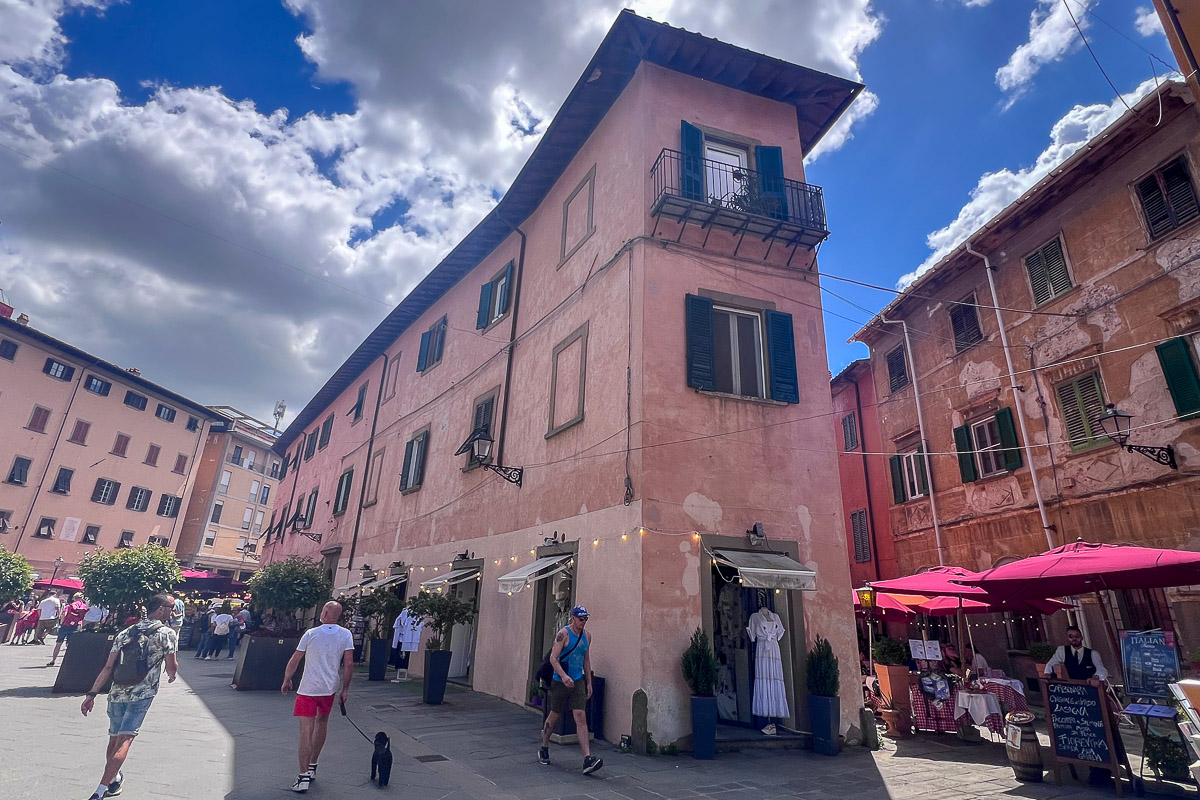
Grab lunch at one of the trattorias, rest your feet, and admire the medieval tower houses and historic university buildings.
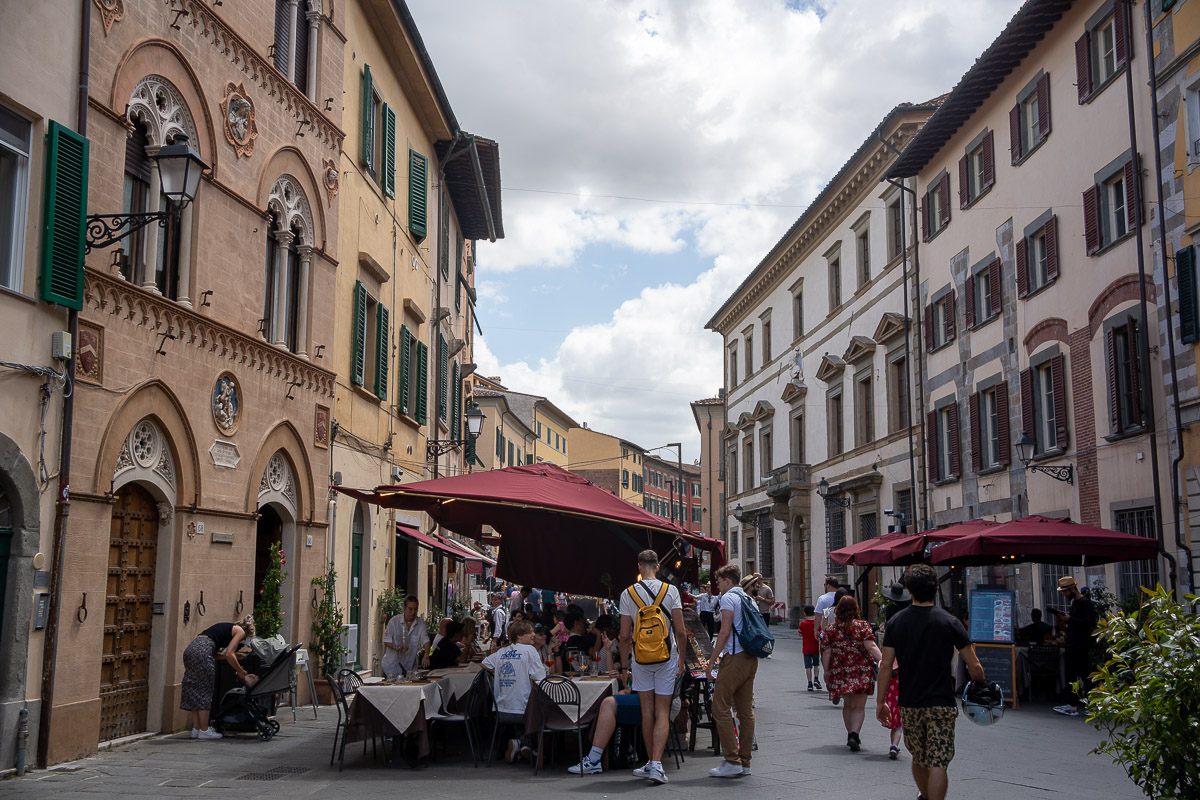
At the end of the pedestrian section, make a left on Via dei Mille and keep on walking through quiet piazzas, the crowd now behind.
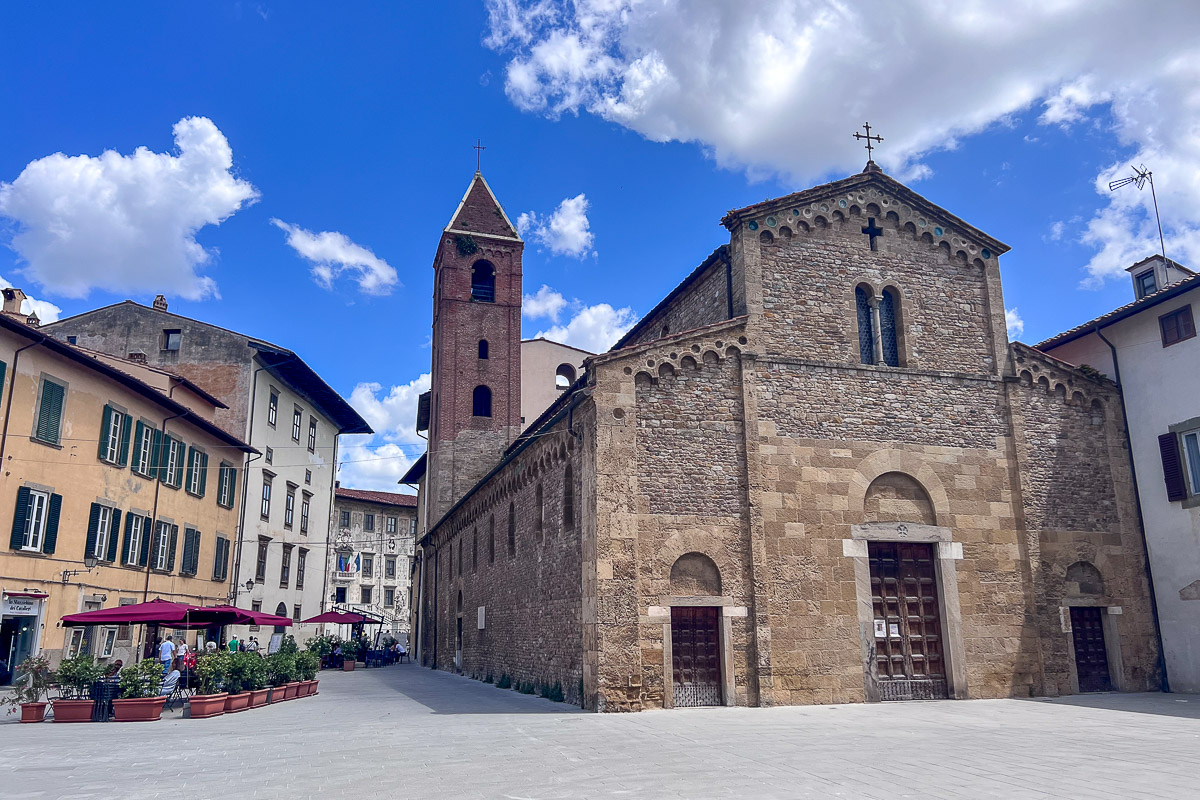
Piazza dei Cavalieri
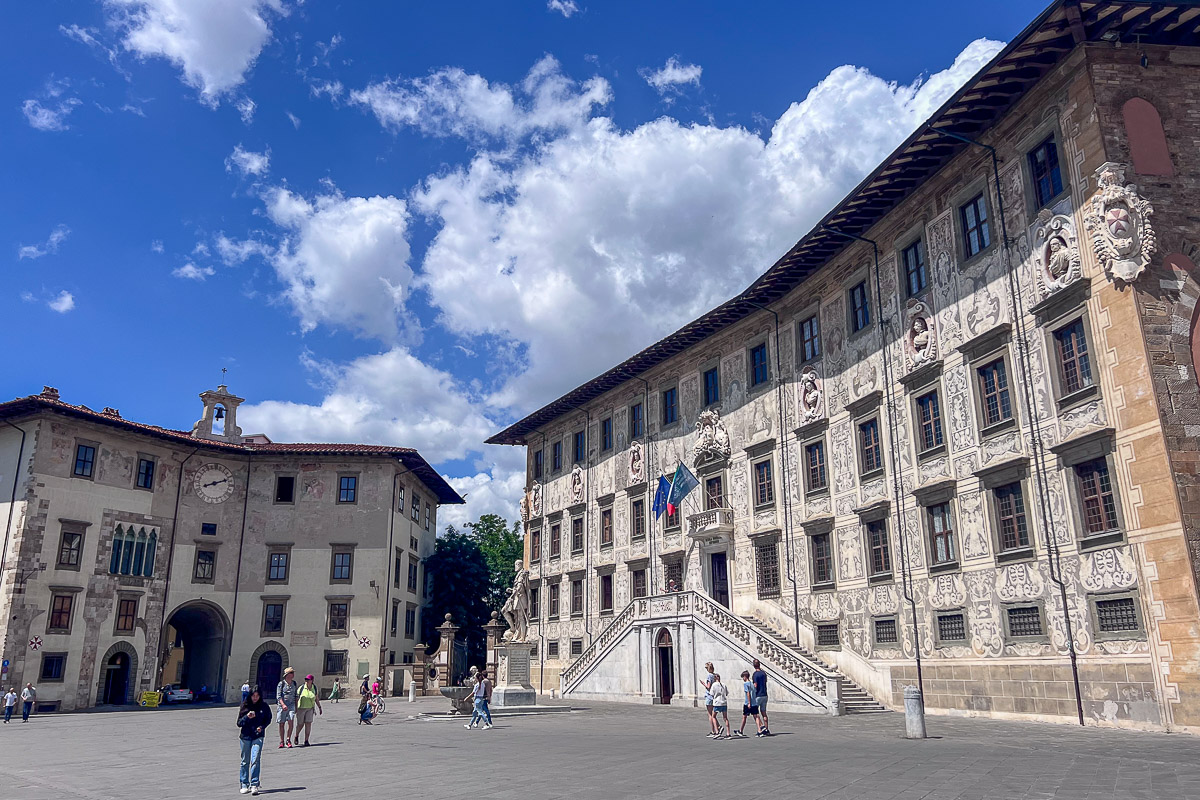
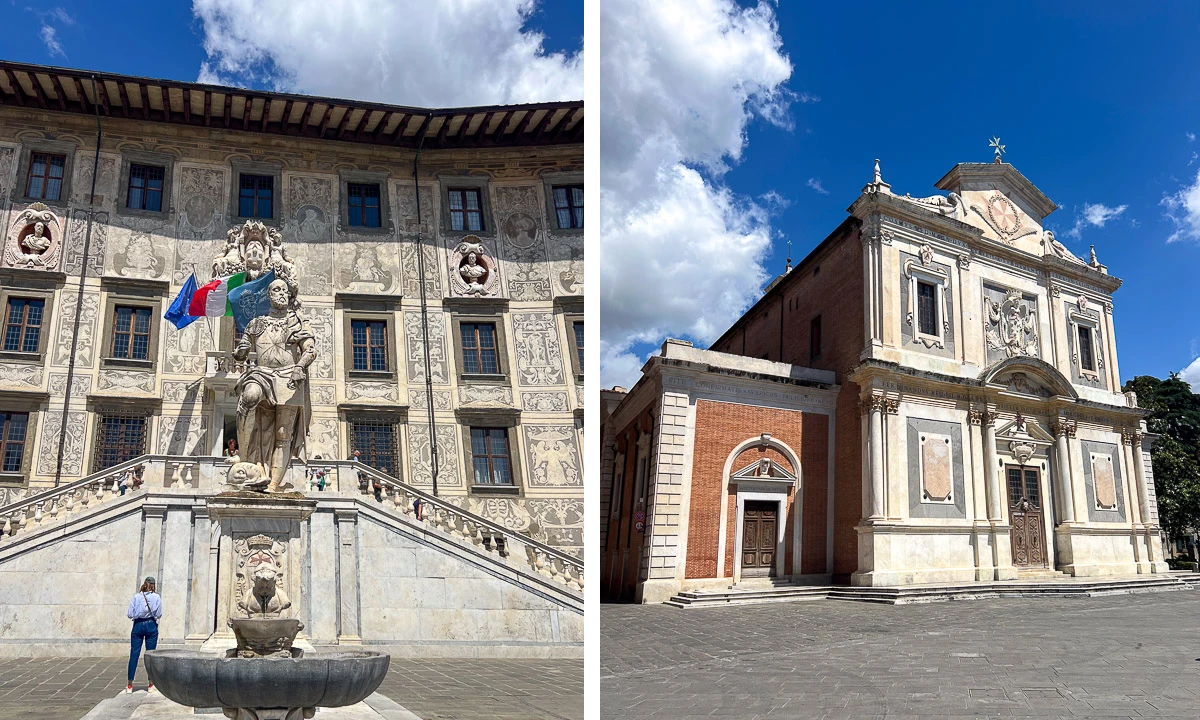
You’ll soon end up at Piazza dei Cavalieri and the heart of Pisa’s student quarter. The huge building in front of you is the Palazzo dei Cavalieri, housing one of Italy’s most prestigious university colleges: the Scuola Normale Superiore. It’s the black and white façade I was most captivated by, a technique called sgraffito where elaborate designs are scratched into wet plaster.
Head south towards the river, wandering through Borgo Stretto, a narrow medieval street with open-air porticos and remnants of Galileo. Make a pit stop at Piazza Garibaldi by the river and join the line at La Bottega del Gelato for a fine treat.
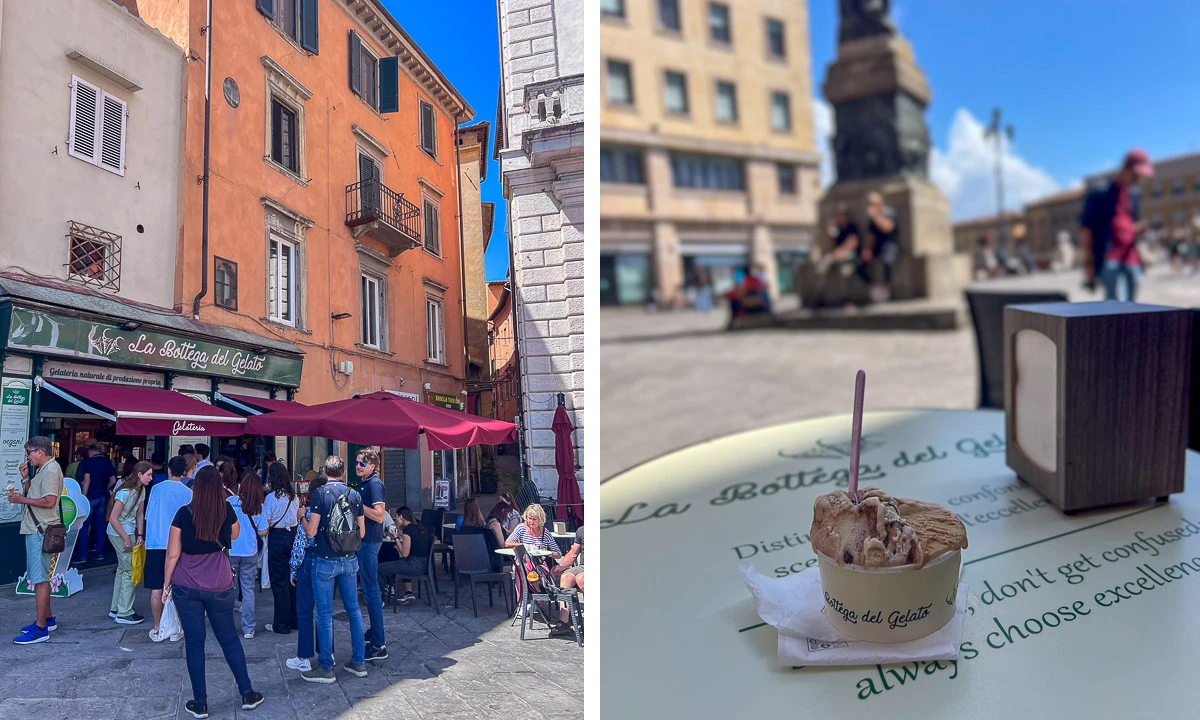
Lungarni di Pisa
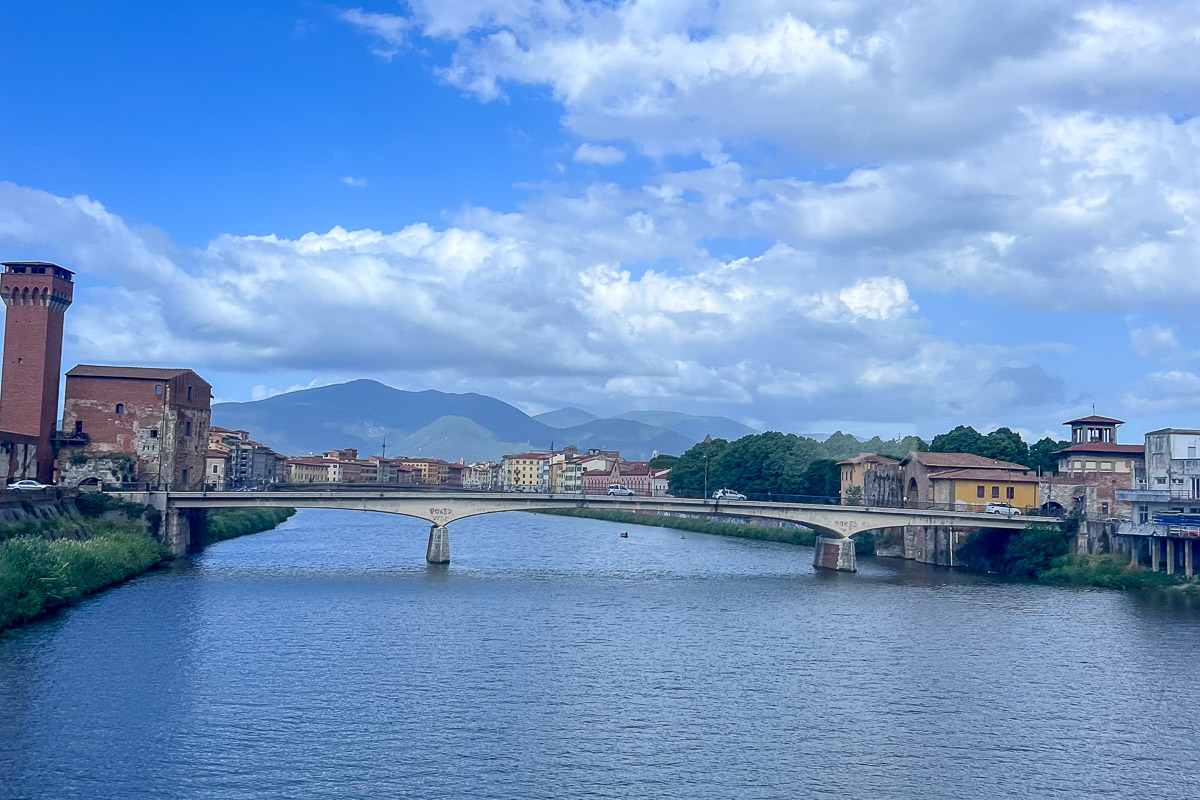
The Lungarni of Pisa are the scenic stretches of the embankment on both sides of the river that are lined with historic noble palaces. From Piazza Garibaldi you’re smack in the middle of it and should take a quick walk along the bank before crossing Ponte di Mezzo, the most famous central bridge in Pisa.
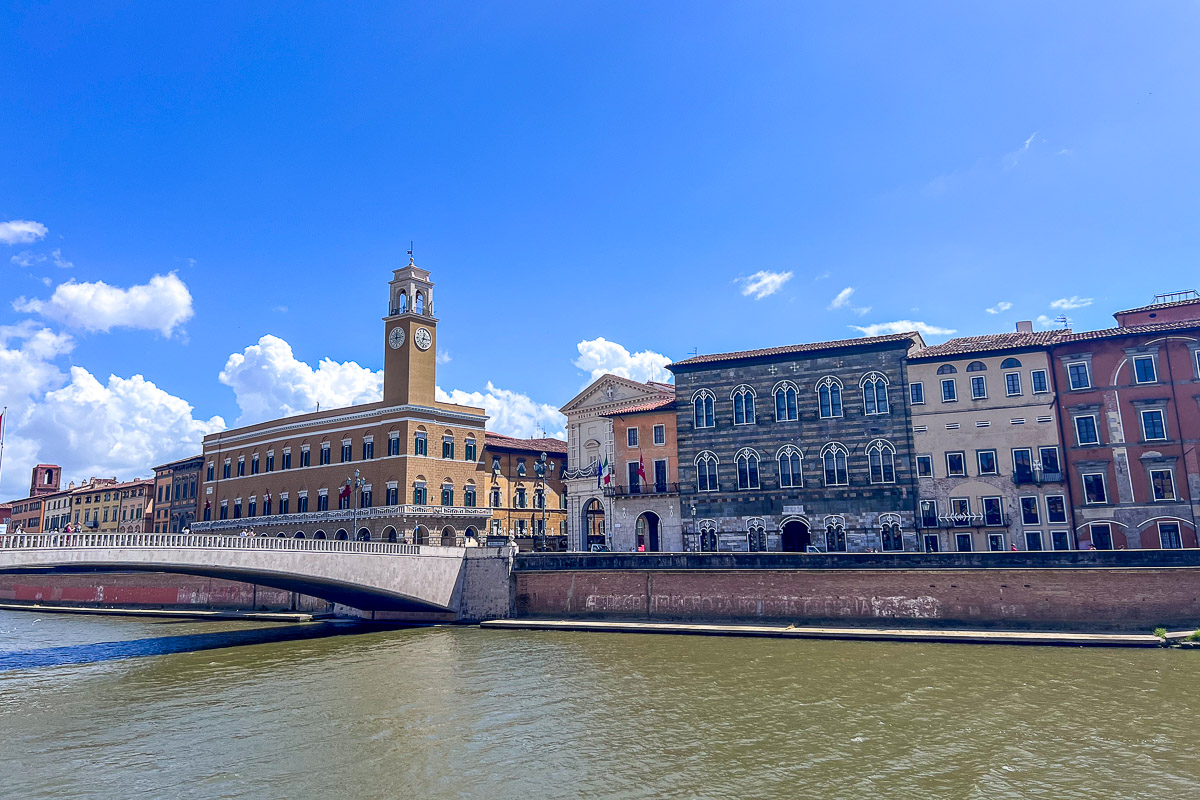
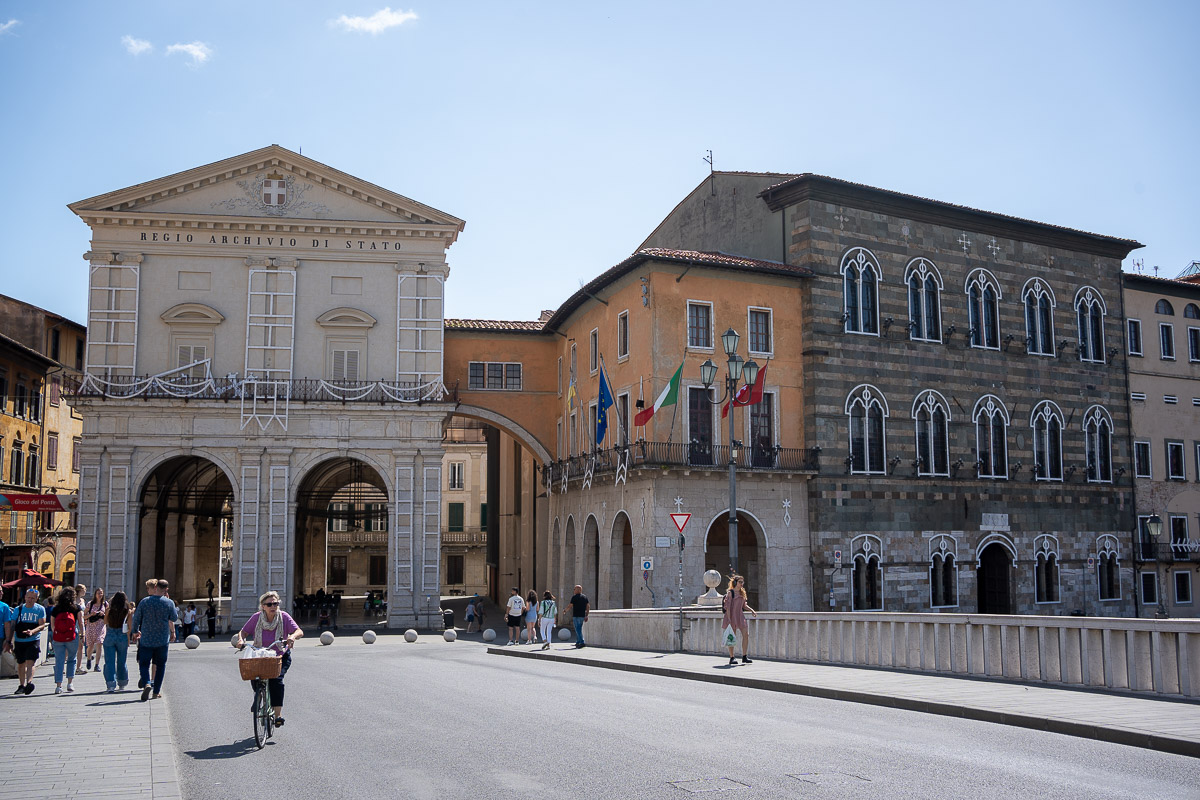
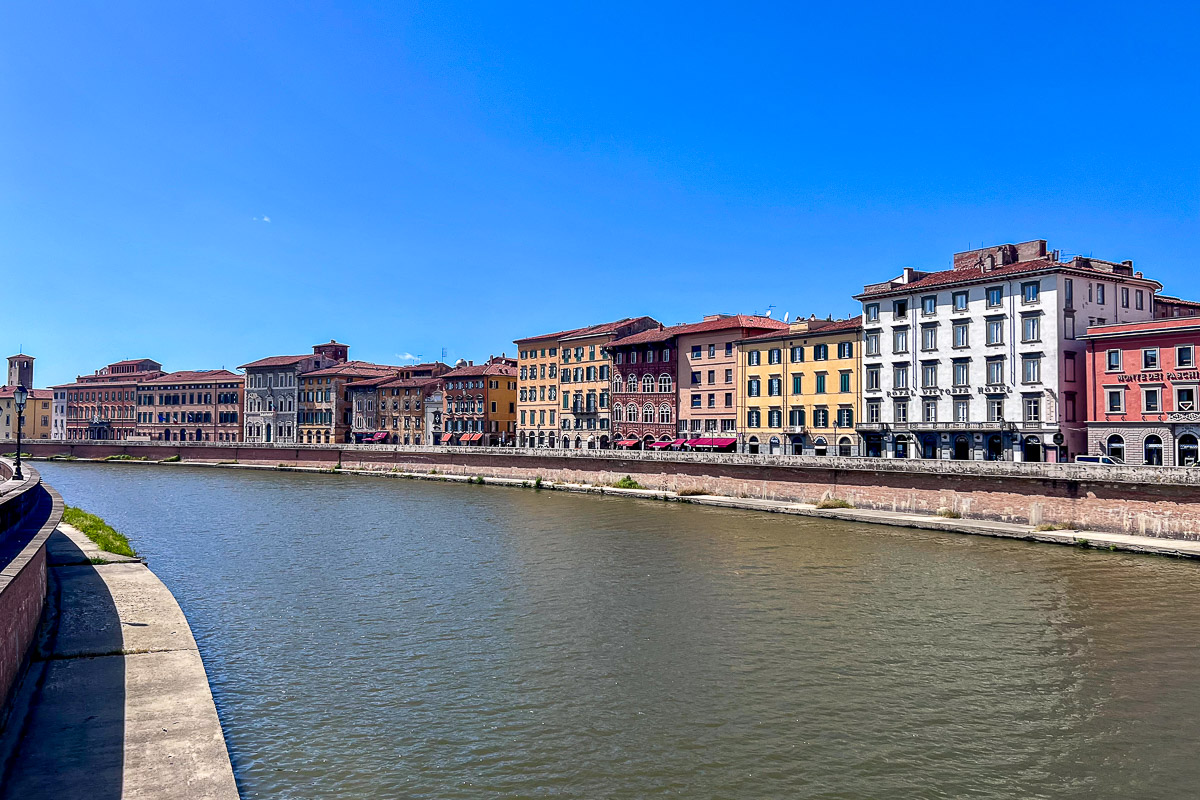
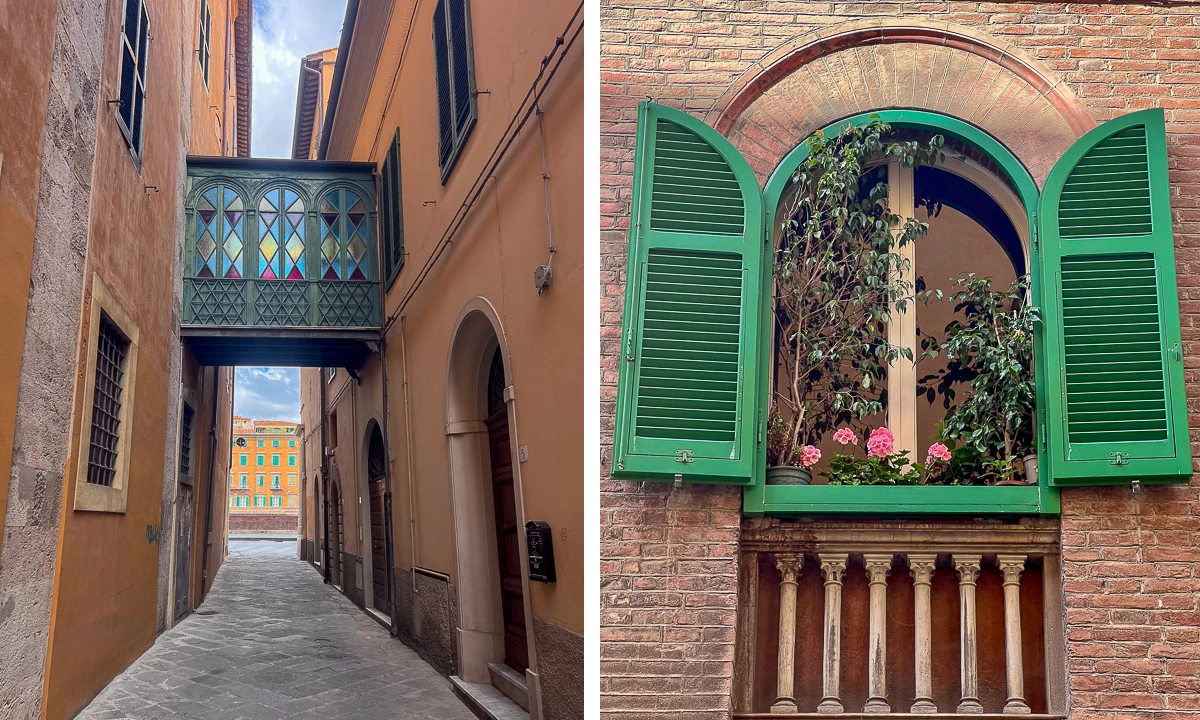
The main shopping street Corso Italia that starts from the south side of the bridge will bring you right back to the train station, but you’d be missing out on what turned out to be my favorite part of Pisa. Getting lost in the little streets without a destination in mind led me through a labyrinth of quaint alleys, old palazzos and tiny little piazzas where local life unfolds.
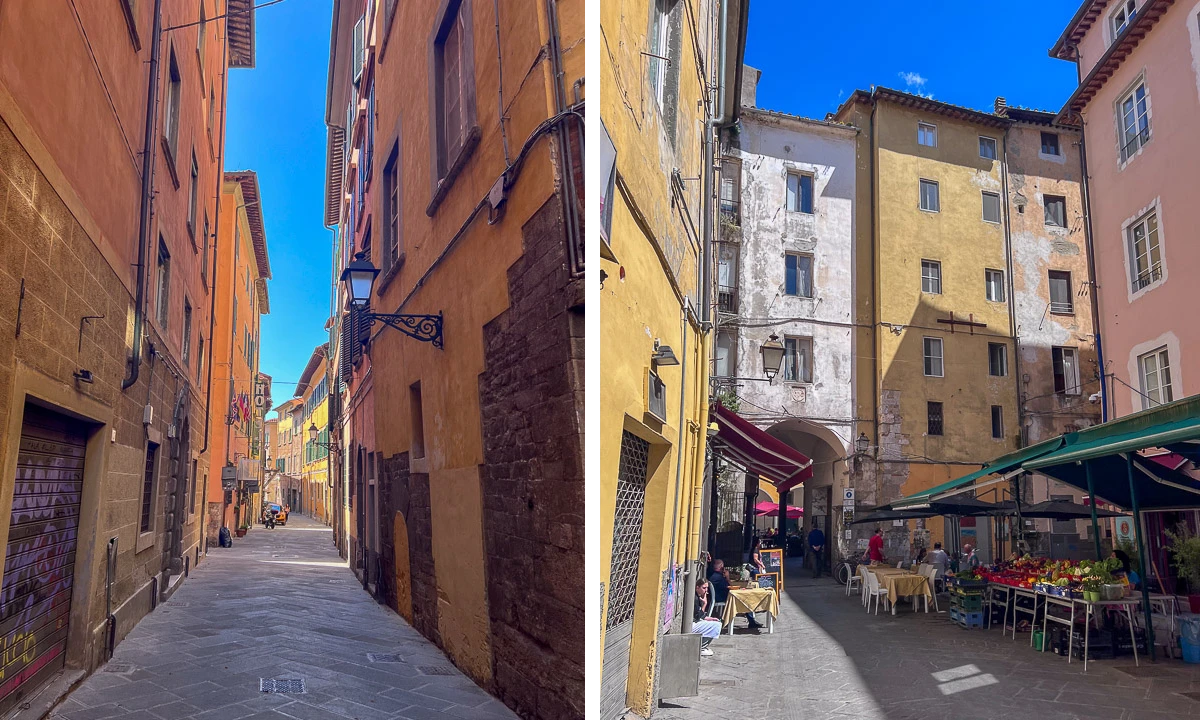
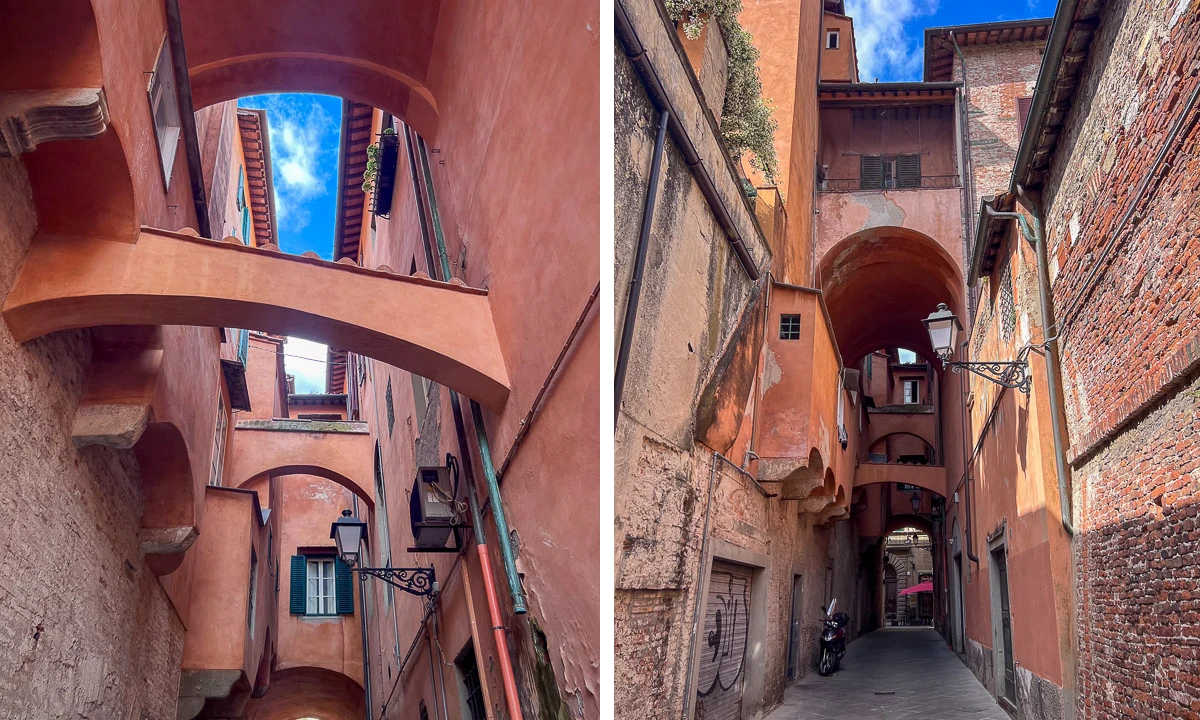
Turns out Pisa has a lot more than the Leaning Tower and shouldn’t be rushed. Lingering for a few hours is definitely rewarding and will round out nicely your visit to this whistle-stop destination.
Now it’s back on the train to our next destination…


[…] so convinced the highlight of our trip will inevitably be the [insert top tourist site like the Leaning Tower of Pisa or the Uffizi Gallery in Florence]. For me this time, it was Lucca. Not a dashing Italian, a quiet […]