New York Restaurants

Untitled, New York

December 16, 2015

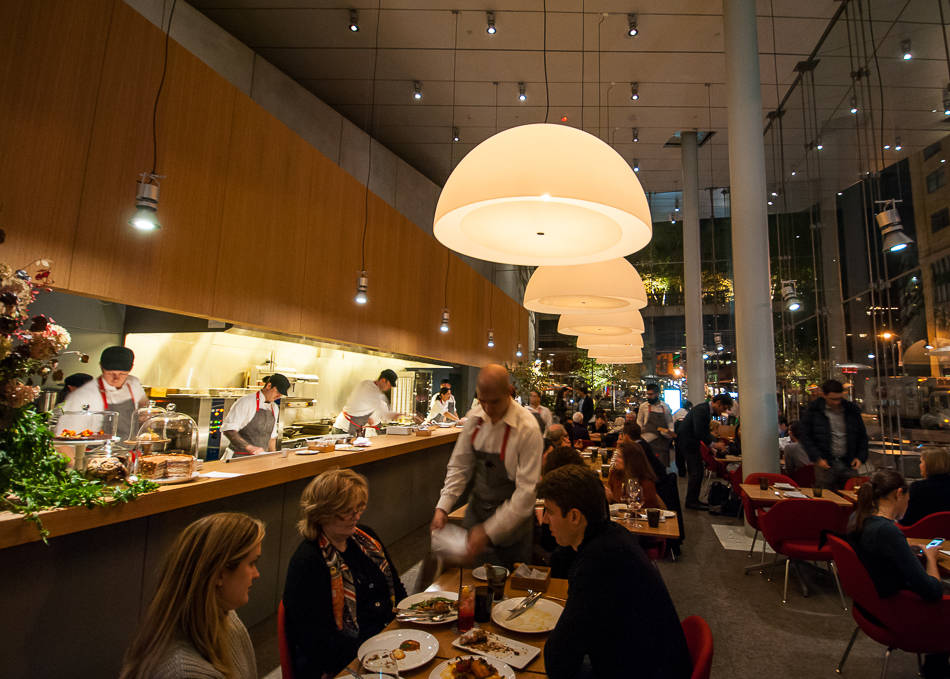
The unveiling of the new Whitney Museum this past May had an unprecedented buzz about more than the exhibition on display or the striking building: everyone was talking about the new Danny Meyer restaurant opening on the ground floor. Museum and dining has rarely been a successful pair in the past though it seems by the ink the new ‘Untitled’ was spilling before even opening its doors that things were about to change. Fast forward 6 months later and the predictions are still true – eating with or without a museum ticket at Untitled is an experience in itself and worth going out of your way for.

You could credit the glass-encased room exquisitely designed by Italian architect Renzo Piano, the hip location on the edge of the Meatpacking District just steps from the High Line, but to be perfectly fair all credit goes to what’s on the plate as composed by the brilliant Michael Anthony of Gramercy Tavern.

Untitled

If you’re familiar with his seasonal way of cooking, you know to expect a focus on excellent vegetables which the cheerful and impeccable wait staff were gently pushing to all the diners, and for very good reasons. I would have been pleased just picking from this section honestly as they all sounded wonderful and were presented in such an attractive way, little work of arts themselves. Local seafood also has a prime place on the menu and the sweet tooth won’t be left disappointed with the comforting and playful options on the dessert menu.

The light and I dare say happy food is definitely going to change the way you think about eating at a museum and the prices will have you coming back regularly. The fantastic service, amazing dishes, light-filled room perfect for any and all occasions are all reasons why the buzz is still going on way past the opening novelty rush, and prove that Untitled is a restaurant up there with all the other great ones.

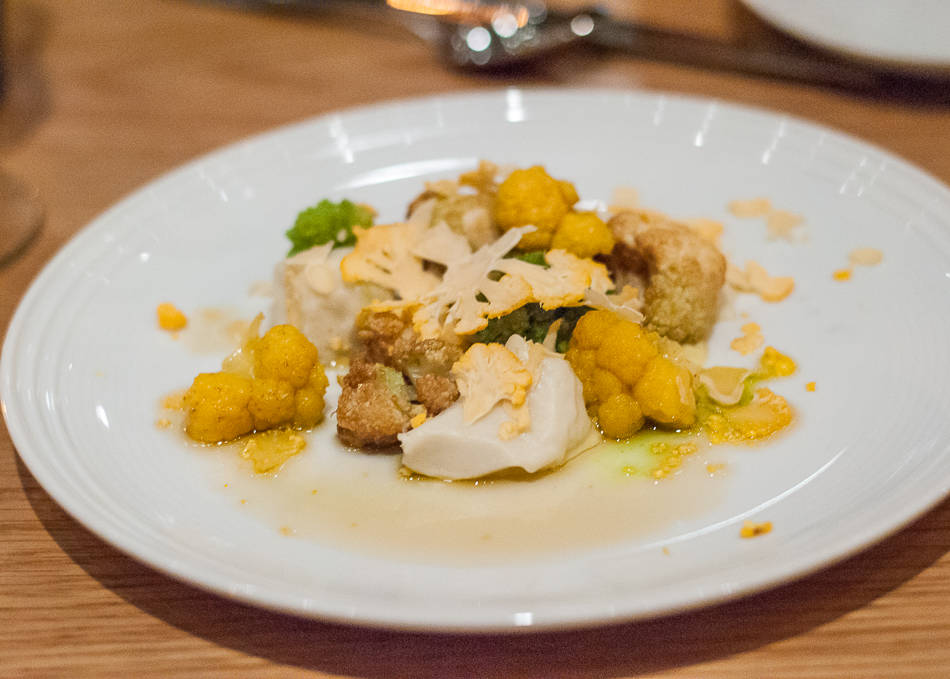
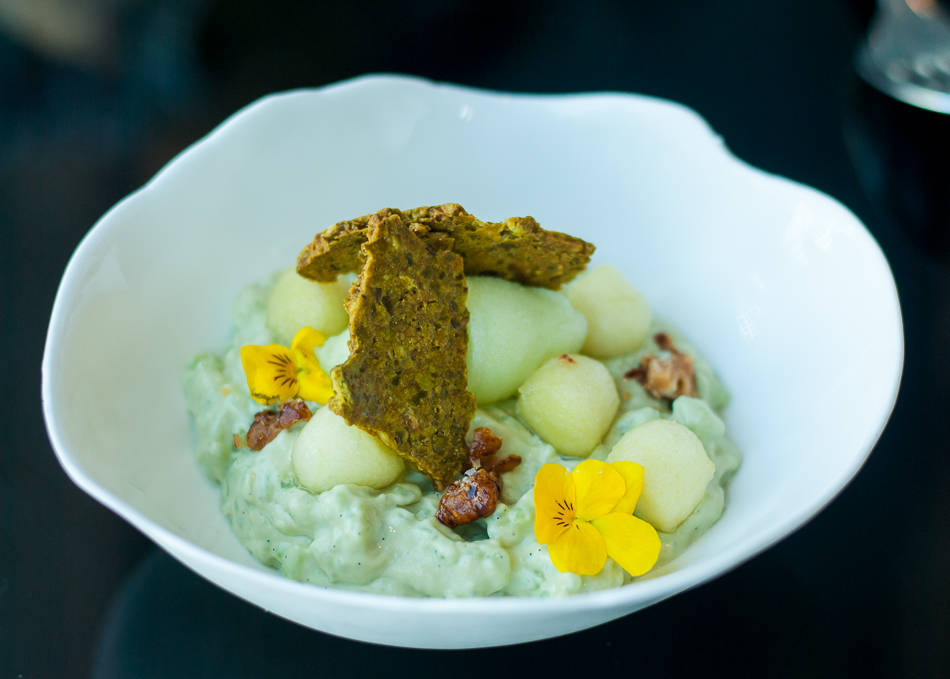
Cauliflower, cardamom custard, lemon
Cauliflower at Untitled

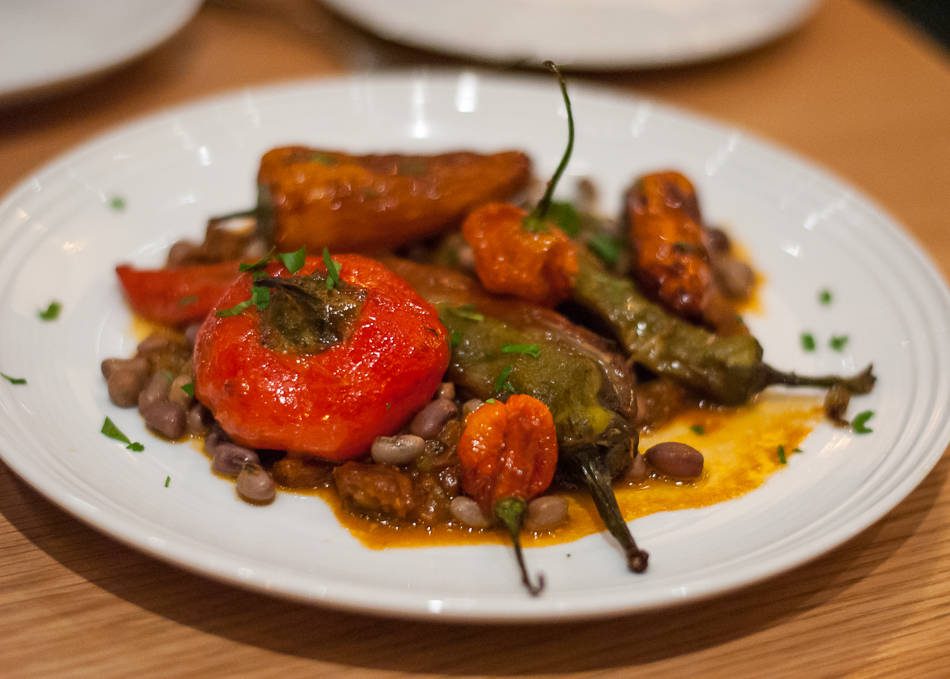
Sweet peppers, duck chorizo, shelling beans
Sweet Peppers at Untitled

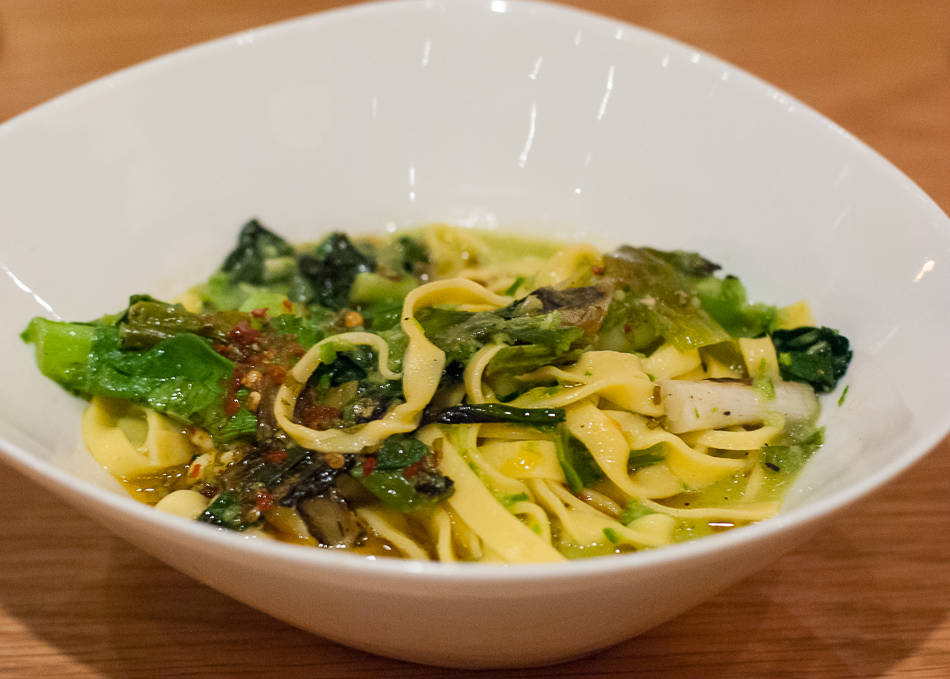
Fettuccine, littleneck clams, cilantro, bok choy
Fettucine at Untitled

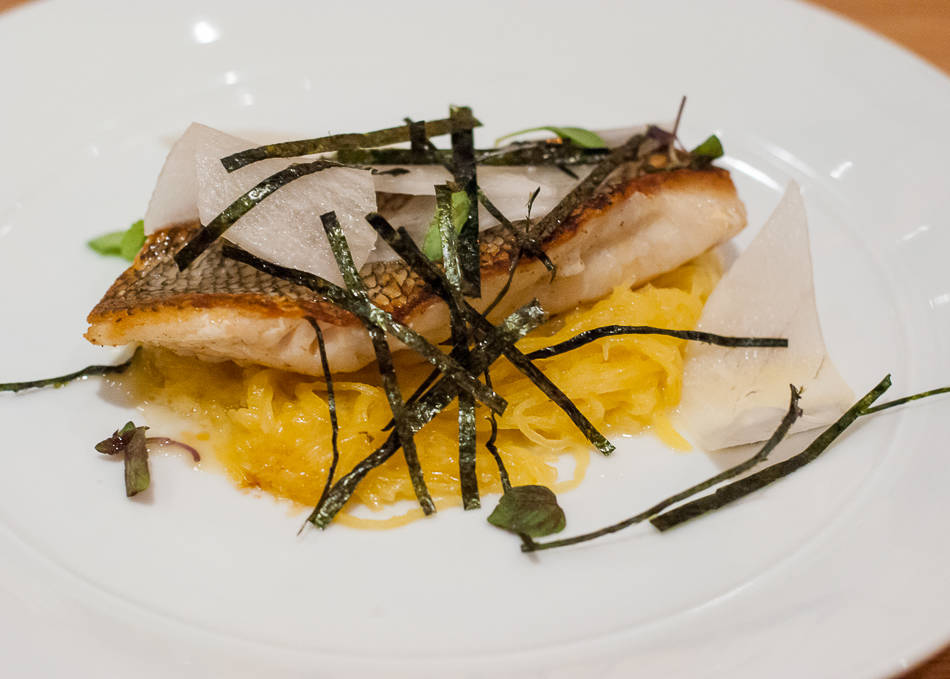
Black bass, spaghetti squash, radish, shiso
Black Bass

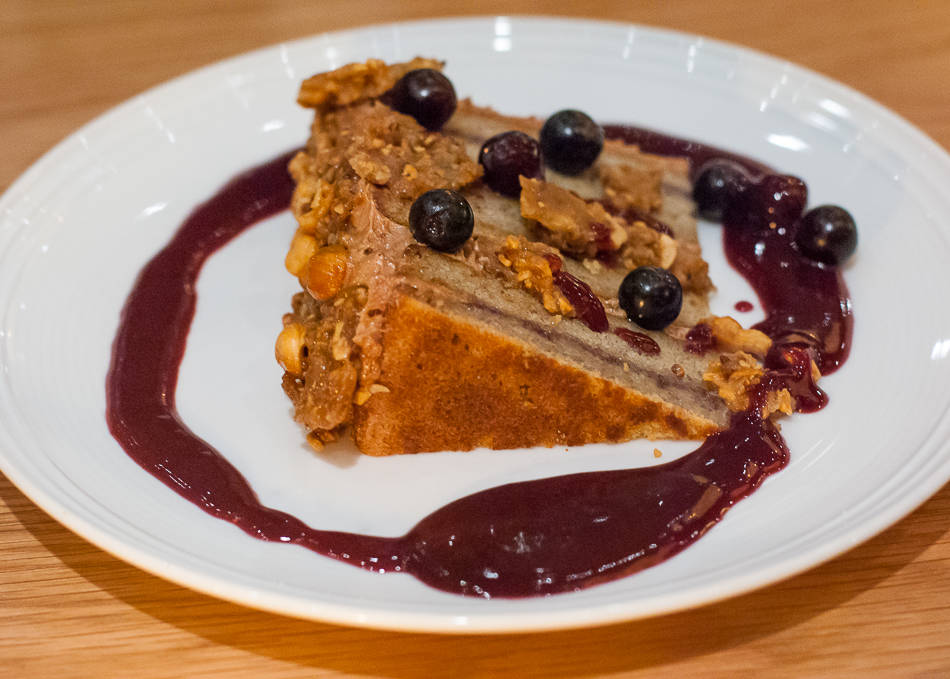
Banana hazelnut praline cake, concord grapes
Praline cake at Untitled

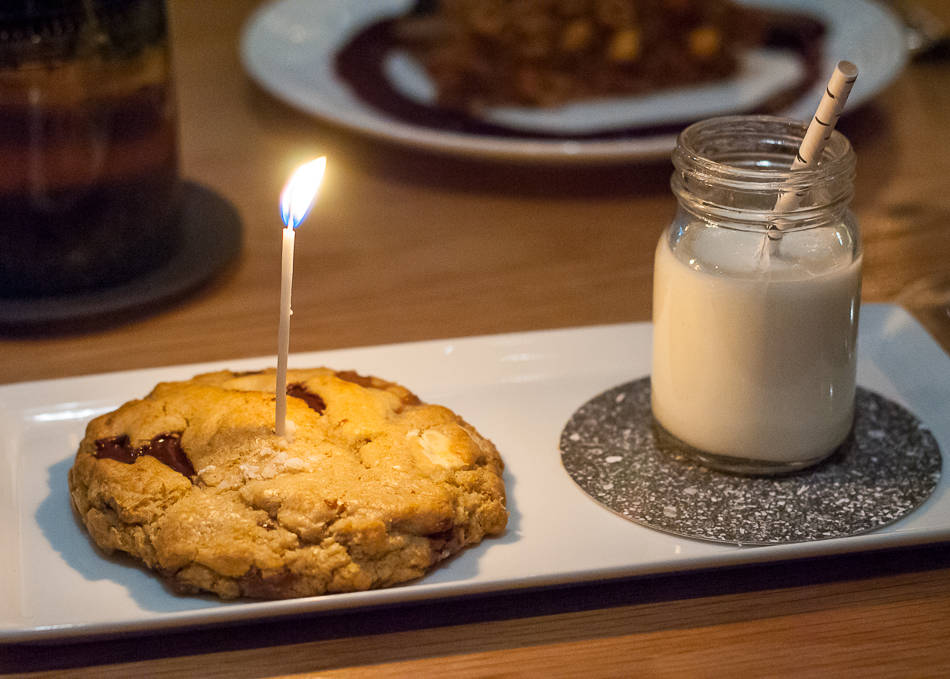
Triple chocolate chunk cookie with milk
Chocolate Chip Cookie at Untitled

Untitled at the Whitney
99 Gansevoort St,
New York, NY 10014
T: (212) 570-3670
Map


Main course Recipes

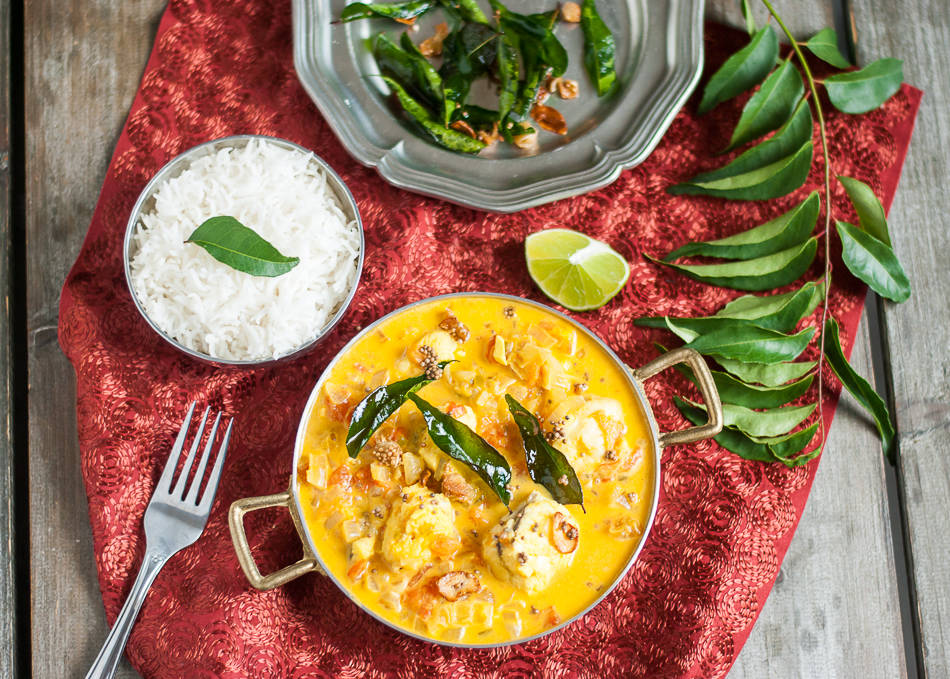
Keralan Fish Curry

December 10, 2015

With the cooling weather I’ve been looking for those vibrant and exotic dishes to bring back a bit of sun and warmth in my kitchen. Curries are quick to come to mind and this South Indian classic is always one of the first I go back to. It manages to be incredibly flavorful without the usual load of chillies which are always a bit too intense for my sensitive palate, and it’s also really simple to make.

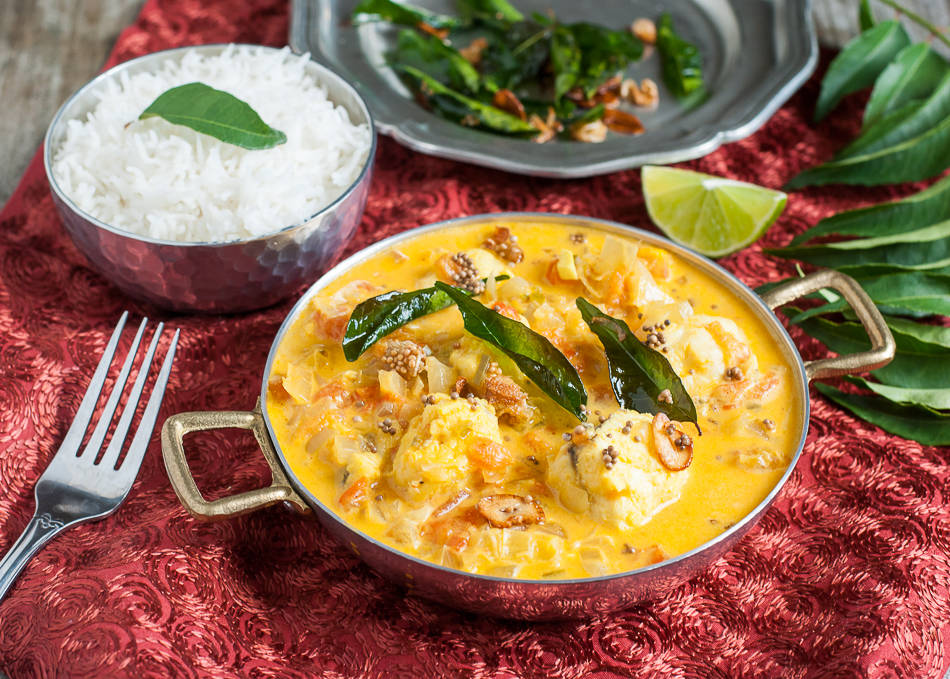
Fish Curry

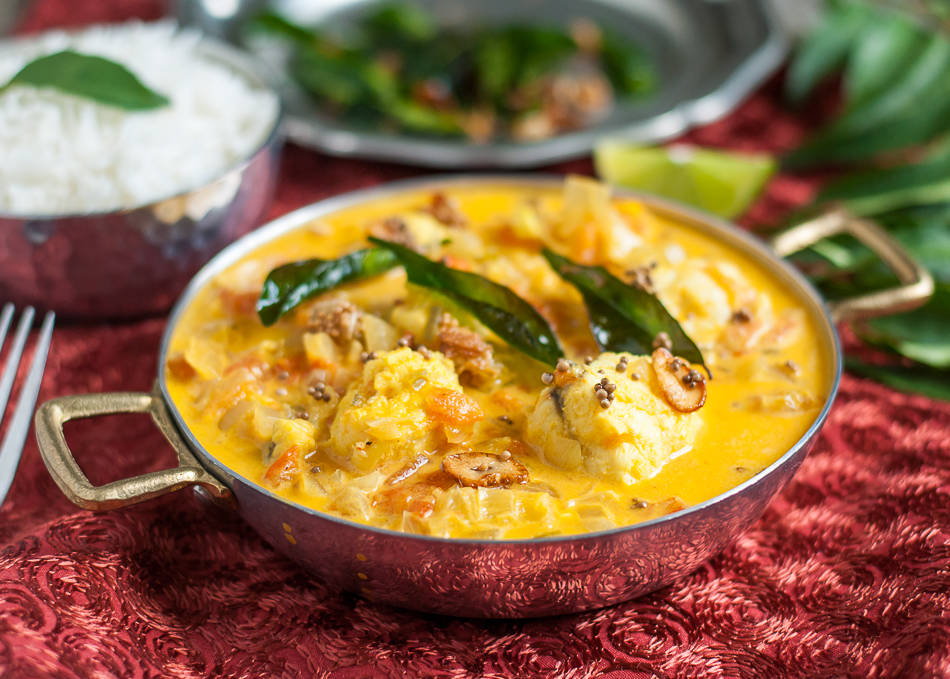
Kerala, where this recipe is from, is a state in the south-west region of India rich in coconuts and, being on the coast, with a thriving fishing industry. No wonder this coconut-cream based fish curry is a specialty there and a perfect choice for those darker weeknight dinners that we now have here. Although mild, there’s a ton of flavors and a unique tanginess to this dish, and it’s just begging to be ladled over some steamed rice for a very comforting meal.

Divider

Keralan Fish Curry

Recipe from Food & Travel magazine
Active time: 1hr
Total time: 1hr
Makes 6 servings

70ml coconut oil or peanut oil
4 garlic cloves – 3 finely chopped, 1 very finely sliced
3 onions, finely chopped
2cm knob of ginger, finely grated, plus 2 cm knob, very finely sliced
1 teaspoon cumin seeds
4 green chillies, deseeded and finely chopped
½ teaspoon turmeric
5 large tomatoes, peeled and diced
500ml coconut cream
900g monkfish fillets, cut into large chunks
3 tablespoons curry leaves
2 teaspoon mustard seeds
60ml lime juice

Divider

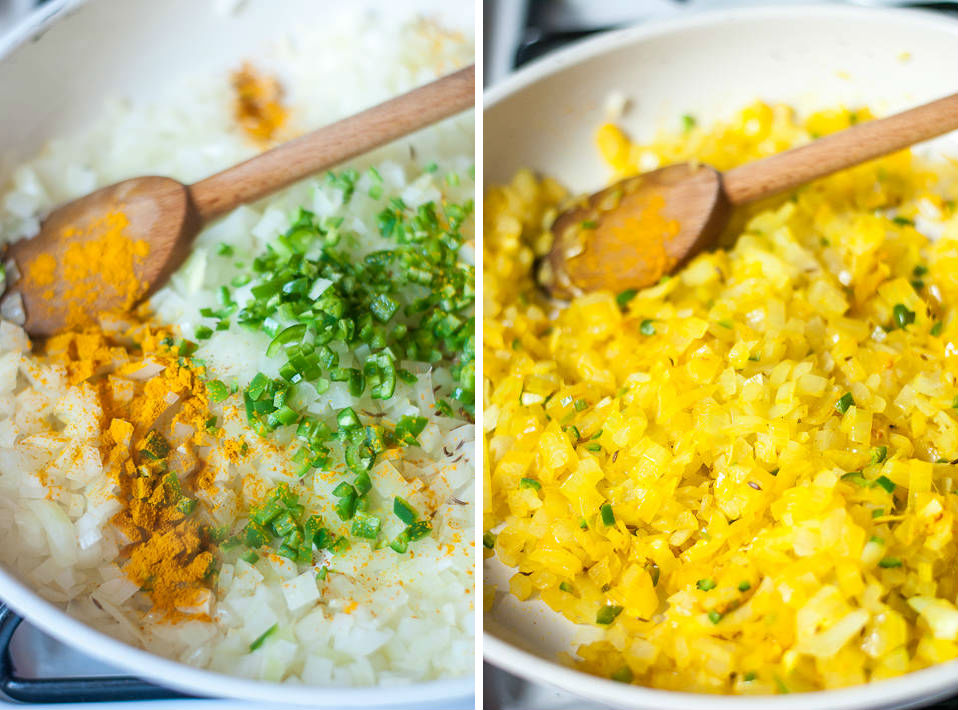
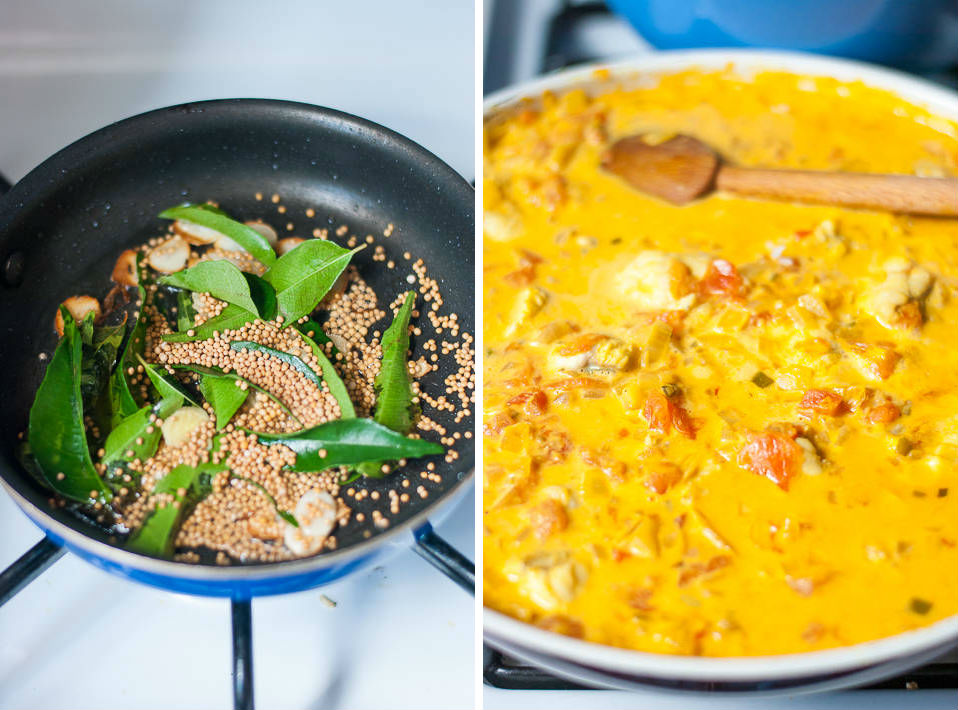
Heat 2 tablespoons of the oil in a large frying pan. Add the chopped garlic, onions and grated ginger and fry until soft. Stir in the cumin, chillies and turmeric and fry for another couple of minutes.

Keralan Fish Curry

Add the tomatoes and cook for 5 minutes, stirring often until the tomatoes are softening. Pour in the coconut cream, then season and cook for a further 10 minutes.

Keralan Fish Curry

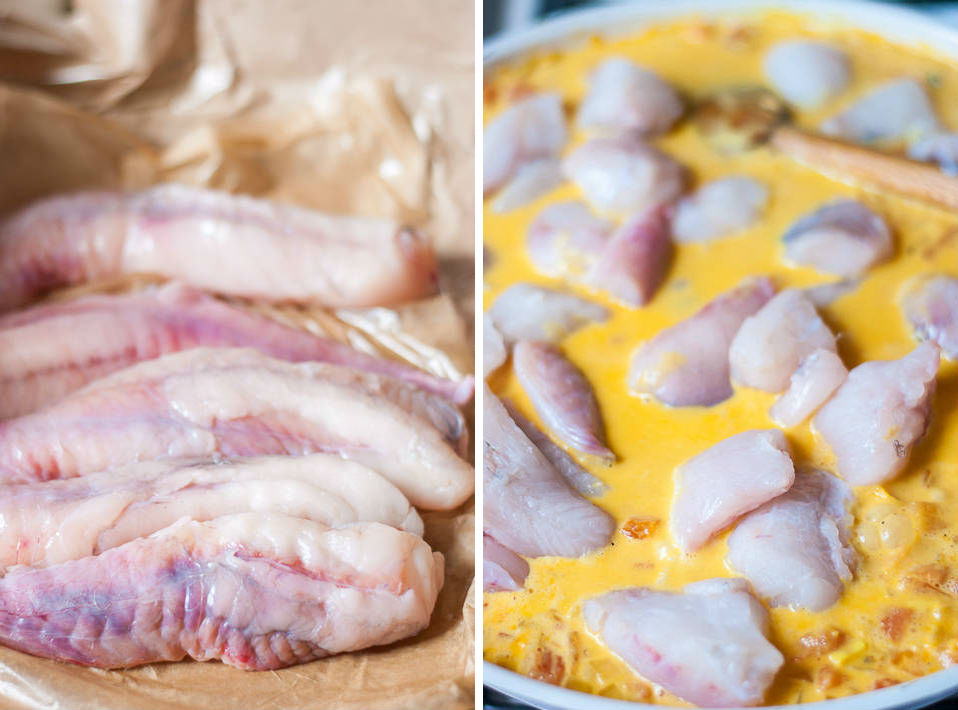
Add the chunks of monkfish and cook for 8 minutes or until the monkfish is cooked through.

Keralan Fish Curry

In a separate pan, heat the remaining oil and gently fry the curry leaves, finely sliced garlic, ginger and mustard seeds. Cook for a couple of minutes until the seeds start to pop.

Keralan Fish Curry

Tip the mixture over the curry and serve with rice and a drizzle of lime juice.

Fish Curry

Fish Curry

[print_link]


Hong Kong Restaurants

ON Dining Kitchen & Lounge, Hong Kong

December 4, 2015

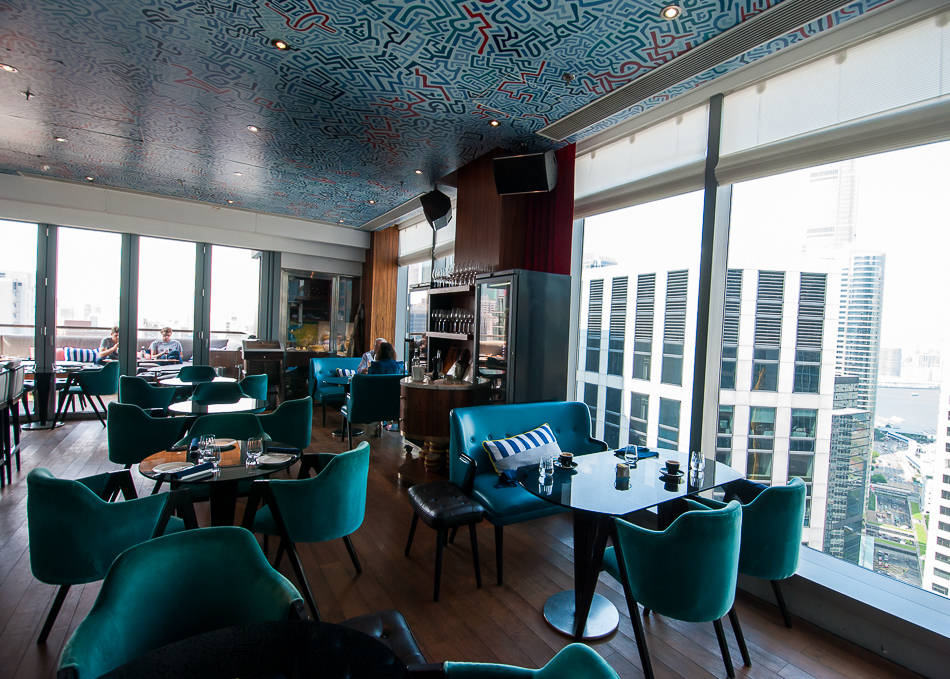
Great food with a view can be hard to come by in Hong Kong’s compact Central district but you’ll be getting plenty of both at ON Dining Kitchen & Lounge. Taking up the upper two levels of a new building in Central’s On Lan Street, the retro-chic space has the relaxed and nautical vibe of a French Riviera yacht with solid city and harbour views and quality European cuisine.

On Dining Hong Kong 10

This being the second restaurant from the man behind the young and Michelin-starred Upper Modern Bistro, you can expect equally comforting and impressive food coming out of the kitchen, as well as its famous 63-degree egg. Whether you opt for the laid-back lounge and bar as I did or venture one flight down to the main dining room, you’ll feel like on a short Mediterranean break, getting a good dose of R&R as well as being really well fed – splendid!

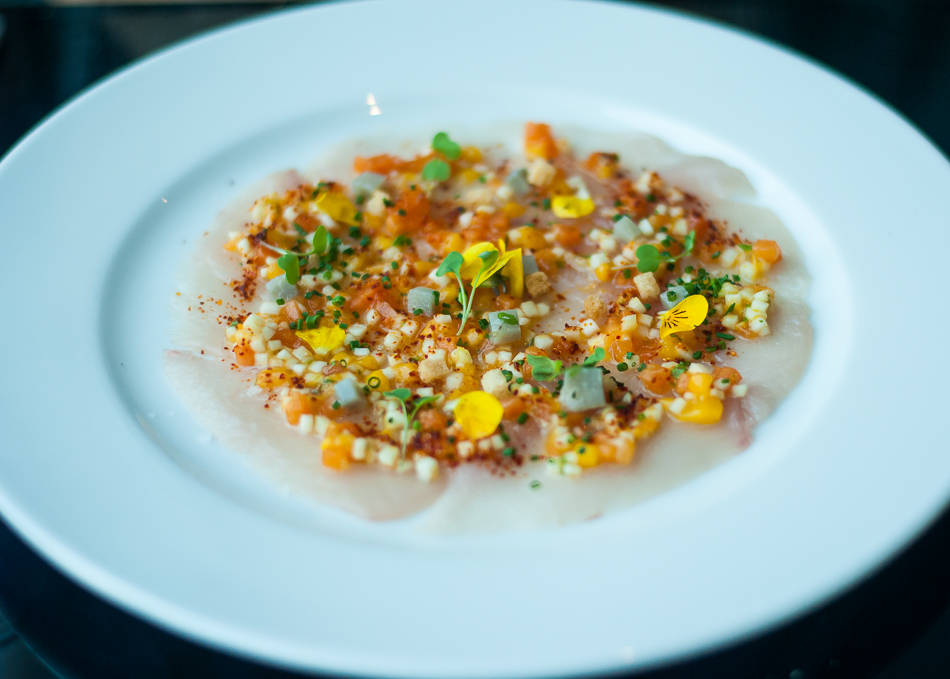
Hamachi carpaccio, papaya, lime, ginger
On Dining Hong Kong

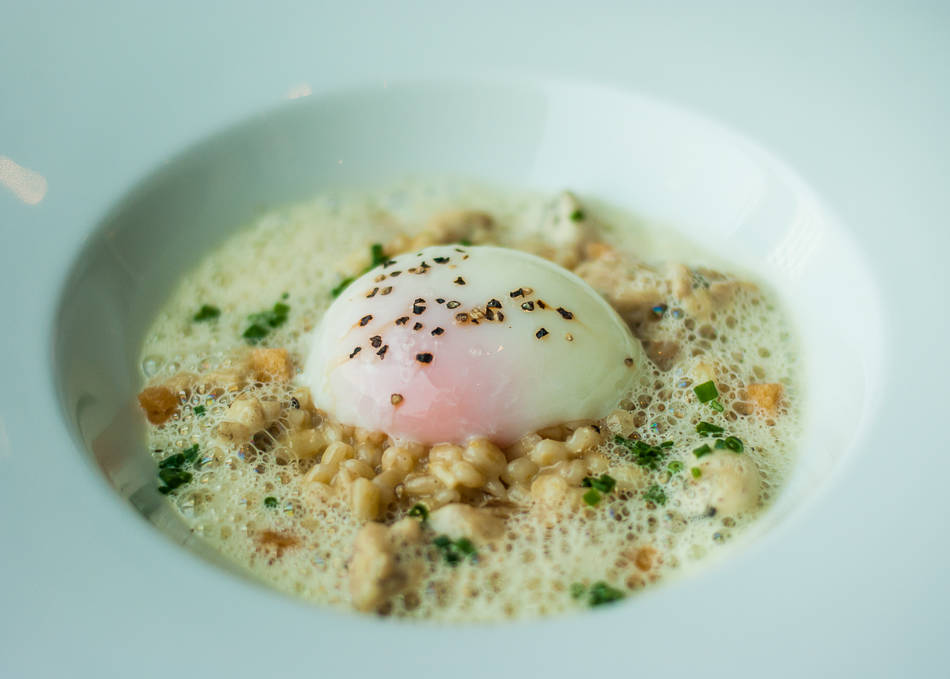
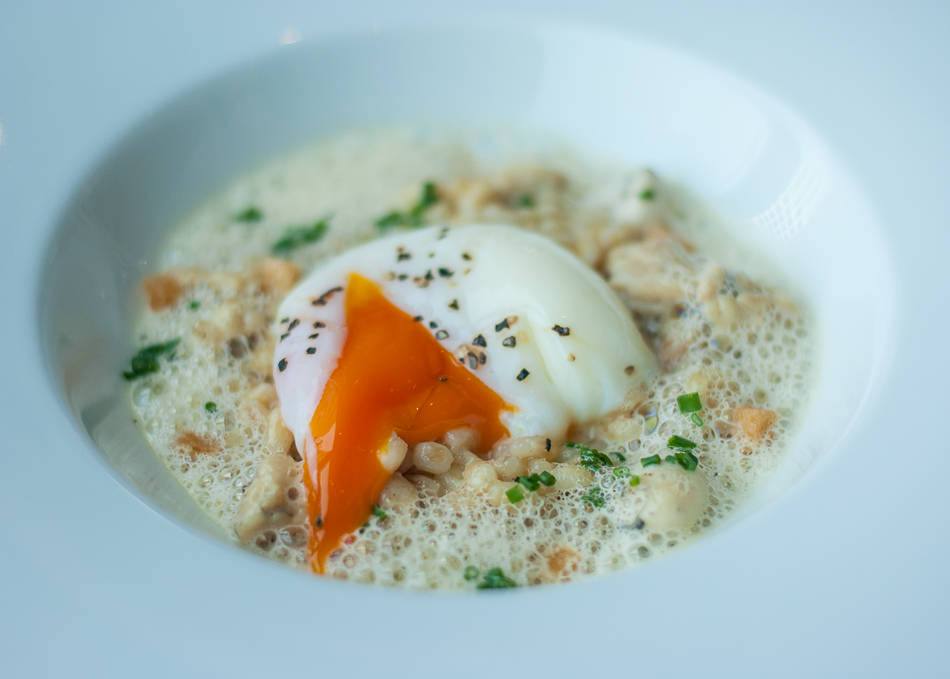
63°egg, pearl barley, frogs’ legs and yellow wine
On Dining Hong Kong 2

On Dining Hong Kong 3

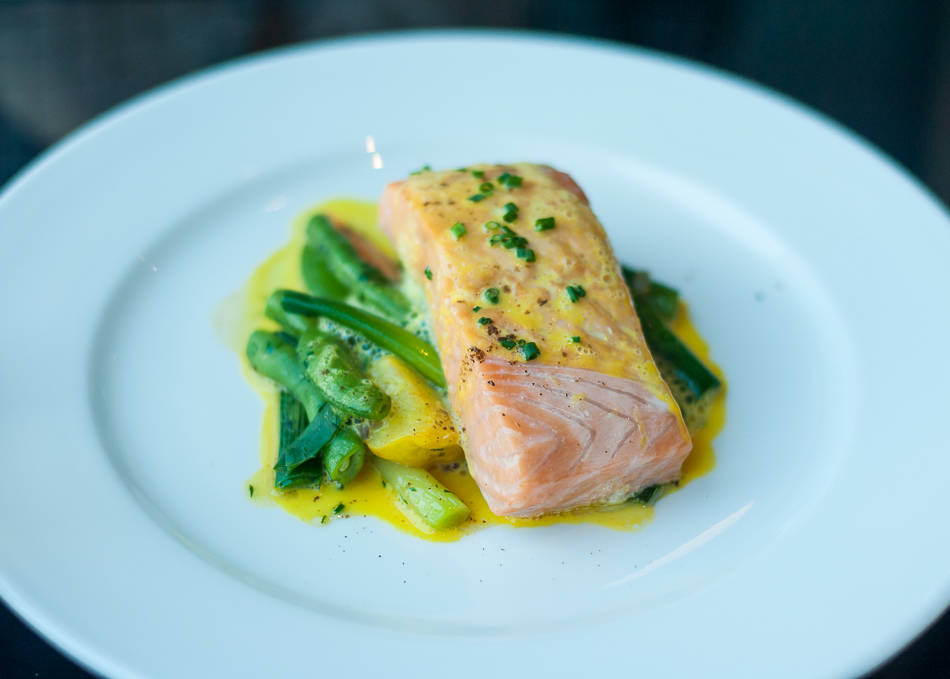
Salmon, organic vegetables, fennel & saffron sauce
On Dining Hong Kong 4

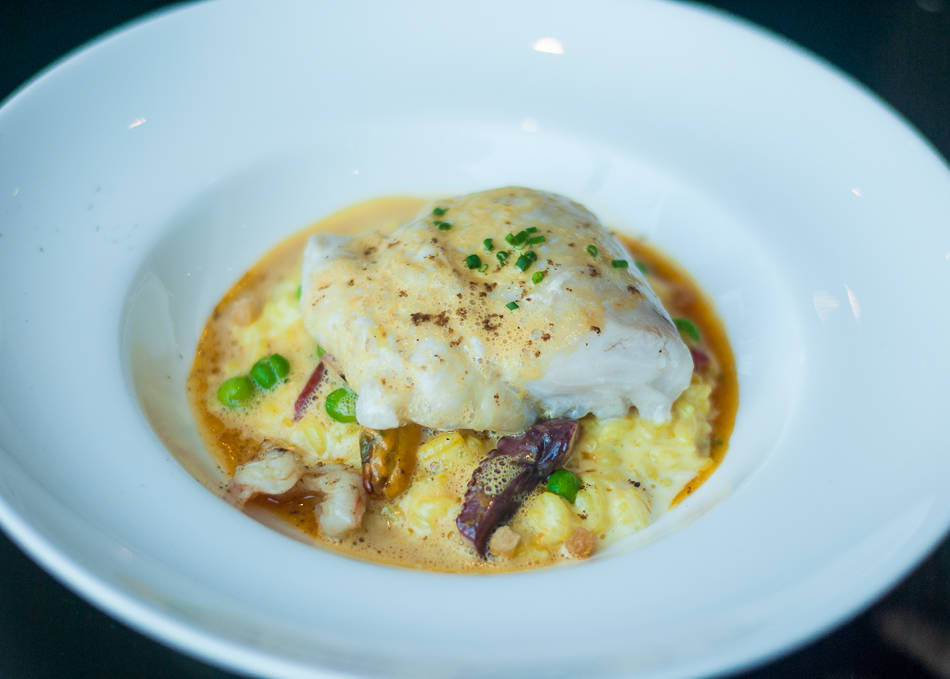
Silver cod, paella risotto, octopus, prawns, mussels and chorizo
On Dining Hong Kong 5

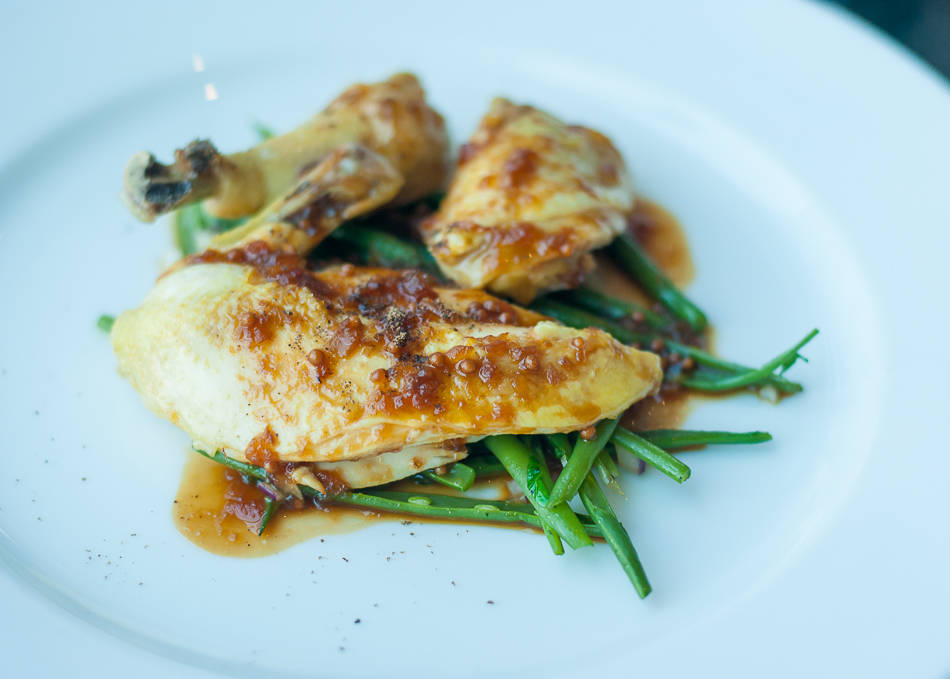
Half spring chicken, sauteed French beans, lemon chutney
On Dining Hong Kong 6

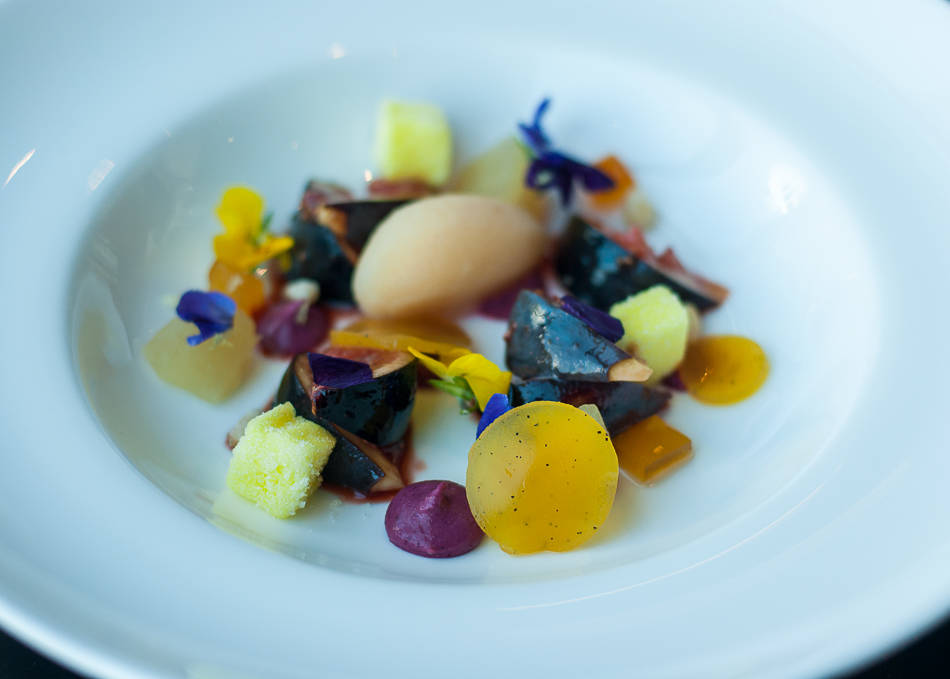
Mixed grapefruits & figs, grapefruit sorbet, crispy peanuts
On Dining Hong Kong 9

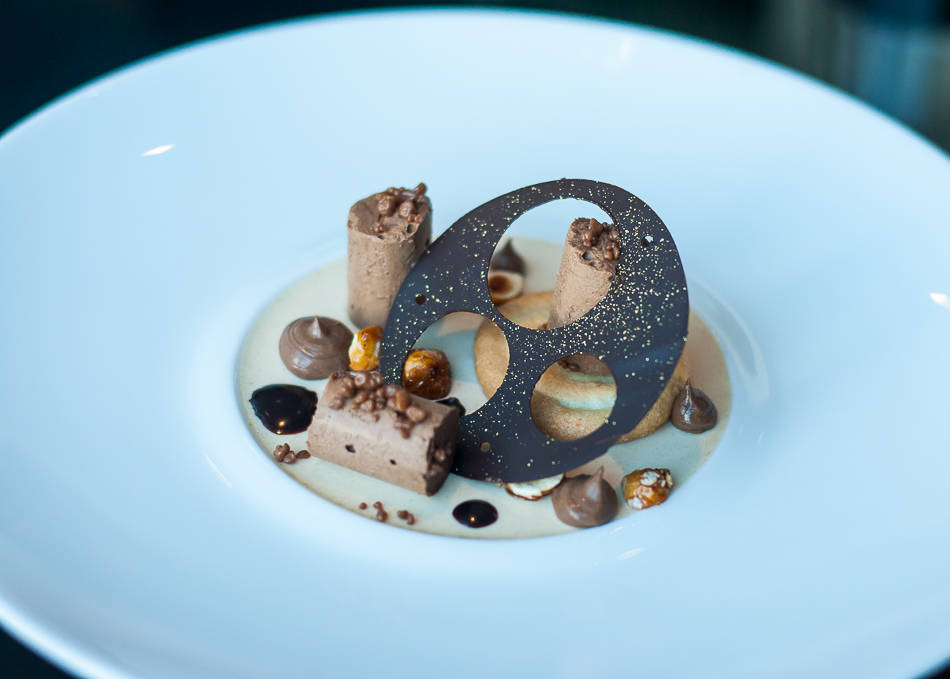
Chocolate parfait, hazelnut panna cotta
On Dining Hong Kong 8

Pistachio rice pudding, green apple sorbet
On Dining Hong Kong 7

On Dining Kitchen and Lounge
29/F
18 On Lan Street
Central, Hong Kong
TeL: (+852) 2174 8100
Map

Asia China Travels

Zesty cuisine and temples in Chengdu, China

November 27, 2015

Most people know Chengdu for the pandas (there are homages to them everywhere in the city and the most accessible research base is nearby) but the capital of Sichuan is also famous for being a UNESCO City of Gastronomy and is one of China’s most inviting too. Despite its typically gray and chaotic concrete center, Chengdu is remarkably chilled out compared with Beijing and Shanghai and makes an excellent ‘starter city’ where you’ll get to experience Chinese culture and cuisine with relative ease.
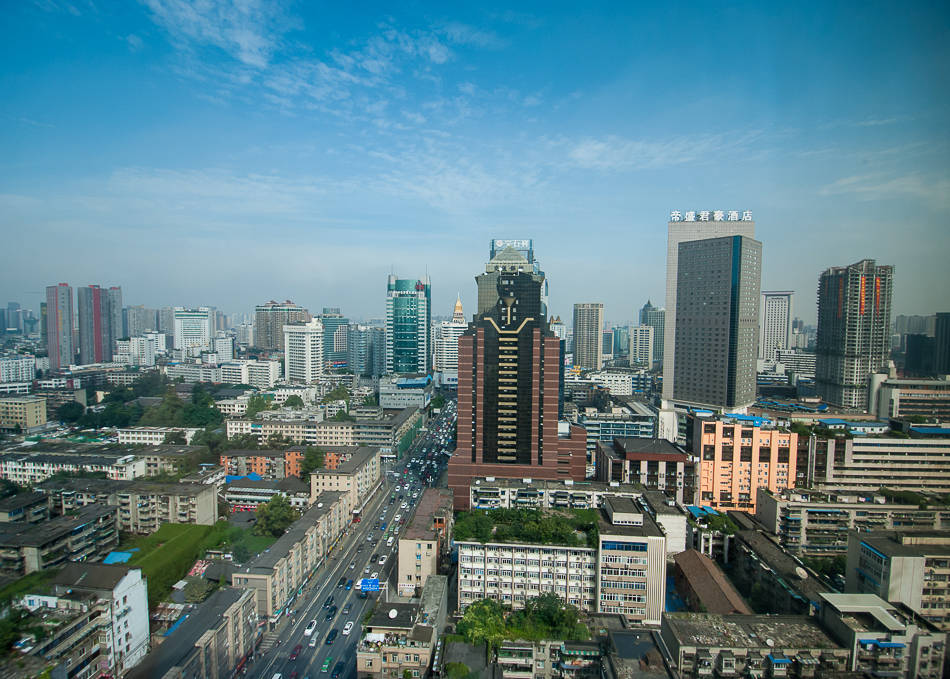
Chengdu 85

In the north of town, buildings make way for the entrance to Wenshu Temple, the best-preserved Buddhist temple in Chengdu.
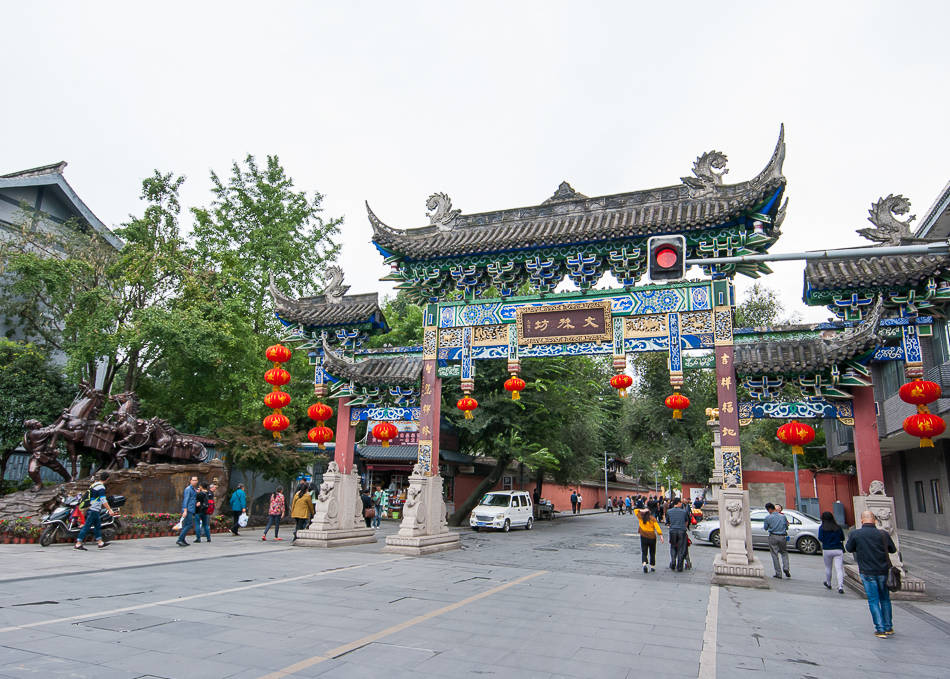
Chengdu 23

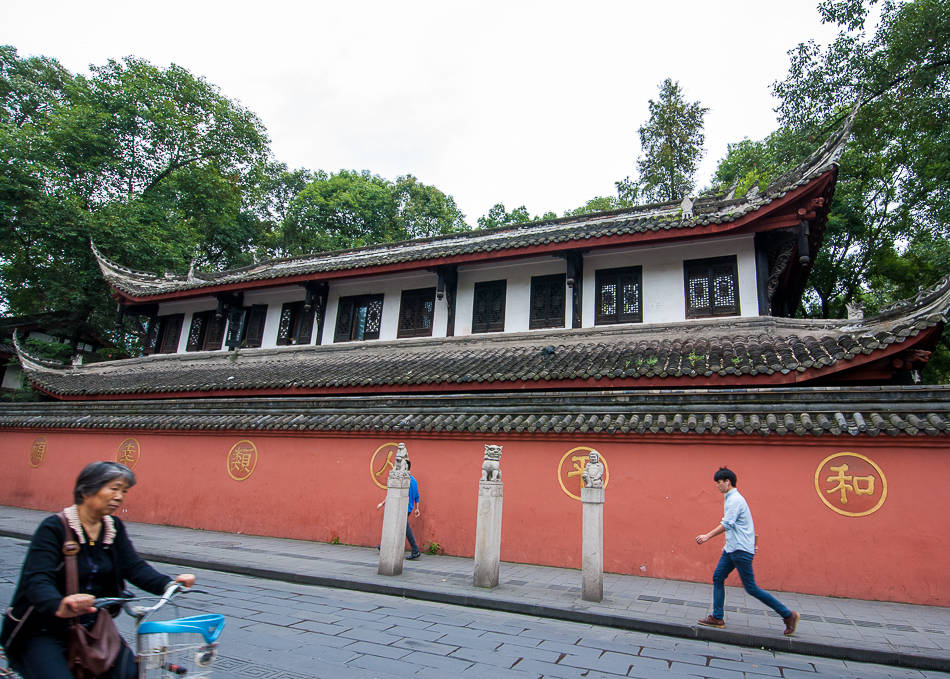
Chengdu 22

With a history of over 1000 years and covering an area of 11,600 square meters, it is massive and includes in fact many different temples, each with its own relics and courtyards.
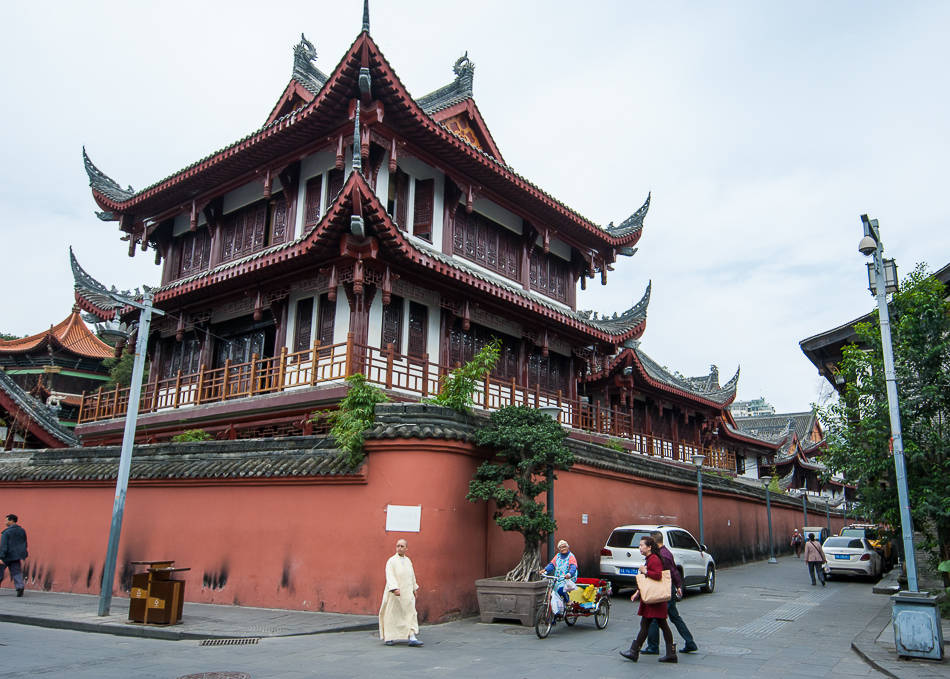
Chengdu 21

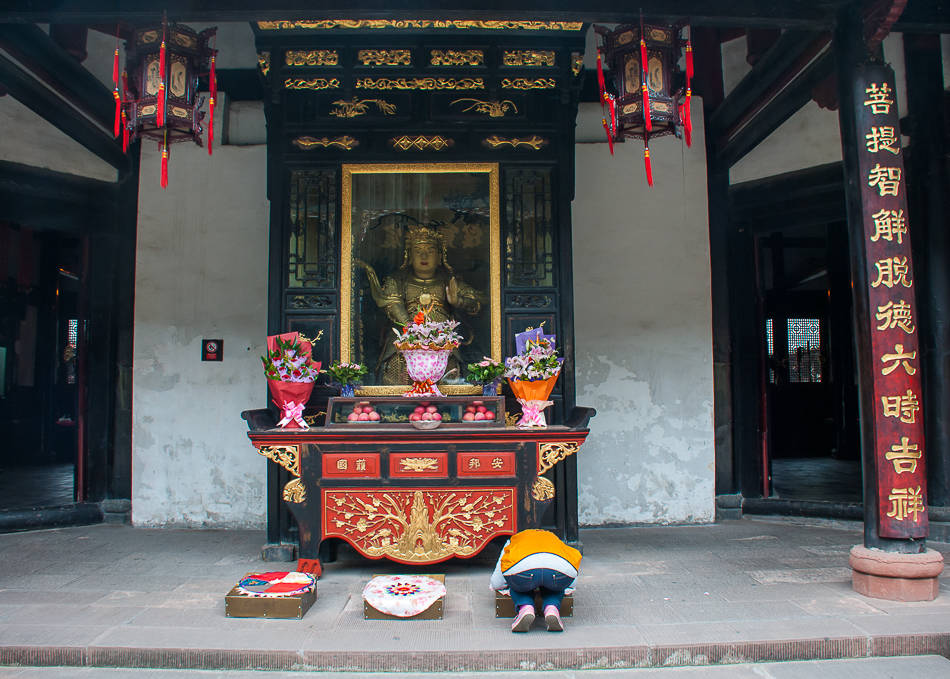
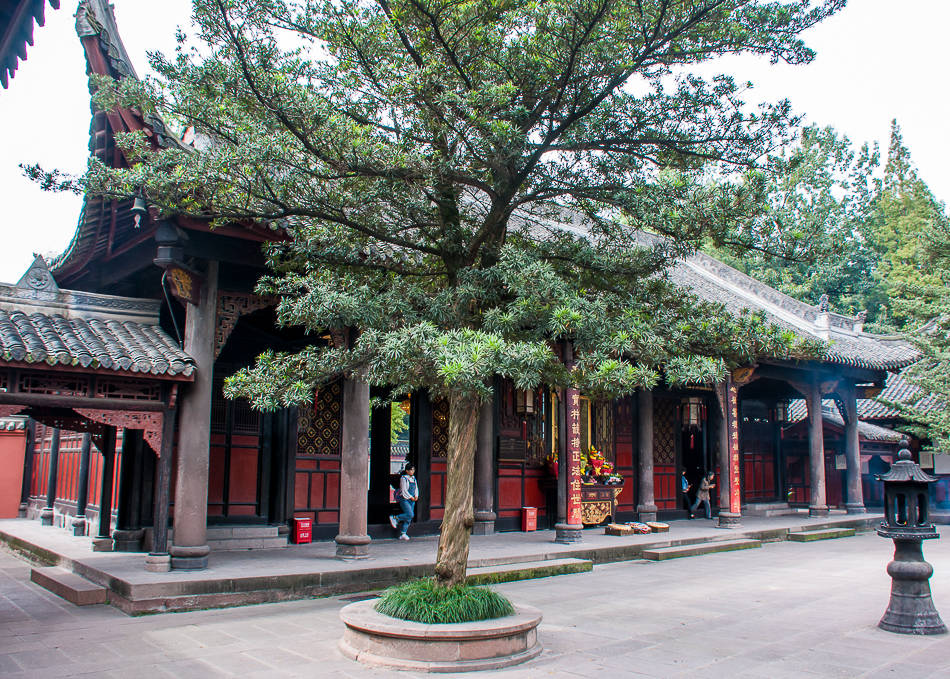
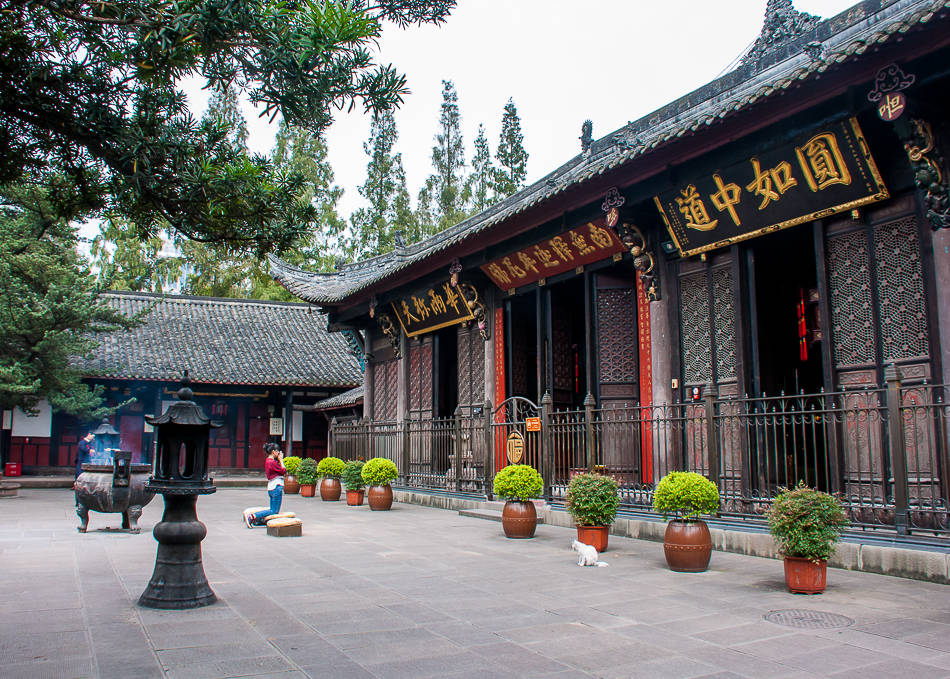
The whole complex is a great place to wander through as even with the crowds, there’s still an air of calmness and serenity. The main entrance will lead you through the five central halls which form the core of the monastery, connected by courtyards in which you’ll get to see plenty of worshipers.
Chengdu 4

They still come in great numbers to burn incense, light candles and pray.
Chengdu 5

Chengdu 7

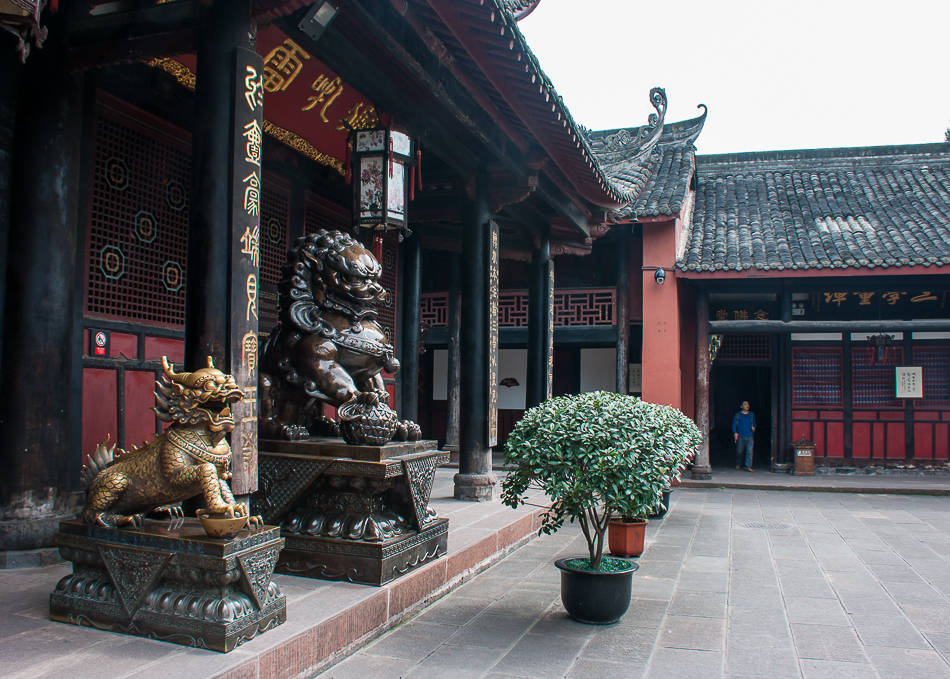
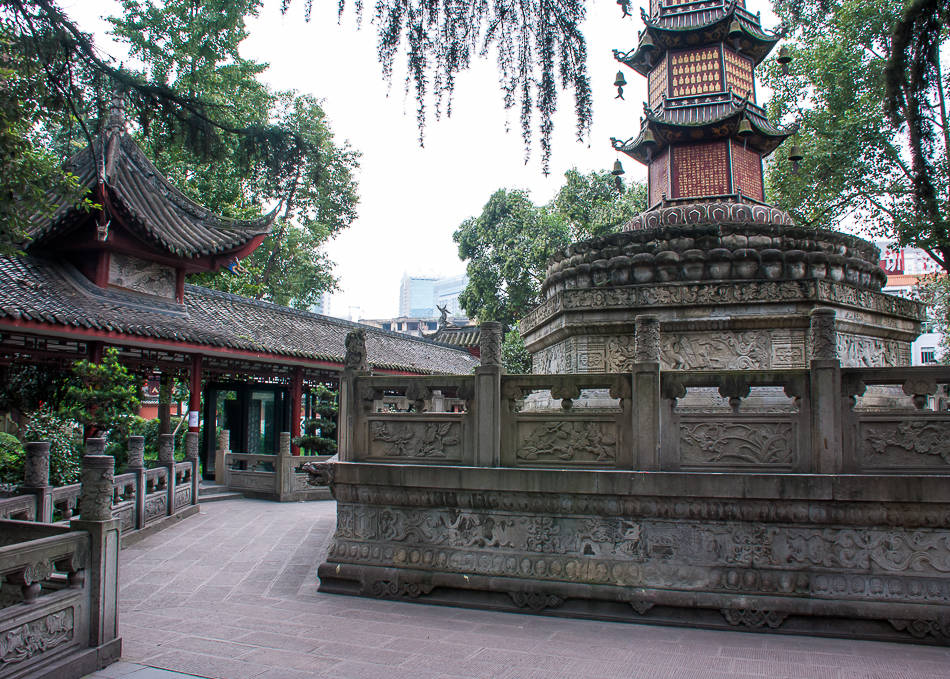
The highlights of the temple are the cultural relics: over 300 Buddha statues, paintings, calligraphy, etc. displayed inside the halls though I found myself enjoying more the grounds and gardens.
Chengdu 9

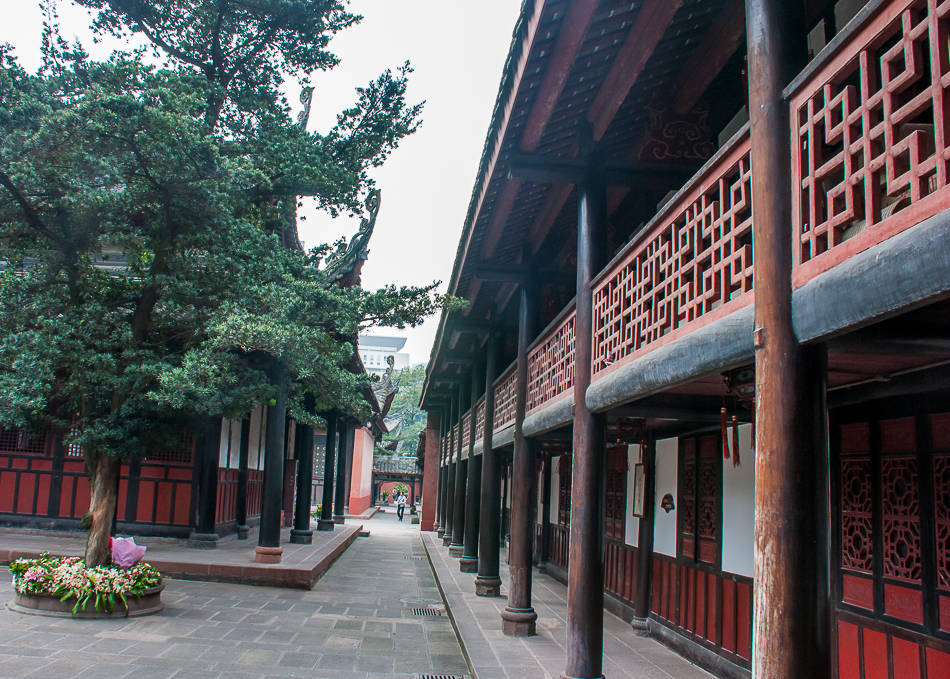
The architecture reflects the imposing style of the Qing Dynasty and gives a wonderful chance to appreciate Chinese religious culture.
Chengdu 8

Chengdu 10

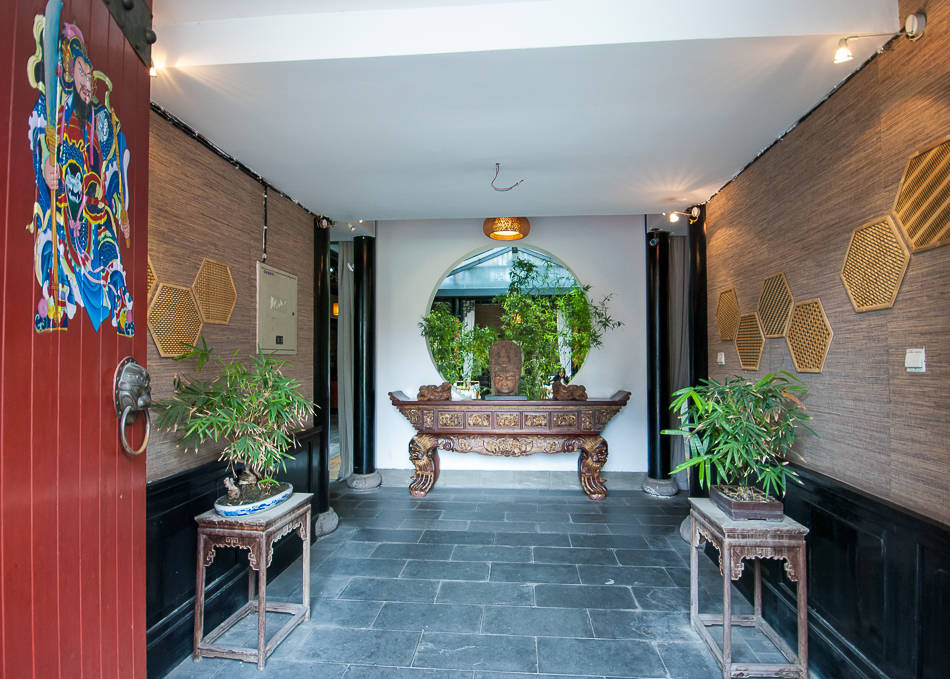
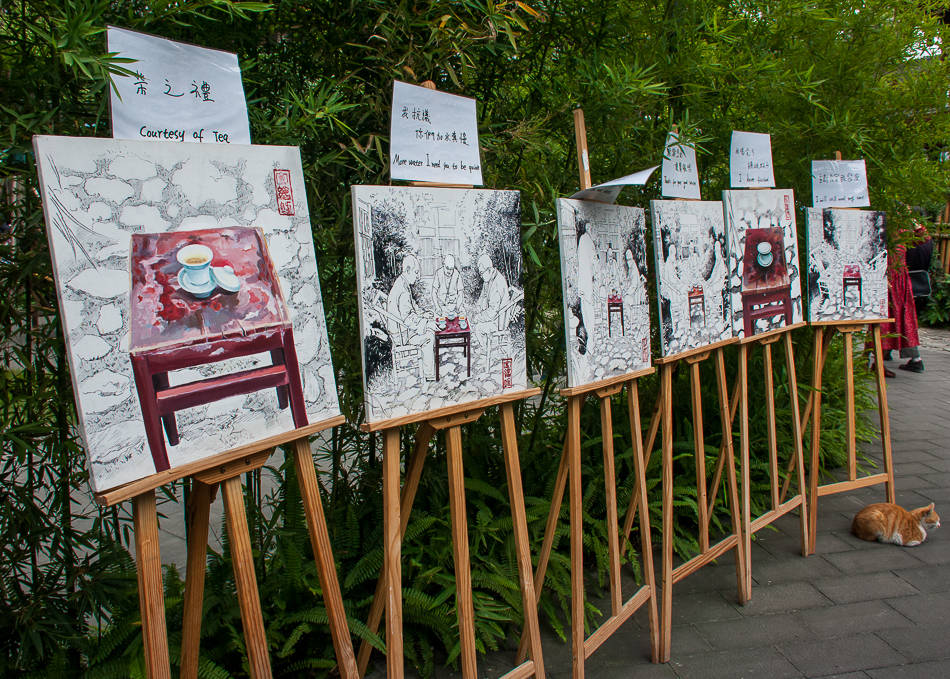
One more reason to visit the temple is to stop by its famous tea house for a cup of rare Sichuan green tea or to taste the supposedly best vegetarian cuisine in the city. A very informative series of paintings at the entrance will teach you all about the Chinese tea etiquette, like how to place your cup to indicate you want more water, brilliant.
Chengdu 11

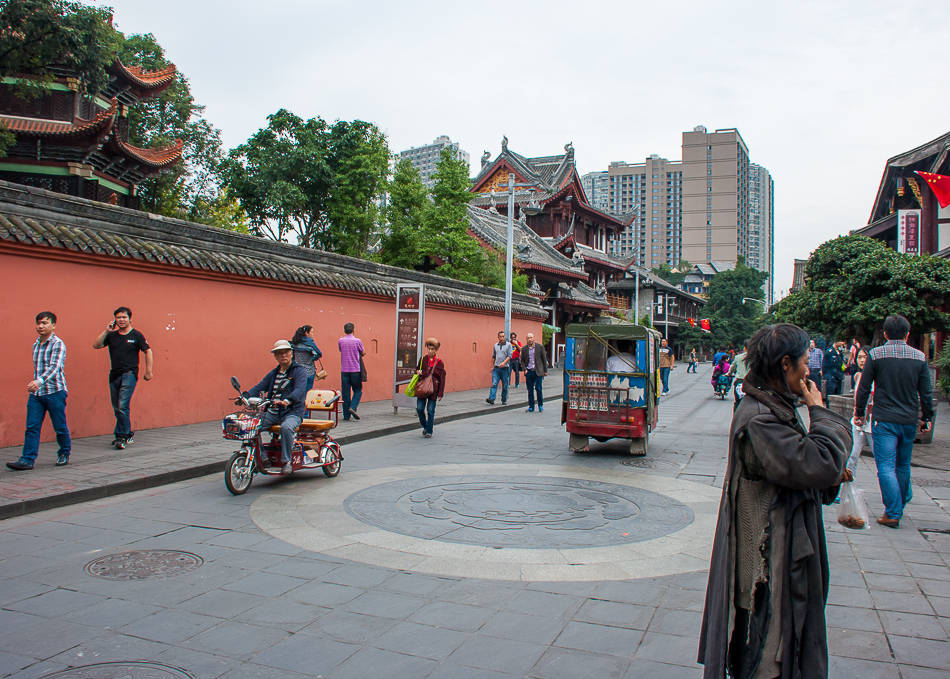
The temple exit is on Wenshufang the widest pedestrian street in Chengdu.
Chengdu 13

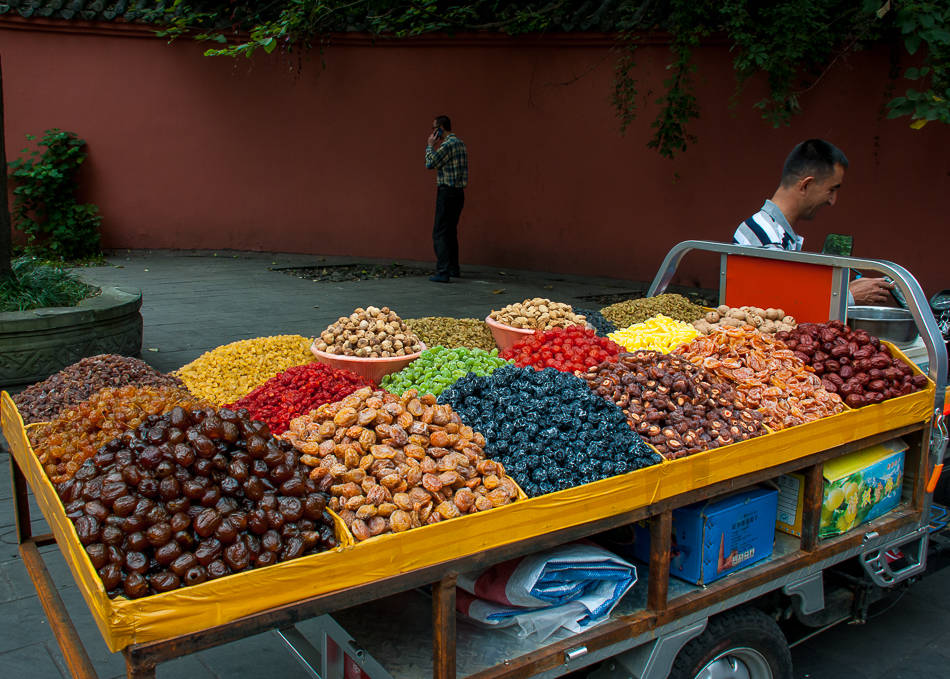
You’ll find many snack vendors and souvenirs stalls, the area around the temple becoming a real tourist hub.
Chengdu 1

Walk around and sample all you want, but make sure to stop at a small restaurant called Zhang Liang Fen right across the street. You can’t miss the crowd in front of this perpetually packed noodle shop which has been around forever.
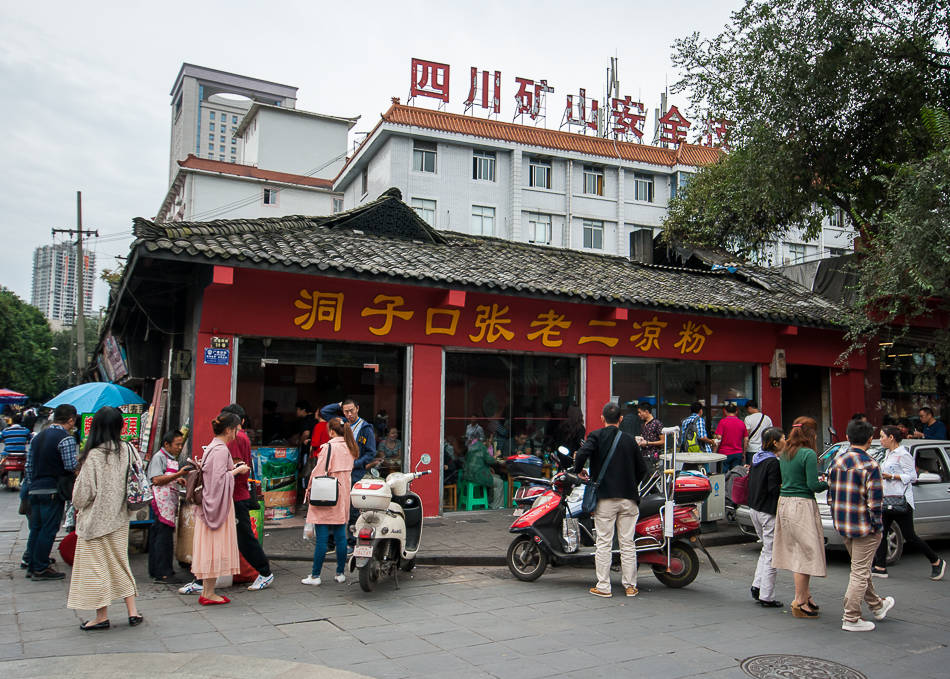
Chengdu 16

The specialty? No-nonsense cold noodles that have amassed a cult following.
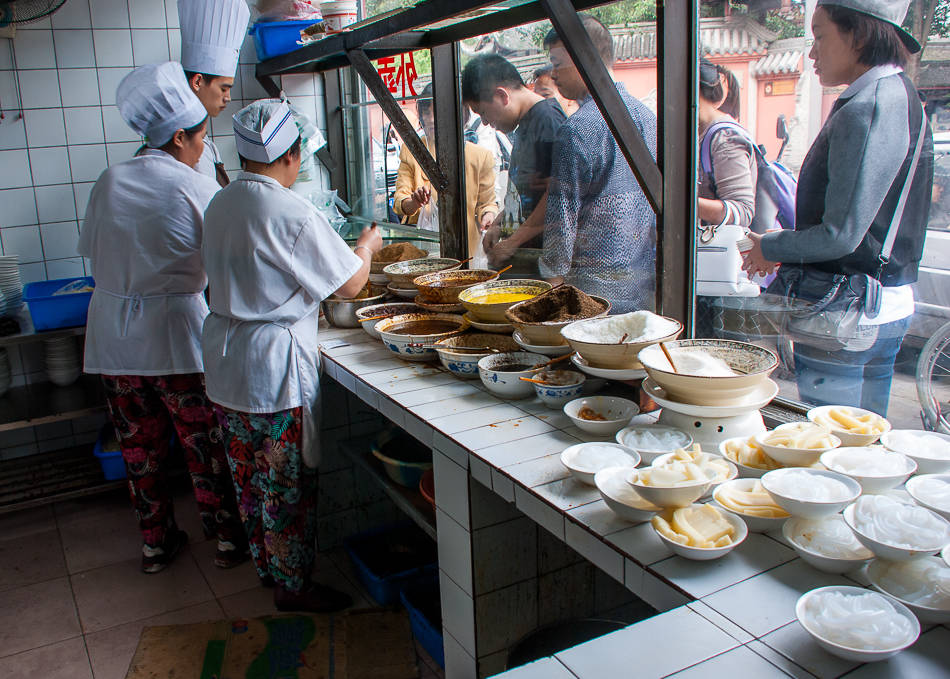
Chengdu 14

Get the ‘tianshuimian‘, thick noodles with a superbly balanced sauce made of fragrant vinegar, spicy chile sauce and sugar, hitting all the right notes for just under $1. Hands down the tastiest $1 I’ve spent in a while.
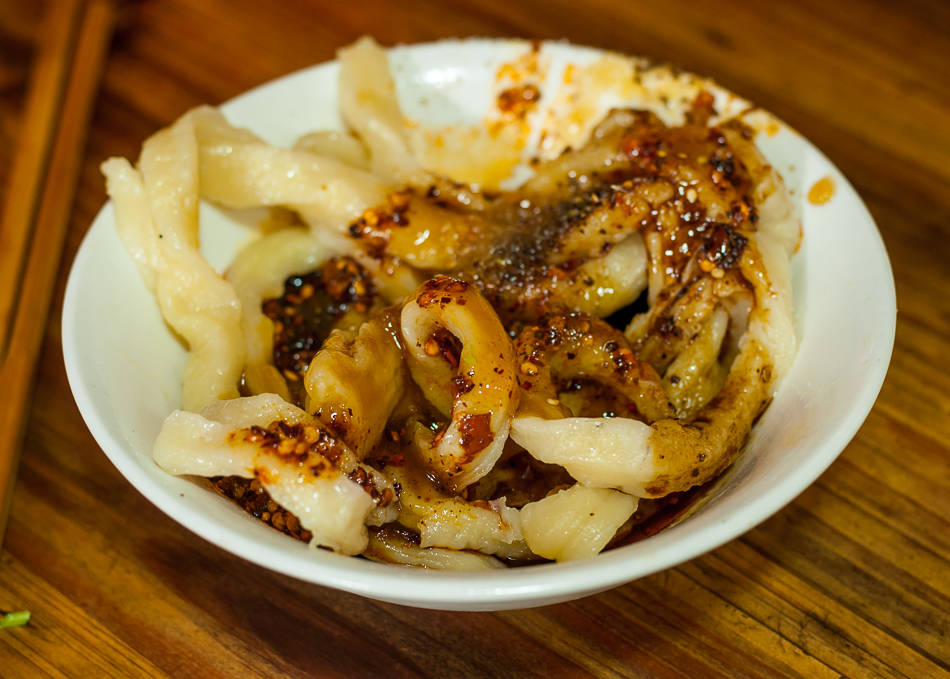
Chengdu 15

Walk off those noodles exploring the aptly named Wenshufang Folk and Culture Street filled with boutiques selling various forms of folk art, traditional clothing,…
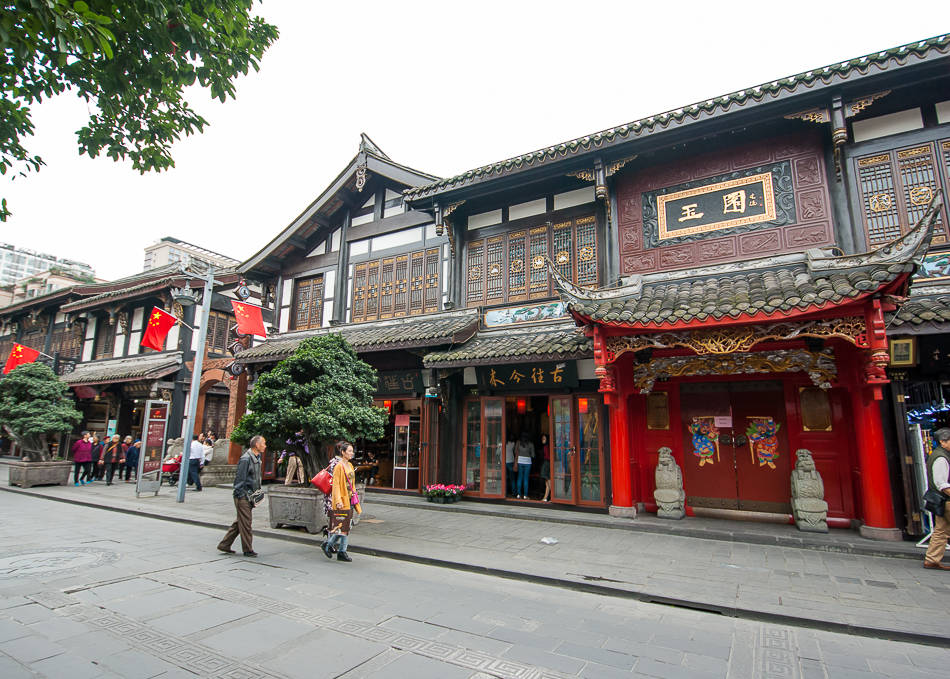
Chengdu 17

…and quaint teahouses.

Chengdu 20

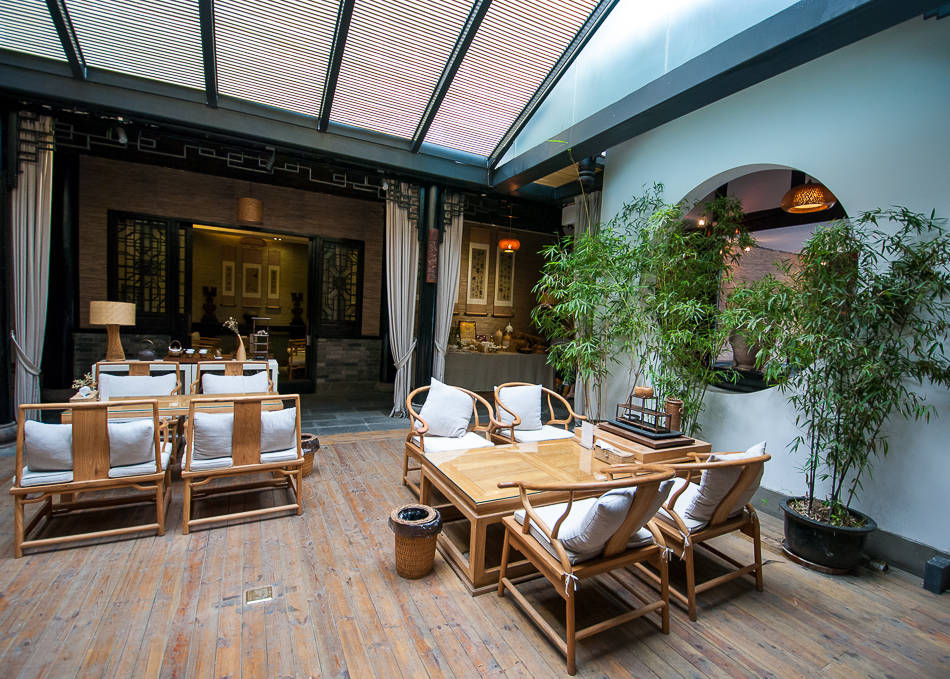
Chengdu is one of the birthplace of tea in China and with more than 6,000 teahouses it’s the best place to sample some and bask in the incredibly zen setting.
Chengdu 19

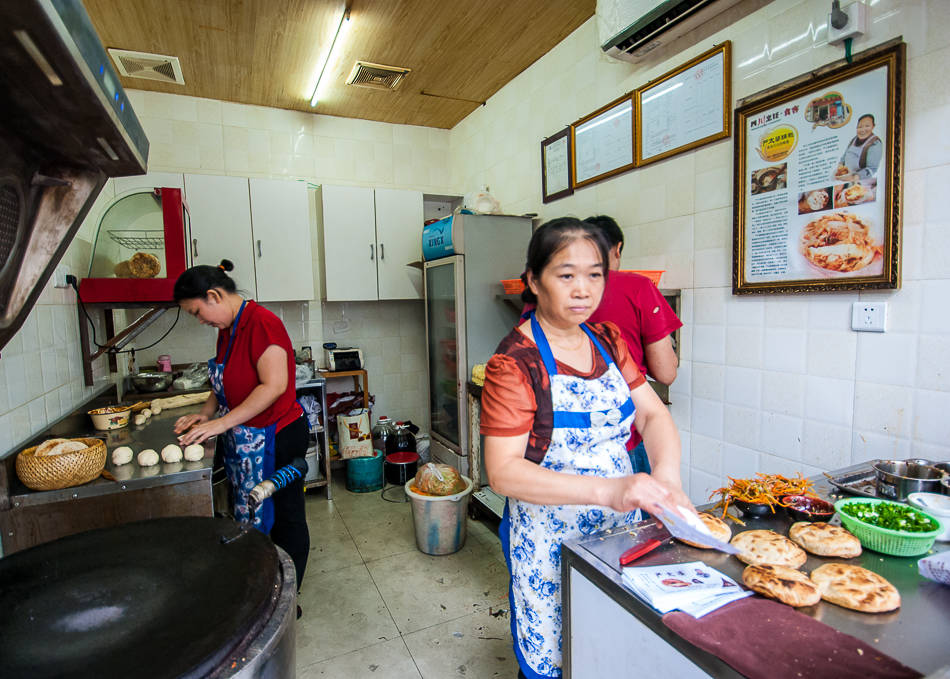
More eating is in order and a few minutes walk south will bring you to a very popular takeaway shop called Yan Tai Po.
Chengdu 24

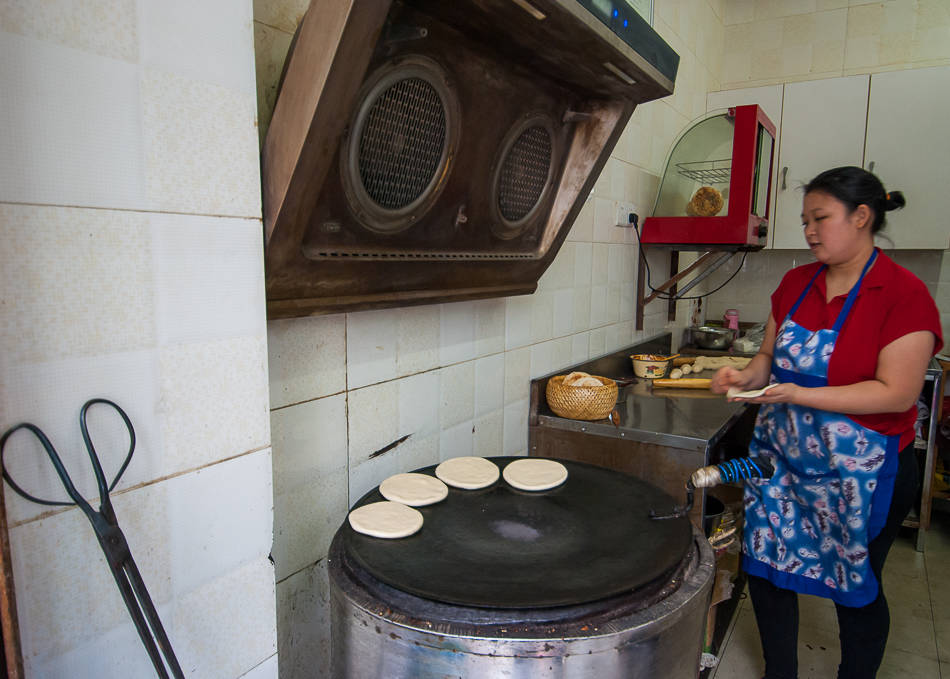
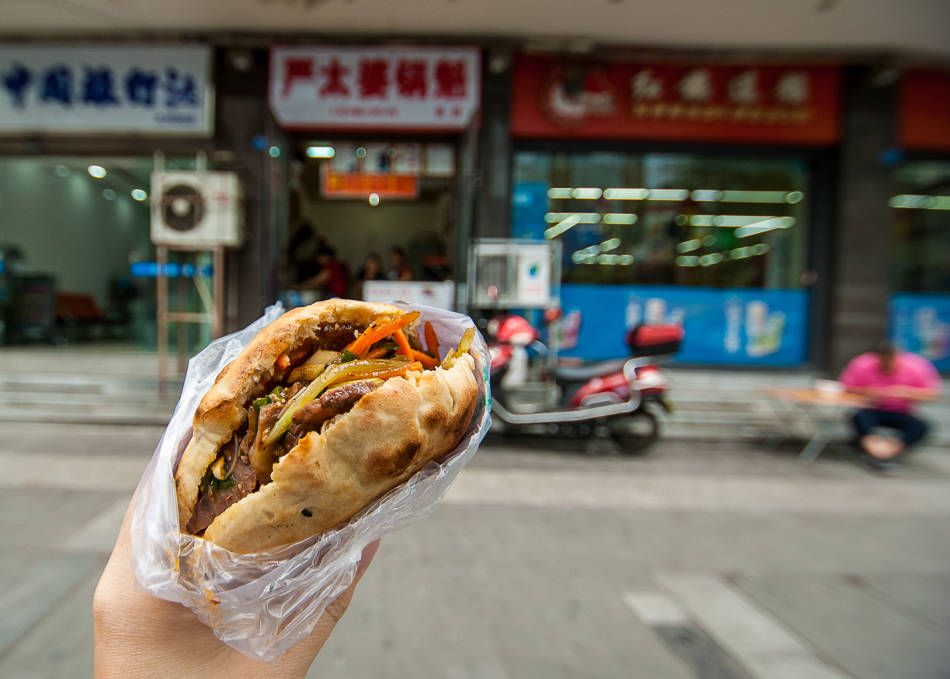
The Sichuanese sandwiches (Gio Kui) are freshly baked crispy bread pockets stuffed with pork or beef and a spicy mix of shredded carrots, cucumbers, and bean sprouts, all drizzled with chili oil.
Chengdu 25

A little messy but I loved the spicy/crunchiness and it’s pretty filling for a little less than $2.
Chengdu 26

Another must-see temple is Wuhou Temple in the south of the city.
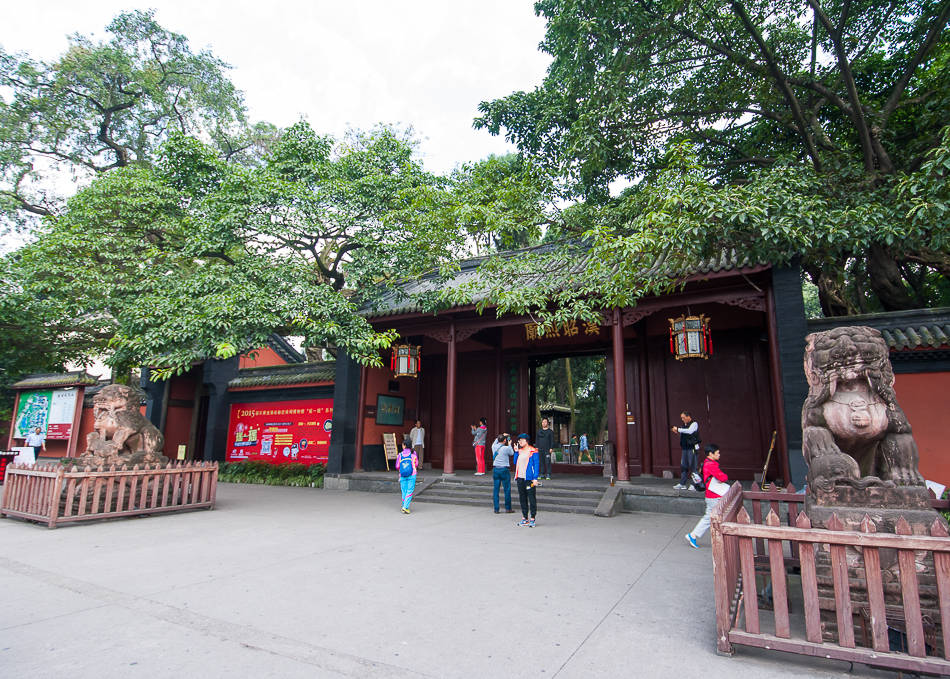
Chengdu 69

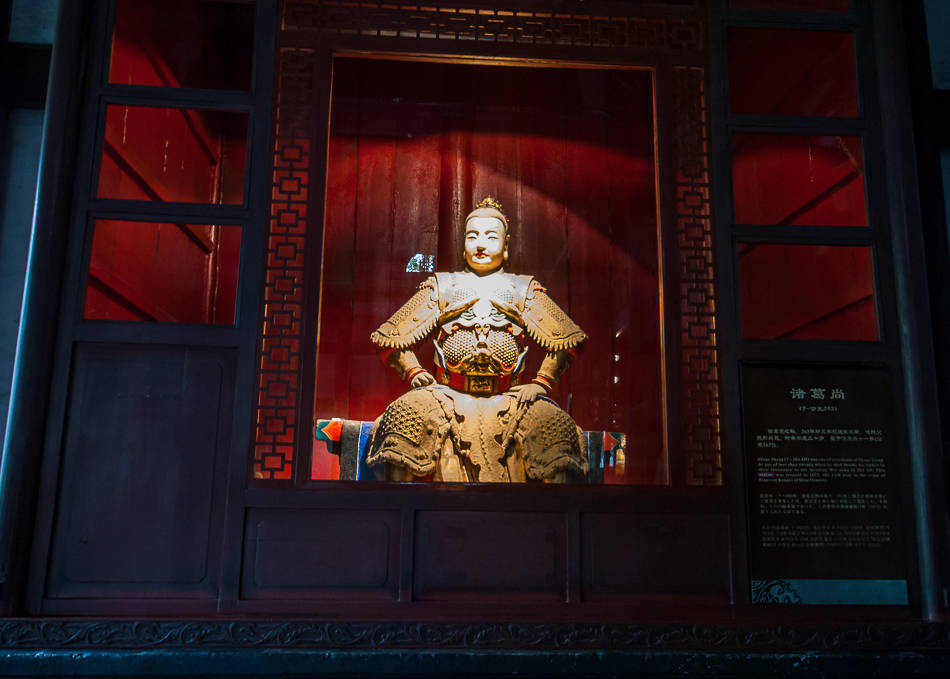
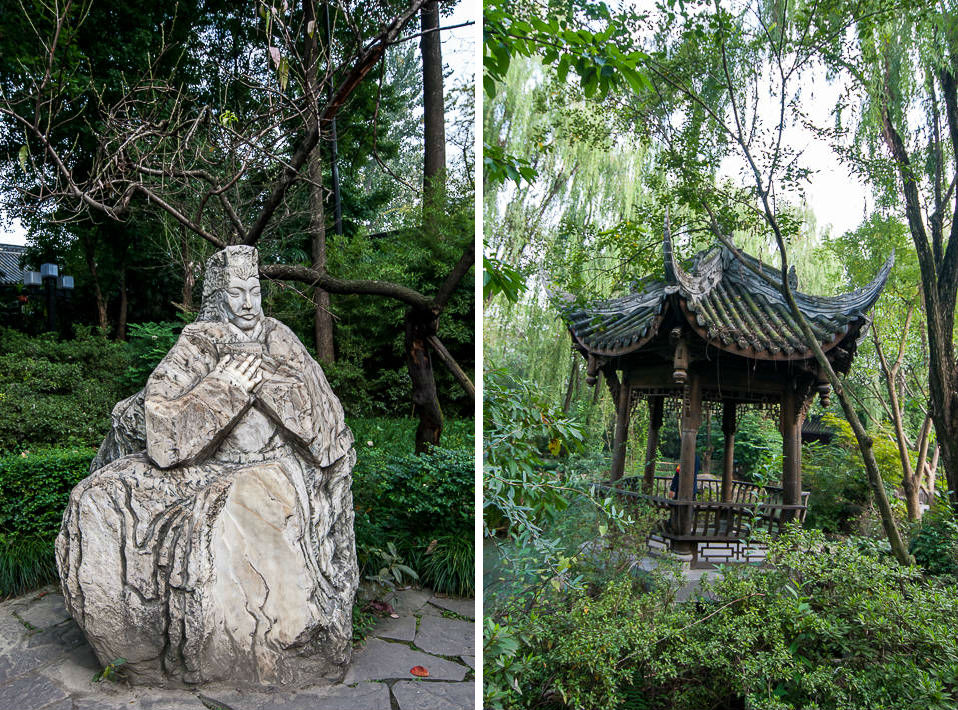
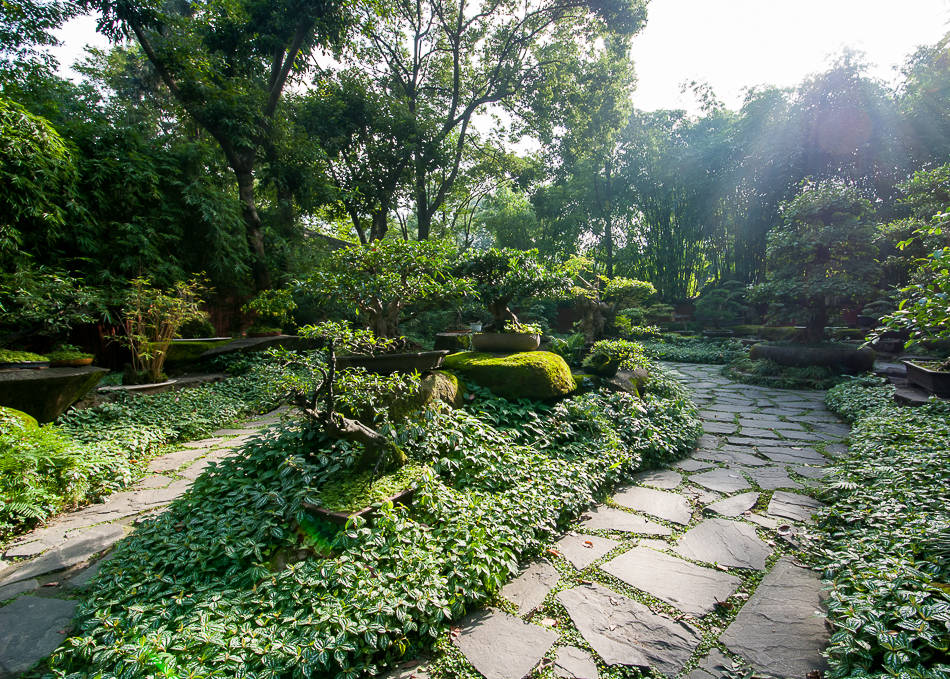
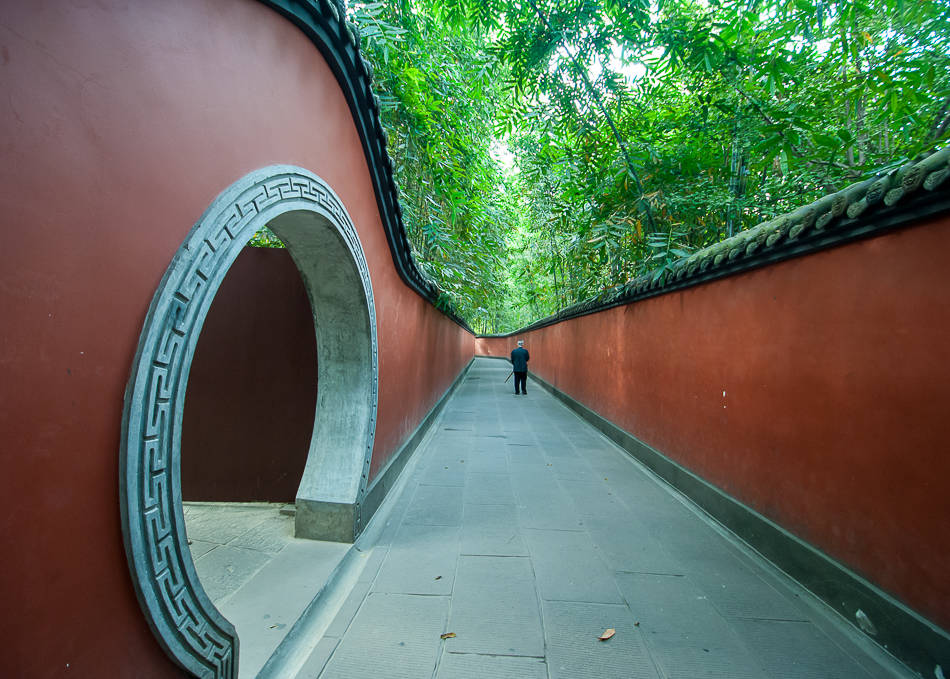
This site is meant to honor two immensely popular figures in Chinese history: Liu Bei, emperor of the Shu Kingdom, and his much revered military strategist Zhuge Liang. They lived during the volatile “Three Kingdoms Period” (169-280 AD) which has attained a somewhat cult-like following among literary buffs and fans of The Romance of the Three Kingdoms. Even if you know nothing of the book, you’ll still very much enjoy walking around this huge 37,000 square meters complex among the cypress and bamboo covered pathways.
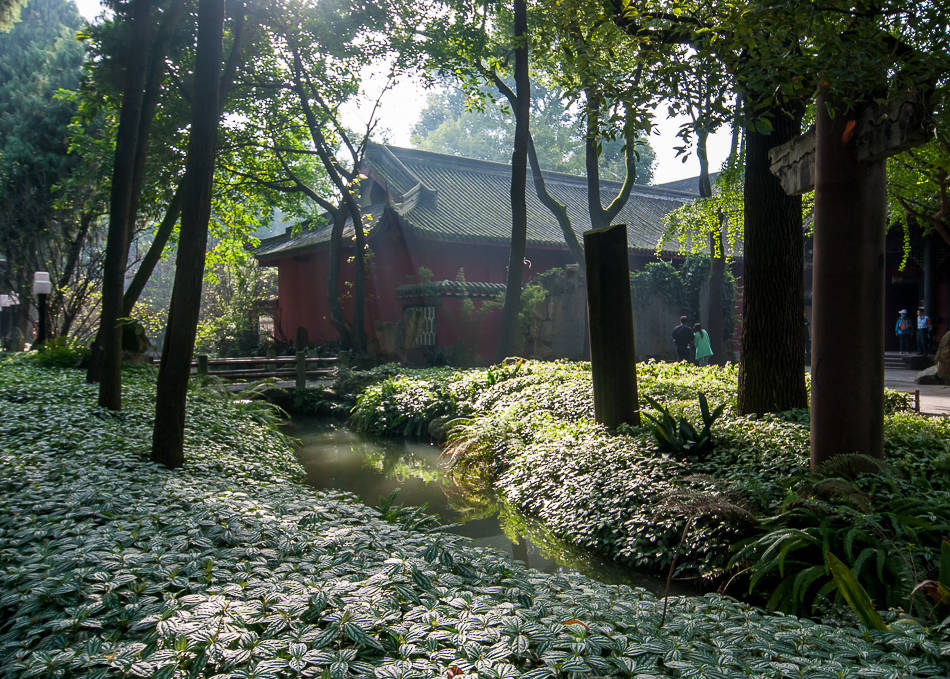
Chengdu 78

Chengdu 70

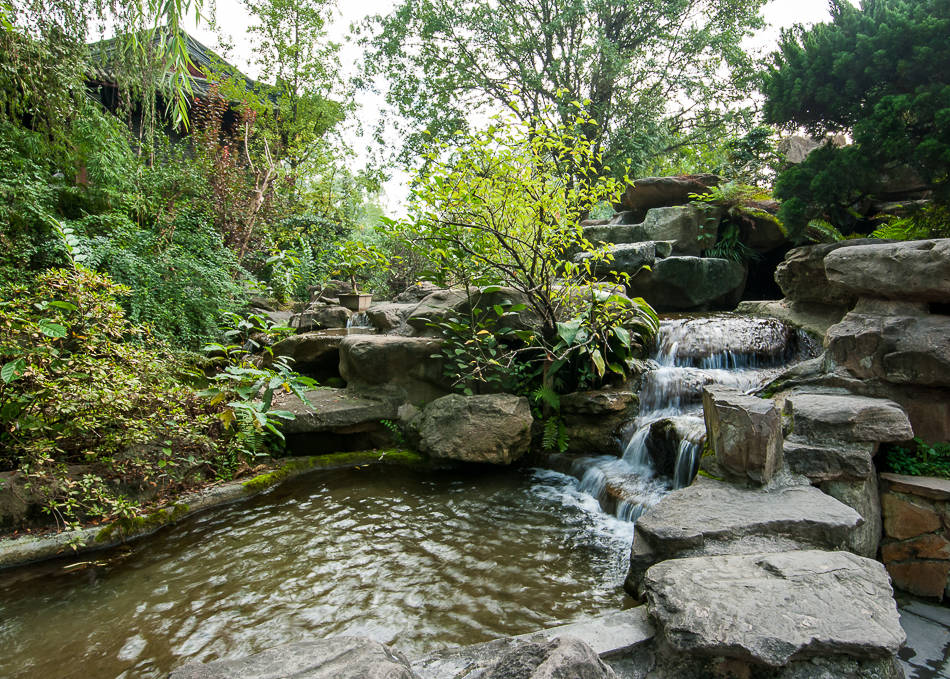
Its size allows for plenty of empty corners and feels like a very quiet oasis in the city.
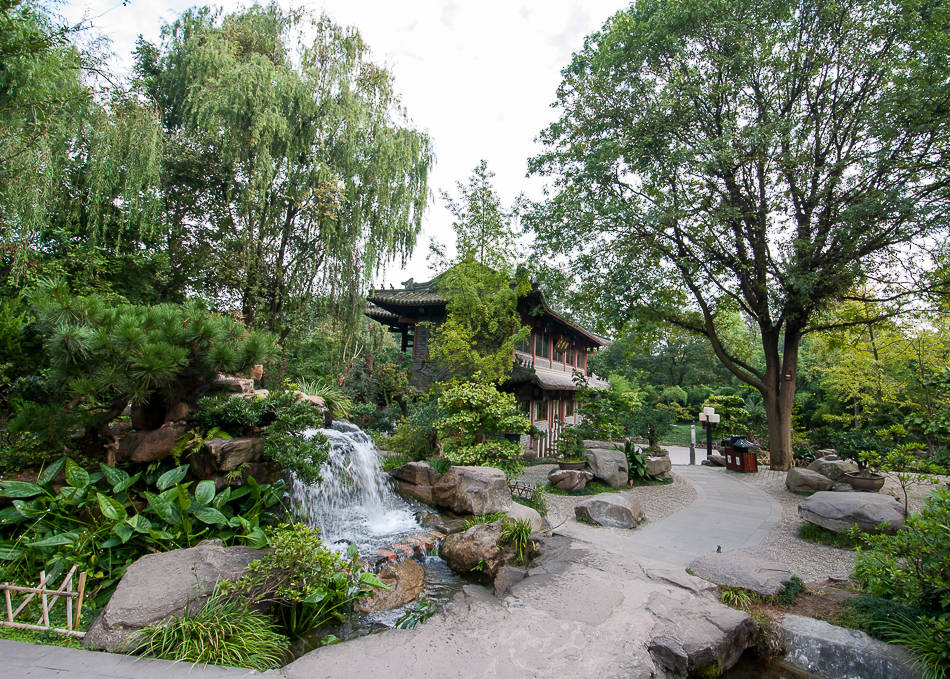
Chengdu 73

Chengdu 74

Temple

Chengdu 77

Chengdu 75

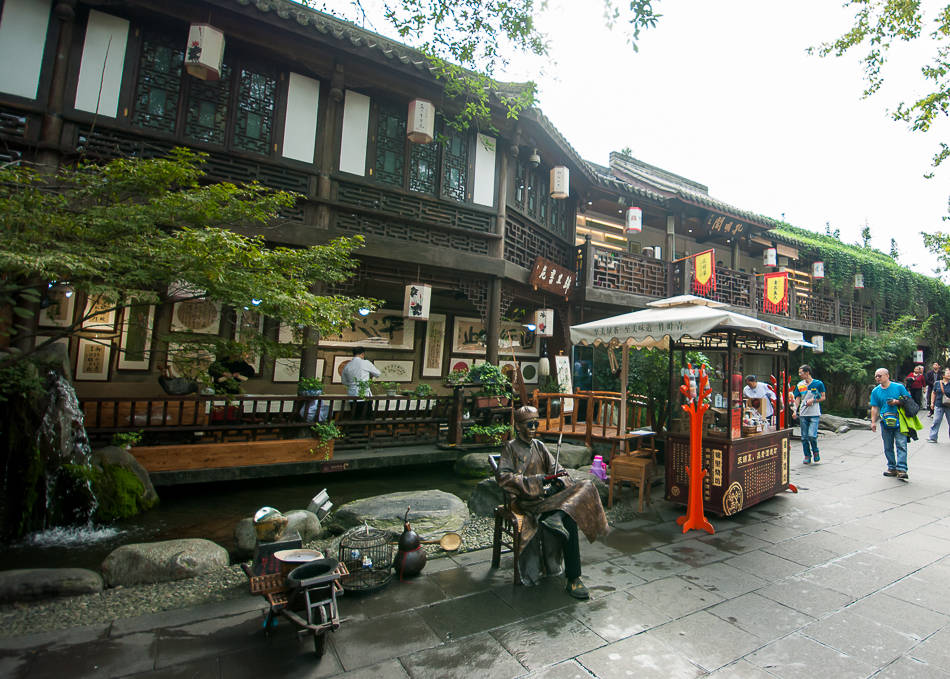
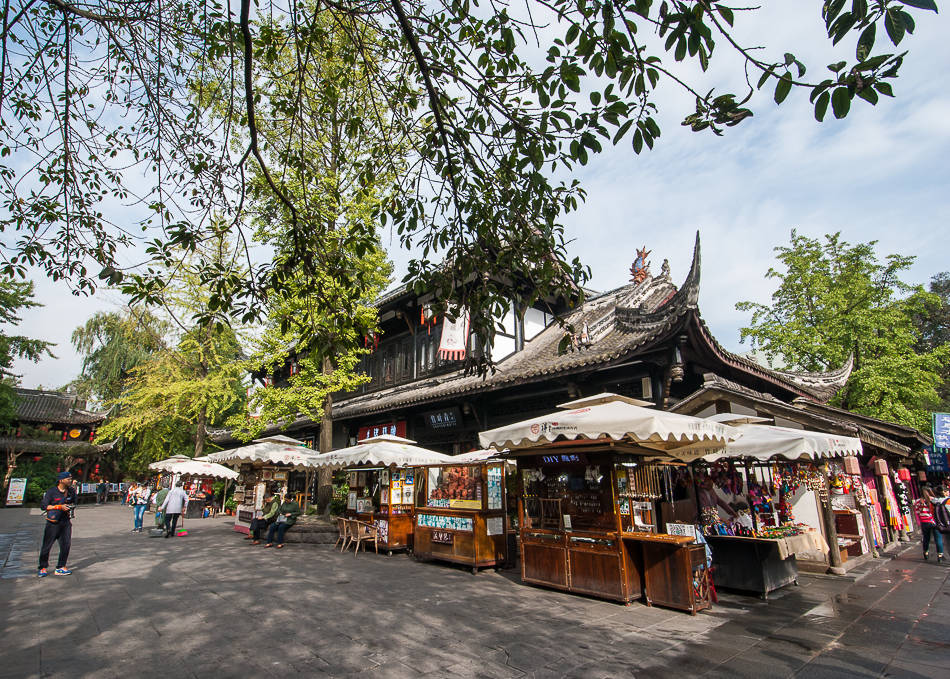
Adjoining the temple grounds lies Jinli Ancient Street, a picturesque street showcasing Sichuan folk houses from the Qing dynasty turned into shops, restaurants, bar, teahouses, inns, etc. giving you a condensed and charming view of life in the Sichuan tradition.
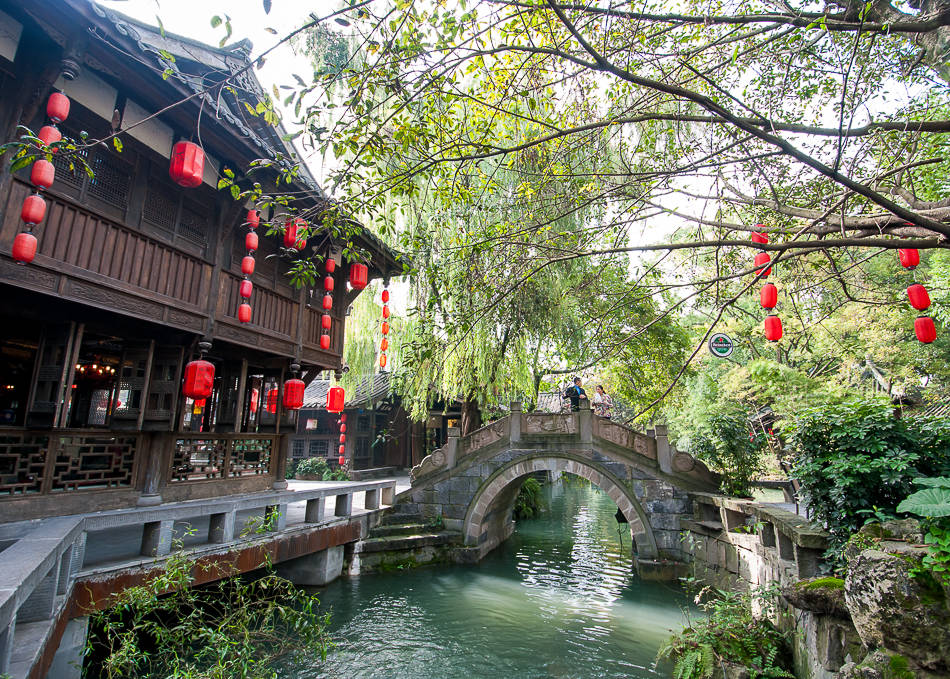
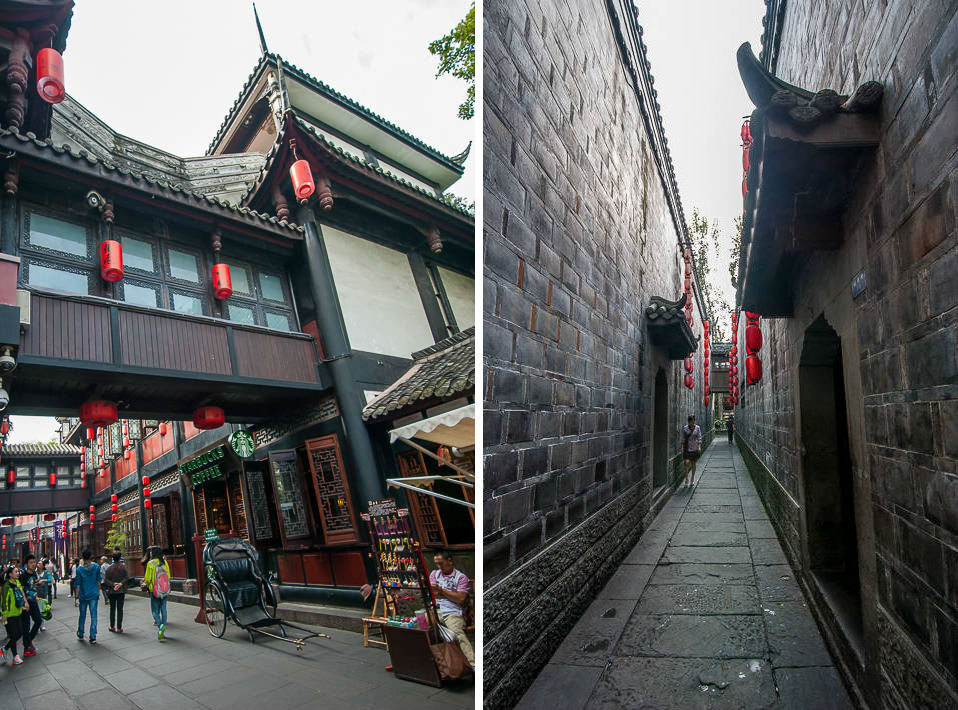
Chengdu 81

Temple 2

Chengdu 82

Chengdu 79

It’s a great place to sample some local delicacies and shop for souvenirs to bring home from spicy nuts to loose tea to local crafts.
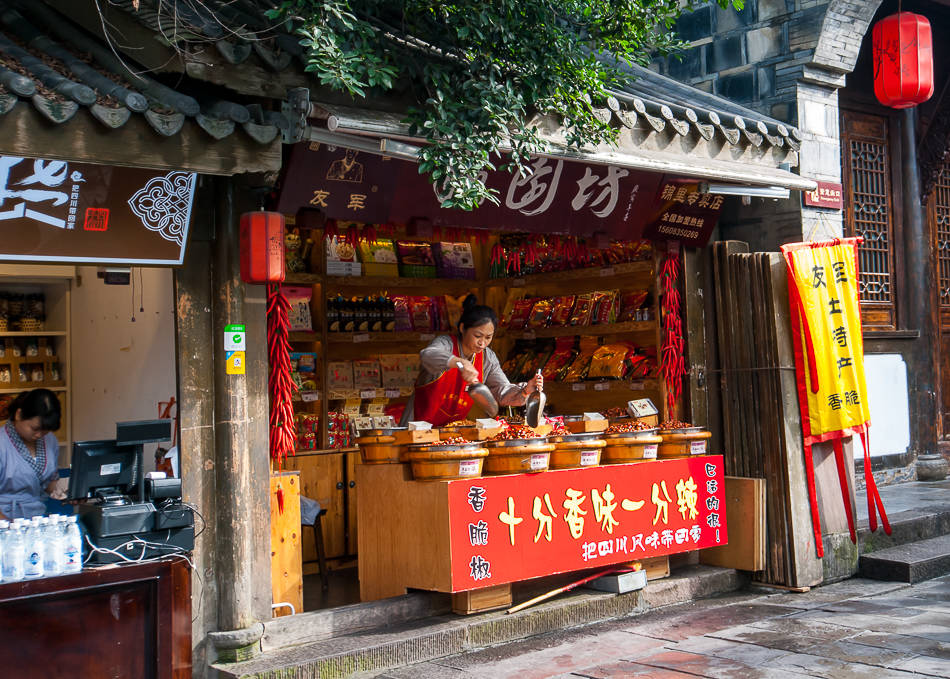
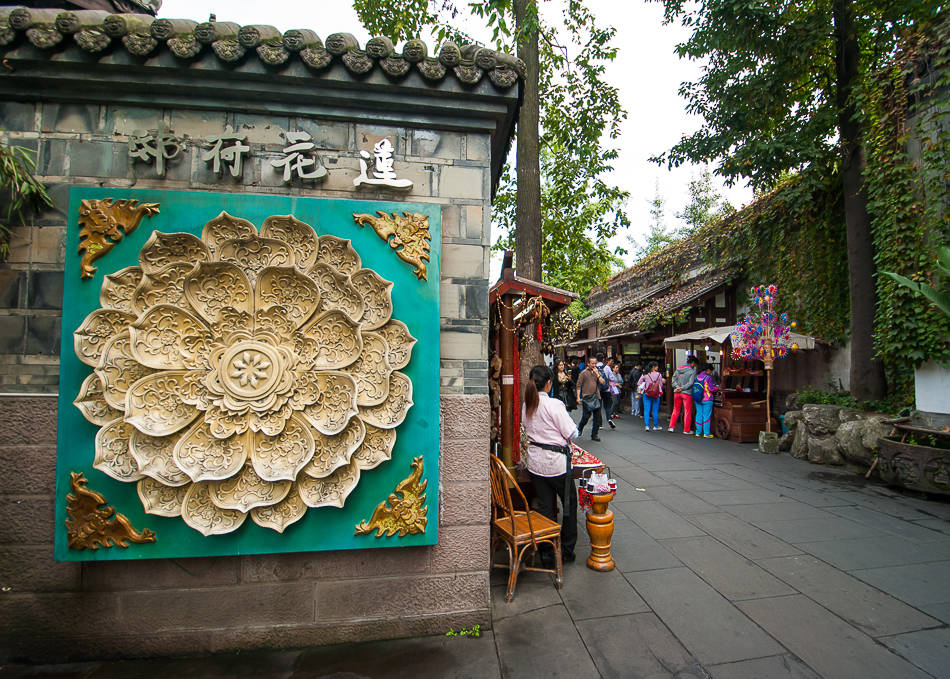
Chengdu 80

Chengdu 84

After the bustling Jinli street, you’ll be up for some more R&R and this calls for a little break at Xiaotong Alley near the center of town. The peaceful street has attracted hipsters of late and a few cute shops and coffee houses have opened doors, ideal for lingering with a book or finding an original gift.
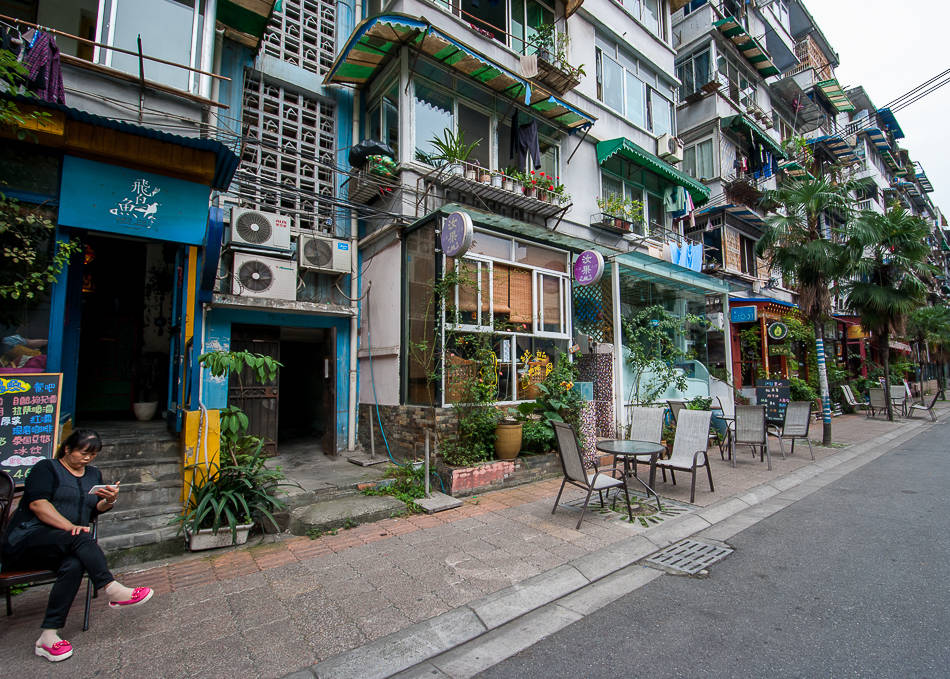
Chengdu 27

When you’re ready to get back into action, you really can’t leave Chengdu without paying a visit to its most famous alleys, which are everything BUT peaceful.
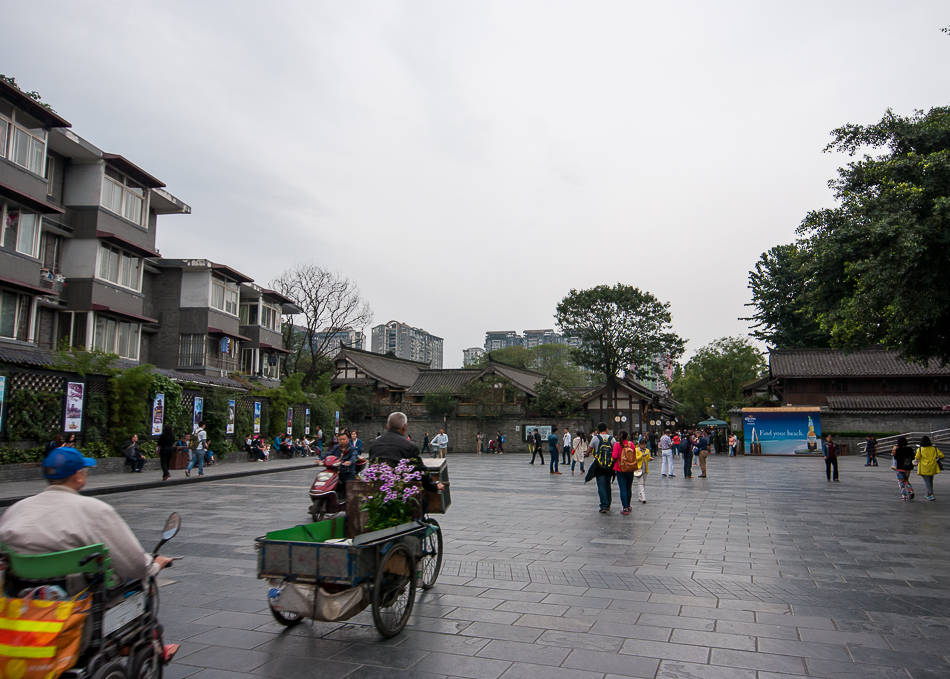
Chengdu 62

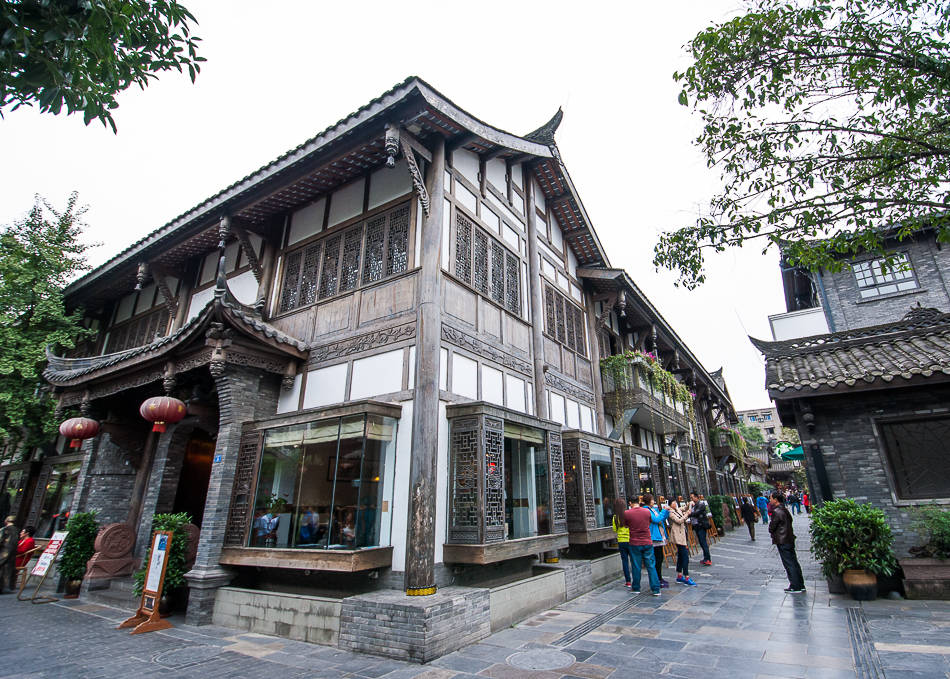
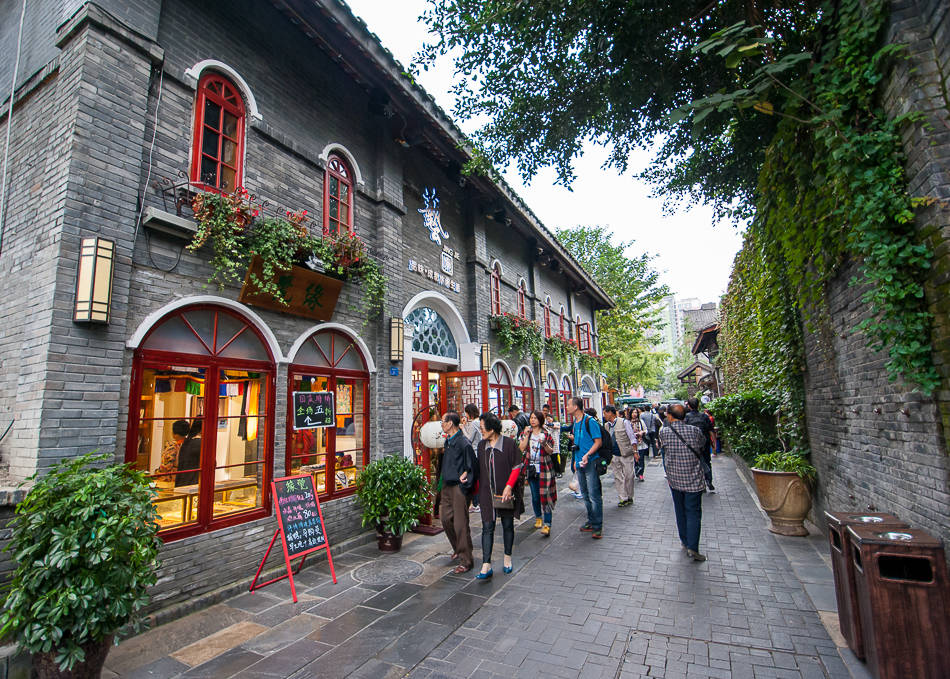
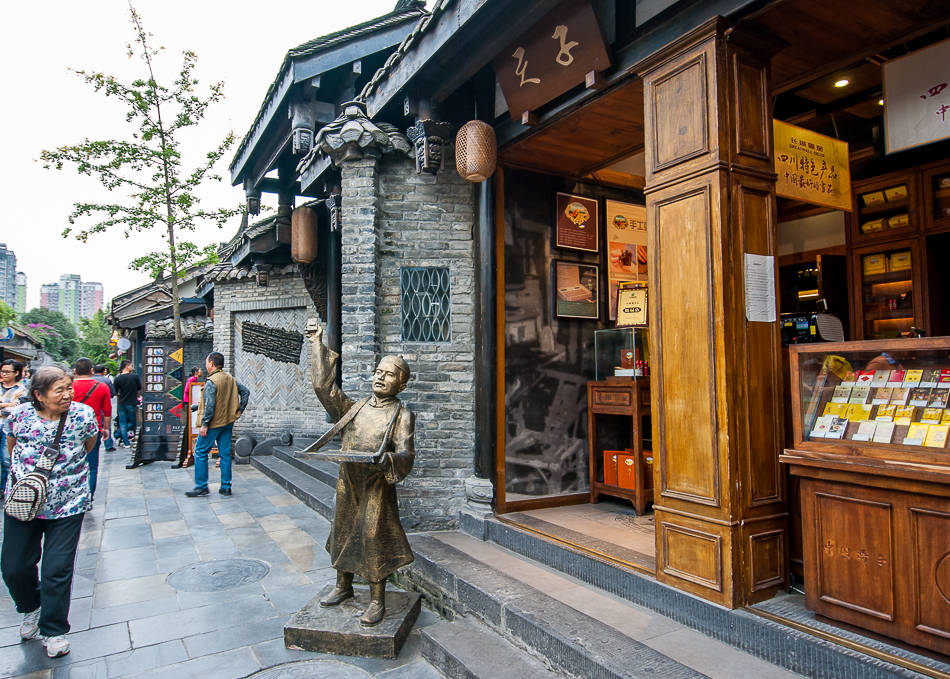
Commonly called the ‘Wide and Narrow Alleys’ (alternatively the Kuan, Zhai and Jing alleys), they are actually composed of three old parallel alleys, pedestrian ancient streets lined with old buildings from the Ming and Qing dynasties and a myriad of courtyard houses.
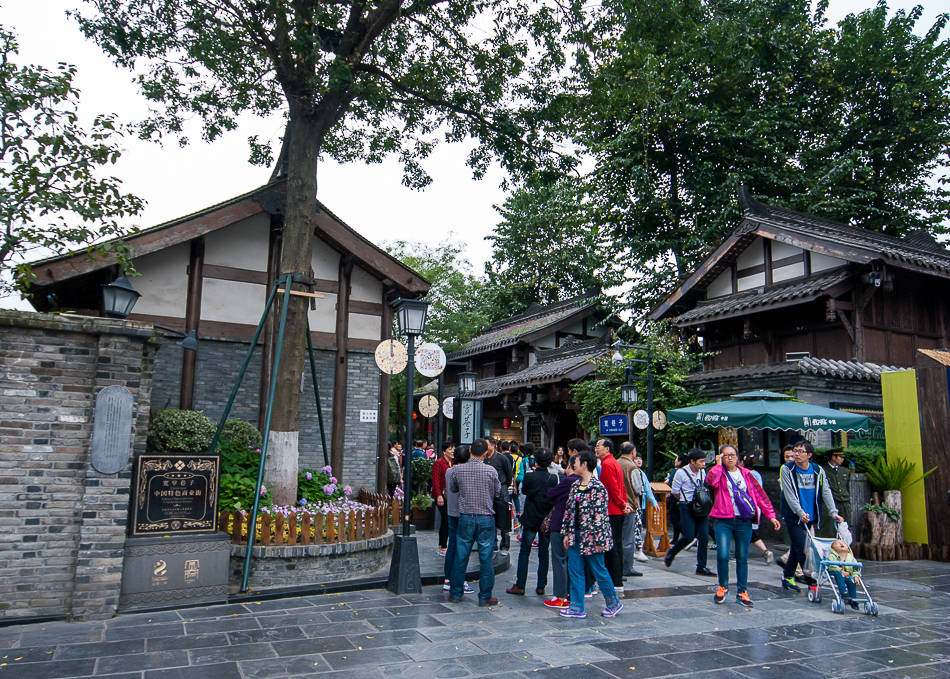
Chengdu 37

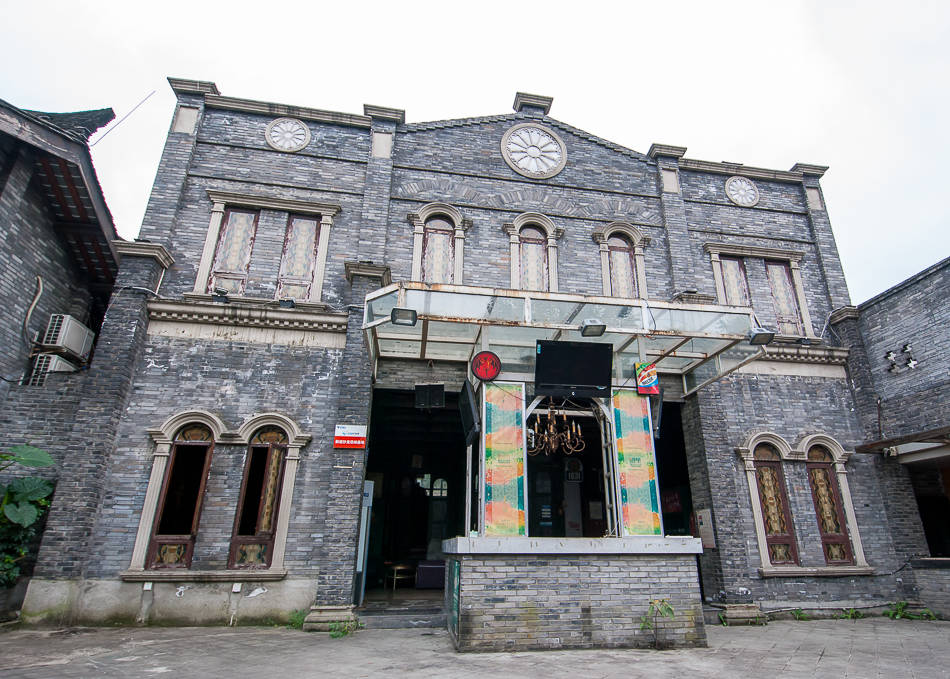
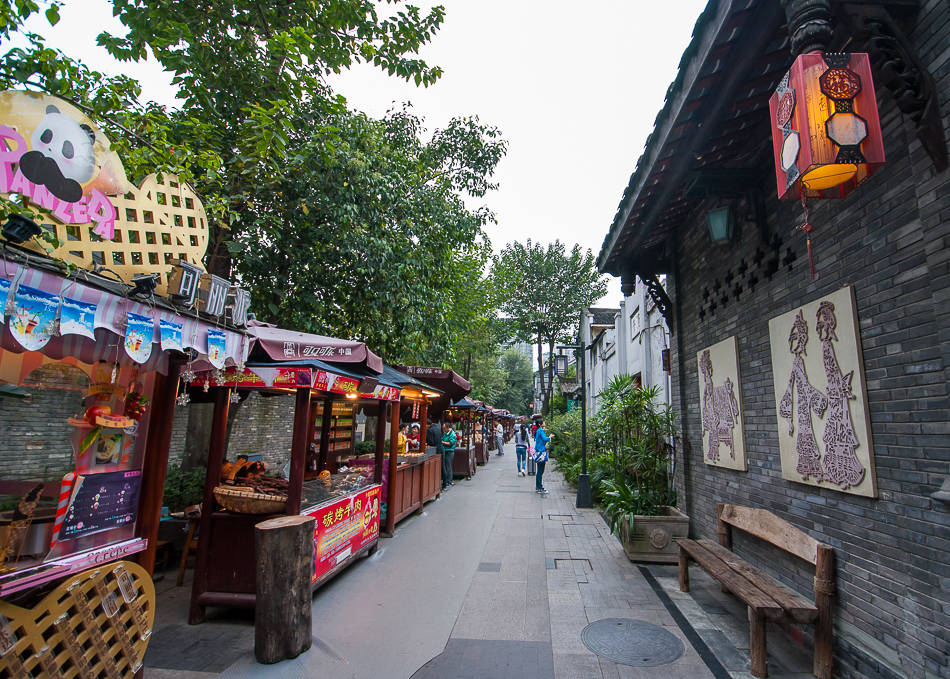
Renovated in the last decade, they’re now Chengdu’s most popular entertainment strip for both locals and visitors and act as a showcase of old Chengdu life.
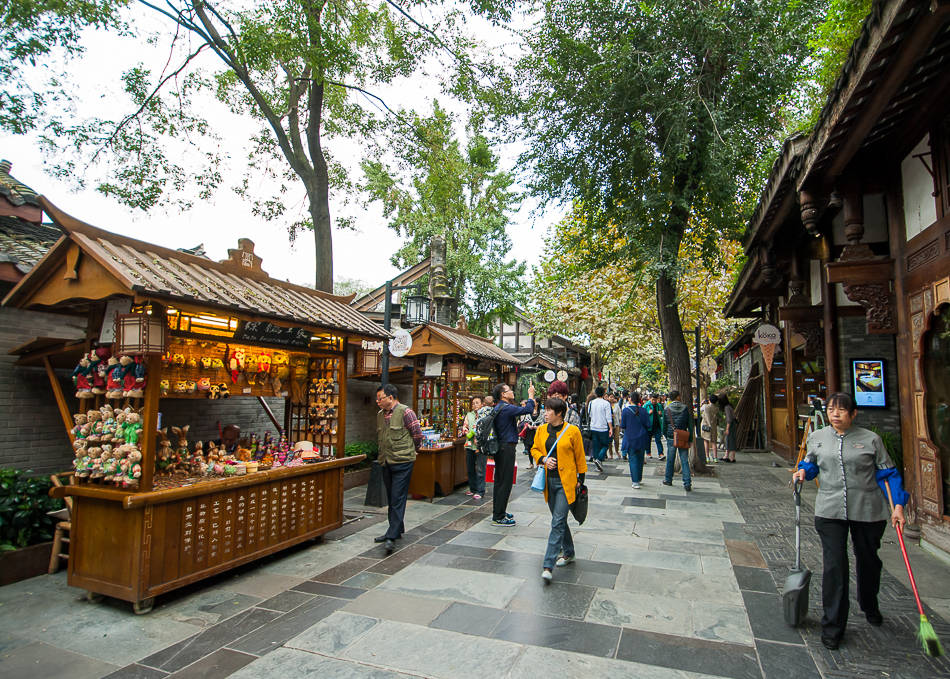
Chengdu 36

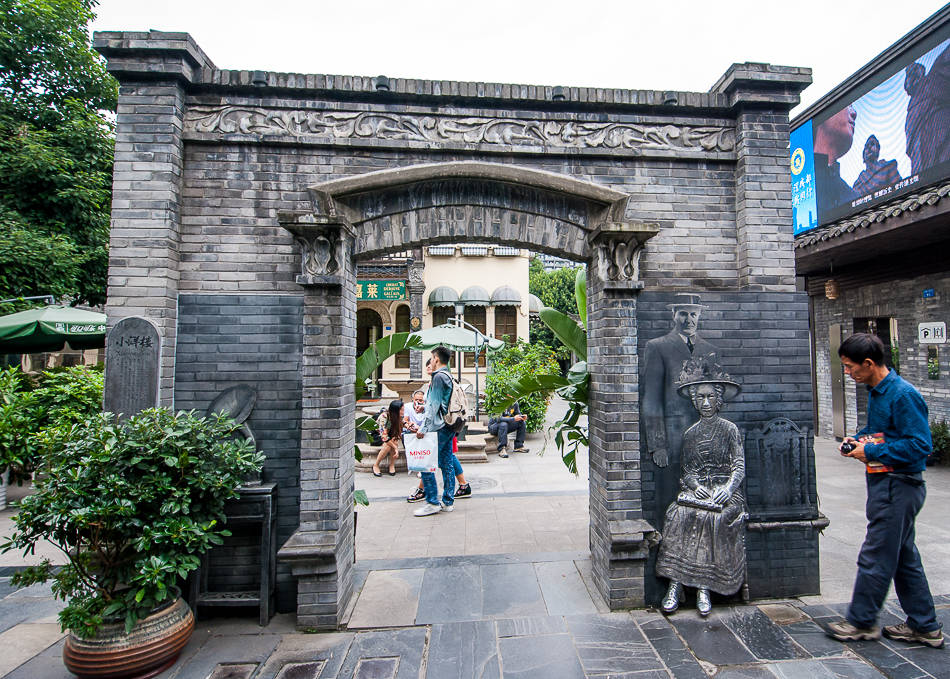
Statues, facades, doors, bricks, etc, have been left for admiring in between the fancy shops and international restaurants.
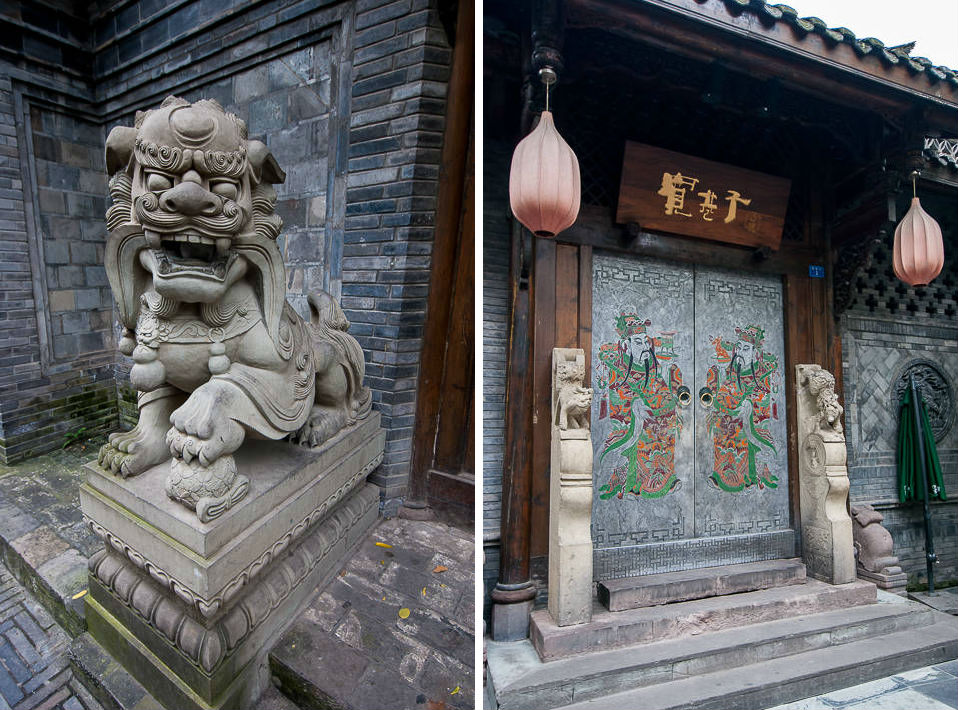
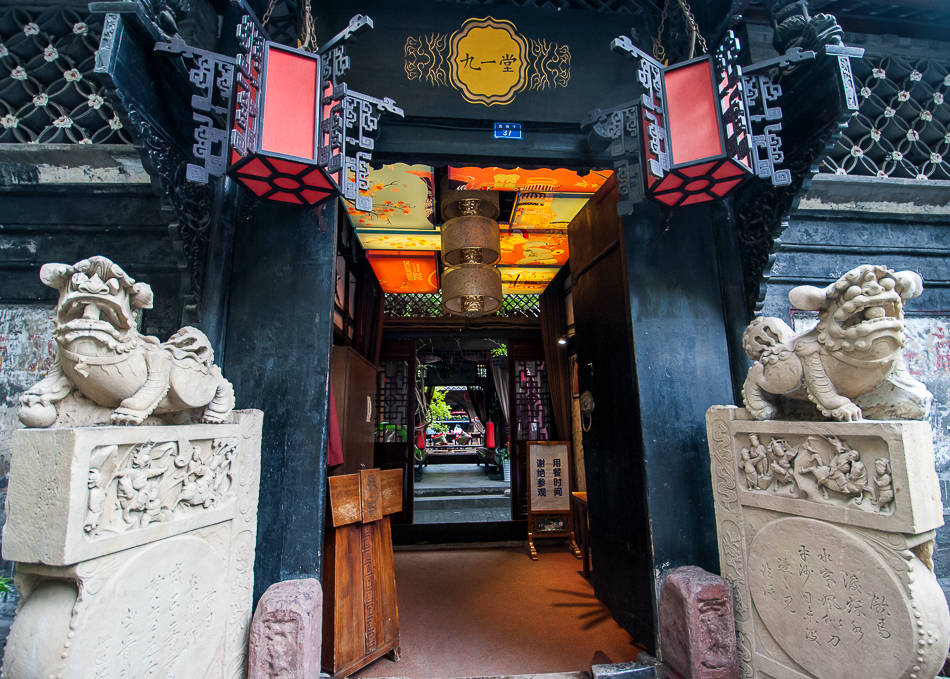
Narrow Alley

Chengdu 31

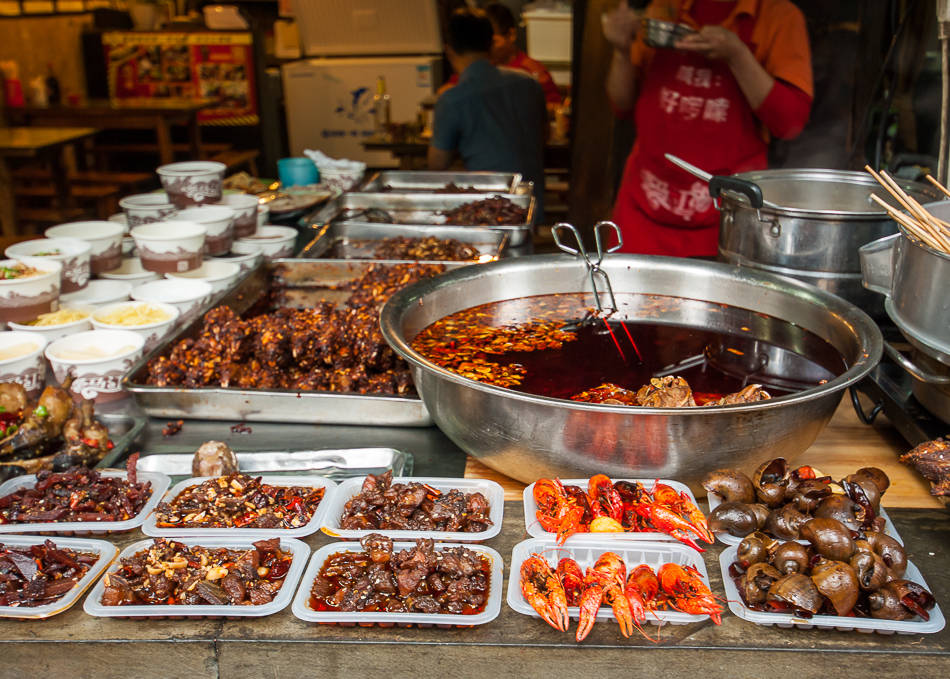
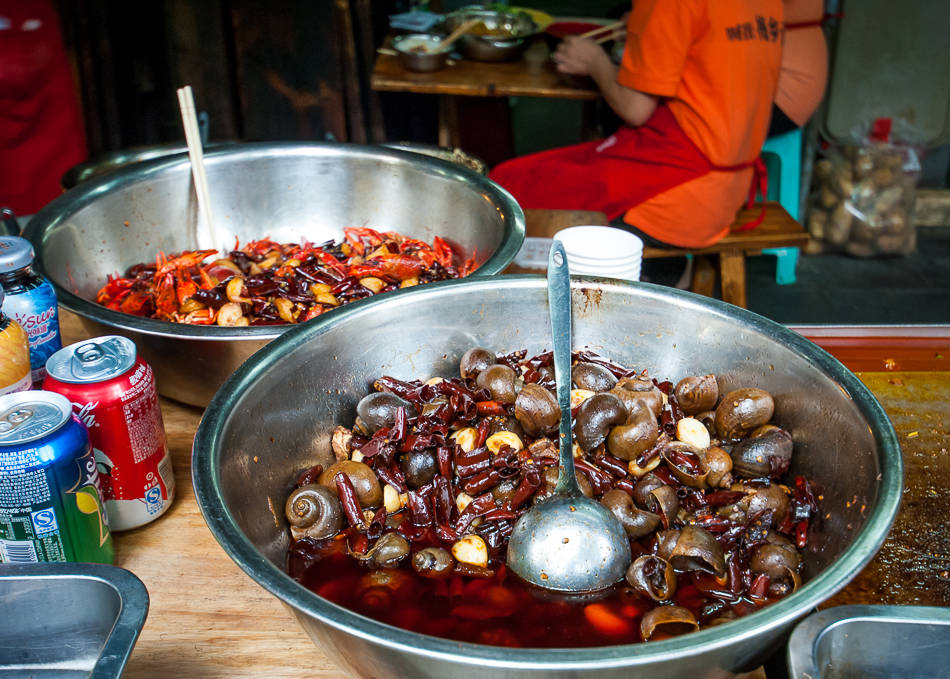
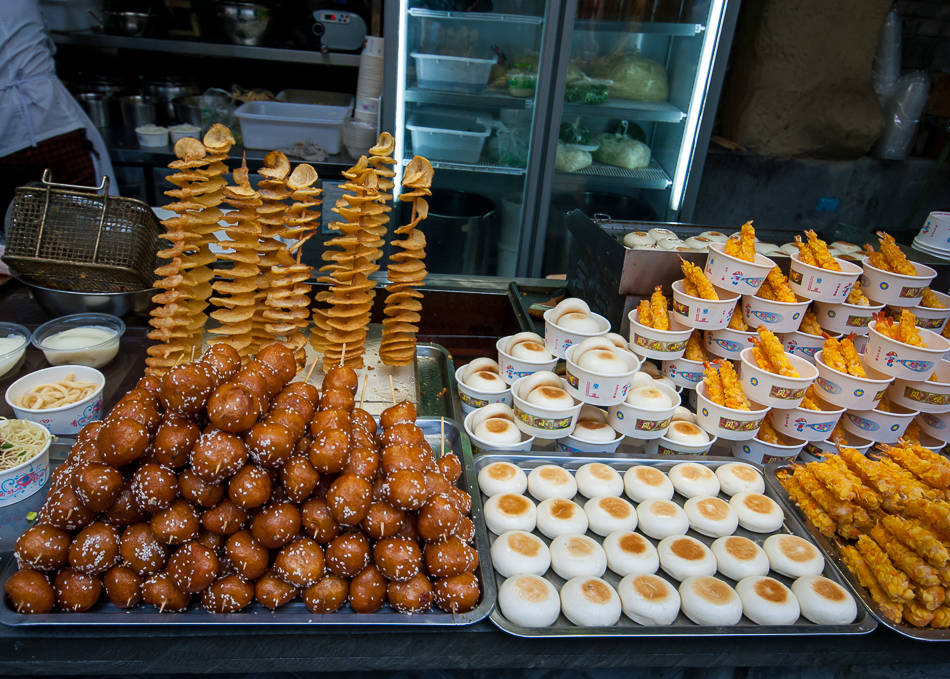
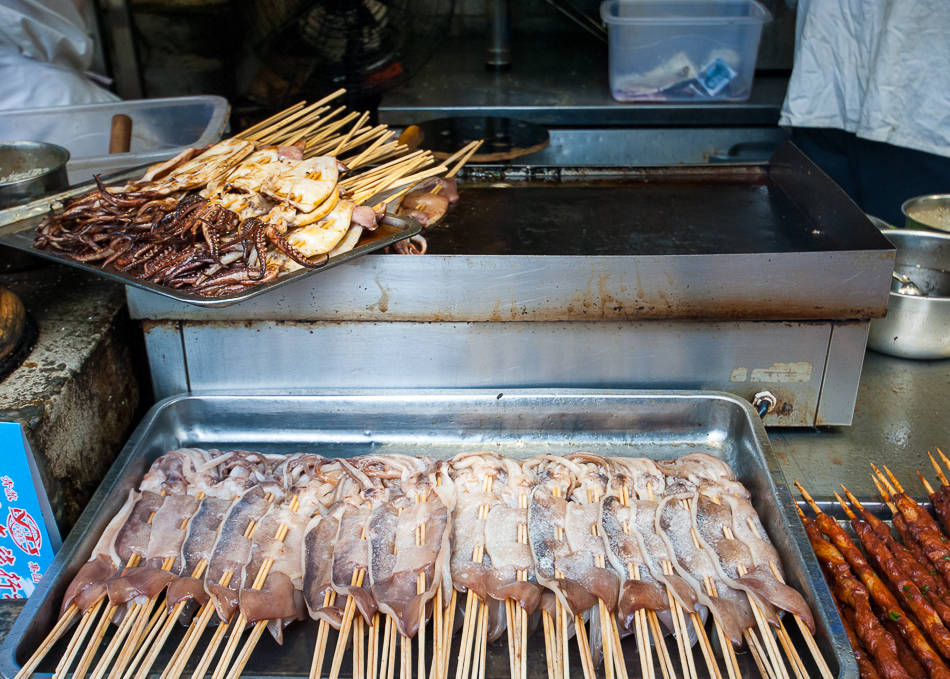
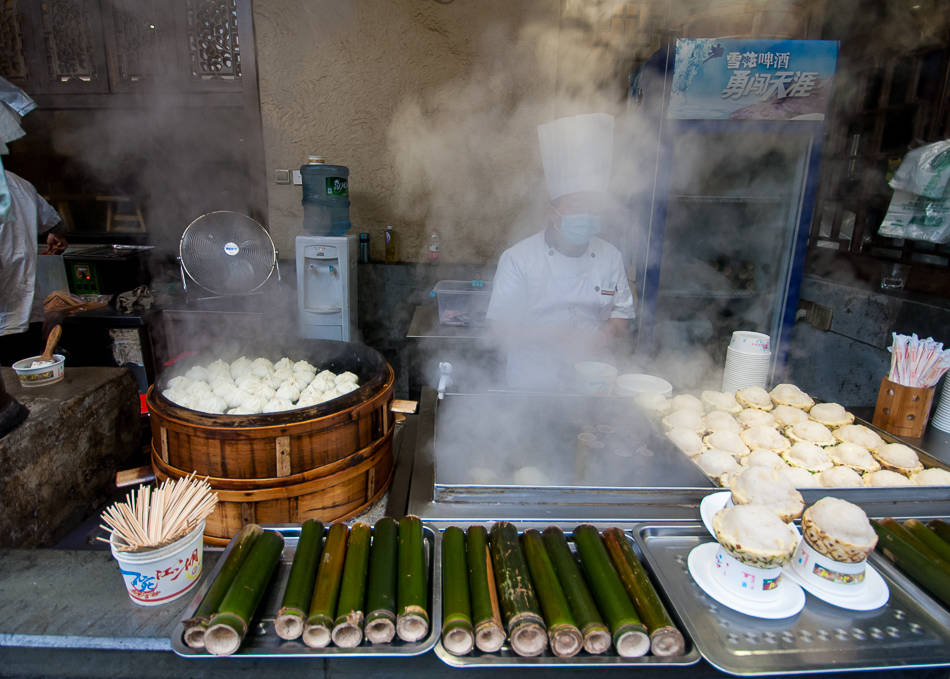
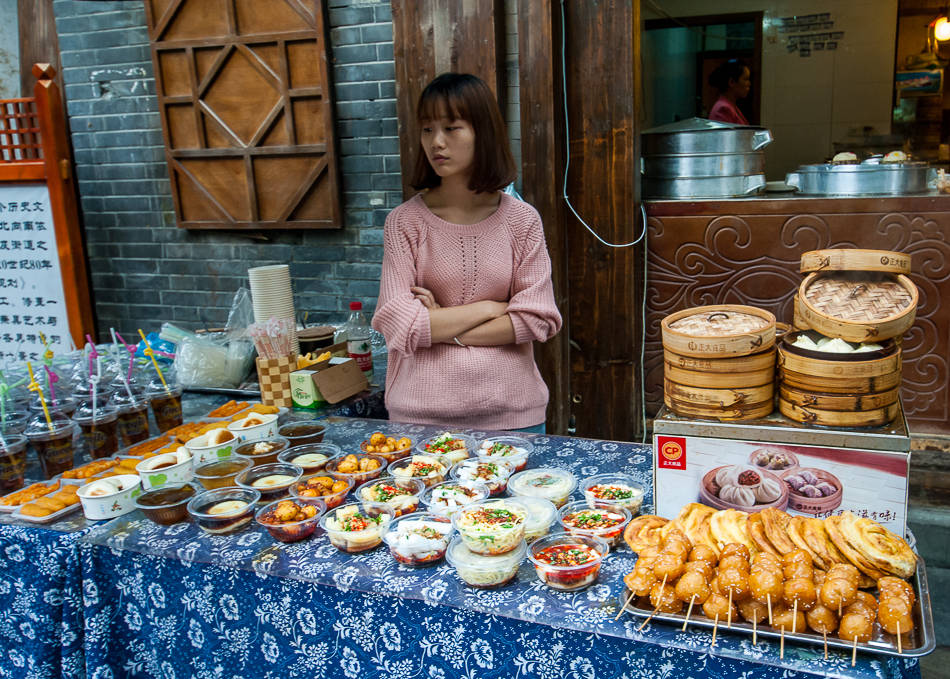
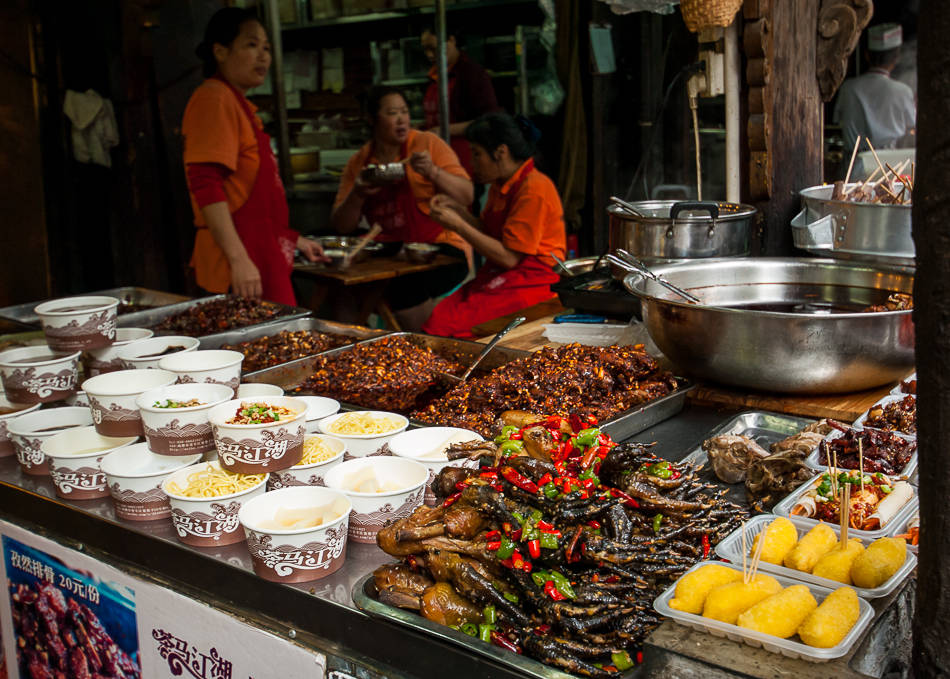
The Narrow Alley is the more hectic one and is lined with bars and elegant shops as well as a staggering number of snack vendors. Street snacks are one of the main attraction with every Sichuan specialty being well represented. You could easily make a meal (or many!) by sampling whatever strike your fancy and you’re likely to be pleasantly surprised.
Chengdu 29

Chengdu 34

Chengdu 33

Chengdu 32

Chengdu 28

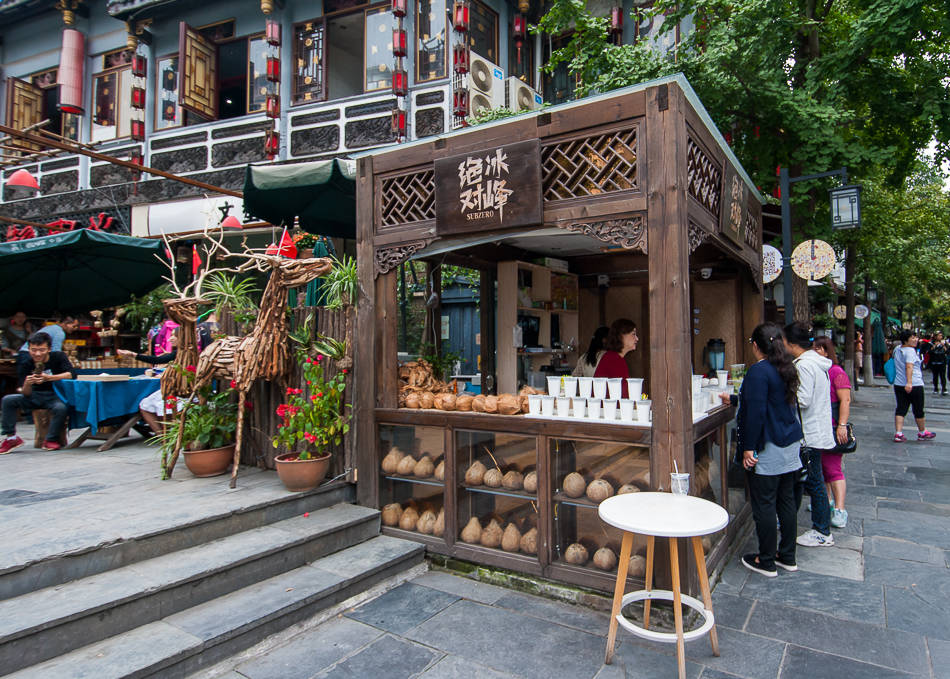
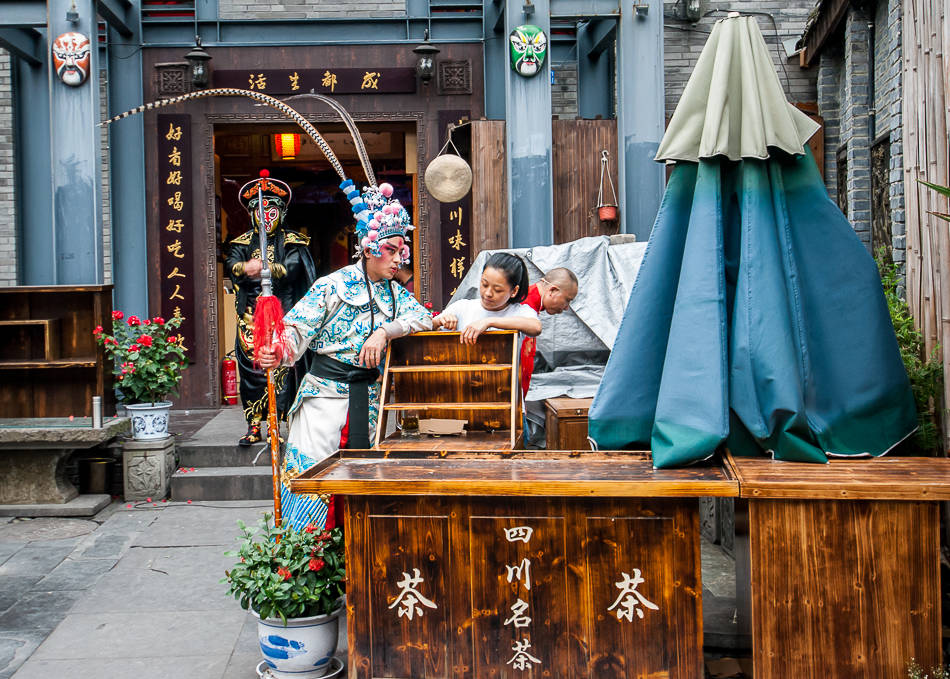
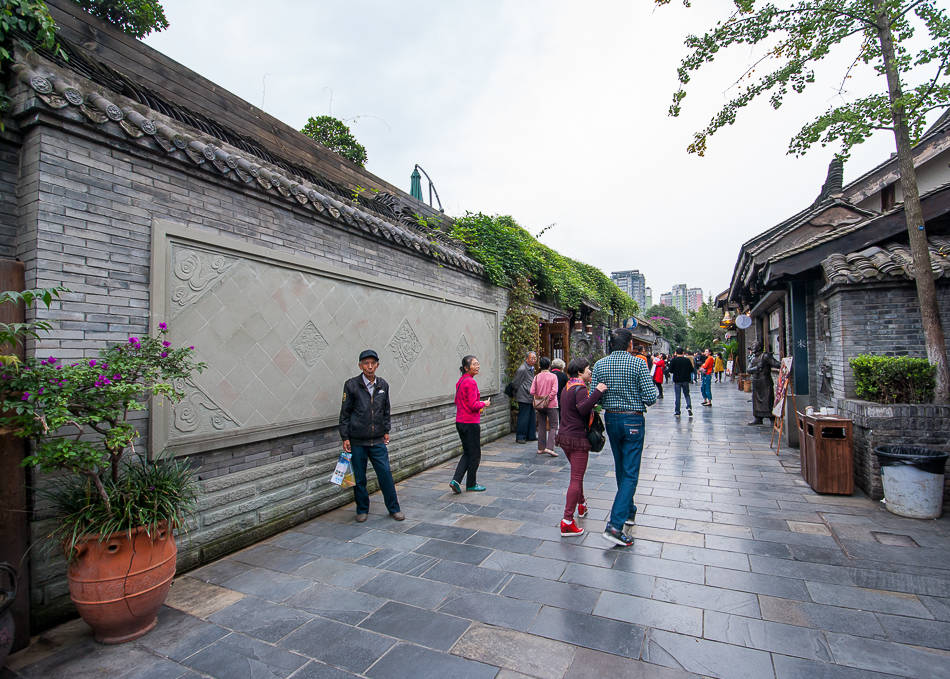
The Wide Alley is a mirror of the old life of Chengdu people focusing on the local customs, precious folk culture of the city and is where you can sip tea, sample Sichuan cuisine in pretty courtyards, and mostly do a lot of souvenir shopping.
Chengdu 41

Chengdu 40

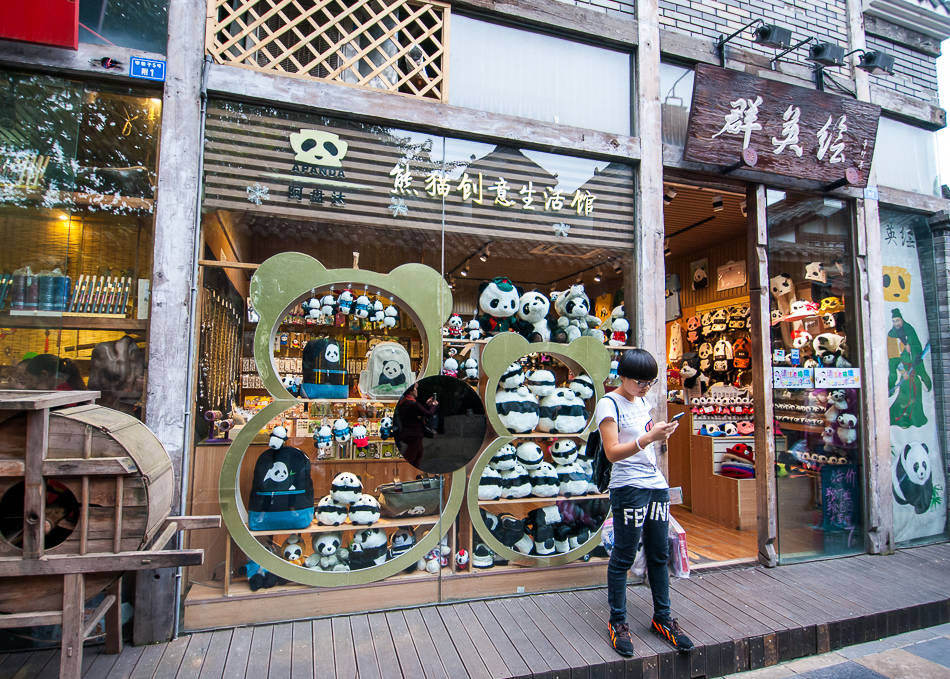
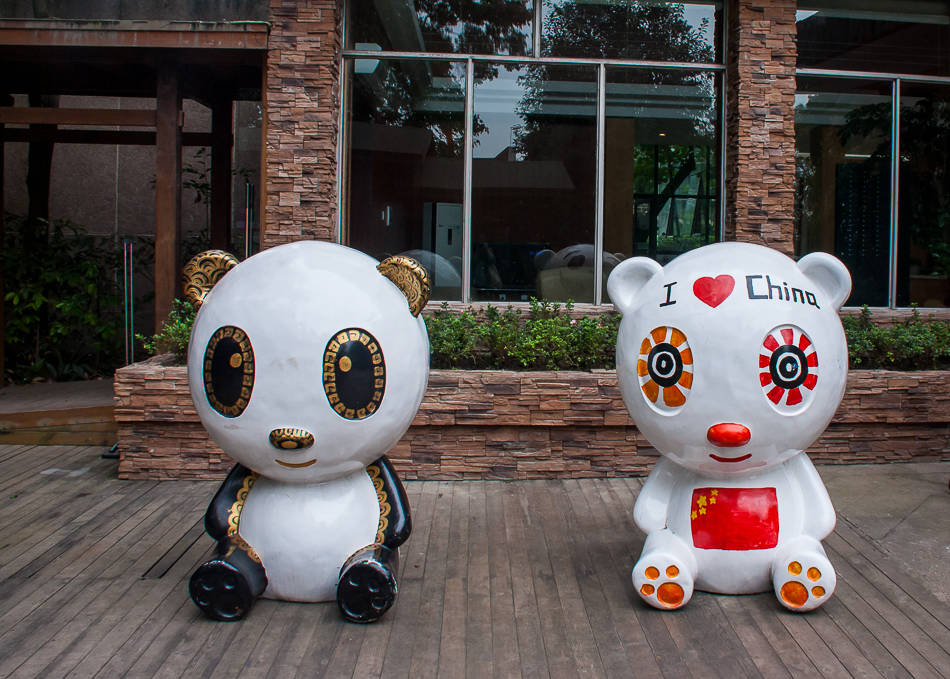
Of course, more pandas!

Chengdu 39

Chengdu 38

Chengdu 42

Chengdu 43

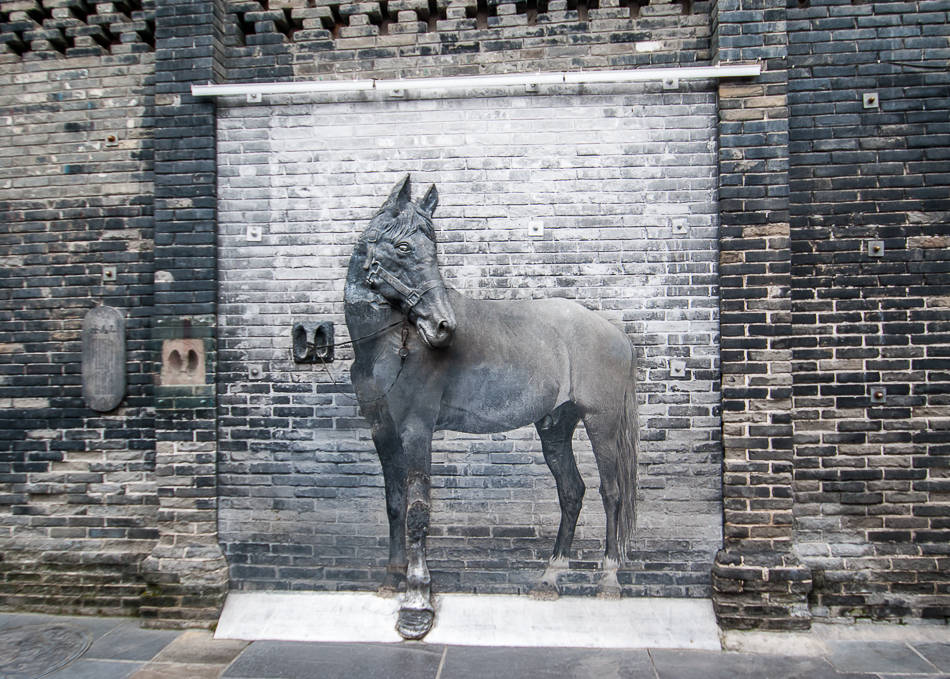
Some brilliant 3D art is displayed in between the houses, hinting at the old time with a superb vintage flair.
Chengdu 44

Chengdu 46

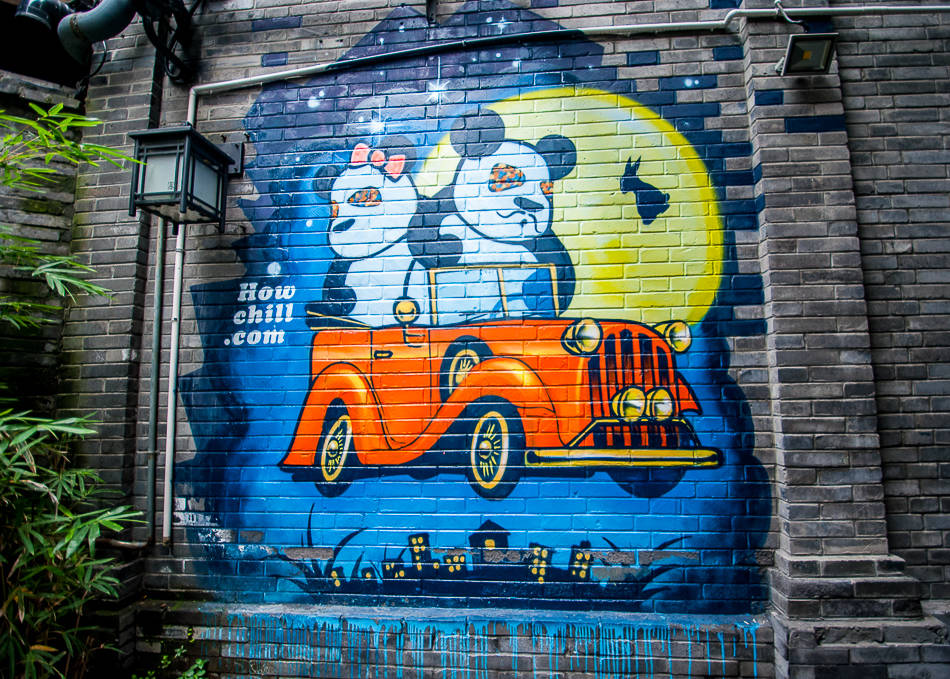
More modern displays brighten the overall gray-blue theme with the ubiquitous pandas…
Chengdu 45

…which literally appear out of nowhere. The fascination and adoration of the cuddly bear is infectious and you’ll find yourself snapping photos uncontrollably, looking for them as in a scavenger hunt.
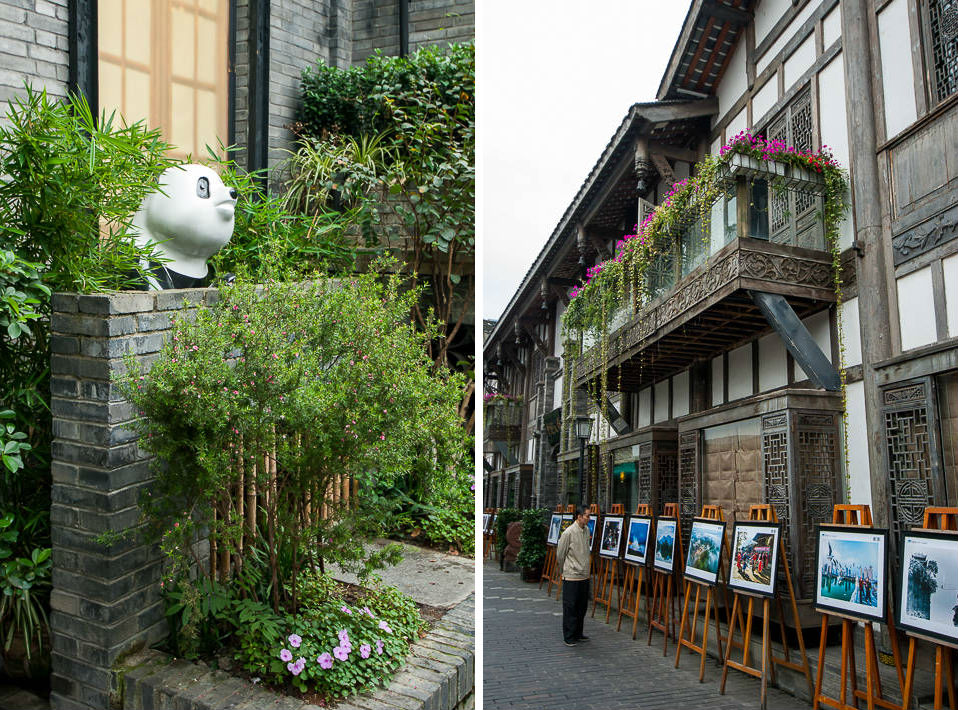
Panda

Chengdu 47

Chengdu 48

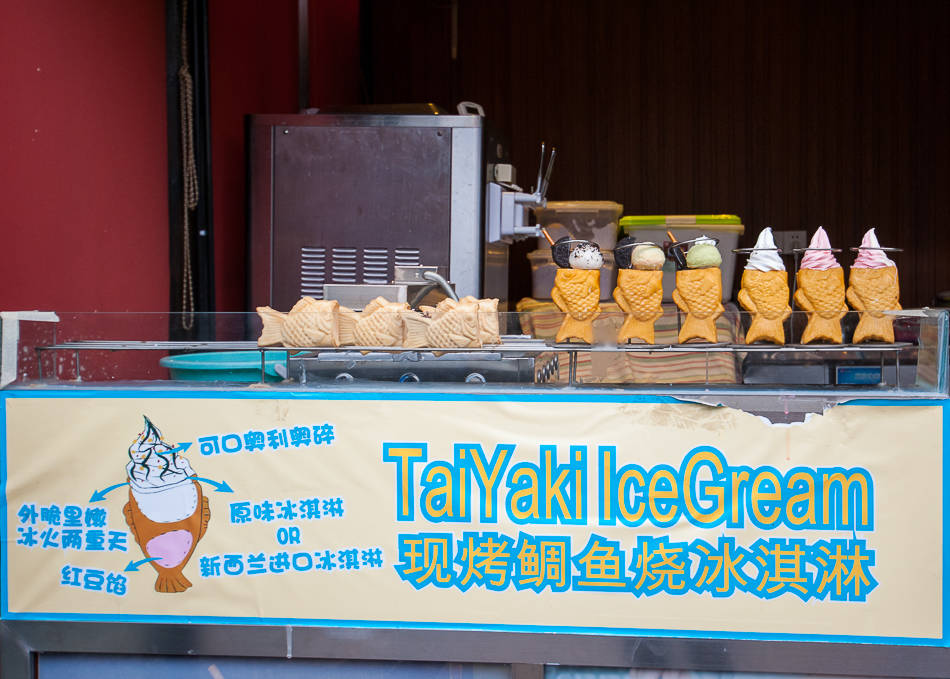
The Wide Alley also ends with a host of snack vendors so if you didn’t get your fill in the Narrow Alley now’s your chance. Anything from tofu to rice with pineapple to quail skewers is available for a small price and there are loads of sweets and fried donuts too to round out your meal.
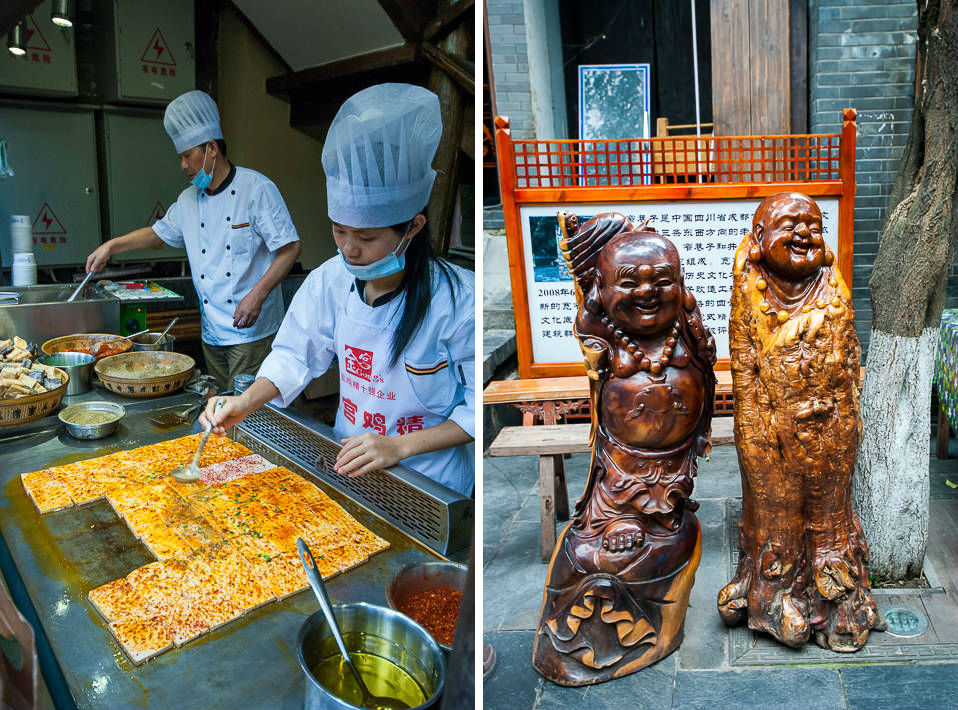
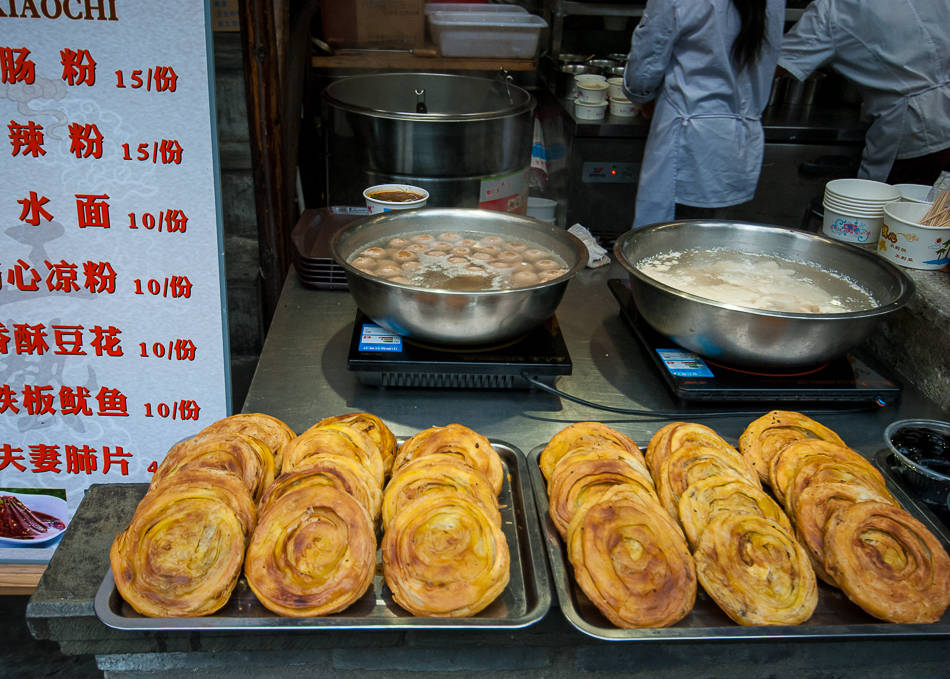
Tofu

Chengdu 49

Chengdu 50

Chengdu 51

Chengdu 52

Chengdu 53

Chengdu 54

The third and last lane, called Well Alley (Jing), represents the new Chengdu and is lined with bars, turning into a lively place at night.
Chengdu 56

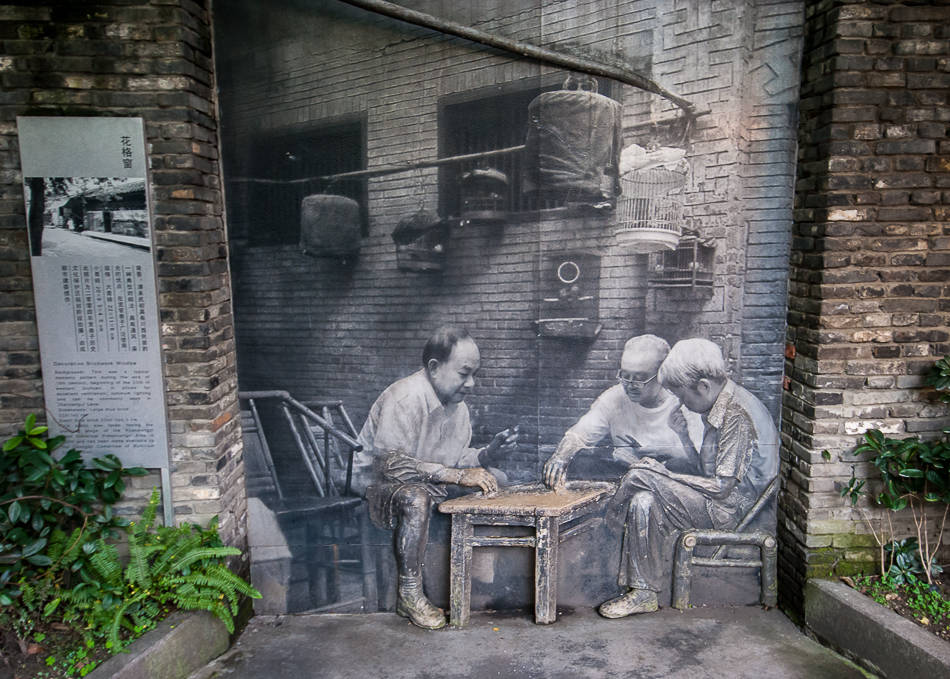
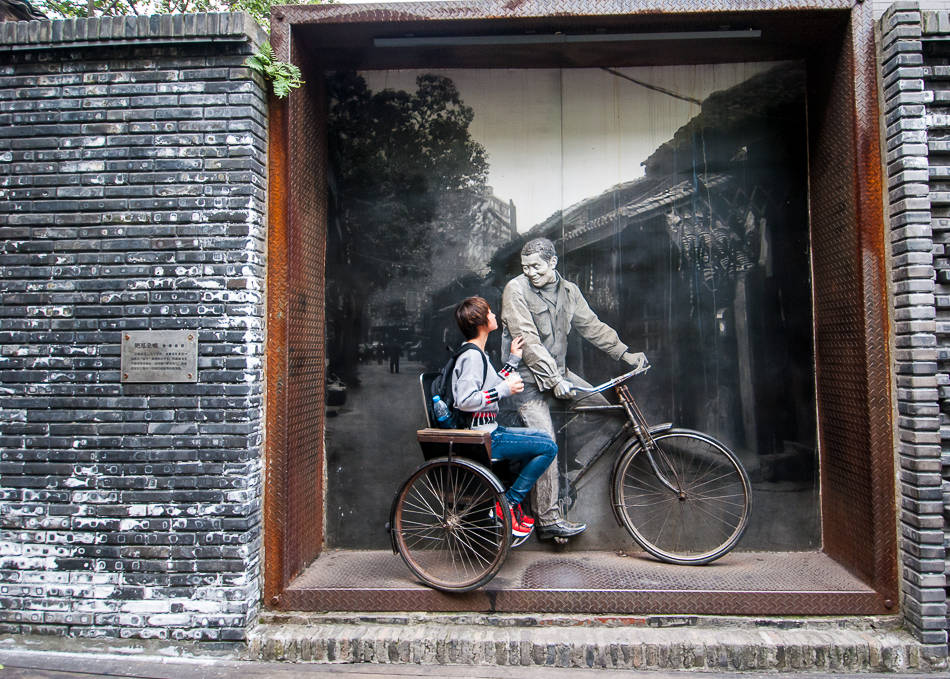
Black-and-white pictures are displayed along the external wall with that wonderful 3D treatment, showing you the daily life of the working-class in the early 20th century.
Chengdu 59

Chengdu 61

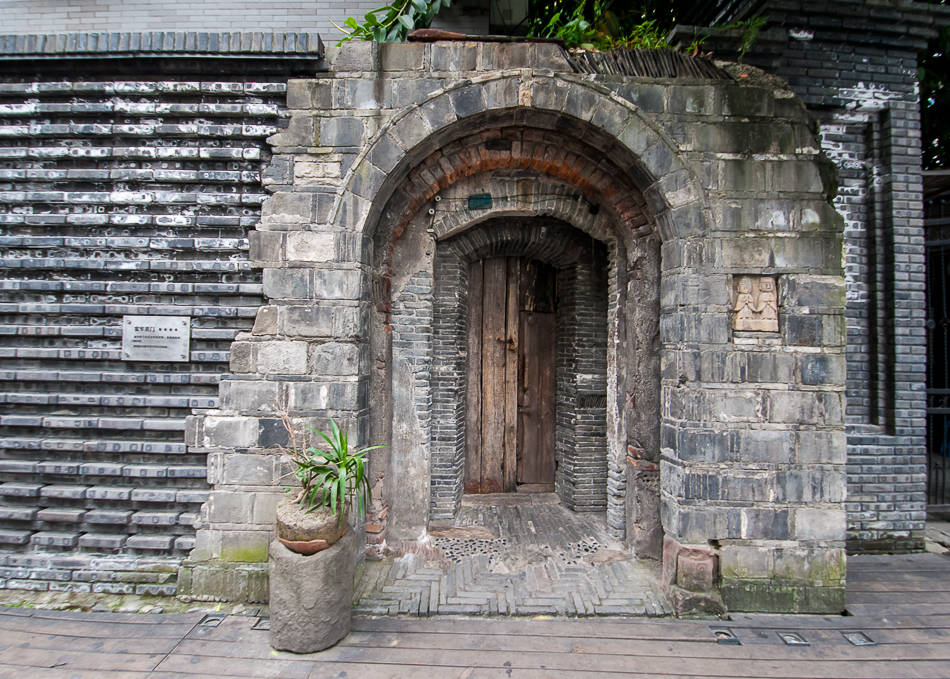
You can even see some parts of the original wall on your way out for a final glimpse into old Chengdu.
Chengdu 60

Last but not least, one must absolutely eat Sichuan’s most famous dish of Mapo Tofu (or Mapo Doufu) before leaving, and one of the best places to do that is unsurprisingly at Chen’s Mapo Tofu .
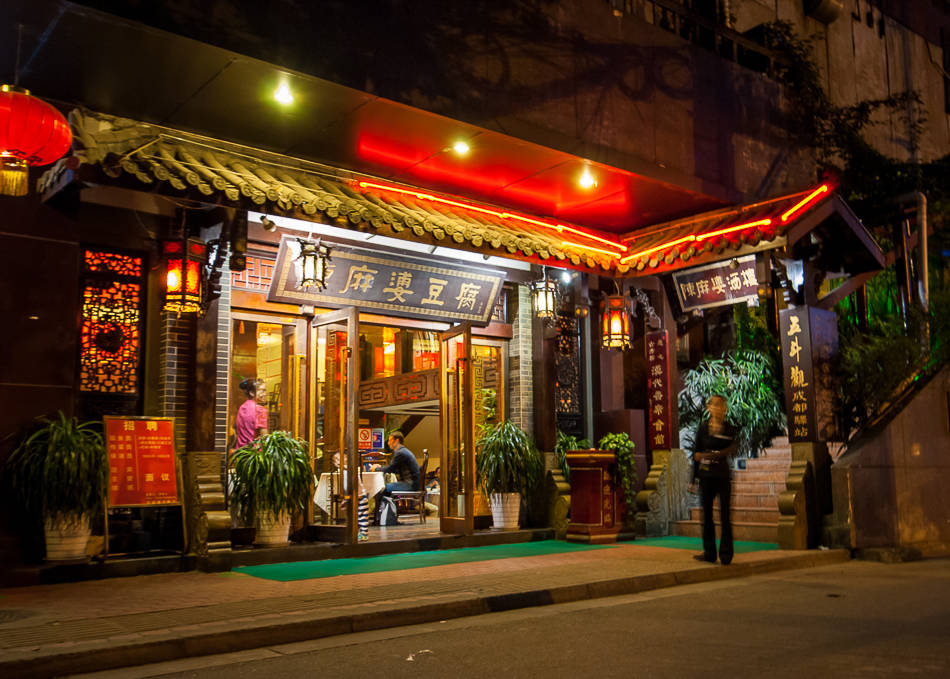
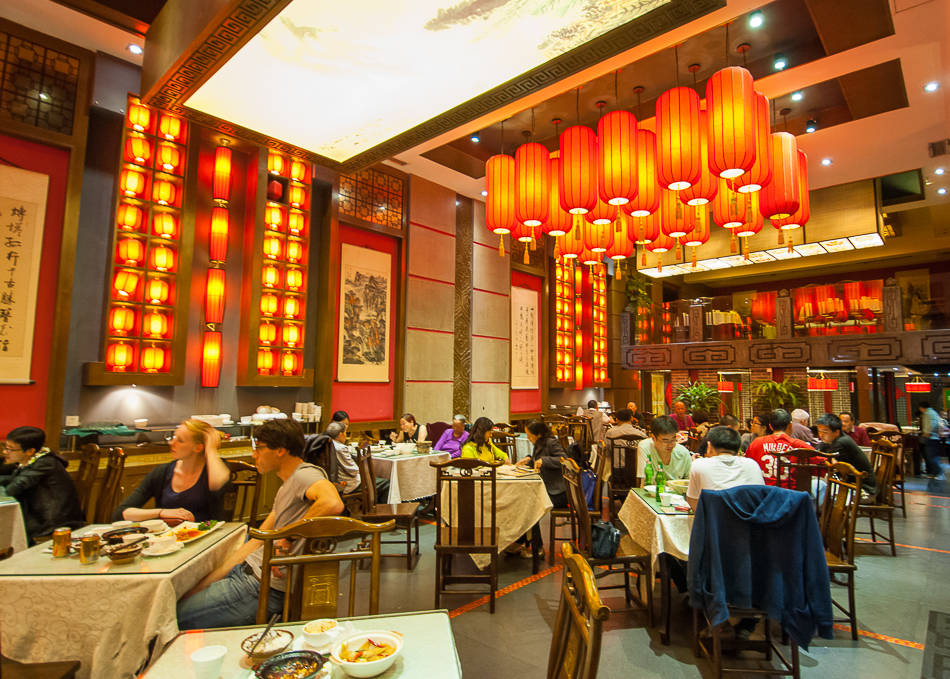
Chengdu 68

Chengdu 66

I ordered some stir fried bamboo shoots (absolutely love those!) as a side.
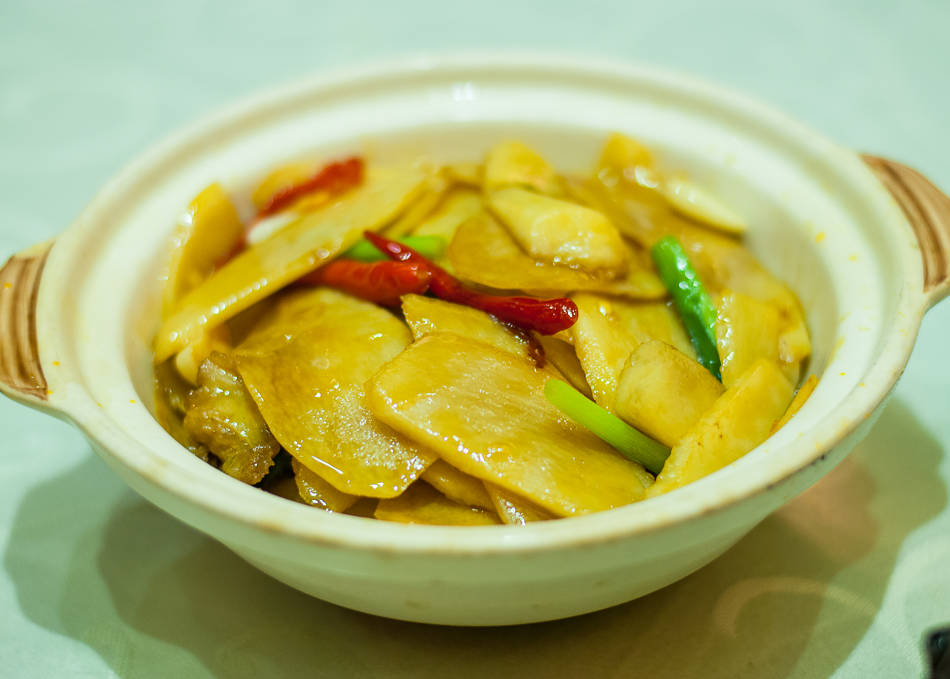
Chengdu 65

The main event though is when the sizzling bowl of Mapo Tofu lands on your table, the bubbling spicy chili- and bean-based sauce splattering on your white tablecloth. Powerfully spicy with a generous topping of mouth-numbing Sichuan peppercorns, this sumptuous mélange of ingredients is a classic and one you’ll inevitably fall in love with regardless of your tolerance for spiciness (I have none and powered through it like a champ, nose running and all – it was that good). It’s the perfect dish to end your trip to Chengdu with a kick.
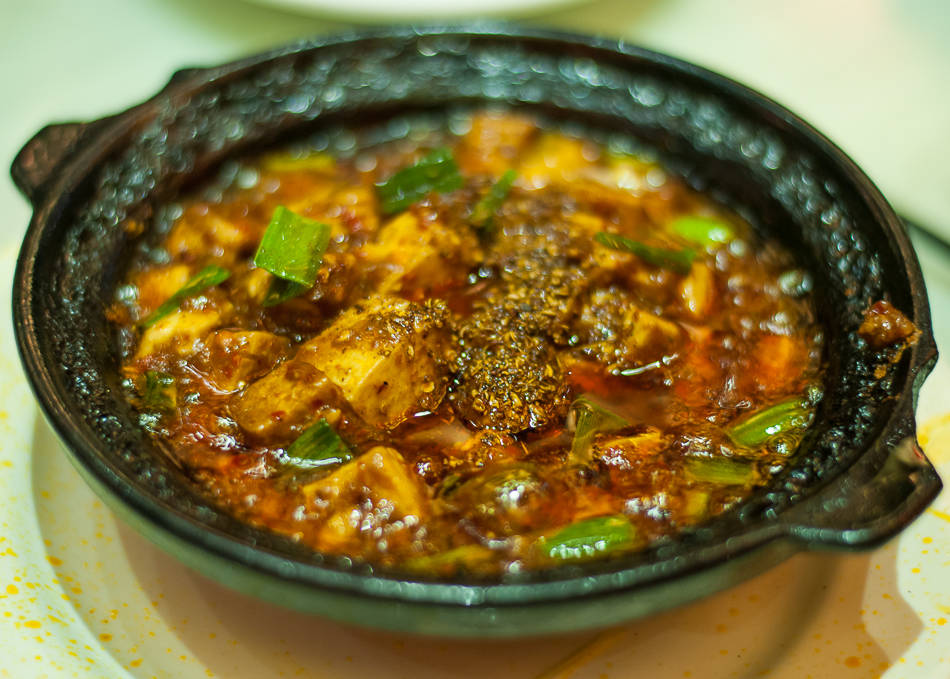

Chengdu 63


Asia China Travels

Meeting pandas in China

November 19, 2015

Up there with visiting the Great Wall in Beijing and the Terracotta Army in Xian, seeing pandas in China is a must experience for anyone and one you’ll never forget. The easiest place to get up close with the country’s most lovable black and white creature is in Chengdu, China’s western capital.

Panda in Chengdu

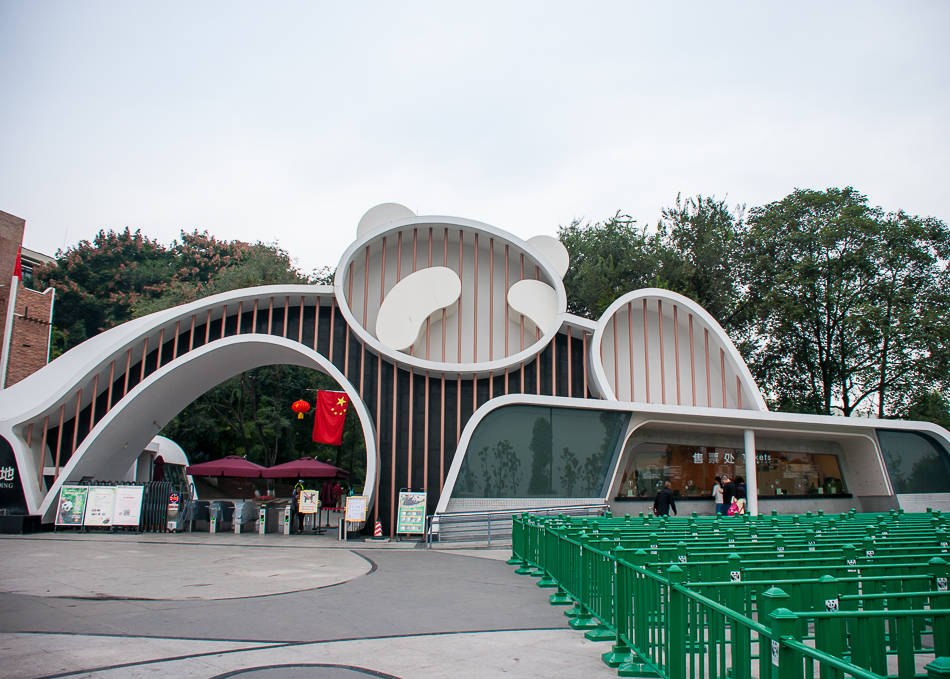
A 35 minutes taxi ride north from the city center will bring you to the Chengdu Research Base of Giant Panda Breeding, a non-profit organization with the sole aim since 1987 of breeding baby pandas and ensuring their survival to revitalize the decreasing population.

Chengdu Research Base of Giant Panda Breeding

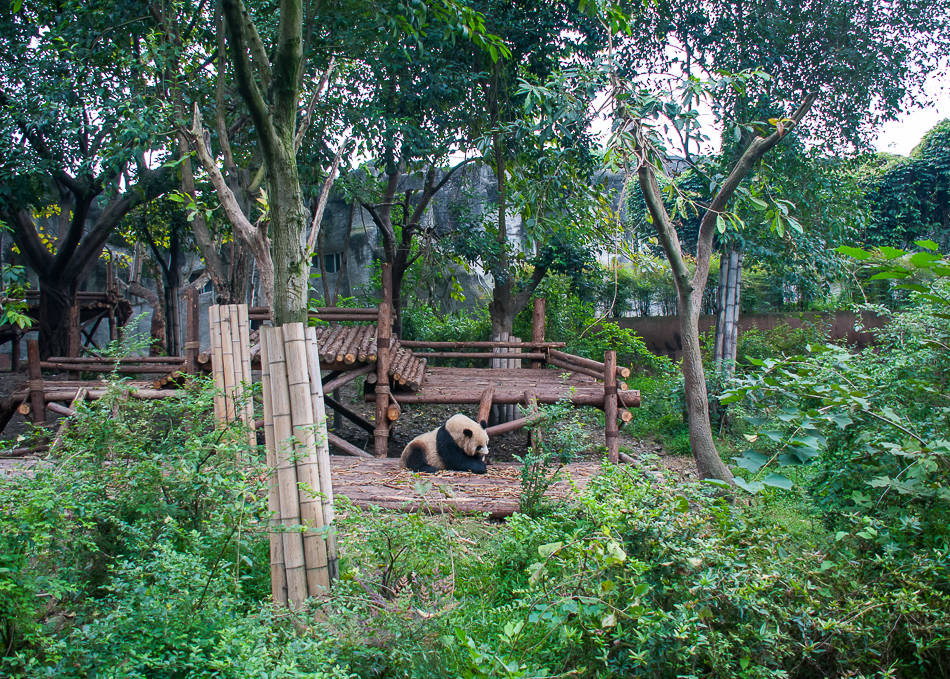
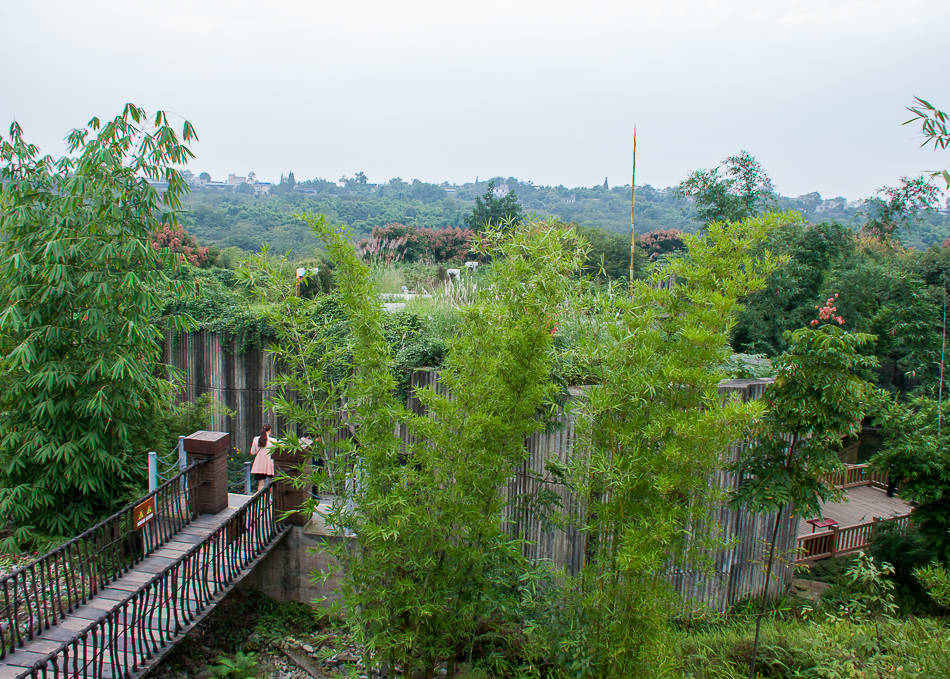
This is no zoo and you’ll realize that the moment you walk into this perfectly landscaped and beautiful park. Located on Futoushan Mountain, the huge conservation base spans 7,000 square metres and was created specifically to provide a comfortable home for the pandas as close to their natural habitat as possible.
Chengdu Research Base of Giant Panda Breeding

Conservation and education are front and center here with the first giant panda museum in the world and you’ll be able to complement your visit with some exhibits and even a stop at the Panda Story Cinema.

Chengdu Research Base of Giant Panda Breeding

The most important thing to know when visiting the pandas is to get up early and reach the base as soon as it opens i.e. around 8am to witness the feeding which usually occurs between 8 and 10am.

Chengdu Pandas

It’s such a marvelous thing to see them so close. When I spotted my first black and white shape between the bamboo stalks my heart skipped a beat and it’s almost tiptoeing that I reached the enclosure, my mouth agape in pure amazement.

Chengdu Pandas

You have to refrain yourself from extending your arms and trying to rub their belly as it suddenly seems like the most instinctive thing to do in that moment!

Chengdu Pandas

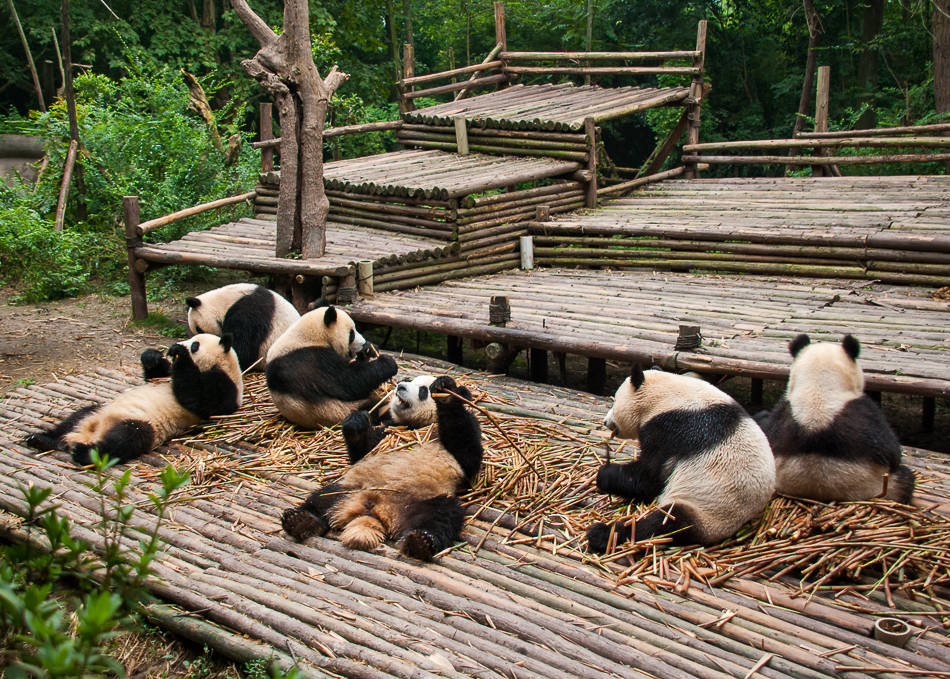
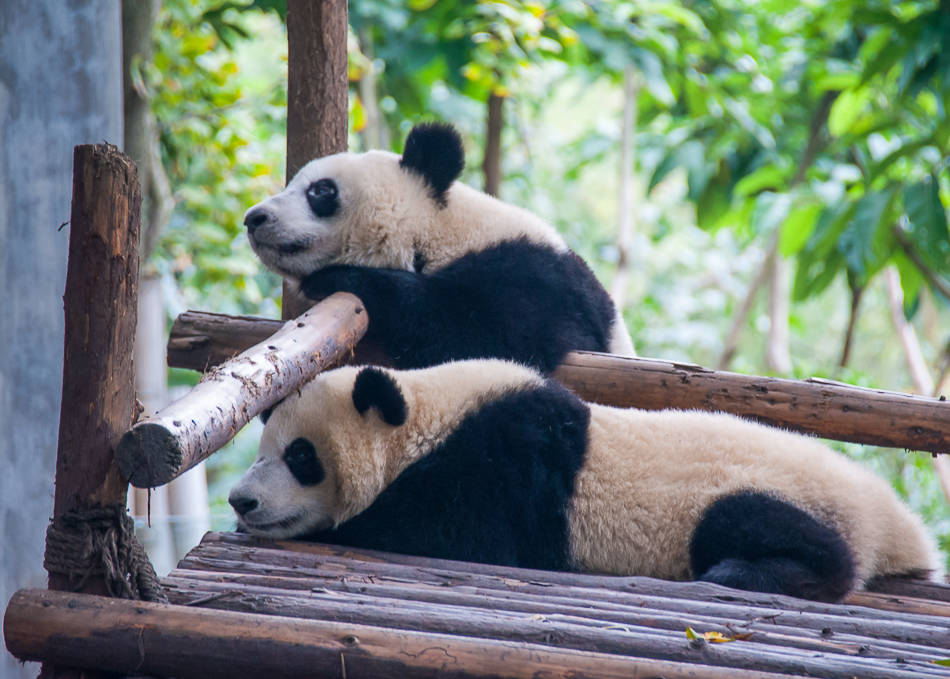
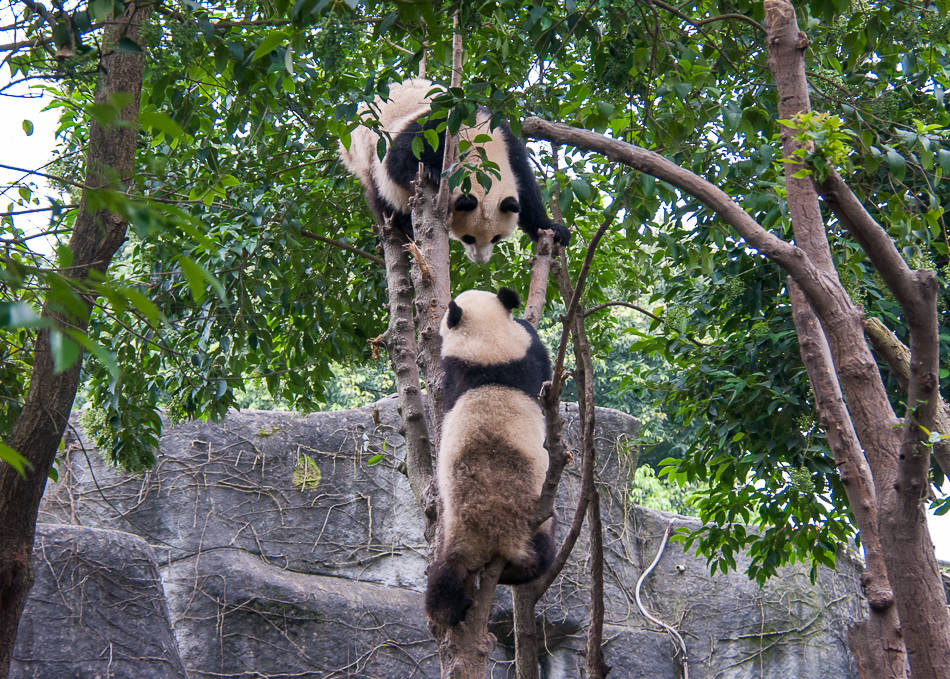
I spotted first the teenagers (above, called ‘sub-adults’ at the base and generally between the age of 2 and 5)  and then moved on to the larger adults enclosures.

Chengdu Panda

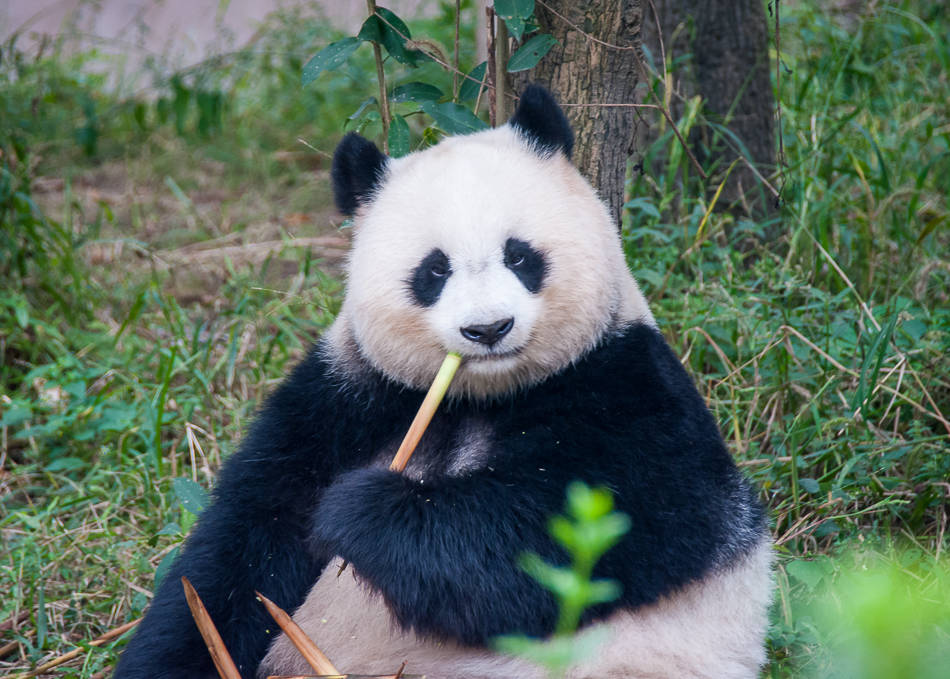
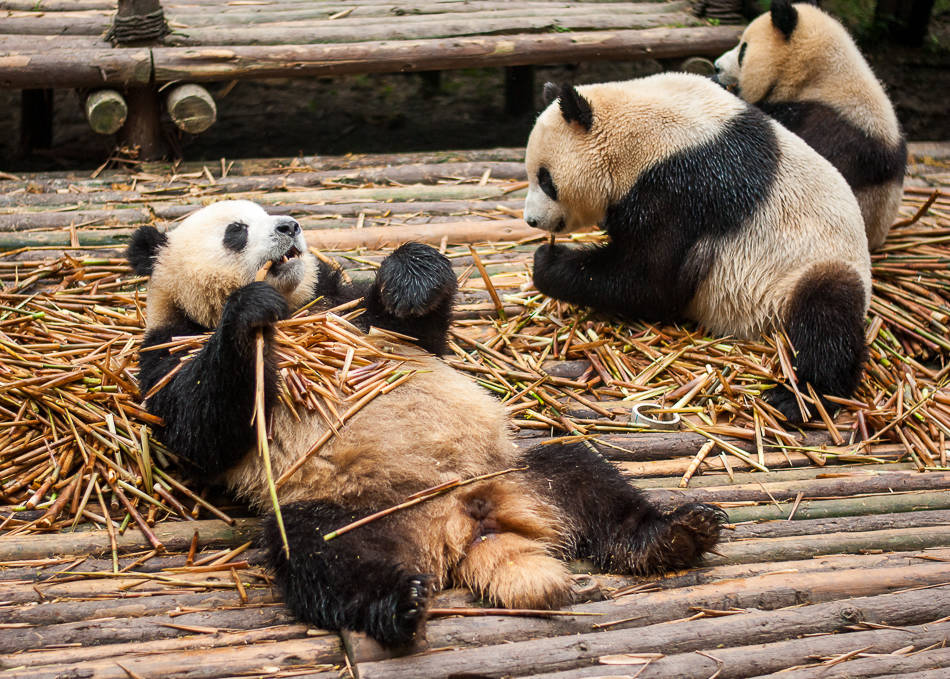
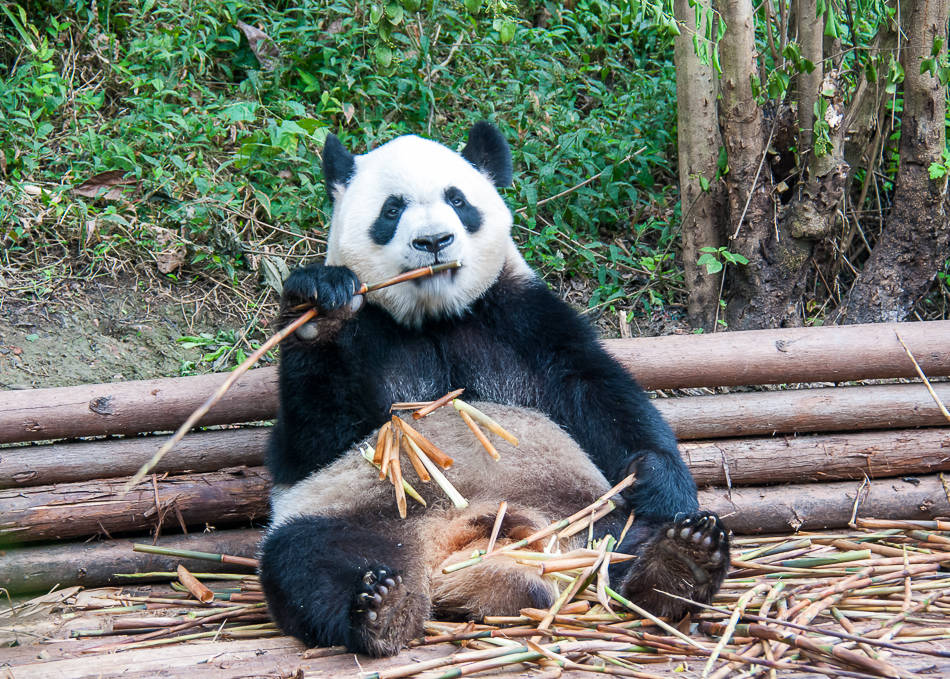
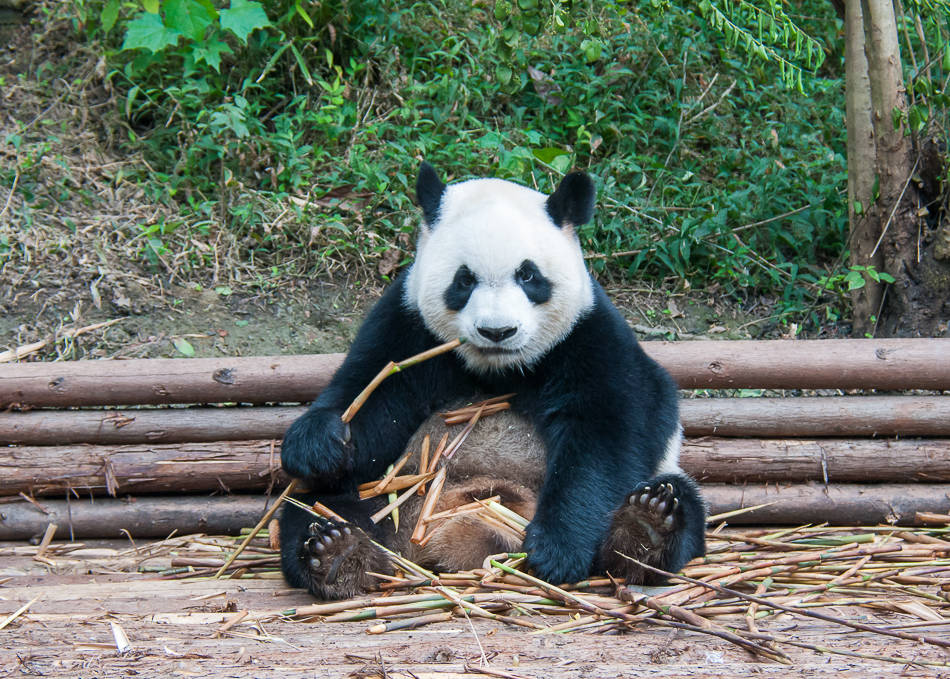
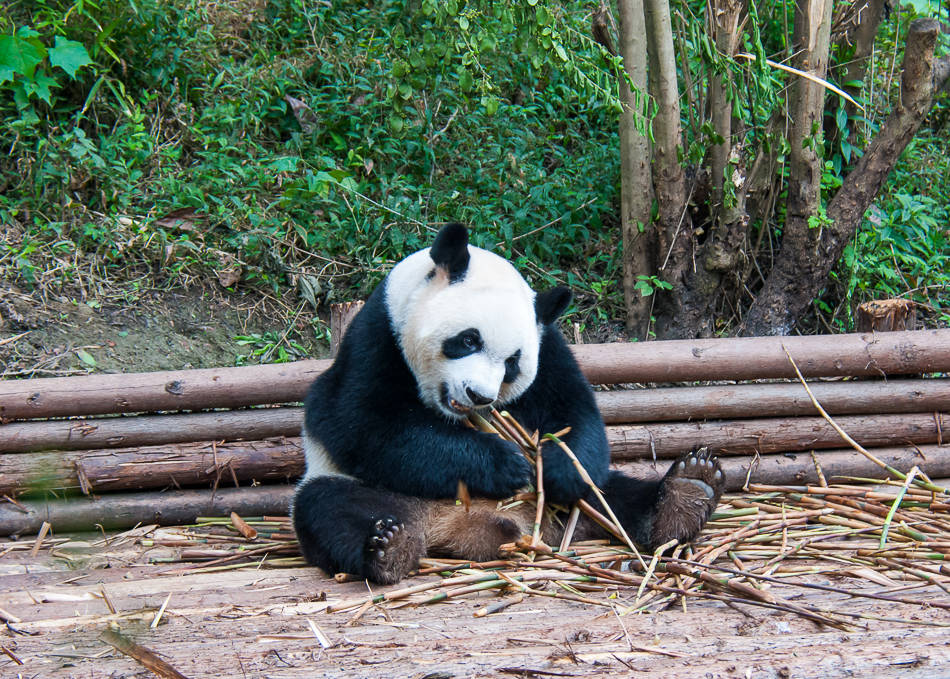
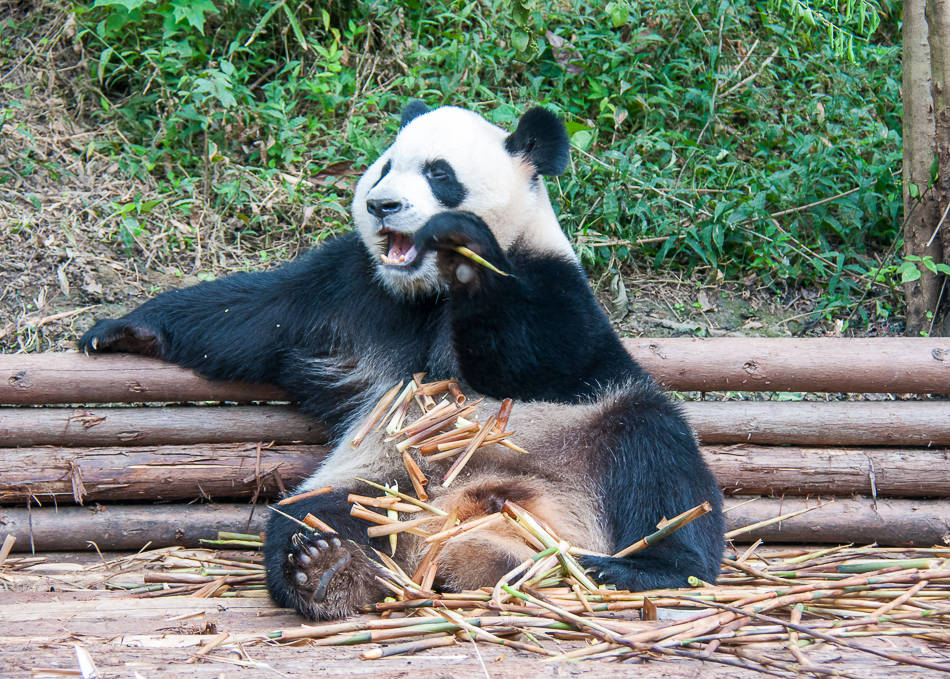
Still pretty much the same crunching and crackling on large supplies of bamboo which they eat between 9 and 14kg daily since bamboo contains such a small level of energy.

Chengdu Panda

This means the majority of their waking hours are spent eating and being fascinatingly carefree in front of all these humans staring at them.

Chengdu Panda

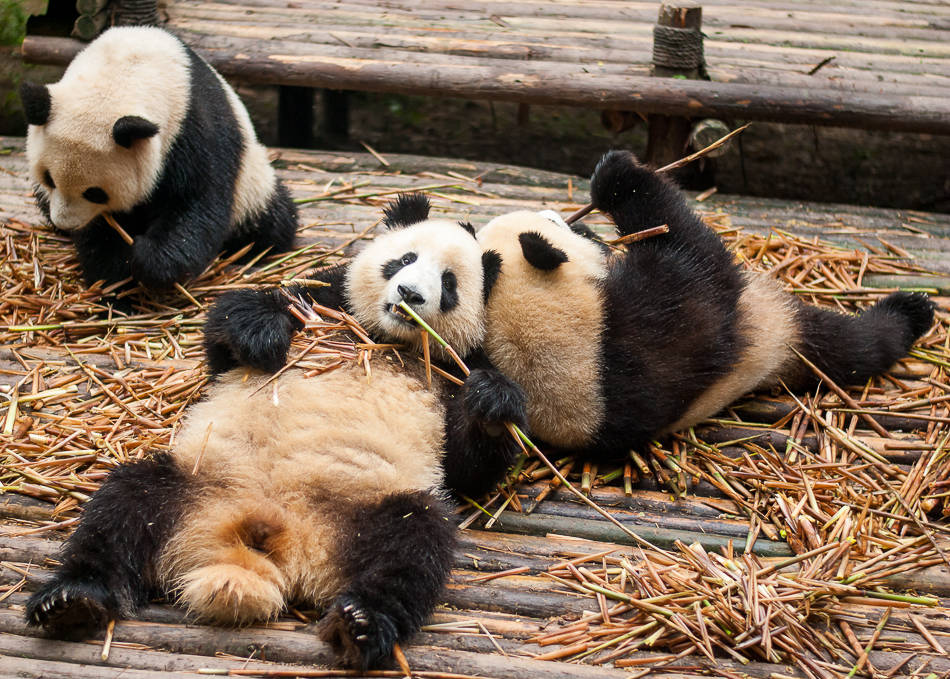
You’ll never forget the sight of pandas covered in a heap of bamboo and eating shreds of it from their bellies – the poster child for gluttony in its most natural form.

Chengdu Panda

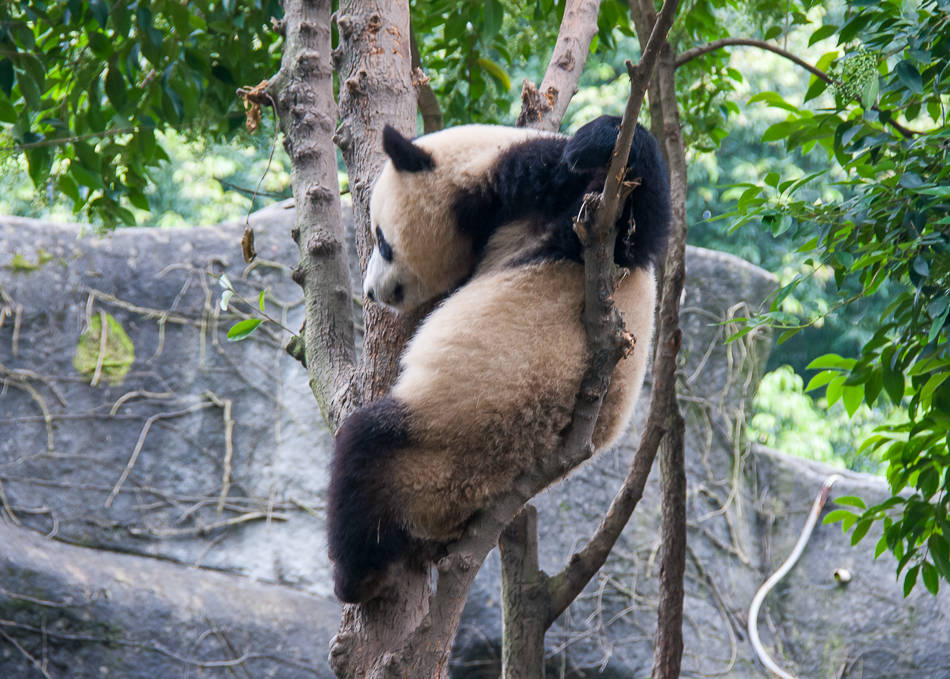
They’ll eventually stop when they’ve run out of shoots, and will either laze around or decide to exercise a bit by climbing up trees which they’re excellent at despite their less than agile looking physique.

Chengdu Pandas in trees

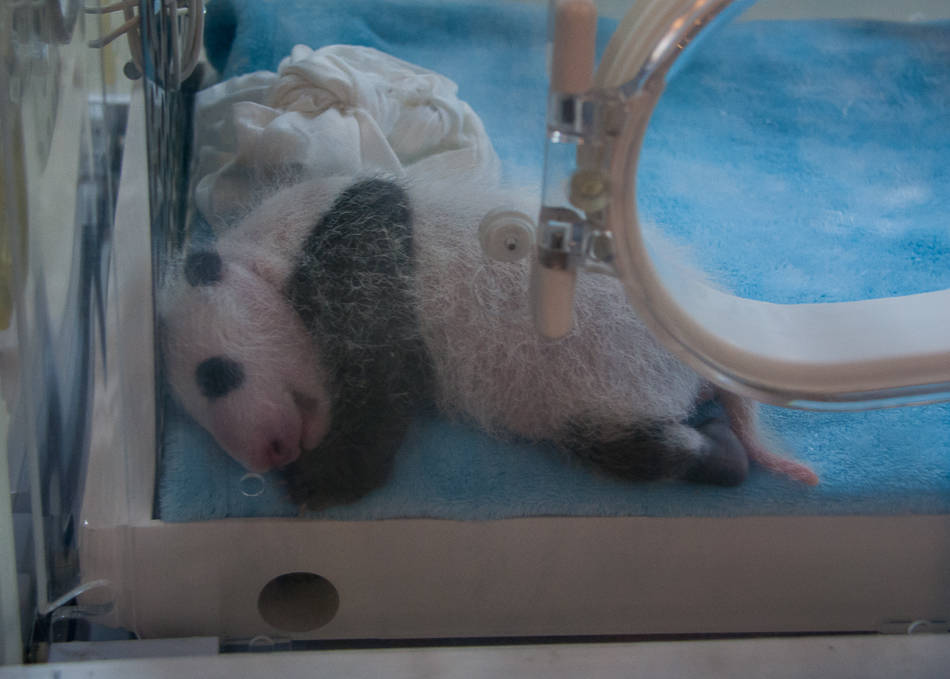
Seeing them now from every angle, they look rather dirty and not the stark white of your cuddly dreams, but this light brown is actually their real color. Pandas are born hairless and pink, growing white and black fur after a month and this white fur turning brown after about 6 months. Still adorable I’d say…

Chengdu Panda in tree

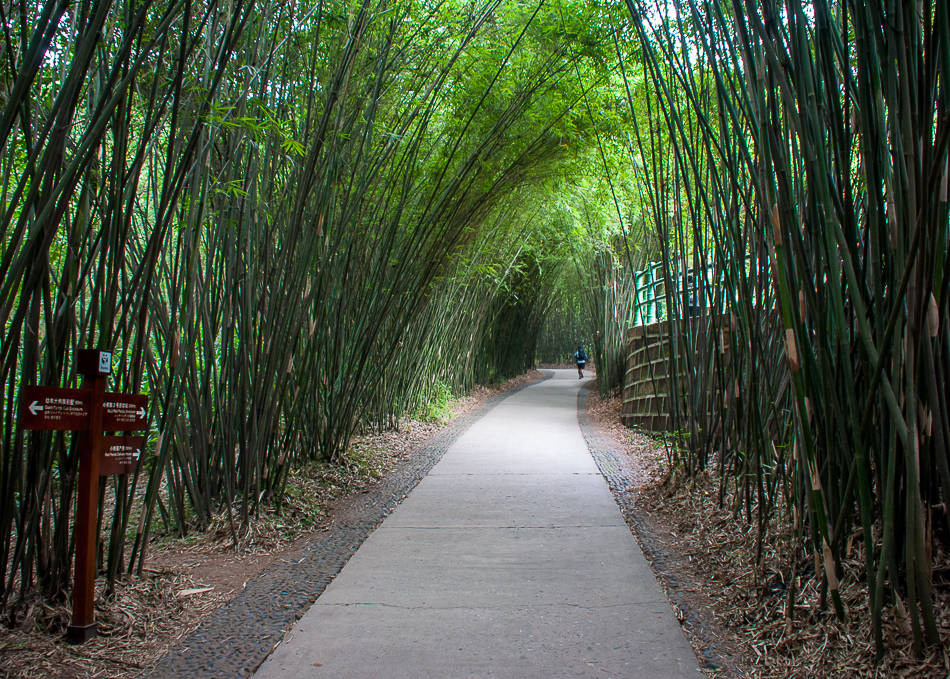
Walking from one enclosure to the next is a calming experience as you explore the never ending bamboo-lined paths in relative quietness.

Chengdu Research Base of Giant Panda Breeding

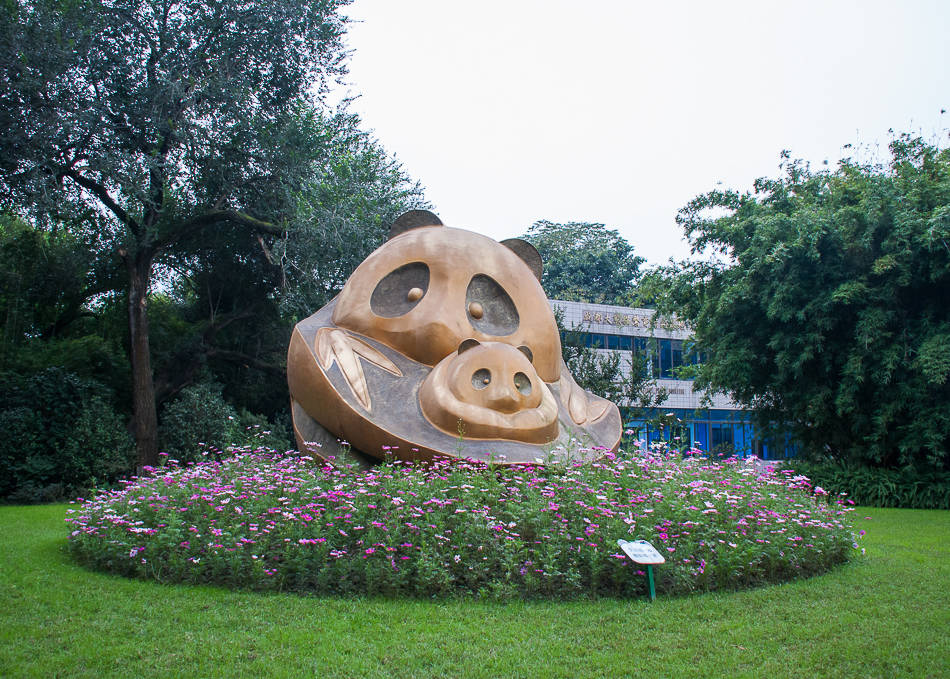
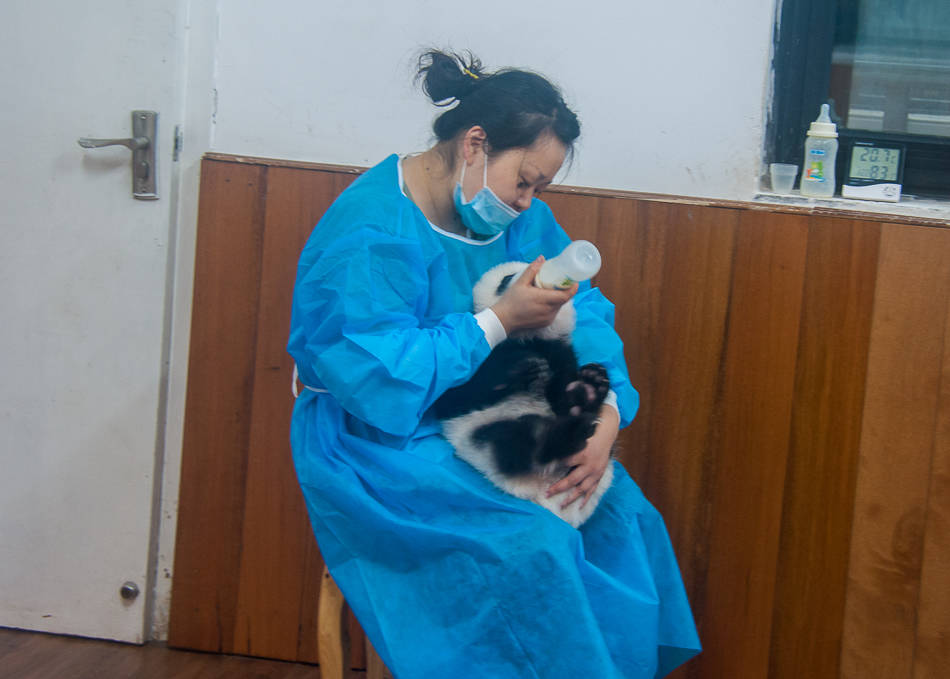
Clear signs mark the way to the nurseries, labelled here ‘delivery houses’, where the magic of the panda breeding center truly shines.

Chengdu Research Base of Giant Panda Breeding

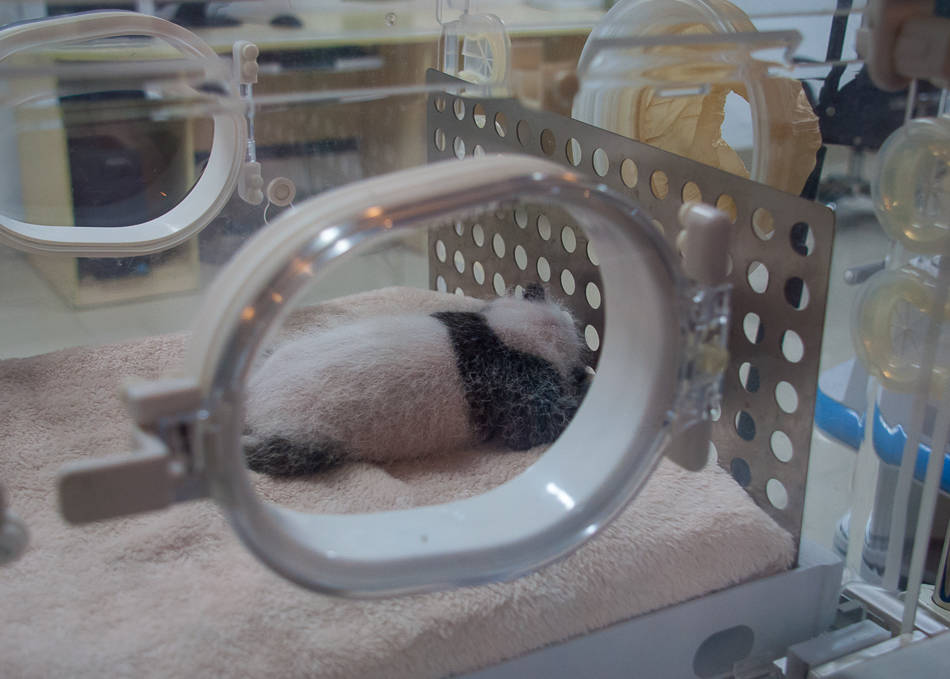
The buildings channel pedestrian traffic through a corridor lined with windows offering a glimpse into the captive breeding operations if you come at the right time. Most pandas give birth between August and September and catching a glimpse of the tiny babies is a sight to behold.

Chengdu Panda Nursery

This incredible phenomenon is even more poignant to witness when you learn how hard it is for a female panda to breed, most being only able to breed 2-3 days in the year and to only give birth to one cub every two years.

Chengdu Panda Nursery

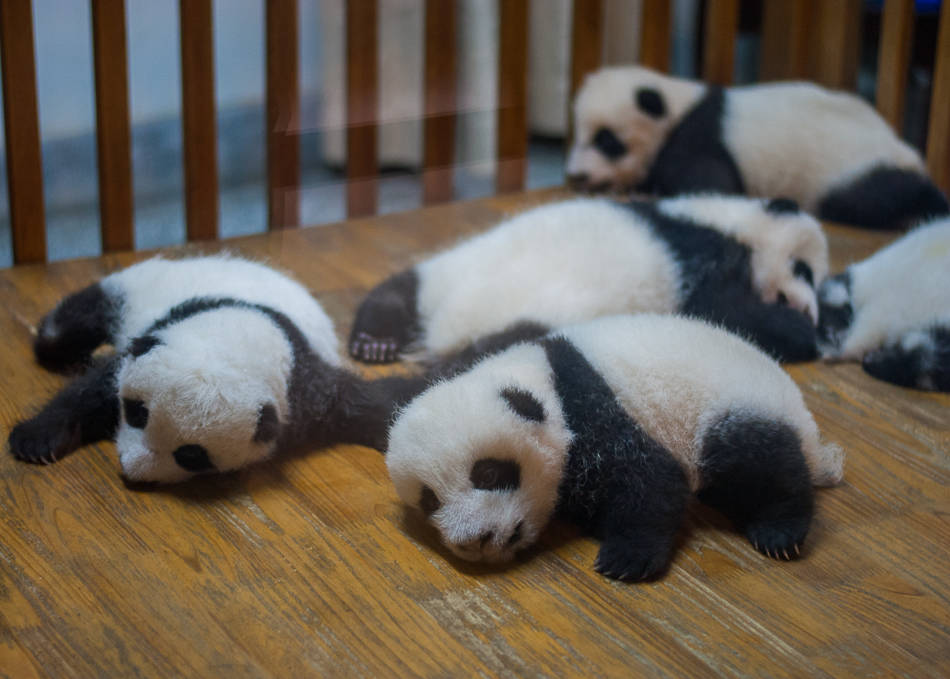
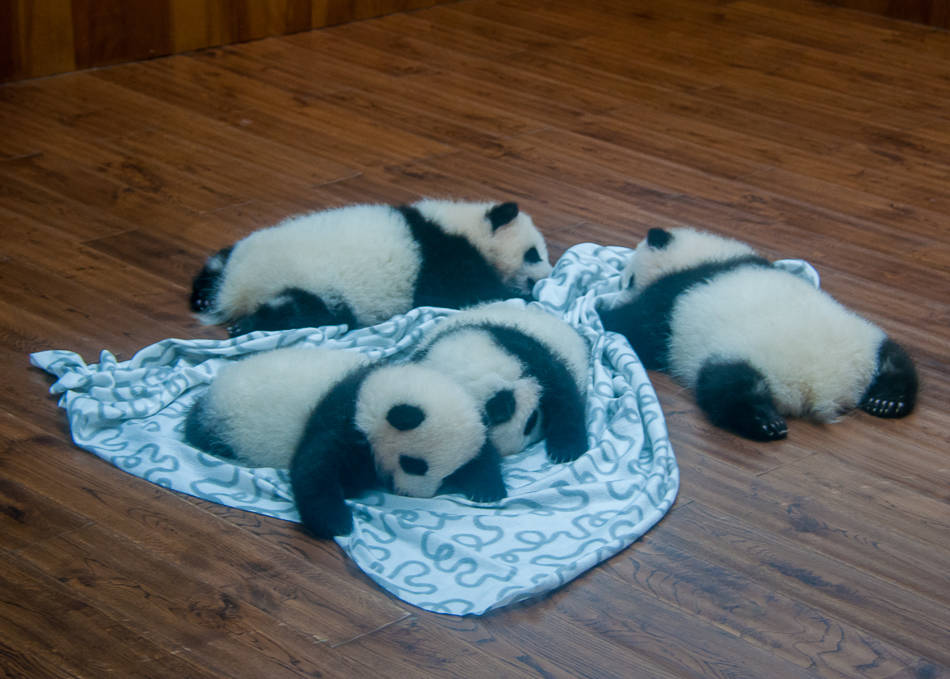
As I visited in early October, I was able to marvel at a few adorable cubs of just under 2 months old, recently able to fully open their eyes as panda babies are born blind for the first few weeks.

Chengdu Baby Pandas

Chengdu Baby Pandas

Honestly, how freaking cute is this? I swear standing here you’d be able to sell your mother for the chance to pick one up in your arms, and sadly you’ll be quickly rushed through the exit with only a few minutes to snatch a few photos of these adorable creatures.

Chengdu Baby Pandas

Chengdu Panda Feeding

Previous years’ cubs are playing in the yard, 2-years old getting ready for their own enclosure in due time.

Chengdu Panda

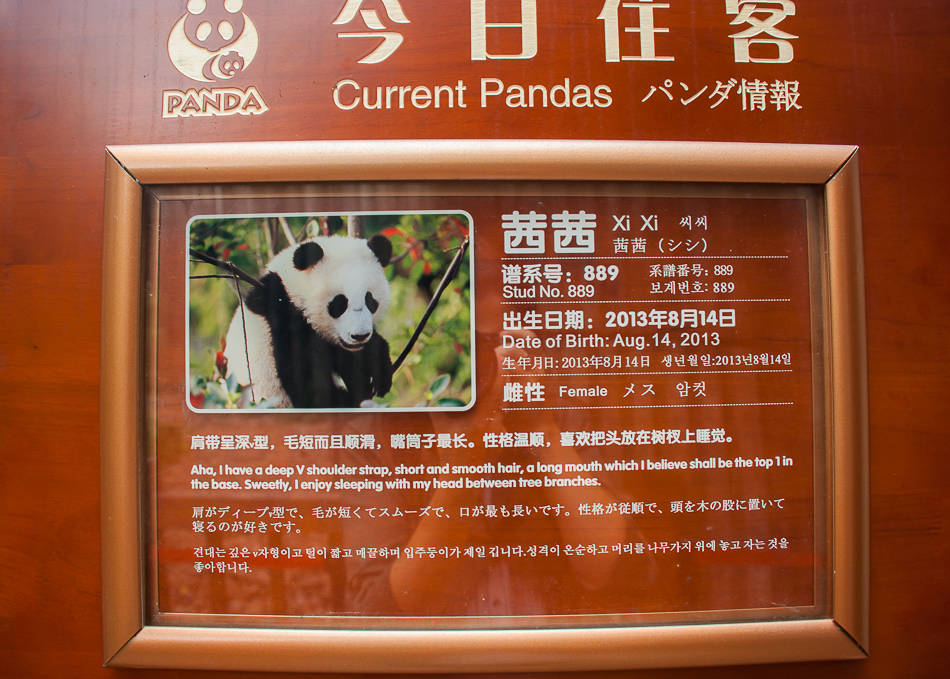
ID panels give an insight into each panda’s details and characteristics, putting a humane touch to the more than 100 pandas living here.

Chengdu Panda

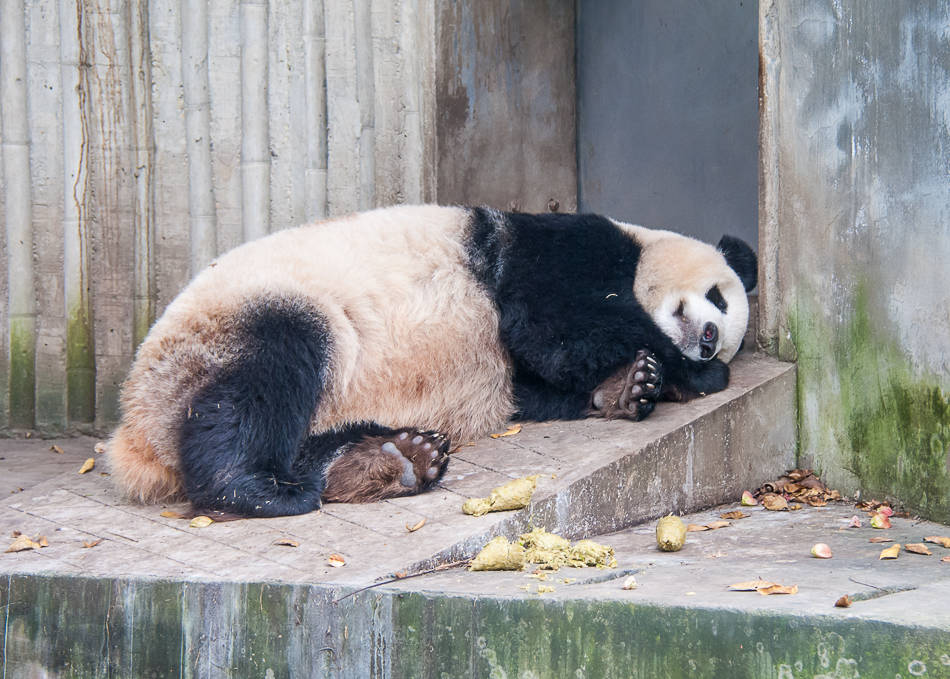
As you continue your stroll around the base, you’ll notice the slowdown in activity with most pandas either lazing around…

Chengdu Pandas

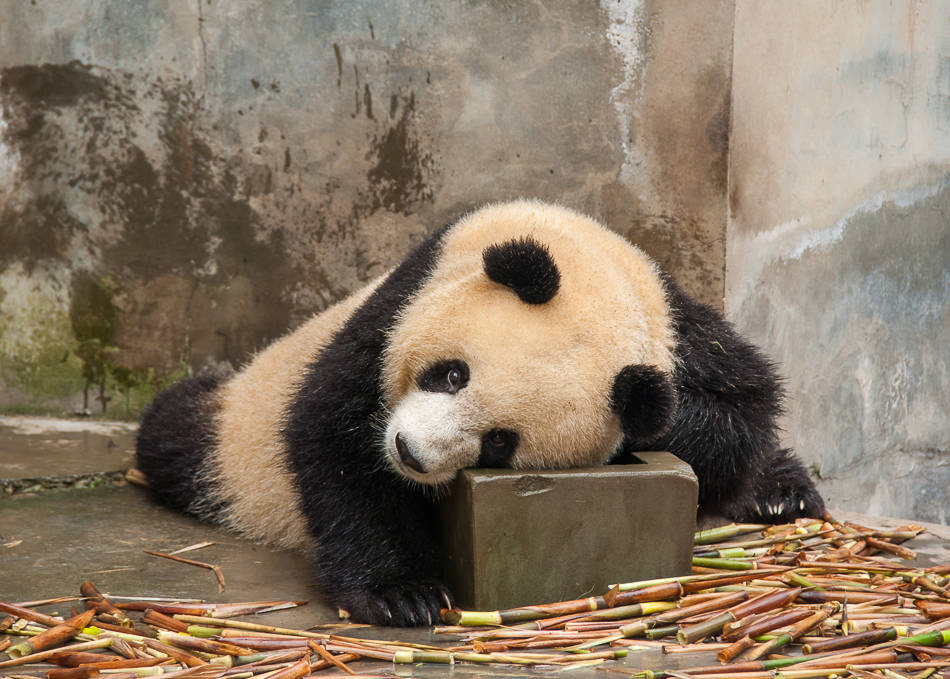
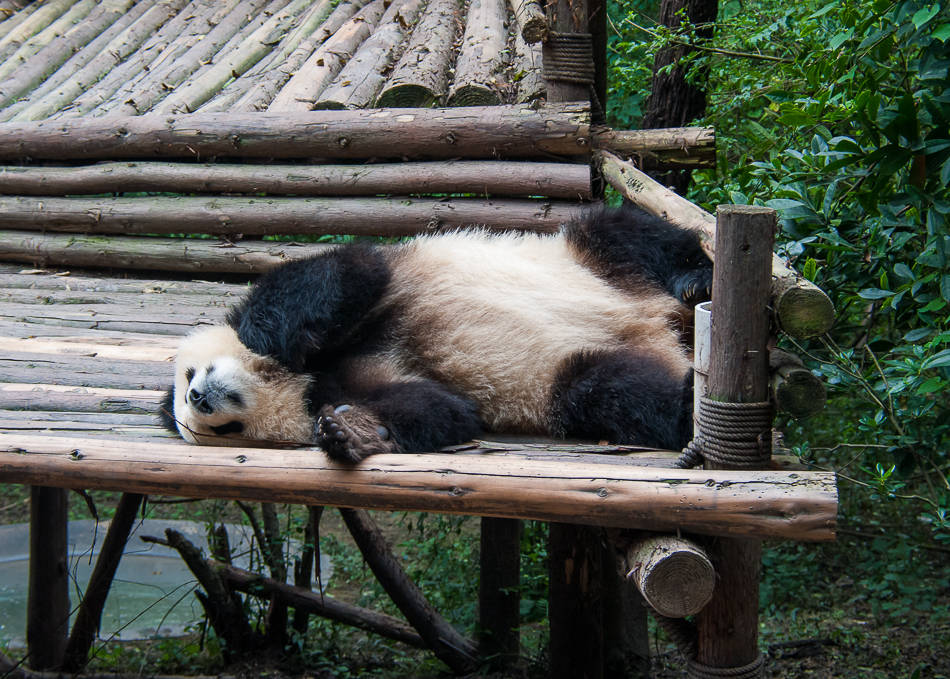
…or sleeping soundly as they’re bound to do for the majority of the day. They are indeed one of the laziest animals in the world.

Chengdu Panda Sleeping

And this is the state of the first sub-adult pandas I first visited, less than two hours later! You’ll be glad you came early as you’re not likely now to see them in any other position, and that’s for the ones that have remained outside as most of them will have retired to their indoor spaces to doze off away from your prying eyes.

Chengdu Panda Sleeping

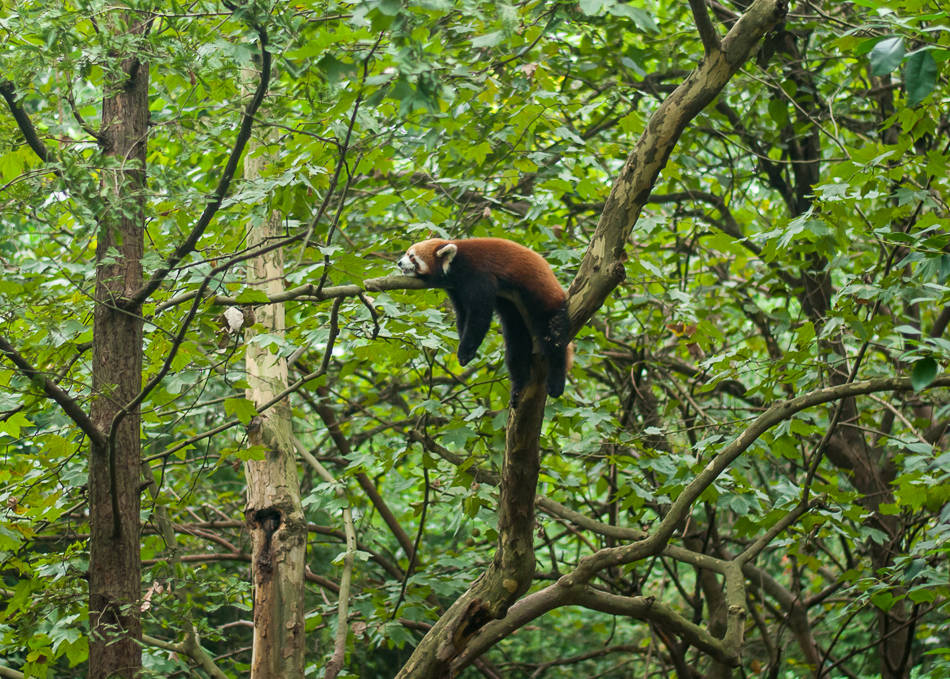
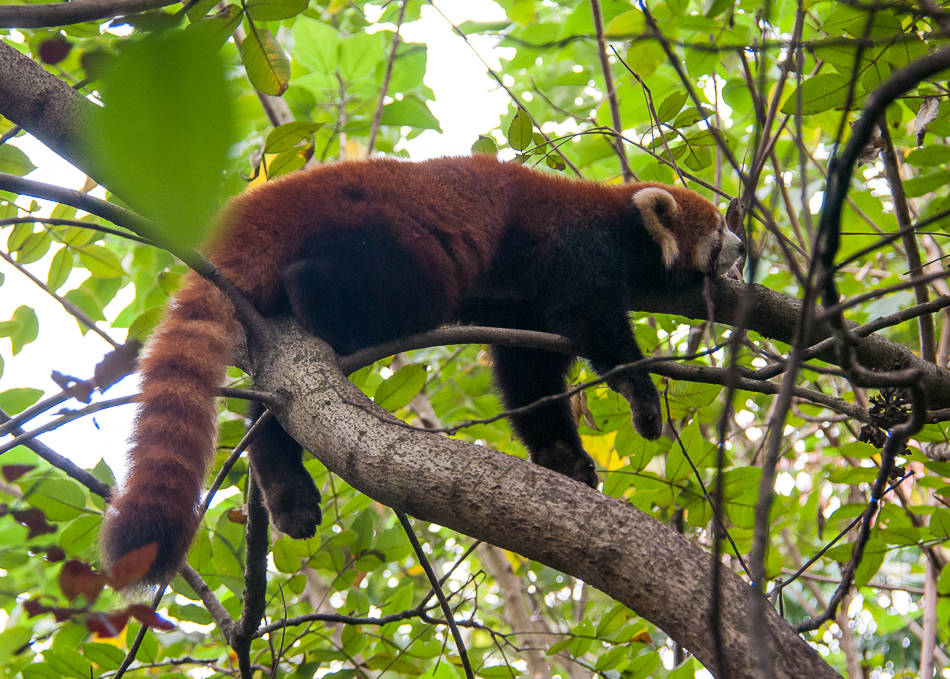
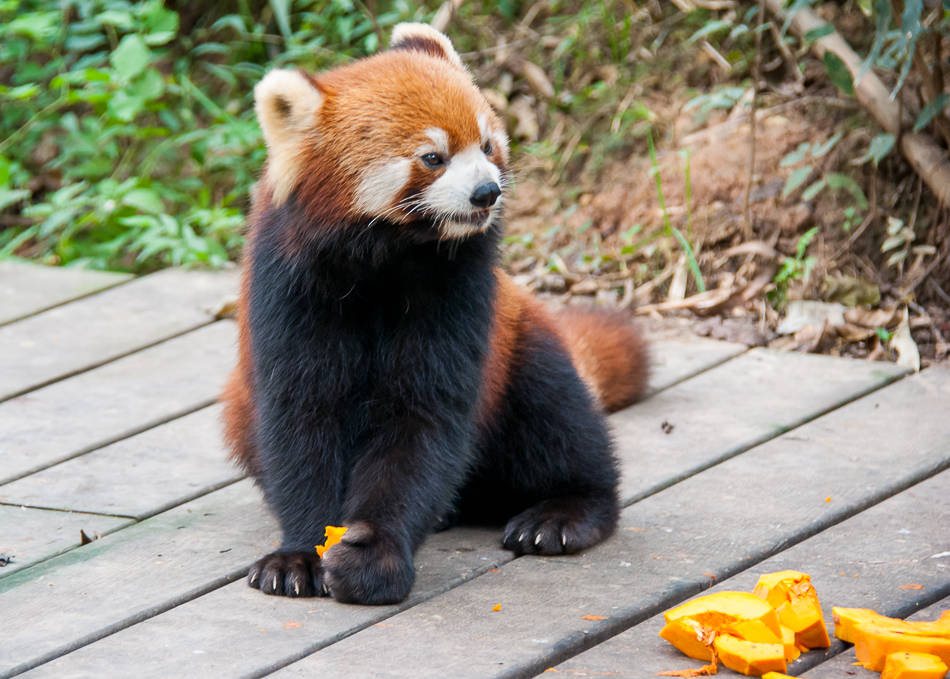
Thankfully, there are still a few other inhabitants worth seeking out that are a little less sleepy – the red pandas. The base also care for them as they are an endangered species.

Chengdu Red Panda

Excellent climbers, you’re likely to spot them up in the trees, either foraging or just sleeping (yes, it’s a favorite pass-time around here).

Chengdu Red Panda

Despite their adorable look with their cat-like face and cinnamon-red coat, red pandas are notoriously rather feisty and warning signs are put up to discourage anyone from feeding or approaching them.

Chengdu Red Panda

By 10 or 11am, most activity has died down and while you could linger here a bit more to take advantage of the few cafes and peaceful landscape, there’s a thriving city nearby waiting for you to explore… You’ll be taking those magical two hours with you and cherish those bamboo-eating bears for the rest of your life so get in a cab at the exit for Chengdu. Next post will give you a taste of what the panda capital of the world has to offer besides the cuddly bears!

Chengdu Panda