Europe Madeira Travels

What to do in Funchal, Madeira’s capital

June 4, 2025

The Portuguese island of Madeira is but a mere speck in the middle of the Atlantic Ocean (only 35 miles by 14 miles!) yet has a dizzying amount of unique things to see and do. It was one of my best travel surprises of the past few years and far exceeded my expectations. I’ve been telling everyone about this little-known jewel of the Atlantic ever seen and have quite a few posts to show you its natural attractions, tropical wonders, historical riches, and fabulous food.

The fun starts in its capital, Funchal, after a hair-raising landing on a tiny strip by the water. The approach will have given you your first glimpse at the city’s picturesque position (and a few heart palpitations). White houses with terracotta roofs are clustered on the steep hills, slopping down to the ocean through tropical greenery like a natural amphitheater.
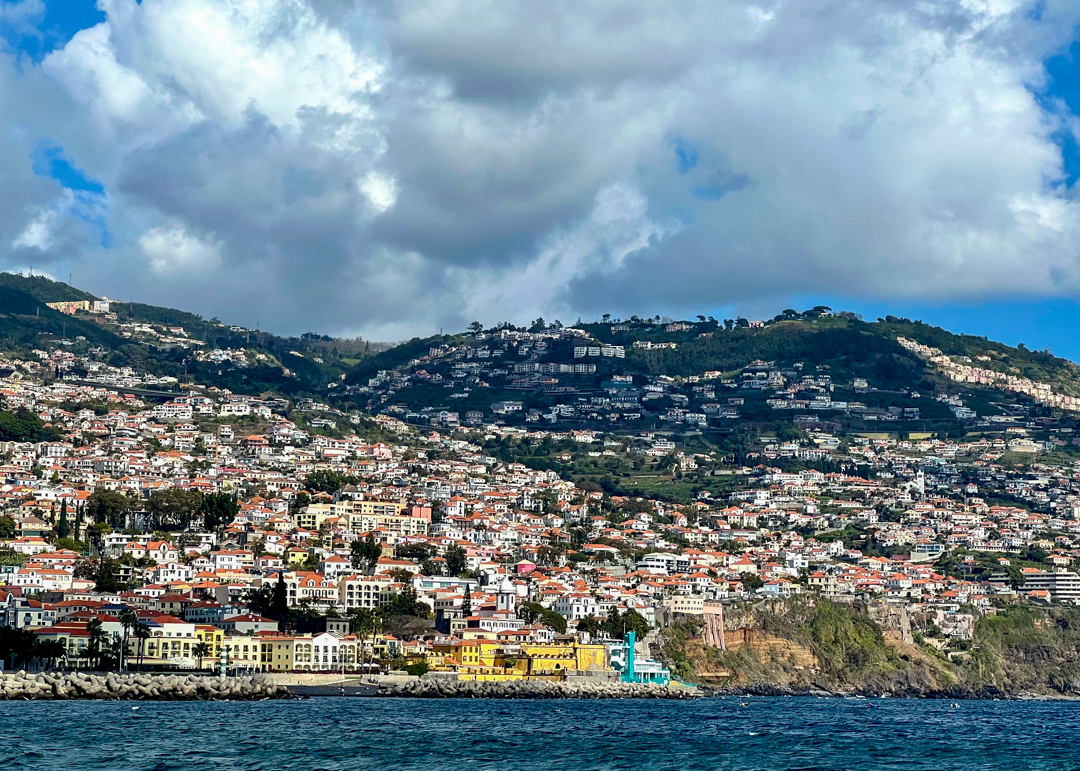
The compact city begs to be explored on foot though you’ll want to take advantage of its cable cars to access some of the attractions located high on the hills. Start with a scenic stroll through its center with its grand gothic and baroque-style buildings, all in the island’s signature style of dark stone and white façade.

The city center

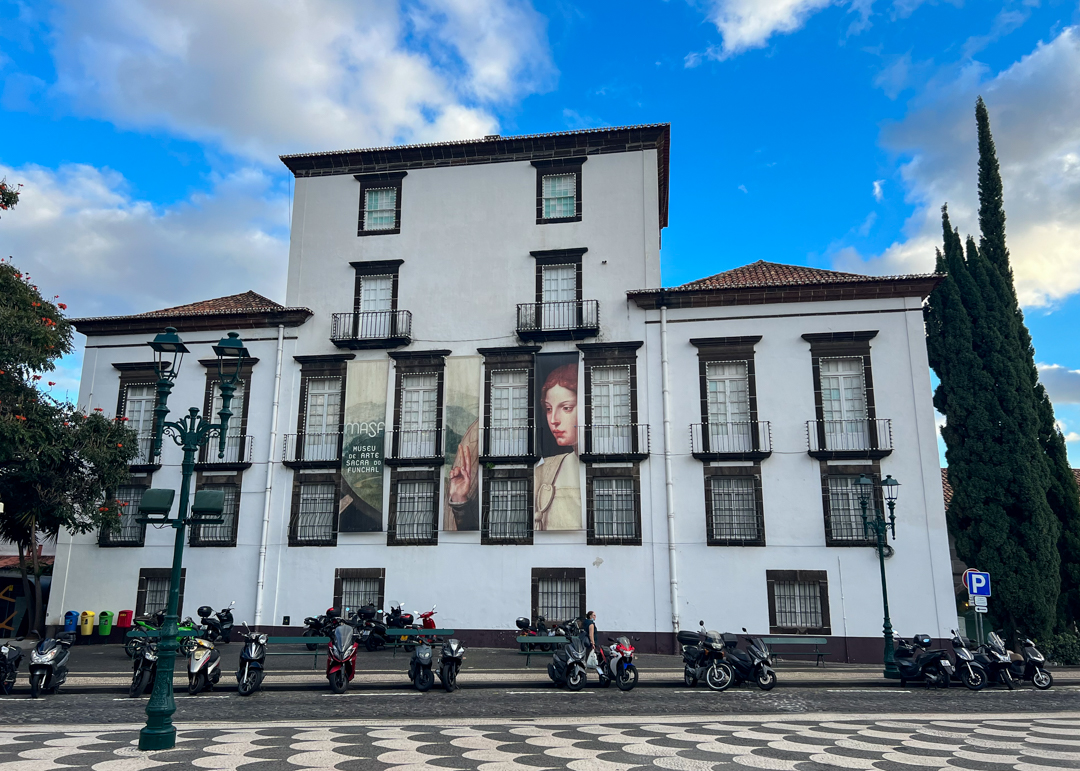
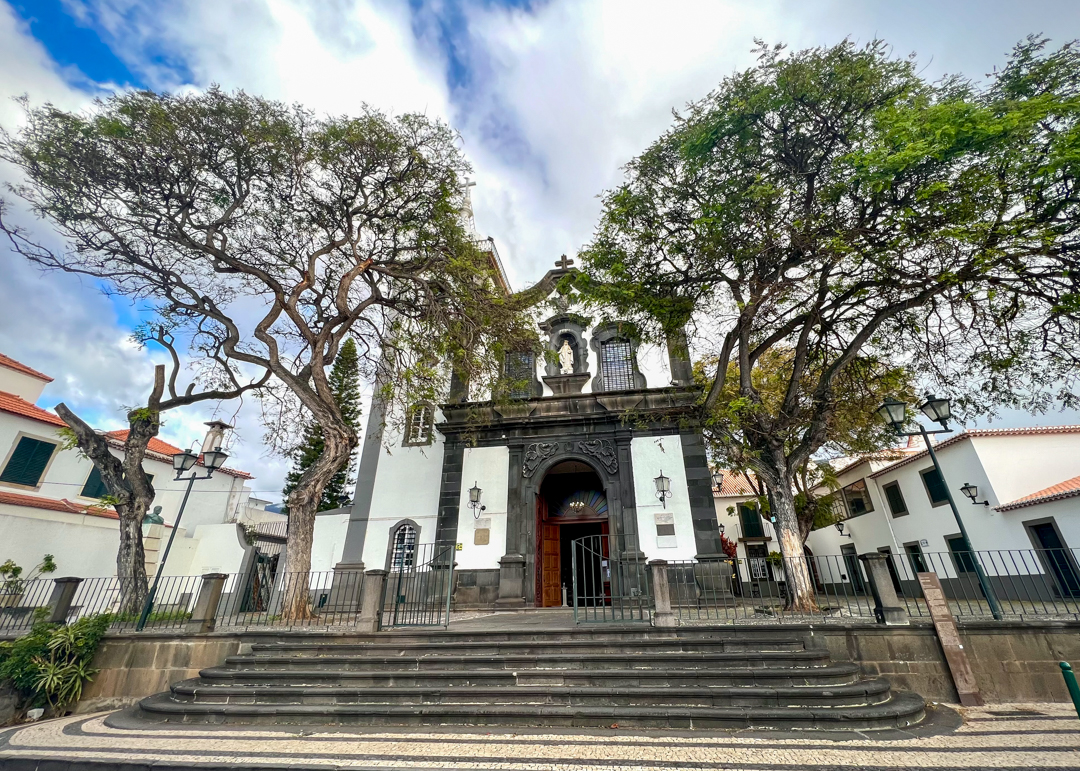
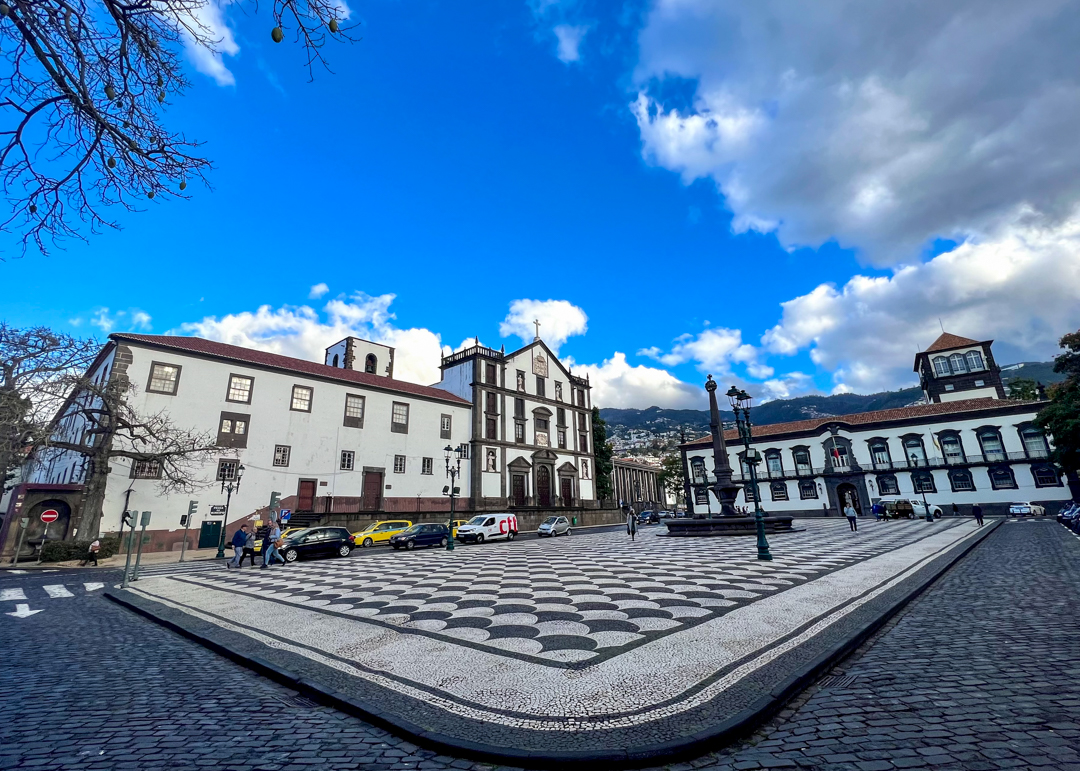
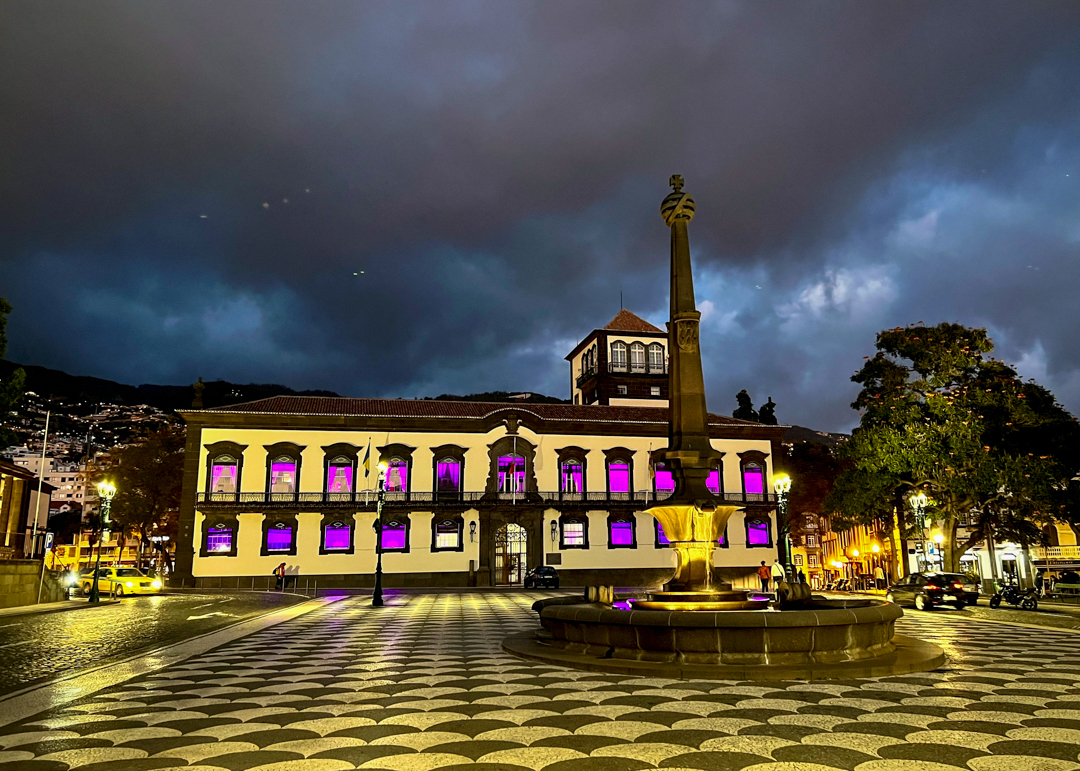
Praça do Municipio, one of the largest squares in Funchal, makes for a scenic stop with the Town Hall in its center, an imposing church, an art museum, and the mountains peeking behind. Notice the distinctive and beautiful fish-scale patterned pavement on the square which you’ll find in many pedestrian areas, called Calçada Portuguesa (Portuguese pavement). It almost looks like a giant chessboard.
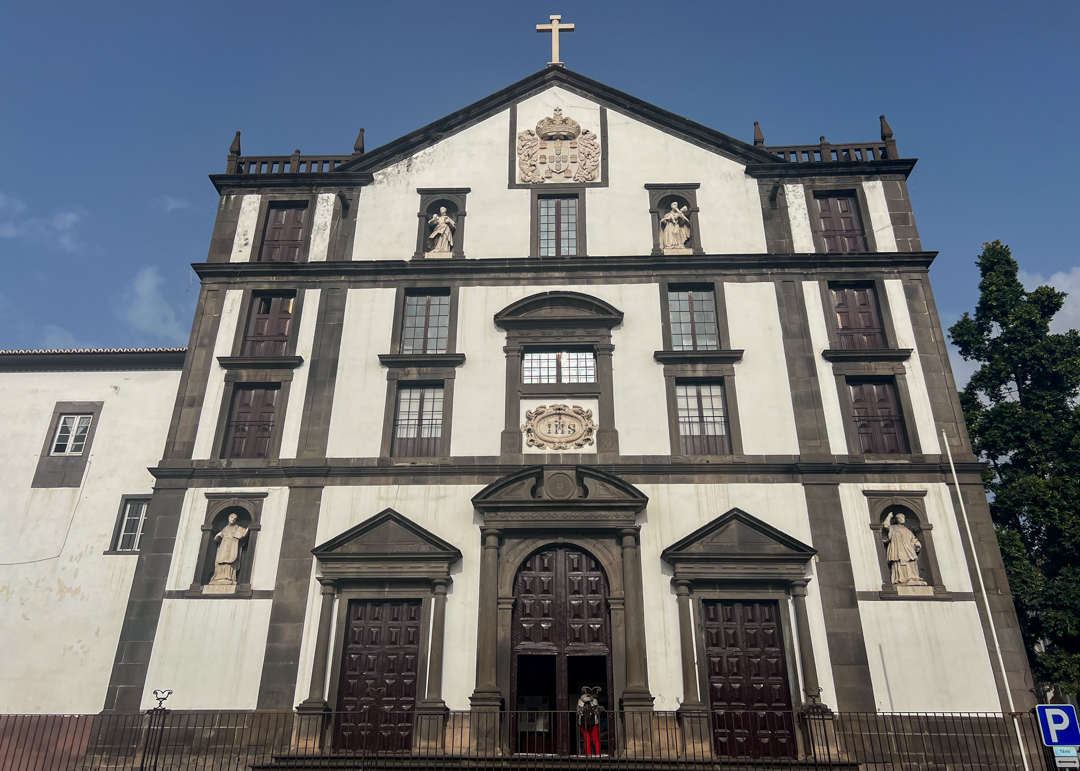
The Church of Saint John the Evangelist 
The Sacred Art Museum

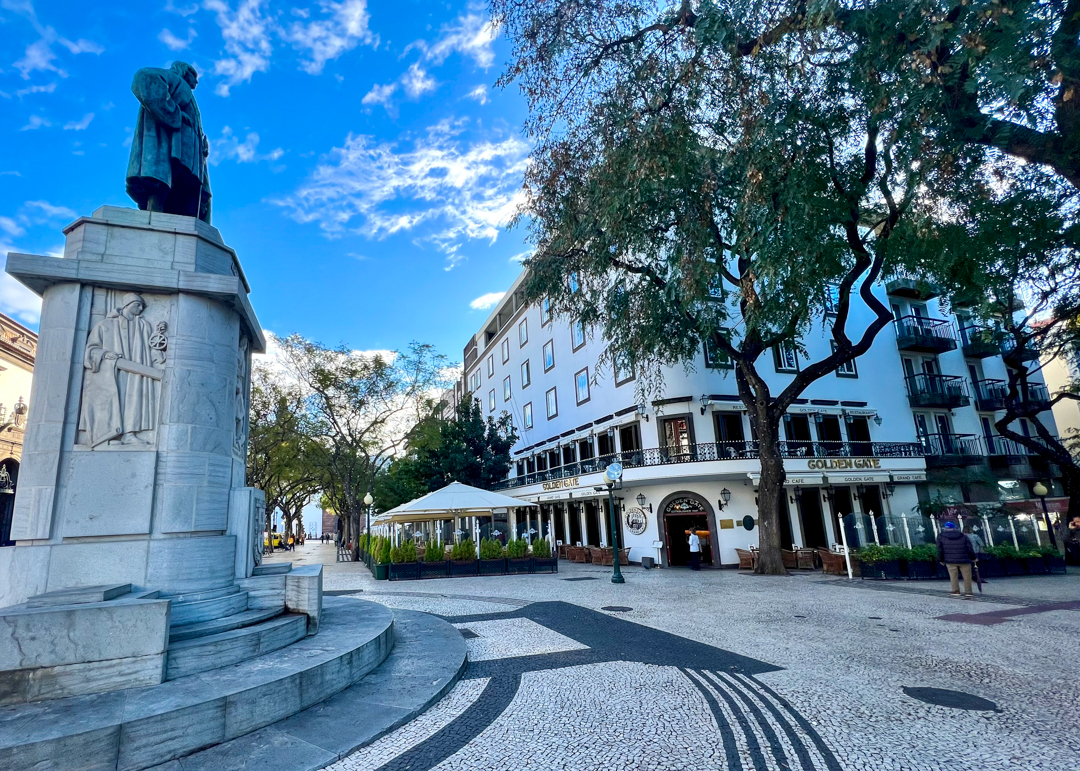
The main street, Avenida Arriaga, is a majestic pedestrian avenue lined with towering trees, lively cafes, and historical buildings. The statue at its center is of João Gonçalves Zarco, one of the island’s discoverers and a popular meeting point.
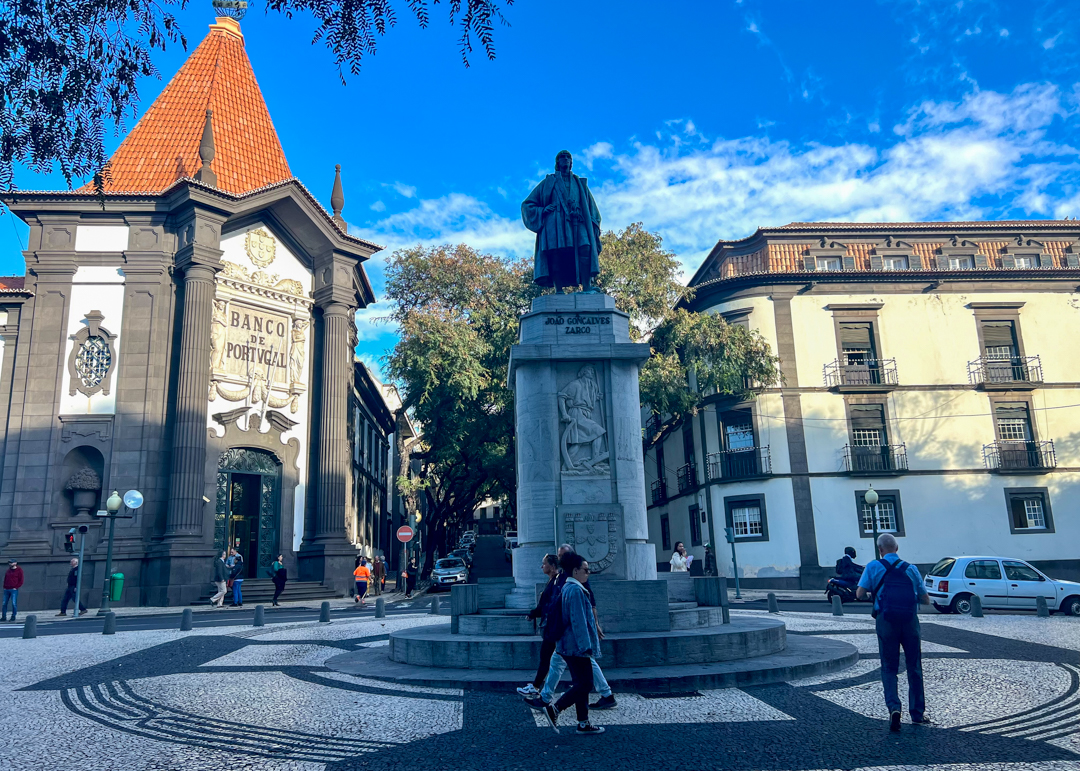
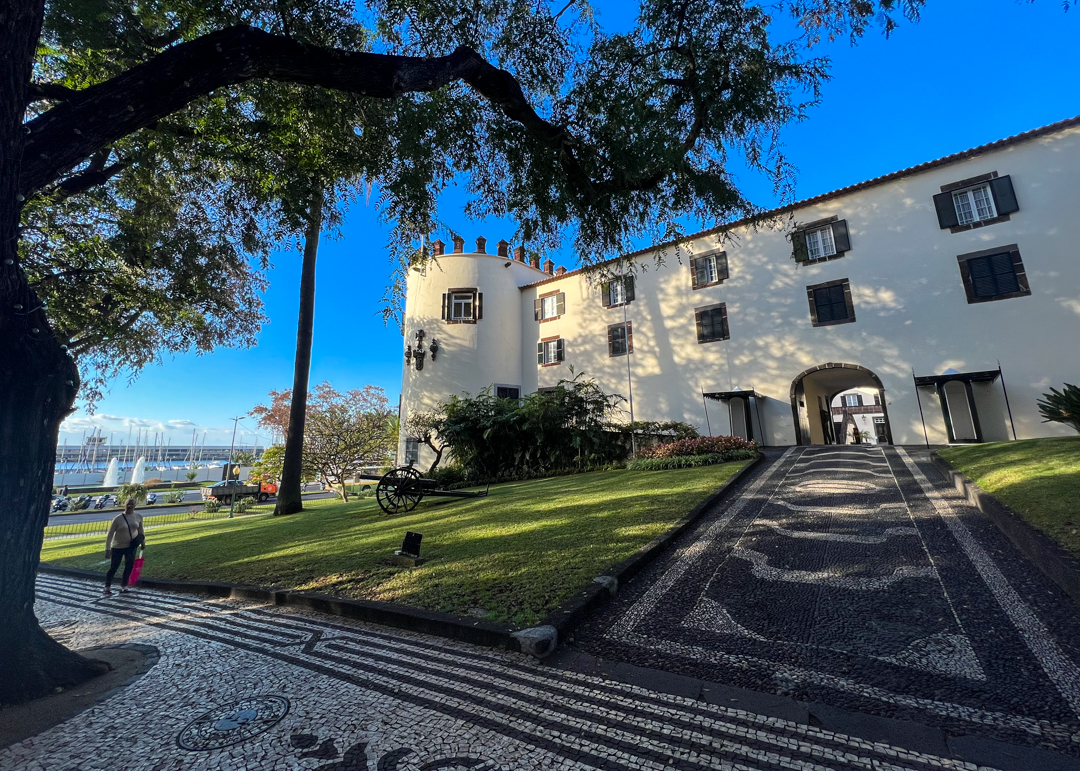
A block away on the seafront, the dominant building is the Palácio de São Lourenço (1540). It once guarded the bay against pirates and is now the residence of Madeira’s prime minister and the military command with white-gloved sentries seen guarding the entrance.
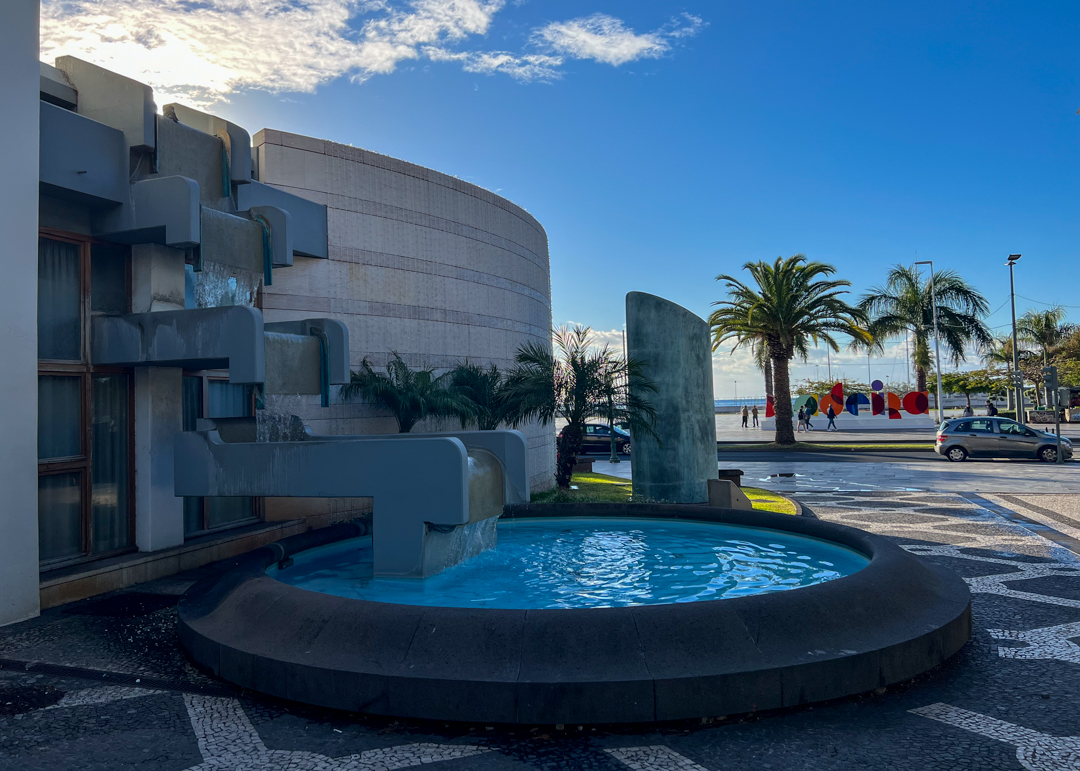
Keep walking along the sea promenade to spot this modernist fountain on the side of the parliament library.
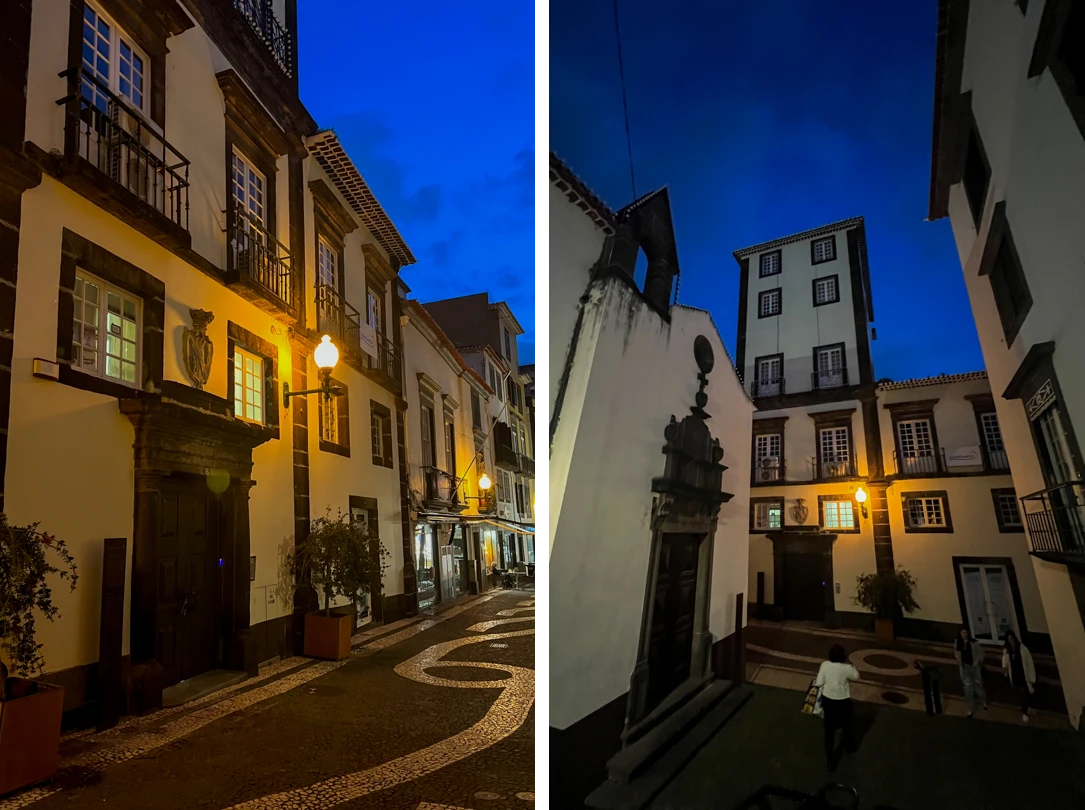
Little alleyways lead to quiet courtyards and hidden chapels.
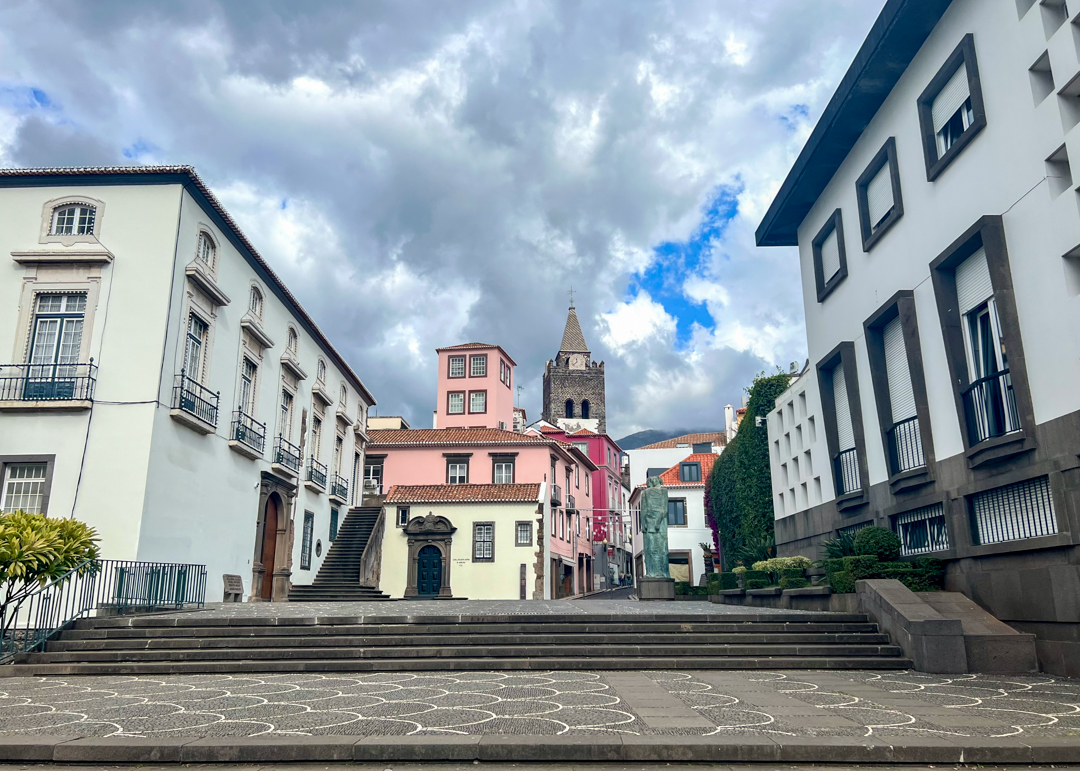
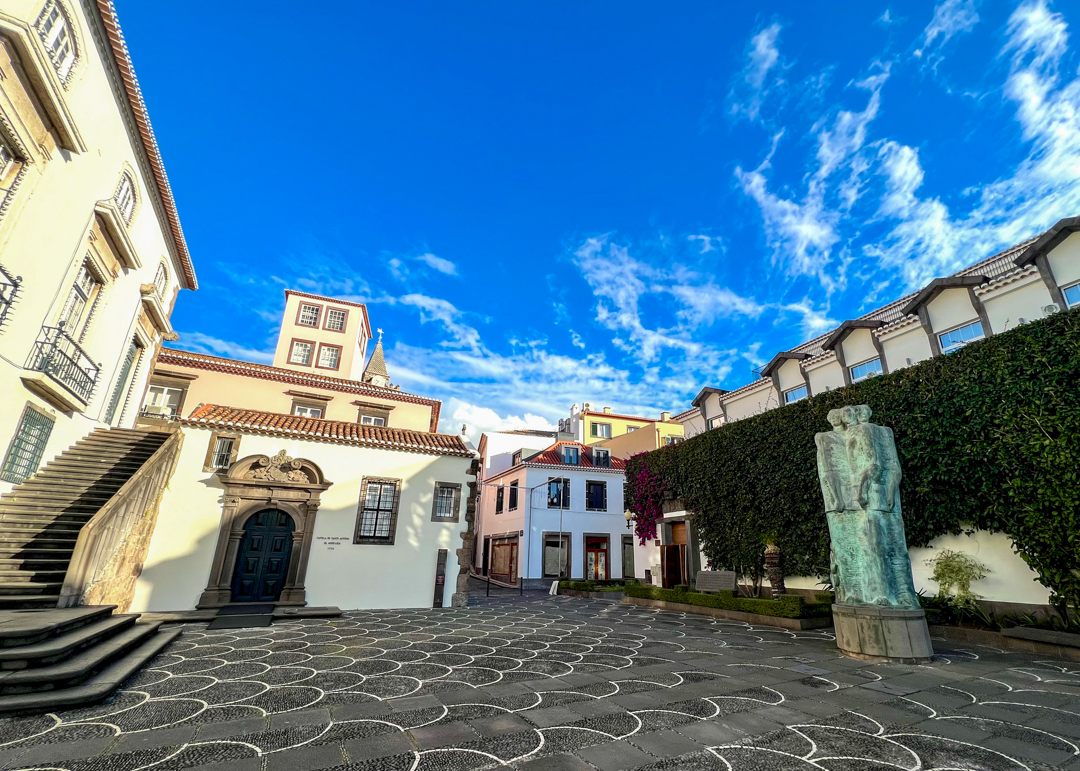
Former chapel of Santo Antonio Da Mouraria

Museums, mansions & local shops

The busier Rua da Carreira is lined with old-fashioned shops and affordable restaurants and home to the Photography Museum of Madeira.
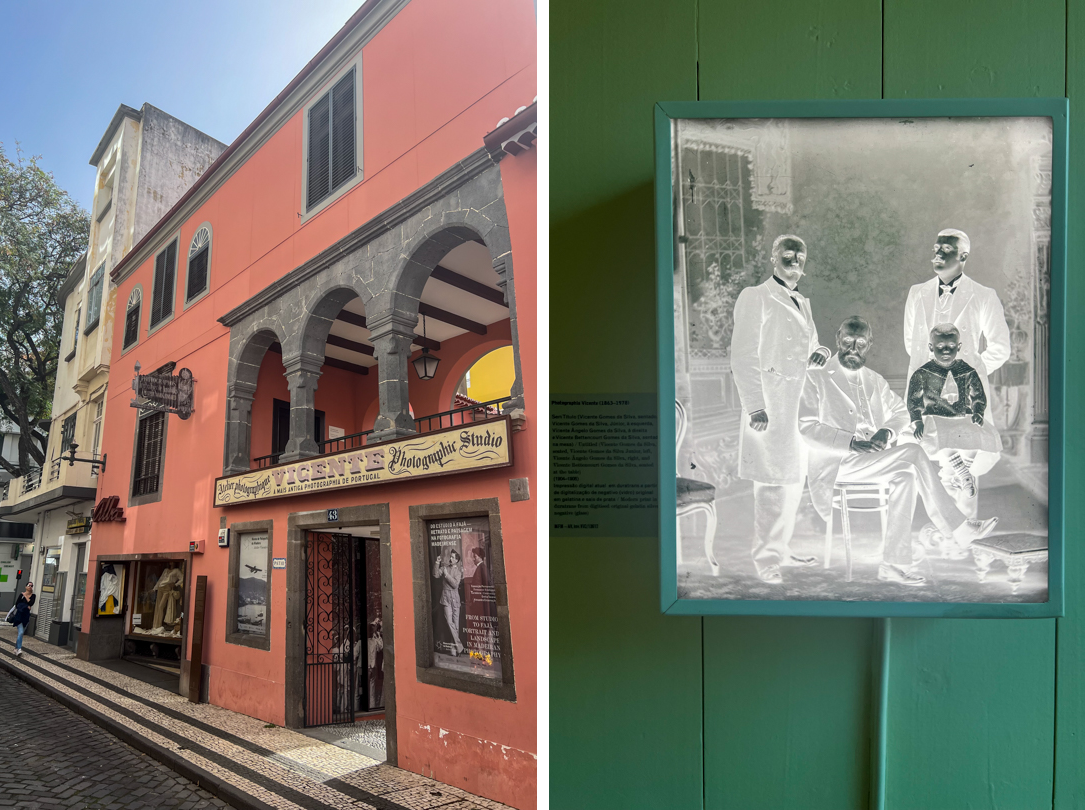
Based on a 19th-century family-owned photographic studio, the oldest in Portugal, it offers a fascinating insight into the history of photography and life on the island back then through archived pictures.
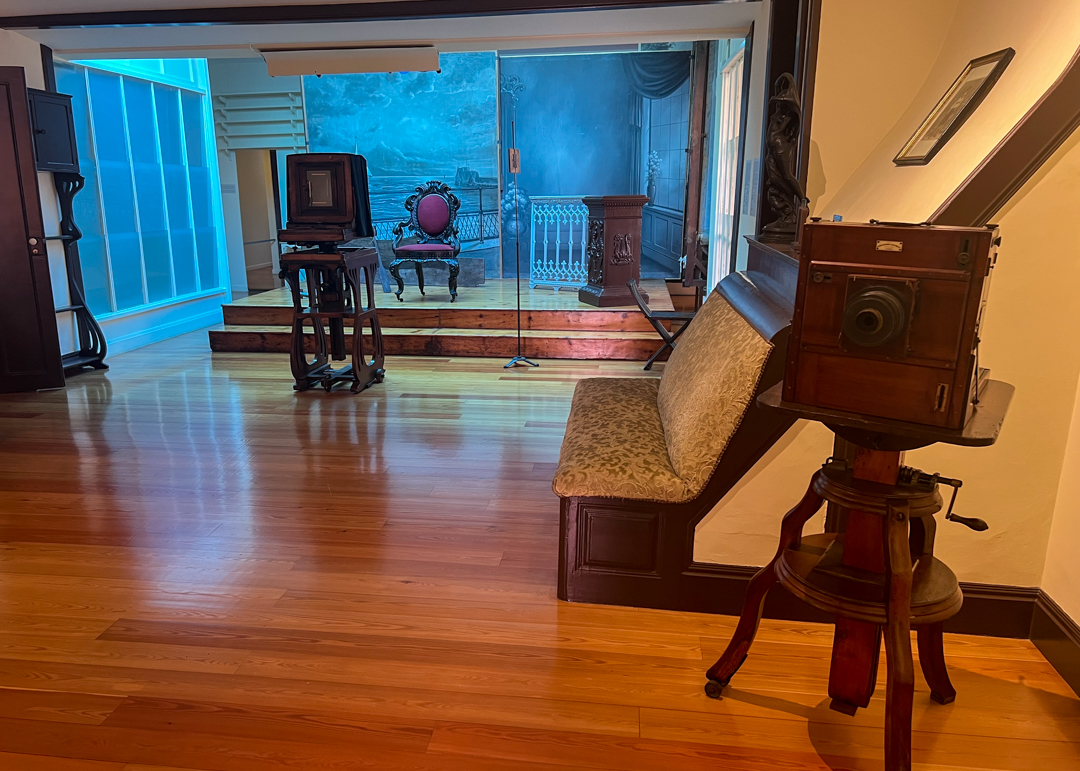
My favorite museum in Funchal though had to be the House Museum of Frederico de Freitas up the steep Calçada de Santa Clara. The 17th-century house of this collector (who leased it in the 20th century) is split into two: the old pink mansion, furnished to evoke the affluent lifestyle of its past inhabitants including many beautiful paintings of Madeira…
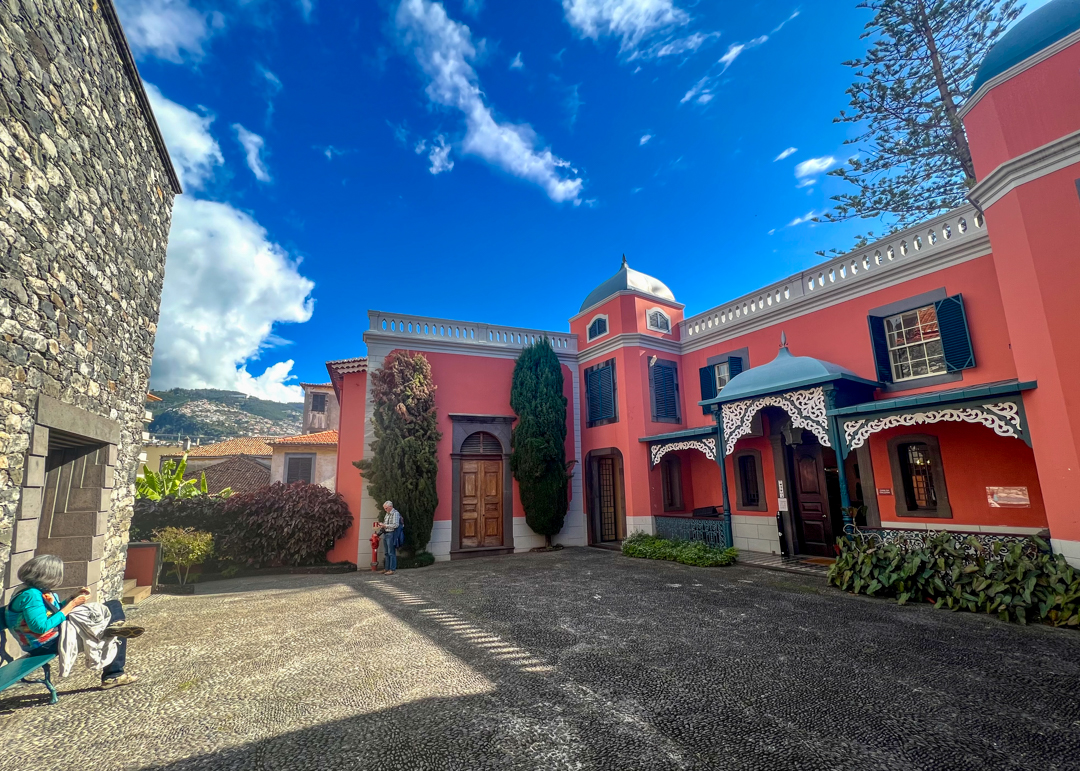
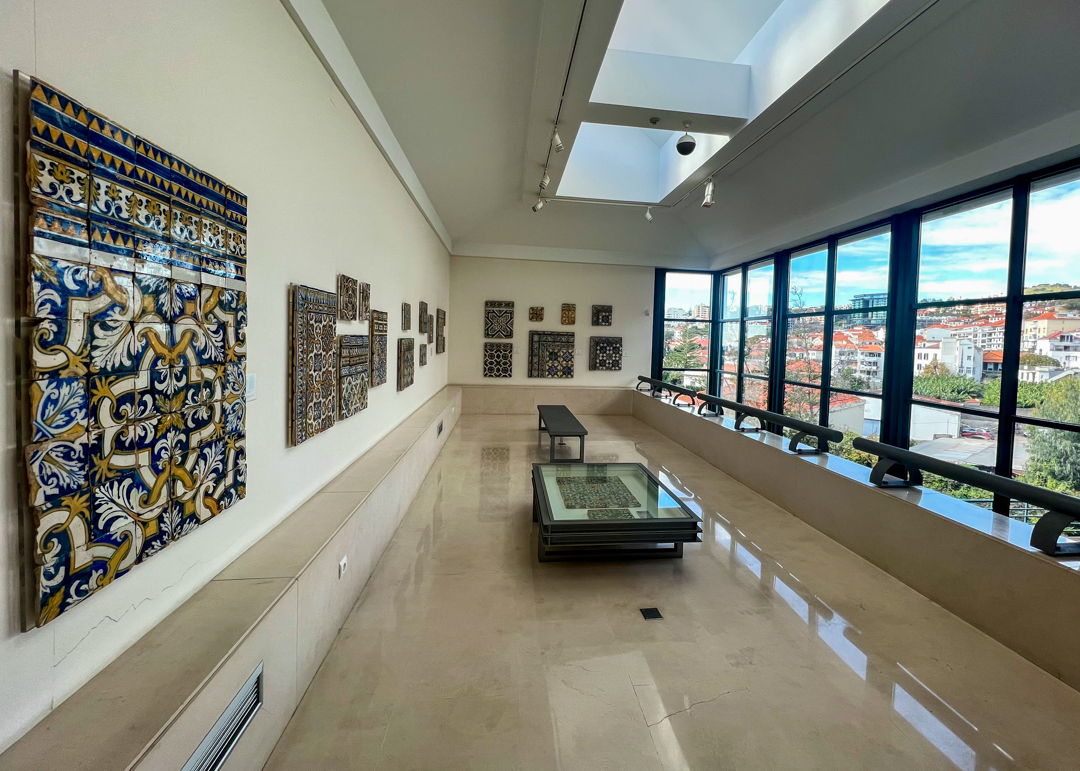
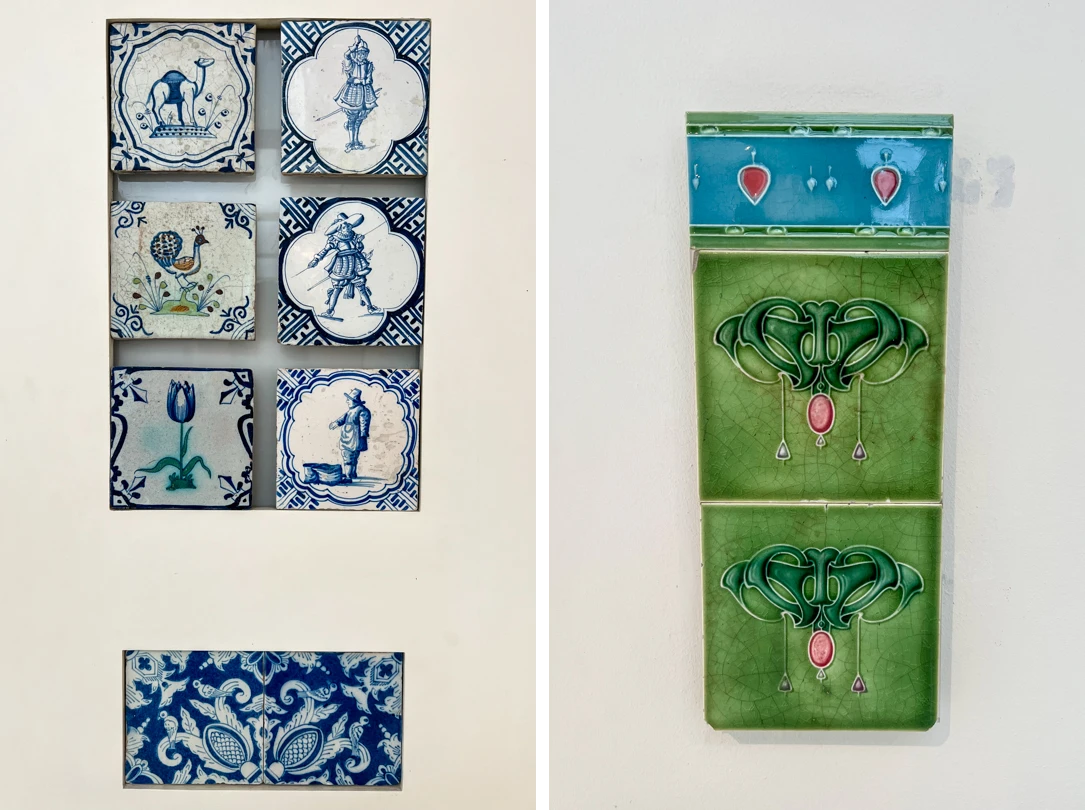
…and the modern wing, dedicated to azulejos and their history which I’ve always been particularly fond of. It covers beyond Portugal and aggregates beautiful specimen from the 13th century to the present from the Orient and Europe, including a significant collection of Dutch tiles.
Your tours ends on the mansion’s rooftop where you can stroll briefly through one of the few raised gardens still in existence in the city.

Nearby is Funchal’s principal landmark, the Sé cathedral, one of the island’s oldest buildings which was completed in 1517. It has a rather simple exterior but the gothic interior is lavish with splendid decorations mixing Moorish design and even some azulejos tiles.
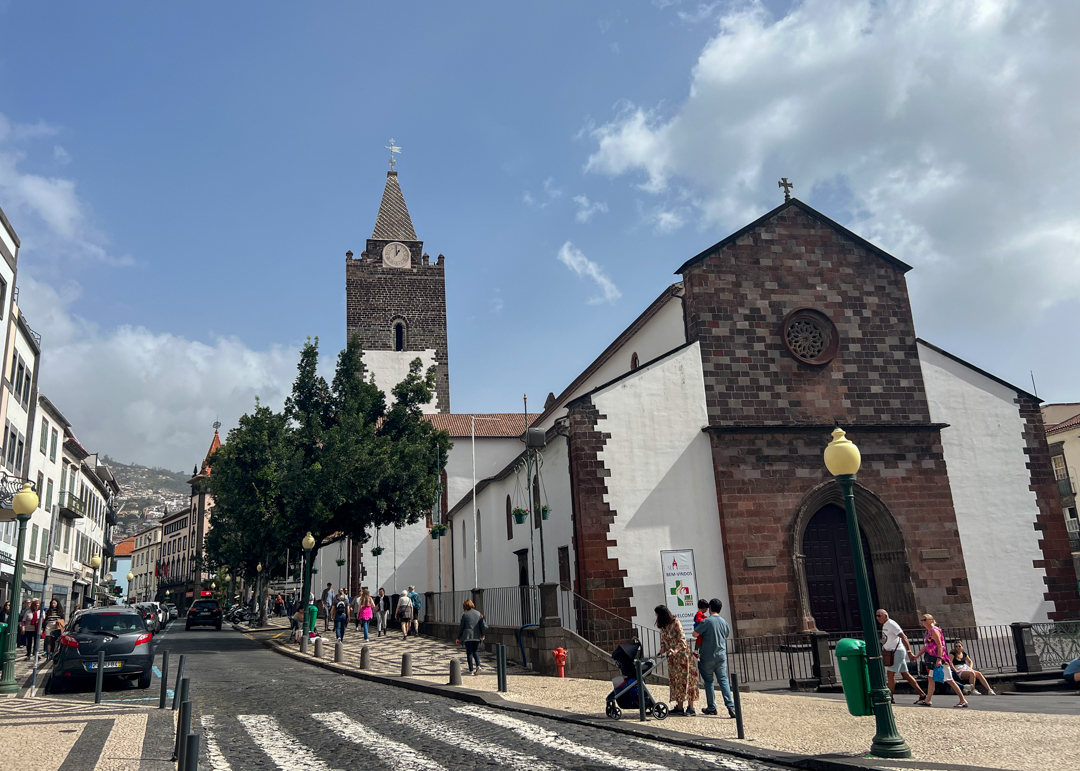
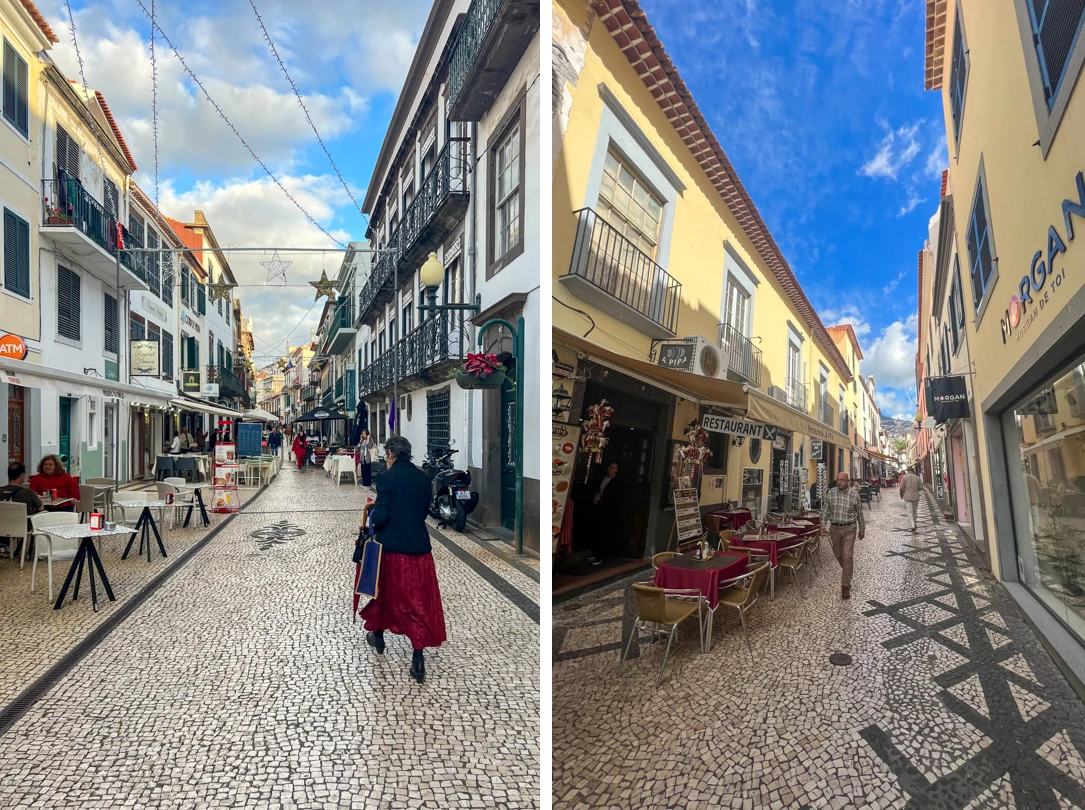
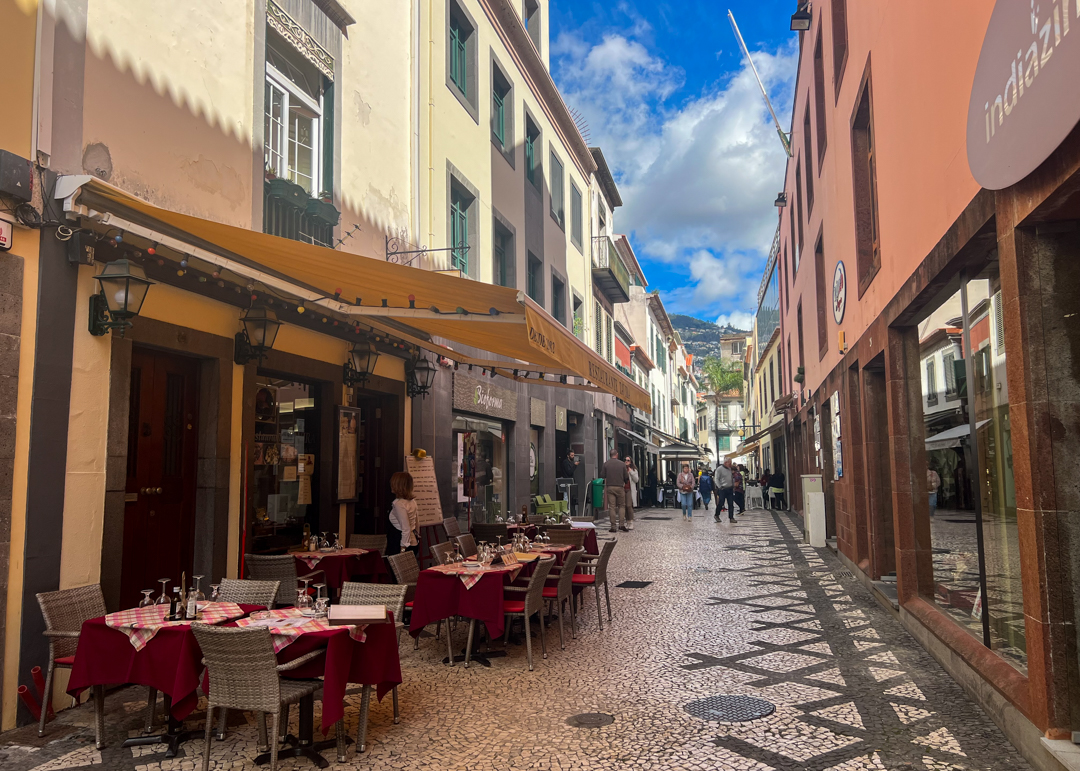
The narrow shopping streets north of the cathedral are well worth exploring and a delight for pedestrians, offering a respite from the midday sun since they’re most often shaded.
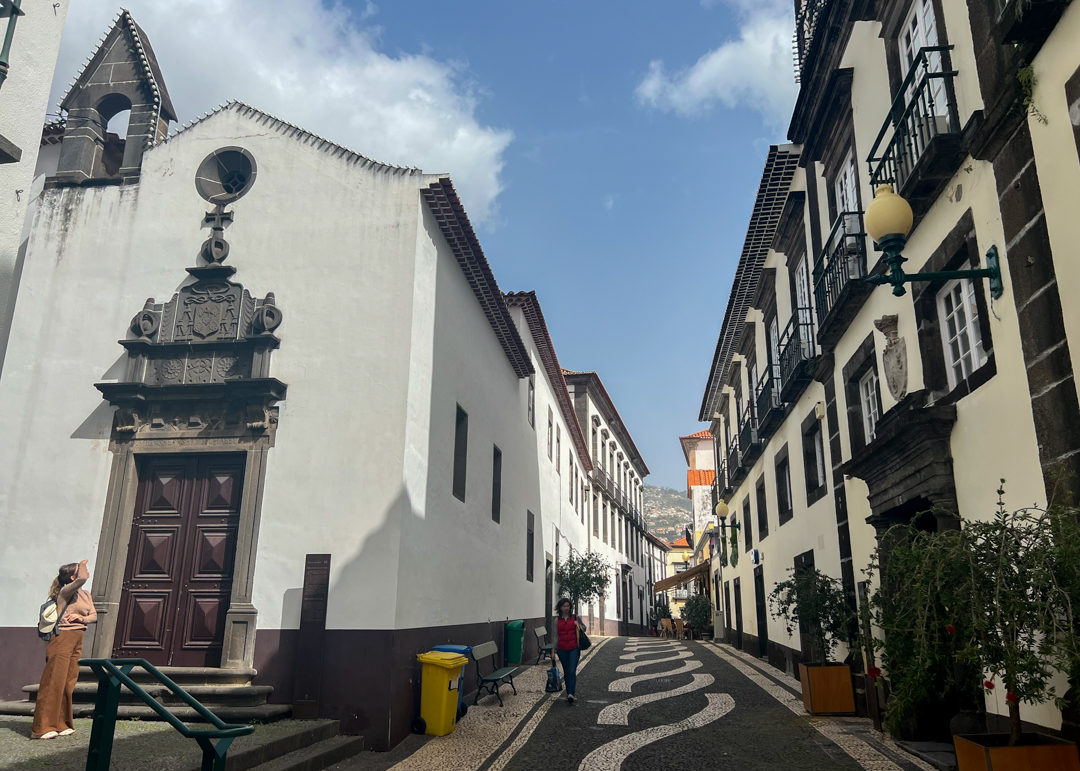
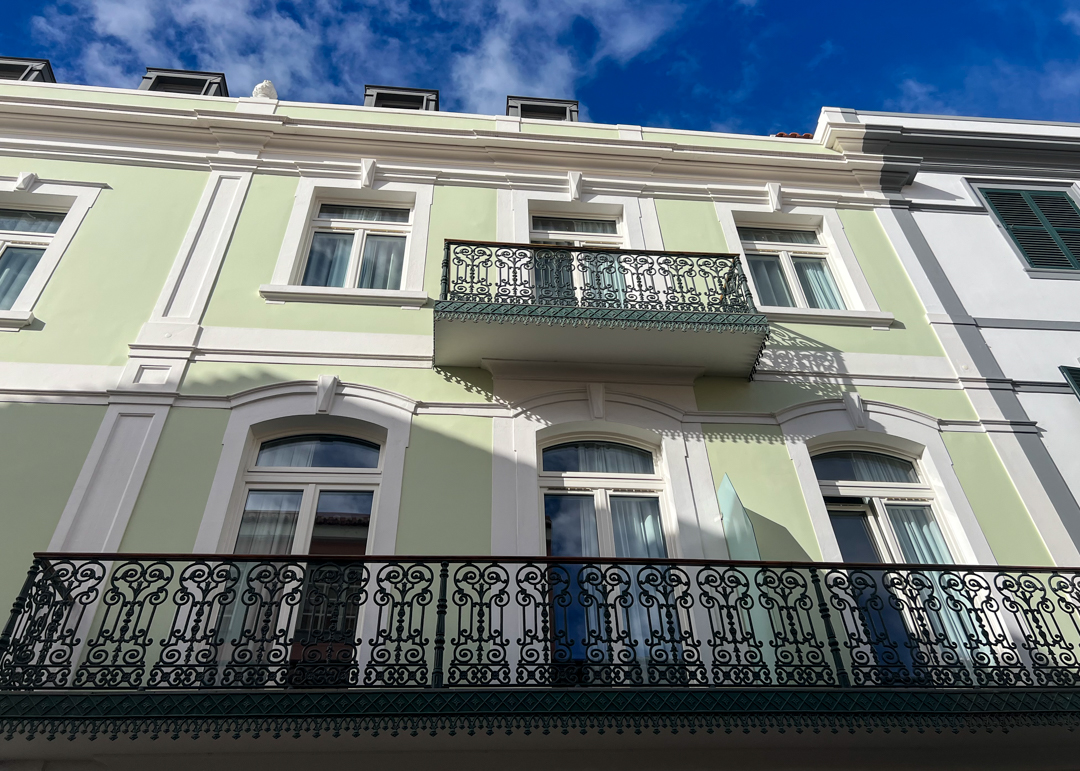
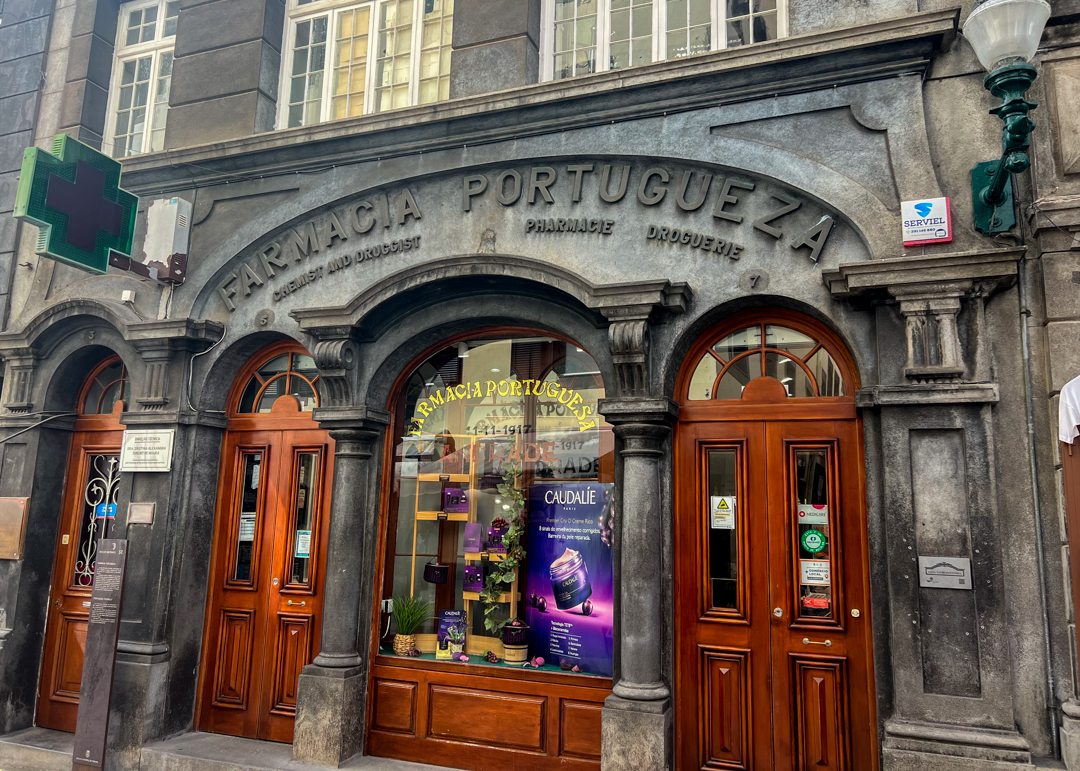
Many businesses are set within historical buildings dating back hundreds of years.
Restaurants and cafes have tables spilling onto the street, creating a bustling atmosphere that increases as the work day ends. Pick a seat and enjoy people watching!
Make a stop at Fábrica Santo António, the island’s first cookie and biscuit factory, dating back to 1893.
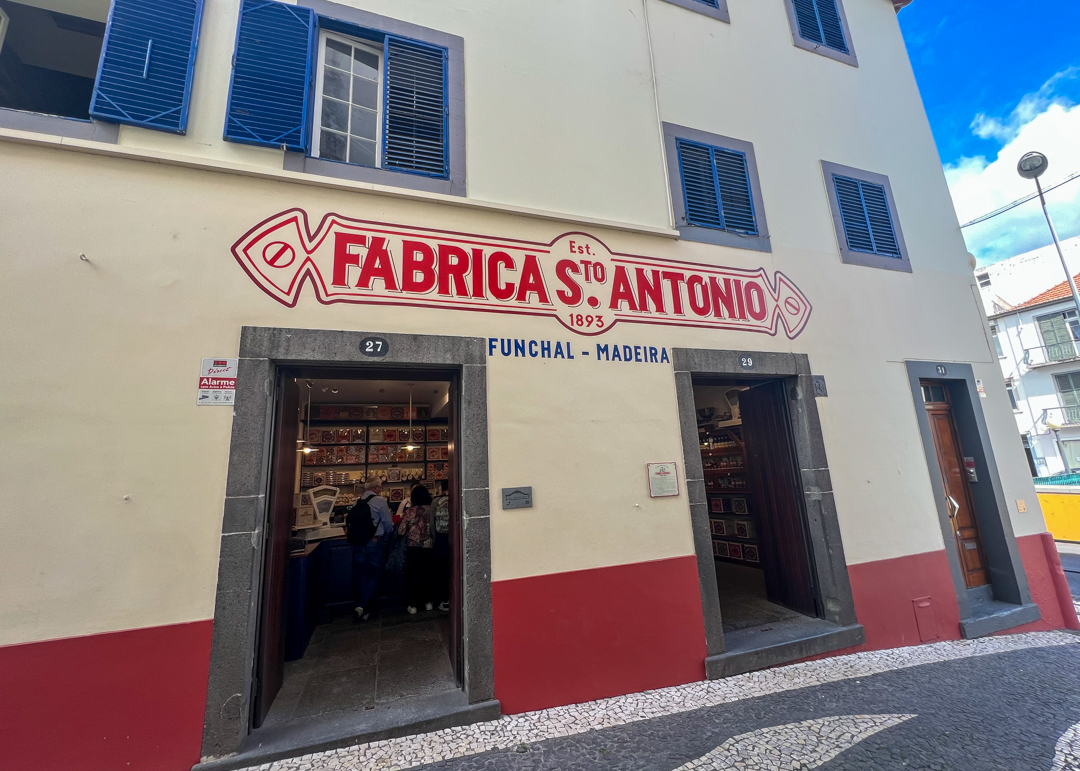
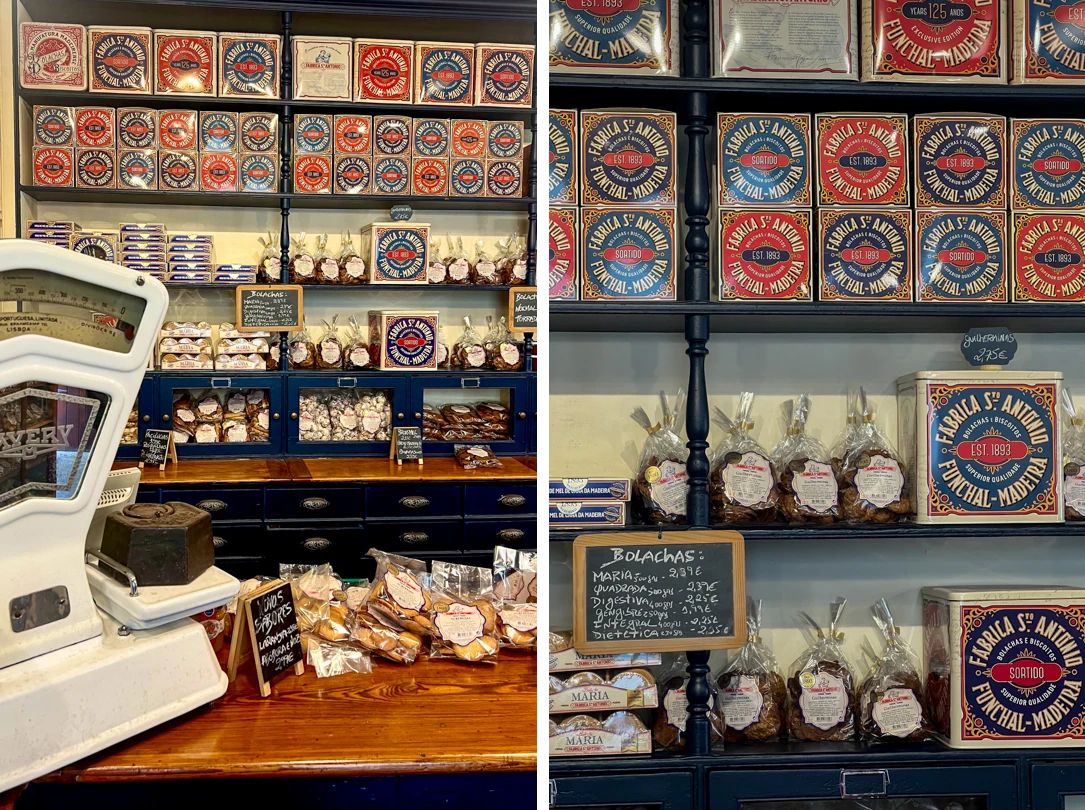
The vintage interior is charming as are all the tins and boxes lining the shelves. Besides cookies, you can also buy Madeira’s traditional sugarcane honey cake (great to bring back as a souvenir as it keeps for a while!), handmade candies, jams, etc.
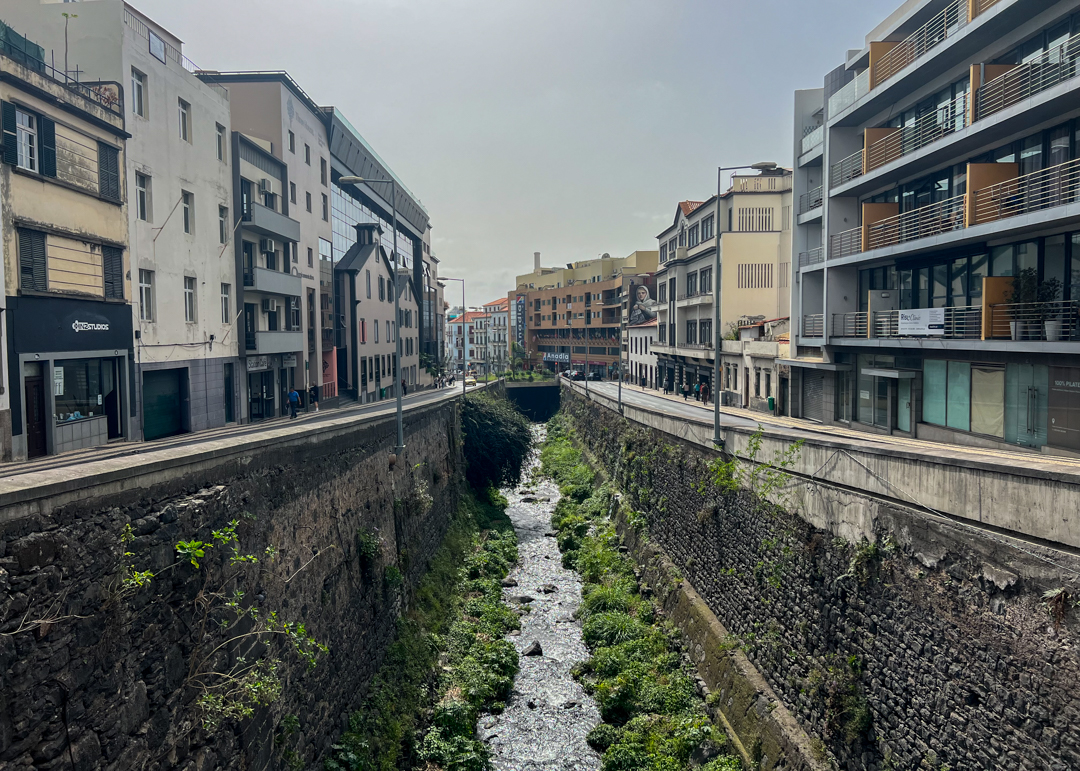
The Fábrica is right by one of the two main canals that splits Funchal’s center in half, with the historical downtown we just visited west and the “old town” just east of here. They carry excess water from the mountains to the sea.
This main intersection is where major roads converge and buses routes start so you’ll likely pass by here quite often.
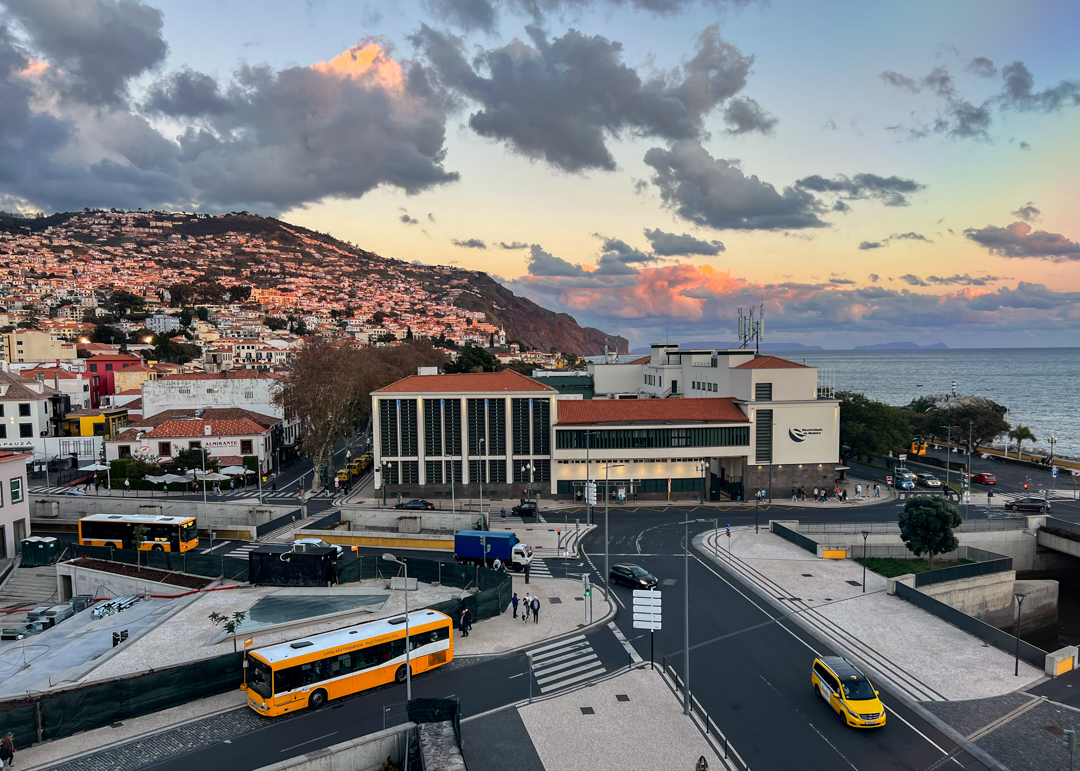
I had front row seat to this central location from my AirBnB…
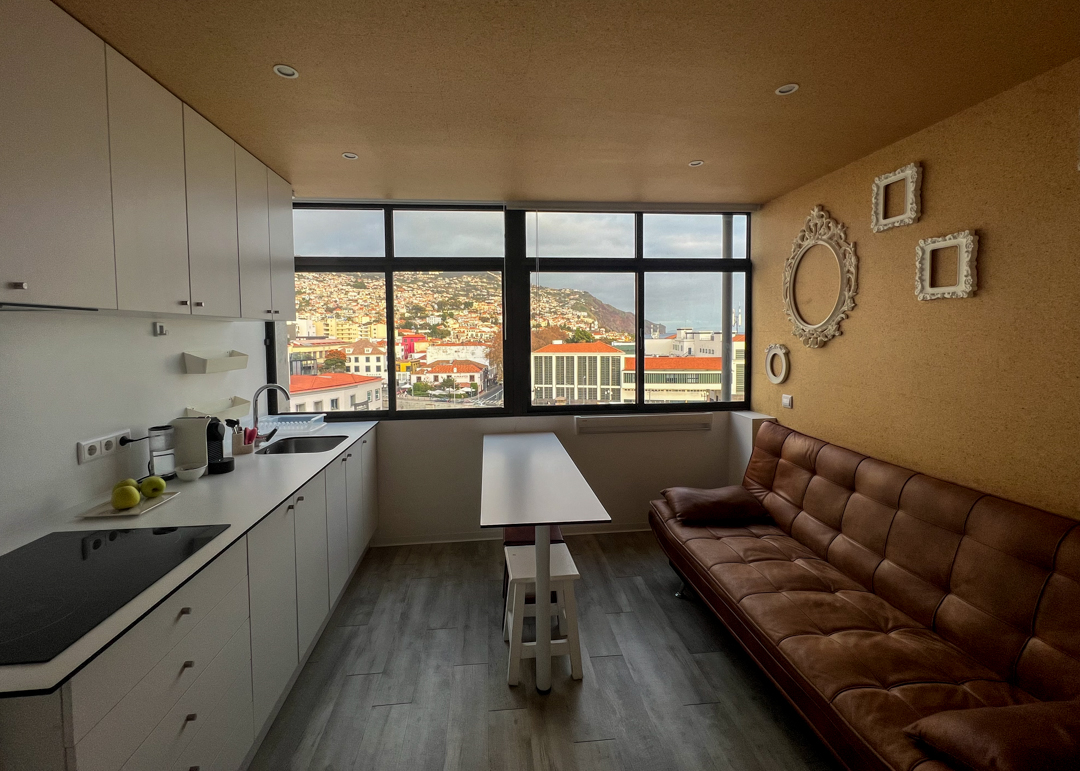
…though besides the convenient placement it’s the daily rainbows appearing above the hillside that did it for me. And this is not an exaggeration, rainbows appear NEARLY EVERY DAY on Madeira, probably due to its topography and geology which means it’s always raining and sunny somewhere on the island at any time…magical!
The Market

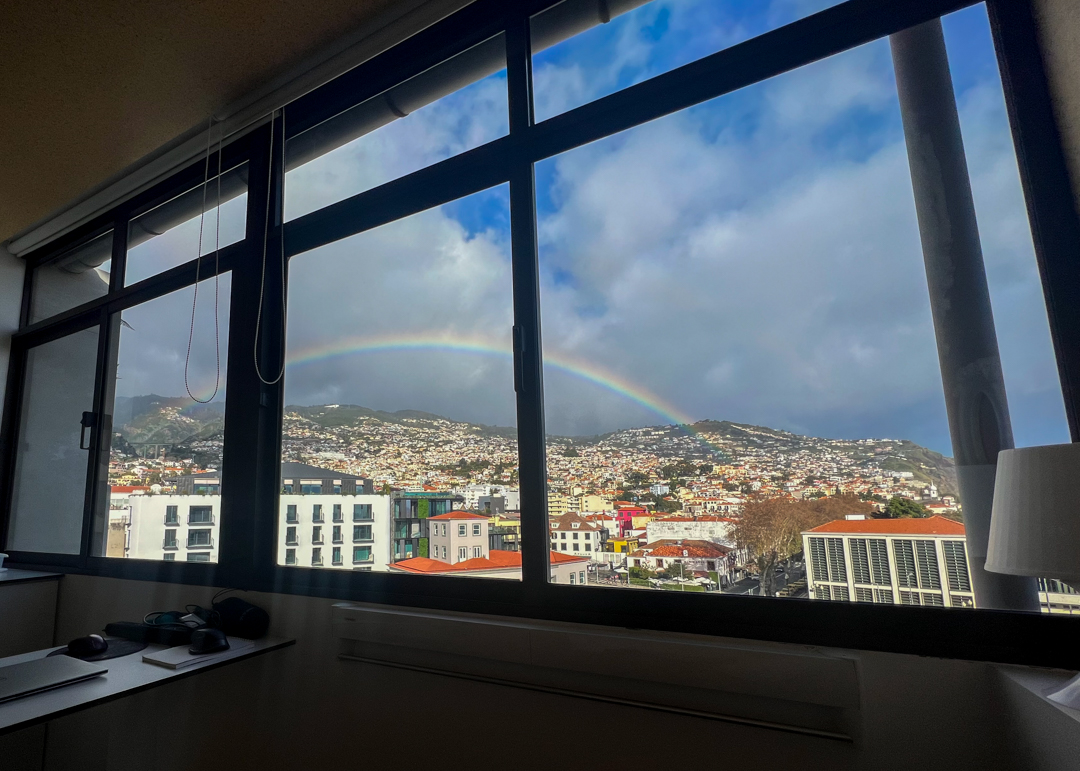
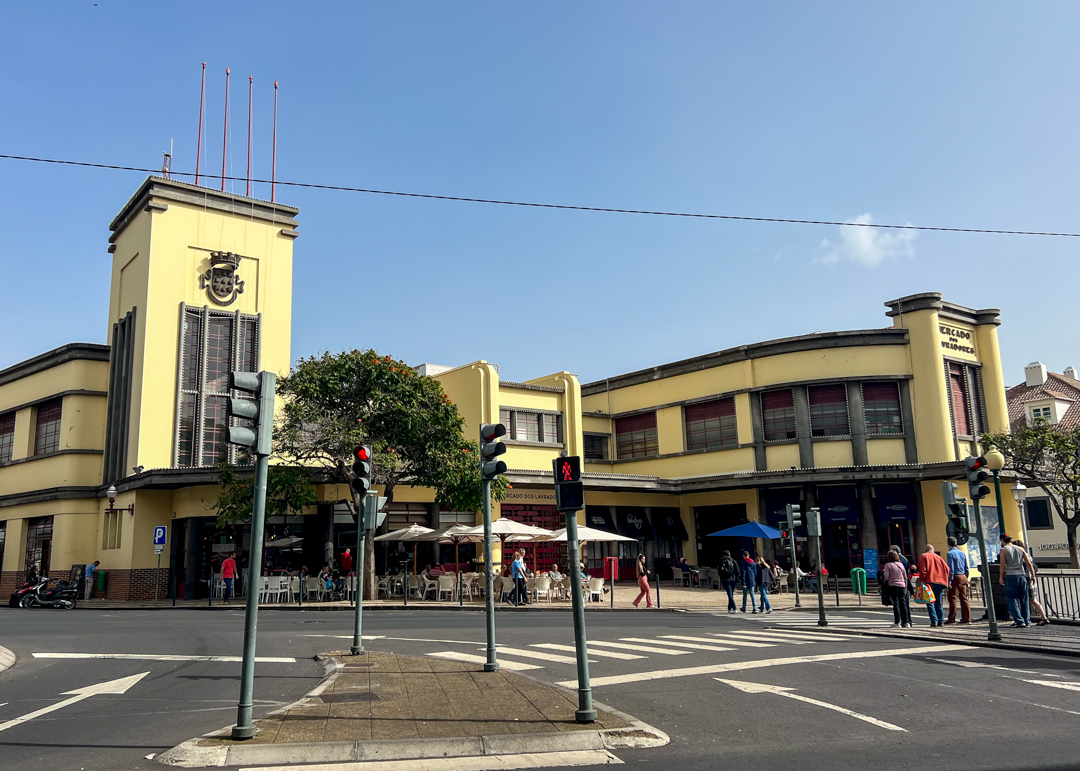
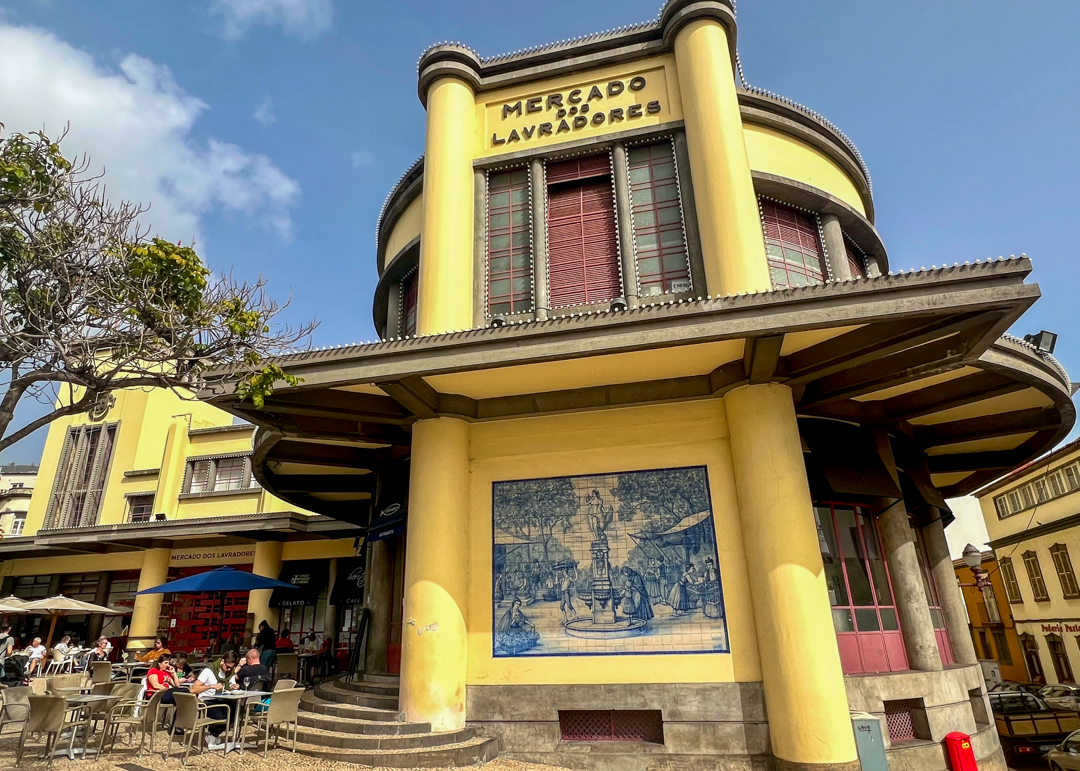
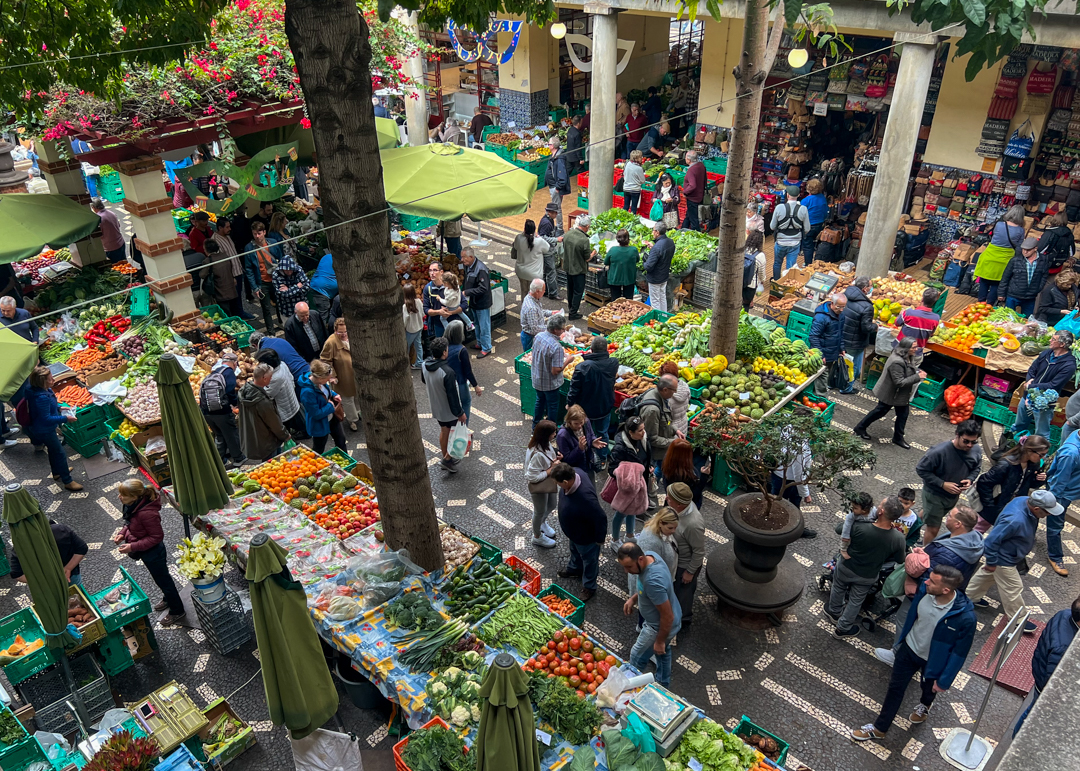
It’s also here that you’ll find Funchal’s central market, the Mercado dos Lavradores. The 1940 art deco building is a hive of activity and the central supply of the city. Try to come on a Friday or Saturday to see it at its fullest when all the farmers come down and the central courtyard is filled to the brim.
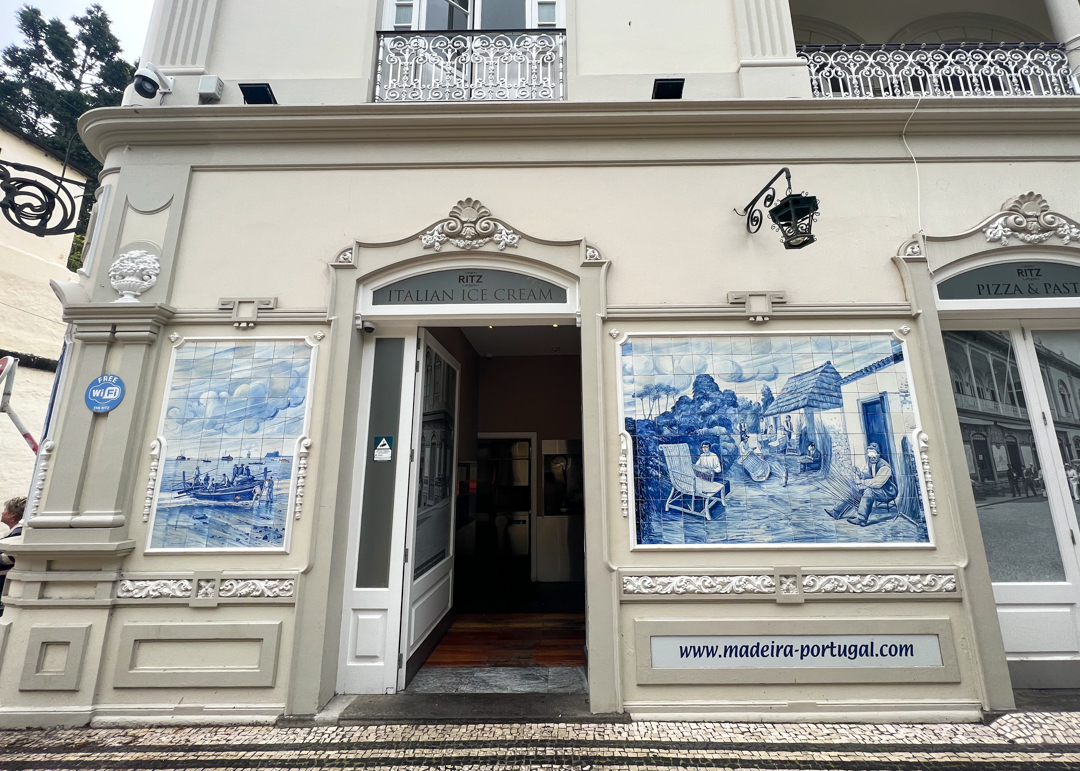
Azulejos from the mainland adorned the facade and entrance, depicting market scenes from the old days.
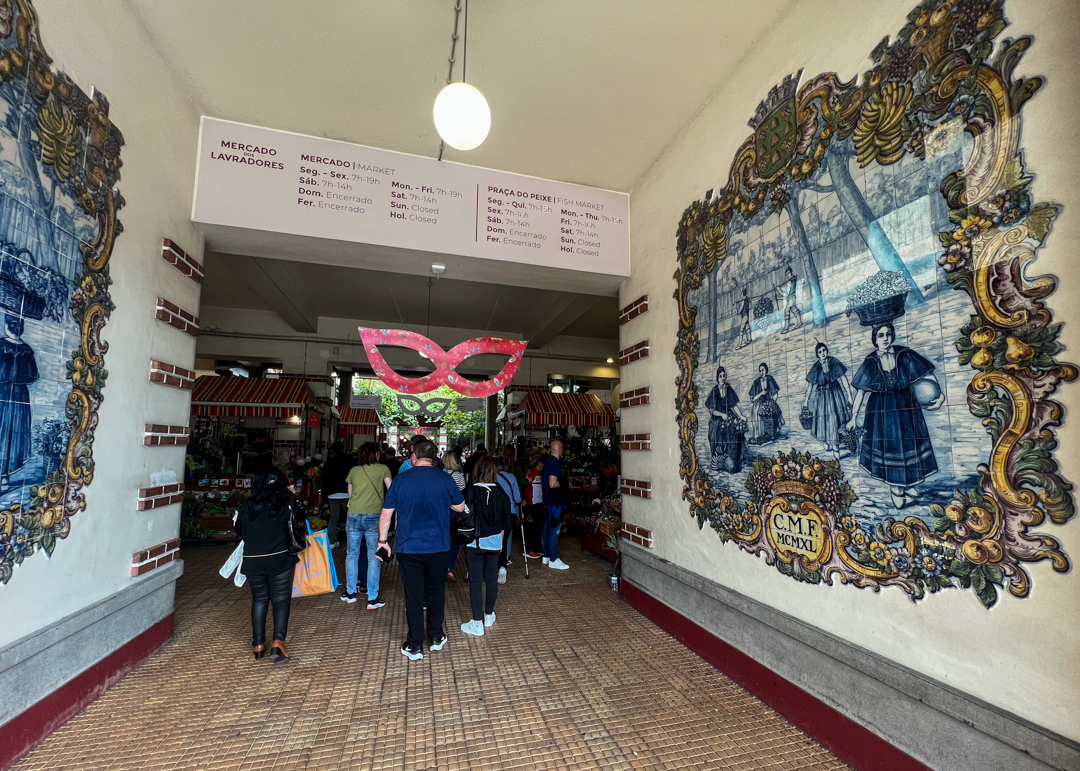
Don’t miss a peak around the back and down a few steps from the main building to see the fishermen in the morning and their catch. You will have likely seen the island’s most famous fish, the black scabbardfish, on restaurant menus, but staring at its scary alien-looking face is something else…
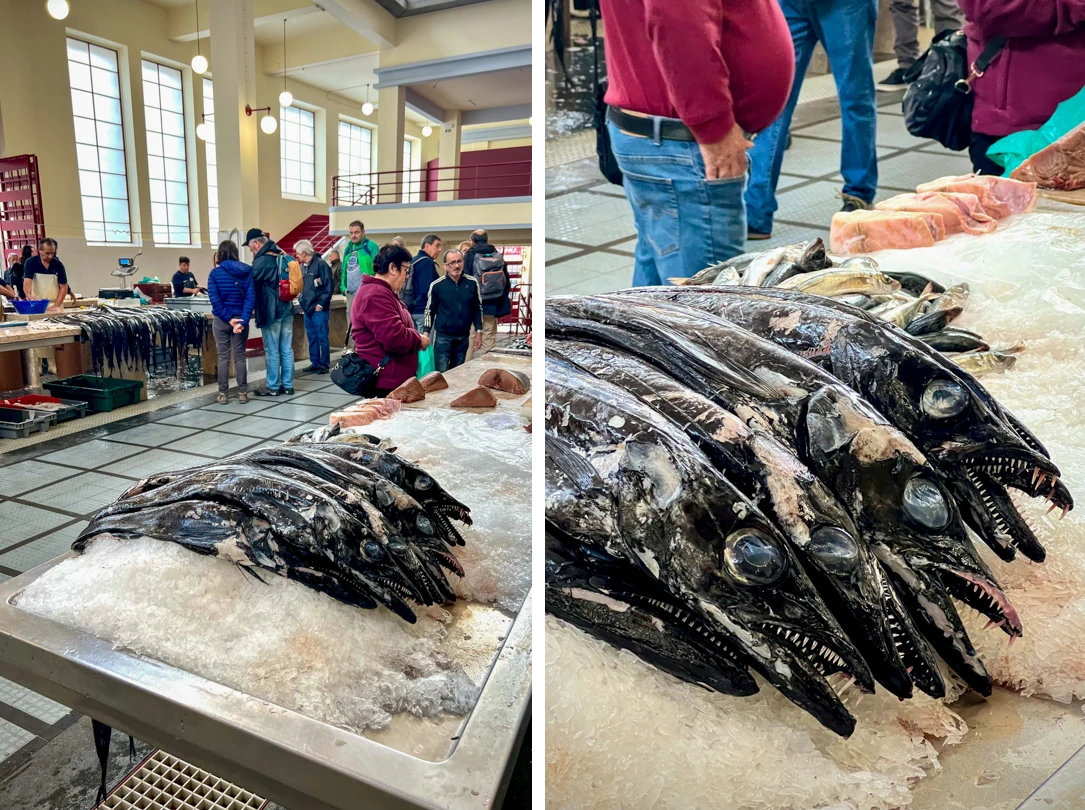
The main floor is fragrant with tropical fruits and vegetables and a few souvenir shops around it. You can also grab a coffee and a pastry from one of the few cafes and restaurants that open onto the market on the ground floor. It makes for an energizing morning to say the least!
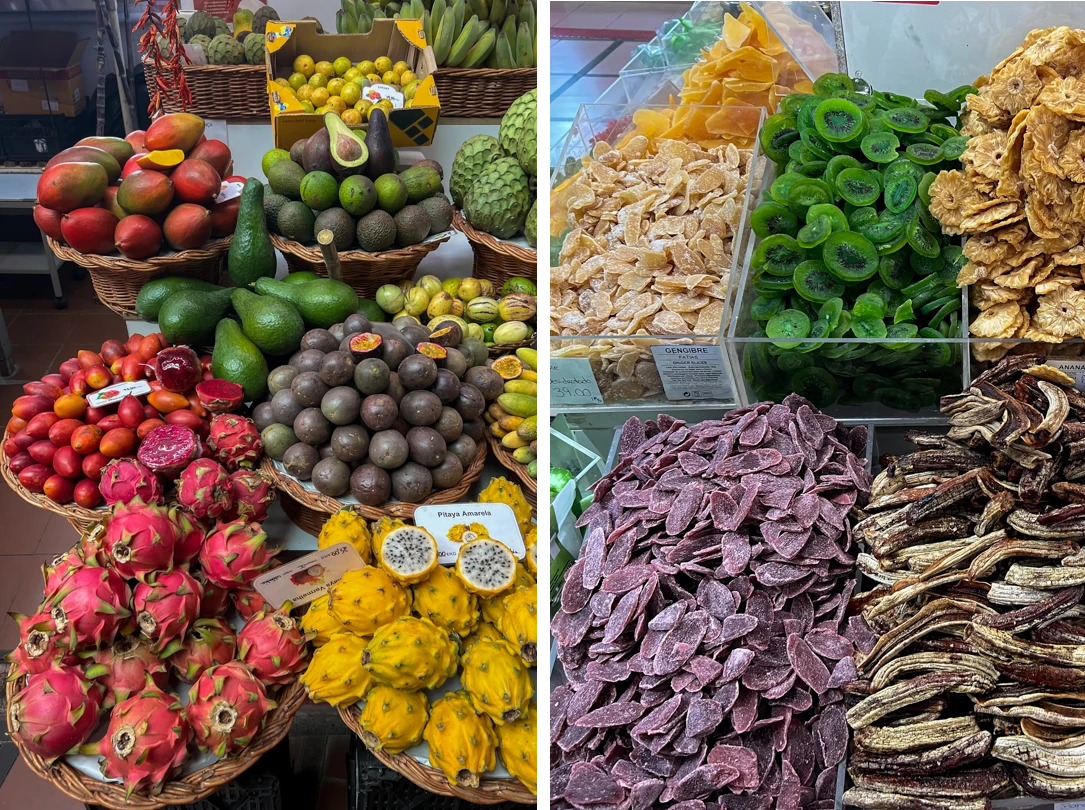
I discovered plenty of new fruits and flavors I knew nothing about, from many varieties of passion fruits to custard apples and the addictive Madeira bananas. A testament to the volcanic island’s fertile soil and favorable climate.
The old town

The market marks the start of the Old Town (Zona Velha) and its atmospheric cobbled alleys that invite you for a stroll. This former fishermen’s quarter has retained a few houses still untouched, their natural decay a stark contrast to the historical center’s pristine streetscape.
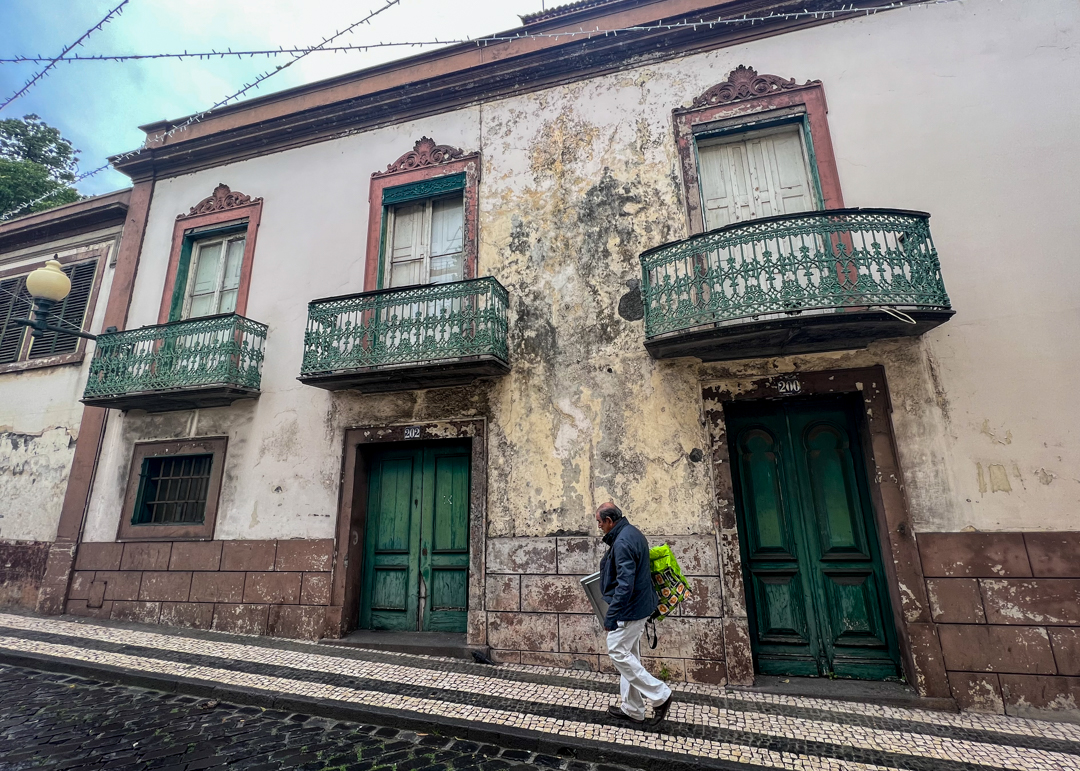
Most houses and buildings though have since been transformed and embellished for tourists.

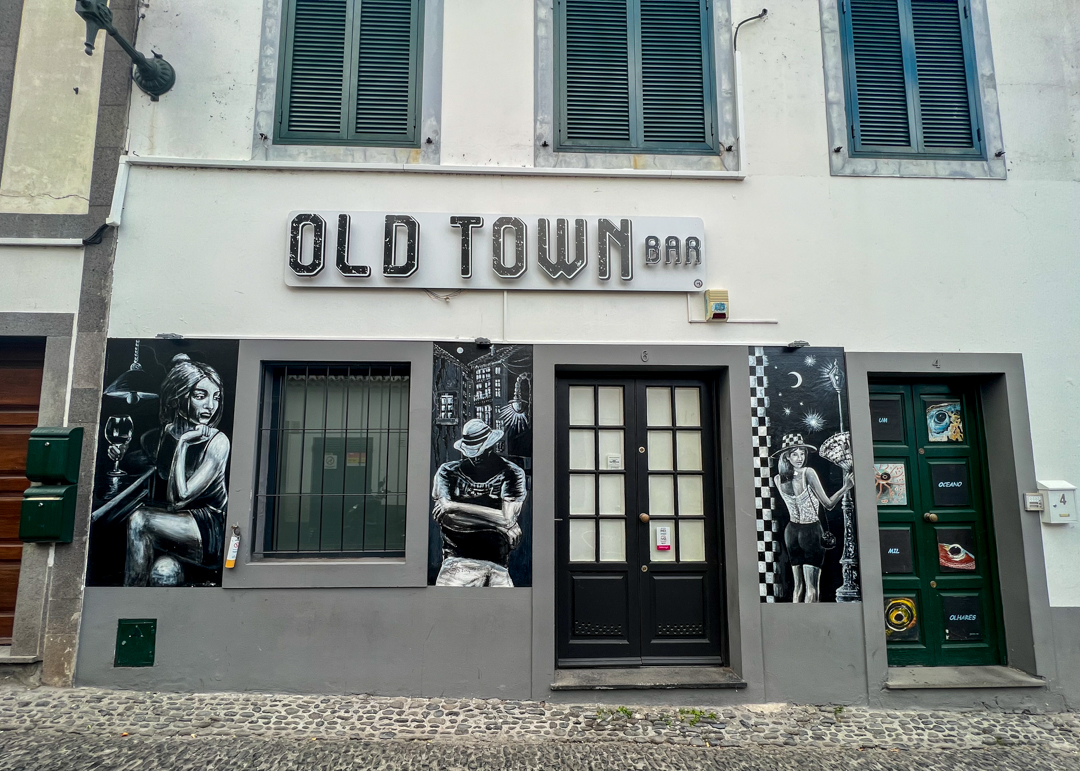
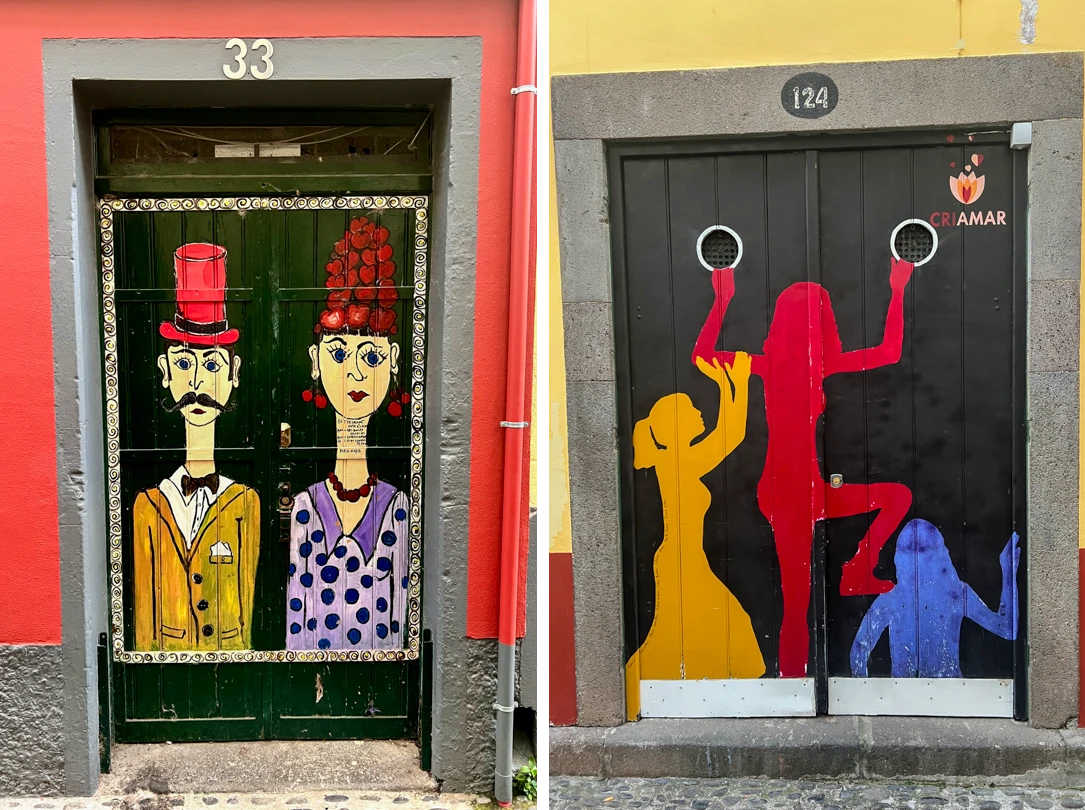
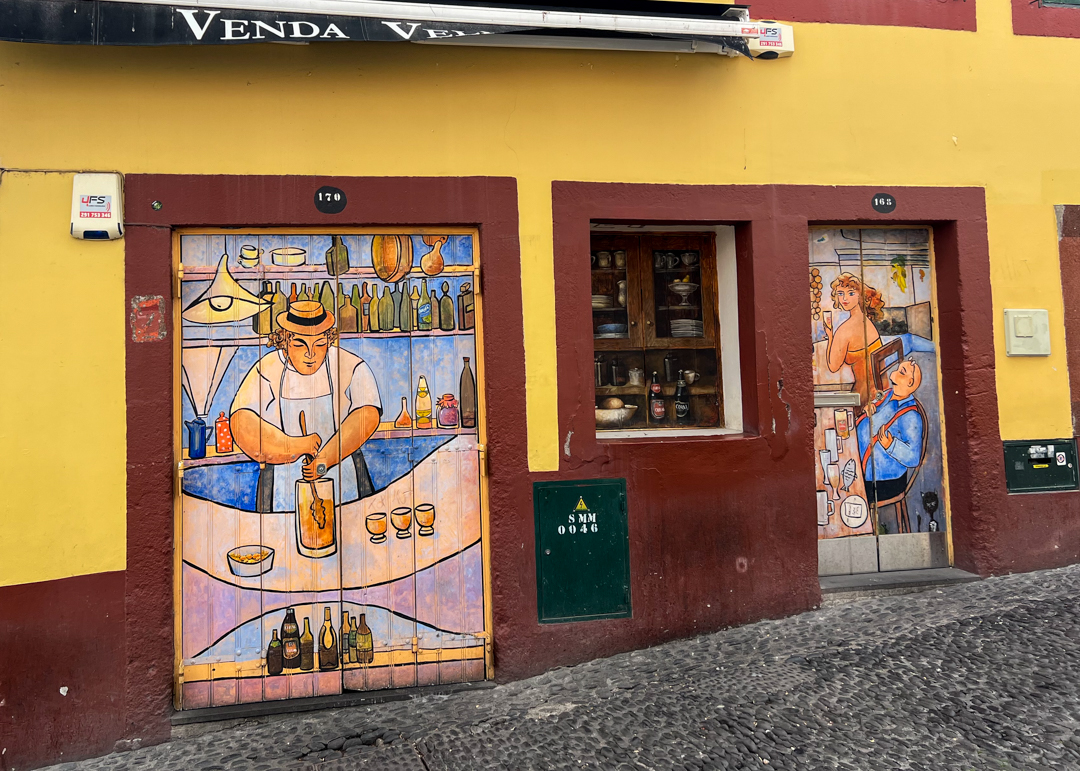
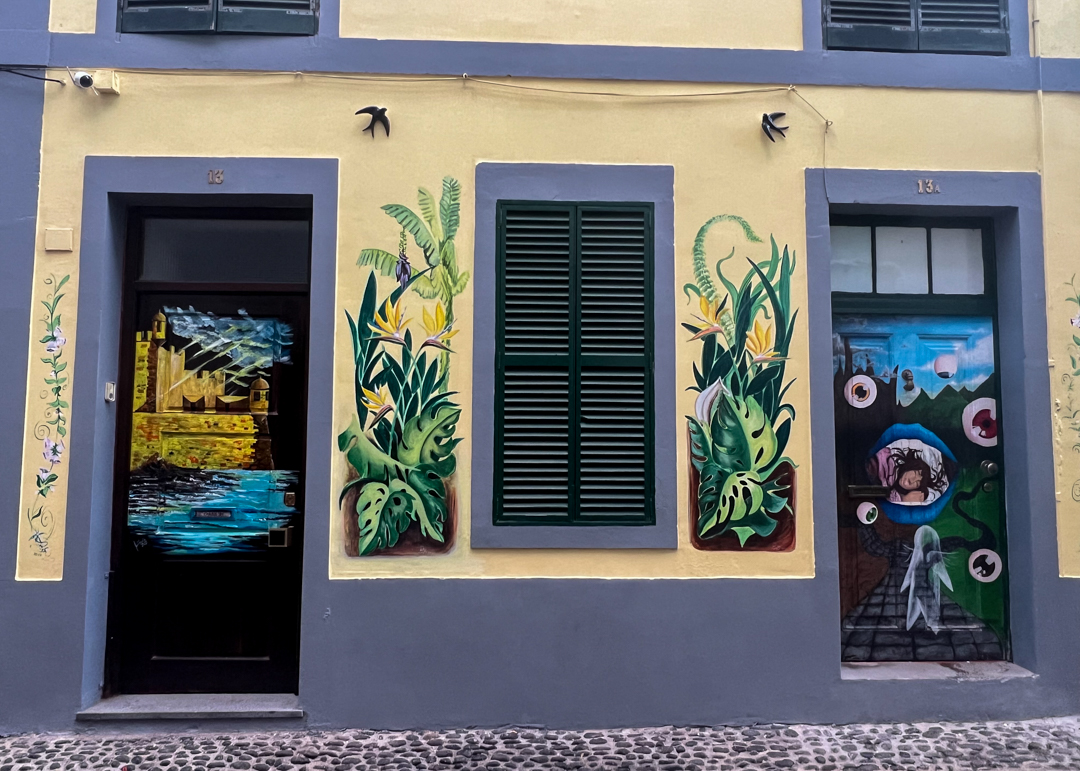
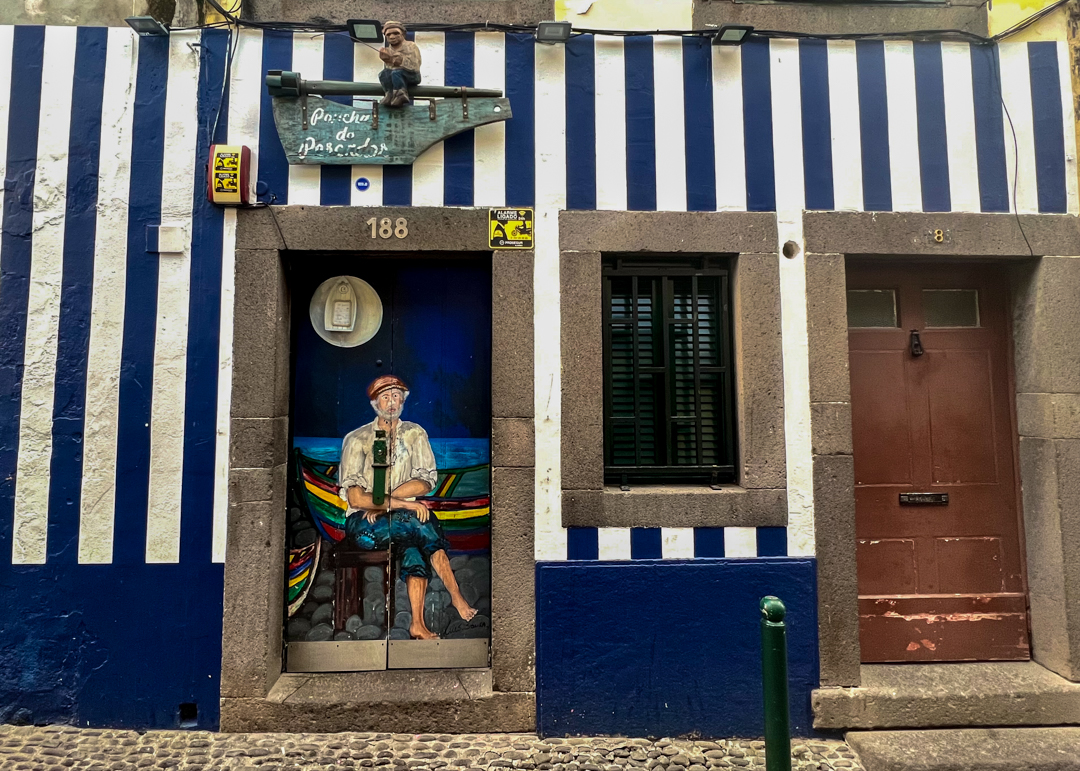
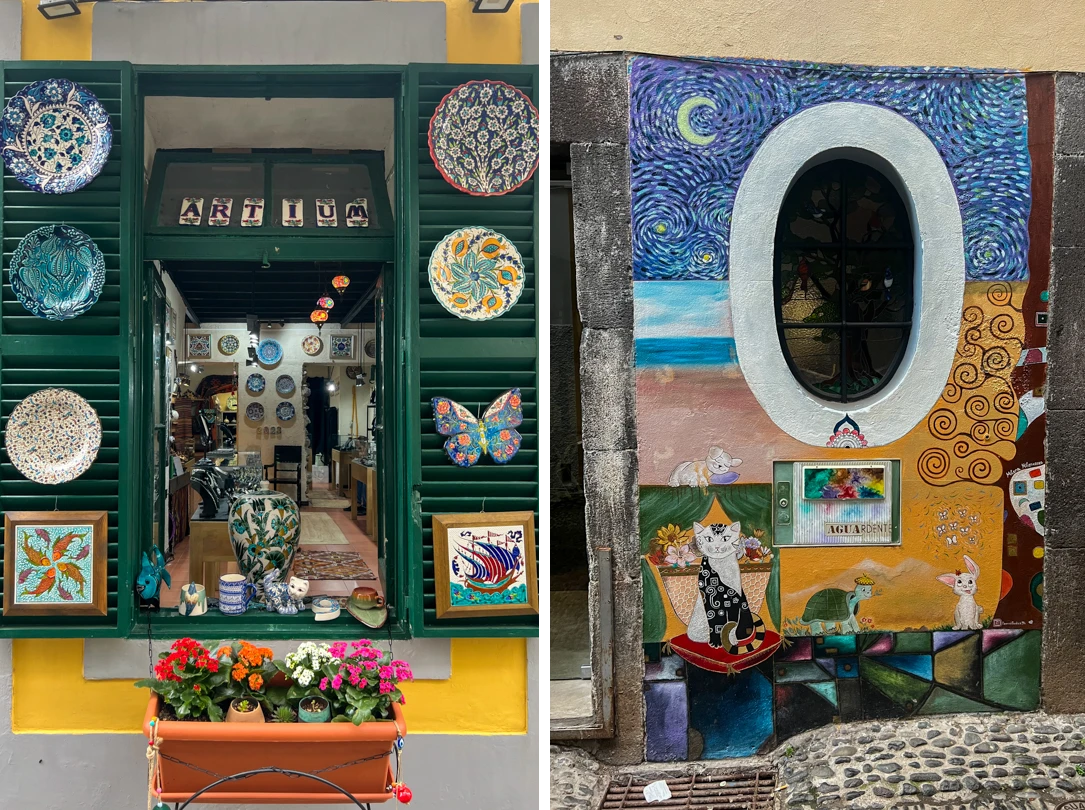
You’ll want to walk the length of pedestrian Rua Santa Maria to take in the Painted Doors Project which has turned one of Funchal’s oldest streets into an open air gallery. Over 200 doors have been painted by artists, some depicting traditional life, others much more whimsical.
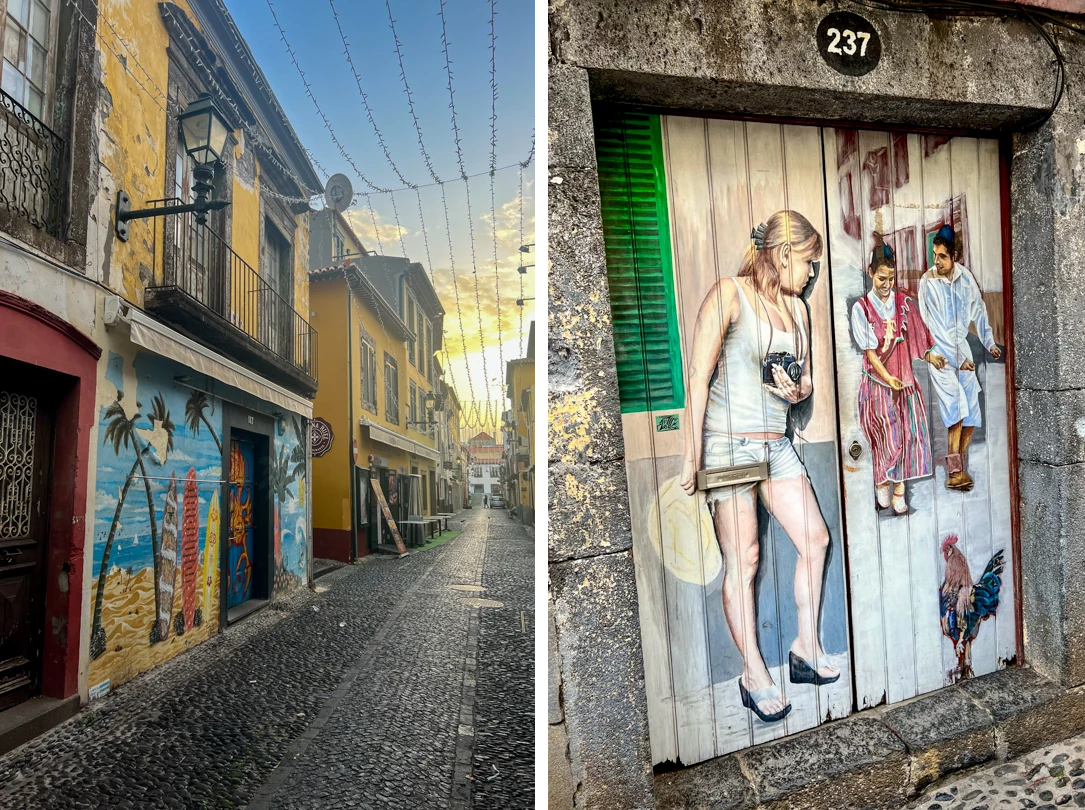
Tip: the best way to see them is to take your stroll early in the morning (say before 10am) before the shops and restaurants open. Most of these doors will be flung open all day and the street full of tables and patrons eating, hiding the wonderful art until closing time… Go there early and have the “museum” all to yourself and the best light too.
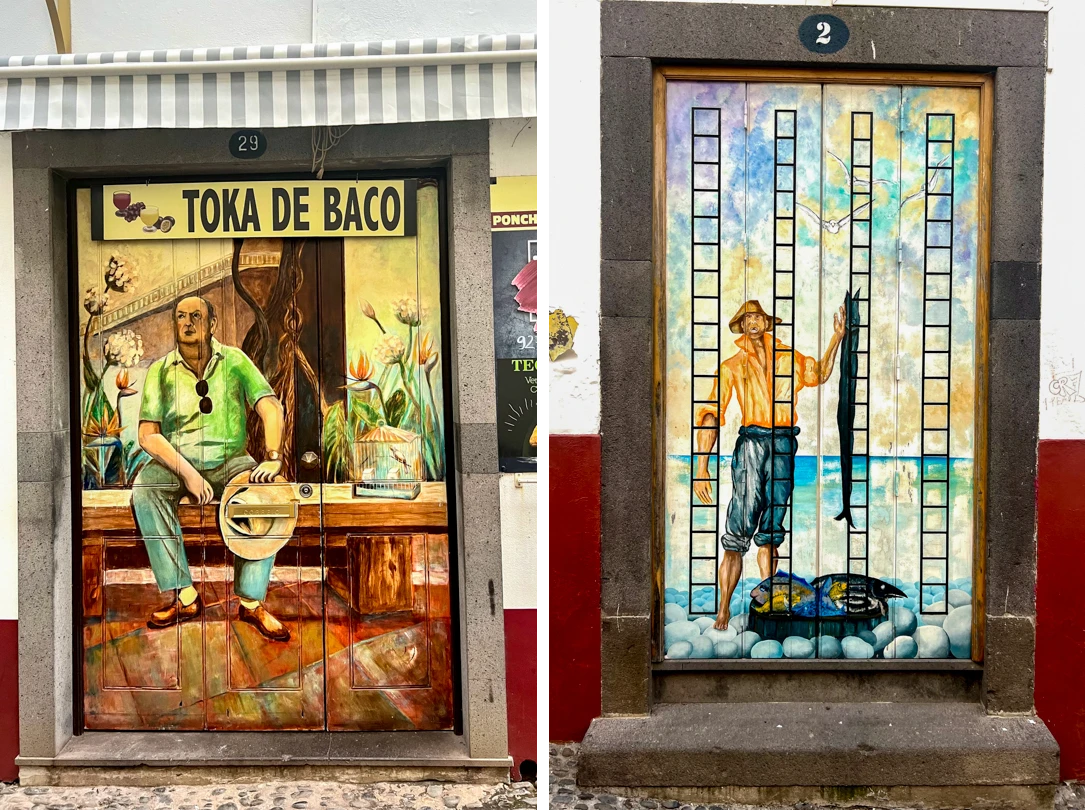
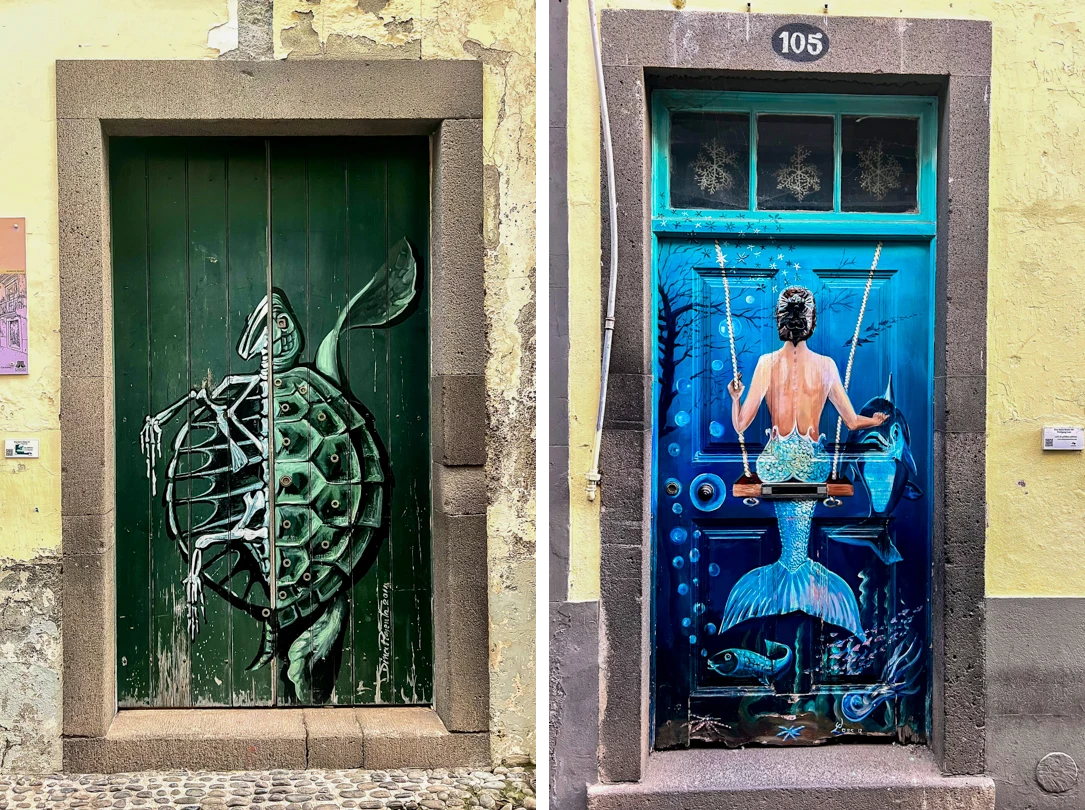
The murals often blend in with the local craft shops and their paintings, ceramics, and colorful jewelry. It’s easy to spend the day here in this attractive neighborhood right by the ocean: enjoying the quieter morning, popping into shops in the afternoon, and experiencing the evening buzz as the narrow streets fill with locals eating and drinking.
While all the action takes place in the old town, the center turns into an elegant oasis of calm.
That is unless you end up visiting during one of the many festivals. I was lucky enough to be there during Carnival in February with a weeklong celebration filled with music, parades, and costumes.
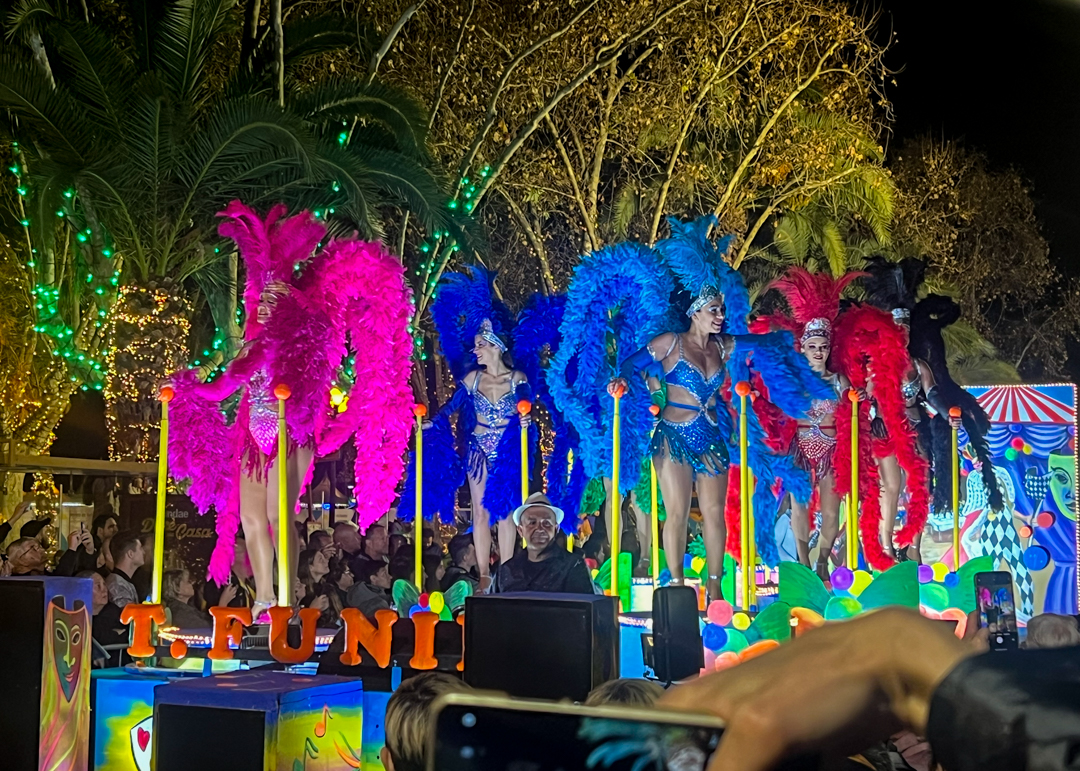
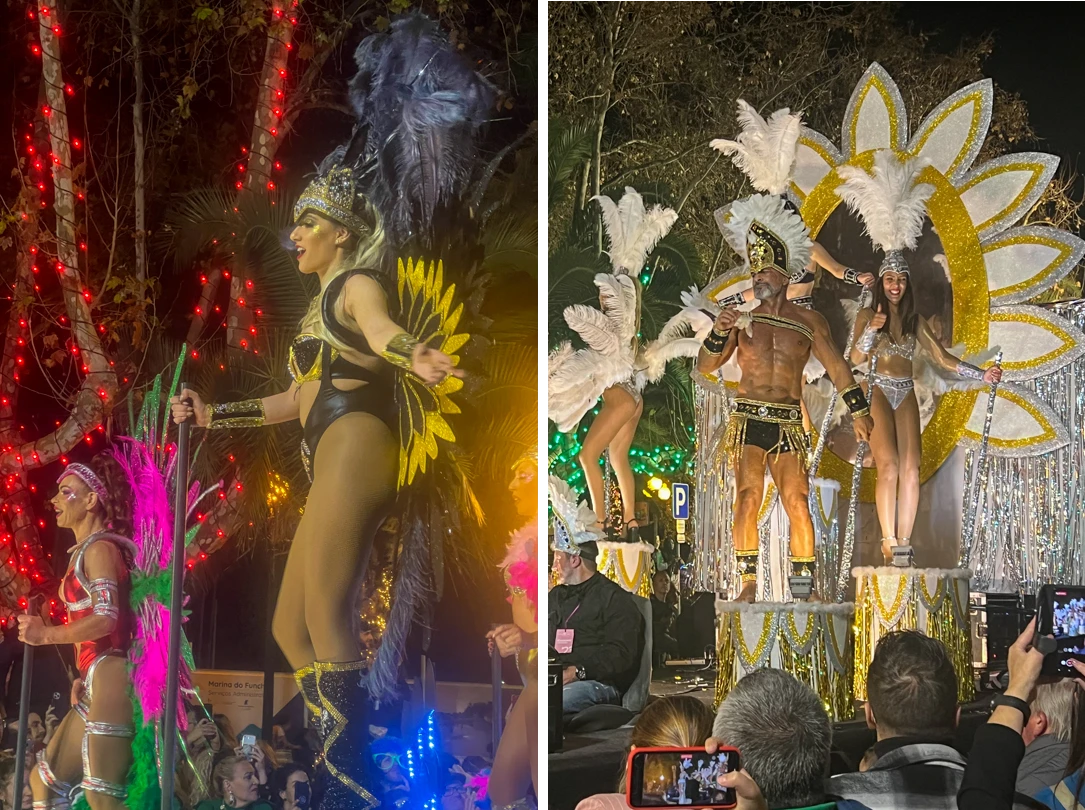
As you can see, there’s a lot packed into this compact city and even more that awaits just outside which I’ll share in upcoming posts.
Asia South Korea Travels

Hiking Hallasan and exploring West Jeju’s arts & attractions

April 18, 2025

After checking off the main sights on the East Coast of Jeju, namely the tuft cone of Seongsan Ilchulbong and Udo Island, leave plenty of time to explore the Southwest with its quirky museums and the unmissable Hallasan National Park smack in the center. With your base in Seogwipo, you have easy access to all the hikes and sights and can fill your days with a mix of nature and culture at your own pace, except perhaps for the one day you’ll tackle the mountain!

Hiking Mount Hallasan

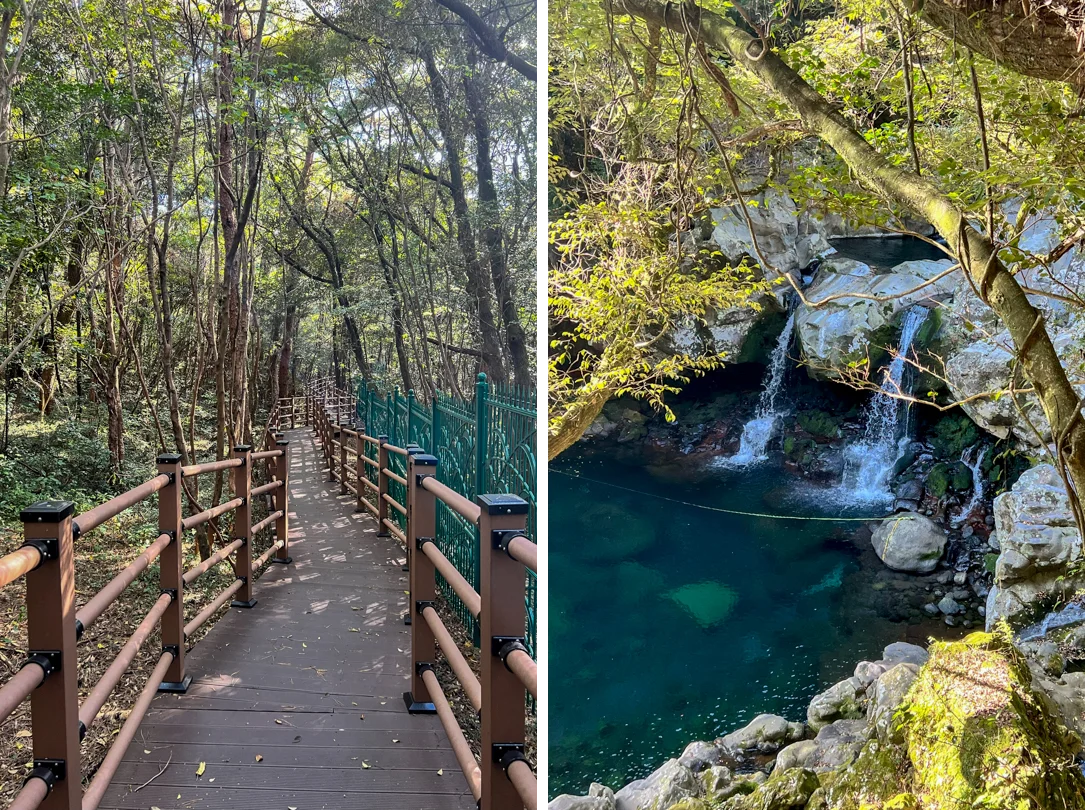
On the way to Hallasan, make a quick stop at the lovely and secluded Wonang Fall. Much less visited than the waterfalls in Seogwipo, you’ll likely have a quiet moment here and it’s only a 10-min walk down to the falls.

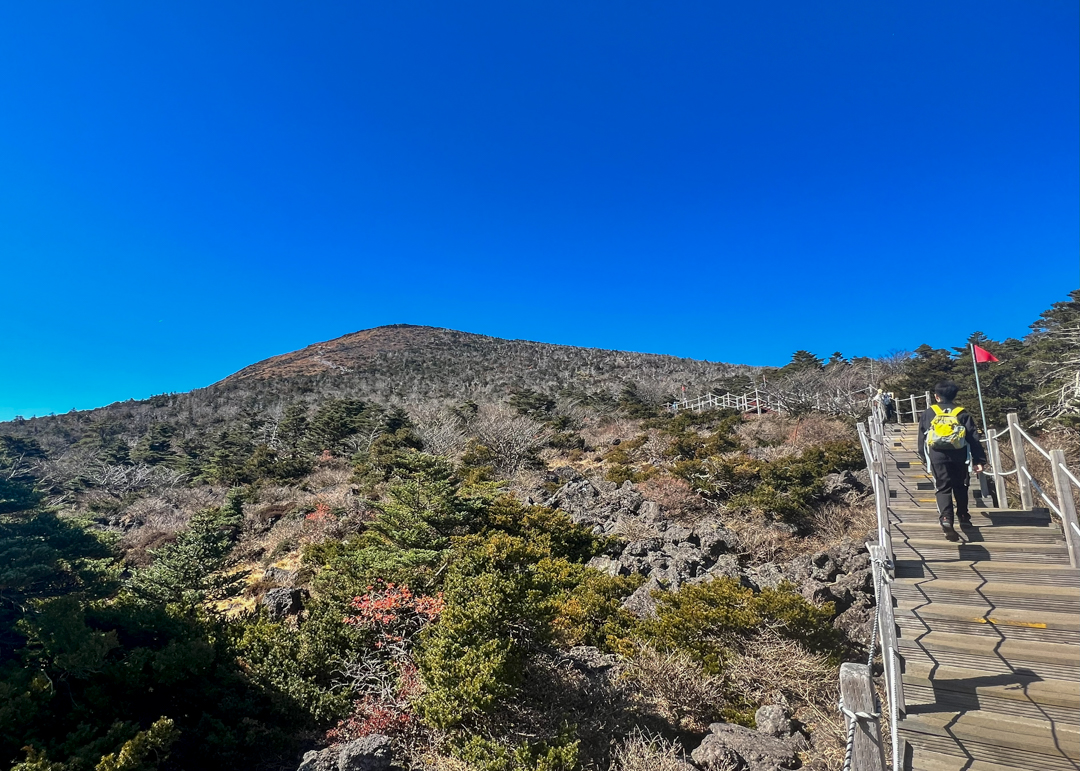
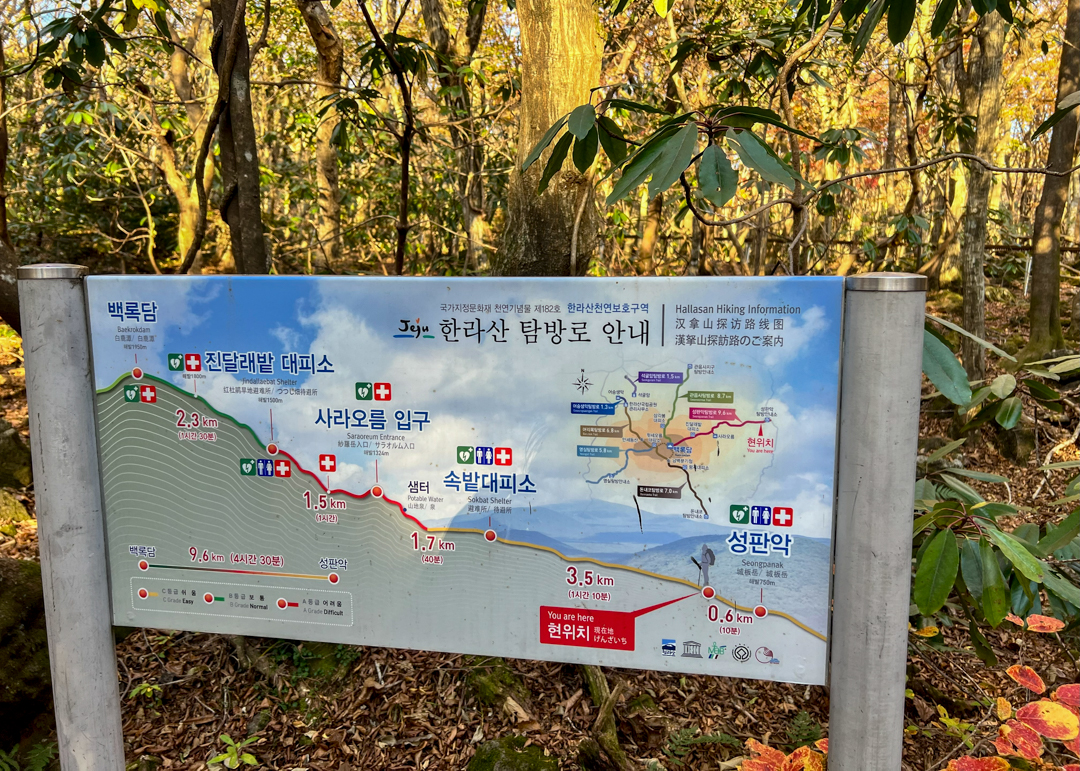
If you’re up for the challenge, hiking Mount Hallasan – South Korea’s highest peak at 1950m (6,400 feet) – is an absolute must! While it’s a strenuous hike, it is not technical at all and with enough time most people can certainly climb it. There are two trails to the summit and a clear favorite is going up via the Seongpanak Trail (9.6km) which has the most gradual ascent and public transport access, and going down via the Gwaneumsa Trail (8.7km) which is more scenic but steeper.

Hiking Hallasan

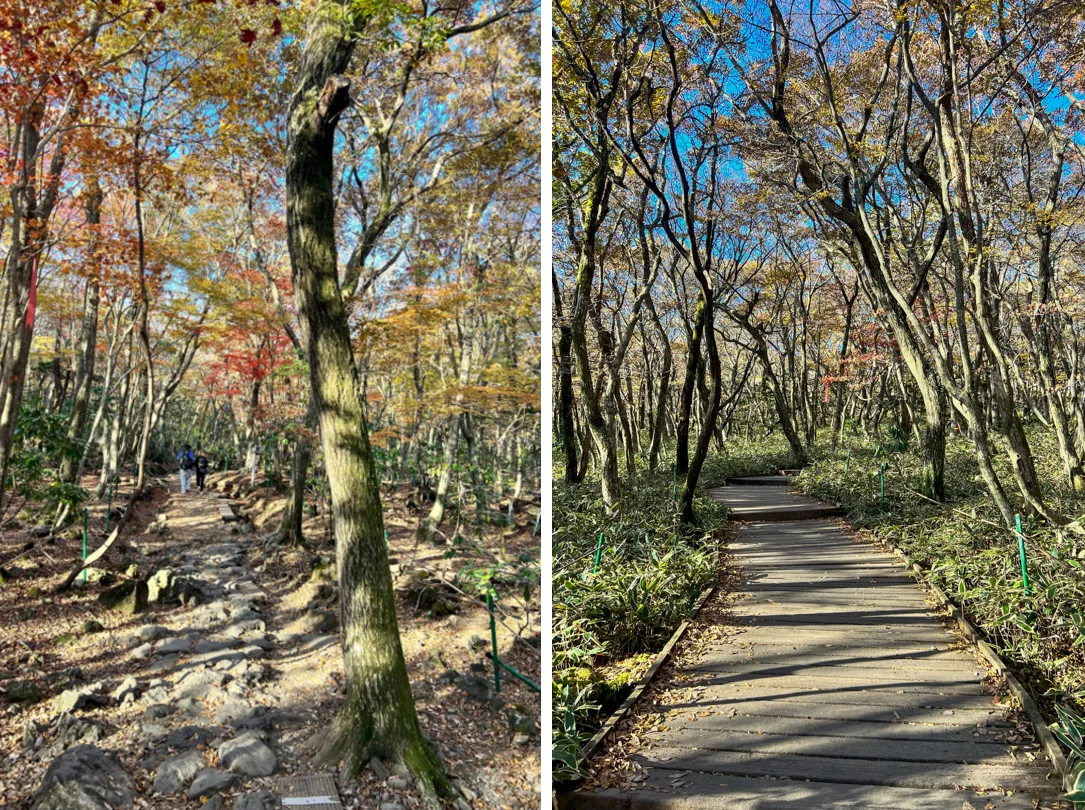
There are clear signs everywhere and even posts to tell slow movers or late comers when they should turn around if they’ve reached certain markers after a specific time… brilliant. Get ready for an amazing day and workout! A few important notes: Due to the extreme popularity of this hike, you need to reserve your spot in advance and get there super early (trail opens at 6am). Even arriving at 8am I found the large parking lot already full and had to park far away and take a shuttle. Once you’re on the trail though, it’s all bliss and quads as you walk first through a beautiful forest, especially stunning in the fall.

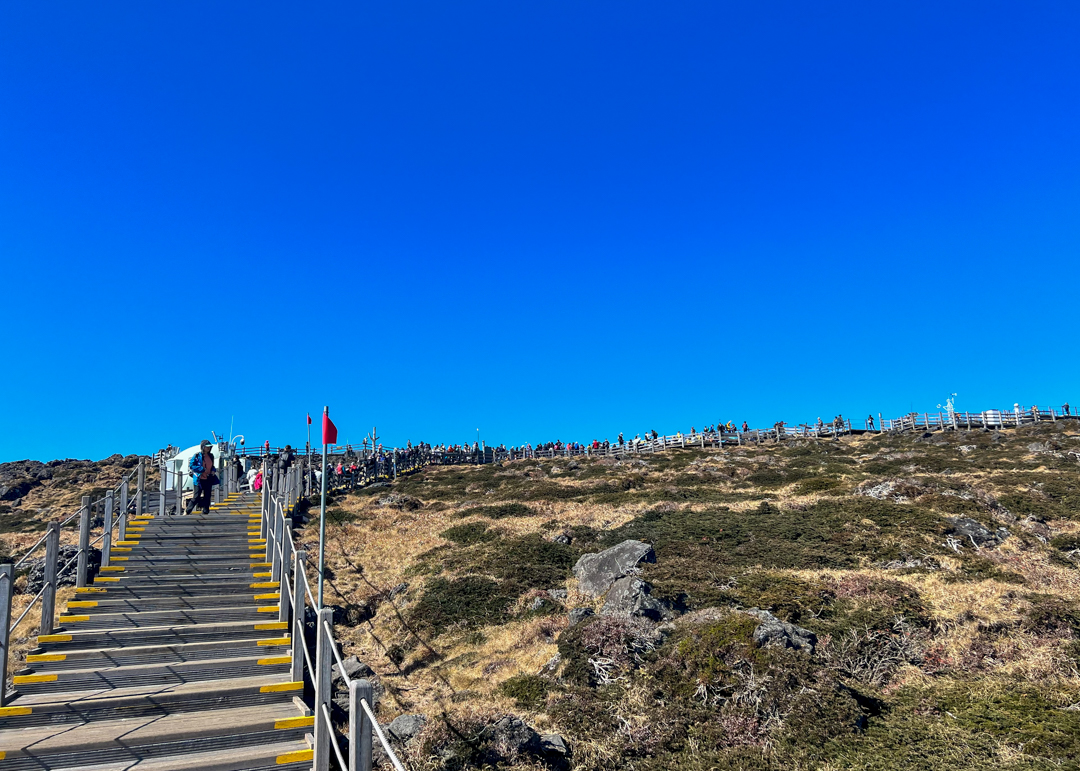
This has to be one of the most well-maintained trails I’ve been on, understandably with the amount of people hiking it every day. Besides the initial forested section, the rest of the climb is a giant staircase of solid wood which will make you feel your glutes for the next few days at least…

Hiking Hallasan

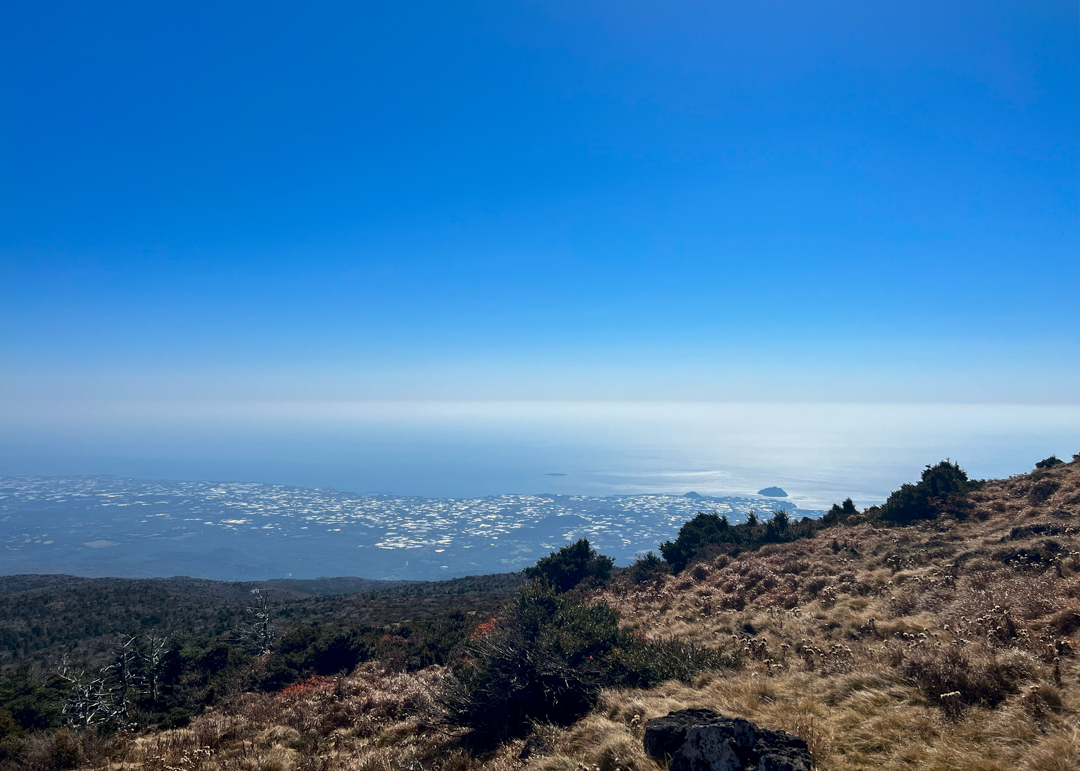
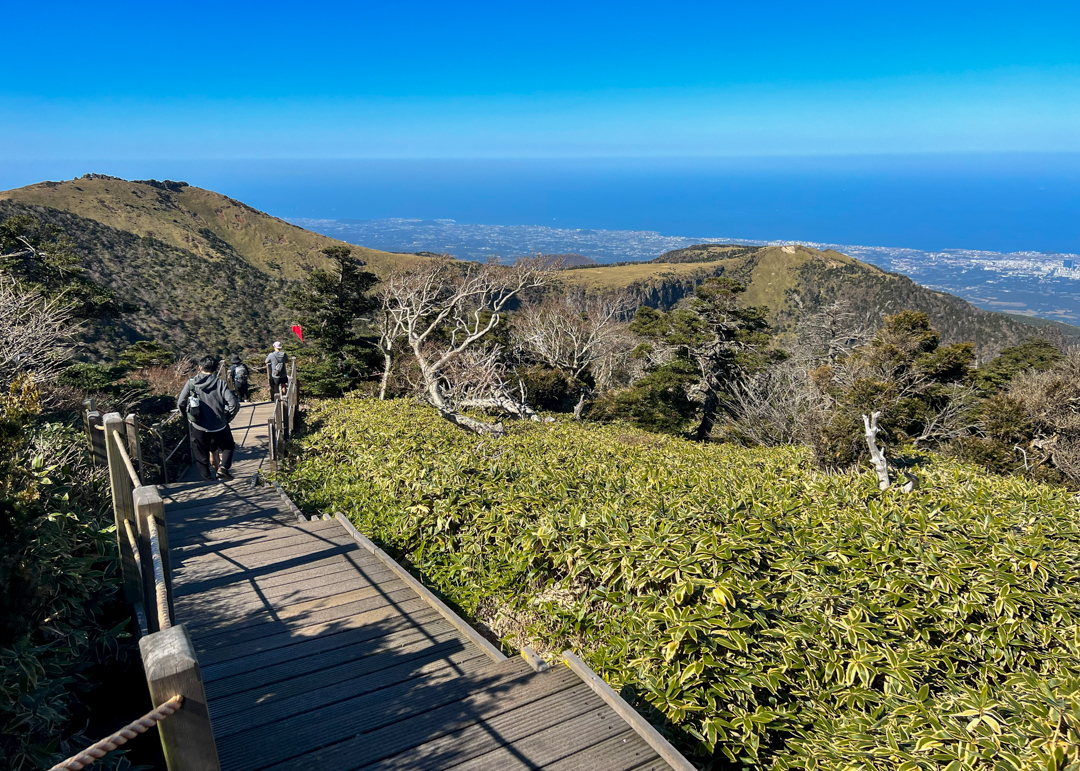
As you get nearer to the top you get rewarding views over the south side of the island with Seogwipo spread out in the distance.

Hiking Hallasan

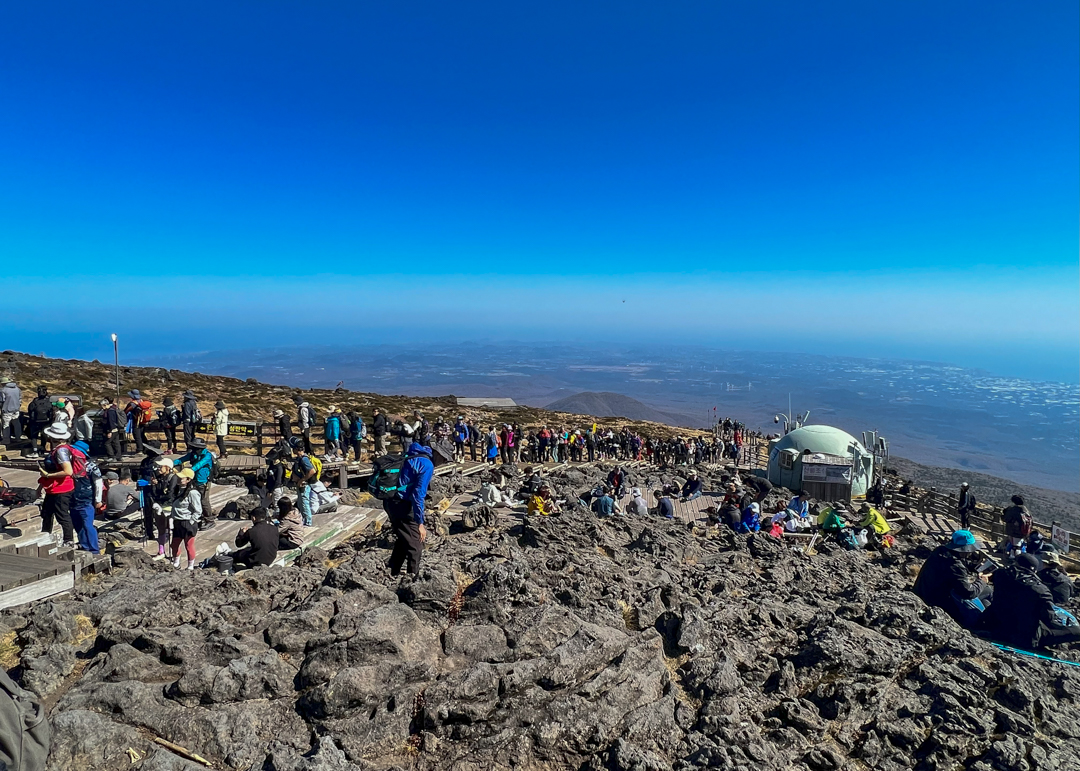
Reaching the summit after a few hours of stair climbing feels like a momentous achievement – you’re standing on the highest point in all of South Korea! It also came with another first for me: a line up to take a selfie with the summit marker! Yup, not wanting to stand behind the 100 or so Koreans queuing for their photo op, I skipped the celebratory picture in favor of finding a little spot to quickly ingest my lunch and take in the views before going back down.

Hiking Hallasan
Hiking Hallasan
Summit of Mount Hallasan

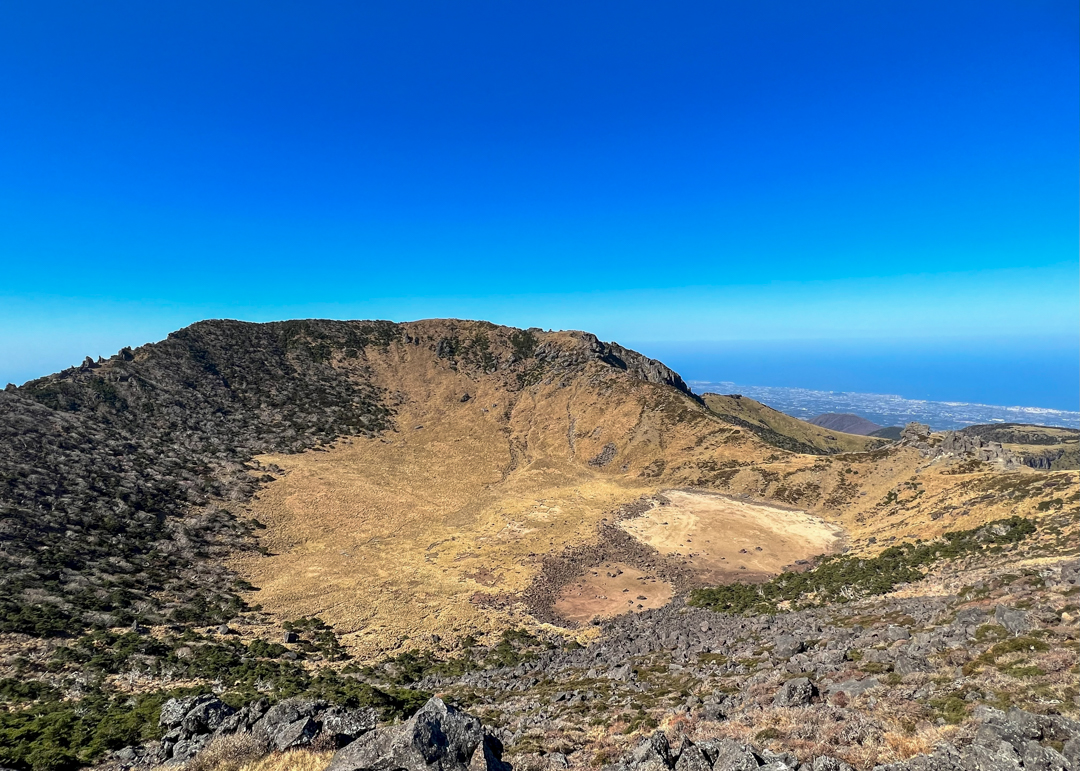
Besides the nearly 360 views you get of the island, you can’t miss the giant crater at the top of this dormant volcano. Spanning 3km in circumference, it usually contains a lake but was evidently dry when I was there in October.

Hiking Hallasan

After a quick rest, it’s time to head back down, this time on the Gwaneumsa Trail. The views are absolutely fantastic for the initial portion as you descend with the capital Jeju-si right in front of you.

Hiking Hallasan

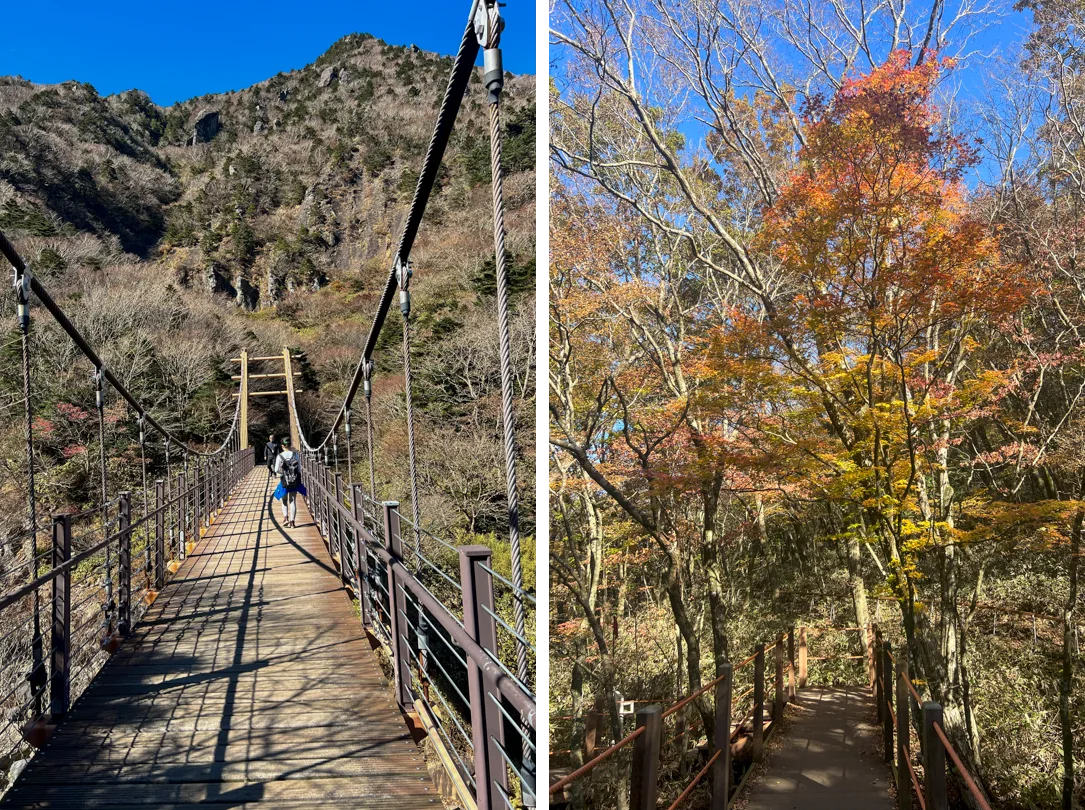
The trail is much more varied on this side, crossing small gorges over bridges, dipping in and out of tree covers.

Hiking Hallasan

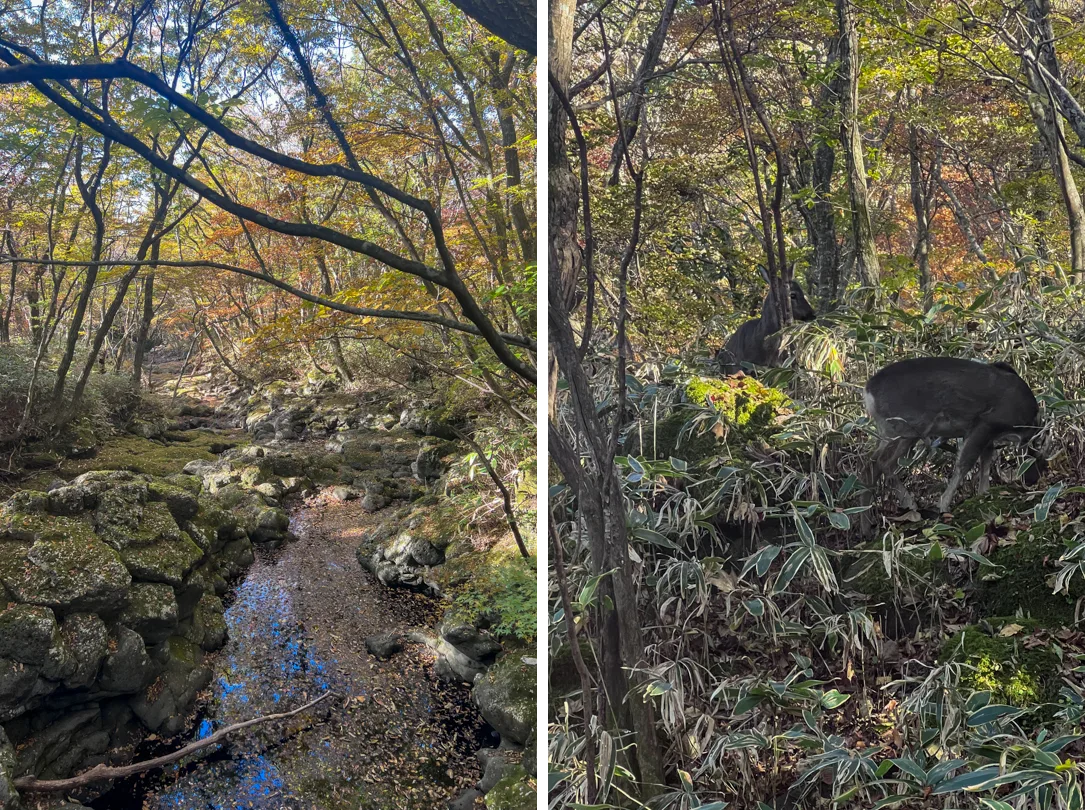
It eventually follows a riverbed for a little while, letting you know you’re back to lower elevation. We even spotted a couple of roe deer feeding by the side of the trail. Eventually, after a long descent, you’ll emerge at the parking area of the Gwaneumsa trail and can hop on a bus to your car or call a taxi from there. You deserve a giant dinner and an early night sleep!

Hiking Hallasan

Artsy West Jeju

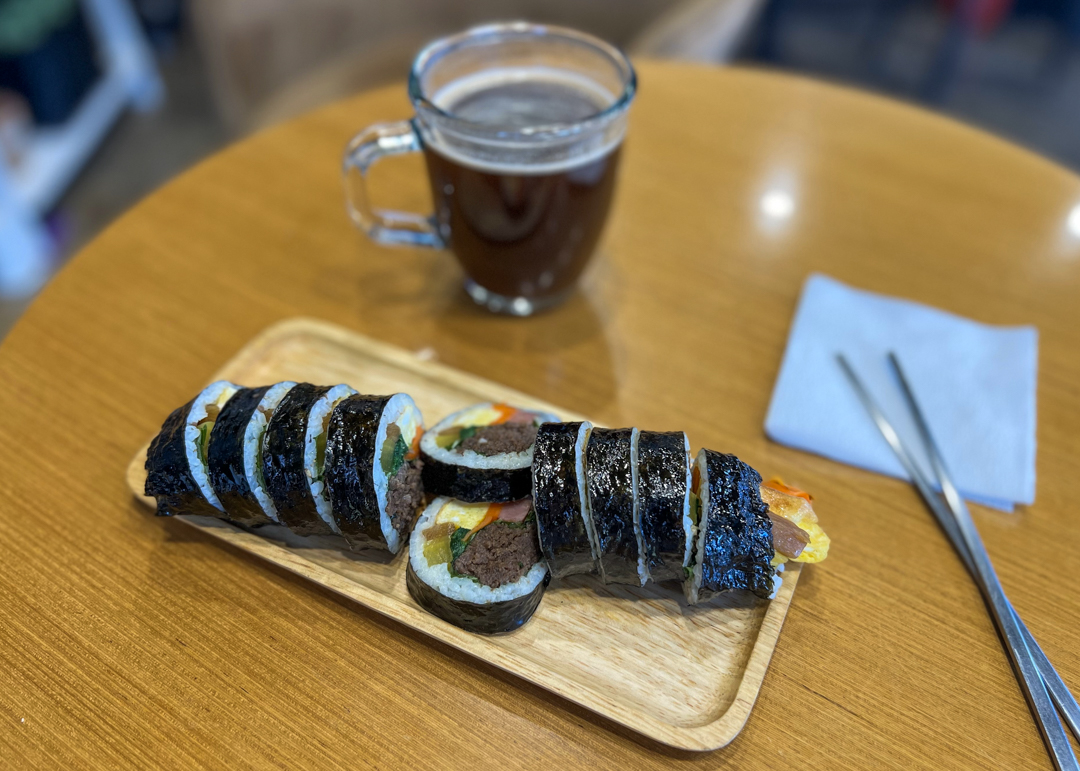
The next day is the perfect day to get in the car and explore a few cultural and more chilled attractions as you nurse your sore muscles from yesterday’s hike. Replenish your energy levels with a typical Korean breakfast of beef gimbap and coffee in Seogwipo (highly recommend going to 카페랑스, 192 Donghong-ro) and hit the road.

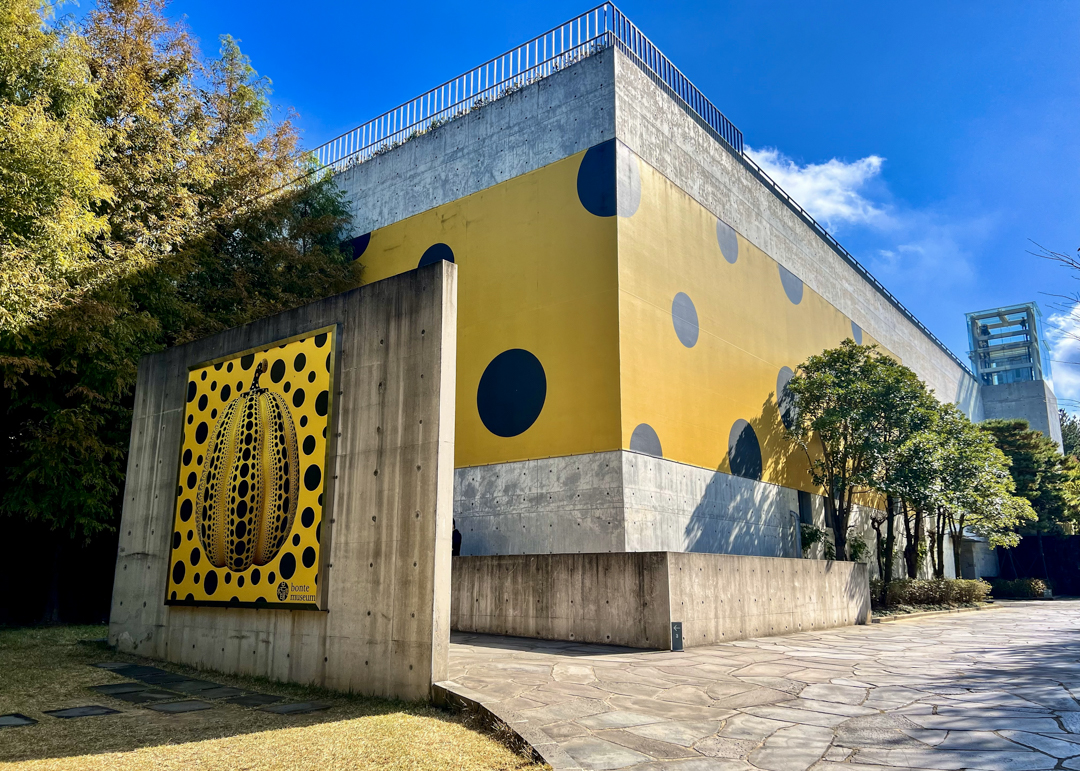
The Bonte Museum will appear familiar to those who have ventured to Seopjikoji in the East – the building was designed by Tadao Ando, the same Japanese architect behind the Glass House and Yumin Art Nouveau Collection. The exquisite design, the concrete, the water features… there’s as much enjoyment navigating the building and its five exhibition halls than in admiring the artworks on display.

Bonte Museum Jeju

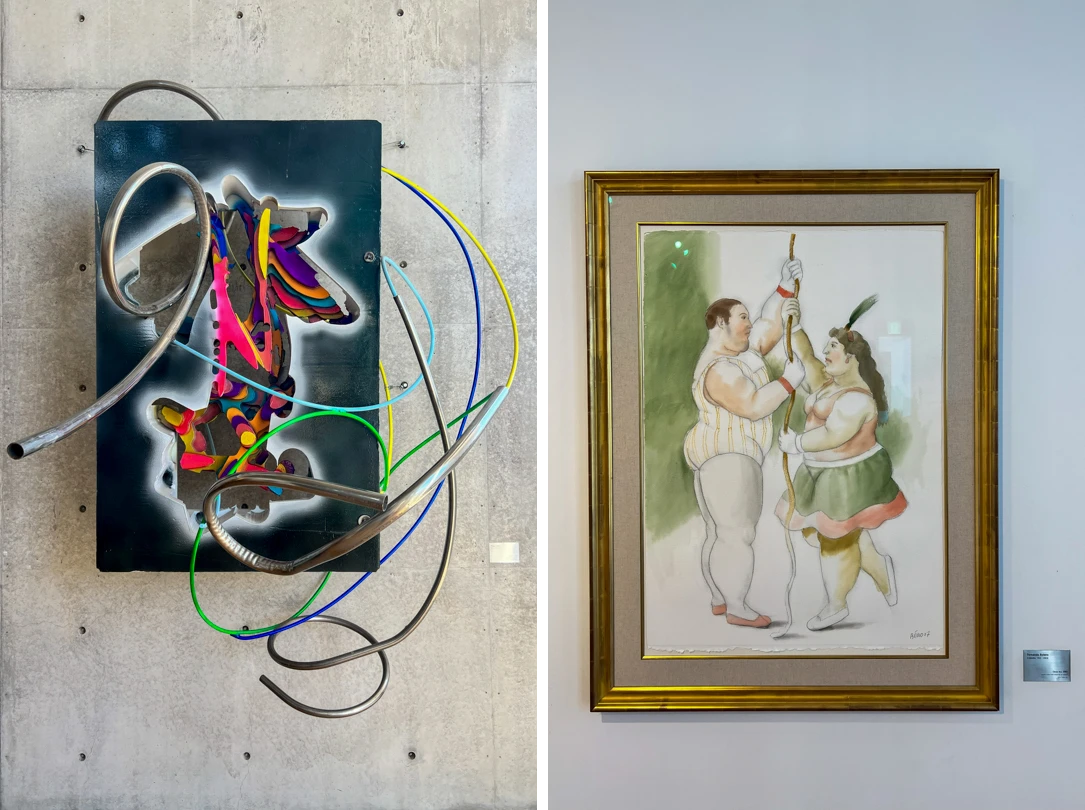
The smallish and curated spaces showcase world-renowned pieces by the likes of Dali, Andy Warhol and Botero…

Bonte Museum Jeju

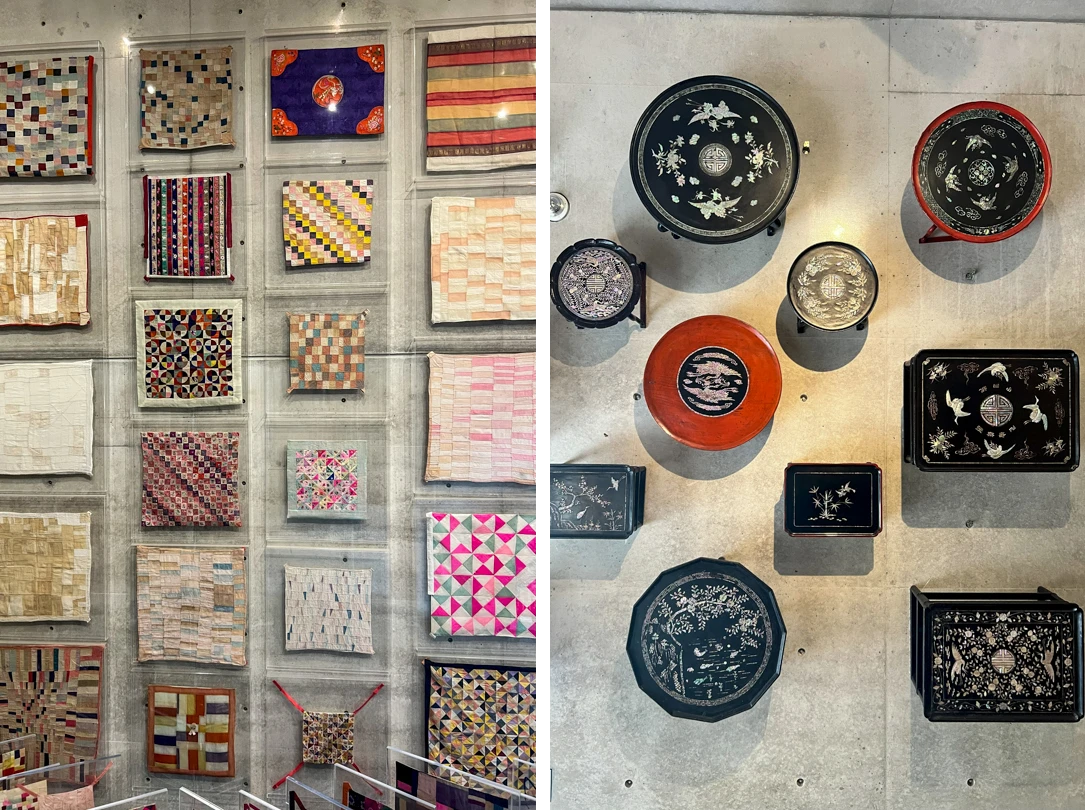
…alongside traditional Korean crafts which are instantly elevated by being so harmoniously presented. I was charmed by the textiles and the mother of pearl accent furniture.

Bonte Museum Jeju

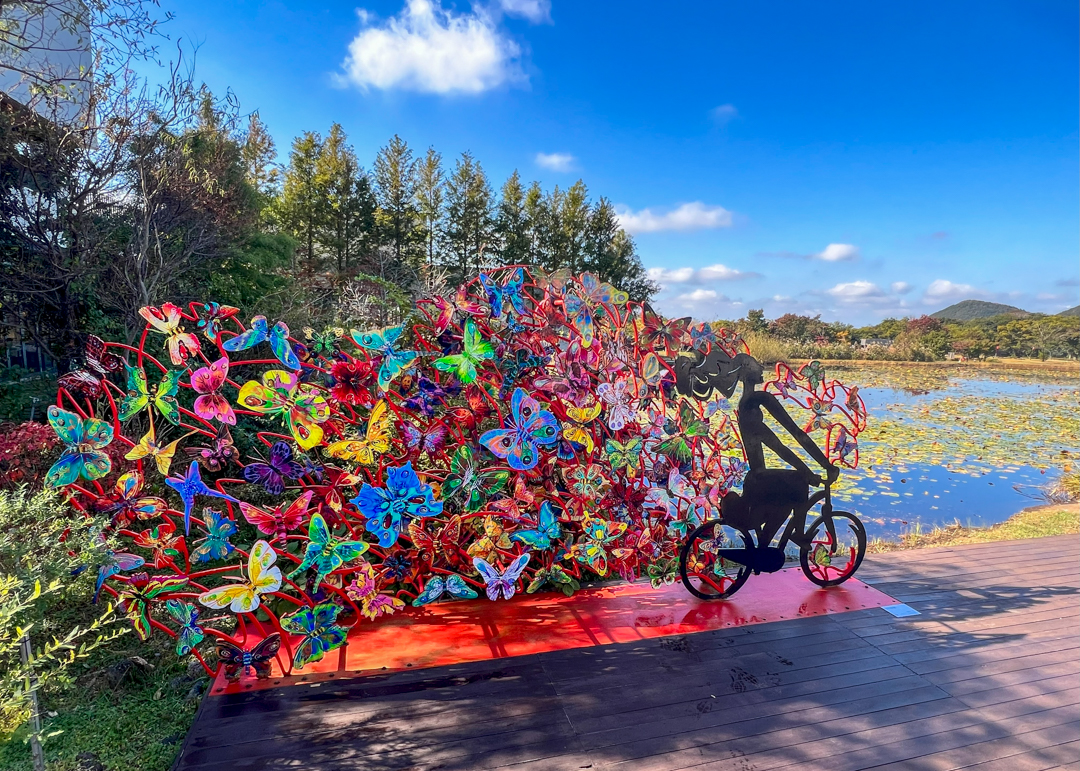
The outside is a sculpture park revealing large scale works up and around each corner of the building.

Bonte Museum Jeju

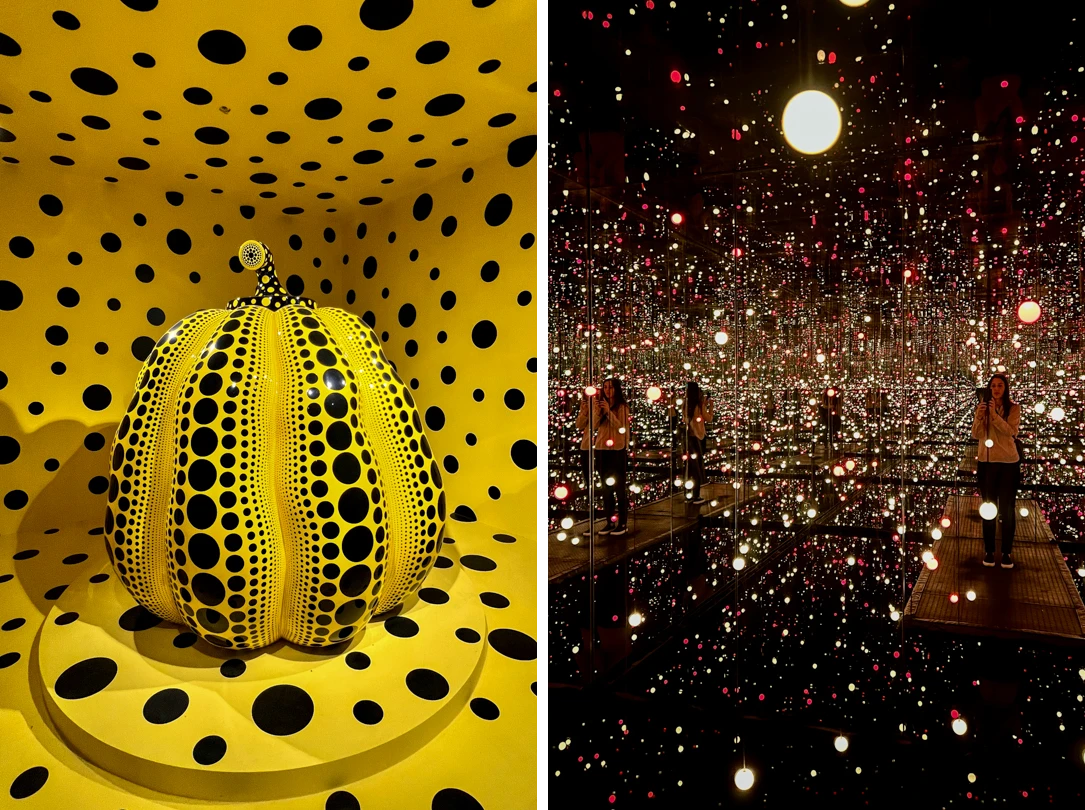
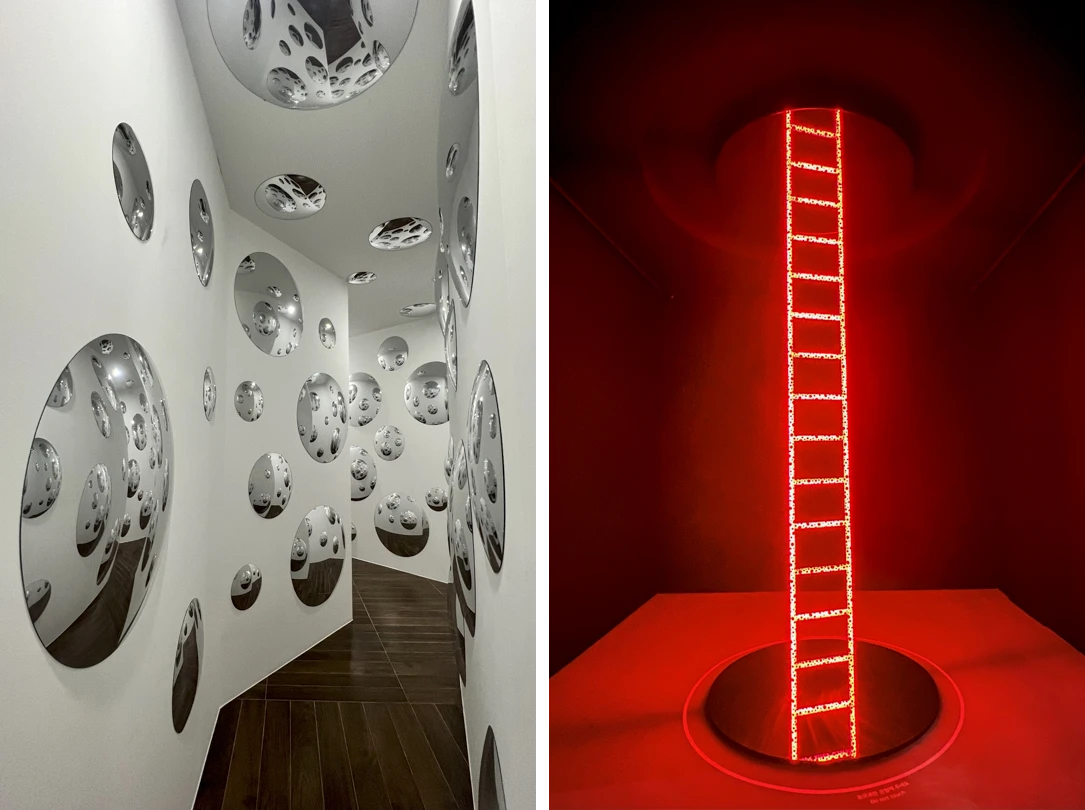
Popping out like a giant ray of sunshine, the unmistakable polka dots and pumpkins of celebrated Japanese artist Yayoi Kusama lead you to her permanent exhibition at the museum.

Bonte Museum Jeju

Enter a mini universe of pop art and get your time (without the usual long lines!) in her famous infinity mirror room for a truly magical morning.

Bonte Museum Jeju
Bonte Museum Jeju

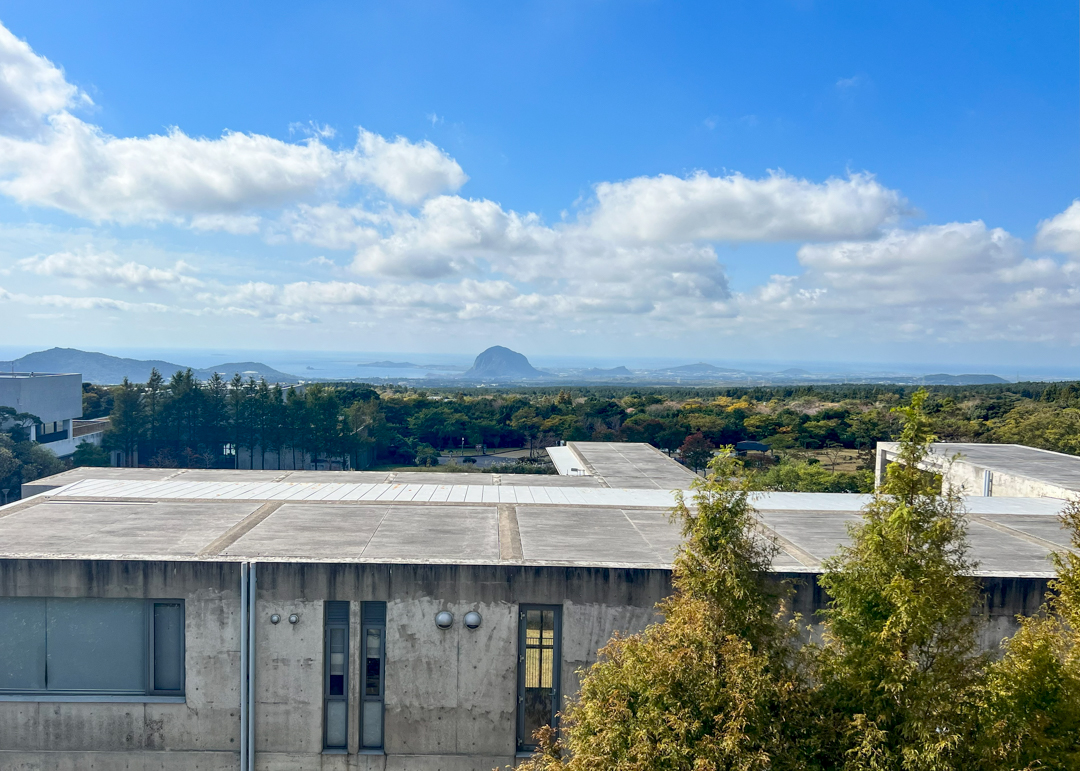
Don’t miss climbing the stairs to the rooftop for a few more sculptures and a gorgeous view over the southwest and its outlying islands.

Bonte Museum Jeju

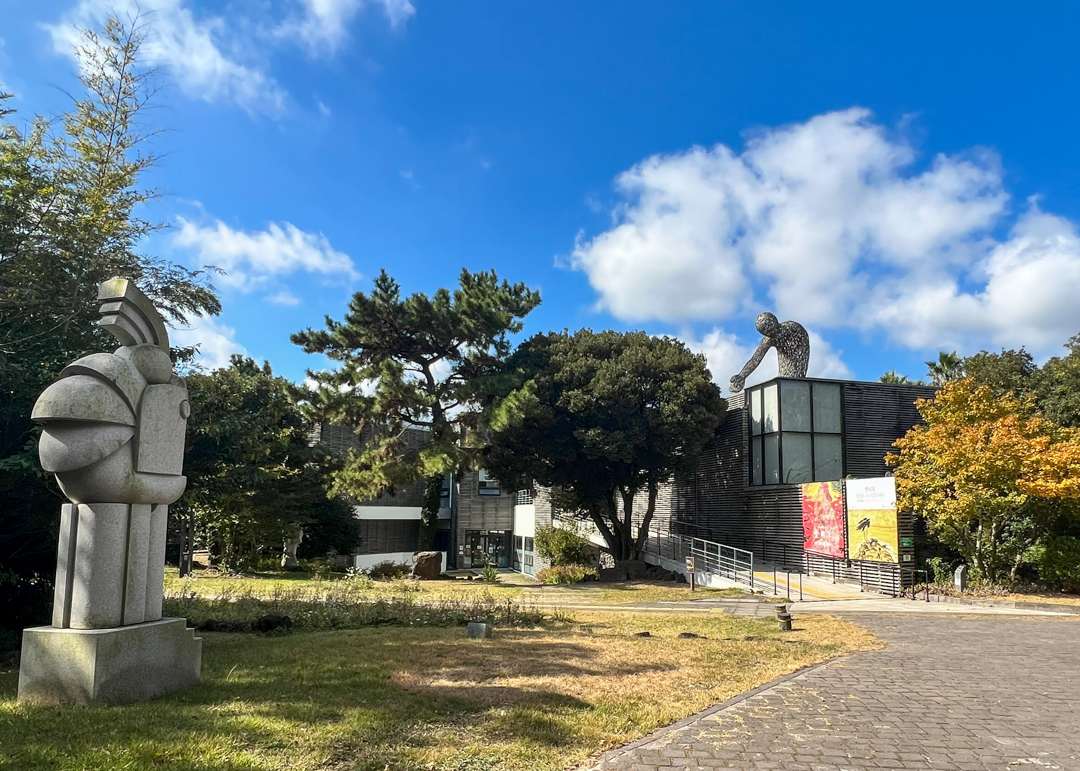
Back in the car, continue with the art theme heading west with a stop at the Jeju Museum of Contemporary Art.

Jeju Museum of Contemporary Art

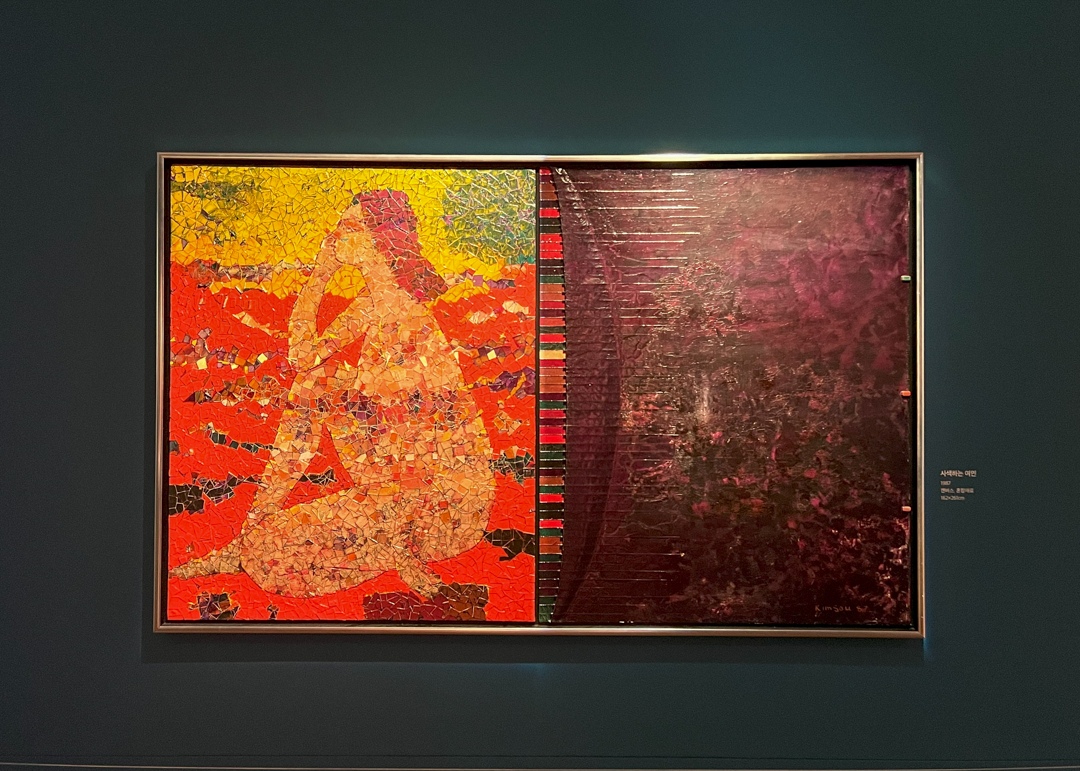
Permanent exhibitions by Kim Heung-soo (the “Picasso of Korea”) and special exhibits of local artists’ works from the 20th and 21st century are centered around themes of the environment, nature, and Jeju.

Jeju Museum of Contemporary Art

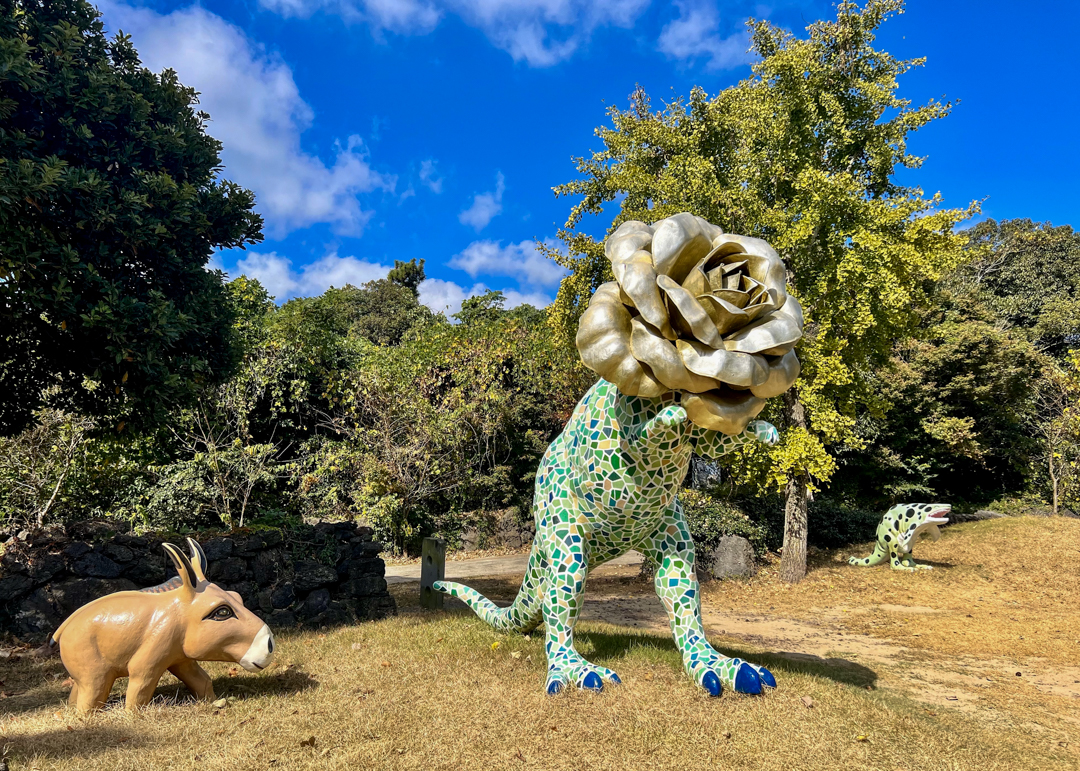
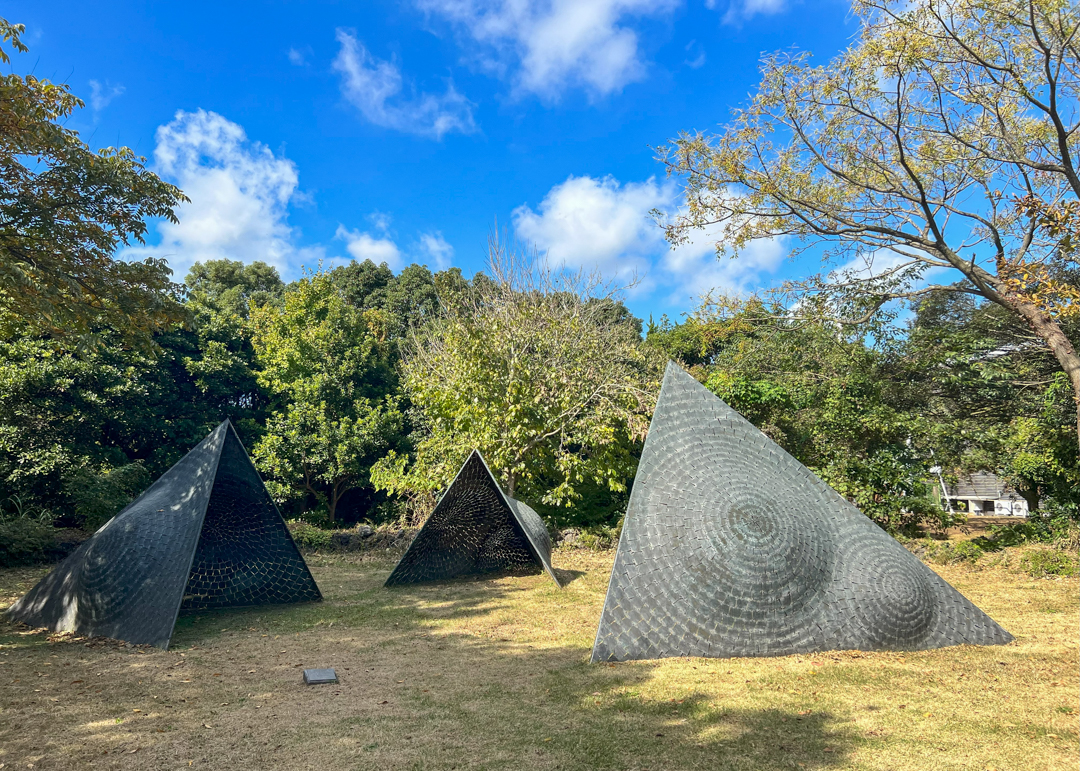
Here too they make the most of immersing art with nature with sculptures dotted across the outdoor area.

Jeju Museum of Contemporary Art

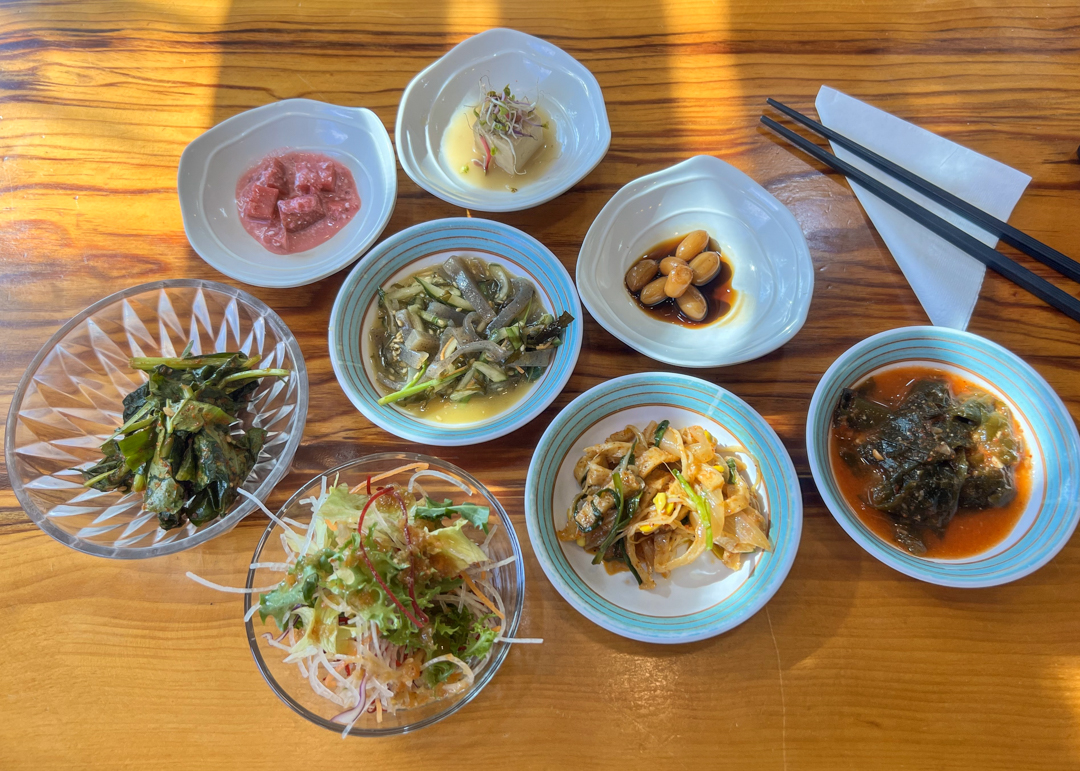
Break the day with a leisurely lunch at one of the many small family-owned restaurants. I had one of the greatest meals of the week at Chef Kang’s Kitchen (558 Daehan-ro) where just the banchan served before my main course arrived topped every one I had anywhere else in South Korea.
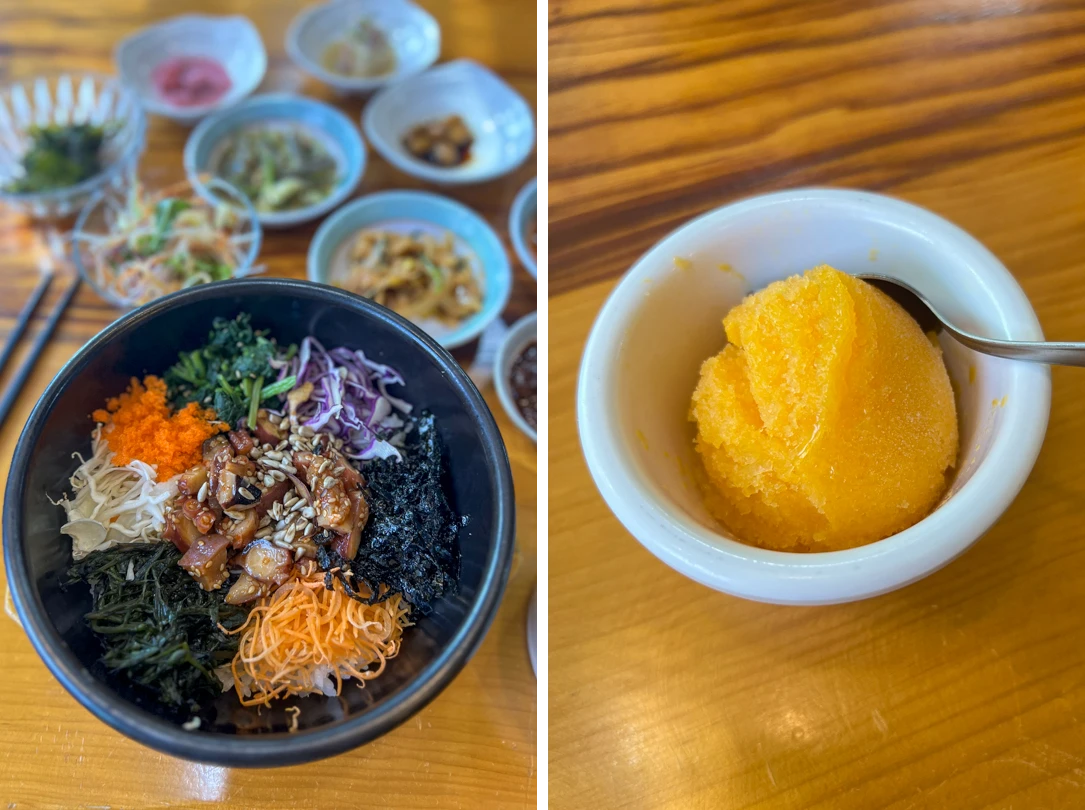
Next came the octopus bibimbap and homemade tangerine ice cream, both just wow.

Tea immersion

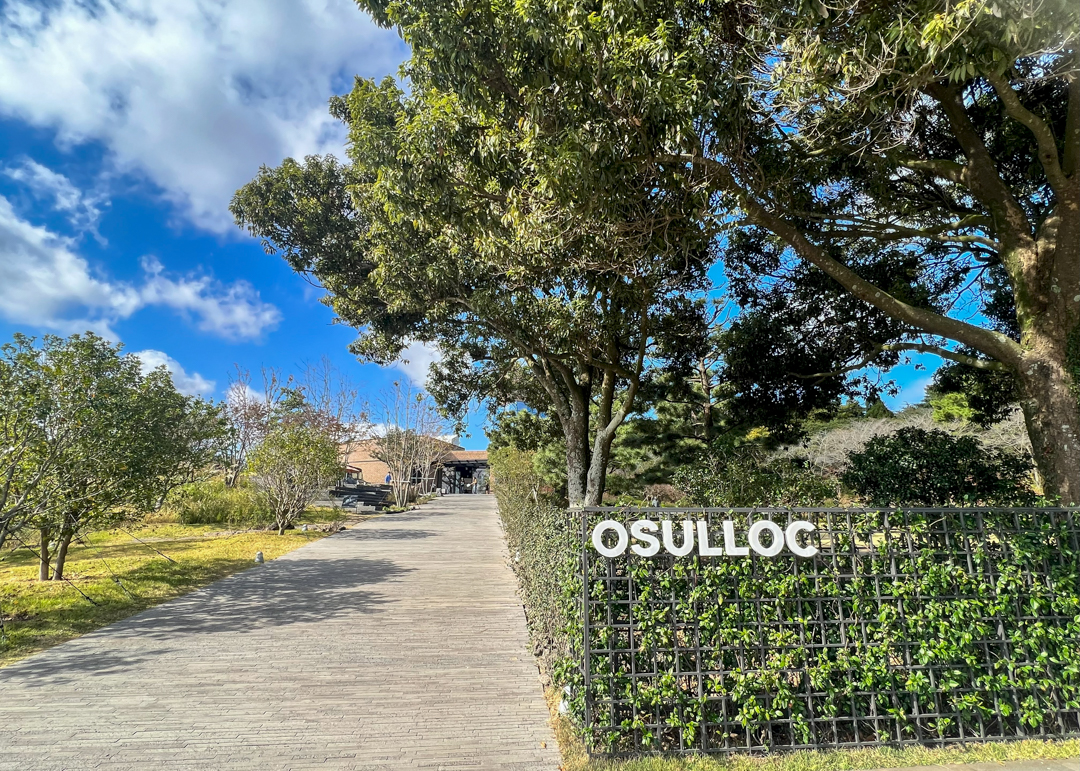
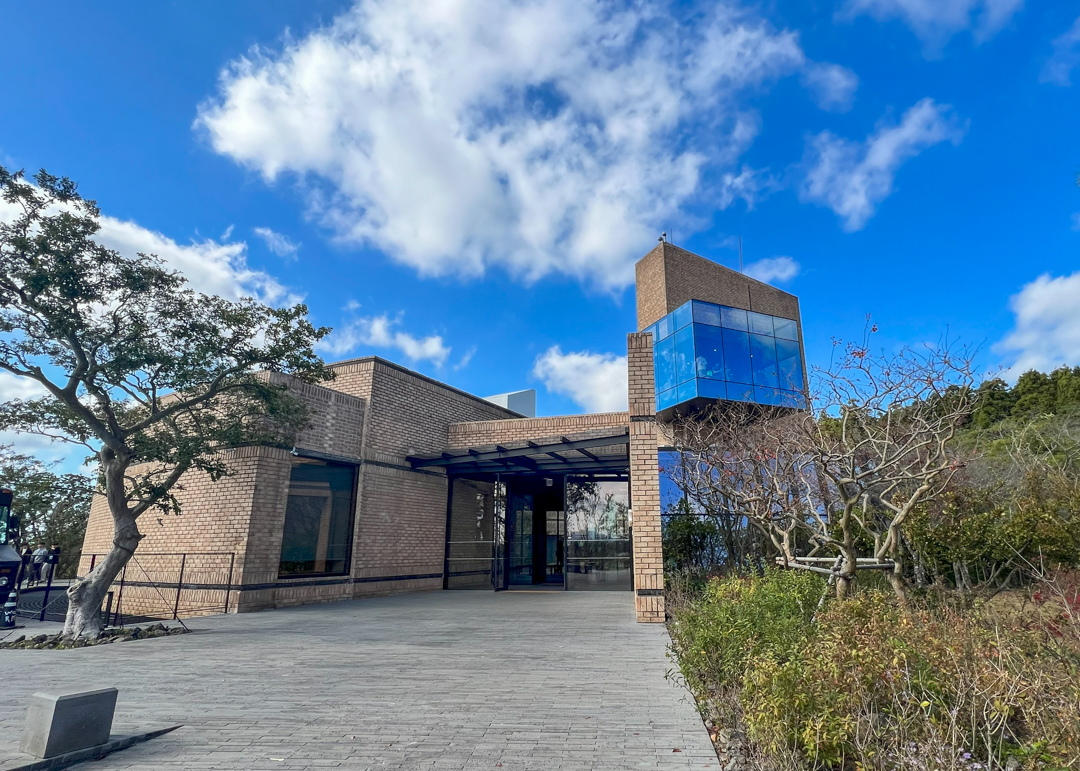
The nearby Ossuloc Tea Museum makes for an ideal post-lunch stop. Korea’s largest tea company invites tea enthusiasts to learn about the process in the middle of their verdant fields and indulge in tea products of all kinds.
Osulloc Tea Museum Jeju

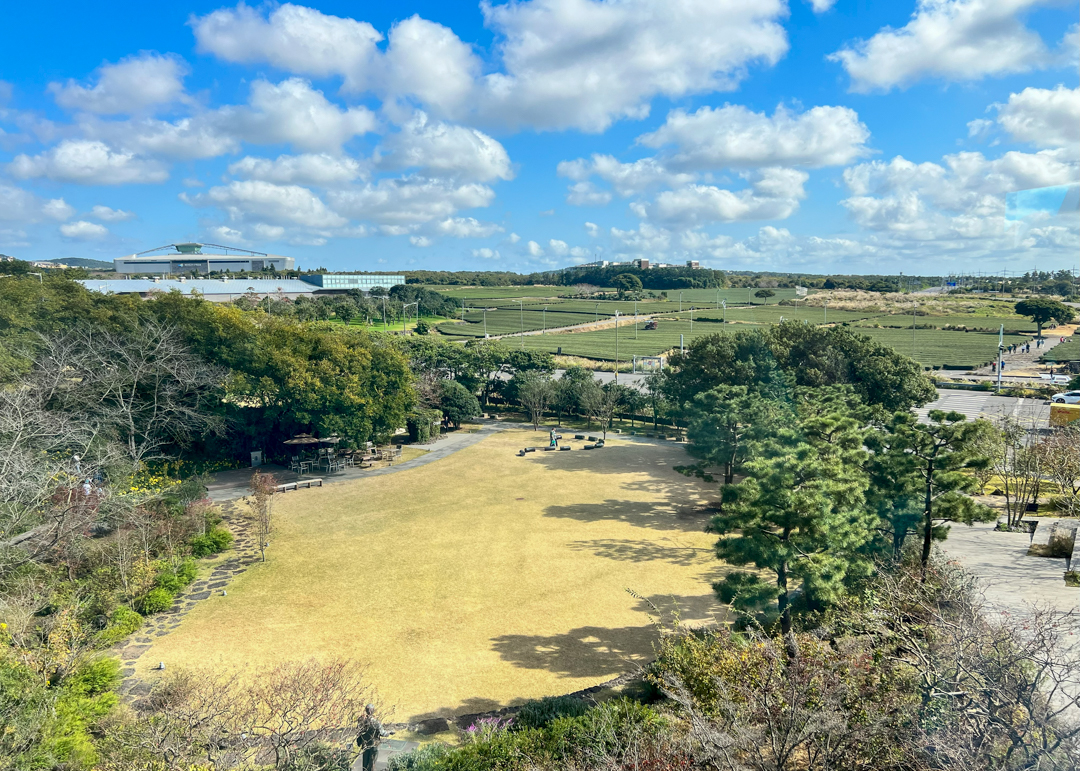
Get a high level view of the farm from the sleek observatory on the upper floors of the building before going back down to stroll among its green tea fields.
Osulloc Tea Museum Jeju

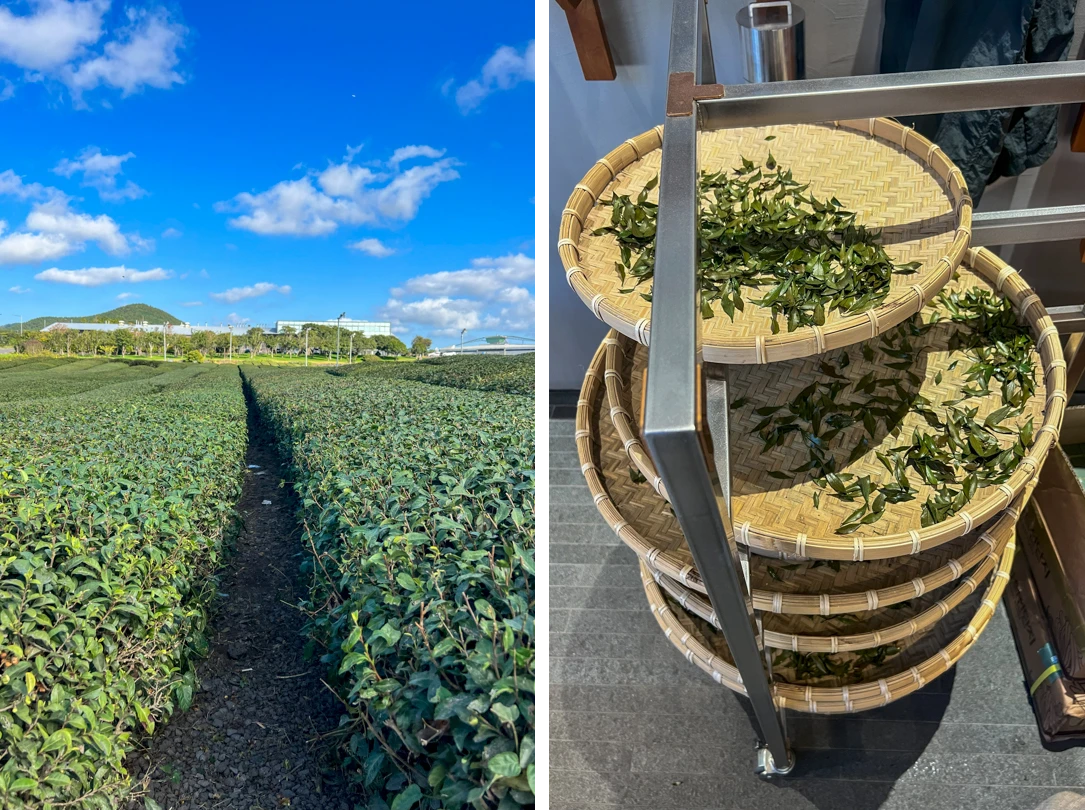
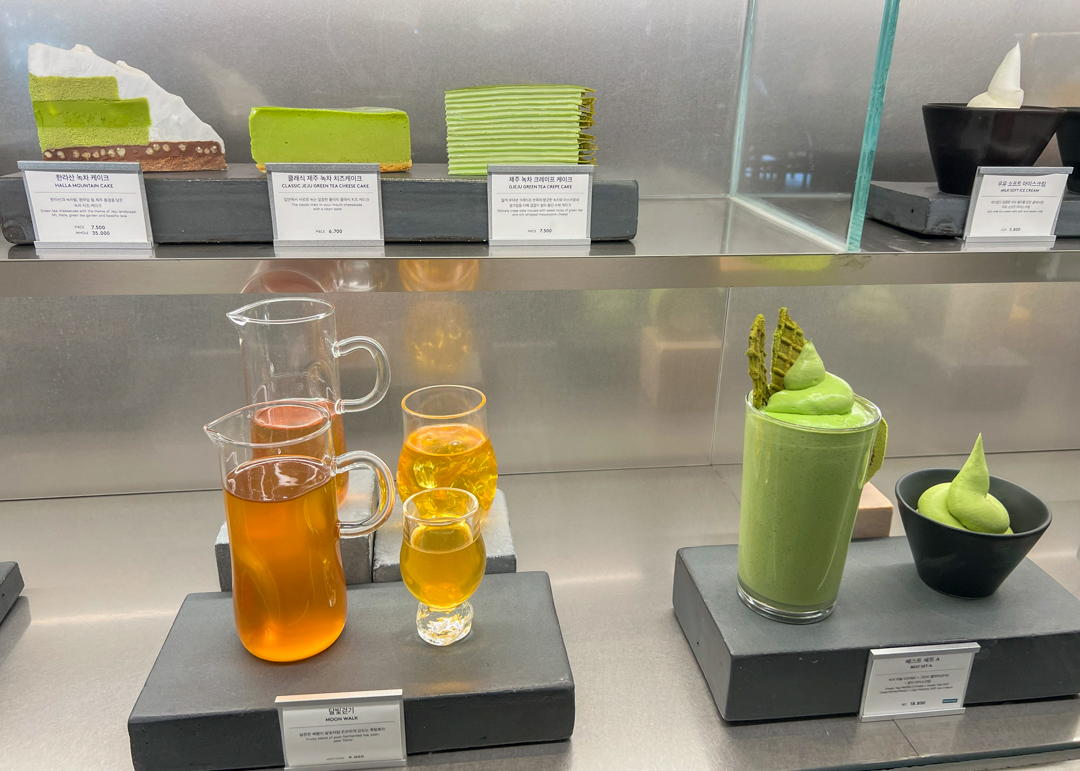
You’ll want to stock up in the shop inside for all things tea-based, from uniquely flavored green teas mixed on site to tea-infused body products and chocolates. There’s also a very popular cafe where you can taste bright green beverages and desserts (all tea-based of course).

Osulloc Tea Museum Jeju

Volcanic coastal walk

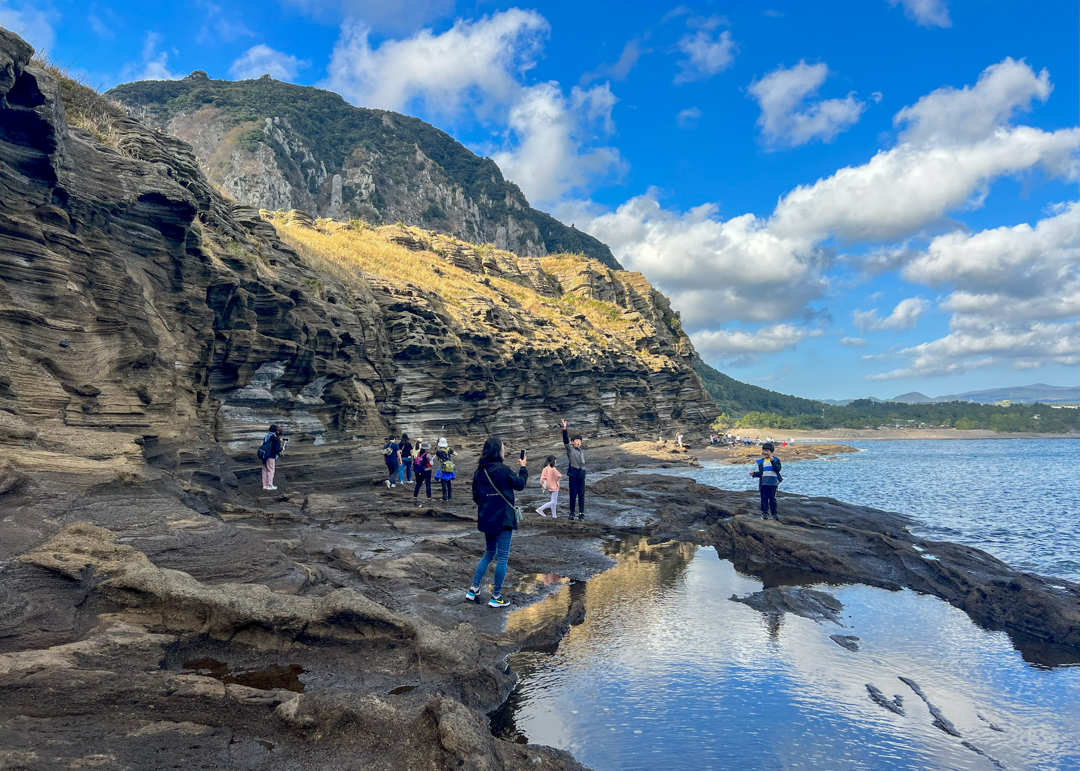
End the day with an invigorating ocean walk along the Yongmeori coast.

Yongmeori Coast Jeju

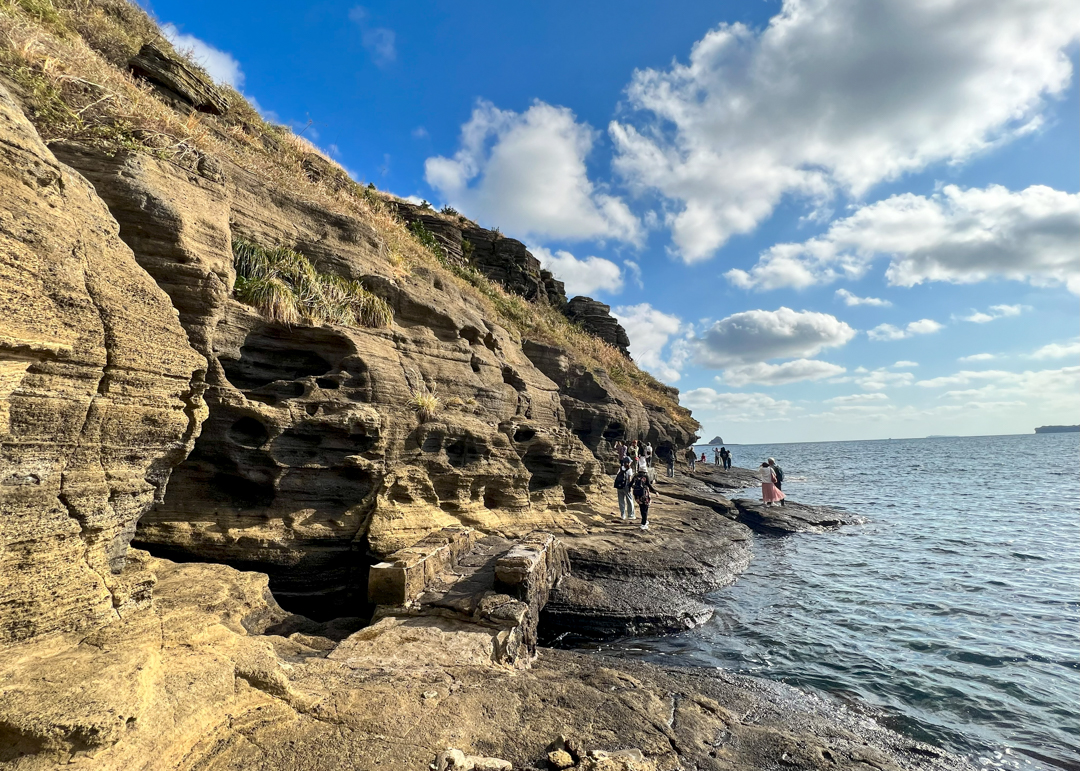
What a spectacular coastal trail to follow with soaring cliffs and natural rock formations to your left and scenic ocean views to your right.

Yongmeori Coast Jeju

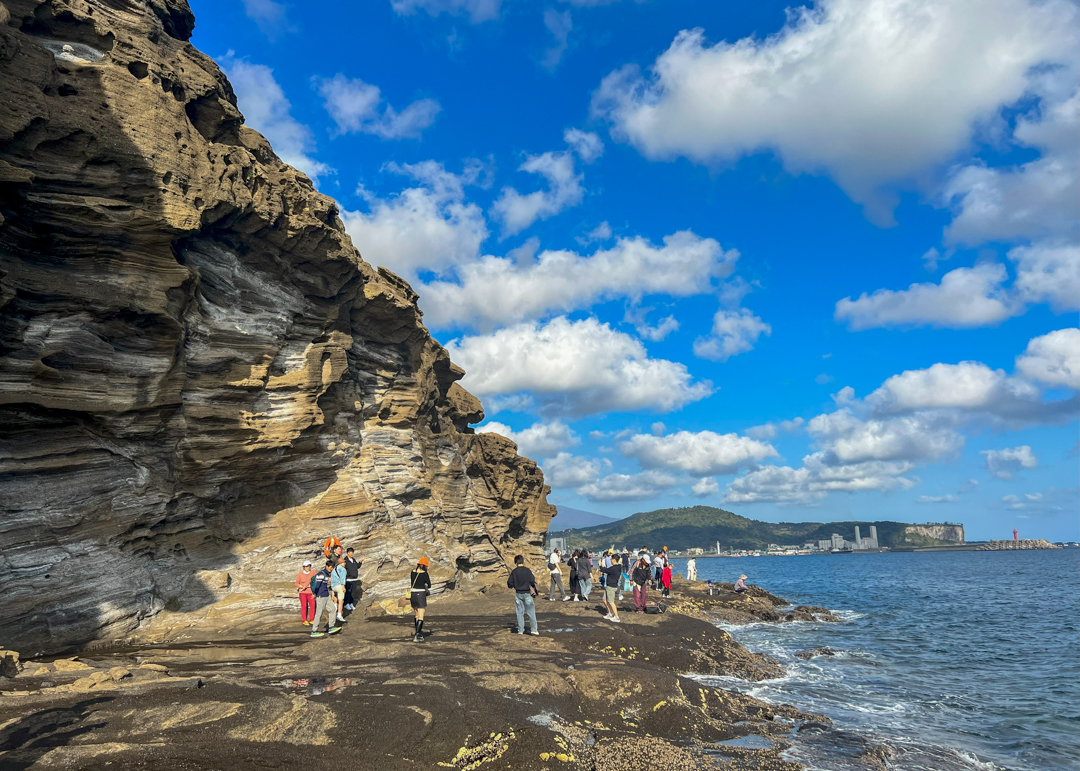
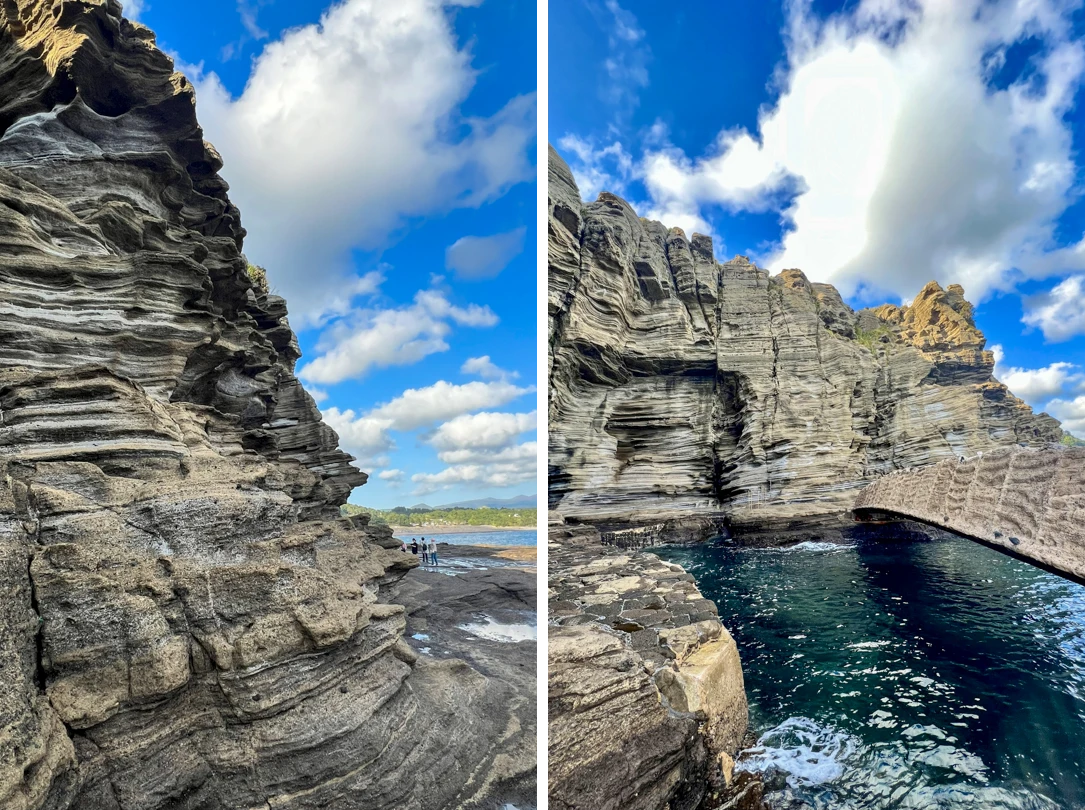
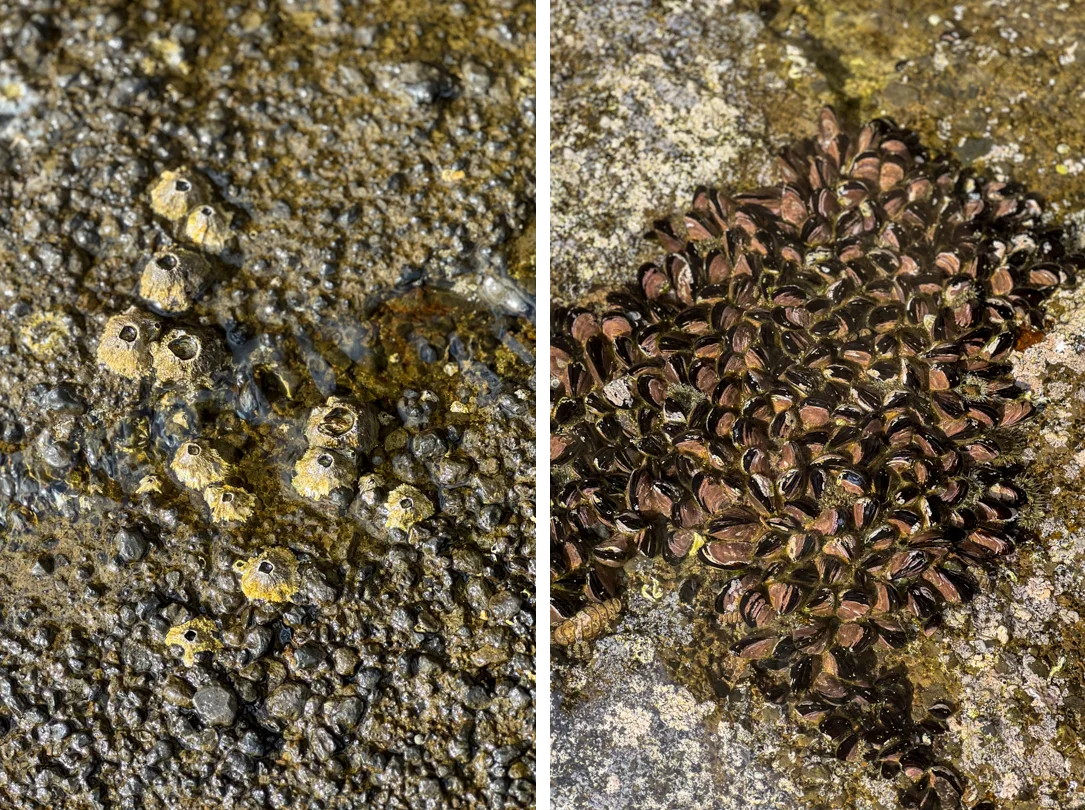
You’re walking on the oldest volcanic formation in Jeju and there’s lots to uncover if you slow down. Take a look into the narrow clefts, under natural archways, and into the mini pools forming in the eroded floor.

Yongmeori Coast Jeju

The 1-mile loop is quickly over but there’s an easy extension you can add when you get back on the mainland.

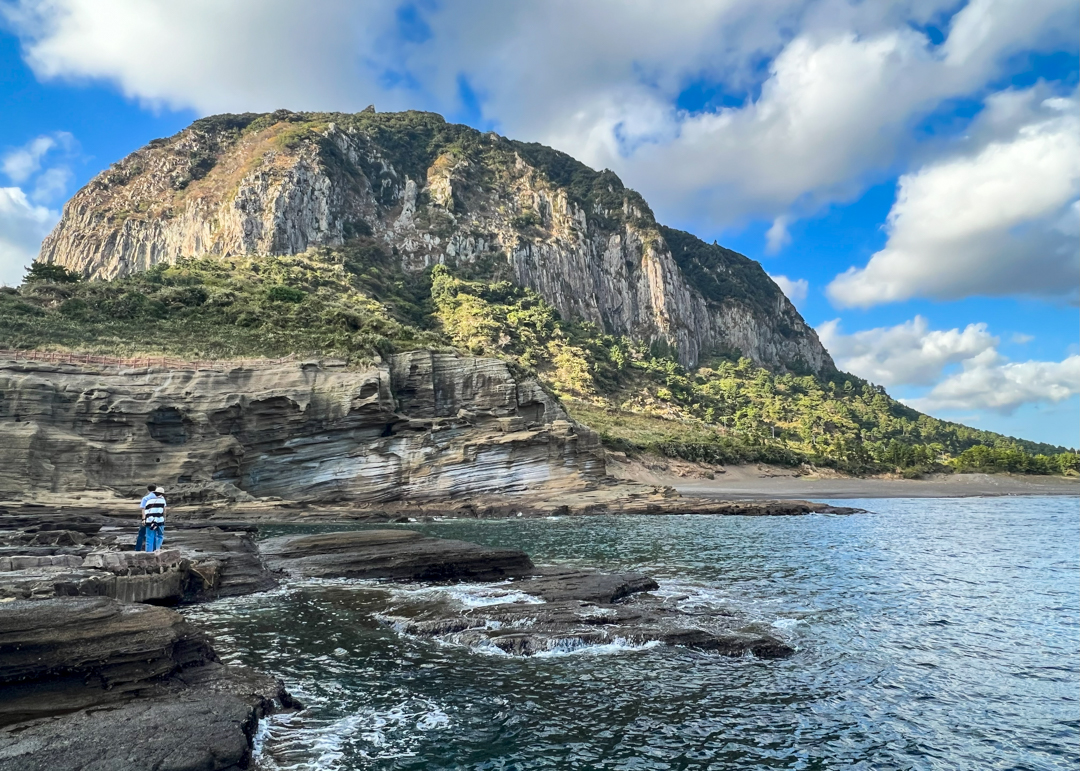
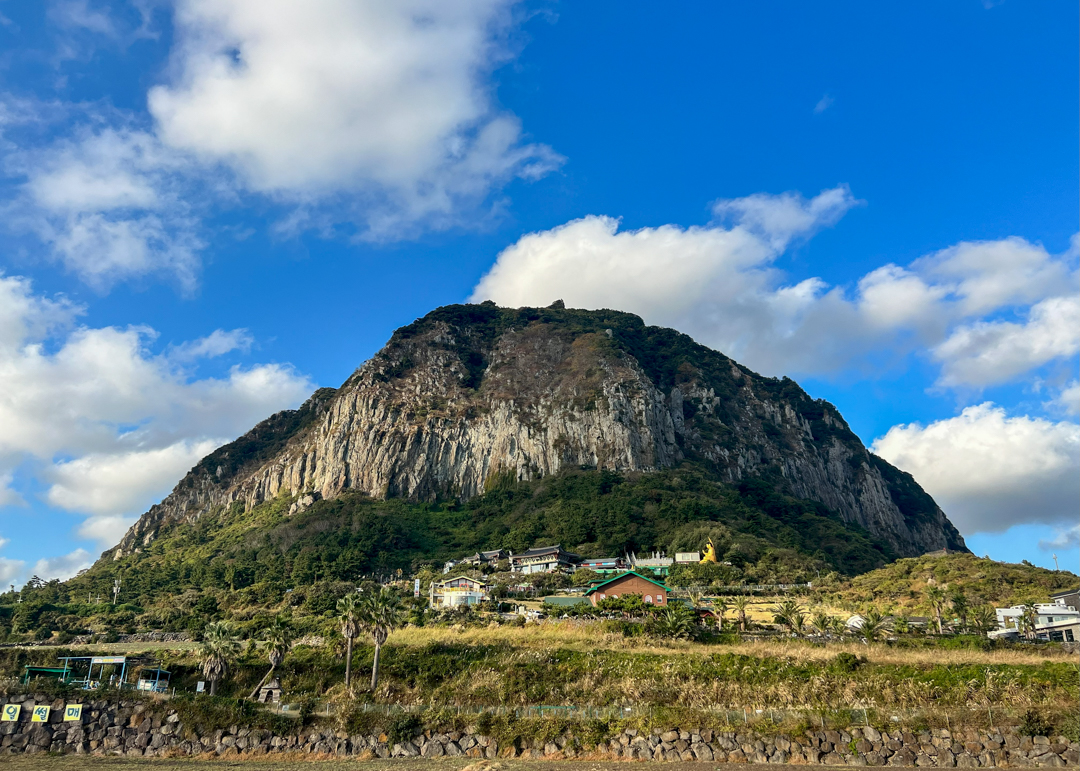
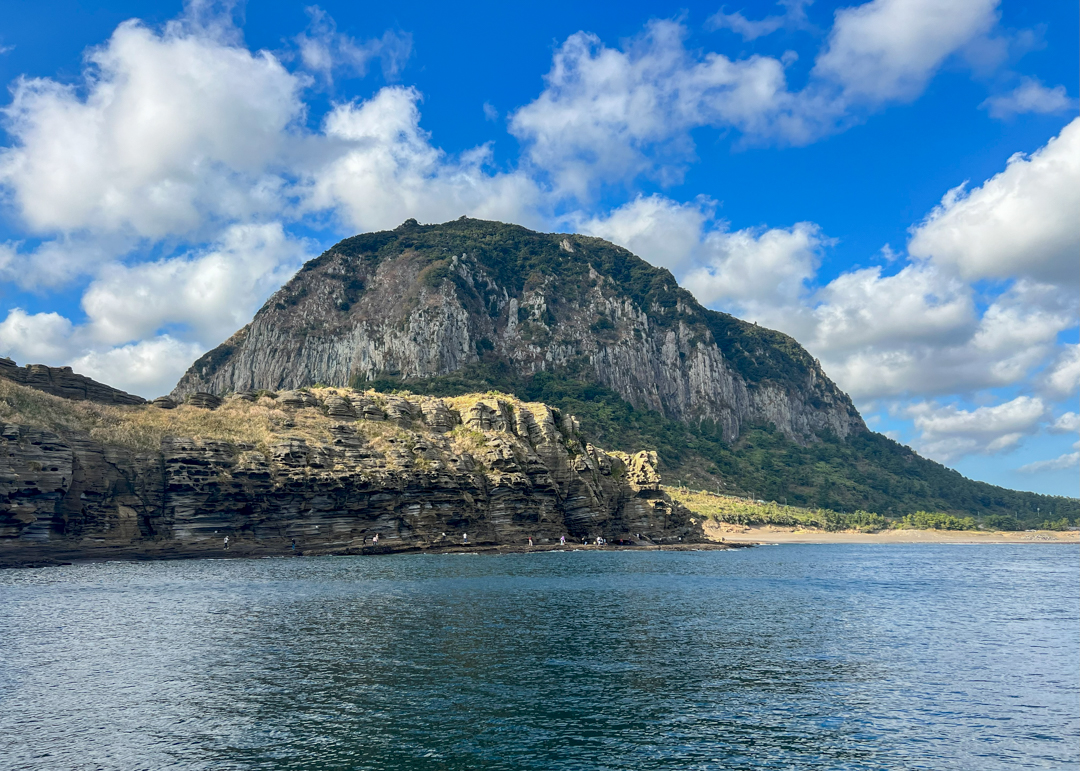
Looking at the craggy Sanbangsan mountain, you can easily spot a large golden Buddha to the right which is easier to get to than it might appear.

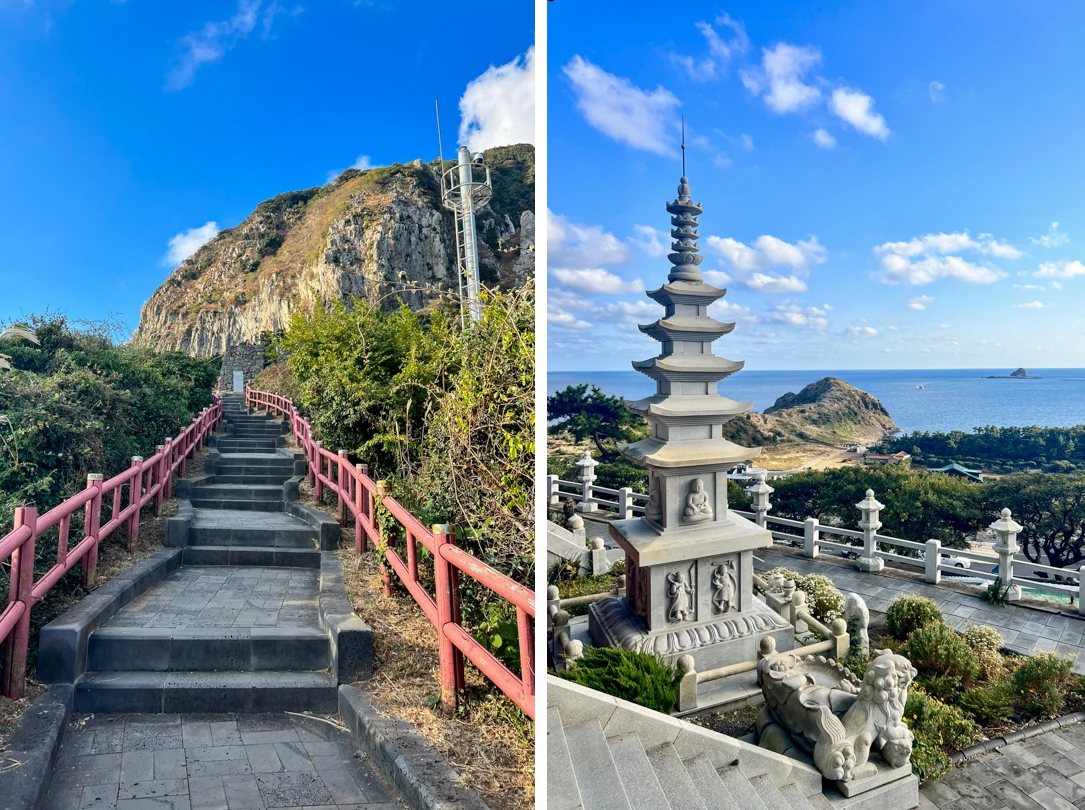
A 15-minute steep walk will bring you to Sanbanggulsa temple and gorgeous views of the coast.

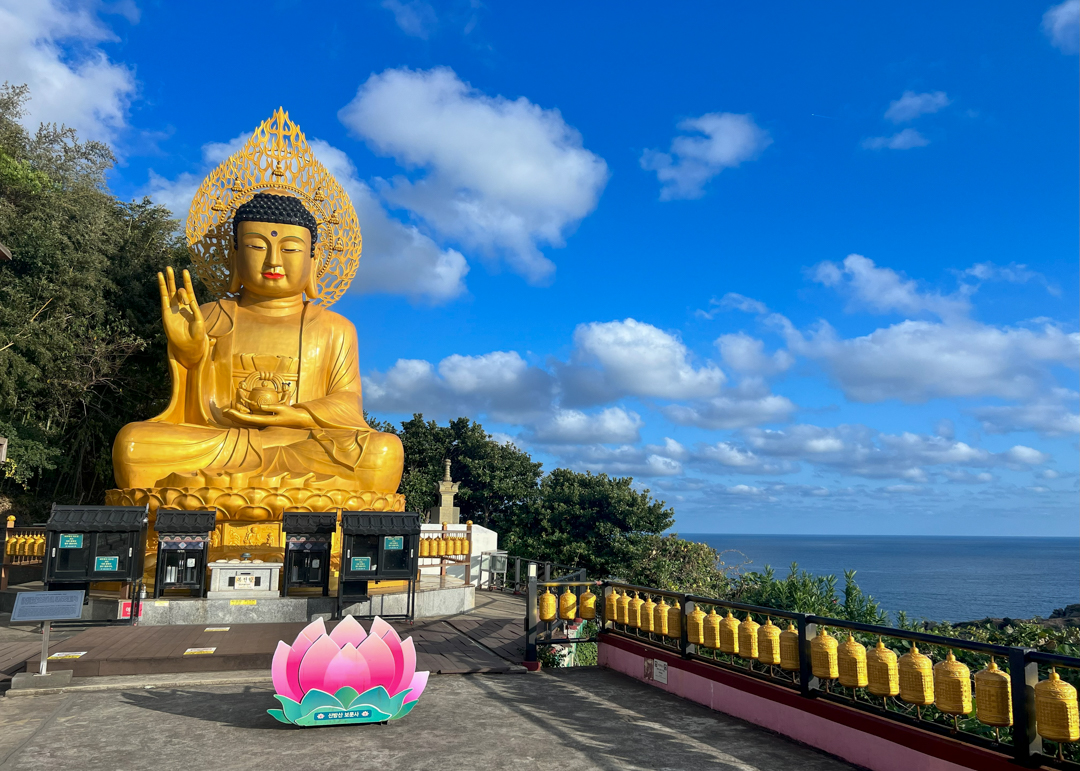
Much bigger up close, the golden statue of the Buddha and the surrounding shrines bring a peaceful ending to a day packed with the uniquely beautiful and artsy west side of Jeju.

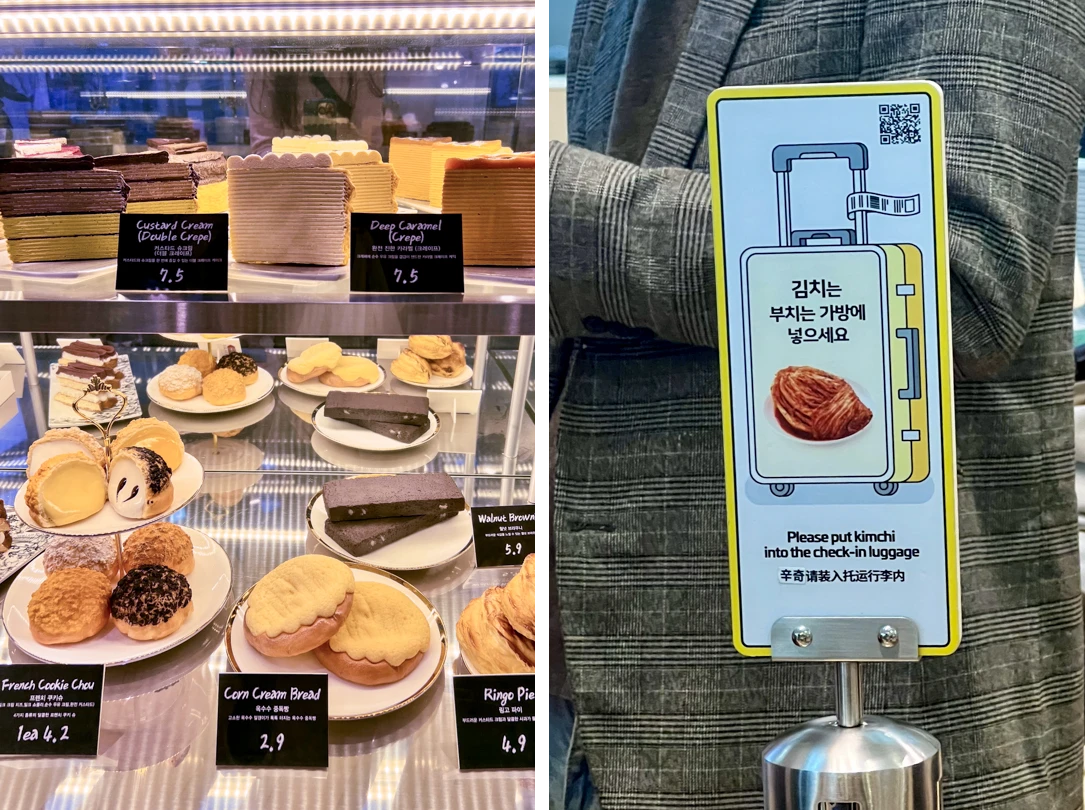
Alas, this is where my trip concluded, though not before fitting in one last delicious cake and snapping this “only in Korea” sign at the airport… 🙂

Asia South Korea Travels

Guide to Seogwipo: The getaway to Jeju’s southwest

April 12, 2025

Seogwipo, Jeju’s second largest city, is where you should base yourself if you only have a few days on the island. With beautiful coastal scenery, easy access to the main highlights including Mount Hallasan, and plenty of food options in a walkable city center, doing day trips from here to explore Jeju is ideal.

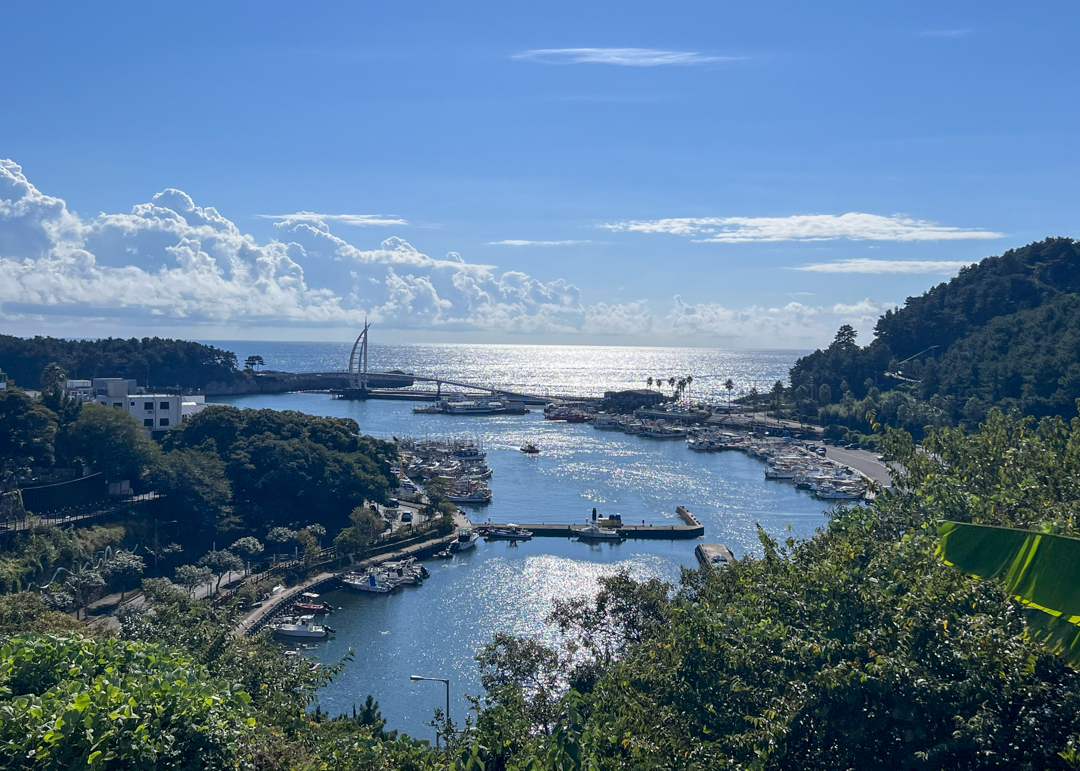
Seogwipo Jeju Island

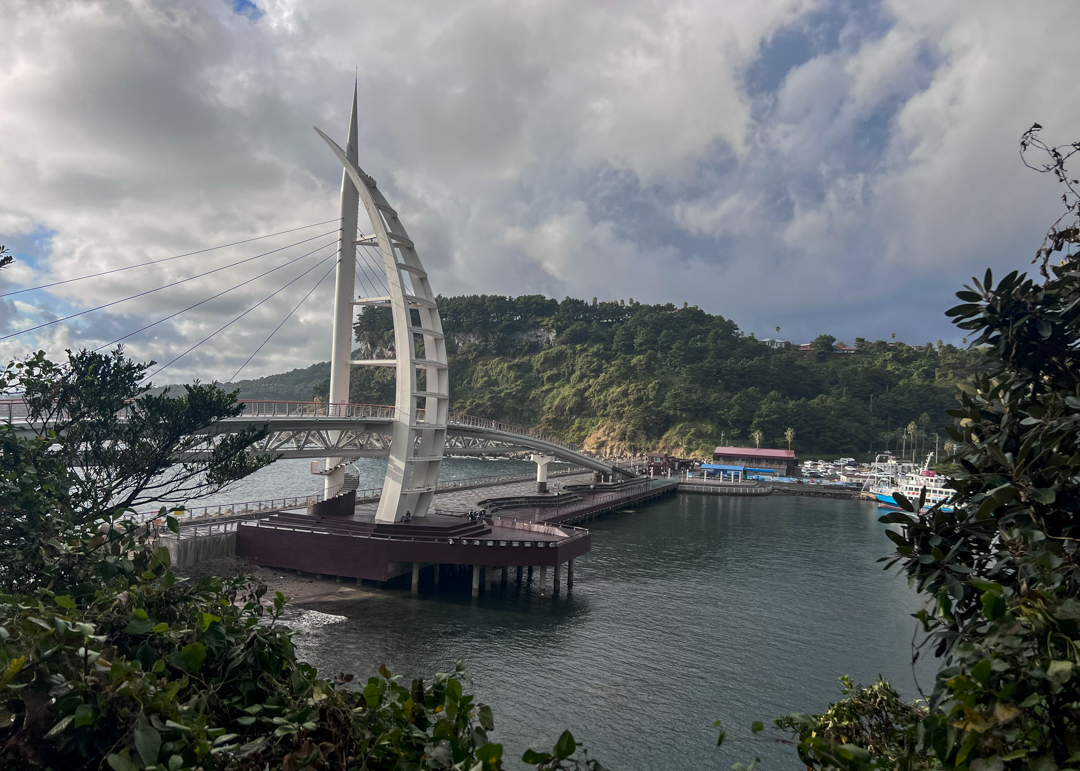
The city is perfect for nature lovers with several leafy parks and waterfalls all within its limits. Start at the waterfront by visiting Saeseom Island which you access from the sail-like bridge that stretches across the harbor.
Seogwipo Jeju Island

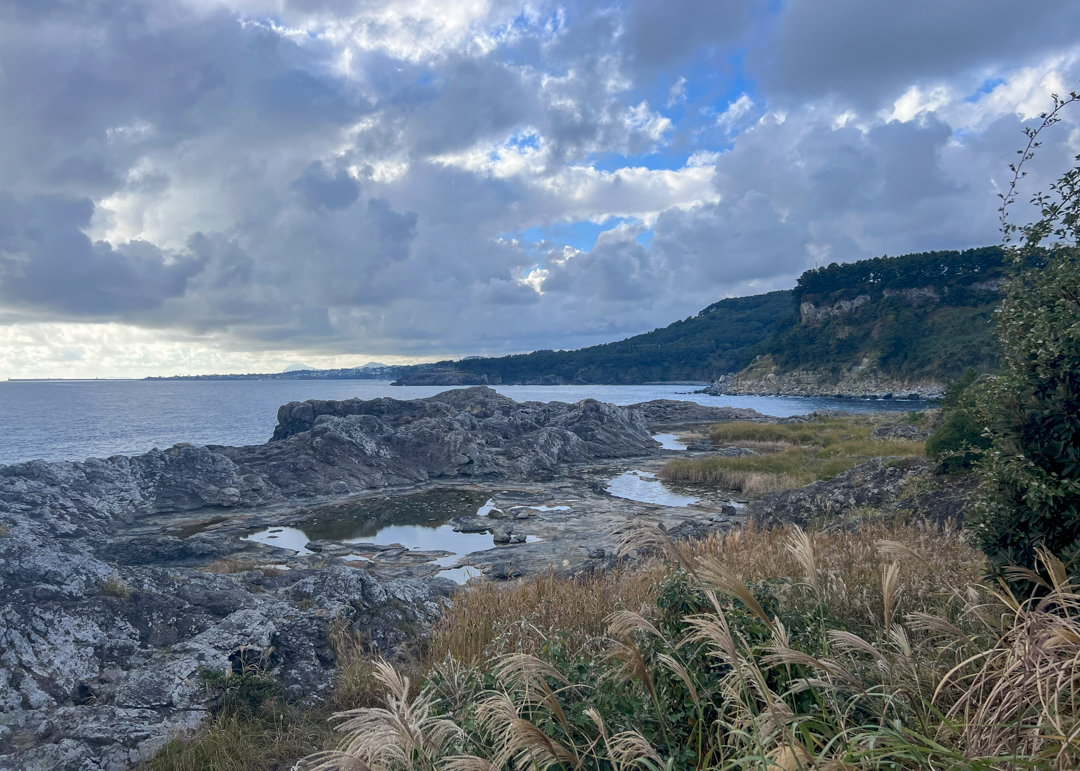
A densely wooded trail takes you around the island on boardwalk, leading to great views of the coast, perfect for a quick sunset stroll.

Saeseom Jeju Island

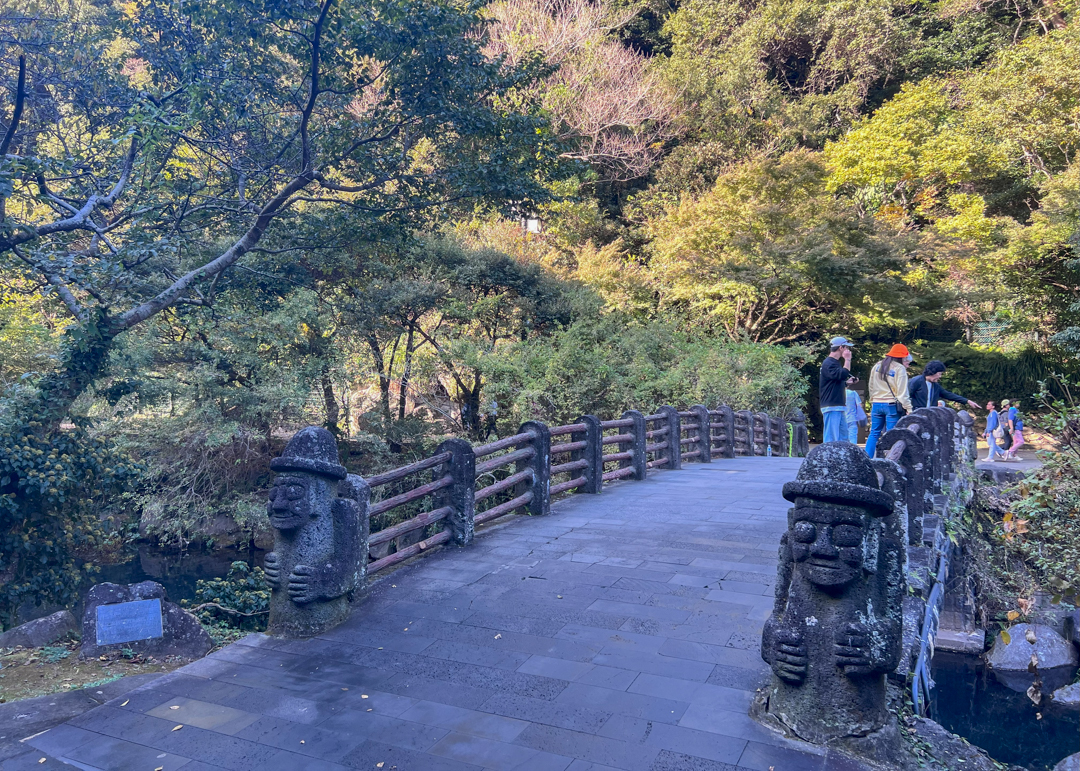
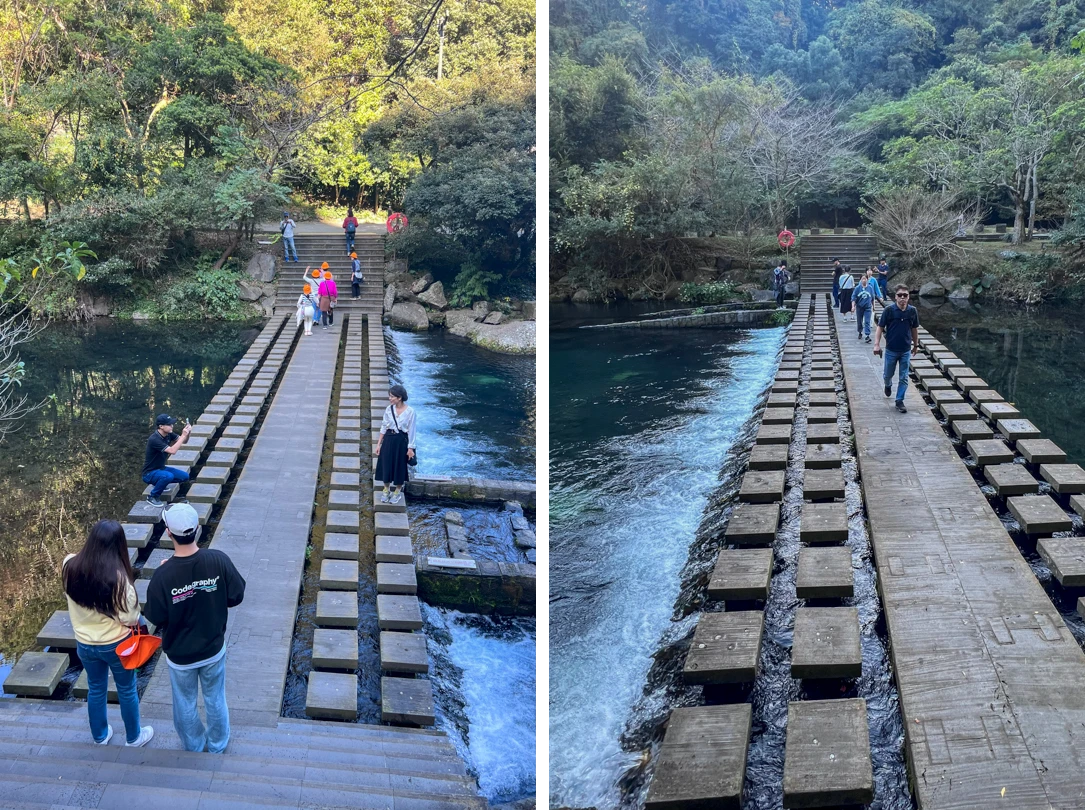
Back on the harbor, a few minutes walk away will lead you to a beautifully forested gorge, following a shaded path with bridges and temples.
Road to Cheonjiyeon Waterfall
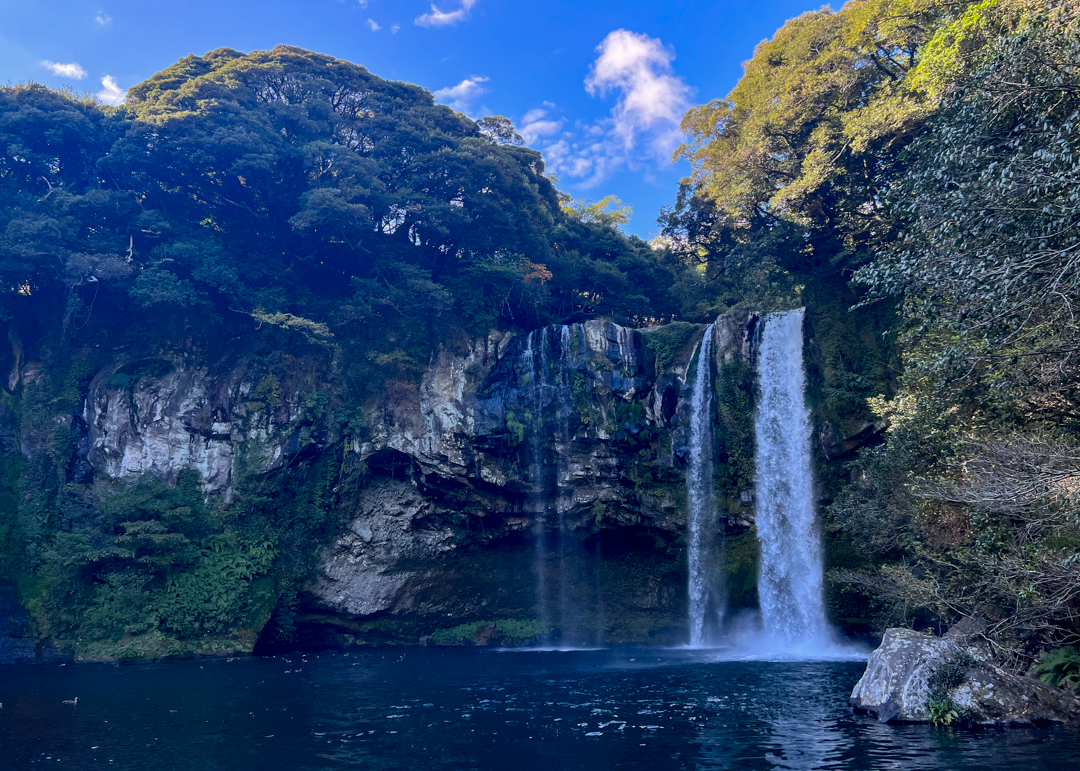
Cheonjiyeon Waterfall

Your destination is the popular Cheonjiyeon Waterfall, literally right in the center of town.
Cheonjiyeon Waterfall

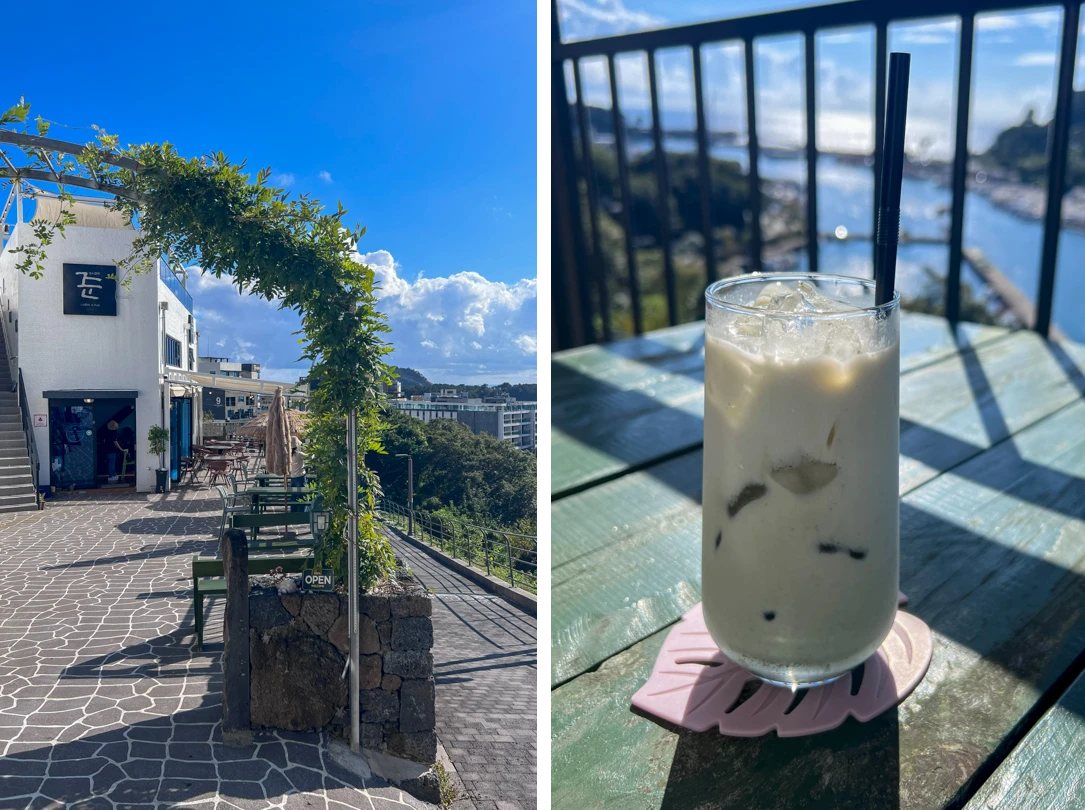
From there you can walk up the hill to get to the city center, stopping for a quick refreshment with views on the way.

Seogwipo

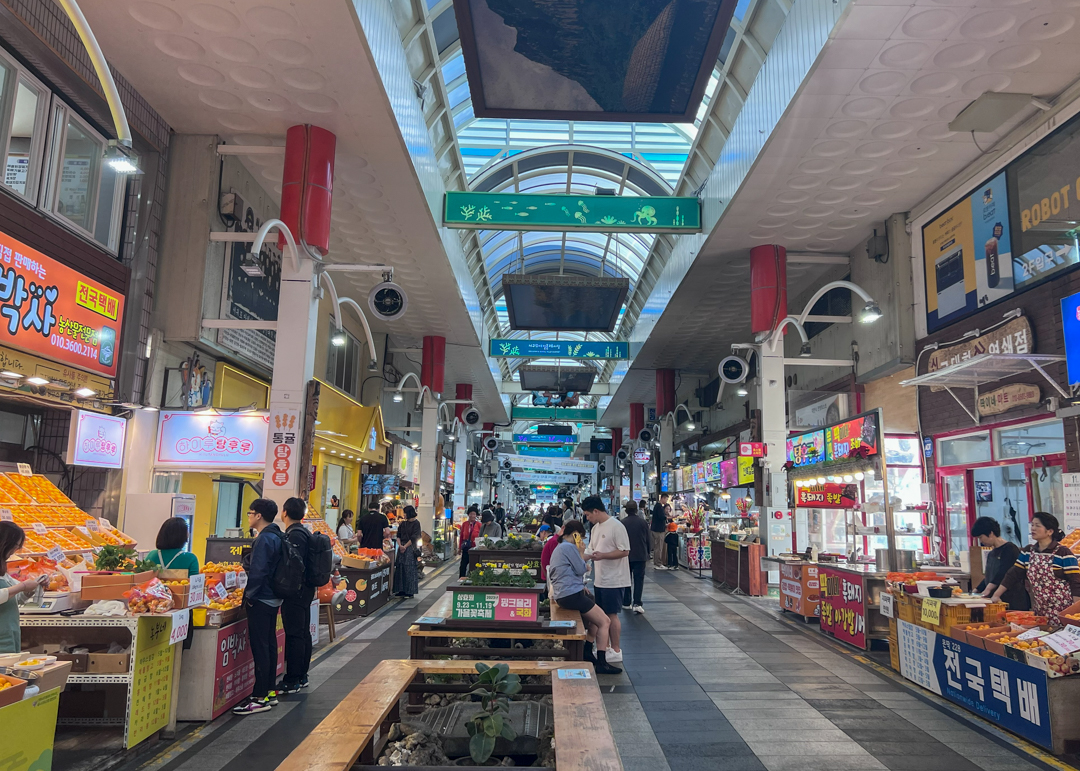
Visiting the local market is always a highlight for me and you won’t regret passing through Seogwipo Olle Market. It’s as laid-back as the town and a wonderful opportunity to sample some of the locally-grown produce and traditional foods.

Seogwipo Olle Market

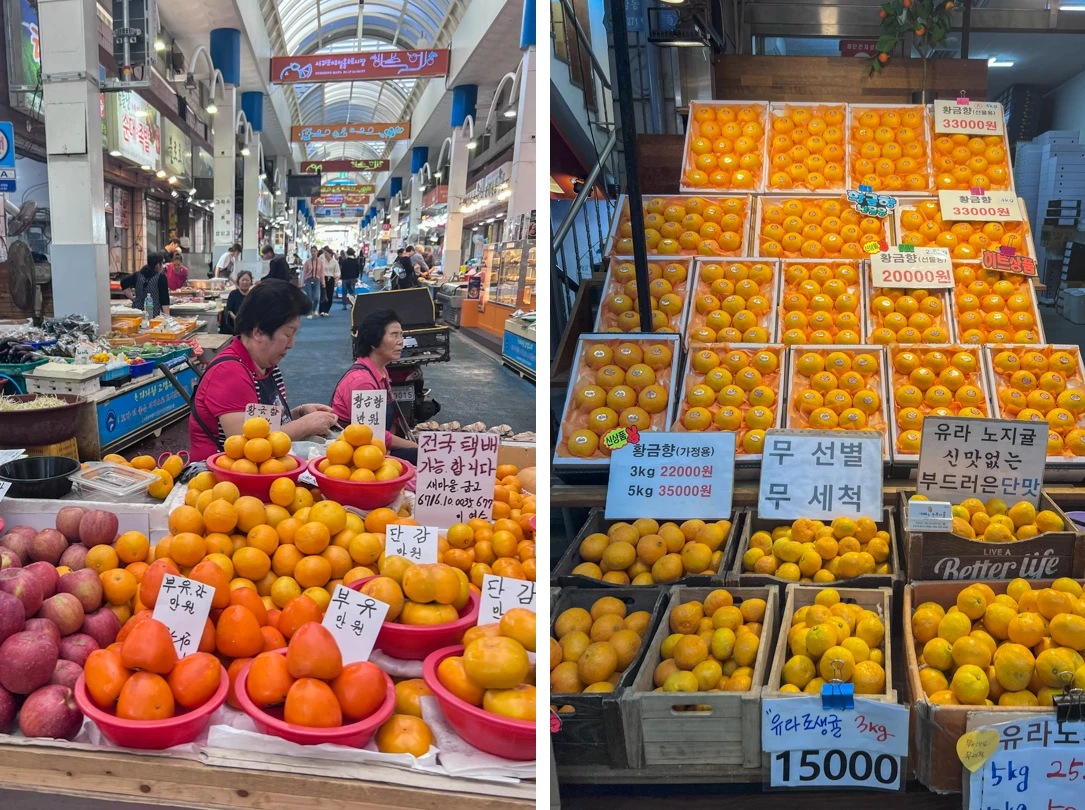
Fruits are in abundance, especially the local tangerines which are clearly not all created equal with quality grading and varying prices.

Seogwipo Olle Market

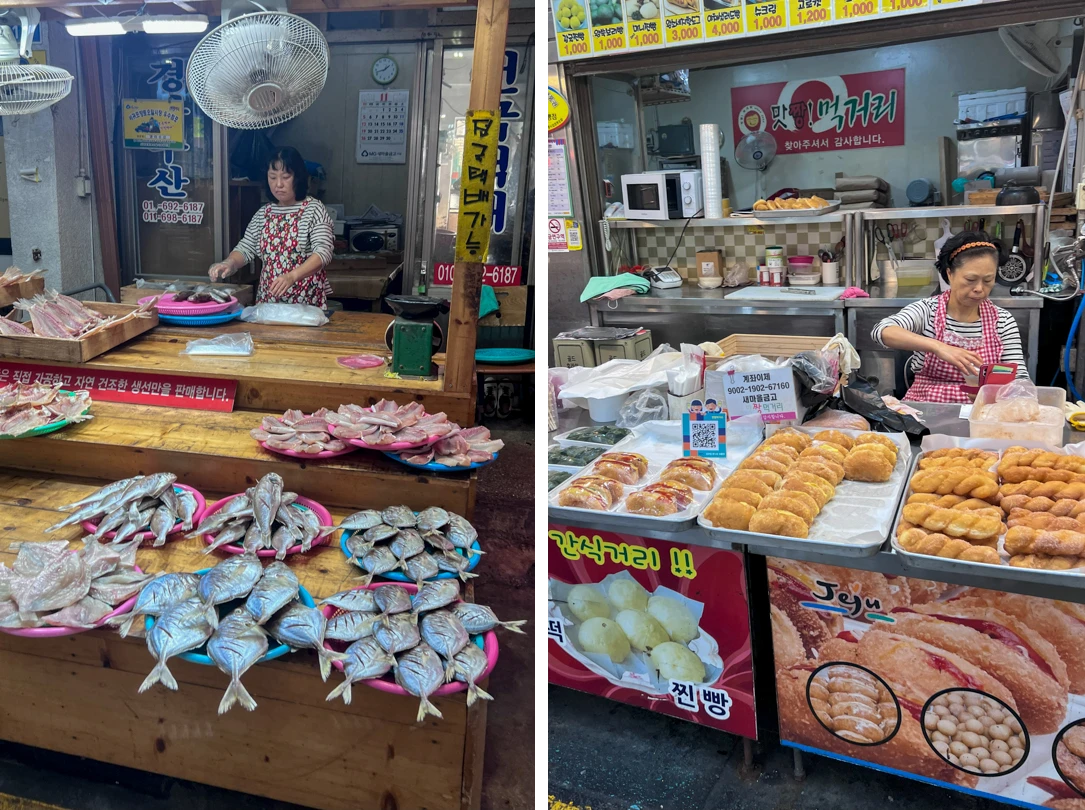
Lots of fresh seafood too which is harder to try when traveling, but there’s plenty of sweets and donuts stalls that make for a quick and easy snack.

Seogwipo Olle Market

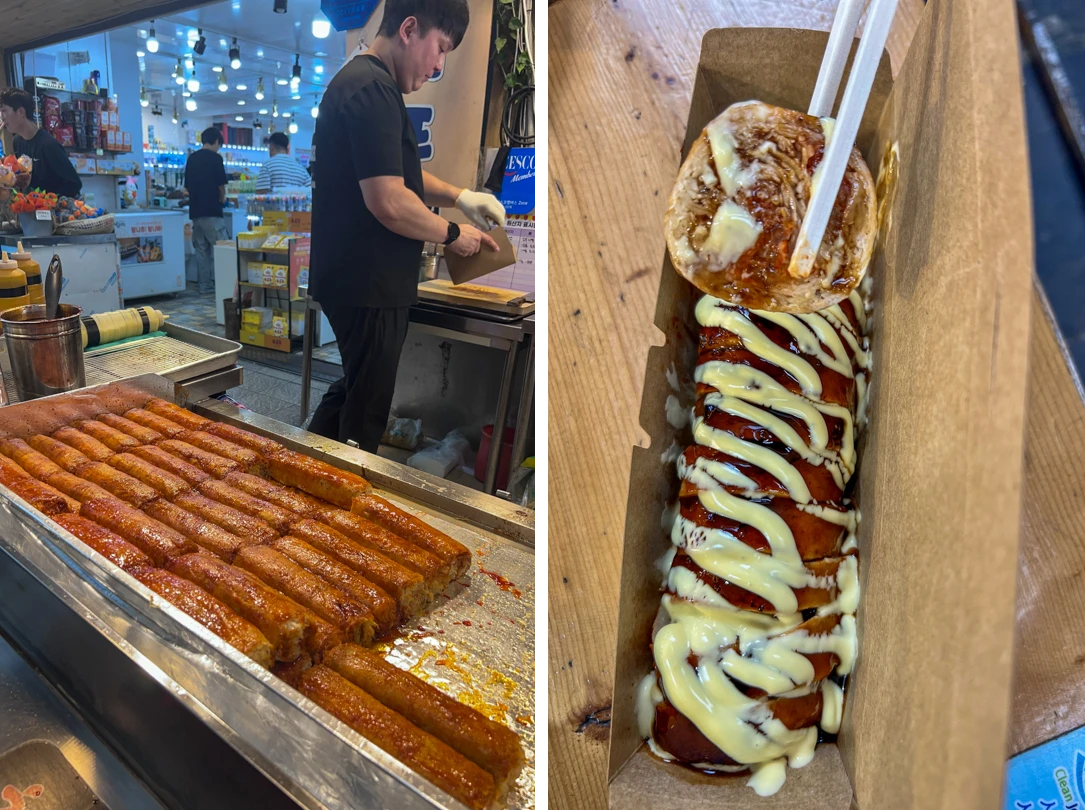
For something more filling, street food options abound. You could get some of that fresh seafood prepared Japanese style or try a local specialty, like this black pork kimchi roll which they finish with a blow torch right in front of you. So so good!

Seogwipo Olle Market

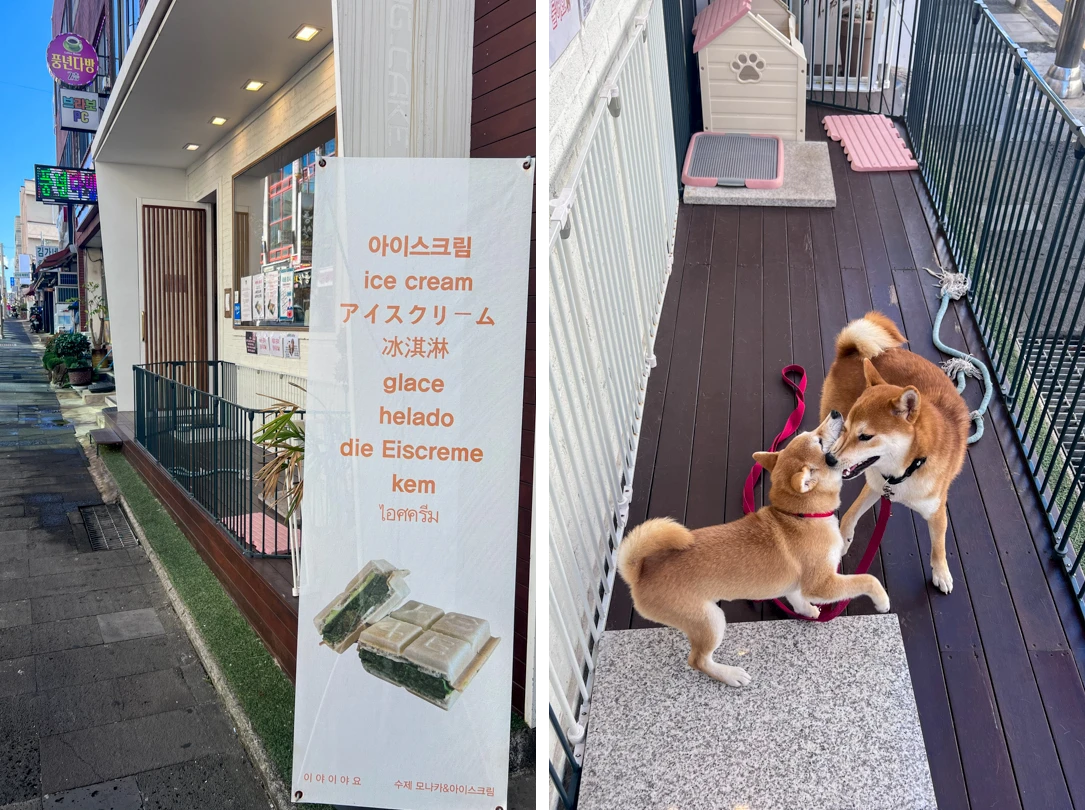
The streets surrounding the market are vibrant and filled with cute cafes and galleries. Look for two playful Shibas in front of a cream-colored storefront to find the refreshing treat you were looking for…

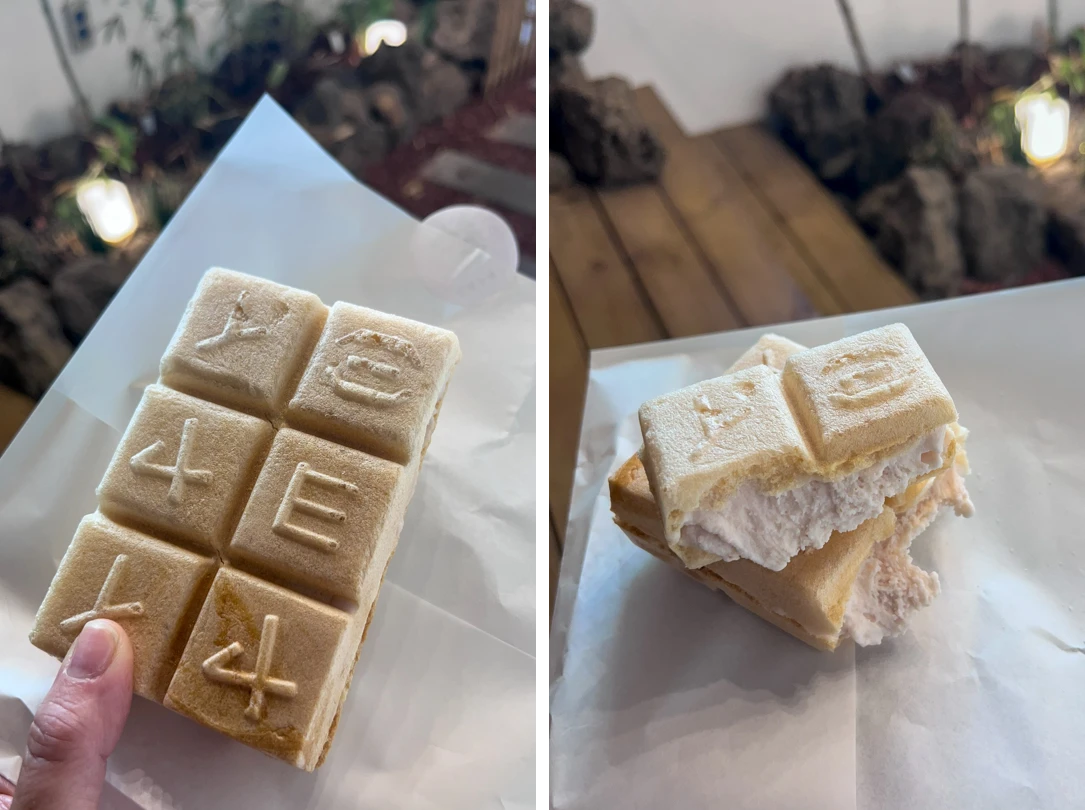
… freshly made monakas! The Japanese dessert is most often found in convenience stores but here they make it to order right in front of you – two thin, crisp wafers sandwiching your choice of homemade ice cream. I went with strawberry which was light and the combo of crunchy and cold ice cream was just heavenly.

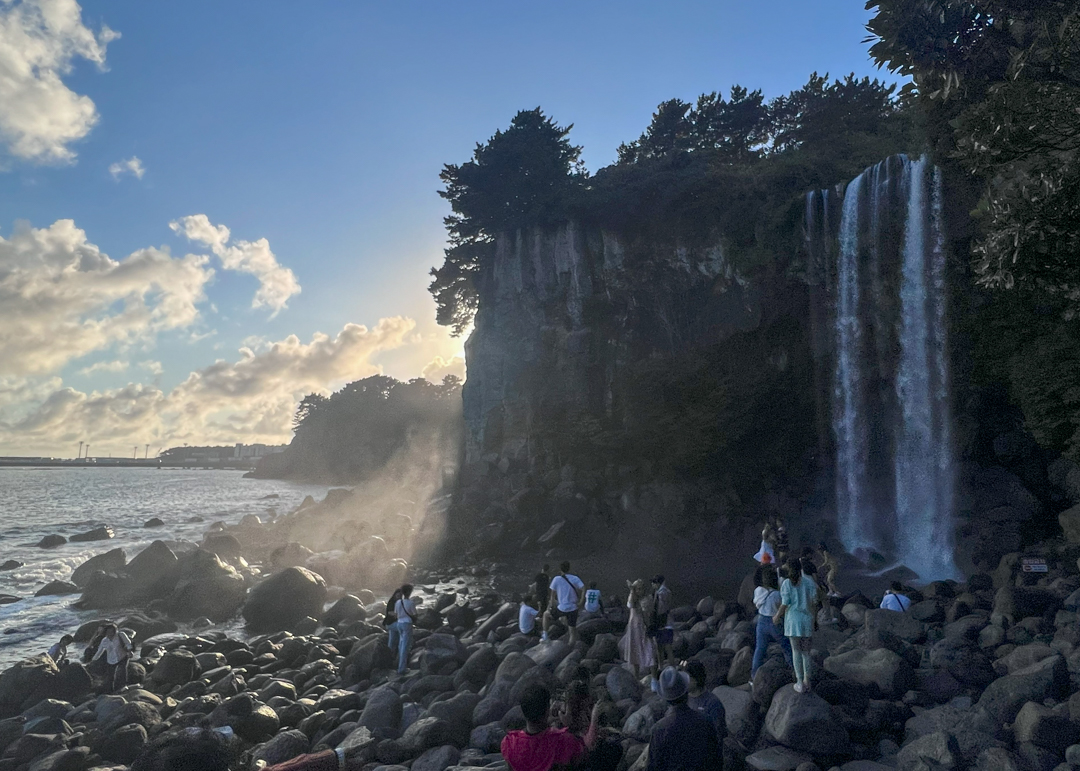
A 15-minute walk east of the town center will bring you to yet another waterfall – Jeongbang. While not as big or as dramatic as other waterfalls nearby, its claim to fame is that it’s the only waterfall in Asia that falls into the ocean…hence a favorite with photographers.

Jeongbang Waterfall

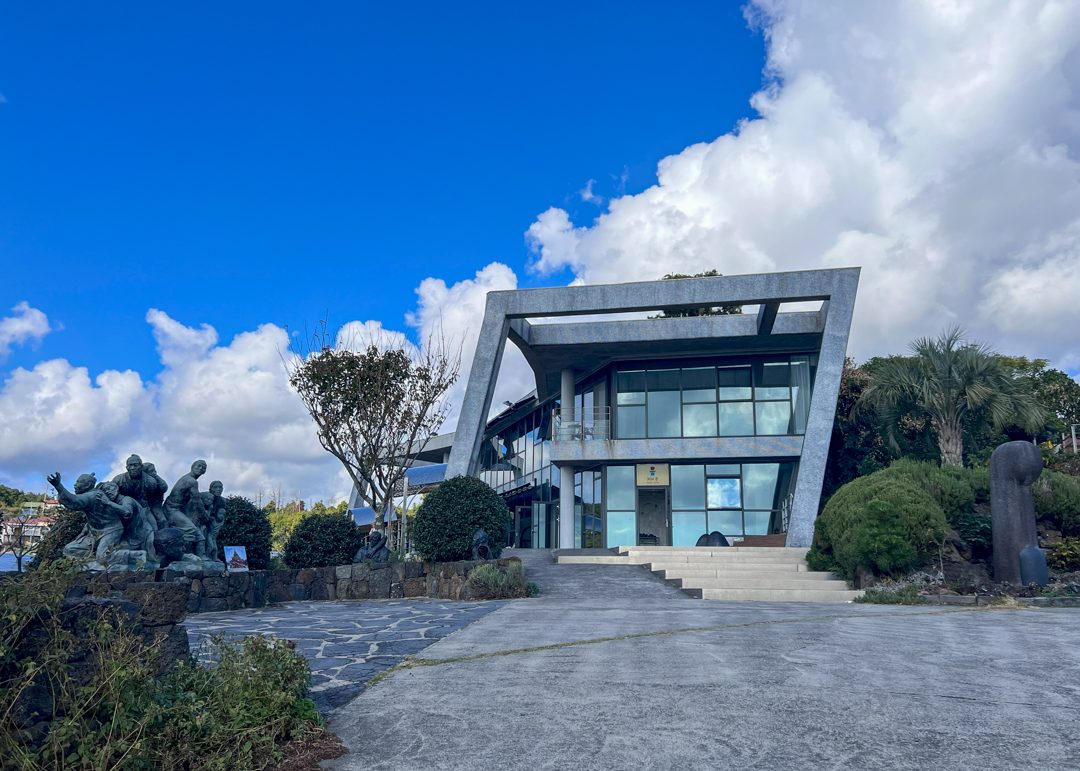
When it comes to picking a place to stay, there are plenty of attractive options from modern city hotels to seafront resorts, but one stood out for me and ended up being a truly memorable stay: Jeju Bom Museum Stay.

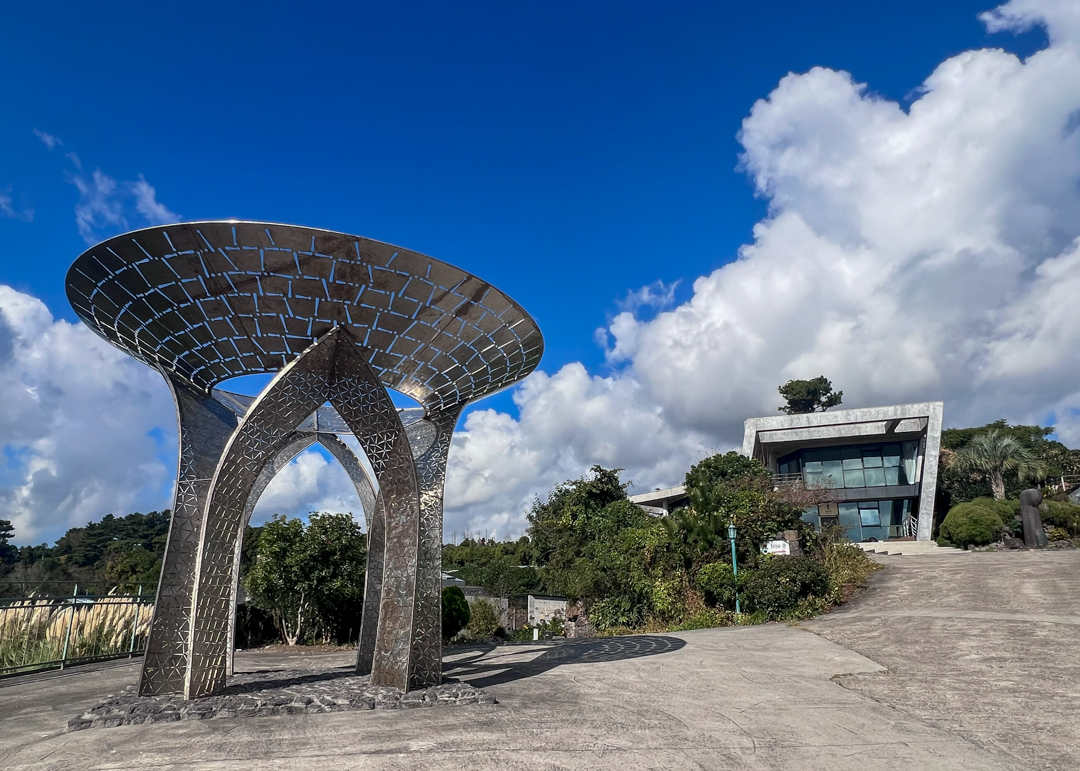
Perched on one of the hills outside of town amid tangerine farms, this artsy boutique hotel had everything I wanted: quiet surroundings, gorgeous sea views, impeccable design, its own museum (!), beautiful art everywhere, and a warm family hosting you.

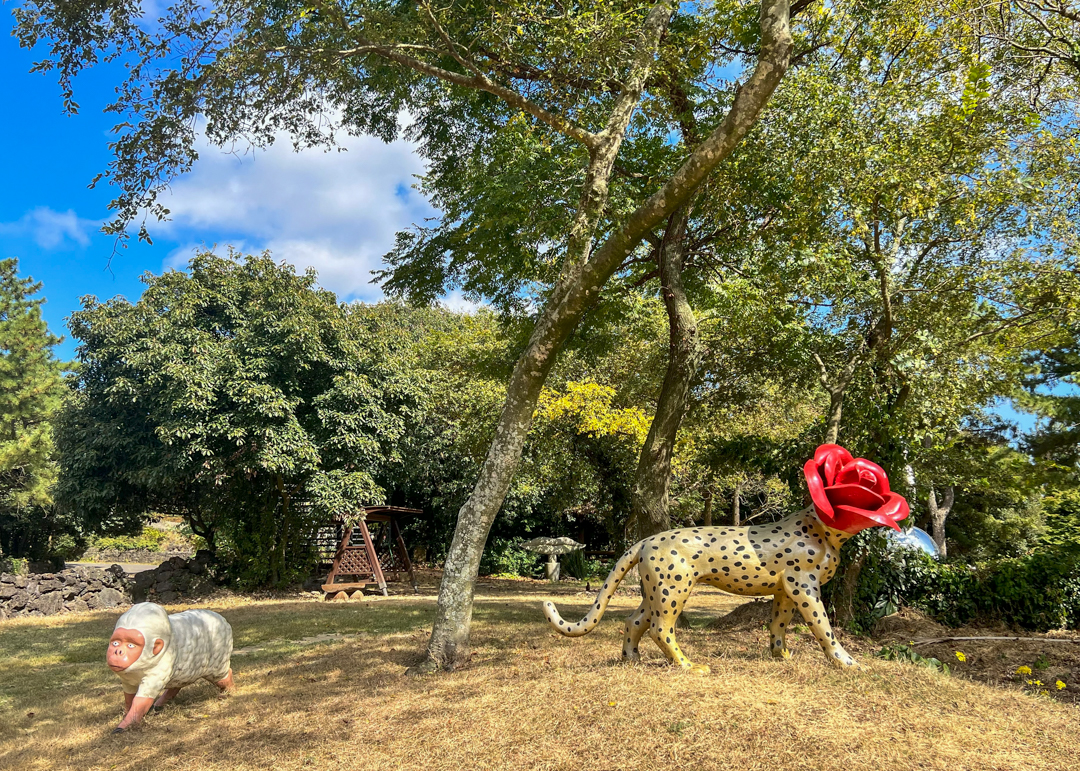
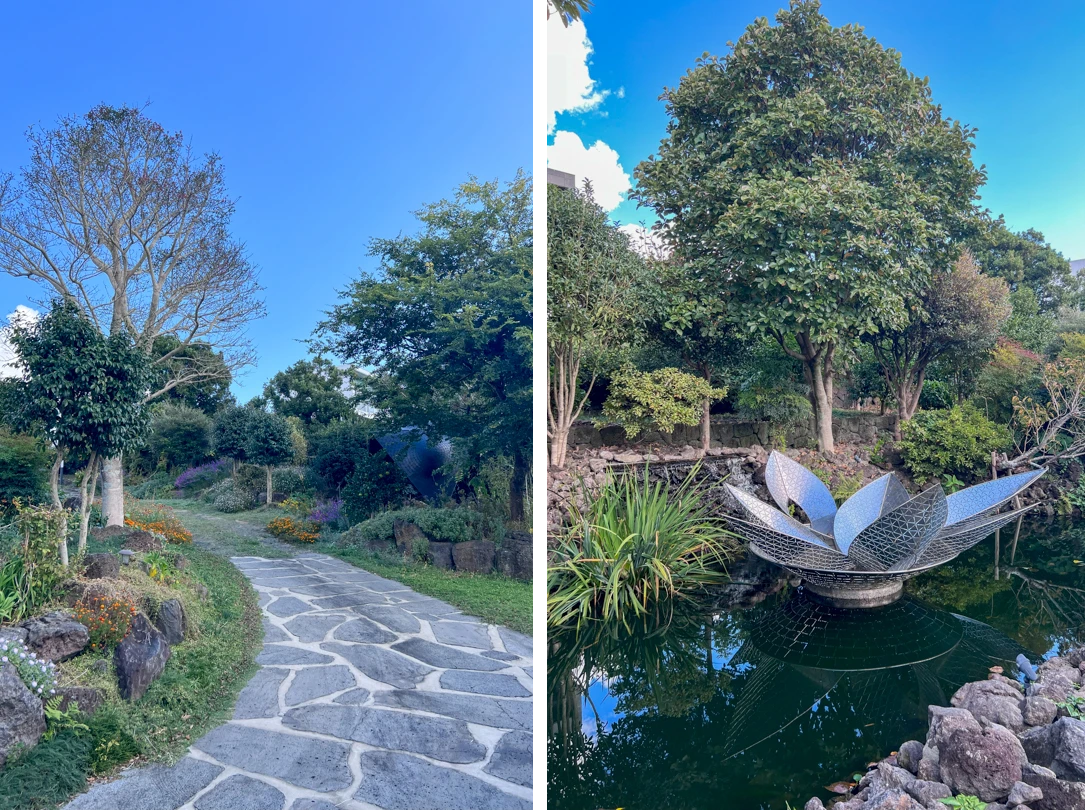
There’s a peaceful sculpture garden where you can just meander or sit and relax by the pond.

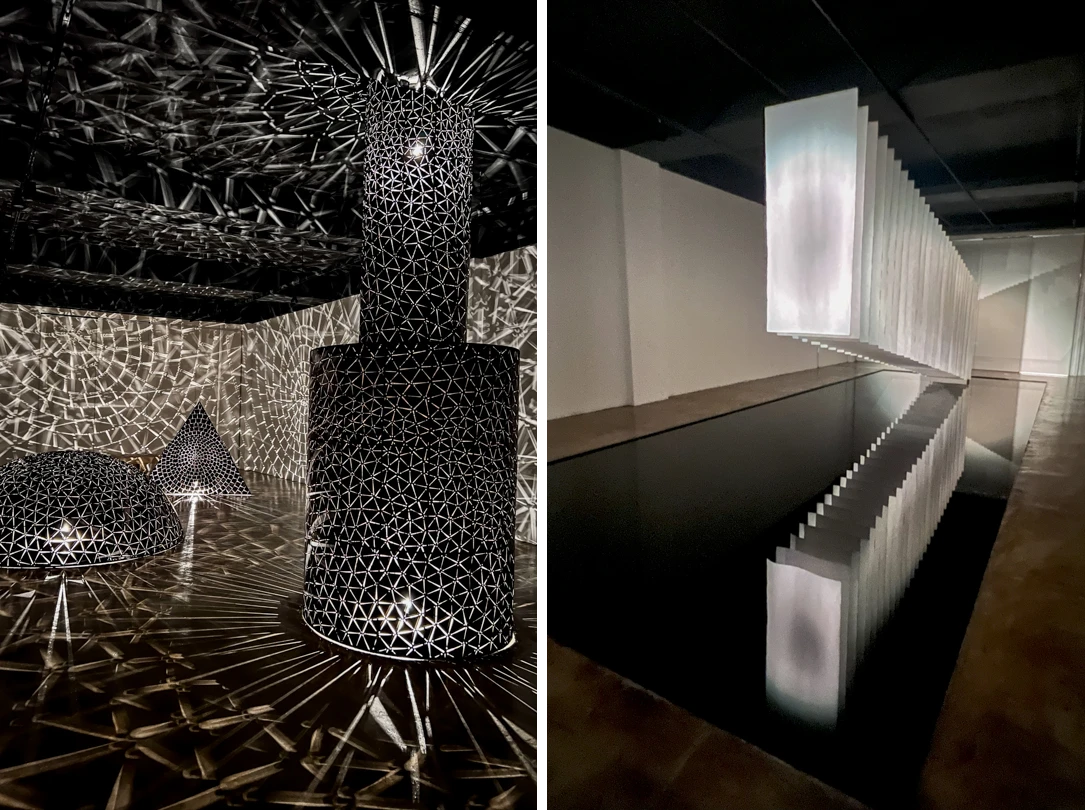
Your stay also includes a private tour of the museum’s two permanent exhibitions: one with works from a famous Korean sculptor, and the other one a site-specific installation of traditional Korean paper hanging above water, both mesmerizing.

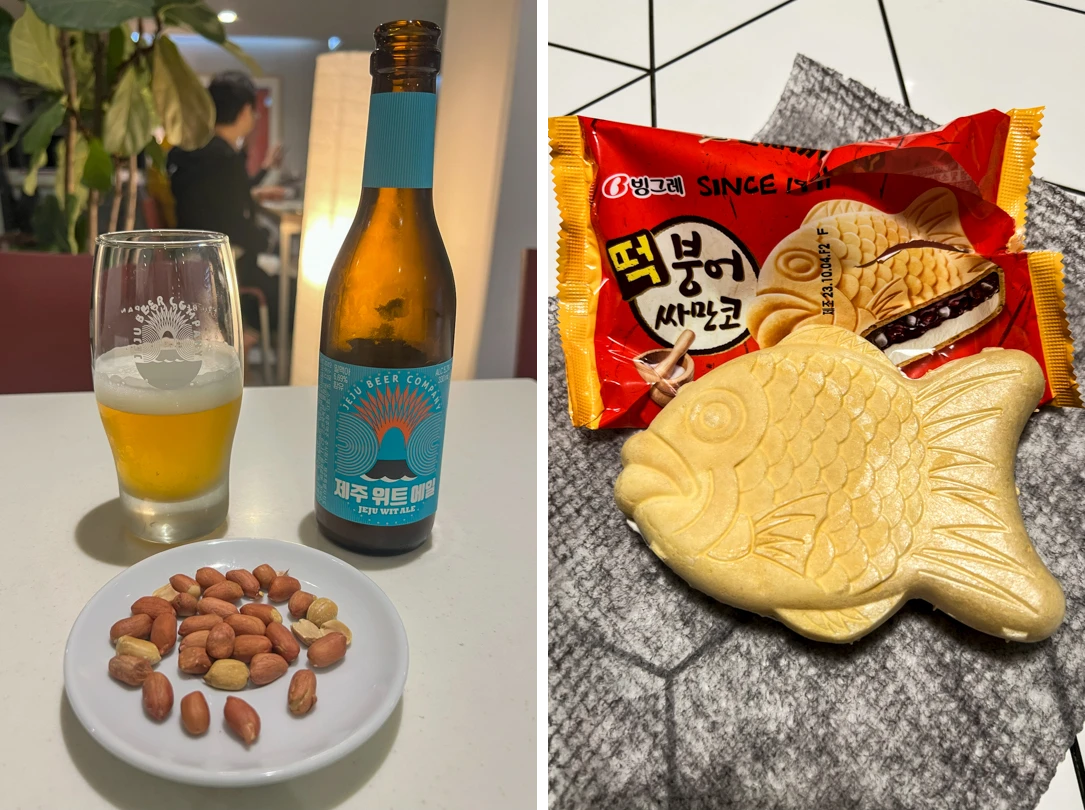
You can grab a drink at the hotel bar/restaurant (local beer + peanuts hit the spot) or indulge in a convenience store snack which I love doing all over Asia. Bungeoppang are Korean fish shaped pastries filled with various fillings such as sweet red bean paste, yummy!

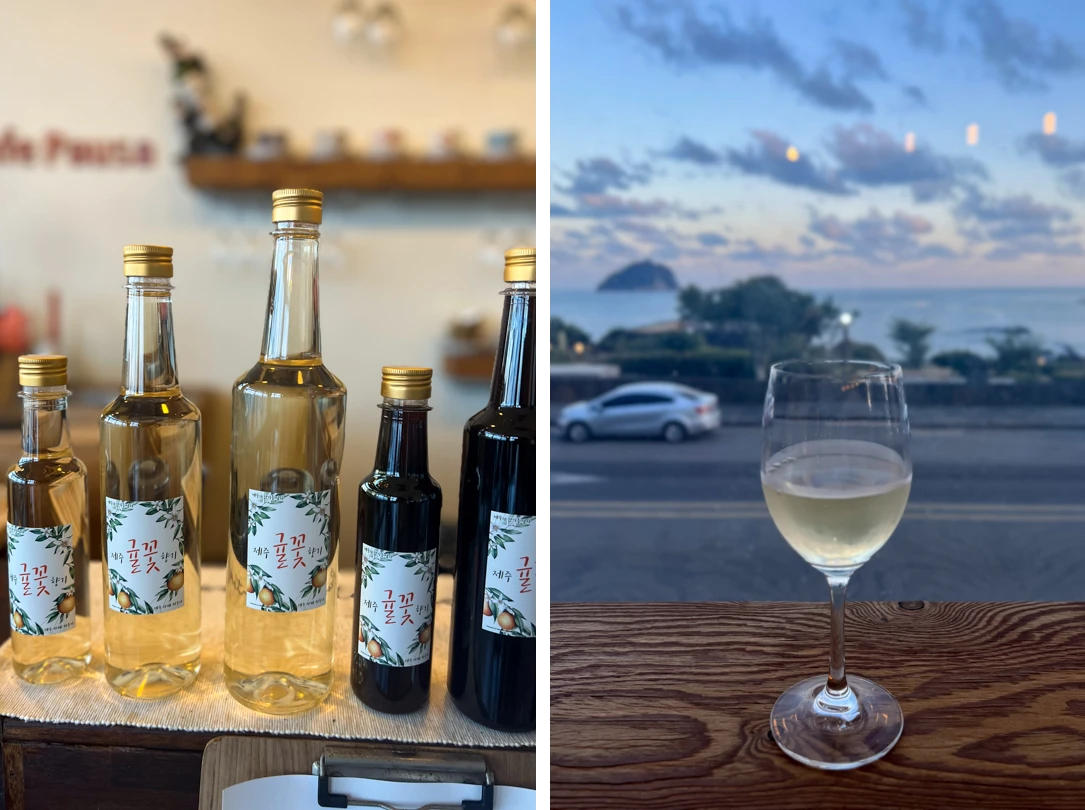
Back into town, Cafe Pausa has tangerine blossom wine made by the owner, a slightly sweet and delightful drink to enjoy while watching the sun go down.

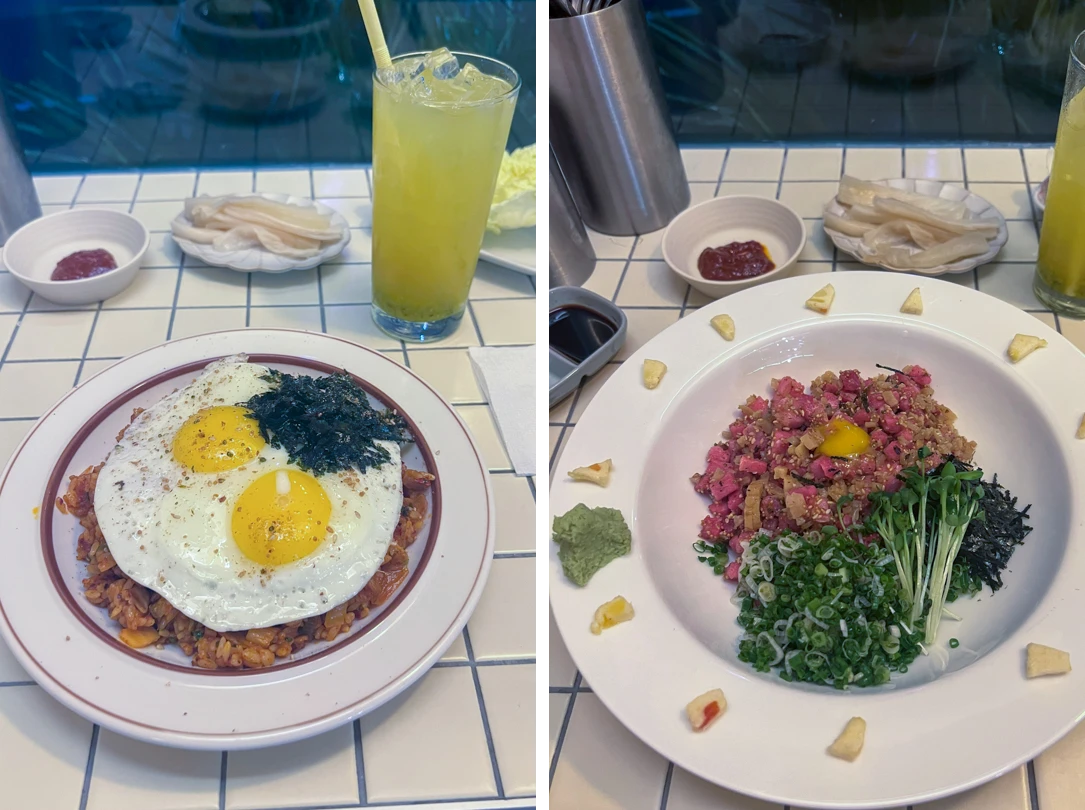
Dinner options are plentiful and range from street food to casual sit downs and fancier affairs. I really enjoyed my meal at Leogkisanghoe Seasonal Fish, a must try for seafood lovers if you come to Seogwipo. The kimchi fried rice with egg and the raw tuna belly tartare were both incredible.

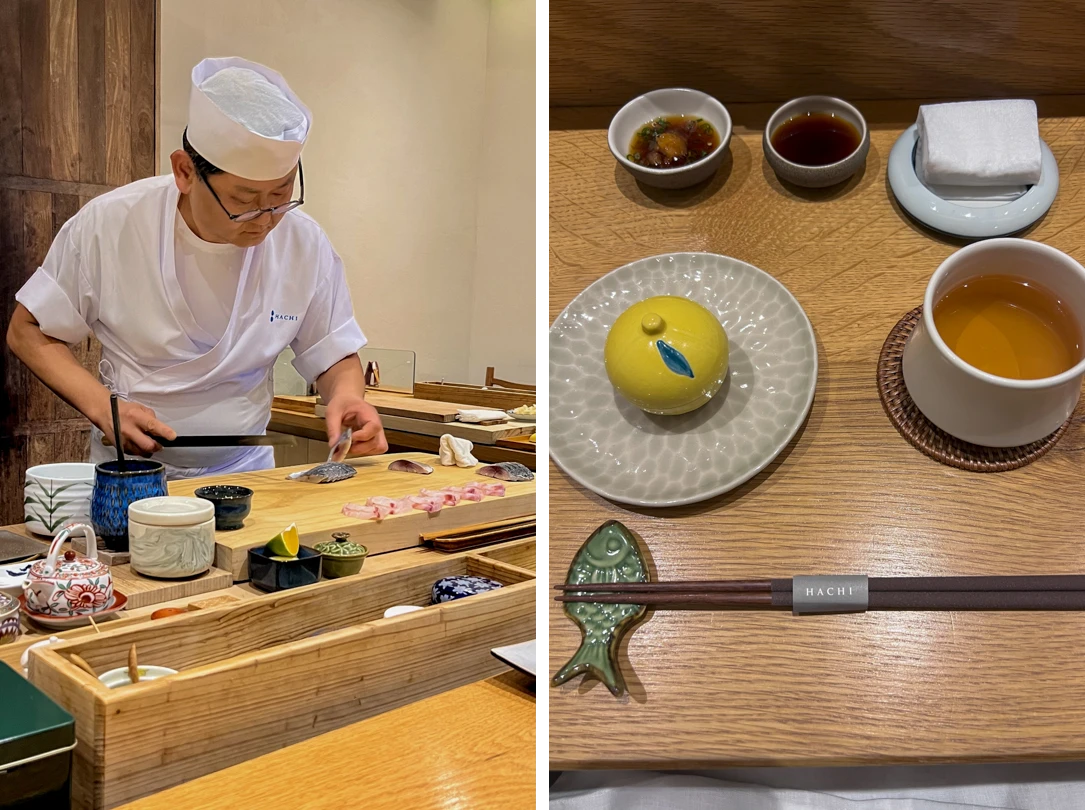
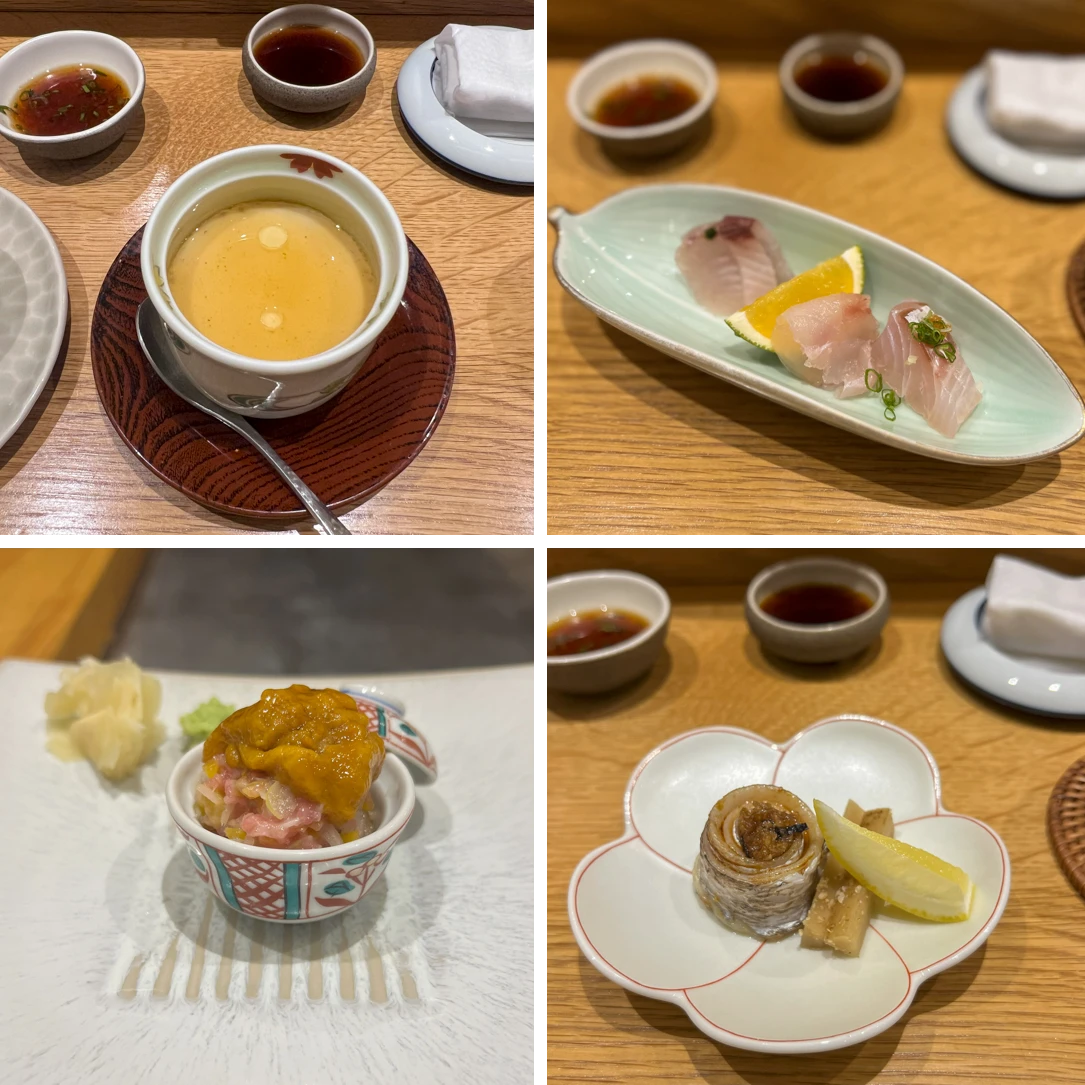
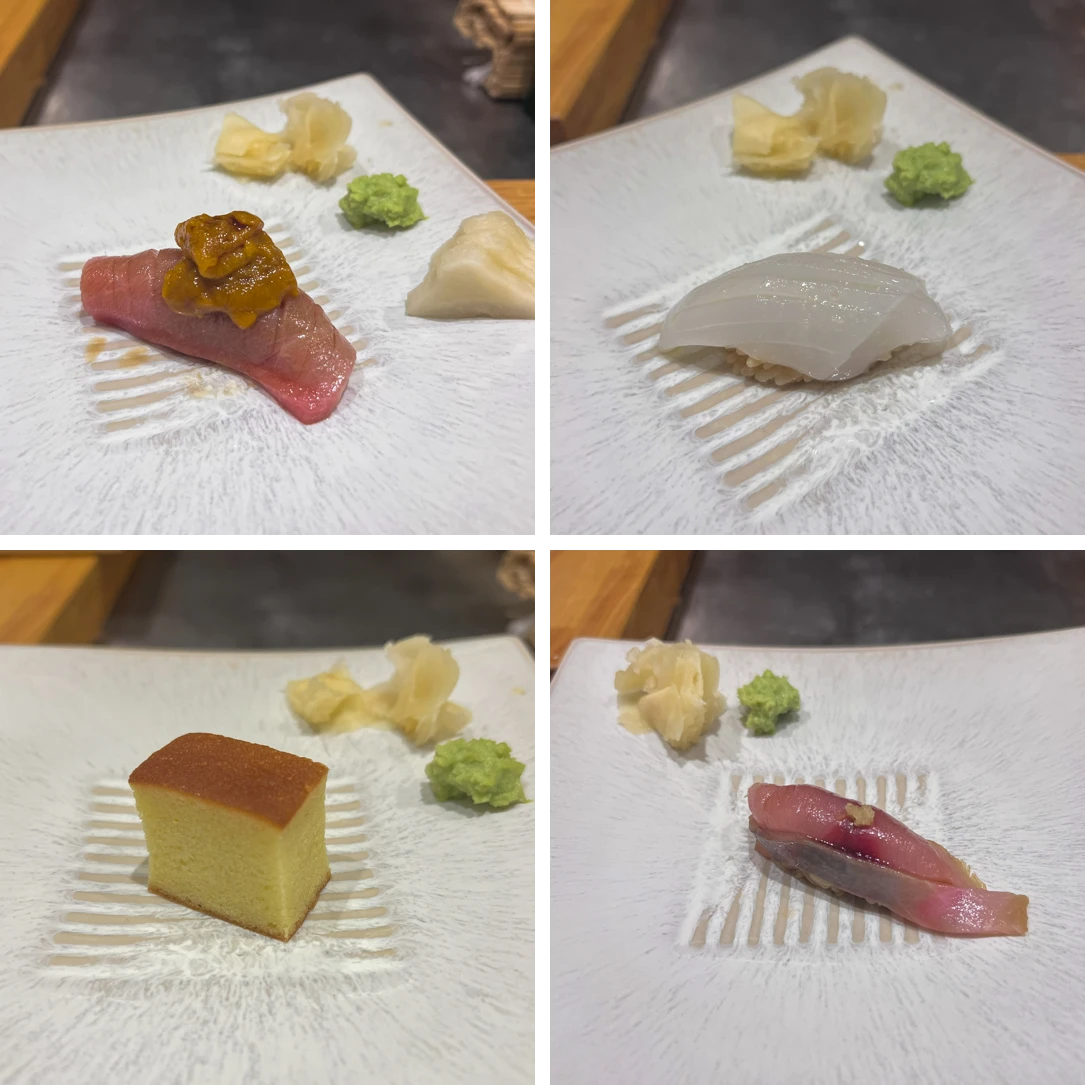
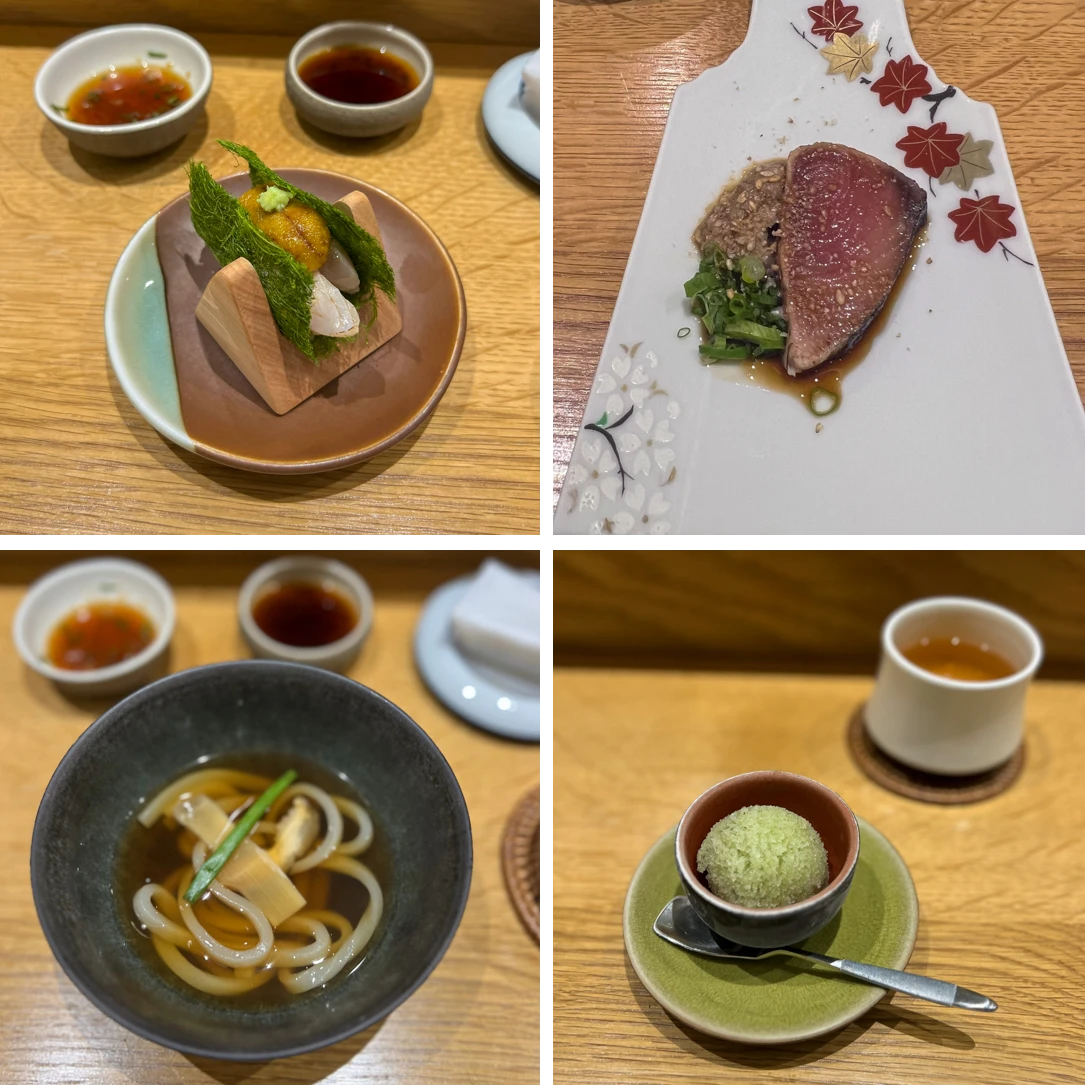
Now for a superlative raw fish experience, book a seat at the tiny Hachi restaurant just outside Seogwipo. With only 8 seats, it’s an intimate omakase experience you’ll remember, prepared and served with smiles and conversation by Chef Jun Seok-chang, formerly of Lotte Hotel in Seoul.

Hachi omakase - Jeju Island

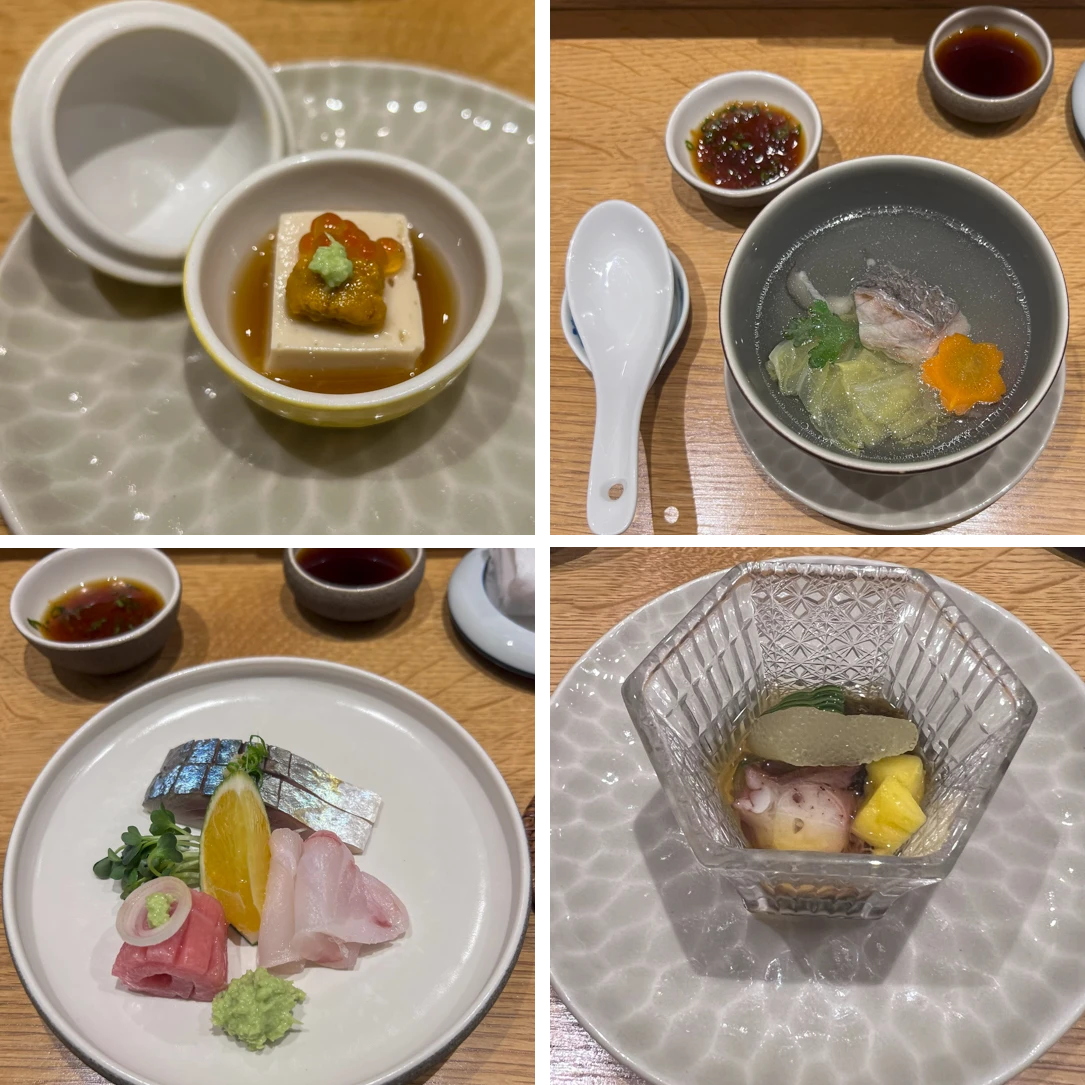
The never-ending dishes (not all of them featured here) were varied and exquisite. I especially appreciated having a chance to taste fresh fish caught in Jeju which I had never heard of before.

Hachi omakase - Jeju Island

I honestly don’t know how I was able to ingest so many pieces but that’s just a testament to the quality which was superb.

Hachi omakase - Jeju Island

It’s all right, tomorrow I’ll be burning all those extra calories going up Mount Hallasan

Asia South Korea Travels

A day exploring Udo Island on foot

April 5, 2025

Jeju island’s east coast has many highlights, and one of them is the small island of Udo. Although it is the largest of the 62 islets surrounding Jeju, it can be walked in just a couple of hours and visitors get treated to scenic views, unique attractions, a serene isolation that is hard to come by…and lots of peanuts! When I discovered I could combine my love of walking with a local culinary specialty, I was sold on going to Udo and I’m so glad I did.

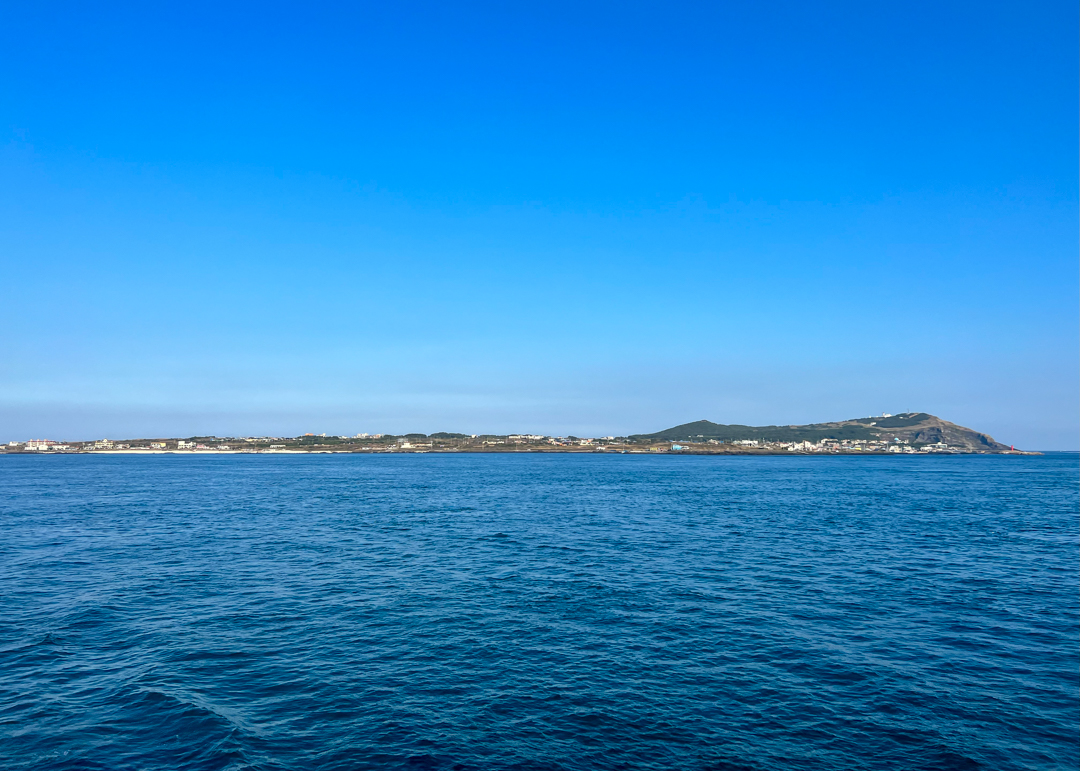
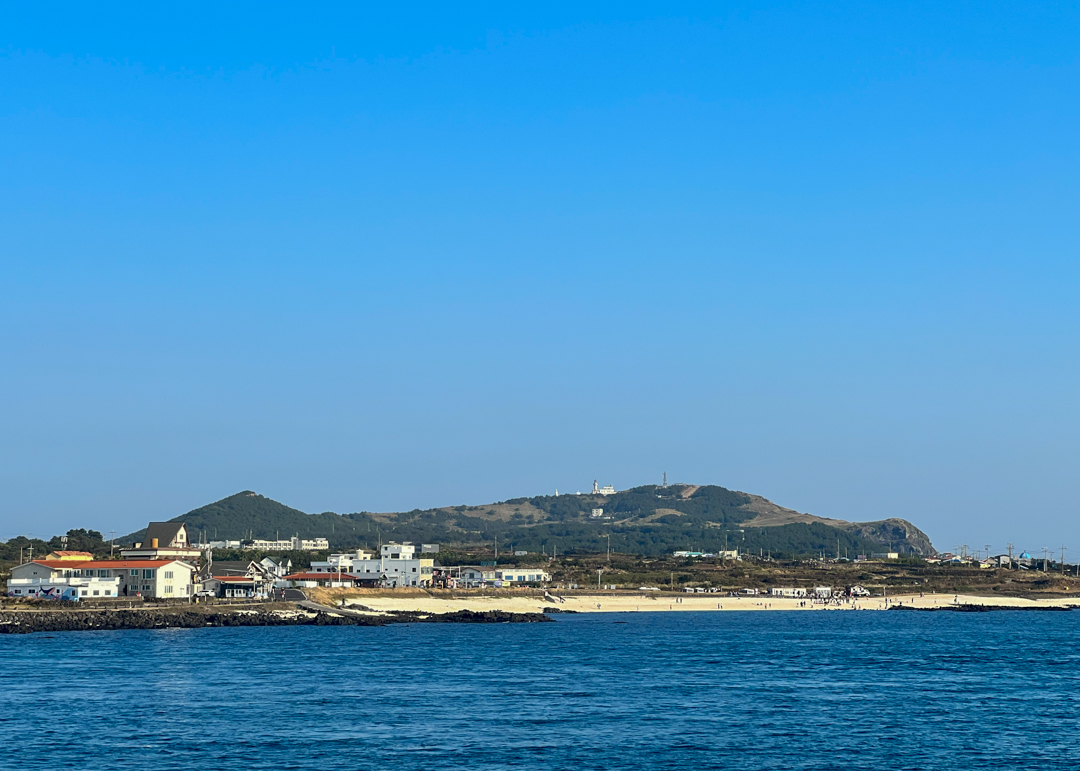
Getting to Udo couldn’t be easier – just get on one of the ferries that leave right by Seongsan Ilchulbong (volcano) every 30 minutes for the 15-minute ride. As you approach the island, see if you can make up how it got its nickname of “Cow Island” due to its hill resembling a cow lying down…

While you can take your car on the ferry, it’s really not necessary and most people come on foot. My plan was to walk the official Olleh Trail 1-1, part of Jeju’s extensive 430km network of trails meant to open up Jeju’s unique culture and scenery to visitors in a slow, meandering way. The trail on Udo circumnavigates the entire island over 11km with a few inland excursions, leaving plenty of time to admire the beautiful scenery and enjoy some of the island’s culinary specialties. No need for a map, simply turn right when getting off the ferry and you’ll see signs pointing you to the trail which hugs the coastline most of the way.

Jeju Olle Trail on Udo island

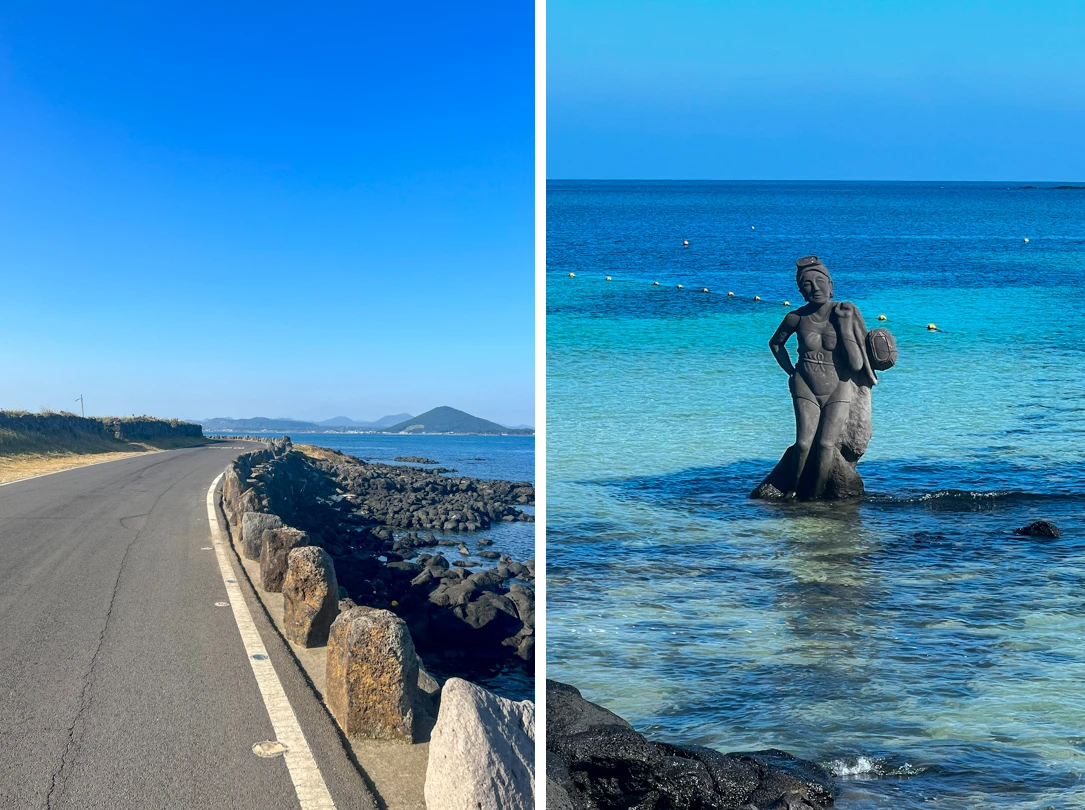
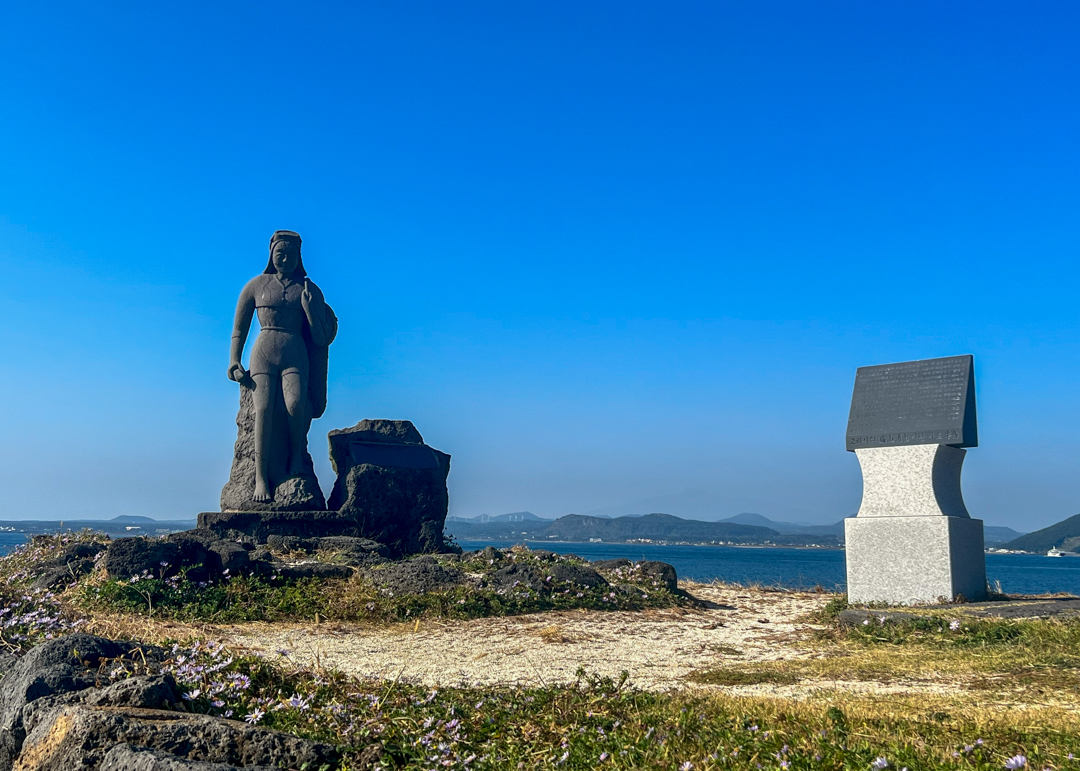
You’ll pass by many tributes to the famous haenyeo, the female free-divers of Jeju, as Udo is (and was) home to quite a few of them. Real legends for an island with a population of just over 1,500 residents.

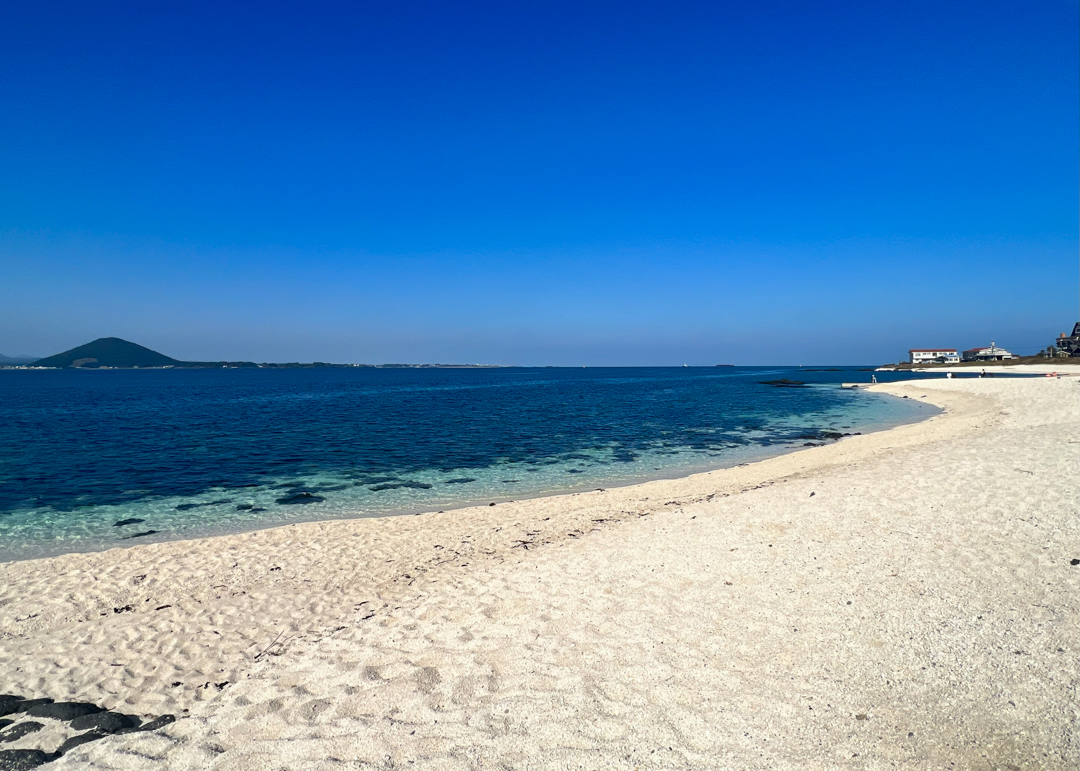
You’ll soon arrive at one of Udo’s (and Jeju’s) most famous sites: Seobin Baeksa. The stunning beach has appeared in numerous Korean movies and TV commercials with its blinding white sand and turquoise sea. You might have it all to yourself as did I, and able to enjoy a meditative walk observing the many variations of blue of the sea, the sound of waves gently lapping the shore…Udo is already showing off and you’ve only been walking for less than 30 minutes!

Seo Bin Baek Sa - West white sand beach on Udo island

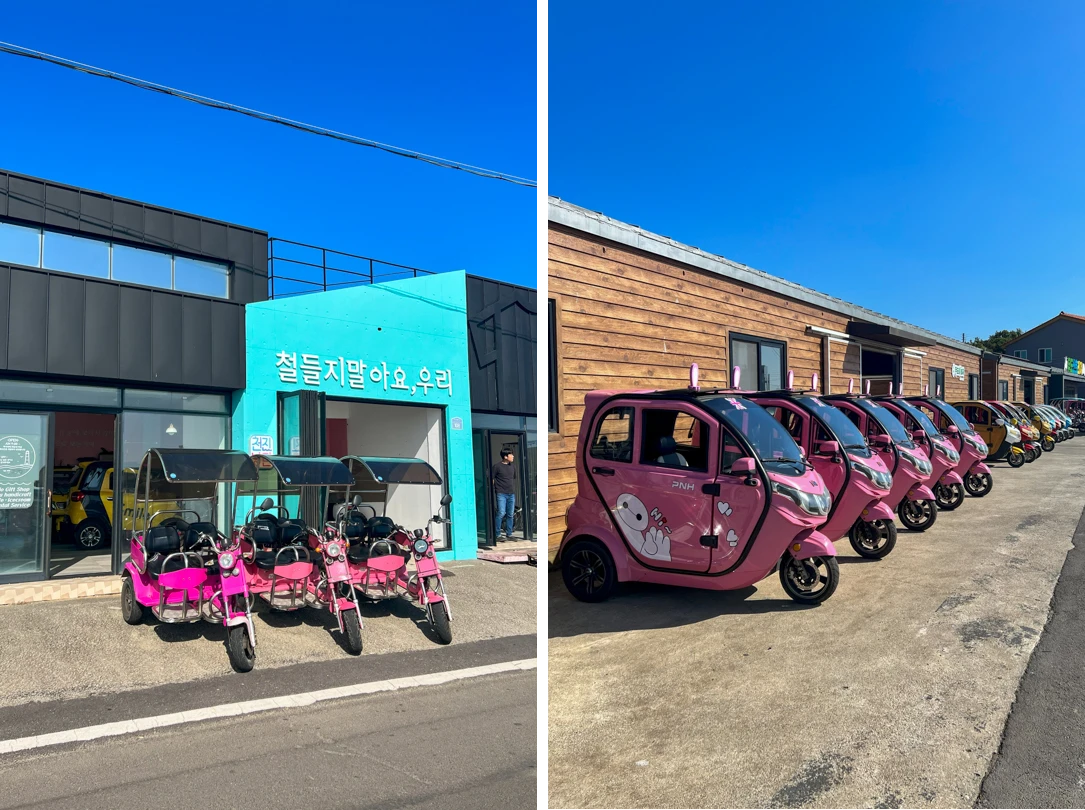
Not everyone opt to walk though as I could tell by how quiet the trail was. It appears that renting a “scooter-car” or electric tuk-tuk is the preferred way to explore the island.

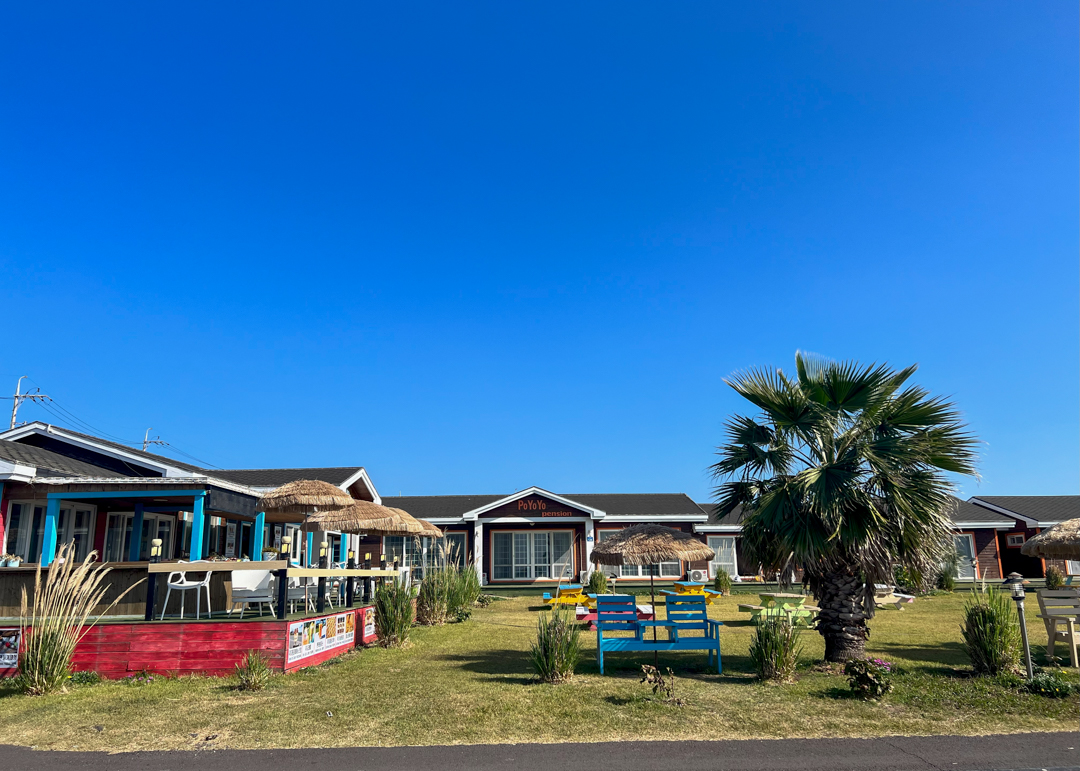
Continue walking along the shore, passing by quaint little vacation resorts facing the beach.

Vacation resorts on Udo Island

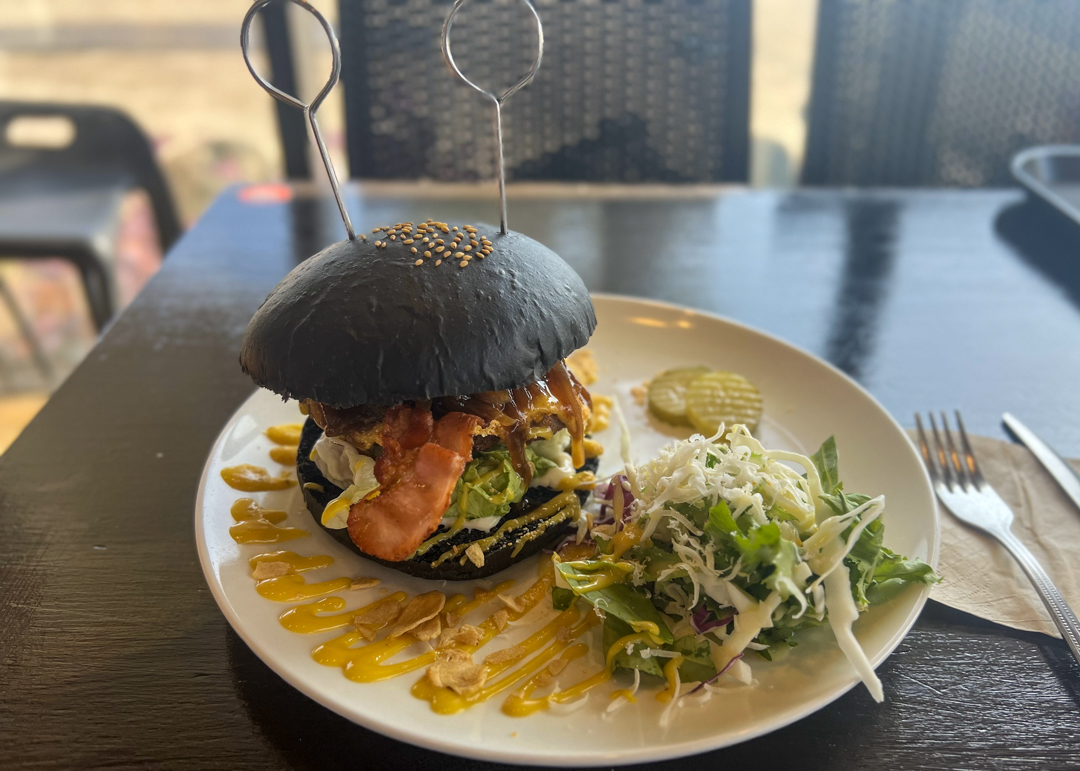
When hungry, grab a delicious homemade “black burger” at Bongkkeulang Black Pork made with a black garlic bun and pork patty – great fuel for the road ahead.

Black burger on Udo Island

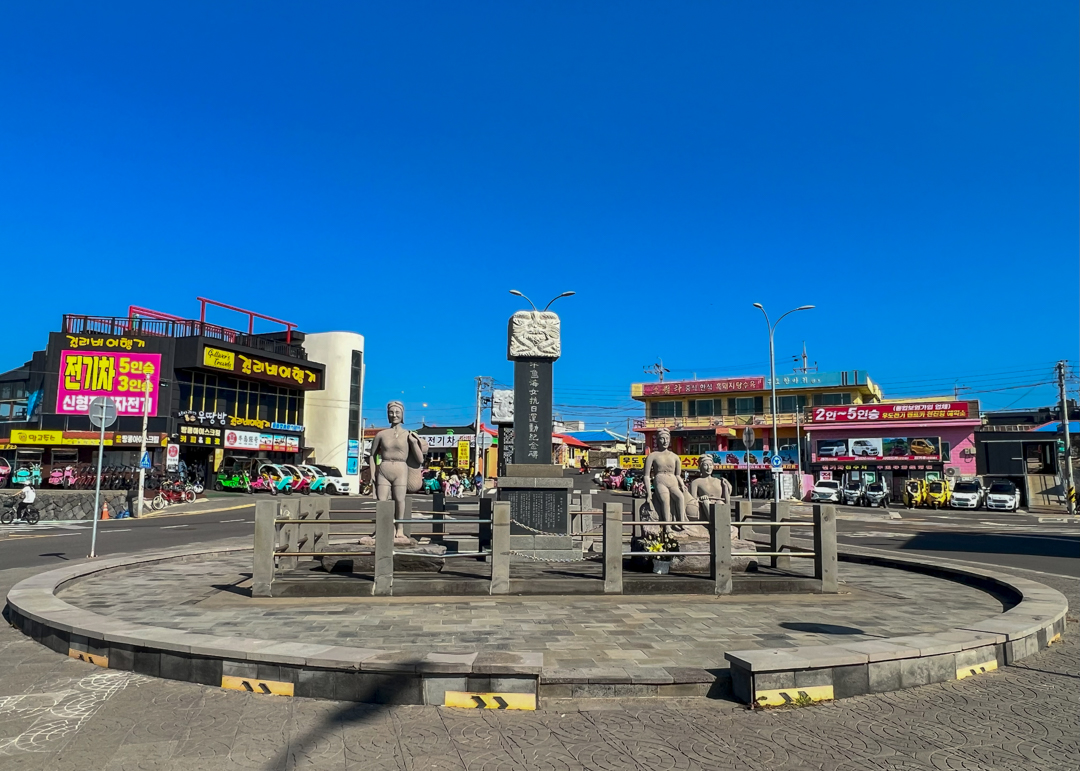
A bit further, the only main intersection on the island seems almost comical. Perhaps the roundabout is to direct the flow of tuk-tuk during summer rush hours?

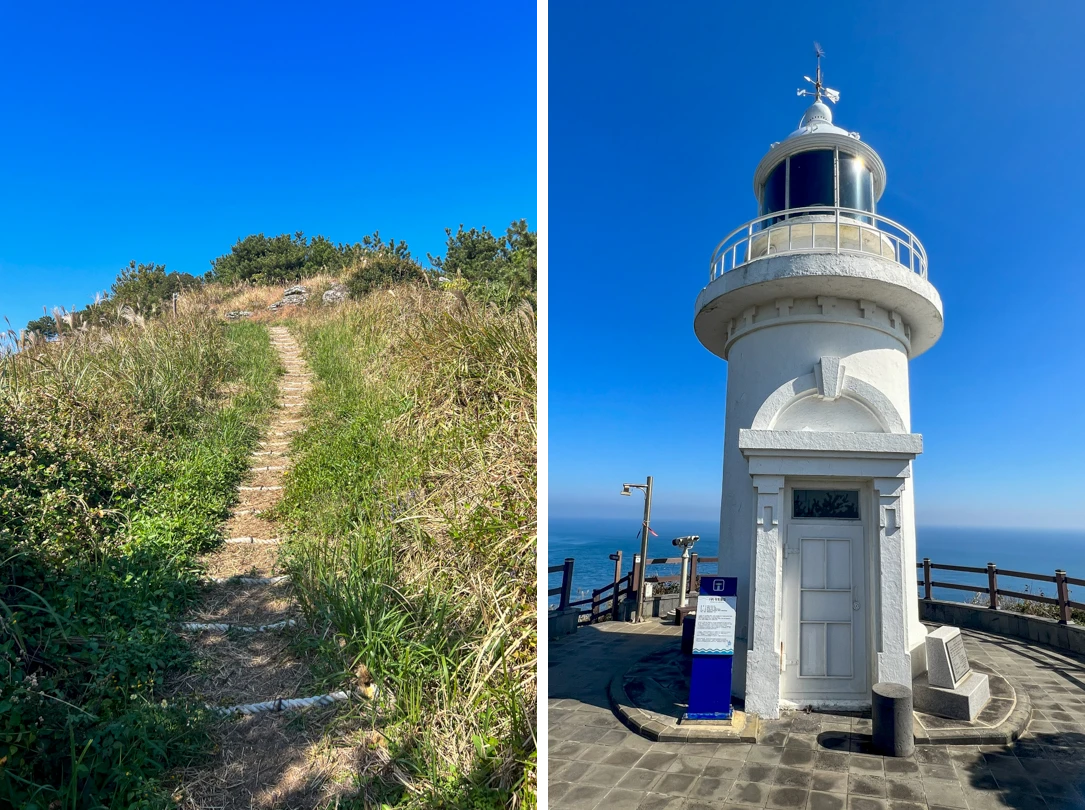
Soon you’ll see the path divert slightly inland and start going up to Udobong Peak, the highest point on Udo.

Udo lighthouse

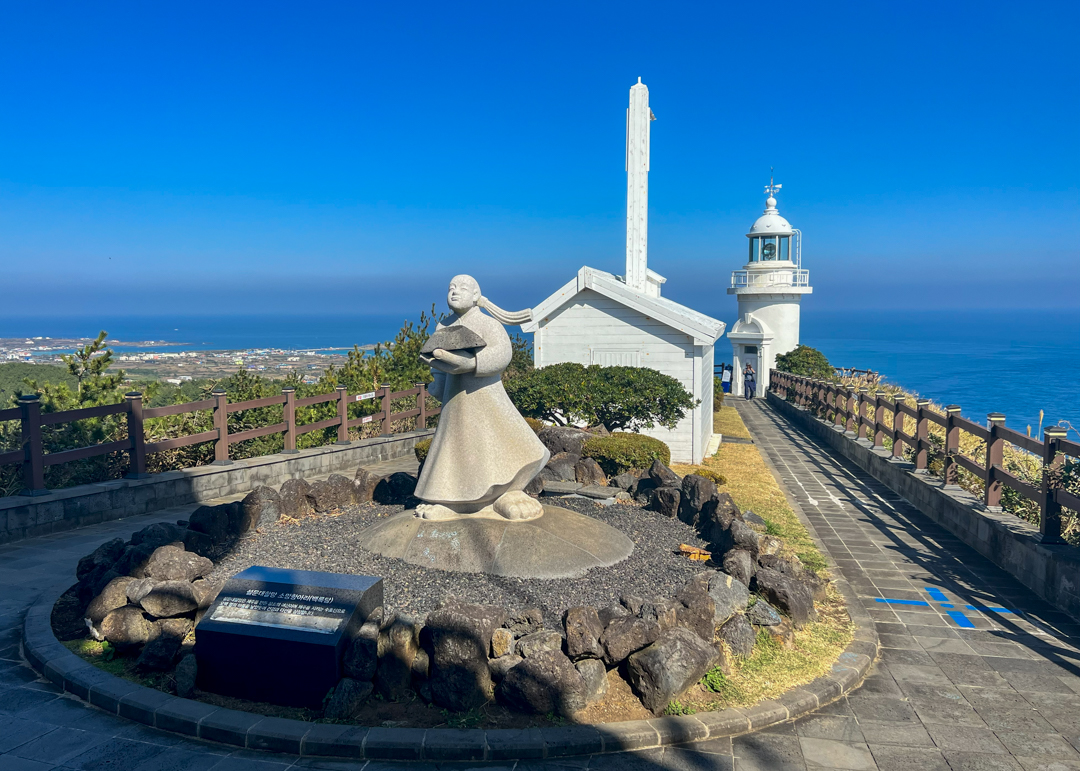
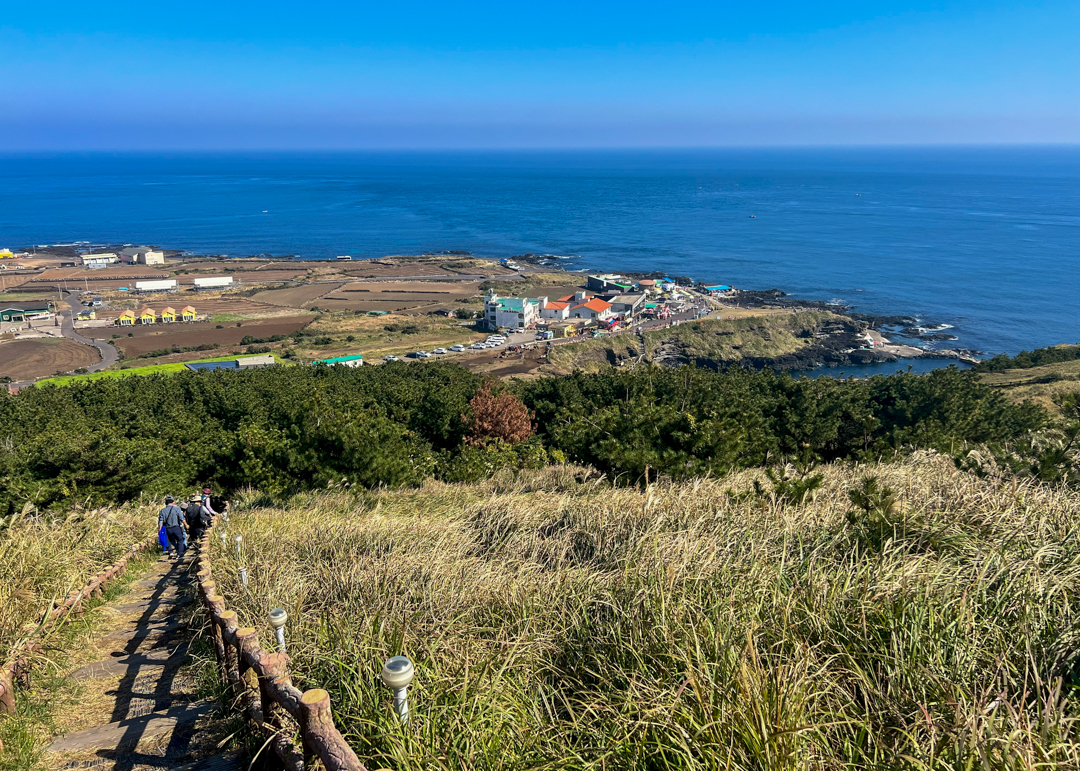
Visit the lighthouse at the top for panoramic views of the island and the surrounding sea.

Udo lighthouse

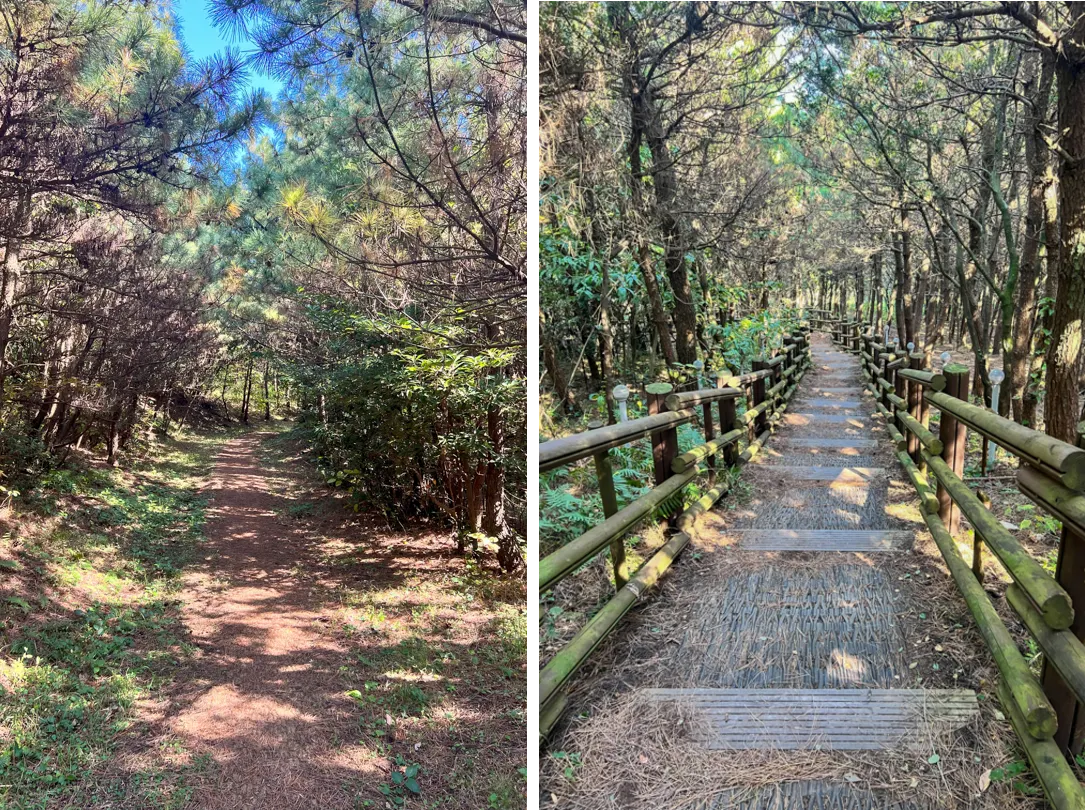
The peak is surrounded by a spacious park and the trail now slowly goes down and enters a small forest.

Udo Olle Trail

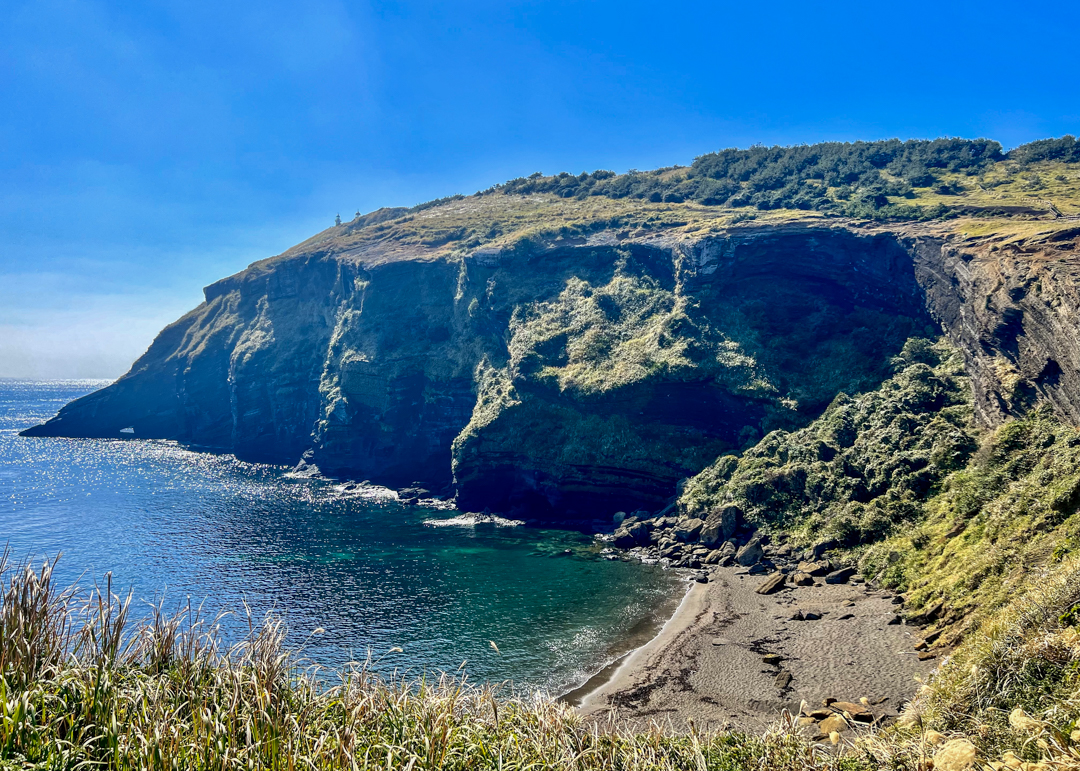
Emerge out of the trees in bright sunlight and find yourself in front of one of Udo’s top scenic views: Black Sand Beach. Its shape, color and unique cliff formation were all created from volcanic activity and look stunning against the blue sky.

Black Sand Beach - Udo Island

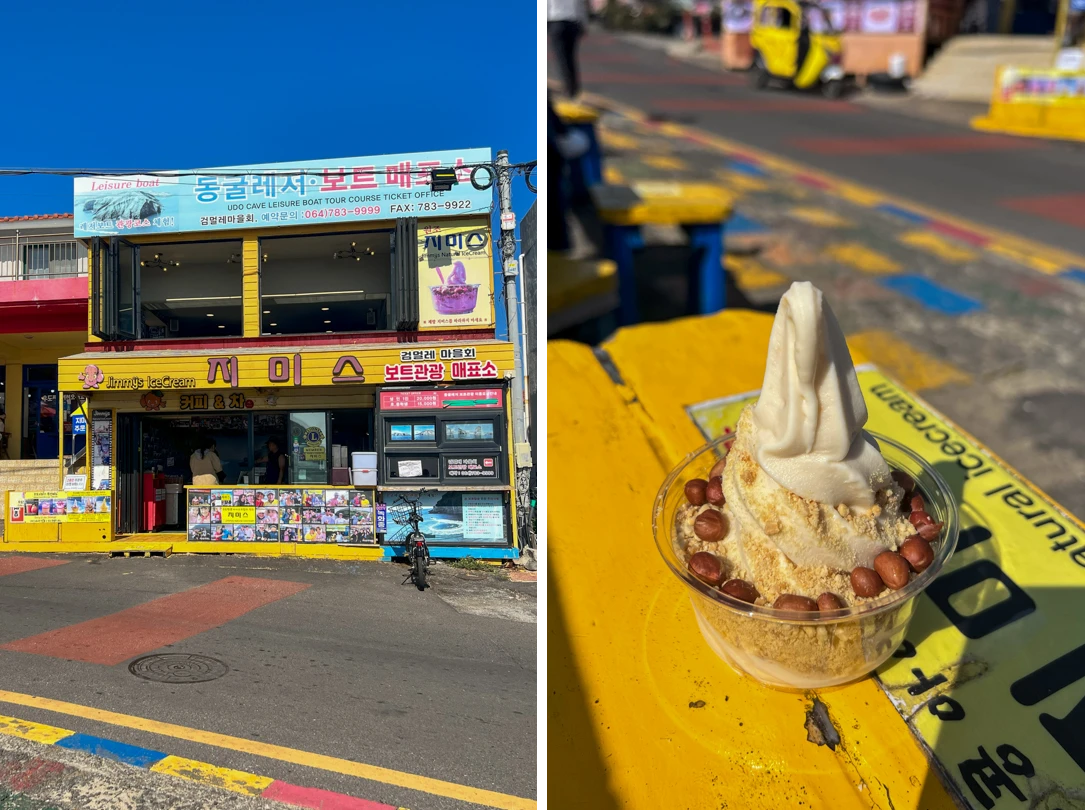
Extend your viewing pleasure by getting your first taste of the island’s famous peanuts at Jimmy’s Natural Ice Cream. The original peanut soft serve is delicious, especially when eaten overlooking the beach.

Jimmy's Natural Ice Cream

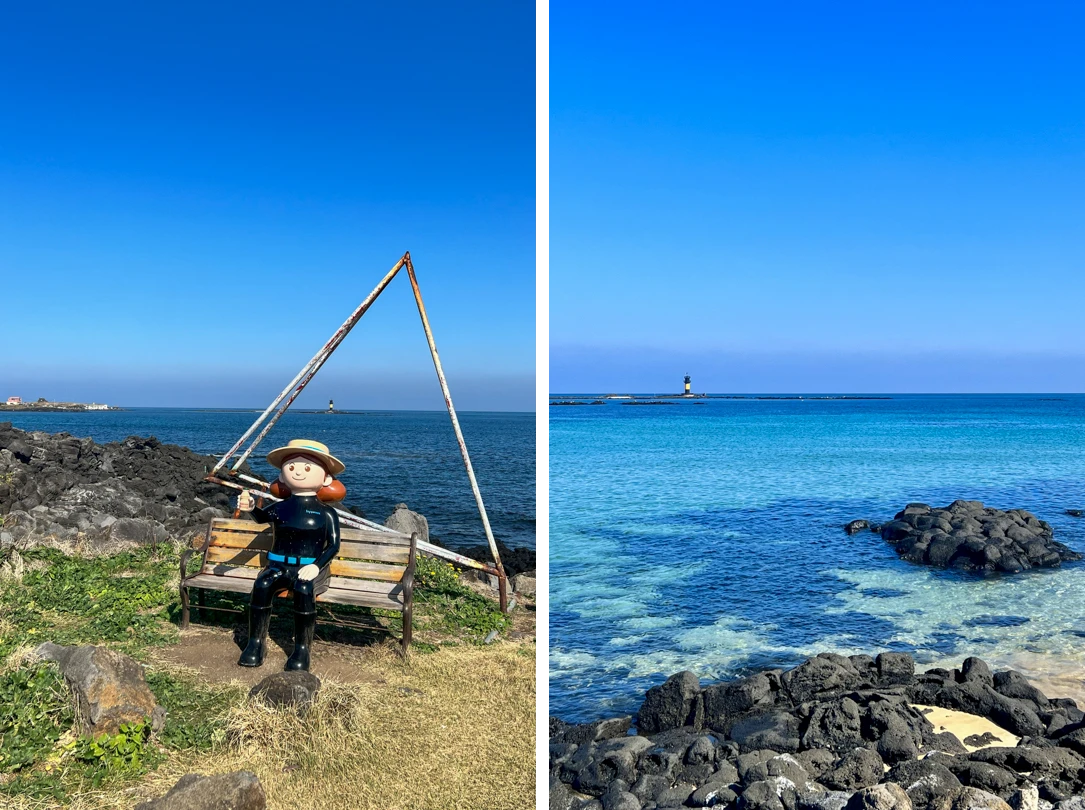
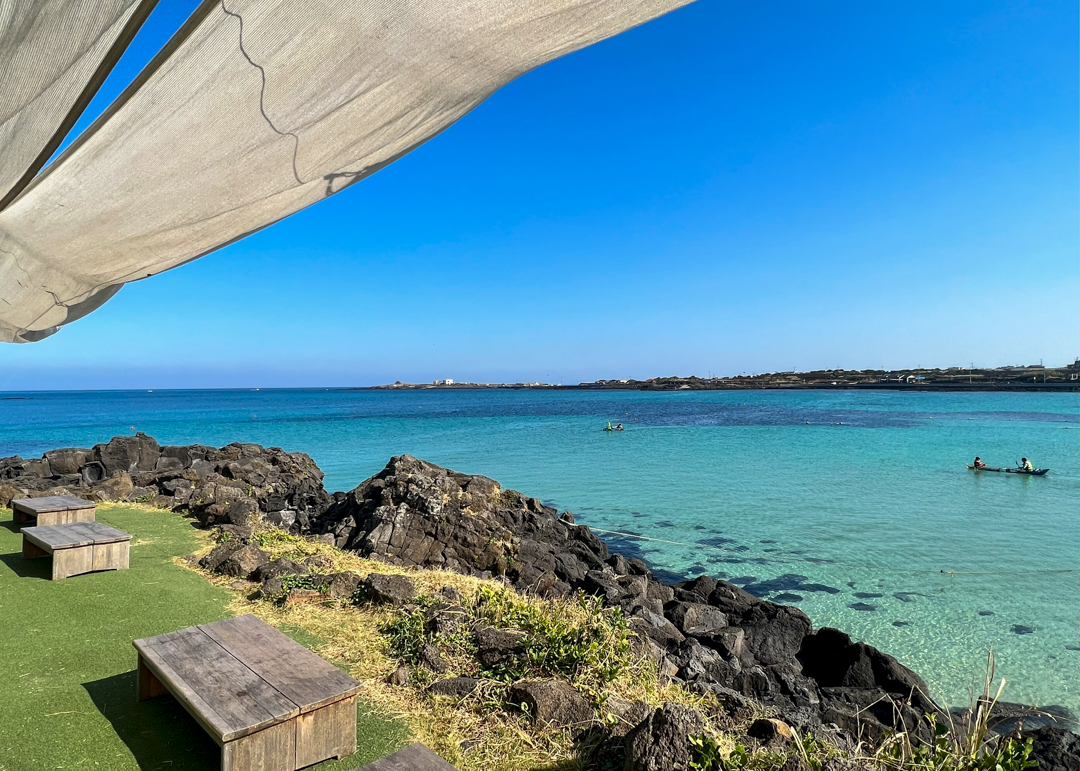
As you make your way north, your entire field of vision is filled with shades of blue from the tranquil sea which never seems to end. Tiny secluded beaches invite you to dip your toes in, the shallow waters so clear you can see the bottom almost all the way up to the horizon. Sculptures of seafarers and haenyeo add visual interest to the coast, not that it needs it!

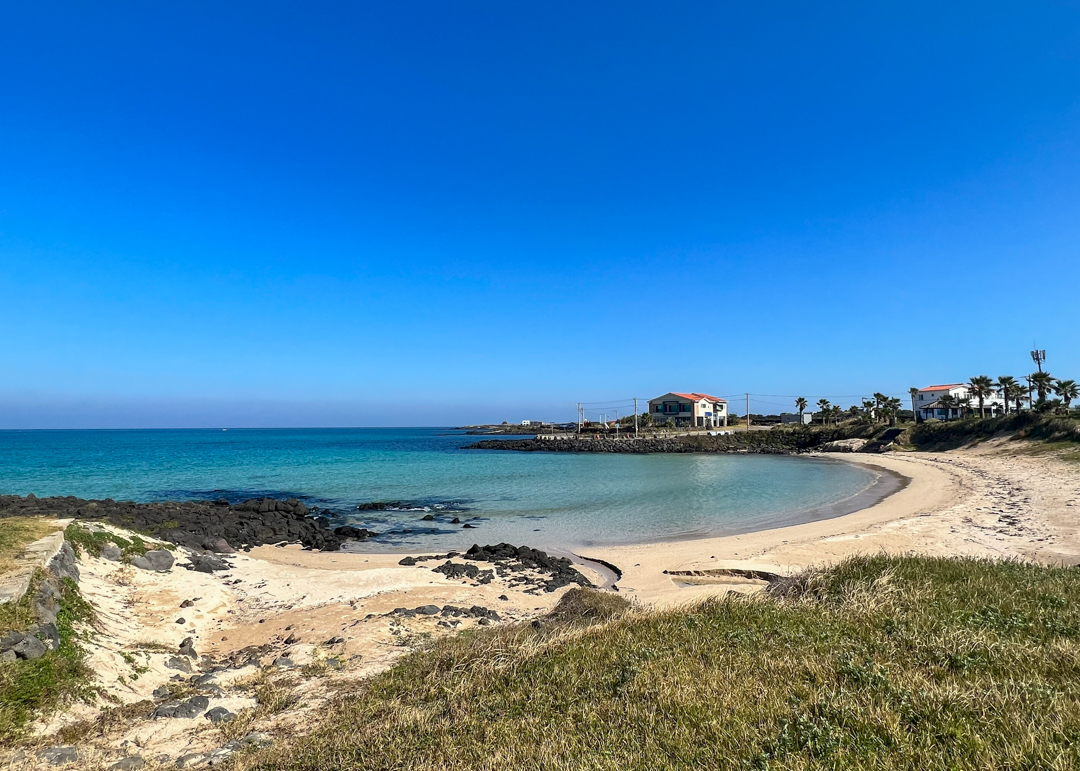
Hagosudong beach has the perfect tranquil setting for a picnic or just to sit on a dune and look out at the open water.

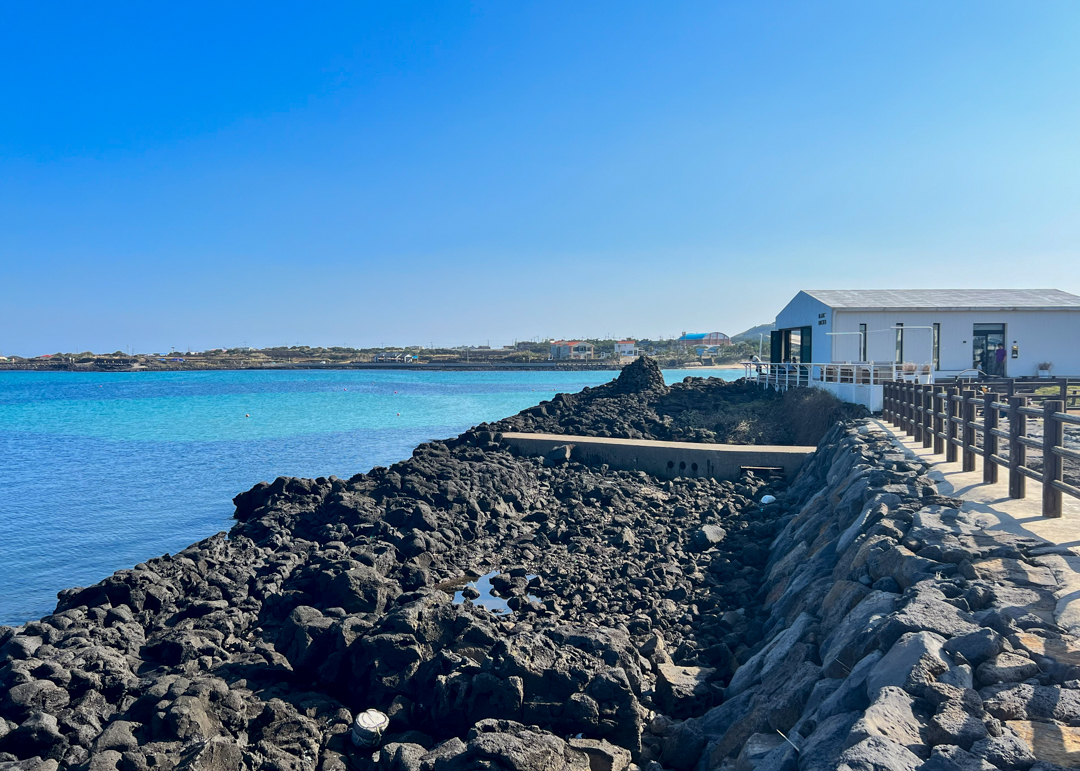
But there’s an even better sitting situation just at the end of it in Blanc Rocher cafe.

Blanc Rocher on Udo Island

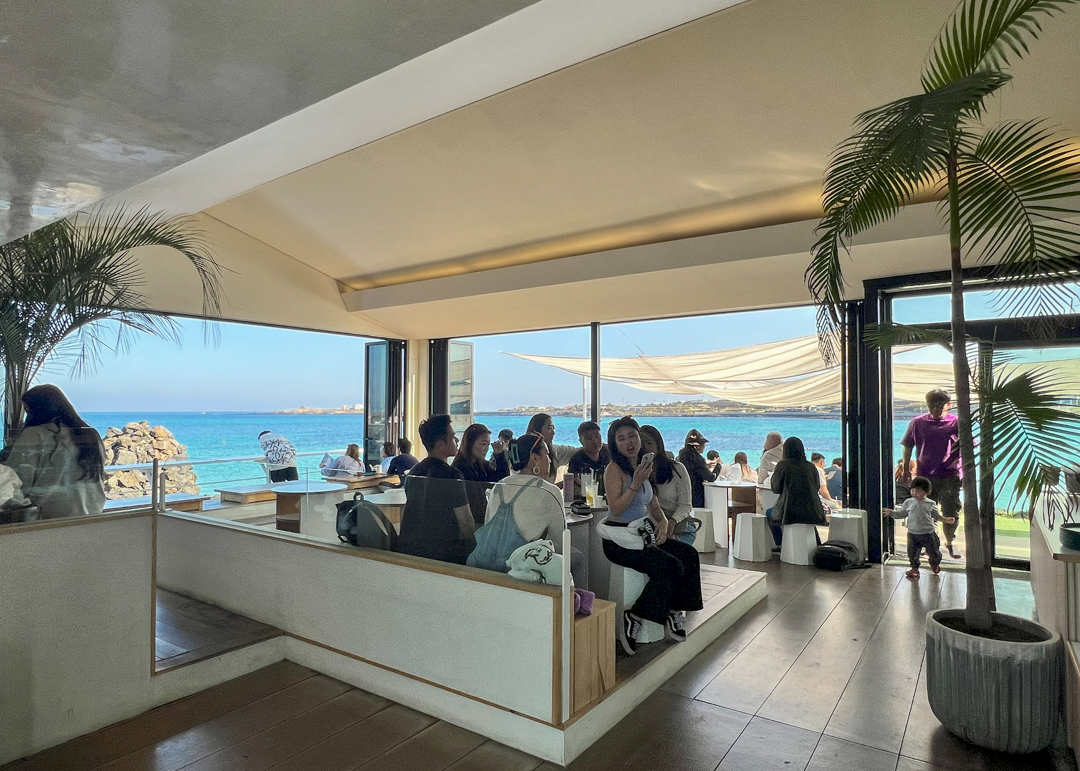
It seems the secret is out as it was the busiest spot I’d seen on the island all day, and it’s easy to understand why. With minimalist vibes and the room fully open to the outside, it’s a piece of breezy Mediterranean chic on Udo you’ll want to stay in for a while.

Blanc Rocher Udo Island

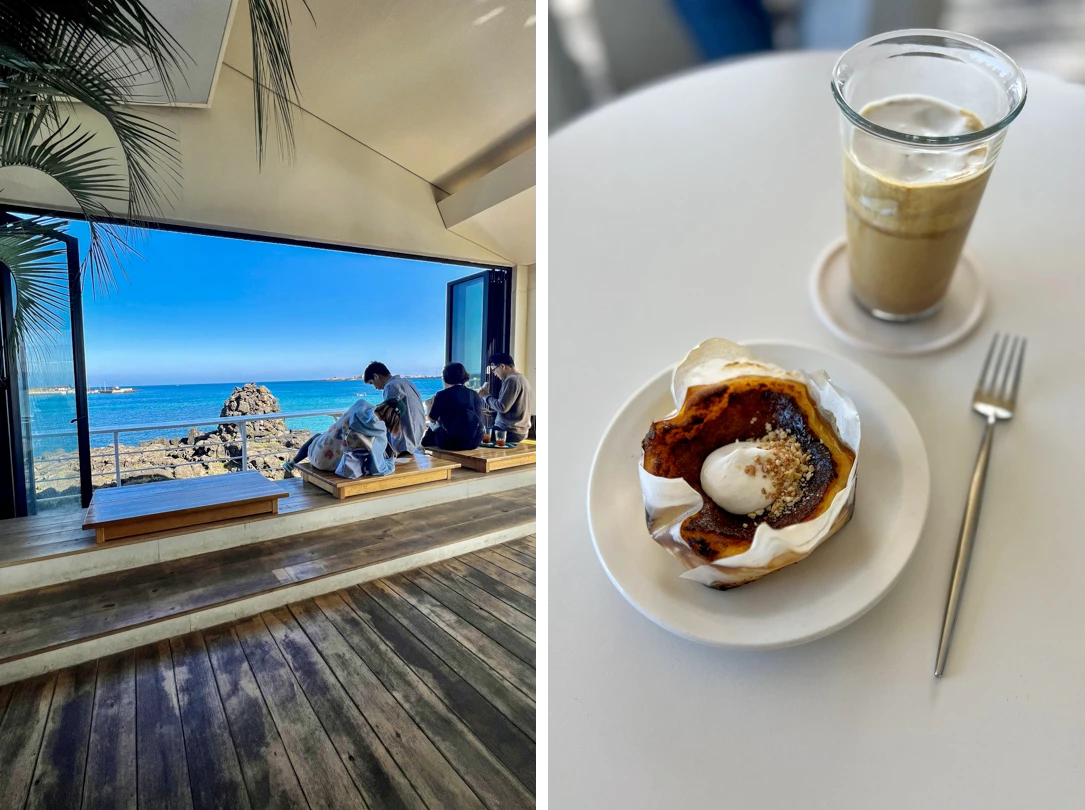
The scenery isn’t the only reason to visit though, as the cafe also serves indulgent treats all made with the island’s renowned peanuts: my peanut latte and peanut Basque cheesecake were superb…

Blanc Rocher Udo Island

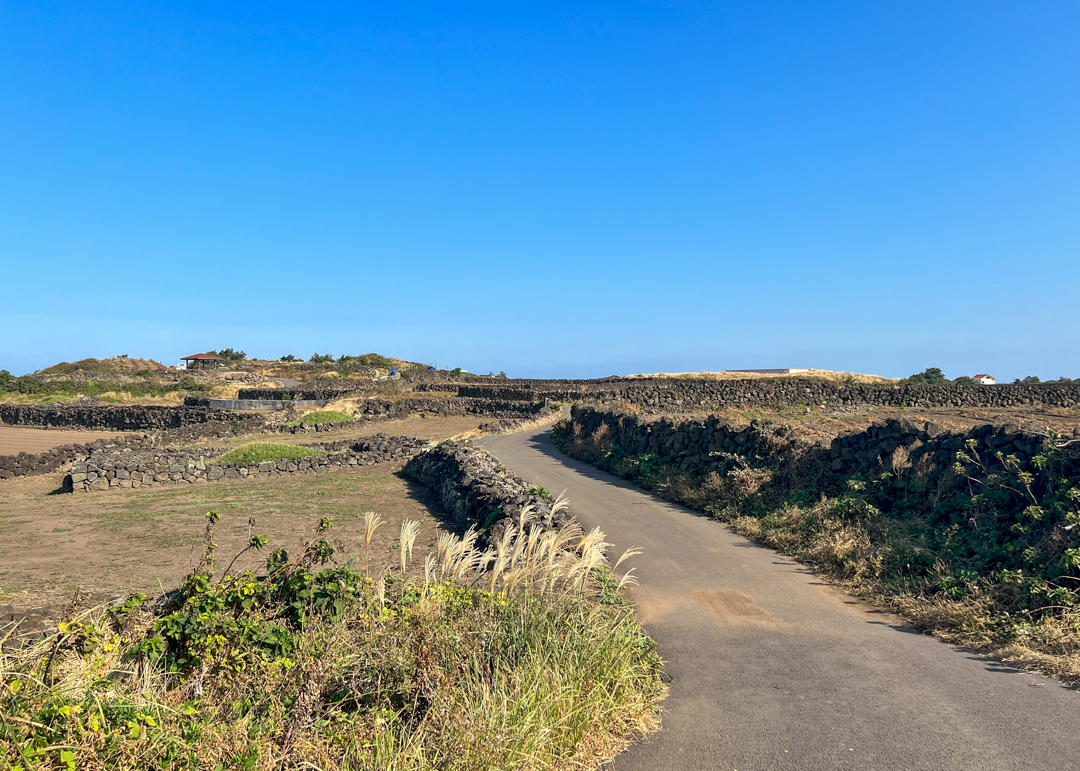
At this point the trail heads inland to cross the island, going from the east coast to the west coast in less than 20 minutes. This stretch offers no sea views but an interesting insider look into the rural interior and locals’ way of living.

Udo Olle Trail

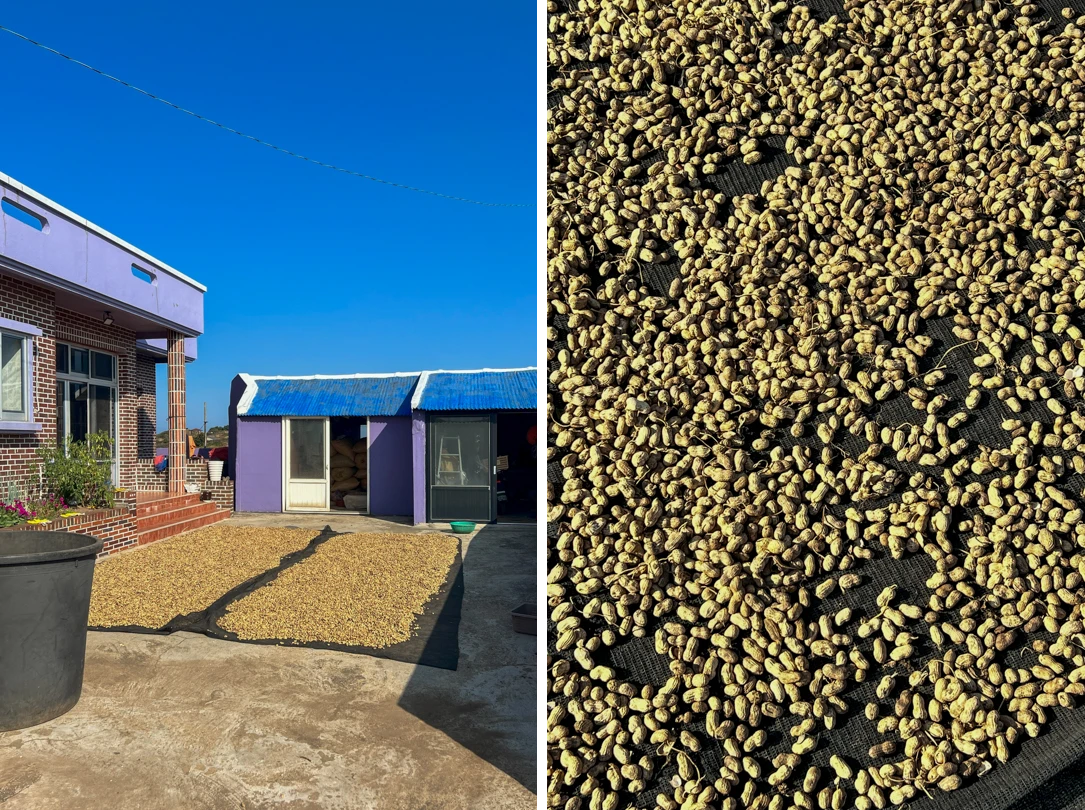
Houses and businesses have large tarps of peanuts drying in the sun – Udo’s precious gold.

Peanuts drying on Udo Island

Eventually you’ll find yourself back at the ferry after about 5-6 hours walking nearly the entire circumference of the island and feeling just wonderful about it!

Leaving Udo Island

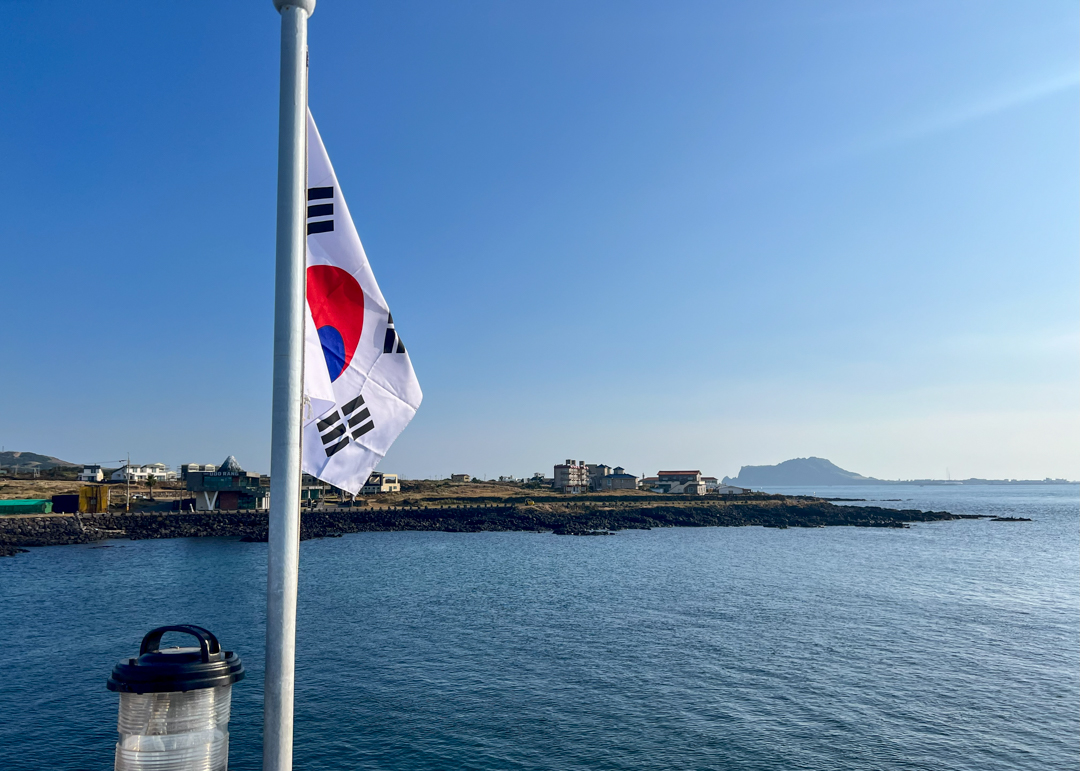
The quick ride back to Jeju lets you see one last time the dazzling beaches and “cow hill” you just scaled up.

Udo Island

In front, the familiar and welcoming sight of Seongsan Ilchulbong now bathing in the late afternoon sun.

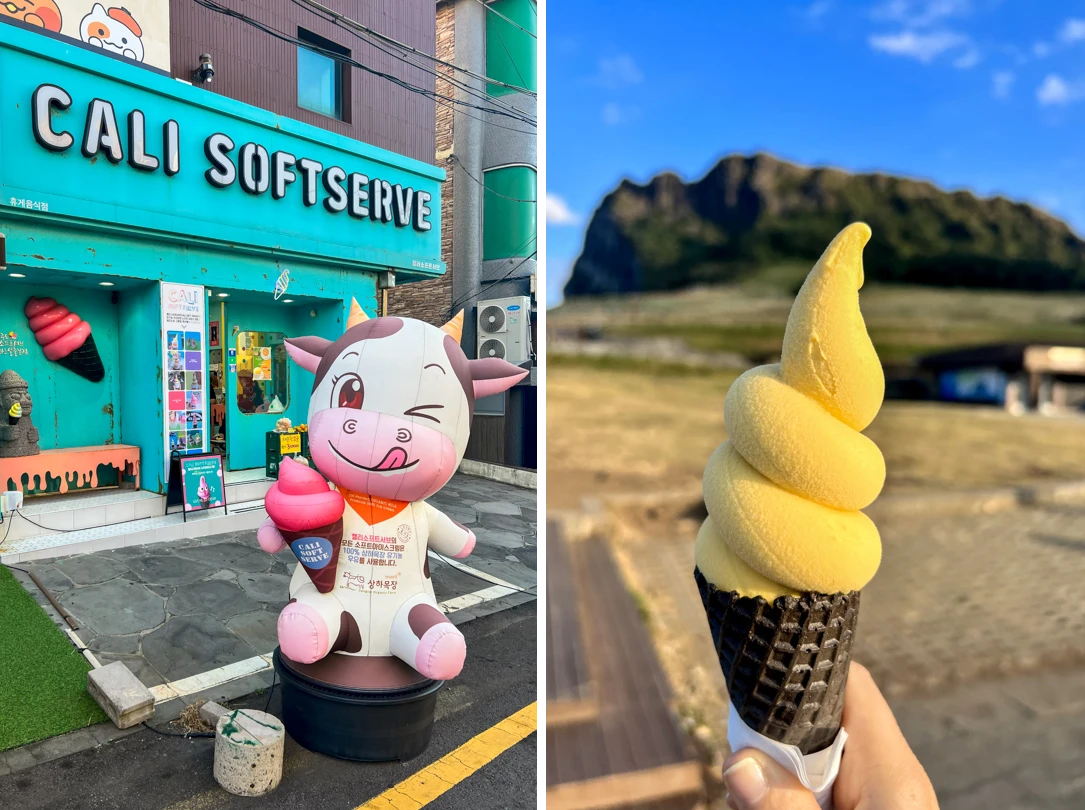
There’s still time to enjoy one more ice cream for the day (!) – after all you did walk quite a bit. Stop by the cheerful Cali Soft Serve at the foot of the volcano for a refreshing hallabong (local tangerine) cone.

Tangerine ice cream on Jeju Island

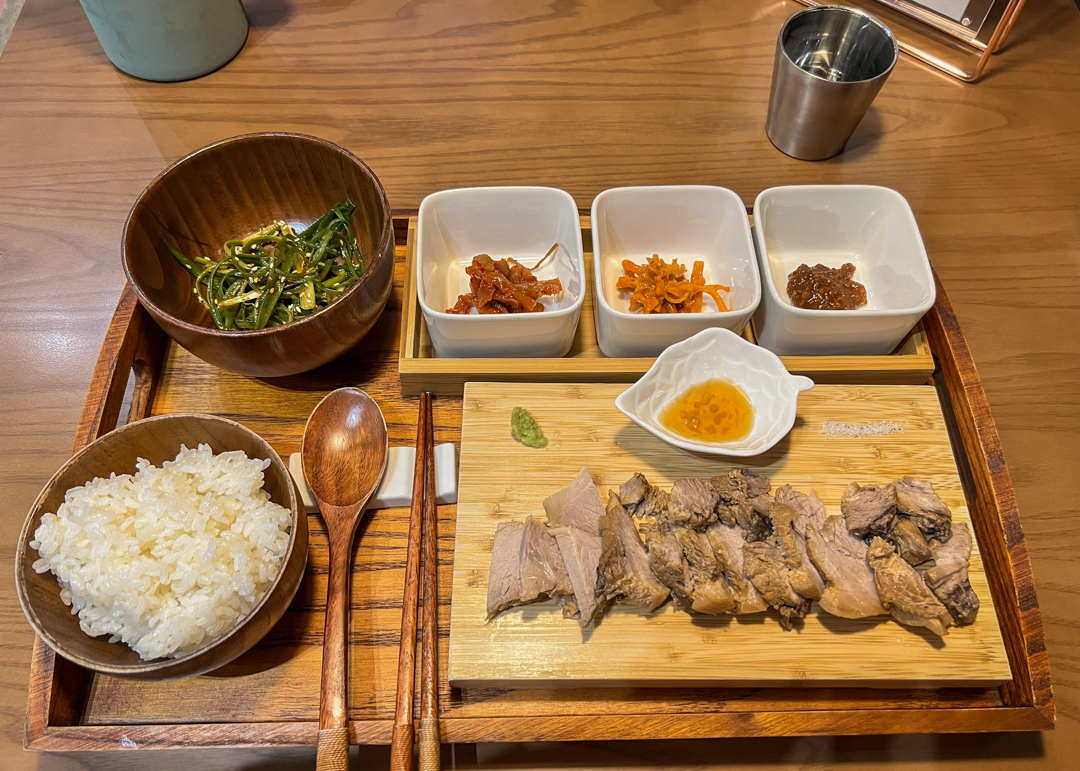
Dinner at Dr. SUYUK got me to try the specialty suyuk, a simple dish of boiled pork slices. Tender, flavorful and the perfect end to the day’s outdoor pursuits. Tomorrow, I’ll be heading west!

Black pork
Asia South Korea Travels

Jeju Island’s East Coast: Coastal walks & culture

March 31, 2025

Often dubbed the “Hawaii of Korea”, Jeju Island (Jeju-do for the locals) deserves a top spot on your South Korea itinerary. After nearly a week spent in Seoul, I was looking forward to a nature escape away from the crowds which I got and so much more in Jeju. Korea’s largest island has long been a favorite holiday destination for South Koreans with its lush countryside, beautiful beaches, and slow pace all a quick 1h15m flight from the capital. With budget airlines flying to Jeju from Seoul multiple times a day, adding a side trip to this gorgeous place when visiting South Korea truly is a no-brainer.

Between stunning trails, hidden waterfalls, impressive museums and local delicacies, the island packs a lot in and you’ll have no trouble filling at least a few days with wonders. For this reason I’d recommend you rent a car for maximum flexibility. While Jeju has a pretty efficient bus system going around the island, driving is super easy-going. Rental cars come with English-speaking GPS and I think the max speed I saw was 50mph and not for long! Once you have your transport secured at the airport in the capital Jeju-si, it’s time to hit the road and head east.

Volcano views

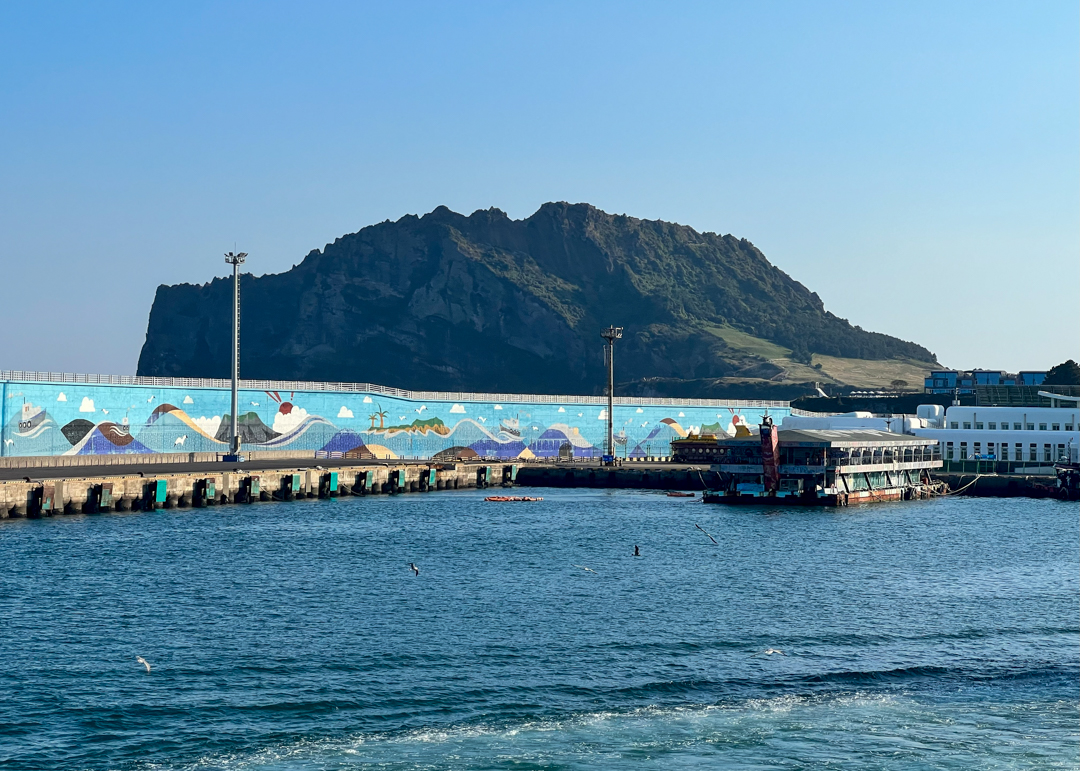
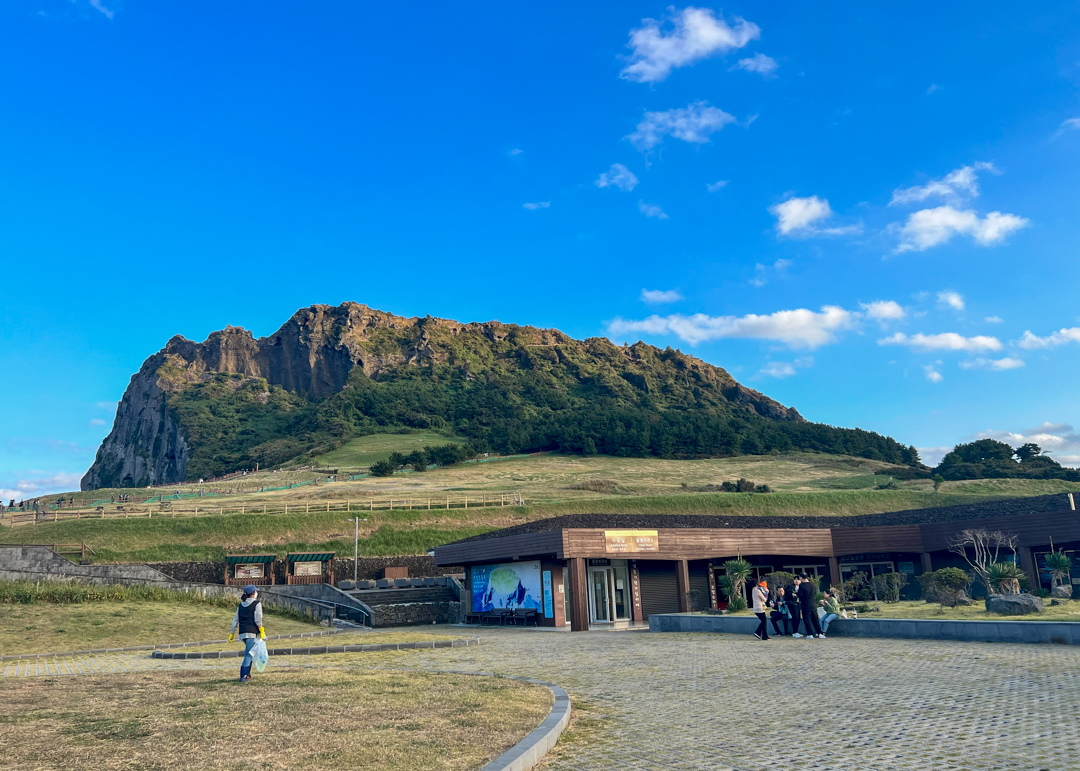
A 45-minute drive from the airport brings you straight to Jeju’s most impressive sight: Seongsan Ilchulbong. The extinct tuff volcano (a Unesco World Heritage site) looks like an ancient castle rising from the ocean. It’s a popular hike, especially at sunrise, and it’s worth staying overnight in the sleepy village of Seongsan-ri right at its base just for the privilege.

Seongsan Ilchulbong

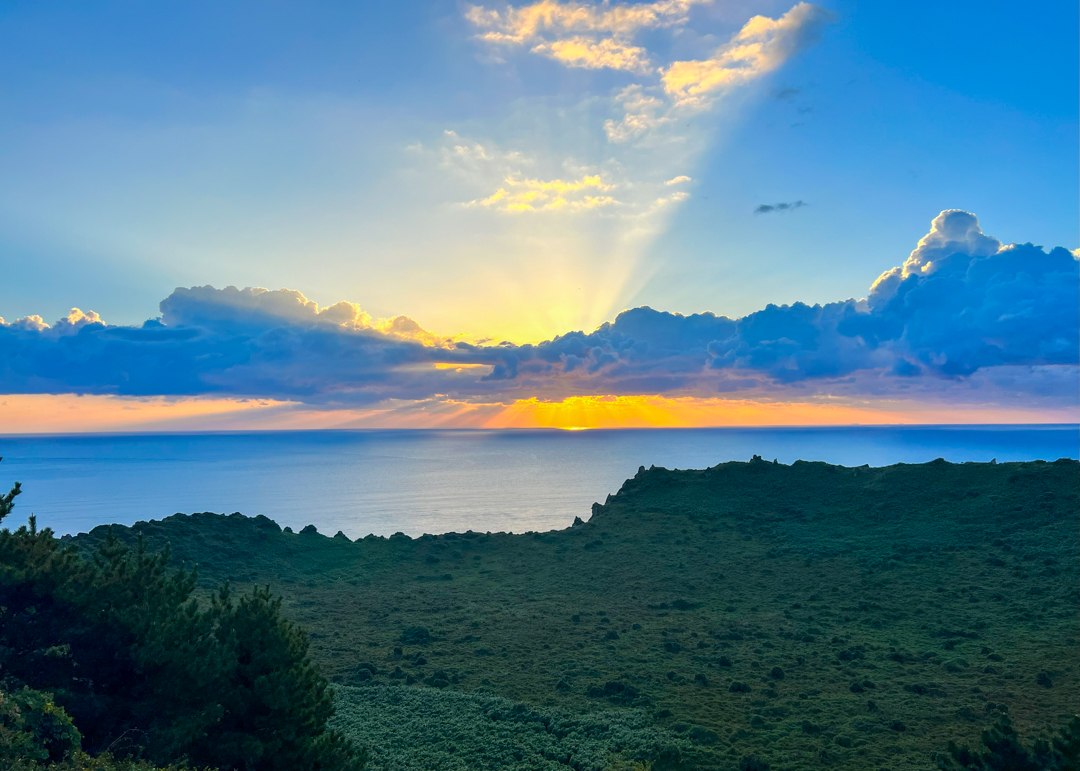
I’ve done plenty of sunrise hikes and this was one of the easiest and most rewarding. The way up is a bit steep but easy with wide stairs leading you all the way up to the crater rim in about 20 minutes. You certainly won’t be alone as this is a pilgrimage of sort for Koreans coming to admire the spectacle and what a beautiful view it is.

Sunrise on Seongsan Ilchulbong

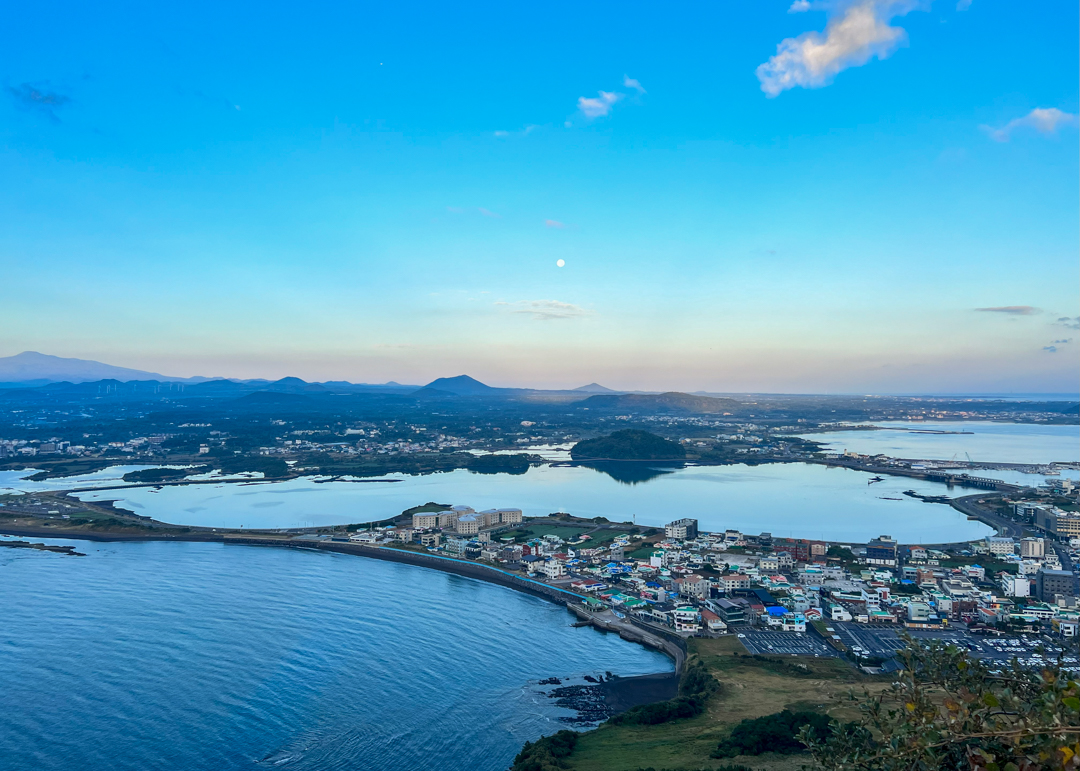
The village starts waking up just around then and walking down you get beautiful aerial views of the peninsula and its black sand beaches.

Seongsan Ilchulbong

Coastal walk & spectacular architecture

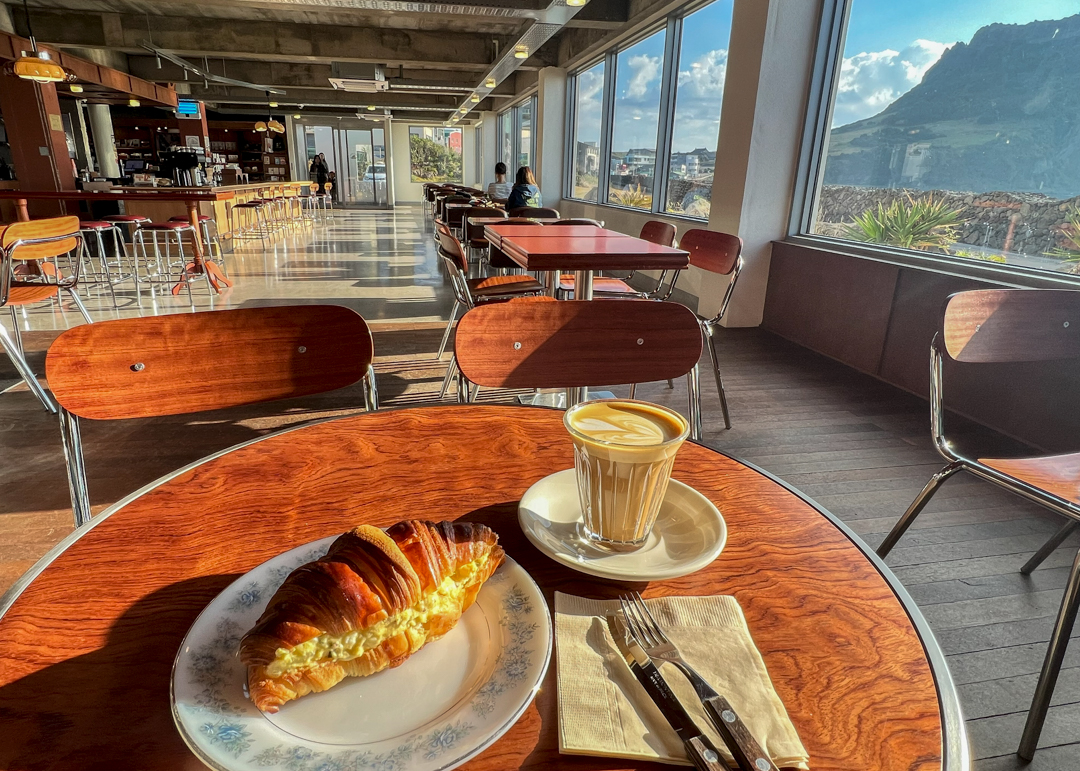
Start your day’s road trip with a fuel stop at Fritz Coffee Company, the popular Seoul-based coffee shop’s Jeju outpost.

Fritz Coffee Company - Jeju Island

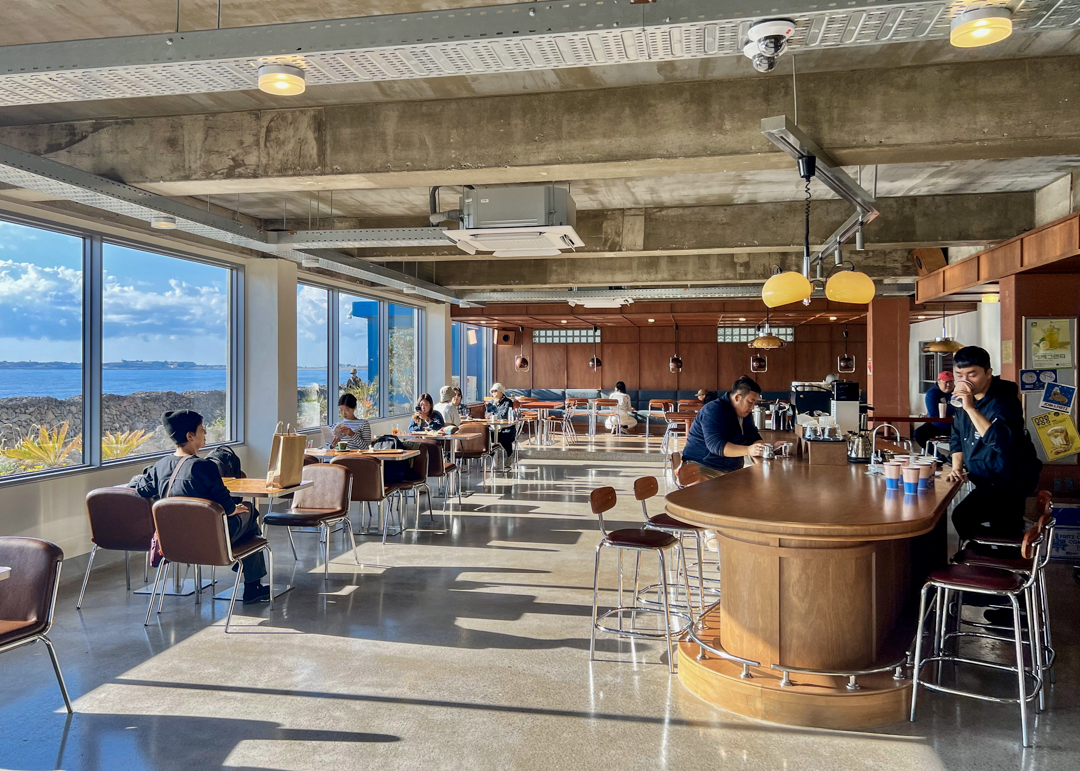
With flaky pastries, solid espresso drinks, volcano views and plenty of space, this was by far my favorite coffee shop on the entire island.

Fritz Coffee Company - Jeju Island

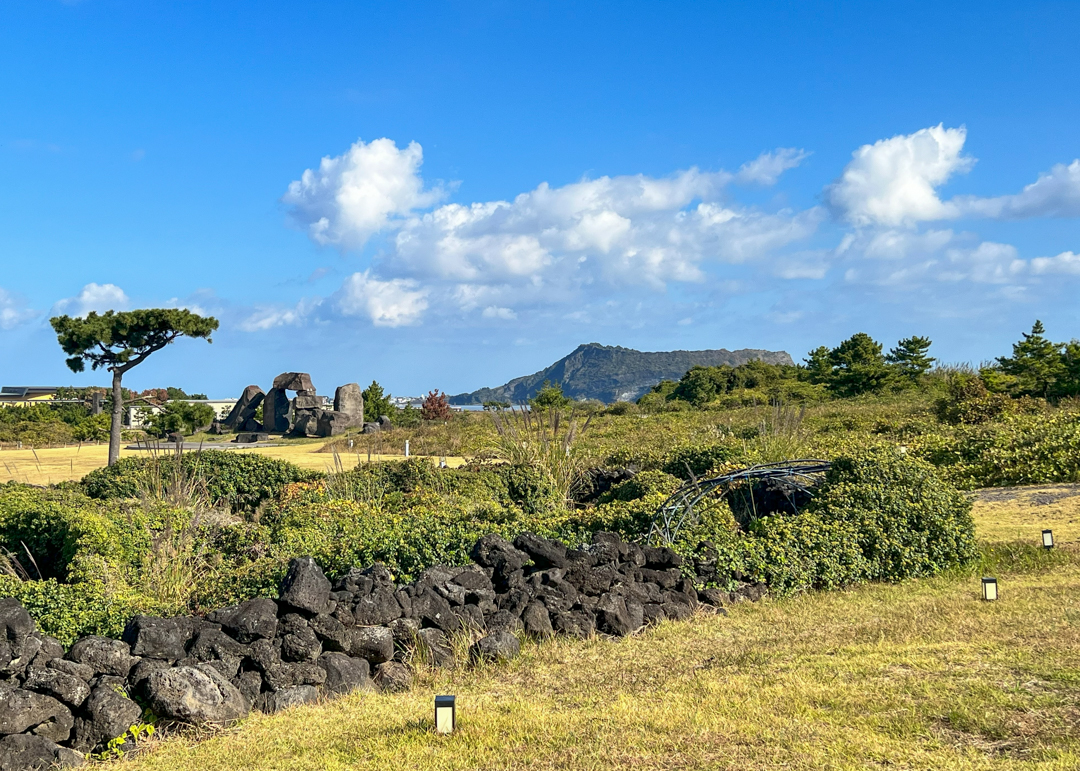
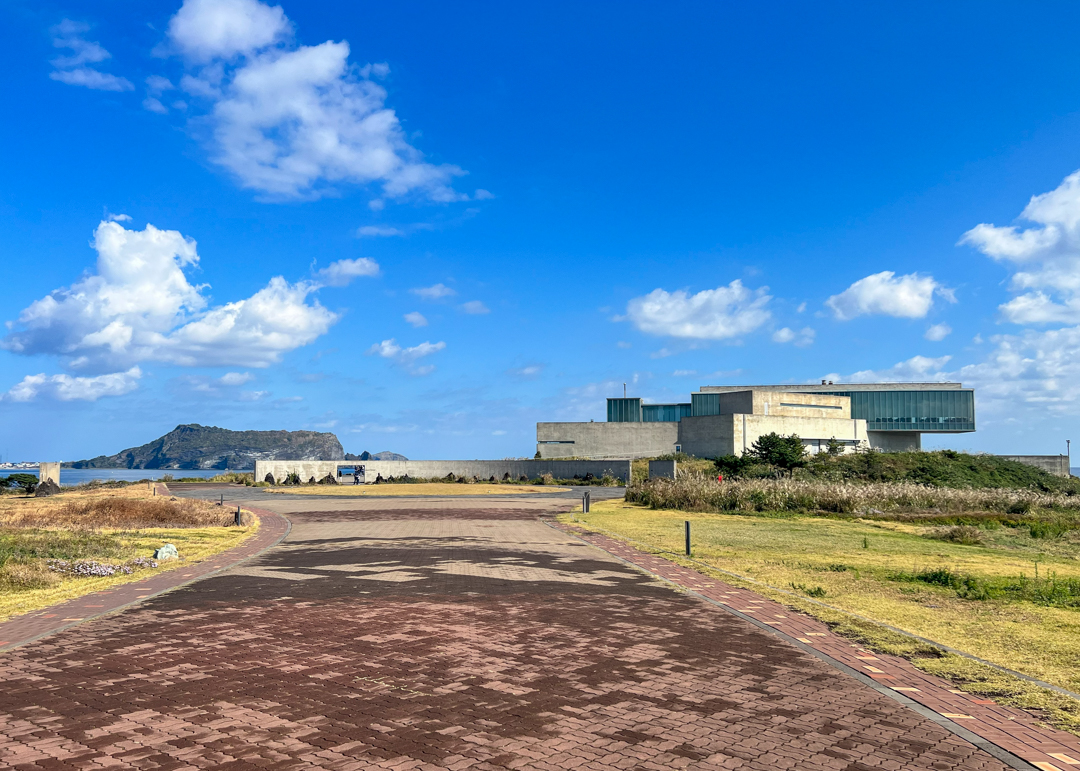
A few minutes away, the Seopjikoji peninsula jut out to sea with a scenic trail bringing you to some stunning buildings and vistas.

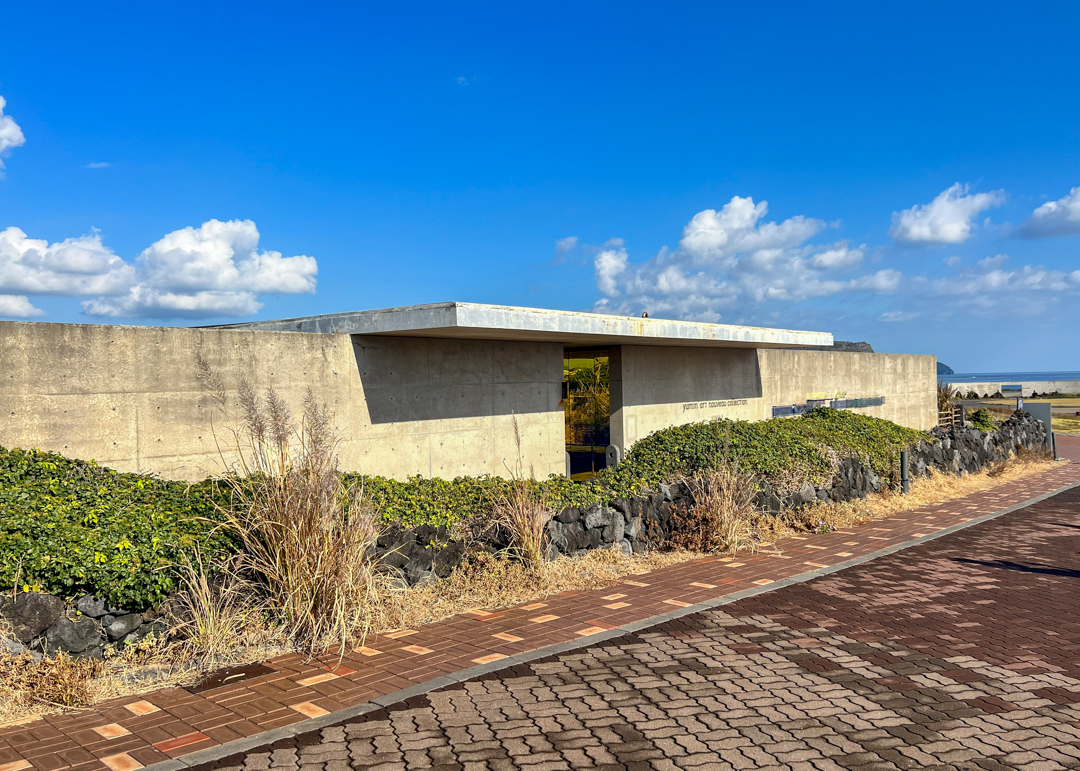
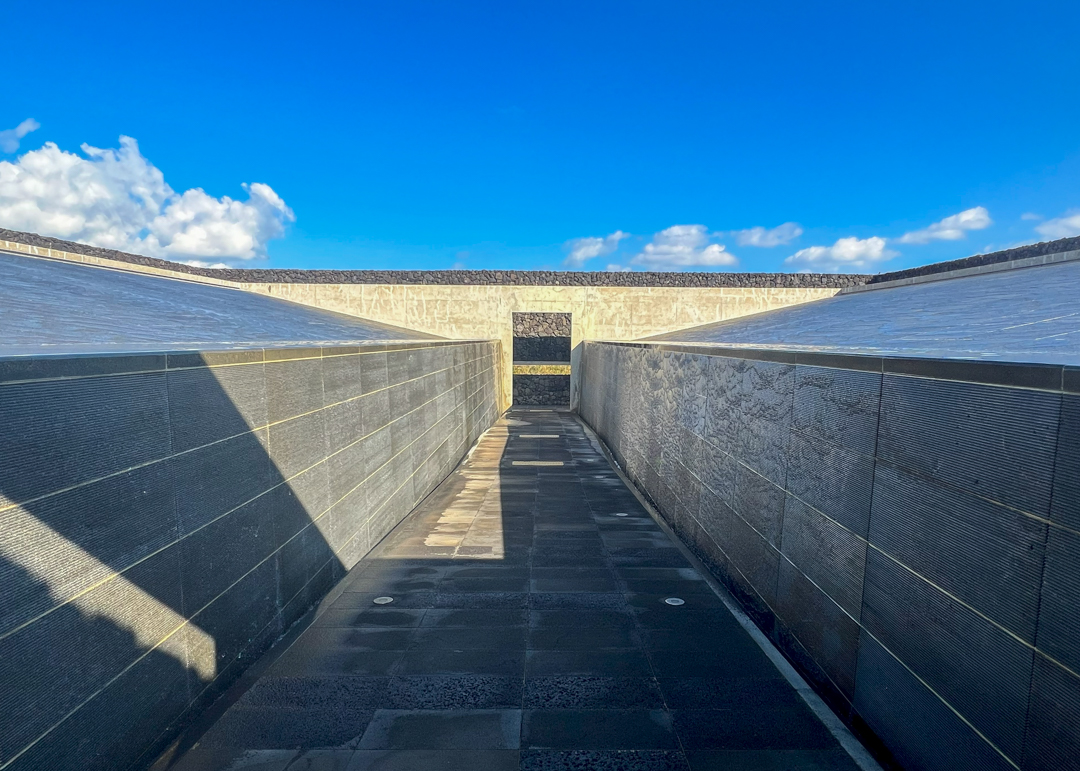
Japanese master architect Ando Tadao built two impressive structures on the peninsula which are destinations in themselves. The first one you’ll see is the Yumin Art Nouveau Collection, Korea’s first art nouveau gallery which opened in 2017.

Yumin Art Nouveau Collection on Jeju Island

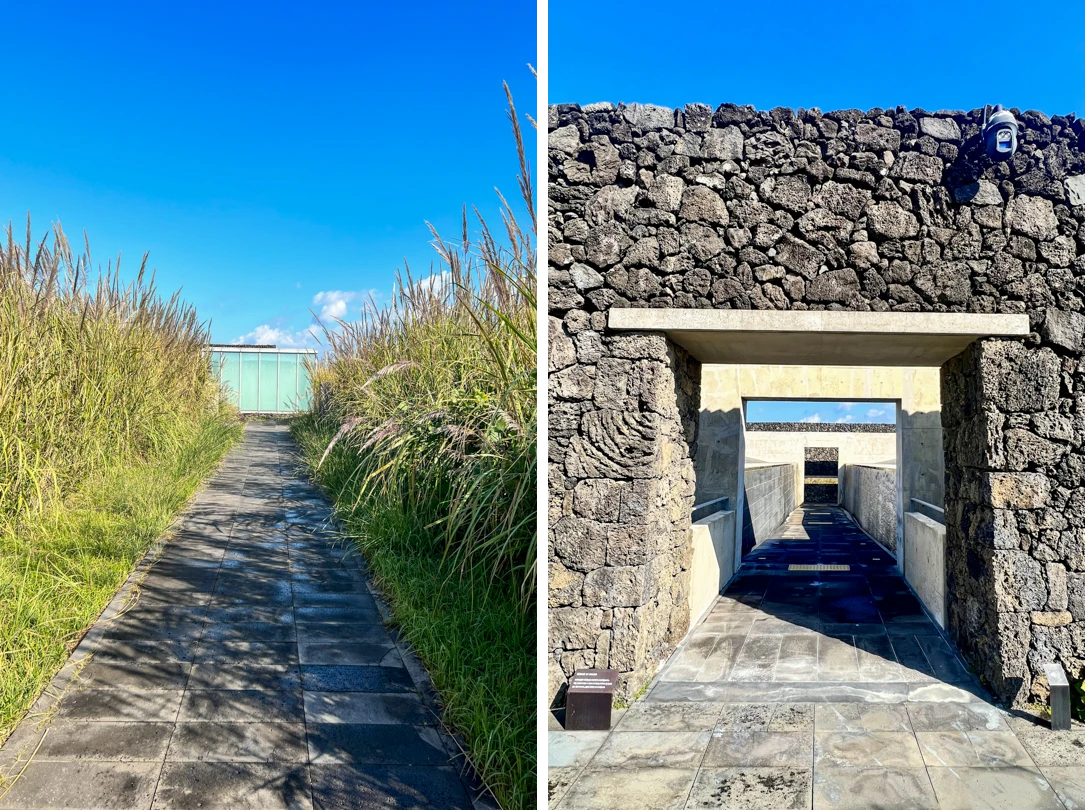
As soon as you cross the concrete façade, you’re immersed into the architect’s renowned engagement with nature. Paths leading to gardens and water features invite you to feel the light, wind, water, and sound of Seopjikoji.

Yumin Art Nouveau Collection on Jeju Island

Every step you take is meant to aid meditation which isn’t hard in such a quiet and beautiful place. The simplicity of the design lets you experience mother nature in expanded ways, like walking between two concrete walls of gentle waterfalls rippling over straight carved lines…you feel so at peace.

Yumin Art Nouveau Collection on Jeju Island

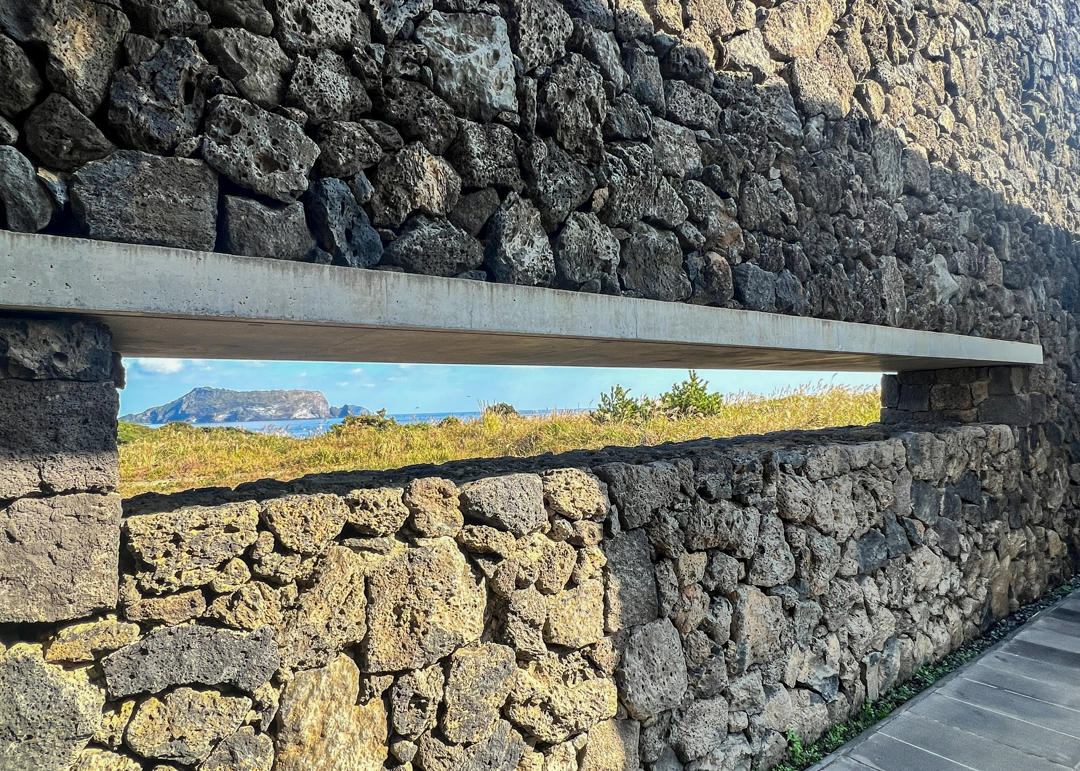
An opening in a wall made of volcanic rocks perfectly frames Seongsan Ilchulbong in yet another mastery of nature as art…

Yumin Art Nouveau Collection on Jeju Island

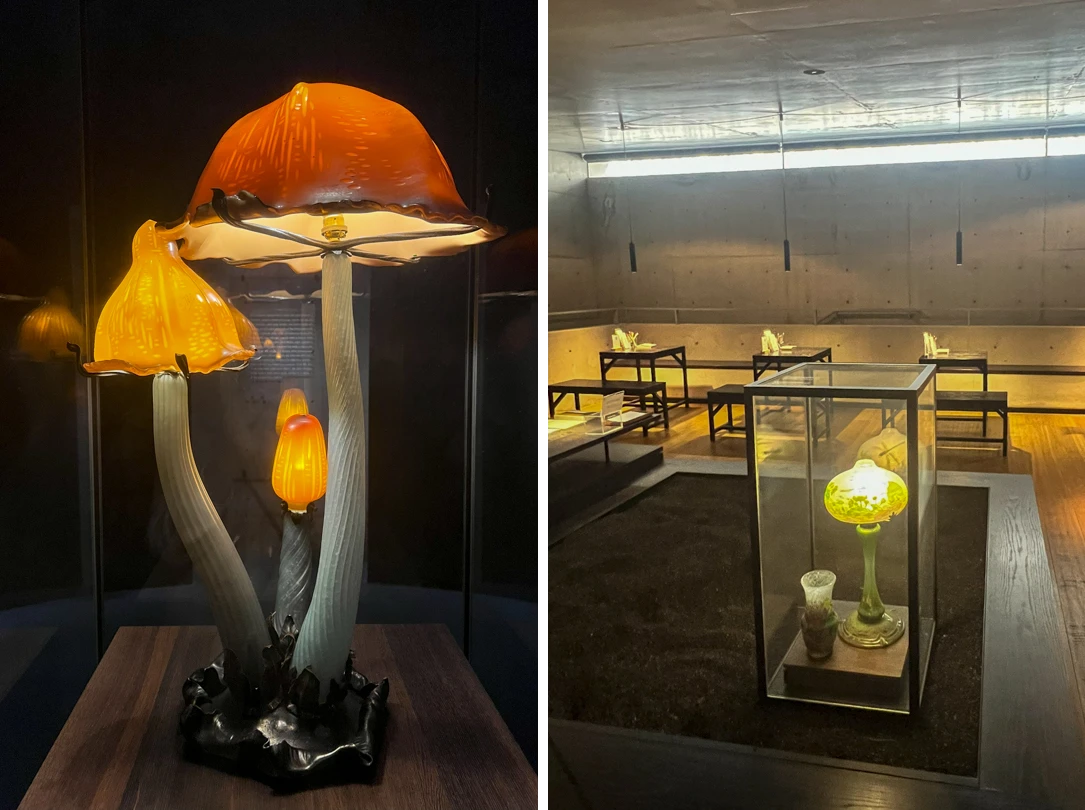
At the end of the walk, an indoor gallery exhibits the glass works of leading French Art Nouveau artists who used nature as the primary source of inspiration. The dark ‘Room of Masterpiece’ features the mushroom lamp by Emile Gallé from 1902, considered the collection’s most representative and best preserved work.

Yumin Art Nouveau Collection on Jeju Island

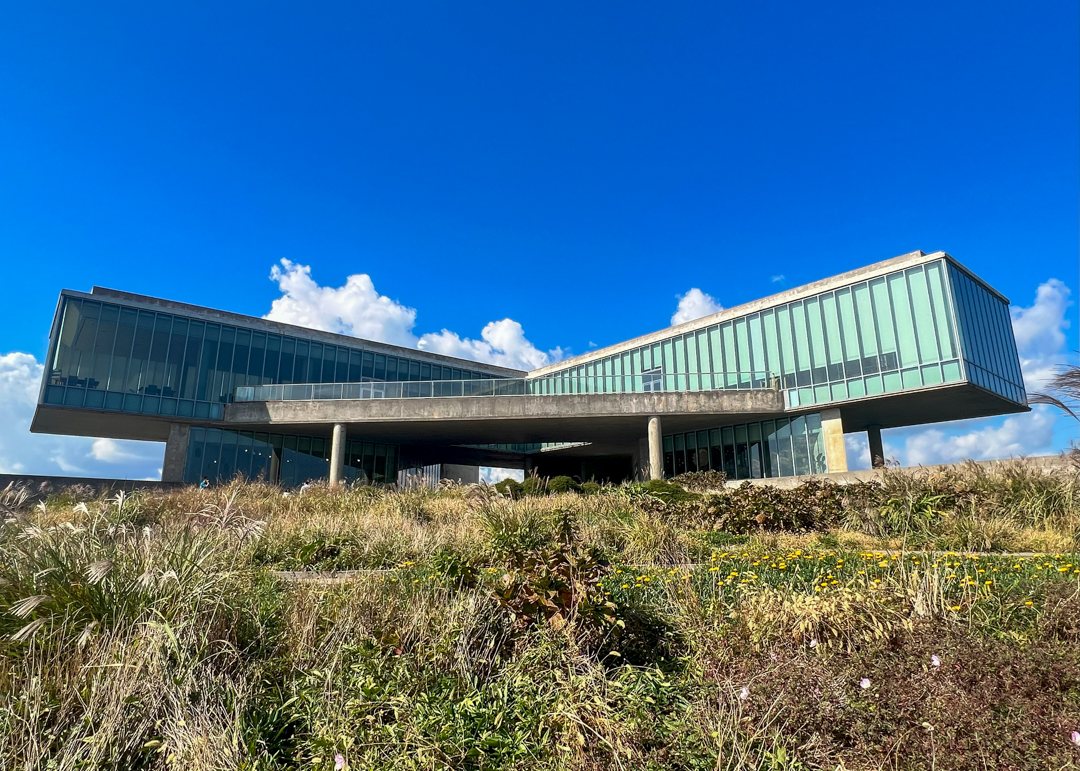
The stunning sights continue as you exit the gallery only to be staring at the architect’s other contribution to the peninsula – the Glass House.

Jeju Glass House

The arresting glass and concrete building has a neat little cafe on the ground floor and a fine dining restaurant with observation deck on the second floor. As it was built to face the volcano, again here you get panoramic views framed by modern design and nature.

Jeju Glass House

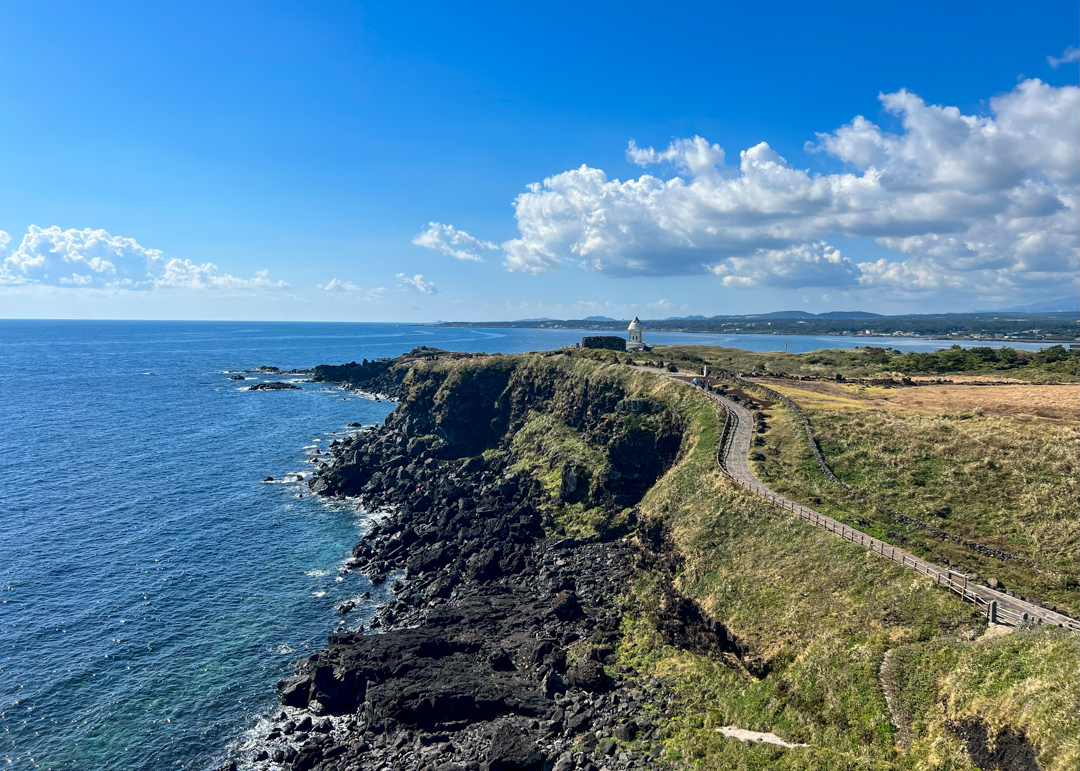
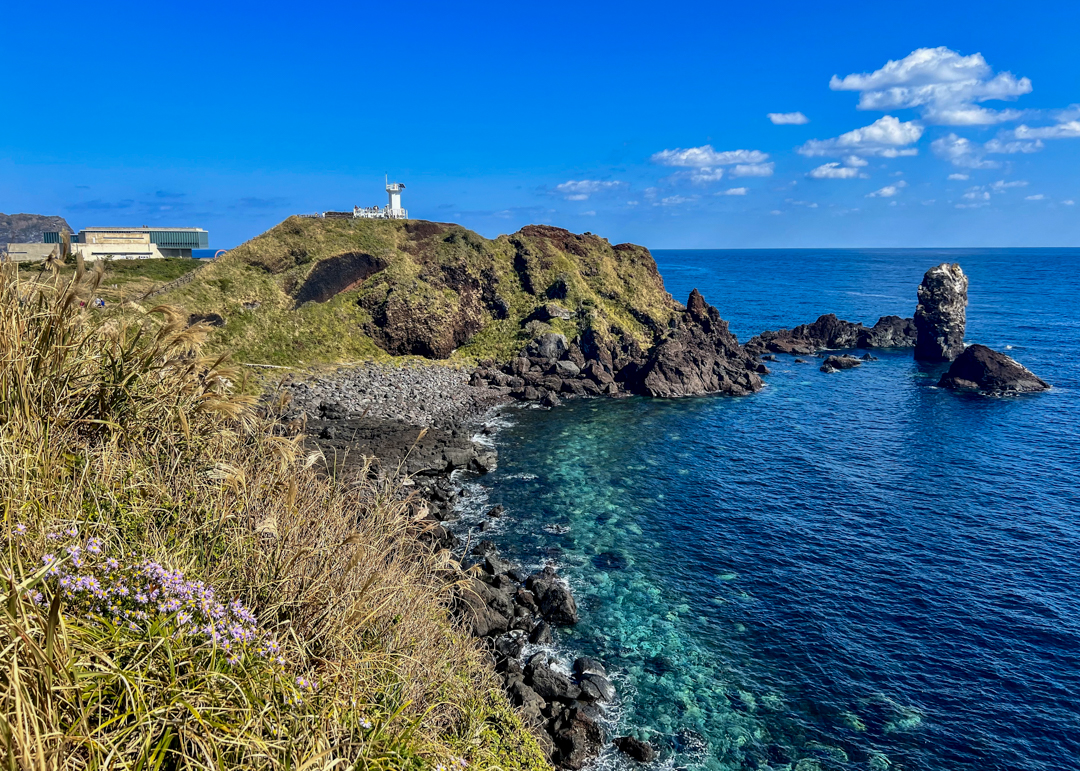
Follow the trail which continues gently along the craggy coastline past a small lighthouse and eventually loops back towards the parking lot.

Seopjikoji
Seopjikoji

Village life

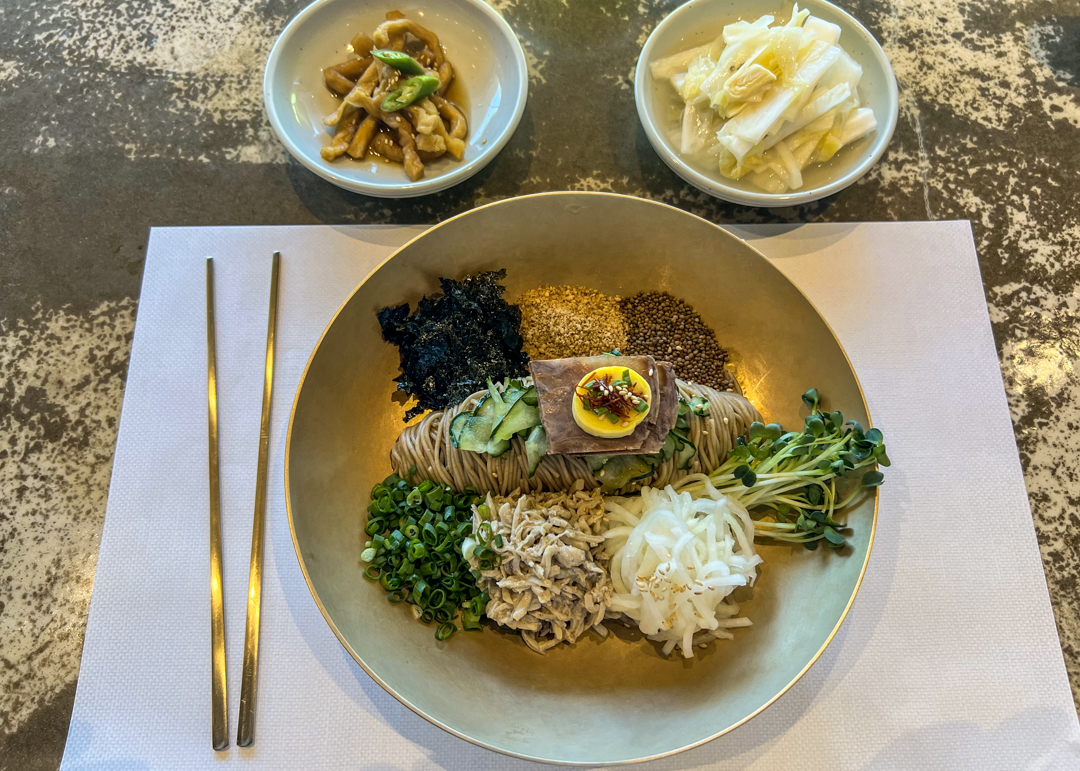
Head southwest along the coast to reach Jeju Folk Village, a re-enacted 19th-century village. The restaurant at the entrance is a famous Jeju buckwheat restaurant and a wonderful place to stop for lunch as there’s quite a bit to see in the village. The traditional dish of chewy cold buckwheat noodles topped with various vegetables, grains, seaweed and seeds was absolutely delightful.

Buckwheat noodles on Jeju Island

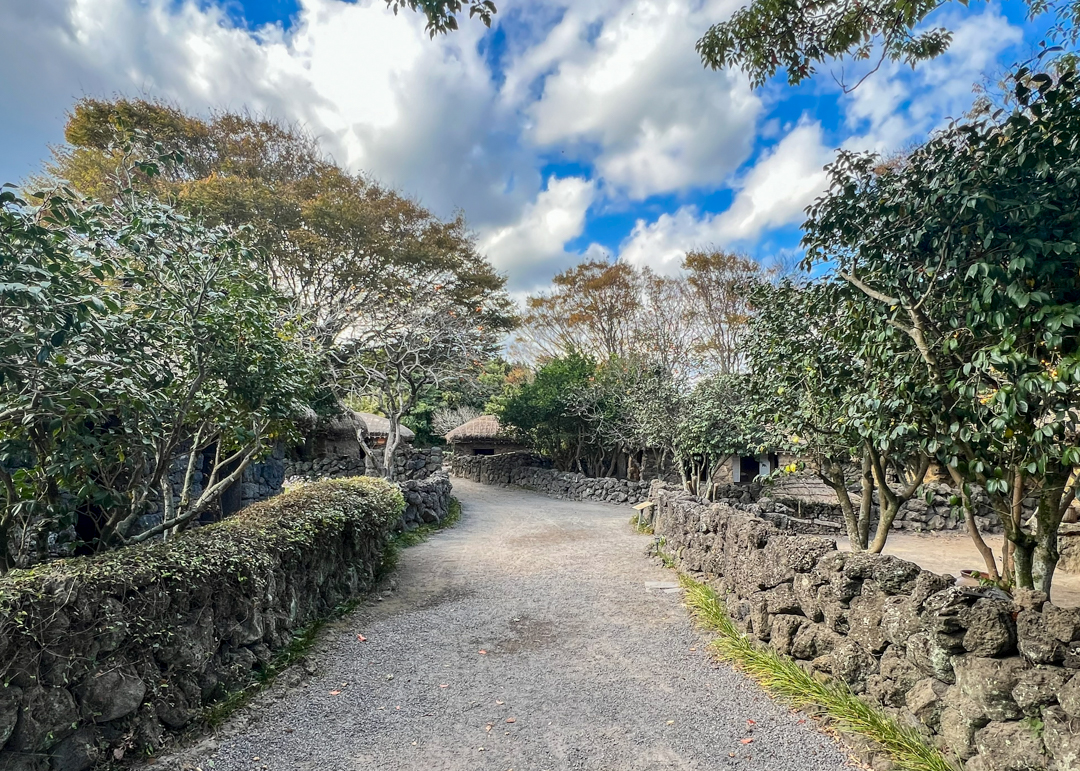
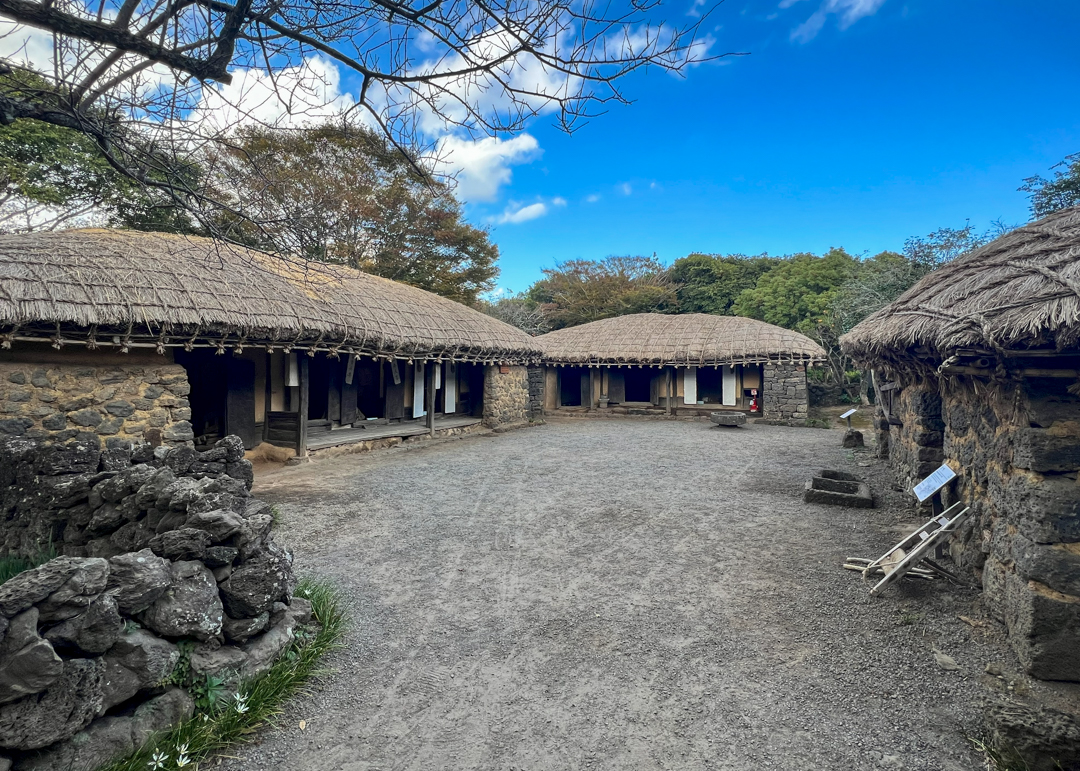
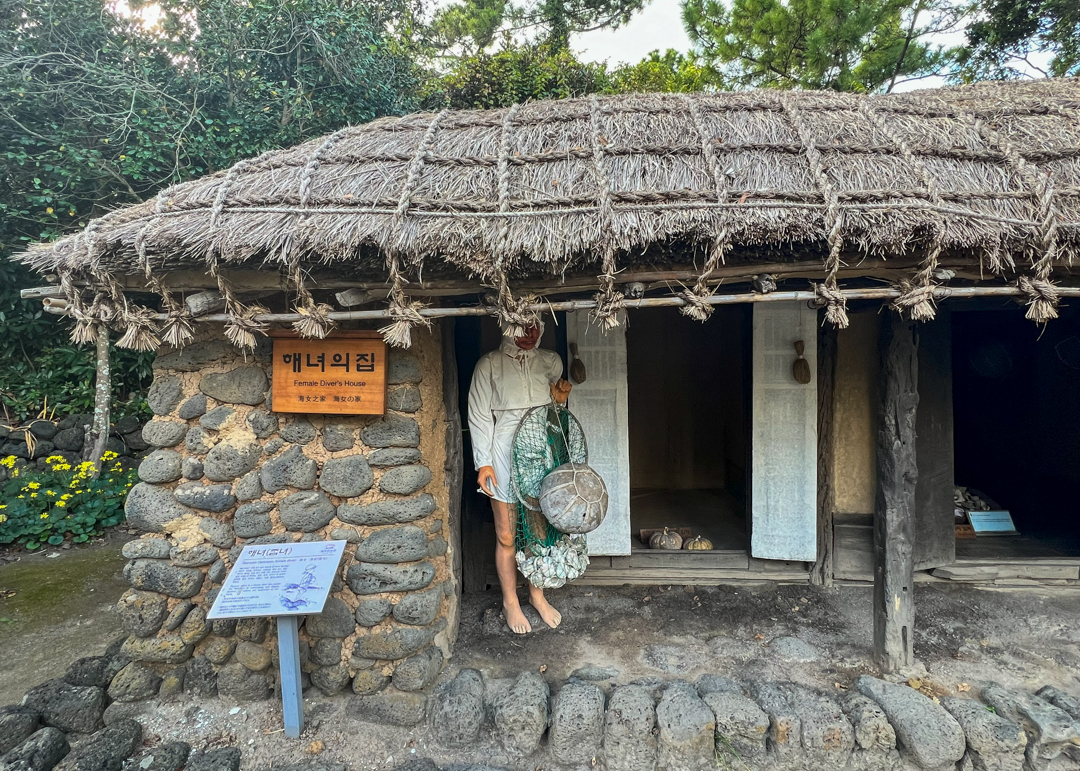
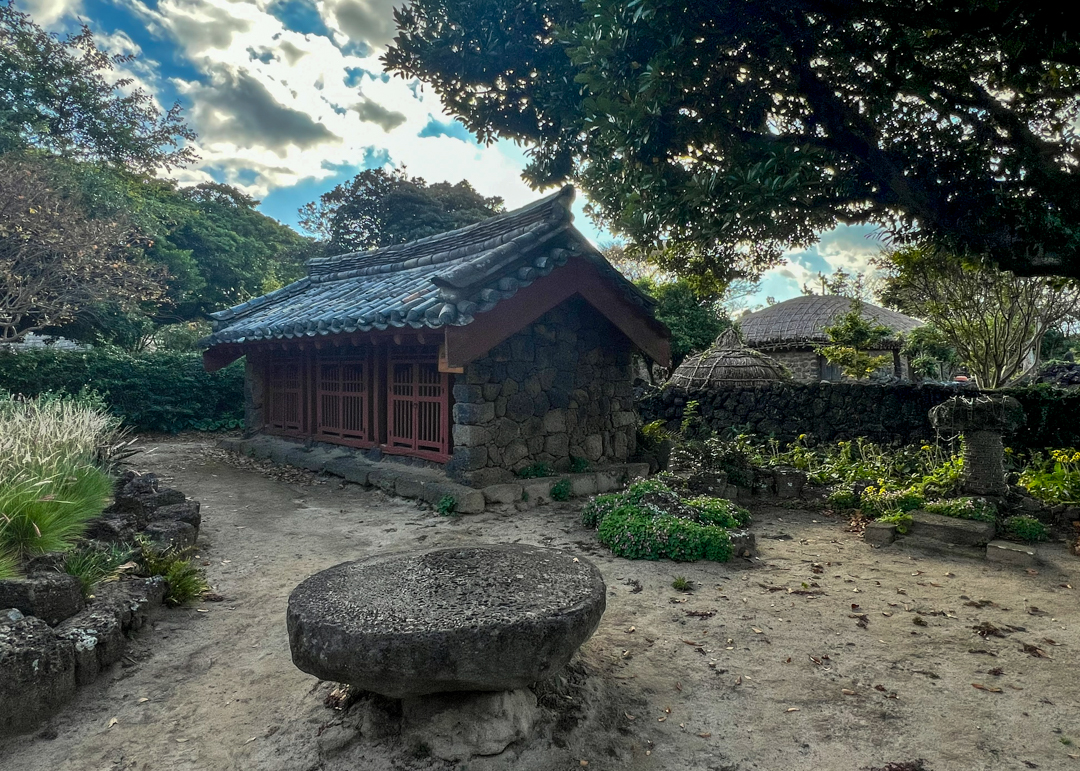
The expansive educational village gathers over 100 meticulously recreated and some original traditional buildings from across the island in an attractively designed park.

Jeju Folk Village

I felt it was easier to step back in time here compared with Seoul’s Namsangol Hanok Village where the city’s skyscrapers were a constant reminder of the modern city all around. Here, nestled quietly in the island’s native flora with very few visitors, the traditional lifestyle of Jeju was truly coming to life.

Jeju Folk Village

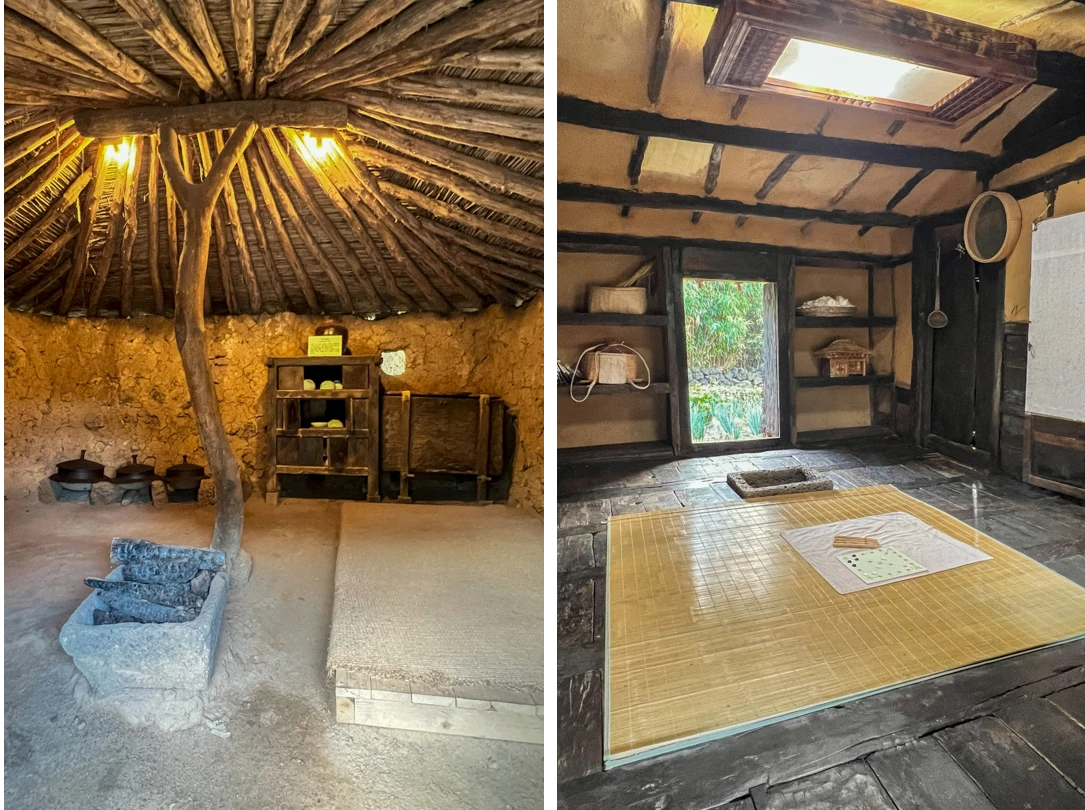
Cultural exhibits and recreated scenes with models shed light on a way of life so foreign to our own.

Jeju Folk Village

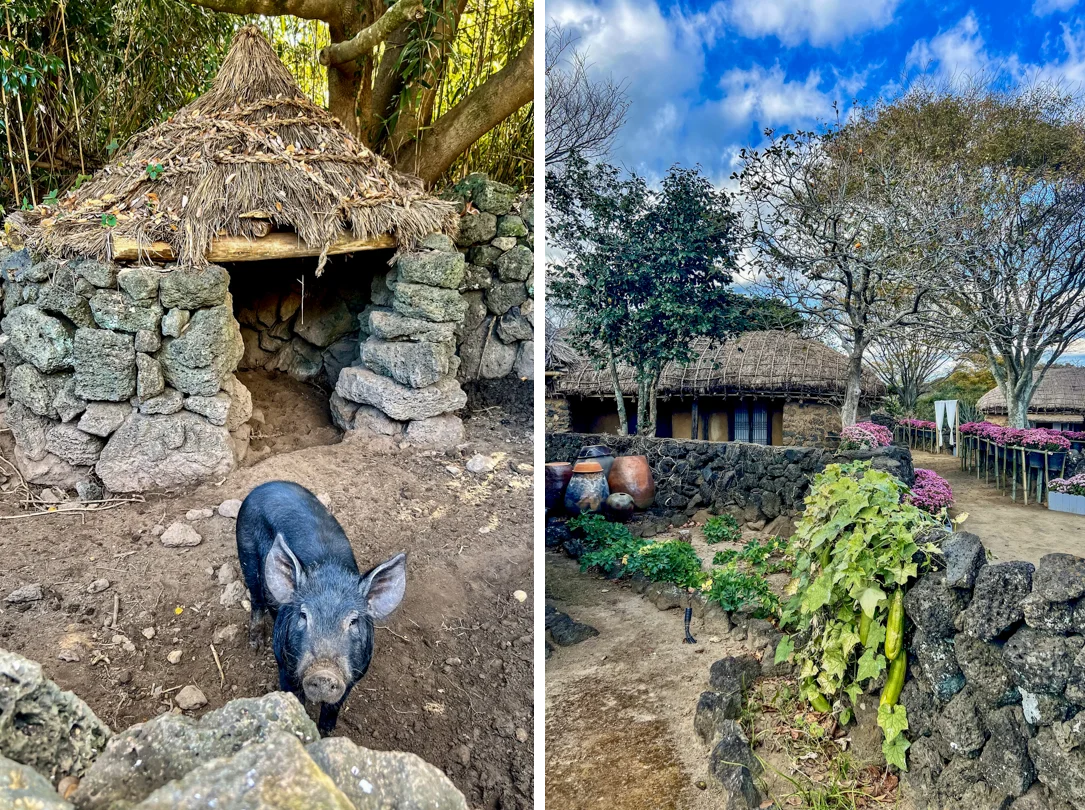
Houses are grouped into various villages to show the differences between mountain, hill-country, and fishing life.

Jeju Folk Village

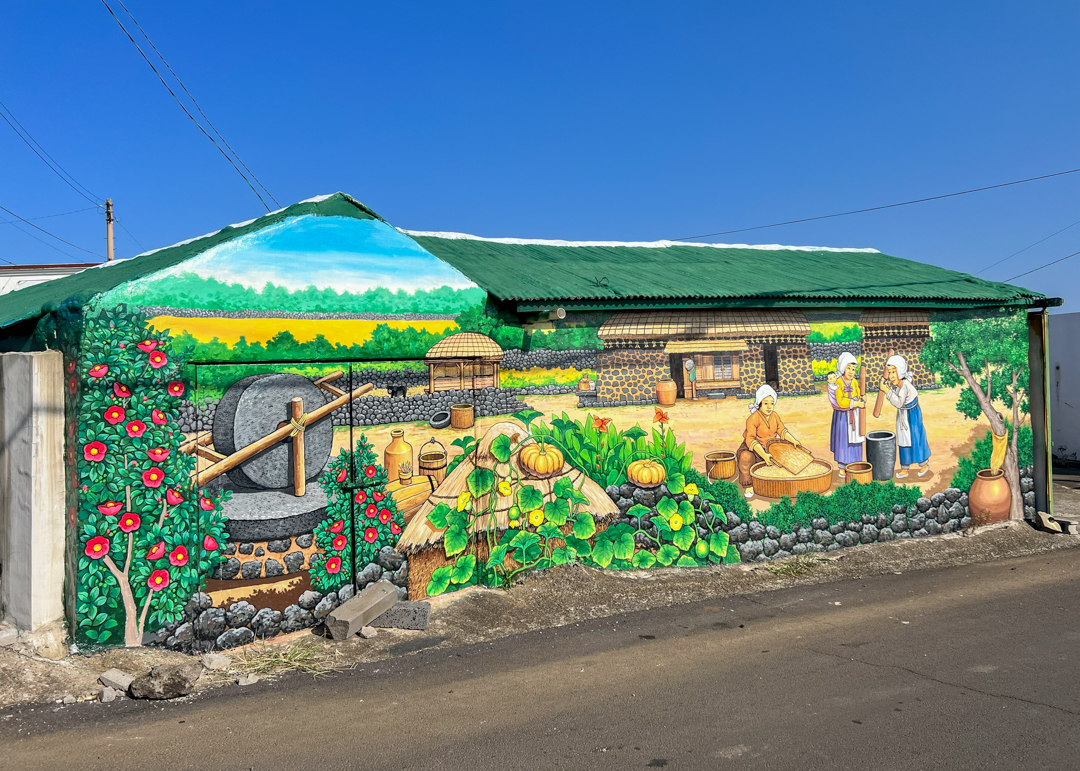
You can even get a glimpse at Jeju’s famous black-skinned pigs who feature on menus all over the island and various local crops in the houses’ backyards and gardens.

Jeju Folk Village

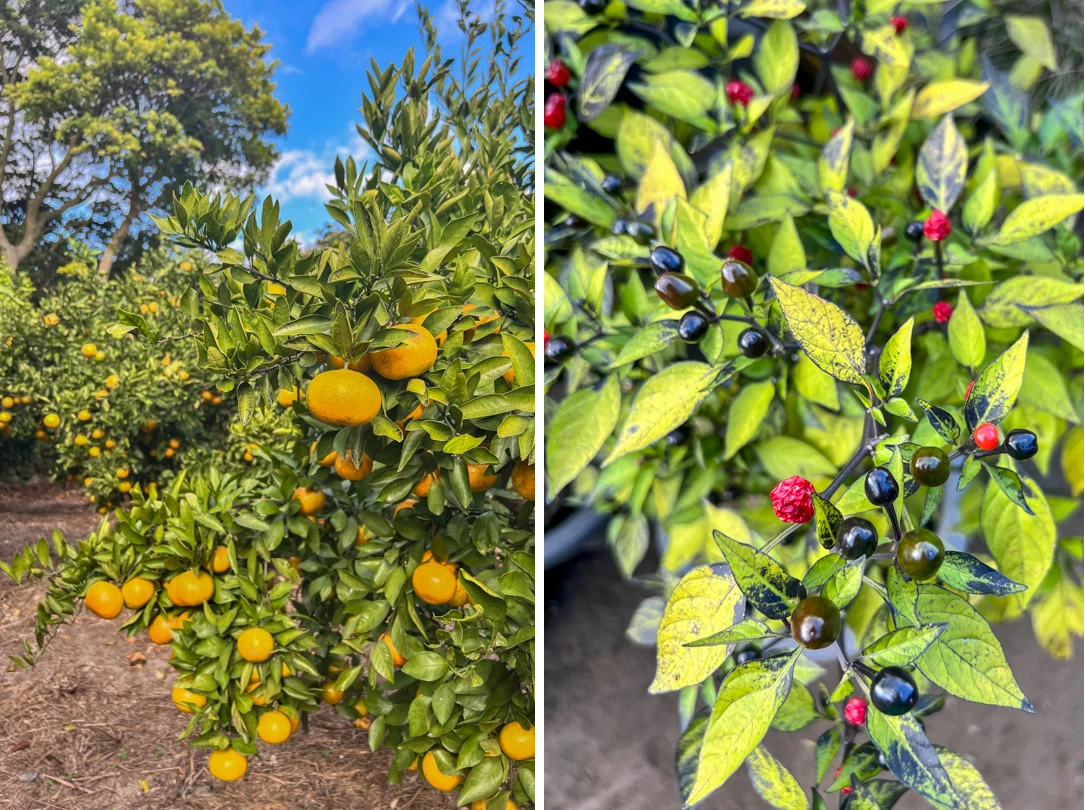
Hallabong tangerines are plentiful as they were also a popular crop to cultivate back then as they are today.

Jeju tangerines

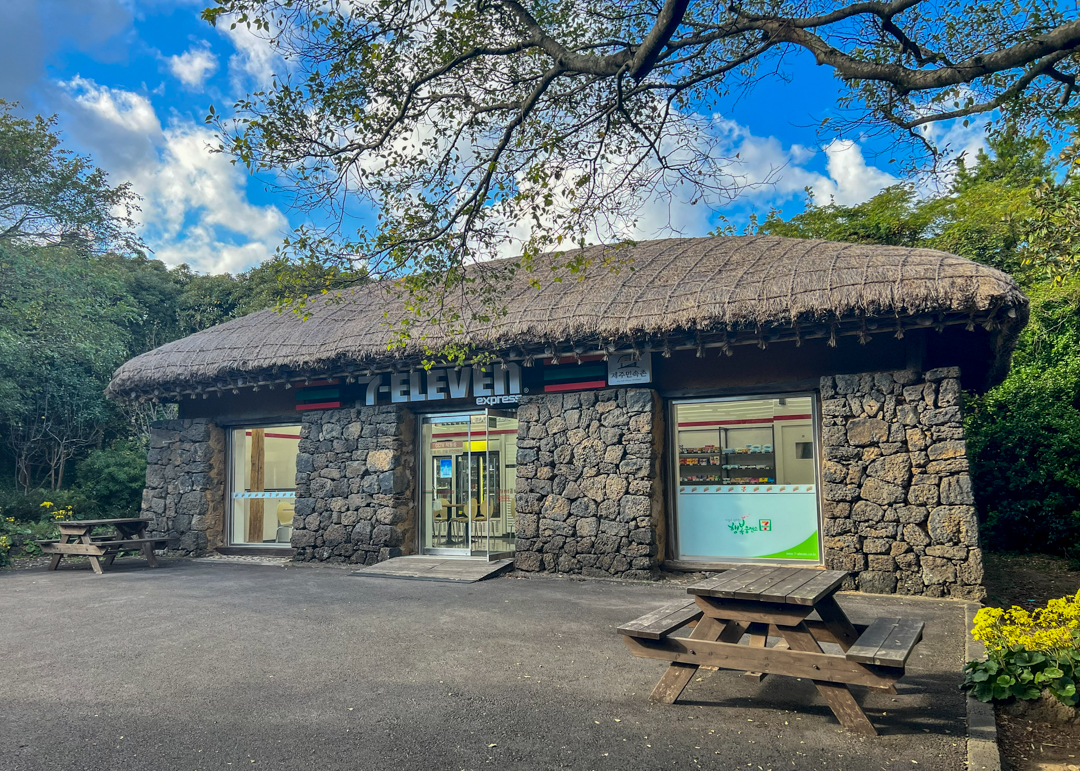
Bridging convenience and authenticity, even the 7-Eleven got remodeled to blend in so you can grab your snack while staying in character…

And of course you’ll find specially designated areas for selfies and group photos – not original to 1890s…

The amazing haenyeo

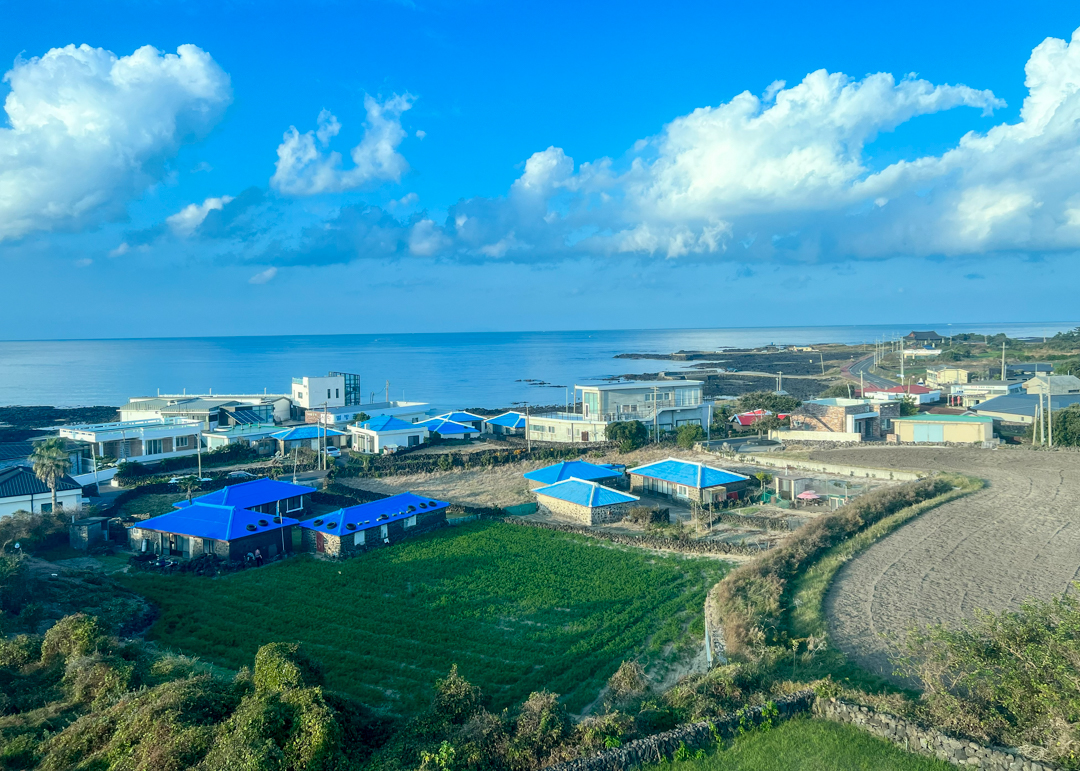
End the day by driving back east and up the coast to experience the real fishing life which most tourists overlook and learn about the island’s most famous women – the haenyeo. Leave the main road to slowly drive along the seashore for splendid ocean views until you reach the Hanenyeo Museum.

Jeju Haenyeo Museum

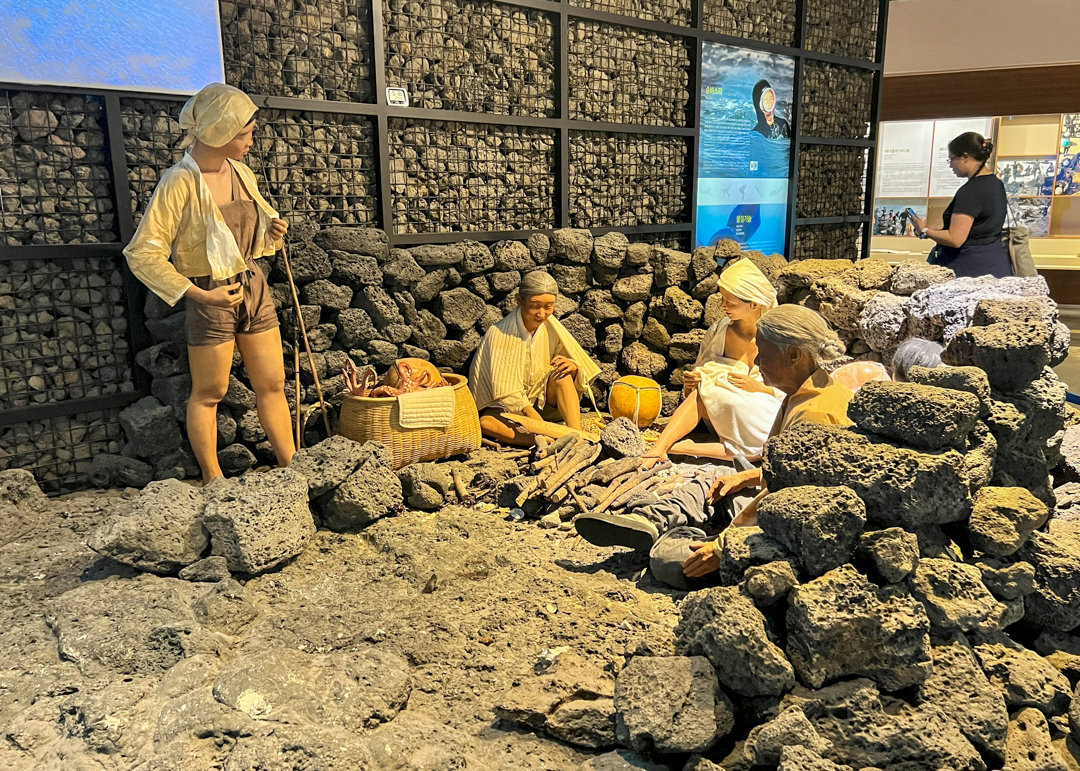
Whether you know nothing about Jeju’s incredible women free divers or have done some research (I read The Island of Sea Women before the trip which I highly recommend!), the museum is a wonderful and quick introduction to their history and culture. For centuries they have been diving under the sea for shellfish, sea cucumbers, sea urchins and anything else edible without the help of oxygen masks. While it’s a dying way of life, many local women are still diving today well into their 80s and if you’re lucky you might be able to watch them on the beach with their gear going in or coming back with their catch.

Jeju Haenyeo Museum

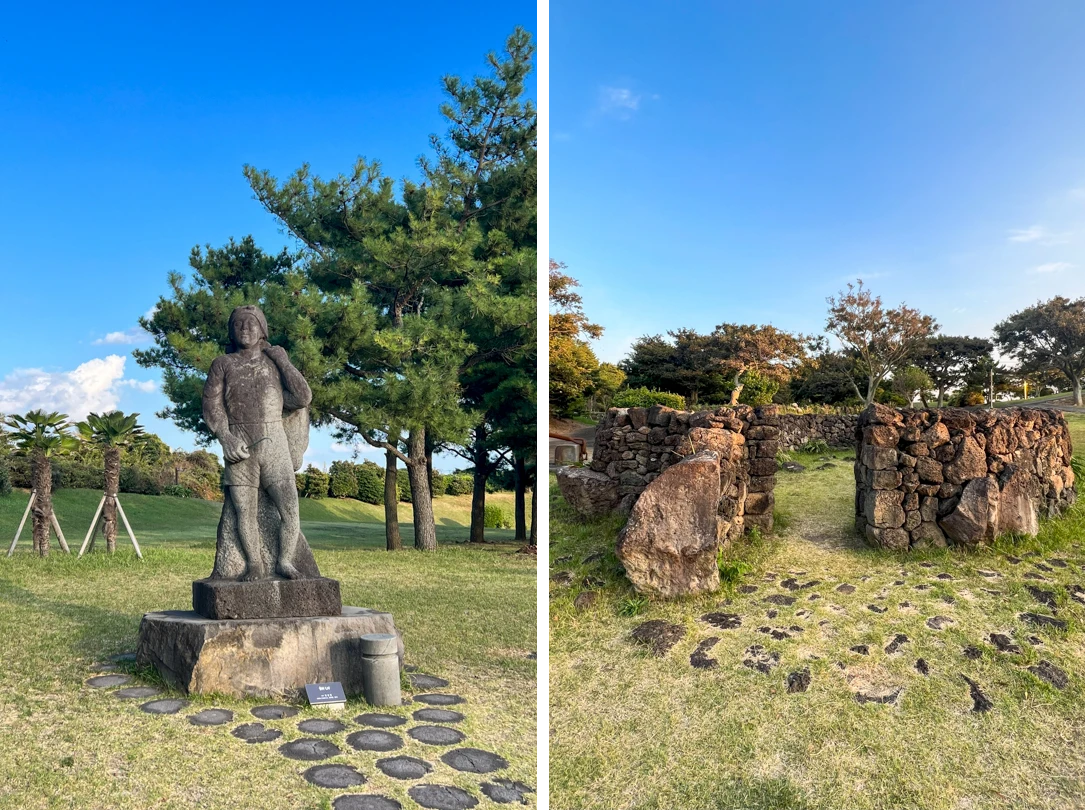
Walk the museum grounds to find related artwork and the foundation of a traditional bulteok where they would warm their bodies between dives and change their clothes.

Jeju Haenyeo Museum

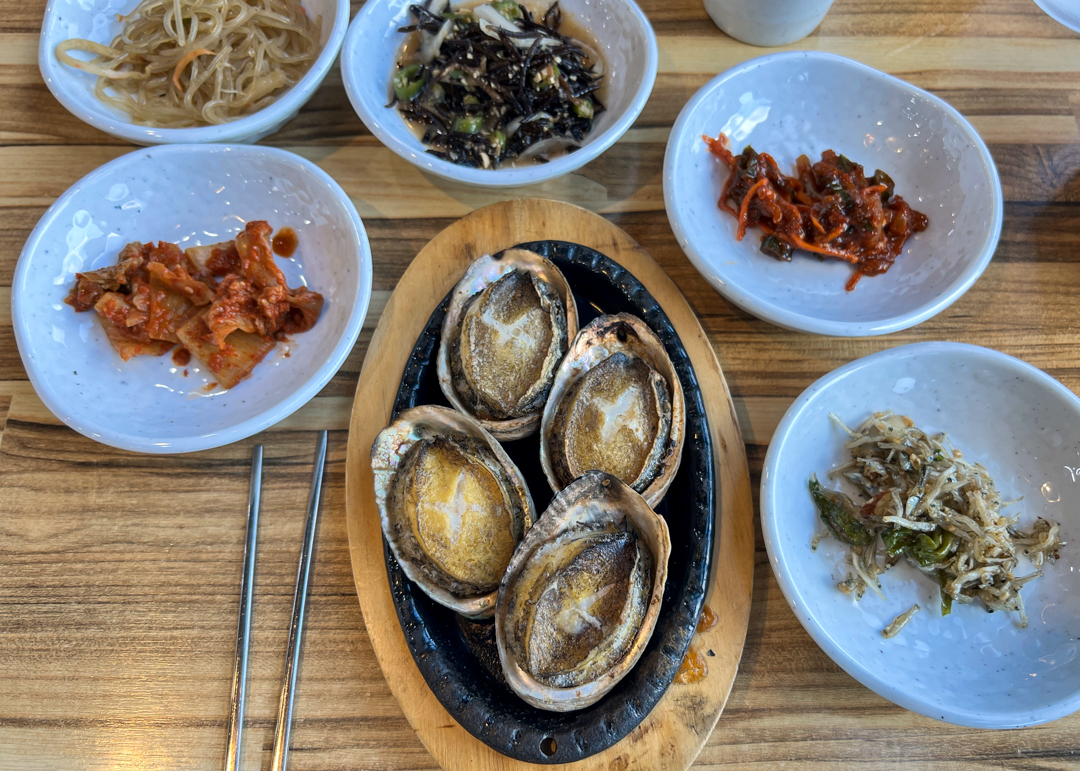
End the day fittingly with a locally caught meal of abalone and porridge from one of the seafront eateries near the museum such as Myeongjin Abalone.

Abalone on Jeju Island